In a world where every high street has at least three coffee shops and every petrol station sells "barista-style" drinks, what actually separates specialty coffee from the rest?
It's not just your fancy espresso machine or your latte art (though those certainly help). It's freshness.
And we're not talking about "fresh" in the vague, marketing-speak sense. We mean genuine, roasted-last-week, you-can-still-smell-the-roast-room freshness. The kind that makes customers lean over their cup and actually inhale before they take that first sip.
If you're not leading with freshness, you're missing your biggest competitive advantage. Let's talk about why , and more importantly, how to protect it.
What Freshness Actually Means in Coffee
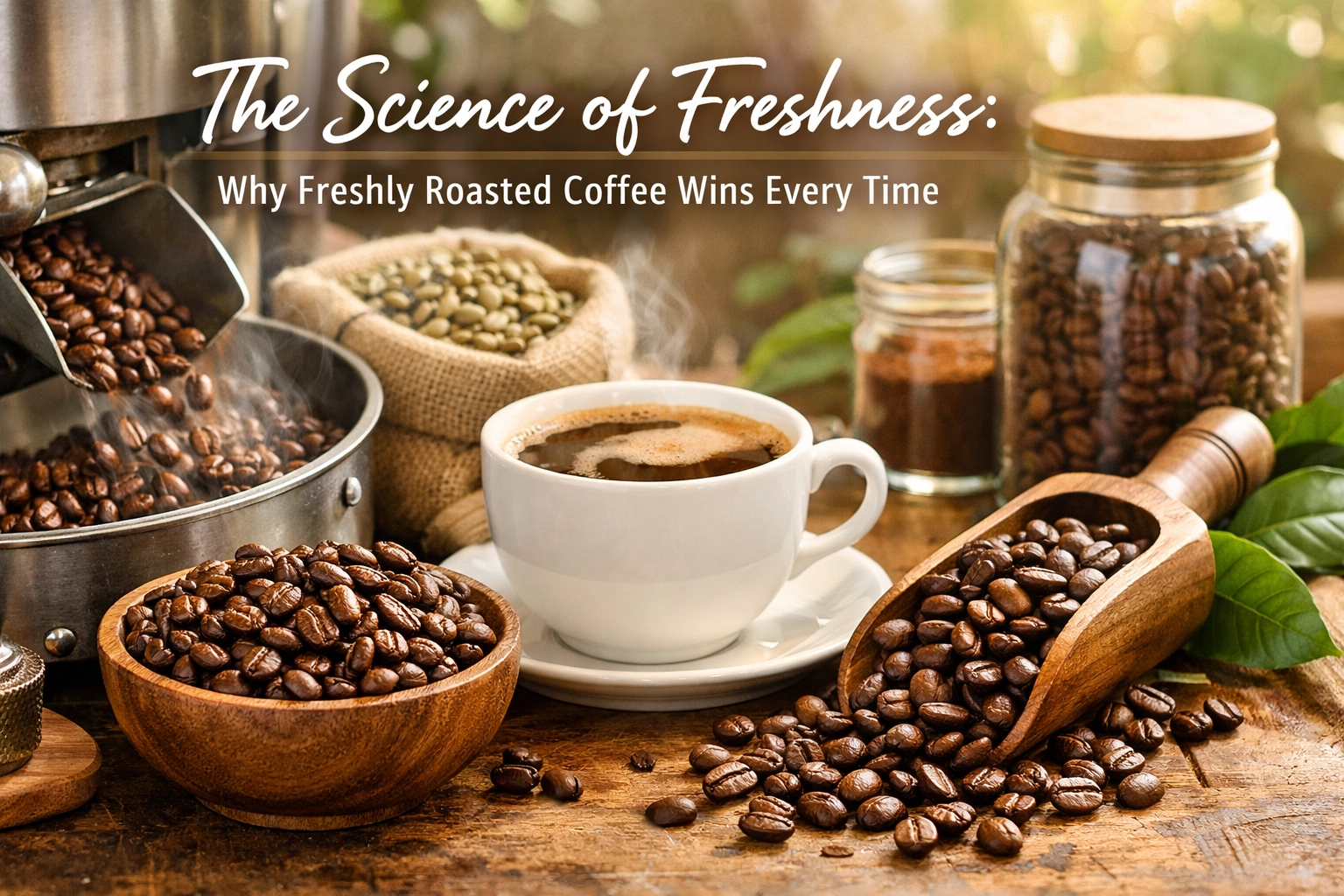
When we talk about fresh coffee, we're talking about time from roast. Specialty coffee is at its absolute peak roughly 7-14 days after roasting, once it's had time to degas but before those beautiful aromatics start fading.
After about 4-6 weeks? You're losing the plot. Those vibrant fruit notes become muted. That sparkling acidity dulls down. The complexity that made you choose that Kenyan AA in the first place starts disappearing into generic "coffee" flavour.
Your customers might not understand the chemistry behind oxidation and CO2 loss, but they absolutely notice the difference in the cup. And once they've tasted genuinely fresh specialty coffee, there's no going back to stale supermarket beans.
Why Freshness is Your Competitive Moat
Here's the thing about the coffee shop down the road using month-old beans from a cash-and-carry: they might have lower costs, but they'll never match your cup quality. They can't. The chemistry simply won't allow it.
Freshness is what transforms a commodity product into an experience worth paying £3.50 for. It's why your regulars keep coming back instead of making instant at home. It's the difference between "a coffee" and "that coffee."
And in 2026, consumers care more about transparency and quality than ever before. They want to know where their coffee comes from, when it was roasted, and what makes it special. This isn't just specialty coffee geekery anymore , it's mainstream expectation.
When you can confidently tell a customer "this was roasted last Tuesday," you're not just sharing information. You're demonstrating that you care about quality more than convenience. That's powerful.
How We Support Your Freshness Commitment
This is where working with the right roasting partner makes all the difference.
At Limini Coffee, we roast to order. Not to stock. Which means when you place your wholesale order on Monday, those beans are being roasted specifically for you on Tuesday or Wednesday, and they're at your shop by the end of the week.
No warehouse. No sitting around. No mystery about when things were actually roasted.
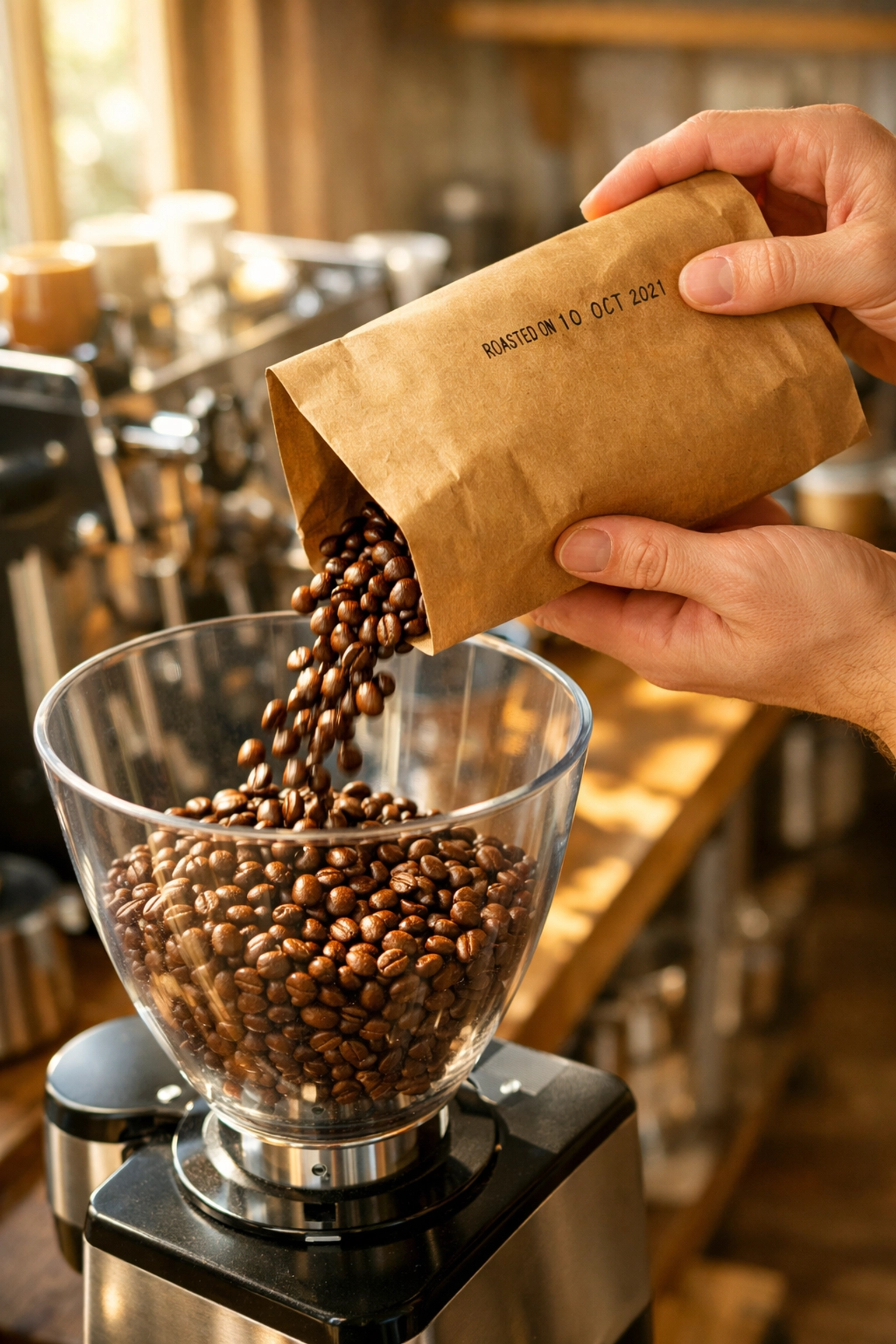
We include clear roast dates on every bag because we believe you and your customers deserve to know. And because we're confident in our turnaround times , we can promise freshness because we've built our entire operation around it.
Fast delivery isn't just convenient; it's essential for maintaining quality. What's the point in roasting the world's best beans if they sit in transit for ten days? We work with reliable courier partners to get your coffee to you while it's still in that perfect window.
Your In-Shop Freshness Playbook
Getting fresh coffee from your roaster is only half the battle. What happens once those bags arrive at your shop matters just as much.
Stock Management
First up: order smarter, not bigger. Yes, bulk ordering saves money, but if those savings mean using two-month-old beans, you're destroying your product quality to save pennies.
Work out your weekly usage and order accordingly. Most shops find ordering every 1-2 weeks hits the sweet spot between freshness and efficiency. It means you're always working with coffee in its prime window.
Use a simple first-in-first-out system. Mark your bags with arrival dates if your roaster doesn't date them clearly (though they should). When you're restocking your grinder hopper, always pull from the oldest stock first.
Storage Matters More Than You Think
Once you've opened a bag, the clock speeds up significantly. Oxygen is coffee's enemy, and every time those beans are exposed to air, they're degrading.
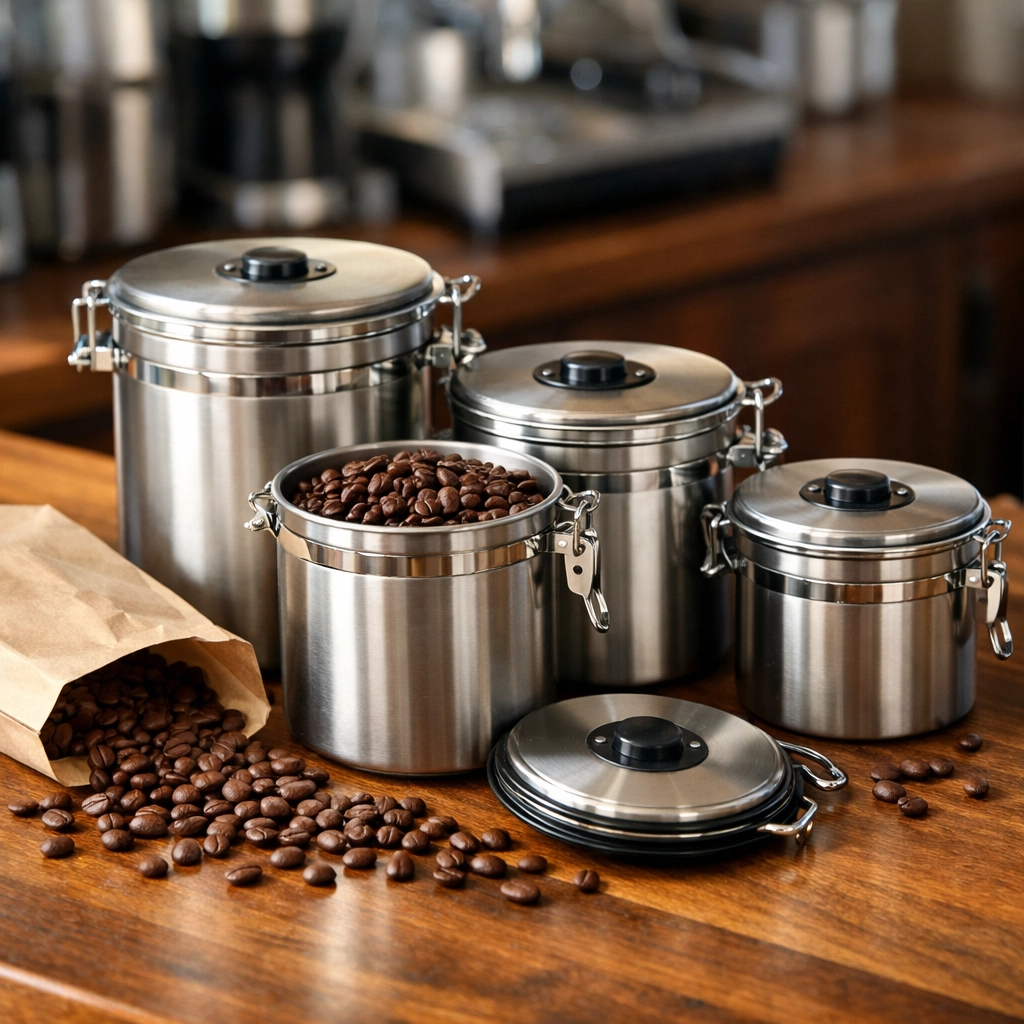
Invest in proper air-tight containers for your grinder hoppers and backup stock. We're talking proper vacuum-sealed or one-way valve containers, not just clip-top tubs from the homeware shop. The difference in how long your coffee stays vibrant is dramatic.
Keep your beans away from heat, light, and moisture. That spot right next to your espresso machine where it's warm and convenient? Terrible idea. Find somewhere cool and dark instead.
Don't pre-grind unless you absolutely have to. Ground coffee goes stale exponentially faster than whole beans , we're talking hours instead of weeks. If you're pre-grinding for filter, grind only what you'll use in the next few hours maximum.
Train Your Team to Tell the Story
Your baristas are your frontline freshness ambassadors, whether they realise it or not. A well-trained team that can confidently talk about roast dates and coffee freshness is worth its weight in… well, fresh coffee.
What Your Staff Should Know
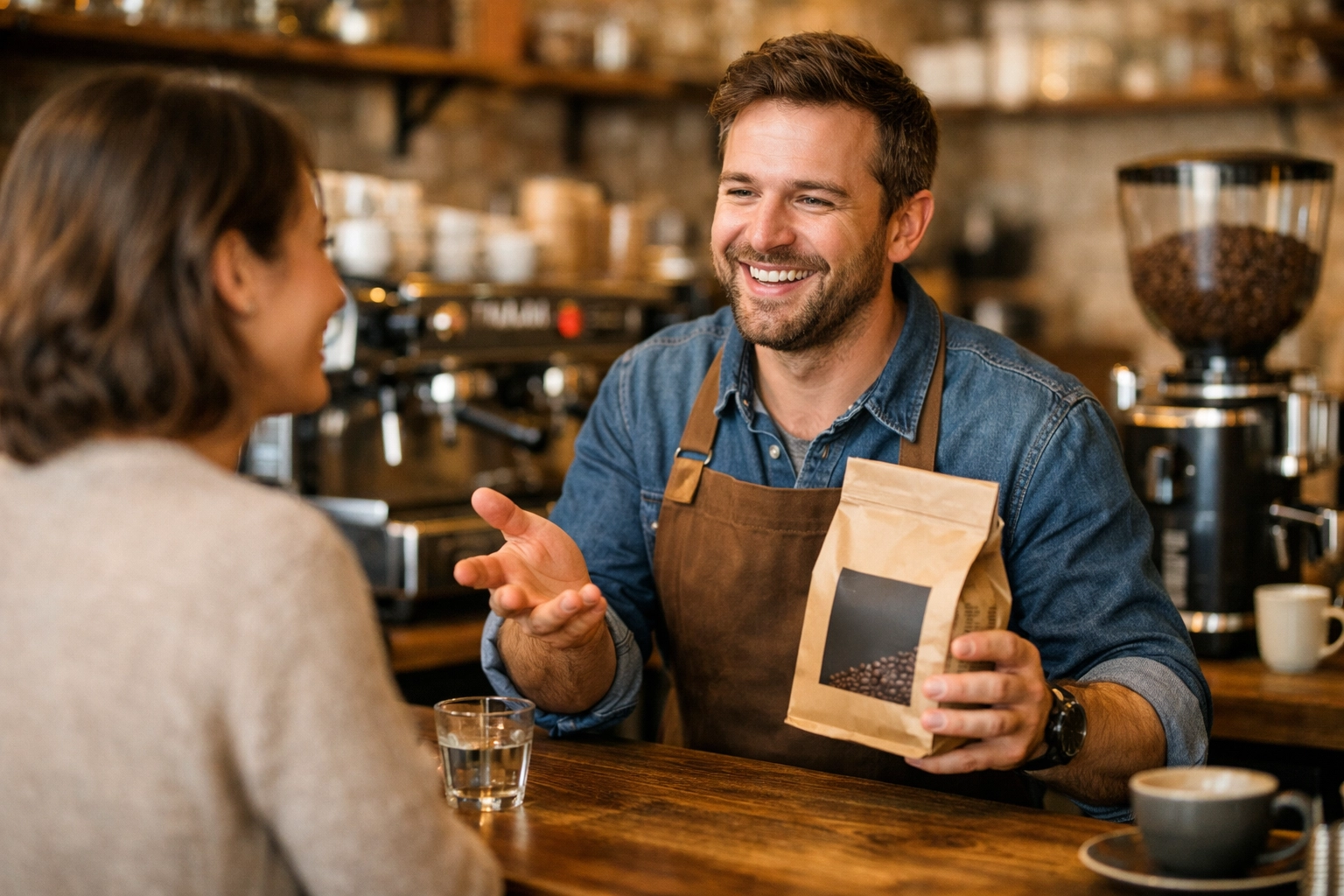
Every team member should be able to explain what the roast date means and why it matters. Not in a pretentious, gatekeeping way , just clearly and enthusiastically.
Something like: "This was roasted just eight days ago, so you're getting it right in that sweet spot where all the flavours are really popping. That's why the aroma is so incredible."
They should know your current coffee's roast date without having to check. When someone asks what's special about your coffee (and they will), "it's really fresh , roasted less than two weeks ago by our roaster Limini Coffee" is a powerful answer.
Make Roast Dates Visible
Consider adding roast dates to your menu boards or table talkers. Some shops even chalk the roast date on their grinder or group head , a subtle signal to knowledgeable customers that you're serious about freshness.
When customers see other shops starting to do this, it creates positive peer pressure across the industry. Suddenly the places not displaying roast dates start looking suspicious.
The Comparison Conversation
Train your team to gently educate customers about the difference. When someone mentions they "usually buy from the supermarket," that's a perfect opportunity (not to be snobby, but) to explain: "The difference you're tasting is freshness. Supermarket coffee is often months old by the time it reaches the shelf. What you're drinking now was roasted last week."
You're not attacking the competition , you're just stating facts. And those facts happen to make your product look exceptional.
Partner With a Roaster Who Gets It
Here's the bottom line: you can't deliver freshness alone. You need a roasting partner who's as committed to it as you are.
That means working with a roaster who:
- Roasts to order, not to warehouse stock
- Provides clear roast dates on every bag
- Has reliable, fast delivery
- Understands that your reputation depends on their turnaround times
- Sources quality beans worth keeping fresh in the first place
At Limini Coffee, freshness isn't just something we mention in our marketing , it's literally how we've built our business model. We know that when you serve our coffee at its peak, you're more successful. And when you're more successful, we're more successful. Everyone wins. Especially your customers.
If you're currently working with a roaster who can't tell you when your coffee was roasted, or whose "fresh" coffee arrives with roast dates from three weeks ago, it might be time for a conversation.
The Freshness Advantage
In a crowded market, freshness is your clearest differentiator. It's not subjective like "better service" or "nicer atmosphere." It's measurable, demonstrable, and tasteable.
Every cup you serve from genuinely fresh beans is an advertisement for your business. Every customer who experiences that difference becomes an advocate. And every conversation your team has about roast dates educates the market and raises standards across the board.
So yes, obsessing over freshness means more frequent ordering, more careful stock management, and more staff training. It's more work than just ordering in bulk and hoping for the best.
But it's also your competitive advantage, your quality guarantee, and quite possibly the thing that turns a one-time visitor into a regular who can't imagine starting their morning anywhere else.
Want to work with a roaster who's as obsessive about freshness as you are? Visit Limini Coffee to discover our roast-to-order approach and see why coffee shops across the UK trust us to keep their offerings at peak freshness.
Because fresh isn't just better. Fresh is everything.