

So, you’ve taken the plunge. You’ve got the machine sitting on your counter, the steam wand is looking shiny, and you’re ready to channel your inner world-class barista. But then it happens. You pull a shot, take a sip, and… it’s thin. Or it’s sour. Or it’s so bitter it feels like your tongue is trying to hide in the back of your throat.
Trust us, we’ve been there. Making espresso at home is one of the most rewarding hobbies you can pick up, but it’s also one of the most frustrating. It’s a game of variables, physics, and sometimes, a little bit of luck. But mostly, it’s about avoiding the common pitfalls that trip up almost every home brewer when they start out.
At Limini Coffee, we spend our days obsessing over the perfect extraction, and we want your home coffee to taste just as good as what we’re roasting in the warehouse. So, let’s look at the seven most common mistakes you’re probably making with your home espresso and, more importantly, how you can fix them today.
1. You’re Not Using a Scale (The "Eyeballing" Trap)
This is the number one mistake we see. You might think you can tell how much coffee is in your portafilter just by looking at it, but coffee is deceptive. Different beans have different densities. A dark roast is puffier and takes up more space than a dense, light-roasted single origin.
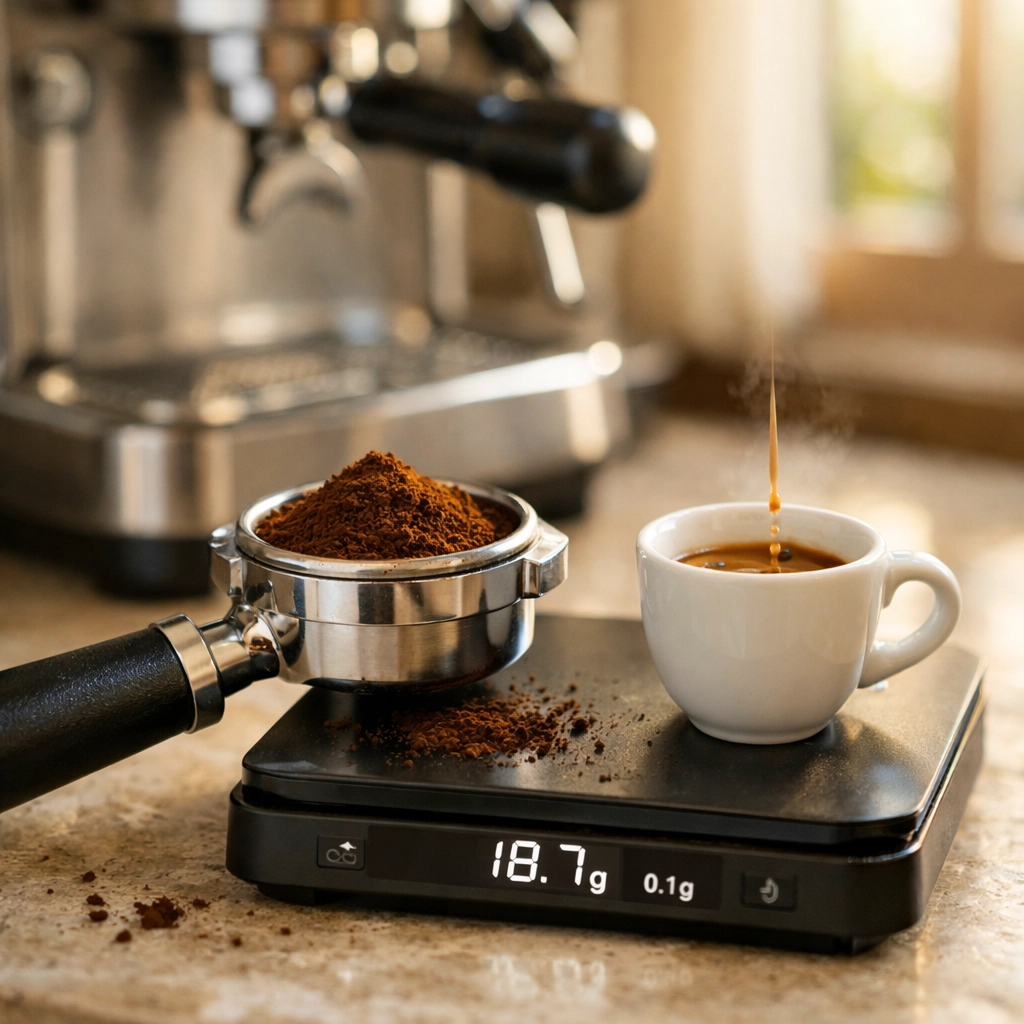
The Problem: If you aren’t weighing your dose (the dry coffee going in) and your yield (the liquid espresso coming out), you are essentially guessing. If you use 18 grams one day and 20 grams the next, your shot will taste completely different, and you won’t know why. Consistency is the name of the game.
The Fix: Buy a digital scale that measures to 0.1g. Weigh your coffee every single time. We usually recommend a 1:2 ratio as a starting point. For example, if you put 18g of coffee in, aim for 36g of liquid espresso out. If you want to get really nerdy with the math, check out our coffee brewing calculator to help you dial things in.
2. Your Beans Aren't Fresh (Or They're "Supermarket Fresh")
We hate to be the bearers of bad news, but that bag of beans you bought from the supermarket that says "Best Before 2027" is already stale. Espresso relies on the CO2 trapped inside the coffee beans to create pressure and that beautiful, thick crema. Once that gas is gone, your coffee will taste flat, woody, and dull.
The Problem: Stale coffee doesn't offer enough resistance to the water. This leads to "fast" shots that look like tea and taste like disappointment. No matter how expensive your machine is, it cannot make old coffee taste good.
The Fix: Buy fresh. Look for a "Roasted On" date, not a "Best Before" date. Ideally, you want to use beans that are between 7 and 30 days post-roast. We roast our beans right here at Limini Coffee and ship them straight to your door so they arrive at peak deliciousness. Fresh is always best.
3. Inconsistent Tamping Technique
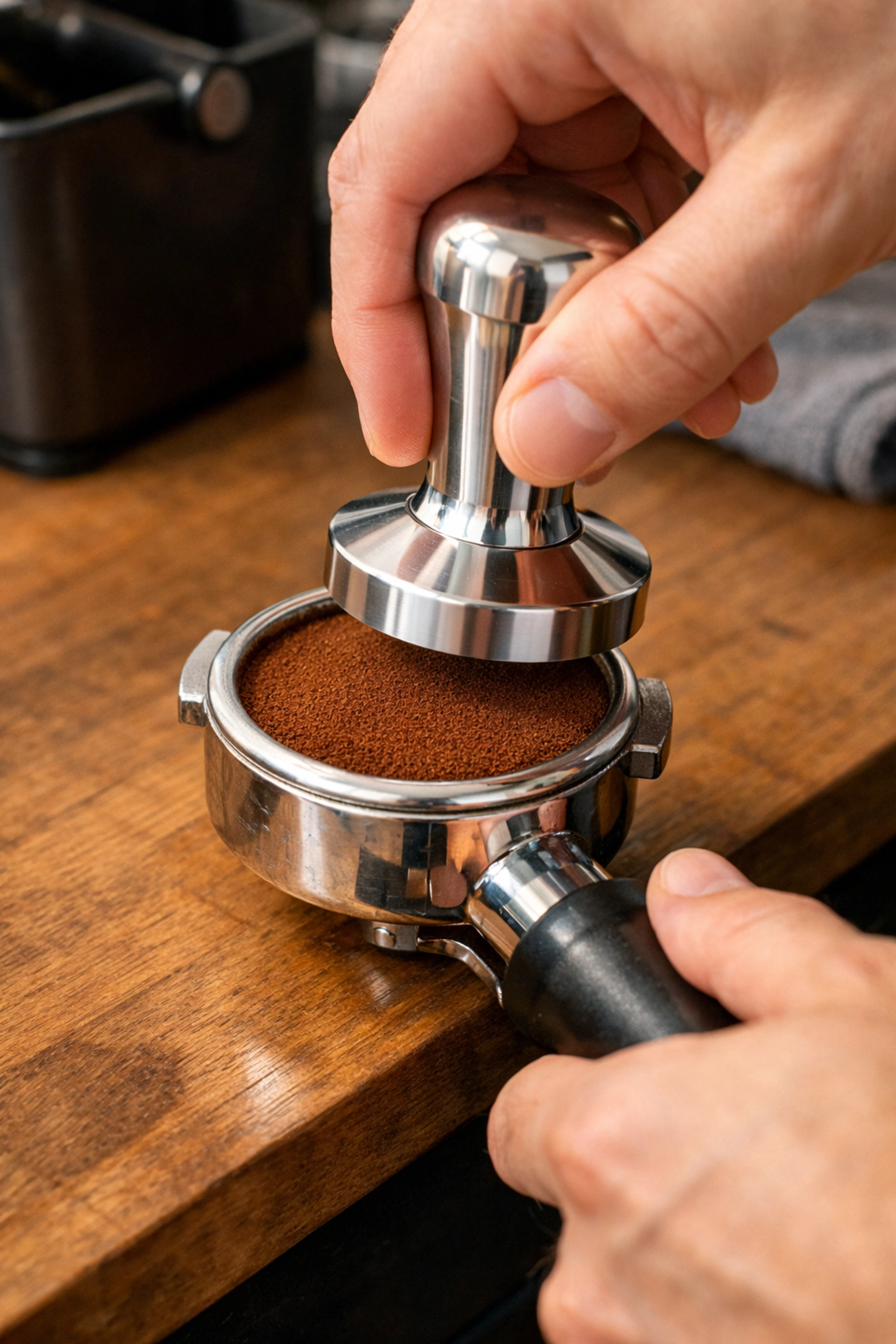
We see a lot of home baristas treating tamping like a strength competition. You don't need to put your entire body weight into it. What you actually need is levelness and consistency.
The Problem: If your tamp is crooked, the water will find the path of least resistance. It will rush through the thinner side of the puck, leaving the thicker side underextracted. This is called "channeling," and it results in a shot that is simultaneously sour and bitter, the worst of both worlds.
The Fix: Focus on keeping the tamper level with the basket. Apply firm pressure until you feel the coffee resist back. Once the air is squeezed out, you can’t really "over-compress" it, so don't stress about hitting exactly 30lbs of pressure. For a deeper dive into the art of the squish, read our guide on tamping.
4. The "One-Size-Fits-All" Grind Setting
Your grinder is actually more important than your espresso machine. Let that sink in for a second. If you’re using pre-ground coffee, or a grinder that isn't capable of "stepless" fine adjustments, you’re going to struggle.
The Problem: Every coffee bean is different. As beans age, they lose moisture and require a finer grind to maintain the same extraction time. If your shot is gushing out in 15 seconds, your grind is too coarse. If it’s dripping slowly like a leaky tap, it’s too fine.
The Fix: Be prepared to "dial in" your grinder every morning. Small changes make a big difference. Also, remember to "purge" your grinder. If you change the setting, there are still old grounds inside the chute. Run the grinder for a second or two to get rid of the old stuff before you weigh your next dose. If you're looking to upgrade your setup, we have some great advice on choosing espresso equipment.
5. Ignoring Your Distribution
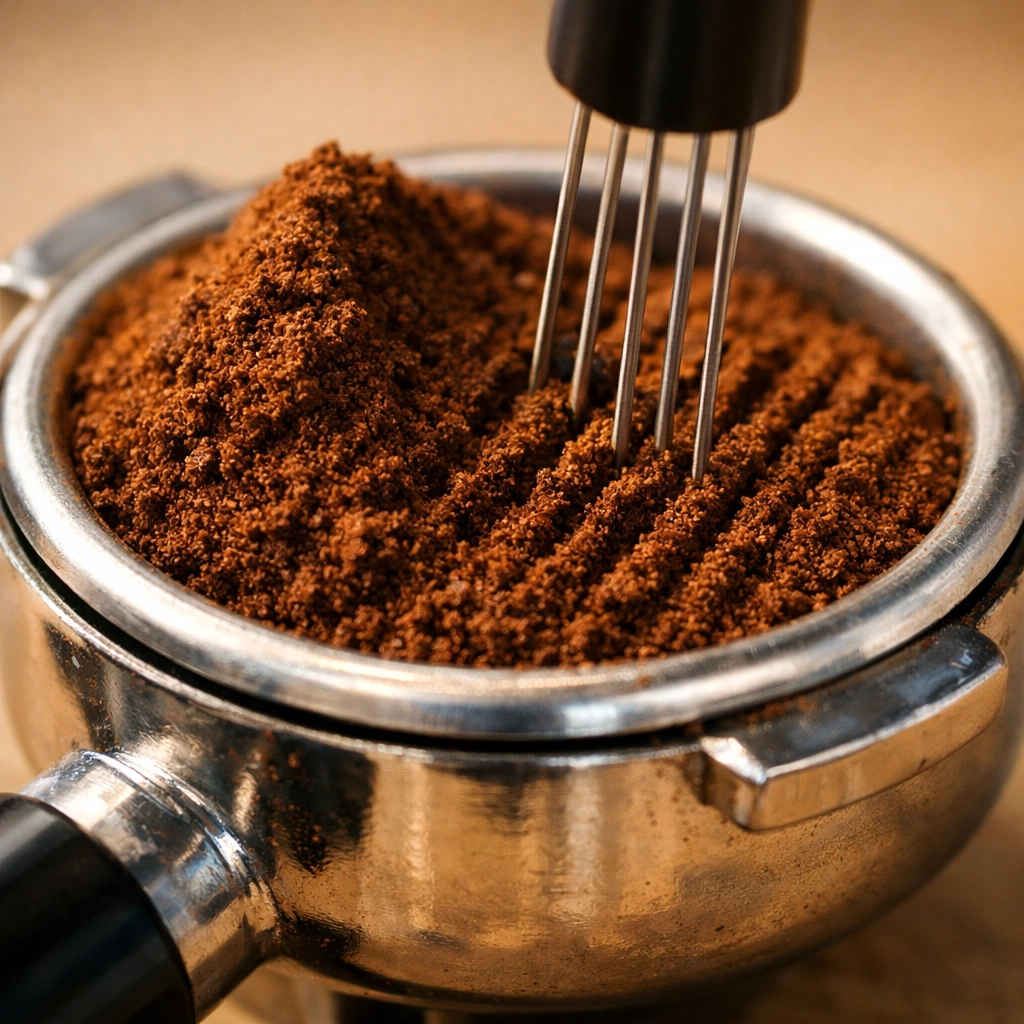
So you’ve weighed your coffee and you’ve got your tamper ready. But wait! How does the coffee look inside the basket before you tamp? If it’s a big mountain in the middle with empty space at the edges, you’re headed for Channeling City.
The Problem: Tamping doesn't magically move coffee sideways. It only pushes it down. If the grounds aren't evenly spread out before you tamp, you’ll have high-density and low-density spots in your puck.
The Fix: Use your finger or a distribution tool to level the grounds across the basket. Give the side of the portafilter a gentle tap with your palm to settle the grounds. You want a perfectly flat, even surface before the tamper even touches the coffee. This ensures the water flows through the entire puck evenly.
6. Using "Hard" Tap Water
Espresso is about 98% water. If your water tastes like a swimming pool or is full of heavy minerals (limescale), your coffee will suffer.
The Problem: Hard water doesn't just make your coffee taste "chalky" or muted; it’s also the silent killer of espresso machines. Scale buildup inside the boiler and group head will eventually lead to expensive repairs. We’ve seen many a beautiful La Spaziale machine brought to its knees by simple tap water.
The Fix: Use a water filter. A simple Brita pitcher is better than nothing, but if you’re serious, look into specialized espresso water filters or bottled water with low mineral content. Not only will your coffee taste brighter and cleaner, but you’ll also be looking after your machine for the long haul.
7. Not Warming Up (The Cold Group Head)
You wouldn't put a steak into a cold pan, so why are you putting coffee into a cold machine? Temperature stability is vital for a good extraction.
The Problem: If your portafilter and group head are cold, they will suck the heat right out of the brewing water as it passes through. This leads to underextraction, which manifests as a sharp, sour, vinegary taste.
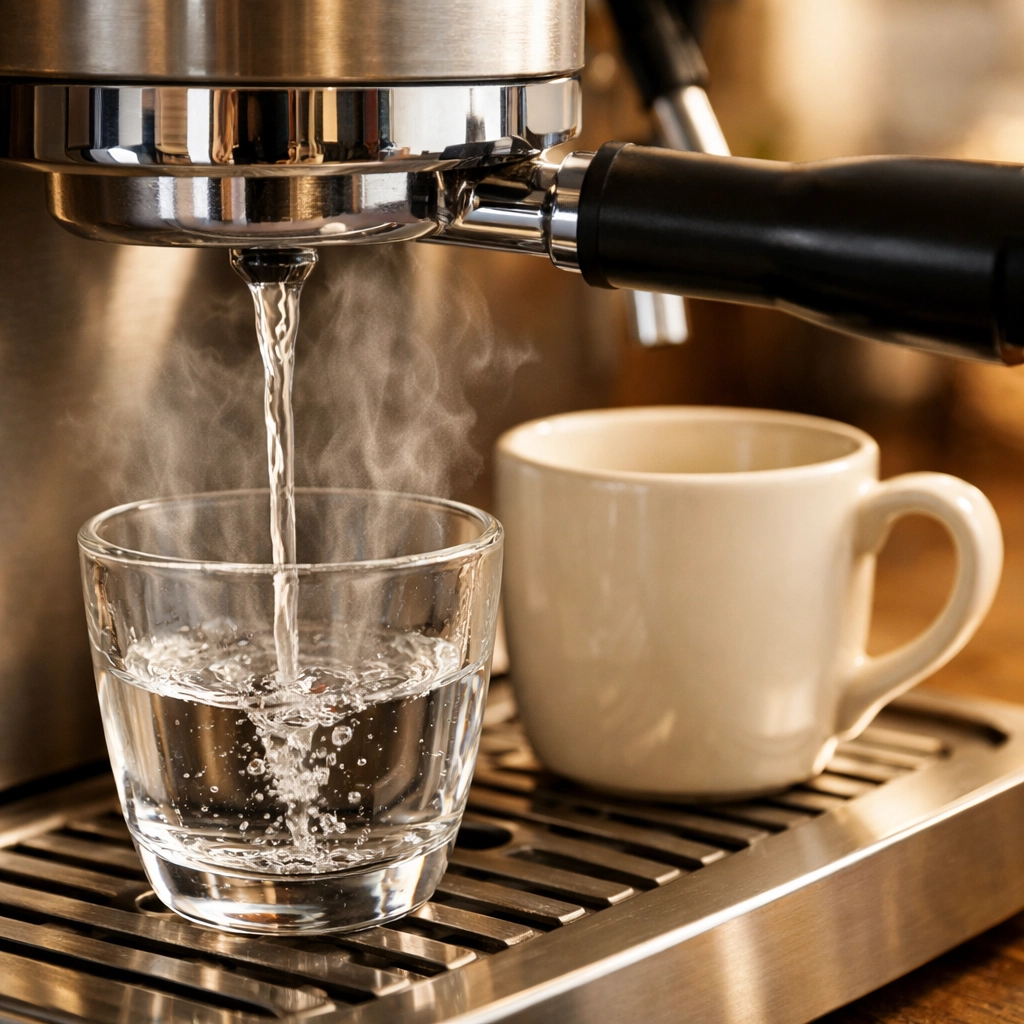
The Fix: Turn your machine on at least 15-20 minutes before you want to use it. Lock the portafilter into the machine so it gets hot too. Right before you dose your coffee, run a "blank shot" (just water) through the group head. This flushes out any old grounds and ensures everything is up to temperature. While you're at it, use that hot water to warm up your coffee cups too!
Bonus: Don't Forget to Clean!
We know, cleaning isn't the fun part. But old coffee oils turn rancid very quickly. If you don't backflush your machine and clean your portafilter regularly, that "funky" taste will end up in every cup you make.
Think of it like this: you wouldn't cook dinner on a dirty frying pan from three days ago, right? Treat your espresso machine with the same respect. A quick scrub of the shower screen and a backflush with water after every session goes a long way.
Practice Makes… Well, Better Coffee
Mastering home espresso isn't something that happens overnight. It’s a series of small adjustments. One day the grind is off, the next day your tamping is a bit wonky. But that’s the beauty of it! Every "bad" shot is just data telling you how to make the next one better.
If you’re feeling overwhelmed, don't worry. Even the pros had to start somewhere. If you really want to fast-track your skills, we offer barista training that covers everything from espresso theory to latte art. It's a great way to get hands-on experience with professional kit.
And remember, the most important ingredient is the bean itself. You can have the best technique in the world, but if the coffee isn't high-quality, you're fighting a losing battle. Grab yourself a bag of our latest single origin roasts and start practicing. We promise your taste buds will thank you.
Happy brewing! If you have any questions or get stuck on a specific issue, feel free to reach out to us. We’re always happy to chat about all things caffeinated.
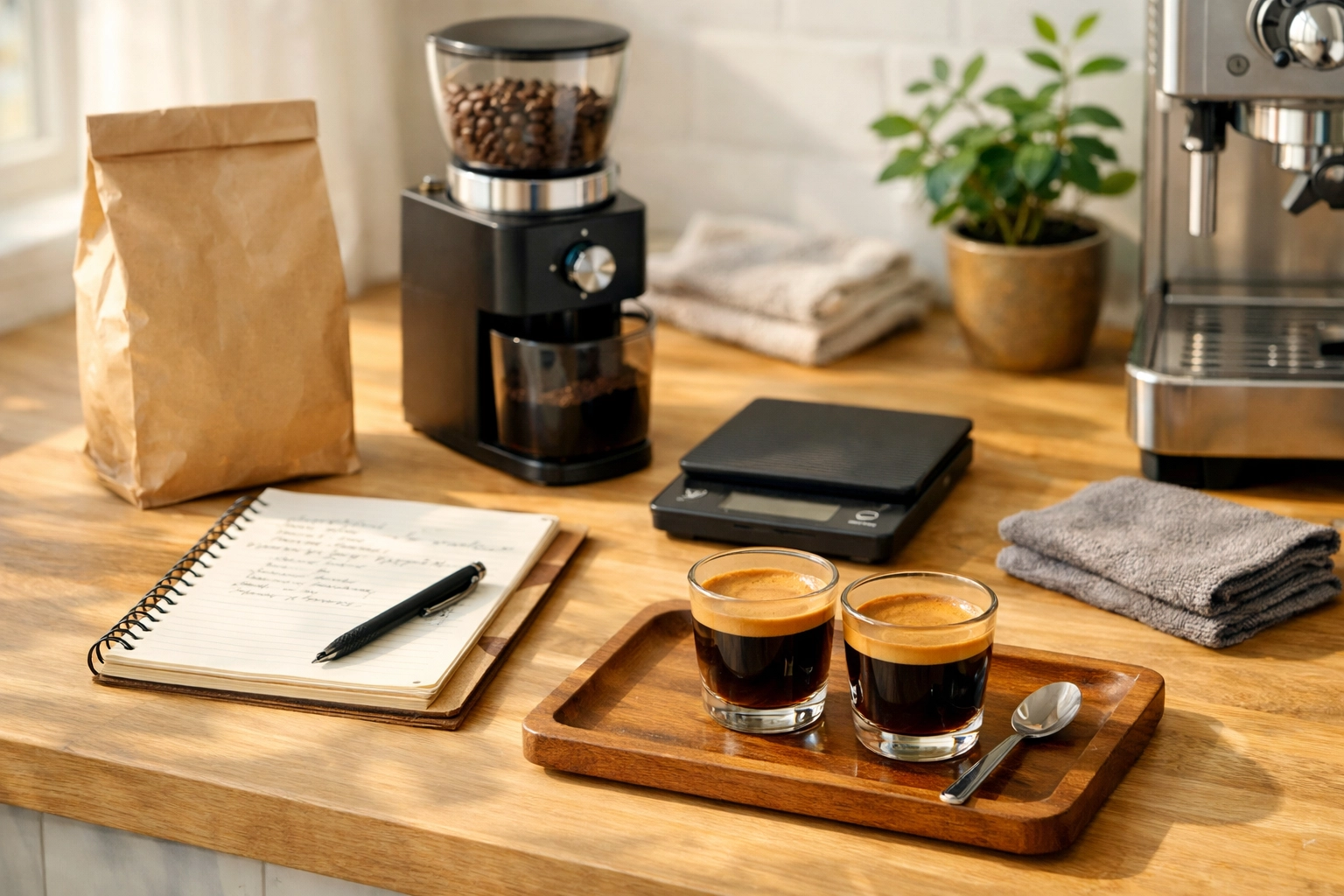
Quick Checklist for your next shot:
- Is the machine hot? (Warmed for 20 mins)
- Is the coffee fresh? (Check that roast date!)
- Did you weigh the dose? (Use that scale!)
- Is the bed of coffee level? (Distribute before tamping)
- Did you time the shot? (Aim for 25-30 seconds)
Get these right, and you're already ahead of 90% of home brewers. Now, go make some magic.