

We’ve all been there. It’s 7:00 AM, the kitchen is quiet, and you’re craving that perfect, syrupy, soul-warming cup of coffee you had at your favorite cafe last weekend. You go through the motions, kettle on, beans in, water poured, and then… sip. It’s okay. But it’s not that cup. It’s a bit thin, maybe a little bitter, or perhaps it just tastes a bit flat.
Why does coffee at home often feel like a pale imitation of what professional baristas serve? To be honest, it’s rarely because they have "magic" machines (though a nice espresso machine certainly helps). More often than not, it’s because of a few tiny, easily fixable mistakes that creep into our home brewing routines.
At Limini Coffee, we believe that everyone deserves exceptional coffee in their own kitchen. Whether you’re using a V60, a French Press, or a high-end espresso machine, small adjustments can lead to massive improvements. So, let’s look at the seven most common mistakes we see home brewers making and, more importantly, how you can fix them today.
1. Using Coffee That is "Past Its Prime"
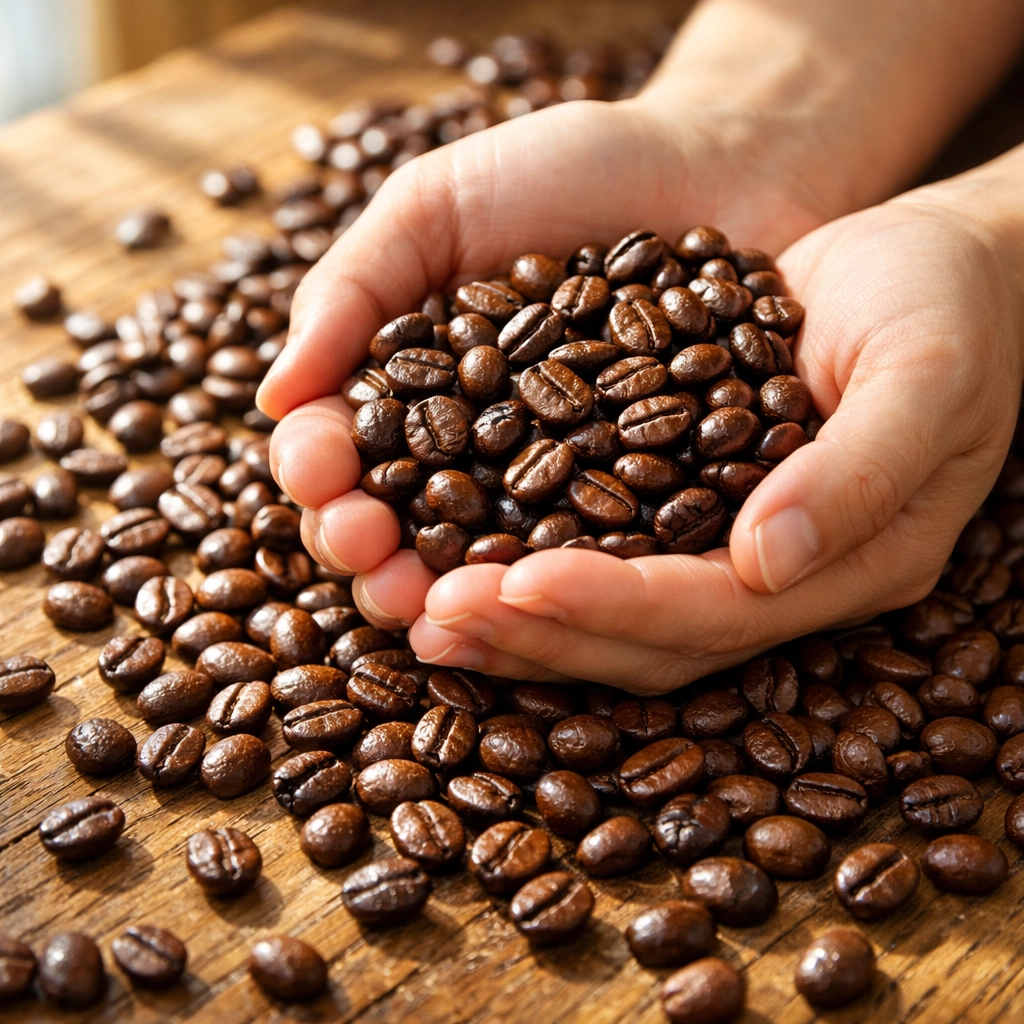
The biggest mistake happens before you even turn on the kettle. If you are buying coffee from a supermarket shelf, there is a very high chance it was roasted months ago. Coffee is a fresh agricultural product; it’s more like baked bread than a shelf-stable spice. Once it's roasted, it begins to lose its aromatic compounds immediately.
The Problem: Stale beans lead to a "hollow" or "woody" flavor. You lose all those beautiful floral or fruity notes that make speciality coffee so special. Even worse is using pre-ground coffee. Once coffee is ground, the surface area increases exponentially, causing it to oxidize (and go stale) in minutes rather than weeks.
The Fix: Always buy fresh-roasted coffee from a reputable roaster. Look for a "Roasted On" date, not a "Best Before" date. Ideally, you want to use your beans within 2 to 4 weeks of roasting. If you want to experience what truly fresh coffee tastes like, we highly recommend checking out our latest single-origin roasts, which we roast to order to ensure you get the peak flavor.
2. Eyeballing Your Measurements
We love the romance of a "hand-crafted" cup of coffee, but coffee brewing is essentially chemistry. If you’re just "throwing a few scoops" of coffee into your brewer and filling the water to "somewhere near the top," your results will be inconsistent. One day it’s great, the next it’s a watery mess.
The Problem: Inconsistent ratios. The ratio of coffee to water determines the strength and extraction level of your brew. Even a gram or two of difference can completely change the profile of the cup.
The Fix: Buy a digital scale. They are inexpensive and will revolutionize your coffee more than almost any other piece of kit. We generally recommend a starting ratio of 60g of coffee per 1 litre of water (or a 1:16 ratio). If you find that math a bit tedious before your first caffeine hit, you can use our coffee brewing calculator to get the perfect numbers every time. Precision is the secret to repeatability.
3. Boiling Your Water to Death
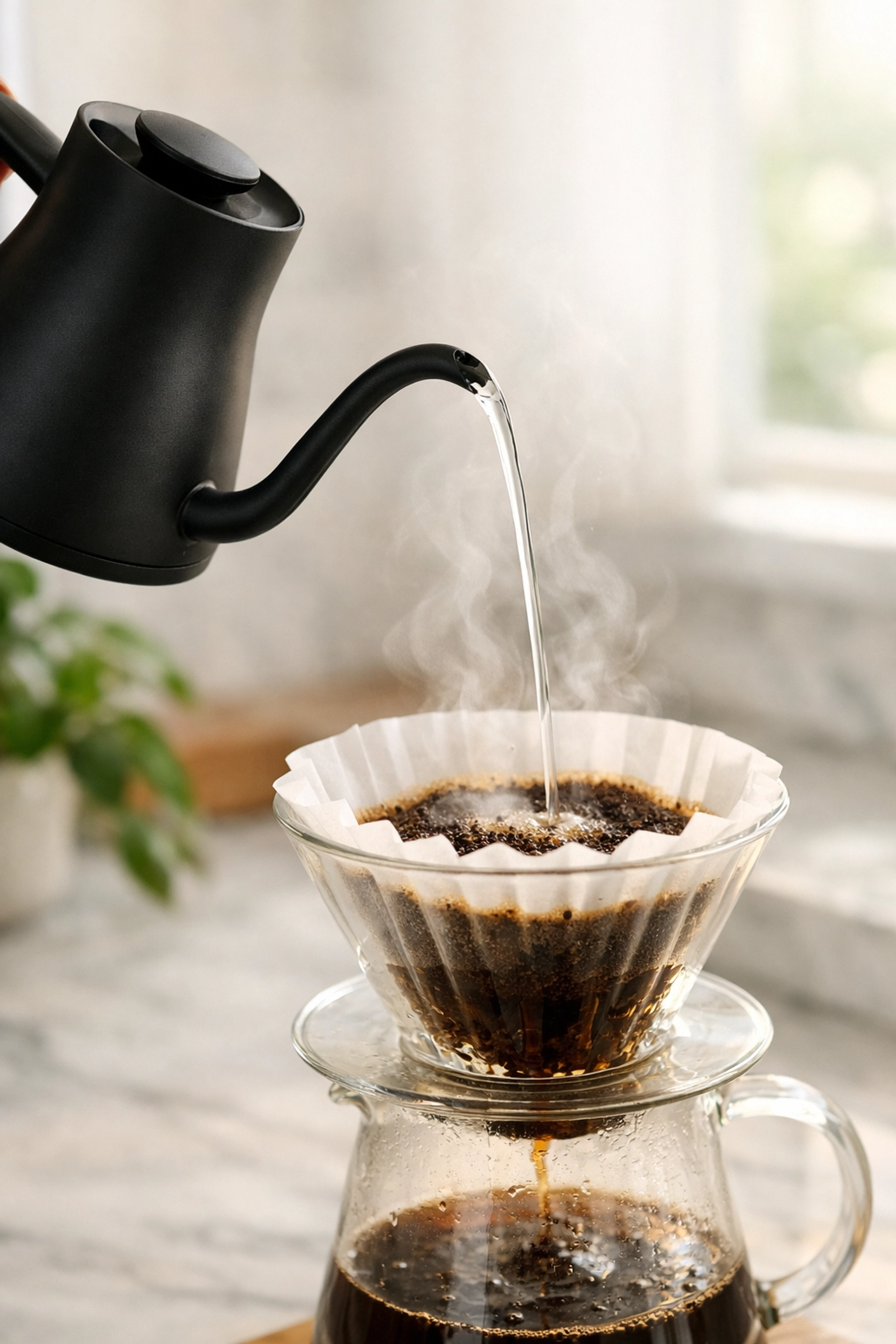
This is a classic. You wait for the kettle to click off at a rolling boil and immediately dump that 100 °C (212 °F) water onto your delicate coffee grounds.
The Problem: Water that is too hot can actually "scorch" the coffee, leading to an unpleasant, harsh bitterness. It extracts the tannins and bitter compounds far too quickly. Conversely, if your water is too cool, you won't extract enough flavor, leaving the coffee tasting sour or salty.
The Fix: Aim for a water temperature between 92 °C and 96 °C. If you don't have a temperature-controlled kettle, simply let your kettle sit for about 30 to 60 seconds after it has finished boiling before you start pouring. This small pause allows the temperature to drop into that "sweet spot" where the best flavors are extracted.
4. Neglecting Water Quality
Think about this: your cup of coffee is about 98% water. If your water tastes like chlorine or is "hard" (full of minerals like calcium), your coffee is going to taste like it.
The Problem: Magnesium and calcium in hard water can interfere with the extraction process, often making the coffee taste dull or chalky. On the other hand, very soft water can lead to over-extraction and a sharp, biting acidity.
The Fix: At the very least, use a basic water filter jug (like a Brita). It removes chlorine and balances the mineral content just enough to let the coffee shine. If you want to get really serious, some brewers use "third wave" water capsules to mineralize distilled water, but for most of us, a simple filter does wonders. Remember, if you wouldn't want to drink a glass of the water on its own, don't use it to make your coffee!
5. The "Blade Grinder" Blues
If you are still using a blade grinder (the ones with the spinning metal blade that looks like a tiny blender), we have some tough love for you: it’s time for an upgrade.
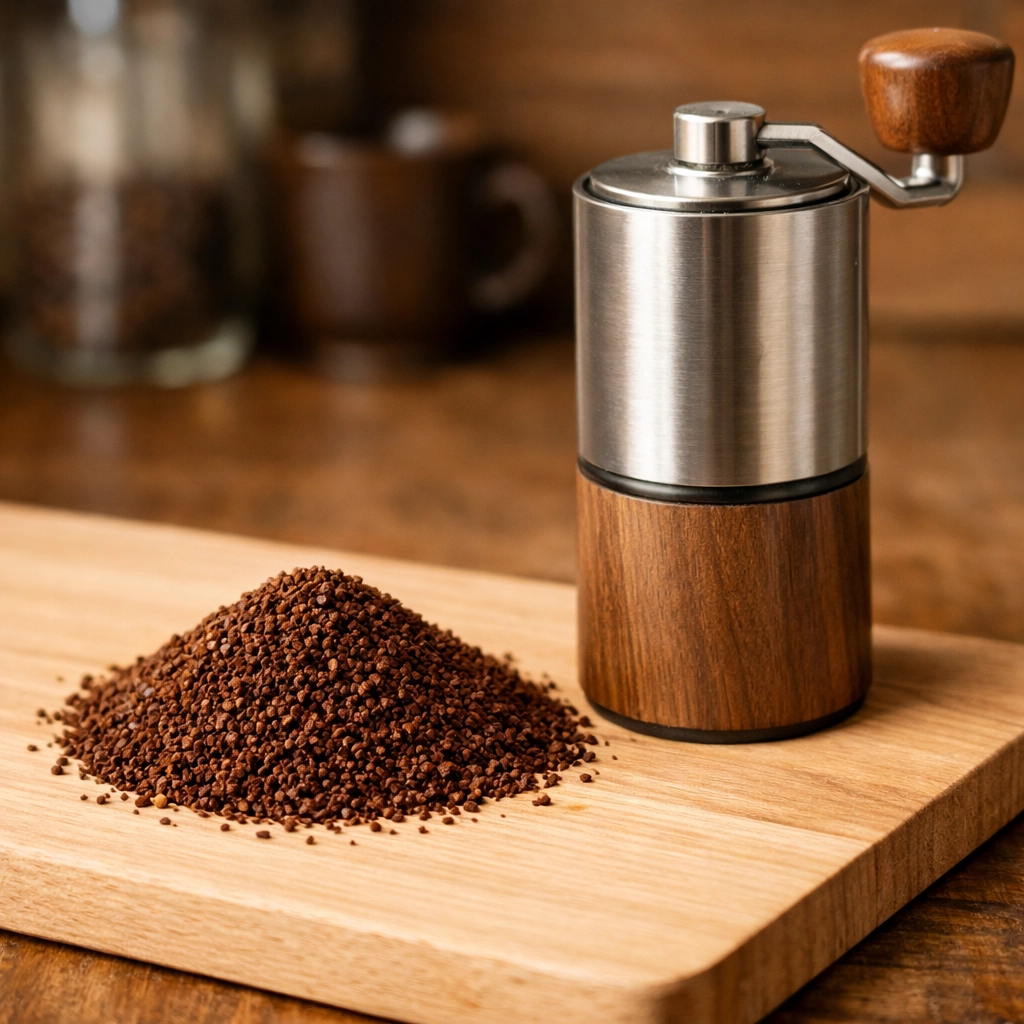
The Problem: Consistency is everything in grinding. Blade grinders don't actually "grind", they "shatter" the beans. This leaves you with a mix of "fines" (microscopic dust) and "boulders" (huge chunks). When you brew, the dust over-extracts and becomes bitter, while the boulders under-extract and stay sour. You end up with a cup that is simultaneously bitter and sour. Not ideal.
The Fix: Invest in a burr grinder. Burr grinders crush the beans between two abrasive surfaces, giving you a uniform particle size. This ensures that every bit of coffee extracts at the same rate. Whether you choose a manual hand-grinder or an electric one, the improvement in clarity and flavor is staggering.
6. Forgetting to Clean Your Kit
Coffee beans contain a lot of oils. Over time, these oils build up on your equipment, inside your French Press mesh, on your espresso portafilter, and even in your grinder.
The Problem: These oils eventually go rancid. If you haven't deep-cleaned your equipment lately, those old, stale, fishy-smelling oils are tainting every new brew you make. It’s a subtle bitterness that builds up so slowly you might not even realize it’s there until you clean it and taste the difference.
The Fix: Give your equipment a proper "polishing" (as we lovingly call it). For espresso machines, this means backflushing regularly. For filter brewers, it means using a bit of specialized coffee cleaner or even just warm soapy water (and rinsing very thoroughly). Don't forget to wipe out your bean hopper too! A clean machine makes a clean cup. If you're interested in the finer details of machine maintenance, we cover a lot of this in our barista training sessions.
7. Storing Beans in the Fridge or Freezer
It sounds logical, cold keeps food fresh, so it should keep coffee fresh, right? Well, not exactly.
The Problem: Coffee is porous. It acts like a sponge for smells and moisture. Every time you take the bag out of the freezer, condensation forms on the beans. This moisture starts to degrade the oils immediately. Plus, unless your bag is 100% airtight, your coffee will start to taste like that half-eaten onion or the leftover curry sitting next to it.
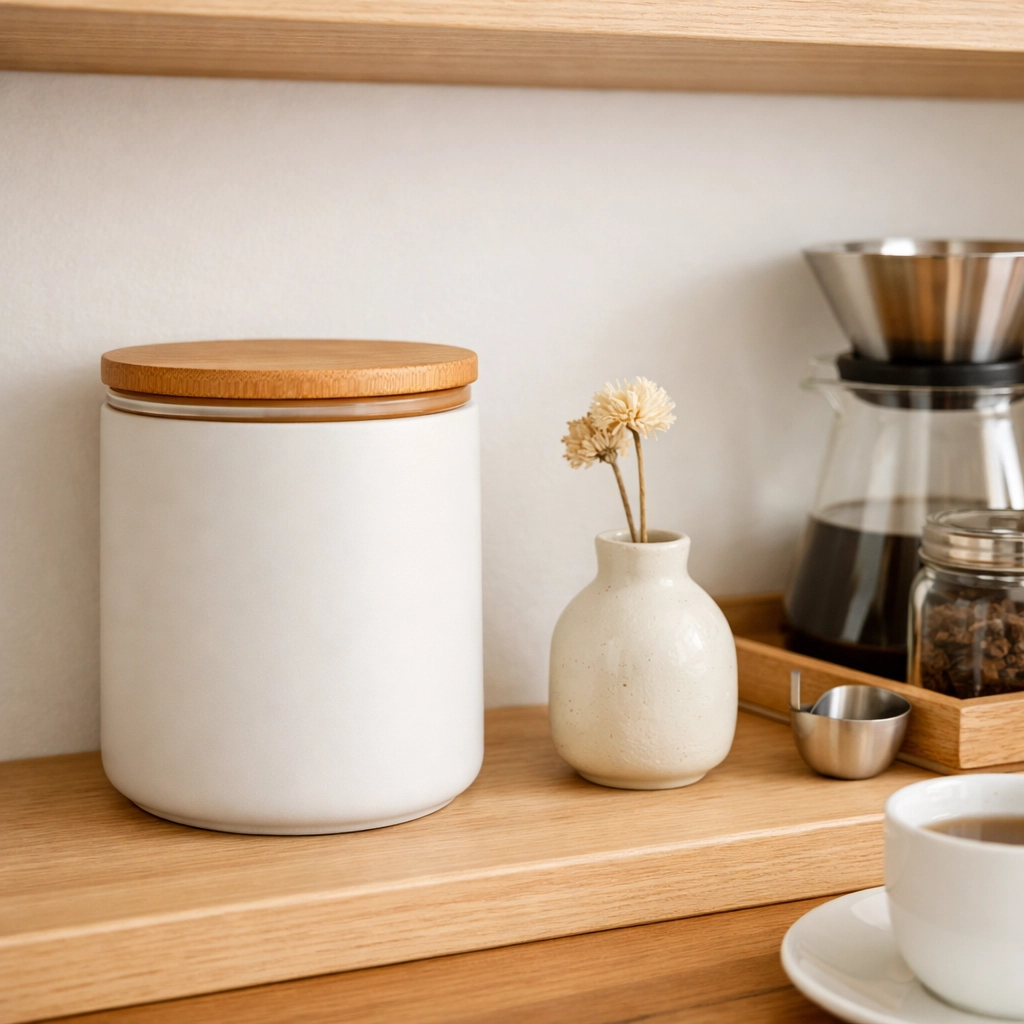
The Fix: Store your coffee in a cool, dark, dry place. A kitchen cupboard away from the oven is perfect. Use an opaque, airtight container or just keep it in the original Limini Coffee bag, which comes with a one-way valve to let CO2 out while keeping oxygen away. Fresh is best, so buy smaller amounts more frequently rather than "stocking up" for months!
Why It Matters (The "So What?" of Brewing)
You might be thinking, "Scott, this seems like a lot of work for a morning cup." And we get it. But the beauty of coffee is that once you fix these habits, they become second nature.
When you use fresh beans, correctly measured, with filtered water at the right temperature, something magical happens. You stop needing to drown your coffee in sugar or milk to make it palatable. You start tasting the notes of chocolate, stone fruit, or jasmine that the farmers worked so hard to produce.
Basically, coffee isn't just a caffeine delivery system: it’s an experience. It’s a moment of peace before the day starts. And you deserve to have that moment be as delicious as possible.
If you’re ready to put these tips into practice, the first step is always the beans. Grab a bag of our freshly roasted speciality coffee right here and see if you can taste the difference for yourself. We think you'll be pleasantly surprised.
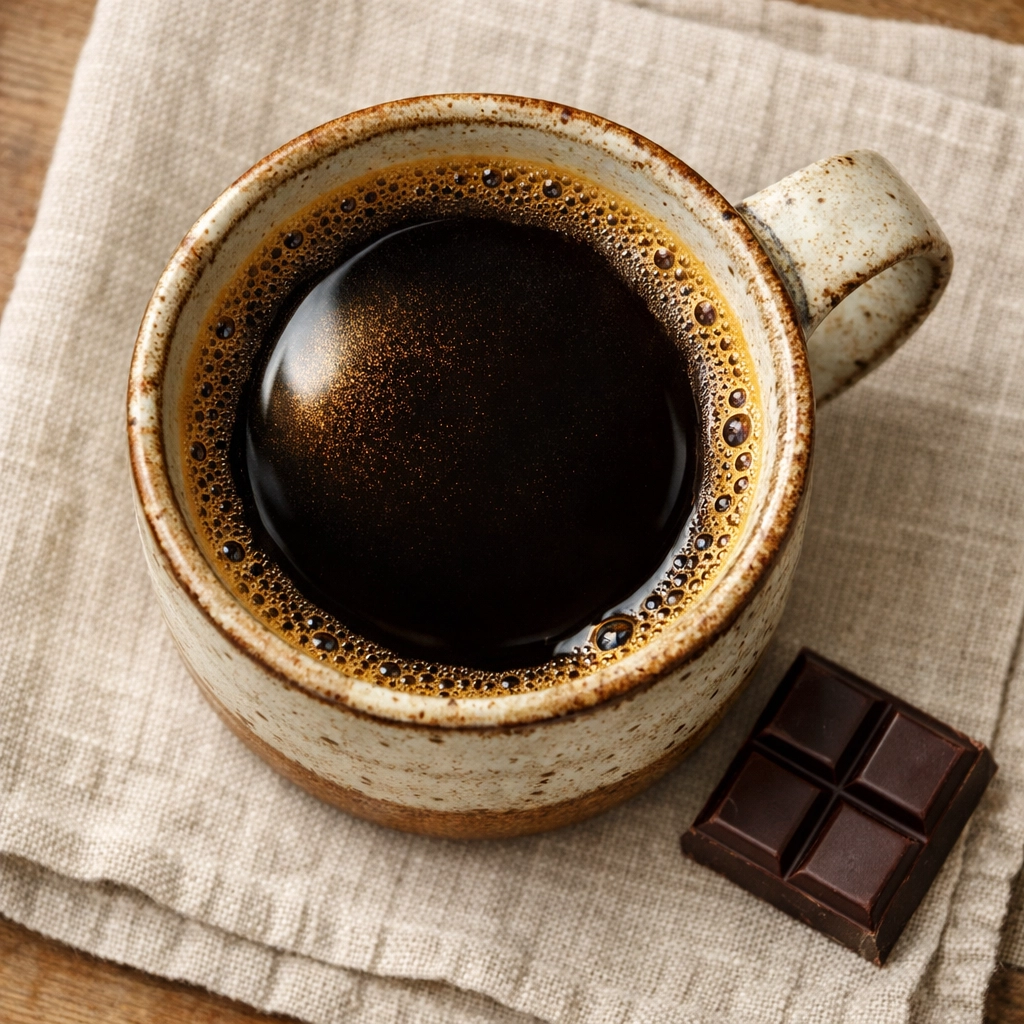
Summary Checklist for a Better Brew:
- Buy Fresh: Check for a roast date.
- Use a Scale: Stop guessing, start weighing (1:16 ratio).
- Temp Check: 92-96 °C (Wait a minute after the boil).
- Filter Your Water: Your tap water is likely holding you back.
- Burr Grinder Only: Consistency is king.
- Keep it Clean: Rancid oils are the enemy of flavor.
- Cool & Dry Storage: Keep the beans out of the fridge!
Happy brewing! If you have any questions or you're struggling with a specific brewing method, feel free to reach out to us here at Limini Coffee. We love talking shop.