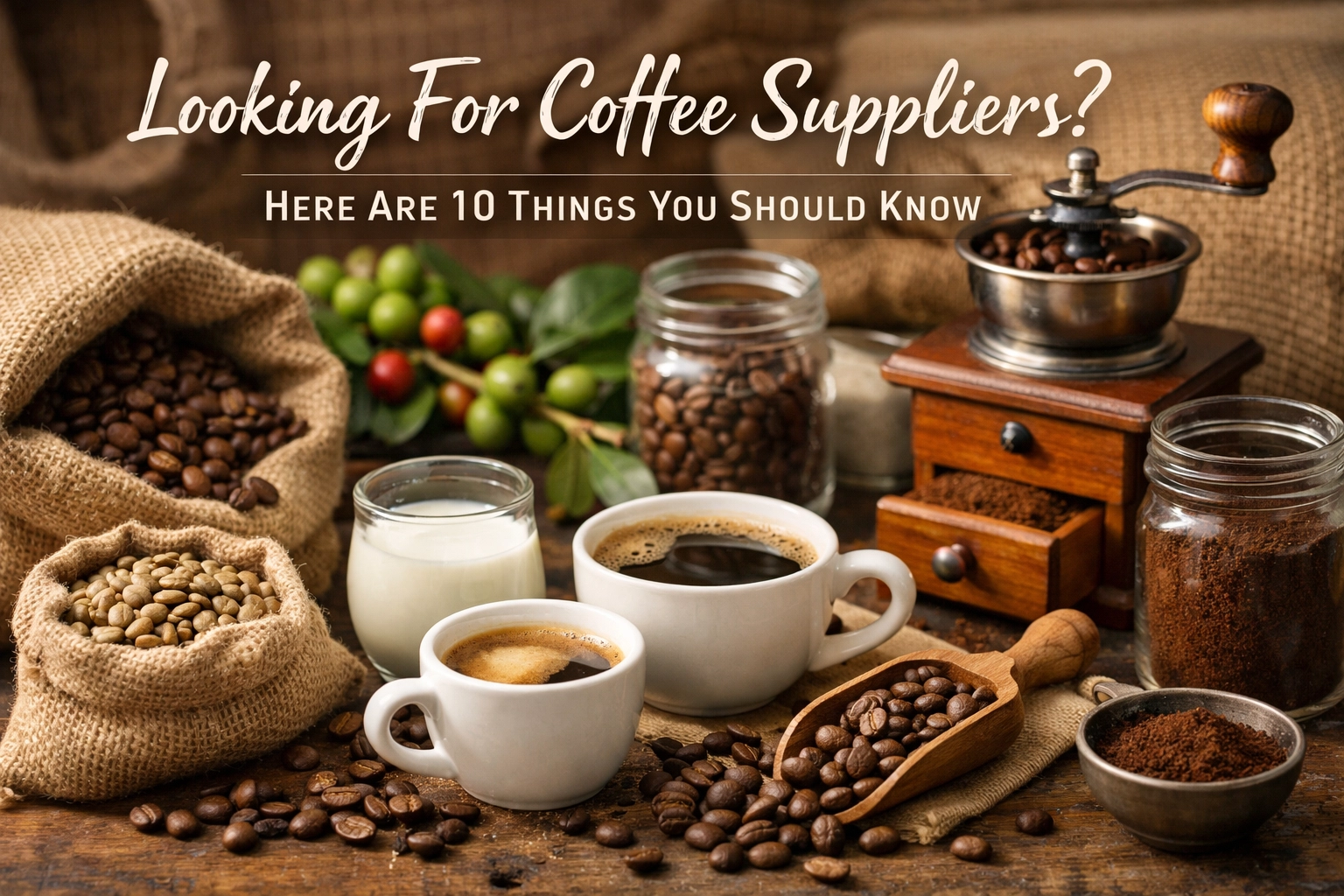
So, you’re opening a coffee shop. Or maybe you’ve been running one for years and you’ve realized your current beans just aren’t hitting the mark anymore. Picking a coffee supplier is probably the biggest decision you’ll make for your business: besides the location and the name on the door, of course.
It’s not just about who has the prettiest packaging or the cheapest price per kilo. It’s about finding a partner who actually gives a toss about your success. We’ve seen it all here at Limini Coffee, and we know that the relationship between a roaster and a shop owner can either be a dream or a total nightmare.
To help you navigate these murky waters, we’ve put together a list of 10 things you absolutely need to know before you sign on the dotted line.
1. Quality and Consistency are Non-Negotiable
This sounds obvious, doesn't it? But you’d be surprised how many people get swayed by a flashy brand and forget to actually taste the coffee across a few different batches. You need 100% Arabica, high-quality beans with full traceability.
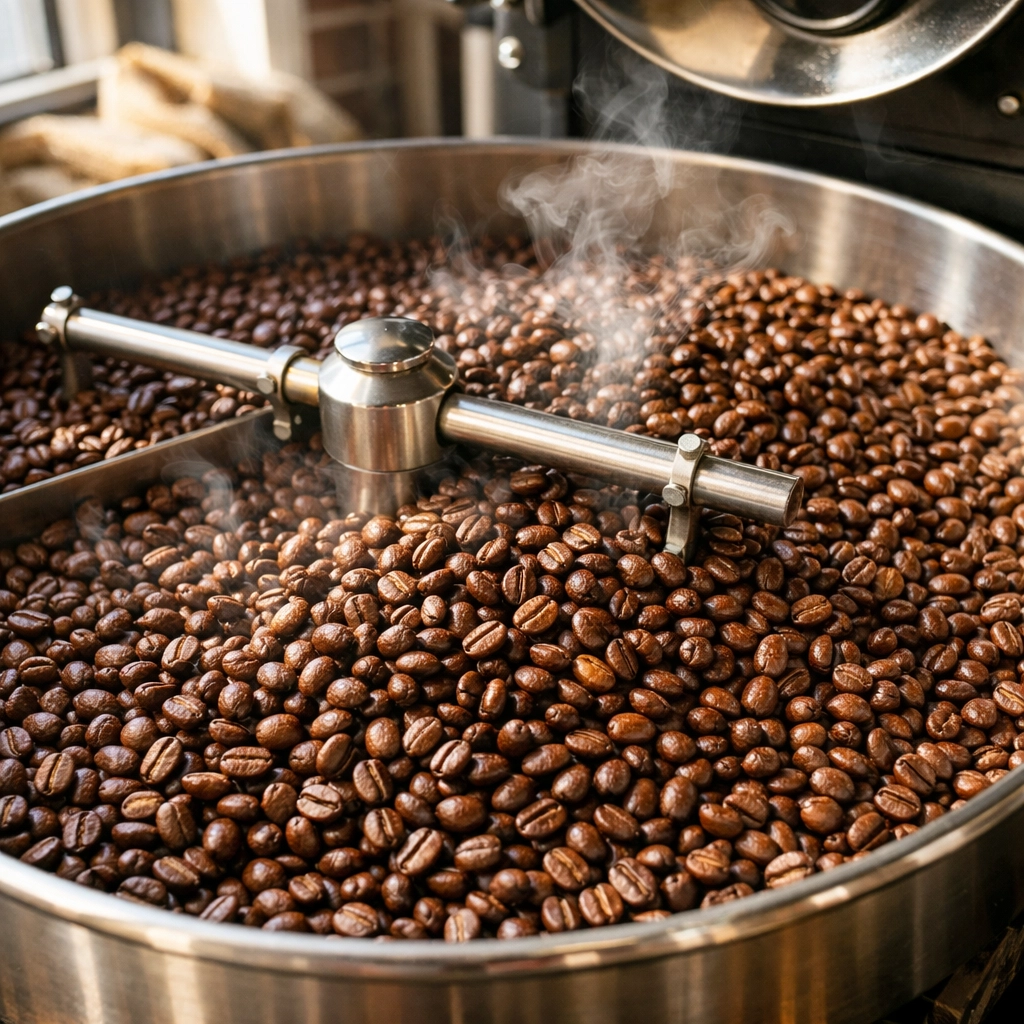
But here is the kicker: consistency. Anyone can roast a decent batch of coffee once. Can they do it fifty weeks a year? You need a supplier who uses high-end roasting tech and strict quality control to ensure that the espresso your customers love on Monday is exactly the same as the one they buy on Friday. If the flavor profile is jumping all over the place, your baristas will be constantly chasing the grind, and your customers will get frustrated. We take this very seriously, and you can see more about how we handle sourcing our coffee here.
2. The Power of Ethical Sourcing
Did you know that roughly 70% of UK consumers say sustainability influences where they choose to drink their coffee? People care. They want to know that the farmers are being paid a fair wage and that the environment isn’t being destroyed for their morning flat white.
When you’re chatting with potential suppliers, ask the hard questions. Where does the coffee come from? What are their relationships with the farmers? A good roaster should be able to tell you the story behind the bean. It’s not just about having a badge on the bag; it’s about genuine transparency. If you’re looking for a partner who values this as much as you do, check out our wholesale options where we lay it all out.
3. Variety is the Spice of (Coffee) Life
While having a solid house blend is the backbone of any shop, you might eventually want to branch out. Does the supplier offer single origins? Do they have seasonal rotations?
Having a range of products allows you to keep things fresh for your "coffee geek" regulars while keeping your "milk-and-two-sugars" crowd happy with a reliable, chocolatey blend. If a supplier only does one thing, you might find yourself outgrowing them pretty quickly.
4. Pricing vs. Real Value
Let’s be honest: price matters. You have margins to protect. However, choosing the cheapest supplier is often the fastest way to go out of business.
Think about what’s included in that price. Does it include delivery? Is there a minimum order quantity (MOQ) that’s going to force you to store stale beans? What about the support you get? Sometimes paying an extra pound per kilo is worth it if it comes with free equipment maintenance or emergency tech support. We always tell our partners to look at the "total cost of ownership," not just the invoice for the beans. If you want to see how we stack up, you can read our reviews here.

5. Reliability and the "I’ve Run Out of Beans" Panic
Imagine it’s a sunny Saturday morning, your shop is packed, and you realize your delivery hasn't arrived. That is the stuff of nightmares.
You need a supplier with a robust supply chain and a proven track record of delivering on time. Ask about their lead times. If you order on Tuesday, when does it arrive? Do they use reliable couriers? A supplier who is local or has a very efficient distribution network is worth their weight in gold when you’re in a pinch.
6. Training is Your Secret Weapon
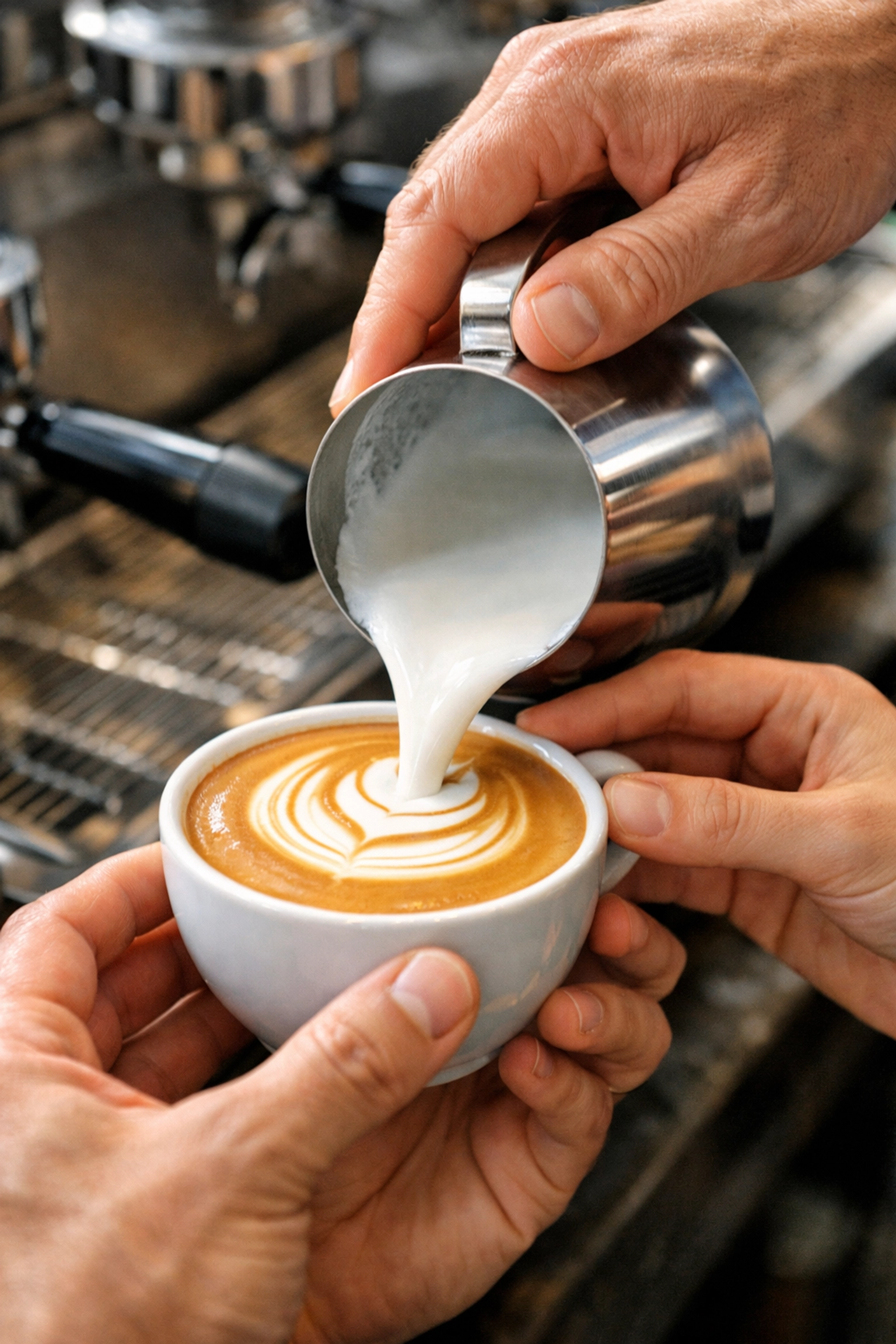
You can buy the best beans in the world, but if your staff doesn't know how to dial in the grinder or steam milk properly, the coffee will taste like rubbish. It’s a harsh truth, but someone has to say it.
A great supplier shouldn't just drop off bags of coffee and vanish. They should offer comprehensive training. We’re talkin’ barista basics, milk chemistry, and workflow management. We’re big believers in this at Limini, which is why we offer extensive barista training to help our wholesale partners stay at the top of their game. It’s about building a culture of excellence, not just making a drink.
7. Equipment and Technical Support
What happens when your espresso machine starts leaking at 8:00 AM? If your coffee supplier doesn’t offer technical support or have a network of engineers, you’re in trouble.
Many suppliers (including us!) can help you with equipment leasing or purchases. Whether you’re looking at La Spaziale machines or need help choosing espresso equipment, your supplier should be your first port of call. They should know the machines inside out and be able to guide you on looking after your espresso machine to prevent those morning meltdowns in the first place.
8. Transparency and Quality Control Systems
Ask potential suppliers how they test their coffee. Do they cup every batch? What are their tolerances for flavor deviation?
A professional roaster will have detailed records of every roast. They should be able to provide you with "cupping scores" or at least very detailed flavor profiles. This isn't just for show; it’s so you can explain to your customers why the coffee tastes like blueberries or dark chocolate. This level of detail helps you build authority as a shop owner.
9. Don’t Buy Blind: Request Samples
Never, ever commit to a supplier without tasting the coffee on your own equipment first. A reputable roaster will be more than happy to send you samples.
When you get them, don't just do a fancy cupping. Put them through your grinder, pull shots, and: crucially: test them with milk. A coffee might taste amazing as a black filter but get completely lost in a 12oz latte. Since understanding milk is a huge part of the UK coffee scene, you need to know how those beans behave when paired with dairy (or dairy alternatives).
10. The Relationship Factor
At the end of the day, you’re entering a partnership. You want to work with people you actually like and trust.
Do they answer the phone when you call? Are they proactive in offering advice, or do they only contact you when they want to sell something? Spend some time learning about who they are. We think the "warmth" of a brand matters just as much as the heat in the roaster. You want a supplier who feels like an extension of your team, someone who is just as excited about your shop's growth as you are.

Choosing a supplier is a big step, but it doesn’t have to be overwhelming. If you focus on quality, support, and a shared vision for great coffee, you’ll find the right fit.
If you’re currently on the hunt and want to chat about how we do things, we’d love to help. We’ve helped hundreds of shops get off the ground, from shop fitting advice to finding the perfect coffee cups.
The journey to great coffee starts with a single conversation. Why not check out our wholesale page and see if we’re the right partner for your next adventure? ☕️