
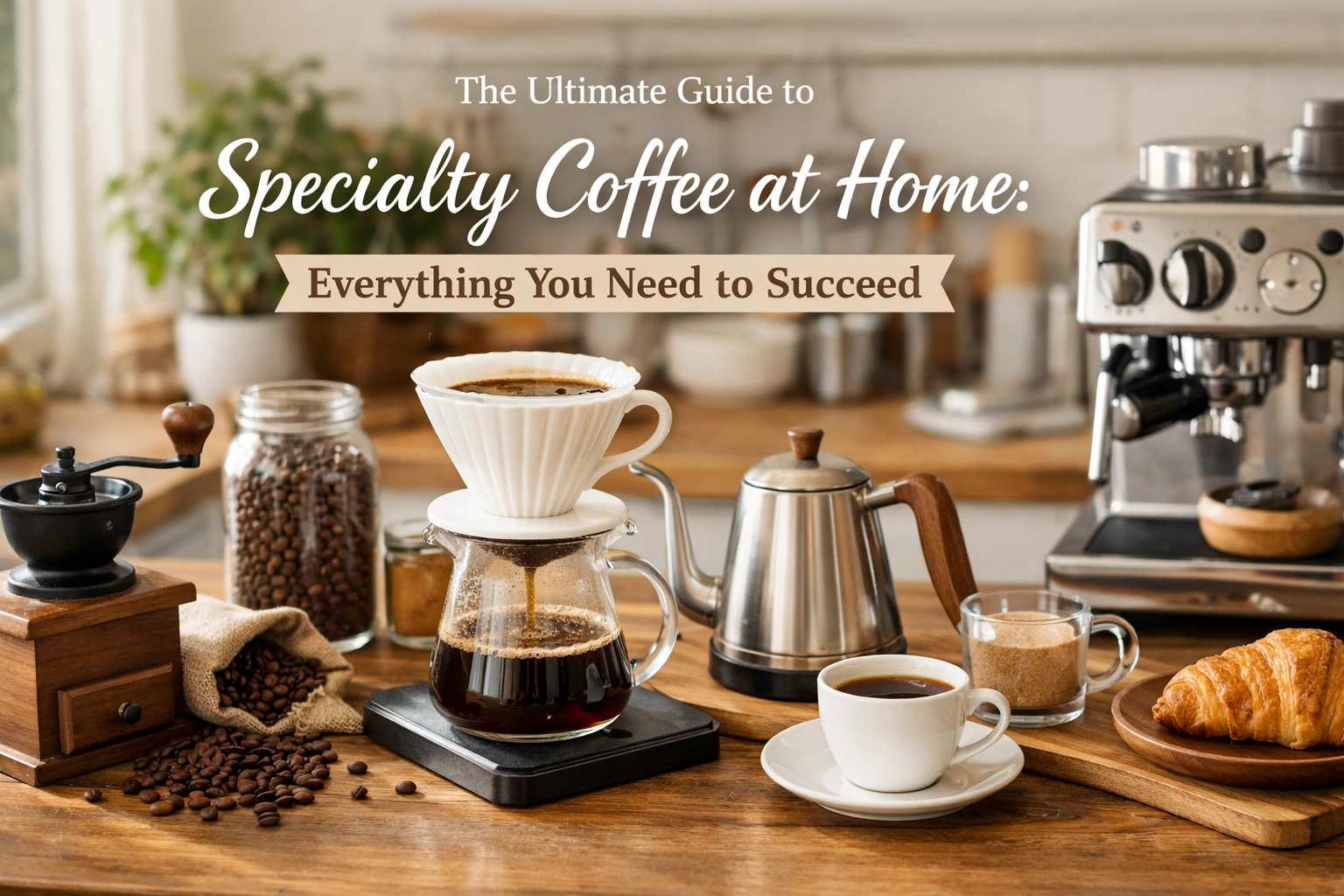
So, you’ve decided to take the plunge into the world of specialty coffee. Perhaps you’ve had that "eureka" moment in a local café, a cup of Ethiopian Yirgacheffe that tasted more like blueberry juice than the bitter "coffee-flavoured" drink you grew up with. Now, you want to recreate that magic in your own kitchen.
We’ve got some good news and some bad news. The bad news? Your trusty old blade grinder and that dusty tin of pre-ground supermarket coffee aren't going to cut it. The good news? Setting up a world-class home coffee bar is easier (and more fun) than you might think. We believe that anyone can brew cafe-quality coffee at home if they have the right tools and a bit of patience.
In this guide, we’re going to walk you through everything you need to succeed. From the essential gear to the science of extraction, we’ve got you covered. And if you’re looking to grab the best beans or gear to get started, you can find everything we recommend right here at Limini Coffee.
It All Starts with the Bean
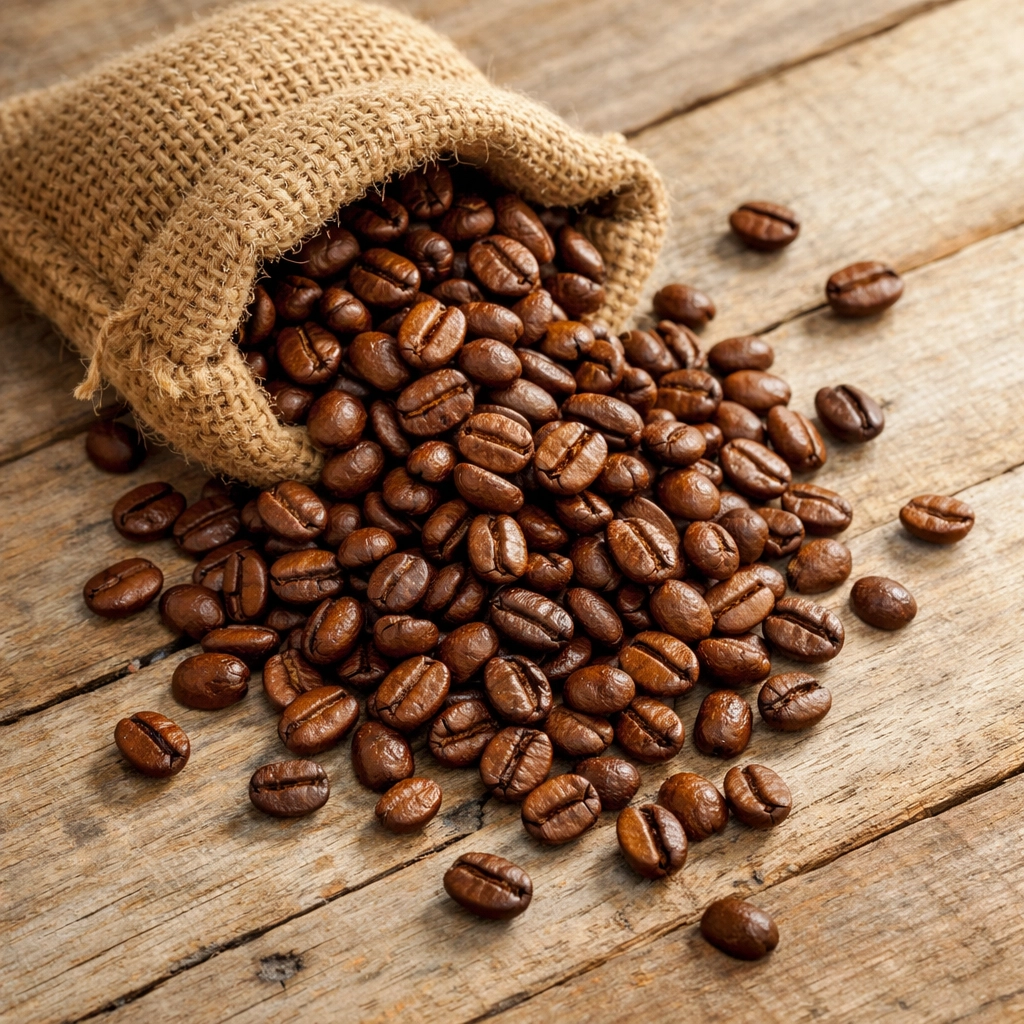
We cannot stress this enough: you can have the most expensive espresso machine in the world, but if your beans are stale or poorly roasted, your coffee will taste like disappointment. Specialty coffee is defined by quality, and at Limini Coffee, we take sourcing our coffee very seriously.
When you’re looking for beans, ignore the "best before" date. You want a "roasted on" date. Ideally, you should be using beans that were roasted within the last two to four weeks. Freshness is the foundation of flavour.
Single Origin vs. Blends
Are you looking for a wild, fruity adventure or a comforting, chocolatey hug?
- Single Origin: These beans come from one specific place (a single farm or region). They showcase the unique "terroir" of that area. Think of them like fine wine.
- Blends: These are a mix of beans from different regions, designed to create a consistent, balanced flavour profile. Perfect for your morning latte.
The Foundation: Your Grinder
If you ask any barista what the most important piece of equipment is, they won't say the brewer. They’ll say the grinder.
Why? Because consistency is king. When you brew coffee, you are extracting flavours from the ground beans using water. If your coffee grounds are all different sizes, some like boulders and some like dust, the water will extract them at different rates. The dust will over-extract (bitter), and the boulders will under-extract (sour). The result? A muddy, confusing mess.
Burr Grinders vs. Blade Grinders
Please, for the love of all things holy, stay away from blade grinders. They don't grind; they chop. It’s like trying to cut a steak with a blender.
We recommend investing in a burr grinder. These use two abrasive surfaces to crush the beans into a uniform size.
- Conical Burrs: Great for home use, usually quieter and more affordable.
- Flat Burrs: Offer incredible precision and are often found in high-end commercial setups.
If you’re just starting out, something like the Baratza Encore is a fantastic entry point. To see what others are saying about the best gear, check out our equipment reviews.
Choosing Your Brewing Method
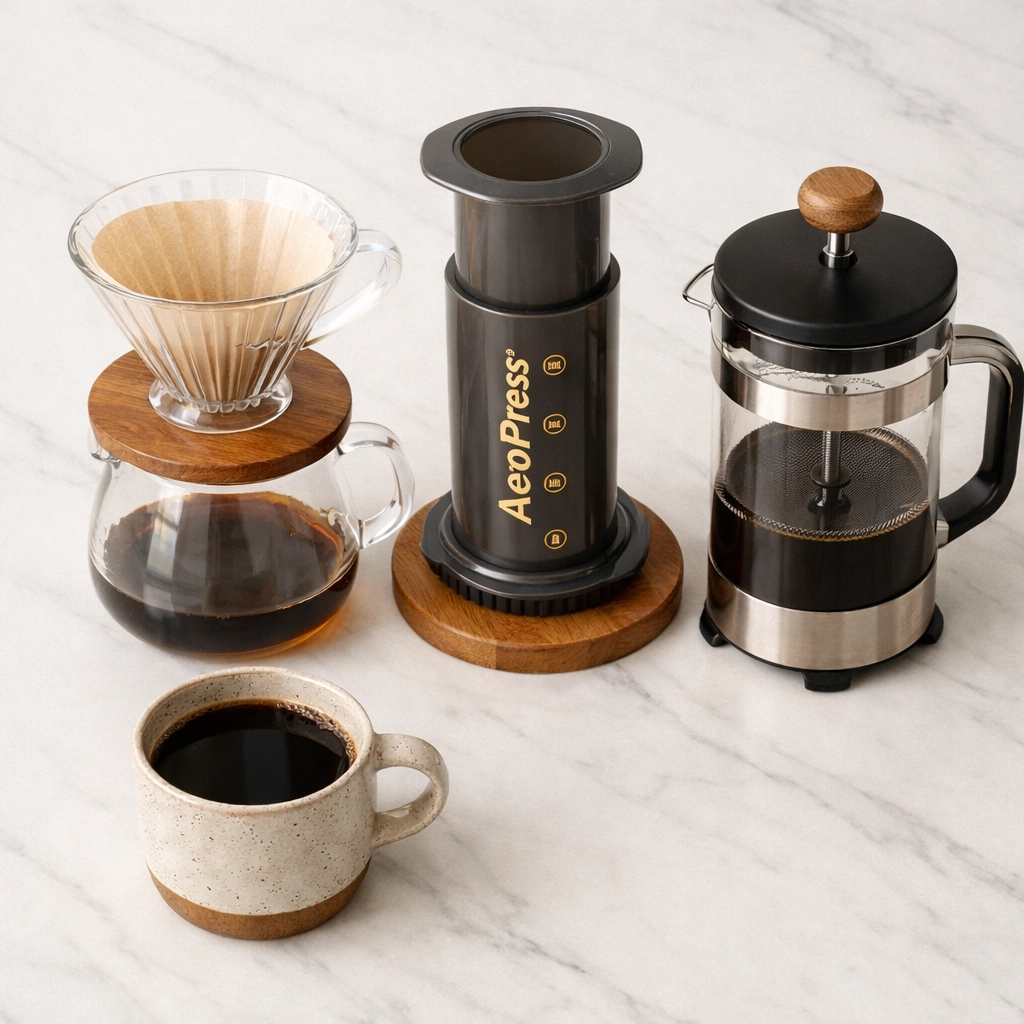
This is where the fun begins. There isn't a single "best" way to brew coffee; it all depends on what you enjoy drinking.
| Brewing Method | Flavor Profile | Best For | Effort Level |
|---|---|---|---|
| V60 / Pour Over | Clean, tea-like, complex | Highlighting delicate notes | Medium (Requires technique) |
| AeroPress | Versatile, rich, clean | Travelers and tinkerers | Easy (Very forgiving) |
| French Press | Heavy body, bold, textured | A classic, rich morning cup | Easy (Set and forget) |
| Espresso | Intense, concentrated, syrupy | Milk drinks or quick shots | Hard (High learning curve) |
The Pour Over (V60)
We love the V60 for its ability to produce a clean cup that lets the coffee's natural acidity shine. However, it does require a steady hand and a bit of gear. If you’re going this route, you’ll definitely want to check out our choosing espresso equipment guide, as many of the principles of precision apply here too.
The AeroPress
The AeroPress is a bit of a cult favourite in the specialty world. It’s virtually indestructible and incredibly versatile. You can make anything from a concentrated, espresso-style shot to a clean filter-style coffee. Plus, cleaning it takes about five seconds.
The Precision Tools: Scales and Kettles
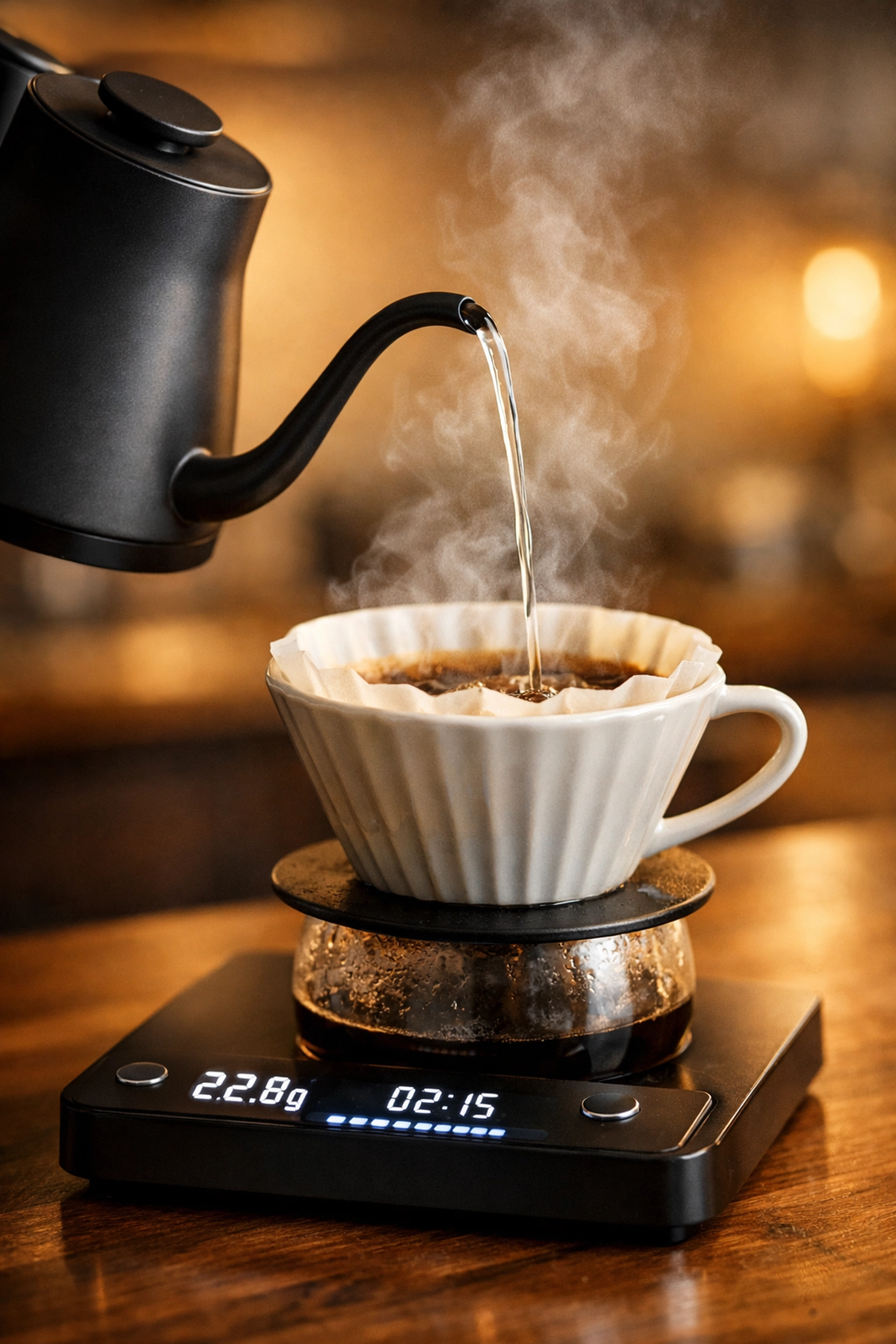
You might think using a digital scale for coffee is "over the top." We promise it’s not. In fact, it’s the easiest way to immediately improve your coffee.
Measuring by "scoops" is notoriously inaccurate. Different beans have different densities. A scoop of a dark roast will weigh significantly less than a scoop of a light roast. By weighing both your coffee and your water, you can find a ratio you love and replicate it every single morning.
The Golden Ratio
A great starting point is a 1:16 ratio. This means 1 gram of coffee for every 16 grams of water.
- For a single cup: 15g coffee to 240g water.
- For a larger carafe: 30g coffee to 480g water.
If you’re feeling a bit lazy with the math (we’ve all been there), use our coffee brewing calculator to get it perfect every time.
The Gooseneck Kettle
If you are brewing pour-over coffee, a gooseneck kettle isn't just a "nice to have": it’s essential. The thin, curved spout gives you total control over where the water goes and how fast it flows. This prevents "channeling," where water finds a path of least resistance through the coffee bed, leading to uneven extraction.
Water: The Invisible Ingredient
Coffee is roughly 98% water. If your tap water tastes like a swimming pool, your coffee will too. We aren't saying you need to start mixing your own minerals (though some people do!), but using a simple charcoal filter pitcher will make a world of difference.
Temperature is also key. We generally recommend brewing between 92 °C and 96 °C (198 °F to 205 °F). If your water is boiling (100 °C), it can scorch the grounds, leading to a bitter taste. If it's too cool, you won't extract enough flavour, and the coffee will taste thin and sour.
Understanding Extraction
This is the "science" part, but don't worry, we'll keep it simple. Extraction is the process of water dissolving the flavours from the coffee grounds. It happens in stages:
- Acids and Fats: These come out first (sour/salty).
- Sugars: These come out next (sweet/balanced).
- Plant Fibers: These come out last (bitter/astringent).
Your goal is to stop brewing right after the sugars have been extracted but before the bitterness takes over. This is the "sweet spot." If your coffee tastes sour, you need to extract more (grind finer or use hotter water). If it tastes bitter, you need to extract less (grind coarser or use slightly cooler water).
The "Theatre" of Coffee
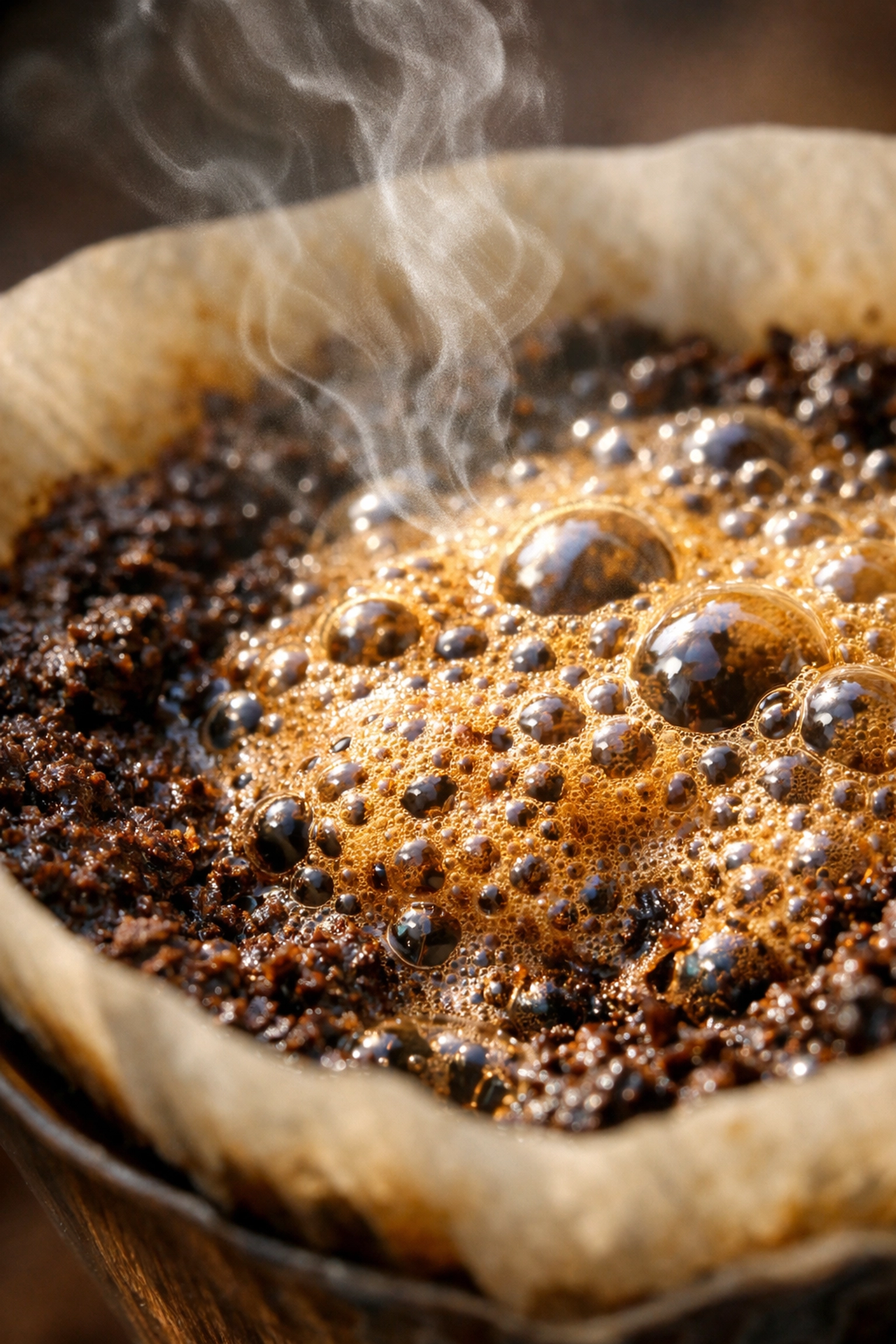
Brewing specialty coffee at home is about more than just caffeine; it’s a ritual. There is something incredibly satisfying about the "bloom" (when you first wet the grounds and they bubble up, releasing CO2) and the aroma that fills the kitchen. We call this the theatre of coffee, and it’s a big part of why we love what we do.
Taking those few minutes in the morning to focus on the pour, the weight, and the smell can be quite meditative. It’s a chance to slow down before the chaos of the day begins.
Ready to Start?
Transitioning to specialty coffee at home is a journey. You’ll probably have a few "bad" cups along the way while you’re dialling in your technique, and that’s perfectly okay. Even the pros have off days. The key is to experiment and find what tastes good to you.
Whether you need a new bag of fresh-roasted beans or a reliable burr grinder, we’re here to help. You can browse our full range of speciality beans and brewing gear over at the Limini Coffee shop.
If you find yourself getting really serious about your home setup: maybe even considering a pro-level espresso machine: it’s worth looking into things like tamping techniques and understanding crema to truly master the art.
So, what are you waiting for? Grab a scale, some fresh beans, and let’s start brewing. Your taste buds will thank you.
Happy brewing!
The Team at Limini Coffee 🙂