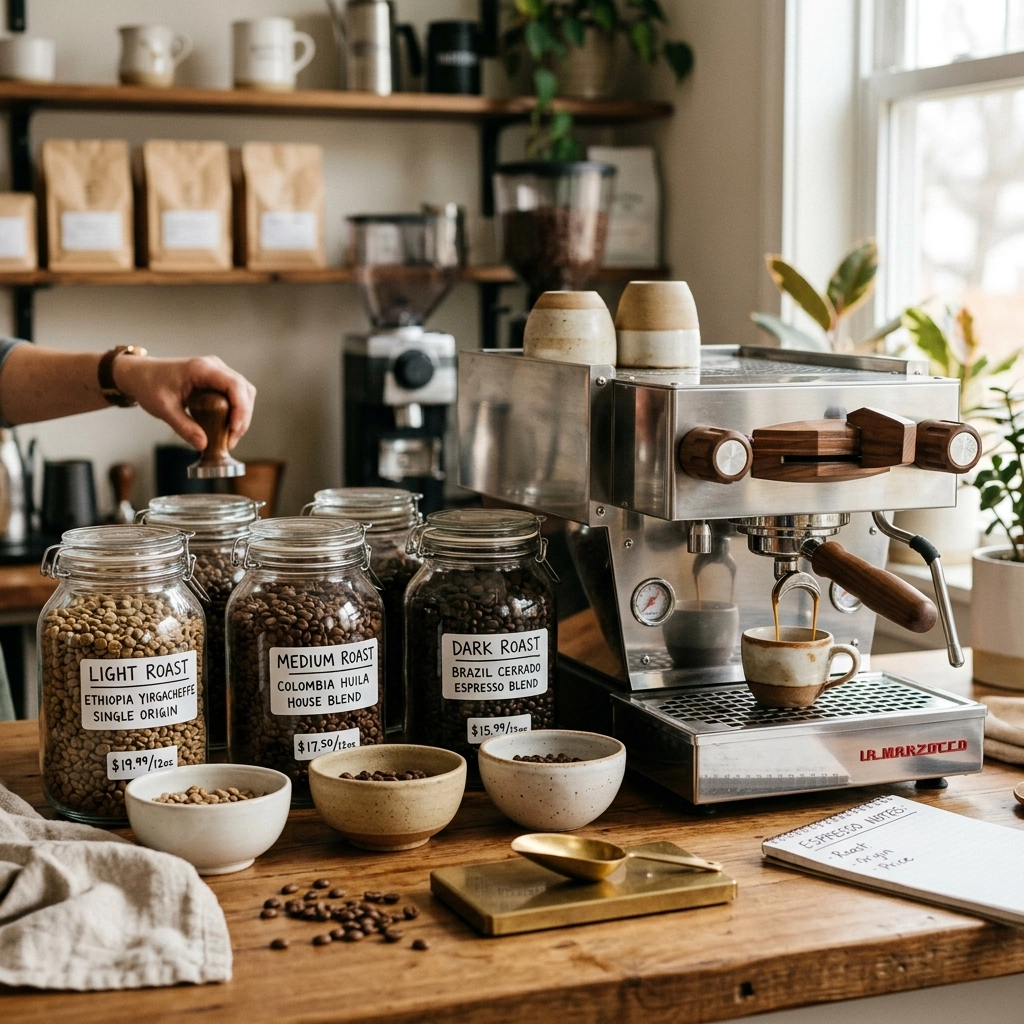

So, you’ve decided to open a coffee shop. That’s brilliant. There is honestly nothing quite like the smell of a freshly opened bag of beans in your very own space, the hiss of the steam wand, and the first "wow" from a customer. It’s a dream many people have, but as we often see here at Limini Coffee, the transition from "coffee lover" to "coffee shop owner" is filled with some pretty sneaky traps.
We’ve helped hundreds of businesses get off the ground through our wholesale partnerships, and we’ve noticed a pattern. People tend to make the same handful of mistakes during the setup phase. These aren’t just small hiccups; they are the kind of errors that can drain your bank account and leave you exhausted before you’ve even served your hundredth flat white.
Let’s talk about those mistakes and, more importantly, how you can fix them (or avoid them entirely).
1. Buying the "Wrong" Equipment
We get it. When you’re looking at a spreadsheet of startup costs, that semi-professional espresso machine you found online for a fraction of the price of a commercial one looks very tempting. You might think, "It’s just for the first few months while we’re quiet."
The problem is, domestic or semi-pro equipment isn't built for the "rush." Commercial machines are designed to maintain a consistent temperature (usually between 88 C to 95 C) and a steady 9 BAR of pressure while pulling shot after shot. A domestic machine will struggle to keep up, the temperature will fluctuate, and your coffee quality will dive off a cliff. Even worse, if it breaks down, most commercial technicians won't have the parts to fix it, and your insurance might not even cover a non-commercial unit.
The Fix: Invest in NSF-approved, commercial-grade equipment from day one. It’s better to have a reliable, refurbished commercial machine than a shiny new domestic one. When choosing espresso equipment, think about your projected volume. Do you need a two-group or a three-group? And don't forget the grinder! A cheap grinder will clump your coffee and make consistent extraction impossible.

2. Skipping Due Diligence on the Building
You’ve found the perfect "character" building. It’s got exposed brick and great light. But have you checked the power?
Most specialty coffee shops require a significant amount of electricity. You’re looking at 200-400 amps of service to run your espresso machine (which can pull 3000 watts or more), grinders, refrigeration, dishwashers, and HVAC. We’ve seen many owners sign a lease only to realize they need to spend £10,000 just to upgrade the electrical board.
Then there’s the plumbing and ventilation. Do you have a floor drain? Is there a "make-up air" system for your kitchen? If you don't check these things, you'll be hit with massive construction delays and costs you didn't see coming.
The Fix: Bring an architect or a contractor to the site before you sign the lease. Have them verify the electrical capacity and the plumbing layout. It’s worth spending a few hundred pounds on a professional walkthrough now to save thousands later.
3. The "Cheesecake Factory" Menu Syndrome
We see this a lot. New owners want to cater to everyone, so they create a menu with 40 different drinks, five types of sandwiches, and three types of soup.
The issue? Choice overload. When a customer walks in and sees a wall of text, they get stressed. From an operational standpoint, it’s a nightmare. It means more inventory to manage, more waste, and slower service times. If your barista has to remember how to make a "Caramel Marshmallow Dream" while also trying to pull a perfect shot of speciality coffee, something is going to suffer. Usually, it’s the coffee.
The Fix: Keep it simple. Start with a focused menu of high-quality staples. Master the classics, latte, cappuccino, flat white. Once you’ve nailed those and your workflow is smooth, you can introduce a "signature drink" to add some theatre to the experience.
4. Neglecting Staff Training
This is a big one. You can buy the most expensive equipment in the world, but if your staff don't know how to use it, you're just making expensive, bad coffee.
Inconsistency is the silent killer of coffee shops. If a customer gets a great latte on Tuesday but a burnt, bubbly mess on Thursday because a different person was on the machine, they won't come back. They need to know that every time they walk through your door, the quality will be exactly the same.
The Fix: Establish standardized procedures. Everyone should tamp the same way, steam milk to the same temperature (ideally 140 °F / 60 ºC), and follow the same recipes. We strongly recommend barista training for every single member of your team. It’s not just about making coffee; it’s about understanding the science behind it.

5. Poor Floor Plan and Workflow
Have you ever been in a coffee shop where the line for the till blocks the pickup area? Or where the barista has to walk across the room to get milk? That’s a layout fail.
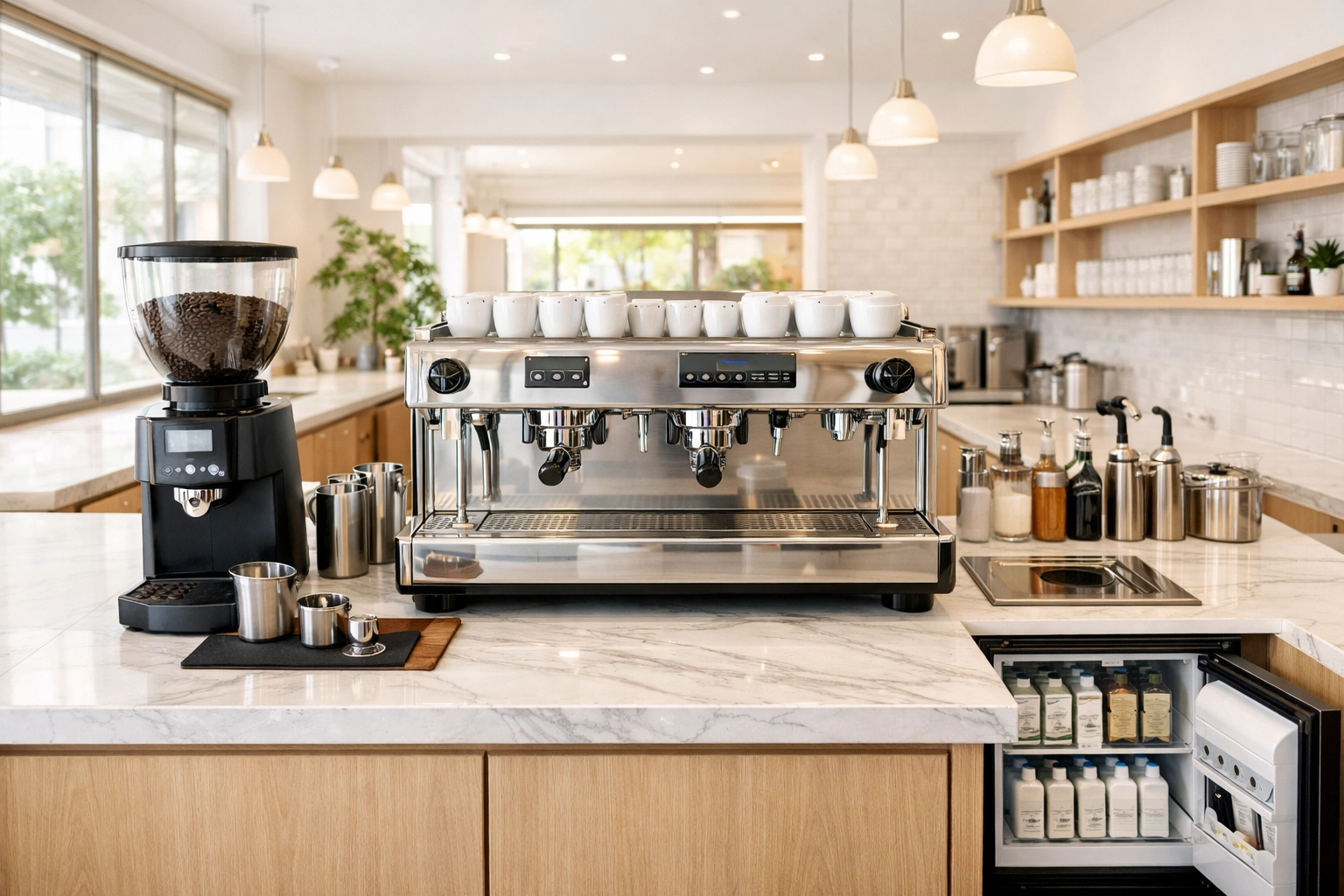
A poorly designed space creates bottlenecks. It makes your staff work harder than they need to, which leads to fatigue and mistakes. In the coffee world, we talk about the "Barista Triangle", the distance between the grinder, the espresso machine, and the sink/milk fridge. Every extra step your barista takes is time wasted.
The Fix: When building a coffee shop, map out the customer flow. Imagine a busy Saturday morning. Where do people stand to order? Where do they wait? Make sure your "handoff" area is separate from the ordering queue. And keep your baristas' tools within arm's reach.
6. Not Setting a Realistic Budget Early On
"It’ll probably cost about £20,000 to get open."
Unfortunately, that is rarely the case. Between legal fees, signage, initial stock, insurance, and the "unexpected" repairs we mentioned earlier, costs spiral quickly. Many shops fail not because the coffee was bad, but because they ran out of cash before they could reach profitability.
The Fix: Create a detailed budget and then add a 20% contingency fund. Be honest about your costs. Don't forget the "invisible" expenses like POS system fees, music licenses, and waste collection. If you're looking for wholesale coffee that offers great value without sacrificing quality, we can help you balance those margins.
7. Overlooking the "Modern" Customer Needs
Ten years ago, you could get away with mediocre WiFi and hard wooden chairs. Today? Not so much. A huge portion of coffee shop customers are remote workers or students. If you don't have enough power outlets or reliable internet, they will find another place to spend their afternoon.
Similarly, don't assume that just because you've opened your doors, people will find you. A "Now Open" sign in the window isn't a marketing plan.
The Fix: Think about your "vibe." Is it a quick-turnover takeaway spot or a "stay and work" lounge? If it's the latter, invest in comfortable seating and diverse lighting. On the marketing side, get on social media before you open. Show the build-out process, introduce the team, and build a community before the first bean is even ground.

Summary
Setting up a coffee shop is a massive undertaking, but it’s also incredibly rewarding when done right. Basically, it comes down to being prepared. Don't cut corners on your equipment, don't ignore your building's limitations, and for the love of coffee, please train your staff.
If you focus on consistency, workflow, and a simple, high-quality menu, you’re already miles ahead of the competition.
If you're feeling a bit overwhelmed by the technical details: whether it's understanding milk chemistry or figuring out the best la spaziale settings: we are here to help. At Limini Coffee, we don't just supply beans; we partner with you to make sure your business succeeds.
Why not have a look at our wholesale options or reach out for a chat? We’d love to help you turn that dream into a reality. After all, that’ the beauty of coffee : )