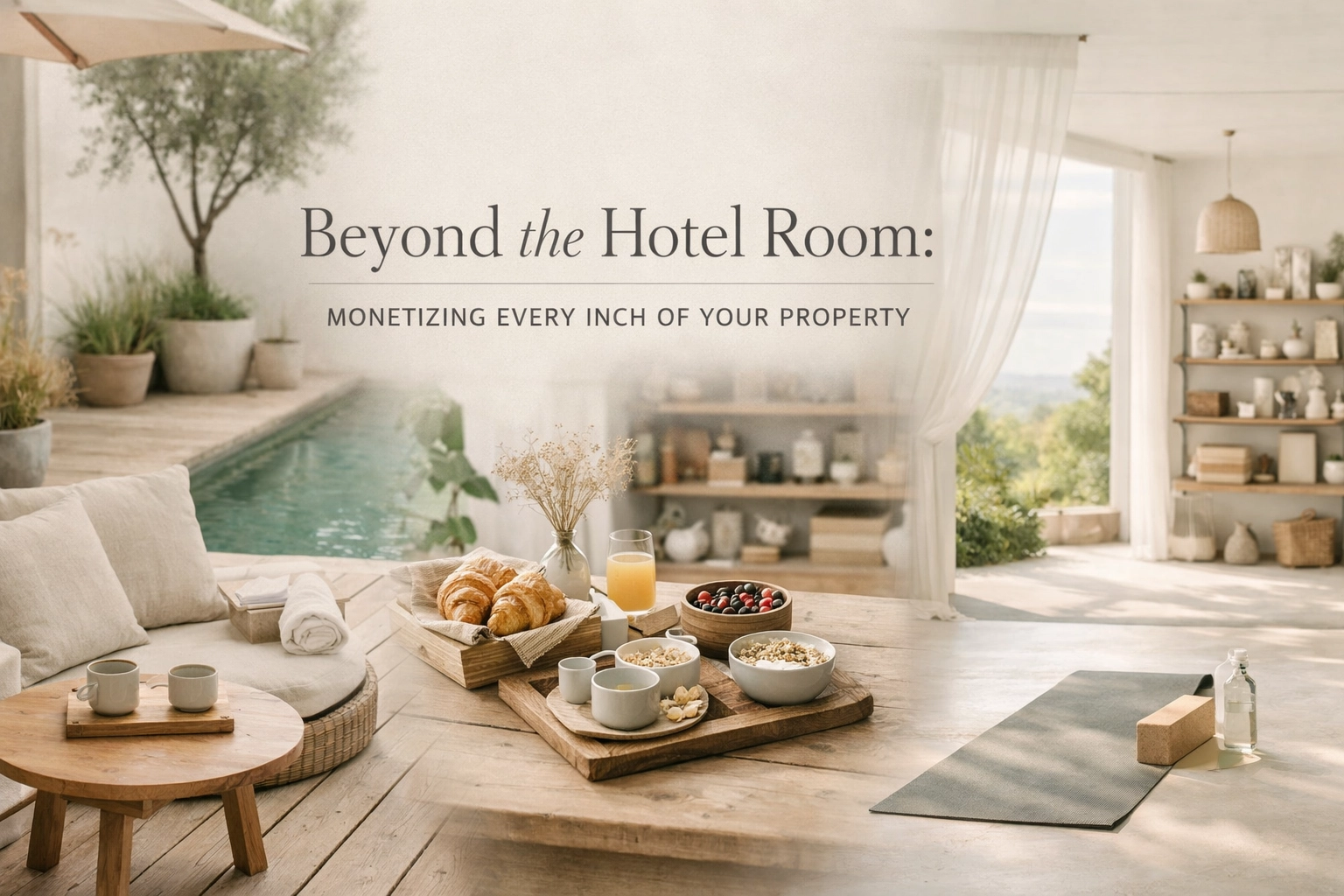
Your hotel is sitting on untapped revenue. Every day.
That lobby space empty at 2 PM? Revenue opportunity. The parking lot half-full on weekdays? Revenue opportunity. The meeting room dark between events? You guessed it: revenue opportunity.
Here's the thing: hotels that only think about room revenue are leaving serious money on the table. The most innovative properties are monetizing everything: parking spots, desk spaces, restaurant seats for locals, even rooftop access. And they're doing it without adding complexity, thanks to modern technology.
The Revenue Reality Check
Traditional hotels focus on one metric: occupancy. But the math doesn't add up anymore.
A room sits empty for 8-10 hours while guests are out exploring. Meeting spaces go dark after 5 PM. Restaurants serve only hotel guests. Meanwhile, your neighborhood is full of people looking for exactly what you have: just not necessarily a place to sleep.
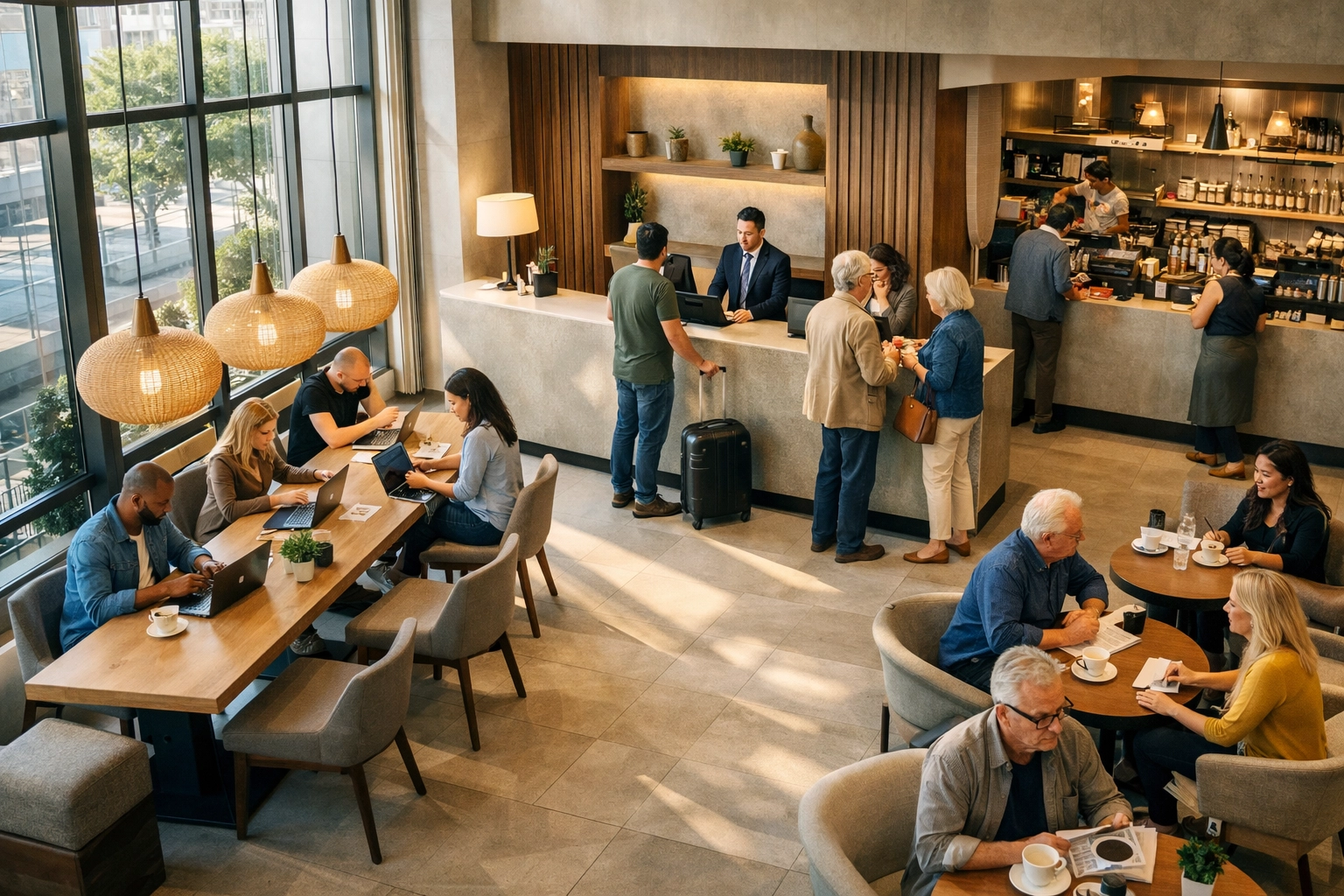
Smart hoteliers are rethinking every square foot. Not as "hotel space," but as revenue-generating real estate that serves multiple purposes throughout the day.
The best part? A robust hotel property management system makes managing these diverse revenue streams easier than you think.
Turning Empty Space Into Income
Parking: The Overlooked Gold Mine
Your parking lot doesn't care if the car belongs to an overnight guest or someone attending a meeting downtown. Yet most hotels only monetize parking through room bookings.
Progressive properties are listing parking spots separately: by the hour, by the day, or by the month. Commuters, event attendees, and locals all need parking. You have it. The margins on parking often exceed traditional amenities.
Co-Working Spaces: The New Lobby
That lobby redesign you did? It's not just for aesthetics. It's a workplace.
Remote workers and freelancers need professional spaces outside their homes. Your lobby, lounge areas, and even converted meeting rooms can serve as flexible workspaces during off-peak hours. MAH Hotel in Belgium saw their booking engine conversion rate jump 8.3% after launching day-use and co-working options.
Daily desk passes. Weekly memberships. Private office hours. All bookable, all trackable, all revenue.
Meeting Spaces That Work Around the Clock
Meeting rooms sit empty nights and weekends. But small businesses, local groups, and professionals need these spaces exactly when you're not using them.
Offer hourly bookings for client meetings, workshops, or recording studios. Package them with catering from your restaurant. Add AV equipment for an upcharge. Suddenly, that Tuesday afternoon gap becomes billable.

Food, Beverage, and Experiences
Open Your Restaurant to the Neighborhood
Hotel restaurants have a reputation problem: and it's costing you. Locals assume they're overpriced or exclusive. Change that narrative.
Market your restaurant as a neighborhood destination. Host wine tastings on slow nights. Launch a Sunday brunch that becomes the place to be. Partner with local chefs for pop-up dinners. Your kitchen is already staffed: might as well fill more seats.
Memberships: The Recurring Revenue Dream
Memberships turn one-time visitors into regulars. And regulars spend more.
Offer locals access to your pool, fitness center, or co-working lounge for a monthly fee. Throw in restaurant discounts and spa perks. You're building a community while generating steady off-season income.
The psychology works: people use what they pay for. Those members will book your restaurant, use your spa, and recommend your rooms to visiting friends.
Day-Use Bookings: The Obvious Play
Business travelers between flights. Couples celebrating anniversaries without an overnight stay. Remote workers needing a day retreat. They all want hotel amenities: just not for the whole night.
Day-use bookings monetize rooms during traditional downtime. Check-in at 10 AM, check-out at 6 PM. You turn the room twice in 24 hours, maximizing revenue per available room.

The Technology That Makes It Possible
Here's where it gets interesting. Managing all these revenue streams sounds complicated. Multiple booking systems, different pricing models, inventory conflicts: it could be a nightmare.
Or it could be seamless.
A modern hotel property management system handles everything from a single platform. Room bookings, parking reservations, co-working desk rentals, restaurant tables, spa appointments, and meeting room schedules: all connected, all automated, all revenue-optimized.
Why This Matters
Without integrated technology, you're juggling separate systems. Double bookings happen. Data sits in silos. Staff wastes time on manual coordination. Revenue leaks through the cracks.
With the right PMS, you're orchestrating. One dashboard shows all inventory: rooms, spaces, and services. Dynamic pricing adjusts automatically based on demand. Guests book everything in one transaction. Your team manages it all without the chaos.
Mews takes this approach. Their platform treats every bookable asset the same way: whether it's a penthouse suite or a parking spot. You set it up once, and it runs.
Real Revenue, Real Results
The numbers tell the story.
Hotels monetizing beyond rooms see revenue per available square foot increase by double digits. Parking alone can add 5-10% to bottom-line revenue. Co-working memberships generate predictable monthly income that smooths out seasonality.
One property added day-use bookings and saw their RevPAR climb 12% without adding a single room. Another opened their restaurant to locals and tripled F&B revenue in six months.

The key isn't just having these offerings: it's making them easy to discover and book. Your website, booking engine, and property management system need to work together seamlessly. Guests (or locals) should be able to book a workspace, parking, and a restaurant reservation in the same flow.
Making It Happen
Start with what you have.
Walk your property and identify underutilized spaces. That corner of the lobby? Desk space. The roof access? Event venue. The half-empty parking lot? Revenue center.
Then ask: who in my community needs this space, and when? Early morning gym access for neighborhood professionals. Afternoon co-working for freelancers. Evening meeting rooms for small businesses.
Price it right. Don't give it away, but don't charge room-rate premiums either. You're competing with coffee shops, co-working chains, and parking garages: price accordingly.
Finally, get the technology right. Choose a hotel property management system that can handle diverse inventory types without forcing you into workarounds. You want one platform, one interface, one source of truth.
The Bigger Picture
This isn't just about squeezing more revenue from your property. It's about becoming a community hub.
When locals use your co-working space, they bring guests to your restaurant. When they attend events in your meeting rooms, they recommend your hotel to visiting colleagues. When they're familiar with your property, they think of you first for staycations and celebrations.
You're building brand loyalty that extends far beyond overnight guests.
The hotel room will always be your core product. But it doesn't have to be your only product. Every space has potential. Every amenity can generate revenue. Every hour of every day is an opportunity.
You just need the right tools to capture it.

Modern hotel property management systems like Mews make it possible to think bigger about your property. They handle the complexity so you can focus on the creativity: finding new ways to serve your community while building a more resilient, diversified revenue model.
Your property has more to offer than you're currently selling. Time to monetize every inch.