Automate the boring. Personalize the unique. Scale the impossible.
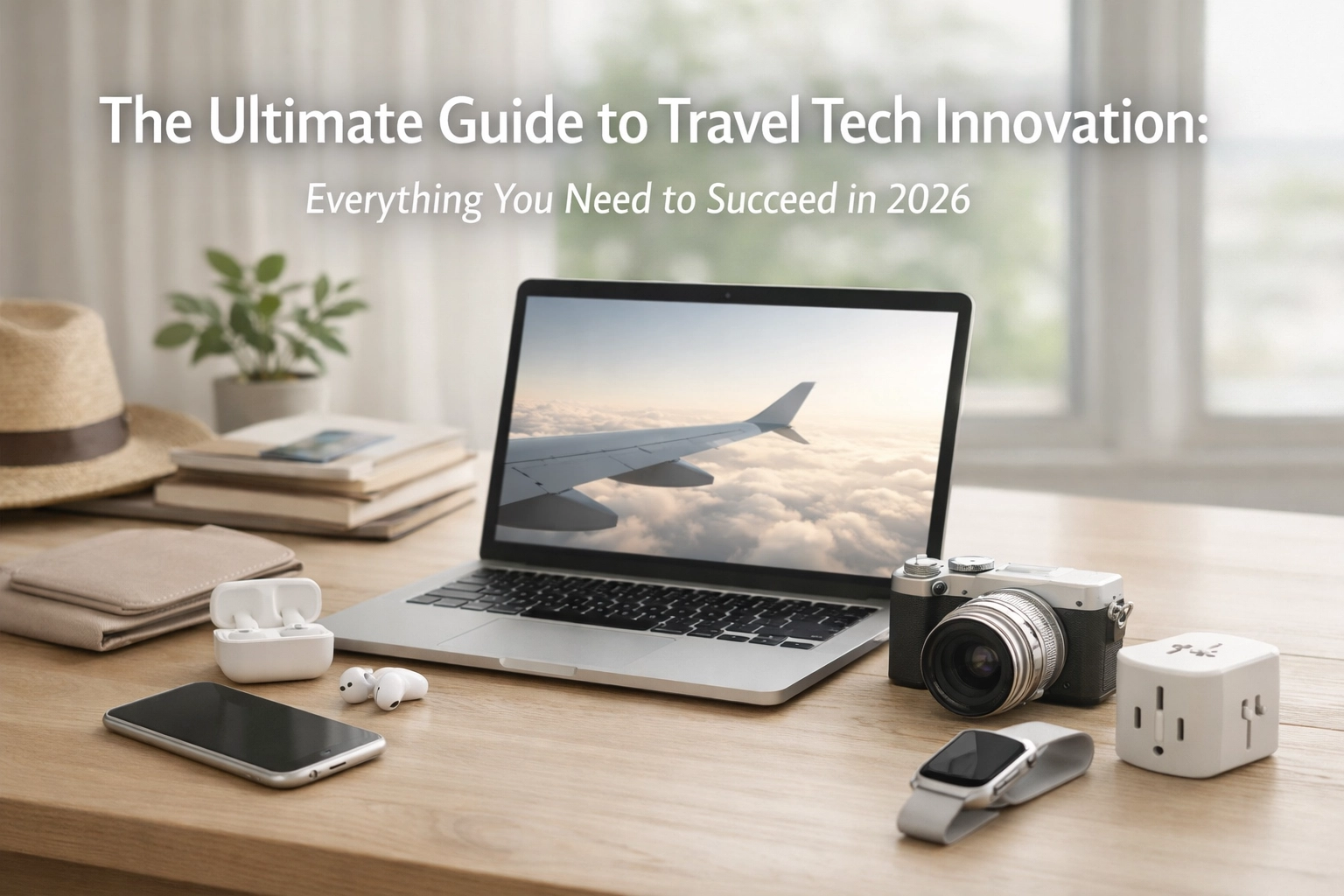
The travel landscape in 2026 isn't about flashy gadgets or "metaverse" gimmicks that never quite landed. It’s about invisible technology. It’s about systems that work so well you forget they’re even there. In 12 months, the industry has shifted from talking about AI to living it: and if your property isn't riding the wave, you’re likely drowning in manual spreadsheets.
We’ve seen a fundamental shift toward intelligent systems that anticipate needs, reduce friction, and deliver measurable outcomes. All from one innovative platform.
AI is the New Front Desk
Planning a trip used to take hours of scrolling through reviews and maps. Not anymore.
Generative AI has officially hit the mainstream. Recent data shows that nearly a quarter of all travelers now use gen AI tools for their entire trip planning process. In the EMEA region, that number jumps to 50%. Travelers aren't just "searching" anymore; they're conversing with algorithms to build itineraries, choose hotels, and find hidden local gems.
We believe the best guest experience starts before the guest even arrives.
- Real-time personalization: AI now crafts tailored offers based on real-time behavior.
- Dynamic pricing: Revenue management that reacts to sentiment, not just occupancy.
- Context-aware merchandising: Selling the right add-on at the exact moment the guest needs it.
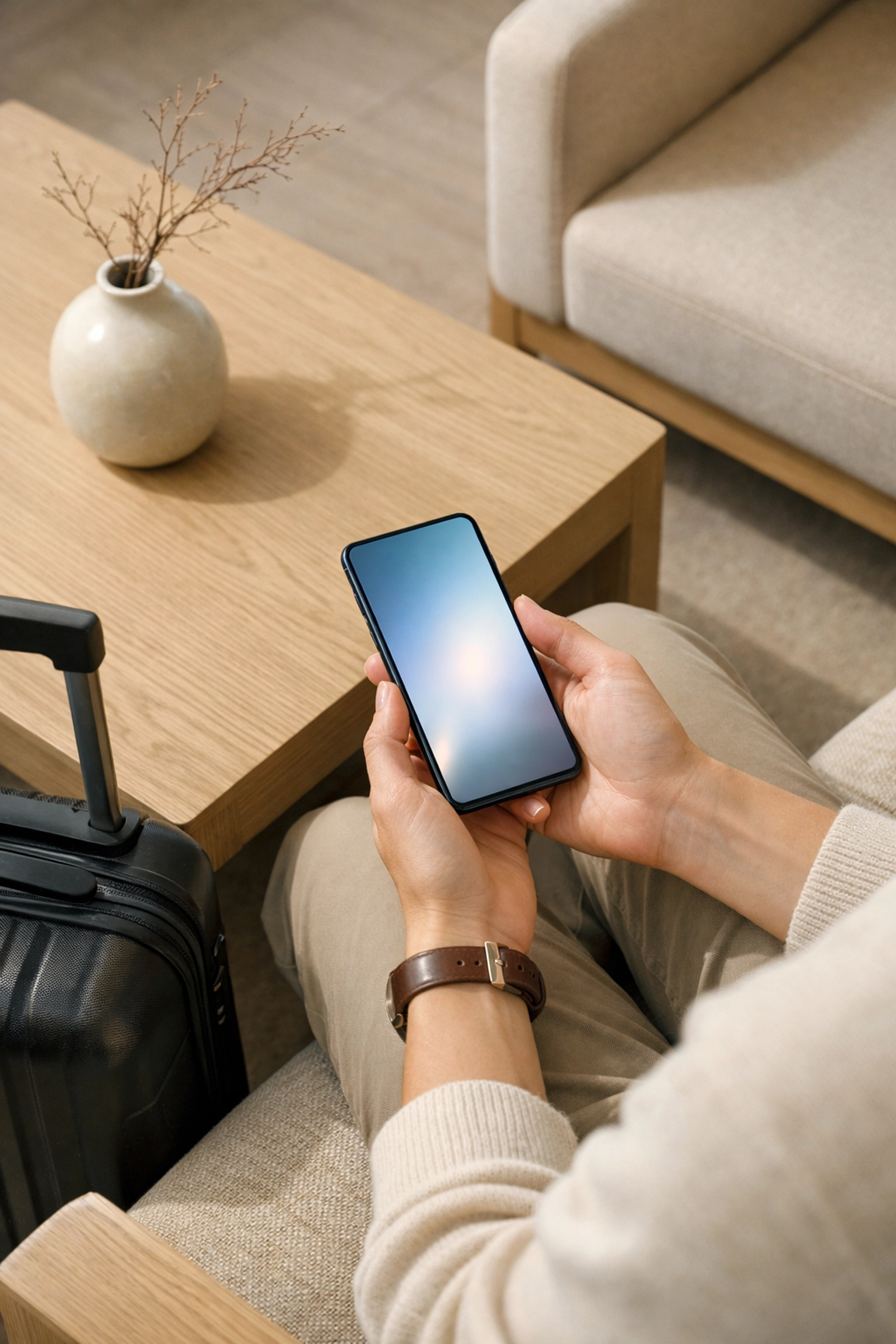
When your tech stack understands the traveler better than they understand themselves, the "Trust Flywheel" kicks in. Guests stop looking for alternatives because your platform provides exactly what they need, every single time. It’s high-tech, but it feels like high-touch hospitality.
Ready to see how the pros do it? Check out how Mews is leading the charge.
The Rise of Invisible Automation
The goal of travel tech in 2026 is simple: make the technology disappear.
We’re moving toward "zero-touch" operations. In the corporate world, this is already the standard. Booking processes are automated, policies are handled by AI auditors, and the friction of expense reports has virtually vanished. For hotel operators, this means shifting your staff from "data entry clerks" to "experience curators."
Think about your current check-in process. If it involves a desk, a physical credit card, and a printed registration card, you’re living in 2016, not 2026.
- Zero-touch arrivals: Biometric palm-scans and facial recognition handle security.
- Automated operations: Systems that process data from bookings and preferences without human intervention.
- AI Auditors: Algorithms that train themselves to spot operational inefficiencies before they cost you money.
"We used to spend 15 hours a week on manual reporting. Now, the system just tells us what to do next," says one of our partners. That’s the power of a platform designed for the modern age.
Geolocation and the "In-the-Moment" Guest
Travel companies are moving away from broad demographics. We don’t care if someone is a "Millennial" or a "Gen Z." We care about where they are and what they’re doing right now.
Geolocation (GEO) technology has linked digital experiences to physical locations. Imagine a guest walking past your hotel bar and receiving a notification for a personalized cocktail based on their previous stays. Or a destination management system that realizes a museum is getting too crowded and automatically sends discount vouchers for a nearby park to visitors currently in the area.
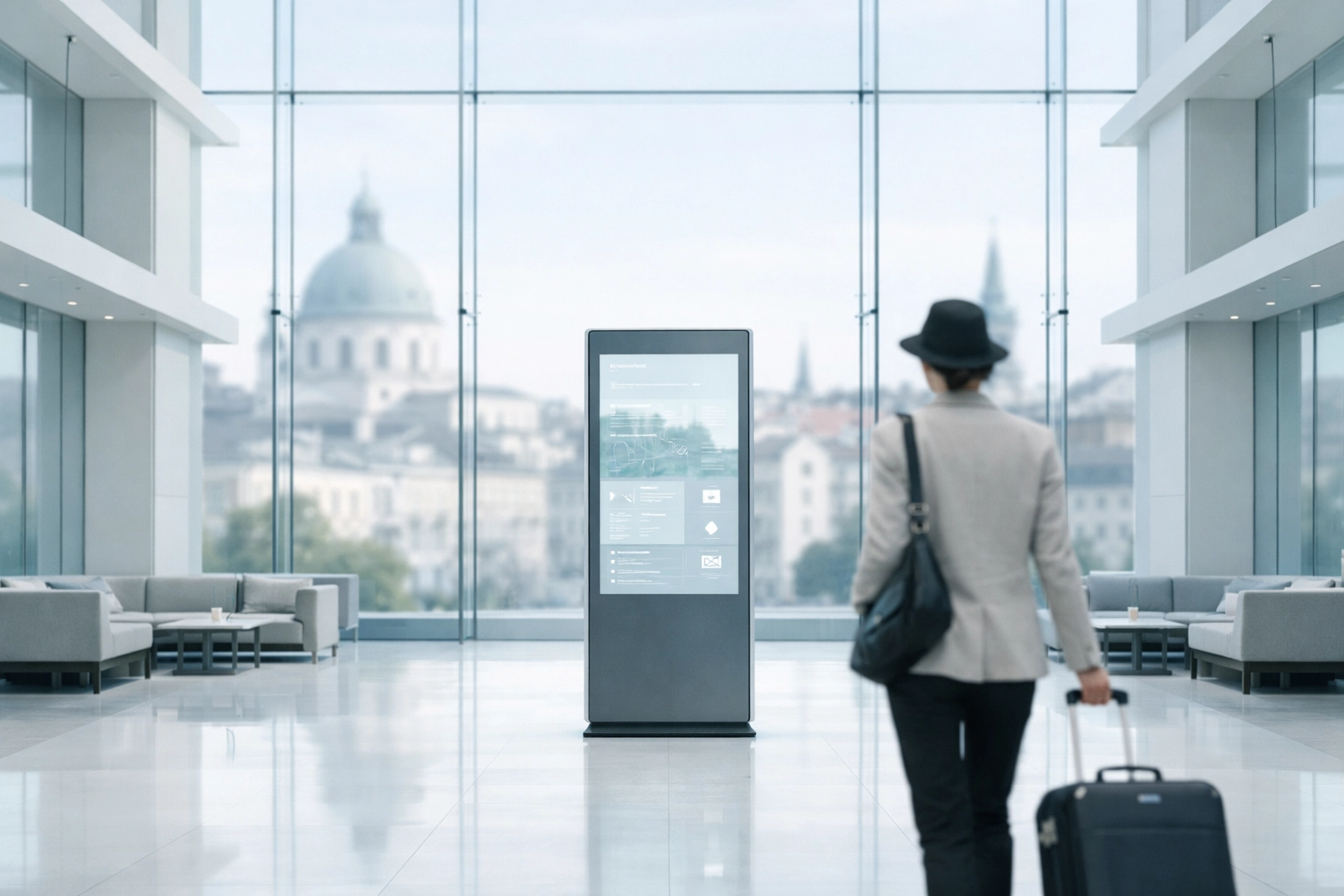
Smart destinations are now using digital twins: virtual copies of cities and attractions: to simulate visitor flow in real-time.
- Predict crowd sizes before they happen.
- Manage energy and water use based on real-time occupancy.
- Direct visitor flow to less busy, more sustainable areas.
This isn’t just about efficiency; it’s about sustainability. Systems like Expedia’s "Smart Travel Health Checks" are now rewarding properties and destinations that manage tourism responsibly. In 2026, being "green" isn't a marketing slogan: it's a data-driven operational requirement.
Innovation Tourism: The New Frontier
We’re seeing a fascinating trend: people are traveling specifically to experience technology.
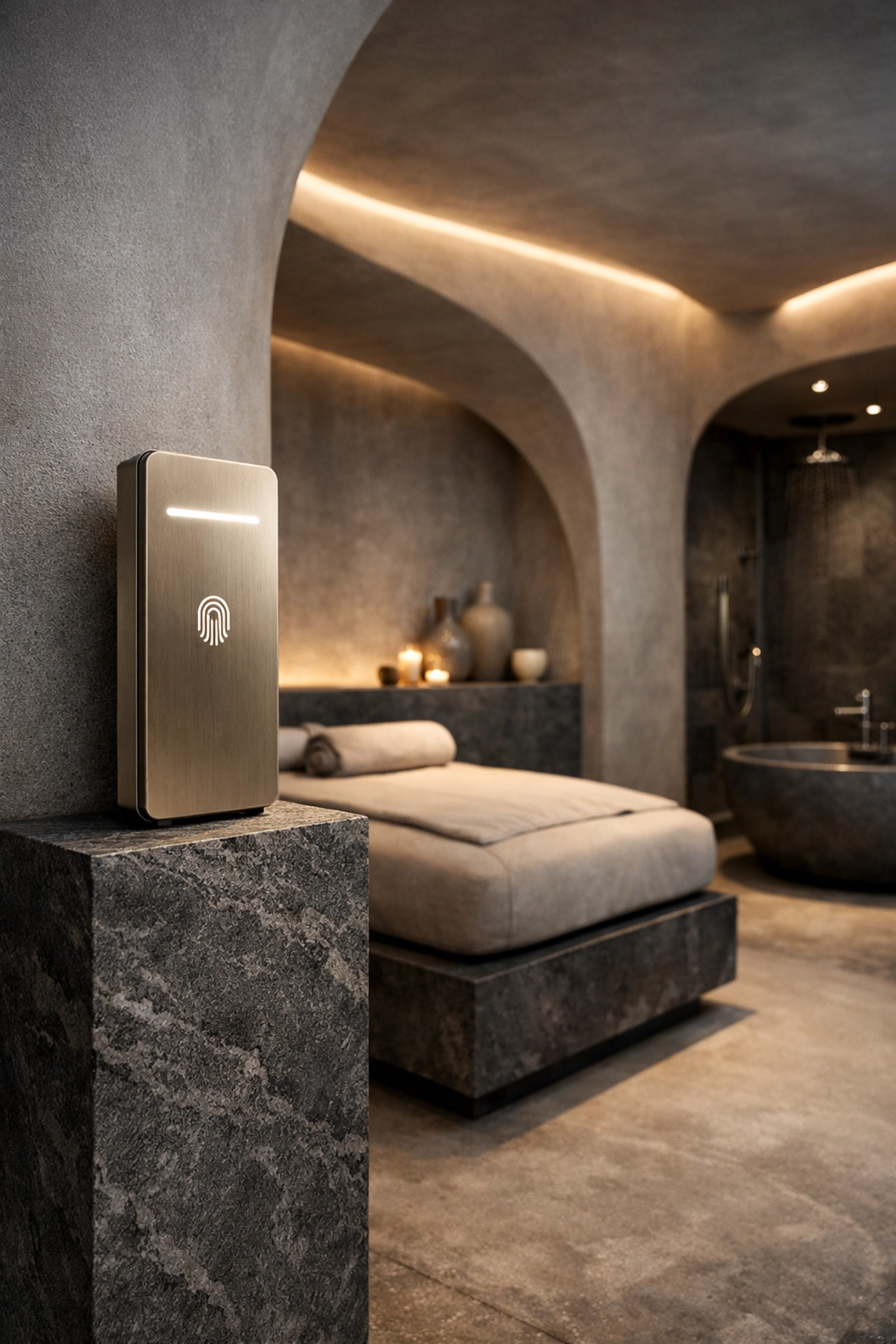
Destinations like Shenzhen are seeing a massive spike in flight searches (up 48% year-on-year) from travelers who want to see the future. They want robots carrying their luggage. They want autonomous vehicle transfers. They want next-gen wellness spas that perform biometric health scans before suggesting a treatment.
- Palm-scan ticketing: No more fumbling for QR codes.
- Live translation glasses: Breaking down language barriers in real-time.
- Robot assistants: Handling the heavy lifting so humans can handle the hospitality.
If your property feels like a time capsule, you’re missing out on the "Innovation Tourist." You don't need a fleet of robots, but you do need an interface that feels like it belongs in the current decade.
Data Accuracy: The Foundation of Everything
You can have the fanciest AI in the world, but if your data is garbage, your results will be too.
To succeed in 2026, you must prioritize data accuracy. This enables the personalization and sustainability initiatives that guests now demand. We think the move from "volume" to "intelligence" is the most important shift a hotelier can make. Stop trying to get more bookings and start trying to get smarter ones.
Succeeding today requires a shift in mindset:
- Embrace AI integration as a core function, not an add-on.
- Invest in automation to allow for scalability without increasing headcount.
- Build trust through reliability so guests lean into your automated recommendations.
The Mews Advantage
At Mews, we’ve always believed that technology should empower people, not replace the human touch. Our platform is built to be the "invisible backbone" of your property. We handle the complexity of payments, bookings, and data management so you can focus on what actually matters: your guests.
With over 12,500 properties worldwide, we’ve seen firsthand how the right tech stack can transform a business. It’s about more than just a PMS; it’s about an ecosystem that connects you to the future of travel.
See how our innovative hospitality tech can get you ahead of the curve.

Making the Leap
The transition to a tech-forward model doesn't have to be a headache. It’s about taking small, deliberate steps toward automation and intelligence.
- Schedule a demo: See how a modern PMS handles the heavy lifting.
- Audit your tech: Identify where "friction" is slowing down your guests.
- Go cloud-native: Ensure your data is accessible and actionable from anywhere.
The most effective travel technology in 2026 works seamlessly behind the scenes. It delivers tangible benefits without requiring the traveler: or the hotelier: to think about the technology itself.
It’s time to stop managing software and start managing experiences.
Ready to transform your property? Join the Mews community today and let’s get you earning more revenue with less effort.