
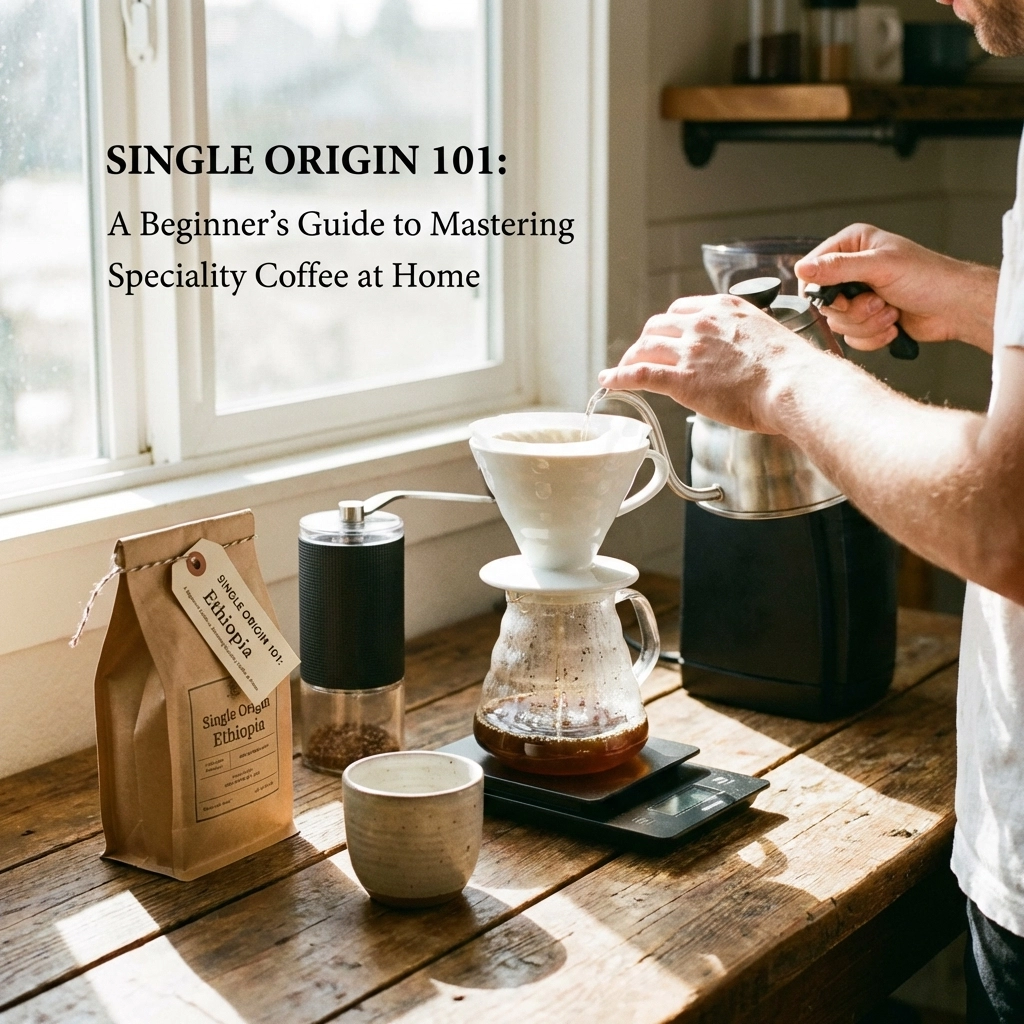
So, you’ve decided to step away from the supermarket shelves and dive headfirst into the world of speciality coffee. We think that’s a brilliant decision. There is something truly magical about the moment you open a bag of fresh roasted coffee beans and that first aroma hits you. It’s not just "coffee smell": it’s blueberries, or toasted hazelnuts, or maybe even a hint of jasmine.
But then you see the label: "Single Origin." It sounds fancy, right? Maybe a bit intimidating? Don't worry, we are here to break it all down for you. Understanding single origin coffee is basically like moving from drinking "red wine" to appreciating a specific Malbec from a high-altitude vineyard in Mendoza. It’s about the story, the place, and, most importantly, the incredible flavour.
If you’re ready to start your journey, you can find our latest seasonal picks at Limini Coffee, where we obsess over these details so you don’t have to.
What exactly is Single Origin?
In the simplest terms, single origin means your coffee beans come from one specific place. But "place" can be a bit of a sliding scale.
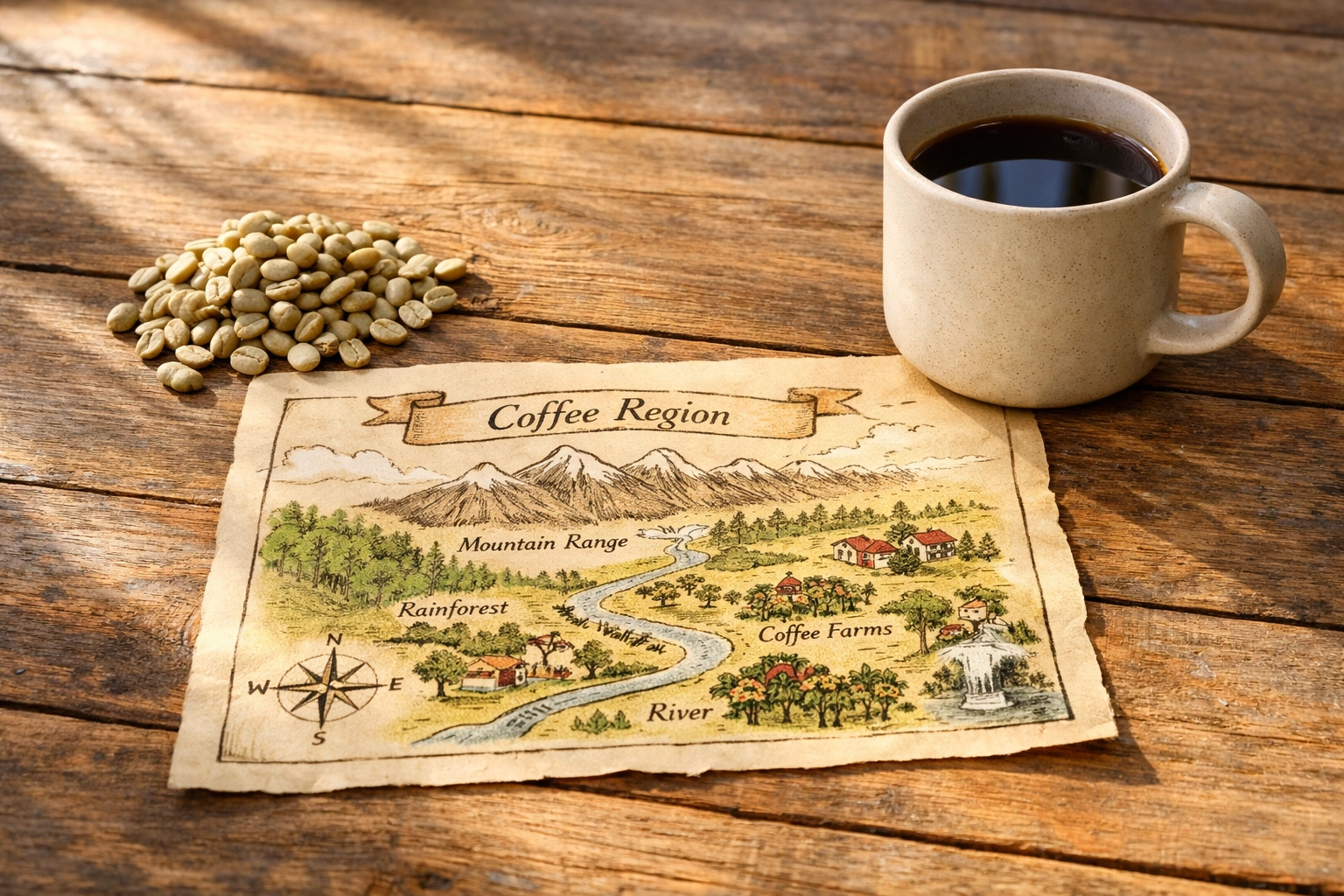
Sometimes it means a whole country, like "100% Colombian." Other times, it’s a specific region, like the famous Yirgacheffe in Ethiopia. However, in the world of true speciality coffee, we usually like to get even more specific. We’re talking about a single farm (often called an "estate") or even a "micro-lot": which is coffee from one particular hillside on a farm, harvested on a specific day.
Why does this matter? Because coffee is a fruit. And like any fruit, its flavour is dictated by the environment it grows in. When you buy a blend, the roaster is mixing beans from different places to create a consistent, reliable taste. But when you buy single origin, you are tasting the "terroir": the unique combination of soil, climate, and altitude.
Single Origin vs. Blends: Which should you choose?
This is a question we get asked a lot. Neither is "better," but they serve different purposes.
We believe blends are fantastic for your morning latte or if you use a lever automatic espresso machine. They are designed to be balanced, punchy, and cut through milk perfectly. Blends are the reliable friends of the coffee world.
Single origins, on the other hand, are the adventurous explorers. They are often more delicate, more acidic (the good kind!), and have much more distinct flavour profiles. If you want to taste the difference between a coffee that tastes like milk chocolate and one that tastes like Earl Grey tea, single origin is the way to go.
| Feature | Single Origin | Coffee Blend |
|---|---|---|
| Flavour Profile | Distinct, unique, often fruity or floral | Balanced, consistent, chocolatey |
| Traceability | High (often down to the specific farm) | Moderate (mixed origins) |
| Best Brew Method | Pour-over, Aeropress, Black Espresso | Espresso, Latte, Cappuccino |
| Consistency | Varies by season and harvest | Highly consistent year-round |
| Complexity | High acidity and nuanced notes | Smooth mouthfeel and reliable sweetness |
If you are just starting out, we recommend trying a few different single origins from Limini Coffee to see which regions sit best with your palate.
Reading the Label like a Pro
When you look at a bag of speciality coffee, it can sometimes feel like you’re reading a science report. Let’s decode the jargon so you know exactly what you’re getting into.
1. The Process (Washed vs. Natural)
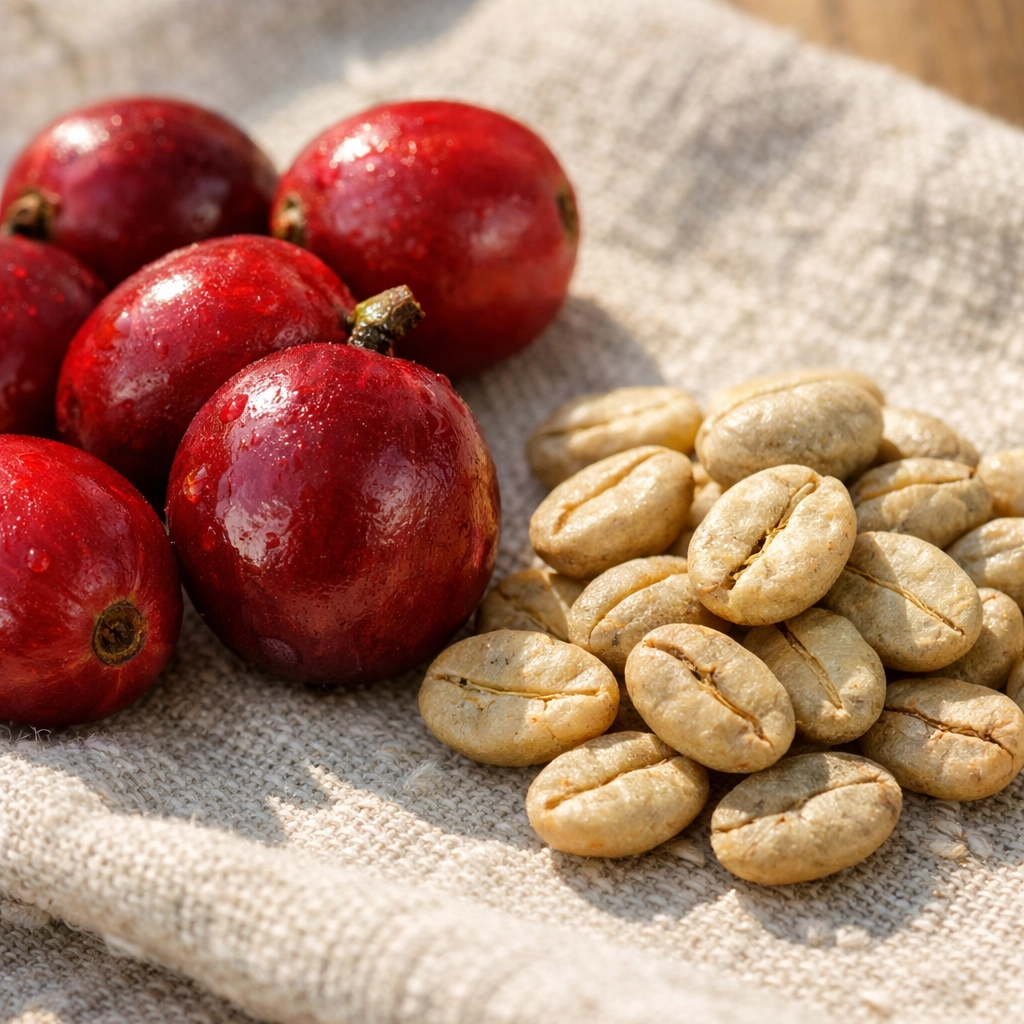
This is extremely important. The "process" is how the coffee cherry is removed from the bean.
- Washed: The fruit is stripped off before the beans are dried. This usually results in a very "clean" cup with bright acidity and floral notes.
- Natural: The beans are dried inside the fruit. This leads to heavy bodies and intense, funky, fruit-forward flavours (think strawberry or tropical fruit).
- Honey Process: A middle ground where some of the sticky fruit (mucilage) is left on during drying. It’s sweet, creamy, and delicious.
2. Altitude
You’ll see numbers like "1,800 masl" (metres above sea level). Higher altitude usually means slower growth for the coffee cherry, which leads to more density and more complex sugars. Basically, higher usually equals "fancier" flavours.
3. Varietal
This is the "breed" of the coffee plant. Bourbon, Typica, Caturra, Geisha… there are hundreds. Each has its own personality. For example, Bourbon is known for its sweetness, while Geisha is the "superstar" varietal known for intense floral aromatics.
Mastering the Brew at Home
Now, let's talk about getting that incredible flavour out of the bean and into your mug. If you’ve spent money on high-quality single origin beans, you don't want to ruin them with bad technique.
Gear Matters (But not as much as you think)
You don't need a £5,000 setup to enjoy speciality coffee. However, we do think a decent burr grinder is the single best investment you can make. Freshness is everything. Grinding your beans seconds before brewing preserves those delicate aromatics that make single origin so special.
If you're looking for advice on a more serious setup, check out our guide on choosing espresso equipment.
The Golden Rules of Brewing
- Water Temperature: Don't use boiling water! It can scorch the delicate oils. We prefer a range between 88 C to 95 C (190 °F / 203 °F). If you don't have a temperature-controlled kettle, just let the boil settle for about two minutes.
- The Ratio: This is the secret to consistency. Use a scale! We usually recommend a ratio of 60g of coffee per 1 litre of water. You can use our coffee brewing calculator to get the math perfect.
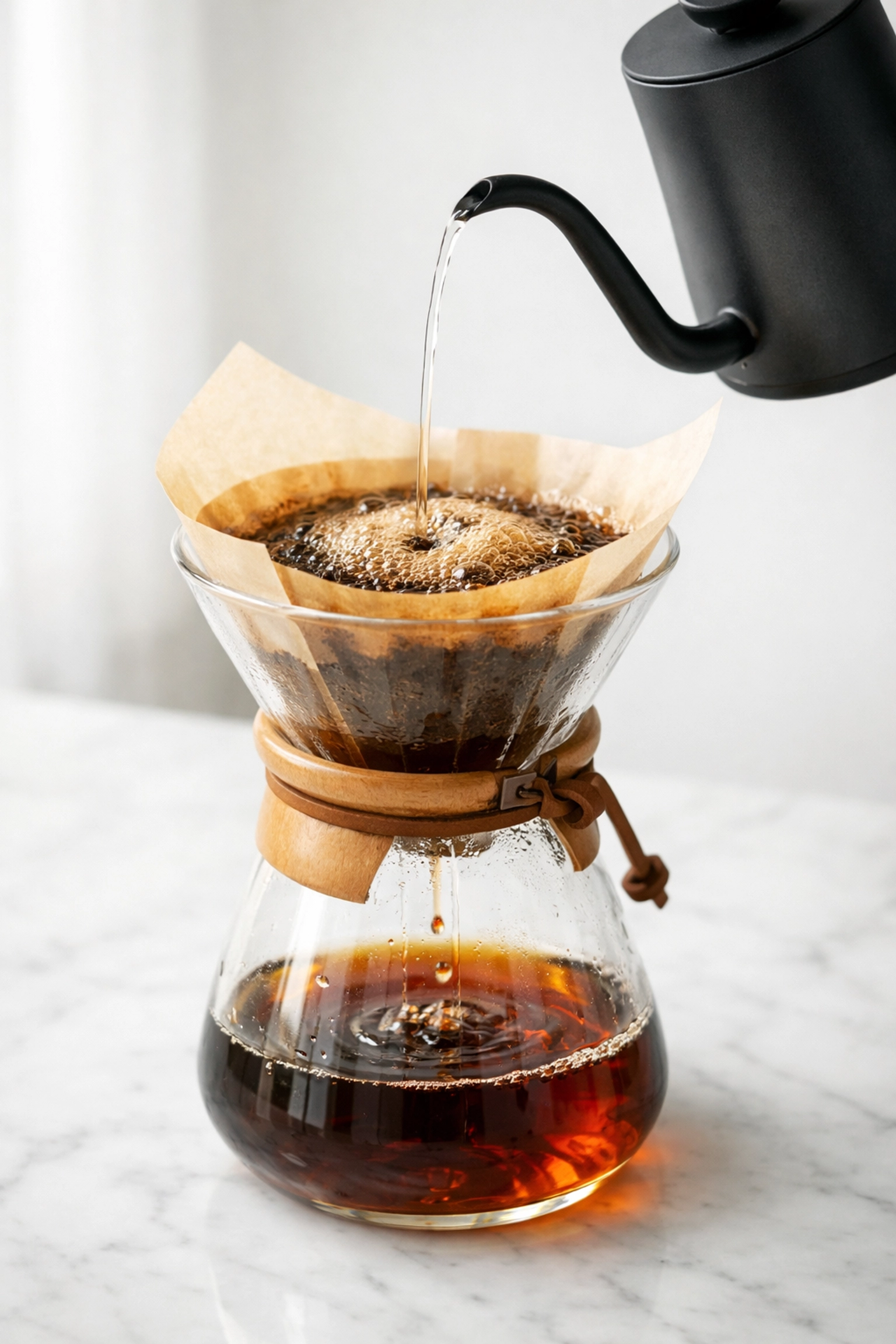
- The Bloom: When you first pour water over the grounds, you’ll see them bubble and expand. This is the coffee releasing CO2 (degassing). Give it 30 seconds to "bloom" before adding the rest of your water. It makes a huge difference to the final taste.
Why Single Origin is Better for Black Coffee
To be honest, if you are planning on adding three sugars and a huge splash of milk to your coffee, a single origin might be a bit of a waste. The subtle notes of jasmine or lime are going to get lost in the dairy.
Single origins truly shine when drunk black, particularly through filter methods like a V60 or Chemex. These methods allow the nuanced acidity and clarity of the bean to take centre stage. If you’re an espresso lover, drinking a single origin shot can be an intense, eye-opening experience: just be prepared for a bit more "zing" than you might find in a traditional Italian roast.
If you are interested in how milk interacts with coffee though, we’ve got a whole article on understanding milk that might change how you view your flat white.
Sourcing and Ethics: The "Why" Behind the Price
You might notice that single origin beans from a roaster like Limini Coffee cost a bit more than the stuff in the supermarket. Why is this?
It comes down to sourcing our coffee. When you buy single origin, the supply chain is much shorter. Instead of a massive corporation buying "commodity grade" coffee at the lowest possible price, speciality roasters pay a premium for quality. This premium often goes directly back to the farmers, allowing them to invest in better equipment, sustainable farming practices, and better wages for their workers.
It’s a win-win. You get a much better cup of coffee, and the farmer gets a fair price for their hard work. It's about respect for the craft.
How to Start Your Journey
If you’re feeling overwhelmed, don’t be! The best way to learn is to taste.
We recommend starting with two very different origins. Maybe grab a bag of something from Ethiopia (expect tea-like, floral, and citrus notes) and compare it to something from Brazil (expect chocolate, nuts, and a creamy mouthfeel). Tasting them side-by-side is the quickest way to train your palate.
And remember, coffee is subjective. There is no "right" way to enjoy it. Some people love the bright, acidic punch of a Kenyan coffee; others find it too sour and prefer the earthy, spicy notes of a Sumatran. That is the beauty of coffee 🙂
If you want to dive even deeper, we offer coffee barista training where we go into the nitty-gritty of extraction and flavour profiles. It’s a great way to skip the trial-and-error phase and start brewing like a pro.
Final Thoughts
Mastering speciality coffee at home is a journey, not a destination. You’ll have days where you brew the perfect cup and days where it’s… well, a bit of a disaster. But that’s all part of the fun.
By choosing single origin beans, you are opening yourself up to a world of flavour that most people never get to experience. You’re supporting small farmers, and you’re treating yourself to something truly special every morning.
So, go ahead. Grab some fresh roasted beans from Limini Coffee, dust off that pour-over kit, and start exploring. We think you’re going to love what you find.
Happy brewing!