Remember the guest. Anticipate their needs. Create moments that matter.
That's not a luxury service philosophy anymore: it's the baseline expectation. Modern travelers arrive at your property already accustomed to Netflix recommendations, Amazon suggestions, and Spotify playlists that know their mood better than they do. They expect the same level of personalization from their hotel stay.
And here's the thing: delivering on that expectation is no longer labor-intensive or prohibitively expensive. A modern hotel CRM system makes it scalable, automated, and profitable.
The Shift from Nice-to-Have to Must-Have
Five years ago, remembering a guest's pillow preference was a delightful surprise. Today? It's table stakes.
Guest expectations have fundamentally changed. They don't want generic experiences: they want experiences built around them. Their dietary restrictions. Their preferred room temperature. Their favorite welcome drink. The fact that they always request a late checkout on Sundays.
This isn't about being fancy. It's about being relevant.
Most travelers now use AI tools to plan their trips, which means they're interacting with personalized technology before they even pack their bags. By the time they reach your front desk, they've experienced dozens of tailored interactions. Your hotel needs to match that standard or risk feeling dated.
What a Hotel CRM System Actually Does
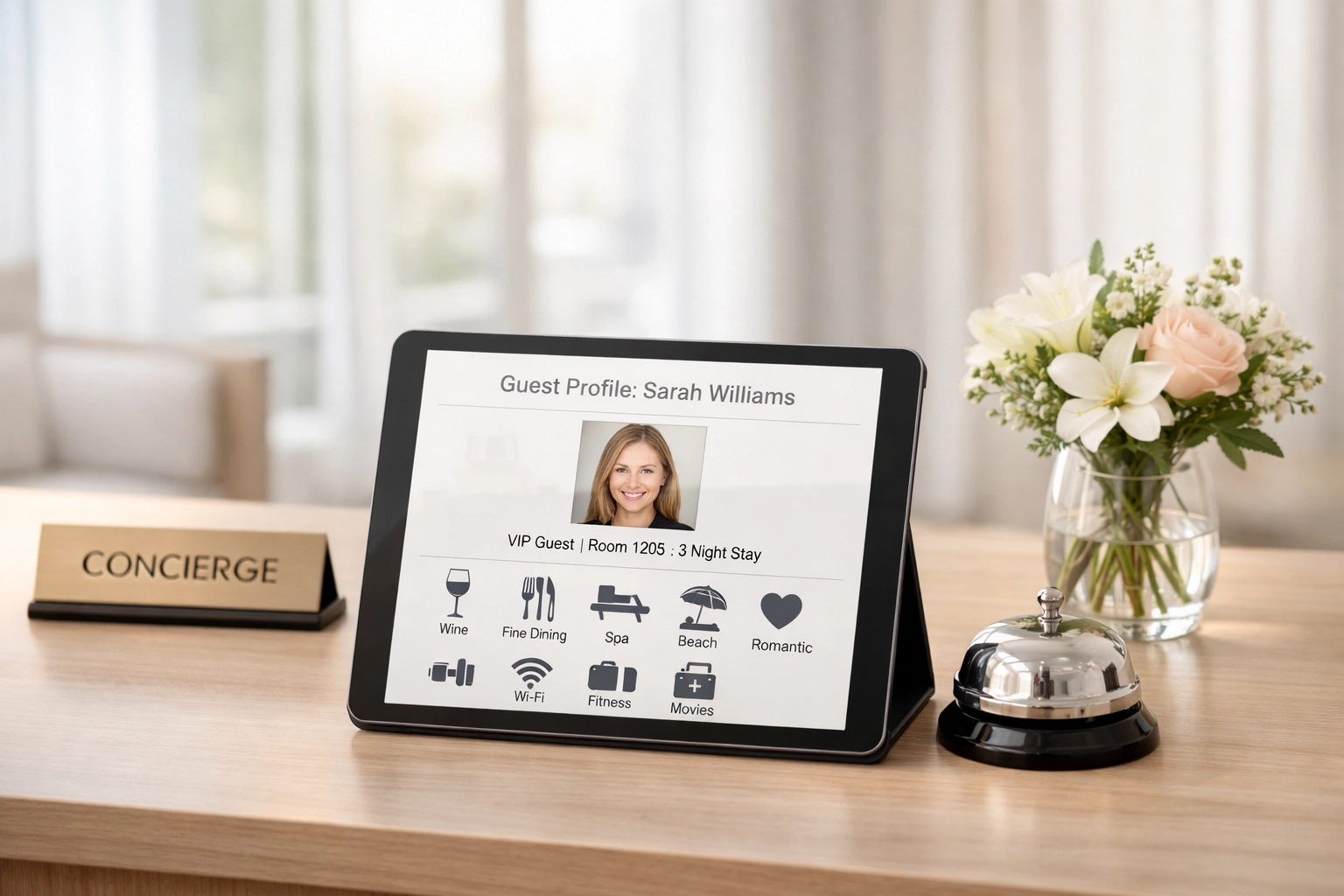
Think of a hotel CRM system as your property's memory: one that never forgets and gets smarter with every interaction.
It collects guest data across every touchpoint. Booking preferences. Communication history. Purchase behavior. Special requests. Feedback scores. Then it organizes that information into actionable insights that your team can use to deliver genuinely personalized experiences.
But here's where it gets interesting: the best systems don't just store data. They help you use it.
A robust hotel CRM system enables you to:
- Automatically segment guests based on behavior and preferences
- Trigger personalized communications at exactly the right moment
- Surface relevant upsell opportunities that guests actually want
- Track lifetime value and identify your most valuable relationships
The technology handles the heavy lifting. Your team focuses on the human connection.
Personalization Across the Entire Guest Journey
Let's walk through how this plays out in real life.
Before Arrival
Your hotel CRM system spots that Sarah Chen is returning for her fifth stay. It knows she's vegetarian, prefers rooms on higher floors, and always books spa treatments. Your pre-arrival email automatically includes:
- A personalized greeting referencing her loyalty
- A curated list of new vegetarian menu items
- An offer for her preferred massage therapist
- An option to pre-select her usual room type
No manual work required. The system recognized the patterns and served up relevant content.

At Check-In
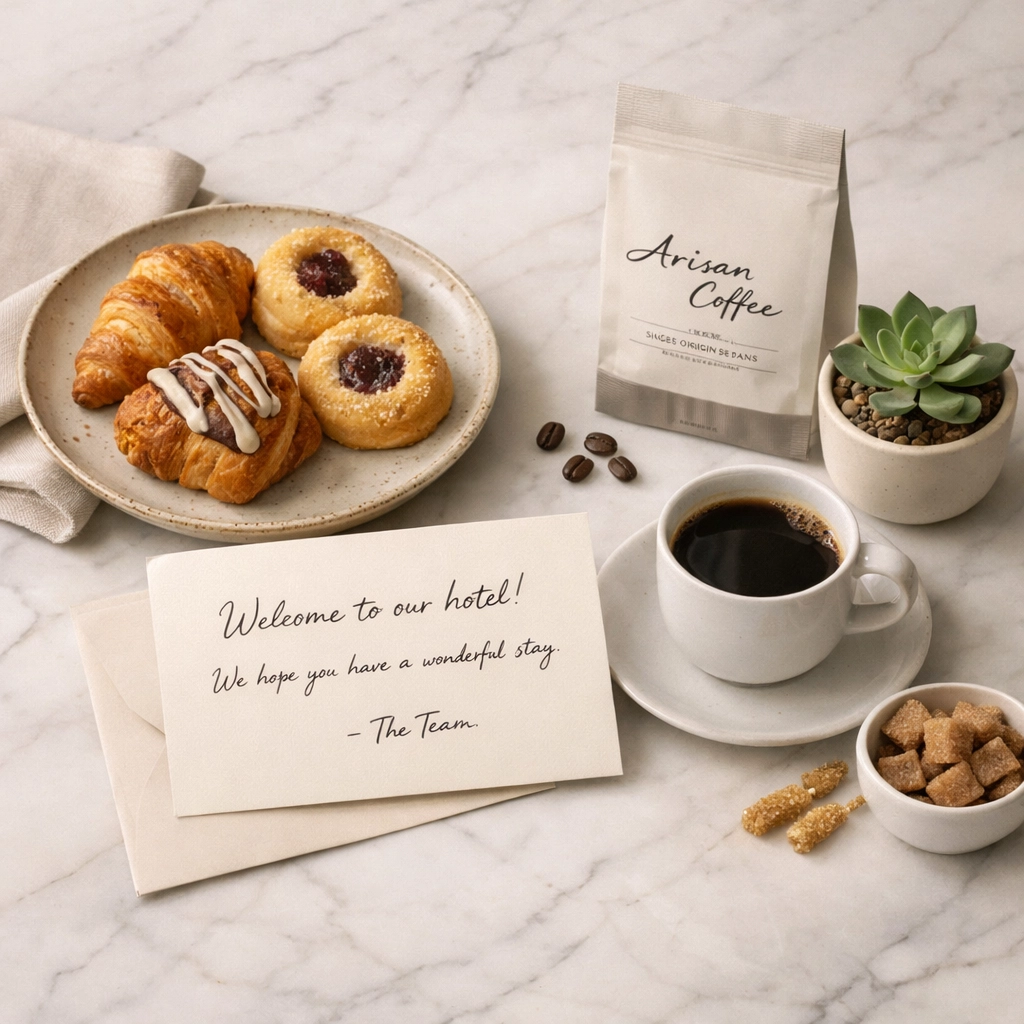
When Sarah arrives, your front desk agent has her profile right there. They greet her by name, confirm her room preference, and mention that her favorite massage therapist has availability tomorrow at 3 PM.
The agent isn't reading from a script or frantically searching through notes. The information is organized, accessible, and actionable.
During the Stay
Sarah orders room service at 8 PM. Your hotel CRM system notes the timing and the specific dishes. Three months later, when she books again, your system can suggest those same items as her arrival-night dinner.
She mentions at checkout that she loved the lavender pillow spray in her room. That preference gets logged. Next visit? It's already there waiting.
After Departure
Two weeks later, Sarah receives a personalized email thanking her for her visit, asking for feedback on the new menu items she tried, and offering an early-bird rate for the timeframe when she typically books.
It feels thoughtful because it is. The system identified the patterns; your team added the human touch.
The Business Case for Personalization
This isn't just about making guests feel special: though that matters. It's about driving measurable business outcomes.
Properties using advanced hotel CRM systems report higher direct booking rates, increased ancillary revenue, and significantly improved guest lifetime value. When guests feel recognized and understood, they come back. They book directly. They spend more during their stay.
The numbers tell the story:
- Personalized upsell offers convert at 3-5x the rate of generic promotions
- Returning guests who receive personalized communication book 40% more frequently
- Properties with sophisticated CRM strategies see 25% higher guest satisfaction scores
Personalization isn't a cost center. It's a revenue driver.
Making It Scalable
Here's the challenge that kept personalization limited to luxury properties for so long: it took massive manual effort. Staff needed to remember details, update systems, coordinate across departments, and manually trigger follow-ups.
Modern hotel CRM systems eliminate that friction.
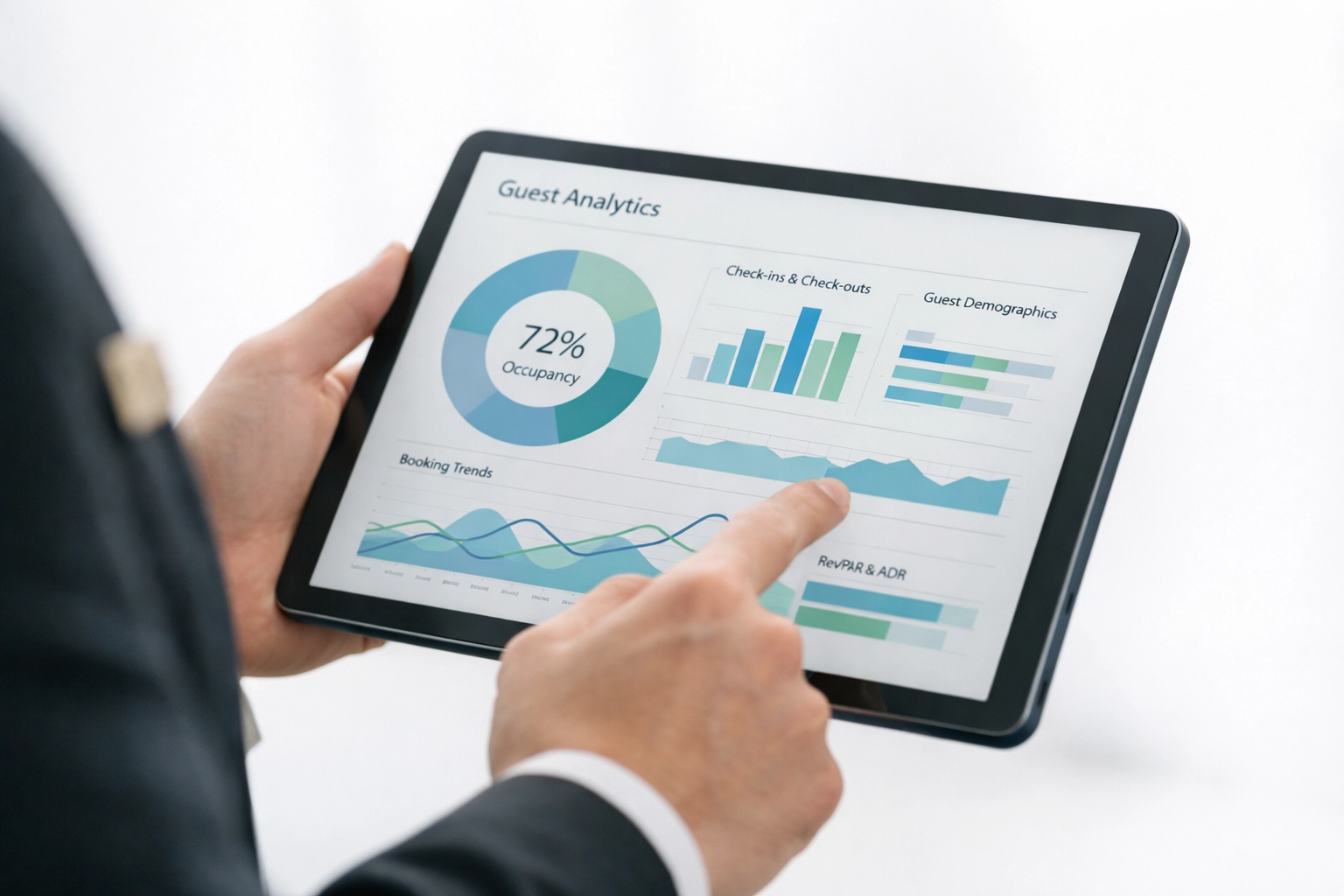
They integrate with your property management system, booking engine, POS, and communication tools. Data flows automatically. Insights surface in real-time. Triggered actions happen without manual intervention.
Your 50-room boutique property can deliver the same level of personalization as a 500-room resort: without proportionally increasing labor costs.
That's the breakthrough. Technology makes personalization economically viable at any scale.
What to Look for in a Hotel CRM System
Not all CRM platforms are built for hospitality. You need a system designed specifically for the hotel guest journey.
Essential capabilities include:
- Native integration with your PMS and booking engine
- Automated guest segmentation based on behavior and value
- Triggered communication workflows across email, SMS, and messaging
- Guest preference tracking across all touchpoints
- Upsell and cross-sell recommendation engines
- Post-stay feedback collection and sentiment analysis
The right platform becomes your competitive advantage. It lets you compete on experience rather than just price.
Getting Started with Personalization
You don't need to implement everything at once. Start with high-impact, low-complexity wins.
Phase one: Capture the basics. Make sure your hotel CRM system is collecting essential preference data: room type, bed preference, special occasions, dietary restrictions. Train your team to log this information consistently.
Phase two: Automate communications. Set up triggered emails for pre-arrival, during-stay, and post-departure. Personalize them with guest names, stay details, and relevant offers.
Phase three: Enable your team. Give front desk, concierge, and F&B staff easy access to guest profiles. Make sure the information they need is visible and actionable.
Phase four: Optimize and expand. Analyze what's working, refine your segmentation, add more sophisticated automation, and expand personalization across additional touchpoints.
Each phase builds on the last. You'll see impact immediately and continuous improvement over time.
The Competitive Reality
Here's the uncomfortable truth: your competitors are already doing this. The properties winning direct bookings and building loyalty aren't relying on generic service: they're using technology to deliver experiences that feel uniquely tailored to each guest.
The gap between properties with sophisticated hotel CRM systems and those without is widening. Guests notice the difference. They choose accordingly.
Personalization is no longer a nice-to-have differentiator. It's the standard. Meeting that standard requires the right technology, the right data strategy, and the commitment to making every guest feel recognized.
Ready to transform how your property delivers personalized guest experiences? Explore how the right hospitality technology platform can help your team turn guest data into meaningful connections, increased loyalty, and stronger revenue.
Your guests expect personalization. Your CRM system should make it effortless.