

Let’s be honest for a second. There is something profoundly disappointing about paying five quid for a cup of iced coffee at a high-street chain, only to realize it’s basically a cup of melted ice with a hint of brown water. It’s a tragedy, really. Especially when we know, and soon you will too, that you can make a significantly better version in your own kitchen using nothing more than a jar, some water, and decent beans.
We get asked all the time: "Do I need a fancy cold brew tower?" or "Should I buy one of those plastic gadgets?" Our answer is usually a polite but firm no. While we love a bit of kit as much as the next coffee geek, you don’t need it to achieve that silky, chocolatey, refreshing hit of caffeine.
So, how do we do it? Let’s dive into the world of home iced coffee, Limini style.
It All Starts with the Bean
Before we even talk about ice or jars, we have to talk about the coffee itself. You can have the most expensive filtered water and the clearest ice cubes in the world, but if your beans are stale or over-roasted to a cinder, your iced coffee will taste like a damp campfire.
When you’re drinking coffee hot, the heat can sometimes mask subtle imperfections. When it’s cold, the flavor profile changes entirely. Cold brewing (or chilling coffee) tends to highlight the sweetness and the body while muting the acidity. This means you want a bean that has a lot of natural sweetness to give.
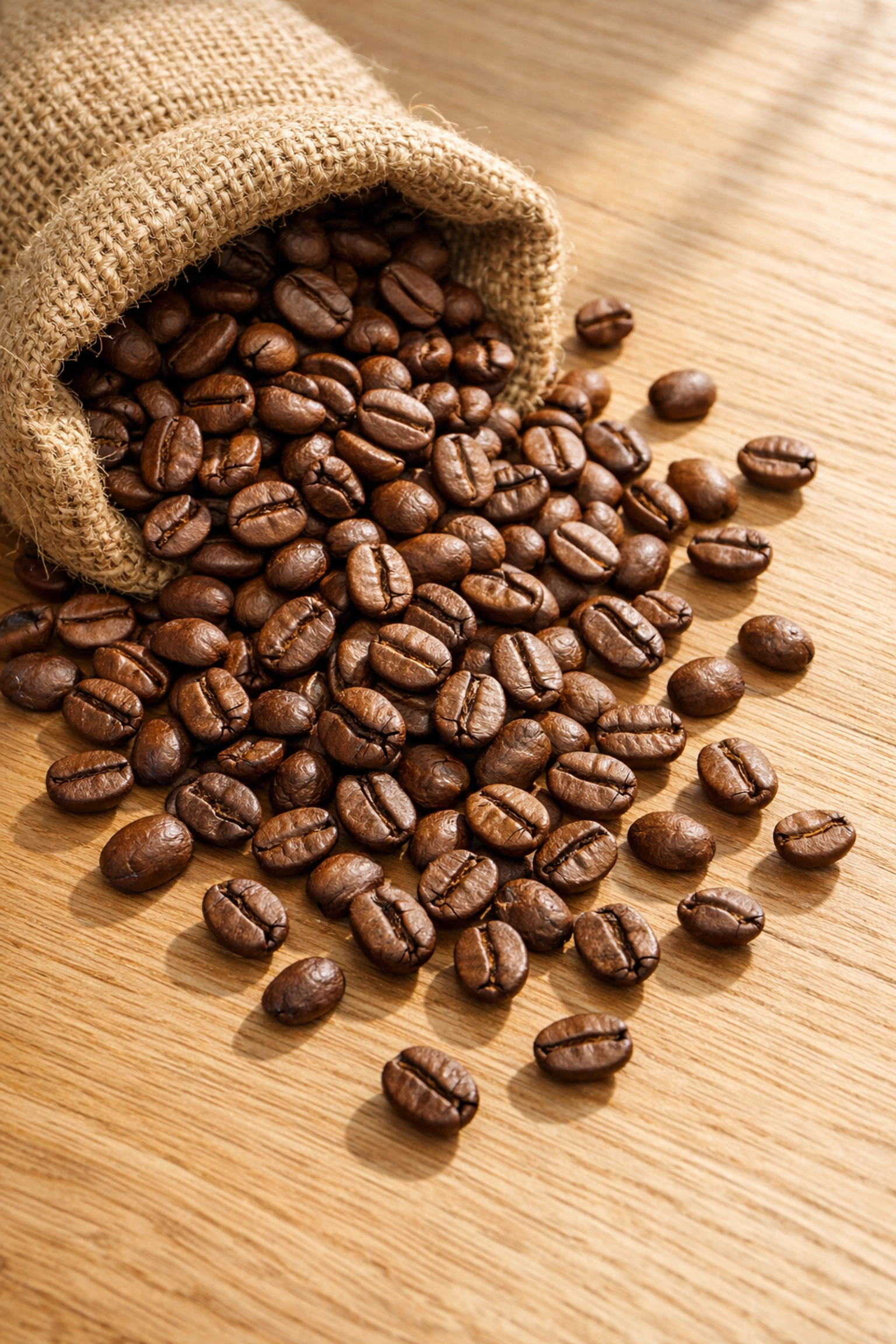
We personally believe that a medium-roasted speciality bean is the way to go. You want those notes of milk chocolate, caramel, or perhaps a hint of red fruit. If you’re looking for the perfect starting point, we highly recommend checking out our range at Limini Coffee. Freshness is key. If your coffee was roasted six months ago, it’s already lost the battle. Fresh is best. Period.
The "Patience" Method: Cold Brew Concentrate
This is the gold standard for home iced coffee. Why? Because it’s almost impossible to mess up and it results in a brew that is incredibly smooth and low in acidity. The "magic" here isn't a machine; it's time.
The Gear (Or Lack Thereof)
- A large glass jar or a pitcher (anything that holds about 2 liters).
- A fine-mesh strainer.
- Some cheesecloth or even a clean tea towel (don't use one that smells like laundry detergent, though).
- Your favorite beans from Limini Coffee.
The Ratio
Ratios are where people get scared, but it’s quite simple. For a strong concentrate that you can dilute with milk or water later, we like a 1:8 ratio.
So, if you use 250g of coffee, you’ll want 2000ml (2 liters) of water. If that sounds like too much math, think of it as roughly 1 cup of ground coffee to 8 cups of cold water.
The Process
- The Grind: You want a very coarse grind. Think sea salt. If the grind is too fine, the coffee will turn out muddy and over-extracted (bitter). If you’re buying from us, select the "Cafetiere" or "Coarse" option if you don't have a grinder at home.
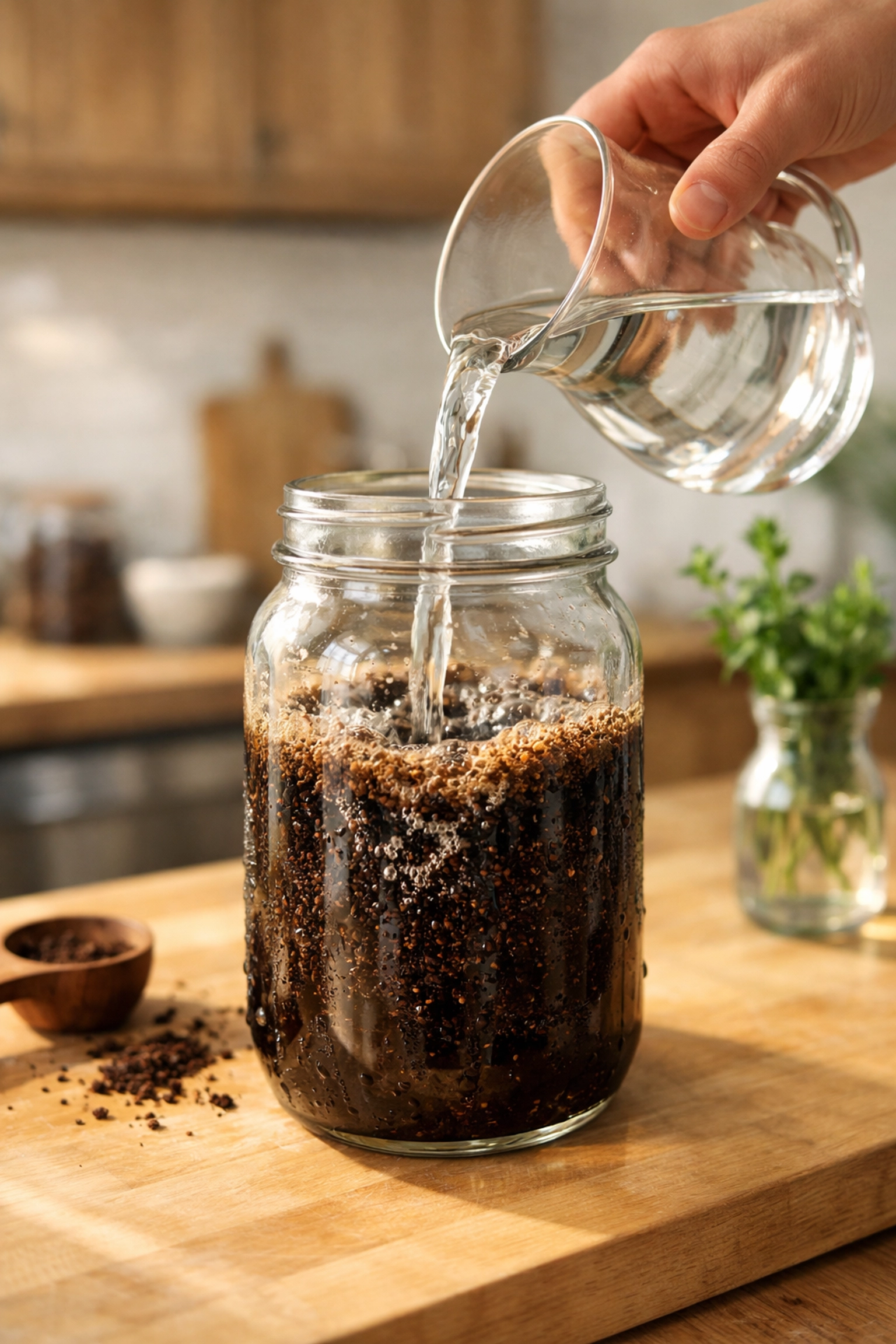
- The Mix: Dump your coffee into the jar and pour in your cold, filtered water. Give it a gentle stir just to make sure all the grounds are wet. Coffee is naturally hydrophobic (it repels water) at first, so a quick stir ensures every grain is doing its job.
- The Wait: Put the lid on and leave it on your counter. How long? We find 12 to 18 hours is the sweet spot. You can go up to 24, but after that, you start pulling out woody, bitter flavors that we’d rather avoid.
- The Strain: Line your strainer with the cheesecloth and pour the mixture through into a clean pitcher. Don't squeeze the grounds! Let gravity do the work. Squeezing forces fine sediment through and makes your drink cloudy.
- Store: Keep this concentrate in the fridge. It’ll stay fresh for up to two weeks, though we doubt it’ll last that long once you taste it.
The "I Need It Now" Method: The Quick Chill
We’ve all been there. You wake up, the sun is shining, and you realize you forgot to set up the cold brew last night. Don't panic. You can still have a great iced coffee.
The mistake most people make is brewing hot coffee and pouring it directly over ice. The ice melts instantly, the coffee becomes watery, and you end up with a lukewarm, sad mess. The secret is the "Flash Brew" or "Aromatically Chilled" method.
Basically, you brew the coffee hot (to get that instant extraction) but you brew it at double strength directly onto ice.
Steps for the Quick Method:
- Use half the amount of water you usually would for a hot cup, but keep the amount of coffee the same.
- Place a generous amount of ice in your carafe or glass.
- Brew your coffee (V60, Aeropress, or even a simple filter) directly over the ice.
- As the hot coffee hits the ice, it chills instantly, locking in those bright, volatile aromatics that you sometimes lose in long-steep cold brew.
It’s punchy, it’s bright, and it’s ready in three minutes.
Why Water Quality is Your Best Friend (And Your Worst Enemy)
You might think we’re being snobs, but coffee is roughly 98% water. If your tap water tastes like a swimming pool or is incredibly "hard" (full of minerals), your iced coffee will taste dull. Hard water prevents the water from "grabbing" the flavors out of the coffee bean.
If you want to see the difference, try making a batch with filtered water from a simple jug filter. The flavors will "pop" more. It’s a small change that makes a massive impact. If you're curious about the science behind it, we have a great brewing calculator on our site to help you dial in your variables.
Milk, Sweeteners, and the "Secret Sauce"
Once you have your cold brew concentrate, the world is your oyster. Because this concentrate is strong, you fill your glass with ice, fill it about 2/3 with the coffee, and then top it up.
The Milk
Whether you’re a dairy lover or a fan of oat milk, the type of milk matters. Cold brew is quite heavy and bold, so it stands up well to creamy milks. If you're using dairy, whole milk provides a lovely sweetness that cuts through the coffee. If you're interested in how milk interacts with coffee, you might find our article on understanding milk quite useful.
The Sweetener
Standard sugar doesn't dissolve well in cold liquids. You'll end up with a crunchy layer of sugar at the bottom of your glass. Not ideal.
Instead, make a quick simple syrup:
- Mix equal parts boiling water and sugar.
- Stir until dissolved.
- Let it cool.
This blends instantly with your iced coffee for a perfectly consistent sweetness.

The Coffee Ice Cube Trick
This is the ultimate pro tip. If you find that you’re a slow drinker and your iced coffee always gets watery toward the end, make coffee ice cubes.
Next time you have a little bit of leftover coffee in the pot, don't pour it down the sink. Pour it into an ice cube tray. Use these "coffee cubes" in your iced coffee. As they melt, they just release more coffee flavor instead of water. It’s brilliant, simple, and makes us feel like we’ve hacked the system.
Troubleshooting: Why does mine taste… off?
We’ve all had those batches that don't quite hit the mark. Here’s why that might be happening:
"It tastes bitter and harsh."
This is usually caused by two things: the grind was too fine, or you steeped it for too long. If you're using a concentrate method, remember that it's supposed to be strong, but it shouldn't be acrid. Try a coarser grind next time.
"It tastes sour or weak."
You likely didn't steep it long enough, or your water-to-coffee ratio was off. Make sure you're using enough coffee. If the water can't find enough coffee particles to hang onto, it’ll just taste like brown water.
"It feels thin."
Cold brew should have a certain "oiliness" or "weight" to it. If it feels thin, it might be the beans. Some light-roasted African coffees are naturally tea-like and thin. If you want that heavy, "classic" iced coffee feel, look for Brazilian or Colombian beans with chocolatey profiles. You can find exactly what you need at Limini Coffee.
The Beauty of Doing it Yourself
The best part about making iced coffee at home is that you are the boss. You want it stronger? Add more concentrate. You want it sweeter? Add more syrup. You want to drink it out of a giant mason jar while sitting in your garden? Go for it.
We believe that specialty coffee shouldn't be intimidating. It’s about taking high-quality ingredients: like the ones we roast lovingly here at Limini: and using simple techniques to make your day a little bit better.
You don't need a thousand pounds worth of equipment. You just need a bit of patience, a clean jar, and the desire for a better caffeine kick.

So, give the cold brew method a go this week. Set it up before you go to bed, and wake up to a fridge full of liquid gold. Just remember to use the good beans: your taste buds will thank you. If you ever find yourself wanting to dive deeper into the professional side of things, we do offer barista training, but for now, the kitchen counter is a perfect place to start.
Happy brewing! 🙂