So, you’ve decided to dive into the world of coffee. Maybe you're dreaming of a bustling café on a sun-drenched corner, or perhaps you're looking to upgrade the caffeine game in your existing business. Either way, you’ve likely realized that the bag of beans sitting on your counter is more than just a commodity: it’s the heartbeat of your operation.
Choosing a wholesale specialty coffee partner is one of the biggest decisions you'll make. It’s the difference between a customer coming in once out of convenience and a regular who wouldn't dream of starting their day anywhere else. At Limini Coffee, we’ve seen it all, and we’re here to help you navigate the beautiful, sometimes complex, world of wholesale specialty coffee.
What is "Specialty" Wholesale Anyway?
Before we get into the nitty-gritty of logistics and contracts, let's clear one thing up. Specialty coffee isn't just a marketing buzzword. It refers to coffee that has been graded 80 points or above on a 100-point scale by certified coffee tasters (Q Graders).
But for you, the business owner, it means something much more practical: quality, consistency, and a story. It means beans that have been sourced ethically, roasted with precision, and delivered fresh. When you partner with a wholesale coffee roaster, you aren't just buying beans; you're buying into a supply chain that cares about the farmer, the roast profile, and ultimately, the person holding the cup.
The Core Pillars of a Successful Coffee Business
Starting a café or adding a high-end coffee service to your business requires more than just a passion for a good flat white. You need a foundation.
1. A Solid Business Plan
We know, it sounds a bit "corporate," but a plan is your roadmap. You need to understand your market analysis, your financial projections, and your marketing strategy. Who is your target customer? Are they commuters looking for a quick, reliable brew, or coffee nerds who want to talk about the terroir of an Ethiopian Yirgacheffe?
2. Understanding Your Margins
Wholesale coffee is typically sold in bulk (often 1kg bags for specialty roasters). While price is important, it shouldn't be your only metric. You need to look at the "overall value proposition." A cheaper bean that is inconsistent or comes with zero support will cost you more in the long run through wasted milk, lost customers, and equipment downtime.
3. Licensing and Legalities
Don't forget the boring stuff. Food hygiene ratings, local council permits, and insurance are the "invisible" parts of a successful coffee business.
Finding and Vetting Your Supplier
This is where the magic happens. Your supplier should be more than just a name on an invoice; they should be your biggest cheerleader. Here is how we recommend you find the right fit:
The Research Phase
Start with a simple search for "specialty coffee wholesale" or "coffee suppliers" in your area. Look at their websites. Do they care about sourcing their coffee ethically? Is their tone warm and approachable, or cold and clinical?
The "Real World" Test
Go to the best cafes in your town. Look at whose beans they are using. Ask the baristas (when they aren't busy!) what the support is like from their roaster. People in this industry love to talk shop, and they’ll give you the honest truth about reliability and delivery times.
Requesting Samples
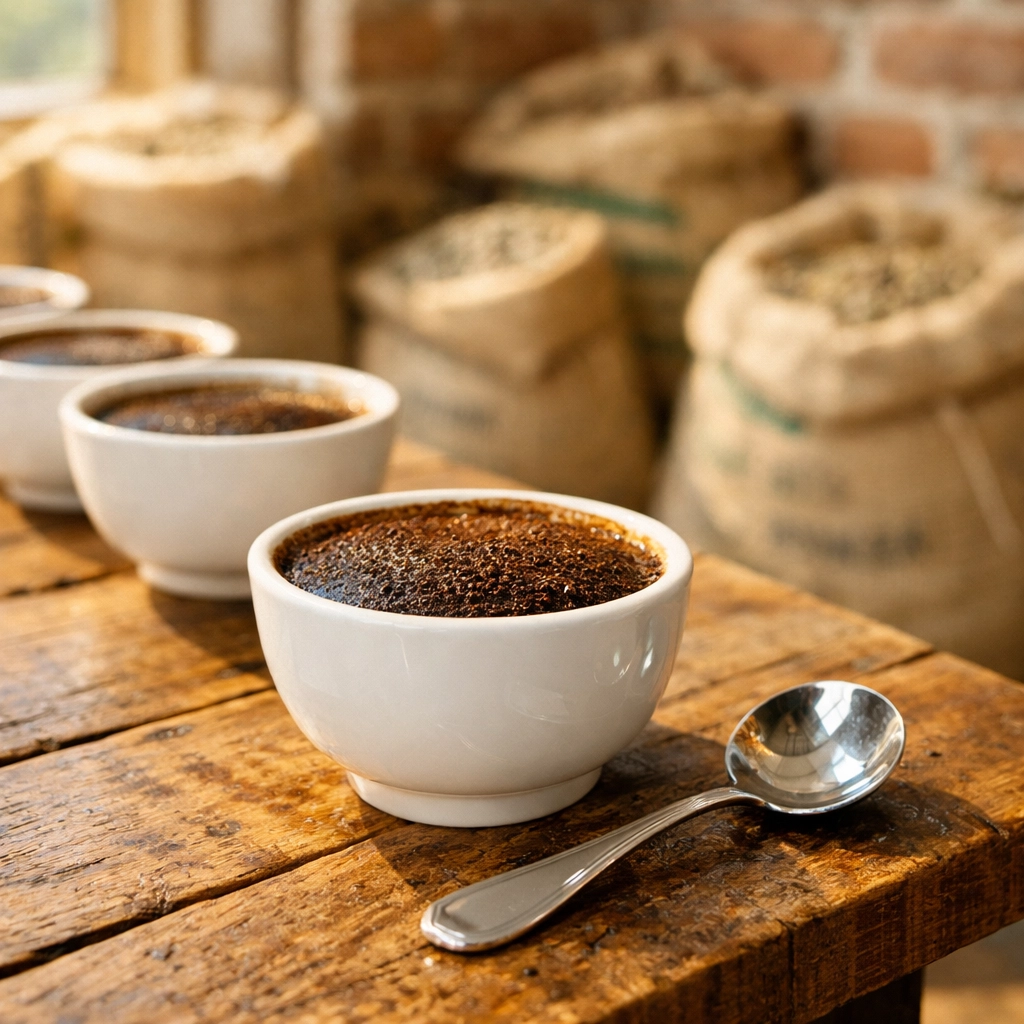
Never sign a contract without tasting the goods. Most reputable roasters will happily send samples of their house blends and single origins. When you get them, brew them on the equipment you plan to use. A coffee might taste incredible on a professional cupping table but behave differently in a high-volume espresso machine.
The Roastery Visit
If you can, visit the roastery. We love having people over. It’s the best way to see the operation firsthand. Is it clean? Is the team passionate? Do they seem like people you actually want to talk to at 8:00 AM on a Monday when your grinder is acting up?
Blends vs. Single Origins: The Great Debate
One of the first choices you’ll make with your supplier is what to put in your hoppers.
Blends
Most successful wholesale operations rely on a signature blend for their milk-based drinks (lattes, cappuccinos, etc.). Blends are designed for consistency and balance. They combine beans from different origins to create a reliable flavor profile that cuts through milk beautifully. It’s the "comfort food" of coffee.
Single Origins
These are beans from a single farm or region. They offer a unique expression of terroir. One might taste like blueberries; another might have a tea-like floral quality. We think single origins are fantastic for filter coffee or as a guest espresso for the "coffee curious" customers.
It’s Not Just About the Beans: Equipment and Support
You could have the best coffee in the world, but if your espresso machine is calibrated incorrectly or your water temperature is off, the results will be mediocre at best.
When looking at wholesale coffee roasters, look at what else they offer. A full-service partner provides:
- Equipment Sourcing: Helping you navigate the minefield of choosing espresso equipment. Do you need a dual-boiler or a heat exchanger? We can help you decide.
- Barista Training: This is non-negotiable. Your staff are the final link in the quality chain. We believe in comprehensive barista training that covers everything from dialling in the grind to the science of understanding milk.
- Technical Assistance: Machines break. It’s a fact of life. Having a partner who offers maintenance and quick repairs is the difference between a profitable Saturday and a closed shop.
Why "The Theater" Matters
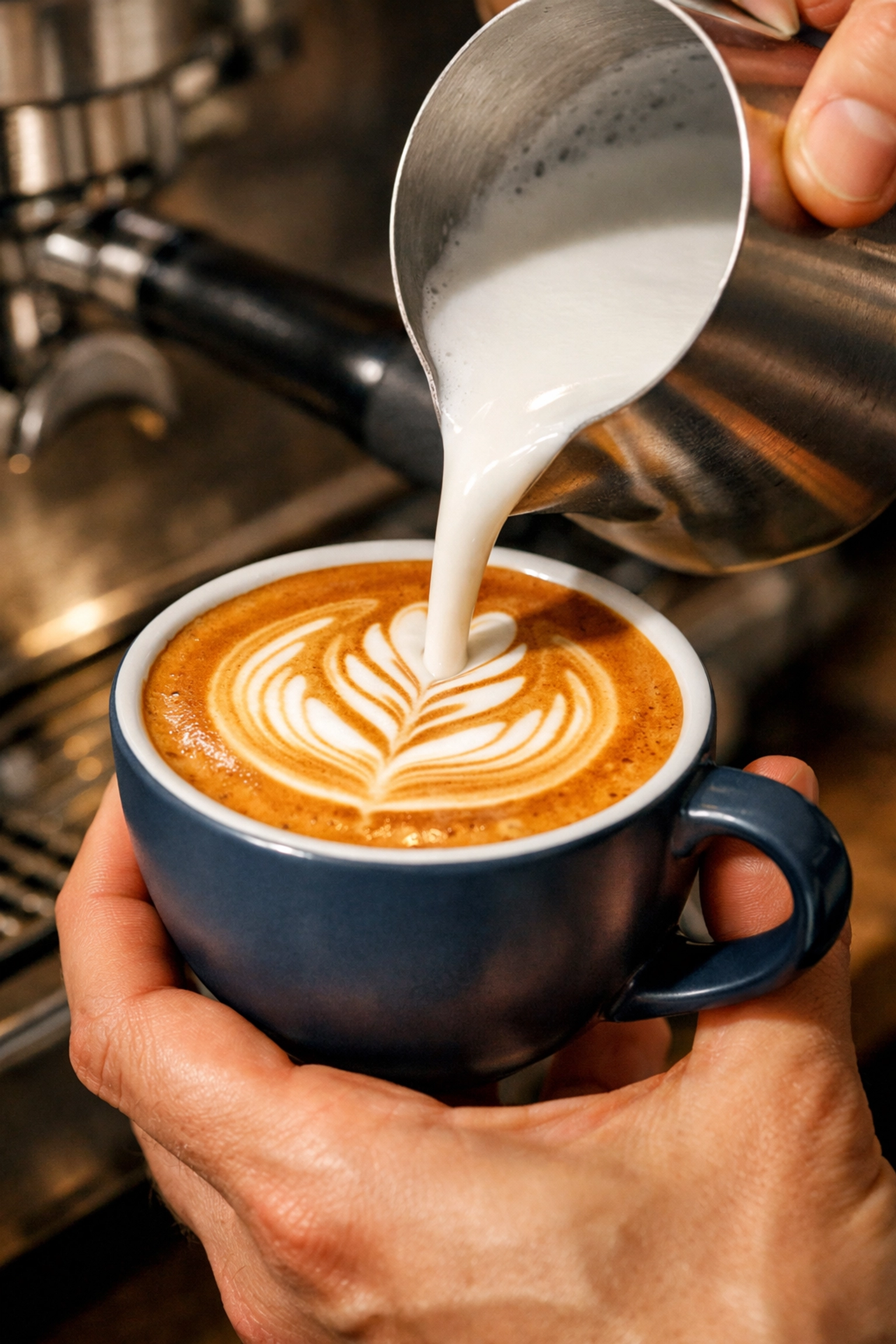
In the B2B world, we often talk about efficiency, but in a café, we talk about "the theater." This is the experience of the customer watching their drink being made.
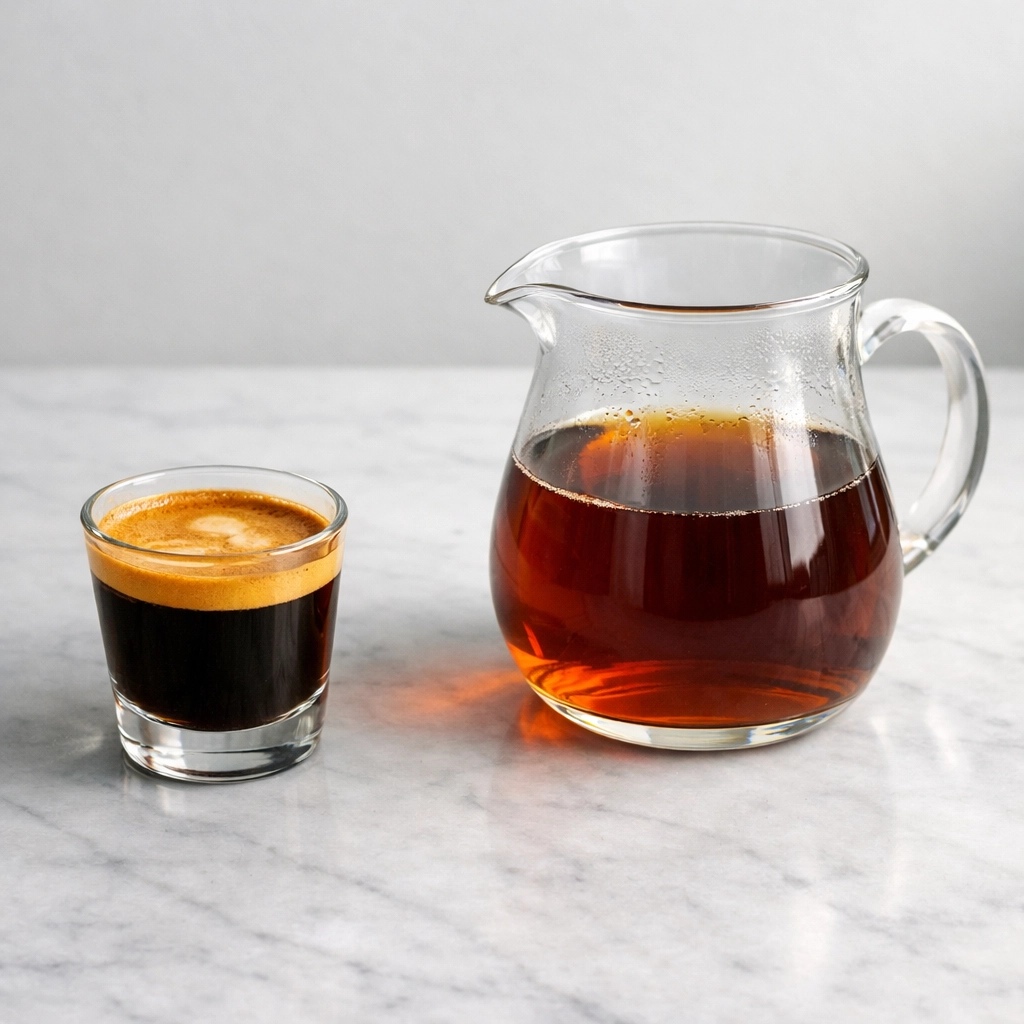
Everything matters: the way the milk is steamed to a glossy, silky texture (around 140 °F / 60 ºC for the perfect sweetness), the way the espresso flows from the portafilter like warm honey, and even the tamping technique of the barista. This "theater" justifies the price of a specialty cup of coffee. It shows the customer that you care about the craft.
Understanding the Wholesale Agreement
When you finally settle on a partner, you’ll likely enter into a wholesale agreement. These aren't just about the price per kilo. They often cover:
- Minimum Order Quantities (MOQs): How much do you need to buy to get free shipping?
- Equipment Leasing: Some roasters offer equipment as part of the coffee price. This can be great for cash flow when you're starting out, though it usually means a slightly higher price per kilo of coffee.
- Training Schedules: How often can your new staff come in for a refresher?
We believe in transparency. No hidden fees, no "gotcha" clauses. Just great coffee and honest support.
The Math of Coffee
Let’s talk numbers for a second, because we know you’re thinking about them.
Let's say you're using a 18g dose for a double shot. A 1kg bag of coffee will give you approximately 55 coffees. If you're paying a fair price for high-quality specialty beans, your cost per cup for the coffee itself is actually quite low: often around 20p to 30p. When you consider that you might be selling that latte for £3.50, you can see why coffee is such a great business model.
The "expensive" part of coffee isn't the beans; it's the rent, the staff, and the electricity. This is why it makes zero sense to buy cheap, oily, commodity-grade beans. Saving 5p a cup on lower-quality coffee is a quick way to lose the customers who actually value a good brew.
Creating Your Unique Selling Proposition (USP)
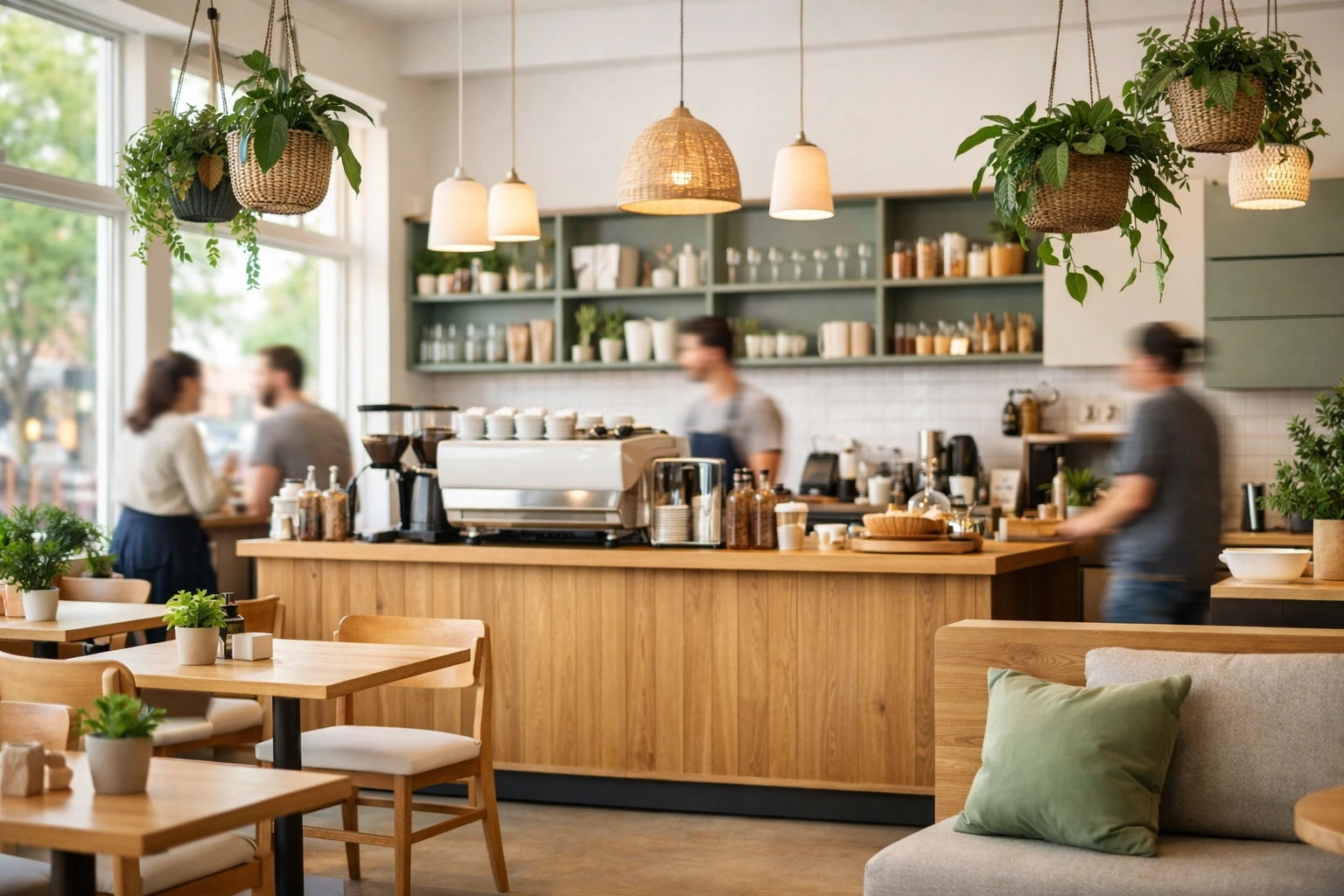
In a sea of coffee shops, how do you stand out? Your wholesale partner should help you define your USP.
- The Brand: Maybe you focus on sustainability and eco-friendly packaging.
- The Menu: Perhaps you offer unique drinks like a "Flat White Flight" or specialized latte art.
- The Vibe: Are you a "grab and go" spot for commuters or a slow-paced sanctuary for freelancers?
We love helping our partners figure this out. We’ve spent years exploring what makes a coffee shop successful, from the shop fitting to the final pour.
Final Thoughts: Choosing the Right Path
Opening a business is a whirlwind. It’s stressful, exhausting, and: if done right: incredibly rewarding. Your coffee supplier shouldn't be another source of stress. They should be the person you call when you're excited about a new seasonal roast or the person who helps you troubleshoot a murky espresso shot.
At Limini Coffee, we take pride in being more than just a roaster. We are partners in your success. Whether you need help with a brewing calculator or you're just starting to look at wholesale options, we’re here to help.
Fresh is best. Quality is king. And a friendly face behind the counter (and at your roastery) makes all the difference.
If you’re ready to take the next step in your coffee journey, we’d love to chat. Let's make something brilliant together. 🙂