Stop managing software. Start hosting guests. Build better experiences.
Running a hotel in 2026 isn't just about clean sheets and a warm welcome. It’s about data, seamless flows, and the invisible hum of technology that makes everything work. We’ve seen it happen over 12,500 times: properties that move from the clunky "old way" to an agile, tech-forward future see a 20% increase in staff efficiency. It’s all about moving from a reactive mindset to a proactive, innovation-first strategy. All from one intuitive platform.
Buy outcomes. Not tools.
We think the biggest trap in hospitality tech is the feature list. You’ve seen the spreadsheets. Rows and rows of checkboxes that promise the moon but deliver a headache. When you buy based on a list of features, you end up with a messy "Franken-stack" of tools that don't talk to each other.
The secret? Define your outcomes first.
- Do you want to cut check-in times by 50%?
- Do you want to automate your night audit entirely?
- Do you want to drive a 15% increase in ancillary revenue?
When you lead with the "why," the "how" becomes obvious. Modern technology should quietly and reliably reduce manual work, eliminate errors, and give you crystal-clear visibility. If your current system isn't doing at least two of those three things, it’s not earning its keep.
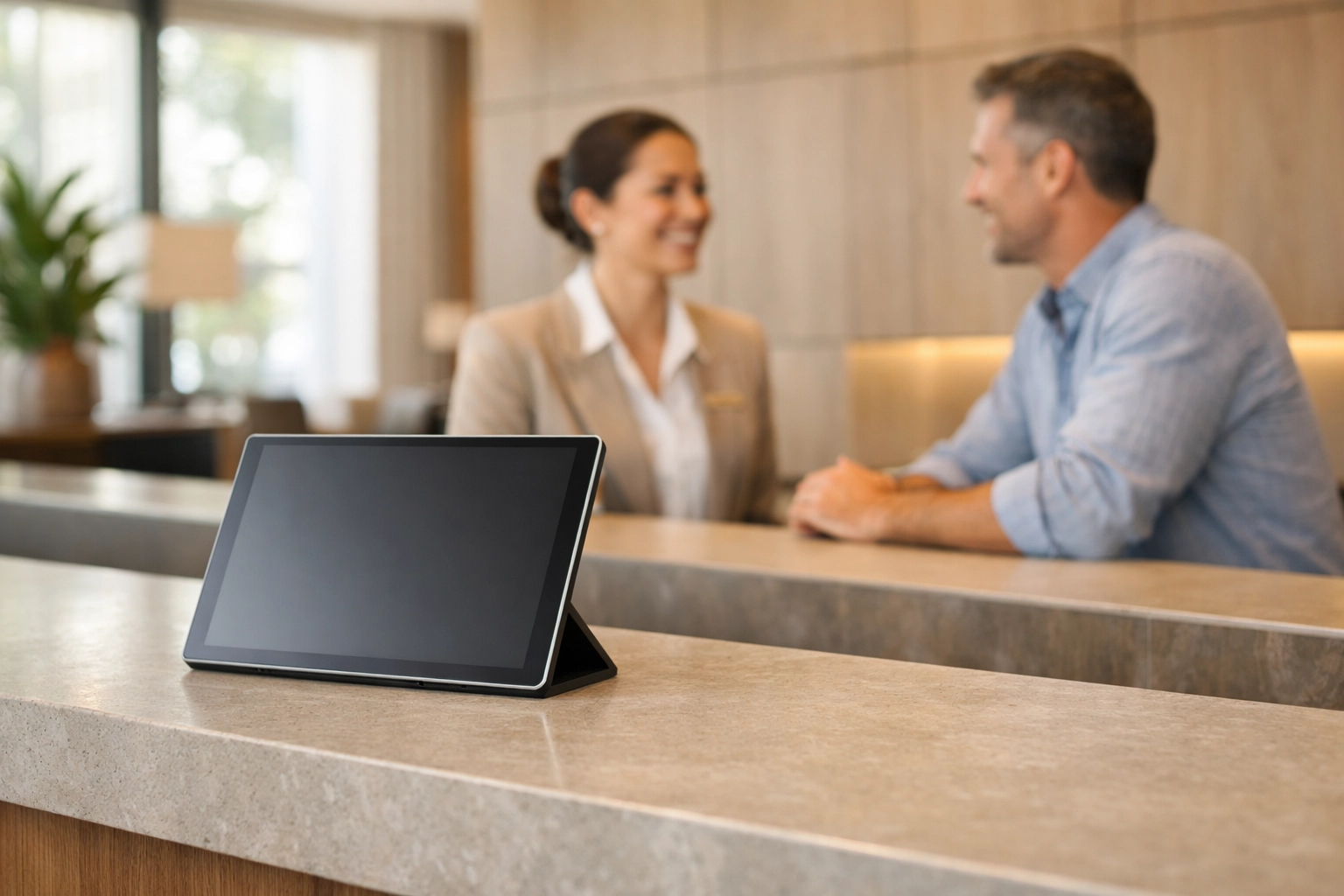
Integrate early. Scale fast.
"We’ll worry about the integration later." These are the most expensive words in hospitality. Many platforms claim to have an API, but having an open door doesn't mean the hallway is clear. Integration friction is where most guest experiences go to die.
We believe that your tech stack should be a conversation, not a series of shouting matches. In the old world, you bought a PMS and then tried to force your key locks, your POS, and your guest messaging to play nice. In 2026, the best operators plan their architecture before they sign the contract.
- Prioritize deep, two-way integrations.
- Look for a marketplace that offers "one-click" connectivity.
- Ensure data flows in real-time: not in batches.
"We used to spend 10 hours a week just syncing data between systems. Now, it just happens. It’s like the building finally has a brain," says one of our partners. That’s the power of a platform designed for connectivity.
Human-centric AI. Practical innovation.
AI is no longer a buzzword; it’s the engine of operational excellence. But the mistake many make is using AI for the sake of AI. Chatbots that frustrate guests are worse than no chatbots at all. Innovation should feel invisible.
We think AI should handle the "boring" so your team can handle the "brilliant." Think automated room assignments based on guest preferences or smart revenue management that adjusts prices while you sleep.
- 40% reduction in manual data entry.
- 24/7 guest support without increasing headcount.
- Predictive maintenance that fixes the AC before the guest even notices it’s warm.
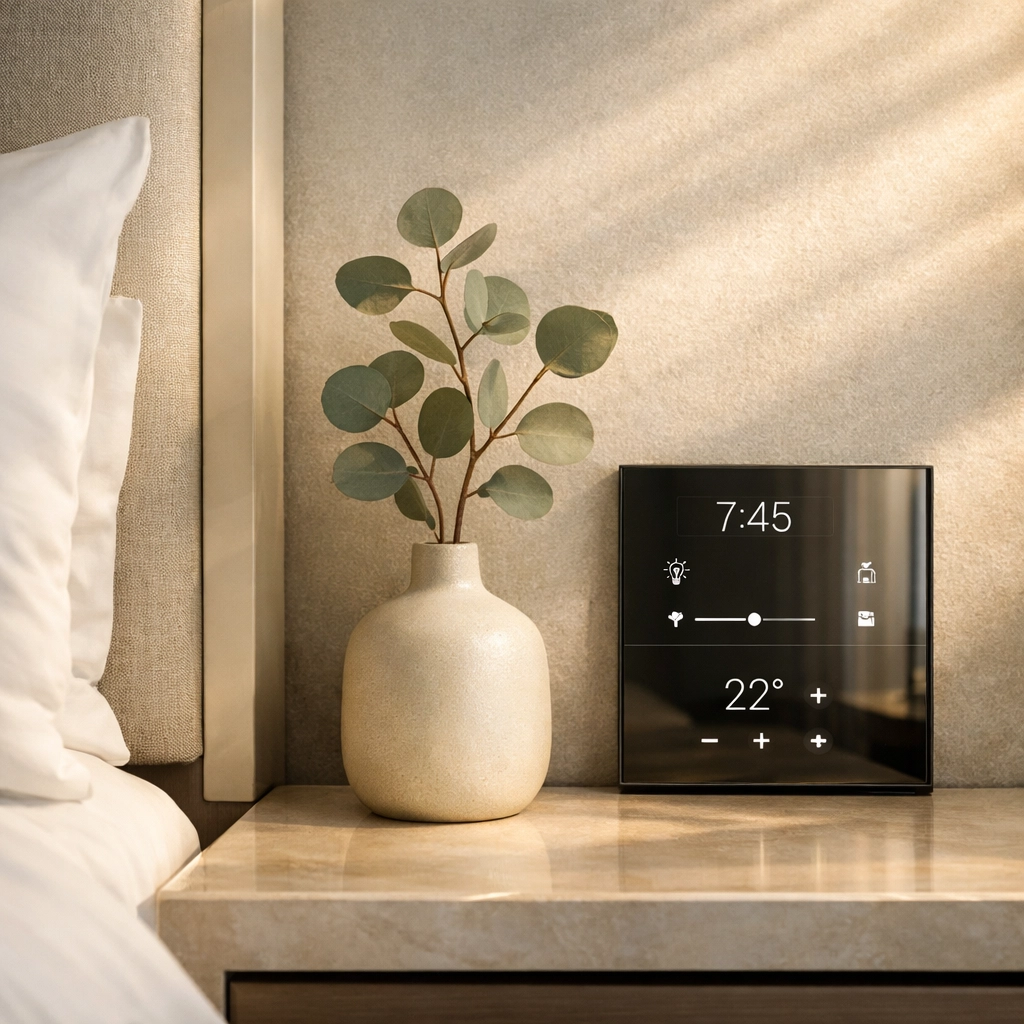
Adoption is the new ROI.
Even the most sophisticated software is useless if your team hates using it. One of the most common pitfalls is keeping the front-line staff out of the decision-making process. If your night auditor finds the system confusing, they’ll find a workaround. And workarounds are where data goes to disappear.
The pivot to innovation requires a shift in culture. You aren't just "installing software": you’re changing how your team works.
- Involve operations, revenue, and on-property teams early.
- Prioritize platforms with a consumer-grade UI.
- Choose a partner with a proven track record in onboarding and continuous support.
If a new team member can't learn the basics of your PMS in 30 minutes, the system is too complex. Period. High-performance teams deserve high-performance tools that don't require a PhD to operate.
Total guest value. Beyond the room.
If you’re still only focusing on RevPAR, you’re missing half the story. The most innovative hotels today are looking at the Total Guest Value (TGV). This means treating every square inch of your property as a revenue generator.
- Upsell early. Send personalized offers before the guest arrives.
- Monetize the "in-between." Sell co-working passes, gym access, or parking to non-residents.
- Automate the "boring" stuff. Use self-service kiosks to free up your staff for genuine upsell conversations.
Cloud-native platforms allow you to be modular. You can add a new revenue stream: like a pop-up bar or a spa subscription: in minutes, not months. This flexibility is the difference between surviving and thriving in a shifting travel market.
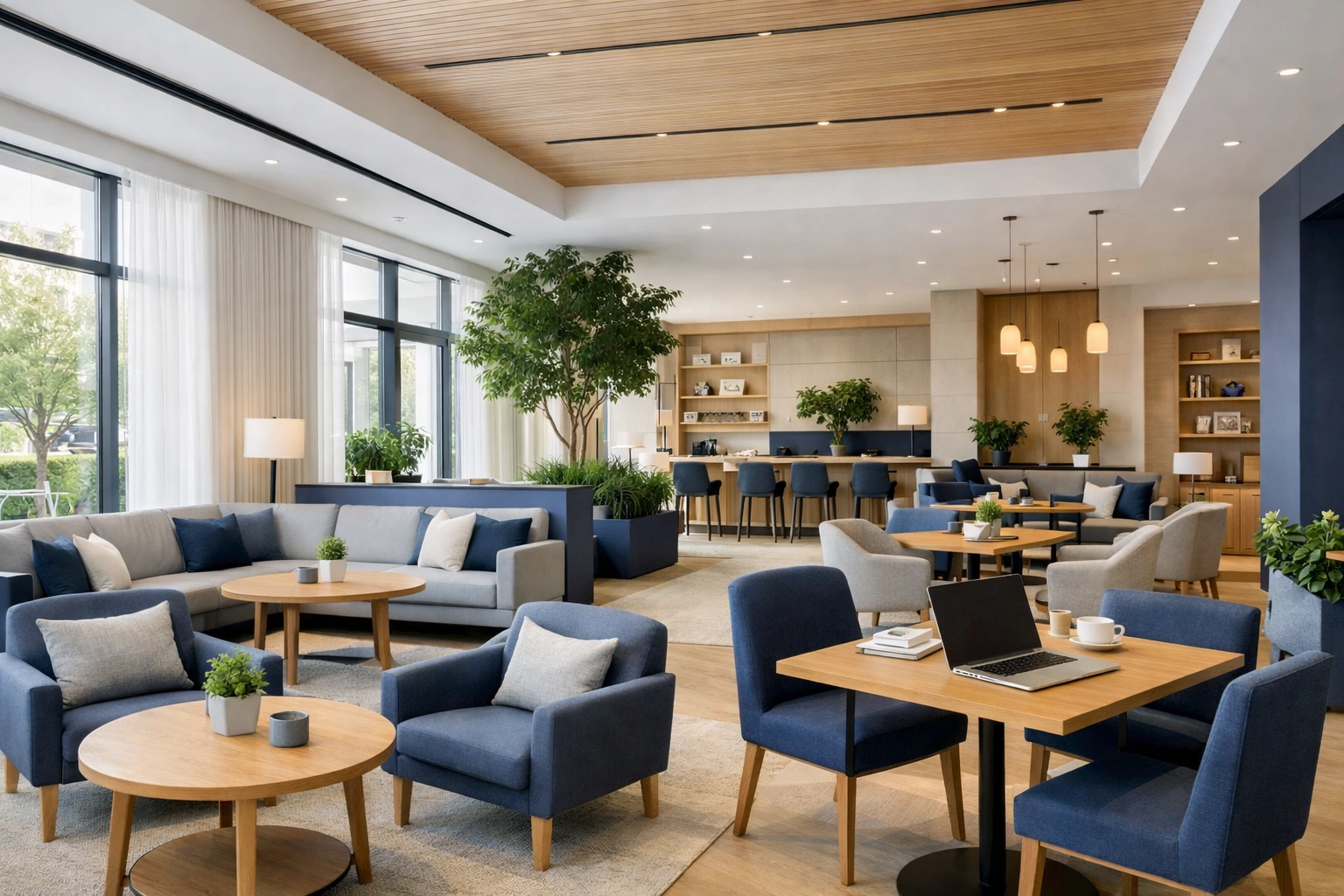
Move faster. Stay curious.
The gap between how people want to travel and how hotels operate is where the opportunity lies. Most procurement mistakes happen because of the "we've always done it this way" mindset. But "this way" doesn't work in 2026.
Innovation isn't a destination; it’s a habit. It’s about choosing a partner that evolves as fast as the market does. You need a platform that doesn't just store reservations but actually empowers your vision for hospitality.
Ready to see how the most innovative hotels are staying ahead?
Schedule a 30-minute demo to see the future of PMS.
Your next steps to excellence
Pivoting doesn't have to be painful. It starts with a simple audit of your current frustrations. Are you tired of manual exports? Are you frustrated by siloed data? Are your guests asking for features your tech can't provide?
- Evaluate your TCO. Look beyond the monthly subscription and calculate the cost of lost time.
- Audit your integrations. See where data is getting stuck.
- Ask your team. Find out what part of their day they hate the most: and automate it.
The future of hospitality is open, connected, and incredibly exciting. Don't let legacy mistakes hold your property back from its potential.
Get started with Mews and get your team earning revenue in no time.