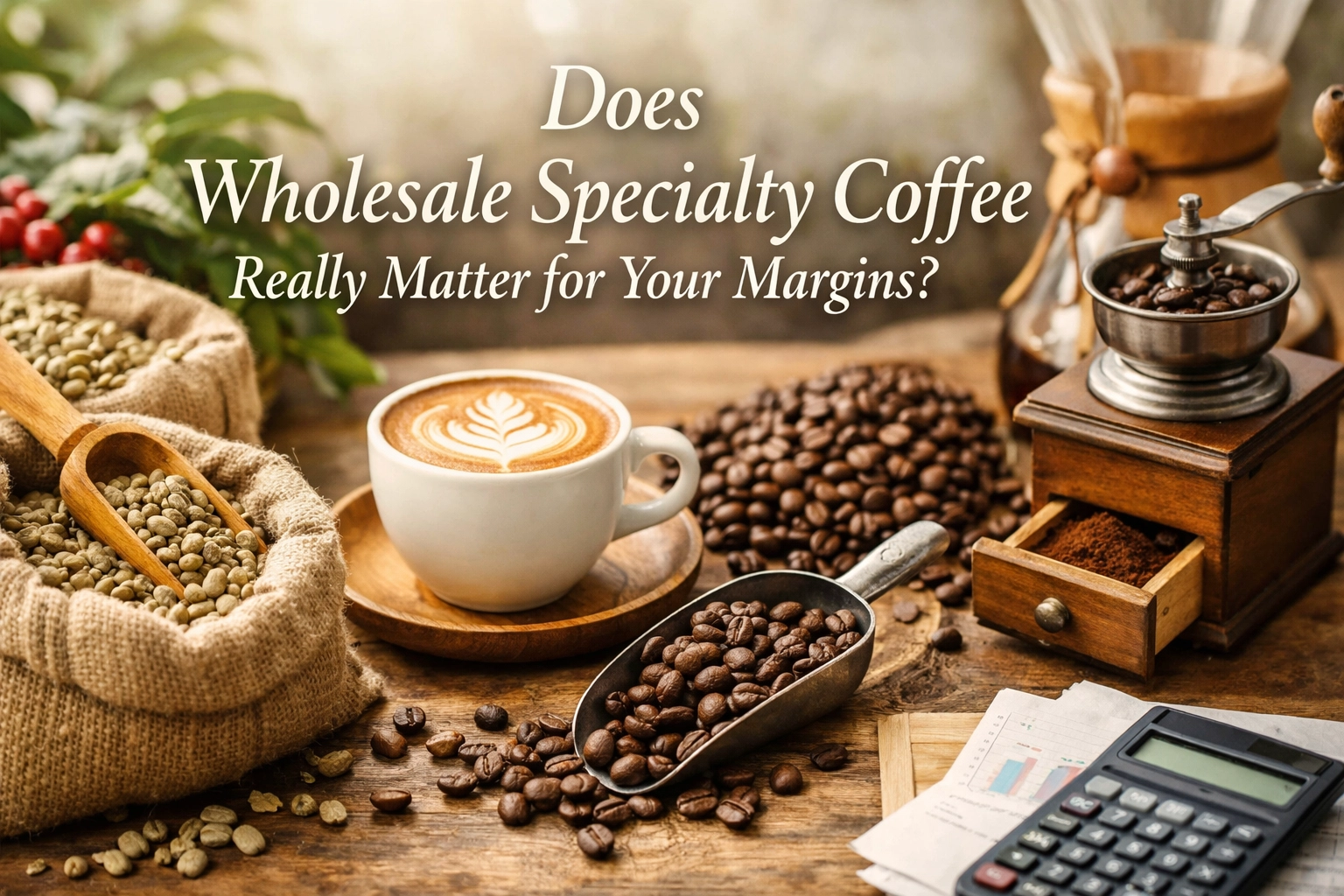
Let’s be honest for a second. When you’re looking at the P&L for your coffee shop or restaurant, that "cost of goods" line for coffee beans can look a little intimidating. You see the price of a bag of commodity-grade coffee from a big-box wholesaler, and then you look at the price of wholesale specialty coffee from a roaster like us. The gap can feel like a chasm.
So, the question we get asked all the time is: "Does it actually matter for my margins?"
It’s tempting to think that saving a few pounds per kilo on your beans is the quickest way to pad your bottom line. But here’s the thing, we’ve spent years exploring the numbers, and the reality is often the exact opposite. Cutting corners on quality is usually the most expensive mistake a coffee business can make.
In this post, we’re going to dive into the math, the psychology, and the practicalities of why choosing high-quality specialty coffee is actually the best move for your margins.
The Margin Myth: Commodity vs. Specialty
First, let’s talk about the numbers. It’s easy to get caught up in the "per pound" or "per kilo" cost, but that’s only half the story.
Research shows that while specialty-grade beans cost significantly more, often between £8 and £14 per kilo (or $4.20–$6.50+ per pound) compared to commodity beans which sit much lower, the gross margins tell a different story. Boutique wholesale coffee roasters and the cafes they supply typically see gross margins of 40–60%. Compare that to high-volume commodity operations that often scrape by on 15–25% margins.
Why the massive difference? It comes down to pricing power.
When you serve a mediocre cup of coffee, you are competing on price. You are "the coffee shop on the corner," and if the shop next door drops their price by 20p, your customers might just walk. But when you serve wholesale specialty coffee that tastes incredible, you aren't just selling a drink; you're selling an experience.
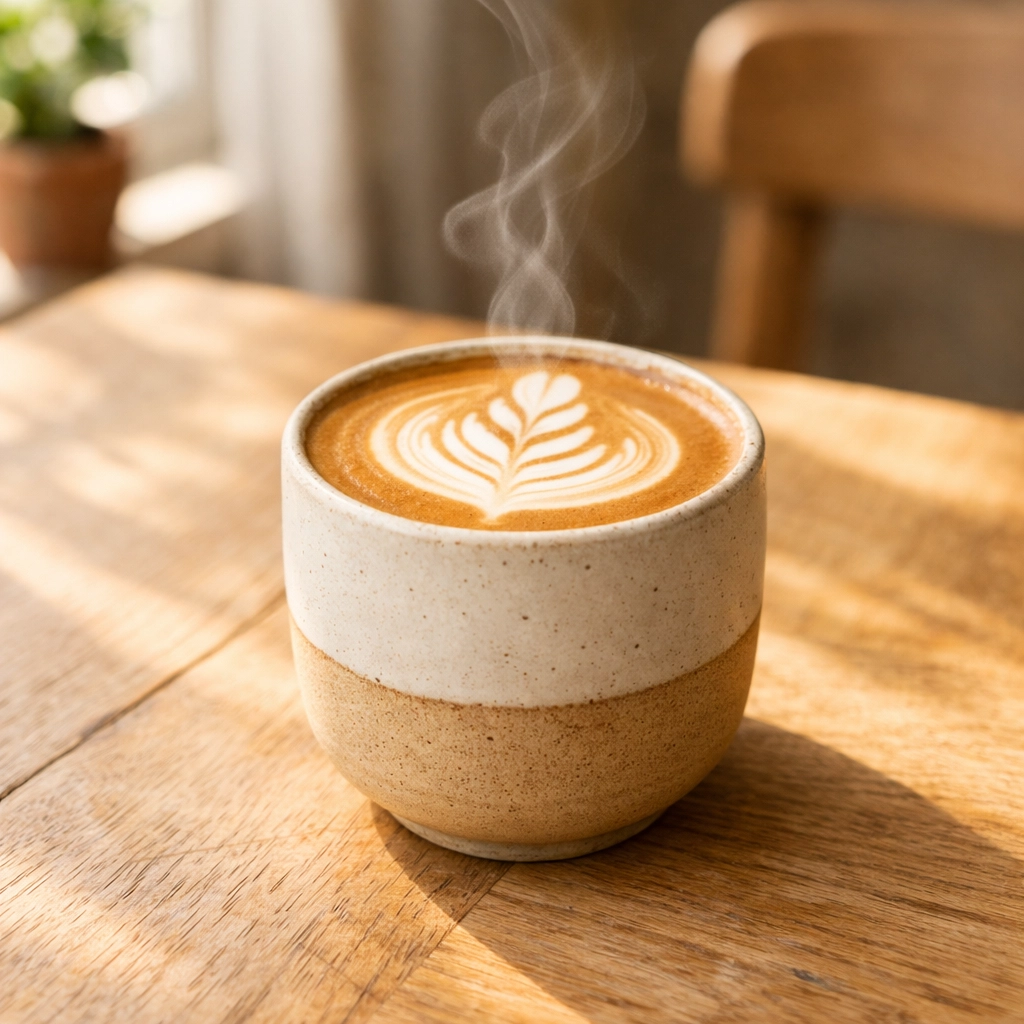
Basically, specialty coffee allows you to charge a premium. People are happy to pay £3.50 or £4.00 for a latte that tastes like velvet and blueberries, whereas they’ll grumble about paying £2.50 for something that tastes like burnt toast and disappointment.
Customer Loyalty: The "Hidden" Margin Booster
We believe that the most expensive customer is the one you have to acquire twice. If someone walks into your shop, buys a coffee, and thinks, "Yeah, that was okay," they might come back. If they think, "Wow, that was the best flat white I’ve ever had," they will come back. Every day.
This is where your margins really start to grow. High-quality beans from a specialty coffee roaster build an almost fanatical level of customer loyalty. This reduces your marketing spend and increases the "lifetime value" of every person who walks through your door.
And let’s not forget the power of the "theatre" of coffee. When you use beautiful equipment and serve a drink with perfect crema, you’re signaling quality. This level of theatre justifies your pricing and keeps people coming back for the show as much as the caffeine.
The Cost of Bad Coffee (It’s higher than you think)
Imagine this: You save £3 on a bag of beans. But because the beans are inconsistent or oily, your grinder gets clogged, or your shots pull poorly. Your barista ends up tipping three out of every ten extractions down the sink because they look like dishwater.
Suddenly, that "cheap" coffee is costing you more in waste and labour than the specialty stuff ever would.
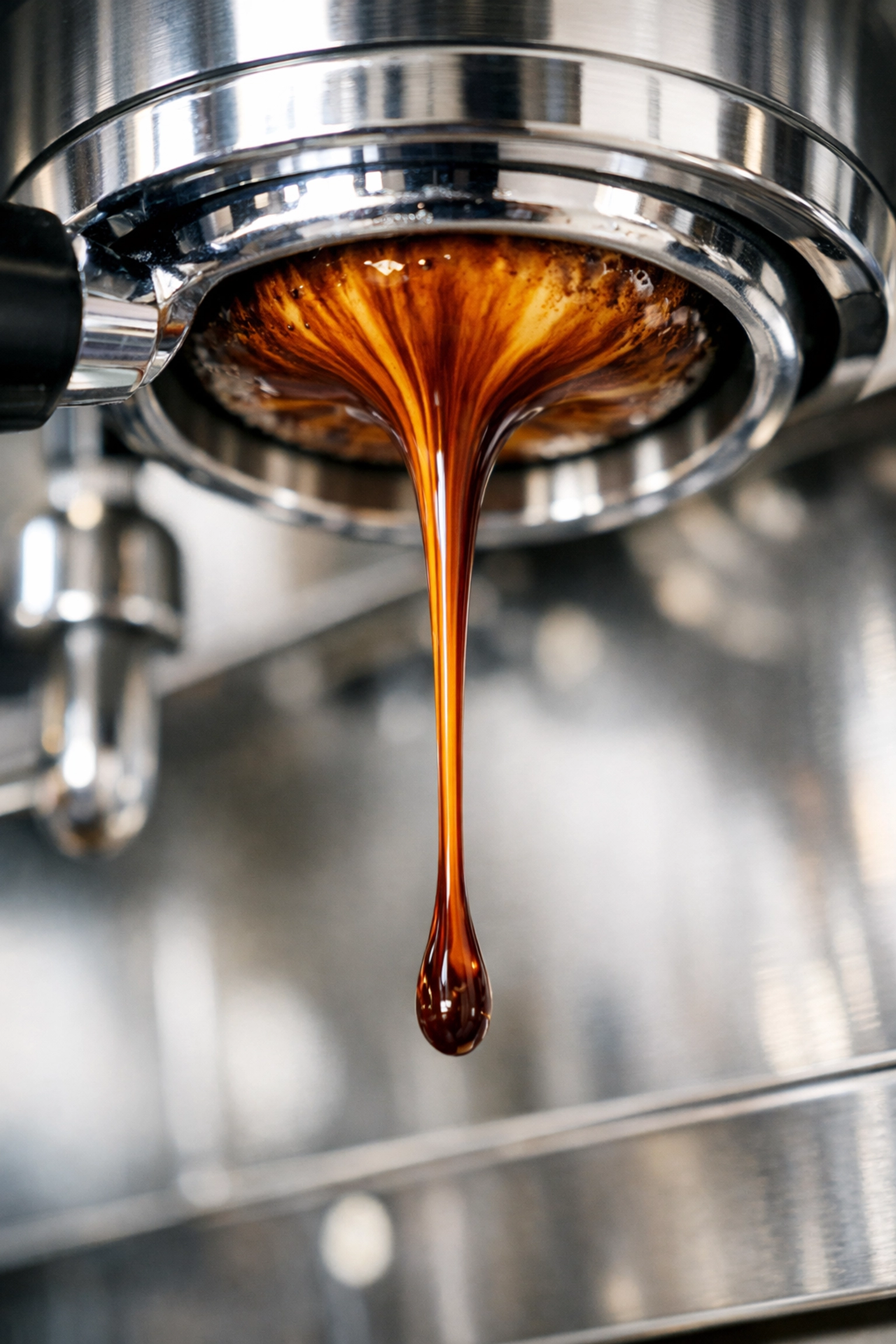
At Limini Coffee, we focus heavily on consistency. When you buy our wholesale coffee, you’re getting beans that have been meticulously sourced and roasted. This means your dial-in process is easier, your waste is lower, and your staff are happier because they aren't fighting the beans all morning.
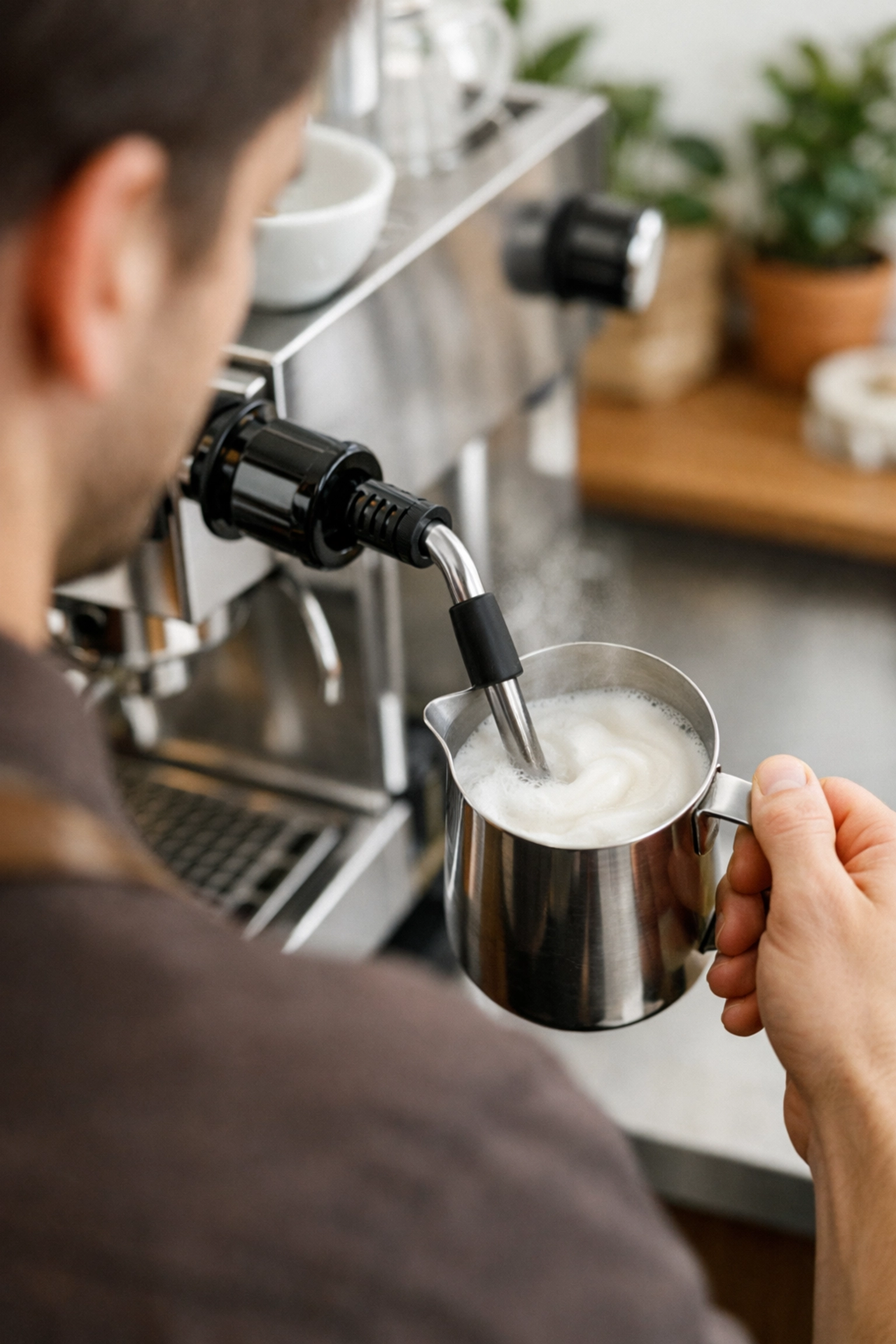
Speaking of staff, have you noticed how much harder it is to keep good baristas when the coffee sucks? Talented baristas want to work with the best. They want to understand milk chemistry and master the art of the Latte or Cappuccino. Providing them with top-tier product and barista training keeps your team engaged, which slashes your recruitment and retraining costs, another huge win for your margins.
Equipment and Efficiency
You might be thinking, "Okay, the coffee is great, but what about the gear?"
It's a valid point. To get the most out of specialty beans, you need the right tools. Whether you’re looking at lever or automatic machines or trying to understand the inner workings of a La Spaziale, the equipment is an investment.
However, high-end equipment often pays for itself through efficiency and durability. A machine with a PID controller (which we lovingly think of as "cruise control" for your espresso temperature) ensures every shot is pulled at the exact temperature needed (usually between 88 C and 95 C).
When your equipment is reliable, your speed of service increases. Higher throughput during the morning rush equals higher daily revenue. If you're still choosing espresso equipment, remember that the "cheapest" option often results in the most downtime. And downtime is the ultimate margin killer.
Differentiation in a Crowded Market
The UK coffee market is mature. There is a coffee shop on every corner. If you’re just another shop serving "standard" coffee, you’re a commodity.
By partnering with a specialty coffee roaster, you differentiate yourself immediately. You can talk about sourcing, ethical practices, and flavour profiles. You can use our brewing calculator to show your customers that coffee is a science, not just a button-pushing exercise.
This differentiation allows you to avoid the "race to the bottom" on pricing. You aren't competing with the petrol station coffee or the giant chains that operate on massive volume and lower gross margins (like Starbucks at around 28%). You are playing a different game: the quality game: where the margins are healthier and the customers are happier.
Practical Tips for Improving Your Margins Today
So, how do you actually make this work in your shop? Here are a few things we recommend:
- Review Your Serving Sizes: Are you using massive cups? Sometimes a slightly smaller, more concentrated drink (like a traditional Americano) can offer a better flavour experience and better margins. Check out our guide on coffee cups for coffee shops.
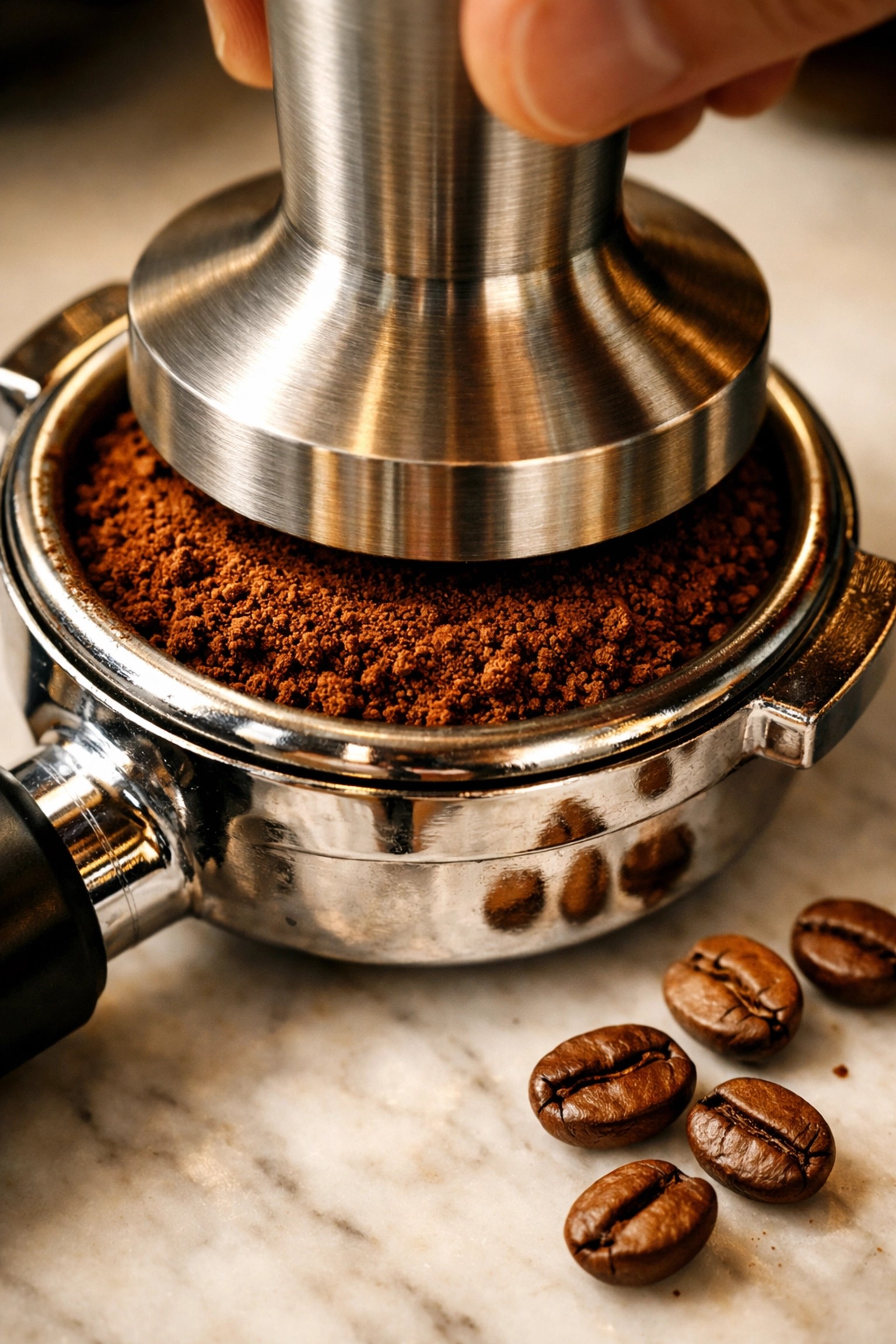
- Focus on Tamping: It sounds small, but poor tamping technique leads to channeling and wasted shots. Train your team to do it right every single time.
- Upsell Specialty Options: Offer a guest espresso or a single-origin pour-over at a higher price point. People who care about coffee are often willing to pay an extra 50p for a unique experience.
- Shop Fitting for Flow: Ensure your shop layout is designed for speed. The faster your baristas can work without tripping over each other, the more drinks you sell per hour.
Is It Worth It?
To be honest, we haven’t noticed a single business regret switching to higher-quality beans. The problem is usually that people wait too long to make the jump, fearing the initial cost.
But when you look at the increased customer retention, the ability to charge premium prices, the reduced waste, and the higher employee morale, the "extra" cost of wholesale specialty coffee isn't an expense: it’s an investment in your business’s survival.
We believe that specialty coffee produces the best results for everyone involved: the farmers, the roasters, the cafe owners, and most importantly, the person holding the cup.
If you’re ready to see what a difference real quality can make to your bottom line, we’d love to help. You can check out our wholesale options or take a look at our training overview to get your team up to speed.
And if you want to see what others think of working with us, our reviews speak for themselves.
At the end of the day, coffee is a beautiful thing. It’s a mix of science, art, and community. But it’s also a business. And in business, quality pays.
So, don't be afraid of the specialty price tag. Embrace it, talk about it, and watch your margins: and your customers: grow.
If you’d like to chat more about how we can support your journey, just reach out to us here at Limini Coffee. We’re always up for a coffee and a chat! 🙂