So, you’re thinking about opening a coffee shop? Or maybe you’ve already got the keys in hand and you’re staring at an empty floor plan, wondering how on earth you’re going to turn this dream into a profitable reality. We’ve been there. We know that feeling of excitement mixed with a healthy dose of "what have I done?"
Choosing your coffee supplier is arguably the most important decision you’ll make. It’s not just about who sends you bags of beans once a week; it’s about finding a partner who actually cares if your business succeeds. In the world of specialty coffee, the "specialty" part isn't just a label, it's a commitment to quality that runs from the farm right to the cup you hand over the counter.
At Limini Coffee, we believe that being a wholesale coffee roaster means more than just roasting beans. It means being a support system. If you’re looking for a partner who lives and breathes this stuff, you can find our wholesale specialty coffee options here.
What Does "Specialty" Actually Mean?
Before we dive into the nitty-gritty of contracts and equipment, let's clear up the jargon. You’ll hear the term "specialty coffee" thrown around a lot. To be honest, some people use it just for marketing, which is a real shame.
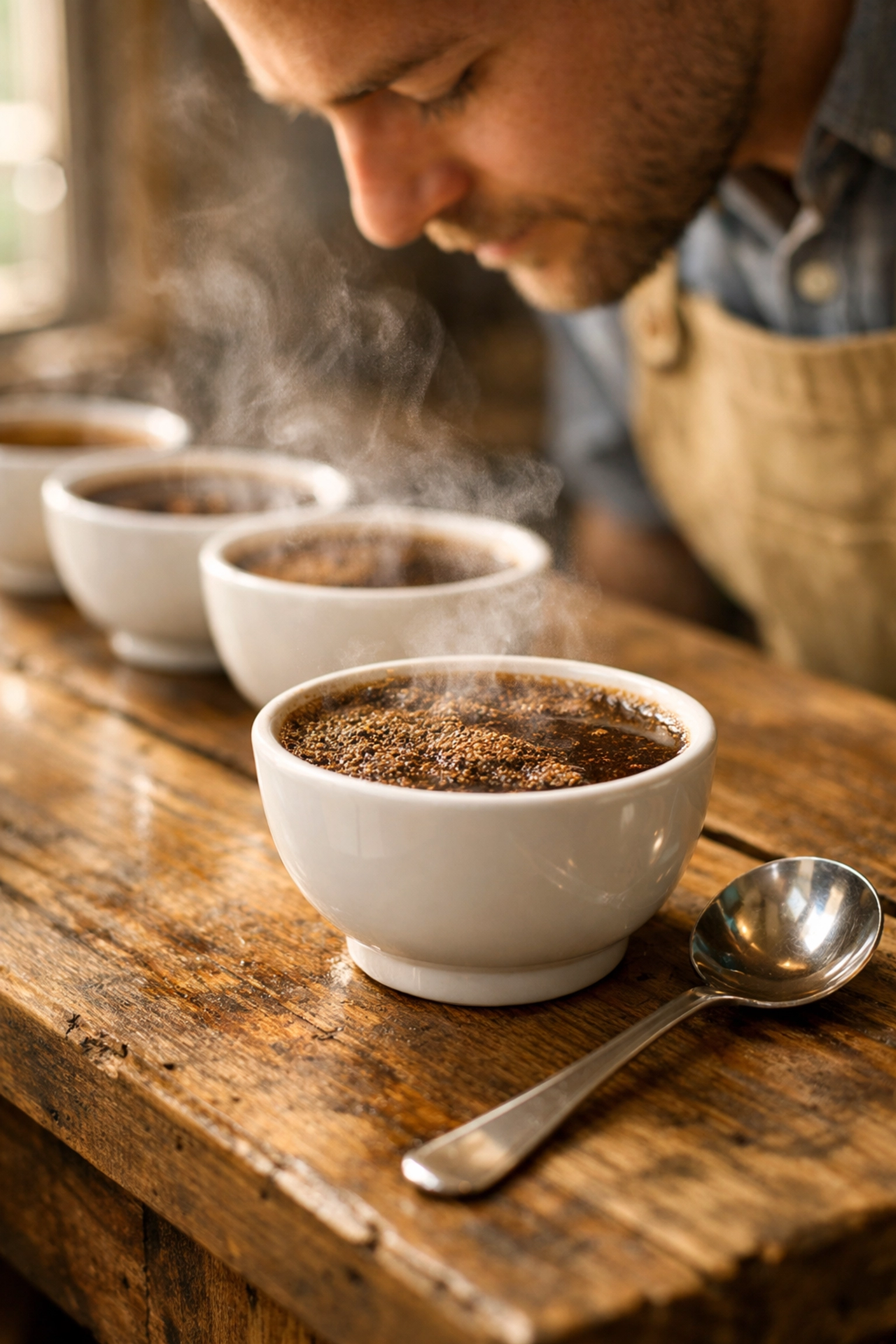
Technically, specialty coffee is any coffee that scores 80 points or above on a 100-point scale by a certified Q-Grader. This scoring takes into account everything from the acidity and body to the lack of defects in the green beans. But for you, the business owner, it means flavour. It means coffee that tastes like chocolate, berries, or jasmine, rather than just "burnt toast."
When you work with high-end coffee suppliers, you’re buying into a supply chain that values ethics and quality. We spend a lot of time sourcing our coffee to ensure that the farmers are paid fairly and the beans are the absolute best they can be.
Defining Your Needs: It’s Not One-Size-Fits-All
Every café is different. A high-volume takeaway spot near a train station has very different needs compared to a slow-paced, "hygge" style suburban shop where people sit for three hours with a laptop.
Before you start calling every roaster in the country, ask yourself:
- What is my expected volume? Are you doing 10kg a week or 100kg?
- What is my target demographic? Do they want a traditional, chocolatey espresso blend or a funky, fermented single-origin from Ethiopia?
- Do I need equipment? Are you looking to buy outright, or do you need a lease-to-buy arrangement?
- What level of support do I need? If your machine breaks at 8:00 AM on a Saturday, who are you calling?
We always suggest starting with a clear vision. If you’re unsure about what equipment will fit your workflow, take a look at our guide on choosing espresso equipment. It's quite a unique and brilliant system once you get the hang of it.
The Hunt: How to Find the Right Wholesale Coffee Roaster
Don't just Google "coffee suppliers" and pick the first one with a pretty website. You need to do some detective work.
- Visit Local Cafes: Go to the shops you admire. Look at the bags on the shelf. Taste the coffee. If you like what they’re doing, ask who their roaster is. Most baristas are happy to chat about their beans (sometimes they won't stop!).
- Request Samples: Any roaster worth their salt will send you samples. But don't just brew them at home in a French press if you’re planning to serve espresso. You need to see how that coffee performs under 9 BAR of pressure.
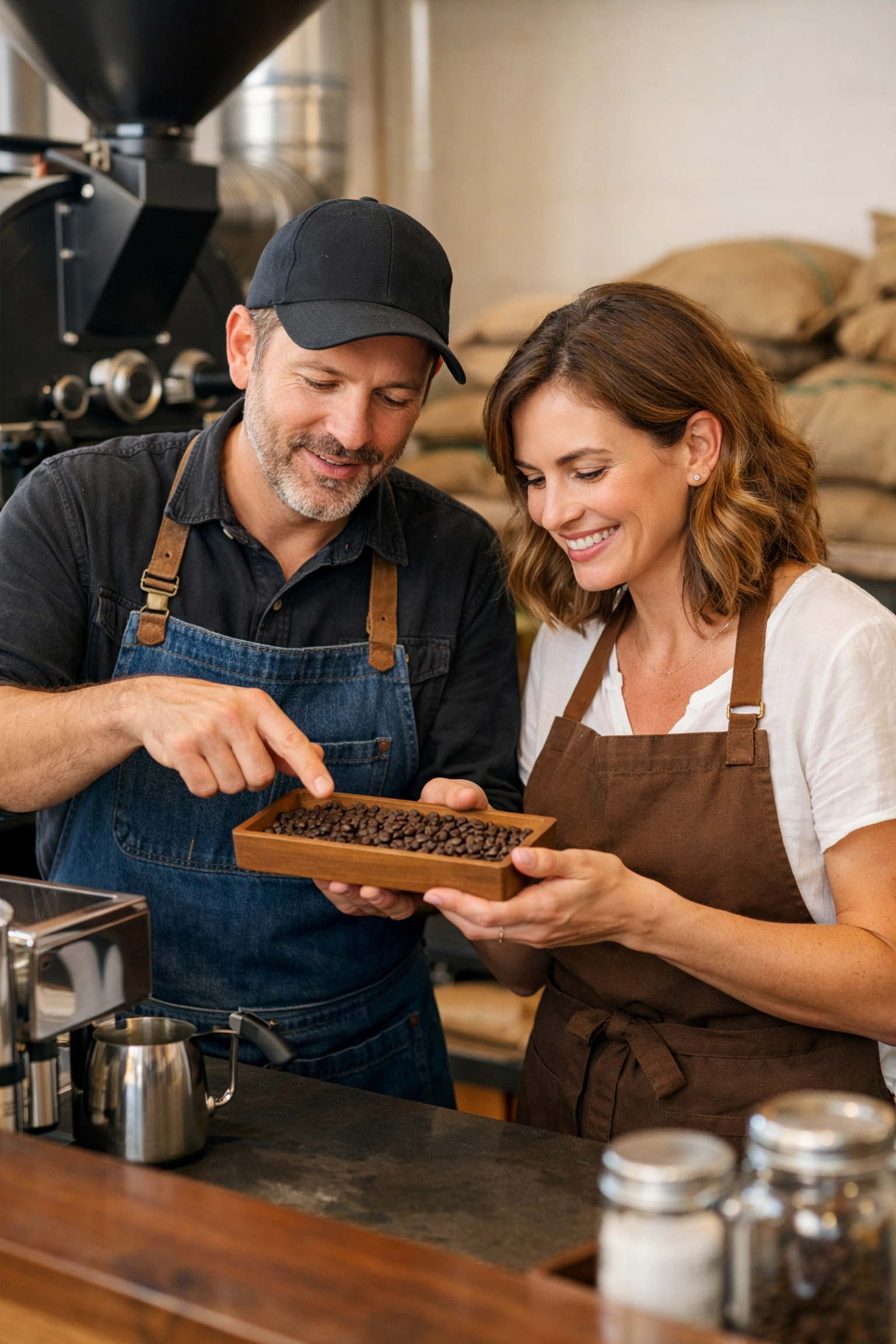
- Visit the Roastery: We love it when people come to see us. It’s the best way to see if our culture aligns with yours. You can meet the team, see the roasting process, and get a feel for how we handle wholesale specialty coffee operations.
The "Total Value" Proposition (Don't Just Look at the Price!)
This is the part where we get a bit serious. One of the biggest mistakes café startups make is choosing a supplier based solely on the price per kilo.
Imagine this: Roaster A sells coffee at £15/kg but offers zero support. Roaster B sells it at £18/kg but includes free barista training, help with your shop fitting and layout, and 24/7 technical support.
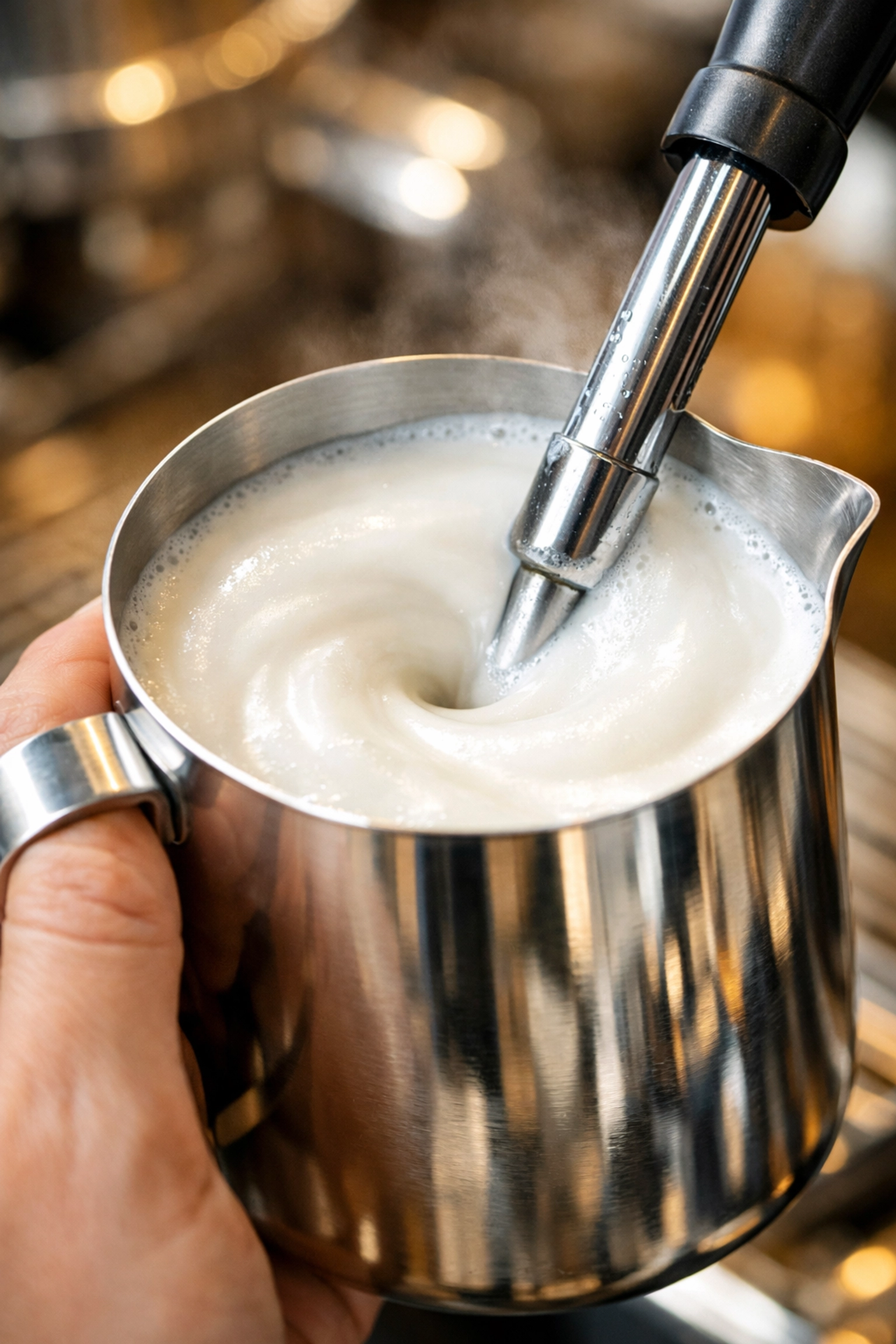
The £3 difference is peanuts compared to the cost of a broken machine or a barista who doesn't know how to properly steam milk. If your milk is thin and bubbly instead of silky and glossy, customers won't come back. (By the way, if you want to geek out on milk, our article on understanding milk is a must-read).
When you look at the total value, a supplier like Limini Coffee often ends up being the most cost-effective choice because we help you minimize waste and maximize quality.
Equipment: The Heart of Your Business
You can have the best beans in the world, but if your espresso machine is inconsistent, your coffee will be too. We are big fans of La Spaziale machines. They use a unique steam heat exchange system that provides incredible thermal stability.
Whether you’re looking at how the La Spaziale works or you’re interested in a lever or automatic setup, your wholesale partner should guide you through this.
And remember, it's not just the machine. You need a high-quality grinder, a good tamper, and the right coffee cups. Even the way you tamp the coffee matters, consistency is king. 30 lbs of pressure, every single time.
Training: Your Secret Weapon
We can't stress this enough: your staff are your brand ambassadors. You can buy the fanciest wholesale coffee roasters can provide, but if the person behind the machine doesn't know the difference between a latte and a flat white, you're in trouble.
We offer comprehensive barista training because we want your coffee to taste as good in your shop as it does in our tasting room. Training should cover:
- Dialling in the grinder (adjusting for humidity and age of beans).
- Milk texturing (aiming for that micro-foam, roughly 140 °F / 60 ºC).
- Workflow and speed (because nobody wants to wait 15 minutes for a brew).
- Machine maintenance (cleaning the group heads daily is extremely important!).
Building a Long-Term Partnership
A good wholesale relationship is built on communication. We recommend regular check-ins with your roaster. Are the roast profiles consistent? Is the delivery schedule working?
Sometimes, things go wrong. A delivery might be delayed, or a harvest might taste slightly different than the last one. The hallmark of a great coffee supplier is how they handle those hiccups.
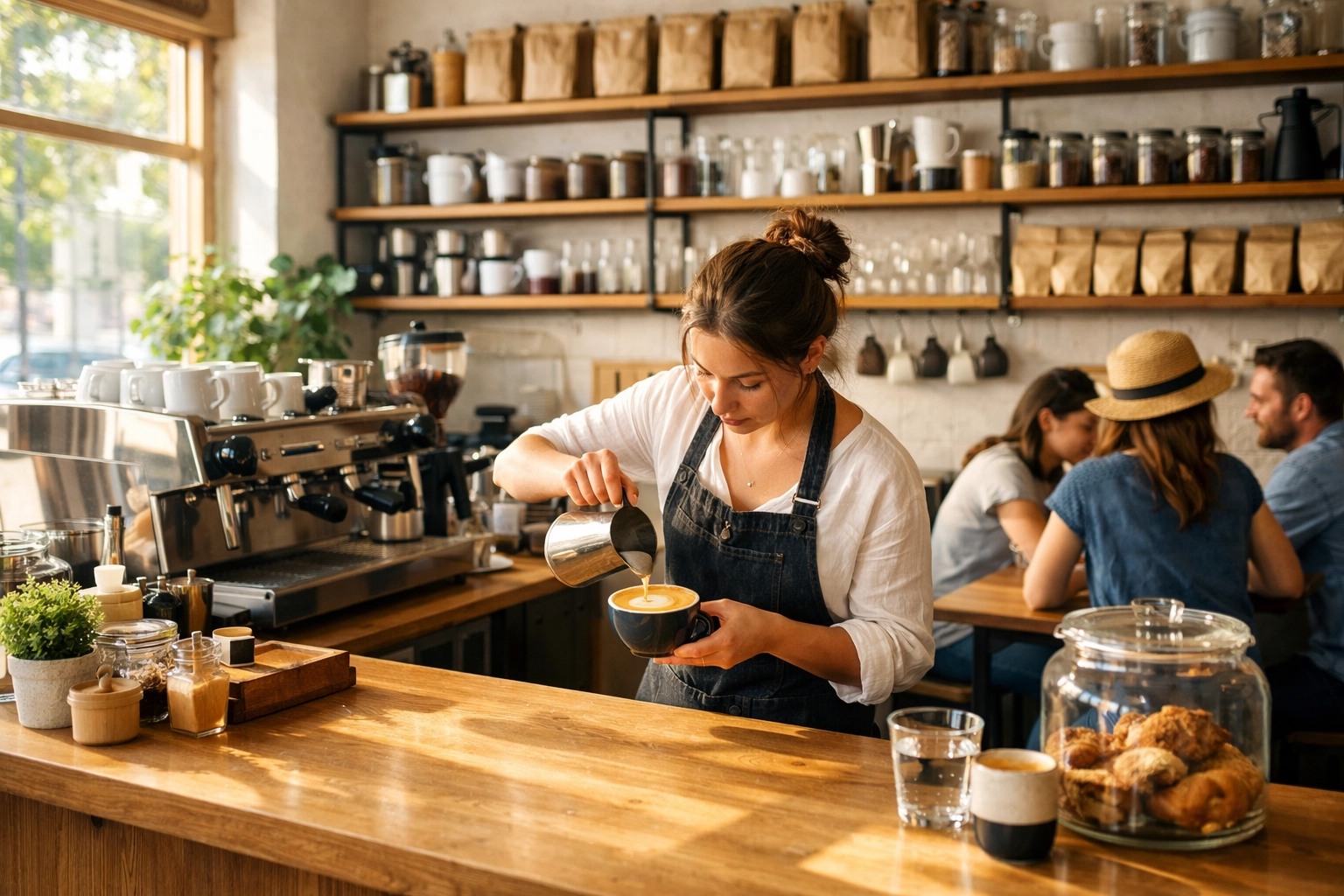
We also encourage our partners to think about the "theatre" of coffee. Making a coffee is a performance. From the sound of the grinder to the pour of the latte art, it’s all part of the experience. We've written a bit about the theatre of coffee if you want to add that extra "wow" factor to your shop.
Technical Specs and Consistency
If you really want to succeed, you need to be a bit of a nerd. You should be using a coffee brewing calculator to ensure your brew ratios are spot on. Most of our espresso recipes sit around a 1:2 ratio (e.g., 18g of coffee in, 36g of liquid out) over about 27-30 seconds.
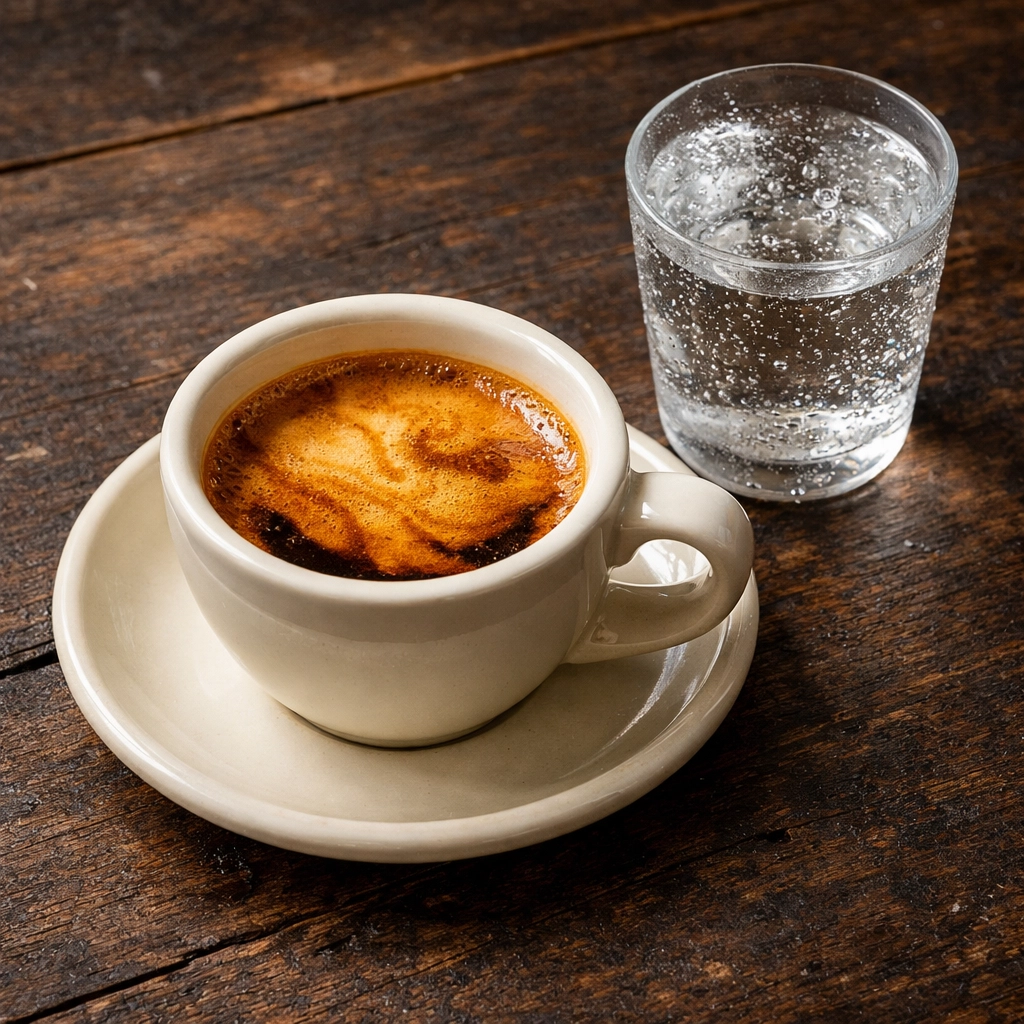
Consistency is what brings people back. They want the same delicious crema (you can read about what crema actually is here) every single Tuesday morning.
Final Thoughts for the Aspiring Café Owner
Starting a coffee business is a marathon, not a sprint. It’s hard work, early mornings, and a lot of cleaning. But when you see a regular customer take that first sip and smile, it’s all worth it.
The right wholesale specialty coffee partner will be there to celebrate the wins and help you through the challenges. They’ll help you understand the difference between a latte and a cappuccino and ensure your espresso machine is looked after.
If you’re ready to take the next step and want to chat about how we can help your business grow, check out our training overview or dive straight into our wholesale offerings.
We’ve seen it all, and we’d love to be a part of your journey. Let's make some amazing coffee together. 🙂