So, you’ve decided to move beyond the "standard" morning brew and dive into the vibrant, sometimes confusing, but always rewarding world of single origin coffee. We think that’s a brilliant move.
If you’ve ever looked at a bag of coffee and seen words like "Heirloom varieties," "washed process," or "altitude 1,800 masl" and wondered if you needed a degree in geography to enjoy your caffeine, don't worry. You’re not alone. At its heart, single origin coffee is simply about storytelling. It’s about tasting a specific place and time in a cup.
In this guide, we’re going to break down what single origin actually means, why it’s the darling of the specialty coffee world, and: most importantly: how you can master the art of tasting these incredible beans in your own kitchen. Whether you’re a seasoned home brewer or just starting out with your first V60, there’s always something new to discover.
What Exactly is Single Origin?
When we talk about single origin, we’re talking about traceability. Most supermarket coffees are "blends," which are essentially an orchestra of beans from different countries designed to create a consistent, repeatable flavor profile. There’s nothing inherently wrong with blends: we use them for espresso all the time to ensure that "chocolatey punch": but single origin is more like a solo performance.
Single origin coffee comes from one specific geographic location. But "location" is a bit of a sliding scale. Here is how we usually categorize them:
- Single Country: Beans sourced from various farms within one nation, like "Ethiopian Sidamo." While it gives you a general vibe of the country’s profile, it’s the broadest category.
- Single Region: Now we’re getting specific. This might be coffee from the Huila region in Colombia. Farms here share similar altitudes and soil types, leading to a more distinct flavor.
- Single Farm or Estate: This is where the magic happens. You’re drinking coffee from one specific plot of land owned by one producer. You can actually point to a map and say, "My coffee grew right there."
- Microlot: The crème de la crème. This is a specific harvest from a small section of a farm, often processed separately because the quality is so exceptionally high.
Why does this matter? Because coffee is a fruit, and like wine grapes, it’s a product of its environment: something the French call terroir. The soil, the rainfall, the shade trees, and the altitude all leave a thumbprint on the flavor. When you drink a single origin, you’re tasting that thumbprint.
If you’re ready to start your own exploration, we highly recommend checking out the rotating selection of freshly roasted single origin beans at Limini Coffee. It’s the best way to see these differences for yourself.
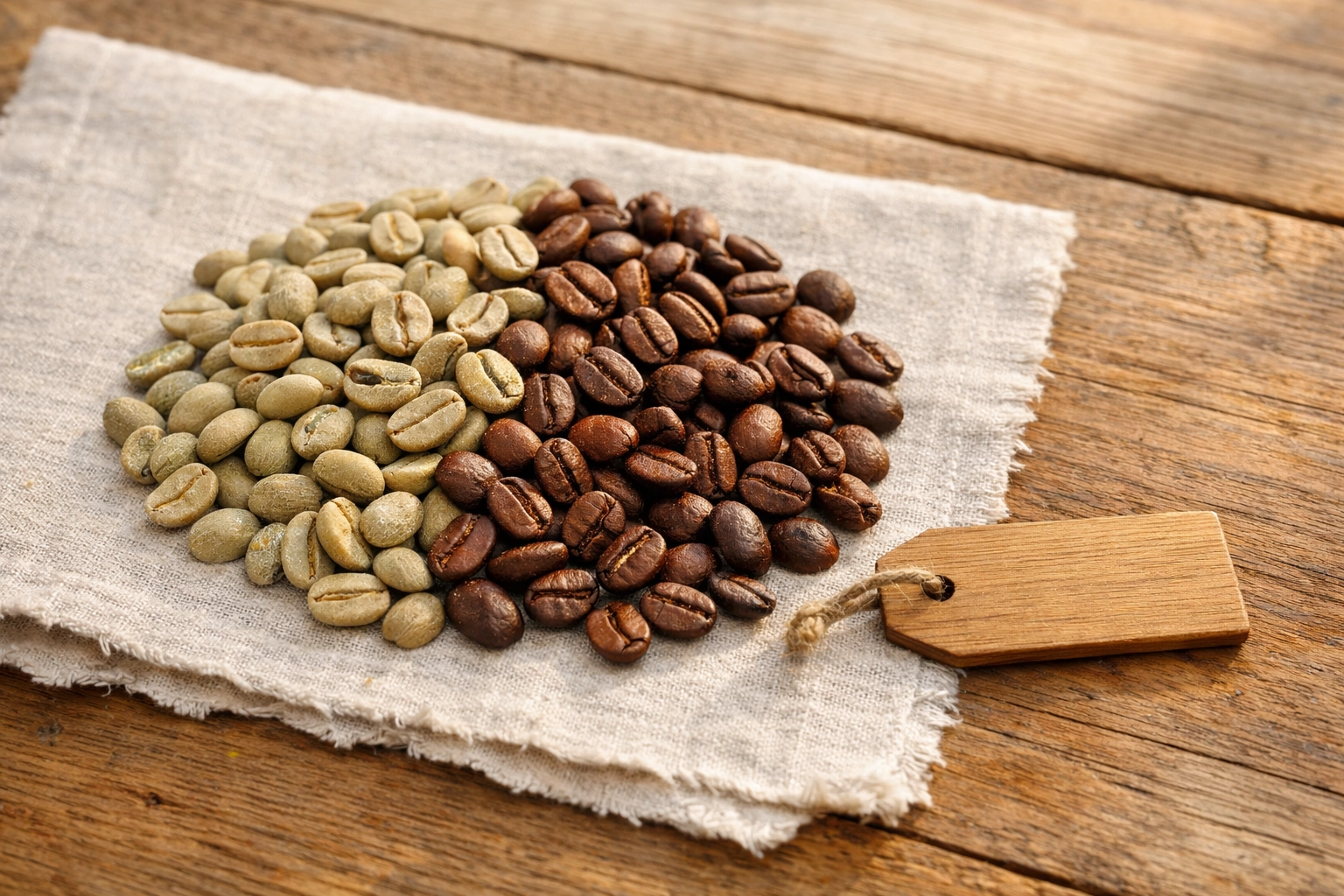
The Magic of Terroir: Why Geography Changes Flavor
Have you ever wondered why one coffee tastes like a citrus explosion while another reminds you of a Snickers bar? It’s usually down to where it was grown. While every farm is unique, there are some "general rules" of thumb for coffee regions:
African Coffees (Ethiopia, Kenya, Rwanda):
Expect the unexpected. These are often tea-like, floral, and packed with bright acidity. Think notes of bergamot, jasmine, blueberry, and lemon. They are the "bright" kids in the class.
Central & South American Coffees (Colombia, Guatemala, Brazil):
These are the crowd-pleasers. Colombian coffees often have a beautiful balance of caramel sweetness and apple-like acidity. Brazilian beans are famous for their heavy body and nutty, chocolatey profiles.
Asian/Pacific Coffees (Indonesia, Vietnam, Papua New Guinea):
These tend to be earthy, spicy, and full-bodied. If you like a coffee that feels "heavy" on the tongue with notes of tobacco, cedar, or dark chocolate, this is your territory.
Mastering the "Slurp": How to Taste Coffee at Home
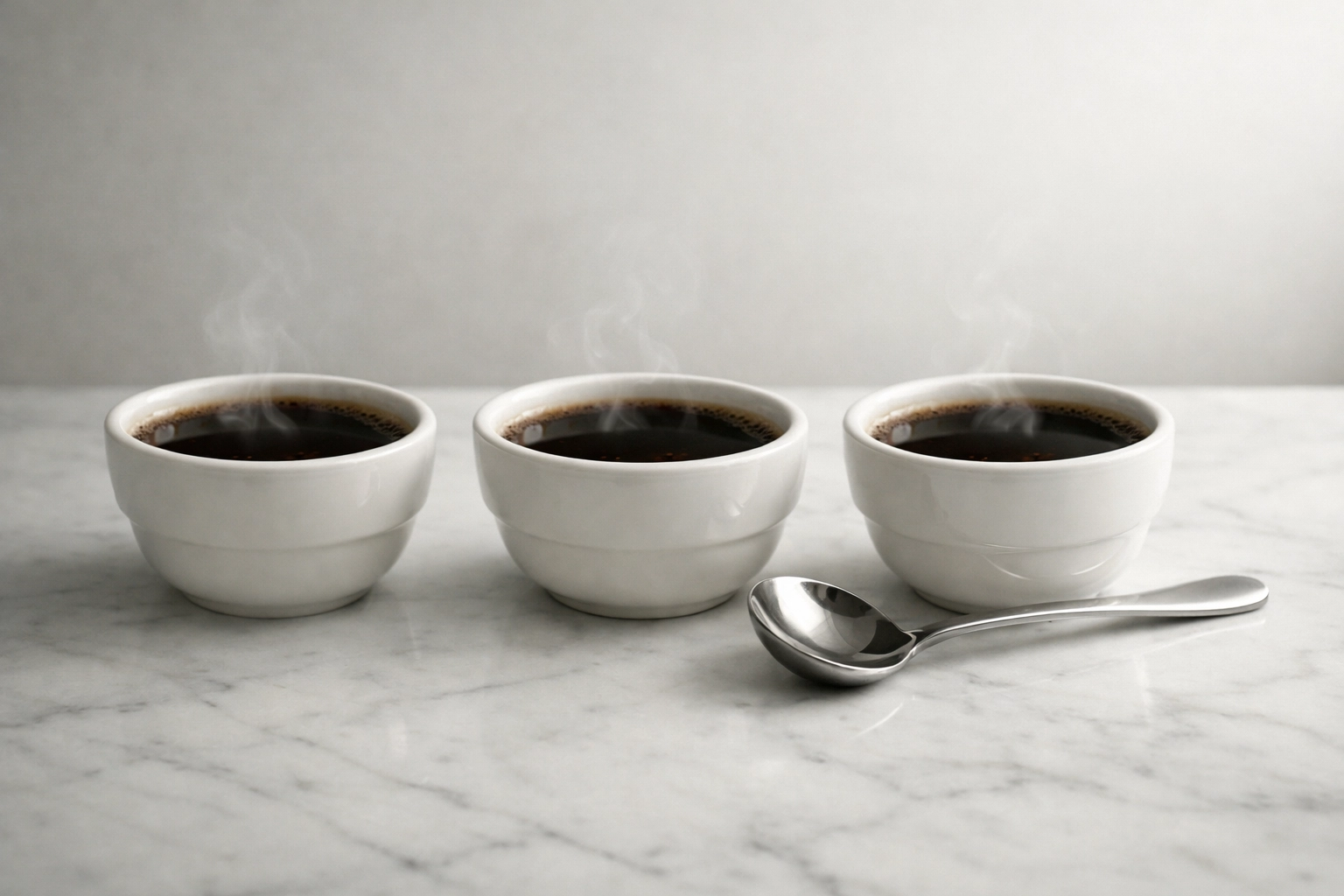
To truly master coffee tasting, you need to move beyond "it tastes like coffee." Professional tasters use a process called "cupping," but you don't need a lab to do this. You just need a few bowls, a spoon, and an open mind.
Step 1: The Fragrance (Dry Aroma)
Grind your beans (medium-coarse, like sea salt). Put them in a glass and give them a good sniff. What do you smell? Is it sweet like brown sugar? Spicy like cinnamon? Or maybe it smells like a meadow in spring? This is the "fragrance."
Step 2: The Aroma (Wet)
Add hot water (around 94°C / 201°F). Let it sit for four minutes. A "crust" of grounds will form on top. Lean in close, take a spoon, and gently push the grounds back. This releases a burst of steam. This is the "aroma." Often, the smell changes completely once the water hits the beans.
Step 3: The Slurp
After clearing the grounds from the surface, dip your spoon in. Now, here’s the trick: you need to slurp it loudly. We know, your parents told you not to, but in the coffee world, it’s mandatory. Slurping aerates the coffee and sprays it across your entire palate, hitting all your taste buds at once.
What are you looking for?
When you’re slurping your way through a new single origin from Limini Coffee, try to categorize what you’re experiencing:
- Acidity: This isn't "acid" like stomach acid. In coffee, acidity is a good thing! It’s that brightness or "zing." Is it like a sharp lime (high acidity) or a mellow red apple (low acidity)?
- Body: This is the weight or "mouthfeel" of the coffee. Does it feel thin and refreshing like tea, or thick and creamy like whole milk?
- Sweetness: Even without sugar, high-quality specialty coffee is sweet. Look for notes of honey, molasses, or ripe fruit.
- Finish: How long does the flavor stay on your tongue after you swallow? A clean finish disappears quickly; a long finish lingers like a good wine.
Brewing for Clarity: The Gear Matters
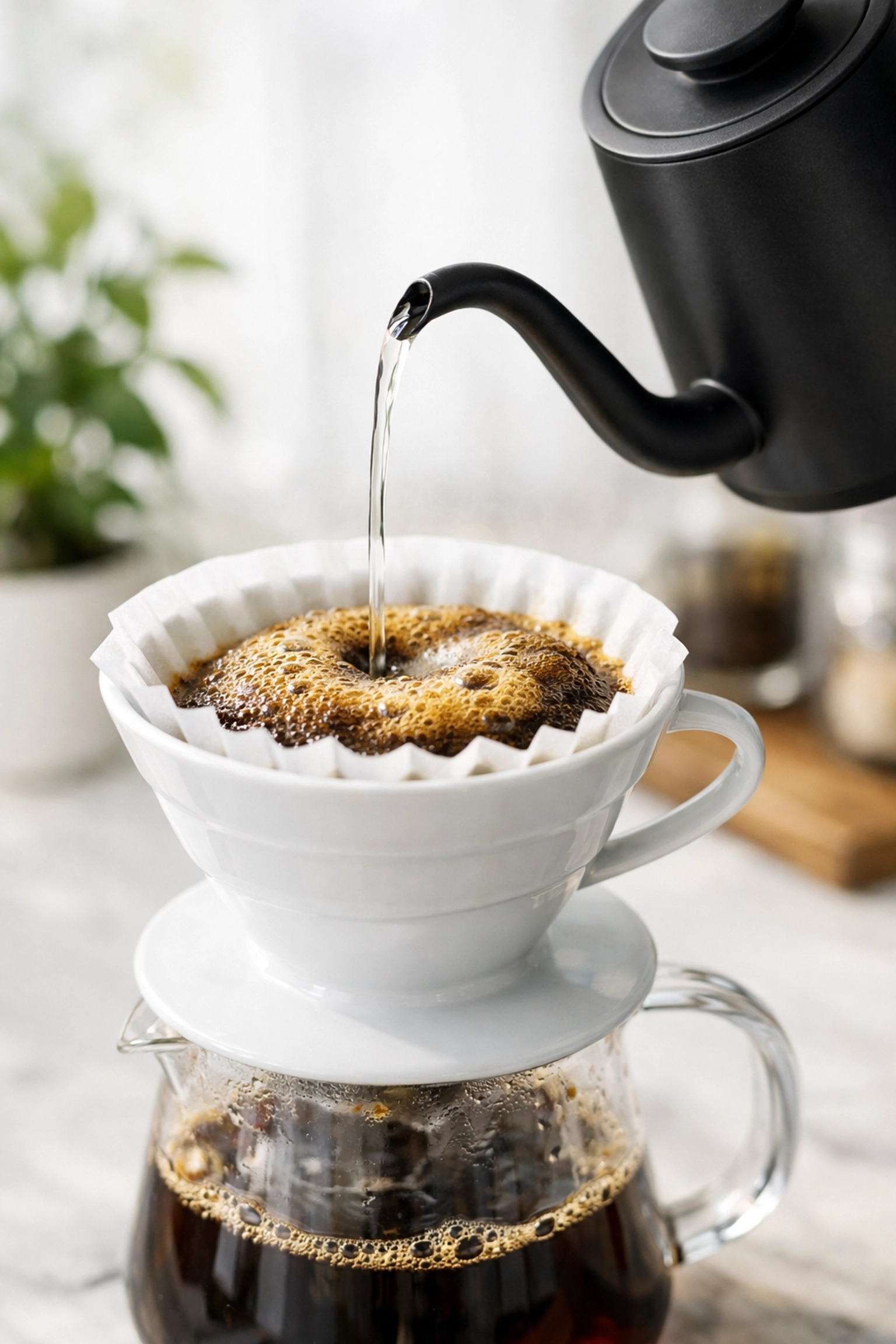
If you’re spending money on a beautiful single origin, you don't want to drown its personality. This is why we generally steer people toward filter brewing (pour-over) for single origins rather than milk-based espresso drinks.
Espresso is intense and can sometimes mask the delicate floral notes of a light-roast Ethiopian. A V60 or Chemex, however, acts like a magnifying glass for flavor. The paper filter catches the oils and sediment, leaving you with a cup that is incredibly clear and nuanced.
A quick tip on water: Coffee is 98% water. If your tap water tastes like chlorine, your coffee will too. Use a simple water filter jug; it’s one of the easiest ways to instantly improve your home brewing. You can find more brewing tips and gear advice here.
Common Pitfalls to Avoid
We’ve all been there: you buy a fancy bag of beans, and it tastes… sour. Or bitter. Here’s how to troubleshoot:
- It tastes sour/salty: Your coffee is "under-extracted." This means the water didn't pull enough flavor out. Try grinding finer or using hotter water.
- It tastes bitter/ashy: Your coffee is "over-extracted." You’ve pulled out the "bad" flavors. Try a coarser grind or slightly cooler water (around 90°C).
- It tastes flat: Your beans might be old. Single origin coffee is at its peak between 7 and 30 days after roasting. Always check the "roasted on" date!
Why We Love Single Origin (And You Will Too)
The beauty of coffee is that it is an endless journey. One week you might be sipping a natural-process Brazilian that tastes like a boozy fruitcake, and the next, you’re enjoying a washed Salvadoran that is as clean and crisp as a mountain spring.
It connects you to the farmers. When you buy a single origin, you’re often supporting a specific supply chain that rewards quality over quantity. It’s a more ethical, sustainable way to enjoy your daily ritual.
If you’re feeling inspired to start your tasting journey, why not pick up a couple of different bags and try a side-by-side tasting? It’s the fastest way to calibrate your palate. Head over to Limini Coffee’s shop to see what’s currently in season.
Final Thoughts…
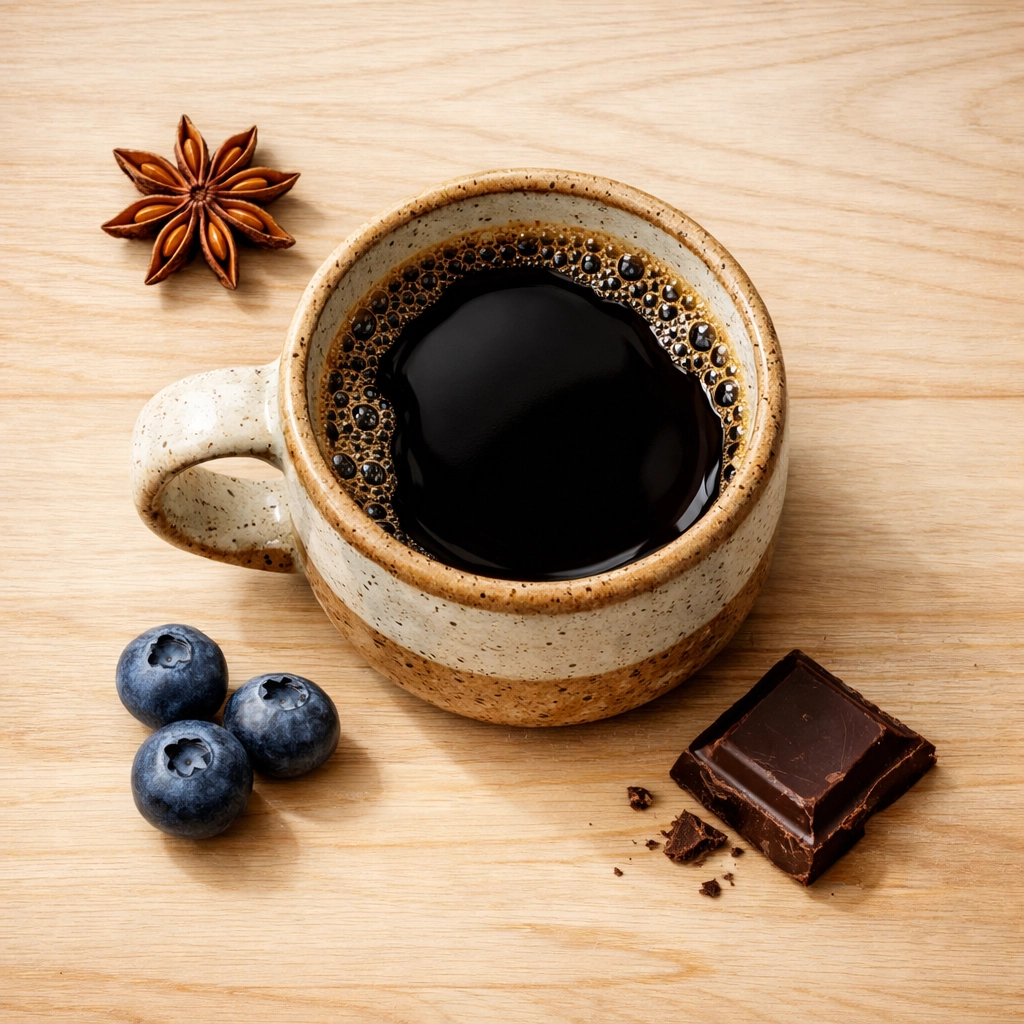
Mastering coffee tasting isn't about being a snob; it's about appreciation. It’s about taking five minutes out of a busy day to actually taste something remarkable. Don't worry if you can't taste "notes of star anise and elderflower" right away. Start simple: Is it fruity or nutty? Do I like it?
That’s the only metric that truly matters.
So, grab a bag of something new, get that kettle on, and start slurping. You might just find your new favorite corner of the world, one cup at a time. If you ever find yourself stuck or wanting to take your skills to the next level, we offer Barista Training that covers everything from sensory skills to advanced brewing.
Happy brewing!
Quick Reference Guide for Tasting:
| Region | Common Profile | Best Brewing Method |
|---|---|---|
| Ethiopia | Floral, Citrus, Tea-like | V60 / Chemex |
| Colombia | Nutty, Chocolate, Red Apple | AeroPress / Cafetiere |
| Sumatra | Earthy, Spicy, Full Body | French Press |
| Kenya | Bright, Blackcurrant, Tomato | Pour-over |