So, you’re opening a coffee shop. Or maybe you’ve been running one for a while and your current setup just isn't hitting the mark anymore. You’ve got the perfect location, the decor is looking sharp, and you’ve picked out some stunning coffee cups. But now comes the most critical decision of all: who is going to supply your beans?
Choosing between various coffee suppliers for coffee shops is a lot like dating. In the beginning, everyone puts their best foot forward. The packaging is beautiful, the sales pitch is polished, and the initial samples taste like heaven. But will they still show up for you at 8:00 AM on a rainy Tuesday when your grinder breaks down? Will the coffee still taste as good six months from now?
Finding the right coffee roaster wholesale partner is about more than just a price list. It’s about building a relationship with someone who cares as much about your success as you do. Here is our guide on how to vet your potential partners to ensure you find "the one."
1. Quality and Consistency: Beyond the Pretty Bag
It sounds obvious, but the coffee has to be good. However, "good" is subjective. What you really need is "consistently excellent." Anyone can roast one amazing batch of coffee once. The real pros can do it week in, week out, year-round.
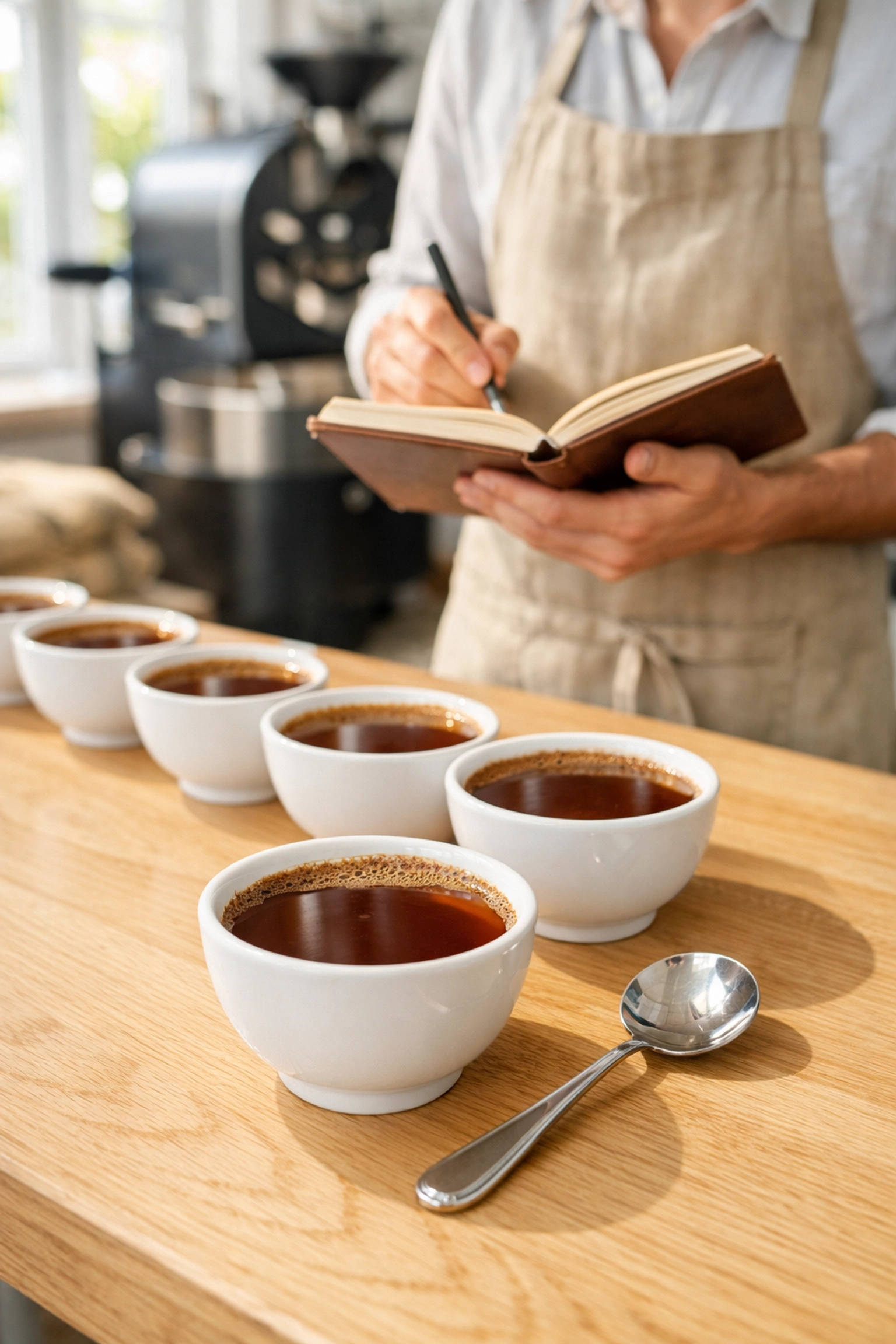
When vetting a supplier, don’t just take their word for it. Request multiple samples over a period of a few weeks. This allows you to see if the roast profile stays stable. We always recommend asking for composite samples, this means beans drawn from multiple bags of an actual production run, rather than a "gold-standard" sample specifically roasted to impress you.
What to ask:
- How do you monitor roast profiles? Look for roasters who use software-controlled systems to track time and temperature curves. This ensures that the batch you buy today tastes exactly like the batch you bought last month.
- What is your cupping process? A serious roaster should be cupping (tasting) every single batch they produce to check for defects or inconsistencies.
- Where does the coffee come from? Transparency is key. They should be able to tell you the origin, varietal, elevation, and processing method. If they’re vague about sourcing, that’s a red flag.
2. Training: The Secret Ingredient to Success
You can buy the most expensive, award-winning beans in the world, but if your baristas don't know how to dial them in, the coffee will taste mediocre at best. This is where a lot of shops fall down.
A great supplier shouldn't just drop off bags of coffee at your door and vanish. They should be an educational resource. When we look at coffee suppliers for coffee shops, we believe the quality of their training is just as important as the quality of their roasting.
Do they offer barista training? Is it included in the wholesale price, or is it an extra cost? We think it's vital that your team understands the "why" behind what they do, from understanding milk textures to the physics of tamping.
Why this matters:
If your supplier provides comprehensive training, they are investing in your brand. They want your customers to have an amazing experience because that reflects well on their coffee. It’s a win-win.
3. Equipment Support: When Things Go Wrong
Coffee machines are high-pressure environments. They deal with scale, heat, and constant use. Eventually, something will need a bit of TLC.
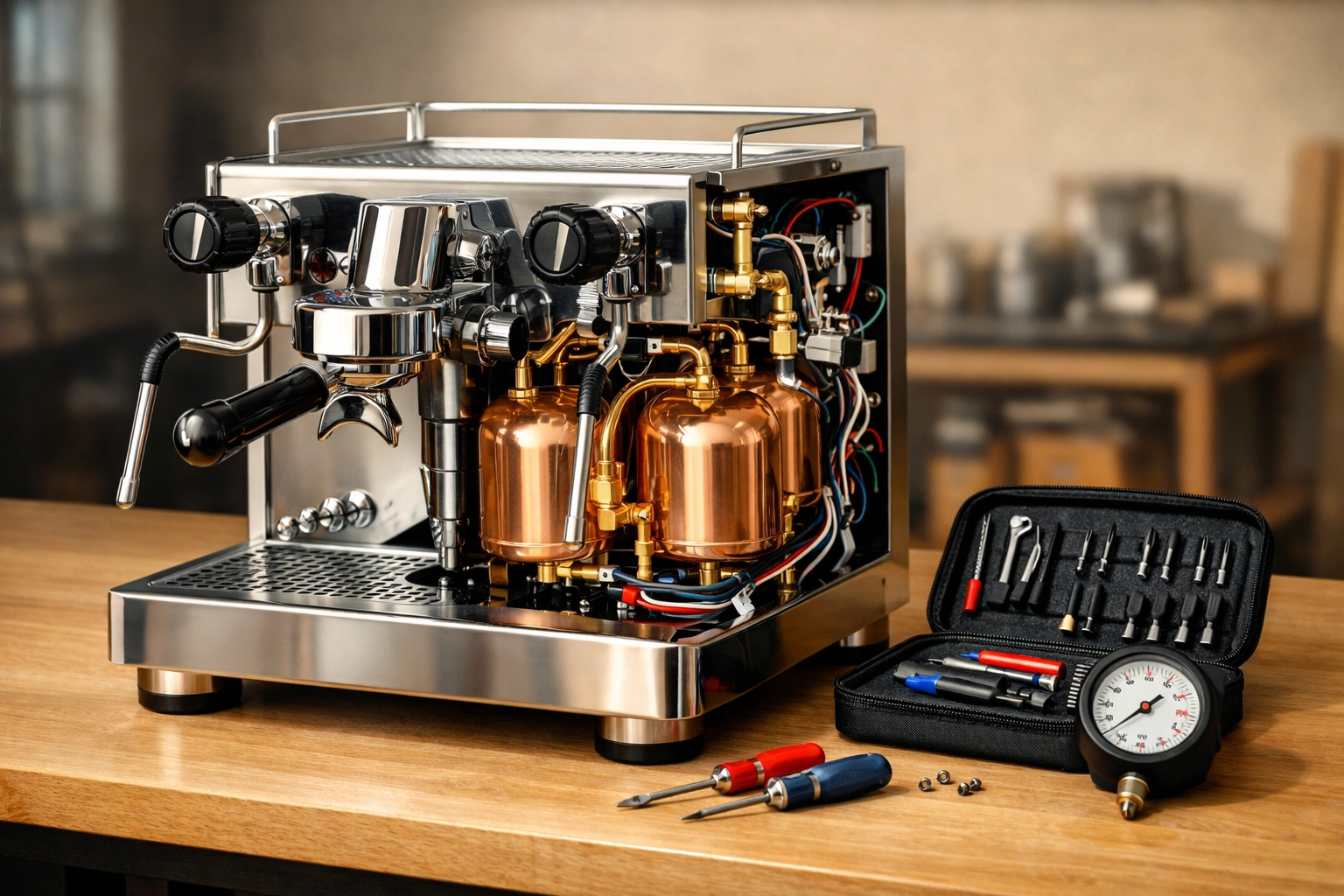
When you are vetting a coffee roaster wholesale partner, ask about their technical support. Do they have their own engineers? What is their lead time on repairs? If your machine goes down on a Saturday morning and your supplier doesn't answer the phone until Monday, you’ve lost two days of revenue. That hurts.
We often suggest looking for suppliers who are experts in specific machinery, like the La Spaziale range. Knowing how a machine works, down to the PID controllers and boiler systems, means they can often troubleshoot issues over the phone, saving you a costly call-out fee.
4. Reliability and Operations: The "Boring" Stuff
Logistics aren't sexy, but they are the backbone of your business. You need to know that when you place an order, it arrives on time and in full.
During your vetting process, try to visit their roasting facility. Is it clean? Is it organized? Do they use a First-In, First-Out (FIFO) inventory system? Freshness is everything in speciality coffee. You want coffee that was roasted recently, not something that has been sitting in a warehouse for three months.
Operational check-list:
- Lead times: How long between ordering and delivery?
- Delivery methods: Do they use their own vans or a courier?
- Minimum order quantities (MOQs): Does the MOQ fit your storage space and turnover?
- Financial stability: It might feel awkward, but asking for references or checking their industry reputation is smart. You don't want your supplier disappearing overnight because they couldn't manage their overheads.
5. The "Theatre" and Brand Alignment
Your coffee supplier is an extension of your brand. If you are running a high-end, speciality-focused shop, you want a roaster that reflects that. If you are a high-volume, fast-paced cafe, you need a partner who understands efficiency.
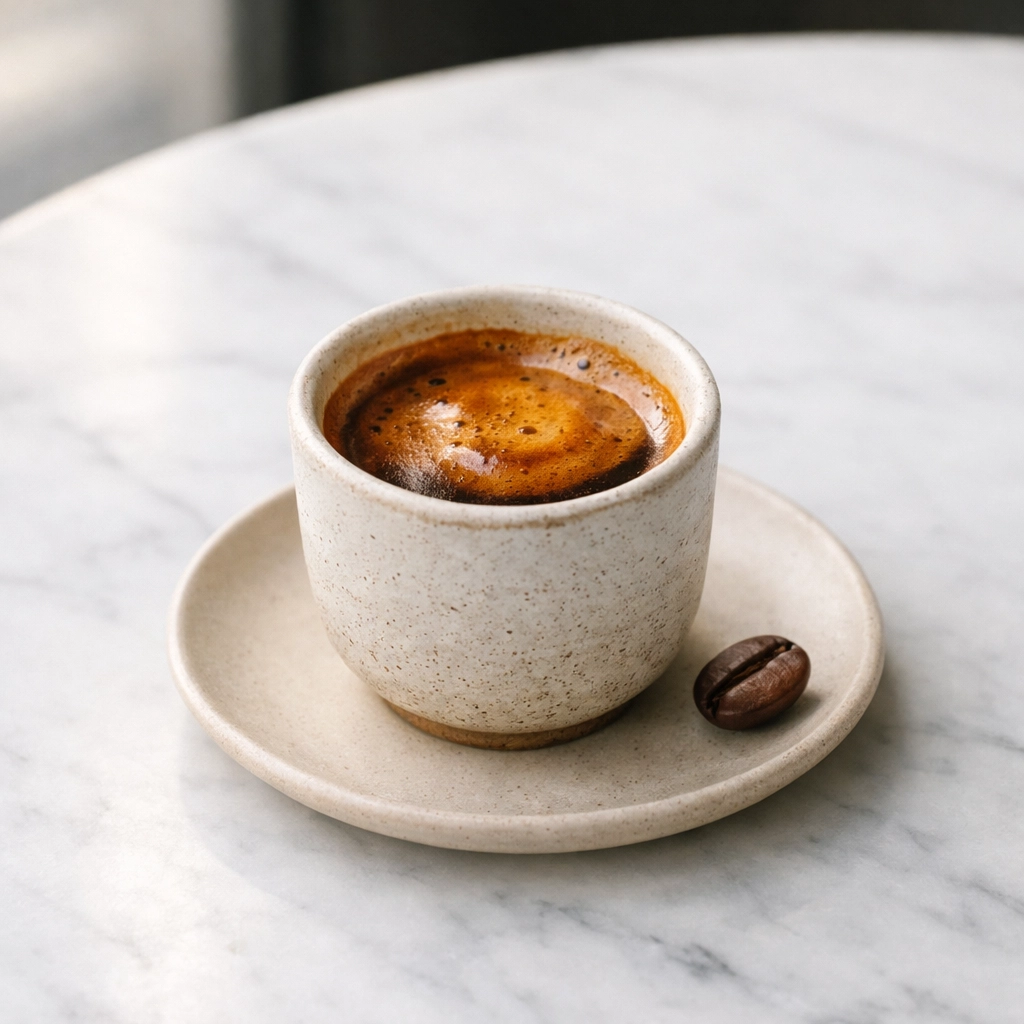
There is a certain theatre to coffee. The way the beans are presented, the story you tell your customers about the farmer, and the perfect crema on top of an espresso all contribute to the "wow" factor.
Does the supplier’s brand vibe with yours? Do you like their people? You’re going to be talking to these guys a lot, so a good cultural fit is essential. We pride ourselves on being warm and approachable at Limini Coffee, and we think that's a big part of why our wholesale partners stay with us for years.

6. Spotting the Red Flags
Sometimes, it’s easier to know what you don’t want. Here are a few warning signs that a supplier might not be the right fit:
- The "Radio Silence": If they take three days to reply to a sales inquiry, imagine how long they’ll take to help with a broken grinder.
- Vague Sourcing: If they can't tell you exactly where the coffee comes from or when it was roasted, keep walking.
- The "One-Trick Pony": They have one amazing coffee but everything else is mediocre. You need a consistent range to keep your menu interesting.
- Pushy Sales Tactics: If they are more interested in signing a contract than hearing about your business goals, they aren't looking for a partnership; they’re looking for a transaction.
Putting it All Together
Choosing from the many coffee suppliers for coffee shops out there is a big task, but it doesn't have to be overwhelming. Focus on quality, check their training credentials, and make sure their technical support is rock solid.
Remember, the cheapest price per kilo is rarely the best value. A slightly more expensive bean that comes with free training, 24/7 tech support, and a guaranteed 24-hour delivery window will save you thousands of pounds in the long run.
If you’re looking for a partner who truly lives and breathes coffee, and wants to help your shop thrive, we’d love to chat. You can learn more about us and our approach to speciality roasting right here.
And hey, if you want to see what our current partners think, have a look at our reviews. We believe in total transparency because, at the end of the day, we’re all on the same team: the team that wants to serve the best coffee possible.
If you are ready to take the next step in your coffee journey, check out what we offer at Limini Coffee. Whether you need help choosing espresso equipment or you’re just starting to build your coffee shop, we’re here to help you pull the perfect shot every time.
So, what’s your next move? Are you ready to find your perfect match? Just remember to keep your standards high and your water temperature around 92 °C (197.6 °F). The rest will fall into place! 🙂