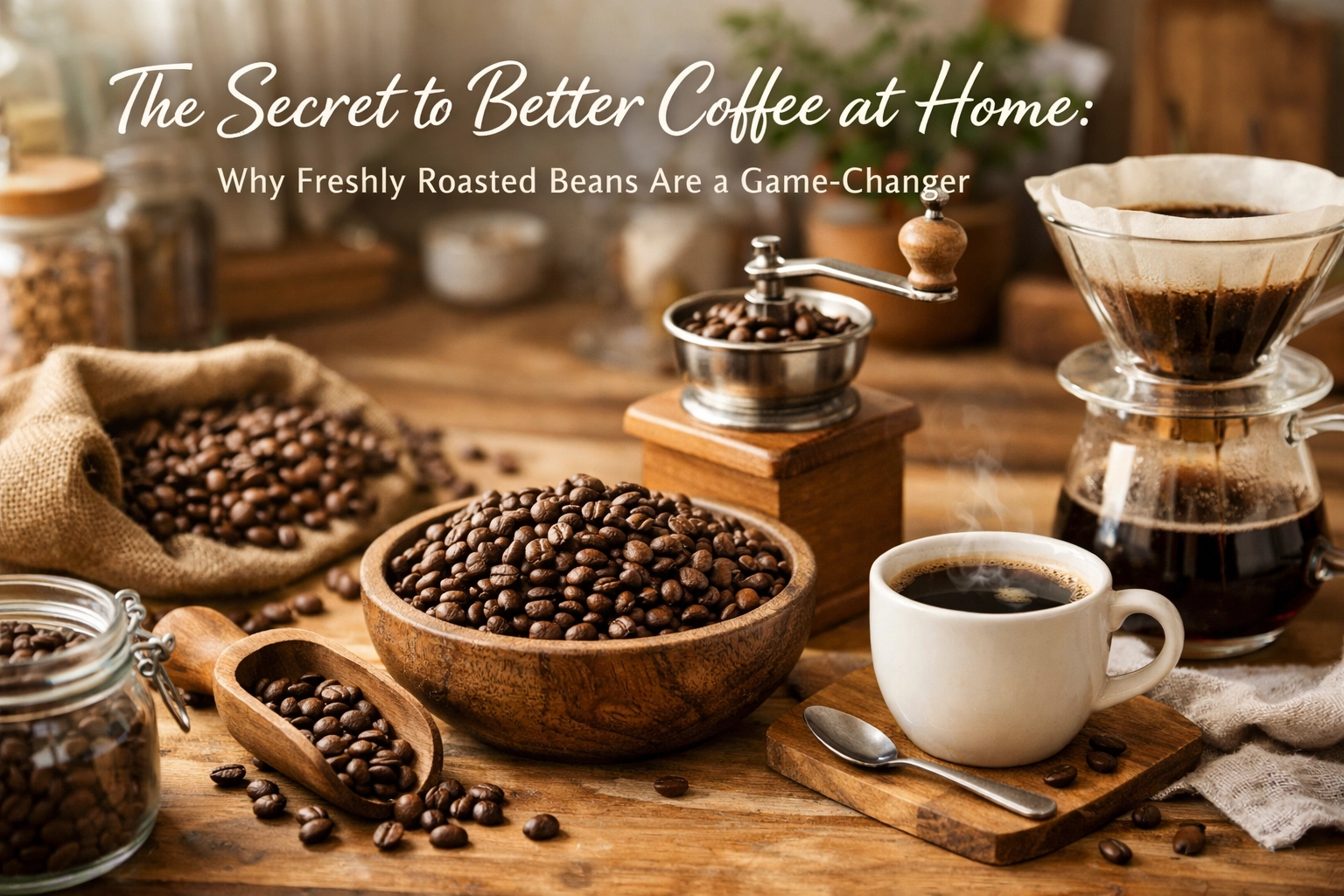
Ever wondered why your home coffee doesn't quite hit the same as that cup from your favorite café? You've got the grinder, you've nailed your brew method, and you're using decent beans from the supermarket. So what's missing?
The answer is simpler than you think: freshness.
Most coffee sold in supermarkets has been sitting around for months. Sometimes up to a year. And while those vacuum-sealed bags do an okay job of keeping things preserved, they can't stop the inevitable decline that happens the moment coffee is roasted. This is the difference between coffee that's merely "fine" and coffee that makes you pause mid-sip and think, "Okay, this is what I've been missing."
Let's talk about why freshly roasted beans completely transform your morning ritual.
What Actually Happens When Coffee Is Roasted
When green coffee beans hit the roaster, something magical happens. The heat triggers what's called the Maillard reaction – the same chemical process that gives seared steak and fresh-baked bread their incredible aromas. This reaction creates hundreds of volatile compounds that are responsible for everything we love about coffee: the aroma, the complexity, the depth of flavor.
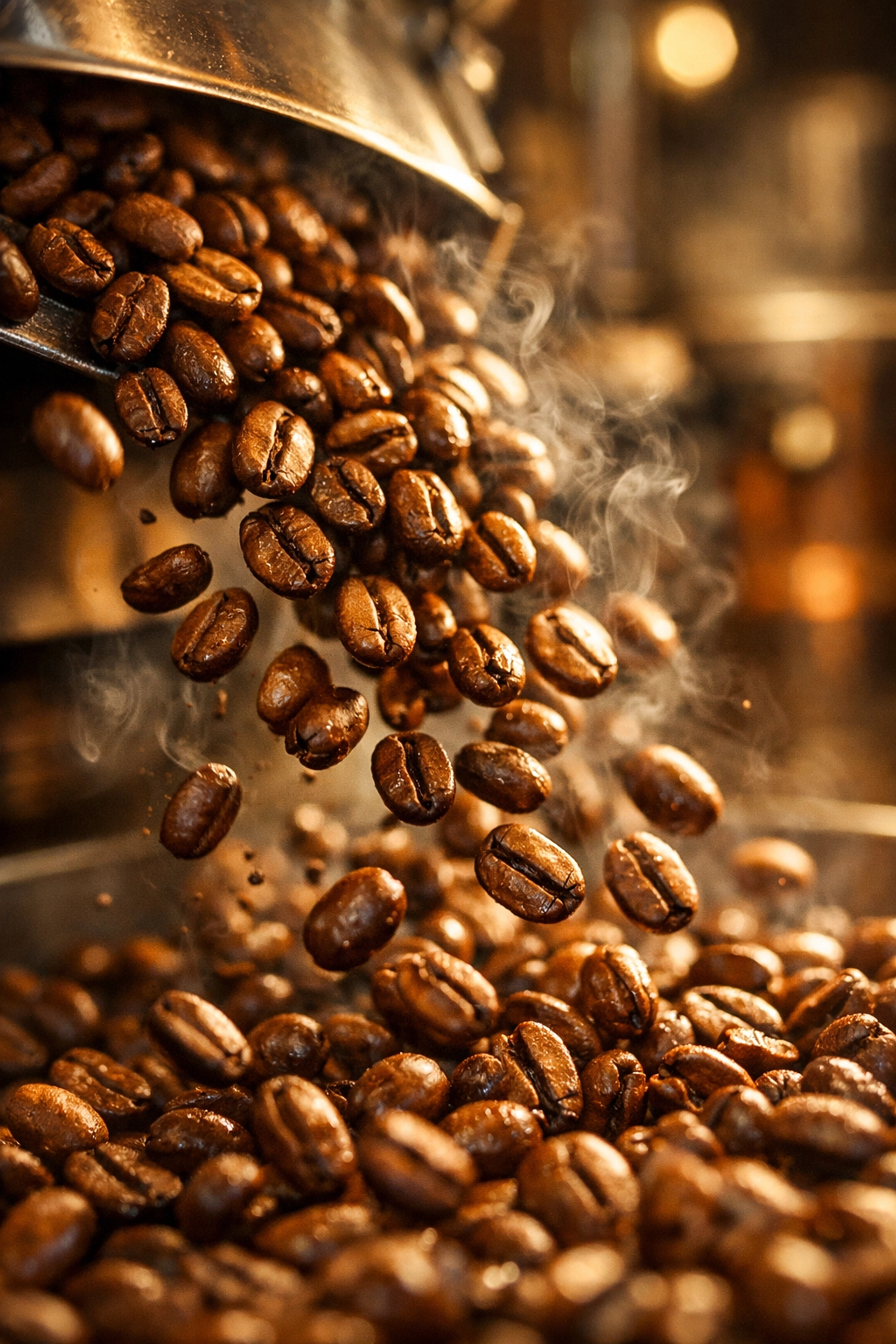
But here's the thing. Those compounds? They're incredibly delicate. The moment roasting finishes, they begin to evaporate. Coffee oils migrate to the surface of the bean and start oxidizing when exposed to air. The clock starts ticking.
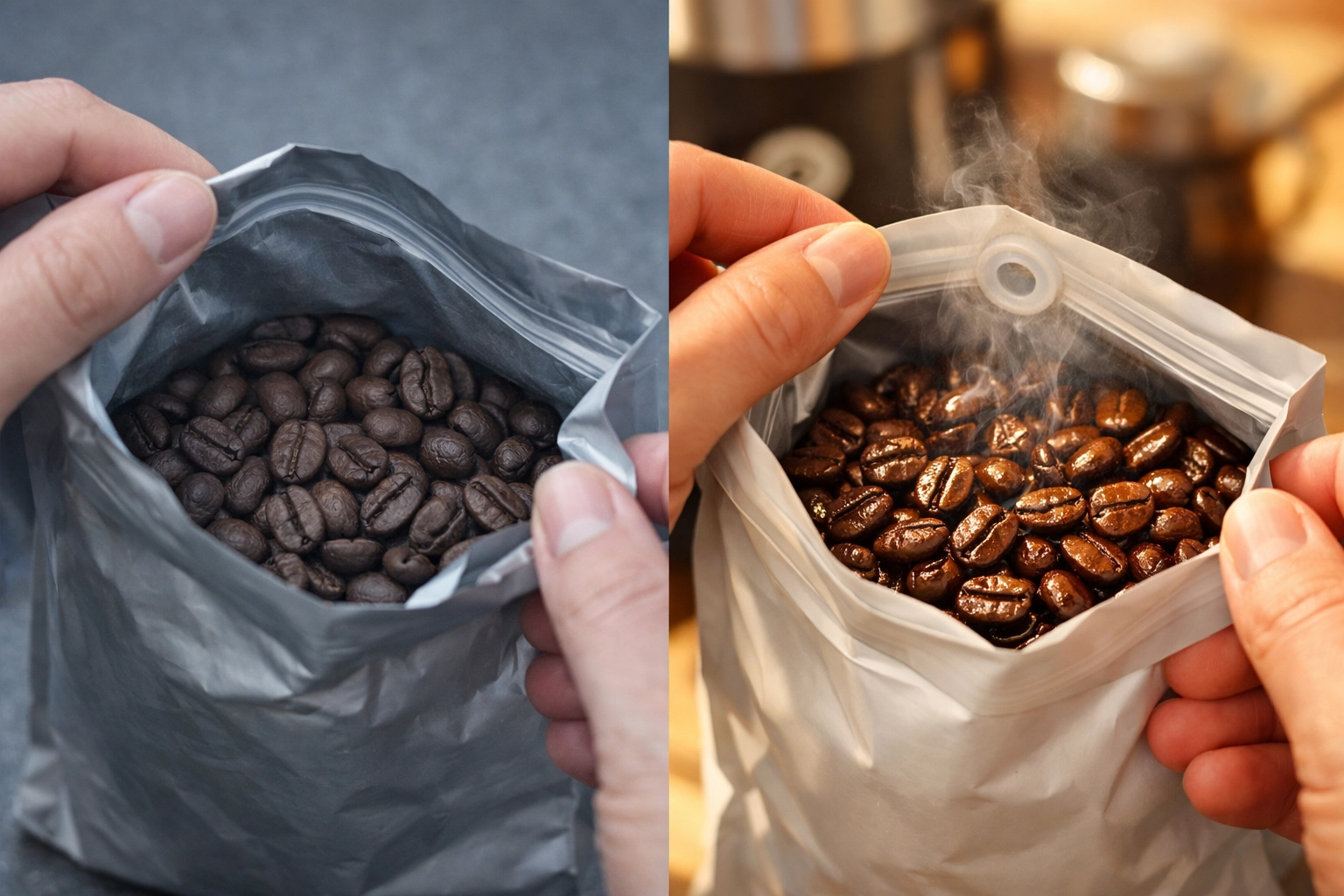
So when you buy pre-roasted coffee from a supermarket shelf, you're essentially buying beans that have been slowly losing their best qualities for weeks or months. The packaging date you see? That's often when it was packaged, not when it was roasted. And roasting dates can be conspicuously absent.
The Degassing Period: Fresh Doesn't Mean Immediate
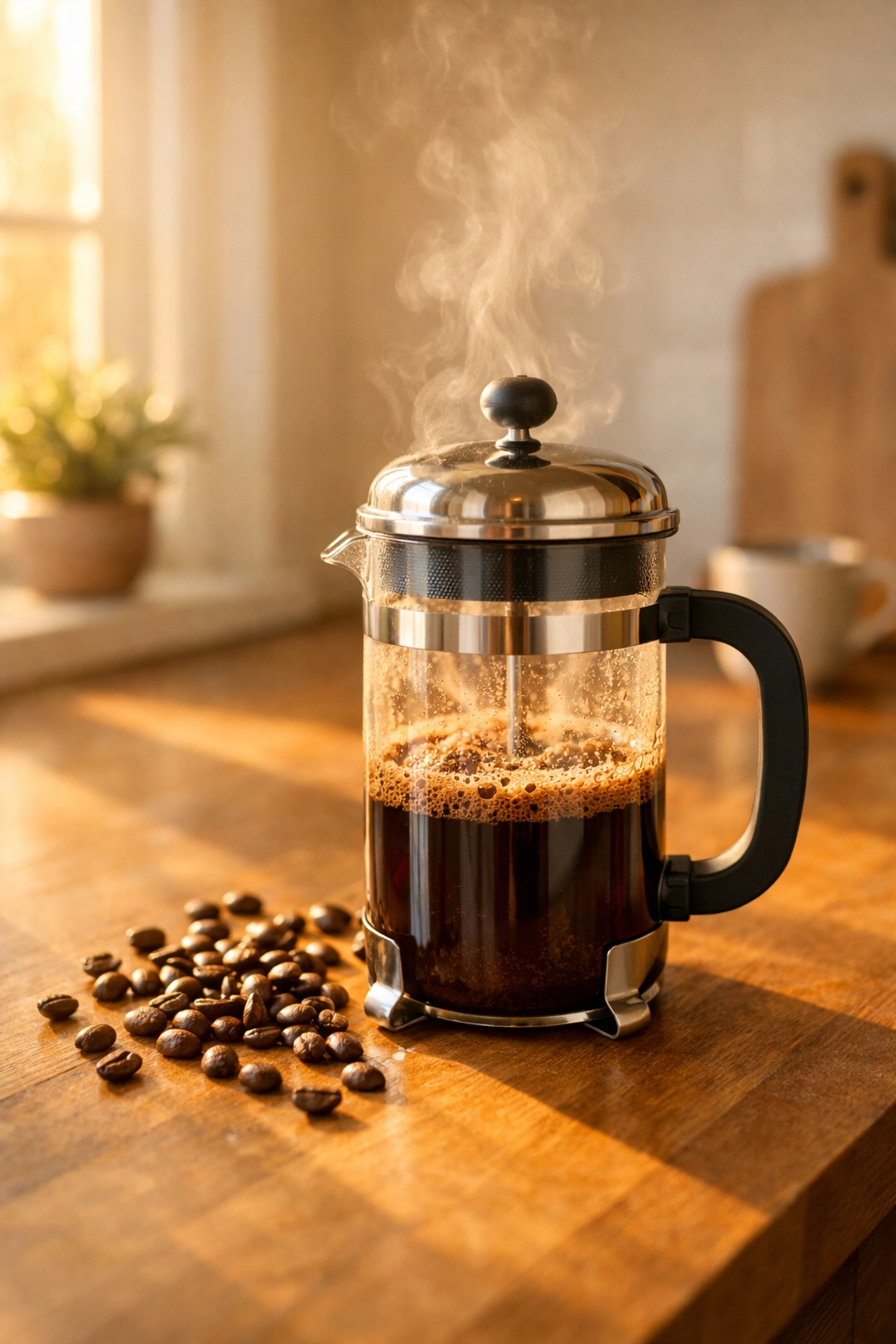
Interestingly, coffee that's too fresh isn't ideal either. After roasting, beans release carbon dioxide in a process called degassing. This CO2 needs to escape over the first few days, which is why we use bags with one-way valves – they let gas out but don't let oxygen in.
If you brew coffee that's only hours old, you'll notice the CO2 interferes with extraction, creating uneven brewing and sometimes a slightly harsh, underdeveloped taste. This is why most specialty roasters (ourselves included) recommend a short rest period after roasting.
But this degassing period is measured in days, not months. Coffee typically hits its peak flavor window around 3-7 days post-roast and maintains excellent quality for 2-4 weeks when stored properly. After that, the decline accelerates noticeably.
The Flavor Difference You Can Actually Taste
The gap between fresh specialty coffee and month-old supermarket beans is dramatic. Let's break down what you're actually tasting:
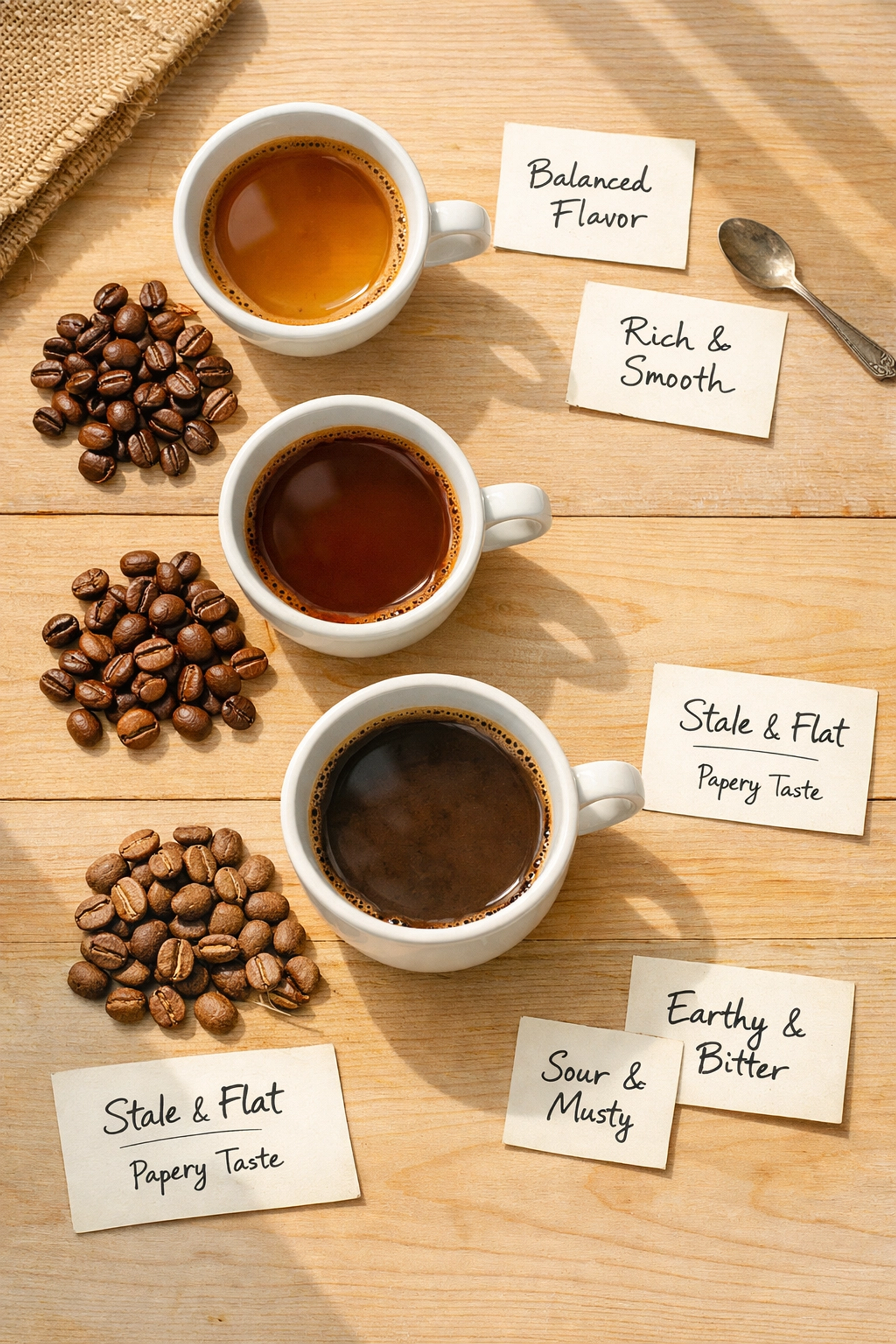
Fresh roasted beans deliver bold, complex flavors with clarity. You can actually distinguish the tasting notes listed on the bag – whether that's bright citrus, smooth chocolate, or delicate florals. The aroma when you open the bag is intoxicating. When you brew it, your kitchen fills with fragrance. The cup itself has depth and balance, with sweetness, acidity, and body all working together.
Older beans taste flat and one-dimensional. The oils have oxidized, creating stale, cardboard-like flavors. Bitterness becomes overpowering because it's one of the few taste compounds that doesn't fade quickly. Any subtlety or nuance in the coffee's origin characteristics? Gone. You're left with a generic coffee taste that needs milk and sugar to be palatable.
It's the difference between eating a tomato fresh from the garden versus one that's been sitting in your fridge for three weeks. Technically still food, but hardly the same experience.
Health Benefits You're Missing Out On
Beyond taste, freshness actually affects the nutritional value of your coffee. Fresh roasted beans retain significantly higher concentrations of antioxidants – specifically chlorogenic acids and polyphenols – that degrade over time.
These antioxidants provide genuine health benefits. They help protect your cells from free radical damage and have been linked to reduced risk of chronic diseases like heart disease, certain cancers, and type 2 diabetes. So when you're drinking stale coffee, you're not just sacrificing flavor – you're getting less of the good stuff.
Additionally, the caffeine in coffee degrades as beans age. Fresh beans contain more active caffeine, which means better cognitive benefits and that clean energy boost you're drinking coffee for in the first place. If your morning cup isn't delivering the mental clarity it used to, stale beans might be the culprit.
Why Roasting to Order Changes Everything
This is where the specialty coffee approach differs fundamentally from commercial production. Large coffee companies roast massive batches, package them, ship them to distribution centers, move them to warehouses, and eventually get them onto supermarket shelves. The entire supply chain is optimized for shelf stability and logistics, not peak flavor.
At Limini Coffee, we roast to order. This means your beans aren't roasted until you order them. They're roasted, allowed to degas for a couple of days, then shipped directly to you. When that bag arrives at your door, those beans are still in their prime flavor window.
This is the same approach used by specialty coffee shops and serious home baristas worldwide. It's simply impossible to achieve exceptional coffee any other way. Fresh is best.
How to Experience the Difference Yourself
If you've been buying supermarket coffee your whole life, trying freshly roasted specialty beans for the first time is genuinely eye-opening. Here's what we recommend:
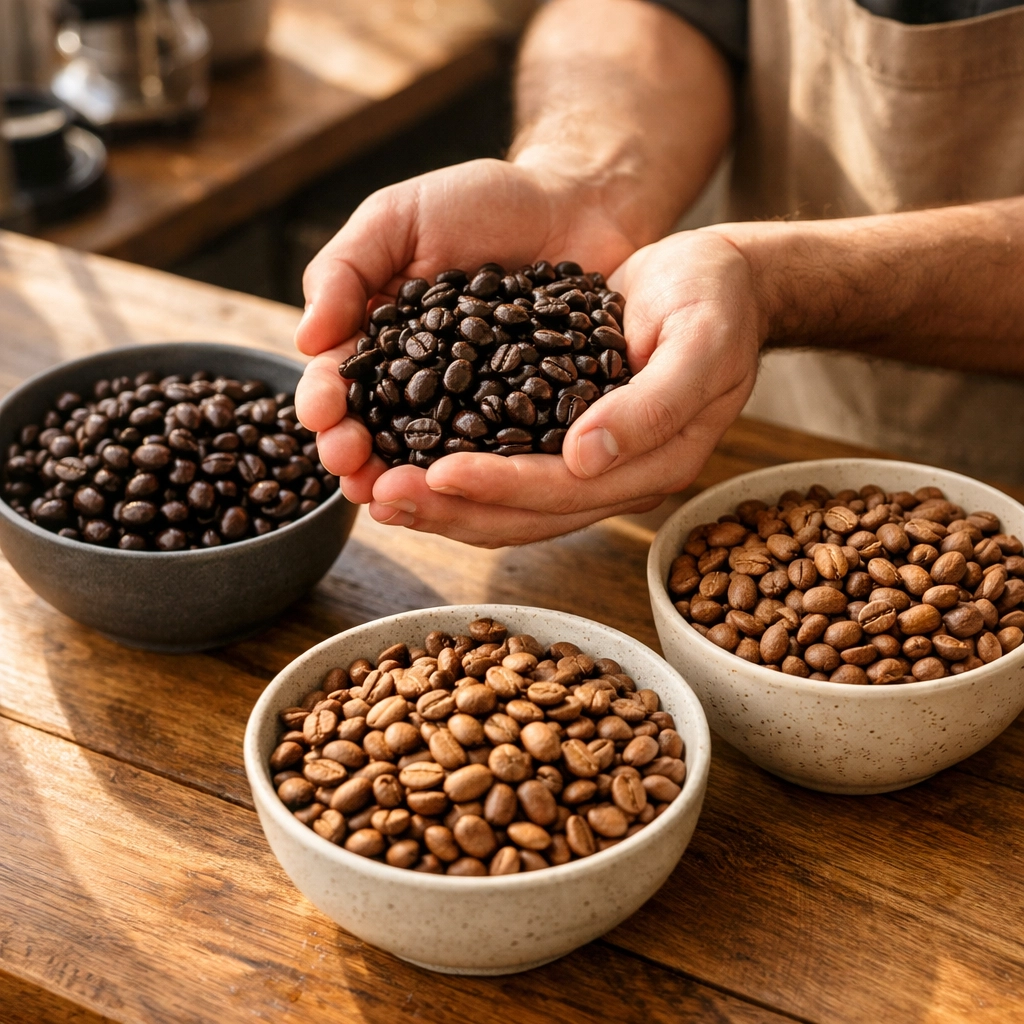
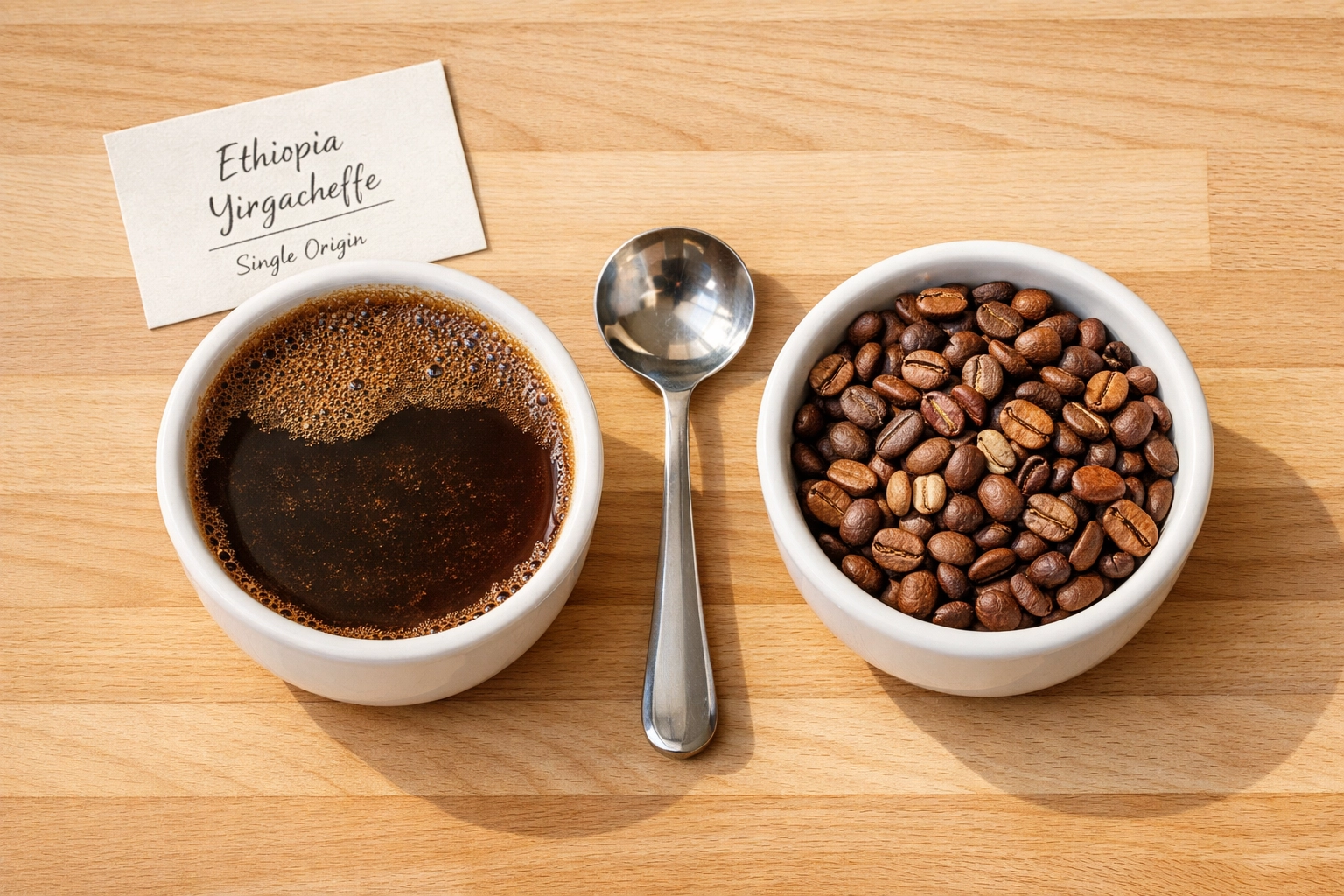
Choose a coffee that sounds appealing to you. If you like bright, fruity flavors, look for light roasts from African origins like Ethiopia or Kenya. If you prefer chocolatey, nutty profiles, try medium roasts from Central or South America. And if you want something bold and rich, go for darker roasts.
When your beans arrive, store them properly in an airtight container away from light and heat. Don't keep them in the fridge – that introduces moisture and odors that damage the coffee. A cool, dark cupboard works perfectly.
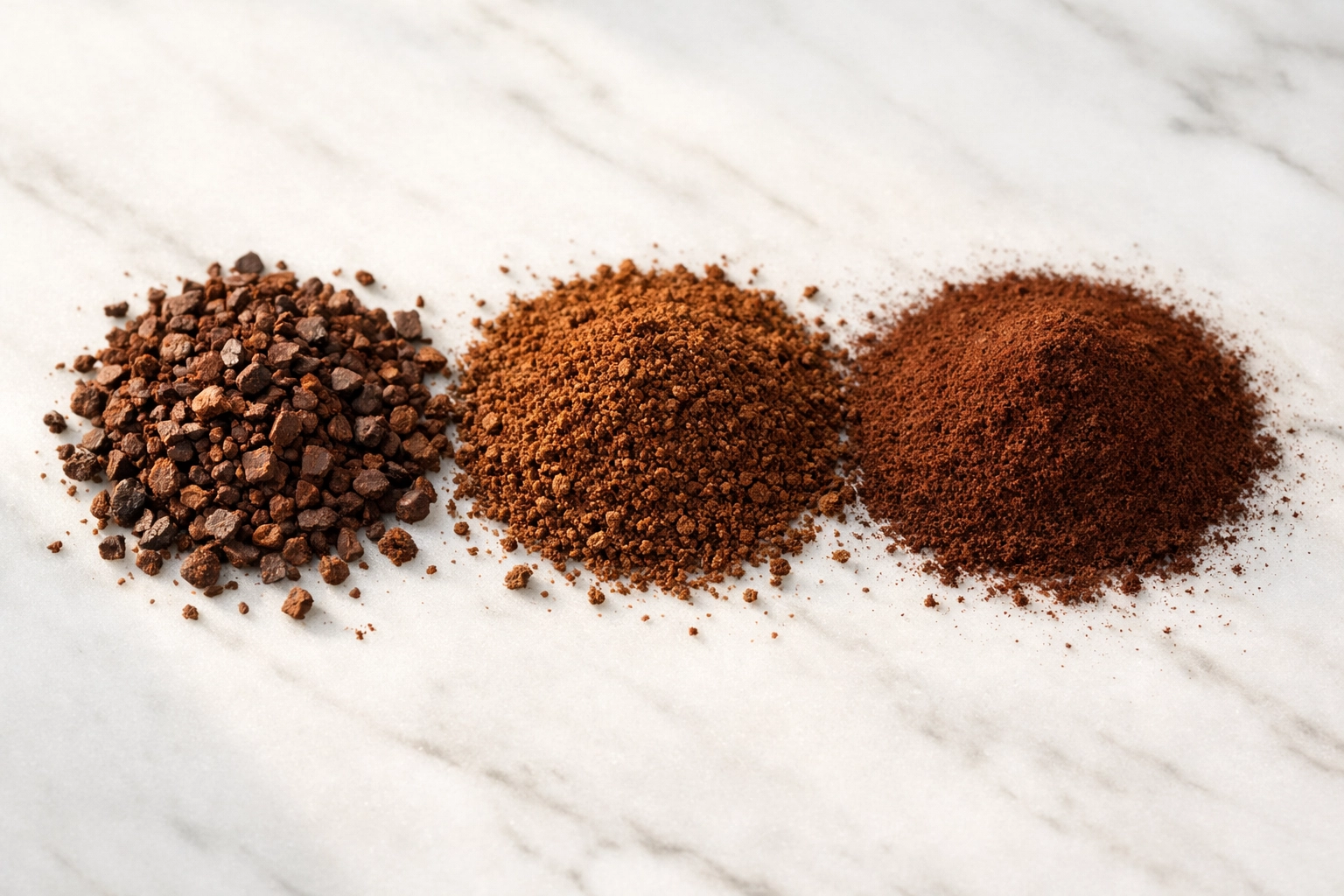
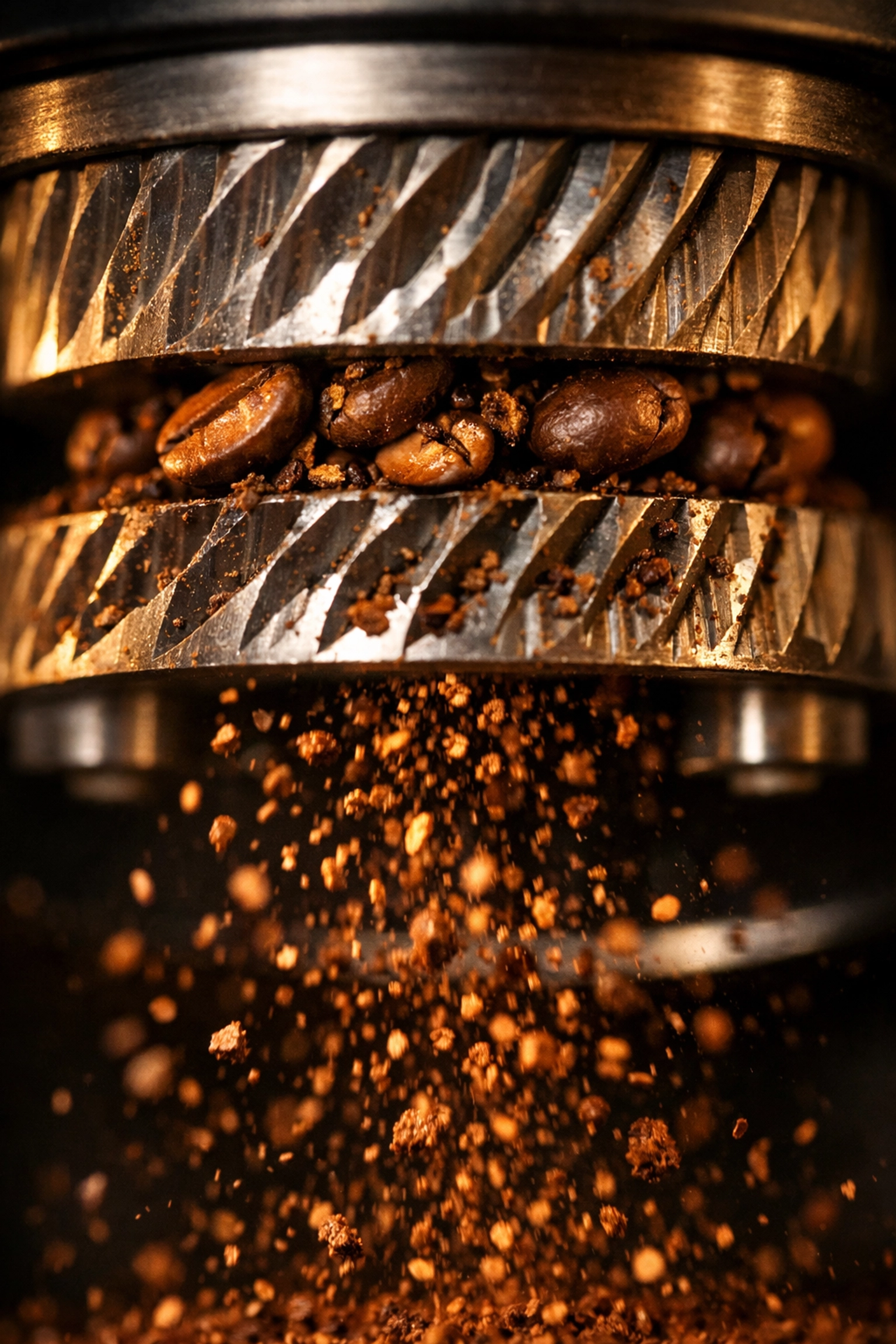
Grind just before brewing. Pre-ground coffee loses freshness dramatically faster than whole beans because you've massively increased the surface area exposed to air. If you don't have a grinder yet, that's your next upgrade after switching to fresh beans.
Pay attention to the aroma when you open the bag, when you grind the beans, and when you brew. Notice the clarity of flavors in the cup. The clean finish. The lack of harsh bitterness. This is what coffee is supposed to taste like.
The Ritual Upgrade You Deserve
Your morning coffee ritual is one of those daily moments that can be either merely functional or genuinely enjoyable. We spend time choosing our brewing equipment, perfecting our technique, getting the water temperature right. But if we're starting with stale beans, we're building on a flawed foundation.
Switching to freshly roasted specialty coffee isn't just about better flavor (though that alone would be worth it). It's about respecting the entire chain of effort that brought that coffee to your cup – the farmers who grew it, the importers who sourced it, the roasters who carefully developed each bean's potential. It's about giving yourself something to genuinely look forward to each morning rather than just caffeine delivery.
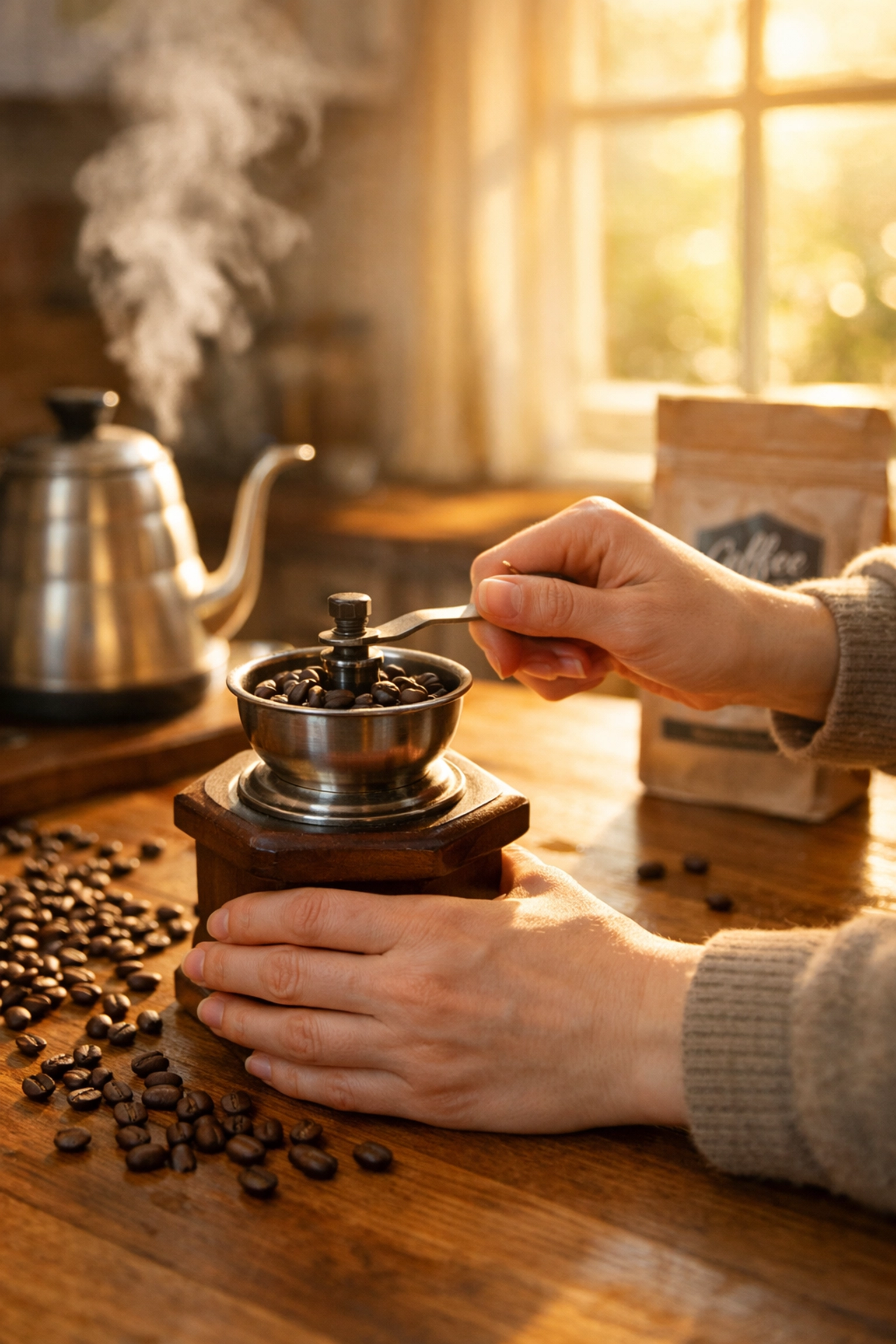
And honestly? Once you experience the difference, going back to supermarket coffee feels impossible. Your taste buds adjust surprisingly quickly to the increased complexity and clarity. What once seemed "good enough" starts tasting like what it actually is – coffee that's past its prime.
The Two-Week Window
Most specialty roasters (and we're definitely in this camp) consider coffee to be at its absolute peak in the 2-4 week window after roasting. This is your sweet spot. After about a month, while still drinkable, the decline becomes noticeable. After two months, you're basically drinking supermarket-quality coffee, just more expensive.
This is why we recommend buying in quantities you'll actually use within a month. For most home drinkers, that's somewhere between 250g and 1kg depending on how much coffee you consume. There's no point buying 5kg at once to "save money" if the last kilogram ends up tasting stale.
Think of coffee like fresh bread or produce. You wouldn't buy a month's worth of strawberries at once, and the same logic applies here. Fresh, consumed within its prime window, and replaced regularly.
Making the Switch
If you've been curious about specialty coffee but weren't sure whether it's worth the slightly higher cost, here's our honest take: the price difference is smaller than you think, especially when you account for what you're actually getting.
Quality, freshly roasted coffee typically costs £6-£10 per 250g compared to £3-£5 for supermarket equivalents. But you're getting dramatically better flavor, health benefits, and coffee that's properly fresh. When you break it down per cup, you're talking about an extra 20-30p. Less than the difference between a supermarket sandwich and one from a café.
And that's before considering that many people who drink stale coffee compensate by using more of it to get decent flavor, while fresh coffee delivers at normal doses.
The reality is that coffee from specialty roasters like us represents genuinely good value when you consider quality per pound. You're not paying extra for marketing or fancy packaging – you're paying for the actual product to be properly fresh and carefully sourced.
Your Coffee Deserves This
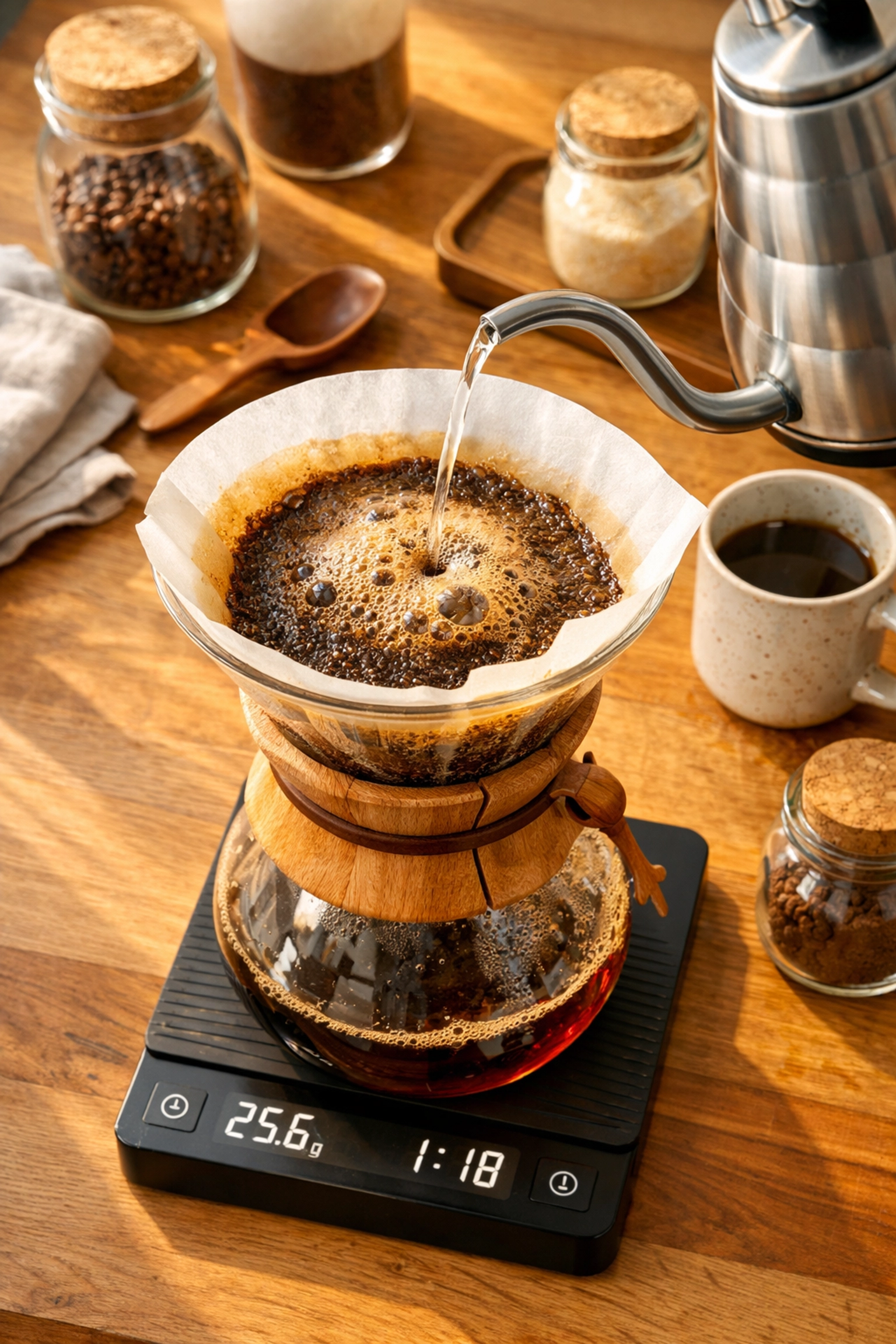
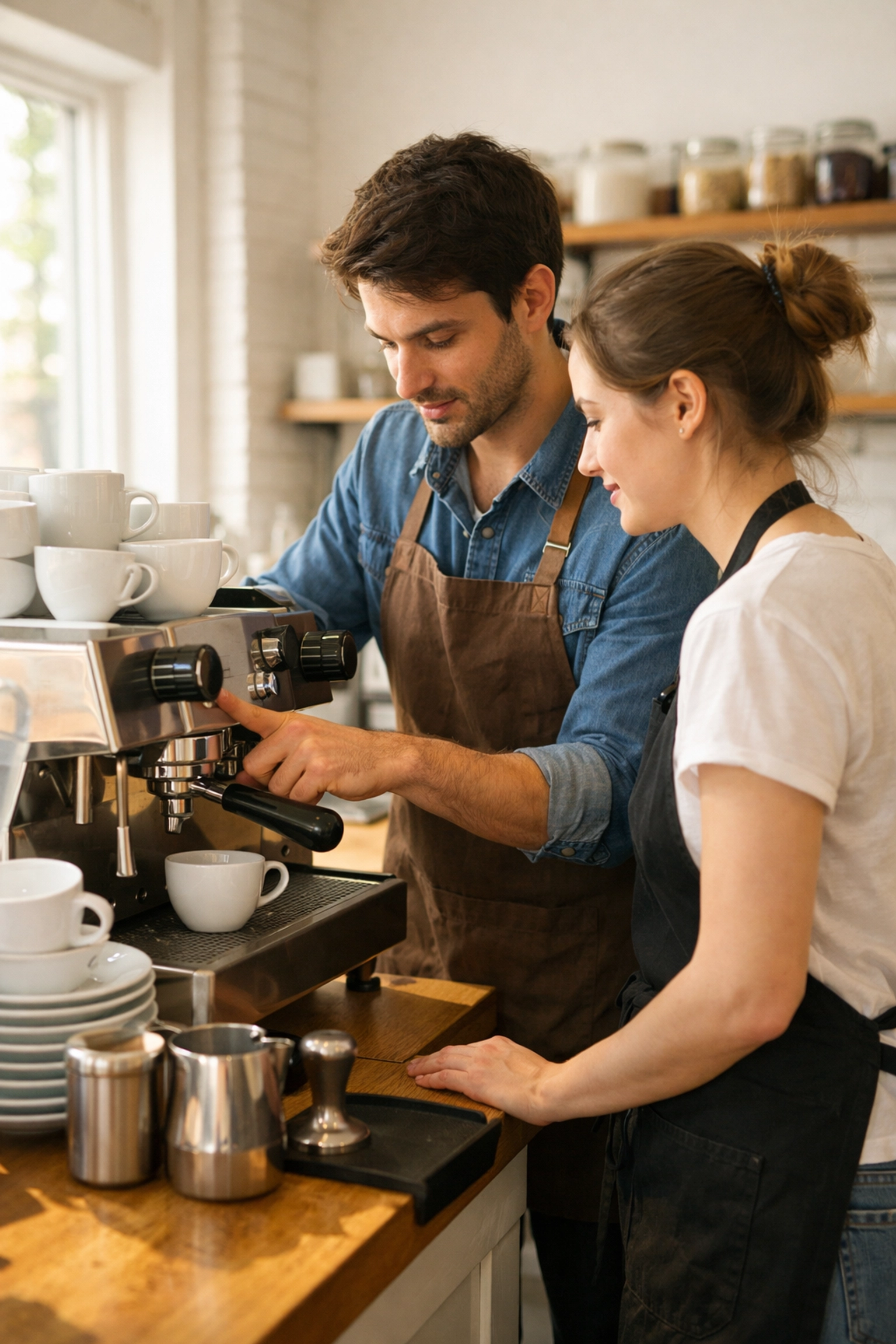
So here's the thing. If you're already putting effort into your coffee routine – measuring doses, timing extractions, frothing milk – you owe it to yourself to experience what properly fresh beans bring to the equation. It's the single biggest upgrade you can make to your home coffee setup, bigger than any grinder or machine purchase.
Try it for a month. Get a bag of freshly roasted coffee, brew it properly, and pay attention to what you're tasting. We're confident you'll never want to go back.
That's the secret to better coffee at home. Not a fancy technique or expensive equipment. Just fresh beans, roasted well, and consumed in their prime. Simple as that.