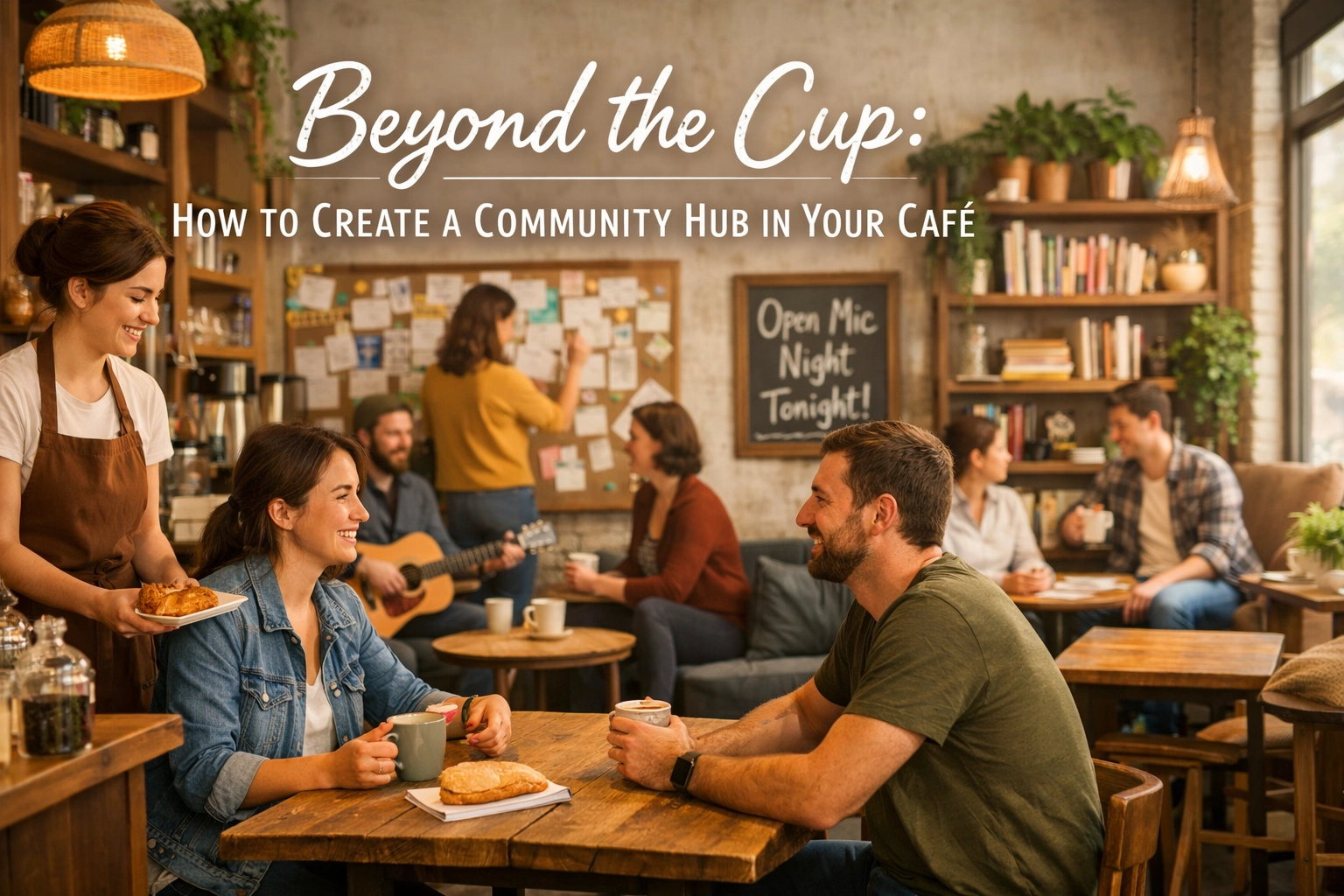
Here's the thing about running a successful café in 2026: serving great coffee isn't enough anymore. You could have the best beans, the most dialed-in espresso, and picture-perfect latte art, but if your space feels like a soulless transaction hub, you're missing out on the real magic that keeps customers coming back week after week.
We're talking about community. That intangible something that transforms your café from "a place to grab coffee" into "the place where I belong."
So how do you actually create that? How do you design and operate a space that becomes the beating heart of your neighborhood? Let's dig into the practical stuff that makes a real difference.
Why Community Actually Matters for Your Bottom Line
Before we get into the how, let's be honest about the why. Building community isn't just feel-good fluff, it's smart business.
Customers who feel connected to your space become regulars. They bring their friends. They forgive the occasional off day. They choose you over the chain down the street even when it's more convenient. And they spend more time (and money) in your café because they genuinely want to be there, not because they need their caffeine fix.
The repeat customer who comes in three times a week is worth exponentially more than the tourist who stops by once. Community creates that loyalty.
Design Spaces That Invite Connection
Your layout speaks volumes before your staff says a single word. And the biggest mistake we see? Cafés that design every square meter for maximum turnover, with uncomfortable seating and fluorescent lighting that screams "drink your coffee and leave."
Mix up your seating deliberately. You want communal tables that encourage strangers to share space and strike up conversations. Add cozy corners with softer seating for those who want intimate catch-ups with friends. Include high stools near the window for solo customers who want to people-watch. Put in some tucked-away spots for laptop workers who need to focus.
The variety matters. Different personality types need different things from your space, and when you accommodate that, everyone feels welcome.
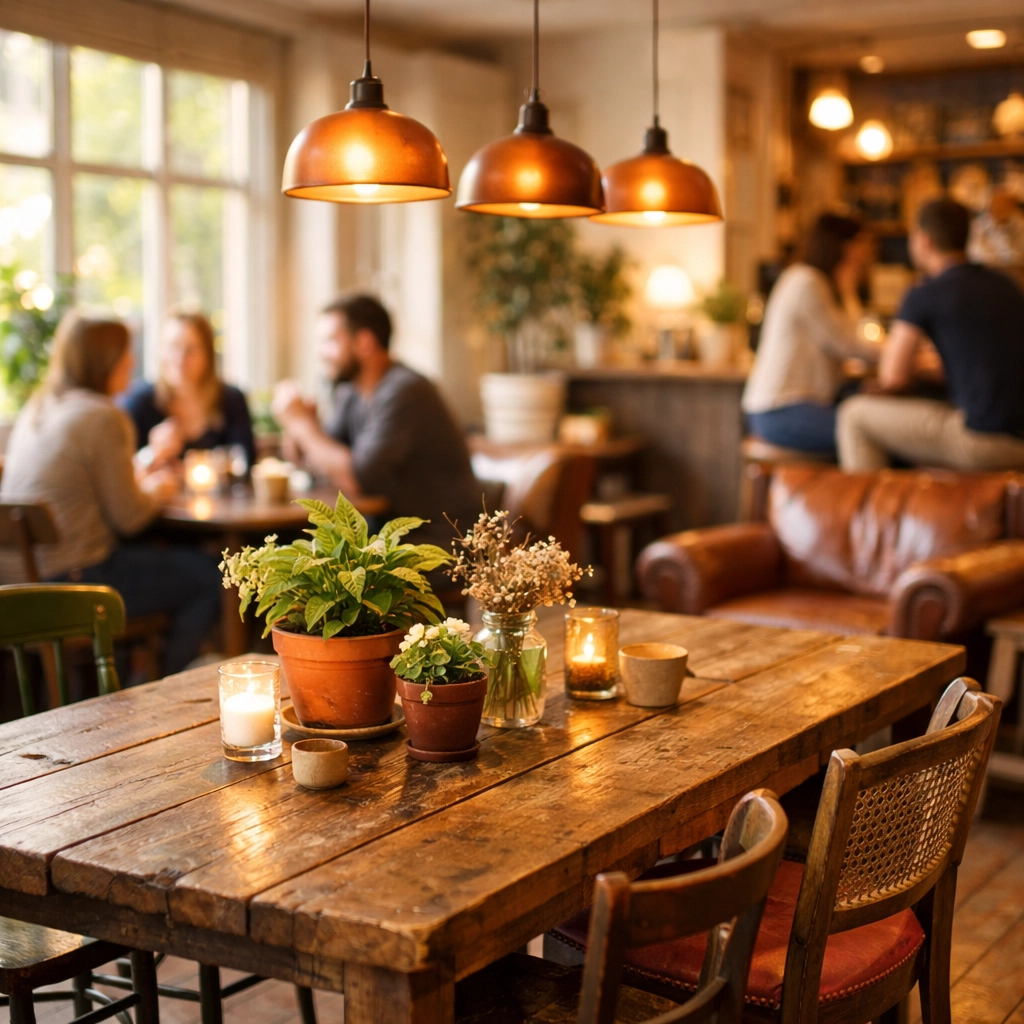
Communal tables, specifically, are your secret weapon. They're not just about fitting more people, they set the tone. They say "this is a place where we share space, where we're open to each other." We've seen cafés host everything from language exchanges to book clubs around their communal tables, all without organizing a single formal event.
Lighting is criminally underestimated. Harsh overhead fluorescents make people want to leave. Warm, layered lighting, think pendant lights, table lamps, even candles in the evening, creates intimacy. It makes your café feel like someone's really lovely living room rather than a corporate coffee outpost.
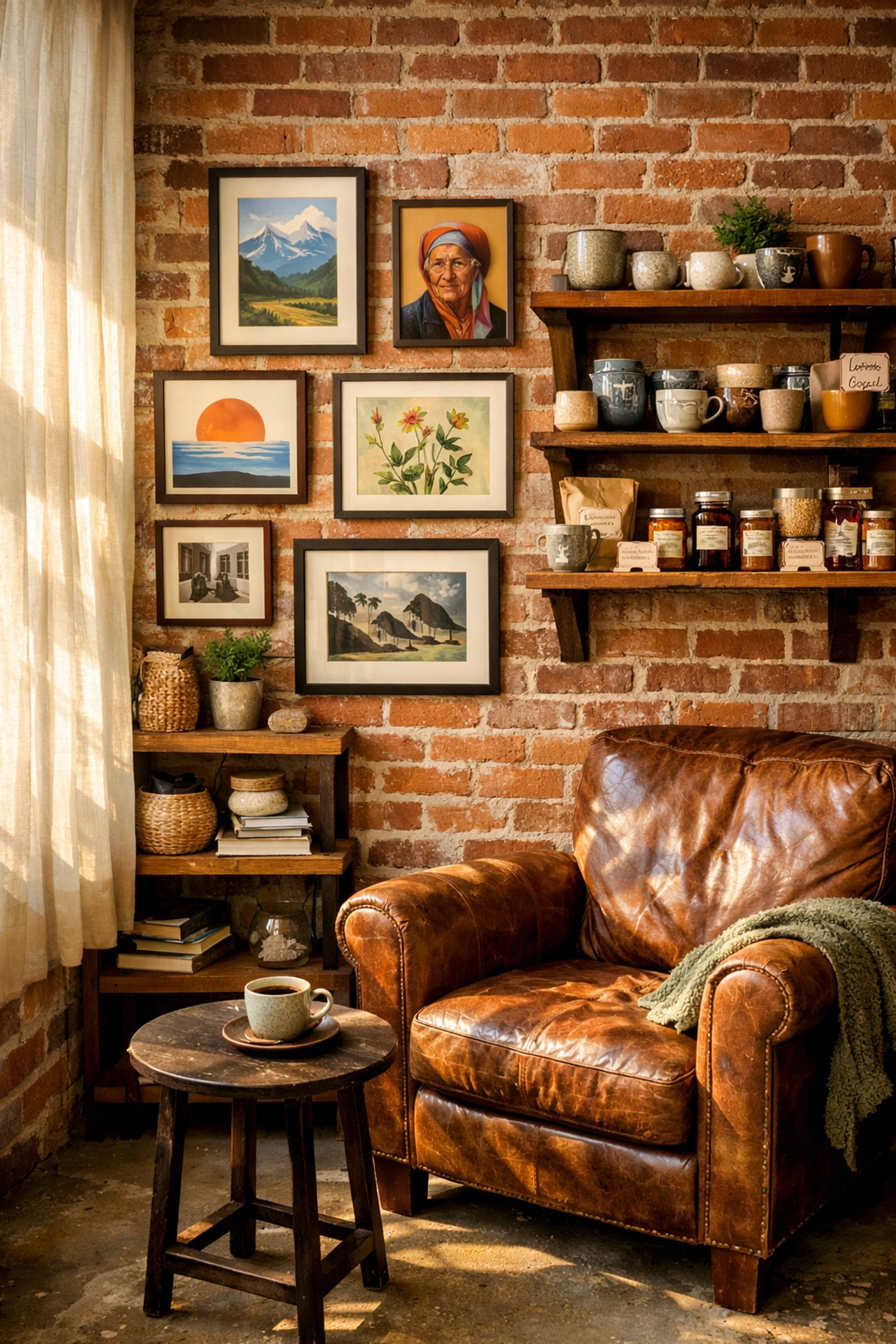
Use warm woods, brass accents, plants, and texture. If you've got exposed brick or interesting architectural features, celebrate them. The goal is warmth and character, not sterile minimalism.
Make Your Space Work Hard (In a Good Way)
Modern café customers want flexibility. The person camping out with a laptop for three hours has different needs than the parent with a toddler or the retired couple on their daily coffee date.
Build in multifunctional features without overthinking it. Power outlets aren't optional anymore, they're expected. But think beyond the basics. USB charging ports at tables? Genius. Different table heights and configurations that can be rearranged for events? Even better.
Create clear zones without building walls. Use furniture arrangement, lighting changes, and even subtle flooring variations to signal different areas. Your laptop warriors can coexist peacefully with your chatty regulars when the space is designed thoughtfully.
Connect to Your Neighborhood's Soul
Here's where it gets really interesting. The cafés that become true community hubs don't try to be everything to everyone, they lean into their neighborhood's specific character and needs.
Display work from local artists. Stock products from nearby makers. If there's a community tradition or historical element to your area, acknowledge it in your décor or programming. This isn't about being a museum, it's about being rooted in place.
And speaking of coffee, if you're sourcing quality beans from roasters who care about their craft (we certainly hope you are, might we suggest exploring what we offer at Limini?), tell those stories. Customers increasingly want to know the journey from origin to cup, and sharing that creates connection to something bigger than their morning flat white.
Program for People, Not Just Profit
The word "programming" sounds corporate, but really we're just talking about giving people reasons to gather beyond the coffee itself.
This doesn't mean you need to host events every night. Start small. A weekly acoustic music session. Monday morning sketching meet-ups. A community notice board where people can post about neighborhood happenings. Book swaps. Board game nights.
The key is consistency and authenticity. Pick one or two things you can sustain and do them well. Customers will build these events into their routines, and suddenly your café becomes "the place where the folk music happens" or "where the book club meets."
Create spaces that naturally accommodate these gatherings. A slightly cleared area that can fit a musician. A wall where art can be hung and changed monthly. Shelving for the community library exchange.
Your Staff Are the Real Secret Ingredient
You can have the most beautifully designed space in the world, but if your baristas are checked out or unwelcoming, the community vibe evaporates.
Hire for personality and train for skill. You want people behind the bar who genuinely enjoy chatting with regulars, who remember orders and names, who make every customer feel seen. These are the relationships that transform casual visitors into devoted regulars.

Invest in proper training, not just technical espresso skills, but customer service, community engagement, and the kind of comprehensive barista education that helps your team understand they're not just making drinks, they're facilitating experiences and connections.
Empower your staff to make decisions that build community. If someone's short on cash, let your barista offer them a coffee anyway. If a customer's having a rough day, allow time for that conversation. These moments matter more than hitting exact transaction-per-hour targets.
The Practical Stuff That Makes It All Work
Let's get tactical for a minute. Here are the unsexy details that make community-focused cafés actually function:
Think about acoustics. Hard surfaces make for terrible conversation spaces. Add sound-dampening elements, fabrics, acoustic panels, rugs, so your café doesn't turn into an echoing nightmare when it's busy.
Create kid-friendly zones if that matches your neighborhood. A small play area or kids' corner means parents can relax properly, which means they stay longer and come back more often.
Consider your opening hours strategically. Can you stay open slightly later to catch the after-dinner crowd? Open earlier for the pre-work community? Sometimes small schedule adjustments make you accessible to entirely different groups.
Make your space bookable for private events during off-hours. Baby showers, small meetings, birthday gatherings, these deepen community ties and create another revenue stream.
The Long Game
Building a true community hub doesn't happen overnight. It takes consistent effort, genuine care, and patience. You're not just selling coffee, you're creating a third place, that essential space between home and work where people can truly relax and connect.
The cafés that get this right don't just survive, they thrive. They weather economic downturns because their customers feel personally invested in their success. They attract the best staff because people want to work somewhere meaningful. They become landmarks in their neighborhoods.
So yes, keep obsessing over your espresso extraction and milk technique. Keep sourcing excellent beans and perfecting your menu. But also think bigger. Think about the role your café plays in people's lives beyond the cup.
Create spaces that invite lingering. Hire people who genuinely care. Program thoughtfully. Connect to your community's unique character. And watch as your café transforms into something far more valuable than a simple coffee shop.
That's when the real magic happens.
Leave a Reply