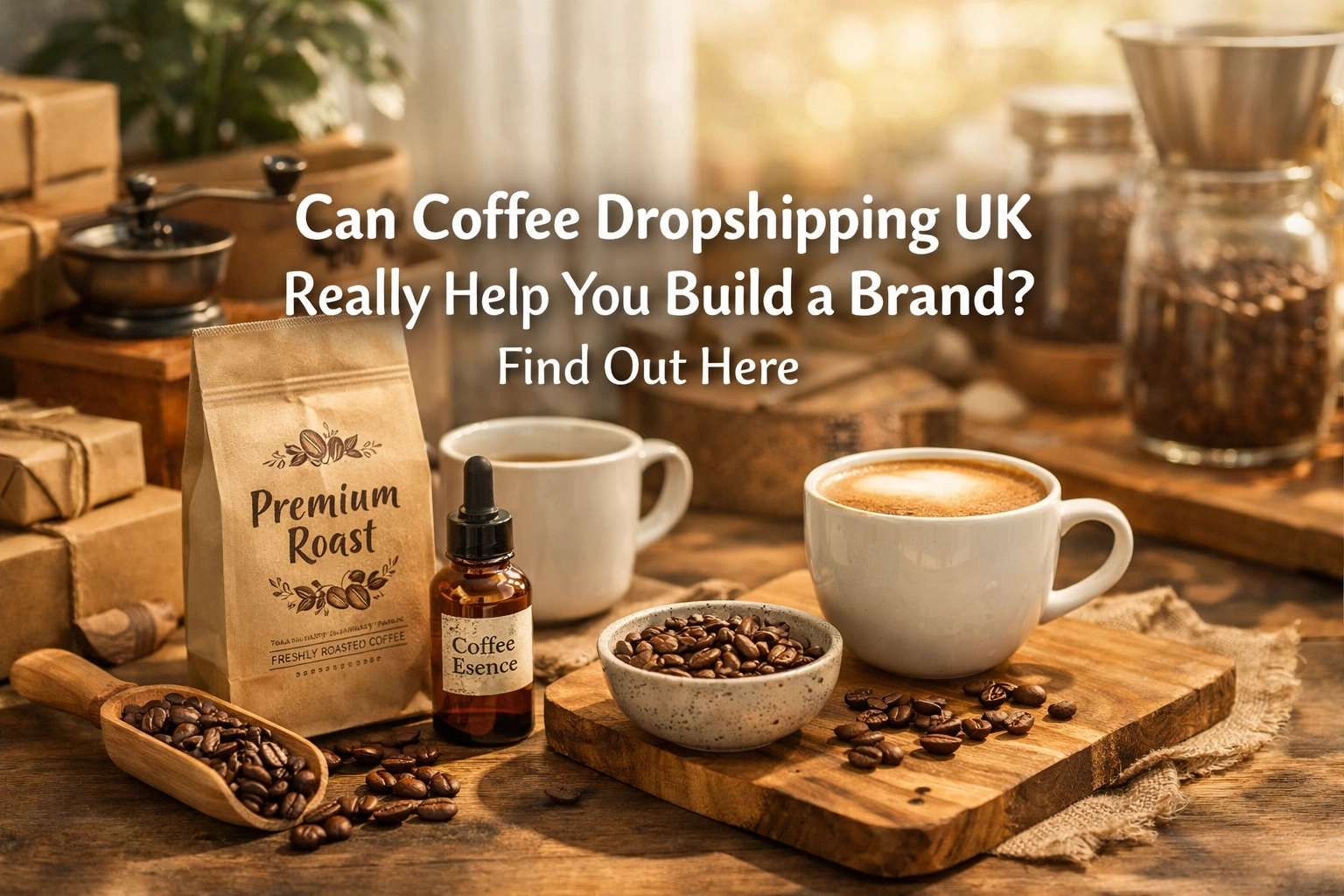
Imagine waking up to the smell of fresh coffee, knowing that while you slept, dozens of customers across the country bought bags of "Your Name Here" espresso. You didn't have to fire up a roaster at 5 am. You didn't have to wrestle with a tape dispenser or haggle with a courier. You just… built a brand.
Does that sound a bit too good to be true? In the world of speciality coffee, there’s often a bit of "purist" snobbery that suggests if you aren't roasting the beans yourself in a shed until your hair smells like smoke, you aren't a real coffee business. We think that’s nonsense, to be honest.
The landscape of the UK coffee market is changing. With the rise of e-commerce, coffee dropshipping uk has become a powerhouse for entrepreneurs who have a vision for a brand but perhaps don't have the £30,000 required for a high-end commercial roaster and a warehouse lease. But the big question remains: can you actually build a brand this way, or are you just a middleman for someone else's hard work?
What exactly is coffee dropshipping?
So, let's break it down into plain English. Usually, if you wanted to sell coffee, you’d buy 50kg of beans, roast them (or buy them pre-roasted), store them in your spare room, and ship them out as orders come in. It’s rewarding, but it’s a lot of physical labour and a massive upfront cost.
Dropshipping flips this. You create the website and the brand. When a customer buys a bag of coffee from you, the order goes directly to us, the roastery. We roast the beans, pack them into a bag with your label on it, and ship it directly to your customer.
Basically, we are the "back engine," and you are the "face." This means your competitive advantage shifts from "I am a master roaster" to "I have built a brand that people actually want to be a part of." And in today’s market, the latter is often more valuable.
Why brand identity beats roasting expertise (sometimes)
We’ve seen it a thousand times: someone makes the best coffee in the world, but nobody knows they exist because they spent all their time tweaking roast profiles and zero time talking to customers.
When you use a coffee dropshipping uk model, you are freed from the operational "grind" (pun intended). You can spend 100% of your energy on:
- Storytelling: Why does your brand exist? Are you supporting specific origins? Is your coffee for the "early morning gym-goers" or the "late-night coders"?
- Design: Creating a visual identity that looks stunning on an Instagram feed.
- Community: Engaging with your followers, sending out newsletters, and building a subscription tribe.
The secret is that most customers aren't looking for a technical breakdown of the Maillard reaction during the roast. They are looking for a feeling. They want a bag of coffee that looks beautiful on their kitchen counter and tastes consistently brilliant. By partnering with a speciality roaster like Limini Coffee, you ensure the quality is there (90+ point coffees, perfectly developed) while you focus on the "soul" of the business.
The "White Label" vs. "Private Label" debate
If you’re serious about building a brand, you need to know the difference between these two.
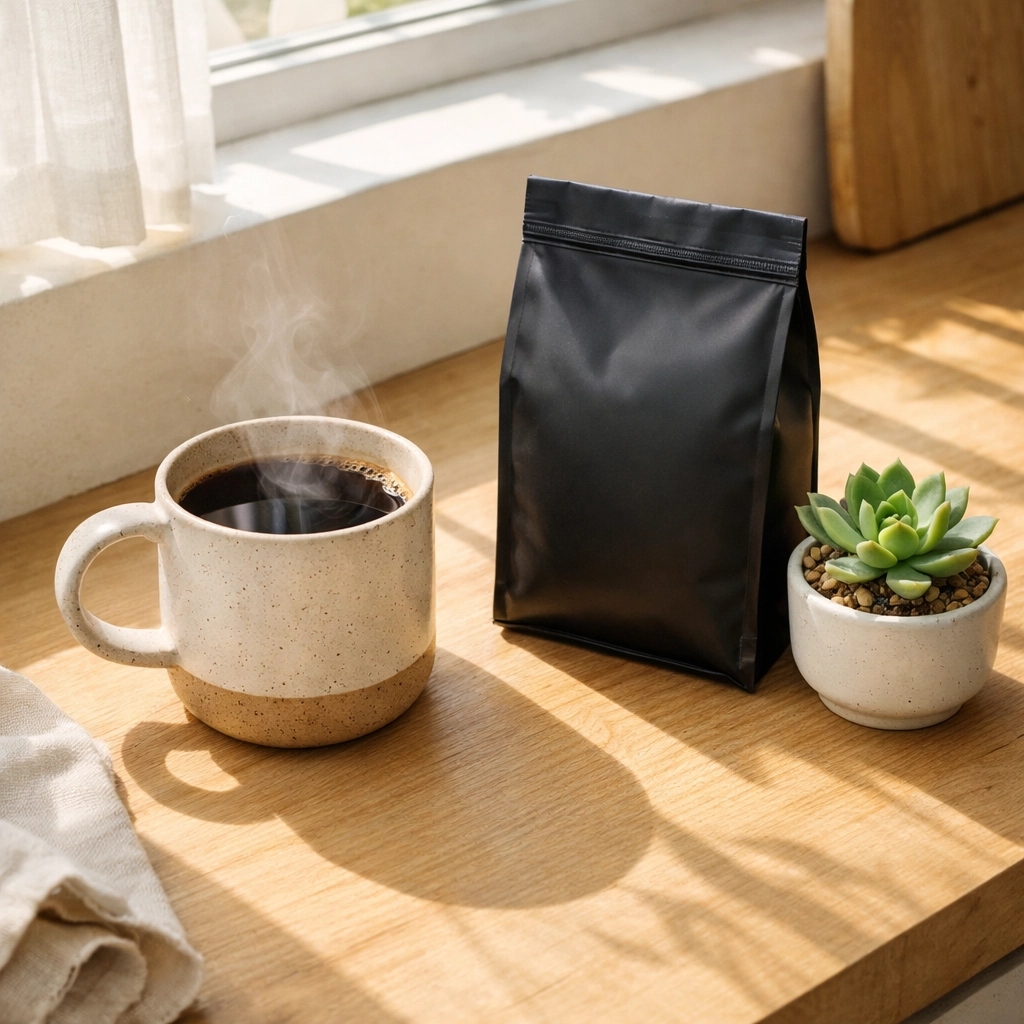
White label is essentially taking an existing product, say, our house espresso, and putting your sticker on it. It’s the fastest way to get started. Private label, however, is where things get really exciting for brand building. This is where you work with us to create a unique blend or select a specific single origin that only you sell.
Why is this important? Because it prevents "price-shopping." If you sell the exact same beans as five other dropshippers, customers will just go for the cheapest one. But if you have a "Midnight Fuel Blend" that is specifically roasted to be punchy and chocolatey for French Press lovers, you’ve created something unique.
We believe that the best brands are built on this kind of exclusivity. It’s worth putting in the time to find a profile that fits your brand’s personality. If your brand is "Bright and Bold," you probably want a high-altitude Kenyan or Ethiopian bean with that lovely citrus acidity. If you’re "Cosy and Comforting," a Brazilian or Colombian chocolate-bomb is the way to go.
The Technical Reality: Freshness and Logistics
Let’s talk numbers and "the boring stuff" because this is where brands live or die. In the UK, coffee drinkers have become incredibly savvy. They know that "Fresh is Best."
One of the biggest risks with traditional retail is stale stock. Coffee starts to lose its vibrant aromatics after about 4-6 weeks. If you’re holding inventory, you’re always racing against the clock. With the dropshipping model, the coffee is often roasted the same day the order is placed.
This means when your customer opens the bag, they get that "room-filling" aroma. That experience is your brand.
It’s also important to consider shipping temperatures. While we don't worry too much about coffee getting "too cold" in the UK, we do want to ensure it isn't sitting in a hot delivery van for three days. Using a roaster that understands UK logistics and can get a bag from the roaster to the front door in 24-48 hours is vital.
Can you really make money?
We have to be honest here: your margins will be lower than if you were roasting the beans yourself. That’s the trade-off for not having to pay for a warehouse, staff, or a £20,000 Giesen roaster.
However, your "Customer Acquisition Cost" (CAC) is what you should be looking at. Because you don't have high fixed overheads, you can afford to spend more on marketing. Let's say a bag of coffee costs you £8 to fulfill via dropshipping and you sell it for £12. That £4 margin needs to cover your marketing and your profit.
The beauty of coffee is the repeat purchase. If someone likes your brand and your coffee, they don't just buy once; they buy every two weeks for three years. This is where a subscription model comes in. We think subscriptions are the "Holy Grail" of the coffee business. They provide predictable income and allow you to build a genuine relationship with your customers.
Building trust through transparency
You might be worried that customers will "find out" you aren't roasting the coffee yourself. Our advice? Don't hide it, but don't lead with it either.
Many of the world's most premium brands outsource their manufacturing. Apple doesn't make iPhones; Foxconn does. The value Apple provides is the design, the ecosystem, and the brand promise.
In your case, you can be transparent about your partnership. You can say: "We partner with one of the UK's leading speciality roasters to ensure every bag is roasted to our exacting standards." This actually builds more trust than pretending you’re roasting in your kitchen (which, by the way, is illegal without the right council permits!).
It’s also worth noting that by using a professional roastery, you gain access to their certifications and ethical sourcing. At Limini Coffee, we spend a huge amount of time sourcing our coffee ethically, ensuring farmers are paid fairly. You can lean on our hard work to bolster your brand’s ethical credentials.
Essential steps to get started in the UK
If you're ready to take the plunge into coffee dropshipping uk, here is the roadmap we suggest:
- Define your Niche: "Everyone who likes coffee" is not a niche. "People who love camping and want high-quality coffee for the trail" is a niche.
- Order Samples: You cannot sell what you haven't tasted. You need to know exactly how that coffee behaves at different temperatures, from a piping hot 95 C (203 °F) to a cooler 60 ºC (140 °F) where the sweetness really starts to shine.
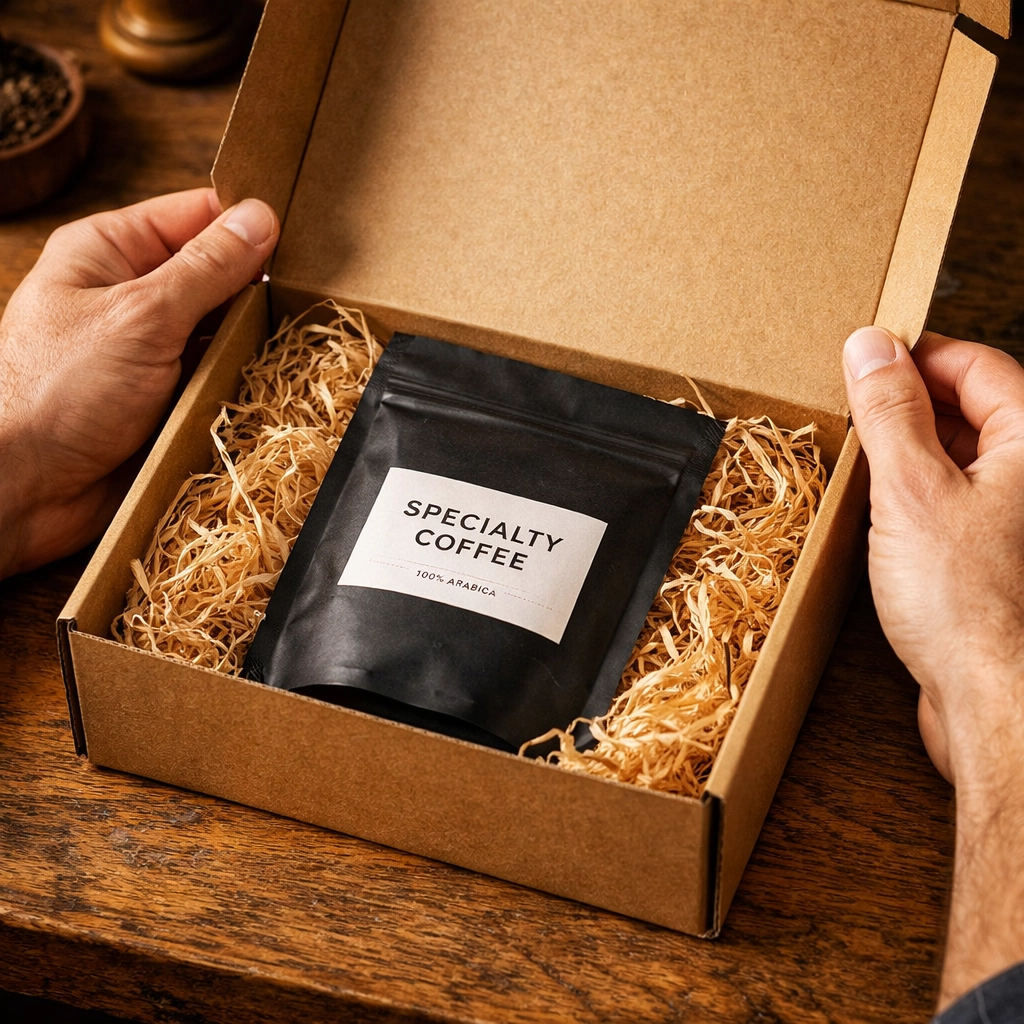
- Design Your Packaging: Don't just settle for a generic bag. Think about the unboxing experience. Can you include a postcard? Is the label matte or glossy?
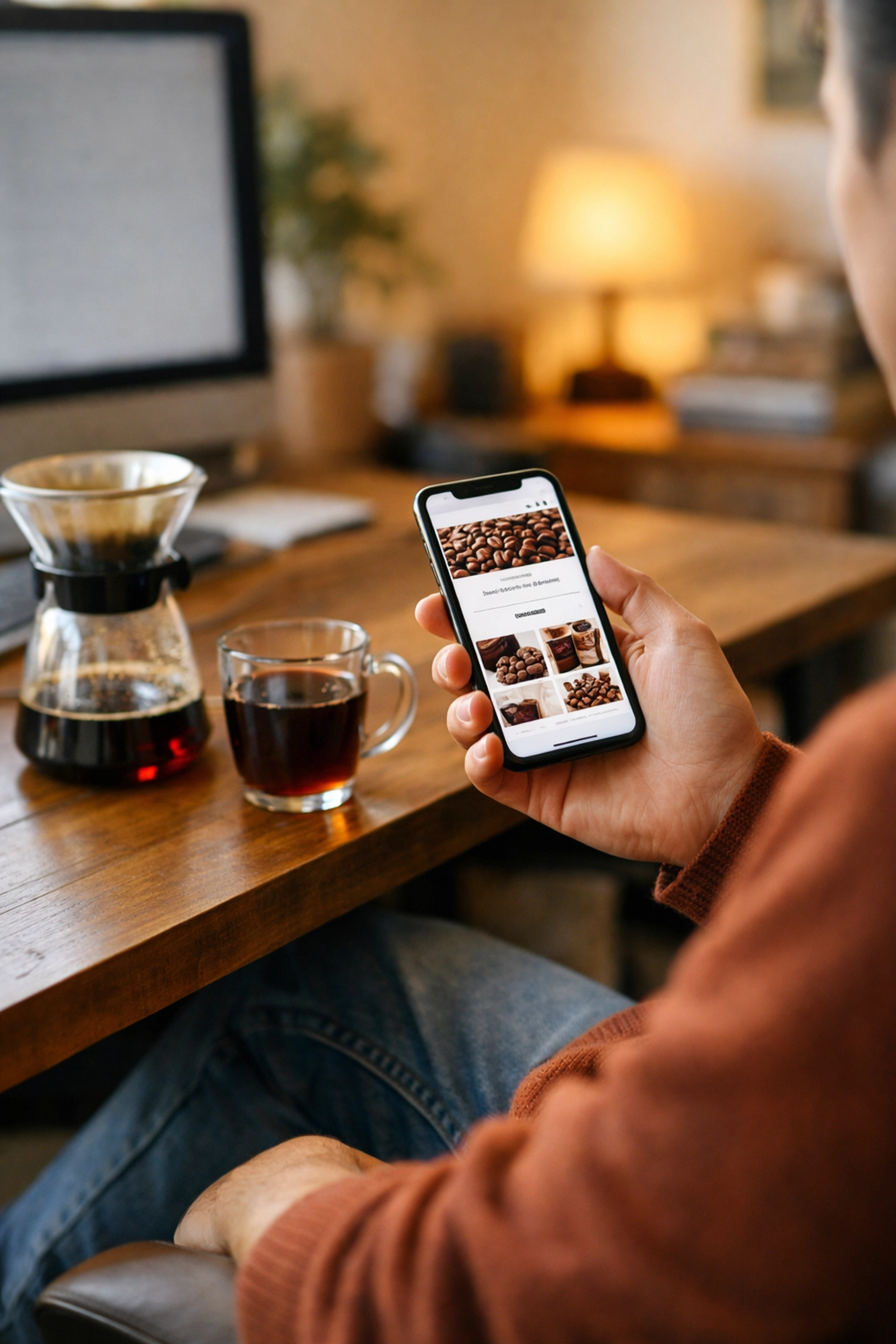
- Set Up Your Shopify/WooCommerce: Make sure your website is "mobile-first" because that’s where 80% of your coffee sales will happen.
- Focus on Social Proof: As soon as you get your first customers, get reviews. A brand without reviews is just a stranger on the internet. You can check out how we handle reviews for inspiration.
Is it right for you?
So, is coffee dropshipping the "easy" way out? No. It’s just a different kind of hard work. Instead of being a technician in a roastery, you become a digital marketer and a community builder.
If you love the idea of coffee but hate the idea of logistics, then yes, coffee dropshipping uk can absolutely help you build a brand. It allows you to start small, fail fast (if you have to), and scale incredibly quickly without ever touching a burlap sack.
The most important thing is to start with quality. If the coffee in the bag isn't brilliant, the best branding in the world won't save you. People might buy one bag because it looks cool, but they’ll only buy a second because it tastes amazing.
If you’re curious about how the wholesale side of things works or you want to see the equipment that would be roasting your future brand's beans, take a look at our wholesale page. And if you're ever in the neighbourhood, we’d love to show you around the roastery so you can see the passion that goes into every gram of coffee we produce.
Building a brand is a journey. It’s about more than just caffeine; it's about the rituals, the mornings, and the connections that happen over a cup. If you have a vision, don't let the lack of a roaster stop you. The tools are all right here.
And remember, we’re always here to help if you have questions about the technical side of things, from understanding milk to the science of the perfect crema.
Ready to start? Let’s brew something great together. Check out Limini Coffee to see the kind of quality you could be putting your name on.
Leave a Reply