Category: Category 1

Use this description to tell users what kind of blog posts they can find in this category.

  • The Membership Model: How Hotels are Transforming into Subscription Services

    The Membership Model: How Hotels are Transforming into Subscription Services

    Capture. Connect. Convert.

    The era of the "one-night stand" in hospitality is fading. We’re watching a fundamental shift where hotels are moving away from the frantic chase of one-off bookings and toward a more sustainable, high-value relationship with their guests. It’s about turning a stay into a lifestyle.

    By 2026, the most innovative brands aren't just selling rooms; they’re selling access. Whether it’s a digital nomad looking for a consistent desk and a bed across three continents or a local professional seeking a "third space" that isn't a crowded coffee shop, the subscription model is the answer. It’s a way to stabilize your cash flow, deepen guest loyalty, and maximize every square inch of your property: all from one innovative platform.

    Predictable growth. Guaranteed loyalty. Recurring revenue.

    The numbers don't lie. Properties that have pivoted to a membership-centric approach are seeing a 25% increase in guest lifetime value. They aren't just filling rooms during peak season; they’re maintaining a 90% occupancy floor through a dedicated member base that views the hotel as their home base.
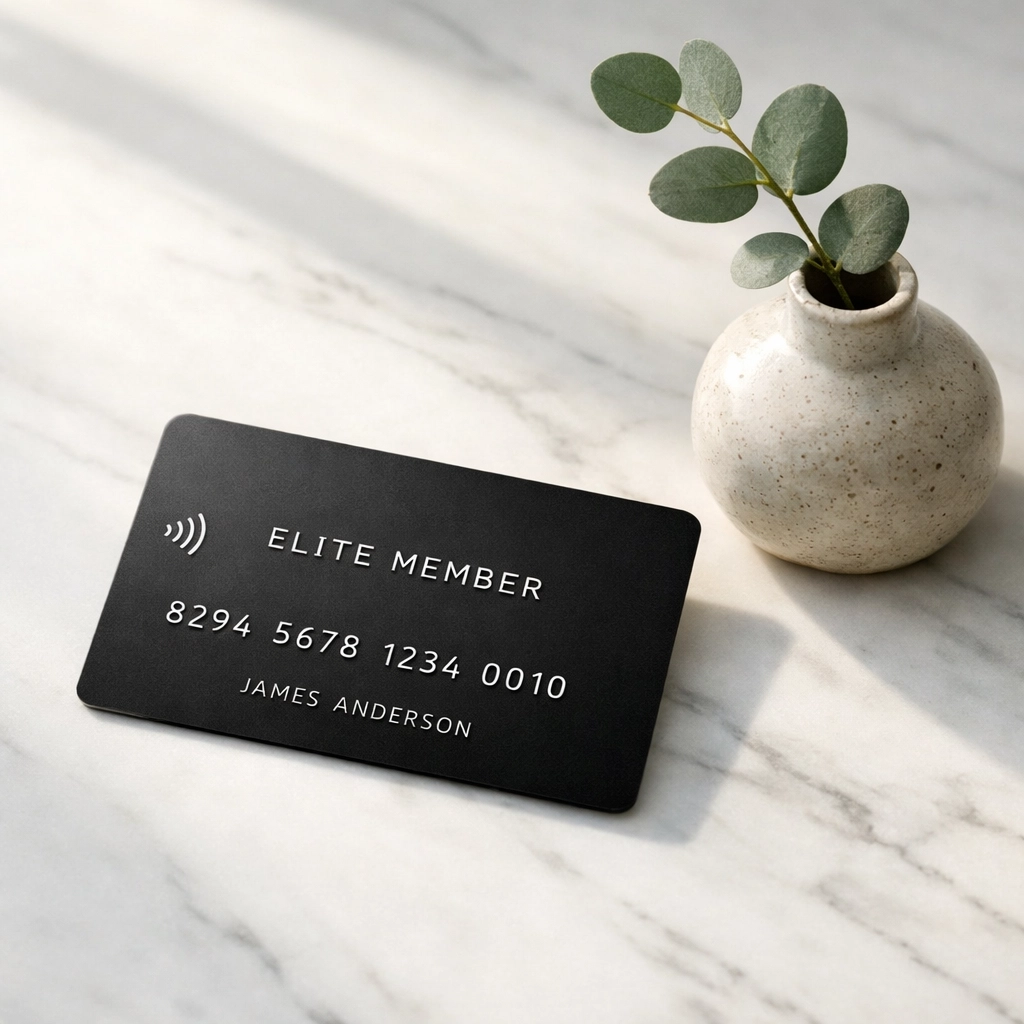
    Black hotel membership card on marble surface representing luxury hotel subscription programs.

    The end of the transactional era

    We believe hospitality should be about more than just a key card and a checkout time. For too long, the industry has been trapped in a transactional loop: spend money on marketing, hope for a booking, pay an OTA commission, and start all over again the next day. It’s exhausting. And frankly, it’s inefficient.

    The membership model flips the script. Instead of viewing a guest as a one-time transaction, you treat them as a subscriber to your brand's ecosystem.

    • Move from occupancy to community. Your lobby becomes a hub, not just a pass-through.
    • Slash your acquisition costs. Once a member is in, they’re yours: no more bidding against yourself on Google Ads.
    • Own your data. Real-time insights into member behavior allow for hyper-personalization that OTAs simply can’t match.

    Why lifestyle brands are winning

    Think about the brands you love. You probably have a subscription to at least three of them. Why should your hotel be any different? When you position your property as a lifestyle brand, you’re offering an identity.

    We think the modern traveler: especially the 2026 traveler: is looking for consistency and curation. They want to know that wherever they land, the coffee is good, the Wi-Fi is lightning-fast, and the "vibe" is exactly what they signed up for. This is why brands like Selina and CitizenM have seen such massive success with their "Passport" and "MyCitizenM+" programs. They’ve realized that a room is a commodity, but a community is an asset.

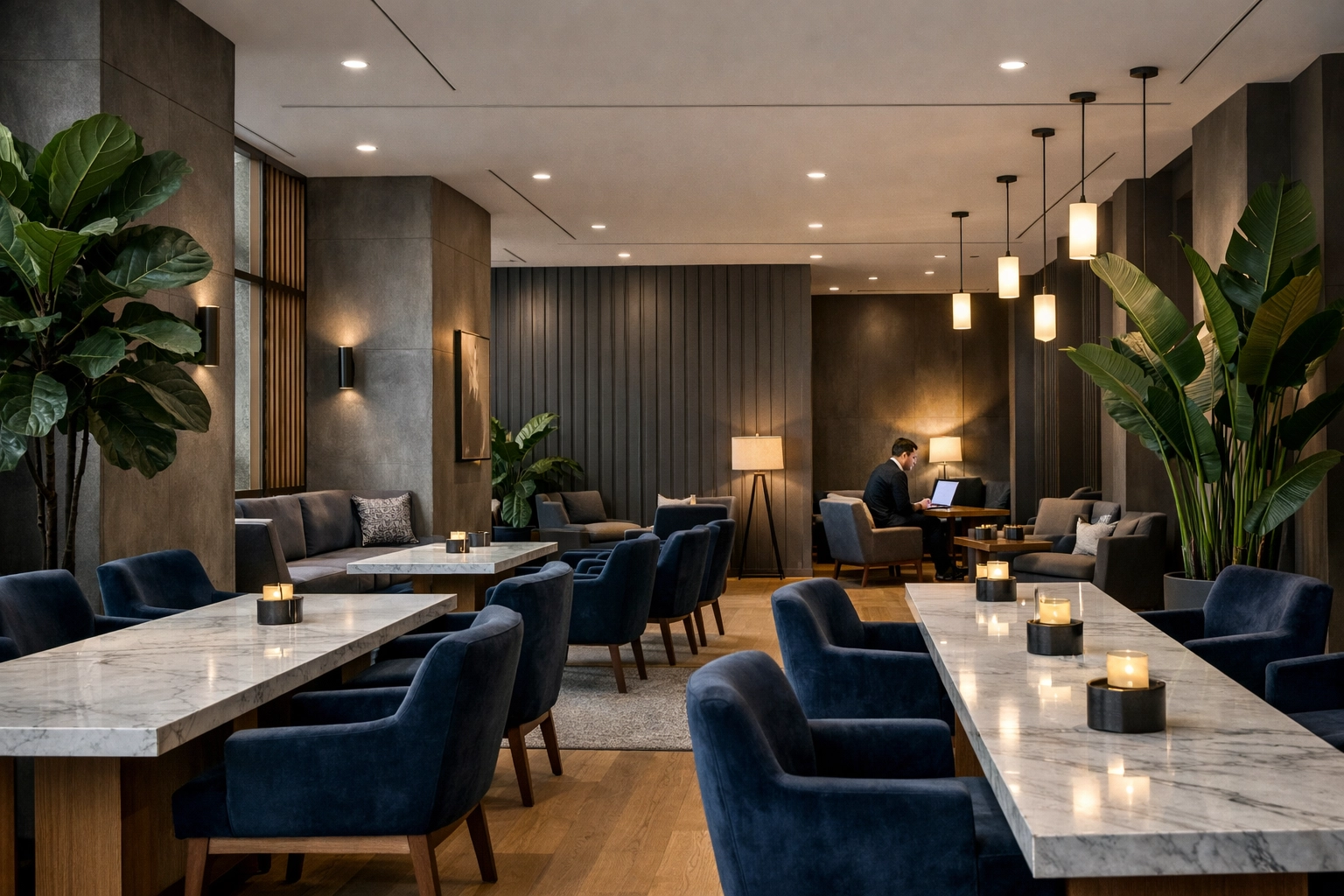
    Modern hotel lounge guest working on a laptop, showing community-focused hospitality membership models.

    The three pillars of a successful subscription

    If you’re going to make the jump to recurring revenue, you need to think beyond the bed. A membership needs to offer value that a standard booking doesn’t.

    1. Access over ownership. Members get priority booking, guaranteed availability, and access to "members-only" areas like coworking spaces or rooftop lounges.
    2. Frictionless experiences. No check-in lines. No hidden fees. Just walk in and be recognized by name (or by your app).
    3. Tiered perks. Give them a reason to level up. From complimentary breakfast to spa credits and exclusive event invites, the more they stay, the more they get.

    "Moving to a membership model changed everything for us. We stopped worrying about the slow Tuesday nights because our members were already there, using the gym and the workspace." : Sarah J., Boutique Hotel Owner

    Running it all on a modern PMS

    Let’s talk about the "how." You can’t run a 2026 subscription business on a 2010 property management system. If your tech stack can’t handle recurring billing, automated member profiles, and cross-property integration, your membership program will fail before it starts.

    This is where Mews comes in. We’ve built a platform that treats your guests as individuals, not just reservation numbers.

    • Automated Billing. No more manual invoicing or chasing credit cards. Your PMS should handle recurring payments as easily as Netflix does.
    • Centralized Profiles. If a member stays at your London property and then heads to Lisbon, their preferences should follow them automatically.
    • Agentic AI Integration. In 2026, AI isn't just a chatbot. It’s an agent that proactively manages your membership tiers: notifying guests of upgrades or suggesting a stay based on their past behavior.

    When your tech is intuitive, your staff can stop staring at screens and start looking at guests. It’s about enabling freedom through automation.
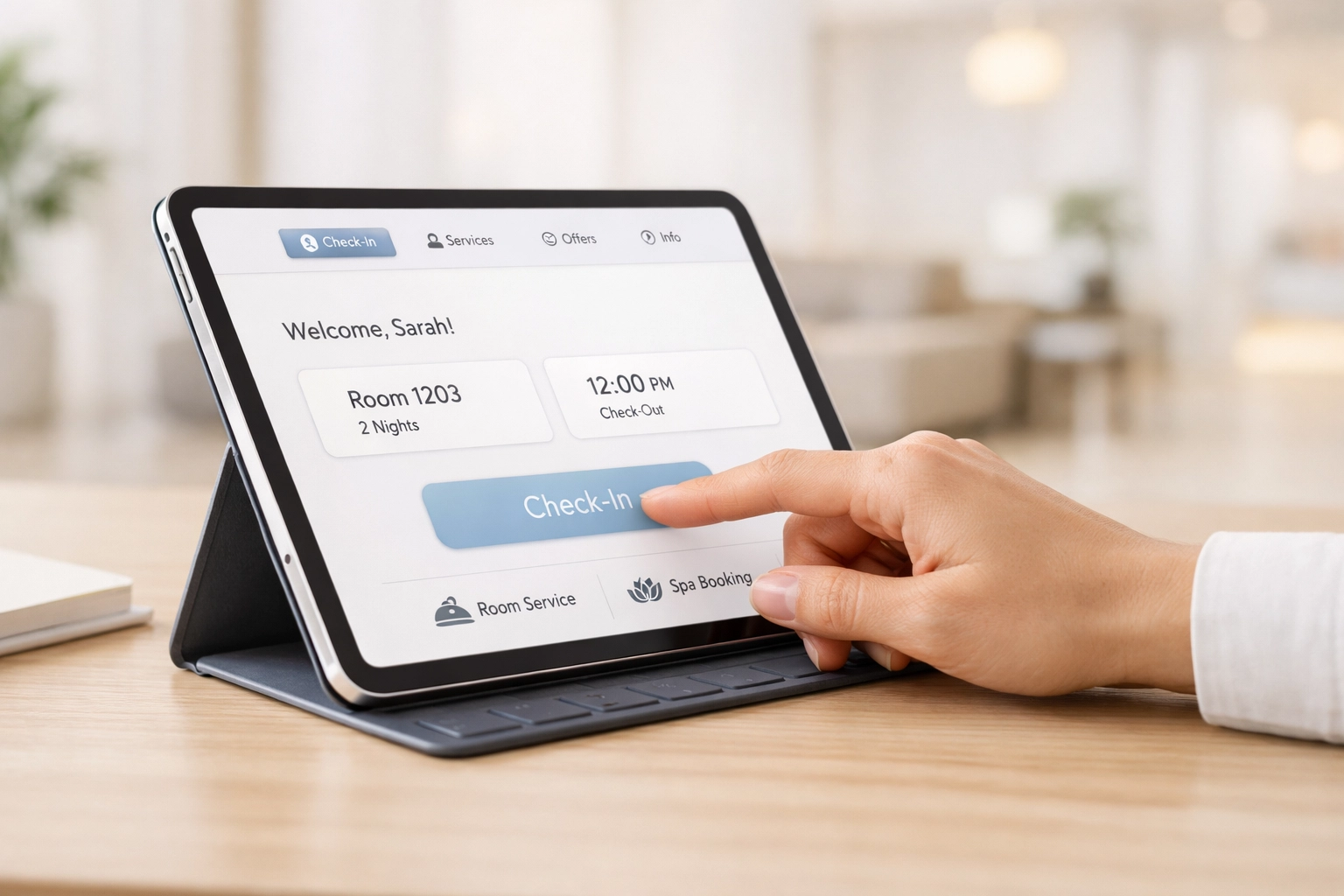
    User-friendly hotel management software interface on a tablet for seamless guest automation.

    More than just rooms: The "Work-from-Hotel" factor

    The hybrid work revolution isn't a trend; it's the new standard. This has opened a massive door for hotels to become coworking hubs. By offering a "Day Pass" or "Office Member" subscription, you can monetize your common areas during the hours they’d usually be empty.

    Imagine a local freelancer paying a monthly fee to use your lobby, gym, and getting a 15% discount on lunch. That’s revenue you weren't getting before. It’s also a way to build a local fan base that will recommend your hotel to their out-of-town friends. You’re not just a hotel anymore; you’re a pillar of the neighborhood.

    The 2026 Outlook: Hyper-personalization at scale

    We’re moving into a phase where "one size fits all" is a recipe for irrelevance. The next generation of membership models will be powered by Agentic AI: systems that understand the intent behind a stay.

    If your PMS knows a member is traveling for a high-stress conference, the AI can pre-book a spa treatment or ensure a quiet room far from the elevator. This isn't science fiction; it’s operational excellence. By leveraging the data from your recurring members, you can create "magic moments" that ensure they never even look at a competitor’s website.

    Personalized hotel guest welcome amenities showcasing hyper-personalization at scale for members.

    How to get started (It’s easier than you think)

    You don't need to overhaul your entire business model overnight. The best way to transition is to start small and iterate.

    1. Identify your power users. Who stays with you more than three times a year? Reach out to them.
    2. Define your "Hook." Is it the coworking space? The rooftop bar? The guaranteed low rate? Pick one thing that makes your brand special.
    3. Schedule a 30-minute demo. See how a modern PMS can handle the heavy lifting of member management.
    4. Launch a pilot. Offer a limited number of "Founding Memberships" to test the waters and gather feedback.

    The goal is to make the process feel effortless for both your team and your guests. If it’s easy, they’ll stay. If it’s rewarding, they’ll tell their friends.

    The bottom line

    The transition to a membership model isn't just a gimmick to boost occupancy. It’s a strategic move to future-proof your business in an increasingly volatile market. By focusing on recurring revenue and lifestyle integration, you’re building a brand that guests don't just visit: they join.

    We believe the future of hospitality is personal, predictable, and incredibly profitable. It’s time to stop chasing guests and start building a community.

    Ready to see how we can help you build your own membership ecosystem?

    Vibrant hotel coworking space with professionals demonstrating a successful hotel membership ecosystem.

    Schedule a chat with our team today and let’s get you earning revenue in no time. You can find more about our innovative approach at https://referrals.mews.com/umqhyito.

    It’s time to rethink what a hotel can be. Let's build the future of hospitality together.
  • Hospitality Trends 2026: 20 Game-Changing Ideas to Get You Started

    Hospitality Trends 2026: 20 Game-Changing Ideas to Get You Started

    Automate the mundane. Elevate the guest. Transform your bottom line.

    The hospitality landscape isn't just shifting; it’s being rewritten. By March 2026, we’ve moved past the "digital transition" and entered the era of the intelligent platform. Guests don’t want a room; they want an experience curated by people who have the time to care.

    We believe that technology should fade into the background so hospitality can take center stage. 2026 is the year where AI agents, "Whycations," and hyper-personalized luxury collide to create a new gold standard.

    Here are 20 game-changing ideas to ensure your property doesn't just keep up, but leads the pack: all from one innovative platform.

    The AI Revolution: Beyond the Bot

    1. Agentic Commerce in Booking

    Forget traditional search boxes. In 2026, guests aren't typing "hotels in London." Their AI agents are talking to your AI agents. Agentic commerce means autonomous software is finding, comparing, and booking rooms based on a user’s deep-seated preferences. If your PMS isn't ready to talk to a bot, you’re invisible.

    2. Conversational Guest Interfaces

    The static website is a relic. Modern travelers expect a conversational interface that feels like texting a knowledgeable friend. We’re talking about LLMs (Large Language Models) embedded directly into your booking engine. It answers questions, suggests local gems, and handles the "Can I get extra towels?" request before the guest even checks in.

    3. Predictive Housekeeping Management

    Efficiency is the name of the game. AI now analyzes real-time occupancy data and guest behavior to dynamically assign tasks. Instead of a rigid schedule, your team moves like a well-oiled machine, prioritizing rooms that need to be flipped for early arrivals.

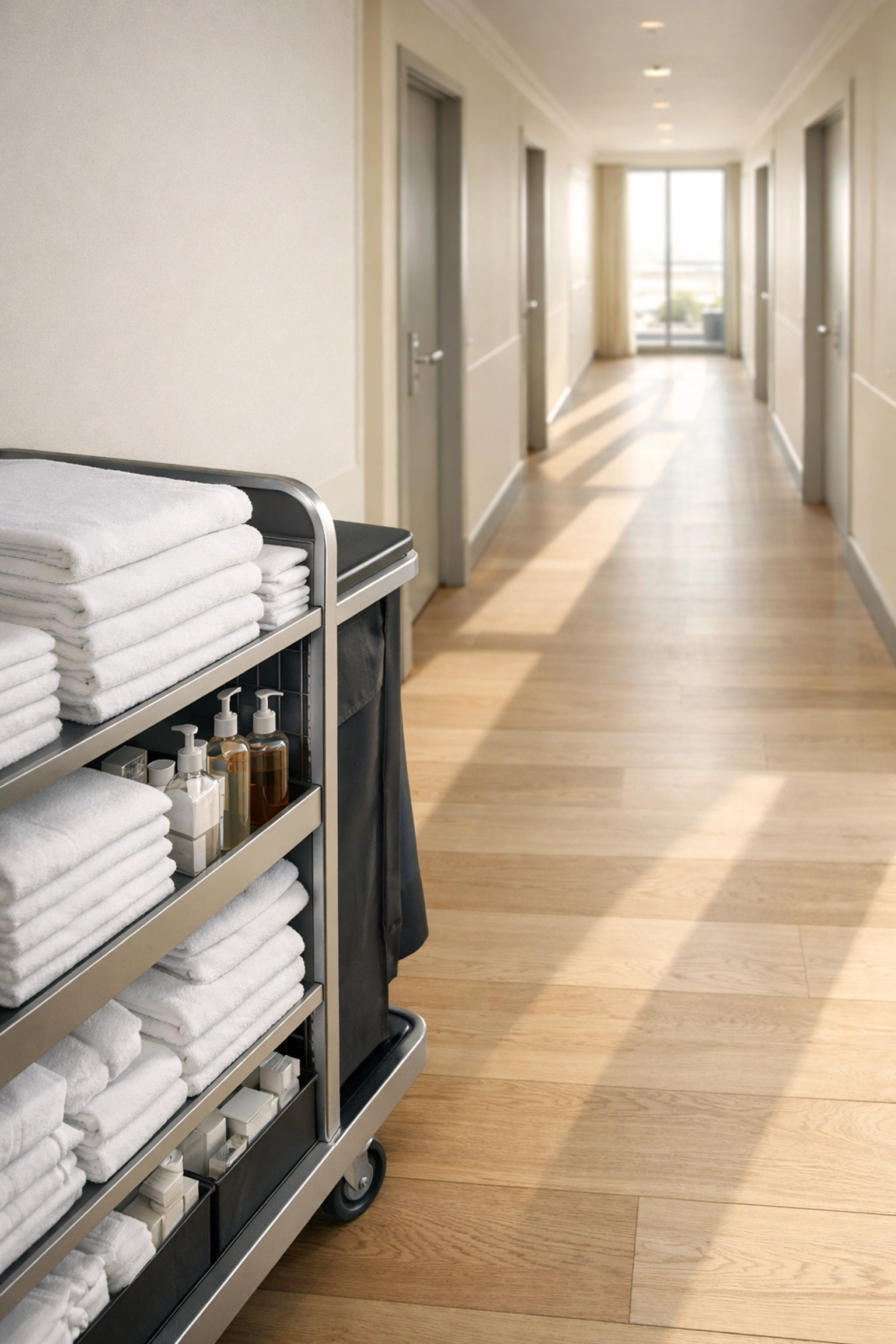
    Organized housekeeping trolley in a bright hotel hallway representing automated operational efficiency.

    4. Dynamic Pricing for Everything

    Revenue management isn't just for room nights anymore. In 2026, savvy operators use AI to optimize F&B prices, spa sessions, and even parking based on weather, local events (hello, FIFA World Cup!), and real-time demand.

    The Experience Economy: "Whycations" and More

    5. Embracing the "Whycation"

    Travel has become deeply intentional. Guests are traveling for a specific "why": whether it’s a niche hobby, a spiritual retreat, or a milestone event. Tailor your packages to these specific intents. Move from "Standard Double Room" to "The Aspiring Chef’s Weekend."

    6. Event-Driven Strategy (The 2026 Factor)

    With the FIFA World Cup spanning 11 U.S. cities and America’s 250th anniversary, the "event-driven" traveler is your biggest opportunity. 2026 will see a 20% spike in bookings during peak months for major hubs. You need a platform that handles these surges without breaking a sweat.

    7. Multigenerational Suites

    Grandparents, parents, and kids are traveling together more than ever. Luxury properties are seeing massive demand for interconnected "family wings" rather than just extra beds. Rethink your room inventory to cater to the big-spending "Gramping" (grandparents + camping, but luxury) crowd.

    8. Localized Experience Platforms

    Your hotel is the gateway to the city. By integrating local tours, hidden-gem restaurants, and exclusive access into your guest app, you become a curator. This builds brand loyalty that a discount code simply can't touch.

    A guest enjoying a personalized travel experience in a luxury suite overlooking a city skyline.

    Luxury and the Two-Speed Economy

    9. The Bifurcation Strategy

    The market is splitting. While some travelers are seeking extreme value, the luxury segment is thriving on exclusivity. If you’re in the high-end space, focus on "discreet luxury": private check-ins, exclusive club floors, and "invisible" service that anticipates needs.

    10. Hyper-Personalization at Scale

    Personalization used to be labor-intensive. Not anymore. AI analyzes guest history and behavioral patterns to create offers that actually convert. If a guest always orders a Negroni at 6 PM, it should be waiting for them. It’s not magic; it’s just good data.

    11. Biometric Seamlessness

    The 2026 guest doesn't want to carry a plastic key card. Biometric check-ins: using facial recognition or palm scans: are becoming the standard for high-end properties. It’s faster, more secure, and feels like the future.

    12. Wellness Bio-Hacking

    Standard gyms are out. Bio-hacking suites are in. Think red-light therapy, cryotherapy tubs, and smart mattresses that adjust temperature based on the guest’s sleep cycle. Wellness in 2026 is about optimization, not just a treadmill.

    Operational Excellence and People-First Leadership

    13. Human-Centric Staffing

    With labor costs rising, you can't afford a high turnover rate. We believe in using tech to take the "robot" out of the human. By automating boring admin tasks, your staff can actually enjoy their jobs: which means they’ll stay longer and treat your guests better.

    14. Subscription Lodging Models

    Why sell a night when you can sell a year? Subscription models for digital nomads or frequent business travelers are gaining traction. A fixed monthly fee for a set number of nights across your property portfolio ensures guaranteed occupancy and predictable revenue.

    Modern hotel lounge and co-working space designed for digital nomads and business travelers.

    15. Zero-Waste F&B Tech

    Sustainability is no longer a "nice to have." Agentic AI can now optimize your food and beverage inventory, predicting exactly how much to order to minimize waste. It’s good for the planet and even better for your margins.

    16. The "Work-from-Hotel" Pivot 2.0

    The office is dead; the hotel lobby is the new headquarters. 2026 properties are designing "Co-working Pods" and high-tech meeting spaces that can be booked by the hour. Turn your underutilized daylight hours into a revenue stream.

    Smart Data and Revenue Future-Proofing

    17. The End of the Search Box

    As LLMs take over, your SEO strategy must shift. You need to be visible to the AI agents that are doing the booking. This means having clean, structured data and a PMS that integrates with the broader travel ecosystem.

    18. Shoulder Season Optimization

    Traditional seasonality is blurring. Guests are opting for "shoulder months" to avoid crowds and high prices. Use your data to identify these shifting patterns and adjust your promotions before your competitors even notice the trend.

    19. Frictionless Payments

    If the payment process takes more than two clicks, you’ve lost them. Integrated, multi-currency, and crypto-ready payment systems are essential. Guests want to pay how they want, when they want: often before they even arrive.

    Guest using a smartphone for frictionless hotel payments and seamless digital guest experience.

    20. Social Proof 2.0

    In 2026, a five-star review is just the baseline. Video testimonials, influencer-led "day in the life" content, and real-time social feeds integrated into your booking journey are what drive conversion. People trust people, not brands.

    Ready to lead the revolution?

    The future of hospitality isn't something that happens to you; it's something you build. By embracing these 20 trends, you’re not just staying relevant: you’re defining the industry.

    We think the best way to handle the complexity of 2026 is to simplify your tech stack. You need a platform that is as innovative as your vision.

    See what a modern PMS can do for your property. It takes less than 30 minutes to see the future.

    Get started with Mews today and get your property earning more revenue in no time.

  • Why AI Will Change the Way You Use Hotel Revenue Management Software

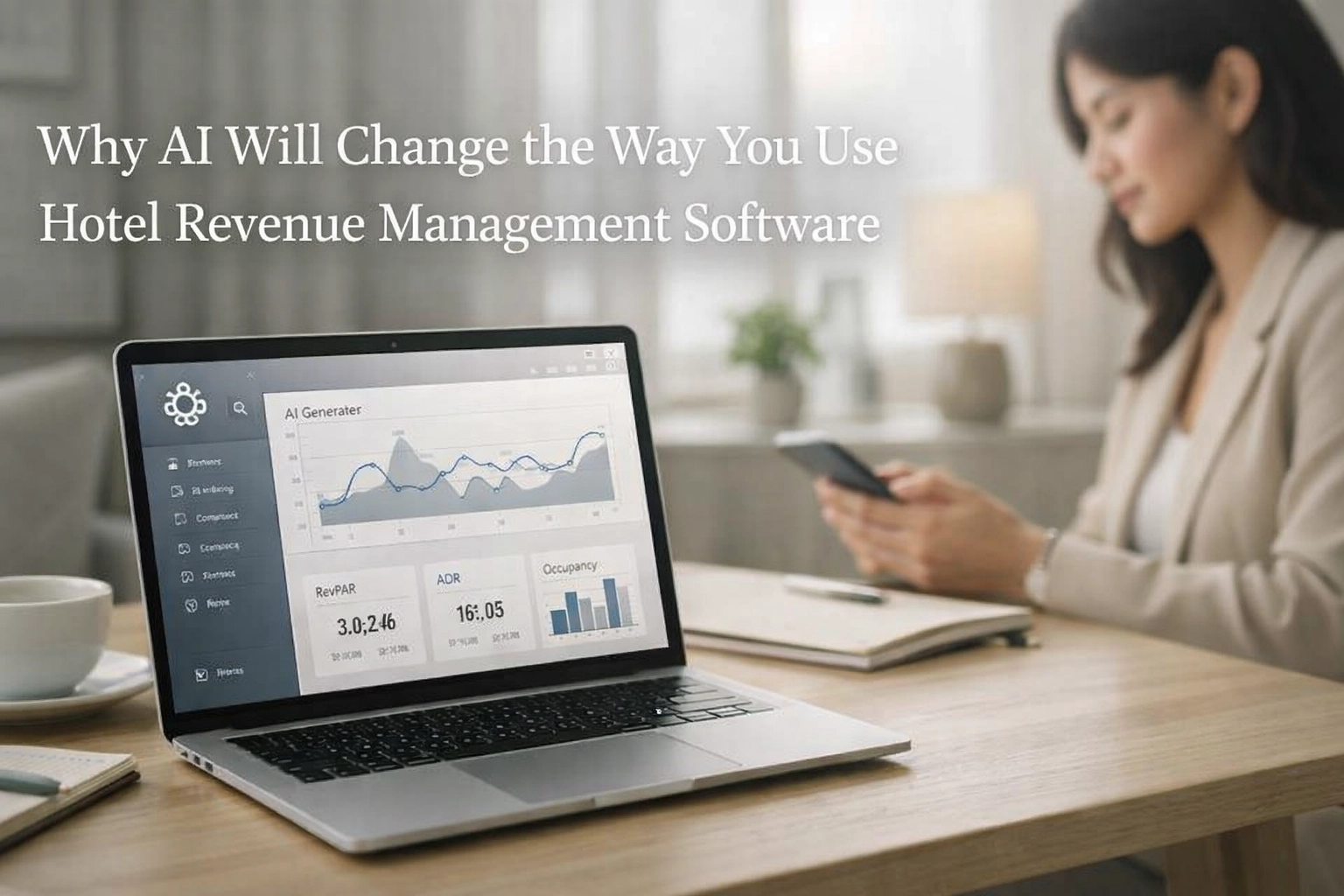
    Why AI Will Change the Way You Use Hotel Revenue Management Software

    Predict demand. Pivot pricing. Outpace competition.

    The way you handle hotel revenue is shifting. It’s no longer about spreadsheets and gut feelings. It’s about speed. Traditional systems are too slow to keep up with a guest who books on a whim or a local event that pops up overnight. AI isn't just a fancy add-on anymore. It’s the engine that powers your growth.

    We believe that data should work for you, not the other way around. Most hoteliers spend hours tweaking rules that are outdated by lunch. With AI, your pricing updates itself thousands of times a day. It reacts to cancellations, weather shifts, and competitor moves in seconds. This creates a more agile, more profitable operation: all from one innovative platform.

    The death of static rules

    Legacy revenue management systems rely on "if/then" logic. If occupancy hits 80%, then raise the price by $20. It sounds logical until you realize the market doesn't follow a script. These rules are static. They stay the same until you manually rewrite them.

    AI-powered systems are different. They are self-learning. They don't just follow instructions; they identify patterns.

    • Learns from guest behavior in real-time.
    • Adjusts logic based on historical performance.
    • Eliminates the need for manual configuration.

    When your hotel pms feeds live data into an AI revenue engine, the system understands the nuances. It knows if a sudden spike in bookings is a one-off or a trend. It stops you from leaving money on the table.

    Minimalist hotel reception desk with a tablet showing AI-driven revenue management data trends.

    Real-time beats reactive every time

    Traditional revenue management is reactive. You look at yesterday's reports to make today's decisions. By the time you see the data, the opportunity is gone. AI changes the timeline. It operates in the "now."

    Hotels switching to AI-driven dynamic pricing often see RevPAR increases of 10-15%. That’s not a small jump. It’s the difference between a good year and a record-breaking one.

    • Updates prices 24/7/365.
    • Reacts to minute-by-minute market shifts.
    • Captures demand the moment it appears.

    We think you should spend your time on big-picture ideas, not micromanaging a rate calendar. Your hotel management software should be smart enough to handle the heavy lifting while you focus on the guest experience. Get started with a smarter stack at https://referrals.mews.com/umqHYIto.

    Revenue beyond the guest room

    Why stop at rooms? Most hotels have untapped revenue streams sitting right under their noses. Meeting rooms, spas, parking spots, and restaurants usually operate on fixed pricing. This is a missed opportunity.

    AI extends its optimization to your entire portfolio. It can predict when your spa will be quiet and suggest a lower price to drive volume. Or it can hike prices for conference rooms when a major trade show is in town.

    • Optimizes every square foot of your property.
    • Balances demand across different departments.
    • Increases total revenue per available guest.

    This portfolio-wide approach is the future of hospitality. It turns your hotel into a holistic revenue machine.

    A serene luxury hotel spa room, highlighting AI revenue optimization for all hotel departments.

    Spotting patterns you can't see

    Human brains aren't built to process millions of data points simultaneously. AI is. It can detect a tiny local festival three months away that is starting to trend on social media. It can see how a flight delay at the local airport will affect your last-minute cancellations.

    These early insights give you a massive advantage.

    • Proactive pricing instead of panic discounts.
    • Identification of hidden demand pockets.
    • Better forecasting for staffing and inventory.

    "We used to guess our weekend demand," says one of our partners. "Now, the system tells us exactly what to expect. We saved 10 hours a week on manual reporting alone."

    From data entry to strategy

    The role of the revenue manager is changing. It has to. You weren't hired to be a human calculator. You were hired to be a strategist.

    When AI handles the routine calculations, you are free to think about the "why" instead of the "what." You can focus on brand positioning, guest loyalty, and long-term growth.

    1. Review AI-generated recommendations.
    2. Set high-level strategic goals.
    3. Monitor market performance from a dashboard.

    It’s about moving from the engine room to the cockpit. You’re still the pilot, but the autopilot is much better at staying on course through the turbulence.

    A hotel manager in a lounge using AI software to transition from manual data entry to strategic growth.

    Portfolio-level power for everyone

    If you manage multiple properties, AI is your best friend. Managing a cluster of hotels manually is a nightmare. You end up competing against your own properties or missing trends that affect the entire region.

    AI optimizes across your entire portfolio. It ensures that your pricing strategy is coordinated, not conflicting.

    • Minimizes cannibalization between sister properties.
    • Coordinates pricing across entire regions.
    • Scales your expertise across dozens of locations.

    This level of coordination used to require a massive team of analysts. Now, it just requires the right hotel management software.

    Integrating your tech stack

    AI is only as good as the data it gets. If your hotel pms is clunky or disconnected, your revenue engine will struggle. You need a seamless flow of information between your booking engine, your PMS, and your revenue management system.

    We believe in a connected ecosystem.

    • Seamless data sync between platforms.
    • Easy integration with top-tier AI tools.
    • Centralized reporting for a clear overview.

    A modern tech stack isn't just a luxury; it’s a necessity for staying competitive in 2026. If your current software feels like a burden, it’s time to look at something that actually helps you grow.

    A connected hotel management software tech stack on a wooden table, featuring a laptop and mobile tools.

    The bottom line on AI

    AI isn't coming for your job. It’s coming for your busywork. It’s taking the tedious, soul-crushing data entry and turning it into actionable profit. It allows you to be more human by handling the parts of the job that are most like a machine.

    The benefits are clear:

    • Higher RevPAR through precision pricing.
    • Better guest experiences through optimized staffing.
    • More free time to focus on what actually matters.

    Don't wait for your competitors to automate first. The gap between hotels using AI and those using manual rules is growing every day. You can bridge that gap with a 30-minute demo.

    Check out how we can help you modernize your tech stack and get you earning more revenue in no time: https://referrals.mews.com/umqHYIto.

    The future of revenue management is autonomous, real-time, and incredibly profitable. It’s time to step into it.

  • Coffee Roaster Wholesale Secrets Revealed: What Experts Don’t Want You to Know About Support

    Coffee Roaster Wholesale Secrets Revealed: What Experts Don’t Want You to Know About Support

    So, you’re thinking about opening a café, or maybe you’re already running one and feeling a bit… neglected?

    We get it. The world of wholesale coffee is filled with shiny packaging, fancy origin stories, and roasters who promise the earth until the first invoice is paid. But here is the thing: anyone can roast a decent bean these days. Technology has made it easier than ever to produce a drinkable cup of specialty coffee.

    The real secret, the one that "experts" in the industry often gloss over, isn't about the coffee at all. It’s about the support you receive after the bags arrive at your door.

    At Limini Coffee, we’ve spent years watching café owners struggle not because their beans weren't good, but because their "partners" disappeared the moment a grinder jammed or a staff member forgot how to steam milk.

    In this post, we’re going to pull back the curtain on what you should actually expect from wholesale coffee roasters and why "support" is often a buzzword that lacks any real substance.


    The "Award-Winning" Distraction

    You’ve seen the stickers. "Great Taste Award Winner 2024." "Best Espresso Blend."

    While awards are lovely (and we’ve got a few ourselves), they don't help you at 8:30 AM on a rainy Tuesday when your espresso machine is leaking water all over the counter. A roaster can have the best beans in the world, but if they don't know how to help you run a business, they are just another line item on your expenses.

    The truth is, many coffee suppliers focus entirely on the product. They spend all their time talking about altitude, varietals, and processing methods.

    Don't get us wrong, that stuff is important. We love talking about sourcing our coffee and finding those perfect flavor profiles. But for a B2B relationship, that’s just the baseline. It’s the starting point, not the finish line.

    Freshly roasted specialty coffee beans and espresso cup, representing expert wholesale coffee support.

    Secret #1: Training is Not a "One-Time" Event

    Most wholesale specialty coffee companies will offer you "initial training." They’ll send someone down for four hours, show your staff how to pull a shot, how to froth milk to about 140 °F / 60 ºC, and then they leave.

    The problem? Staff turnover in the hospitality industry is high.

    If your roaster doesn't offer ongoing, accessible barista training, your coffee quality will inevitably decline. We believe that training should be a continuous cycle. It’s about building a culture of excellence, not just ticking a box.

    When we talk about support, we mean having a partner who is invested in your team's skills for the long haul. This includes everything from understanding milk textures to mastering the art of tamping.

    If your supplier charges you an arm and a leg every time a new staff member needs a refresher, they aren't supporting your growth; they’re taxing it.


    Secret #2: Technical Support is Your Lifeline

    Imagine this: It’s Saturday morning. The queue is out the door. Suddenly, your espresso machine stops building pressure. It won't hit that crucial 9 BAR.

    You call your roaster. Do you get a voicemail? Or do you get a technician who knows exactly how a La Spaziale works and can talk you through a quick fix over the phone or get someone out to you ASAP?

    Many roasters outsource their tech support to third-party companies. This means you’re just another ticket in a queue. We think that’s a massive mistake.

    A true wholesale partner should have an intimate knowledge of espresso equipment. They should be able to advise you on lever vs. automatic machines and ensure your gear is maintained to prevent those Saturday morning disasters.

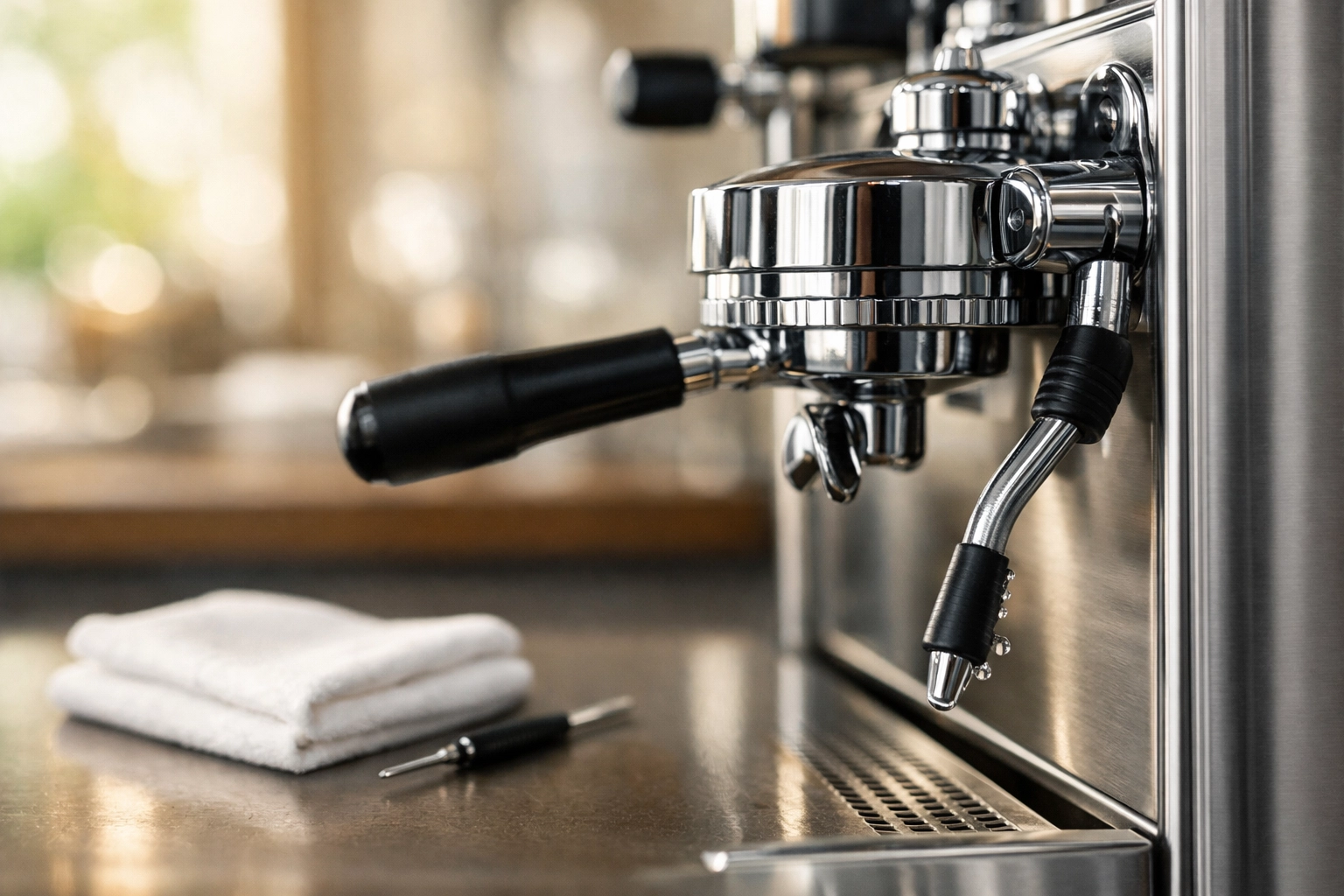
    Commercial espresso machine with maintenance tools, illustrating technical support for coffee shops.

    Secret #3: The Business of Coffee vs. The Craft of Coffee

    This is perhaps the biggest secret of all. Most roasters are great at coffee, but many are terrible at business.

    When you are starting a café, you need more than just beans. You need help with shop fitting and layout. You need to know which coffee cups will fit your brand and your portion costs. You might even need help with a brewing calculator to ensure your margins are healthy.

    A support-heavy roaster acts as a consultant. They’ve seen what works and, more importantly, what doesn't.

    • Does your menu make sense?
    • Is your workflow efficient?
    • Are you creating enough "theatre" to keep customers coming back?

    If your supplier isn't asking you these questions, they aren't really a partner. They are just a vendor. And in the competitive world of wholesale specialty coffee, you need more than a vendor.


    Why Consistency Trumps Complexity

    We often see roasters pushing "experimental" micro-lots on their wholesale customers. While a lactic-fermented anaerobic honey-processed Gesha sounds impressive, is it what your 8 AM commuter wants?

    Probably not.

    The secret to a successful coffee business is consistency. Your customers want their latte to taste the same on Monday as it did on Friday. This requires a roaster who understands the science of roasting at scale and the importance of a stable house blend.

    We focus heavily on the crema and the mouthfeel, the things that regular drinkers actually notice. We want your coffee to be reliable.

    And if things do go slightly off? That’s where the support kicks in again. You should be able to reach out and ask, "Hey, my shots are running a bit fast today, what should I check?" and get a helpful, non-patronising answer.

    Macro view of pouring milk into a latte with rich crema, emphasizing consistent coffee quality.

    Red Flags When Choosing Coffee Suppliers

    When you’re hunting for coffee suppliers, keep an eye out for these warning signs:

    1. The "Ghost" Roaster: They are super responsive during the sales process, but once you sign the contract, it takes three days to get a reply to an email.
    2. No In-House Training: If they don't have a dedicated training center, how can they possibly support your staff?
    3. Vague Tech Support: Ask them exactly what happens if your machine breaks on a Sunday. If the answer is "we can give you a number for a guy," run.
    4. Hidden Costs: Some roasters offer "free" equipment but then bake a massive premium into the kilo price of the coffee. Always do the math.

    The Limini Way: A Partnership, Not a Transaction

    Us here at Limini Coffee, we do things a bit differently. We lovingly call our approach "partner-led roasting."

    We believe that our success is entirely dependent on your success. If your café is thriving, you’ll order more coffee. It’s that simple.

    That’s why we offer comprehensive wholesale support that covers everything from the initial about us story to the technical nitty-gritty of La Spaziale makings.

    We won't just sell you a bag of beans and wish you luck. We’ll help you understand the difference between a latte and a cappuccino in a way that makes sense for your customers, and we'll be there to help you dial in your grinder whenever you need it.

    Artisanal barista equipment and ceramic cups, symbolizing professional support from coffee suppliers.

    Final Thoughts: Look Beyond the Bean

    Starting a coffee business is hard work. It’s rewarding, but it’s a marathon, not a sprint.

    The biggest secret the experts don't want you to know is that the beans are only about 20% of the equation. The other 80% is equipment, training, workflow, and reliable support.

    When you are looking for wholesale coffee roasters, look for the ones who are willing to get their hands dirty with you. Look for the ones who answer the phone. Look for the ones who treat your business like it’s their own.

    If you’re ready to experience what real support looks like, we’d love to have a chat. You can check out our reviews to see how we’ve helped other café owners just like you.

    And remember, the best cup of coffee is the one that’s served in a profitable, well-run shop by a happy, confident barista. We’re here to help you make that happen.

    So, if you are looking for a partner who cares about more than just the roast profile, check out what we offer at Limini Coffee. Let's build something great together.

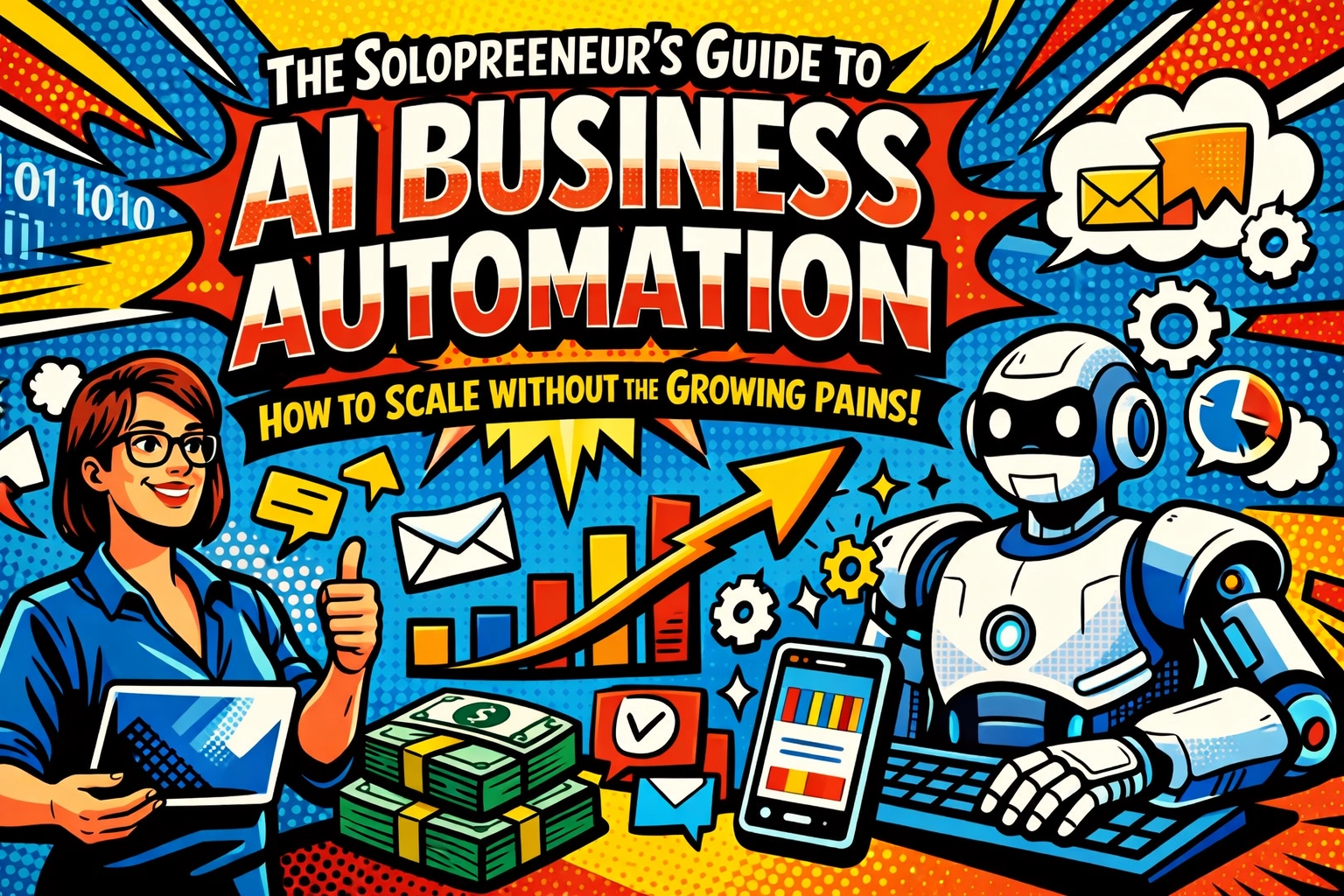
  • The Solopreneur’s Guide to AI Business Automation: How to Scale Without the Growing Pains

    The Solopreneur’s Guide to AI Business Automation: How to Scale Without the Growing Pains

    You’re staring at a screen that’s staring back at you with 42 open tabs… and it’s only 9:15 AM.

    Your coffee is already cold. Your "To-Do" list has evolved into a "To-Panic" list. You’re the CEO, the marketing department, the customer service rep, and the person who remembers to buy more printer ink. It’s exhausting. It’s unsustainable.

    And honestly? It’s holding you back.

    You want to scale. You want those five-figure months you see everyone posting about on LinkedIn. But the math doesn’t add up. If you double your clients, you double your workload, and you’re already at 110% capacity.

    Something has to give. But it shouldn’t be your sanity.

    Welcome to the world of ai business automation. It’s not about replacing you… it’s about freeing you.

    STOP JUGGLING. START SYSTEMIZING.

    The biggest lie in the solopreneur world is that "hustle" is the only way to grow.

    "Just work harder," they say. "Sleep when you're dead," they say.

    But here’s a secret: the most successful solopreneurs aren’t working harder. They’re just not doing the boring stuff anymore. They’ve realized that their brain is for strategy and creativity, not for manually copying data from a lead magnet into a spreadsheet.

    If you’re still manually sending "thanks for joining my list" emails, you’re not a business owner. You’re an unpaid admin for your own company.

    Frantic solopreneur juggling manual tasks before using AI business automation tools.

    MEET YOUR NEW AI TEAM

    Think of AI as the ultimate silent partner. It doesn't need coffee breaks. It doesn't get "the Mondays." It just executes. When we talk about business automation tools, we’re talking about building a digital infrastructure that works while you’re at the gym, at lunch, or, dare we say it, sleeping.

    Let’s look at how a typical day changes when you stop doing everything yourself.

    ☕ 7:00 AM: THE SILENT WAKE-UP

    You wake up and check your phone. Usually, this is where the dread sets in. But today? It’s different. While you were asleep, your AI-powered lead bot was chatting with three potential clients on your site. It answered their basic questions, qualified them, and booked a discovery call on your calendar for Thursday.

    You haven't even brushed your teeth yet… and you've already moved the needle.

    📱 10:00 AM: THE CONTENT ENGINE

    Creating content used to take you all morning. Now? You feed one core idea into your automation workflow. AI takes that idea, turns it into a blog post, scripts three LinkedIn updates, and schedules them across your platforms.

    You’re not staring at a blinking cursor anymore. You’re just the editor-in-chief, giving the final "okay" before it goes live. You can see how this works for yourself right here at https://marblism.link/scott-bowen.

    🤝 1:00 PM: LEAD NURTURING ON AUTOPILOT

    A new lead just signed up for your masterclass. In the old days, they’d wait three days for you to find the time to email them. By then, they’ve forgotten who you are.

    Now? The second they click "submit," your ai business automation kicks in. They get a personalized welcome, a link to a relevant case study, and a "magic link" to your calendar. The system tracks if they opened the email. If they didn’t, it sends a gentle nudge 24 hours later.

    You didn't type a single word. But the lead feels seen.

    🔍 4:00 PM: THE DATA WHISPERER

    You need to know which of your marketing efforts are actually making money. Instead of spending two hours in a spreadsheet, your automation dashboard gives you a summary. "Your LinkedIn post drove 40% of sales this week. Double down there."

    Decision-making becomes easy when you have the facts delivered to you on a silver platter.

    Confident entrepreneur scaling with an AI business automation team behind them.

    THE 90-DAY ESCAPE PLAN

    You can't automate everything overnight. If you try, you'll just create a different kind of mess. Scaling without the growing pains requires a roadmap.

    DAYS 1–30: THE AUDIT

    Stop and look at your week. What tasks make you want to scream? What's repetitive? Most solopreneurs spend 60-70% of their time on tasks that generative AI can now handle. Identify the bottlenecks. Is it lead gen? Is it customer support? Start there.

    DAYS 31–60: THE BUILD

    This is where you plug in the business automation tools. You connect your CRM to your email, your website to your calendar, and your content ideas to your social media scheduler. You start building your "Minimum Viable Automation."

    DAYS 61–90: THE SCALE

    Now that the pipes are connected, you can turn up the volume. Because you aren't bogged down in admin, you can focus on high-value activities. You can take more sales calls. You can build new products. You can actually grow.

    THE MATH OF FREEDOM

    Let's talk numbers, because "feeling better" doesn't pay the mortgage.

    Recent data shows that entrepreneurs using AI workflows save an average of six hours per week. That’s almost an entire workday reclaimed.

    Even more impressive? Solopreneurs who adopt automation often see a 25% increase in lead conversion rates. Why? Because the AI doesn't forget to follow up. It's fast, it's consistent, and it never lets a lead go cold.

    Typically, solopreneurs see a revenue shift that looks like this:

    • Months 0-3: Building the foundation ($500 – $2k/mo)
    • Months 4-8: The automation kicks in ($3k – $8k/mo)
    • Months 9-18: Full scale ($8k – $20k+/mo)

    It’s not magic. It’s just leverage.

    Rocket launching from a messy desk illustrating rapid growth with business automation tools.

    EMPLOYEE OF THE MONTH. EVERY MONTH.

    When you use a platform like Marblism, you aren't just buying a tool; you're buying a department. You're getting the capability of an enterprise-level team without the enterprise-level payroll.

    "I used to spend my Sundays planning my Monday. Now, I spend my Sundays actually resting. The automation handles the kickoff while I'm still having breakfast." , Sarah, E-commerce Solopreneur

    "The biggest change wasn't just the time saved; it was the mental clarity. I'm not worried about what I'm forgetting anymore." , Marcus, Consultant

    YOU’VE GOT QUESTIONS. WE’VE GOT ANSWERS.

    Is AI business automation expensive?
    No. In fact, it’s significantly cheaper than hiring a virtual assistant. Most tools offer entry-level pricing that fits a solopreneur budget.

    Do I need to be a "tech person" to set this up?
    Absolutely not. Most modern tools are "no-code," meaning if you can drag and drop, you can automate. Plus, Marblism makes the transition seamless.

    Will my customers know they’re talking to an AI?
    Only if you want them to. Modern AI is incredibly sophisticated and can be trained to match your specific brand voice perfectly. It sounds like you… on your best day.

    Where do I even start?
    Start by looking at what you did today. If you did it more than twice, it can probably be automated.

    Solopreneur enjoying freedom while AI business automation manages their daily operations.

    THE NEXT STEP ISN'T A LEAP. IT'S A CLICK.

    The "Growing Pains" of a business are usually just the sounds of a system breaking under pressure. You don't need more pressure. You need a better system.

    The choice is simple: You can keep being the "everything person" until you burn out, or you can start building an engine that runs itself.

    You’ve done the hard work of starting the business. Now, let AI do the hard work of running it.

    See how Marblism can transform your daily grind into a streamlined machine. It only takes a few minutes to see what's possible.

    Check it out here: https://marblism.link/scott-bowen

    ☕ The day is beginning.

    The chaos is gone before you even take your first sip.

    You just send a thumbs-up.

    Scaling shouldn't be this easy. But here we are.

    Welcome to the future of your business.

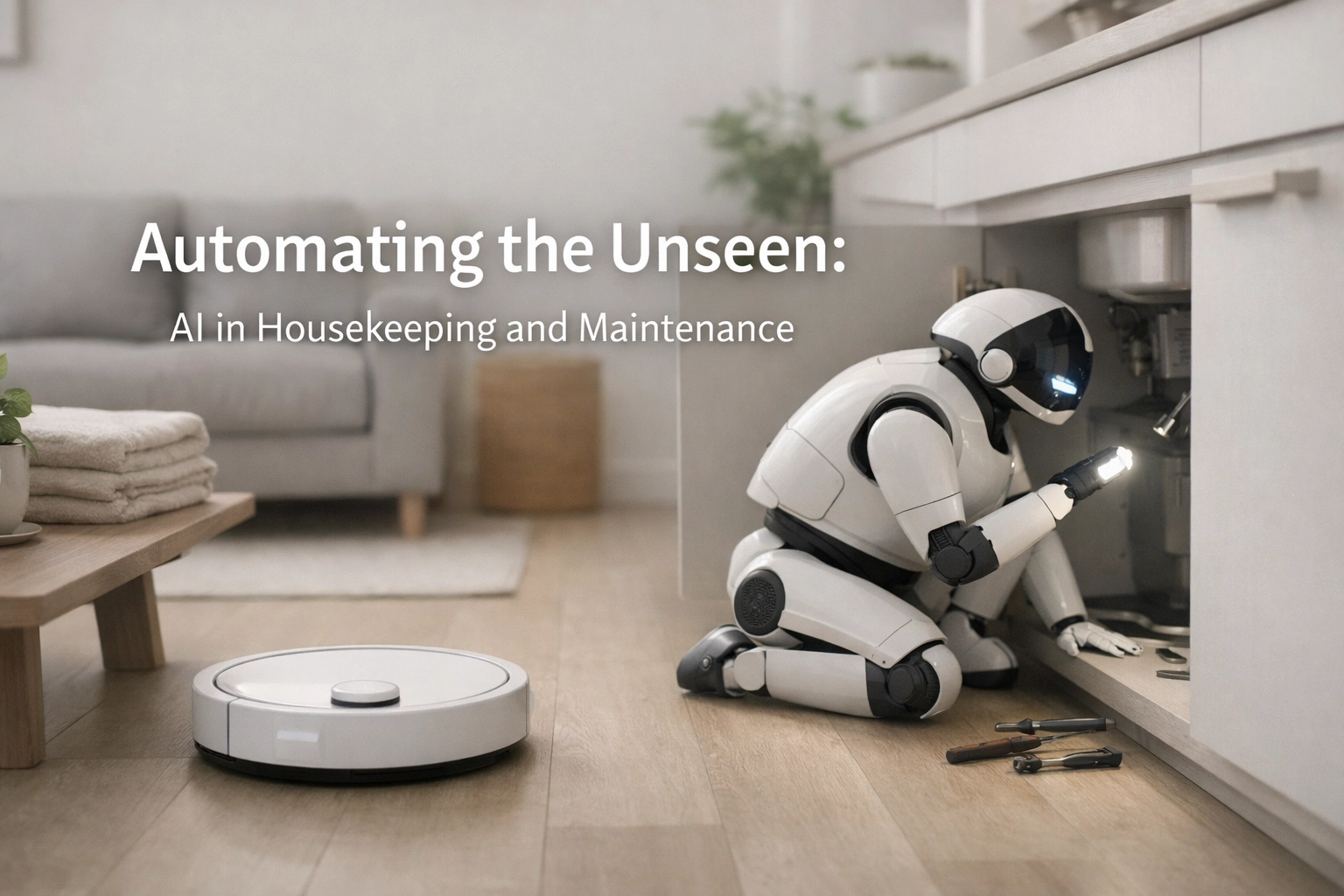
  • Automating the Unseen: AI in Housekeeping and Maintenance

    Automating the Unseen: AI in Housekeeping and Maintenance

    Streamline your operations. Predict every failure. Empower your entire team.

    The most critical parts of your hotel are the ones your guests should never notice. A perfectly chilled minibar. A climate control system that hums at the exact right frequency. A room that feels like it’s never been touched by another human soul: ready the second a guest walks through the lobby doors.

    In the old world of hospitality, achieving this level of perfection required a mix of intuition, frantic radio calls, and a fair bit of luck. In 2026, luck is no longer a business strategy. We’ve entered the era of the "Invisible Engine," where AI manages the back-of-house with more precision than a human ever could: all from one innovative hospitality platform.

    Experience the future of property management at Mews.

    The End of the Reactive Era

    We believe hospitality is won or lost in the hallways. When a guest calls the front desk because their AC is leaking, you’ve already lost. When a housekeeper walks into a "Do Not Disturb" room for the third time because the system didn't update, you’ve wasted precious labor hours.

    AI is turning the tide by moving housekeeping and maintenance from reactive to predictive. By analyzing real-time data from your PMS, IoT sensors, and even guest behavior patterns, AI tools can orchestrate a symphony of movement behind the scenes. It’s not just about doing things faster; it’s about doing the right things at exactly the right time.

    Why proactive operations matter:

    • Zero guest friction. Issues are resolved before the guest even checks in.
    • Labor optimization. Staff work on high-priority tasks, not guesswork.
    • Asset longevity. Equipment lasts longer when it's maintained based on usage, not just calendars.

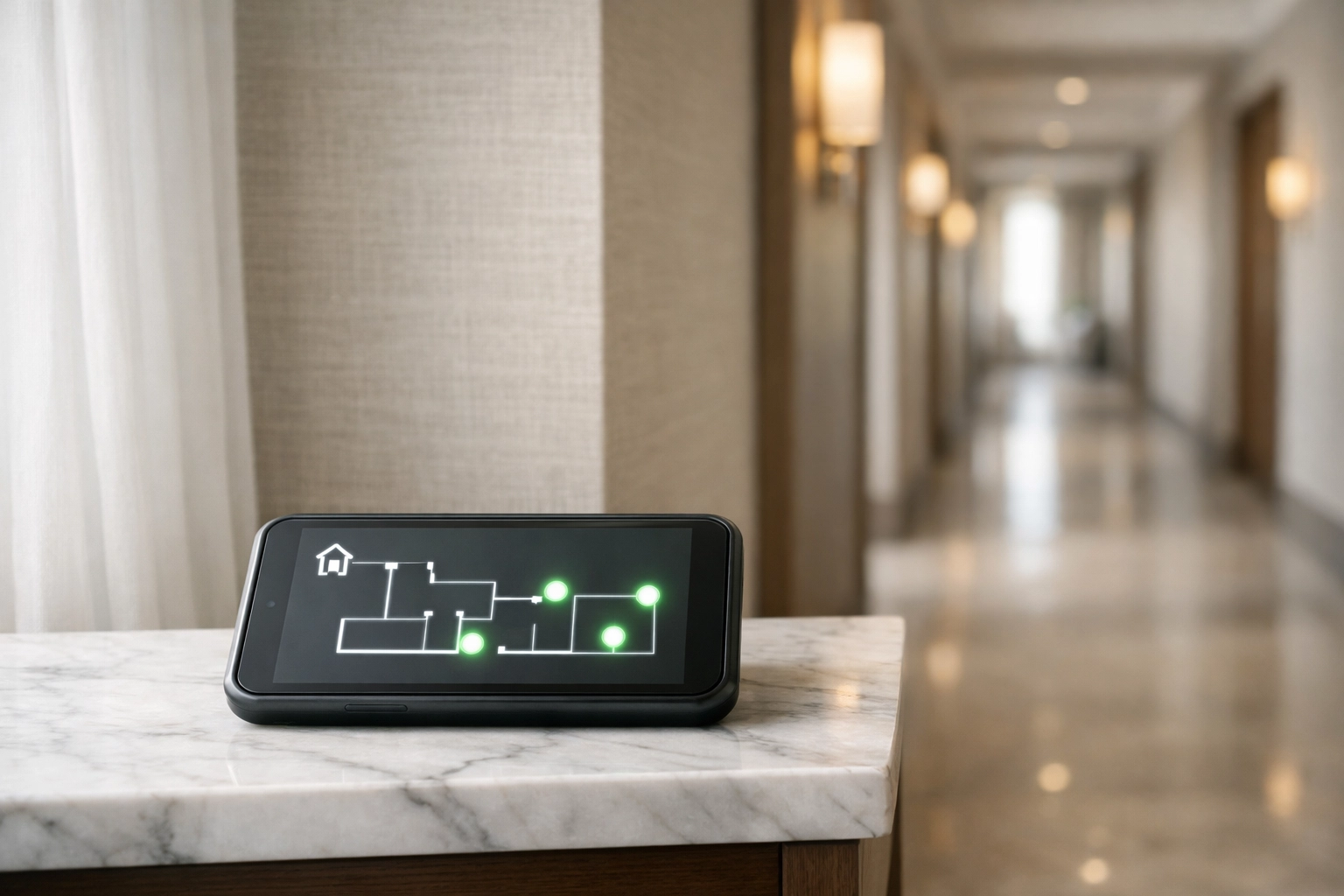
    Mobile hotel management app displaying real-time room status for automated housekeeping scheduling.

    Dynamic Scheduling: The Art of Timing

    The standard "morning meeting and paper list" approach to housekeeping is dead. It’s inefficient, prone to error, and completely disconnected from the reality of a modern hotel’s flow.

    Modern AI systems: like those integrated into the Mews ecosystem: look at the big picture. They track live check-out times, guest profiles (is this a VIP who needs an early arrival?), and the specific skill sets of your team members. If a room is vacated at 9:02 AM, the nearest housekeeper is notified at 9:03 AM.

    The Ritz-Carlton in San Francisco famously boosted its housekeeping efficiency by 20% just by ditching static schedules. They didn't hire more people; they just gave their current people a smarter map.

    We believe scheduling should be fluid.

    1. Automated prioritization. The system automatically bumps "priority rooms" to the top of the list based on incoming arrivals.
    2. Live status updates. No more "ghost rooms": if a guest checks out via a mobile app, the room is instantly flagged for cleaning.
    3. Zonal optimization. AI groups tasks geographically to minimize the time staff spend walking between floors or wings.

    Predictive Maintenance: Fixing the Future

    Maintenance is traditionally the "unseen" cost center of a hotel. You wait for something to break, you pay a premium for a rush repair, and you likely have to compensate a guest for the inconvenience.

    In 2026, we think "out of order" should be a relic of the past.

    By utilizing IoT (Internet of Things) sensors, your maintenance team can monitor the health of every boiler, HVAC unit, and kitchen appliance in real-time. AI analyzes the vibrations, energy draw, and temperature of these machines. When it detects a slight deviation: the kind a human ear would never catch: it triggers a maintenance ticket automatically.

    This is maintenance that happens before the complaint. It’s the difference between a 10-minute filter change and a $5,000 emergency compressor replacement.

    Hotel housekeeper smoothing fresh linens in a guest suite, showcasing operational efficiency.

    The Human Element: Empowering the Team

    There’s a common fear that AI is here to replace the people who make hotels special. We see it differently. We believe AI is here to remove the "robot work" from humans, so they can focus on what they do best: hospitality.

    When your housekeeping team isn't stressed about an impossible list of rooms, they have the time to add those small, personal touches that guests actually remember. When your maintenance team isn't constantly putting out fires, they can focus on improving the physical beauty of your property.

    "The AI doesn't tell me what to do; it tells me where I'm needed most. I spend less time walking and more time actually making the rooms perfect," says one head of housekeeping using modern automated workflows.

    Building a better workplace:

    • Reduced burnout. Eliminate the stress of "peak" cleaning rushes through better distribution.
    • Transparent performance. Give staff clear, achievable goals and real-time feedback.
    • Safety first. AI can track high-usage areas to ensure sanitization protocols are always met without manual checklists.

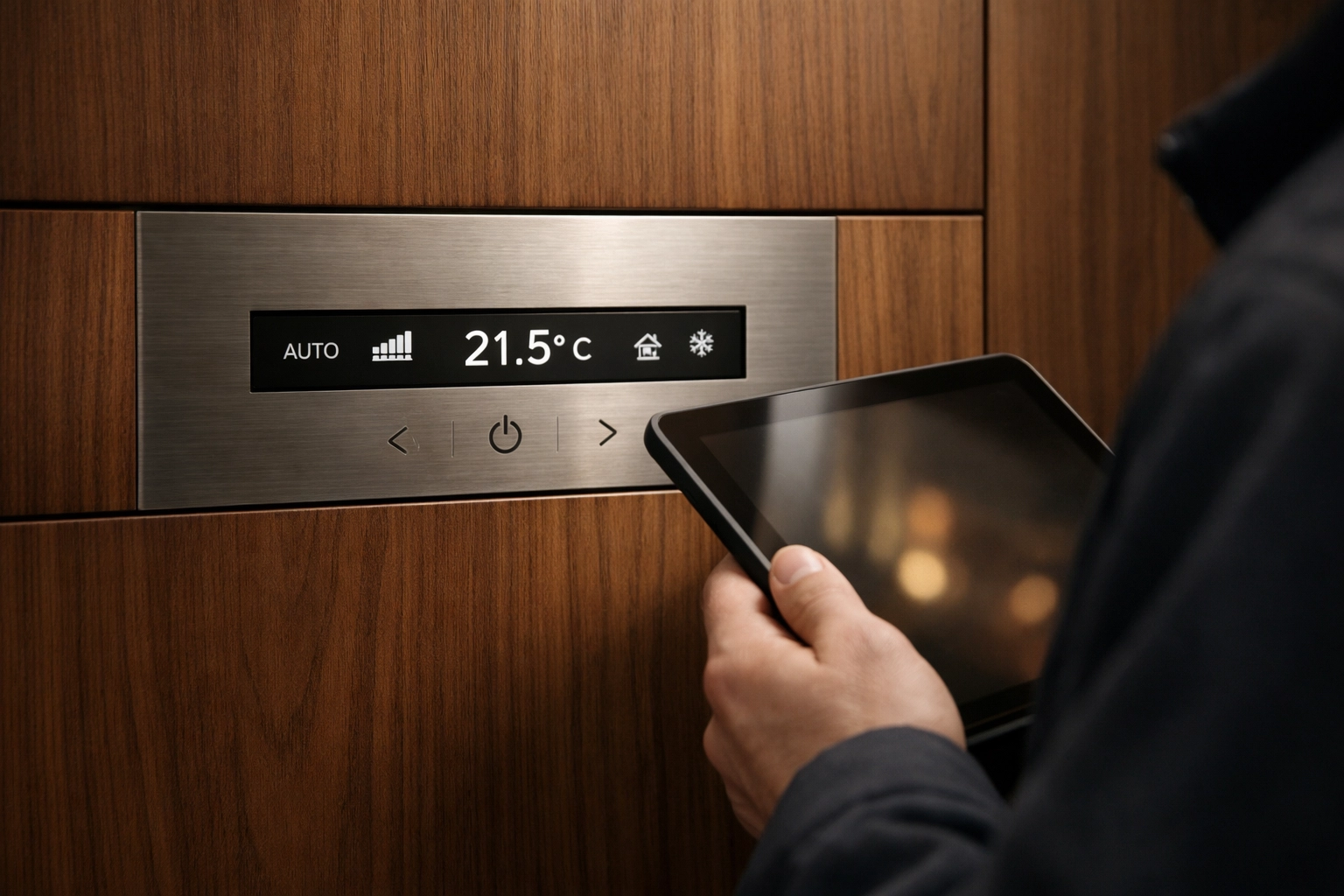
    Technician using a digital tablet for predictive maintenance of hotel climate control systems.

    Automation by the Numbers

    The impact of "unseen" automation isn't just a feeling: it’s a line item on your P&L. Modern properties leveraging AI-driven operations are seeing staggering results.

    • 20% Increase in housekeeping room-turnover speed.
    • 15% Reduction in total energy costs through smart HVAC management.
    • 30-minute average reduction in guest wait times for "room ready" notifications.
    • 12,500+ properties are already moving toward a more automated, tech-forward future.

    These numbers represent more than just savings. They represent the freedom to reinvest in your guest experience. When you save 10 hours of labor a week on scheduling, that’s 10 hours you can spend on guest engagement or staff training.

    Empowered hotel staff members relaxing in a lounge after automated workflow optimization.

    Integrating the Stack: One Platform to Rule Them All

    The biggest hurdle to true automation is fragmentation. If your housekeeping app doesn't talk to your PMS, and your maintenance sensors don't talk to your guest messaging platform, you just have a bunch of expensive, silent tools.

    We think the future is unified.

    Platforms like Mews allow these systems to talk to each other. When a guest sends a WhatsApp message saying they need extra towels, that request shouldn't go to a human who then has to tell another human. It should flow directly into the housekeeping queue, be assigned to the nearest staff member, and be marked as "complete" the moment it’s delivered.
    This level of integration is how you scale. Whether you have 20 rooms or 2,000, the logic remains the same: automate the repetitive so you can personalize the exceptional.

    Ready to see how the unseen can transform your property? Get started with the industry leader at Mews.

    A Vision for 2026 and Beyond

    As we look toward the rest of the year, the role of AI in housekeeping and maintenance will only grow. We’re already seeing the rise of autonomous cleaning robots (think industrial-strength Roombas) that handle the hallways while your staff handles the guest suites. We’re seeing "Smart Rooms" that reset their own lighting and temperature the moment a guest leaves.

    The technology is no longer the bottleneck. The only limit is how quickly hoteliers are willing to embrace the change.

    The most successful hotels of the next decade won't necessarily be the ones with the most expensive furniture or the fanciest lobbies. They will be the ones that run so smoothly, so efficiently, and so invisibly that the guest feels like the entire world revolves around them: without ever seeing the gears that make it turn.

    Take the next step:

    1. Audit your current workflow. Where are the "dead spots" in your communication?
    2. Identify one area for automation. Start with housekeeping scheduling or preventative maintenance.
    3. Get a demo. See how a unified platform can bring these "unseen" elements into the light.

    The future of hospitality is quiet, efficient, and powered by AI. It’s time to automate the unseen.

    Pristine hotel bathroom vanity with rolled towels, illustrating automated quality standards.

    Explore the full suite of Mews features and start your journey toward operational excellence today. Click here to learn more.

  • Does Wholesale Specialty Coffee Really Matter for Your Small Café in 2026?

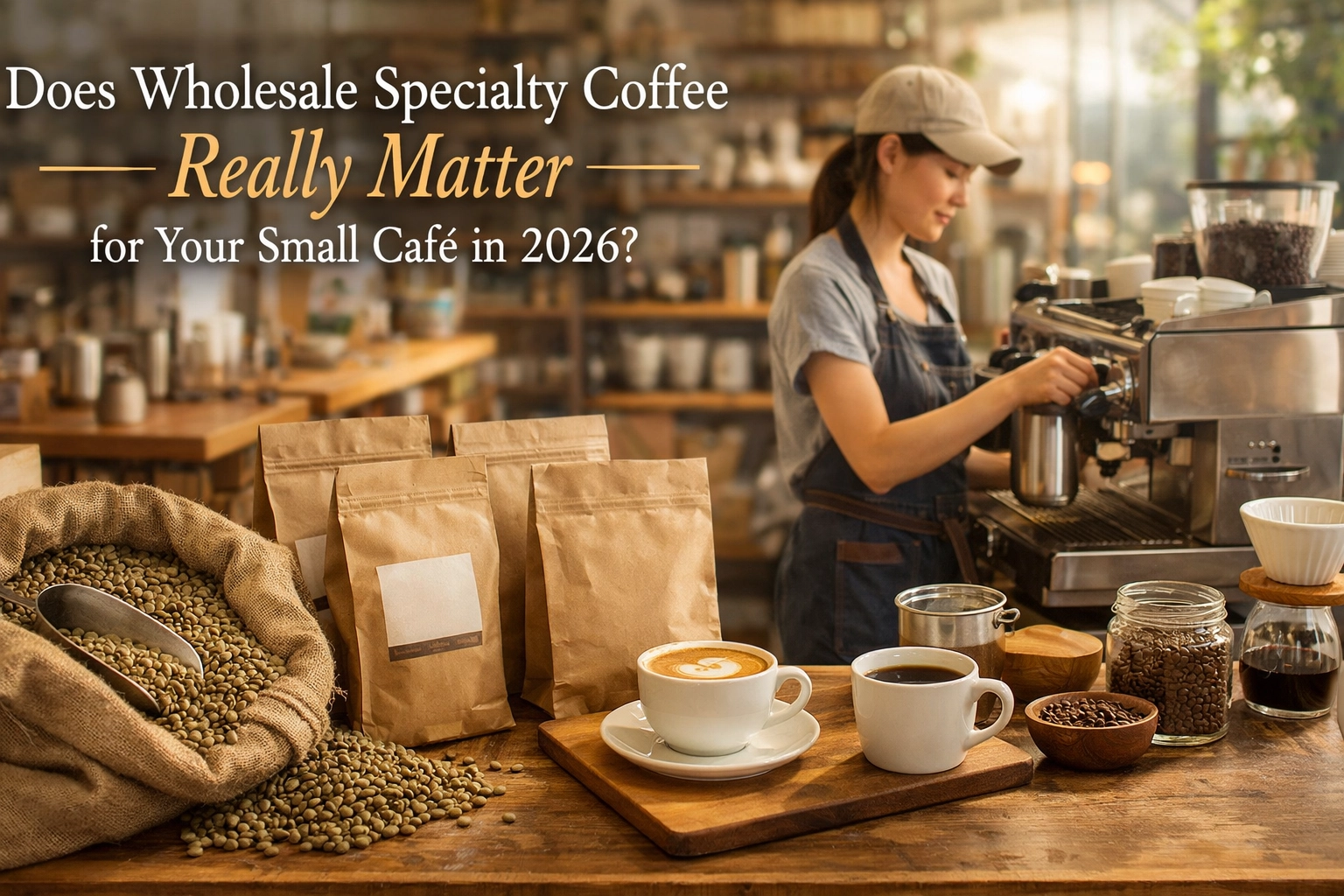
    Does Wholesale Specialty Coffee Really Matter for Your Small Café in 2026?

    Let’s be honest. It’s 2026, and the world is a very different place than it was even five years ago. We’ve seen trends come and go faster than a TikTok barista challenge. But one question seems to keep popping up in every coffee shop owner’s DM: "Does specialty coffee actually still matter, or can I just buy whatever is cheapest and hope my oat milk hides the shame?"

    We get it. Running a small café in 2026 is like trying to solve a Rubik's cube while riding a unicycle. Costs are up, consumer expectations are through the roof, and everyone thinks they’re a Q-grader because they bought a fancy hand grinder during the lockdown years.

    So, does wholesale specialty coffee still hold the crown? Or is it just an expensive label for people who like to use words like "stone fruit" and "effervescent"?


    The Shift from "Fancy" to "Essential"

    Back in the day, "specialty" was a bit of a flex. It meant you had a chalkboard with the altitude of the farm and maybe a barista who looked like they’d never seen a pair of scissors. In 2026, that’s not enough.

    The biggest change we’ve seen is that transparency is no longer a "nice to have." It’s a requirement. Your customers aren't just looking for a caffeine hit; they’re looking for a brand they can trust. With the climate volatility we’ve been facing, coffee prices have naturally crept up across the board. If you’re going to charge £4.50 for a flat white, you need to be able to look your customer in the eye and tell them exactly why it costs that much.

    When you work with a specialty roaster, you aren't just buying beans. You’re buying a story that involves fair pay, environmental stewardship, and a supply chain that doesn't collapse the moment the weather gets weird. Basically, specialty coffee is your insurance policy against being "cancelled" for unethical sourcing.

    Hands cupping raw green coffee beans, showcasing the origin and transparency of wholesale specialty coffee.

    Why Consistency is Your New Best Friend

    We’ve all been there. You walk into a café, have a life-changing espresso, go back the next day, and it tastes like burnt rubber and regret.

    This is where wholesale specialty coffee really earns its keep. The "specialty" tag isn't just about flavour; it’s about the rigour of the process. For us here at Limini Coffee, consistency is everything. We use precise measurements, aiming for that sweet spot of 88 °C to 95 °C (190 °F to 203 °F), to ensure that every roast profile hits the mark.

    If you’re buying commodity coffee, you’re playing Russian roulette with your hopper. One bag might be okay, the next might be full of defects that even the most skilled barista can't hide. When you invest in high-quality wholesale beans, you’re ensuring that your article_crema is thick, your shots are balanced, and your customers actually come back for a second cup.


    The Technical Advantage (Don't Panic, It’s Simple)

    You might think that specialty coffee requires a degree in chemistry to brew. It doesn't. But it does require understanding your tools.

    In 2026, the gap between "home enthusiasts" and "professional baristas" has narrowed. Your customers probably have a decent setup at home. To keep them coming through your door, you need to offer something they can’t replicate easily. That means mastering things like article_tamping and understanding how your machine works.

    For example, most commercial machines run at 9 BAR of pressure. If your coffee is old or poorly roasted, that pressure is just going to highlight every single flaw. Specialty coffee is roasted with the espresso machine in mind. It’s designed to handle the heat and the pressure, resulting in a cup that is sweet and complex rather than bitter and hollow.

    If you're still choosing espresso equipment, remember that the best beans in the world won't save you if your grinder is inconsistent or your group heads are dirty. It’s a holistic system.

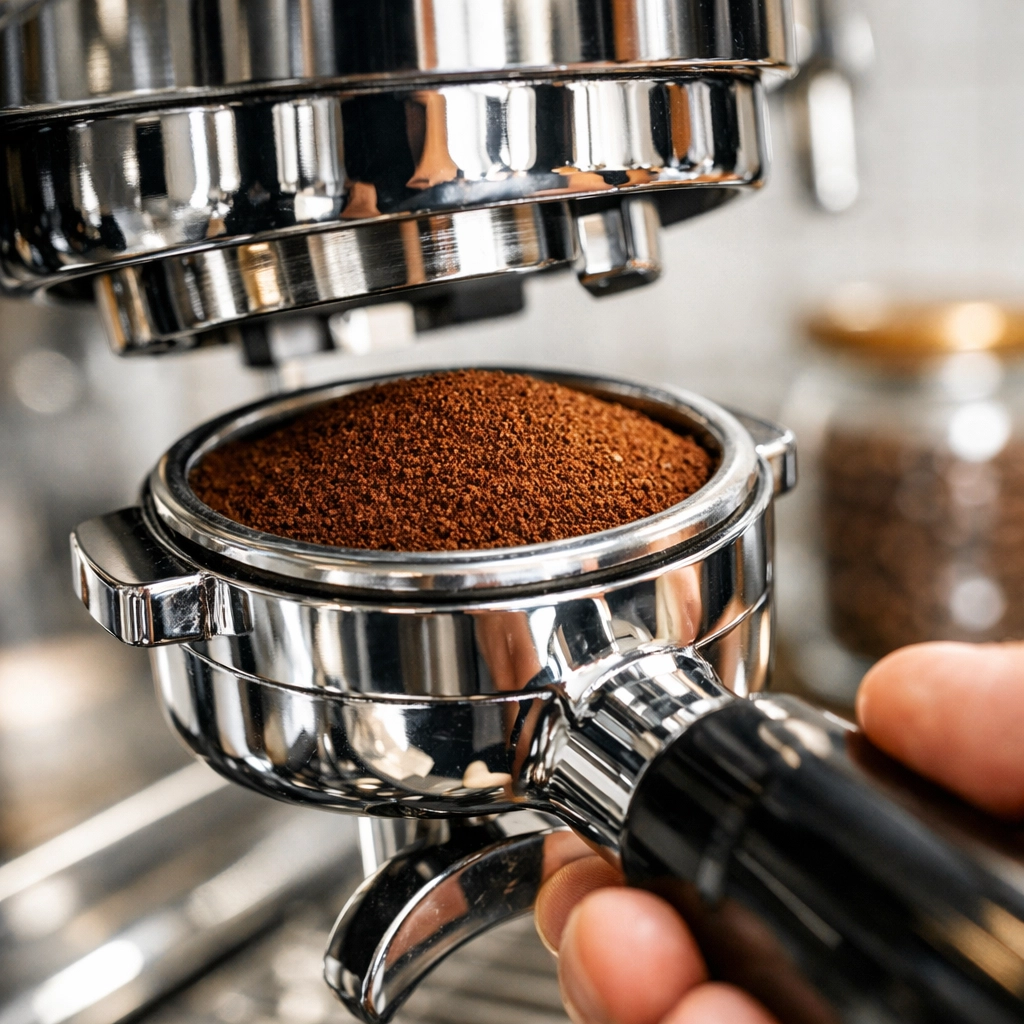
    Tamped coffee in a portafilter being locked into a machine, highlighting the precision of specialty coffee brewing.

    The "Local" Trust Factor

    In an era of global conglomerates and AI-driven everything (ironic, we know), people crave the human touch. Small cafés that partner with local, specialty roasters build a community.

    When you tell a customer, "We get our beans from the guys at Limini Coffee," you’re showing that you care about the local economy and craft. It creates a "trust advantage." Large chains struggle to replicate this because their supply chains are too vast and impersonal. You have the ability to be nimble. You can change your guest roast based on the season or run a specific coffee brewing calculator session for your regulars.

    This authenticity is your superpower. Don't waste it on mediocre beans.


    Is It More Expensive? (The Elephant in the Room)

    Let’s talk numbers. Is specialty coffee more expensive per kilo? Yes. Usually.

    However, the "cost per cup" difference is often much smaller than you’d think, we’re talking pennies, not pounds. When you factor in the support you get from a specialty wholesaler, the gap closes even further.

    Most specialty roasters (like us!) provide more than just coffee. We offer coffee barista training to ensure your staff isn't wasting milk or dumping bad shots down the sink. We help you with espresso machine looking after tips so you don't have an expensive breakdown on a Saturday morning.

    In 2026, a "wholesale partner" should be exactly that, a partner. Not just a van that drops off boxes and sends an invoice. If your supplier isn't helping you improve your business, are they really a specialty supplier?

    Barista and café owner in a bright shop, showing the collaborative support of a specialty coffee supplier.

    Sustainability: The Non-Negotiable

    By 2026, the "greenwashing" of the early 2020s has been thoroughly debunked. Consumers are savvy. They know that a "Fairtrade" sticker doesn't always tell the whole story.

    Specialty coffee is inherently tied to sourcing our coffee ethically. Because the quality must be so high, the farmers must be paid a premium to produce it. It’s a simple equation: better pay = better care for the crop = better coffee in your cup.

    If you want your café to still be around in 2030, you need to be on the right side of the sustainability conversation. Specialty coffee is the only way to ensure that the coffee industry actually has a future. Weather volatility is making coffee harder to grow; supporting the farmers who do it right is the only way to keep the taps flowing.


    The Verdict: Does It Matter?

    So, to answer the original question: Does wholesale specialty coffee really matter for your small café in 2026?

    Absolutely.

    It matters because your customers are smarter than they used to be. It matters because your margins depend on repeat business, and repeat business depends on quality. It matters because your café is a reflection of your values.

    If you’re just starting out and feeling overwhelmed, we recommend checking out our guide on building a coffee shop. It’s a lot to take in, but getting the foundation right, which includes your coffee supply, is the difference between a passion project and a profitable business.

    Don't settle for "okay" coffee. Your customers deserve better, and honestly, so do you. If you want to chat about how we can help your café level up with some seriously good beans, get in touch with us at Limini Coffee. We promise we’re much friendlier than the AI that helped write this.

    (Wait, did we say that out loud?)

    Anyway, keep brewing, keep tamping, and remember: life is too short for bad coffee. Especially in 2026.


    Quick Tips for 2026 Café Success:

    • Audit your milk: High-quality coffee deserves high-quality prep. Check out our article on understanding milk to make sure you're not ruining those expensive beans with scorched foam.
    • Invest in Training: A £10,000 machine is useless if the operator doesn't know what they're doing. Look into our training overview to keep your team sharp.
    • Watch the Details: Small things like coffee cups and the "theatre" of the pour (see our article on theatre) make a massive difference in perceived value.
  • The Secret to Scaling Without a Team: Why You Need an AI Assistant for Small Business Right Now

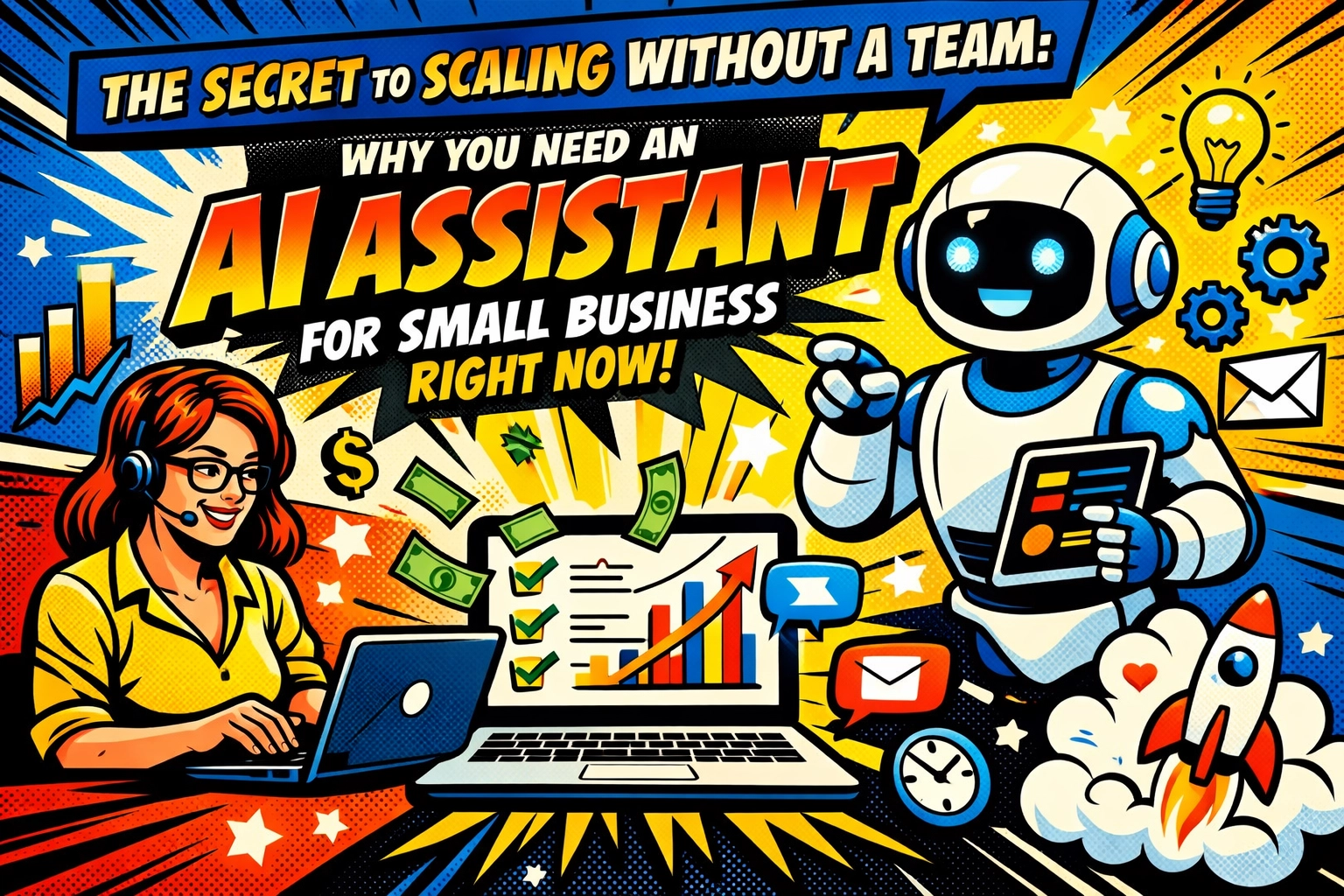
    The Secret to Scaling Without a Team: Why You Need an AI Assistant for Small Business Right Now

    You’re staring at your screen, and the cursor is mocking you. It’s blinking in a rhythm that feels suspiciously like a heartbeat, probably yours, because your caffeine levels are currently high enough to power a small village.

    You want to grow. You want to scale. You want that "freedom" everyone on LinkedIn talks about while they post photos of their toes in the sand. But right now? You’re just a glorified administrative assistant who also happens to be the CEO, the janitor, and the person who forgets to send invoices until 2 AM.

    Scaling doesn't mean hiring five people you can't afford. It means finding the leverage to do the work of five people without the payroll.

    Here is how you actually do it in 2026.


    1. Automate Admin Tasks: How to Save 10+ Hours Every Week

    ☕ 7:00 AM. Your eyes aren’t even fully open, but your thumb is already scrolling through 47 unread emails. Three are "urgent," two are spam, and the rest are "quick questions" that will take you twenty minutes each to answer.

    You’re losing the day before it even starts.

    The dirty secret of small business isn't that you lack talent. It's that you're buried under a mountain of $10-an-hour tasks. Scheduling. Data entry. Follow-ups. It’s the friction that stops your momentum.

    But imagine a different morning.

    You wake up. You check your phone. But it's quiet, organized. While you were sleeping, your business automation tools were busy. They identified the high-priority leads, filed the receipts from yesterday's lunch, and sent out the three invoices you usually "get around to" on Saturdays.

    Business automation tools represented by a robotic assistant organizing digital files and tasks.

    THE DEATH OF THE TO-DO LIST

    Stop juggling. You aren't a circus act. Every time you manually copy data from a lead form to a spreadsheet, a little piece of your creative soul dies.

    When you implement proper automation, you aren’t just "saving time." You’re buying back your sanity.

    • Invoice chasing? Gone. Your system sees the payment is late and sends a polite (but firm) nudge.
    • Meeting loops? Dead. No more "Does Tuesday at 4 work?" "No, how about Wednesday at 9?" Your AI knows your calendar better than you do.
    • Lead sorting? Automatic. It knows who is a "maybe" and who is ready to buy right now.

    You can keep doing it the hard way. Or you can head over to Marblism and see how the pros actually automate the boring stuff.

    The choice is yours: be the engine, or be the driver.


    2. The Best AI Assistant for Small Business in 2026

    📱 11:30 AM. You’re in the middle of a deep-work session when a client calls. They need a status report. You haven't looked at the project in three days. You panic. You start digging through folders…

    Stop.

    In 2026, the "lone wolf" entrepreneur is a myth. Everyone who is actually winning has a secret weapon. They have an ai assistant for small business that acts like a Chief of Staff.

    We aren't talking about a chatbot that tells you the weather. We’re talking about a digital partner that lives inside your workflow.

    MEET YOUR NEW BEST FRIEND

    An AI assistant doesn't just "help." It anticipates.

    Think about it…
    When a client asks for that report, your AI has already pulled the data, summarized the last three meetings, and drafted a reply that makes you look like a genius. You just send a thumbs-up.

    This is how you scale without a team. You don't need a project manager when your assistant tracks every deadline, reminds you to follow up with that "hot" prospect from last week, and organizes your files into a structure that actually makes sense.

    Entrepreneur scaling their company with a helpful ai assistant for small business companion.

    WHY MARBLISM?

    There are a thousand tools out there. Most of them are just shiny toys. You need something that integrates. You need something that understands the context of your business.

    Most small business owners think they can't afford an Executive Assistant. They're right: if they're thinking about a human salary. But an AI assistant doesn't take lunch breaks, doesn't need health insurance, and never forgets a client's birthday.

    It's about being enterprise-level without the enterprise-level overhead. If you aren't using an ai assistant for small business yet, you aren't competing: you're just surviving.

    Check out how we’re changing the game at https://marblism.link/scott-bowen.

    Scaling shouldn’t be this easy. But here we are.


    3. AI Content Generator for Small Business: Your Secret Marketing Weapon

    🌙 4:00 PM. The "afternoon slump" has hit. You know you need to post on social media. You know you need to write that newsletter. You know your blog has been a ghost town for three months.

    But your brain is a dry sponge. You've got nothing.

    You start typing. You delete. You stare at the blank page.

    Marketing is the fuel for your growth, but for most small business owners, it's a chore that gets pushed to the bottom of the list. You feel like a fraud for not being "consistent."

    Creative spark from an ai content generator for small business turning ideas into marketing.

    STOP OVERTHINKING. START GENERATING.

    Enter the ai content generator for small business.

    This isn't about "fake" content. It's about taking your ideas and turning them into reality at 10x speed. You provide the spark: the AI provides the fire.

    Imagine feeding your AI a 2-minute voice note about a successful project you just finished.
    Within seconds, it creates:

    • A 1,000-word blog post.
    • Three LinkedIn updates.
    • An email sequence for your leads.
    • A script for a 30-second video.

    And the best part? It sounds like you.

    YOUR VOICE, MULTIPLIED

    The biggest fear is looking like a robot. But in 2026, AI is sophisticated. It learns your tone. It knows you like to be witty. It knows you hate corporate jargon.

    You aren't delegating your voice; you're delegating the manual labor of typing.

    • No more writer's block.
    • No more "I'll do it tomorrow."
    • No more invisible business.

    Marketing is a volume game. If you're only posting when you "feel inspired," you're losing to the person who is using an ai content generator for small business to stay in front of their customers every single day.

    Leveraging an ai content generator for small business to multiply brand voice and marketing output.

    THE LEVERAGE REVOLUTION

    You don't need a marketing agency that charges $5k a month. You need a system that works while you're focusing on your actual business.

    You can try to do it all yourself and burn out by Friday. Or you can use the leverage available to you.

    Head to Marblism and stop being the bottleneck in your own marketing.


    EMPLOYEE OF THE MONTH. EVERY MONTH.

    Look, the world has changed.

    The gap between "small" and "large" businesses is closing. Not because small businesses are getting more money, but because they're getting smarter tools.

    You have the same power at your fingertips that a Fortune 500 company had five years ago.

    • You save 10 hours with business automation tools.
    • You manage projects with an ai assistant for small business.
    • You dominate your niche with an ai content generator for small business.

    Total cost? A fraction of a single employee's salary.
    Total impact? Unlimited scaling potential.

    Business owner enjoying free time while automated business automation tools manage daily operations.

    The chaos is gone before you even take your first sip of coffee. Your business is running. Your marketing is moving. Your clients are happy.

    And you?

    You're finally doing the work you actually love. Or maybe you're just taking a nap. Either way, the business isn't waiting for you. It's growing because of the systems you put in place.

    Stop being the "everything" person. Start being the owner.

    The secret to scaling isn't more people. It's more AI.

    See how we can help you build your dream team of one at https://marblism.link/scott-bowen.

    THE FUTURE IS AUTOMATED. ARE YOU?

  • The Ultimate Guide to Travel Tech Innovation: Everything You Need to Succeed

    The Ultimate Guide to Travel Tech Innovation: Everything You Need to Succeed

    Automate every interaction. Personalize every journey. Scale every property.

    The travel landscape in 2026 isn't just changing; it has fundamentally reset. We’ve moved past the era of "digital transformation" as a buzzword and entered the era of operational reality. If you’re still thinking about AI as a chatbot that answers FAQs, you’re already behind.

    Today, 39% of travelers are actively using AI to plan their entire trips. In EMEA, that number jumps to 50%. This isn’t a trend for the tech-savvy youth: it’s the new standard for everyone from Gen Z to retirees. The goal for any modern hotelier or travel tech innovator is simple: become AI-native or become obsolete.

    Here is how you win.

    From Chatbots to Agentic AI

    We believe the era of the "helpful assistant" is over. It’s time for the "autonomous agent."

    In 2026, the industry has shifted from generative AI that simply talks to agentic AI that actually acts. An agentic system doesn’t just suggest a hotel; it checks your loyalty status, cross-references your corporate travel policy, books the room, and handles the expense report before you’ve even finished your coffee.

    New infrastructure like the Model Context Protocol (MCP) and integrated payment frameworks from Visa and Google have turned AI into a high-functioning concierge. Success in 2026 requires moving your data into environments where these agents can "read" your availability and "write" new bookings without a human middleman.

    • Execute complete processes. Move beyond answering questions to completing transactions.
    • Infrastructure integration. Connect your booking engine directly to AI-native ecosystems.
    • Zero-touch planning. Enable systems that handle itinerary adjustments in real-time.

    Traveler using a smartphone for zero-touch check-in in a modern, minimalist hotel lobby.

    The Invisible Infrastructure

    We think the best technology is the kind your guests never actually see.

    The "invisible hotel" is no longer a concept: it's a requirement. Travelers today demand a frictionless experience that starts long before they reach your lobby. They want biometric check-ins, digital keys delivered to their wallets, and room preferences set automatically based on their previous stays across your entire portfolio.

    At the heart of this is your Property Management System (PMS). If your PMS is just a digital ledger, it’s a liability. An innovative PMS like Mews functions as the central nervous system of your property, automating dynamic pricing and resource management while you focus on the guest. It’s about creating a "zero-touch" environment where the operational heavy lifting happens in the background.

    See how Mews can transform your operations at https://referrals.mews.com/umqhyito.

    Personalization Through Behavior, Not Buckets

    Forget broad demographic categories. The old way of marketing to "Millennials" or "Business Travelers" is dead.

    In 2026, success is driven by behavior-based personalization. AI now analyzes real-time data: from booking patterns to geolocation and social preferences: to offer flexible experiences. If a guest consistently books spa treatments on rainy days, your system should proactively offer a wellness package the moment the forecast shifts.

    This level of detail requires a unified data layer. You cannot personalize at scale if your restaurant software doesn’t talk to your spa software, and your spa software doesn’t talk to your PMS. When your systems are integrated, you can move from reactive service to proactive hospitality.

    • Real-time data loops. Use geolocation and live weather patterns to trigger offers.
    • Behavioral triggers. Shift from "who they are" to "what they are doing right now."
    • Unified guest profiles. Keep one single source of truth across all touchpoints.

    Hotel bedside tablet reflecting a personalized guest experience and unified digital profile.

    Biometrics and the Death of the Front Desk

    We believe the front desk is a relic of the past.

    By mid-2026, digital boarding passes and facial recognition have become the global standard for travel. At the property level, this means the end of the "queue to check-in." Travelers expect to walk from the curb to their room without stopping to talk to a human: unless they actually want to.

    Voice-activated assistance in rooms is also reaching its peak. Guests can now arrange late check-outs, order room service, or book a local tour using hands-free devices that are fully integrated with the hotel's operational software. This isn’t just cool tech; it’s a labor-saving miracle. It allows your staff to transition from "data entry clerks" to "experience curators."

    "Since we moved to a fully automated check-in process, our staff spends 10 hours a week more on direct guest interaction rather than staring at screens. It changed the vibe of the whole lobby."

    Navigating the Innovation-Focused Destination

    Travelers are now flocking to "smart cities" where technology and creativity intersect. Destinations like Shenzhen or the tech hubs of Europe are seeing massive spikes in flight searches because travelers want to experience the future.

    These destinations use smart tools to manage overtourism and resource allocation. For hotel owners, this means your property needs to be a "smart" participant in the local ecosystem. Using real-time data to manage guest flow not only helps the planet: it improves the guest experience by ensuring they aren't stuck in a crowd.

    • Smart travel health checks. Use AI to predict and manage peak visitor flows.
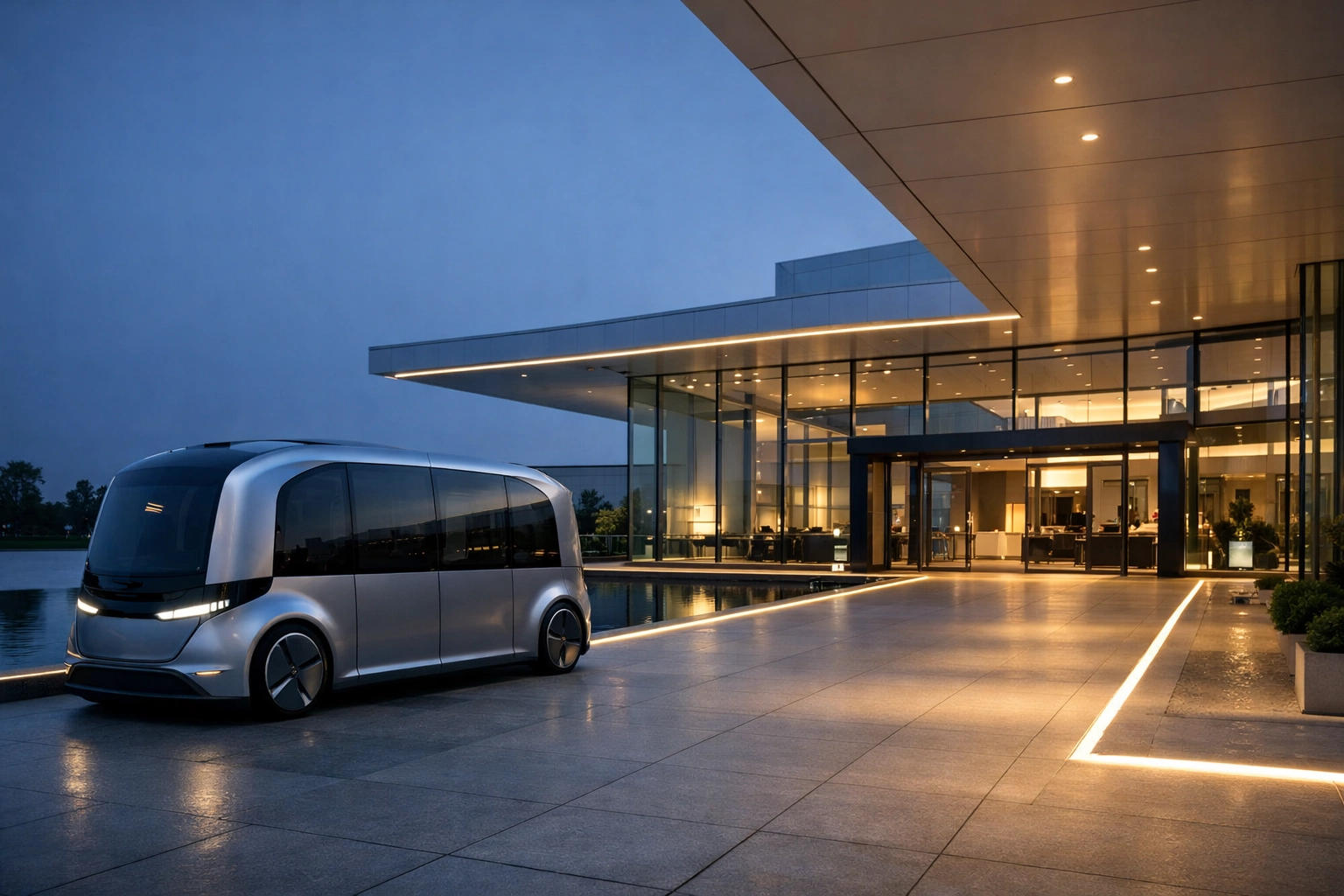
    • Autonomous integration. Prepare your property for the arrival of autonomous shuttle services.
    • Biometric health scans. Offer next-gen wellness facilities that integrate with wearable tech.

    Autonomous shuttle outside a high-tech hotel entrance representing 2026 travel tech trends.

    How to Succeed: The 2026 Checklist

    The pace of change is now measured in months, not years. If you aren't iterating, you're stagnating. To win in this environment, you need to be agile and willing to let go of "how we've always done it."

    1. Audit your AI compatibility. Is your content structured so that an AI agent can actually book a room? If not, fix it.
    2. Go biometric. Replace physical keys and manual ID checks with facial recognition and digital wallets.
    3. Embed AI everywhere. Don't treat AI as a standalone project. It should be inside your PMS, your CRM, and your energy management system.
    4. Prioritize data accuracy. AI is only as good as the data it feeds on. Clean up your guest profiles and unify your systems.
    5. Focus on "The Why." Technology should solve a problem or enhance a feeling. Don't buy tech just because it's shiny.

    The Bottom Line

    The winners of 2026 are those who have moved from experimental AI adoption to operational reality. It’s no longer about testing the waters; it’s about diving in. Organizations that treat technology as a peripheral tool will continue to struggle with labor shortages and rising guest expectations.

    Those who reorganize around agentic capabilities and invisible automation will capture the market. You need a platform that doesn't just manage rooms but orchestrates the entire guest experience: all from one innovative platform.

    Ready to lead the next wave of hospitality innovation?
    Explore how Mews can get you earning more revenue and saving more time in no time at https://referrals.mews.com/umqhyito.

  • Why a Modern Direct Booking Engine Will Change the Way You Make Money

    Why a Modern Direct Booking Engine Will Change the Way You Make Money

    Own your guest. Amplify your revenue. Transform your bottom line.

    If you’re still letting third-party platforms dictate how you interact with your guests, you’re leaving money on the table. A lot of it. For most hoteliers, the Online Travel Agency (OTA) relationship is a love-hate affair. They bring the volume, but they take a massive cut: often between 15% and 30% of your room rate.

    We believe your booking engine shouldn't just be a functional tool. It should be the most powerful salesperson on your team. It’s the difference between a guest who just rents a room and a guest who buys into an experience. By moving the focus back to your own digital storefront, you aren't just saving on commissions; you’re building a foundation for long-term, sustainable growth. All from one innovative guest experience platform.

    Stop paying the "middleman tax"

    Let’s talk numbers. Imagine a 100-room property with a healthy occupancy rate. If 70% of those bookings come through OTAs, you are essentially paying a "success tax" on every single stay.

    • 15-30% commission fees on every booking
    • Zero ownership of guest email addresses
    • Restrictive cancellation policies set by third parties

    A modern direct booking engine flips the script. By shifting just 20% of your OTA traffic to your direct site, the impact on your Net RevPAR is astronomical. You aren’t just making more money; you’re keeping the money you’ve already earned. When you control the engine, you control the profit.

    Minimalist hotel reception desk with a tablet representing a modern direct booking engine.

    The psychology of the seamless booking

    We think the booking process should feel like a five-star check-in, not a math test. If your guest has to click more than three times to confirm their stay, they’re going back to Expedia. It’s that simple.

    A modern engine focuses on the "why it matters" factor:

    • Mobile-first design that works on a smartphone as well as a desktop.
    • Lightning-fast load times that prevent guest frustration.
    • A clear, intuitive path from "check availability" to "confirmed."

    People book with their hearts and justify it with their wallets. If your website looks like it was built in 2012, your guests will assume your rooms haven't been updated since then either. We believe that innovation starts at the first click. When the interface is beautiful and effortless, guests trust you more. Trust leads to conversions.

    Upselling is the new room rate

    The room rate is just the beginning. The real magic happens when you start looking at the total guest lifetime value. OTAs are great at selling beds; they are terrible at selling your brand.

    A sophisticated booking engine allows you to offer personalized add-ons at the exact moment the guest is most excited about their trip. We’re talking about:

    • Early check-ins for the weary traveler.
    • Bottle of champagne waiting in the room for the anniversary couple.
    • A curated local breakfast package.

    "We saw a 22% increase in total guest spend simply by offering late check-outs during the booking flow," says one of our partners. "It wasn't about raising rates; it was about giving guests what they actually wanted."

    Guest booking a hotel stay on a smartphone, highlighting a mobile-friendly guest experience.

    Data is your most valuable asset

    When a guest books through an OTA, they belong to the OTA. You get a masked email address and a credit card number. That’s it. You can't market to them, you can't learn their preferences, and you certainly can't build loyalty.

    We believe that data is the fuel for modern hospitality. A direct booking engine integrated with a smart PMS like Mews gives you a 360-degree view of your guest.

    • Know if they prefer a high floor or a quiet room.
    • See their historical spend across your entire portfolio.
    • Automate personalized "Welcome Back" offers that actually convert.

    By using this data, hotels report up to 30% higher return bookings. It’s much cheaper to keep a guest than to find a new one. AI-driven insights can now predict when a regular guest might be planning their next trip, allowing you to hit them with a direct offer before they even start searching on Google.

    Pricing power and total flexibility

    Are you tired of being locked into "rate parity" agreements that feel one-sided? A modern engine gives you the strategic freedom to play the game on your terms.

    You can create exclusive packages that aren't available anywhere else. Think: "Book Direct and get 10% off at our rooftop bar." Or, "Stay 3 nights, get a spa credit." These aren't just discounts; they are value propositions that make it illogical for a guest to book anywhere else.

    Strategic control means:

    1. Launching flash sales in minutes, not days.
    2. Offering loyalty-only rates that bypass OTA restrictions.
    3. Targeting specific geographic markets with tailored deals.

    A luxury hotel welcome tray on a bed, showcasing personalized guest service and upselling.

    Operational excellence through automation

    Your front desk team has better things to do than manually enter reservation data from an email. A truly modern booking engine doesn't just talk to your PMS: it lives inside it.

    When a guest books direct, the information flows seamlessly into your system. No errors. No overbookings. No "I can't find your reservation" moments at the desk. This isn't just about saving time; it's about service.

    • Reduce front-desk admin by 10+ hours a week.
    • Eliminate manual payment processing with integrated gateways.
    • Automate guest communications from the moment they book.

    We believe that technology should empower your staff to be more human, not less. When the machine handles the boring stuff, your team can focus on making the guest feel at home.

    Organized hotel office with a laptop, focusing on operational excellence and automation.

    The AI-driven future of booking

    We are entering an era where booking engines will do more than just take orders. They will act as digital concierges. Using AI, modern platforms can analyze a user’s behavior on your site in real-time.

    If a guest keeps hovering over the "Family Suite" but doesn't book, the engine can trigger a small nudge: perhaps a mention of your kids-eat-free policy or a temporary "hold this room" option. This level of intelligence turns a passive website into an active sales environment.

    This isn't science fiction; it’s the standard for innovative hotels. The goal is to create a frictionless journey that feels personalized to every single visitor.

    Join the direct revolution

    The hospitality landscape is shifting. Guests are increasingly looking for authentic connections and personalized experiences. They want to know the "soul" of the place they are staying. You can't convey that soul through a standardized OTA listing.

    Your website is your digital lobby. Your booking engine is the key to your rooms. By investing in a modern, intuitive, and data-driven engine, you are taking back control of your business. You are choosing to prioritize your profit and your guest relationships over third-party convenience.

    Ready to see how a truly innovative platform can change your numbers? It’s time to move beyond the basics and embrace a system built for the future of travel.

    Schedule a 30-minute demo. Get your custom revenue projection. Start earning more on every stay.

    Minimalist hotel infinity pool at dusk, representing the future of hospitality technology.

    It’s time to stop giving away your margins. Take the first step toward operational excellence and a better guest experience today. Check out how we can help you get earning more revenue in no time by visiting https://referrals.mews.com/umqhyito.