Category: Category 1

Use this description to tell users what kind of blog posts they can find in this category.

  • The Ultimate Guide to Setting Up a Coffee Shop: Everything You Need to Succeed

    The Ultimate Guide to Setting Up a Coffee Shop: Everything You Need to Succeed

    So, you want to open a coffee shop? It’s a classic dream. You imagine yourself behind a sleek counter, the smell of freshly roasted beans in the air, a queue of locals waiting for their morning fix, and perhaps a very stylish apron. It sounds idyllic, doesn't it?

    But then reality hits. You start thinking about plumbing, health and safety forms, and the sheer terror of choosing the wrong espresso machine. Suddenly, setting up a coffee shop feels less like a cozy dream and more like trying to solve a Rubik's cube while wearing oven mitts.

    Don't panic. At Limini Coffee, we’ve helped hundreds of people transition from "I have a dream" to "I have a thriving business." This guide is our roadmap for you: a comprehensive, slightly witty, and very honest look at what it actually takes to succeed.

    1. Concept: What’s Your Vibe?

    Before you buy a single teaspoon, you need to decide what you are actually building. Are you a high-volume "grab-and-go" kiosk near a train station, or a slow-paced, artisanal sanctuary where people spend three hours writing their first novel?

    Your concept dictates your costs, your location, and even your beans. A brick-and-mortar cafe is the gold standard for building a community hub, but if you’re testing the waters, a coffee cart or kiosk is a brilliant, lower-overhead way to start. Either way, the goal remains the same: serving incredible coffee that keeps people coming back.

    2. The Not-So-Boring Business Plan

    We know, we know. Writing a business plan feels like homework. However, unless you have a secret money tree in your garden, you’re going to need one.

    When setting up a coffee shop, your plan should cover:

    • The Market: Who are your neighbors? If there’s a Starbucks next door, how will you be different? (Hint: Better coffee and a warmer soul usually does the trick).
    • The Financials: Research suggests you’ll need anywhere from £25,000 to £60,000+ depending on your scale. Don't forget the "oops" fund: a 15-20% contingency for the things that will inevitably go wrong.
    • The Menu: Keep it simple to start. Perfect the classics before you start offering "deconstructed beetroot lattes." Check out our guide on latte vs. cappuccino to get your head around the basics.
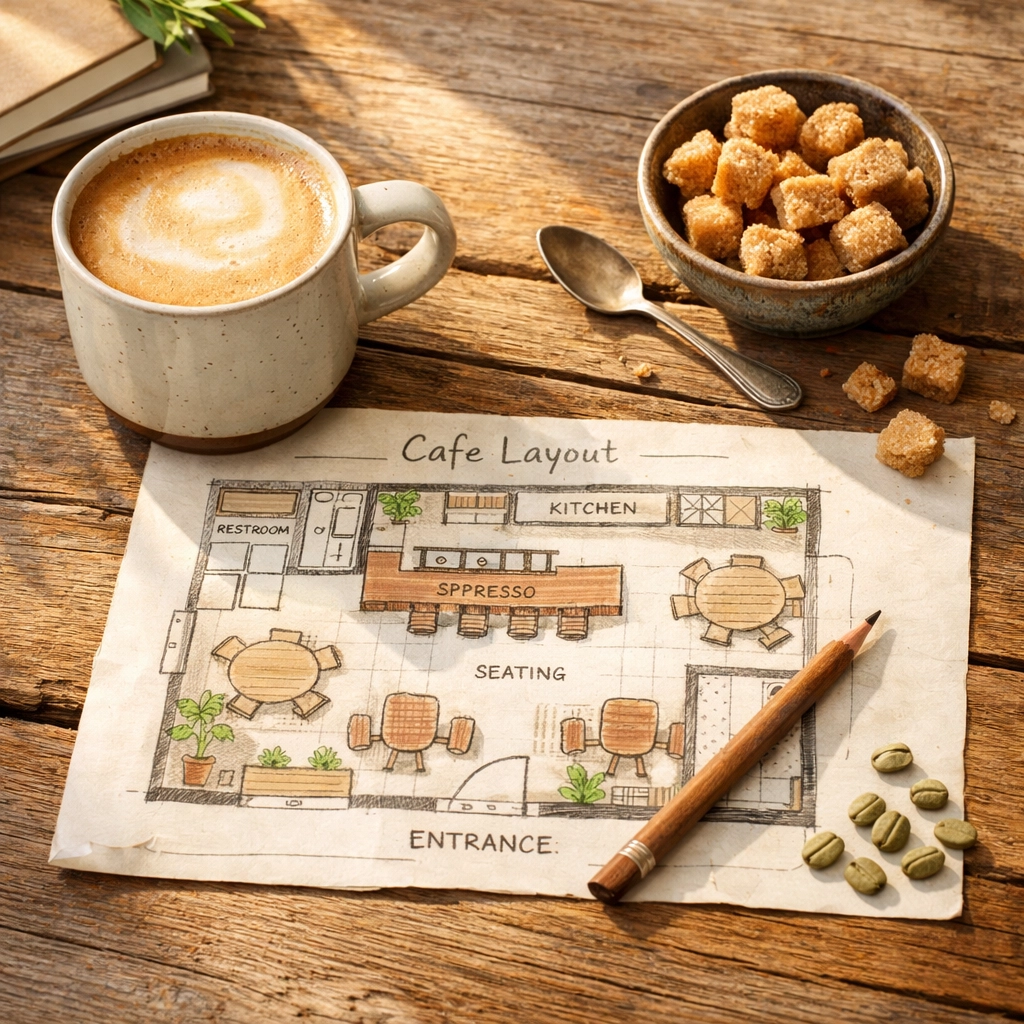
    A handwritten floor plan for setting up a coffee shop on a wooden table next to a fresh latte.

    3. Location, Location, (And More) Location

    You can have the best coffee in the world, but if you’re tucked away in an alleyway that no one visits, you’re basically running a very expensive hobby.

    Look for foot traffic, but also look at the type of traffic. Commuters need speed; shoppers need seats. Accessibility is also key. If people can’t find you or can't get a pram through the door, you’re losing customers.

    4. The Shiny Stuff: Choosing Your Equipment

    This is the part everyone gets excited about. Your espresso machine is the heart of your shop. It’s not just a tool; it’s a member of the team. We are huge fans of La Spaziale machines here. Why? Because they are workhorses that produce incredibly consistent results.

    When you’re choosing espresso equipment, don’t just look at the price tag. Look at the "internals." For instance, we love the La Spaziale workings because they use a steam-heated system that provides amazing thermal stability. This means your 1st coffee of the morning tastes exactly like your 100th.

    And don't forget the grinder. A common mistake when setting up a coffee shop is spending all the budget on the machine and buying a cheap grinder. That’s like putting budget tires on a Ferrari. Your grinder is actually more important for flavour than the machine itself.


    5. The Soul of the Shop: The Beans

    This is where we get a bit geeky. You can have a £10,000 machine, but if you use stale, oily, over-roasted beans, your coffee will taste like a burnt shoe.

    At Limini Coffee, we live for speciality roasts. We spend an enormous amount of time sourcing our coffee to ensure it’s ethical, fresh, and delicious. Freshness is non-negotiable. Coffee is a fresh produce, like bread. It has a peak window of flavor.

    If you’re worried about managing stock, we offer a wholesale and dropshipping service that takes the headache out of logistics. We don’t just drop a bag of beans at your door and run; we partner with you to make sure you’re getting the best out of every gram.

    High-quality specialty coffee beans being poured into a grinder hopper for a professional cafe setup.

    6. Workflow and Shop Fitting

    Imagine it's 8:30 AM on a Tuesday. You have ten people in line. Your barista is tripping over the person steaming milk, and the sink is three miles away from the espresso machine. This is a nightmare scenario.

    Building a coffee shop requires a logical flow.

    1. Order & Pay: Where the customer starts.
    2. The Barista Station: Where the magic happens.
    3. The Pickup Point: Where the customer waits (without blocking the door).

    Every step a barista takes should be intentional. If they have to turn around or walk across the room for a spoon, you’re losing time and money.

    7. The Human Element: Barista Training

    You can buy the best equipment and the finest beans from Limini Coffee, but if your staff don't know how to use them, it's all for naught.

    Making great coffee is a skill. It requires an understanding of crema, the physics of tamping, and the delicate art of understanding milk.

    We strongly recommend investing in professional barista training. A trained barista isn't just someone who makes coffee; they are a salesperson, a technician, and a brand ambassador all rolled into one. They need to know why the espresso is running too fast (and how to fix it) and why the milk isn't stretching properly.

    8. Milk, Water, and the "Small" Details

    It’s easy to overlook the details, but they matter.

    • Water Quality: Coffee is 98-99% water. If your water tastes like a swimming pool, your coffee will too. Use a high-quality filtration system to protect your machine from scale and improve the taste.
    • Cups: The vessel matters. Whether you're choosing coffee cups for your shop or takeaway options, think about heat retention and "hand-feel."
    • The Theatre: Making coffee is a performance. People love watching the steam, hearing the grind, and seeing the latte art. Embrace the theatre of coffee.

    A skilled barista pouring heart latte art in a warm, welcoming coffee shop during a grand opening.

    9. Launching Your Dream

    When you’re finally ready to open the doors, don’t just flip the "Open" sign and hope for the best.

    • Soft Launch: Invite friends, family, and local business owners for a "practice run." It helps the staff get used to the pressure without the risk of a bad public review.
    • Marketing: Get on social media early. Show the build-out, the training sessions, and the first "perfect" pour.
    • Consistency: This is the hardest part. Being great on opening day is easy. Being great on a rainy Tuesday six months later is what builds a business.

    Why Partner with Limini?

    Setting up a coffee shop is a massive undertaking, but you don't have to do it alone. At Limini Coffee, we aren't just "suppliers." We consider ourselves your partners in success. From helping you choose the right lever or automatic machine to providing a coffee brewing calculator to get your recipes spot on, we’re here for the long haul.

    We believe that specialty coffee should be accessible, friendly, and: most importantly: profitable for you. If you’re serious about your new venture, check out our wholesale options or read our customer reviews to see how we’ve helped others.

    Ready to start the journey? We’d love to help you roast something special. Head over to Limini Coffee and let’s get brewing.

    It’s a lot of work, absolutely. But when you hand over that first perfect flat white to a smiling customer, we promise you: it’s worth every single late night and every single plumbing headache. Good luck!

  • The Ultimate Guide to Direct Booking Engines: Everything You Need to Succeed

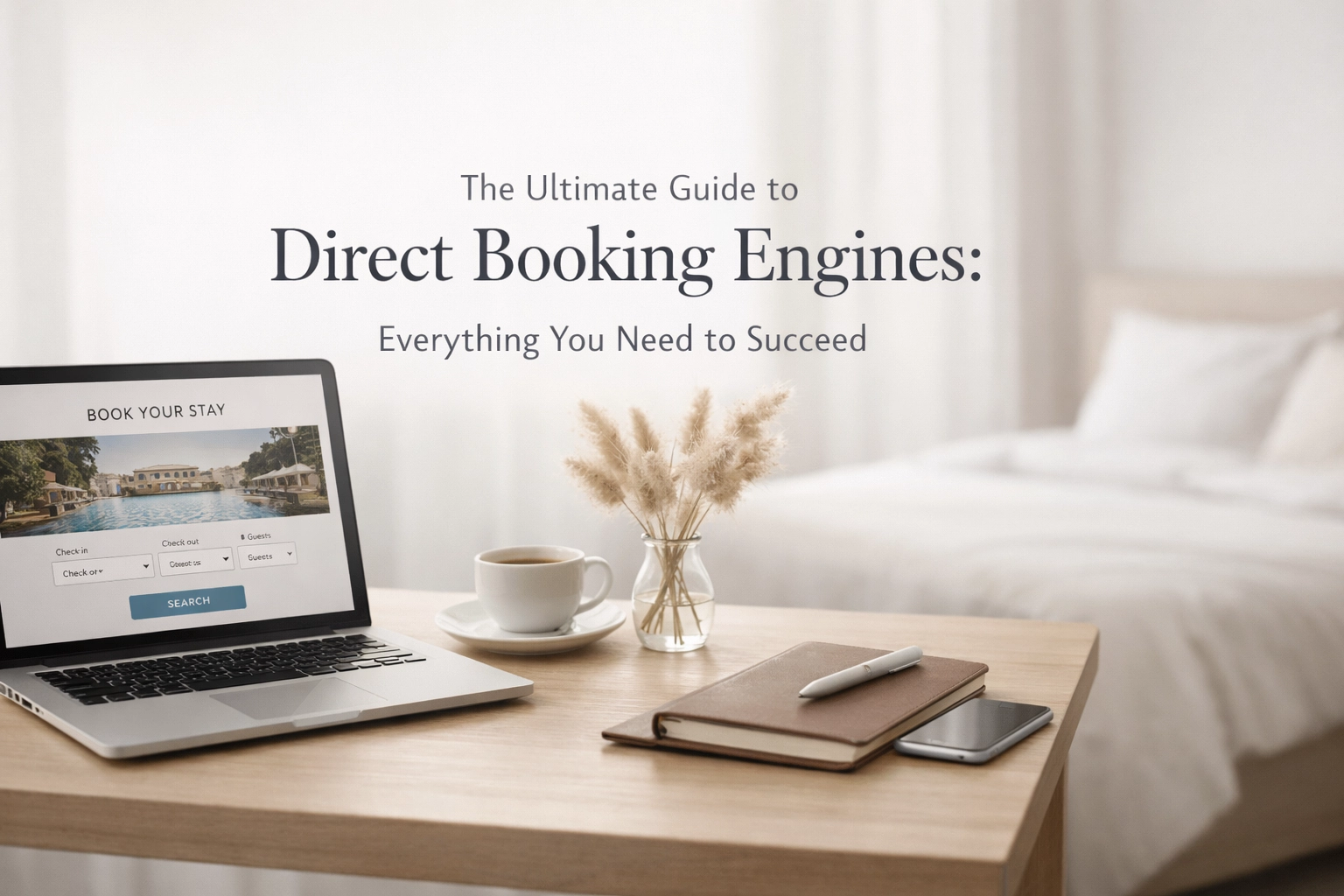
    The Ultimate Guide to Direct Booking Engines: Everything You Need to Succeed

    Own your journey. Boost your margins. Connect with guests.

    Direct booking is no longer a "nice-to-have" feature hidden in the footer of your website. It is the engine room of a modern hospitality business. In an era where 67% of travelers prefer booking directly on a brand’s website, your digital storefront needs to do more than just look pretty. It needs to convert.

    We believe that every click should be an invitation, not a hurdle. When you shift the focus from third-party platforms to your own ecosystem, you aren’t just saving on commission fees: you’re taking back control of the entire guest narrative.

    It’s time to stop renting your guests from OTAs and start owning the relationship. All from one innovative platform.

    The power of direct connections

    Let's talk numbers. Commissions to Online Travel Agencies (OTAs) can eat up to 15-25% of your revenue. That is a massive slice of the pie for a service that often hides guest data from you. By prioritizing direct bookings, you’re looking at:

    • 100% data ownership for personalized marketing.
    • 0% commission fees on every room night sold.
    • 20% higher guest spend on average for direct bookers.

    Actually, the benefits go deeper than just the bottom line. When a guest books directly, they aren’t just a line item in a spreadsheet; they are a person you can start welcoming the moment they hit "confirm."

    Traveler relaxing in a modern hotel suite after a seamless direct booking experience.

    Why it matters: The guest-first philosophy

    We believe the booking experience is the first "amenity" a guest encounters. If your website is clunky, slow, or looks like it was designed in 2004, you’ve already lost the guest’s trust. Modern travelers expect a frictionless, mobile-first experience that feels as premium as the stay itself.

    A direct booking engine should be:

    • Fast.
    • Intuitive.
    • Transparent.

    We think hospitality technology should get out of the way so the hospitality can happen. This means automated confirmations, instant upselling opportunities, and a checkout flow that takes seconds, not minutes.

    The anatomy of a high-converting engine

    What makes a booking engine actually work? It isn't just a calendar and a "Book Now" button. It’s a sophisticated piece of software that talks to your entire tech stack in real-time.

    1. Real-time synchronization

    There is nothing worse than an overbooking. A top-tier engine integrates directly with your Property Management System (PMS). When a room sells, the inventory updates everywhere instantly. No manual entry. No human error. Just seamless operations.

    2. Mobile-first design

    The world is moving to mobile. If your booking flow requires a guest to pinch and zoom to enter their credit card details, they will leave. You need a responsive design that feels native to every device.

    3. Integrated payments

    Security isn't optional. Your booking engine needs a secure payment gateway that handles SCA (Strong Customer Authentication) and PCI compliance without making the guest jump through hoops.

    Guest making a secure mobile reservation using a smartphone in a sophisticated hotel setting.

    Beyond the room: Upselling and AI

    The modern guest wants more than a bed. They want an experience. This is where innovation truly shines.

    We think the best time to offer a spa treatment or a late checkout is exactly when the guest is already in the "buying" mindset. A smart booking engine uses AI-driven insights to suggest relevant add-ons during the checkout process.

    • Late checkout for the Sunday morning sleepers.
    • Champagne on arrival for the honeymooners.
    • Parking passes for the road-trippers.

    By automating these suggestions, you increase your RevPAR (Revenue Per Available Room) without your front desk team having to lift a finger. It’s operational excellence in action.

    Building your tech stack

    To succeed, you need a unified platform. Think of your direct booking engine as the face, but your PMS as the brain. You can find the right tools to scale your business by checking out Mews and our ecosystem.

    Here is what your stack should look like:

    1. A Cloud-native PMS: The central source of truth for all guest data and inventory.
    2. The Booking Engine: Your high-conversion digital storefront.
    3. A Channel Manager: To keep your OTA listings in sync while you drive guests toward direct channels.
    4. CRM & Marketing Automation: To keep the conversation going long after the guest checks out.

    "Since we streamlined our direct booking flow, we've seen a 30% increase in direct revenue and saved our team 15 hours a week in manual data entry."

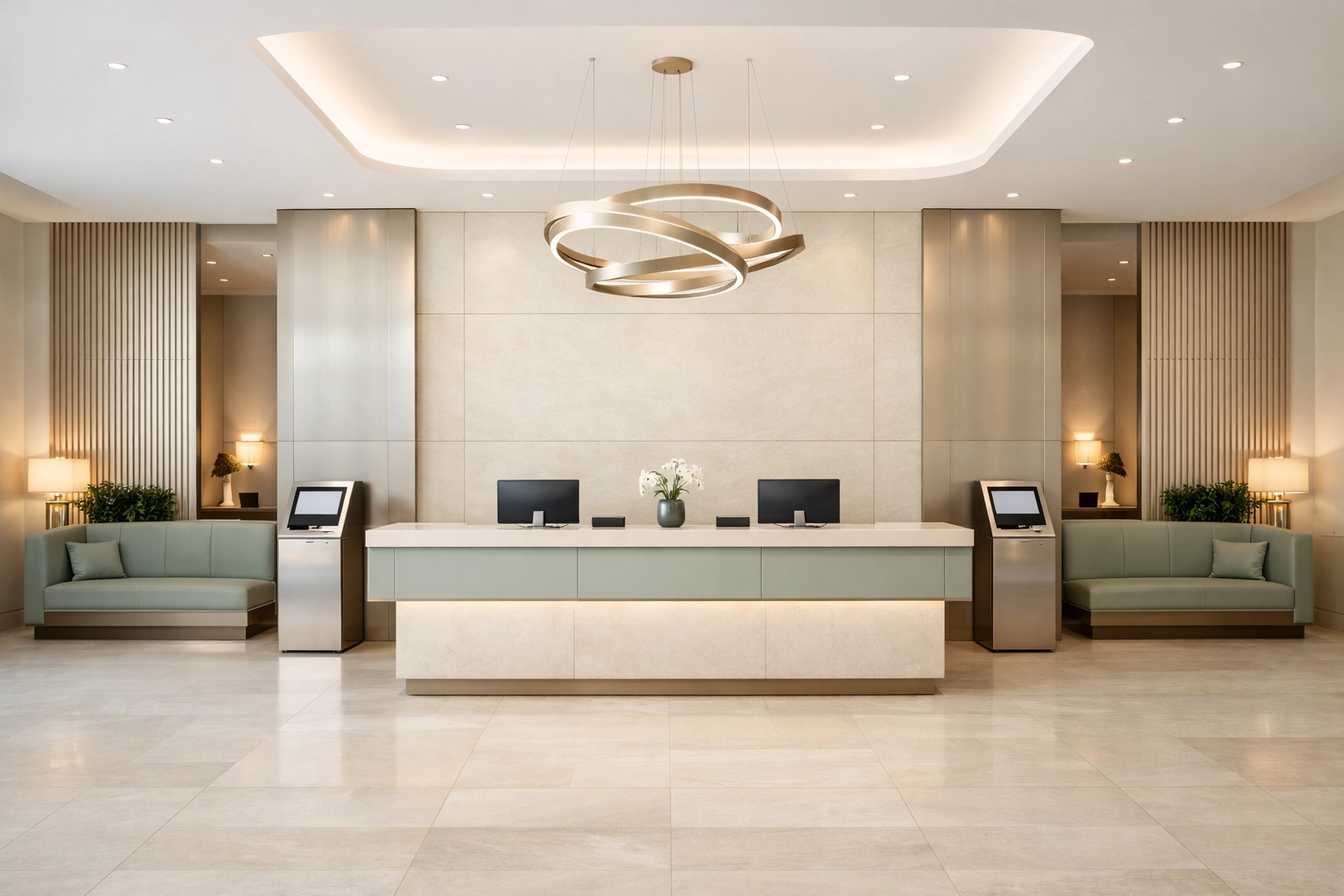
    Minimalist boutique hotel reception area highlighting streamlined operational excellence.

    The "Billboard Effect" strategy

    We don’t believe OTAs are the enemy. They are a marketing tool. The "Billboard Effect" is the phenomenon where travelers find your hotel on an OTA, but then visit your website to book directly.

    To capitalize on this, your website needs to offer something the OTA can't.

    • Exclusive perks: Free breakfast or a welcome drink for direct bookers only.
    • Best price guarantee: Show them they are getting the lowest rate right on the screen.
    • Better content: High-res videos, virtual tours, and detailed local guides.

    When you offer more value, the choice to book direct becomes a no-brainer for the guest.

    AI and the future of booking

    The next frontier is AI-driven personalization. Imagine a booking engine that recognizes a returning guest and automatically suggests their favorite room type or a package based on their previous stay.

    We believe AI in hospitality isn't about replacing people; it's about empowering them. By using AI to handle the data-heavy lifting of pricing and personalization, your staff can focus on what they do best: being great hosts.

    Artisanal guest welcome gift on a stone surface representing personalized hospitality.

    Measuring your success

    You can't improve what you don't measure. If you want to master the direct booking game, you need to keep a close eye on your data.

    • Conversion Rate: What percentage of website visitors actually complete a booking? (Aim for 2-3%).
    • Cost per Acquisition (CPA): How much are you spending on ads to get that direct booking?
    • Guest Lifetime Value (LTV): How often do direct bookers come back?

    A modern PMS like Mews gives you these insights at a glance, allowing you to pivot your strategy in real-time.

    Ready to transform your guest experience?

    The transition to a direct-first strategy doesn't happen overnight, but the rewards are worth it. You gain higher margins, better guest relationships, and total control over your brand’s future.

    Stop settling for the status quo. Embrace technology that works as hard as you do.

    Schedule a demo or explore how to optimize your operations today. You can get started right here and see how the right platform can get you earning more revenue in no time.

    Your guests are waiting. Give them the booking experience they deserve.

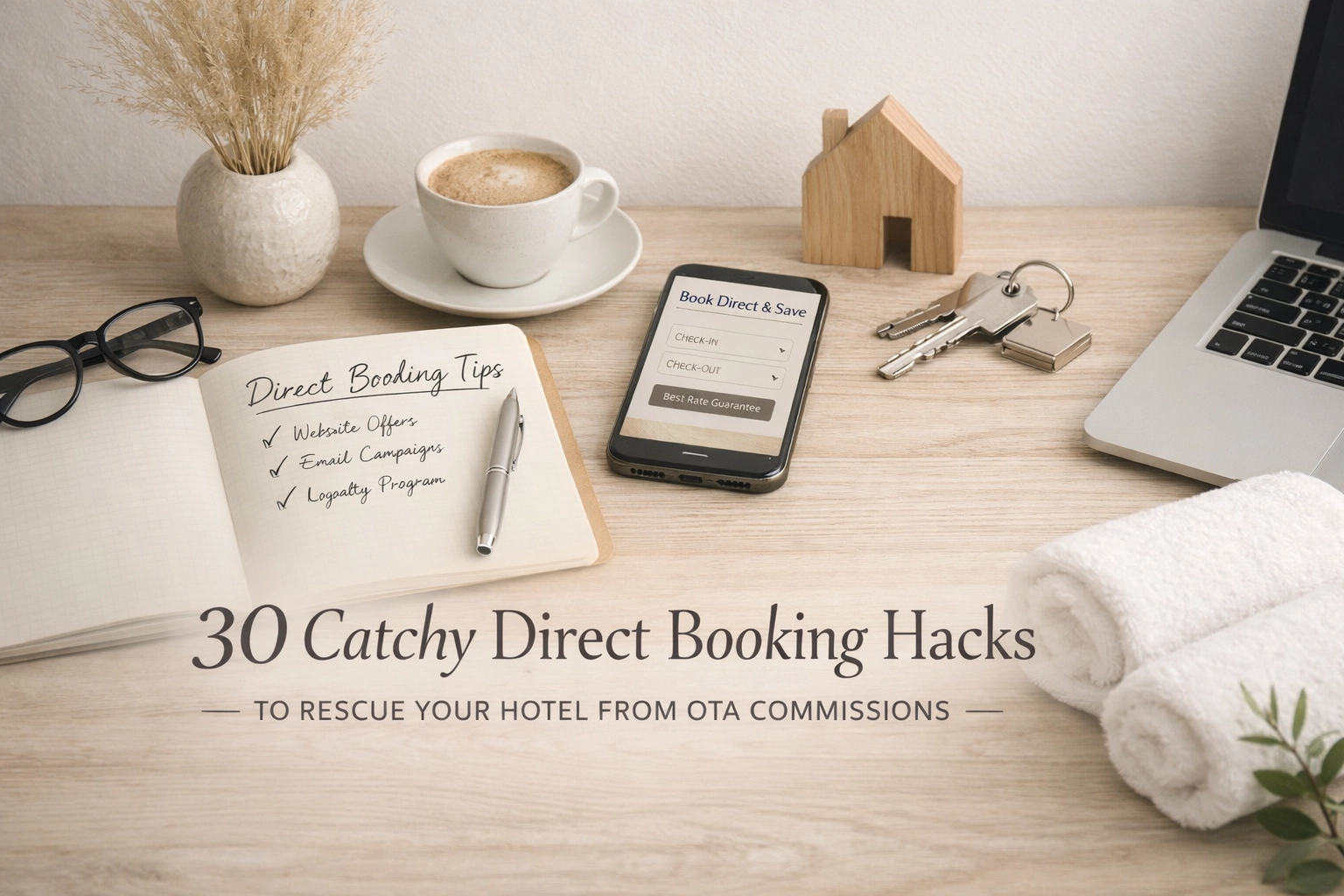
  • 30 Catchy Direct Booking Hacks to Rescue Your Hotel from OTA Commissions

    30 Catchy Direct Booking Hacks to Rescue Your Hotel from OTA Commissions

    Stop the leak. Reclaim your revenue. Own your guests.

    Every time a guest clicks "Book" on a third-party site, a chunk of your profit vanishes into the commission void. It’s the cost of doing business, they say. We think it’s a cost you can drastically reduce. By shifting your strategy toward direct bookings, you aren't just saving 15-25% on fees: you’re building a direct line to your customers that no algorithm can intercept.

    Conversion is a science. Retention is an art. We believe the future of hospitality belongs to those who master both, all from one innovative platform.

    The Digital Storefront: Website and UX

    Your website is your most valuable employee. If it’s slow, confusing, or cluttered, guests will run straight back to the familiar arms of an OTA.

    1. Optimize page load times. Speed is non-negotiable. A one-second delay can tank your conversion rate by 7%.
    2. Implement mobile-first design. Most travelers browse on their phones while waiting for coffee. If your site doesn't look stunning on a 6-inch screen, you’ve already lost.
    3. Build a frictionless booking engine. Every extra click is an opportunity for a guest to change their mind. Keep it simple.
    4. Use "Your Room" psychology. Don’t write "The Deluxe Suite." Write "Your Deluxe Suite." It triggers psychological ownership before they even enter their credit card details.
    5. Display transparent pricing upfront. Hidden fees at the final step are the number one cause of cart abandonment.
    6. Highlight cancellation policies clearly. OTAs win because they make cancelling easy. Match that confidence on your own site.
    7. Use prominent CTAs. "Book Now" should be visible at all times. Don't make them hunt for the "Check Availability" button.
    8. Create intuitive navigation. If a guest can't find your gallery or location in two seconds, your layout is too complex.

    A traveler uses a mobile phone for seamless direct hotel booking in a modern minimalist lobby.

    Content That Converts: Personalization and Local Authority

    Modern travelers aren't just looking for a bed; they’re looking for an experience. If your website provides more value than a generic OTA listing, they’ll stay on your site to book.

    1. Create definitive destination guides. Become the local expert. If you provide the best guide to your city, you become the trusted authority.
    2. Build neighborhood breakdowns. Tell them where the best coffee is, where the locals hide, and which streets have the best architecture.
    3. Develop dining recommendation content. Don’t just list restaurants. Curate them. "Best Carbonara within 5 minutes of our lobby" is a winner.
    4. Publish local attraction pages. Feature the hidden gems, not just the tourist traps everyone already knows about.
    5. Create transportation guides. Detail exactly how to get from the airport to your front door. Remove the travel anxiety.
    6. Design seasonal activity guides. Update your content for Christmas markets, summer festivals, or spring blossoms.
    7. Implement AI-driven personalization. Use technology to show guests relevant recommendations based on their browsing behavior. Properties using AI see up to a 25% bump in conversion.
    8. Tailor recommendations by guest profile. A solo business traveler doesn't want to see family-friendly park guides. Show them the best laptop-friendly bars instead.

    The Sweeteners: Direct Booking Incentives

    Why should a guest book with you instead of Expedia? If the price is the same, you need to give them a reason to choose the direct path.

    1. Offer complimentary breakfast. It’s the ultimate high-perceived-value, low-cost perk.
    2. Provide "If Available" room upgrades. An empty suite earns you $0. Giving it to a direct booker earns you a loyal fan for life.
    3. Enable late checkout. It costs you almost nothing but feels like a luxury to a guest who wants to sleep in.
    4. Offer welcome drinks. A glass of prosecco at the desk creates an "insider" feeling that an OTA voucher never could.
    5. Provide spa or dining credits. It keeps the guest spending money on-property while making them feel like they got a deal.
    6. Create closed user groups. Offer exclusive rates to "members" or past guests. This allows you to offer lower prices without violating parity agreements.
    7. Develop direct-only itinerary design. Offer packages that OTAs can't replicate: like a "Local Flavors" stay including a cooking class.
    8. Offer flexible booking terms. Give your direct bookers a 24-hour cancellation window that you don't offer elsewhere.
    9. Provide private transfer services. Simplify their journey. If they book direct, the car is on the house.

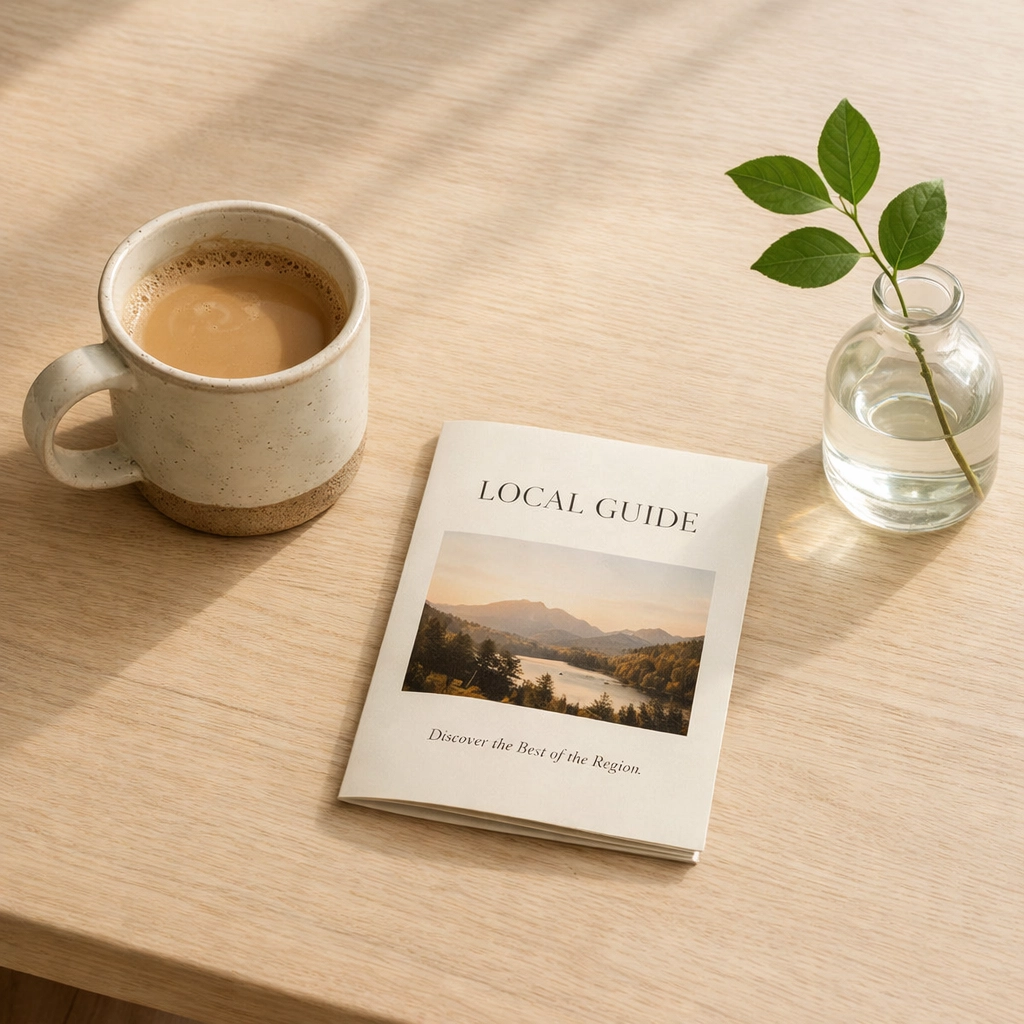
    Personalized local travel guide and coffee on a wooden table, enhancing the hotel guest experience.

    Capturing the Lead: Loyalty and Automation

    The stay doesn't start at check-in, and it doesn't end at check-out. It’s a continuous loop of engagement.

    1. Systematically collect email addresses. Make it a standard part of the check-in flow. No email, no relationship.
    2. Invite guests to your loyalty program during their stay. Strike while the iron is hot and they’re actually enjoying your hospitality.
    3. Create pre-arrival email sequences. Send them a "How to find us" guide and a "What to pack" list three days before they arrive.
    4. Send post-stay incentives. A "We miss you" email with a 15% discount for their next stay is the easiest way to generate repeat business.
    5. Implement personalized post-stay communications. Build an association with your brand, not the platform they used to find you.

    Intercepting the Search: Metasearch Strategy

    Most travelers use OTAs as a search engine, not a booking platform. About 18% of travelers who find you on an OTA will eventually visit your website. You need to be ready to catch them.

    • Leverage metasearch engines. Use Google Hotel Ads, Trivago, and TripAdvisor to show your direct rate alongside OTA prices.
    • Display "Best Rate" labels. When your direct price is the lowest (or tied), make sure the guest knows they are getting the best possible deal by staying on your site.

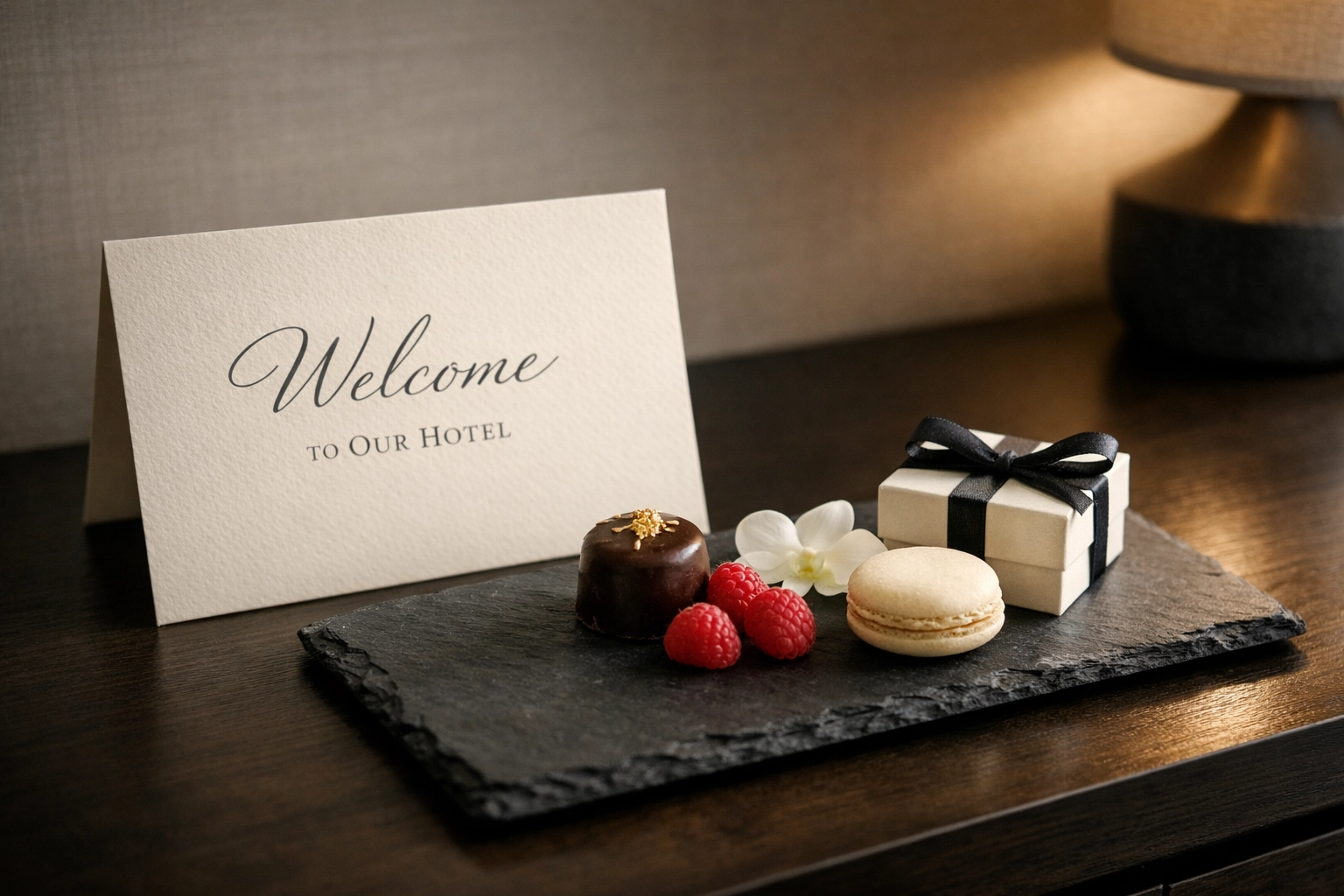
    Close-up of a premium welcome card and amenity, highlighting direct booking guest personalization.

    Why Direct Booking is the Ultimate Growth Lever

    We believe that data is the new currency of hospitality. When a guest books through an OTA, they own the data. When they book through you, you own the relationship.

    Recent industry data shows that when you convert a single OTA guest into a repeat direct booker, your acquisition cost for that guest’s lifetime value drops from a staggering 20% down to roughly 5%. That’s a massive margin improvement that goes straight to your bottom line.

    Hotels that invested in these strategies a few years ago are now seeing compound returns. They have dominant search positions, high content authority, and massive, loyal databases that they can activate at any time with a single email blast.

    "Switching our focus to direct bookings wasn't just about saving on commissions. It was about taking back control of our guest experience. We now see 40% more direct traffic than we did two years ago."

    How Mews Empowers Your Direct Strategy

    At Mews, we don't just provide a PMS. We provide the engine for your growth. Our platform is built to handle the complexities of modern hospitality so you can focus on what matters: the guest.

    Whether it’s automating your guest journey, integrating with the best booking engines in the world, or using AI to personalize the check-in experience, we’ve got you covered. We believe in providing a seamless, innovative platform that scales with your ambition. Join over 12,500 properties that are already redefining the guest experience.

    Modern, innovative hotel reception area showcasing seamless hospitality technology and design.

    See how Mews can transform your operations and help you reclaim your margins. It’s time to move beyond the legacy systems and embrace a platform built for the future.

    Ready to boost your direct bookings and streamline your operations?
    Get started with Mews today and see how our innovative technology can get you earning more revenue in no time.

    Schedule a 30-minute demo. Get a personalized walkthrough. Start your journey toward operational excellence. All from one innovative platform.

  • Hospitality SEO at Scale: The Proven 100-Posts-a-Month Framework (Without Burning Out Your Team)

    Hospitality SEO at Scale: The Proven 100-Posts-a-Month Framework (Without Burning Out Your Team)

    Rank higher. Scale faster. Drive bookings.

    In the modern hospitality landscape, visibility is the only currency that truly matters. If your property or tech solution isn't appearing where guests are looking, you simply don’t exist to them. We’ve seen brands transform their organic reach by shifting from "occasional blogging" to a high-velocity content engine: delivering 100 high-quality posts every single month. This isn’t about spamming the internet. It’s about building an authoritative ecosystem that captures every stage of the traveler’s journey, all from one visionary strategy.

    The new era of hospitality search

    Search has evolved beyond simple keywords. Today, it’s about intent, context, and the AI-driven experience. Travelers aren't just typing "hotels in Paris"; they’re asking AI assistants for "the best boutique stays with sustainable practices and smart room tech." To capture this traffic, you need volume.

    We believe that volume and quality are not mutually exclusive. In fact, at scale, quality becomes your competitive moat. By covering everything from hyper-local city guides to the latest trends in AI hospitality, you establish a brand presence that search engines: and humans: cannot ignore.

    Guest using a smartphone in a modern, sunlit hotel lobby representing a seamless hospitality experience.

    Build your keyword skyscraper

    A high-volume strategy requires a rock-solid foundation. You can’t wing 100 posts a month. You need a thematic architecture that allows you to scale without repeating yourself. We categorize our content into three distinct pillars that keep the engine running smoothly.

    1. Hyper-local expertise

    Travelers crave local secrets. By creating exhaustive guides for every neighborhood, landmark, and event near your properties, you become the digital concierge before the guest even checks in.

    • Target "hidden gem" locations.
    • Update seasonal event guides monthly.
    • Focus on transit-oriented search queries.

    2. The tech-forward narrative

    As a leader in hospitality technology, your content should reflect the future. Discussing how PMS integration or AI-driven guest messaging improves the stay isn't just "selling": it's educating.

    • Explore AI’s role in personalization.
    • Highlight seamless check-in innovations.
    • Analyze data-driven guest insights.

    3. Operational excellence

    B2B hospitality SEO is about solving headaches for operators. When you provide frameworks for better staffing or energy efficiency, you build trust with decision-makers who are looking for more than just a software provider.

    "Scaling our content to 100 posts a month didn't just triple our traffic; it completely redefined how our brand is perceived in the market. We went from being a choice to being the authority in just ninety days."
    : Sarah J., Head of Content for a Global Hotel Group

    The 100-post operational framework

    How do you produce three posts a day without your team quitting? You stop treating content like a craft project and start treating it like a high-performance assembly line. It’s about orchestration, not just writing.

    Leverage AI as your architect

    AI shouldn't write your final copy, but it should build your blueprints. Use AI to generate detailed outlines, perform initial keyword research, and suggest internal linking structures. This cuts the heavy lifting for your human writers by 60%.

    • Automate brief generation.
    • Use AI for metadata and alt-text.
    • Draft initial research summaries.

    The "Pod" system

    Break your team into small, autonomous units. One pod focuses on travel trends, another on technical hospitality SEO, and a third on guest experience narratives. This specialization allows writers to become subject matter experts, increasing their speed and the depth of the content.

    Radical repurposing

    One long-form guide on "The Future of AI in Hotels" can be sliced into five shorter posts, an infographic, and three deep-dives into specific sub-topics. Never write something only once.

    A minimalist hotel office desk with a laptop and coffee, symbolizing an efficient hospitality SEO workflow.

    Technical foundations for high-velocity SEO

    Content volume is useless if your site can’t handle the load or if search engines can't crawl it effectively. High-volume SEO requires a "set it and forget it" technical approach that supports your creative output.

    We think technical SEO should be invisible. When your infrastructure is built correctly, your content simply performs. This means implementing schema markup across every page to ensure AI crawlers understand your room types, amenities, and local offers.

    Must-have technical elements:

    1. Hotel Schema: Use structured data to tell Google exactly what you offer.
    2. Core Web Vitals: Ensure your site loads faster than a guest's expectations.
    3. Automated Internal Linking: Use tools to suggest links between your 100 new monthly posts to build topical authority instantly.

    Human-centric guest experiences

    At the heart of every search query is a human need. Whether it’s a business traveler looking for a quiet desk or a family seeking an easy check-in process, your content must speak to their emotions.

    We believe hospitality is about the "un-boring." Your SEO content should be witty, engaging, and reflective of the innovative spirit found at Mews. Avoid the dry, corporate "About Us" tone. Instead, use a casual, proactive voice that mirrors the seamless experience of a modern hotel.

    A clean, modern hotel corridor with warm lighting, illustrating the solid structure of hospitality technology.

    Measuring what matters

    With 100 posts a month, your analytics dashboard will get crowded. Don't get distracted by vanity metrics like "total sessions." Focus on the indicators of true brand authority and conversion.

    • Topical Authority: Are you ranking for broader "how-to" and "trend" keywords?
    • Assisted Conversions: How many bookings touched a blog post before completion?
    • Engagement Rate: Are readers moving from your blog to your booking engine or product pages?

    Operational excellence in SEO means knowing which content types drive the most value. If your "Travel Trends 2026" series is outperforming your "Hotel Operational Tips," pivot your next 100 posts to double down on what works.

    Future-proofing your content engine

    The hospitality industry moves fast, and SEO moves faster. To stay ahead, your 100-post framework must be agile. We’re currently seeing a massive shift toward "SGE" (Search Generative Experience), where Google provides answers directly.

    To win in this environment, your content needs to be the source of truth that AI models cite. This requires more than just keywords; it requires original insights, proprietary data, and a clear brand perspective.

    Close-up of a guest in a bright, luxury hotel room, highlighting the personal touch in modern guest experiences.

    Get your team scaling today

    Transforming your output from four posts a month to 100 isn't a pipe dream: it's a necessity for those who want to lead the hospitality industry. It requires a shift in mindset, a reliance on smart automation, and a commitment to being the most helpful voice in the room.

    We believe the future of hospitality belongs to the innovative. By mastering SEO at scale, you aren't just chasing clicks; you're building a digital legacy that ensures your brand is the first thing guests see, every single time they search.

    Ready to see how the most innovative hotels are scaling their operations?
    Schedule a 30-minute chat with the Mews team and get you earning more revenue and higher rankings in no time.

    Simple steps to start:

    1. Audit your current content clusters.
    2. Identify 10 core themes for the next 90 days.
    3. Implement an AI-assisted briefing workflow.
    4. Monitor your topical authority growth weekly.

    Innovation isn't just about the software in your lobby; it's about the strategy behind your digital presence. Start your 100-post journey today and dominate the hospitality SERPs.

  • 7 Mistakes You’re Making with Your Hotel Channel Manager (and How to Fix Them)

    7 Mistakes You’re Making with Your Hotel Channel Manager (and How to Fix Them)

    Sync faster. Sell smarter. Scale effortlessly.

    Modern hospitality isn’t about managing rooms; it’s about managing flow. When your distribution is fragmented, your guest experience follows suit. We’ve seen thousands of properties transform their operations by moving away from legacy habits and embracing a unified, cloud-native approach.

    Most hoteliers think their channel manager is just a pipe that connects to Booking.com. It’s actually the heart of your revenue engine. If that heart skips a beat: or operates on a delay: your bottom line feels the impact immediately.

    Here is how to move from reactive management to proactive growth, all from one innovative platform.

    1. Living in the Sync Gap

    Inconsistent updates are the silent killers of conversion. If your hotel pms and your channel manager aren't talking in real-time, you’re operating on yesterday’s news. This "sync gap" leads to the dreaded double booking and manual reconciliation marathons.

    We believe data should move at the speed of light. A disconnected system isn't just an inconvenience; it’s a risk to your reputation.

    • Enable two-way synchronization for instant inventory updates.
    • Ensure your booking engine reflects the same availability as your OTAs.
    • Eliminate manual rate parity checks.

    Tablet on a luxury concierge desk displaying a booking engine for real-time inventory synchronization.

    2. Fear-Based Overbooking Strategies

    Overbooking shouldn’t be a mistake: it should be a calculated strategy. Many hoteliers shy away from it because they lack the tracking tools to manage it effectively. Without clear data on cancellation trends, you’re either leaving money on the table or walking guests to the hotel next door in a panic.

    Modern distribution requires confidence. By leveraging historical data within your hotel pms, you can predict no-shows and optimize occupancy without the operational chaos.

    1. Analyze seasonal cancellation patterns.
    2. Set automated overbooking limits based on real-time trends.
    3. Build digital partnerships with local hotels for seamless guest redirects.

    3. The Manual Data Grunt Work

    If your staff is still manually typing reservation details from an OTA email into your system, you aren't running a hotel; you're running a data entry firm. Manual entry is slow, prone to human error, and frankly, exhausting for your team.

    We think your staff should be focused on the guest, not the keyboard. Automation-focused software turns hours of work into seconds of background processing.

    • Automate content management (photos, descriptions) across all channels.
    • Push pricing updates from a single dashboard.
    • Free up 10+ hours a week for your front desk team.

    Hotel team engaging with guests in a lobby while an automated hotel pms manages OTA distributions.

    4. Treating OTAs Like Islands

    Many properties fail to synchronize their OTA reservations with their in-house ecosystem. They treat Booking.com or Expedia as separate entities rather than extensions of their own brand. This lack of integration means your CRM doesn't know who is staying with you until they arrive at the desk.

    Innovation means connectivity. When your channel manager is fully integrated, the guest profile is created the moment the "Book" button is clicked.

    • Integrate OTAs directly with your hotel pms.
    • Use a unified dashboard for all distribution channels.
    • Reduce manual reconciliation by 90%.

    "Switching to an automated ecosystem saved our team 15 hours a week on admin alone. We finally have time to actually talk to our guests." : Mews User

    5. The Silent Guest Experience

    The guest journey starts at the booking, not the check-in. A common mistake is failing to trigger immediate, automated communication after a channel manager receives a booking. If a guest doesn't hear from you until they walk through the door, you've missed a massive opportunity for engagement and upselling.

    We believe in effortless journeys. Automating your guest communication ensures every traveler feels recognized from second one.

    • Trigger instant confirmation emails for every booking.
    • Send pre-arrival invites for self-check-in kiosks.
    • Offer digital room upgrades automatically via your CRM.

    Guest using a smartphone to access automated pre-arrival details and self-check-in kiosk features.

    6. Flying Blind Without Performance Analytics

    Distributing your rooms without looking at the data is like driving with a blindfold. Are you over-relying on a high-commission channel? Is your direct booking engine underperforming? Without centralized analytics, you can't optimize your distribution mix for maximum profit.

    Data shouldn't be scary; it should be your North Star. Mews provides the clarity you need to understand where your most profitable guests are coming from.

    1. Identify your highest-performing market segments.
    2. Compare OTA costs against direct booking revenue.
    3. Adjust your strategy in real-time based on shopping behaviors.

    Boutique hotel workspace with a laptop used for analyzing channel manager data and revenue trends.

    7. The Single-Channel Trap

    Over-reliance on one or two major OTAs leaves your business vulnerable. If a platform changes its algorithm or increases commissions, your revenue is at risk. Many hoteliers underutilize the sheer variety of distribution channels available to them because they fear the complexity of managing them.

    Diversification is the key to resilience. A cloud-native channel manager makes it easy to experiment with niche channels, corporate booking tools, and global distribution systems without extra effort.

    • Expand your reach to global and niche OTAs.
    • Prioritize direct bookings through an intuitive booking engine.
    • Evaluate channel profitability monthly to trim the fat.

    See what Mews can do

    Stop wrestling with legacy tech and start flowing. Whether you're managing 10 rooms or 1,250, our platform is designed to take the friction out of your day-to-day.

    We’ve helped over 12,500 properties move away from manual "mistakes" and toward automated excellence. It’s time to spend less time on screens and more time with the people who matter: your guests.

    Ready to see how an automation-focused hotel pms can transform your distribution? Explore the Mews platform here and get your team back to doing what they do best.

    Schedule a 30-minute demo to see our ecosystem in action. It’s the first step to getting you earning more revenue in no time.

  • Stop Wasting Time on “The Boring Stuff”: 7 Workflow Automation Hacks for Small Business

    WORKFLOW AUTOMATION FOR SMALL BUSINESS: STOP DOING THE BUSY WORK

    ☕ 7:00 AM. Your eyes aren't even fully open yet. You reach for your phone: not to check the news, but to see how many "urgent" emails piled up while you were trying to get six hours of sleep.

    The invoice that needs sending. The lead that filled out a form at midnight. The customer wondering where their package is.

    It’s the "busy work." The soul-crushing, repetitive manual tasks that make you feel like a glorified data entry clerk instead of a business owner.

    But imagine a different morning…

    The invoices sent themselves. The leads were already qualified and routed. The customer already has a tracking number. And you? You're actually finishing your coffee.

    STOP JUGGLING. START SCALING.

    Workflow automation for small business isn't a luxury anymore: it's a survival tactic. If you’re still manually typing out "Thanks for your inquiry" for the tenth time today, you’re losing money.

    Here are 7 hacks to kill the boring stuff once and for all.

    1. INVOICING ON AUTOPILOT

    Stop chasing checks. Set your accounting software to auto-generate invoices on project milestones. If they don't pay? Let an automated sequence do the "polite nudging" at 7, 14, and 30 days. No awkward phone calls. No manual typing. Just cash hitting your bank account.

    2. THE ORDER FULFILLMENT CASCADE

    When a customer clicks "Buy," four things should happen instantly: a confirmation email goes out, inventory levels update, a shipping label is drafted, and a tracking code is logged. If you're doing any of this by hand… stop. Tools like Shopify or Amazon can talk directly to your warehouse apps through Marblism.

    3. SMART LEAD ROUTING

    Small business owner using workflow automation for small business to capture and route leads to a smartphone.
    📱 10:00 AM. A potential client hits your site. Instead of a generic "Contact Us" box, use a smart form. It asks the right questions, qualifies the lead, and drops them directly into your CRM. If they're a "hot" lead, your phone buzzes immediately. If not? They get a friendly "We'll be in touch" email.

    4. INVENTORY THAT THINKS AHEAD

    Never tell a customer "Out of stock" again. Set reorder triggers so that when your inventory hits a certain level, a purchase order is automatically drafted and sent to your supplier. It’s like having a warehouse manager who never sleeps.

    5. THE END OF EXPENSE REPORT HELL

    Stop hoarding crumpled receipts in your glove box. Use automation to scan receipts, categorize the spending, and flag anything that looks weird. Your accountant will stop ghosting your calls. We promise.

    6. SOCIAL MEDIA WITHOUT THE SCROLL

    You need a presence, but you don't need to be on social media all day. Batch your content once a month and let an automated scheduler drip-feed it to LinkedIn, Twitter, and Facebook. You stay relevant while you're actually out doing the work.

    7. BEHAVIORAL EMAIL SEQUENCES

    If a customer signs up but doesn't buy, send a "Welcome" discount 24 hours later. If they haven't ordered in three months, send a "We miss you" note. These are "set it and forget it" revenue generators.

    THE BOTTOM LINE

    The difference between a struggling business and a scaling one is how much time the owner spends on $10-an-hour tasks.

    You weren't born to copy-paste data. You were born to build something.

    Ready to see how much time you can actually save? Take a look at how we’re helping businesses reclaim their lives at https://marblism.link/scott-bowen.

    Scaling Shouldn't Be This Easy. But Here We Are.


    WHY YOUR BUSINESS NEEDS AN AI VIRTUAL ASSISTANT (BEFORE YOUR COMPETITORS GET ONE)

    🤝 9:00 AM. You walk into your office. Or your living room. Or that coffee shop with the good Wi-Fi.

    Usually, this is when the panic sets in. You have to follow up with five prospects, update the project board, and find that one file from three weeks ago.

    But today… it’s quiet. Organized.

    Your AI virtual assistant for business has already been working for three hours. It’s sorted your inbox, booked two meetings, and flagged a potential bottleneck in your latest project.

    THE UNFAIR ADVANTAGE

    While your competitors are drowning in administrative noise, you’re playing chess. An AI assistant doesn't need coffee breaks. It doesn't get "bored" of data entry. And it definitely doesn't forget to follow up with a lead because it had a "long Monday."

    SHE'S ALWAYS ON

    An AI virtual assistant for business working at night to provide 24/7 customer support and automated follow-ups.
    🌙 11:00 PM. You're asleep. A potential high-ticket client in a different timezone visits your site. They have questions. Instead of waiting 8 hours for you to wake up: and potentially clicking away to a competitor: your AI assistant engages them. It answers their FAQs, captures their info, and books a call on your calendar for tomorrow afternoon.

    You just woke up to a new client. That's the power of 24/7 availability.

    SCALING WITHOUT THE OVERHEAD

    Hiring a human assistant is great, but it comes with payroll, taxes, and management time. An AI virtual assistant scales with you. Whether you have 10 customers or 10,000, the AI handles the load without asking for a raise.

    DATA-DRIVEN DECISIONS, NOT GUESSES

    Your AI isn't just a bot; it's a brain. It can look at your sales patterns and tell you which products are underperforming or which marketing emails are actually getting opened. It finds the "why" behind your "what."

    DON'T GET LEFT IN THE DUST

    Look around. Your competitors are already looking at automation. They're looking for ways to cut costs and speed up response times.

    If they get an AI virtual assistant before you do… they’ll be faster, cheaper, and more responsive.

    But if you get there first? You become the benchmark.

    EMPLOYEE OF THE MONTH. EVERY MONTH.

    Team of workers celebrating business growth and productivity gains using workflow automation for small business.
    Imagine never having to say "I forgot" again. Imagine having a digital partner that knows your business processes as well as you do.

    The transition from "busy" to "productive" starts with one decision.

    Stop being the bottleneck in your own business. Let the machines handle the mundane so you can handle the vision.

    See how a tailored AI assistant can change your daily grind at https://marblism.link/scott-bowen.

    The chaos is gone before you even take your first sip.

    THE FUTURE IS ALREADY HERE

    You can keep doing things the "hard way." Or you can embrace the tool that makes your business look ten times bigger than it actually is.

    The choice is yours. But the clock is ticking.

    Ready to automate?
    Check out what Scott's doing over at Marblism and stop wasting your most precious resource: time.

    https://www.marblism.com/scott-bowen

    Scaling is an option. Efficiency is a choice.

  • The Ultimate Guide to Brewing Speciality Coffee at Home: Everything You Need to Succeed

    The Ultimate Guide to Brewing Speciality Coffee at Home: Everything You Need to Succeed

    So, you’ve decided to take the plunge into the world of speciality coffee. Maybe you’ve had a life-changing flat white at a local roastery, or perhaps you’re just tired of the "burnt toast" flavour of supermarket beans. Whatever the reason, we are thrilled you’re here. Brewing speciality coffee at home is one of the most rewarding rituals you can adopt. It’s part science, part art, and entirely delicious.

    But where do you start? Between the various brewing gadgets, the talk of "tasting notes," and the obsession with gram scales, it can feel a bit like you need a chemistry degree just to get a caffeine fix. Don’t worry. We believe that anyone can brew world-class coffee in their own kitchen with just a bit of guidance and the right tools.

    At Limini Coffee, we live and breathe these beans, and we want to help you get the best out of every single bag. If you're ready to stock up on the good stuff, you can find our freshly roasted selections right here.


    It All Starts with the Bean (The "Freshness" Rule)

    We can’t stress this enough: you cannot brew great coffee from bad beans. You could have a £3,000 espresso machine, but if you’re using stale, oily, over-roasted beans from the back of a cupboard, it’s going to taste… well, not great.

    Speciality coffee is different. It’s graded by experts (Q-graders) and must score above 80 points on a 100-point scale. This means the coffee is free from primary defects and has a distinct character. When we talk about "single origin," we’re talking about coffee that comes from one specific place, a single farm or a small cooperative. This allows the unique terroir (the soil, altitude, and climate) to shine through.

    Freshness is your best friend. Coffee is a fresh agricultural product. Once it’s roasted, it begins to degas and eventually oxidise. For the best flavour, we recommend using beans between 7 and 30 days after the roast date. And please, buy whole beans! Grinding coffee increases the surface area exponentially, causing it to lose its aromatic oils in minutes.

    If you're looking for that perfect bag to start your journey, check out our latest roasts.


    The Essential Home Brewing Toolkit

    You don't need a counter-top full of industrial machinery, but there are a few "non-negotiables" if you want consistency.

    1. The Grinder

    If you only invest in one piece of kit, make it a decent burr grinder. Avoid "blade" grinders: they chop the coffee into uneven shards, leading to a cup that is simultaneously bitter and sour. A burr grinder crushes the beans to a uniform size, which is the secret to even extraction.

    2. Digital Scales

    In the world of speciality coffee, we don't use "scoops." Scoops are a lie. Different beans have different densities. To get the same result every morning, you need to weigh your coffee and your water. A simple set of scales that measures to 0.1g is perfect. You can even use our coffee brewing calculator to get your ratios spot on.

    3. A Gooseneck Kettle

    If you’re into pour-over coffee, a gooseneck kettle is a game changer. The thin, curved spout gives you total control over the flow of water. This is important because "agitation" (how much the water moves the grounds) affects extraction.

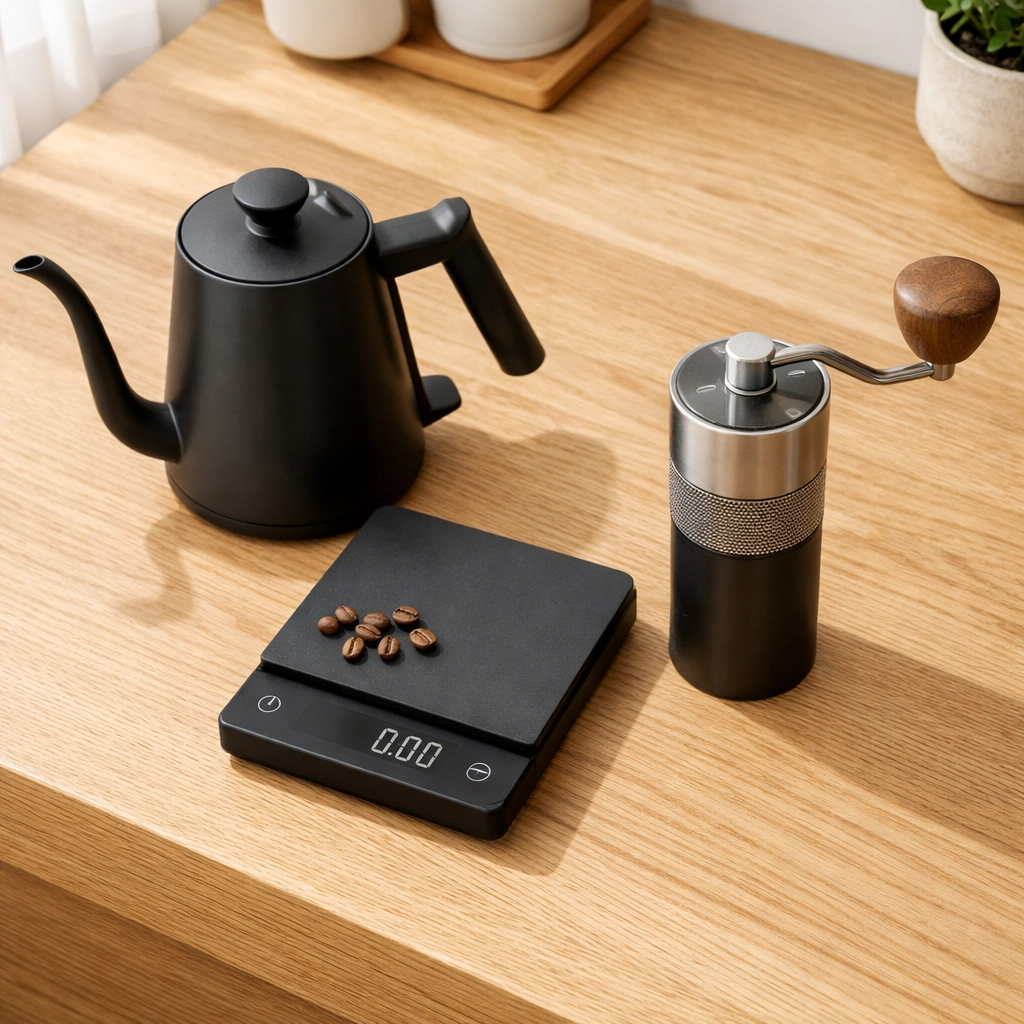
    Minimalist home coffee brewing gear including a black gooseneck kettle, digital scale, and manual burr grinder.


    Understanding the Variables (The Science Bit)

    Before we jump into the methods, let's talk about why coffee tastes the way it does. Basically, brewing is the process of using water to dissolve the flavours from the ground beans.

    The Ratio

    Most speciality brewers use a ratio between 1:15 and 1:17. This means 1 gram of coffee for every 15 to 17 grams of water. For a standard 250ml cup, that’s about 15g to 16g of coffee. It’s a great starting point, though you can adjust it to suit your taste.

    Water Temperature

    We’ve all heard that you shouldn't use "boiling" water because it "burns" the coffee. That’s a bit of a myth, but temperature does matter. We generally aim for between 92°C and 96°C (198°F to 205°F). If the water is too cold, you won't extract enough sweetness; if it’s too hot (and the beans are dark roasted), you might pull out too much bitterness.

    Water Quality

    Coffee is roughly 98% water. If your tap water tastes like chlorine or is very hard (rich in minerals), your coffee will suffer. Hard water can make coffee taste dull and chalky. We recommend using a simple water filter jug to keep things clean and balanced.


    Choosing Your Brewing Method

    There is no "best" way to brew coffee: only the way that you enjoy most. Here are the heavy hitters in the home brewing world.

    The Pour Over (Hario V60 or Chemex)

    This is the darling of the speciality world. Pour-over methods produce a clean, tea-like cup that highlights the delicate acidity and floral notes of a coffee.

    • Best for: Single-origin African coffees (like Ethiopians or Kenyans).
    • Grind size: Medium-fine (like table salt).
    • The Vibe: Sophisticated and rewarding.

    The French Press (Cafetière)

    Forget the muddy, bitter French Press of the 90s. When done right (with a coarse grind and a long steep), the French Press produces a rich, full-bodied cup with a heavy mouthfeel.

    • Best for: Bold, chocolatey South American beans.
    • Grind size: Coarse (like sea salt).
    • The Vibe: Reliable and comforting.

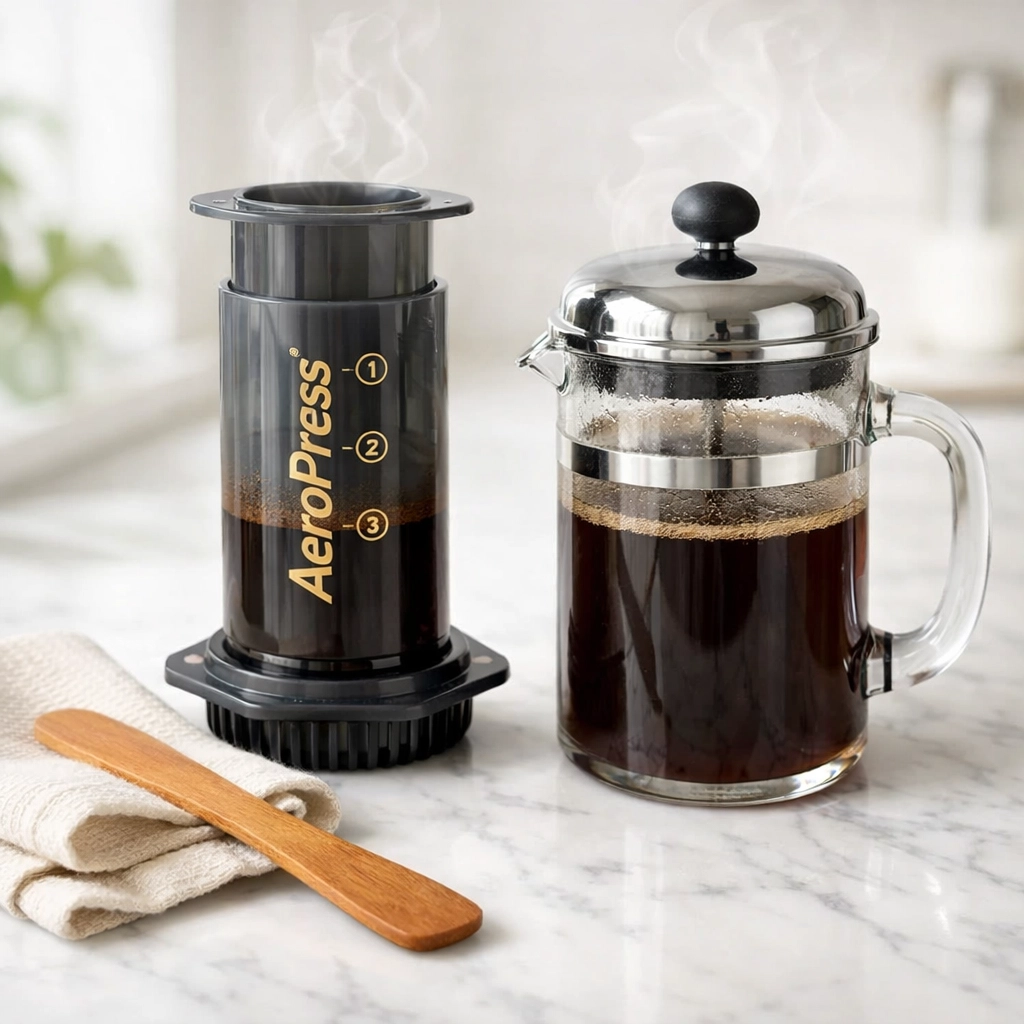
    The AeroPress

    The AeroPress is a bit of a cult favourite. It’s indestructible, portable, and incredibly versatile. You can make anything from a concentrated "espresso-style" shot to a clean filter-style cup. It’s also the easiest to clean: just pop the "puck" of grounds into the bin and rinse.

    • Best for: Everyone, honestly.
    • Grind size: Fine to Medium.
    • The Vibe: Experimental and fun.

    AeroPress and glass French Press coffee makers side-by-side, showcasing popular home brewing methods.


    The Step-by-Step Recipe for a Perfect Pour Over

    Let’s walk through a standard V60 brew. This is where you can really see the "ritual" of coffee come to life.

    1. Boil your water and let it sit for a minute to hit that 94°C sweet spot.
    2. Rinse your filter paper. This removes any "papery" taste and warms up your vessel. Pour the rinse water out!
    3. Weight out 15g of coffee and grind it medium-fine. Add it to the filter and level it out.
    4. The Bloom: Start your timer and pour 30g of water over the grounds. You’ll see bubbles: this is the CO2 leaving the beans. Wait about 30 seconds. This is extremely important because it allows the water to penetrate the grounds evenly.
    5. The Main Pour: Slowly pour the remaining water (up to 250g) in circular motions, avoiding the very edges of the filter.
    6. The Draw Down: Let the water filter through. The bed of coffee should look flat at the end. If it takes longer than 3 minutes, your grind might be too fine.

    Espresso: The Final Frontier

    If you're looking to recreate coffee shop lattes at home, you're looking at espresso. This is a different beast entirely. It requires high pressure (9 BAR) to force water through a compact puck of finely ground coffee.

    Choosing espresso equipment can be daunting. We have a whole guide on choosing espresso equipment to help you navigate the world of boilers, group heads, and steam wands. If you're serious about your milk-based drinks, understanding how steam interacts with milk is also a must: check out our article on understanding milk.

    And if you want to jump straight to the top-tier kit, we are big fans of the La Spaziale machines. You can see how they work right here.


    Troubleshooting Your Brew

    Is your coffee not tasting quite right? Don't panic. Usually, it's a simple fix.

    • It tastes sour or salty: This is under-extraction. Basically, you haven't taken enough flavour out. Try a finer grind or hotter water next time.
    • It tastes bitter or dry: This is over-extraction. You've taken too much out. Try a coarser grind or slightly cooler water.
    • It tastes weak or watery: You probably need more coffee! Check your ratio.
    • There’s no "crema" on your espresso: This usually means your beans are a bit old. Freshness is key for that beautiful golden foam. You can read more about the mystery of crema here.

    Close-up of a fresh espresso shot with thick golden-brown crema in a speckled ceramic cup.


    Why We Love This

    Speciality coffee is more than just a drink; it's a way to support sustainable farming and enjoy the incredible diversity of nature. Every cup tells a story of the person who grew it, the person who roasted it, and finally, you: the person who brewed it.

    We know it can seem like a lot to take in, but remember: the best cup of coffee is the one you enjoy. Don't be afraid to break the rules and experiment. That is the beauty of coffee 🙂

    If you ever find yourself wanting to go deeper, we actually offer barista training where we can show you the ropes in person. We love meeting fellow coffee enthusiasts!

    Ready to start your home brewing journey with some incredible beans? Visit our shop and get your first bag today.

    Happy brewing!

  • How to Choose the Best AI Business Automation Tools (Compared Without the Tech Jargon)

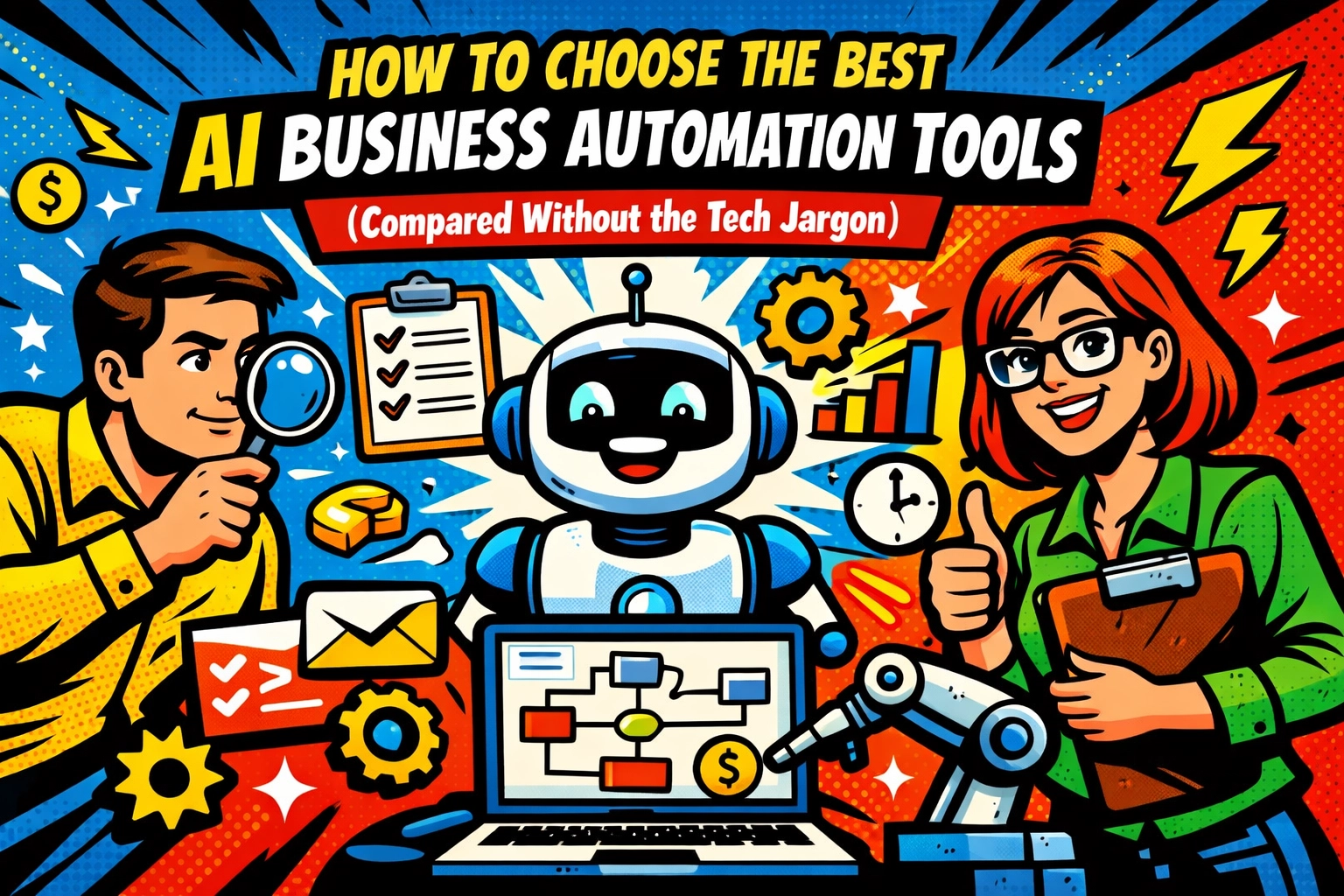
    How to Choose the Best AI Business Automation Tools (Compared Without the Tech Jargon)

    ☕ 7:00 AM.

    Your eyes aren't even fully open, but your thumb is already scrolling.

    Notifications. Three missed calls from a frustrated client. A "quick question" in your inbox that definitely isn't quick. Twenty-seven Slack messages about a spreadsheet that somehow deleted itself.

    You feel that familiar tightness in your chest. The mental math begins… how can you possibly answer everyone, finish that proposal, and actually eat lunch today?

    You’ve heard the buzz. "AI is going to change everything." "Automate your life." But every time you look into it, you’re hit with words like APIs, low-code environments, and LLM orchestration.

    You don't want a degree in computer science. You just want your morning back.

    The truth is, choosing an ai virtual assistant for business shouldn't feel like building a rocket. It should feel like hiring a really, really fast intern who never sleeps.

    AI virtual assistant for business managing multiple digital tasks while the owner takes a break.

    STOP JUGGLING. START DELEGATING.

    The biggest mistake small business owners make?

    Trying to find "the one tool to rule them all."

    Spoiler: It doesn't exist.

    What does exist is a specific tool for your specific brand of chaos. Whether you’re drowning in emails, losing sleep over customer support, or just tired of moving data from one "smart" sheet to another, there is a way out.

    But first, you have to know what kind of builder you are.

    Are you the "I want to click a button and have it work" person? Or the "I want to see the wires and build a custom dashboard" person?

    If you’re the former, you’re in the right place. We’re stripping away the jargon. No "neural networks." No "parameter tuning." Just tools that get the job done so you can finally close your laptop before the sun goes down.

    THE LINEUP: FOUR FLAVORS OF FREEDOM

    Let’s look at the heavy hitters. We’ve broken them down by what they actually do for you, not what their marketing team says they do.

    1. LINDY AI: THE "JUST DO IT FOR ME" ASSISTANT

    🤝 The Vibe: Like hiring a personal assistant who already knows where everything is.

    If you don't know what an API is and you don't care to learn, Lindy is your best friend. It’s built for the non-technical founder. You want someone to schedule your meetings? Done. You want an ai virtual assistant for business to draft your replies? Easy.

    It comes with over 100 templates. You pick one, tell it what you need, and it starts working. It’s about as close to "plug and play" as AI gets right now.

    2. ZAPIER: THE DIGITAL GLUE

    📱 The Vibe: The universal remote for your entire office.

    You use Gmail. You use Shopify. You use Trello. But they don't talk to each other. Zapier is the translator. It connects over 8,000 different apps.

    When X happens in App A, make Y happen in App B.

    It’s the gold standard for a reason. If you want to automate customer support with ai, you can set up a "Zap" that takes a customer complaint, summarizes it with AI, and sends a notification to your phone only if it’s urgent.

    3. GUMLOOP: THE DATA WHISPERER

    🔍 The Vibe: The person who actually enjoys organizing messy spreadsheets.

    If your business involves a lot of "copying from here and pasting to there," Gumloop is your hero. It’s designed for repetitive data work. It can read documents, handle web automation, and organize information without you having to write a single line of code.

    It’s perfect for the "boring" stuff that eats your afternoon, like checking prices across five websites or pulling info from 50 different PDFs.

    4. UIPATH: THE BIG BOSS

    🏢 The Vibe: A massive construction crew for an enterprise skyscraper.

    Let’s be real: most small business owners don't need this. This is for the big guys. If you have 500 employees and complex compliance rules, UiPath is the power move. It handles enterprise-scale automation where every department needs to be synced up. It’s powerful, but it’s definitely not "casual."

    Comparison of different AI business automation tools visualized as a superhero team of assistants.

    THE CHEAT SHEET: WHICH ONE DO YOU ACTUALLY NEED?

    If you feel like… Use this tool… Why?
    "I'm non-technical and just want it to work." Lindy AI Pre-built templates for common tasks.
    "I have 10 different apps that don't talk." Zapier Connects everything to everything.
    "I'm drowning in messy spreadsheets and data." Gumloop Excels at document and web data tasks.
    "I want total control and have a tech team." n8n Maximum customization and data privacy.

    QUESTIONS TO ASK BEFORE YOU OPEN YOUR WALLET

    Before you sign up for three different trials, take a breath.

    Ask yourself these three things:

    1. How many apps are in my "stack"?
    If you only use two tools, you don't need a massive automation platform. If you use ten, integration is your number one priority.

    2. Who is going to fix it?
    Automation is great until it breaks. If you're the one fixing it, go for something like Marblism or Lindy. If you have a developer on speed dial, you can go more complex.

    3. What is my biggest "time-leak"?
    Is it answering "Where is my order?" emails? (Automate customer support with ai). Is it scheduling? (AI virtual assistant). Focus on the one thing that makes you want to scream. Solve that first.

    Business owner using a high-tech control panel to automate customer support with AI and reclaim time.

    11:00 AM. THE TRANSFORMATION.

    📱 Your phone buzzes.

    A customer just asked for a refund because their package is a day late.

    Normally, you'd stop what you're doing, log into your shipping portal, find the tracking number, draft an apologetic email, and manually process the credit. That’s 15 minutes of your life gone.

    But you set up an automation.

    The AI reads the email. It sees the "refund" keyword. It checks the shipping status. It drafts a reply that sounds exactly like you: polite, helpful, and firm: and puts it in your "Drafts" folder for a final 2-second review.

    … You just send a thumbs-up.

    The crisis is over. Your heart rate is normal. And you didn't even have to put down your coffee.

    This is the power of a proper ai virtual assistant for business. It’s not about "replacing" you. It’s about removing the friction that stops you from being the CEO.

    SCALING SHOULDN'T BE THIS EASY. BUT HERE WE ARE.

    Most people think growth means more stress. More people to manage. More fires to put out.

    But when you automate customer support with ai, your business can handle 100 customers just as easily as it handles 10. The systems don't get tired. They don't have "bad Mondays." They just execute.

    You’re not building a business; you’re building a machine. And every machine needs the right parts.

    If you’re feeling overwhelmed by the choices, remember: you don't have to automate your entire life by Friday. Start small. One workflow. One headache. One "Zap."

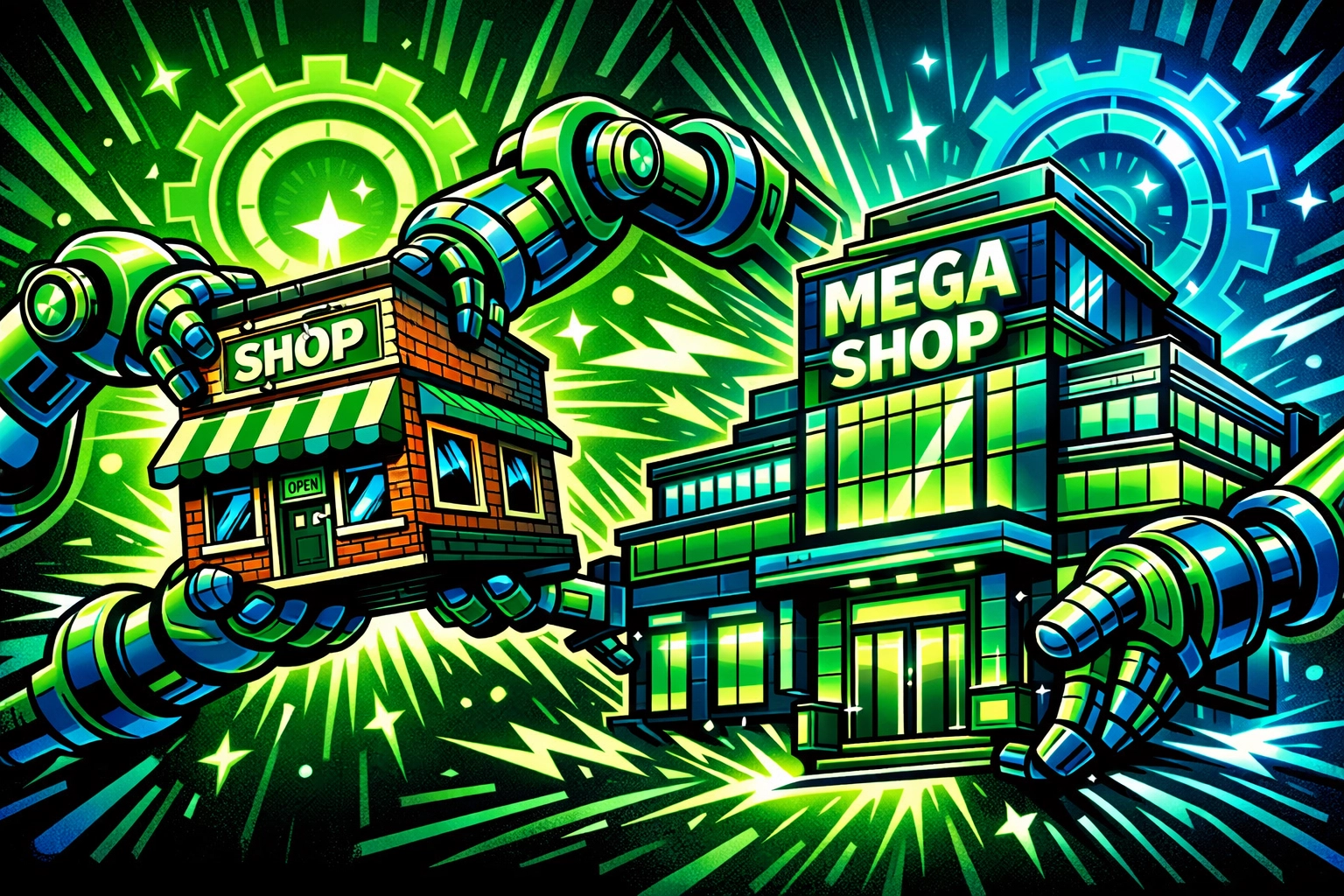
    Mechanical arms lifting and building a shop to illustrate scaling a small business with automation.

    MEET YOUR NEW SECRET WEAPON

    You’ve seen the tools. You know the "Why." Now, you just need the "How."

    At Marblism, we’re obsessed with making this transition invisible. No more wrestling with code. No more tech-induced migraines. Just results.

    If you’re ready to stop playing catch-up and start leading, it’s time to see what’s possible when you stop doing the $10/hour tasks.

    Check out how we’re changing the game for founders like you: Explore the Marblism Way.

    THE "NO-BS" FAQ

    Is AI going to mess up my customer relationships?
    Only if you let it. Use AI to do the research and draft the message, but keep a "human in the loop" for the final send. Your customers will appreciate the speed; they’ll love the personal touch.

    How much does this cost?
    Most entry-level tools start around $20-$30 a month. That’s cheaper than one lunch out. If an automation saves you just two hours a month, it’s already paid for itself.

    What if I'm not a "tech person"?
    That’s the beauty of 2026. The tools are finally catching up to our English. If you can write an email, you can set up an automation.

    4:00 PM. THE QUIET.

    The day is winding down.

    In the old days, this was "Round Two": the time you finally started the work you actually wanted to do because the distractions finally stopped.

    But today?

    The emails are handled. The spreadsheets are updated. The customer support tickets are closed.

    The chaos is gone before you even take your last sip of water.

    You step back into your evening. No laptop on the dinner table. No "just one more thing" at 9 PM.

    The office lights are off.

    But the business is still running.

    Scaling shouldn't be a struggle. It should be a system.

    Ready to build yours?

    Click here to see how Marblism makes it happen.

    … The quiet feels good, doesn't it?

  • 7 Mistakes You’re Making with Your Coffee Shop Set Up (and How to Fix Them)

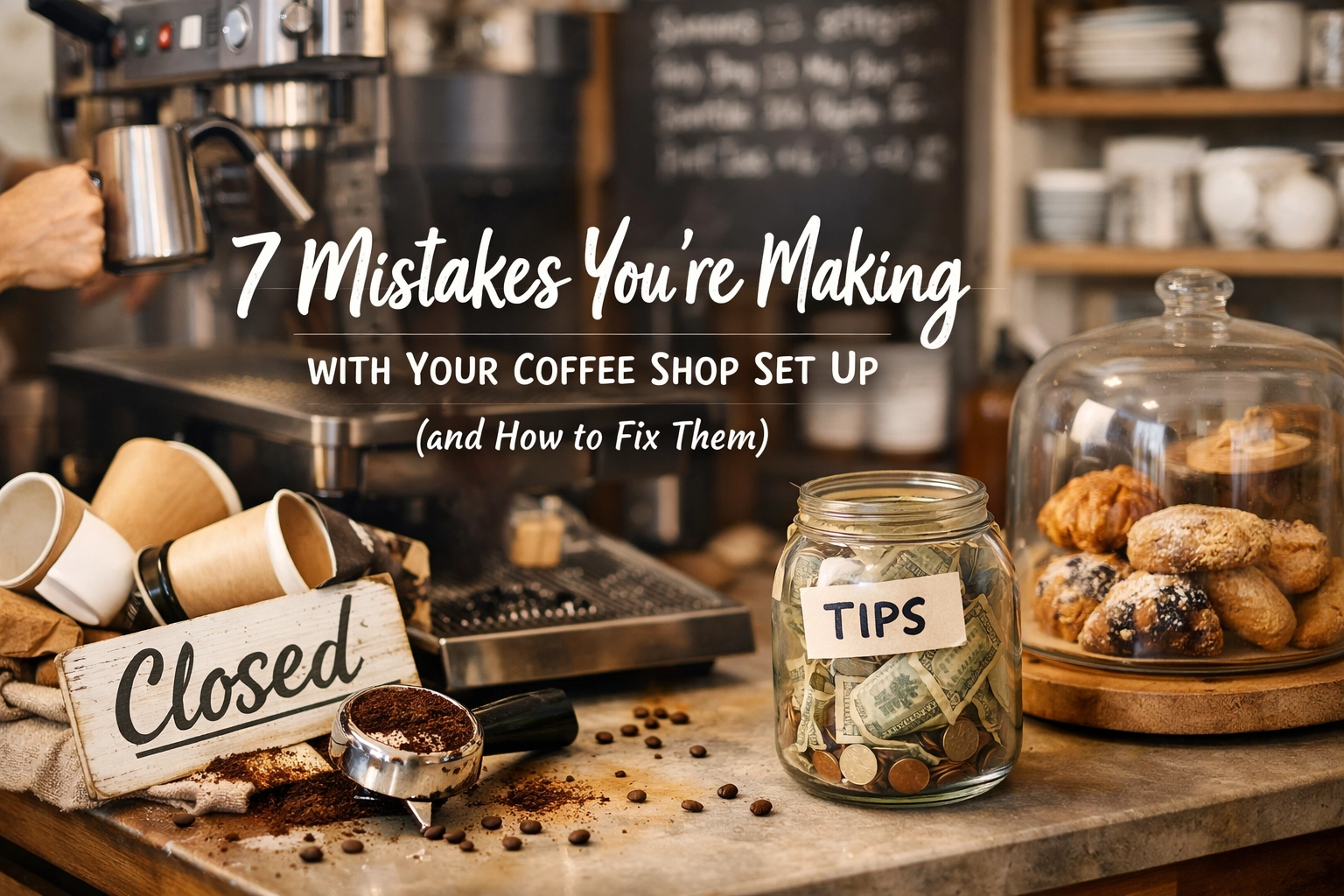
    7 Mistakes You’re Making with Your Coffee Shop Set Up (and How to Fix Them)

    Opening a coffee shop is the ultimate dream for many of us. We imagine the smell of freshly roasted beans, the hiss of the steam wand, and a community of happy regulars. It all sounds very romantic, doesn't it? However, the reality of a coffee shop set up can quickly turn into a logistical puzzle that leaves you frustrated and, quite frankly, out of pocket.

    We’ve seen it all here at Limini Coffee. From beautiful bars that are impossible to work behind, to expensive machines that aren't fit for purpose. The good news? Most of these blunders are totally avoidable. If you're looking to get your journey started on the right foot, or if you're already in the thick of it and wondering why things feel "off," this guide is for you.

    And hey, if you want a partner who actually cares about your success (and knows their beans), you should definitely see what we offer at Limini Coffee.


    1. The "Barista Tango" (Poor Workflow)

    One of the most common mistakes we see is a layout that forces baristas to dance around each other. We lovingly call it the "Barista Tango," but in reality, it’s a productivity killer. If your barista has to walk five steps to get milk, three steps to knock out the puck, and then turn around to find a lid, your service speed is going to tank.

    The problem is often a counter that’s too narrow or a layout that doesn't follow the "logical flow" of drink preparation. Ideally, everything should move in one direction: Grinder -> Espresso Machine -> Milk Station -> Garnish/Lid -> Serving Point.

    The Fix: Imagine a straight line. Your barista should be able to stand in one spot and reach 90% of what they need. Place your fridge directly under or next to the steam wand. Ensure the knock-box is right next to the grinder. If you’re still in the planning phase, we highly recommend reading our guide on building a coffee shop and shop fitting to get those dimensions right.

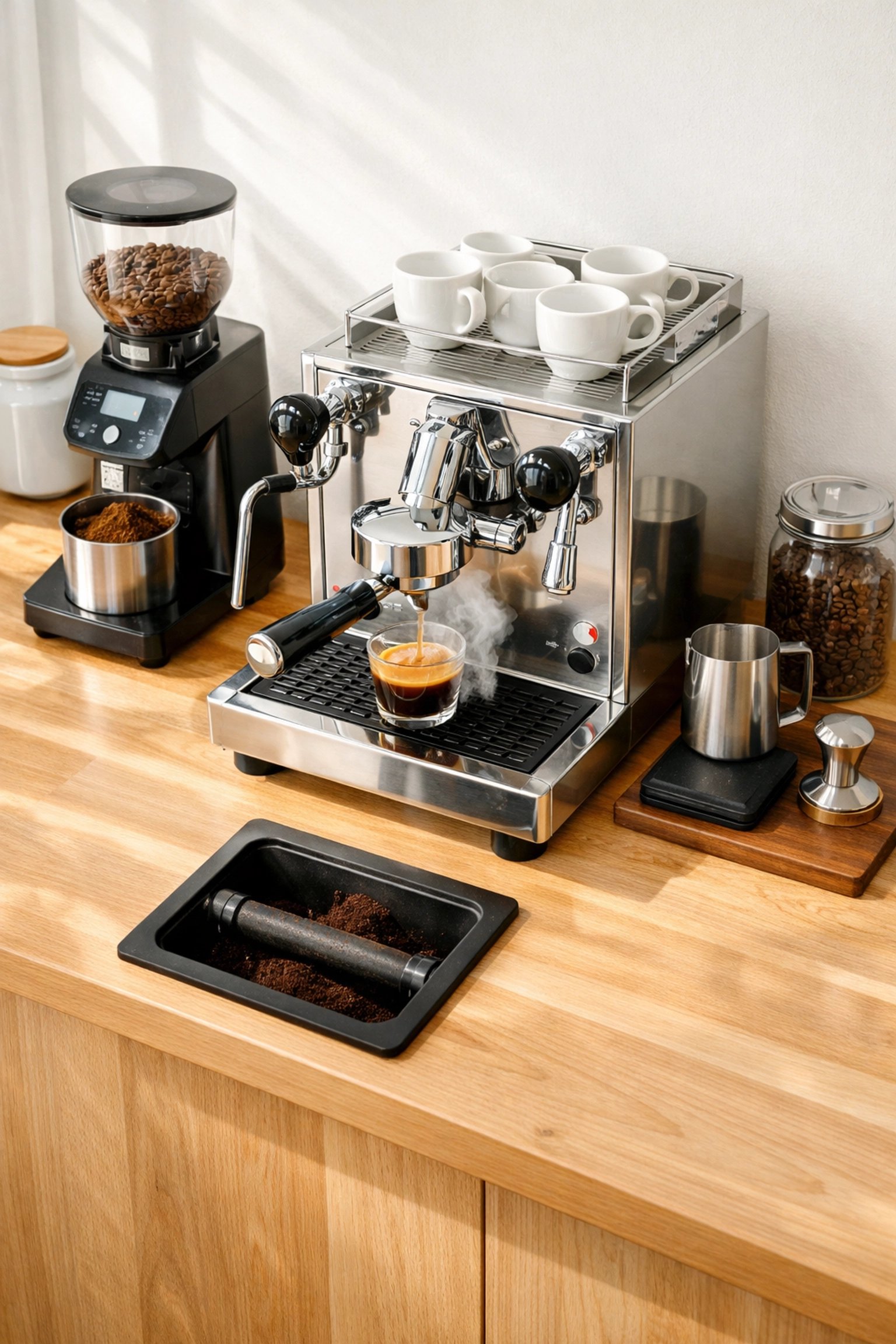
    An efficient coffee shop set up featuring a professional espresso machine and grinder on a wooden counter.


    2. Buying the "Bargain" Equipment

    We get it. Starting a business is expensive. It's tempting to look at a high-end domestic machine or a used "bargain" from a closing café and think, "That’ll do for now."

    Unfortunately, this is a classic trap. Domestic machines aren't built to handle the back-to-back demand of a morning rush. They lack the thermal stability and the steam power (usually requiring at least 3000 watts for a decent commercial boiler) to keep up. You’ll end up with lukewarm lattes and a machine that breaks down within three months. Even worse, some "cheap" commercial gear might not meet health department standards or lack a proper ITC or PID system for temperature control.

    The Fix: Invest in quality from day one. You don't need the most expensive machine on the planet, but you need something reliable like a La Spaziale. It’s worth checking out our advice on choosing espresso equipment before you pull the trigger on a purchase you might regret.


    3. The Milk Steaming Lottery

    Consistency is the holy grail of speciality coffee. If a customer gets a silky, sweet flat white on Tuesday but a bubbly, dry cappuccino-style mess on Wednesday (when they ordered a flat white), they probably won't come back on Thursday.

    Inconsistent milk steaming is usually down to two things: poor technique or a lack of understanding of the science. We see a lot of baristas "stretching" the milk for too long or reaching temperatures that are far too high. Once you go past 160 °F / 70 ºC, the proteins break down, the sweetness vanishes, and you’re left with that "burnt" taste.

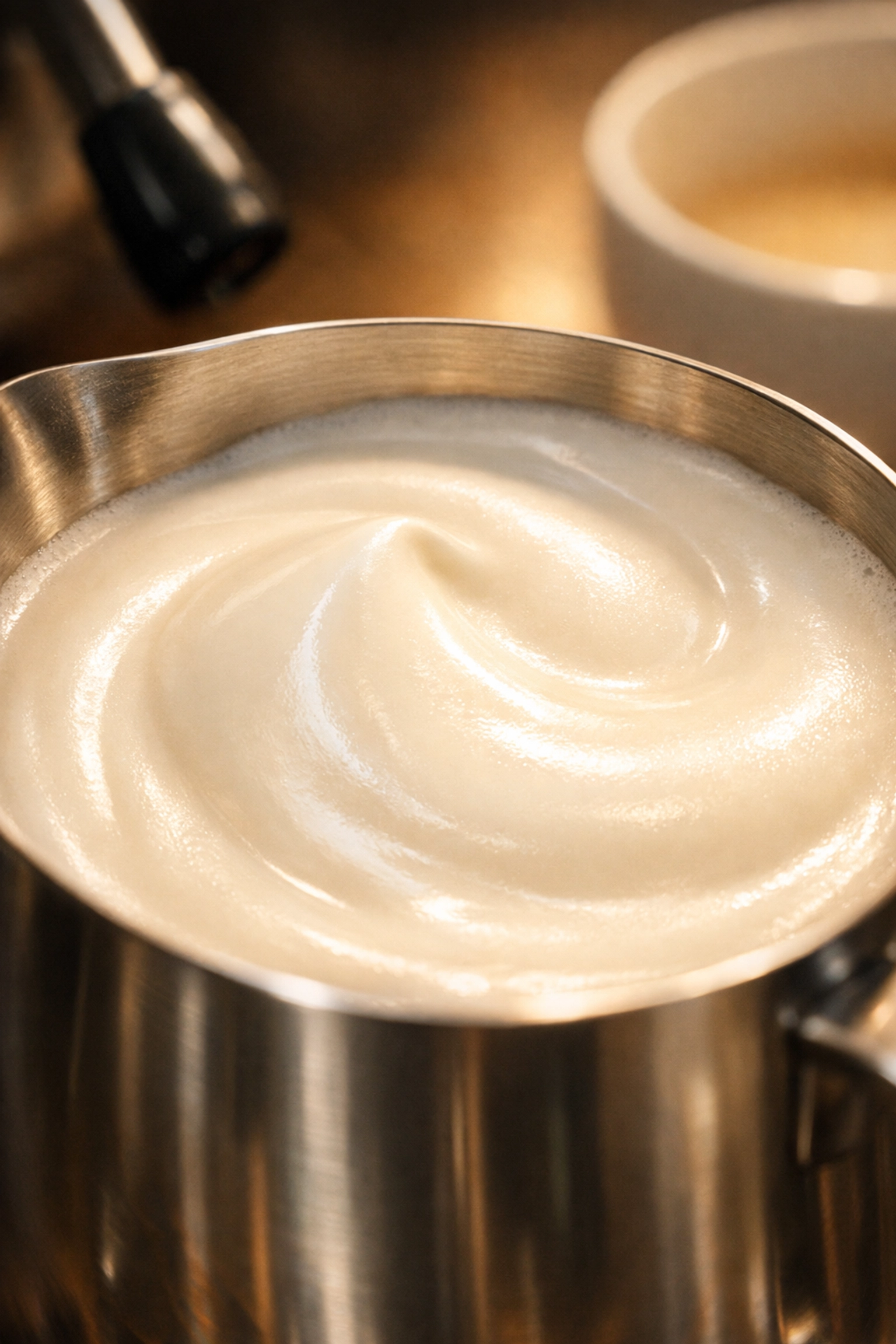
    The Fix: Aim for that perfect "glossy paint" look. We believe the sweet spot for temperature is around 140 °F / 60 ºC. It’s extremely important to train your team to use their hands (and thermometers initially) to feel the heat. We’ve written a deep dive into understanding milk that every shop owner should print out and stick on the wall.

    Silky, glossy micro-foam inside a milk pitcher for professional latte art and consistent drink quality.


    4. Ignoring the "Silent Killer": Water Quality

    You can buy the best beans in the world (which we happen to think we roast right here), but if your water is bad, your coffee will be bad. Coffee is roughly 98% water, after all.

    The two main enemies are limescale and chlorine. Chlorine makes your coffee taste like a swimming pool, and limescale will eat your expensive espresso machine from the inside out. If you’re in a hard-water area (like much of the UK), ignoring filtration is the fastest way to a £500 repair bill.

    The Fix: Never connect a machine directly to the mains without a high-quality water filter. Not just a basic carbon filter, but one designed to treat carbonate hardness. We always suggest checking your water specifications before your coffee shop set up is complete. It saves your machine and makes the crema look and taste so much better.


    5. The "Everything" Menu

    We’ve walked into shops that try to do everything: 20 types of syrup, four different roast levels, milkshakes, paninis, and three types of soup. While it feels like you're being helpful, you’re actually diluting your brand and confusing your workflow.

    A massive menu leads to "decision paralysis" for the customer and "execution paralysis" for the barista. It's much harder to maintain quality when you're trying to remember the recipe for a "Midnight Mocha Mint Blast" while a line of people just want a decent Americano.

    The Fix: Keep it simple. Focus on doing the classics: espresso, flat white, latte, cappuccino: exceptionally well. If you need help narrowing down what to offer, check out our breakdown of latte, cappuccino, and the rest. Focus on quality over quantity.

    A focused coffee shop menu featuring classic espresso and a flat white with latte art on a rustic table.


    6. Forgetting the "Theatre" of Coffee

    Coffee is an experience. It’s not just caffeine delivery; it’s a moment of luxury in someone's day. A common mistake is hiding the "action" behind a wall of high equipment or messy counters. If the customer can't see the barista lovingly pouring the latte art, you're missing a huge trick.

    The "theatre" of coffee creates value. It’s why people are happy to pay £3.50 for a drink they could technically make at home for 30p. If your setup feels like a sterile laboratory or a cluttered storeroom, the magic is lost.

    The Fix: Think about the sightlines. Can the customer see the pour? Is the machine clean and shiny? We're big fans of the theatre of coffee and believe it’s a vital part of your marketing. Even the cups you choose play a role in this sensory experience.


    7. Thinking Training is a "One and Done" Event

    The biggest mistake? Thinking that because you had a training session six months ago, your team is "sorted." Skills fade. Bad habits creep in. Someone starts "polishing" the tamp (which we don't recommend, by the way) or forgets to purge the steam wand.

    A coffee shop set up is only as good as the people operating it. If your staff doesn't understand the "why" behind tamping or how to use a brewing calculator, your product will suffer eventually.

    The Fix: Culture is built through continuous learning. We offer comprehensive barista training and an overview of training that covers everything from basic shots to advanced latte art. Make training a regular part of your business rhythm, not a panic response to a bad review.

    Barista training session showing a professional guiding a trainee pouring latte art into a ceramic cup.


    How We Can Help You Get It Right

    Setting up a coffee shop is a massive undertaking, but you don't have to do it alone. At Limini Coffee, we don't just sell you beans and walk away. We’re here to be your partner.

    Whether you're looking for wholesale coffee that will keep people coming back, or you're interested in our dropshipping options to expand your brand, we've got the expertise to guide you. We've helped hundreds of shops find the right balance between workflow, equipment, and training.

    So, if you’re ready to stop making these mistakes and start building the café you’ve always envisioned, let’s have a chat. You can learn more about us and see what our other partners have to say in our reviews.

    Don't let your coffee shop set up be a series of "what ifs." Get it right the first time, keep it simple, and focus on the coffee. That’s the beauty of this industry: when it’s done right, there’s nothing quite like it. 🙂

  • The Rise of Bleisure 2.0: Tech-Ready Spaces for the Modern Nomad

    The Rise of Bleisure 2.0: Tech-Ready Spaces for the Modern Nomad

    Empower your guests. Unlock new revenue. Transform your property.

    The traditional business trip is officially a relic. In its place, a more fluid, sophisticated way of traveling has emerged: one where the boundaries between professional productivity and personal discovery don't just blur; they vanish. We call it Bleisure 2.0. By 2035, this market is projected to hit a staggering $692.7 billion. Today, 83% of workers are already integrating leisure into their professional journeys. They aren’t just looking for a place to sleep; they are looking for a high-performance ecosystem that supports their lifestyle, all from one innovative platform.

    The connectivity baseline

    We believe that high-speed Wi-Fi is no longer an amenity: it is a fundamental right for the modern traveler. For the Bleisure 2.0 guest, a dropped connection during a high-stakes Zoom call is a dealbreaker. If your tech stack isn't up to the task, your guest won't just leave a bad review; they simply won't return.

    The modern nomad expects a frictionless digital experience from the moment they book. This means:

    • Symmetrical gigabit speeds that handle video conferencing and streaming simultaneously.
    • Seamless Wi-Fi roaming that keeps them connected from the lobby to the rooftop bar.
    • Security protocols that satisfy even the most stringent corporate IT requirements.

    When guests know they can rely on your infrastructure, they stay longer. They turn a two-day conference trip into a week-long stay because they know they can get their best work done right from your lounge: or their balcony.

    Minimalist hotel balcony workspace with a laptop and coffee overlooking a city skyline.

    Rethinking square footage

    We think the days of the empty hotel lobby are over. Your physical space is your most valuable asset, but only if it’s working for you around the clock. The Rise of Bleisure 2.0 has turned hotel common areas into vibrant, multi-use hubs.

    Properties that thrive in this new era are those that treat every square meter as a potential revenue stream. This isn't just about putting a desk in the corner of a room. It’s about creating tech-ready environments that adapt to the user's needs.

    • Modular meeting rooms: Spaces that can be booked by the hour for a private pitch or a quick team huddle.
    • Co-working zones: Dedicated quiet areas with ergonomic seating and ample power outlets.
    • Hybrid lobbies: Social spaces that transition from coffee-fueled workstations in the morning to cocktail lounges in the evening.

    By integrating these spaces into your central management system, you make them discoverable and bookable. You aren't just selling rooms anymore; you're selling productivity and community.

    Diversifying revenue with Mews

    Managing a hotel used to be straightforward: sell rooms, maybe some F&B. But the Bleisure 2.0 crowd demands more variety. They want to book a podcast studio for an hour, a hot desk for an afternoon, or a parking spot for their electric vehicle: all without jumping through hoops.

    This is where Mews changes the game. Our platform is designed to manage diverse revenue streams beyond the traditional overnight stay.

    • Inventory flexibility: Manage meeting rooms, parking spots, and co-working desks as easily as you manage your penthouses.
    • Automated billing: Ensure every minute of space usage is accurately tracked and billed to the guest's folio.
    • Real-time availability: Let guests see what spaces are free and book them instantly via their mobile device.

    "We saw a 22% increase in non-room revenue within the first six months of implementing flexible space booking," says one of our partners in London. This is the power of thinking beyond the bed.

    Modern hotel lobby transformed into a sophisticated co-working space with natural light.

    The death of the front desk

    The modern nomad is tech-savvy and time-poor. They don't want to stand in a queue for twenty minutes to fill out a paper form they already completed online. They want to arrive, get their digital key, and head straight to their meeting: or the pool.

    Innovation in hospitality means removing friction. We believe the check-in process should be invisible.

    1. Online Check-in: Guests provide their details before they even arrive.
    2. Digital Keys: Their smartphone becomes their access pass to the room and the gym.
    3. Self-Service Kiosks: For those who prefer a physical card but want to skip the line.

    When you automate these administrative tasks, your staff is freed up to do what they do best: provide actual hospitality. They become curators of the guest experience rather than data entry clerks.

    Designing for the 2026 traveler

    As we look toward the mid-2020s, the expectations of Gen Z and Millennials are becoming the industry standard. These generations represent about 34% of those extending business trips for leisure. They value authenticity, sustainability, and: above all: integration.

    To capture this market, your property needs to feel like a neighborhood, not a fortress.

    • Hyper-local experiences: Partner with local gyms, galleries, or cafes to offer guests a "work-from-anywhere" pass that extends beyond your walls.
    • Sustainability tech: Use smart room sensors to ensure energy isn't wasted when the guest is out exploring the city.
    • Personalization at scale: Use guest data to remember that they prefer a quiet corner in the co-working space and a decaf oat latte at 3:00 PM.

    A digital nomad using a tablet in a lush boutique hotel courtyard garden workspace.

    Operational excellence through AI

    The complexity of managing a multi-use property requires more than just a spreadsheet. It requires intelligence. We are moving into an era of agentic AI: systems that don't just show you data but take action on your behalf.

    Imagine a system that automatically adjusts the pricing of your meeting rooms based on real-time demand or suggests a late check-out offer to a guest who has been working in the lobby all morning. This isn't science fiction; it's the next step in hospitality technology.

    • Predictive maintenance for high-use tech spaces.
    • AI-driven staffing models that align with co-working peak hours.
    • Automated guest communication that feels personal, not robotic.

    By leveraging these tools, you can run a leaner, more efficient operation while providing a higher level of service. It’s about being proactive rather than reactive.

    Sleek smart-room interface on a hotel wall panel showing integrated hospitality technology.

    The path forward

    The transition to Bleisure 2.0 isn't just a trend: it's a fundamental shift in how people live and work. For hoteliers, this represents one of the most significant opportunities for growth in decades. It allows you to stabilize occupancy, increase your average daily rate, and build a brand that resonates with the most influential segment of the traveling public.

    Don't let your property be defined by the four walls of a guest room. Embrace the flexibility that the modern nomad craves.

    Ready to see how you can maximize your space?
    Schedule a 30-minute consultation
    Get your property ready for the nomad era.
    Start earning more from every square foot.

    The future of hospitality is flexible, tech-driven, and focused on the guest’s total journey. Whether they are closing a deal or opening a bottle of wine: or both at the same time: your property should be the place they choose to do it.

    Wine glass and headphones on a marble table overlooking a city for bleisure work-life balance.

    We believe the best way to predict the future is to build it. Let's get to work.