Category: Category 1

Use this description to tell users what kind of blog posts they can find in this category.

  • Create Unforgettable Guest Experiences with these 5 Travel Tech Solutions

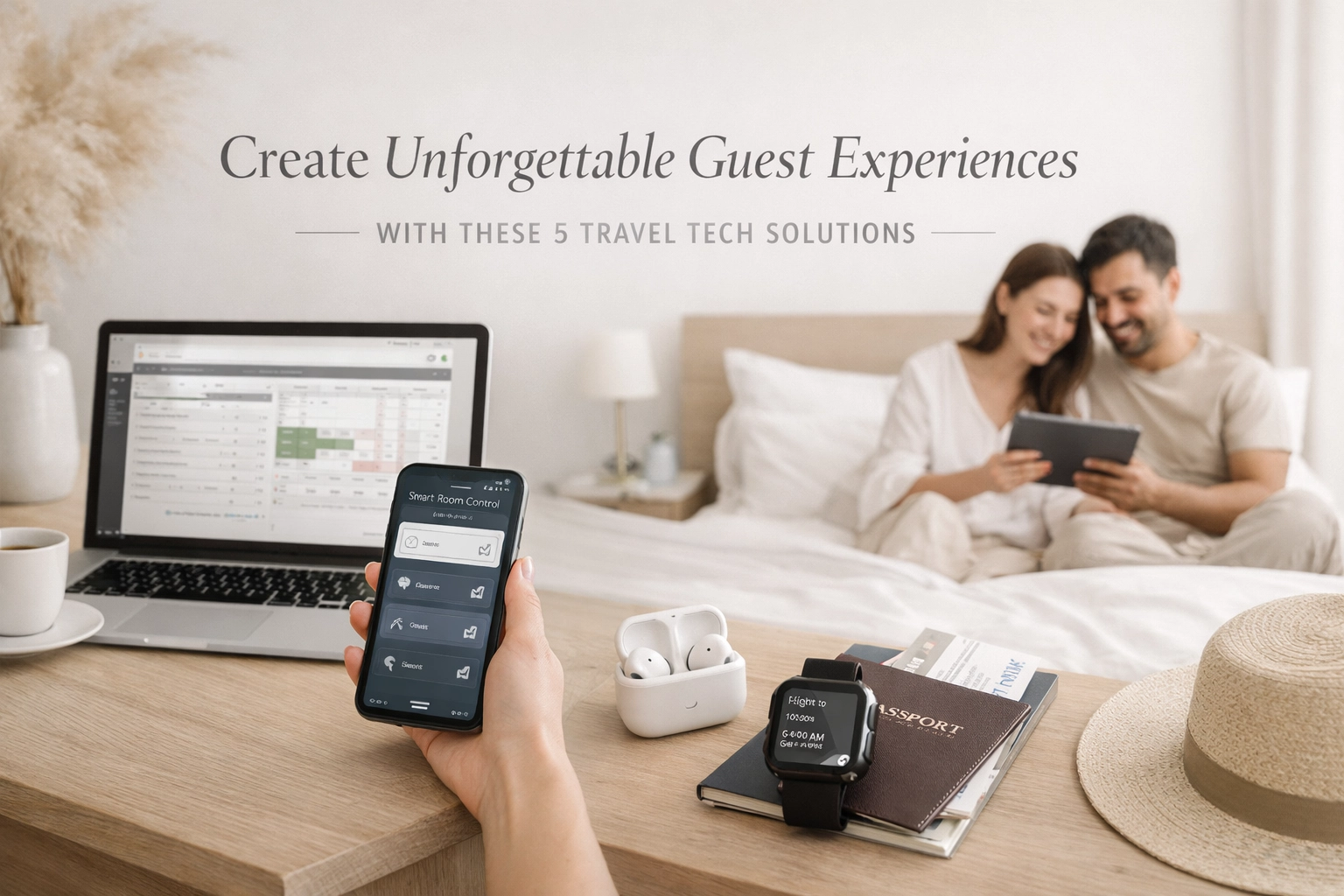
    Create Unforgettable Guest Experiences with these 5 Travel Tech Solutions

    Transform your stay. Delight your guests. Scale your brand.

    Hospitality is no longer just about providing a bed and a decent breakfast. In 2026, the guest experience is a digital-first, high-touch masterpiece. Guests don’t just want a room; they want a frictionless, hyper-personalized journey that starts the moment they think about booking and lasts long after they’ve checked out.

    The industry is moving fast. If you’re still relying on manual spreadsheets and a clunky desk-bound PMS, you’re not just behind: you’re invisible. Modern travelers expect tech to feel like magic. They want their preferences remembered, their check-ins to be instant, and their room environment to be perfect before they even step through the door.

    We believe that great technology should disappear into the background, leaving only a feeling of effortless luxury. Here are five travel tech solutions that are redefining guest experiences right now, all powered by a single, innovative platform.

    1. AI-Powered Concierge: Always On, Always Personalized

    We believe the best service is invisible.

    The days of guests waiting in line to ask for extra towels or a local restaurant recommendation are over. AI-powered chatbots and messaging platforms have evolved from clunky automated responses to sophisticated virtual concierges. These systems provide 24/7 support without ever needing a coffee break.

    Recent data shows that 77% of guests are actively interested in using automated messaging services during their stay. It’s not about replacing humans; it’s about freeing your staff from repetitive tasks so they can focus on high-value interactions.

    • Instant responses to FAQs.
    • Seamless booking for spa treatments or dinner.
    • Proactive local recommendations based on real-time data.

    Guest using a smartphone in a modern hotel lobby for seamless digital messaging and concierge services.

    When you integrate two-way messaging into your workflow, you’re not just being efficient: you’re being attentive. 84% of hoteliers now view messaging as essential for enhancing guest satisfaction. It’s about meeting the guest where they are: on their phones, in their preferred apps, at their own pace. All from one intuitive platform.

    2. IoT and the Smart Room Revolution

    Connectivity is the new luxury.

    Imagine a guest walking into their room. The lights dim to their preferred evening setting, the temperature is exactly 21 degrees, and their favorite Spotify playlist starts playing softly from the smart speakers. This isn't science fiction; it’s the Internet of Things (IoT) in action.

    IoT-enabled devices allow guests to control their entire environment through their smartphones or simple voice commands. It’s about creating a "home-away-from-home" feel, but better. Voice control has actually climbed to the second most desired technology on guest wishlists this year.

    • Keyless entry via mobile devices.
    • Smart lighting and climate control.
    • Voice-activated room service orders.

    Beyond the "cool factor," IoT provides operational excellence. Sensors can detect when a room is empty and adjust the HVAC system accordingly, drastically reducing energy costs. It’s a win for the guest, a win for your bottom line, and a win for the planet.

    3. Hyper-Personalization through Data Analytics

    Data isn't just numbers; it's a story.

    In the old days, personalization meant remembering a guest’s name. In 2026, it means knowing they prefer a corner room, drink oat milk lattes, and usually visit for business but enjoy a spa session on Thursday afternoons.

    Advanced machine learning and predictive analytics now allow hoteliers to move into "one-to-one" personalization. By processing unified guest profiles, you can deliver individualized offers that actually resonate. If a guest always books a massage, don't send them a discount for the gym: send them a priority booking link for the spa.

    • Unified guest profiles across multiple properties.
    • Predictive analytics for customized upsell offers.
    • Automated loyalty recognition that feels personal.

    "Since we started using data to drive our guest offers, we’ve seen a 25% increase in ancillary revenue," says one Mews partner. "It’s about sending the right message at the right time."
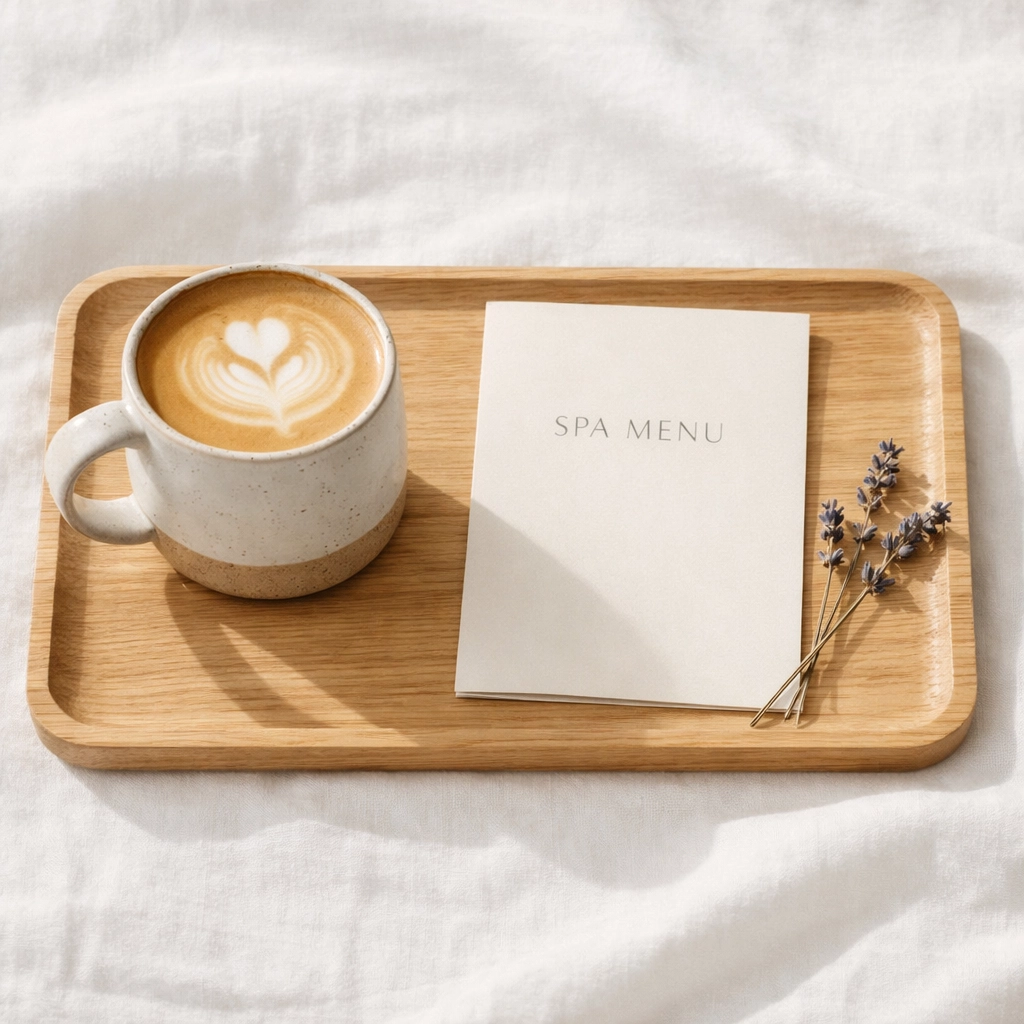
    Tailored guest experience with a personalized spa menu and morning coffee on a luxury hotel bed.

    When your tech stack talks to itself, you stop guessing and start knowing. This level of insight is only possible when your data is centralized and accessible, rather than trapped in silos.

    4. Frictionless Mobile Journeys and Payments

    The front desk is a mindset, not a piece of furniture.

    The most stressful part of travel has traditionally been the "check-in bottleneck." Arriving at a beautiful hotel only to stand in a queue for 20 minutes is a vibe-killer. Mobile check-in and diverse payment solutions remove that friction entirely.

    Modern guests want to bypass the desk. They want to check in on the train, receive a digital key on their watch, and walk straight to their room. And when it comes to paying, they expect the same ease they get from Amazon or Uber.

    • One-click mobile check-in and check-out.
    • Support for Apple Pay, Google Wallet, and BNPL (Buy Now, Pay Later).
    • Automatic, secure billing that eliminates "surprise" charges.
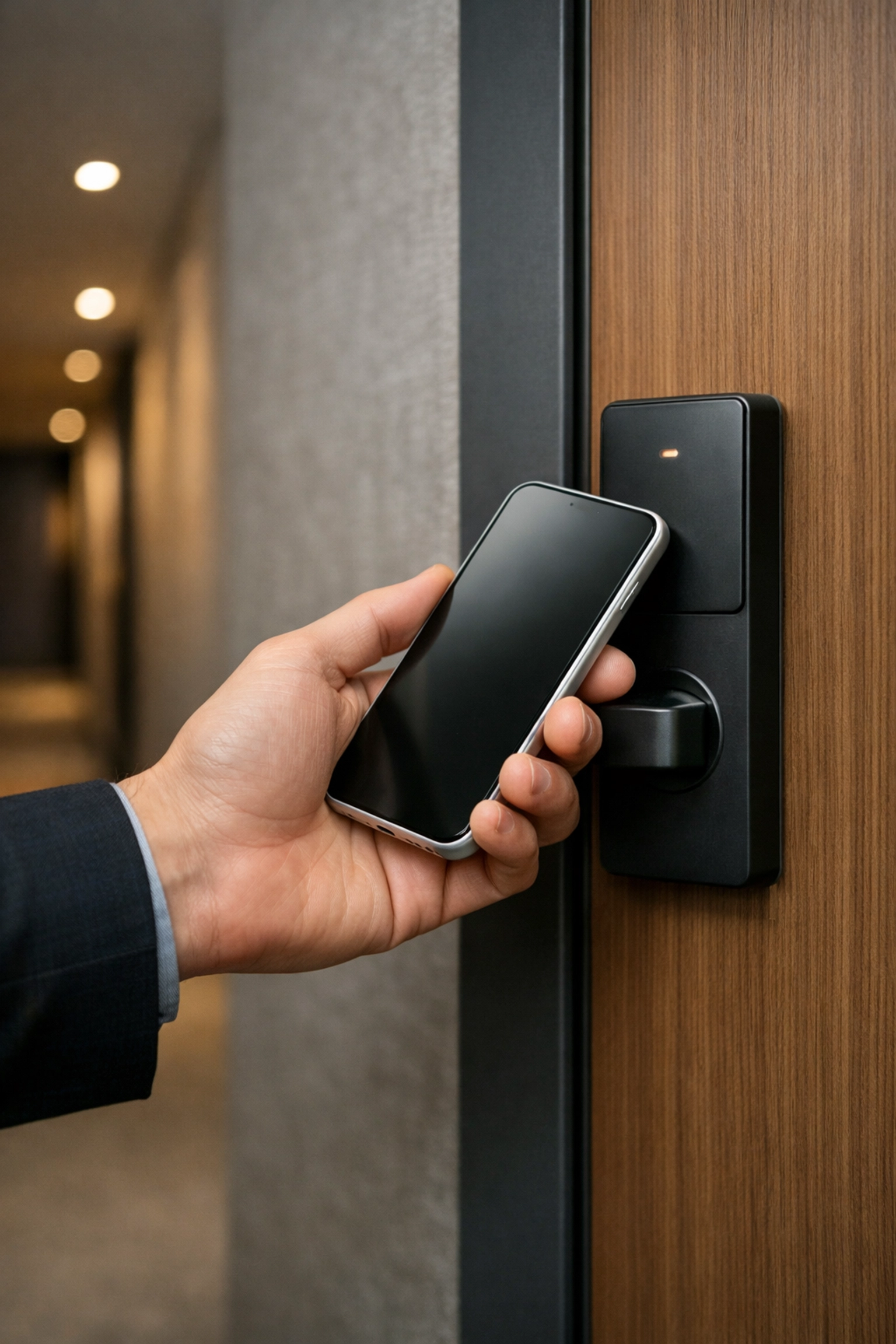
    Using a digital room key on a smartphone for seamless mobile check-in and keyless hotel entry.

    By adopting a mobile-first approach, you’re giving guests the most valuable commodity of all: time. Whether it’s integrating Wi-Fi access with guest profiles to deliver a warm welcome message or offering a seamless "one-tap" checkout, every reduced click is an improved experience. You can see how this looks in practice by checking out the Mews Guest Journey.

    5. Immersive Tech: VR Tours and In-Room Entertainment

    Sell the dream before the flight.

    The guest experience starts long before arrival. Virtual Reality (VR) property tours allow potential guests to explore your facilities, check out the view from a specific suite, and get a feel for the atmosphere from their own living room. This builds immense confidence and excitement, leading to higher direct booking rates.

    Once they arrive, the focus shifts to in-room entertainment. Surveys consistently show that on-demand entertainment access is the number one "must-have" for a great stay. Guests don't want 500 channels of local TV; they want to cast Netflix from their phone to the big screen with zero hassle.

    • 360-degree virtual property walkthroughs.
    • Seamless "Bring Your Own Content" (BYOC) casting.
    • Interactive digital compendiums on the room tablet.

    Guest relaxing in a modern hotel suite with high-end in-room entertainment and smart casting technology.

    Investing in immersive tech isn't just about bells and whistles. It's about transparency and engagement. When a guest can see exactly what they are paying for, the likelihood of a "mismatch" between expectation and reality drops to zero.

    The Power of the Ecosystem

    We think that trying to manage these five solutions separately is a recipe for a headache. The real magic happens when your AI, your IoT, your data, and your payments all live within one ecosystem.

    At Mews, we’re building the future of hospitality by focusing on the guest, not just the room. We believe in empowering hoteliers with tools that are as innovative as they are easy to use. With over 12,500 properties worldwide already moving toward this automated, guest-centric future, the question isn't whether you should adopt these technologies: it's how fast you can get started.

    Ready to see what a truly modern PMS can do for your property? Start your journey with Mews here.

    Summary: The New Standard

    The hospitality landscape in 2026 is defined by those who embrace change. By implementing AI messaging, IoT connectivity, data-driven personalization, mobile-first journeys, and immersive entertainment, you aren't just keeping up: you're leading.

    1. Automate the routine. Use AI to handle the basics so your team can handle the brilliance.
    2. Connect the environment. Let guests control their space with IoT.
    3. Use the data. Turn guest history into future delight.
    4. Remove the friction. Make check-in and payments a non-event.
    5. Inspire the stay. Use VR and top-tier entertainment to sell and sustain the dream.

    It’s time to move past the traditional and toward the unforgettable. All from one innovative platform.
  • Stop Wasting Time on Boring Admin: 7 Business Automation Tools to Save 10+ Hours This Week

    ☕ 7:45 AM.

    You’re staring at your laptop screen. The cursor is blinking. It feels like it’s judging you.

    Your inbox has 42 new messages since you closed it last night. Three people are asking for invoices. Someone wants to "hop on a quick call" to discuss a project you haven't even started because you’ve been too busy… well, being busy.

    This isn't why you started a business. You didn't set out to become a professional email-replier or a data-entry enthusiast. You wanted to build something. You wanted to create.

    But here you are. Drowning in the "boring admin."

    It’s time to stop the leak.

    AUTOMATE ADMIN TASKS: HOW TO SAVE 10+ HOURS EVERY WEEK

    The math is simple. If you spend just two hours a day on repetitive tasks, moving data from a form to a spreadsheet, sending "thank you" emails, or chasing signatures, you’re losing 10 hours a week.

    That’s a full workday. Gone. Evaporated into the digital ether.

    But it doesn’t have to be that way. Business automation tools have evolved. In 2026, you don't need a computer science degree to build a robot army. You just need to know which buttons to push.

    Let’s look at the "Big Seven" that are currently saving sane people from losing their minds.

    1. Zapier – The No-Code Glue

    Think of Zapier as the ultimate middleman. It connects over 8,000 applications. If "Thing A" happens in your email, Zapier makes "Thing B" happen in your CRM. No code. No crying. Just logic.

    2. Microsoft Power Automate – The Ecosystem King

    If your life exists inside Outlook, Excel, and Teams, this is your home. It’s built to streamline document management and approval workflows. It’s like having a very disciplined librarian living inside your computer.

    3. n8n – The Control Freak’s Dream

    For those who want more flexibility and don't want to pay per-task, n8n is the play. It’s visual, it’s powerful, and it lets you build complex workflows that would make a developer weep with joy.

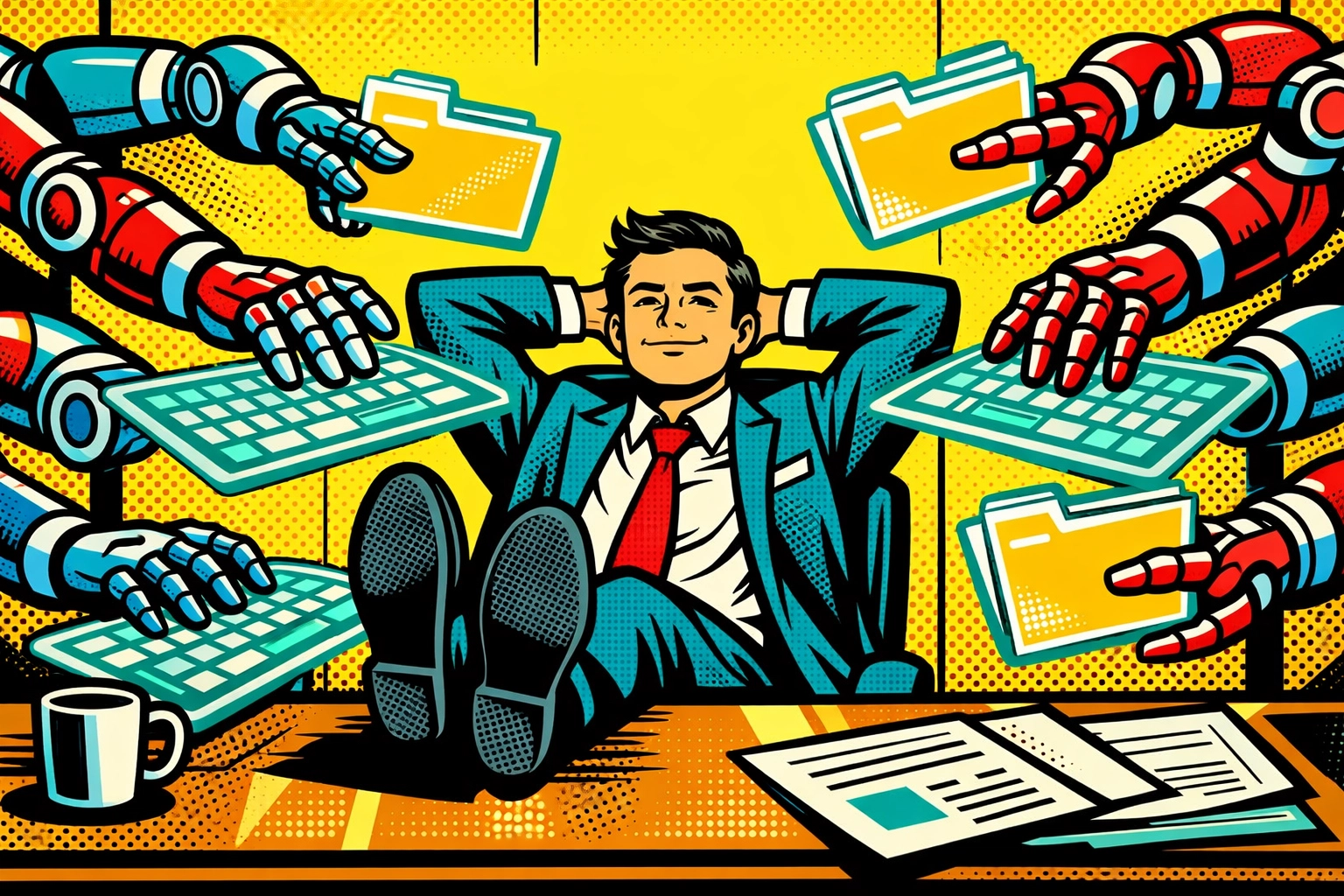
    Business owner relaxing while automated robotic arms manage administrative tasks using business automation tools.

    4. Gumloop – The Web Scraper Extraordinaire

    Tired of manually copying data from websites? Gumloop uses a Chrome extension to automate web-based tasks. It sees what you do and just… does it for you.

    5. UiPath – The Legacy Lifesaver

    Got an old piece of software that doesn't have an "API"? UiPath uses computer vision to "see" the screen like a human and click buttons for you. It’s basically magic for old-school systems.

    6. Kissflow – The Team Optimizer

    If you have a team drowning in manual approvals, "Hey, can I buy this?" "Is this project approved?", Kissflow digitizes those forms and moves them along automatically.

    7. Microsoft Copilot365 – The Administrative Shadow

    Summarizing meeting notes? Cleaning up messy spreadsheets? Copilot does the heavy lifting while you're still finishing your first cup of coffee.

    If you want to see how these tools actually fit into a real workflow, check out what the experts are doing over at https://www.marblism.com/scott-bowen.


    THE BEST AI ASSISTANT FOR SMALL BUSINESS IN 2026

    📱 11:15 AM.

    Your phone buzzes. It's not a notification that you're late. It's a notification that a new client just booked a discovery call, paid their deposit, and signed their contract.

    You didn't lift a finger.

    This is the era of the ai assistant for small business. We aren't talking about Siri telling you the weather. We’re talking about "agents", AI entities that can actually do things.

    In 2026, the "best" assistant isn't a single app. It’s a customized layer that sits on top of your operations.

    Why You Need an AI Shadow

    The struggle of a small business owner is usually "The Gap." The gap between a lead coming in and you having the time to respond. Usually, that gap is where money goes to die.

    An AI assistant closes that gap.

    • It Learns Your Voice: It doesn't sound like a robot. It sounds like you on a very good, very caffeinated day.
    • It Never Sleeps: While you’re watching Netflix or sleeping, it’s sorting your leads.
    • It Follows Up: We all forget to follow up. Your AI doesn't. It’s relentless (in a polite, professional way).

    An AI assistant for small business managing digital tasks and schedules for a productive business owner.

    Stop thinking of AI as a search engine. Start thinking of it as your most dedicated employee. One who doesn't take lunch breaks and never complains about the office temperature.

    If you're ready to stop being the bottleneck in your own company, you need to see what's possible with a custom-tailored approach. Explore the future of business intelligence at https://www.marblism.com/scott-bowen.


    AI CONTENT GENERATOR FOR SMALL BUSINESS: YOUR SECRET MARKETING WEAPON

    🤝 2:30 PM.

    The "Marketing Guilt" sets in. You haven't posted on LinkedIn in three weeks. Your blog is a ghost town. Your newsletter is… well, you haven't even started a newsletter.

    You know you need to "be out there." But writing takes time. And your time is currently being eaten by those 42 emails we talked about earlier.

    Enter the ai content generator for small business.

    This isn't about "churning out trash." This is about high-velocity, high-quality output that keeps your brand top-of-mind without you having to live in a dark room with a typewriter.

    From Idea to Published in 12 Minutes

    The old way:

    1. Stare at a blank page (30 mins).
    2. Write a terrible first draft (1 hour).
    3. Edit until you hate your own name (1 hour).
    4. Give up and post a picture of your lunch instead.

    The 2026 way:
    You feed your AI a few bullet points about a recent success. You tell it the tone you want (casual, witty, authoritative). It generates a long-form blog post, three social snippets, and a newsletter header.

    You review. You tweak a few sentences to add that "you" flavor. You hit publish.

    An explosion of creative marketing ideas and speech bubbles coming from an AI content generator for small business.

    The Competitive Edge

    Your competitors are still struggling to find the "right words." You’re already onto your next big project because your marketing is running on autopilot.

    Marketing shouldn't be a chore. It should be a machine.

    Using an ai content generator for small business isn't "cheating." It’s leverage. It’s taking the 80% of the work that is structural and giving it to the machine, so you can focus on the 20% that is pure strategy and heart.

    Ready to turn your marketing into a secret weapon? Find out how to scale your voice without losing your soul at https://www.marblism.com/scott-bowen.


    STOP JUGGLING. START GROWING.

    🌙 6:00 PM.

    The day is ending. Usually, this is when the "Second Shift" begins: the part of the day where you finally get to do the admin you ignored while you were putting out fires.

    But not today.

    The invoices were sent. The data was synced. The content was posted. Your inbox is sitting at a comfortable, quiet zero.

    You close your laptop. You don't feel that nagging sense of "I forgot something." You feel… light.

    Business automation isn't about replacing humans. It’s about making humans more human. It’s about taking the robotic parts of your job and giving them to the actual robots.

    Stop wasting time on the boring stuff. You have a business to run.

    Go see how easy it can be.

    https://www.marblism.com/scott-bowen

    SCALING SHOULDN'T BE THIS HARD. BUT HERE WE ARE. AND NOW, YOU HAVE THE KEYS.

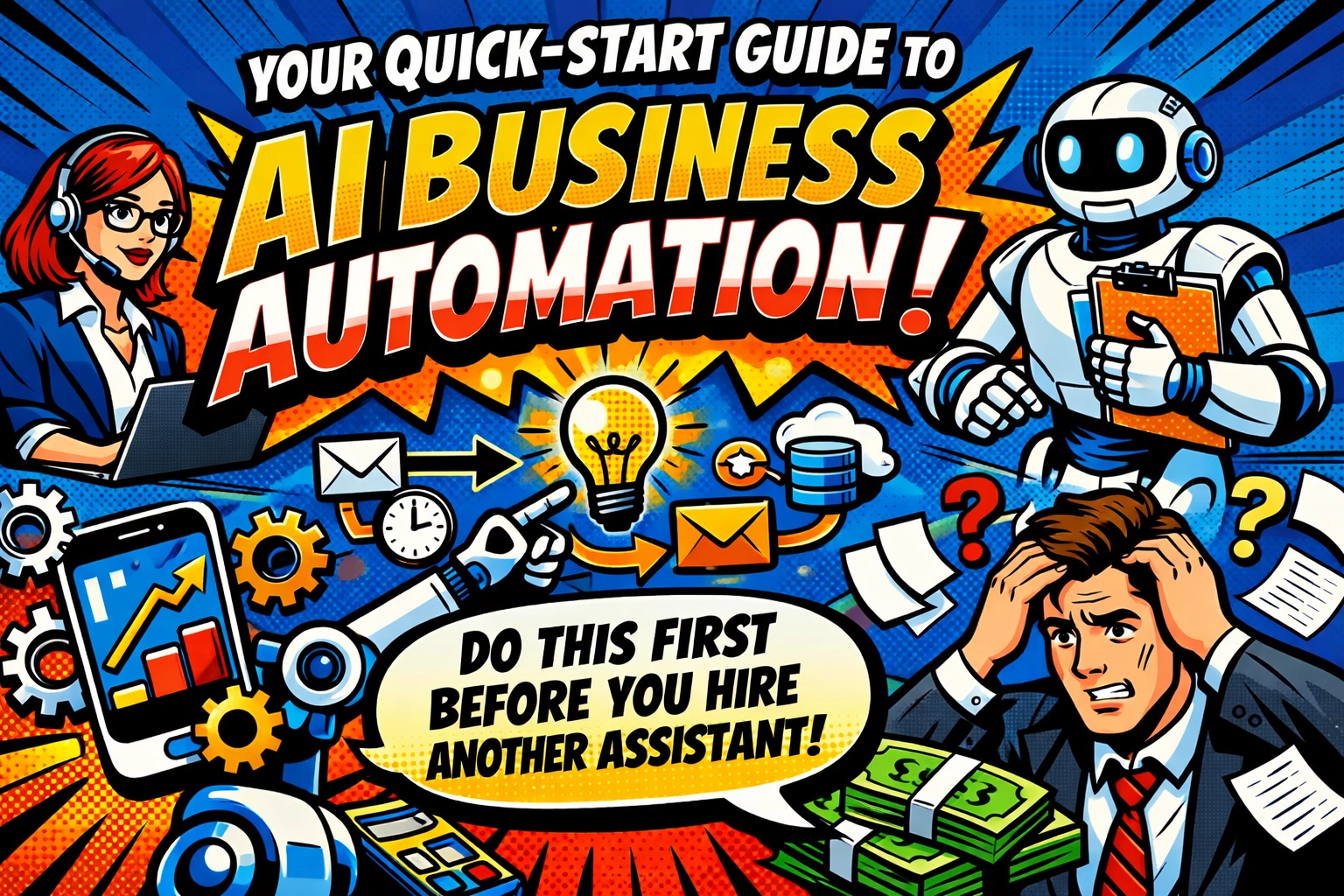
  • Your Quick-Start Guide to AI Business Automation: Do This First Before You Hire Another Assistant

    Your Quick-Start Guide to AI Business Automation: Do This First Before You Hire Another Assistant

    ☕ 7:00 AM.

    Your eyes aren't even fully open, but your thumb is already scrolling.

    There are fourteen unread emails. Three of them are "urgent" requests for meetings you don’t have time for. One is a client asking for an invoice you already sent last Tuesday. Two are LinkedIn notifications from people trying to sell you… well, exactly what you’re trying to sell others.

    You feel that familiar tightening in your chest.

    "I just need another me," you mutter into your coffee. "I need to hire an assistant. Someone to handle the grunt work so I can actually think."

    Stop right there.

    Before you post that job listing on Upwork…
    Before you commit to a $1,500 monthly retainer for a virtual assistant…
    Before you spend three weeks training a human to do something a machine can do in three seconds…

    You need to look at AI business automation. Because, let’s be honest: hiring another person often just means you have another person to manage.

    STOP JUGGLING AND START MAPPING

    The biggest mistake small business owners make? They try to automate their entire business in a single weekend.

    They buy five different business automation tools, get overwhelmed by the "if-this-then-that" logic, and go back to their manual spreadsheets by Monday morning.

    You don't need a total overhaul. You need a win.

    You need to find the one thing that makes you want to throw your laptop out the window. That repetitive, soul-sucking task that eats at least five hours of your week.

    Is it data entry?
    Is it scheduling?
    Is it moving leads from an email into your CRM?

    Identify it. Name it. Then, prepare to kill it.

    Stressed small business owner juggling manual tasks like data entry and lead management before AI automation.

    THE FIVE-HOUR RULE: YOUR WEEK 1 MISSION

    📱 9:15 AM.

    You’re staring at a spreadsheet. You’re copying names from a website and pasting them into a Google Sheet. It’s mindless. It’s boring. And it’s costing you exactly what you can’t afford: your focus.

    This is where AI business automation becomes your best friend.

    Your first week shouldn't be about "implementing." It should be about "documenting."

    Every time you do a task that feels like a robot could do it… write it down.
    Every time you say, "I'll just do this real quick," but it takes 20 minutes… write it down.

    At the end of the week, look at your list. Find the task that consumed the most time. If it takes five hours or more, that is your primary target.

    You aren't looking for a "genius" AI yet. You’re looking for a digital bridge.

    PICK YOUR WEAPONS (NO CODING REQUIRED)

    🔍 11:30 AM.

    You’re searching for solutions. You see terms like "API integrations" and "Python scripts." Your brain starts to itch.

    Don't panic.

    Modern business automation tools are built for people who hate code. You don't need to be a developer to build a powerhouse system. You just need to know which tool fits the job.

    • Zapier: Think of this as the "universal translator" for your apps. It connects over 5,000 different tools. If you want an email to trigger a Slack message, Zapier is your go-to. It’s the most beginner-friendly starting point for AI business automation.
    • Make.com: This is Zapier’s big brother. It’s more visual and a bit more powerful. If your workflow has a lot of "branches" (e.g., "If the client is from New York, do X; if they are from London, do Y"), Make is your playground.
    • ChatGPT/Claude: This is the "brain." Use this for the tasks that require a bit of creative thinking, summarizing meetings, drafting replies, or categorizing customer feedback.

    But here’s the secret: tools are useless if you don't have a plan. That’s why we recommend checking out the frameworks at https://marblism.link/scott-bowen. It’s the shortcut to seeing how these pieces actually click together in a real business.

    Robotic hand assembling digital business automation tools to streamline workflows without needing to write code.

    EMPLOYEE OF THE MONTH. EVERY MONTH.

    🤝 1:00 PM.

    Lunch is over. Normally, this is when you’d start "The Afternoon Slump." You’d spend two hours cleaning up your CRM because your leads are a mess.

    But imagine this instead…

    A new lead fills out a form on your website.
    Within milliseconds, an AI business automation tool (like a Zap) catches that lead.
    It sends the data to ChatGPT, which writes a personalized "get to know you" email based on the lead's industry.
    The email is sent to your drafts.
    A task is created in your project management tool to follow up.

    You didn't lift a finger.

    The chaos is gone before you even take your first sip of afternoon tea.

    This isn't just about saving time. It’s about consistency. A human assistant gets tired. A human assistant has bad days. AI doesn't get a "3 PM energy crash." It just executes.

    THE PILOT PROJECT: START SMALL TO WIN BIG

    You don't need a complex 50-step workflow. You need a "Pilot."

    Choose one tiny process.

    Maybe it’s your "New Client Onboarding."
    When a contract is signed, the AI could:

    1. Create a folder in Google Drive.
    2. Send a "Welcome" email.
    3. Add the client to your newsletter list.
    4. Notify you in Slack.

    It sounds simple. But when you stop doing those four things manually for every single client? You gain back your sanity.

    And once you see it work once… you’ll start seeing automation opportunities everywhere. It’s addictive. You’ll realize that scaling shouldn't be this easy. But here we are.

    A rocket ship launching from an office desk symbolizing the success of a first AI business automation pilot project.

    A DAY IN THE LIFE: THE AUTOMATED VERSION

    Let’s re-run your day, but this time, you’ve put AI business automation to work.

    ☕ 8:00 AM: You wake up. No scrolling. Why? Because your AI assistant (let’s call her Penny) has already sorted your inbox. The spam is gone. The "quick questions" have been answered by an AI chatbot. Your "Must-Read" folder has only three items.

    📱 10:30 AM: You finish a client call. You hit "Stop Recording." An automation automatically sends that recording to an AI tool that transcribes it, summarizes the action items, and emails them to the client. You just send a thumbs-up.

    🥗 12:30 PM: You’re actually eating lunch. Away from your desk. Your phone isn't buzzing. Behind the scenes, your lead generation tools are finding new prospects and warming them up.

    🌙 5:00 PM: You close your laptop. The "To-Do" list for tomorrow is already generated. You aren't "catching up" on admin. You’re done.

    The day begins with calm. It ends with satisfaction.

    WHY MARBLISM IS YOUR SECRET WEAPON

    Look, we get it. Building these systems can feel like learning a second language. You know you need it, but you don't want to spend your weekends watching YouTube tutorials on "How to map a JSON string."

    That’s where we come in.

    At Marblism, we don't just talk about AI business automation; we live it. We help you bridge the gap between "I have too much work" and "My business runs itself."

    If you’re ready to stop being the bottleneck in your own company, you need to see what’s possible when you stop hiring humans for robot jobs.

    Check out our specialized resources and start your automation journey here: https://marblism.link/scott-bowen.

    YOUR QUESTIONS, ANSWERED (MINUS THE JARGON)

    "Is AI going to replace my team?"
    No. It’s going to replace the parts of their jobs they hate. It allows your team to do "human" work, strategy, empathy, and creativity, while the machines handle the data.

    "Isn't this expensive?"
    Actually, most business automation tools have free or very low-cost entry points. Compare a $20/month Zapier subscription to a $3,000/month salary. The math is pretty clear.

    "What if the AI makes a mistake?"
    That’s why we start with "Human-in-the-loop" systems. The AI drafts the email; you hit send. The AI categorizes the data; you do a quick weekly check. You stay in control.

    "I'm not a tech person. Can I really do this?"
    Yes. If you can use a smartphone, you can use modern AI tools. It’s about logic, not code.

    THE LAST WORD

    Before you hire that next assistant… give yourself two weeks.

    Two weeks to audit your time.
    Two weeks to test one automation.
    Two weeks to see if a $30 piece of software can do the work of a 40-hour-a-week employee.

    You might find that you don't need more people. You just need better pipes.

    The future of your business isn't about working harder.

    It’s about working… less.

    Start your shortcut to a hands-off business today at https://marblism.link/scott-bowen.

    Scale smarter. Not louder.

  • Wholesale Specialty Coffee Matters: Why Quality Beans Are Your Best Marketing Tool

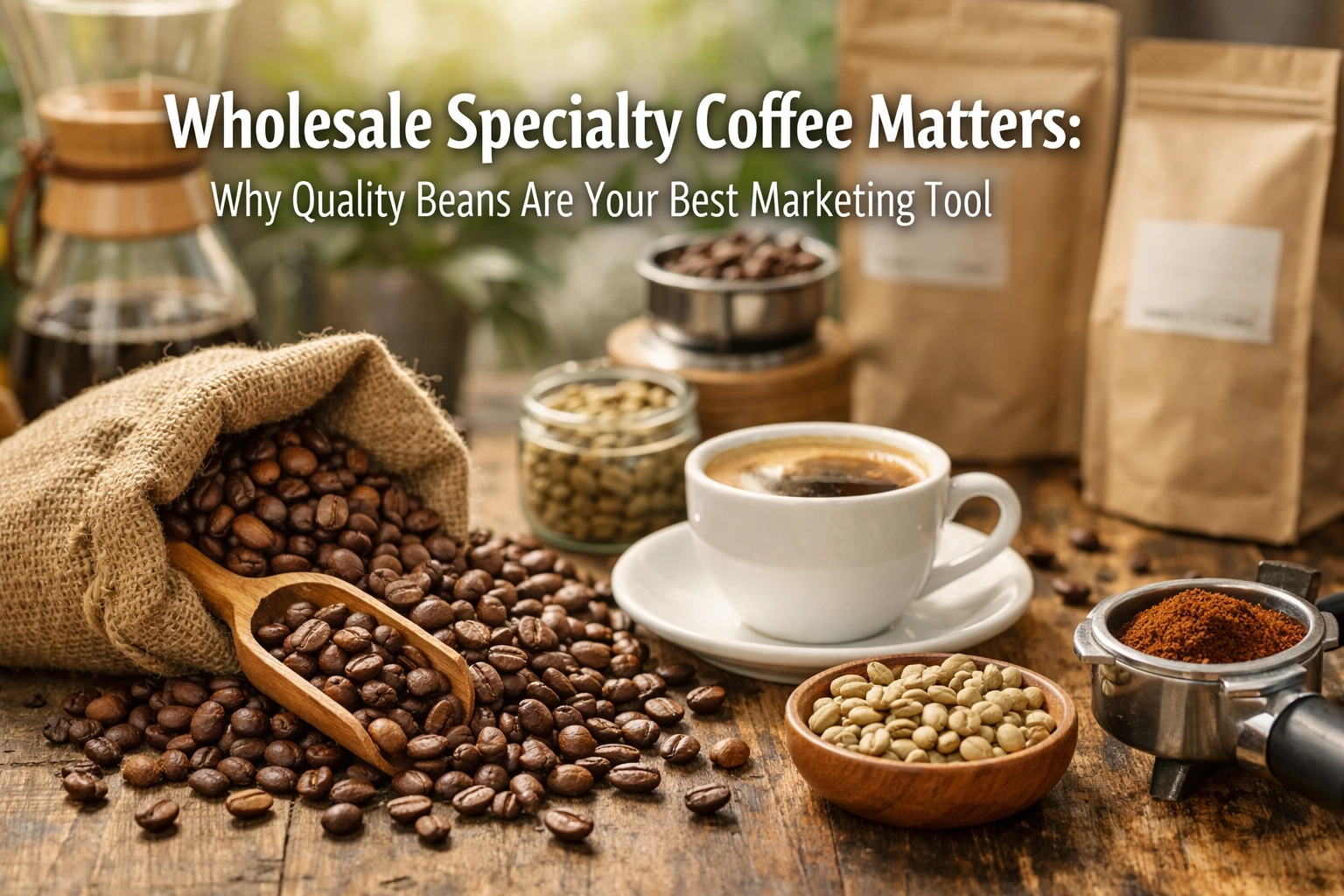
    Wholesale Specialty Coffee Matters: Why Quality Beans Are Your Best Marketing Tool

    You’ve spent months: maybe years: obsessing over the floor plan. You’ve argued over the exact shade of teal for the walls, agonized over the height of the bar, and spent a small fortune on a sound system that delivers the perfect "chill-but-vibey" playlist.

    But then, when it comes to the actual product you're selling, you decide to "save a bit of cash" by going with a bulk, commodity-grade coffee supplier.

    We see it happen all the time. And to be honest, it’s a real shame.

    The truth is, your coffee is your most powerful marketing tool. It’s the reason people walk past three other shops to get to yours. It’s the reason they tell their friends, "You have to try the flat white at that new place." If the coffee is mediocre, all that beautiful branding and expensive furniture won't save you. People might come for the aesthetics, but they only return for the taste.

    At Limini Coffee, we believe that wholesale specialty coffee isn't just a "premium option": it’s the foundation of a sustainable, profitable business.


    Quality is the Silent Salesman

    Why does quality matter so much? Because in 2026, customers are more educated about coffee than ever before. They know the difference between a dark, oily, bitter bean and a well-roasted specialty bean with clarity and sweetness.

    When you serve specialty coffee, you aren't just selling a caffeine hit. You’re selling an experience.

    Imagine a customer takes their first sip. Instead of that "charred" taste they’ve grown used to at high-street chains, they get notes of milk chocolate, a hint of red berries, and a creamy mouthfeel. (We lovingly call this the "wow factor".) That customer is now a walking advertisement for your shop.

    Quality creates loyalty. And loyalty is much cheaper than constantly trying to acquire new customers through paid ads or flyers. When the coffee is exceptional, your customers do the marketing for you.

    A perfectly poured specialty coffee flat white with tulip latte art in a ceramic cup.

    The Problem with Bulk Coffee

    So, why not just buy the cheapest beans available?

    The problem is consistency and freshness. Bulk coffee is often roasted months before it reaches your door. By the time you get it, the volatile oils: the stuff that actually tastes good: have oxidized. This leads to that flat, cardboard-like flavour we all want to avoid.

    Furthermore, commodity coffee is often roasted to death to hide defects in the beans. This results in a "one-size-fits-all" bitter flavour profile. If your coffee tastes the same as the coffee at the petrol station down the road, why should anyone pay a premium to drink yours?

    When you work with professional wholesale coffee roasters, you’re getting beans that are roasted to order. Freshness is everything. We recommend using beans between 7 and 30 days after the roast date for the best results.


    Choosing the Right Wholesale Coffee Roasters

    Choosing a supplier is like choosing a business partner. You want someone who is as invested in your success as you are.

    When looking for coffee suppliers, don’t just look at the price per kilo. Look at what’s included in the package. A cheap bean becomes very expensive if your staff don't know how to dial it in, or if your machine breaks down on a Saturday morning and your supplier is nowhere to be found.

    Here at Limini Coffee, we don't just ship boxes of beans. We provide the full support system. This includes:

    • Barista Training: You could have the best beans in the world, but if your extraction is off, it’ll taste like battery acid. We offer comprehensive training overview to make sure your team is confident.
    • Equipment Advice: Choosing the right kit is a minefield. From heat exchangers to dual boilers, we help you navigate choosing espresso equipment that fits your volume and budget.
    • Ongoing Support: We’re here to help you grow. If you’re struggling with your milk texture (which is so important for those silky microfoam lattes), we’ve got guides on understanding milk to get you back on track.

    If you’re ready to level up your coffee game, you can check out our wholesale options here.

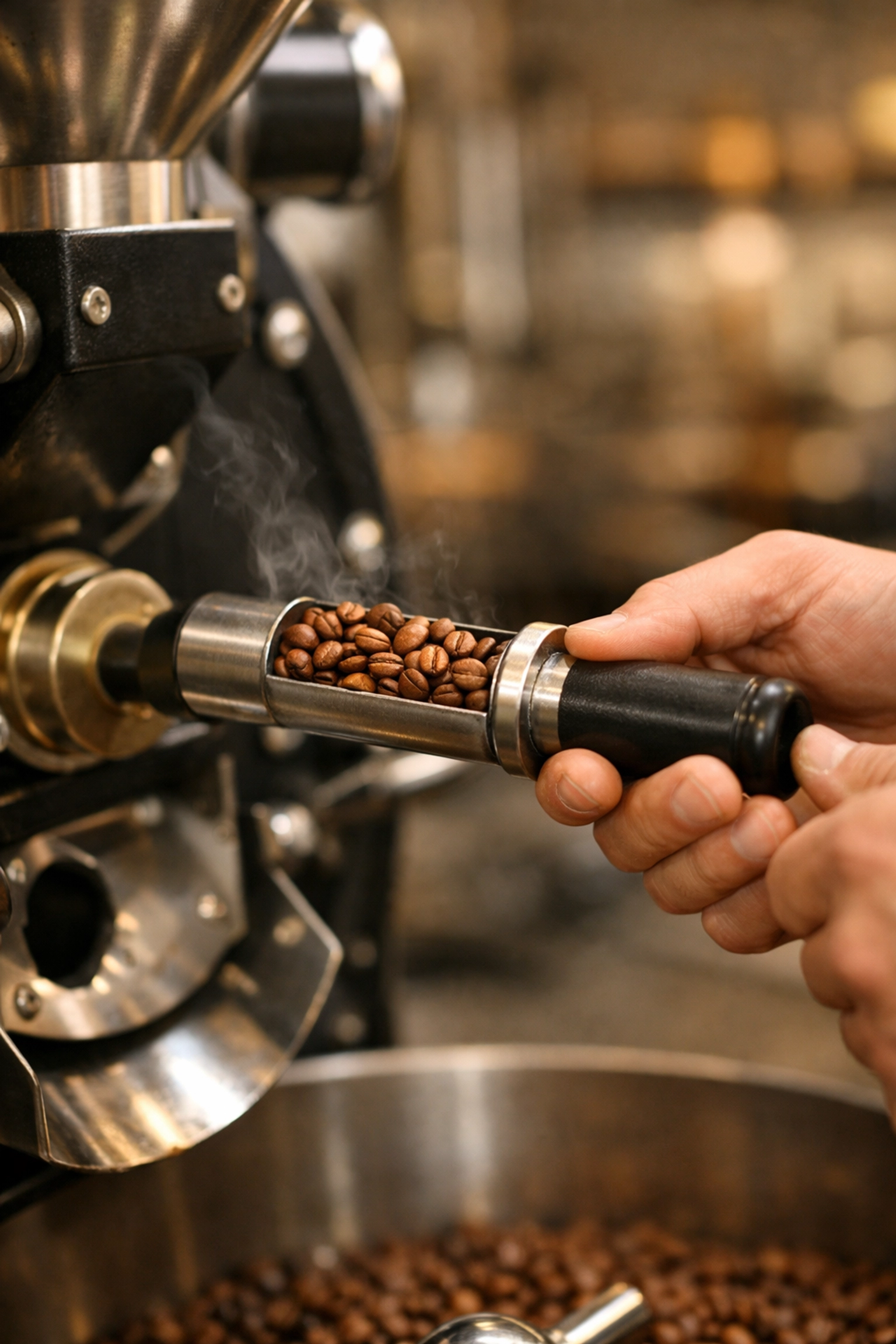
    Artisanal wholesale coffee roaster checking a batch of fresh roasted specialty beans.

    Differentiation in a Crowded Market

    The coffee industry is crowded. Extremely crowded. To survive, you need a point of difference.

    Specialty coffee allows you to tell a story. You can talk about the farm, the processing method, and the ethical sourcing. People love knowing where their food and drink come from. It adds value to the purchase.

    When you source through specialty roasters, you’re often supporting direct trade relationships that ensure farmers are paid significantly above the C-market price. This isn't just "feel-good" marketing; it’s a commitment to quality and ethics that resonates with modern consumers.

    You can even create your own "theatre" around the coffee. From the way the beans are ground to the precise tamping (see our guide on tamping), every step is a performance. This theatre of coffee justifies the premium price and keeps people coming back for the "show".


    The Technical Side: Freshness and Precision

    Let’s get a bit nerdy for a second. (We don't apologize for it: it’s necessary knowledge!)

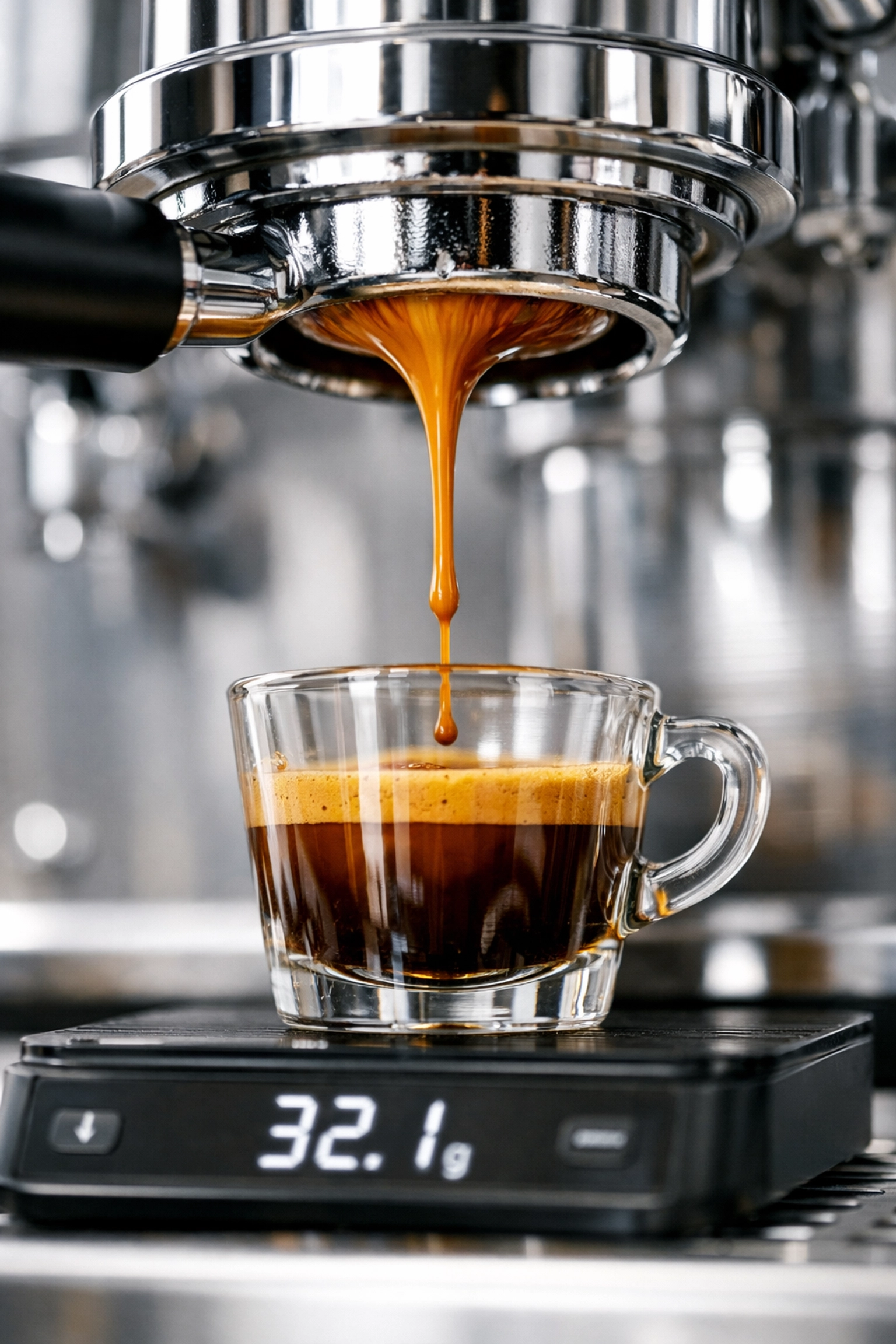
    In specialty coffee, we talk about extraction in terms of percentages and ratios. For example, a standard espresso might use 18g of ground coffee to produce 36g of liquid espresso in about 27–30 seconds.

    To achieve this consistently, you need high-quality wholesale beans that have been roasted with precision. Mass-produced beans are inconsistent in size and density, making it impossible to get a steady "dial-in".

    We also need to talk about temperature. Most specialty coffees perform best when brewed between 92 °C and 95 °C (198 °F to 203 °F). If your machine can’t hold those temperatures, or if your beans are too old to hold a decent crema, you’re fighting an uphill battle.

    Precise espresso extraction with rich crema from a professional wholesale coffee machine.

    Branding and Profitability

    It sounds counter-intuitive, but buying more expensive beans can actually lead to higher profits.

    How? Because you can charge more per cup.

    If you’re using commodity beans, you’re competing on price. There’s always someone willing to go lower. But if you’re using top-tier specialty beans from reputable coffee suppliers, you’re competing on quality.

    Customers are happy to pay £3.50 or £4.00 for a latte if it’s the best latte they’ve had all week. If it’s just "fine", they’ll complain if the price goes up by 20p.

    Plus, specialty roasters help you with inventory management. Instead of buying a pallet of beans that sits in your storeroom for six months, you buy what you need weekly. This keeps your cash flow healthy and your coffee fresh. It's a win-win.


    Support That Matters

    Starting a cafe is stressful. We’ve been there. From building a coffee shop to choosing the right coffee cups, there are a million decisions to make.

    The last thing you want to worry about is whether your coffee is going to be good this week.

    When you partner with us at Limini Coffee, you’re getting a team that cares about your brew as much as you do. We want your customers to be happy. We want your baristas to be proud of the drinks they're serving.

    A coffee supplier partner and cafe owner discussing specialty bean selection and training.

    Final Thoughts: Don't Compromise

    Your coffee is the heart of your business. It’s your identity, your marketing, and your primary source of revenue. Don't treat it as an afterthought.

    Invest in quality beans. Invest in training. Invest in a partnership with a roaster who knows their stuff.

    Basically, if you treat your coffee with respect, your customers will treat your business with loyalty. And in the long run, that is the best marketing strategy you could ever have.

    If you would like to chat about how we can help your business grow, or if you're just starting your journey and need some advice on equipment like the La Spaziale range, we’d love to hear from you.

    Check out our full range of wholesale services and become part of the Limini family today: Visit Limini Coffee.

    That is the beauty of coffee 🙂

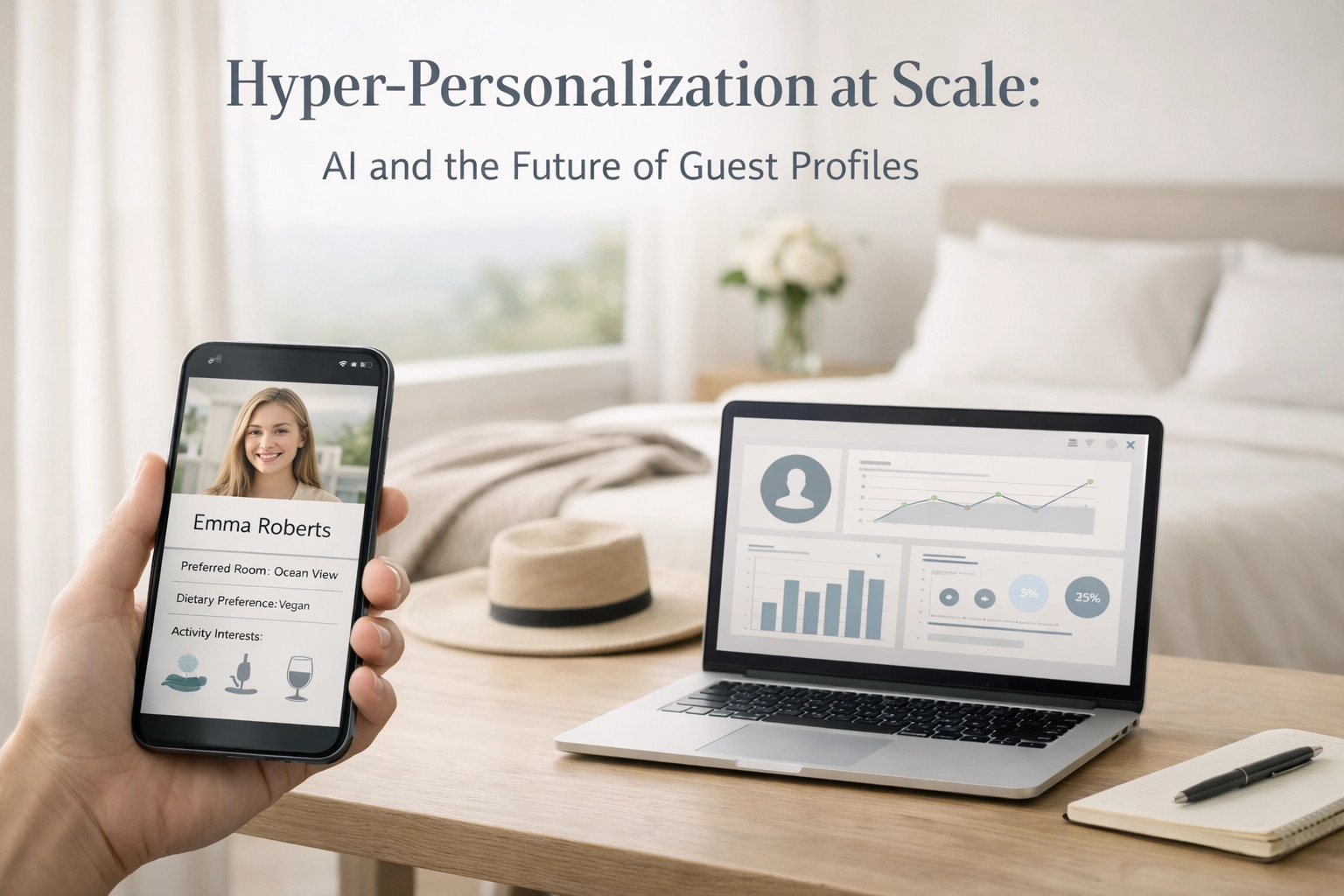
  • Hyper-Personalization at Scale: AI and the Future of Guest Profiles

    Hyper-Personalization at Scale: AI and the Future of Guest Profiles

    Know them. Surprise them. Keep them.

    The era of the generic guest experience is officially over. For years, the hospitality industry relied on broad buckets to define who was staying in their rooms. You were either a "business traveler" or a "leisure guest." You were a "family" or a "couple." It was better than nothing, but it was far from personal.

    Today, we’re moving into the age of the individual. We call it hyper-personalization at scale. It’s the ability to treat ten thousand guests like they are the only person in the building, all from one innovative platform.
    Beyond the segment. Into the signal.

    Traditional segmentation is lazy. Just because two guests are both 35-year-old men traveling for work doesn't mean they want the same things. One might be a fitness fanatic who needs a gym map and a protein shake at 6 AM. The other might be a night owl who needs a quiet corner and a double espresso at midnight.

    We believe the future isn't in segments; it’s in signals.

    AI-driven hospitality focuses on micro-behaviors. It looks at booking patterns, previous amenity choices, dietary preferences mentioned in passing, and even the sentiment of past reviews. These are the signals that build a true guest profile. When you stop looking at demographics and start looking at intent, the magic happens.

    • Ditch the labels. Stop categorizing and start observing.
    • Listen to the data. Every click is a preference.
    • Predict the need. Use AI to see the pattern before the guest does.

    Minimalist hotel lobby at golden hour showing the scale of personalized guest hospitality.

    Scalable intimacy. The hospitality paradox.

    The biggest challenge in a modern hotel is maintaining that boutique, "we know your name" feeling while managing hundreds of rooms and thousands of bookings. It’s a paradox: how do you get closer to the guest as you get bigger?

    The answer is scalable intimacy.

    AI solves this by automating the heavy lifting of data analysis. Instead of a front desk agent trying to remember that Mr. Smith likes extra pillows, the system identifies that preference across his entire history and flags it for housekeeping before he even arrives. It’s personal, but it’s automated. It’s intimacy that doesn't break when you add another hundred rooms to your portfolio.

    We think that technology shouldn't replace the human touch: it should provide the context that makes the human touch possible. When your staff isn't buried in manual data entry, they can actually look a guest in the eye and say, "Welcome back, we’ve already set up your favorite corner table for breakfast."

    Pre-arrival magic: Winning before check-in

    The stay doesn't start at the front desk. It starts the moment the guest thinks about booking.

    Modern AI capabilities allow Mews users to analyze guest data long before the "Welcome" mat is rolled out. Predictive guest profiling uses historical data and real-time behavior to anticipate what a guest will want. If a guest always books a spa treatment within 24 hours of arrival, the AI can trigger a personalized offer for their favorite massage the moment the booking hits the system.

    This isn't just about being nice: it’s about revenue.

    • 35% increase in ancillary revenue through personalized upselling.
    • 150% increase in overall guest satisfaction scores.
    • 125 hours saved monthly at the front desk through automation.

    When you offer the right thing to the right person at the exact right time, it doesn't feel like a sales pitch. It feels like a service.

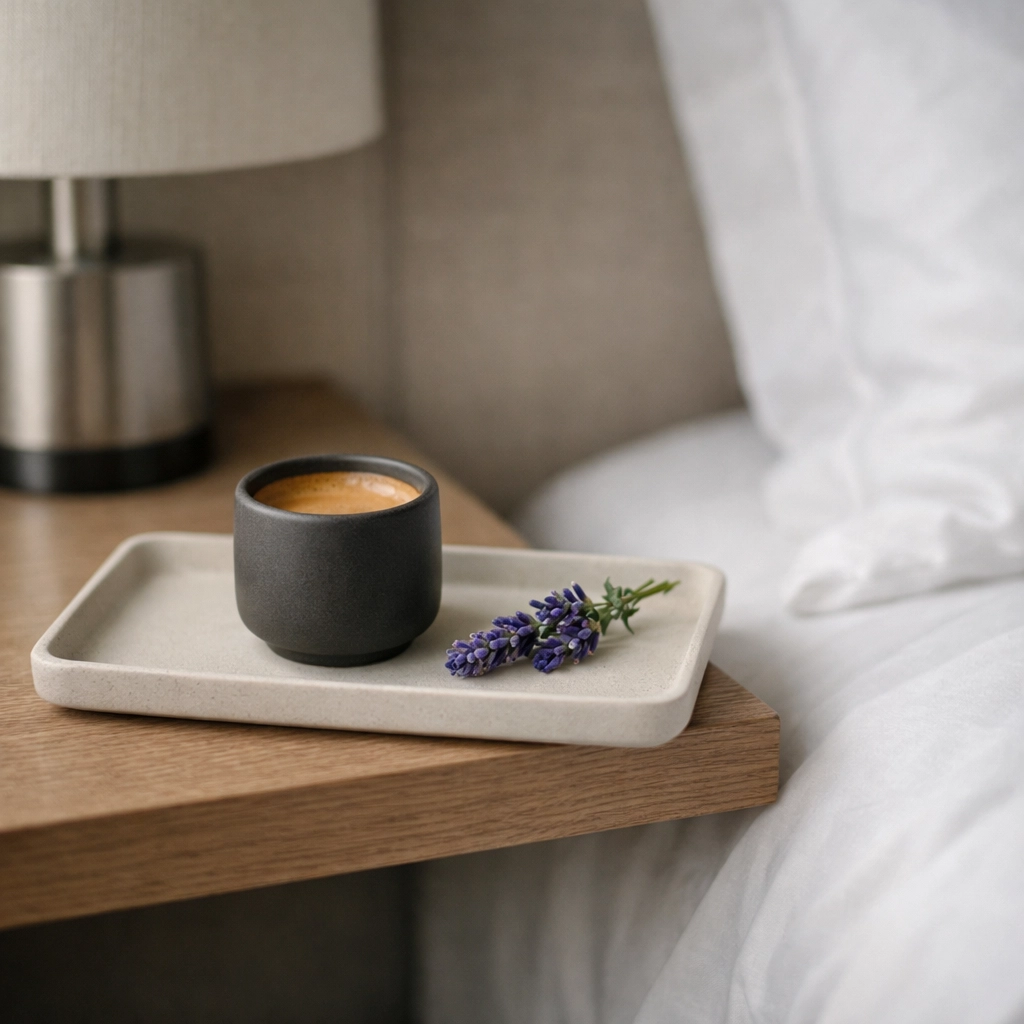
    A luxury hotel bedside with an espresso and lavender reflecting an intelligent guest profile.

    The intelligent guest profile

    At the heart of this transformation is the Mews guest profile. In the old days, a guest profile was a static digital folder with a name, an email, and maybe a credit card number. Today, it’s a living, breathing data set.

    We’ve built a system where guest profiles are centralized and portable. Whether a guest stays at your property in London or your resort in the Maldives, the system knows them. It remembers that they prefer oat milk, that they hate being near the elevator, and that they usually check out thirty minutes late.

    This level of intelligence allows for smart room assignments. AI algorithms can optimize room allocation based on guest history. If a guest has previously complained about street noise, the system won't just find an empty room; it will find the quietest empty room.

    It’s about making the guest feel seen without them having to say a word. To see how this works in practice, you can explore the Mews platform here.

    Real-time adaptation

    Hyper-personalization doesn't stop once the guest has their key. The best AI systems continue to learn throughout the stay.

    If a guest visits the hotel bar three nights in a row and orders a specific craft gin, the system can log that preference. The next time they book, that gin can be waiting in their mini-bar. This is real-time service adaptation. It’s the ability to pivot your offering based on observed behavior (the cool stuff).

    We’ve seen properties like the Mercure Paddington in London use these types of AI-driven insights to push their occupancy from 64% to 92%. They didn't do it by lowering prices; they did it by being more relevant to their guests than the competition.

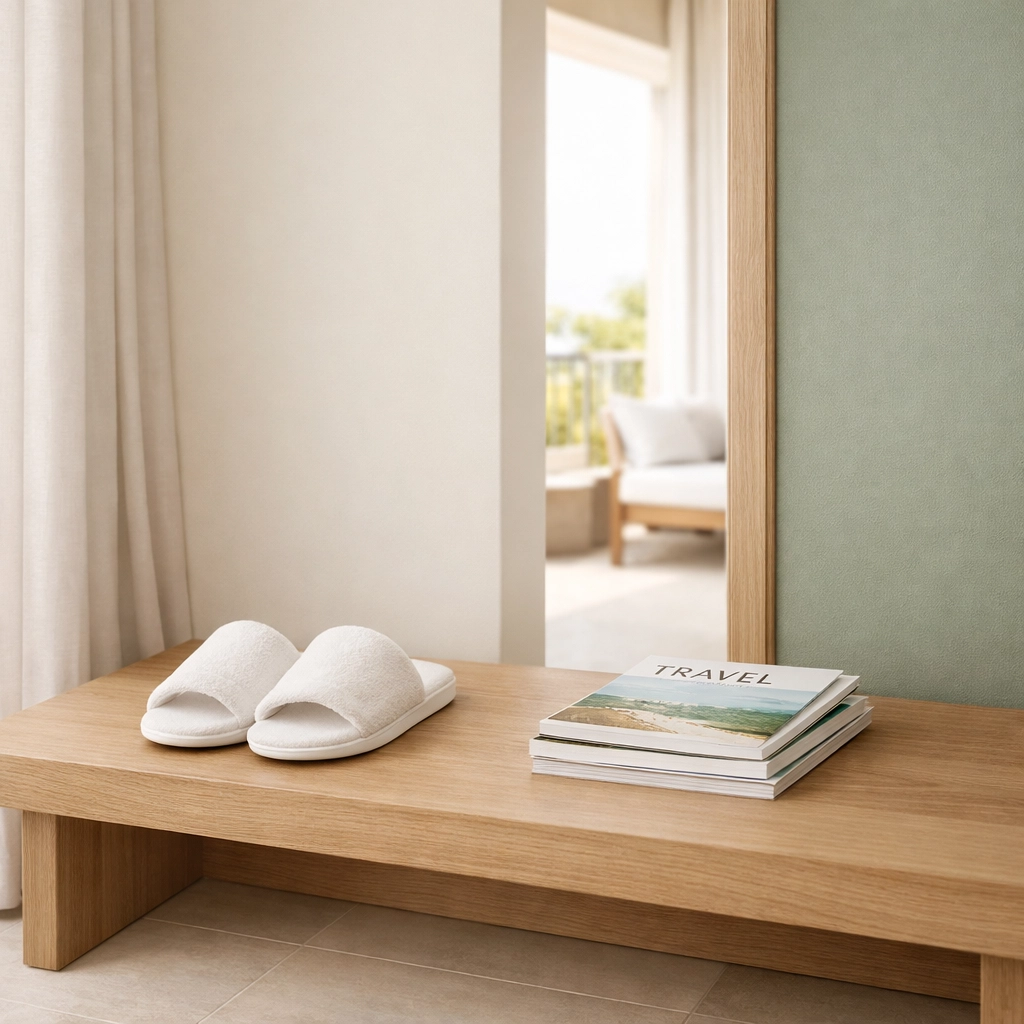
    Slippers and magazines in a quiet hotel suite entryway illustrating pre-arrival personalization.

    The death of the front desk?

    We often get asked if all this AI means the end of the front desk. We don't think so. We think it’s the end of the front desk as a "transaction station."

    When AI handles the data, the profiles, and the room assignments, the front desk is liberated. Your staff is no longer staring at a screen typing in passport numbers (which everyone hates). Instead, they are acting as hosts.

    The future of guest profiles lies in systems that operate behind the scenes. The AI provides the context, and the human provides the empathy. It’s a partnership where the technology handles the scale, and the people handle the soul.

    Privacy, trust, and the "Creepy" line

    There is, of course, a line between being helpful and being "creepy." We’re very aware of that. Hyper-personalization requires a high degree of trust. Guests are willing to share their data, but only if they see a clear benefit and feel that their information is secure.

    We believe in transparency. Guests should have control over their profiles. At Mews, we prioritize privacy-enhancing technologies to ensure that personalization never comes at the cost of security. When guests see that their data is being used to make their life easier: like skipping the check-in line or getting a room that actually suits their needs: they aren't just okay with it; they expect it.

    A crystal glass on a black marble hotel bar representing refined and personalized guest service.

    Building the future today

    The jump from "standard hotel stay" to "hyper-personalized experience" can feel like a leap. But it’s a series of small, smart steps.

    1. Centralize your data. You can't personalize if your data is stuck in three different legacy systems.
    2. Activate your guest profiles. Move beyond names and emails to preferences and behaviors.
    3. Automate the routine. Let AI handle the predictable so your team can handle the exceptional.

    The technology to do this isn't "coming soon." It’s already here. The hotels that are winning in 2026 are the ones that have stopped treating guests like numbers and started treating them like individuals.

    We’re helping 12,500+ properties redefine what hospitality looks like. If you're ready to move beyond the segment and start listening to the signal, we’re ready to get you there.

    Get started with a more innovative way to manage your guests. It’s easy, it’s fast, and it’ll get you earning more revenue in no time.

    The future of hospitality is personal. Let’s build it.

  • The Hidden Logistics of Coffee Shop Set Up: Power, Water, and Space

    The Hidden Logistics of Coffee Shop Set Up: Power, Water, and Space

    So, you’ve found the perfect location. The lease is signed, the mood board is overflowing with aesthetic tile patterns, and you can already smell the freshly roasted beans in the air. It’s an exciting time, isn't it? But before you start ordering those bespoke ceramic cups, we need to talk about the stuff that happens behind the scenes: the "un-glamorous" bits that can make or break your opening day.

    Setting up a coffee shop is about more than just a passion for the craft; it’s a technical puzzle. If you don't get the power, water, and space requirements right from day one, you’ll likely face some expensive headaches down the line. We’ve seen it happen: a beautiful shop opens, and the moment the barista turns on the steam wand while the dishwasher is running, the lights go out. Not ideal.

    At Limini Coffee, we’ve helped countless coffee shops find their feet, and we want to make sure your coffee shop set up is as smooth as a well-poured flat white. Let’s dive into the hidden logistics of power, water, and space.


    Power: More Than Just a Plug in the Wall

    You might think a standard socket is enough to run your shop. Unfortunately, it’s not that simple. Commercial coffee equipment is power-hungry. While your kettle at home might use a fair bit of juice, a multi-group commercial espresso machine is in a whole different league.

    The Amperage Reality Check

    Most residential sockets in the UK provide 13 amps of power. However, a serious 2-group or 3-group espresso machine often requires a 20-amp or even a 32-amp single-phase supply. This means you can’t just "plug and play." You will likely need a qualified electrician to install dedicated circuits and industrial-grade sockets (often the blue "commando" style plugs) specifically for your machine.

    Why is this important? Because of the wattage. A standard commercial machine can pull anywhere from 3,000 to over 6,000 watts. If you try to run that on a shared circuit with your panini press and milk fridge, you’re going to be tripping breakers every ten minutes. It’s worth checking the workings of machines like the La Spaziale to understand just how much technology (and power) is packed into these units.

    Voltage Matters

    In the UK, we generally work with 230V/240V. Some high-end equipment from overseas might have different requirements, but most professional gear sold here is ready for our grid. Just keep in mind that "dual voltage" units are common; they might use 240V for the heavy lifting (heating the boilers) and 120V/low voltage for the control panels and PIDs (Proportional Integral Derivative controllers, basically the digital brain that keeps your water temperature stable).

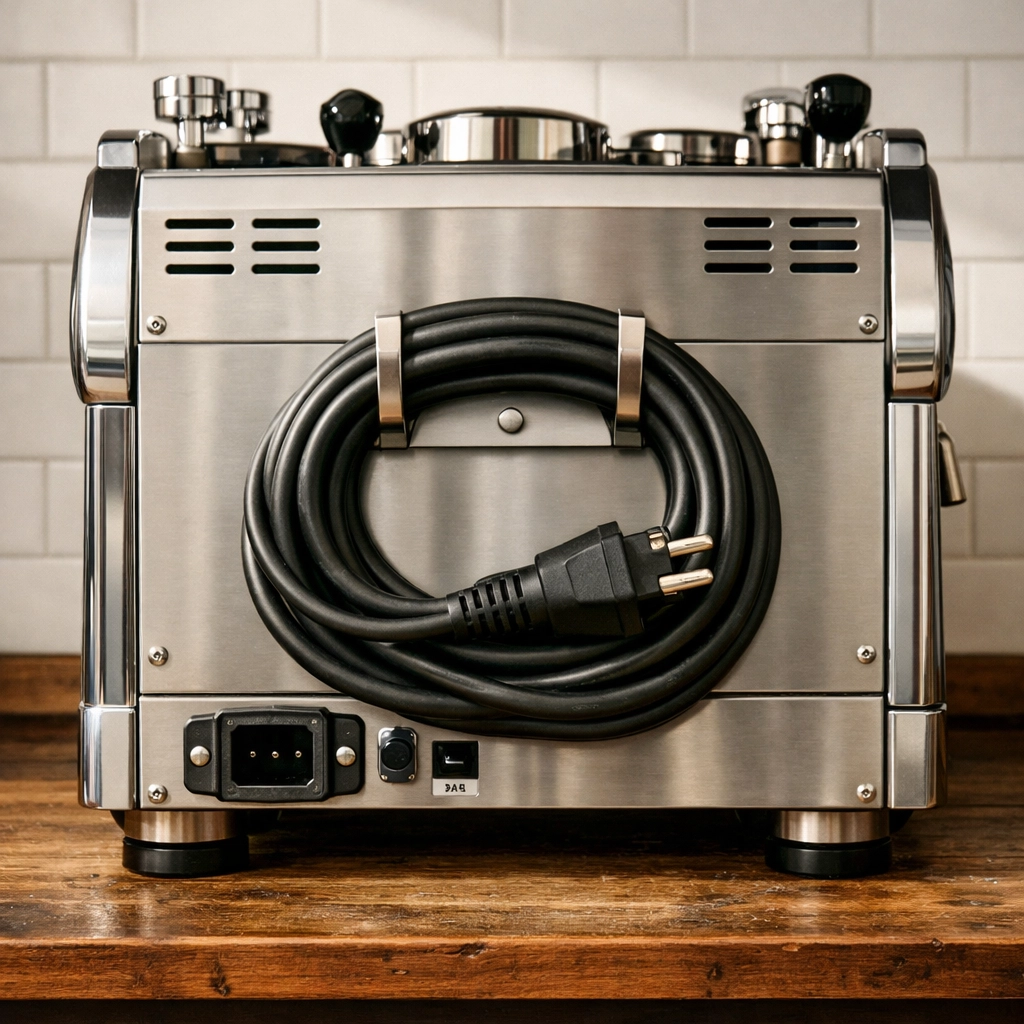
    Rear view of a commercial espresso machine showing heavy-duty power cables for coffee shop set up.

    Don't Forget the Grinders

    While the espresso machine is the big eater, don't ignore your grinders. A high-speed burr grinder might only pull 400 to 1,000 watts, but it needs a stable supply to ensure the motor doesn't burn out during a busy morning rush. We always recommend having separate circuits for your coffee equipment and your refrigeration. If a fridge compressor kicks in and causes a slight dip in power, you don't want it affecting the delicate electronics of your espresso machine.


    Water: The Lifeblood of Your Business

    Coffee is about 98% water. If your water isn't right, your coffee won't be right: it’s as simple as that. But logistics-wise, water isn't just about what goes into the cup; it’s about how it gets into the machine and where it goes afterward.

    Plumbing In vs. Tank-Fed

    Most professional setups require "plumbed-in" machines. This means a direct connection to your mains water supply. While some smaller machines have internal tanks, they aren't practical for a high-volume shop. You don’t want your barista stopping every ten minutes to refill a water reservoir.

    When planning your counter, you need to ensure there’s a water shut-off valve easily accessible. If a pipe bursts or a seal fails, you need to be able to kill the water supply in seconds, not minutes.

    The Silent Killer: Limescale

    In many parts of the UK, the water is "hard," meaning it’s full of minerals like calcium and magnesium. While these are fine to drink, they are a nightmare for espresso machines. When water is heated, these minerals solidify into scale. Over time, this scale clogs your boilers, narrows your pipes, and eventually kills your machine.

    This is why a high-quality water filtration system is non-negotiable. It’s not just about taste (though it helps with that, too); it’s about protecting your investment. We often talk about this in our wholesale partnerships: maintenance starts with prevention.

    The "Waste" Problem

    This is the one people forget most often: drainage. Every time your machine does a backflush or a barista rinses the drip tray, that water has to go somewhere. You need a waste pipe (usually a 40mm pipe) with a proper trap to prevent smells from coming back up.

    If your counter is far from the main drains, you might need a "macerator" pump to push the waste water along. These are noisy and can be prone to failure if baristas accidentally drop coffee grounds down the sink, so we prefer a simple gravity-fed drain whenever possible.


    Space: The Barista’s Dance Floor

    Space planning is where the "art" of coffee shop set up meets the "science" of ergonomics. Imagine your barista as a dancer. Every movement should be fluid, short, and intentional. If they have to take three steps to reach the milk fridge and another four to get to the knock-box, you’re losing seconds on every drink. During a rush, those seconds turn into minutes of wait time for your customers.

    The Golden Triangle

    In kitchen design, there’s a concept called the "work triangle." In a coffee shop, it’s the flow between the Grinder, the Espresso Machine, and the Milk Station/Sink.

    1. The Grinder: Should be right next to the machine.
    2. The Machine: The heart of the operation.
    3. The Knock-box: Usually cut into the counter or sitting directly under the grinder/machine.

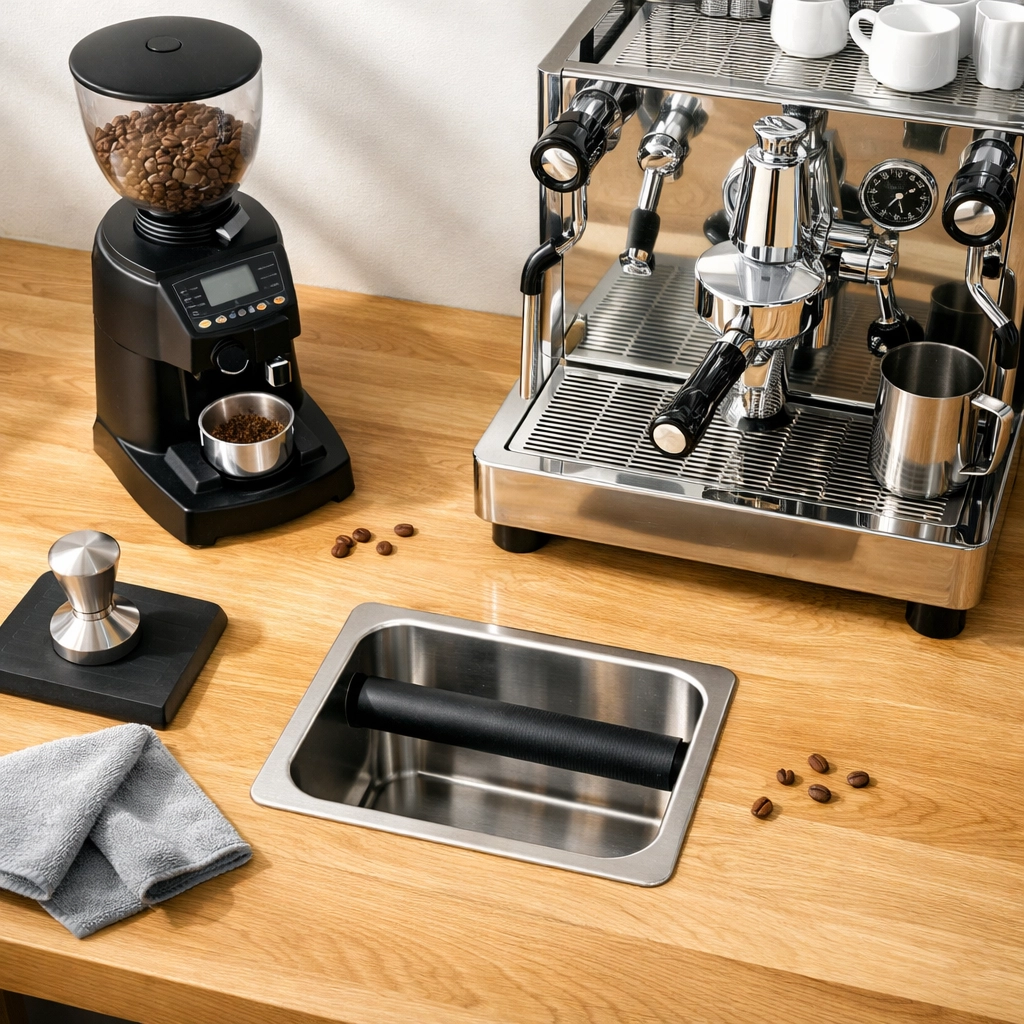
    Overhead view of a coffee shop counter layout with an espresso machine and professional grinder.

    Counter Height and Depth

    The standard counter height is usually around 900mm, but you need to consider the height of the espresso machine on top of that. If the machine is too high, the barista will be straining their shoulders to lock in the portafilters. Too low, and they’ll be hunching over.

    Depth is equally important. A commercial espresso machine is a deep beast: often 500mm to 600mm. You need extra space behind it for the cables and hoses, and extra space in front of it for the barista to work. We generally recommend a counter depth of at least 800mm to 900mm for the main bar. If you’re at the stage of designing your layout, our guide on building a coffee shop and shop fitting is a great place to start.

    Ventilation and Heat

    Espresso machines are basically large radiators. They give off a lot of heat. If you tuck your machine into a tight corner with no airflow, it’s going to struggle. Even worse, if your milk fridges are tucked under the counter with no ventilation, their compressors will overheat and fail. Always leave a "breathing gap" around your refrigeration units.


    The "Hidden" Costs of Maintenance

    When we think about logistics, we also have to think about the future. Your equipment will need servicing. This means when you’re designing your beautiful custom cabinetry, you need to make sure a technician can actually get into the machine.

    If a technician has to spend an hour dismantling your decorative woodwork just to reach a boiler valve, they’re going to charge you for that hour. We’re big fans of looking after your espresso machine properly, and that starts with making it accessible.

    Storage Logistics

    Where are the beans going? Where is the spare milk? Where do the 500 takeaway cups live? It’s tempting to use every inch of counter space for equipment, but you need "dead space" for prep and storage.

    Imagine it's 8:30 AM on a Monday. You’ve got a queue out the door. You run out of cups. If the cups are stored in a back room upstairs, your workflow just died. Efficient storage means having the next "unit" of whatever you need within arm's reach.

    Neatly stacked coffee cups and takeaway supplies on rustic cafe shelves for efficient workflow.


    Why This All Matters

    It’s easy to get caught up in the romance of choosing the perfect beans: and trust us, sourcing our coffee is one of the best parts of what we do. But the technical foundation is what allows those beans to shine.

    A machine that doesn't have enough power won't recover its temperature quickly enough, leading to sour, under-extracted coffee. Water that hasn't been filtered properly will mask the delicate notes of a single-origin roast with the taste of chlorine or minerals. A cramped workspace will lead to stressed baristas and messy drinks.

    Basically, the "hidden" logistics are the skeleton of your business. You don't see them, but without them, everything collapses.

    How We Can Help

    If this all sounds a bit daunting, don't worry. We’ve been through this process hundreds of times. From advising on the best espresso equipment for your specific space to providing the barista training needed to run it all efficiently, we're here to help.

    Whether you are just starting to look at floor plans or you’re ready to pull your first shot, remember that getting the basics right is the best gift you can give your future self. It’s the difference between a shop that struggles and a shop that thrives.

    If you’re looking for a partner to help you navigate the tricky world of power, water, and great coffee, why not check out our wholesale options? We’d love to help you build something amazing.

  • Your Quick-Start Guide to Business Automation Tools: Do This First to Reclaim 10 Hours a Week

    Your Quick-Start Guide to Business Automation Tools: Do This First to Reclaim 10 Hours a Week

    It’s 11:00 PM.

    The house is quiet, but your brain is screaming. You’re staring at a spreadsheet, copying email addresses from a contact form into your CRM. One by one. Copy. Paste. Tab. Copy. Paste. Tab.

    Your eyes are heavy. You’ve got a "real" project to finish, the one that actually makes you money, but this manual junk is standing in the way. It’s the invisible tax of owning a small business.

    You feel like you’re drowning in the "business" of doing business.

    But it doesn’t have to be this way.

    The truth? You don't need a 20-person team to get your life back. You need a system. You need the right business automation tools to do the heavy lifting while you sleep.

    Imagine reclaiming 10 hours of your week. That’s a full workday. Gone. Handed back to you on a silver platter.

    Here is how you make that happen. Starting right now.

    ☕ 7:00 AM: THE WAKE-UP CALL

    You wake up. Usually, the first thing you do is grab your phone. You check the inbox. You see five new inquiries.

    In the "Old Way," you’d spend the next hour typing out the same "Thanks for reaching out, here is my pricing" email five different times.

    In the "New Way," your business automation tools have already handled it.

    The lead came in. The AI recognized the intent. A personalized reply was sent. A discovery call was booked on your calendar. All while you were still dreaming.

    This isn't sci-fi. It’s just smart architecture.

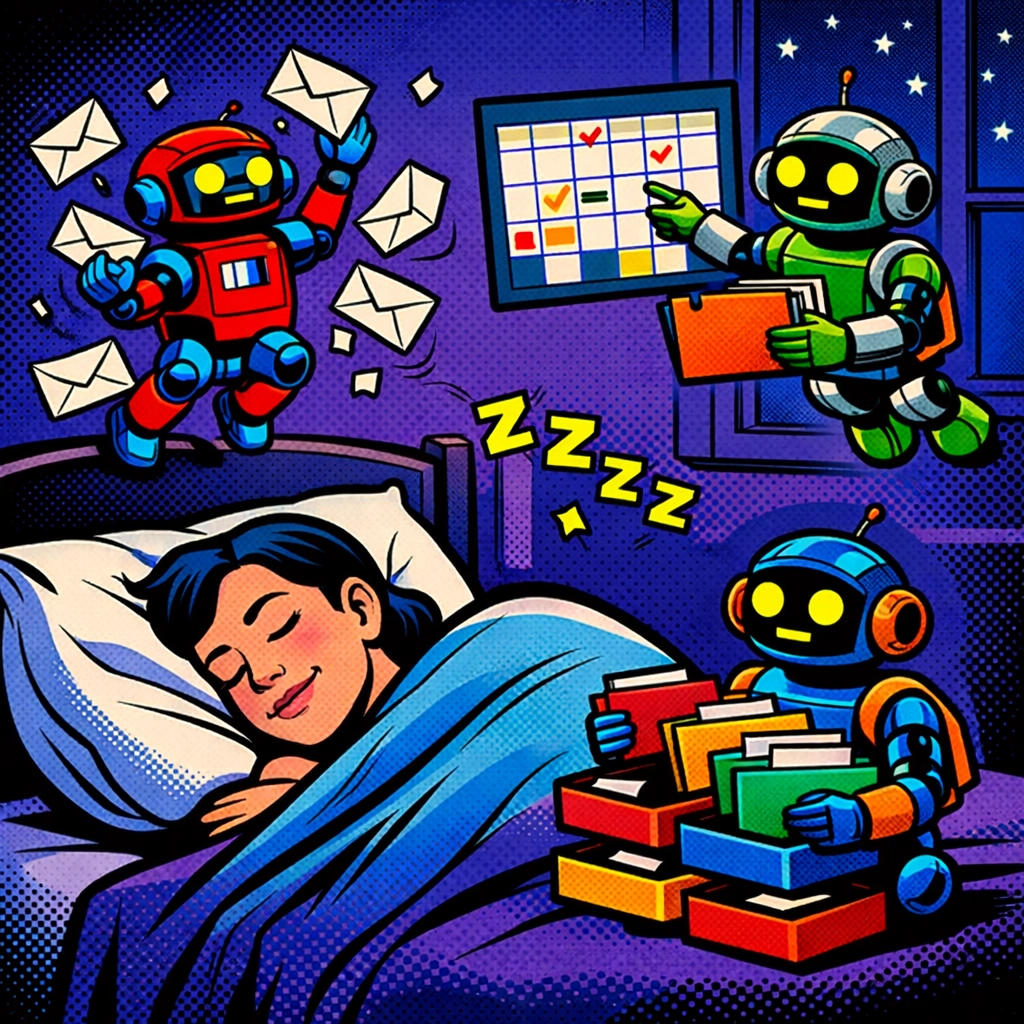
    Robots managing business tasks and emails while a business owner sleeps peacefully.

    STEP 1: THE TWO-DAY TRUTH AUDIT

    Before you go out and buy every SaaS tool on the market, you need to know where your time is actually going.

    Most people guess. They’re usually wrong.

    For the next 48 hours, I want you to be a detective in your own life. Every time you switch tasks, write it down.

    • "Sent invoice: 10 mins"
    • "Followed up with lead: 15 mins"
    • "Posted to Instagram: 20 mins"
    • "Updated project tracker: 10 mins"

    At the end of two days, look at the list. Look for the "Ugh" tasks. These are the repetitive, low-brain-power chores that you do over and over again.

    If a task happens more than three times a week and doesn't require your specific creative genius… it’s a candidate for automation.

    STEP 2: ASSIGN A "FRUSTRATION SCORE"

    Not all tasks are created equal. Some take 5 minutes but make you want to throw your laptop out the window.

    Rate each task on your list from 1 to 10.
    1 = "I don't mind this."
    10 = "I would rather eat glass than do this again."

    The goal of using business automation tools isn't just to save time, it's to save your sanity. We start with the 10s.

    📱 10:30 AM: THE FLOW STATE

    You’re deep in your work. The phone hasn't buzzed once with a "quick question" that could have been an FAQ.

    Why? Because you’ve mapped your workflow.

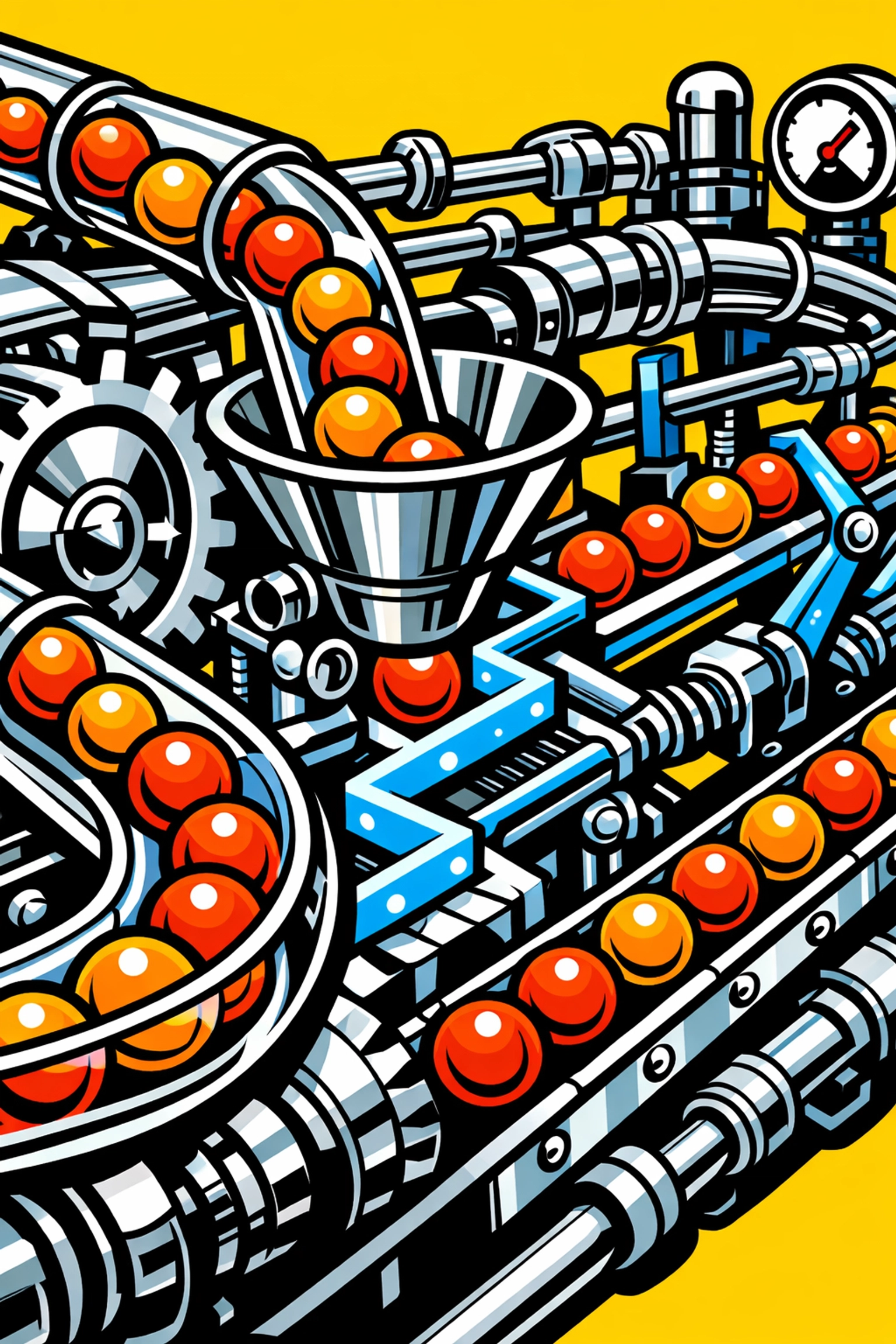
    A colorful mechanical machine representing an efficient, automated business workflow process.

    Mapping isn't complicated. It’s just "If This, Then That."

    • If a customer pays an invoice…

    • Then send them the onboarding PDF automatically.

    • If a new lead fills out the Marblism contact form…

    • Then create a new folder in Google Drive for their assets.

    When you map it out on paper first, the tech becomes easy. You stop fighting the software and start directing it.

    STEP 3: PICK YOUR STARTER POKÉMON (THE TOOLS)

    You don't need 50 apps. You need three or four that talk to each other.

    • The Connector: Tools like Zapier or Make. Think of these as the glue. They take information from App A and shove it into App B.
    • The Scheduler: Calendly. Stop the "Does Tuesday at 2 work for you?" dance. Just send a link.
    • The Communicator: Mailchimp or ConvertKit. Automated sequences that nurture leads while you’re at lunch.
    • The Brain: This is where Marblism comes in.

    While simple tools connect existing apps, Marblism allows you to build the actual custom internal tools and AI-driven platforms your business specifically needs. It’s the difference between buying a pre-made suit and having one tailored to your exact measurements.

    You can see how Scott uses these systems to scale by checking out his approach here: https://www.marblism.com/scott-bowen.

    🤝 1:00 PM: THE SALESMAN WHO NEVER SLEEPS

    Lunchtime. You’re eating a sandwich. You aren't checking your email.

    But your business is still selling.

    A prospect just landed on your site. They’re curious. They have questions. Instead of waiting three days for you to "get back to them," an AI agent, powered by your new automation stack, is answering them in real-time.

    They feel heard. You feel… full. Because you actually got to finish your lunch.

    An AI assistant handling customer inquiries while a small business owner enjoys lunch.

    STEP 4: START SMALL (AND CHEAP)

    The biggest mistake small business owners make? They try to automate everything on day one.

    They spend $2,000 on a complex CRM they don't know how to use.

    Don't do that.

    Pick one process. The one with the highest Frustration Score.
    Automate just that.

    Maybe it’s your meeting booking. Maybe it’s your lead follow-up.
    Spend a week letting that run. See how it feels. Watch those 2 hours a week come back to you.

    Then, and only then, move to the next task.

    🔍 3:30 PM: THE ERROR-FREE ZONE

    Human beings are messy. We make typos. We forget to attach files. We miss the "CC" line.

    Business automation tools don't have bad days. They don't get tired. They don't have a "case of the Mondays."

    When you automate your data entry, your error rate drops to near zero.

    Think about the time you spend fixing mistakes.
    The "Sorry, I sent the wrong link" emails.
    The "I forgot to charge you for that extra hour" conversations.

    Automation doesn't just save time; it saves your professional reputation.

    STEP 5: TEST, THEN TRUST

    Before you let your new "robot employees" loose on your actual customers, run some tests.

    Sign up for your own newsletter.
    Book a fake meeting with yourself.
    Send a $1 test invoice.

    Make sure the emails look right. Make sure the links work.
    Once you see it work three times in a row, you can finally let go of the steering wheel.

    A heroic robot organizing paperwork to represent reliable, error-free business automation.

    🌙 6:00 PM: THE CLEAN BREAK

    The sun is setting. Usually, this is when you’d be bracing yourself for the "second shift", the hours of admin work after the kids go to bed.

    But not tonight.

    Your "To-Do" list for tomorrow is already generated.
    Your leads are sorted by priority.
    Your invoices are tracked.

    You close the laptop. You don't feel guilty. You don't feel like you've forgotten something.

    You’ve reclaimed your evening.

    WHY MARBLISM IS THE FINAL PIECE OF THE PUZZLE

    Look, Zapier is great for moving data. Calendly is great for booking.

    But if you want to build a business that truly scales, you eventually hit a wall with off-the-shelf tools. You need something that fits your unique workflow.

    That’s what we do at Marblism.

    We help you go from "using tools" to "building a system." We use high-end AI and business automation to create the custom software your business needs to grow without you having to work 80 hours a week.

    Scaling shouldn't be a struggle. It should be an engineering project.

    Ready to see how much time you can actually save? Stop guessing and start building.

    Check out what’s possible with the right partner: https://marblism.link/scott-bowen.


    FAQ: YOUR AUTOMATION ANXIETIES ANSWERED

    "Will automation make my business feel cold and robotic?"
    No. It does the opposite. By automating the boring stuff, you have more time to be human where it actually matters: in your deep strategy calls and one-on-one relationships.

    "Is this going to be expensive?"
    It costs more to waste 10 hours a week than it does to pay for a few subscriptions. Most starter tools are under $50. Marblism is about ROI: spending a little to gain a lot of scale.

    "What if I'm not a 'tech person'?"
    You don't need to be. If you can use a smartphone, you can use modern business automation tools. Most are "drag and drop." And if you want the heavy lifting done for you, that's why we're here.

    "Where do I start today?"
    The Two-Day Audit. Grab a notebook. Start tracking.

    Stop juggling.
    The chaos is gone before you even take your first sip of coffee tomorrow.

    Scaling shouldn't be this easy. But here we are.

    GO RECLAIM YOUR TIME.

    https://marblism.link/scott-bowen

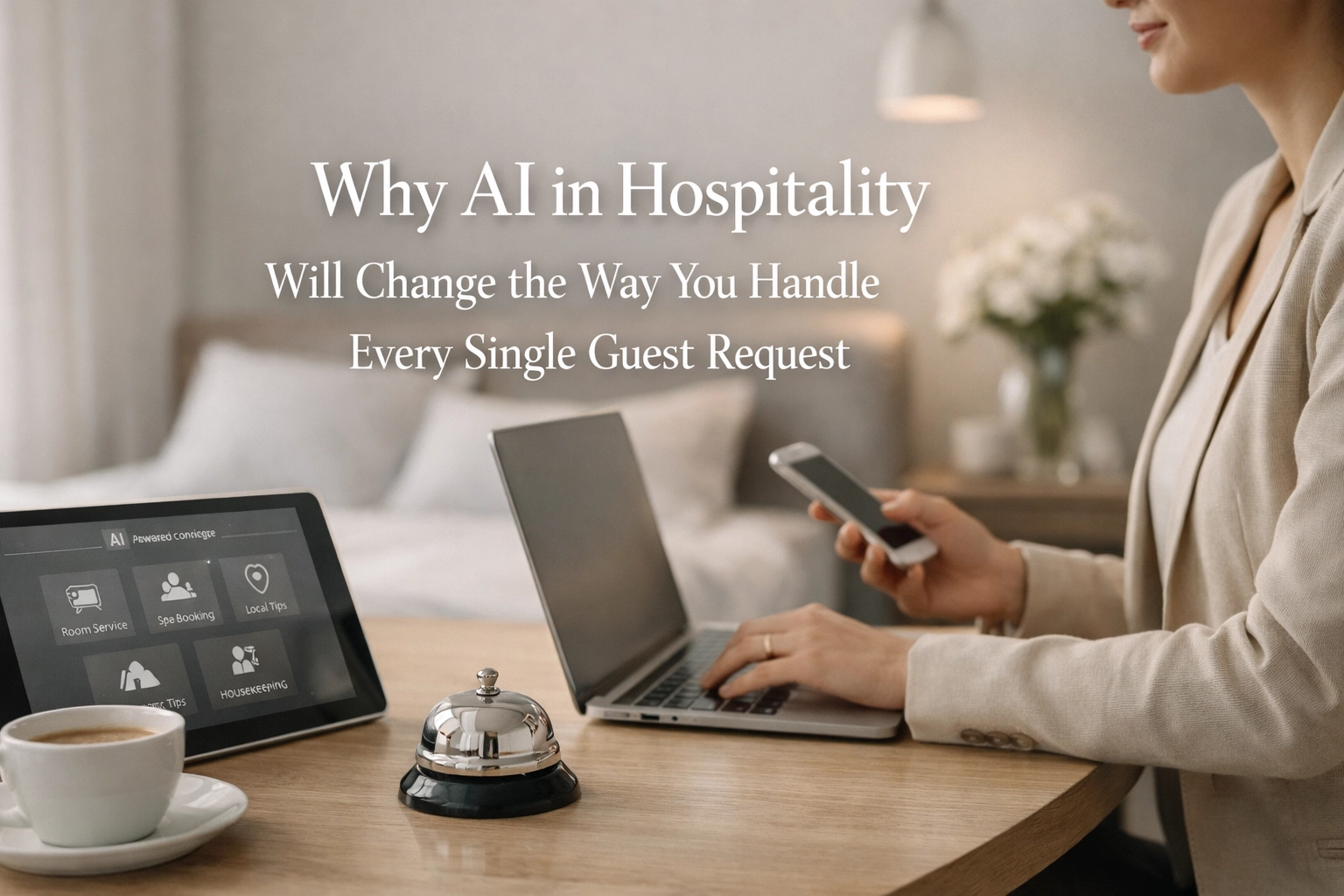
  • Why AI in Hospitality Will Change the Way You Handle Every Single Guest Request

    Why AI in Hospitality Will Change the Way You Handle Every Single Guest Request

    Respond instantly. Anticipate needs. Delight every guest.

    The hospitality landscape in 2026 isn't just about providing a bed and a breakfast; it’s about managing a constant stream of digital and physical expectations. Guests no longer wait in line to ask for an extra towel or the Wi-Fi password, they expect a resolution before they’ve even finished typing the request. By leveraging intelligent automation, properties are seeing a 40% reduction in manual front-desk tasks, allowing teams to focus on the art of welcome rather than the grind of admin. It’s about moving from a reactive stance to a proactive one, all from one innovative platform.

    The end of the "Please Hold" era

    Let’s be honest: nobody likes the front desk phone. It rings at the worst times, usually when you have a physical guest standing right in front of you. AI-powered virtual assistants have finally killed the hold music. These aren't the clunky chatbots of 2022 that didn't understand the word "shampoo." Today’s AI understands context, sentiment, and intent in dozens of languages.

    We believe your staff shouldn't be a human search engine for local pizza recommendations.

    • 24/7 Availability: AI never sleeps, never takes a lunch break, and never gets frustrated by the same question asked fifty times.
    • Instant Resolution: From room service orders to late checkout requests, AI handles the logistics in milliseconds.
    • Multilingual Mastery: Break down language barriers instantly without needing a polyglot on every shift.

    A relaxed hotel guest using a smartphone to manage room service requests via AI hospitality software.

    Predictive service is the new standard

    Why wait for a guest to ask for something when you already know they need it? The true power of AI in hospitality isn't just answering questions: it's predicting them. By analyzing historical data and guest behavior, the system knows that Guest A always asks for a foam pillow and a 7:00 AM espresso.

    "Since we integrated AI-driven guest profiles, our team spends 10 hours a week less on data entry and 10 hours more on making guests feel at home," says one London boutique hotel manager.

    This level of personalization used to require a massive concierge team and a Rolodex of notes. Now, it happens automatically. The system identifies patterns: like a recurring guest who always checks in late: and proactively sends them a digital key and a late-night dining menu before they even land.

    We think guest loyalty is built in these tiny, predicted moments.

    • Customized Offers: Presenting the right upgrade at the right time based on past spending habits.
    • Automated Room Prep: Adjusting climate control and lighting based on the guest’s saved preferences.
    • Smart Inventory: Predicting when you'll run out of specific amenities based on current guest profiles.

    Turning operational chaos into a symphony

    Operational excellence isn't just a buzzword; it’s the difference between a profitable quarter and a stressful one. When AI handles the bulk of guest requests, the ripple effect on your operations is massive. Housekeeping schedules are no longer static lists; they become dynamic workflows that react in real-time to guest departures and specific requests.

    80% of hotels are now using or planning to use AI analytics to streamline their property management.

    See what an integrated approach can do for your team:

    1. Schedule: AI identifies peak request times and suggests staffing levels.
    2. Assign: Requests are automatically routed to the nearest available staff member’s mobile device.
    3. Optimize: The system tracks completion times to identify bottlenecks in your service delivery.

    Hotel staff member using a mobile tablet to manage automated guest requests and operational tasks.

    Putting the "Human" back in Hospitality

    It sounds counterintuitive, but more technology actually leads to more humanity. When the "robot work" is handled by actual robots, your team is free to be present. They can look guests in the eye, have genuine conversations, and handle the complex, emotional side of travel that a machine never will.

    We believe technology should be invisible. It should sit in the background, making everything run smoothly so the guest experience feels like magic. If a guest is celebrating an anniversary, the AI flags it, but it’s your human staff member who leaves the hand-written note and the chilled champagne. That’s the winning combination.

    "The AI handles the 'what,' which lets my team handle the 'wow,'" notes a Mews user.

    High-impact stats you can’t ignore

    • 95% accuracy in intent recognition for common guest inquiries.
    • 30% increase in ancillary revenue through AI-driven personalized upselling.
    • 15-minute average reduction in check-in wait times when using AI-assisted pre-arrival.
    • 12,500+ properties are already shifting toward automated guest journey management.

    A modern, minimalist hotel lobby showcasing a seamless, queue-free guest experience through AI automation.

    Seamless integration, not a science project

    You might think implementing this level of tech requires a degree in data science. It doesn't. The shift toward AI in hospitality is designed to be intuitive. It’s about connecting your PMS to tools that talk to each other. When your guest sends a message via WhatsApp, it should update their profile in the PMS and trigger a task for the maintenance team: all without a single human having to "relay" the message.

    This connectivity is what separates a modern hotel from a legacy one. You don't need more tools; you need a smarter platform.
    Getting started is easier than you think:

    • Identify your top 10 most frequent guest requests.
    • Automate the responses to those top 10 using a centralized guest experience tool.
    • Watch your staff's stress levels drop instantly.

    The future is already here (and it’s checking in)

    The transition to AI-driven hospitality isn't a "maybe" anymore: it's a "must." Guests have already experienced this level of service in retail, banking, and ride-sharing. They are bringing those expectations to your lobby. If you can't meet them, someone else will.

    The goal isn't to replace your staff. The goal is to give your staff superpowers. It's about giving them the data and the time they need to be the incredible hosts you hired them to be. Whether it's managing a 500-room resort or a 10-room guest house, the principles remain the same: speed, personalization, and ease.

    Hotel staff and guest sharing a warm conversation, highlighting the human connection in AI-enabled hospitality.

    Ready to transform your guest experience?

    The world of hospitality is moving fast, and staying ahead means embracing the tools that make your life easier and your guests happier. You don't need a massive budget or a tech-heavy background to start seeing the benefits of AI. You just need the right partner to help you navigate the shift.

    See how Mews can help you automate the mundane and elevate the exceptional.

    Explore the Mews platform and get started today.

    It’s time to stop managing requests and start creating experiences. Your guests are waiting: and thanks to AI, you won't keep them waiting for long. Whether it's a 30-minute implementation or a full-scale digital transformation, the road to better hospitality starts with one smart choice. Let's get you earning more revenue and higher guest scores in no time.

  • Hospitality Trends 2026: 20 Innovative Ideas to Get You Started

    Hospitality Trends 2026: 20 Innovative Ideas to Get You Started

    Transform the guest experience. Automate the mundane. Lead the market.

    2026 isn't just another year on the calendar. It’s the year hospitality finally breaks free from the "we’ve always done it this way" mindset. We’re moving beyond simple check-ins and standard room service. We’re entering the era of agentic AI, "hushpitality," and hyper-personalized commerce.

    At Mews, we believe technology shouldn't get in the way of hospitality: it should get out of the way. We think the best software is the kind you don't have to think about. That’s why we’ve built a platform that handles the heavy lifting so you can focus on what actually matters: your guests.

    Here are 20 innovative ideas to future-proof your property in 2026, all powered by the right mindset and the right tech.

    The AI Revolution: More Than Just Chatbots

    We’ve moved past basic "Hello, how can I help you?" bots. In 2026, AI is your silent co-pilot, managing everything from your lightbulbs to your loyalty programs.

    1. Deploy Agentic AI for Maintenance

    Forget waiting for a guest to complain about a leaky faucet. Agentic AI systems now monitor infrastructure in real-time. They can autonomously order parts and schedule repairs before a human even notices a problem.

    • Reduces emergency repair costs by 30%
    • Extends asset lifespan
    • Eliminates "broken room" downtime

    2. Implement Real-Time Dynamic Pricing

    Static rates are a relic of the past. Use AI that digests competitor rates, local weather, flight delays, and even viral social media trends to adjust your pricing every hour.

    3. Launch Advanced Conversational AI

    Modern guests don’t want to wait on hold. AI chatbots can now handle 90% of routine inquiries, from "What’s the Wi-Fi password?" to "Can I get a late check-out?" all while maintaining your brand’s unique voice.

    4. Optimize Housekeeping with AI Assignments

    Housekeeping is the heart of your hotel. AI-driven task assignments look at real-time occupancy and room turnover needs to tell your team exactly where they are needed most. No more wandering hallways with clipboards.

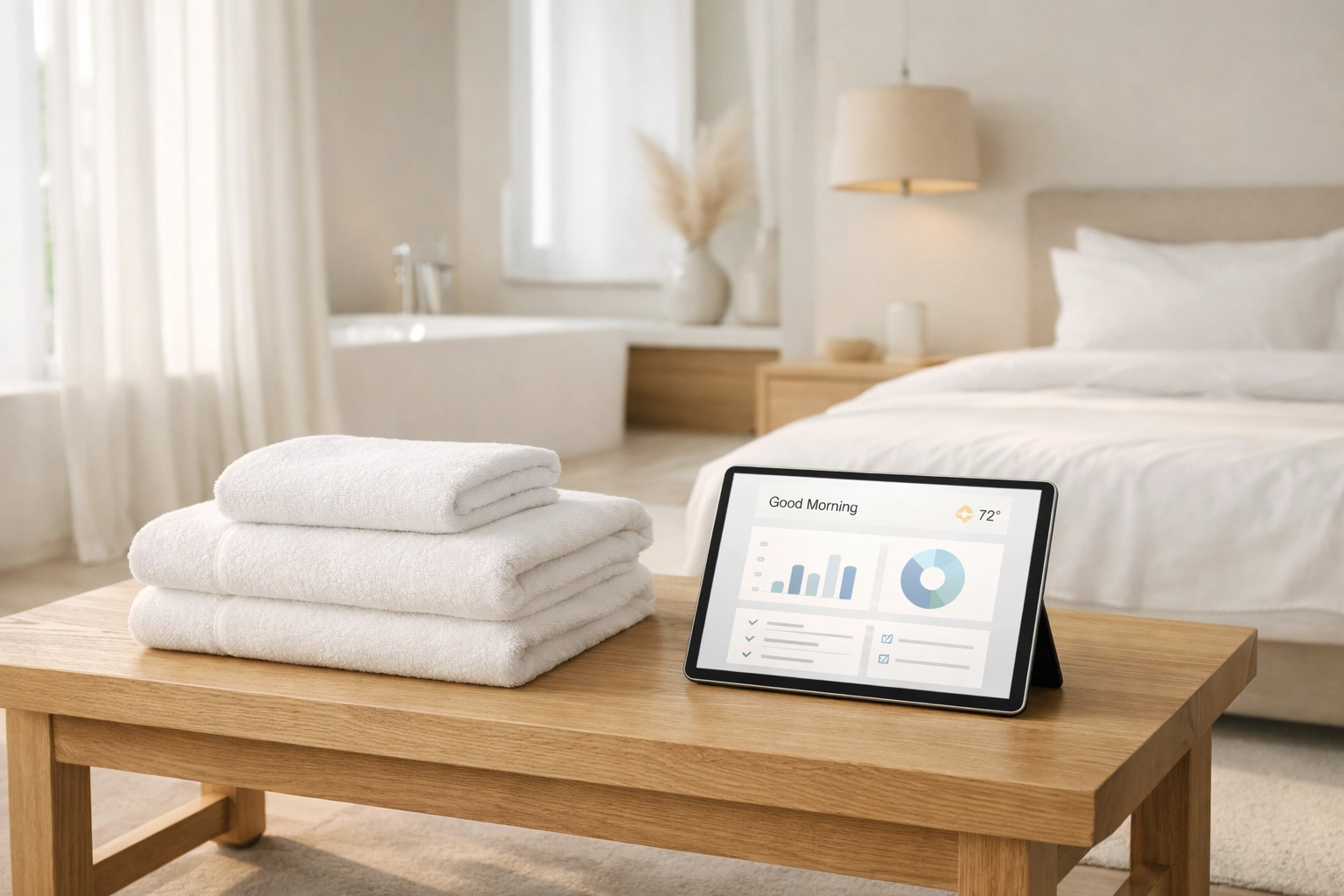
    A tablet displaying an AI-driven housekeeping dashboard in a modern hotel room for efficient turnover.

    5. Smart Climate and Lighting Systems

    Sustainability meets savings. AI systems that adapt to natural light and room occupancy don’t just save the planet: they save your bottom line. We’ve seen properties reduce energy consumption by up to 22% with these integrations.

    Distribution and the New Booking Landscape

    The way people find you is changing. In 2026, you aren't just selling to humans; you’re selling to their digital assistants.

    6. Make Your Property "AI-Searchable"

    As guests use LLMs like ChatGPT or Claude to plan trips, your property needs to be readable by these agents. Implement AI-compatible distribution solutions to ensure you show up when someone asks, "Find me a boutique hotel in London with a great gym and a quiet workspace."

    7. Double Down on Direct Bookings

    We believe the relationship starts at the first click. Use direct booking platforms that offer clear pricing and personalized perks. Guests are tired of OTA hidden fees; give them a reason to book with you directly. You can see how Mews makes this easy by checking out our referral platform.

    8. Introduce Agentic Commerce

    The next step in booking is autonomous. Imagine an AI agent that knows its user’s budget and preferences, negotiating and booking the stay without the user ever seeing a checkout screen. It’s fast, it’s seamless, and it’s the future.

    Revenue Management: Thinking Beyond the Room

    In 2026, your "RevPAR" (Revenue Per Available Room) is only half the story. It’s all about TRevPAR: Total Revenue Per Available Room.

    9. Master Total Revenue Management

    Stop focusing solely on the bed. Optimize every square inch of your property, from coworking spaces and spas to parking spots and rooftop bars.

    • Track spend across all outlets
    • Create unified guest profiles
    • Upsell based on real-time behavior

    10. Forecast for Last-Minute Spikes

    Booking windows are shrinking. Use AI forecasting to capture demand from unpredictable patterns, ensuring you aren't leaving money on the table when a local event suddenly trends.

    11. AI-Powered Food and Beverage Optimization

    Let AI analyze your menu. It can suggest adaptations based on inventory levels, profitability, and even the time of day, ensuring your kitchen runs like a Swiss watch.

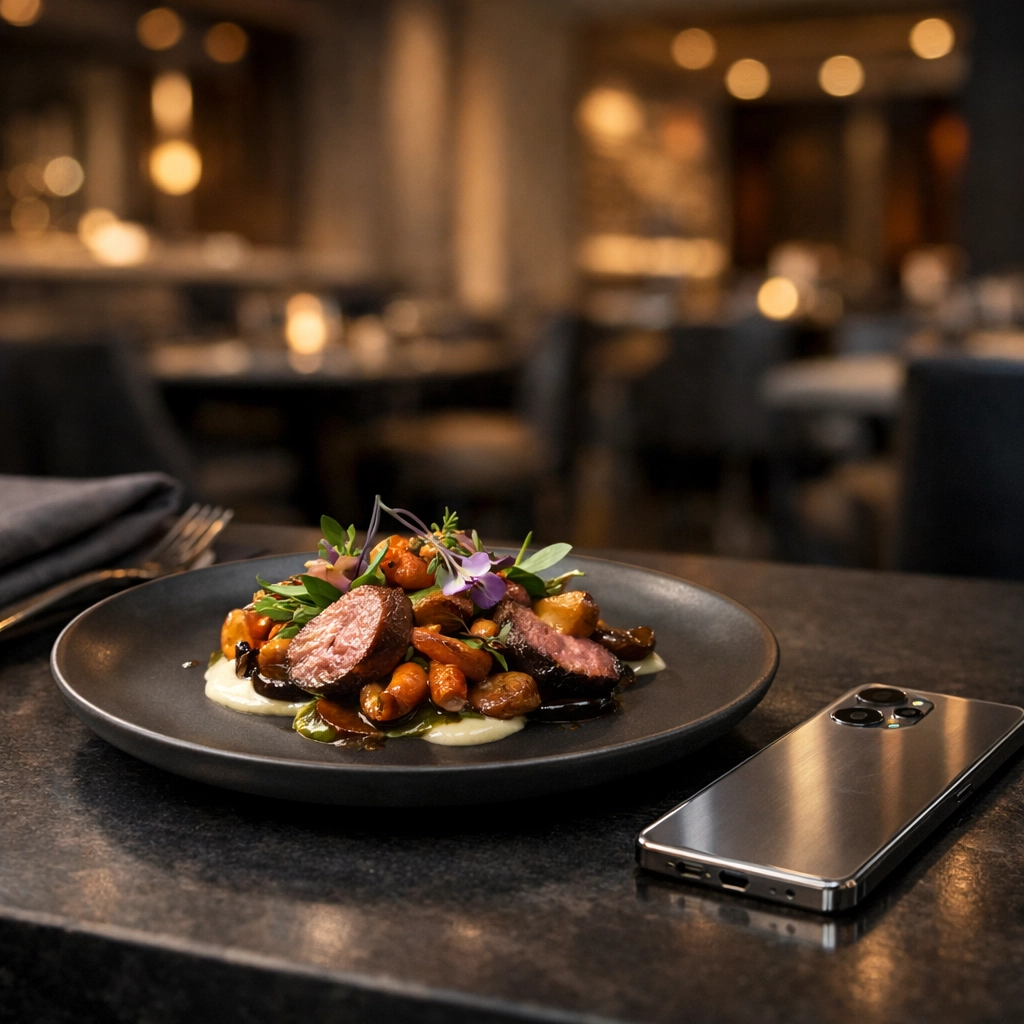
    Sophisticated hotel dining table with a seasonal dish and smartphone for AI-powered menu optimization.

    Elevating the Guest Experience

    Hospitality is a feeling. In 2026, technology is the invisible thread that makes that feeling possible.

    12. Design for "Blended Travel"

    The line between business and leisure has vanished. Remote workers are staying longer and spending more. Offer packages that include high-speed dedicated Wi-Fi, ergonomic chairs, and mid-day coffee perks to capture the "bleisure" crowd.

    13. Target the Ultra-Luxury Segment

    Luxury in 2026 is about exclusivity and privacy. Think private floor access and curated experiences tied to major cultural events. Whether it’s the Route 66 centennial or a major sports final, create a "money-can't-buy" package for those willing to pay.

    14. Embrace "Hushpitality"

    Sometimes, the best service is no service. "Hushpitality" focuses on comfort, control, and connection through discreet tech. It’s for the guest who wants a high-end experience without the constant hovering of staff.

    15. Real-Time Social Trend Monitoring

    Is a local café going viral on TikTok? Is there a sudden influx of people for a pop-up concert? Use social listening tools to create "flash packages" that cater to these micro-trends.

    "We used to spend hours every morning just figuring out who was checking in. Now, Mews handles the data, and we spend those hours greeting guests with their favorite drink already in mind." : Sarah J., Boutique Hotel Owner

    Sustainability and Operations

    Profitability and planet-friendly practices are no longer mutually exclusive.

    16. Adopt Regenerative Practices

    Go beyond "not washing towels." Regenerative hospitality is about leaving the local environment better than you found it. This means sourcing 100% of your food from local producers and using circular waste systems.

    17. Hybrid Dining Concepts

    Why should your restaurant only serve your guests? Open your high-end dining to the public or offer luxury meal kits for locals. Conversely, allow budget guests to "level up" their stay with access to premium dining.

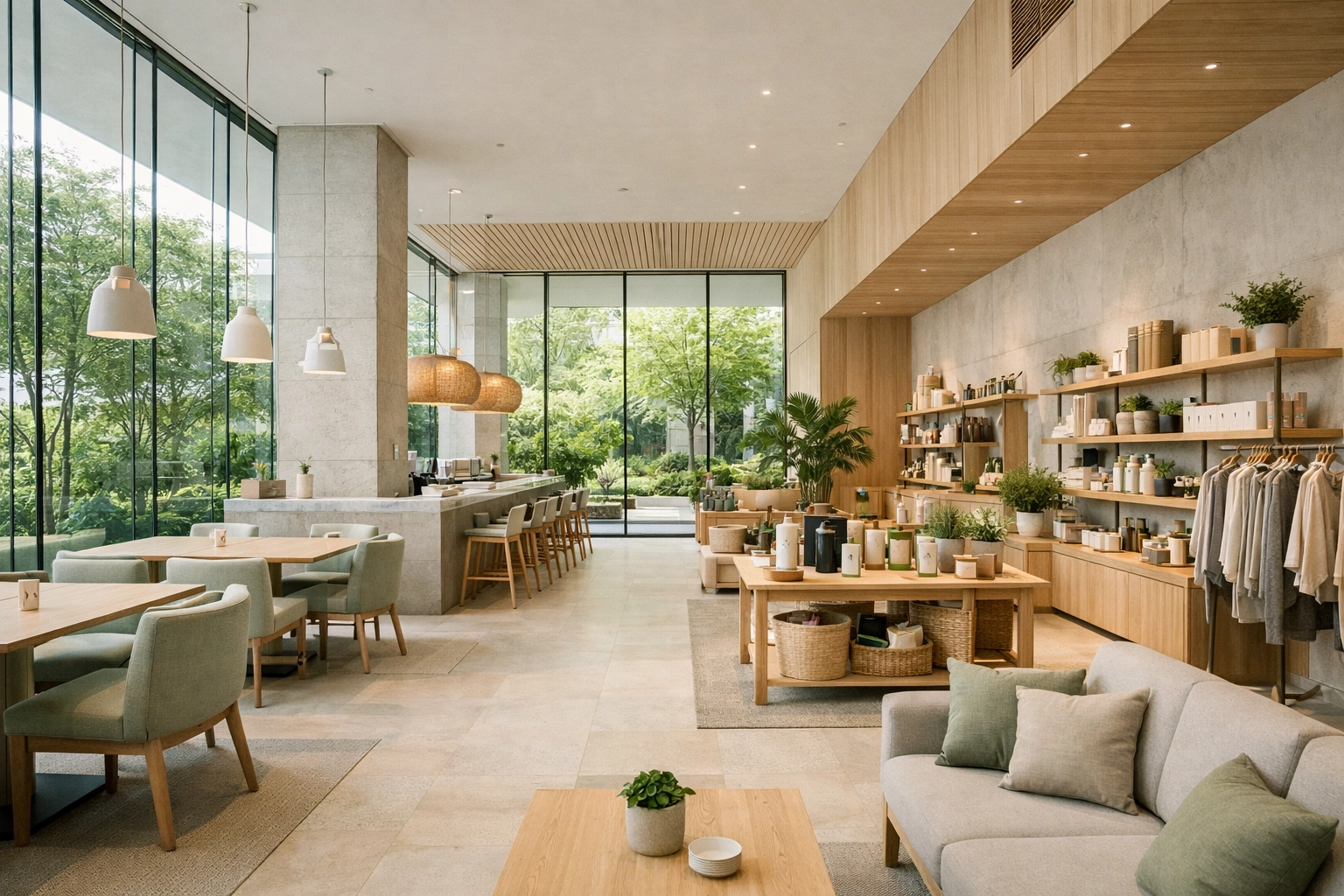
    Wide-angle view of a sustainable hotel lobby featuring hybrid dining concepts and minimalist design.

    18. Human-Centric Leadership

    Your tech is only as good as the people running it. In 2026, the best hotels are those that prioritize employee well-being. When your staff isn't bogged down by manual data entry, they are happier, and happy staff equals happy guests.

    19. Redesign Shoulder Season Strategies

    The "slow season" is a myth if you have the right data. Re-evaluate your occupancy curves to identify new peaks. Maybe your "slow" November is actually the perfect time for a digital detox retreat or a corporate strategy week.

    20. Seamless Everything

    The modern guest has zero patience for friction. From mobile check-in to digital keys and one-click check-out, every step should be effortless.

    Ready to Start?

    The future of hospitality isn't a destination; it's a way of operating. It's about being agile, data-driven, and above all, guest-centric.

    We think the best way to predict the future is to build it. With Mews, you get more than just a PMS; you get a partner in innovation. Our platform is designed to scale with you, whether you’re running a single boutique hideaway or a global collection of luxury resorts.

    See what Mews can do for your property. It takes less than 30 minutes to see the platform in action, and it might just change the way you think about your business forever.

    Get started with Mews today and join the 12,500+ properties leading the way.

    Summary of Benefits

    • Efficiency: Save up to 10 hours a week on administrative tasks.
    • Revenue: Increase TRevPAR through intelligent upselling and dynamic pricing.
    • Guest Love: Deliver the personalized, frictionless experience that 2026 guests demand.

    The tools are here. The trends are clear. The only question is: are you ready to lead?

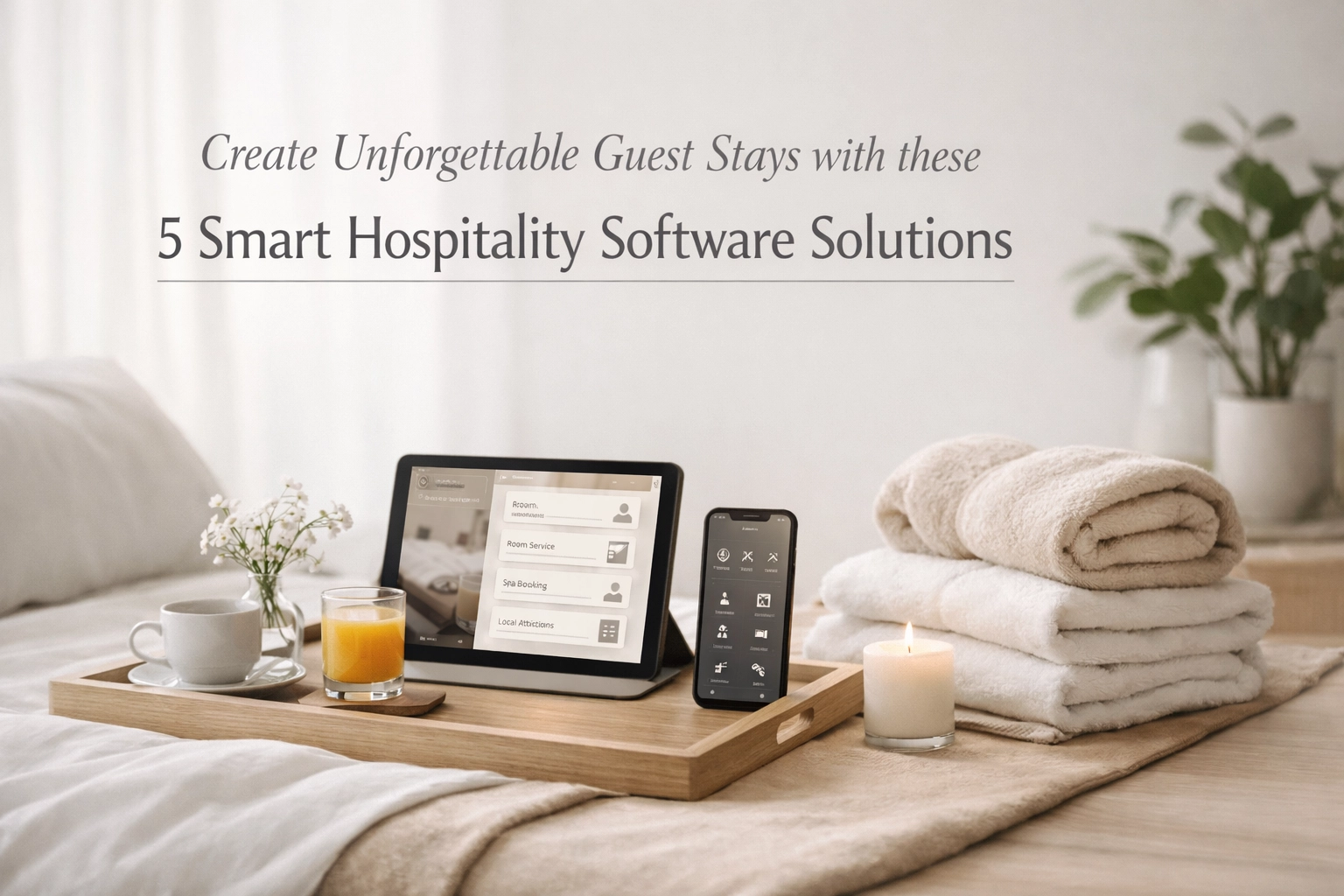
  • Create Unforgettable Guest Stays with these 5 Smart Hospitality Software Solutions

    Create Unforgettable Guest Stays with these 5 Smart Hospitality Software Solutions

    Transform the journey. Elevate every touchpoint. Build lasting loyalty.

    The hospitality industry moves fast, but your guests expect you to move faster. In 2026, a "good stay" isn't enough. Guests want seamless transitions, personalized moments, and zero friction. They want to feel like the center of your world, not just another reservation number in a dusty ledger.

    We see it every day across 12,500+ properties globally. The hotels that win are the ones that step away from legacy hardware and embrace agile, cloud-native ecosystems. By automating the "boring" stuff, you give your team the freedom to do what they do best: provide genuine hospitality.

    Here are the 5 smart hospitality software solutions you need to create stays that guests will talk about long after they’ve checked out. All from one integrated platform.
    1. The Cloud-Native Hotel PMS: Your Digital Command Center

    Everything starts here. Your hotel PMS (Property Management System) is the brain of your operation. If that brain is slow, disconnected, or stuck in a server room in the basement, your guest experience will suffer.

    We believe that technology should be invisible. It should work in the background so your staff can look guests in the eye instead of staring at a screen. A cloud-native PMS allows you to manage your entire property from any device, anywhere in the world.

    • Automated workflows. Say goodbye to manual night audits and repetitive data entry.
    • Real-time data. Make decisions based on what’s happening right now, not last week.
    • Open API. Connect your favorite tools in minutes, not months.

    "Switching to a cloud-native system felt like finally taking the training wheels off our business. We saved 15 hours of admin a week almost instantly," says one boutique hotel manager in London.

    Modern hotel manager managing operations on a tablet via a cloud-native hotel PMS in a bright lounge.

    2. Frictionless Booking Engines: The First Impression

    The guest journey doesn't start at the front desk. It starts on your website. If your booking engine is clunky, slow, or requires too many clicks, you’ve lost the guest before they even see your rooms.

    We think the path to a reservation should be as short as possible. A modern booking engine acts as a silent concierge, guiding guests through their choices and offering relevant upsells that actually add value to their stay.

    • Mobile-first design. 70% of travelers book on their phones; your engine needs to be ready.
    • Dynamic pricing. Show the right price to the right person at the right time.
    • One-click checkout. Integration with Apple Pay and Google Pay reduces friction to zero.

    Properties using integrated booking engines often see a 20% increase in direct revenue. It’s about making it easy for people to say "yes" to you.

    3. Automated Channel Manager: Global Reach, Zero Effort

    You can’t be everywhere at once, but your inventory can. An intelligent channel manager ensures your rooms are visible on every OTA from Expedia to Booking.com, without the risk of overbooking.

    We believe in total synchronization. When a guest books a suite on a third-party site, your hotel PMS should update everywhere else in milliseconds. No manual adjustments. No stressful double-bookings.

    • Instant updates. Keep your rates and availability consistent across 300+ channels.
    • Inventory pooling. Sell every last room without fear of human error.
    • Centralized control. Manage all your external connections from one simple dashboard.

    By automating the distribution side of your business, you ensure that your guest’s journey starts with accurate information: the foundation of trust.

    Laptop in a luxury hotel suite used to manage room distribution via an automated channel manager.

    4. Guest-Centric CRM: Personalize Every Single Stay

    The difference between a customer and a guest is a sense of belonging. A hospitality-focused CRM (Customer Relationship Management) tool allows you to remember that Mr. Smith likes a high floor and Ms. Jones always travels with her dog.

    We think every stay should feel bespoke. By capturing guest preferences and history, you can send personalized pre-arrival emails, targeted offers, and thoughtful post-stay follow-ups that make people feel seen.

    • Rich guest profiles. Consolidate data from every touchpoint into one clear view.
    • Automated marketing. Send the right message at the right time without lifting a finger.
    • Loyalty building. Reward your regulars with perks that actually matter to them.

    90% of guests say they are more likely to return to a hotel that offers personalized experiences. It’s not about grand gestures; it’s about remembering the small details.
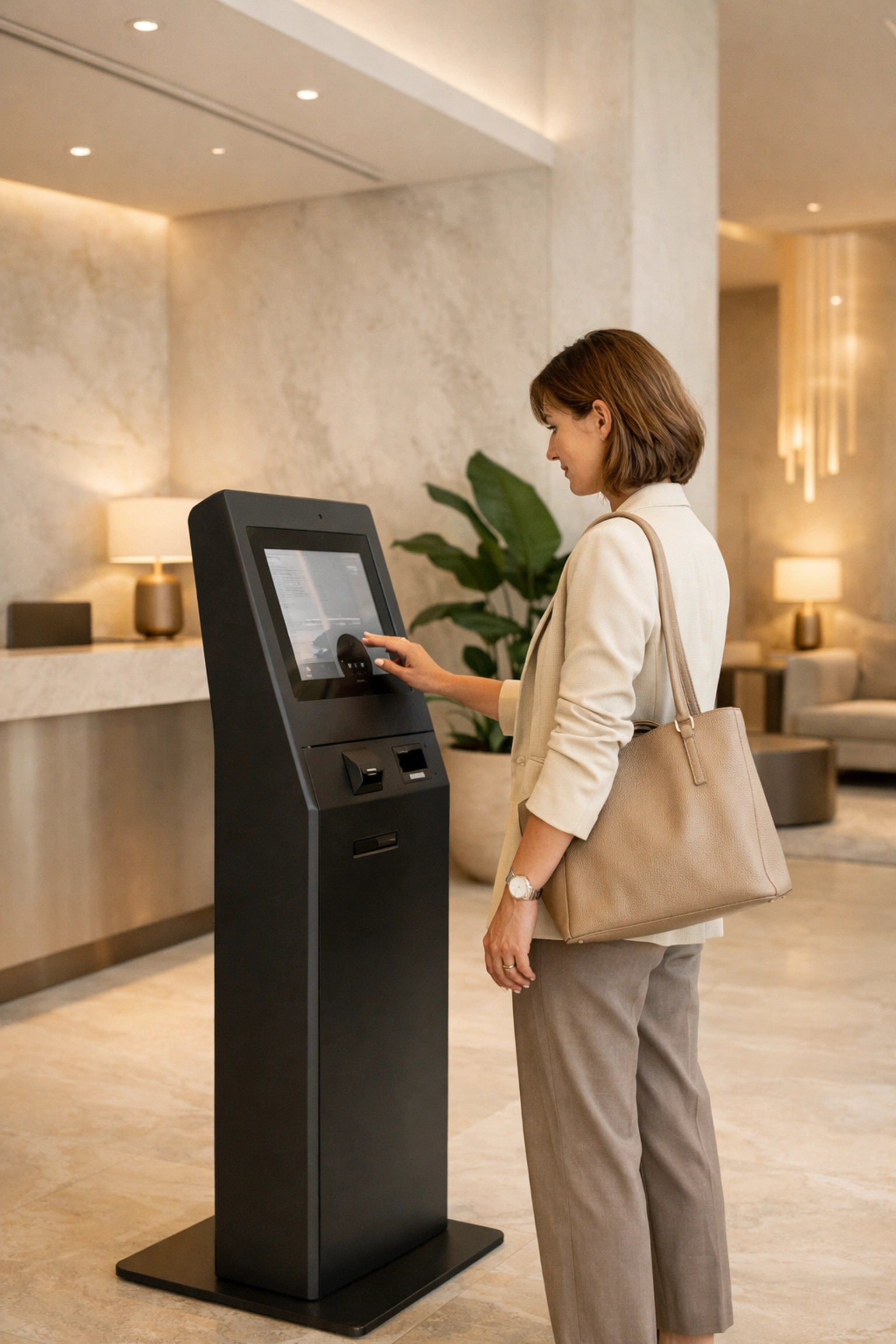
    5. Self-Check-In Kiosks: Empowering the Modern Traveler

    The traditional front desk is a barrier. It’s a physical wall between your staff and your guests. Self-check-in kiosks and mobile check-in options break down that wall, giving guests the freedom to choose how they arrive.

    We believe in giving guests back their time. Whether they want to bypass the lobby entirely with a mobile key or use a sleek kiosk to grab their room card in under 60 seconds, the power should be in their hands.

    • Zero queues. Eliminate the dreaded Friday afternoon check-in line.
    • Up-selling at your fingertips. Guests are 30% more likely to purchase an upgrade via a kiosk than at a desk.
    • Staff mobility. Move your team into the lobby to act as hosts, not just clerks.

    "Our guests love the kiosks. They can get to their rooms faster, and our staff is finally free to actually talk to people," notes a front-of-house lead in Berlin.

    A hotel guest using a modern self-check-in kiosk for a frictionless arrival in a boutique lobby.

    Making Innovation Your Competitive Edge

    The future of hospitality isn't just about having the latest gadgets; it's about how those gadgets work together to create a cohesive ecosystem. When your hotel PMS, booking engine, channel manager, CRM, and self-check-in kiosks all talk to each other, magic happens.

    You get a 360-degree view of your business. You get happier staff who aren't bogged down by tech that doesn't work. And most importantly, you get guests who feel like they've experienced something truly special.

    We’re here to help you build that future. We believe that by focusing on automation and ease of use, we can help you get back to the heart of hospitality.

    See what a truly modern platform can do for your property. It’s time to move beyond "managing" and start "thriving."

    Ready to see it in action? Explore the Mews platform today.