Category: Category 1

Use this description to tell users what kind of blog posts they can find in this category.

  • The New Loyalty: Why Points are Out and Instant Recognition is In

    The New Loyalty: Why Points are Out and Instant Recognition is In

    Personalize every stay. Recognize every face. Delight every guest.

    The traditional loyalty model is broken. For decades, the hospitality industry has relied on the slow drip of points: a transactional promise that if a guest spends enough money, they might eventually earn a "free" night. But it’s 2026. In a world of instant gratification and hyper-personalization, asking a traveler to wait six months for a reward isn't loyalty. It's homework.

    True loyalty isn't a punch card. It’s the feeling of being known.

    When you shift from points-based systems to instant recognition, you transform your guest experience from a series of transactions into a genuine relationship. You stop being a commodity and start being a destination. This isn't just about making people feel good; it’s about the bottom line. Modern hotel guest experience technology allows you to deliver that "VIP feeling" to every guest, from their first booking to their tenth stay, all from one innovative platform.

    The problem with the point system.

    Let’s be honest: most loyalty points end up in a digital graveyard. They are often too complicated to redeem, expire too quickly, or require a level of frequency that the average traveler simply doesn't hit.

    We think the "earn and burn" model is outdated. It creates a barrier between you and your guest because the focus is always on the next stay, rather than the one they are currently enjoying.

    • Delayed gratification. Guests want value today, not in twelve months.
    • High friction. Tracking points and login credentials feels like work.
    • Lack of emotion. A points balance doesn't make a guest feel special; it makes them feel like a number.

    Professional concierge warmly greeting a guest in a modern hotel lobby, prioritizing personal recognition.

    Loyalty by the numbers.

    The data shows a clear shift in traveler sentiment. Modern guests: especially Gen Z and Millennials: prioritize immediate perks over long-term accumulation.

    • 82% of guests prefer immediate rewards (like a free drink or early check-in) over points.
    • 3.5x higher engagement rates for programs that offer "surprise and delight" moments.
    • 40% increase in repeat bookings when guests are recognized by name upon arrival.
    • 15 minutes saved per shift when AI handles guest preference tracking.

    These aren't just vanity metrics. They represent a fundamental shift in how successful properties operate. By focusing on instant recognition, you’re not just chasing a booking; you’re building a brand that guests actually care about.

    We believe hospitality should feel like coming home.

    At Mews, we think the best technology is the kind that stays out of the way. It should empower your staff to look up from their screens and actually engage with the person standing in front of them.

    Instant recognition is the backbone of this philosophy. It’s about having the right data at the right time. When your PMS is powered by AI in hospitality, your team doesn't have to go digging for information. They already know that Mr. Smith prefers a room away from the elevator and a green tea waiting in his room.

    How we see the new loyalty:

    • Profile-rich data. Every preference is captured and actionable.
    • Automated perks. Rewards are triggered by behavior, not just spend.
    • Human-centric. Technology does the remembering so humans can do the welcoming.

    The rise of the "Silent Concierge."

    AI isn't just a buzzword anymore; it’s the engine behind the guest experience. We’re seeing the rise of the "silent concierge": AI guest messaging and profiling tools that work behind the scenes to ensure every guest feels like the only guest.

    Instead of a generic "Welcome back" email, imagine a system that recognizes a guest’s birthday and automatically upgrades their room or sends a personalized text with a digital voucher for their favorite cocktail. That is instant recognition. It doesn't require a plastic card or a membership number. It just requires a smart platform that understands guest behavior.

    Modern hotel guest room tablet and tea, illustrating personalized service and AI in hospitality.

    Transitioning from points to perks.

    Making the switch doesn't have to be a headache. You don't need to scrap your existing database; you just need to change how you use it.

    We’ve seen properties move away from traditional structures in favor of "Instant Gratification Loyalty." This means offering value at every touchpoint.

    1. Sign-up rewards. Give them something the moment they join your ecosystem: not after their first stay.
    2. Milestone moments. Celebrate the small things. Their third visit, a high spend at the bar, or even a positive social media mention.
    3. Preference-led perks. If a guest always books a spa treatment, offer them a priority booking window instead of a generic discount.

    "Since we moved to an instant recognition model, our guest satisfaction scores have jumped by 20%. It turns out people don't want points: they want to be remembered." : General Manager, Boutique Group.

    Leveraging technology for personal touch.

    You might be thinking: "How can my staff possibly remember all of this?"

    They can't. And they shouldn't have to.

    This is where hotel guest experience technology steps in. An integrated platform connects your booking engine, your PMS, and your guest messaging. When a guest walks through your door, your team receives a notification with everything they need to know.

    It’s about taking the data you already have and making it useful.

    Hotel staff using mobile technology to provide instant guest recognition and personalized hospitality.

    Future-proof your property.

    The hospitality landscape is changing fast. Guests are no longer comparing you to the hotel down the street; they are comparing you to the last great experience they had with any brand: whether that’s a high-end retailer or a personalized streaming service.

    The common thread in all those experiences? Recognition.

    By investing in a platform that prioritizes guest data and AI-driven insights, you’re setting yourself up for long-term success. You’re moving away from the "race to the bottom" on pricing and moving toward a premium experience that guests are happy to pay for.

    See how you can revolutionize your guest journey at https://referrals.mews.com/umqhyito.

    Setting up for success.

    Transitioning to an instant recognition model is an easy, 30-minute conversation away.

    • Audit your data. See what you already know about your guests.
    • Identify key perks. Choose 3-5 immediate rewards that are easy to fulfill.
    • Automate the process. Let your PMS handle the heavy lifting of recognition.

    We think the future of hospitality is bright, but it’s definitely not point-based. It’s personal, it’s fast, and it’s focused on the human being standing in your lobby right now.

    Sustainable wooden hotel key card and luxury amenities, representing a premium guest experience and modern loyalty.

    The bottom line.

    Points are a liability on your balance sheet. Recognition is an asset in your brand’s heart.

    When you treat loyalty as a feeling rather than a currency, you unlock a higher level of guest engagement. You create advocates, not just customers. And in 2026, advocacy is the only currency that really matters.

    Stop making your guests wait for value. Give it to them the moment they walk through the door. It’s time to move beyond the points and start focusing on the person.

    Ready to make the switch? Check out how Mews can help you get started at https://referrals.mews.com/umqhyito. It’s time to build a loyalty program that actually works: for you and your guests.
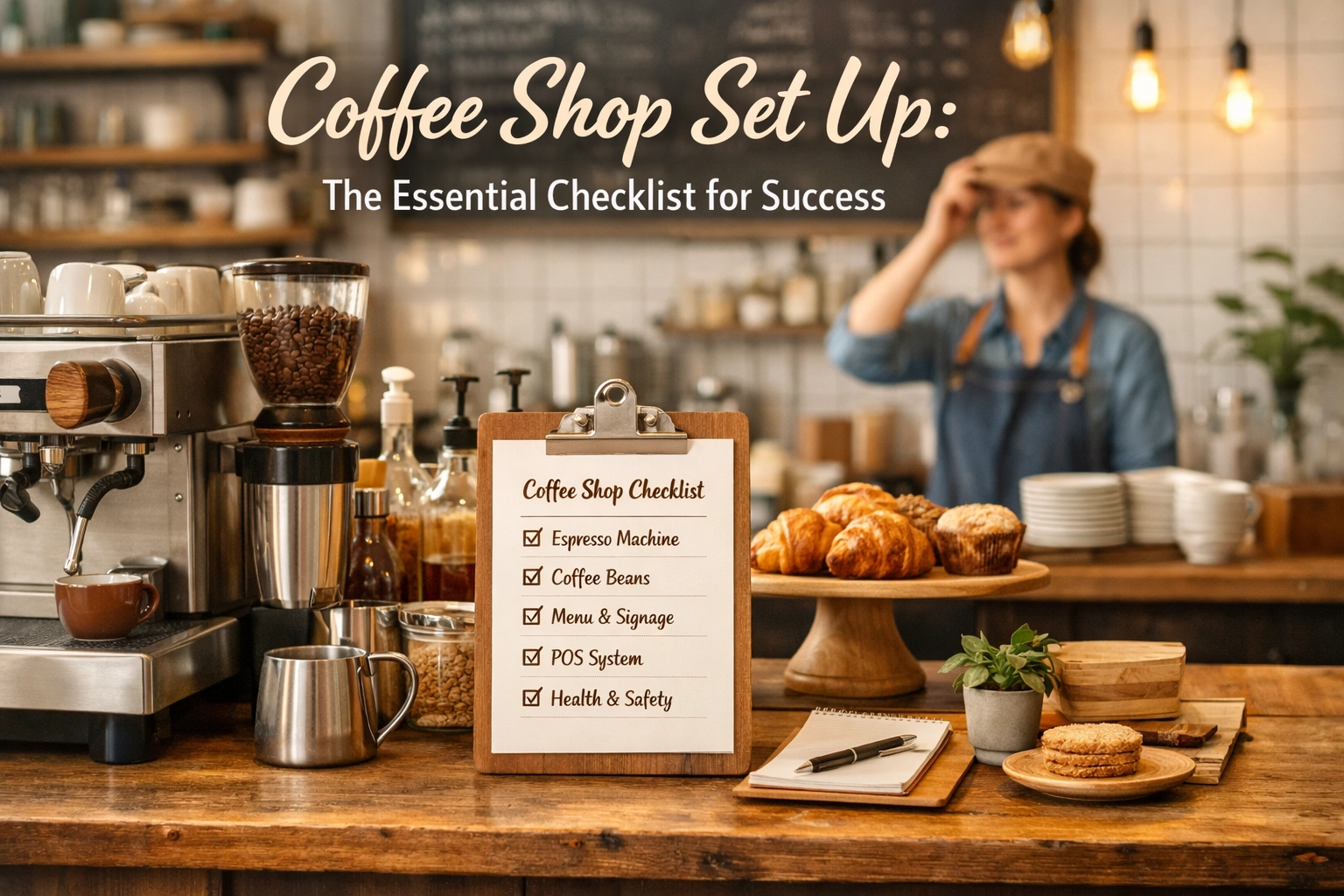

  • Coffee Shop Set Up: The Essential Checklist for Success

    Coffee Shop Set Up: The Essential Checklist for Success

    So, you’ve decided to take the plunge. You want to open a coffee shop. It’s a dream shared by many: the smell of freshly roasted beans, the hiss of the steam wand, and the hum of a happy community in your very own space. But let’s be honest for a second: moving from a dream to a functional, profitable business is a massive undertaking.

    Setting up a coffee shop is about much more than just picking out a cute name and buying a bag of beans. It’s a puzzle of logistics, legalities, and a whole lot of caffeine. At Limini Coffee, we’ve helped hundreds of people transition from coffee lovers to coffee business owners, and we’ve seen what works (and what definitely doesn't).

    To help you navigate the chaos, we’ve put together the ultimate coffee shop set up checklist. Think of this as your roadmap to success.


    Phase 1: The Foundation (Planning & Concept)

    Before you buy a single teaspoon, you need a plan. We know, writing a business plan sounds about as fun as cleaning a grease trap, but it is the single most important thing you will do.

    1. Define Your "Why" and Your Concept
    What makes your shop different? Are you a high-volume takeaway spot near a train station, or a slow-bar speciality shop where people linger over a V60? Your concept dictates everything else: your equipment, your layout, and your choice of beans.

    2. The Business Plan
    You’ll need this for bank loans, but more importantly, you need it for yourself. It should cover your financial projections (be realistic!), your target market, and your competitive analysis. Who are the big players in your area? What are they missing?

    3. Market Research
    Spend time in the area you’re eyeing. Who is walking past at 8:00 AM? Is it commuters looking for speed, or parents looking for a place to sit with a pram? We always recommend doing a literal head count of foot traffic. It’s tedious, but data doesn't lie.

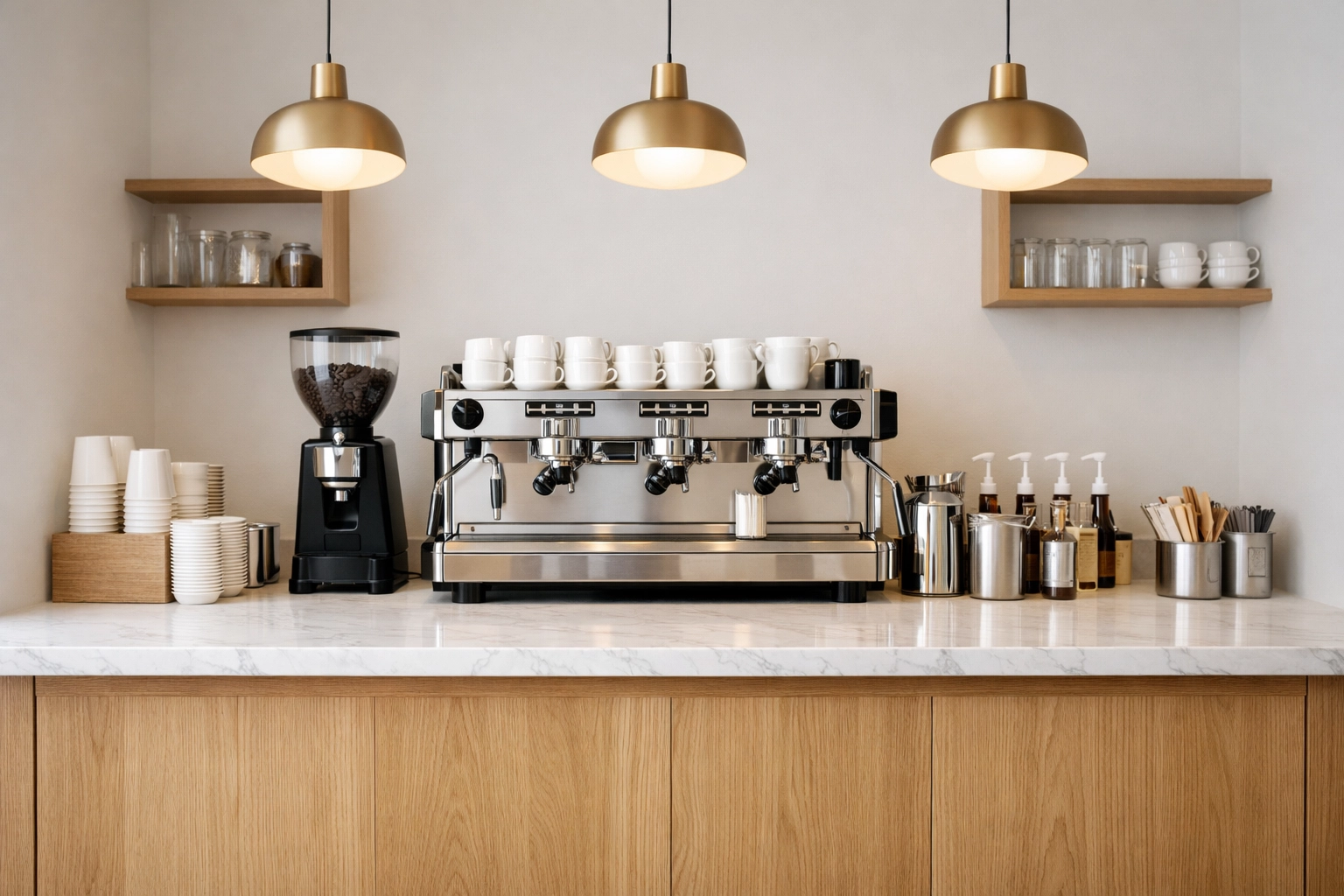
    Architectural floor plans and coffee on a table, planning a new coffee shop set up.


    Phase 2: The Legal Maze

    This is the part everyone wants to skip, but unfortunately, the council and the taxman have very little patience for "good vibes."

    4. Permits and Licenses
    You need to check your local regulations, but typically you’ll need:

    • A business license.
    • Food premises registration (usually required 28 days before opening).
    • Public liability insurance (non-negotiable).
    • PPL/PRS license if you plan on playing music (and you definitely should).
    • Outdoor seating permits if you’re eyeing the pavement.

    5. Health and Safety
    Get your HACCP (Hazard Analysis and Critical Control Point) plan in order. You need to demonstrate that you know how to handle food and milk safely. This includes everything from fridge temperature logs to staff hygiene training.


    Phase 3: Location and Layout

    You’ve heard it before: location, location, location. But once you have the keys, the layout becomes just as critical.

    6. Choosing the Space
    Visibility is king. You want to be where people already are. Check the utilities too: does the building have the electrical capacity for a commercial espresso machine? You’d be surprised how many people sign a lease only to find out they need a £5,000 power upgrade.

    7. Designing for Workflow
    This is where many shops fail. You need a "flow" that works for both the customer and the barista. The distance between the grinder, the machine, and the knock box should be as small as possible. This is what we call the "golden triangle" of coffee shop set up.

    Modern coffee shop layout featuring an efficient espresso bar and professional equipment.

    We have a great guide on building a coffee shop and shop fitting that dives deeper into this. If your baristas are constantly bumping into each other, your service will be slow, and your staff will be grumpy. Neither is good for business.


    Phase 4: The Gear (The Heart of the Operation)

    This is the fun part, but it’s also where you’ll spend the most money. Don’t just buy what looks pretty on Instagram. You need workhorses.

    8. The Espresso Machine
    Do you want a classic lever machine or an automatic? For most high-volume shops, we recommend something reliable like a La Spaziale. You need to decide between 1, 2, or 3 groups based on your projected volume. If you're unsure, choosing espresso equipment is a great place to start your research.

    9. The Grinder
    Honestly? The grinder is often more important than the machine. A poor-quality grind will ruin the best beans in the world. Look for "on-demand" grinders to ensure every shot is as fresh as possible.

    10. Water Filtration
    Coffee is 98-99% water. If your water tastes like chlorine or is full of limescale, your coffee will suffer, and your expensive machine will scale up and die. A high-quality filtration system is an absolute must-have.

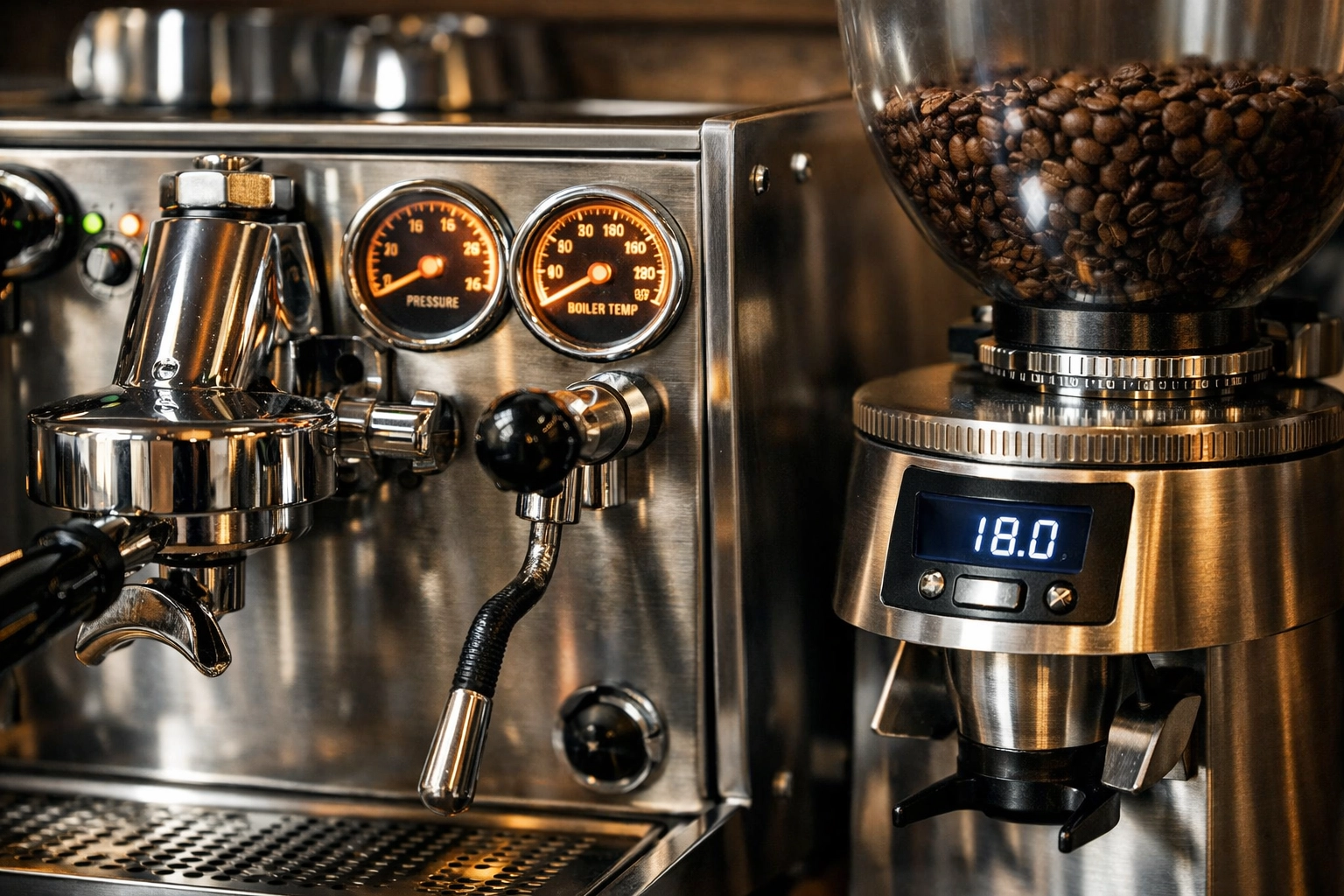
    Professional espresso machine and coffee grinder essential for setting up a coffee shop.


    Phase 5: Sourcing and Menu

    Now we get to the soul of the shop: the coffee itself.

    11. Find a Roaster Partner
    You aren't just looking for a supplier; you’re looking for a partner. At Limini Coffee, we believe that the relationship between the roaster and the shop owner is vital. We don't just ship boxes; we offer support, advice, and some of the best speciality beans in the business. If you’re looking for a partner who lives and breathes this stuff, we’d love for you to check out what we do at Limini Coffee.

    12. The Menu
    Keep it simple to start. A massive menu leads to waste and confusion. Master the basics: the flat white, the latte, and the cappuccino. Understanding the difference between these is key: not just for you, but for your customers. We’ve even written about the theatre of coffee to help you make the experience special for your guests.

    Hands holding freshly roasted specialty coffee beans for a quality coffee shop set up.


    Phase 6: The Human Element (Staffing & Training)

    You can have a £15,000 machine and the best beans in the world, but if your barista doesn't know how to tamp or steam milk, it’s all for nothing.

    13. Hiring for Personality
    You can teach someone how to pull a shot of espresso, but you can’t teach someone how to be genuinely nice to a customer at 7:00 AM. Hire for attitude, then train for skill.

    14. Barista Training
    Training is an ongoing process, not a one-time event. Your team needs to understand the "why" behind what they do. Why does the grind need to change throughout the day? Why is milk temperature so critical (usually around 60 ºC to 65 ºC for the best sweetness)?

    We take this so seriously that we offer comprehensive barista training and a full training overview for our partners. It’s the secret sauce to consistency.


    Phase 7: The Grand Opening

    You’re almost there! Before you swing those doors open, there are a few final checks.

    15. Soft Launch
    Never just open the doors on day one and hope for the best. Run a "soft launch" for friends, family, and local business owners. It’s a low-pressure way to find the "bottlenecks" in your workflow. Maybe the till is too far from the pickup point, or maybe your oat milk isn't frothing right. Fix it now, not when there's a queue out the door.

    16. Marketing
    Start your Instagram and Facebook pages months before you open. Share the journey: the messy construction shots, the coffee tastings, the arrival of the machine. People love a "behind the scenes" look. It builds anticipation.

    A flat white with latte art in a bustling cafe during a successful coffee shop launch.


    Final Thoughts

    Setting up a coffee shop is a marathon, not a sprint. There will be days when the plumbing leaks, the milk delivery is late, and you wonder why you didn't just stay in your office job. But then, you’ll serve that perfect cup of coffee to a regular who tells you that your shop is their favorite place in town. And suddenly, it’s all worth it.

    If you’re feeling overwhelmed by the process of setting up a coffee shop, don’t be. Take it one step at a time, use this checklist, and surround yourself with experts who want to see you succeed.

    We’ve spent years exploring every facet of this industry, from sourcing our coffee to the science of the perfect crema. If you want to chat about wholesale opportunities or just need some friendly advice on which machine to pick, get in touch with us. We’d love to be a part of your journey.

    Good luck( you've got this!) ☕️

  • 10 Reasons Your Direct Booking Engine Is Scaring Guests Away (And How to Fix It)

    10 Reasons Your Direct Booking Engine Is Scaring Guests Away (And How to Fix It)

    Convert more visitors. Boost direct revenue. Simplify the journey.

    Your booking engine isn't just a piece of software. It’s the digital front door to your property. In an era where travelers can order a car, a five-course meal, or a flight across the world with two taps on a smartphone, hospitality technology needs to keep up. If your booking process feels like a 1990s tax form, guests aren't just leaving: they’re running into the arms of OTAs (Online Travel Agencies).

    We believe booking a room should be as delightful as staying in one. A modern platform doesn't just manage reservations; it creates an experience that begins the second a guest clicks "Book Now."

    Here is why your current engine might be scaring guests away and how you can transform it into a high-conversion machine, all from one innovative platform.

    1. Speed is the new currency.

    Performance is the foundation of trust. Research shows that nearly 53% of mobile users will abandon a site if it takes longer than three seconds to load. In the high-stakes world of travel, every millisecond counts. If your availability calendar is spinning, your guest’s patience is thinning.

    Slow engines often suffer from outdated scripts or bloated legacy code. This doesn't just hurt your conversion; it hurts your SEO. Google prioritizes speed. If you want to rank, you have to move fast.

    The Fix:

    • Optimize heavy visual assets.
    • Upgrade to cloud-native booking technology.
    • Prioritize server-side performance.

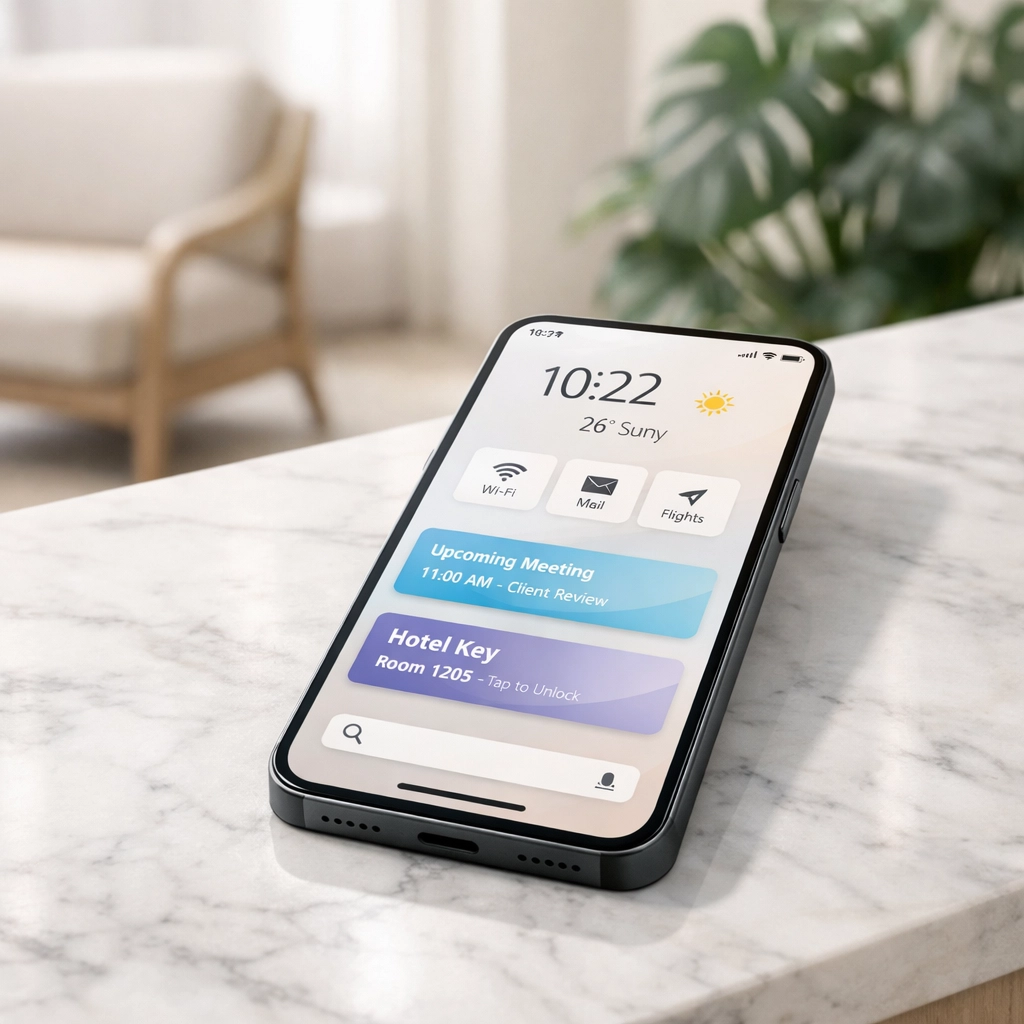
    Fast mobile booking engine interface on a smartphone in a modern hotel lobby.

    2. Friction-heavy workflows.

    Friction is the silent killer of direct revenue. We think the path from "browsing" to "booked" should be a straight line, not a labyrinth. Many legacy systems require guests to create an account before they even see a price. That’s a massive barrier to entry.

    When you ask for too much information too early, you signal to the guest that their time isn't valuable. Streamlining the workflow can increase conversion rates by up to 20%.

    The Fix:

    • Enable guest checkout.
    • Minimize required form fields.
    • Use a single-page booking flow.

    3. Mobile-first or mobile-last?

    Mobile usability isn't a "nice to have" anymore. It’s the primary way your guests interact with your brand. If your booking engine requires "pinch and zoom" to see room details, you’ve already lost.

    A poor mobile experience creates immediate doubt. If the mobile site is clunky, the guest assumes the on-property experience will be equally outdated. Modern travelers expect touch-friendly interfaces and seamless mobile payment options like Apple Pay or Google Pay.

    The Fix:

    • Implement responsive design.
    • Prioritize thumb-friendly navigation.
    • Integrate one-tap mobile payments.

    4. The invisible "Book Now" button.

    Clarity beats cleverness every single time. If a guest has to hunt for your booking button, your website design has failed. Often, "Book Now" buttons are buried in cluttered menus or, worse, redirect to a different domain that looks completely different from your homepage.

    This lack of visual consistency triggers "safety" alarms in the guest's mind. They wonder if they are still on your official site or if they’ve been redirected to a third-party scammer.

    The Fix:

    • Use high-contrast button colors.
    • Keep the booking bar sticky.
    • Maintain consistent brand design.

    User navigating a clear and trustworthy hotel booking engine on a digital tablet.

    5. The hidden fee surprise.

    Nothing kills a sale faster than a "gotcha" moment at checkout. When a guest sees one price on the results page and a significantly higher price (due to hidden taxes or resort fees) on the payment page, trust evaporates.

    Transparency is the bedrock of loyalty. Over 80% of travelers compare prices across multiple platforms. If they feel you aren't being upfront, they’ll head back to an OTA where they feel the pricing structure is clearer: even if it’s more expensive.

    The Fix:

    • Show all-inclusive pricing upfront.
    • Clearly label taxes and fees.
    • Highlight the "Direct Booking" value.

    6. Lack of visual storytelling.

    A room description shouldn't read like a blueprint. "20sqm, one bed, one window" doesn't sell a dream. Listings with high-quality, professional imagery receive 225% more engagement. If your images are grainy or, worse, missing for certain room types, guests will assume you’re hiding something.

    Your booking engine should be a gallery, not a spreadsheet. Use visuals to communicate the feeling of the stay, not just the dimensions of the room.

    The Fix:

    • Invest in high-res lifestyle photography.
    • Use video walkthroughs for suites.
    • Highlight unique room amenities.

    7. Outdated UI signals poor service.

    Design is a signal of quality. If your booking engine looks like it was designed in 2005, guests will assume your property hasn't been renovated since then either. An outdated interface suggests a lack of investment in the guest experience.

    Modern eCommerce has set the bar high. Your guests are comparing your booking engine to Amazon, Uber, and Airbnb. To compete, you need a contemporary UI that reflects the sophistication of your brand.

    The Fix:

    • Clean, minimalist aesthetics.
    • Intuitive navigation patterns.
    • Fast-loading, high-quality fonts.

    8. Too many clicks to the finish line.

    Every click is an opportunity for a guest to change their mind. Sending guests to intermediate landing pages, "special offer" pop-ups, or sub-menus adds unnecessary friction. The goal should be to get them into the booking funnel as quickly as possible.

    We believe in the power of the "Direct Path." One click from any page on your site should take the guest directly into the reservation flow with their selected dates pre-populated.

    The Fix:

    • Embed booking widgets on all pages.
    • Deep-link promotional offers.
    • Reduce total clicks to under four.

    Minimalist hotel hallway illustrating a seamless and direct guest booking journey.

    9. Confusing pricing structures.

    Simplicity is the ultimate sophistication. When hotels offer twelve different rate types for the same room: Non-Refundable, Semi-Flexible, Breakfast Included, Member Rate, Early Bird: the guest enters a state of "choice paralysis."

    If it takes a math degree to figure out which rate is the best value, the guest will simply leave. They want clear, concise options that make sense at a glance.

    The Fix:

    • Limit to 3-4 clear rate plans.
    • Use "Best Value" tags for clarity.
    • Simplify the comparison view.

    10. Ignoring the power of AI and Personalization.

    The "one size fits all" approach to booking is dead. Modern eCommerce uses guest intent data to personalize the experience. If a guest is searching for a family room, your engine shouldn't be pushing romantic spa packages.

    Failing to deploy modern eCommerce practices means you’re missing out on easy upsell opportunities. AI can help you offer the right room, at the right price, with the right add-ons, in real-time. Even a 10% improvement in conversion through personalization can lead to a massive increase in annual revenue.

    The Fix:

    • Deploy AI-driven room upgrades.
    • Personalize offers based on search history.
    • Use smart "suggested add-ons" at checkout.

    See what Mews can do.

    The hospitality landscape is shifting. It’s no longer just about having a bed for the night; it’s about the seamless integration of technology and service. Mews is at the heart of this transformation, providing a platform that empowers hoteliers to reclaim their direct relationship with their guests.

    By moving away from clunky, legacy systems and embracing an innovative, guest-centric approach, you don’t just stop scaring guests away: you invite them into a relationship that lasts.

    "Switching to a modern booking engine saved our team 10 hours a week in manual entry and boosted our direct bookings by 15% in the first month." : Verified Mews Customer

    Ready to transform your guest experience? Schedule a demo with Mews and see how we can get you earning more direct revenue in no time.

    Why Mews?

    We believe in a future where hospitality is effortless. Our platform is designed to handle the complexity so you can focus on what matters most: your guests.

    • Automated payments and billing.
    • Open API for seamless integrations.
    • Mobile-first guest journey.

    Stop letting your booking engine be a barrier. Make it your biggest asset. It’s time to move beyond the traditional PMS and step into a new era of operational excellence.

    Get started today and join 12,500+ properties leading the charge in hospitality innovation. Visit Mews to learn more.

  • The Ultimate Guide to Hotel Revenue Management Software: Everything You Need to Succeed

    The Ultimate Guide to Hotel Revenue Management Software: Everything You Need to Succeed

    Optimize your rates. Automate your decisions. Scale your profit.

    In an industry that moves as fast as hospitality, relying on gut feeling and manual spreadsheets is a recipe for missed opportunities. You need to capture every cent of potential revenue while keeping your guest experience seamless. Modern revenue management software (RMS) does exactly that: transforming raw data into actionable pricing strategies in real-time.

    Properties using advanced RMS solutions see up to a 35% increase in RevPAR and a 20% jump in Average Daily Rate (ADR). This isn't just about software; it’s about a smarter way to run your business, all from one innovative platform.

    Why revenue management matters now

    The days of setting a seasonal rate and forgetting it are over. Today’s travelers are savvy, and market conditions shift by the hour. We believe that technology should do the heavy lifting so you can focus on your guests. A modern RMS uses artificial intelligence to analyze supply, demand, and competitor pricing, ensuring your rooms are never underpriced during a surge or overpriced during a lull.
    Hotel revenue manager using AI software to analyze market demand and pricing strategy in a boutique office.

    The power of automation

    Manual pricing is a time sink. Most revenue managers spend up to 30 hours a month just crunching numbers.

    We think your time is better spent on strategy.

    • Automated price updates across all channels.
    • Real-time response to market shifts.
    • Data-driven forecasting that beats human guesswork.

    How a Revenue Management System works

    Think of an RMS as a 24/7 analyst that never sleeps. It ingests massive amounts of data from your hotel PMS (Property Management System), local events, and global travel trends.

    The system looks at historical booking patterns and combines them with real-time market data. Using machine learning algorithms, it then recommends the optimal rate for every room type and every guest segment. When integrated with a cloud-native platform like Mews, these updates happen instantly. No manual entry. No delay. Just pure efficiency.

    "Switching to an automated system felt like finally turning the lights on in a dark room. We’re making more money while doing significantly less manual work." – Hotel Manager, London.

    Integration: The heart of your tech stack

    An RMS is only as good as the data it receives. For it to truly perform, it needs to be part of a connected ecosystem. This is where your hotel management software becomes the backbone of your operation.

    Seamless connectivity

    We believe a tech stack should talk to itself without you having to play translator.

    • PMS integration: Your RMS pulls inventory and guest data directly from your PMS.
    • Channel manager: Rates are pushed out to OTAs and your booking engine instantly.
    • CRM synchronization: Tailor offers based on revenue data and guest history.

    When these systems are in sync, you eliminate overbookings and rate parity issues. You’re not just managing revenue; you’re managing your entire digital storefront from a single source of truth.

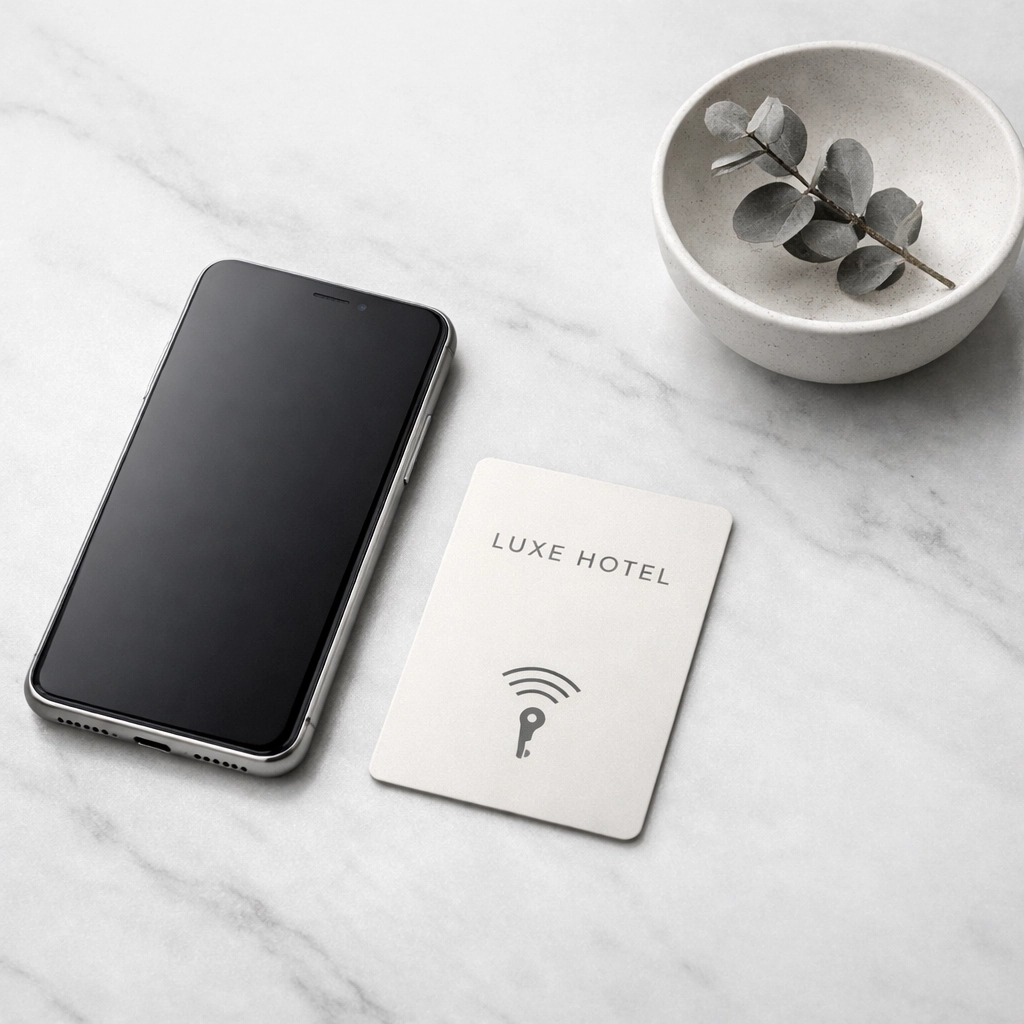
    Minimalist hotel reception with smartphone and key card, illustrating seamless hotel PMS and CRM integration.

    Key features to look for

    Not all revenue management software is created equal. If you want to stay ahead of the curve, you need tools that are built for the future, not just the present.

    Real-time analytics

    If your data is an hour old, it’s already late. Look for a system that provides a live dashboard of your performance.

    • Instant RevPAR and Occupancy tracking.
    • Competitor set (CompSet) monitoring.
    • Demand forecasting for the next 365 days.

    Automated pricing adjustments

    The best systems don't just tell you the price; they set it.

    • Dynamic pricing that shifts based on inventory.
    • Stay restrictions (like minimum nights) that trigger automatically.
    • Segment-specific pricing for corporate vs. leisure guests.

    Ease of use

    Innovation shouldn't be complicated. We believe that the most powerful tools are the ones people actually enjoy using. A clean, intuitive interface means your team can get up to speed in minutes, not weeks. Cloud-native platforms ensure you can check your revenue from a beach in Bali or a coffee shop in Paris.

    Beyond the room: Total Revenue Management

    Modern hospitality is about more than just selling beds. It’s about maximizing the value of every square inch of your property. We think the future of revenue management is "Total Revenue."

    This means applying the same AI-driven logic to your meeting rooms, spa services, and F&B outlets. By integrating your POS and self-check-in kiosks with your revenue strategy, you can offer personalized upsells at the exact moment a guest is most likely to buy.

    Luxury lounge and cocktail menu highlighting total revenue management and POS integration for upsells.

    Transforming the guest experience

    It might seem like revenue management is just about the bottom line, but it actually improves the guest journey. When your pricing is fair and reflective of market value, guests feel they are getting a "deal" even during peak times.

    Furthermore, automation-focused software frees up your staff. Instead of being buried in spreadsheets, your team is on the floor, interacting with guests and creating memorable stays.

    • Self-check-in kiosks: Let guests skip the queue and go straight to their room.
    • Mobile booking engine: A frictionless experience that increases direct bookings.
    • Personalized CRM: Send the right offer to the right person at the right time.

    The Mews advantage

    At Mews, we’re obsessed with automation. We’ve built a platform that isn't just a database; it’s an engine for growth. Being cloud-native means we can connect to the best-in-class RMS providers in the world with just a few clicks.

    We believe in a world where hospitality is human, and technology is the silent partner making it all possible. Our focus on easy-to-use interfaces and robust automation ensures that your property stays competitive without the overhead of traditional, legacy systems.

    Staff using cloud-native hotel software to improve guest experience in a modern Scandinavian lobby.

    Making the switch

    Ready to see what a modern tech stack can do for your ADR? The transition from a legacy system to a cloud-native, automated platform is easier than you think. Most properties can be up and running with a new RMS integration in a matter of days.

    1. Audit your current data: See where your gaps are.
    2. Choose your partners: Pick an RMS that integrates deeply with your PMS.
    3. Set your rules: Define your pricing boundaries.
    4. Let the AI take over: Watch your revenue grow while you sleep.

    Stop guessing. Start earning. The future of hospitality is data-driven, and it’s already here.

    To discover how you can revolutionize your property's performance, get started with Mews today.

    Final thoughts

    Revenue management is no longer a luxury for big-box brands. It’s a necessity for any property that wants to thrive in 2026. By embracing automation and choosing the right technology partners, you can turn your hotel into a high-performing revenue machine.

    Focus on the guest. Let the software handle the rest. All from one innovative platform.

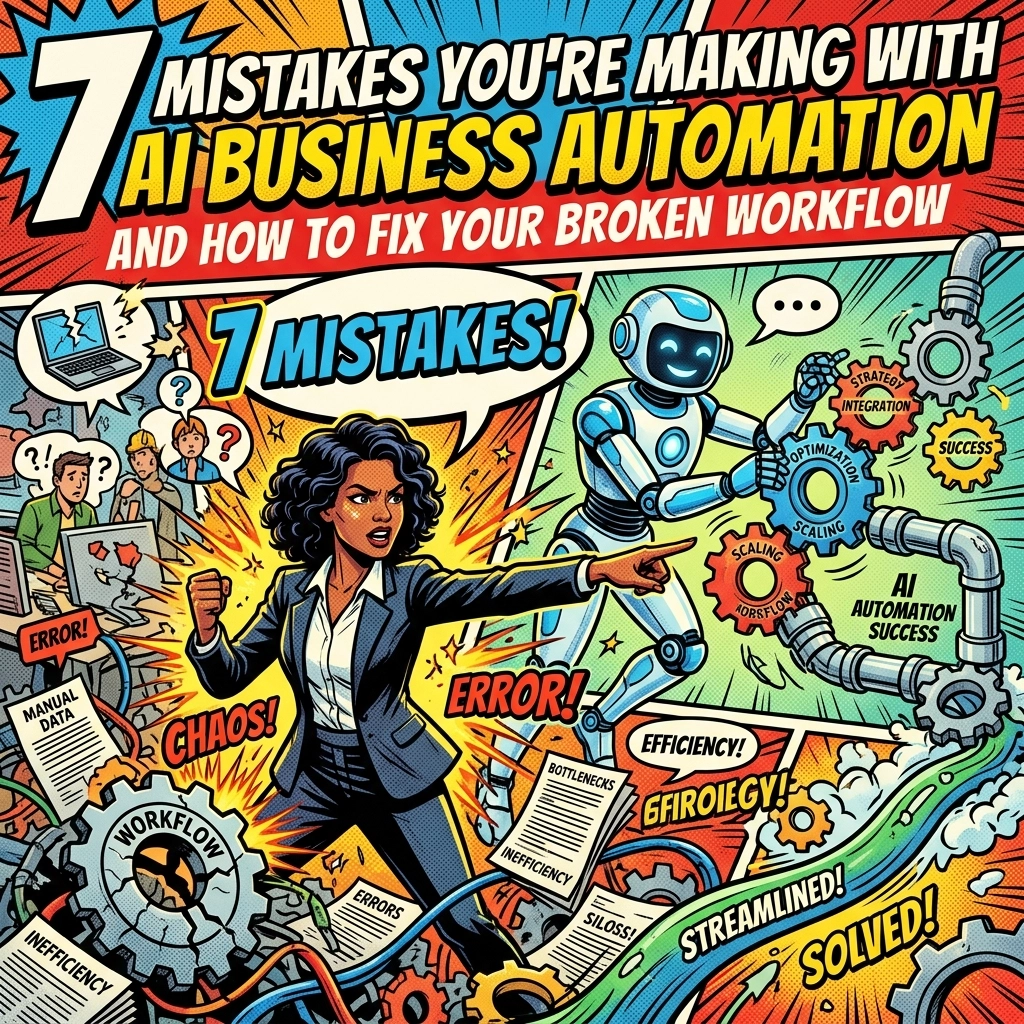
  • 7 Mistakes You’re Making with AI Business Automation (and How to Fix Your Broken Workflow)

    7 Mistakes You’re Making with AI Business Automation (and How to Fix Your Broken Workflow)

    7:15 AM.

    The house is quiet. You’ve got a steaming mug of coffee in one hand and your phone in the other. You open your inbox, expecting to see a clean slate because you "automated" your workflow last week.

    Instead… it’s a disaster.

    The AI sent a "friendly" follow-up to a customer who just cancelled. Your automated support bot is arguing with a regular about shipping costs. And your lead-gen tool just dumped 500 "prospects" into your CRM that are actually just local pizza shops.
    The coffee goes cold. Your stress levels go up.

    You were promised a beach chair and a passive income stream. Instead, you got a digital Frankenstein that requires more babysitting than a toddler with a drum kit.

    If you’re trying to automate customer support with ai or find the perfect ai virtual assistant for business, but things keep breaking… you’re likely making one of these seven mistakes.

    Let’s fix that right now.


    1. YOU BOUGHT THE "SHINY TOY" BEFORE YOU HAD A PROBLEM

    You saw a TikTok. Or a LinkedIn post. Someone mentioned a new AI tool that "replaces 10 employees," and you hit 'Buy' faster than a caffeinated squirrel.

    But here’s the thing, if you don’t know exactly what you’re trying to fix, you’re just adding a high-tech layer to a low-tech mess.

    The Fix:
    Stop looking at features. Start looking at your calendar. Where are you losing two hours every day? Is it responding to "Where is my order?" emails? Is it scheduling meetings?

    Identify the pain first. Then, and only then, go find the tool. If you want to see how it’s actually done without the fluff, check out how we handle it at Marblism.

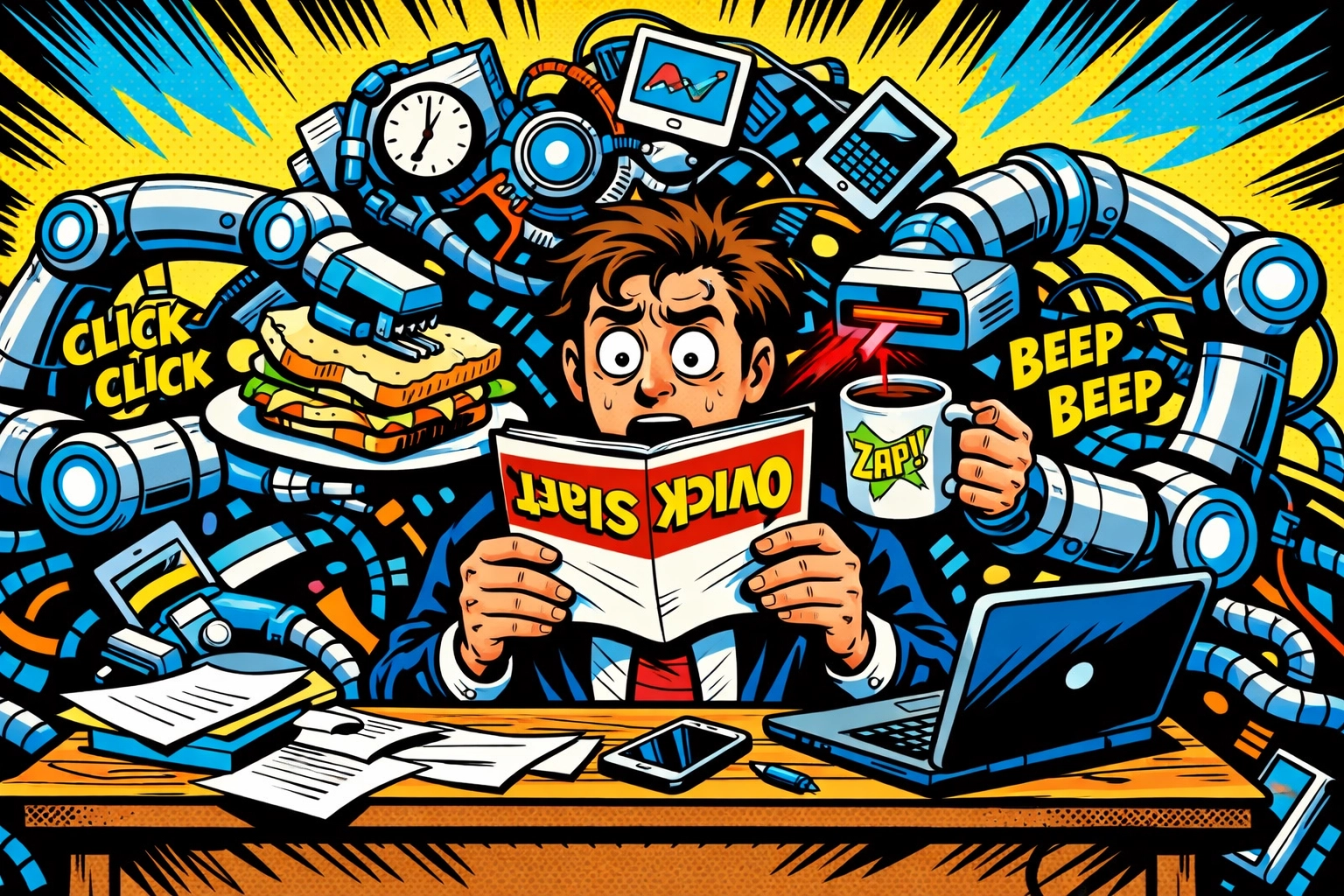
    Stressed business owner overwhelmed by complex AI tools and broken business automation workflows.

    2. YOU’RE FEEDING YOUR AI TRASH DATA

    AI is like a world-class chef. But if you give that chef rotten ingredients, you’re still getting food poisoning.

    Most small business owners point an ai virtual assistant for business at a messy Google Drive or a CRM that hasn't been updated since 2022. The result? The AI hallucinates. It makes things up. It tells your customers that you offer 90% discounts on Tuesdays.

    The Fix:
    Clean your room. Before you connect an AI to your knowledge base, make sure that knowledge base is accurate. Remove the "Draft_v2_FINAL_OLD.pdf" files. Standardize your formats.
    If the data is clean, the AI is a genius. If the data is junk… well, you know the rest.

    3. YOU’RE TRYING TO AUTOMATE THE "SOUL" OF YOUR BUSINESS

    There’s a temptation to automate everything. You want to automate the sales calls, the deep-dive strategy sessions, and the "I’m so sorry we messed up" apologies.

    But customers can smell a robot from a mile away.

    When you automate customer support with ai, the goal isn't to hide from your customers. It’s to handle the boring stuff so you can be more human when it counts.

    The Fix:
    Automate the "What’s my password?" and "What are your hours?" questions. Keep the "How do I grow my business?" conversations for yourself.

    Use AI to build the bridge, not to be the destination.

    Human and AI virtual assistant hands touching to illustrate a balanced business automation strategy.

    4. YOU’RE GHOSTING YOUR OWN AUTOMATIONS

    The biggest lie in SaaS is "Set it and forget it."

    If you set it and forget it, you’ll eventually wake up to a broken integration that hasn't worked for three weeks, and you’ve lost $4,000 in missed leads.

    AI needs a supervisor. It doesn't need a boss who micromanages every click, but it does need someone to check the logs once a week.

    The Fix:
    Schedule a 15-minute "Automation Audit" every Friday. Check the error logs. Read three random transcripts from your AI support bot. Does it sound like you? Is it helping? If not, tweak the prompt.

    Growth isn't a straight line, it’s a series of small adjustments. If you're ready for a system that actually grows with you, grab a spot here.

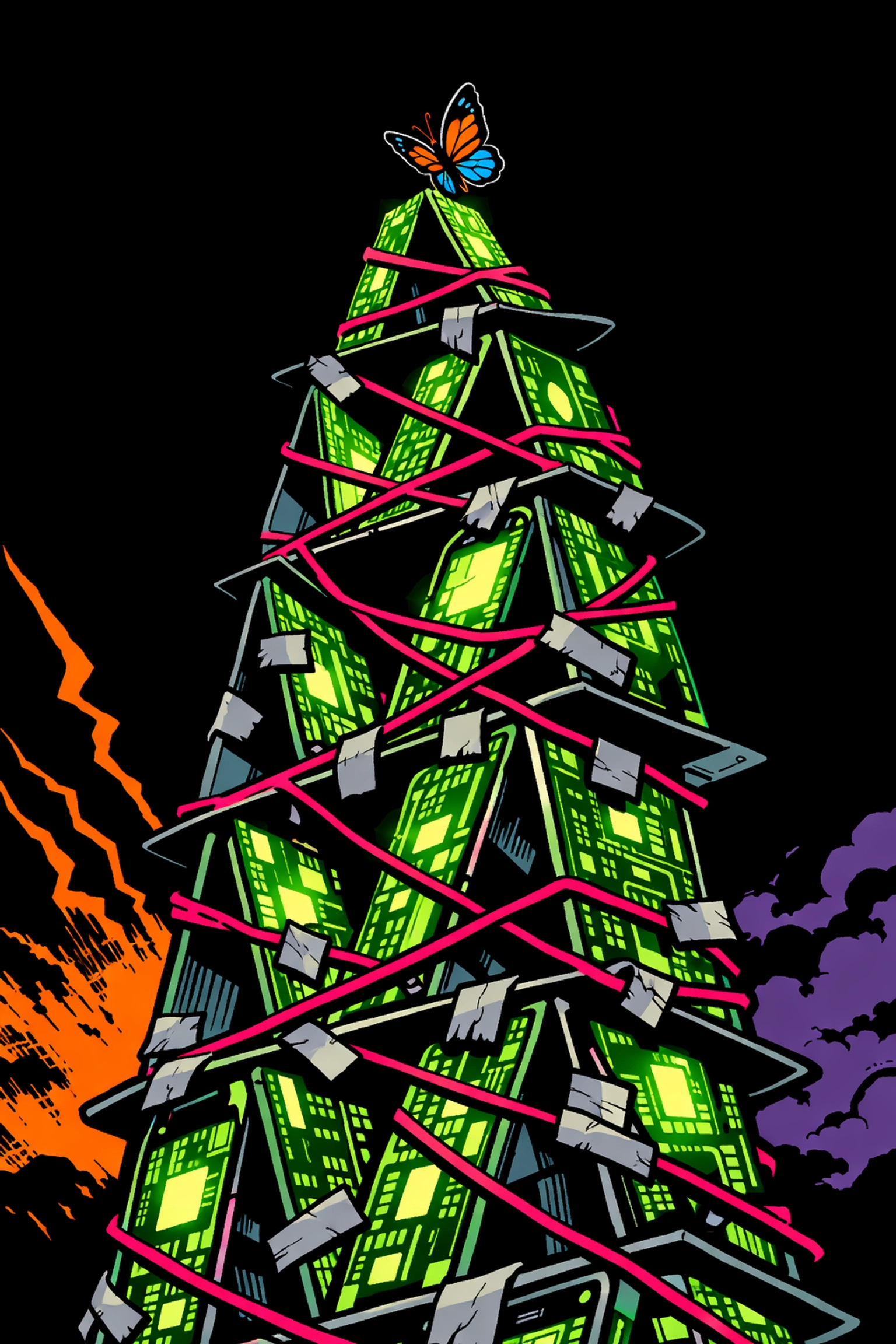
    5. YOU BUILT A WORKFLOW FOR A NASA SCIENTIST

    You’ve got Zapier connected to Make, which triggers a Python script, which pings a Slack channel, which updates a Notion database…

    …and then one API updates, and the whole house of cards collapses.

    Complexity is the enemy of scale. The more moving parts your "workflow" has, the more places it can break.

    The Fix:
    The One-Trigger Rule. Try to keep your automations to a single trigger and a single outcome. If you need a 50-step sequence, break it into five 10-step sequences.

    It’s easier to fix a broken link than a shattered chain.

    Unstable house of cards made of circuit boards showing the risk of over-complicated AI workflows.

    6. YOU FORGOT TO TELL YOUR TEAM

    You’re excited about your new ai virtual assistant for business. Your team? They’re terrified.

    They see "automation" and they hear "layoffs." When people are scared, they don't use the tools. They sabotage them. They find workarounds. They keep using their old, manual spreadsheets because they "don't trust the robot."

    The Fix:
    Frame AI as a "Power Suit," not a "Replacement." Show them how the AI handles the data entry they hate, so they can focus on the creative work they love.

    When your team realizes the AI is there to fetch the coffee (metaphorically), they’ll become your biggest automation advocates.

    7. YOU’RE WAITING FOR THE "PERFECT" TIME TO START

    You’re reading this and thinking, "Okay, I'll fix my data first. Then I'll hire a consultant. Then I'll look at tools next quarter."

    Stop.

    While you're waiting for the perfect moment, your competitor just spent 20 minutes setting up a basic ai virtual assistant for business that is already saving them 5 hours a week.

    The Fix:
    Start small. Pick one tiny, annoying task. Automate it today. It won't be perfect. It will probably break. But you'll learn more in 30 minutes of "breaking things" than in 30 days of "planning things."

    The best time to automate was last year. The second best time is right now.


    STOP JUGGLING. START SCALING.

    You didn't start a business to become a full-time debugger for broken software. You started it to build something.

    The "broken" feeling in your workflow isn't a sign that AI doesn't work. It's just a sign that you're trying to build a skyscraper on a sand foundation.

    If you’re tired of the DIY headache and want a partner who actually understands the intersection of AI and business efficiency… we should talk.

    Stop the manual grind and see what real business automation looks like here.

    Successful business owner leading a team of AI virtual assistants to automate customer support.


    FAQ: YOUR AUTOMATION QUESTIONS, ANSWERED

    Q: Is AI too expensive for a small business?
    No. In fact, not using AI is becoming the most expensive mistake you can make. The cost of a tool like Marblism is a fraction of the cost of a part-time admin, and it doesn't take lunch breaks.

    Q: Will an AI virtual assistant for business make my company feel cold?
    Only if you let it. Use AI to handle the robotic tasks so your humans can be more… well, human. When your support team isn't stressed by 200 "Where's my order?" tickets, they can give 100% of their energy to the customers who actually need a human touch.

    Q: How long does it take to see an ROI?
    If you automate the right task (like your lead intake or basic support), you’ll see the ROI in hours. The "time back" is immediate. The "money back" usually follows within the first 30 to 60 days.

    Q: Can I automate customer support with AI if my product is complex?
    Yes. You just need a better knowledge base. AI is incredibly good at parsing complex manuals: as long as those manuals are updated and clear.

    Q: What if the AI says something offensive or wrong?
    This is why you use "Guardrails." Modern AI platforms allow you to set strict rules on what it can and cannot say. Think of it like a new hire: you give them a script and some boundaries.


    📱 11:00 PM.

    The day is done. The lights are off.

    Usually, you’d be sitting on the couch, finishing up those last 10 emails you missed during the day. But tonight?

    The phone is silent.

    The AI handled the easy stuff. Your team handled the important stuff. And you? You’re just finishing your book.

    The chaos is gone. And it didn't take a miracle: it just took a better workflow.

    Ready to get your time back? Start here.

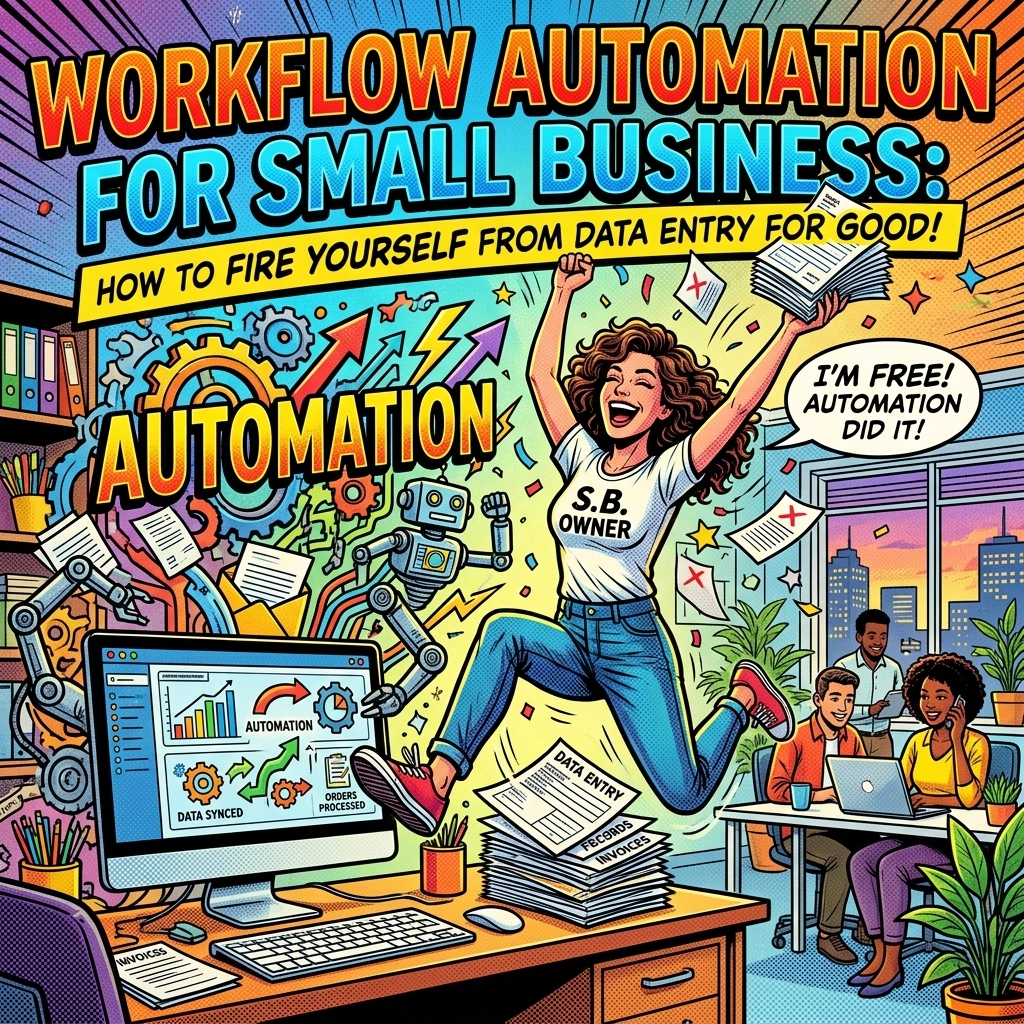
  • Workflow Automation for Small Business: How to Fire Yourself from Data Entry for Good

    Workflow Automation for Small Business: How to Fire Yourself from Data Entry for Good

    WORKFLOW AUTOMATION FOR SMALL BUSINESS: STOP DOING THE BUSY WORK

    You’re staring at a spreadsheet. Again.

    It’s 4:15 PM on a Tuesday. Your coffee is cold, your eyes are crossing, and you’re currently copying a customer’s email address from a contact form and pasting it into your CRM. Then you’re opening your invoicing software. Then you’re manually typing that same name, hopefully without a typo, into a "New Project" folder.

    This isn’t "running a business." This is digital window washing. It’s the "busy work" that eats your soul and, more importantly, your clock.

    What if you just… stopped?

    Workflow automation isn't some futuristic jargon reserved for Silicon Valley giants with infinite engineering budgets. It’s the secret to firing yourself from the roles you never wanted in the first place: Data Entry Clerk, Manual Invoicer, and Follow-up Chaser.

    THE HIGH COST OF "JUST FIVE MINUTES"

    You think manual entry is free. It’s just five minutes here and there, right?

    Wrong. Research shows that manual data entry carries an average error rate of 1-5%. If you’re processing 100 orders a day, that’s 1 to 5 mistakes daily. That’s a wrong shipping address, a misquoted price, or a client name spelled wrong. It’s not just "five minutes", it’s the hour you spend fixing the mess later.

    Automation doesn't just save time; it saves your reputation. When systems talk to each other, the data is perfect every single time. One data entry point. Zero re-keying.

    9:00 AM , Your day begins.
    Instead of logging in to check who signed up overnight, you open your phone to a notification. Three new leads were captured, tagged in your CRM, sent a personalized "Welcome" PDF, and added to your sales team’s task list. You haven’t even taken your first sip of coffee yet.

    Business owner enjoying coffee while workflow automation for small business captures leads automatically.

    MEET YOUR NEW BEST FRIENDS: TRIGGERS AND ACTIONS

    Automation is basically just a game of "If This, Then That."

    1. The Trigger: An event happens (a lead fills out a form).
    2. The Action: A task is performed (an email is sent).
    3. The Logic: Conditions that filter the work (if the lead is from a "Big Company," notify the CEO; if not, add to the newsletter).

    When you connect your tools, your CRM, your email, your accounting software, you create a digital nervous system. Information flows from the brain to the limbs without you having to manually move every finger.

    THE WORKFLOWS YOU NEED TO KILL TODAY

    Stop manually chasing people. Start automating these three "quick wins" and watch your Friday afternoons suddenly become free again.

    1. The Lead Follow-Up
    When a lead hits your site, they are "hot" for about five minutes. If you wait three hours to reply because you were in a meeting, they’ve already found your competitor. Automation catches them instantly.

    2. Client Onboarding
    You closed the deal! Congrats. Now comes the boring part: setting up the project, sending the contract, and creating the folder. An automated workflow can trigger the contract via DocuSign the second you flip the CRM stage to "Closed-Won." Once signed? The project folder creates itself.

    3. The Money Flow
    Stop manually creating invoices. When a project hits a milestone in your management tool, your accounting software should automatically generate the invoice and send it. No more "forgetting to bill" for three weeks.

    Illustration of small business workflow automation syncing emails, gears, and invoicing tasks.

    SCALING SHOULDN'T BE THIS EASY. BUT HERE WE ARE.

    The truth is, your business can only grow as fast as your hands can move, unless you automate. Workflow automation allows you to handle 10x the volume without hiring 10x the staff.

    If you're ready to stop being a human bridge between your software apps, it’s time to look at how Marblism can bridge the gap for you. Check out what we’re building at https://marblism.link/scott-bowen and see how to get your hours back.

    Stop juggling. Start growing.


    WHY YOUR BUSINESS NEEDS AN AI VIRTUAL ASSISTANT (BEFORE YOUR COMPETITORS GET ONE)

    The lights are off. Your office is empty. You’re at home, hopefully sleeping or watching something that doesn’t involve a chart.

    But your business is still awake.

    While you’re resting, a potential client lands on your site at 2:00 AM. They have a specific question about your pricing and your availability for next Tuesday. In the "old" world, they’d send an email that sits in your inbox until 10:00 AM tomorrow. By then, they’ve already gotten a quote from someone else.

    In the "new" world, your AI Virtual Assistant has already answered their question, checked your calendar, and booked the meeting.

    Your business didn't just stay open, it won.

    IT’S NOT A CHATBOT. IT’S AN EMPLOYEE.

    When most people hear "AI Virtual Assistant," they think of those annoying little chat bubbles that say, "I’m sorry, I didn't understand that."

    That’s not what we’re talking about here.

    Modern AI assistants are integrated deeply into your business automation. They don’t just talk; they do. They access your CRM, your inventory, and your calendar. They can qualify leads, troubleshoot technical issues, and even process basic transactions.

    It’s like having a project manager who never sleeps, never takes a lunch break, and has a perfect memory.

    An AI virtual assistant for business managing customer inquiries and scheduling tasks 24/7.

    🤝 11:00 AM , Your phone buzzes.
    Your AI assistant, let's call her Penny, just let you know that a long-tail lead was actually a high-value prospect. She’s already moved them to the "Priority" list and sent them your case studies. You just send a thumbs-up.

    WHY NOW? (THE COMPETITIVE GAP)

    Small business is a game of speed. The faster you respond, the higher your conversion rate.

    Your competitors are currently struggling with "The Pile." The pile of emails, the pile of Slack messages, the pile of unreturned calls. By the time they dig out, you’ve already completed the work.

    Using an AI Virtual Assistant for business gives you a "Speed to Lead" that humans simply can't match.

    • Immediate Response: 24/7/365.
    • Infinite Scalability: An AI can talk to 1,000 people at once. You can talk to one.
    • Cost Efficiency: You aren't paying for healthcare, desk space, or overhead.

    THE "SILENT" ADVANTAGE: DATA INTEGRITY

    Every time an AI assistant interacts with a customer, that data is perfectly logged. No more "I forgot to write down what the client said on the phone." The AI records the intent, the sentiment, and the specific needs, then maps that data directly into your workflow.

    Your reports become trustworthy. Your books close faster. Your business starts to feel… quiet. Organized.

    Organized data blocks representing high data integrity achieved through small business automation.

    STOP RUNNING IN CIRCLES

    If you’re still the one answering every basic "How much does this cost?" query, you’re not the CEO, you’re the receptionist.

    It’s time to elevate your role.

    Let the AI handle the repetitive, the mundane, and the predictable. You focus on the strategy, the creativity, and the high-level relationships that actually move the needle.

    The future of small business isn't "working harder." It's working smarter through AI-driven automation. If you're curious about how this looks in practice, Scott Bowen is helping businesses make the transition every single day. See the magic behind the curtain at https://marblism.link/scott-bowen.

    FAQ: THE "REAL" TALK

    Is it hard to set up?
    No. Most modern tools are no-code. If you can use a smartphone, you can build an automated workflow.

    Will my customers hate talking to an AI?
    People don't hate AI. They hate bad AI. They love fast, accurate answers. When your AI provides value instantly, they’ll thank you for it.

    How much time will I actually save?
    Most small business owners recover 5-10 hours per week just by automating the "Busy Work." That’s a full work week every month.

    The world is moving fast. Don't get left holding the spreadsheet.

    THE CHAOS ENDS HERE.

    https://marblism.link/scott-bowen

  • How to Create Coffee Shop Quality Drinks at Home in 5 Minutes

    How to Create Coffee Shop Quality Drinks at Home in 5 Minutes

    So, you want that high-end coffee shop experience without having to put on actual trousers or leave the house? We get it. There is something truly special about a perfectly textured latte or a crisp, vibrant single-origin pour-over, but the idea of spending twenty minutes weighing every gram and faffing with a goose-neck kettle before your eyes are even fully open is, well, a bit much.

    The good news is that you don’t need a £3,000 setup or a professional barista certification to make something that tastes incredible. In fact, we believe you can whip up café-standard drinks in under five minutes if you focus on the right things. It’s all about working smarter, not harder.

    At Limini Coffee, we spend our days roasting and obsessing over every detail of the bean, but we also know that at home, convenience is king. Whether you are a seasoned home brewer or someone just looking to level up from the standard "spoon of instant and a splash of milk," we are here to help you bridge that gap.


    The Golden Rule: Freshness Above All Else

    If there is one thing we want you to take away from this, it is that your drink is only as good as the beans you start with. You can have the best technique in the world, but if your coffee has been sitting on a supermarket shelf for six months, it’s going to taste like cardboard.

    Freshness is essentially the "cheat code" for coffee shop quality. When coffee is freshly roasted, it retains the volatile oils and aromatics that create those beautiful notes of chocolate, fruit, or nuts. Once it’s ground, those flavors start to vanish almost immediately.

    This is why we always recommend buying fresh roasted coffee beans from a speciality roaster. It makes the biggest difference to the crema and the overall depth of flavor. If you aren't grinding your own beans yet, don't worry: getting freshly roasted pre-ground coffee is still a massive step up from the dusty alternatives.

    Freshly roasted speciality coffee beans in a wooden scoop ready for home grinding.


    The 5-Minute Framework: No Espresso Machine? No Problem.

    A common myth is that you need a high-pressure espresso machine to make "real" coffee drinks. While we love a good La Spaziale machine as much as anyone, you can create a fantastic base for your drinks using a simple Moka pot, an AeroPress, or even a very concentrated French press brew.

    The secret is the ratio. To mimic an espresso shot for a latte or cappuccino, you need a "short" brew. We usually suggest a 15:1 water-to-coffee ratio for standard drinking, but for a "fake" espresso base, try something closer to 3:1 or 4:1. This creates a punchy, intense liquid that can stand up to milk without getting lost.

    And if you really are in a rush? High-quality instant coffee or a strongly brewed concentrate kept in the fridge can work wonders. It’s all about the preparation.


    Recipe 1: The "Better-Than-The-High-Street" Iced Latte

    Time: 2 Minutes

    This is the ultimate quick fix. It’s refreshing, sweet, and takes less time than it does to find your car keys.

    1. The Base: Take 2 ounces (60ml) of very strong coffee. If you’re using Limini Coffee beans, a medium roast works beautifully here.
    2. The Chill: Fill a tall glass to the brim with ice.
    3. The Pour: Add 1 cup (240ml) of cold milk of your choice.
    4. The Magic: Pour your hot coffee directly over the milk and ice. The way the coffee marbles into the milk is part of the theatre of the drink.
    5. Sweeten: Add a dash of vanilla syrup or a teaspoon of honey if that’s your vibe.

    Why does this work? Because the cold milk instantly brings the temperature down, preserving the sweetness of the coffee without the bitterness that sometimes comes with slow-cooling.


    Recipe 2: The Microwave "Microfoam" Latte

    Time: 4 Minutes

    You don’t need a steam wand to get that silky texture. You just need a glass jar and a bit of muscle.

    1. Prep the Coffee: Brew 3 ounces of strong coffee (or a double shot if you have a machine).
    2. The Jar Trick: Pour about 6-8 ounces of milk into a clean jam jar. Fill it no more than halfway: you need room for expansion!
    3. Shake it: Screw the lid on tight and shake it like you’re making a cocktail for about 30-60 seconds. You’ll see the volume double.
    4. The Heat: Take the lid off and microwave the milk for 30-45 seconds. Watch it closely! You want it hot (around 140 °F / 60 ºC), but not boiling.
    5. The Assemble: The heat actually stabilizes the foam. Pour your coffee into a proper coffee cup, then slowly pour in the warm milk, using a spoon to hold back the foam until the end.

    This gives you a texture that is surprisingly close to what we produce on a professional lever or automatic machine.

    Pouring textured milk into coffee to create professional quality microfoam at home.


    Mastering the Milk

    If you want your home drinks to actually taste like they came from a shop, you have to respect the milk. We have a whole article on understanding milk because it is that important.

    The protein and fat content in your milk (or milk alternative) determines how well it foams and how sweet it tastes. When you heat milk, you are breaking down the lactose into simpler sugars, which is why steamed milk tastes sweeter than cold milk. However, if you go past 160 °F / 70 ºC, you start to scald it, and that sweetness turns into a "cooked" flavor that ruins the coffee.

    So, always aim for that 140 °F / 60 ºC sweet spot. If you’re serious about this, a cheap milk thermometer is one of the best pieces of home brewing gear you can buy.


    Recipe 3: The Greek-Style Frappe

    Time: 4 Minutes

    This is a foam-lover's dream and arguably the easiest way to feel like you’re on a Mediterranean holiday in your own kitchen.

    1. The Mix: In a jar or a milk frother, combine 2 teaspoons of quality instant coffee, 1-2 teaspoons of sugar, and just 2 tablespoons of cold water.
    2. The Froth: Whisk or shake until it becomes a thick, light-brown foam. It should have the consistency of shaving cream.
    3. The Build: Pour this foam into a glass filled with ice.
    4. The Top-Up: Slowly add cold water or milk (we prefer milk for a creamier finish) to fill the glass.

    The foam is surprisingly stable and stays on top for ages. It’s a total crowd-pleaser and takes virtually no effort.


    Why Your Equipment Matters (But Doesn't Have To Cost a Fortune)

    We often get asked about choosing espresso equipment. The truth is, while we love the shiny, high-end gear, your most important tool is your grinder.

    Even a modest burr grinder will allow you to dial in your extraction. If your coffee tastes too sour, you grind finer. If it’s too bitter, you go coarser. It’s a simple cause-and-effect relationship that puts you in total control.

    If you are using an espresso machine, don't overlook the importance of tamping. An uneven tamp leads to channeling, where the water finds the path of least resistance and leaves half your coffee unextracted. A firm, level tamp ensures that the 9 BAR of pressure is working evenly across the entire coffee bed.

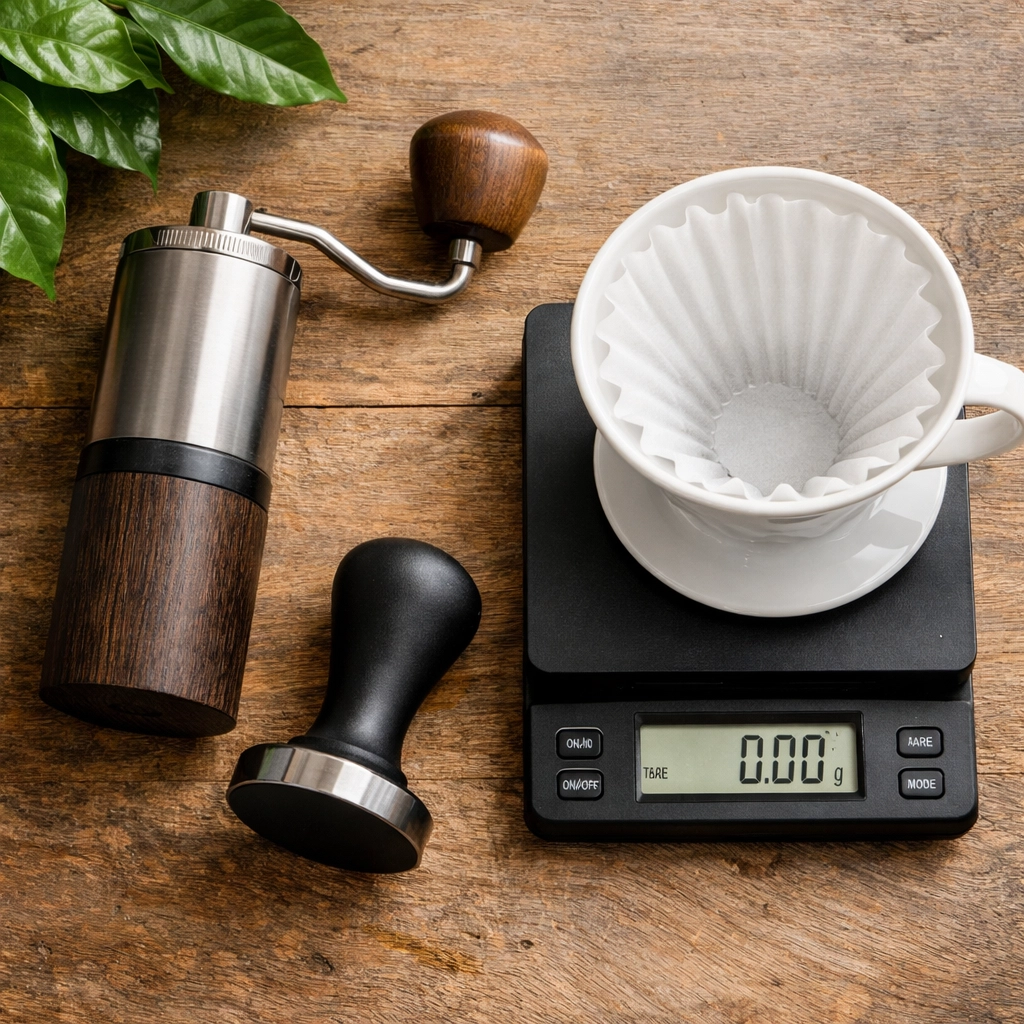
    Professional home brewing gear including a manual grinder and coffee tamper for precision.


    Recipe 4: The 5-Minute Homemade Frappuccino

    Time: 5 Minutes

    Forget the queue and the high price tag. You can make a better version at home with zero artificial stabilizers.

    1. The Blender: Toss in a handful of ice, 1/2 cup of milk, 1/2 cup of strong cold coffee, and a tablespoon of maple syrup or chocolate sauce.
    2. The Secret Ingredient: Add a tiny pinch of Xanthan gum if you have it (it keeps it from separating), or just use a splash of heavy cream for that luxurious mouthfeel.
    3. The Blitz: Blend on high until smooth.
    4. The Topping: Pour into a glass and top with whipped cream.

    Using single origin beans for the coffee base here can add incredible fruity notes that you just don't get in the mass-produced versions. Imagine a strawberry-noted Ethiopian coffee blended into a creamy frappe: it's a game-changer.


    Let's Talk Ratios

    Consistency is what separates a "good cup" from a "perfect cup every time." We always suggest using a scale, but if you're in a hurry, you can use our coffee brewing calculator to get a feel for the volumes.

    Basically, the more water you use, the more you extract. If your drink feels "thin," you might be using too much water or not enough coffee. For a 5-minute morning routine, finding a scoop that matches your favorite mug's ideal weight is a great way to stay consistent without overthinking it.


    Putting It All Together

    Creating coffee shop quality at home isn't about having a massive bar set up; it’s about understanding the fundamentals.

    • Start with the best: Use freshly roasted Limini Coffee.
    • Watch your temps: Keep your milk under 160 °F / 70 ºC.
    • Balance your brew: Use strong concentrates for milk-based drinks.
    • Enjoy the process: Part of the joy of coffee is the ritual itself.

    If you ever find yourself wanting to dive deeper into the craft, we offer barista training that covers everything from basic espresso to advanced latte art. We love sharing what we know, whether you are brewing for yourself or looking to start your own wholesale journey.

    So, tomorrow morning, give yourself five minutes. Skip the instant-and-boiling-water routine. Try one of these recipes, use some proper beans, and see if you can’t make something that makes you smile before the caffeine even kicks in.

    Happy brewing!

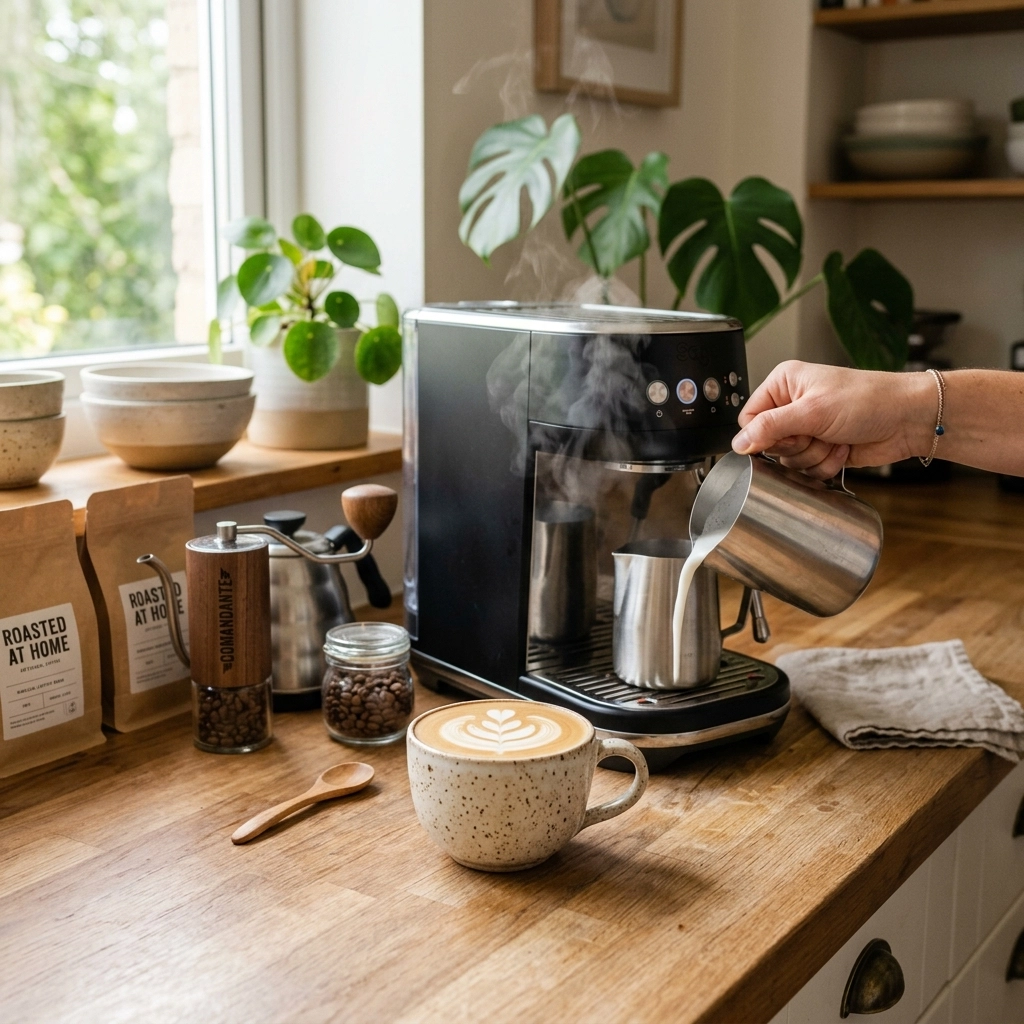
    A homemade latte with heart-shaped art, showcasing coffee shop quality results.

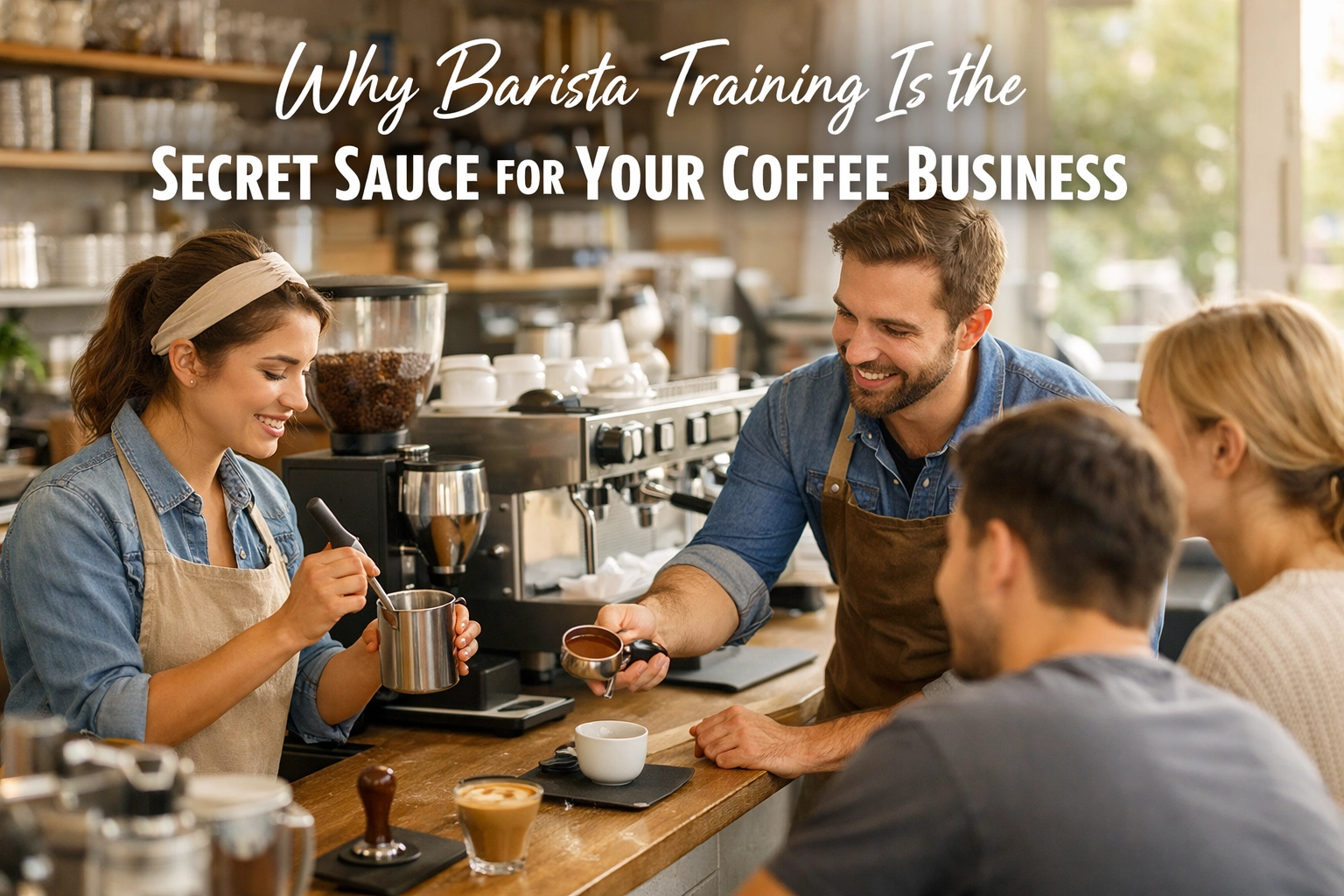
  • Why Barista Training Is the Secret Sauce for Your Coffee Business

    Why Barista Training Is the Secret Sauce for Your Coffee Business

    So, you’ve spent months, maybe years, dreaming about your coffee shop. You’ve found the perfect location with the exposed brickwork and the industrial lighting. You’ve invested in a top-tier espresso machine that looks like it belongs in a NASA laboratory. You’ve even sourced the most exquisite, ethically traded speciality beans from us here at Limini Coffee.

    Everything is ready. The doors open, the first customer walks in, and… the coffee is just "okay."

    It’s a heartbreak we see all too often in the industry. The missing ingredient isn't a more expensive grinder or a fancier bean. It’s the person standing behind the machine. The truth is, coffee shop barista training is the absolute secret sauce that separates a "once-in-a-while" café from a "queued-out-the-door" local legend.

    Let’s talk about why training is the best investment you’ll ever make for your business.


    Consistency: The Holy Grail of Hospitality

    Why do people keep coming back to the same coffee shop every morning? Is it the decor? Maybe. Is it the Wi-Fi? Sometimes. But mostly, it’s because they know exactly how that first sip is going to taste.

    Consistency is the hardest thing to achieve in a café. Coffee is a temperamental beast. It changes with the humidity, the temperature of the room, and even how long it’s been sitting in the hopper. A well-trained barista understands this. They don't just "push the button." They are constantly monitoring the extraction, tasting the shots, and adjusting the grind size to ensure every single cup meets the standard.

    Without proper barista training, you run the risk of what we call "Barista Roulette." That’s when the coffee is amazing on a Tuesday when Sarah is working, but bitter and burnt on Wednesday when Dave is on shift. Customers hate roulette. They want the sure thing. Training standardizes your output so that Dave and Sarah are both producing the same high-quality brew every single time.

    Two identical espresso shots with thick crema illustrating consistent coffee quality from professional training.

    The Science of the Shot

    We believe that understanding the "why" is just as important as the "how." In our training sessions, we don't just tell people to tamp the coffee; we explain the physics of water resistance.

    When water hits a bed of coffee at 9 BAR of pressure, it looks for the path of least resistance. If the coffee isn't distributed evenly or tamped correctly, the water will channel through the gaps. The result? A watery, sour, or overly bitter mess.

    So, we teach our students to look for the perfect crema and to understand the variables of extraction. We're talking temperatures between 88 °C and 95 °C (190 °F to 203 °F), precise weights, and timing. When a barista understands these numbers, they feel empowered. They aren't just making a drink; they’re performing a craft.


    The "Milky Way": It’s More Than Just Bubbles

    Let’s be honest: most of the drinks you sell will likely be milk-based. Lattes, flat whites, and cappuccinos are the bread and butter of the UK coffee scene. But there is a massive difference between "hot milk" and "textured milk."

    Have you ever been served a cappuccino that looked like a bubble bath? Or a latte that was so hot it scorched your tongue? That’s the result of poor training. Understanding milk is a cornerstone of our curriculum. We teach baristas how to create that elusive "microfoam": milk that is so silky and glossy it looks like wet paint.

    The target temperature is usually around 60 °C (140 °F). Any higher, and the proteins break down, the sweetness vanishes, and you’re left with a burnt smell that ruins even the best beans. Proper training ensures that every latte and cappuccino is a velvety, sweet delight that doesn't require three sugars to be palatable.

    Barista pouring latte art into a ceramic cup showing velvety microfoam and professional milk steaming skills.

    Speed vs. Quality: The Balancing Act

    "But Penny," you might say, "my shop gets slammed at 8:30 AM! My baristas don't have time to be scientists!"

    We hear you. And that’s exactly why training is vital. An untrained barista in a rush is a recipe for disaster. They get flustered, they stop cleaning the steam wand, they forget to purge the group head, and the quality plummets.

    A trained barista, however, has "muscle memory." They have a workflow that is optimized for speed without sacrificing a single drop of quality. They know how to multi-task: frothing milk while the shot is pouring, keeping the station clean, and engaging with the customer all at once. Efficiency is a skill that has to be taught. Once a team is synchronized, your throughput increases, wait times drop, and your revenue goes up. It’s as simple as that.


    The Theater of Coffee

    There’s an element of theatre in a coffee shop. Customers love to watch a pro at work. When a barista handles the equipment with confidence, pours a beautiful rosetta in the foam, and can talk knowledgeably about the origin of the beans, it creates a "premium" feel.

    This confidence builds trust. If a customer asks, "What’s the difference between this blend and the single origin?" and the barista can give an educated, passionate answer, that customer is sold. They feel like they are getting an experience, not just a caffeine hit. This is how you build brand loyalty. You aren't just a shop; you’re an authority.

    Professional barista smiling behind an espresso machine, creating a high-quality coffee shop customer experience.

    Protecting Your Investment

    A commercial espresso machine is a serious piece of kit. If it’s not looked after, it will break down: usually at 10:00 AM on a busy Saturday.

    Part of our training overview includes basic maintenance and looking after the espresso machine. We teach baristas how to backflush the machine, clean the group heads, and care for the grinders. This prevents the buildup of rancid coffee oils (which make your coffee taste like rubber) and extends the life of your expensive equipment by years.

    Think of it like this: would you let someone drive a Ferrari if they didn't know how to check the oil? Probably not. Don't let someone operate your La Spaziale without knowing how to keep it purring.


    Why Choose Limini for Your Training?

    At Limini Coffee, we don't just roast beans; we live and breathe the café culture. We’ve helped hundreds of businesses get off the ground, and we know that the human element is what makes or breaks a shop.

    When you join us as a wholesale partner, training isn't just a "nice to have": it’s a core part of what we do. We offer comprehensive courses at our dedicated training centers that cover everything from the basics of espresso to advanced latte art and shop management.

    We keep it casual, we keep it fun, but we are extremely serious about the results. We want your business to thrive because when you sell more coffee, we’re happy too! It’s a partnership. We provide the tools, the beans, and the knowledge; you provide the space and the passion.

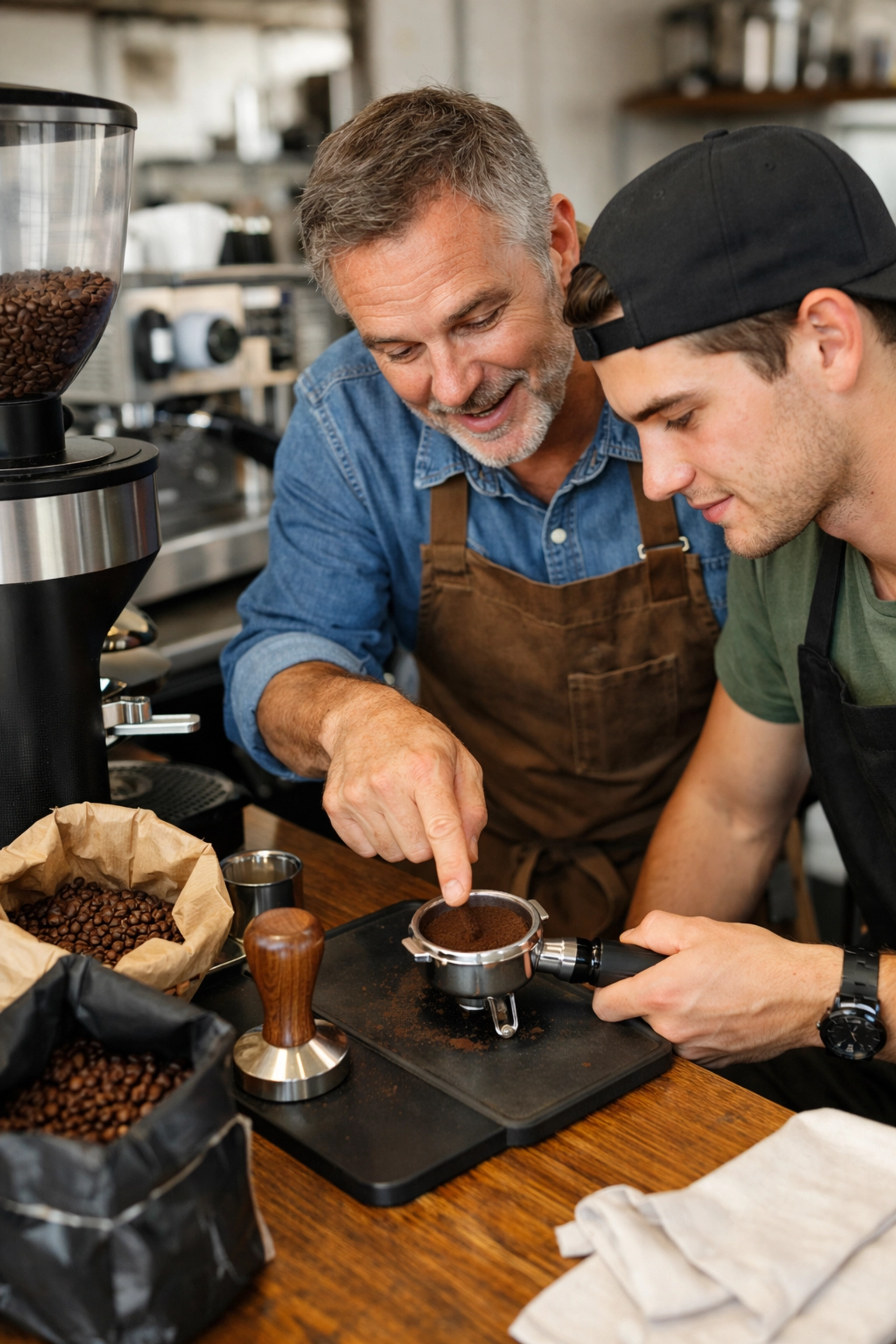
    Mentor and student during a coffee shop barista training session focusing on tamping and espresso preparation.

    The Bottom Line

    In a world where there is a coffee shop on every corner, "good enough" is no longer an option. You have to be exceptional.

    Investing in coffee shop barista training is the fastest way to improve your product, boost your staff morale, reduce waste, and increase your profits. It turns a job into a career for your employees and a habit into a highlight for your customers.

    So, if you’re ready to take your coffee game to the next level, why not check out our training options? We’d love to welcome you and your team to the roastery to show you what we’re all about.

    Remember, the machine makes the coffee, but the barista makes the experience. Let’s make it a great one. 🙂


    Ready to start your journey?
    Whether you're building a coffee shop from scratch or looking to level up your current team, we're here to help. Reach out to us at Limini Coffee and let’s get brewing!

  • Sustainable Stays: Using Tech to Hit Net-Zero Without Hurting the Guest Experience

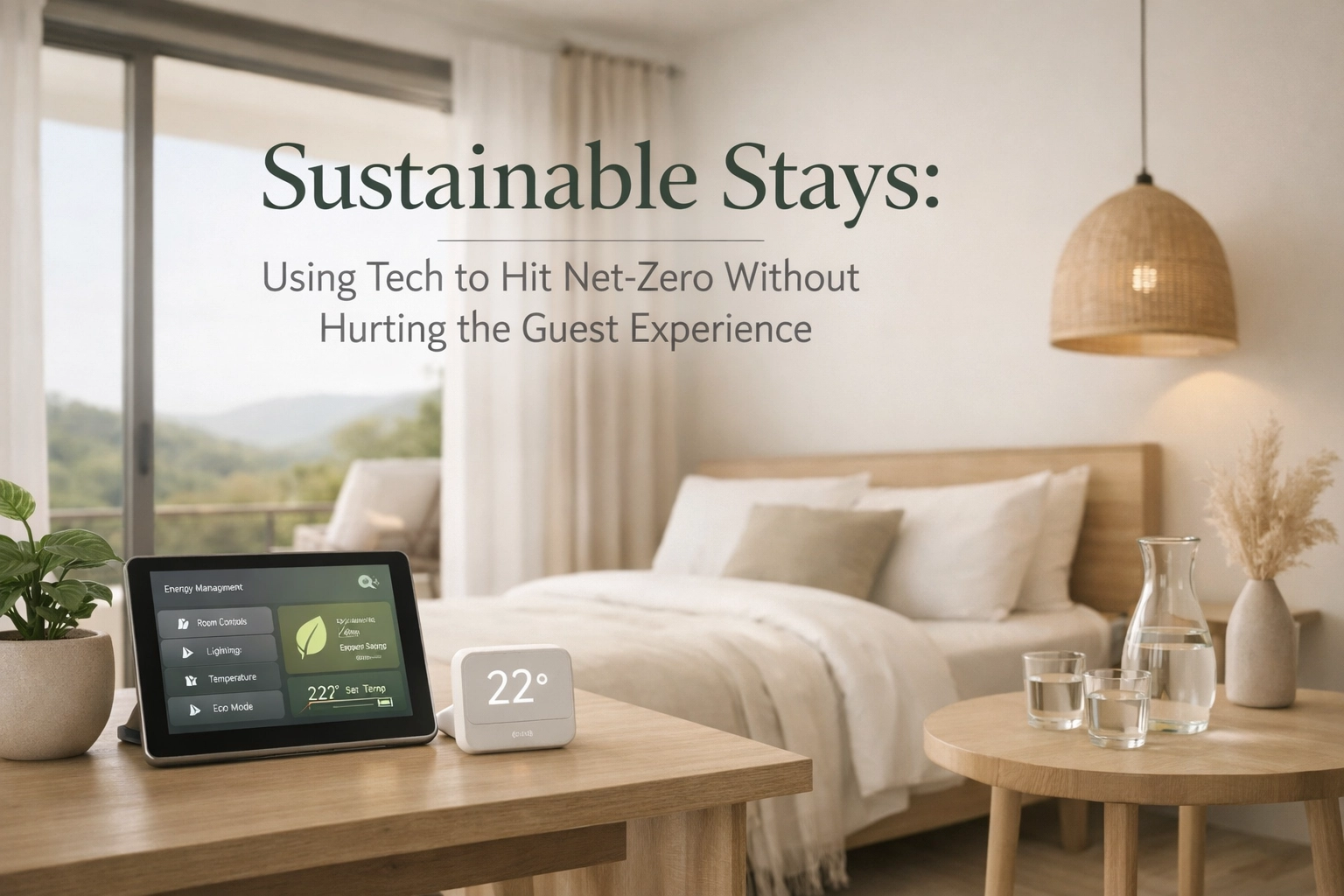
    Sustainable Stays: Using Tech to Hit Net-Zero Without Hurting the Guest Experience

    Reduce carbon. Retain comfort. Revolutionize hospitality.

    The path to net-zero is no longer a distant ambition for 2050. It’s the operational standard for 2026. Properties that embrace travel tech innovation are seeing a 30% reduction in energy costs while simultaneously driving higher guest satisfaction scores. The secret isn't asking guests to do less; it's using a platform that does more.

    We’ve moved past the era of "please reuse your towel" signs. Today, sustainability is woven into the very fabric of the building, powered by intelligent automation and real-time data. It’s about creating a frictionless stay where the environmental impact is minimized behind the scenes, all from one integrated hospitality platform.

    We believe sustainability should be invisible.

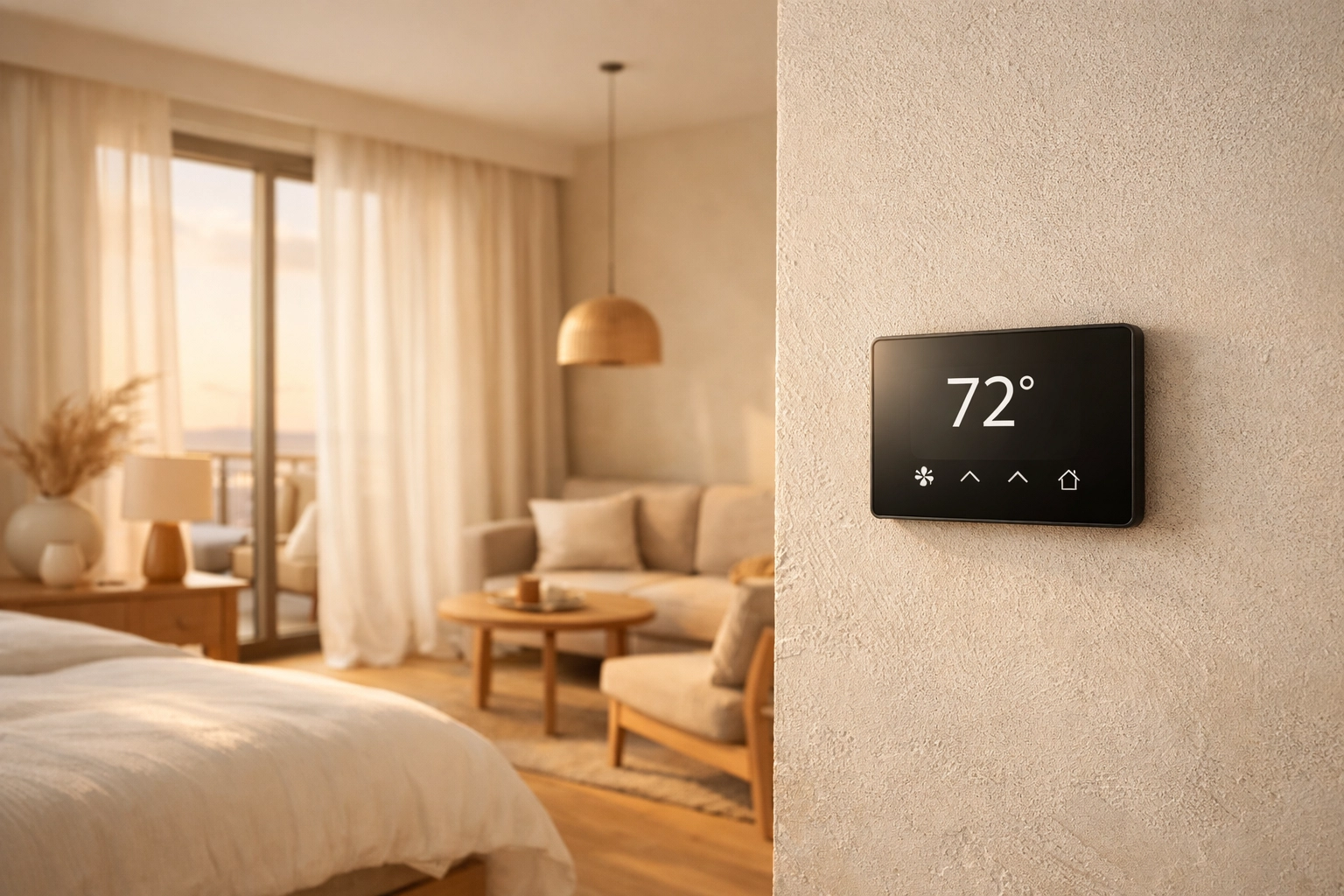
    When a guest walks into a room, they want the perfect temperature. They want a warm welcome. They don’t want to worry about the carbon footprint of their HVAC system. By leveraging smart climate control, you deliver exactly what they need without the waste.

    • Smaller, high-efficiency HVAC units reduce wear and tear.
    • Smart building platforms optimize energy based on real-time weather data.
    • Automated cooling prevents "empty room" energy spikes.

    Modern systems gather data every second. They learn when a guest is likely to return and pre-cool the room just in time. This isn't just green; it's smart business.

    Smart climate control interface in a luxury suite, reflecting sustainable hospitality trends in 2026.

    Intelligent Occupancy: The End of Empty Energy

    Why heat a wing that’s only 20% full? We think hospitality trends in 2026 are defined by precision. Smart room allocation is the ultimate tool for the eco-conscious operator.

    When your property isn't at full capacity, your hotel management software should automatically group guests in specific zones. This allows you to completely power down entire floors or wings. It’s a massive win for the planet and your utility bill.

    • 60% energy savings on lighting in unoccupied zones.
    • Reduced maintenance cycles for equipment on "rested" floors.
    • Seamless guest experiences as people feel they are in a vibrant, occupied area.

    The guest never sees the dark hallway three floors up. They only see the impeccable service on their own floor.

    The Power of Real-Time Monitoring

    You can’t manage what you can’t measure. Data is the fuel for the net-zero journey. We’ve seen properties integrate energy management dashboards that provide a pulse on every single kilowatt used across the property.

    45% reduction in total waste.
    25% lower water consumption via smart flow sensors.
    100% transparency for stakeholders.

    These aren't just goals; they are achievements happening right now. When you have a single source of truth, you can spot an anomaly: like a leaking pipe or a malfunctioning heater: before it becomes an expensive environmental disaster.

    Energy-efficient hotel corridor lighting, highlighting travel tech innovation for net-zero hospitality.

    Elevating the Guest Interface

    Sustainable choices can be premium. We believe that moving away from single-use plastics is an opportunity to upgrade your brand, not downgrade your service.

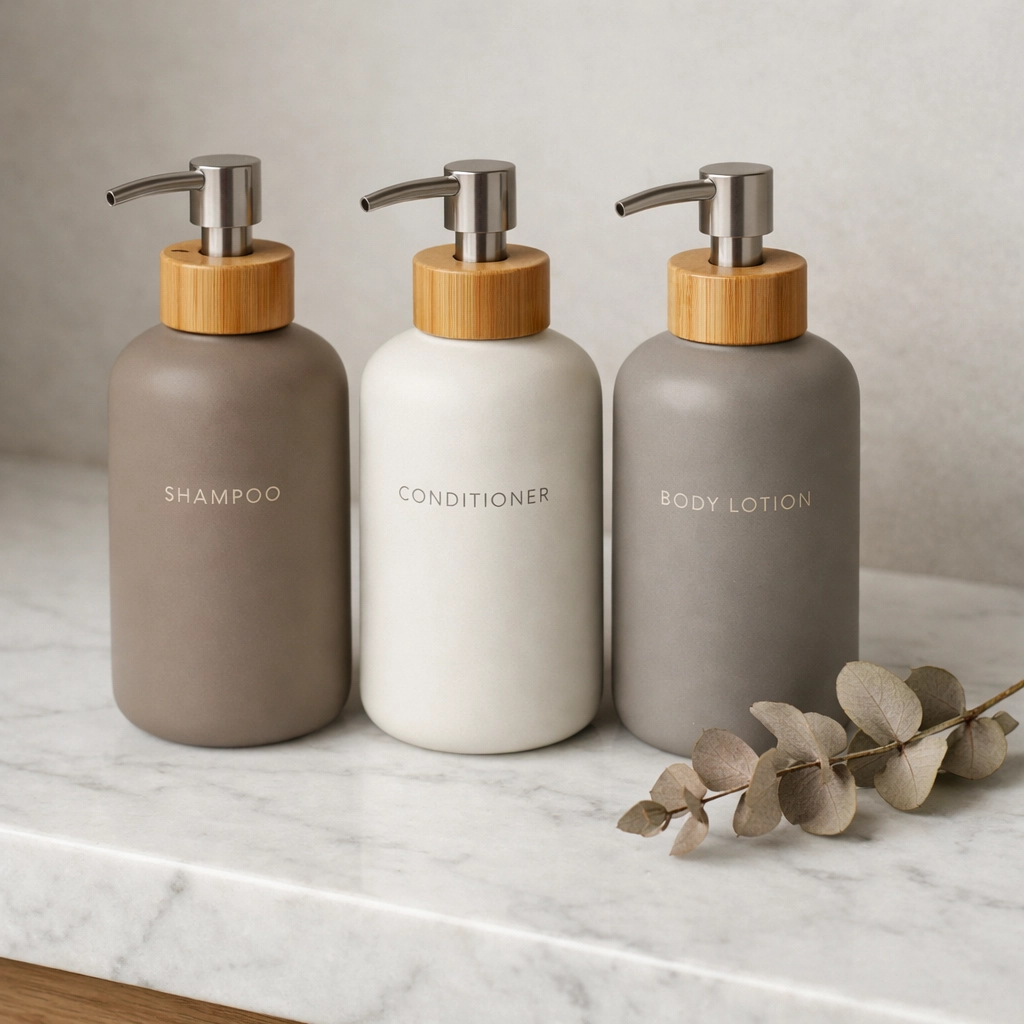
    Instead of tiny, plastic-wrapped soaps, modern hotels are opting for high-end, refillable dispensers. They look better. They feel more luxurious. And they eliminate thousands of pounds of plastic waste annually. It’s about making the greener choice the most convenient one.

    1. Replace single-use toiletries with locally sourced, bulk amenities.
    2. Digitize the entire guest journey to go 100% paperless.
    3. Use QR codes for in-room dining and local guides.

    Each of these steps removes friction. No more lost paper maps. No more cluttered vanities. Just a clean, modern aesthetic that aligns with the values of the 2026 traveler.

    Incentivizing Your Greatest Asset: The Team

    Your staff are the champions of your green initiatives. We’ve found that when employees are incentivized to promote sustainable choices, the guest experience improves.

    "Our team saved 15 hours a week just by switching to automated energy reporting."

    When the tech handles the mundane monitoring, your staff can focus on the guest. Use recognition programs for housekeepers who report maintenance issues early. Reward front-desk teams for hitting digital check-in targets. When your team wins, the planet wins.

    Luxury ceramic refillable amenity bottles on a marble vanity, a major hospitality trend for 2026.

    Infrastructure for the Future

    The boldest properties are looking at their foundations. From onsite solar arrays to hydrogen fuel cell generators, the infrastructure of 2026 is self-sustaining.

    Imagine a hotel in a bustling city center that uses food waste to power its own lobby. It sounds like science fiction, but it’s the current reality of travel tech innovation. These systems operate invisibly, providing reliable, clean energy while drastically cutting operational costs.

    • Onsite renewables reduce reliance on fluctuating energy markets.
    • Hydrogen power offers a carbon-neutral backup for critical systems.
    • Reinvested savings allow for higher-quality guest amenities.

    The New Standard of Loyalty

    Guest loyalty used to be about points. Now, it’s about alignment. Travelers are choosing brands that reflect their personal values. A net-zero certification isn't just a badge; it's a competitive advantage.

    We believe that by showing guests the tangible impact of their stay: perhaps a post-stay email detailing the carbon offset of their visit: you build a deeper emotional connection. It’s instant recognition for their choice to stay with you.

    • Showcase your real-time green stats on lobby displays.
    • Offer "Green Rates" for guests who opt for reduced housekeeping.
    • Partner with local conservation efforts for a unique guest experience.

    Join the Innovation Leaders

    The transition to net-zero is an opportunity to rethink every aspect of your operation. It’s about being leaner, smarter, and more guest-centric than ever before. You don't have to navigate this transition alone.

    Ready to see how the right technology can transform your property's footprint?

    Schedule a 30-minute consultation to explore our eco-friendly features.

    Get your property on the path to net-zero today.

    Final Thoughts on 2026 Trends

    The future of hospitality is green, but it’s also remarkably high-tech. By integrating your sustainability goals directly into your hotel management software, you remove the guesswork. You stop reacting to energy bills and start predicting them.

    We think the most successful properties of this decade will be the ones that view sustainability not as a cost center, but as a driver of innovation and excellence. It’s time to stop compromising. It’s time to start leading.

    Modern biophilic hotel lobby showcasing travel tech innovation to reduce environmental impact.

    See what a modern platform can do

    • Automate your energy management in minutes.
    • Go paperless with a digital-first guest journey.
    • Scale your sustainability efforts across multiple properties effortlessly.

    The tools are here. The guests are waiting. The planet needs it. Let’s get you earning revenue and saving energy in no time.

    Explore the Mews platform.

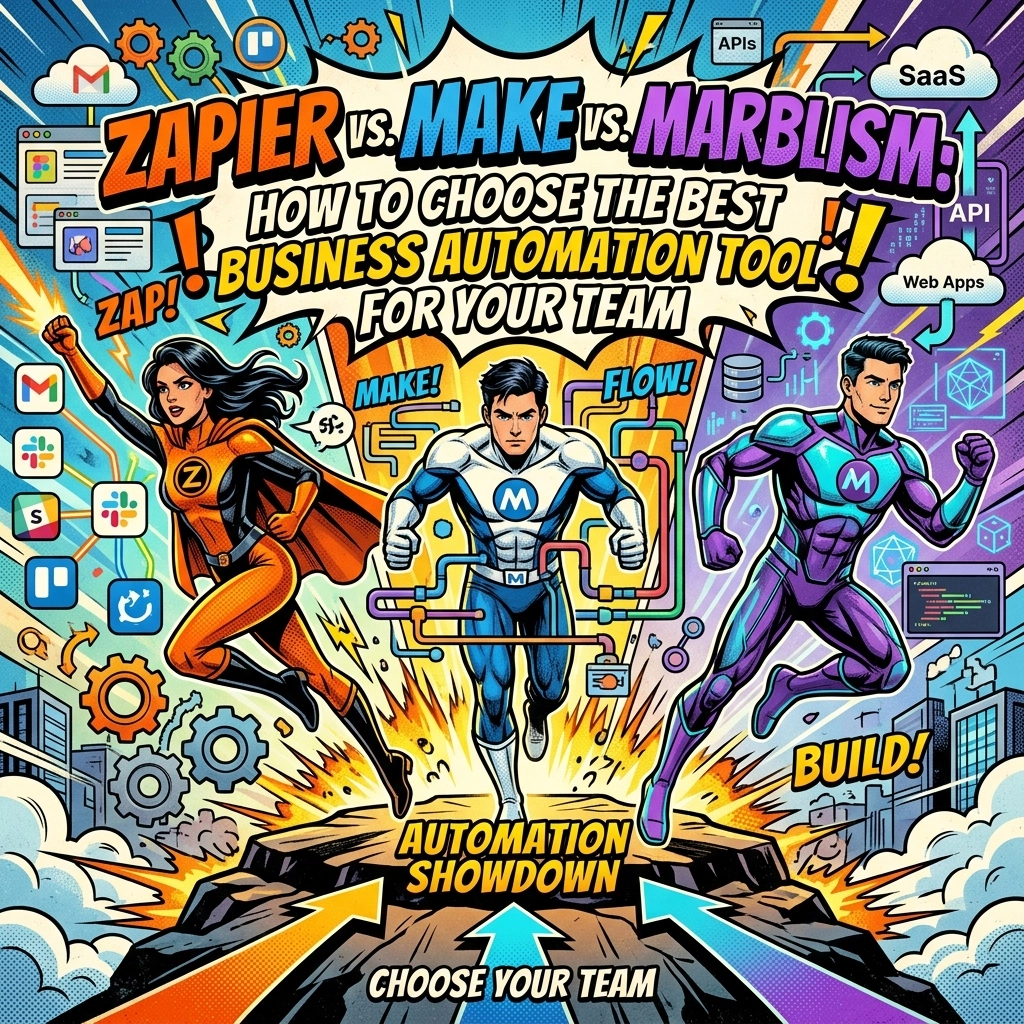
  • Zapier vs. Make vs. Marblism: How to Choose the Best Business Automation Tool for Your Team

    Zapier vs. Make vs. Marblism: How to Choose the Best Business Automation Tool for Your Team

    ☕ 7:02 AM.

    Your phone buzzes before you’ve even reached for the coffee pot.

    One notification is a new lead from a Facebook ad. Another is a Stripe payment from a customer who just upgraded. The third? An angry email from a client asking why their data didn't sync between your CRM and your project management tool.

    You’re already behind… and the sun isn't even fully up yet.

    You spend the next two hours copying and pasting data. Tab to tab. Window to window. It feels like you’re a professional bridge-builder, except the bridge is made of manual labor and broken promises.

    Stop juggling.

    There’s a better way to run your business without losing your mind : or your morning. But when you start looking for "automation," you run into three big names: Zapier, Make, and Marblism.

    They aren't the same. Not even close.

    One is a simple connector. One is a complex logic engine. And one? One is the actual foundation for your entire business.

    Let's break down which one you actually need to regain your freedom.


    STOP BEING THE GLUE

    You aren't a data entry clerk. You’re a founder. An affiliate. A leader.

    But right now, your "team" consists of twenty different SaaS tools that don't talk to each other. You're the human glue holding it all together.

    If you stop, the business stops.

    Business owner struggling to manually connect SaaS apps as human glue before automation.

    ⚡ ZAPIER: THE QUICK FIX FOR THE BUSY FOUNDER

    Zapier is the "old reliable" of the automation world. If you can use a smartphone, you can use Zapier.

    It’s built on a simple premise: If This, Then That.

    If a new lead fills out a Typeform… then send a DM to Slack.
    If an invoice is paid in Stripe… then add a row to a Google Sheet.

    It’s linear. It’s clean. It’s incredibly fast to set up.

    Why you'll love it:

    • The Library: It connects to over 8,000 apps. If a tool exists, Zapier probably talks to it.
    • The Speed: You can set up a "Zap" in three minutes. No code. No logic diagrams. Just point and click.
    • The Reliability: It just works.

    The Catch:
    Zapier gets expensive : fast. As you scale, those "tasks" add up. Suddenly, you’re paying $200 a month just to move data around. Plus, if you need complex logic (like "if the customer is from the UK, do X, but if they are from the US, do Y, unless it's a Tuesday"), Zapier starts to feel a bit… clunky.


    🕸️ MAKE: THE ARCHITECT’S PLAYGROUND

    If Zapier is a straight line, Make (formerly Integromat) is a 3D map.

    It’s a visual workflow builder where you can see the data flowing like water through pipes. It’s built for the person who isn't afraid to get their hands a little dirty with logic.

    Why you'll love it:

    • The Logic: You can build infinite branches, loops, and filters.
    • The Cost: It is significantly cheaper than Zapier at scale. You get way more "operations" for every dollar you spend.
    • The Control: You can manipulate data mid-stream. Want to capitalize only the first letter of a name and strip out the emojis? Make handles that easily.

    The Catch:
    The learning curve is real. 📉 You don't just "turn on" Make. You build it. If you’re in a rush, the visual interface can feel overwhelming. It’s easy to break things if you don't know what a "Webhook" or an "Array" is.


    🏗️ MARBLISM: THE GAME CHANGER

    Here is where the conversation shifts.

    Zapier and Make are "connectors." They link App A to App B. But what happens when you’re tired of paying for App A, B, C, and D? What happens when you realize you’re spending $500 a month on subscriptions just to run a workflow that should be its own custom tool?

    Marblism isn't an automation tool. It’s an AI-powered app generator.

    Instead of connecting twenty different tools together with digital duct tape, you use Marblism to build the actual application your business needs.

    You describe what you want in plain English. Marblism generates the code, the database, the authentication, and the frontend.

    Why you'll love it:

    • Ownership: You aren't just "connecting" tools; you're building your own platform.
    • Efficiency: Imagine a custom dashboard that does exactly what you want, without the "bloat" of generic SaaS tools.
    • Speed to Market: Move from "I have an idea" to "I have a working app" in hours, not months.

    The Catch:
    If you just want to send one email when a form is filled, Marblism is overkill. Use Zapier for that. But if you're building a business that requires its own logic, its own database, and its own user experience? Marblism is the only choice.

    AI technology building a complex custom business application structure instantly.


    THE SHOWDOWN: AT A GLANCE

    Feature Zapier Make Marblism
    Primary Use Simple connections Complex workflows Building full apps
    Learning Curve Low (Minutes) Medium (Hours/Days) Low (Natural Language)
    Best For Beginners & Marketers Operations Specialists Founders & Devs
    App Library 8,000+ 3,000+ N/A (You build the app)
    Cost at Scale High 💸 Low 💰 Highest ROI 📈

    EMPLOYEE OF THE MONTH. EVERY MONTH.

    Imagine your team isn't stressed.

    Instead of 11:00 AM being the "danger zone" where everyone is drowning in Slack messages and manual tasks… it’s quiet.

    The tools are doing the heavy lifting.

    • Zapier is handling your basic lead flow.
    • Make is crunching the weekly reports and syncing the complex inventory data.
    • Marblism is the engine running your custom client portal where customers can help themselves.

    You aren't working for your tools anymore. Your tools are working for you.

    An efficient robotic assistant managing automated business workflows and data tasks.

    ⌚ A DAY IN THE LIFE (WITH THE RIGHT TOOLS)

    9:00 AM : The Coffee is Hot
    You open your laptop. No fires. Your Zapier automation already greeted the new leads. Your Make scenario updated the CRM. You smile. ☕

    1:00 PM : The Breakthrough
    You realize your clients need a better way to track their progress. Instead of searching for another SaaS tool to pay for, you go to Marblism. You describe the "Client Success Portal." By lunch, the foundation is built. 🛠️

    4:00 PM : The Scale
    Your business just handled 500 transactions today. If you were doing this manually, you'd be working until midnight. But because your logic is automated, you're actually ahead of schedule. 📱

    6:00 PM : The Shutdown
    The lights are off. Your phone is silent. You’re present with your family. The business is running in the background, humming like a finely tuned engine. 🤝


    HOW TO CHOOSE

    Still not sure? Ask yourself one question: "What is my biggest bottleneck?"

    1. "I just need my tools to talk to each other fast."
      Go with Zapier. It’s the path of least resistance.

    2. "I have complex data and I’m tired of high monthly bills."
      Go with Make. It requires some brainpower, but it’ll save you a fortune in the long run.

    3. "I want to build a real product, own my data, and stop relying on a dozen different subscriptions."
      You need Marblism. Stop trying to "automate" a solution when you should be "building" the solution.

    THE BOTTOM LINE

    Automation isn't about being lazy. It’s about being effective.

    Every minute you spend moving data from a spreadsheet to an email is a minute you aren't spending on strategy, sales, or growth.

    The most successful teams don't work harder. They just have better systems.

    Whether you need a quick Zap to save your morning or a full custom application generated by AI to disrupt your industry, the time to start is now.

    Stop being the human bridge.

    Founder walking away from manual data chaos toward a streamlined automated business system.

    Build something that lasts.

    If you're ready to see what's possible when AI builds your business foundation, check out what Scott is doing over at Marblism.

    Scaling shouldn’t be this hard.

    But here we are.

    Ready to make it look easy?

    Build your next big idea with Marblism.


    The chaos is gone before you even take your first sip.