Category: Category 1

Use this description to tell users what kind of blog posts they can find in this category.

  • Stop Wasting Time on Manual Admin: Try These 7 Automation Hacks to Reclaim Your Day

    Stop Wasting Time on Manual Admin: Try These 7 Automation Hacks to Reclaim Your Day

    Save time. Boost revenue. Scale effortlessly.

    Running a hotel shouldn’t feel like a constant battle with a spreadsheet. If you’re spending your afternoon manually updating availability or chasing payments, you’re not just wasting time: you’re losing the chance to create memorable guest experiences. Most hoteliers report saving up to 10 hours a week just by switching from legacy systems to a cloud-native hotel pms.

    We believe technology should work for you, not the other way around. It’s about creating a frictionless environment where your team can focus on the guest while the software handles the noise.

    Here is how you reclaim your day, all from one innovative platform.

    1. Ditch the Front Desk Queue with Self-Check-In

    The traditional check-in process is a relic. It’s slow, it’s manual, and it’s the first point of friction for your guests. Why make them wait in line to give you information they already provided online?

    We believe the first impression should be a smile, not a keyboard typing away. By implementing self-check-in kiosks and mobile check-in, you automate the entire arrival flow.

    • Empower guests to check in on the train or in the lobby.
    • Reduce staff workload during peak hours by 40%.
    • Cut paper waste by going fully digital with registration cards.
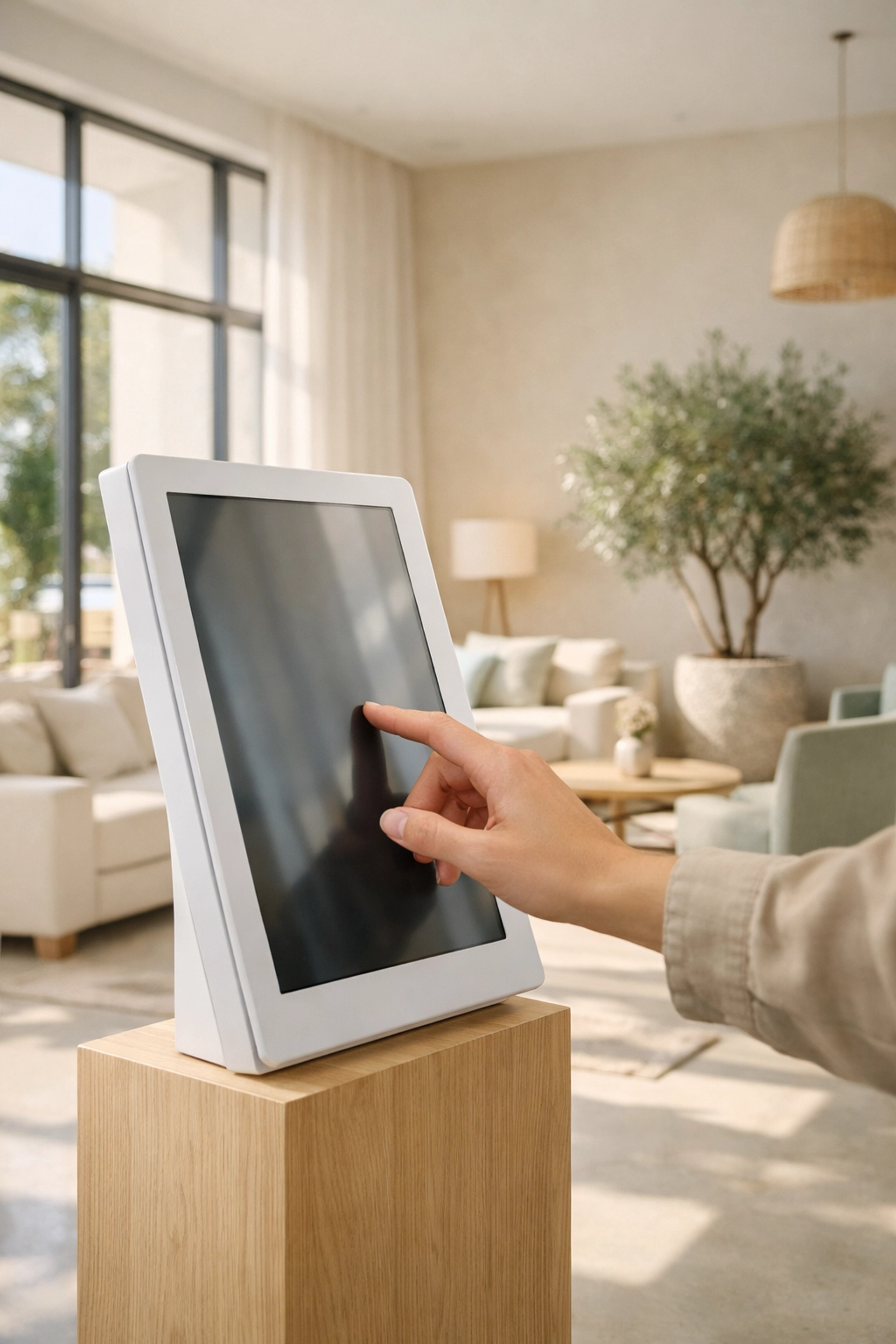
    Guest interacting with a sleek self-check-in kiosk in a modern hotel lobby.

    2. Sync Your Inventory with a Unified Channel Manager

    Manually updating your inventory across Booking.com, Expedia, and your own site is a recipe for overbookings and headaches. You shouldn’t have to log into five different portals to change a room rate.

    A smart channel manager handles the heavy lifting for you. When a room sells on one platform, it’s instantly removed from all others. No lag. No errors.

    • Real-time updates across all OTAs to prevent double bookings.
    • Dynamic pricing integration to maximize RevPAR automatically.
    • Centralized dashboard to see where your bookings are coming from in seconds.

    3. Automate the "Silent Killer": Payments

    Payment processing is the ultimate time-thief. Between manual card entries, authorization failures, and chargeback disputes, your finance team is likely drowning in admin.

    Innovative hospitality technology treats payments as a background process. Mews Terminals and automated payment gateways ensure that guest cards are verified and charged at the right time without a human ever touching a button.

    "We used to spend three hours every morning just reconciling payments from the night before. Now? It’s done before I even open my laptop." : Front Office Manager, Boutique Stay.

    4. Let Your Booking Engine Do the Upselling

    Your booking engine should be your best salesperson. If you’re manually emailing guests to ask if they want breakfast or a late checkout, you’re leaving money on the table.

    An intelligent booking engine integrates directly with your hotel pms to offer personalized add-ons during the reservation flow.

    • Drive incremental revenue with automated room upgrades.
    • Sell experiences, not just beds, by adding spa or dining options.
    • Optimize conversion rates with a sleek, mobile-first interface.

    Luxury breakfast-in-bed service, an experience upsell offered via a hotel booking engine.

    5. Build Guest Loyalty with CRM Automation

    Personalization shouldn’t be a manual task. You don’t have time to look up every returning guest’s favorite pillow type or drink preference.

    Connecting your CRM to your PMS allows you to automate the entire guest journey. From pre-arrival "get ready" emails to post-stay "thank you" notes, the system handles the communication while you handle the hospitality.

    • Trigger automated emails based on guest behavior or milestones.
    • Segment your audience for targeted marketing without lifting a finger.
    • Store guest preferences automatically to ensure every stay feels personal.

    6. Stop Guessing with Automated Reporting

    If you’re still Exporting to CSV and spending hours in Excel to find your ADR or Occupancy rate, you’re looking at the past. Real-time data is the only way to make proactive decisions.

    Automated reporting dashboards give you a pulse on your property at any second. See your performance, forecast your demand, and adjust your strategy instantly.

    • Schedule reports to be delivered to your inbox every morning.
    • Visualize data with intuitive charts that make sense at a glance.
    • Eliminate human error by pulling data directly from the source.
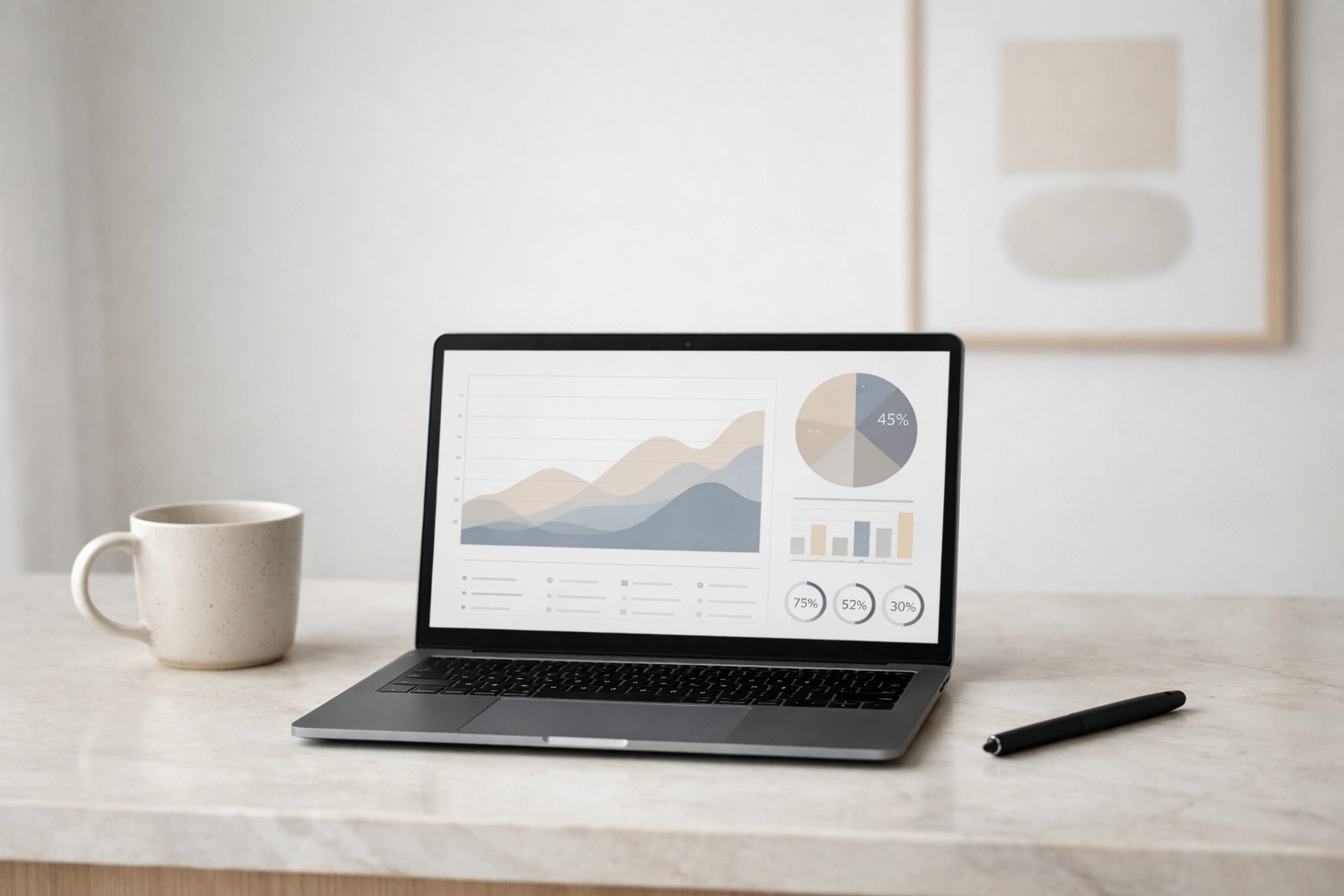
    Laptop displaying automated reporting and data analytics from a cloud-native hotel PMS.

    7. Streamline Housekeeping with Real-Time Updates

    The "phone call shuffle" between the front desk and housekeeping is a major productivity drain. "Is room 302 ready yet?" shouldn't be the most common phrase heard in your corridors.

    A cloud-native pms provides a dedicated housekeeping app. When a guest checks out via a self-check-in kiosk, the housekeeping team gets an instant notification. When the room is cleaned, the status updates in the PMS immediately.

    • Faster room turnover means guests can check in earlier.
    • Prioritize rooms based on arrivals and guest VIP status.
    • Track cleaning times to optimize your team's efficiency.

    The Numbers Don't Lie

    Transitioning to an automation-first mindset isn't just about "being techy." It’s about the bottom line. Properties that embrace these hacks see:

    • 15% increase in direct booking volume.
    • 20% reduction in labor costs related to manual admin.
    • 95% guest satisfaction scores for check-in speed.

    See what Mews can do

    Ready to stop the manual grind and start focusing on what matters? It only takes a few minutes to see how a modern, automation-focused system can transform your operations.

    Contemporary hotel exterior representing efficient, innovative hotel management software.

    Get started with a platform that’s built for the future of hospitality. We think you’ll love how much time you get back.

    Explore the Mews platform and get your operations running on autopilot: https://referrals.mews.com/umqhyito

    How to get started today

    1. Audit your day. Write down every task that feels repetitive.
    2. Identify the bottlenecks. Is it payments? Check-in? Data entry?
    3. Schedule a demo. See these tools in action and ask the hard questions.
    4. Go live. Our 30-minute onboarding steps get you earning revenue in no time.

    Hospitality is about people. Admin is about software. Let’s keep it that way. By implementing even a few of these automation hacks, you’re not just reclaiming your day: you’re building a more resilient, profitable, and enjoyable business.

    Don't let legacy tech hold your property back. The future is cloud-native, easy to use, and entirely focused on your success. All from one innovative platform.
  • The Perfect Match: Integrating Your Channel Manager and PMS

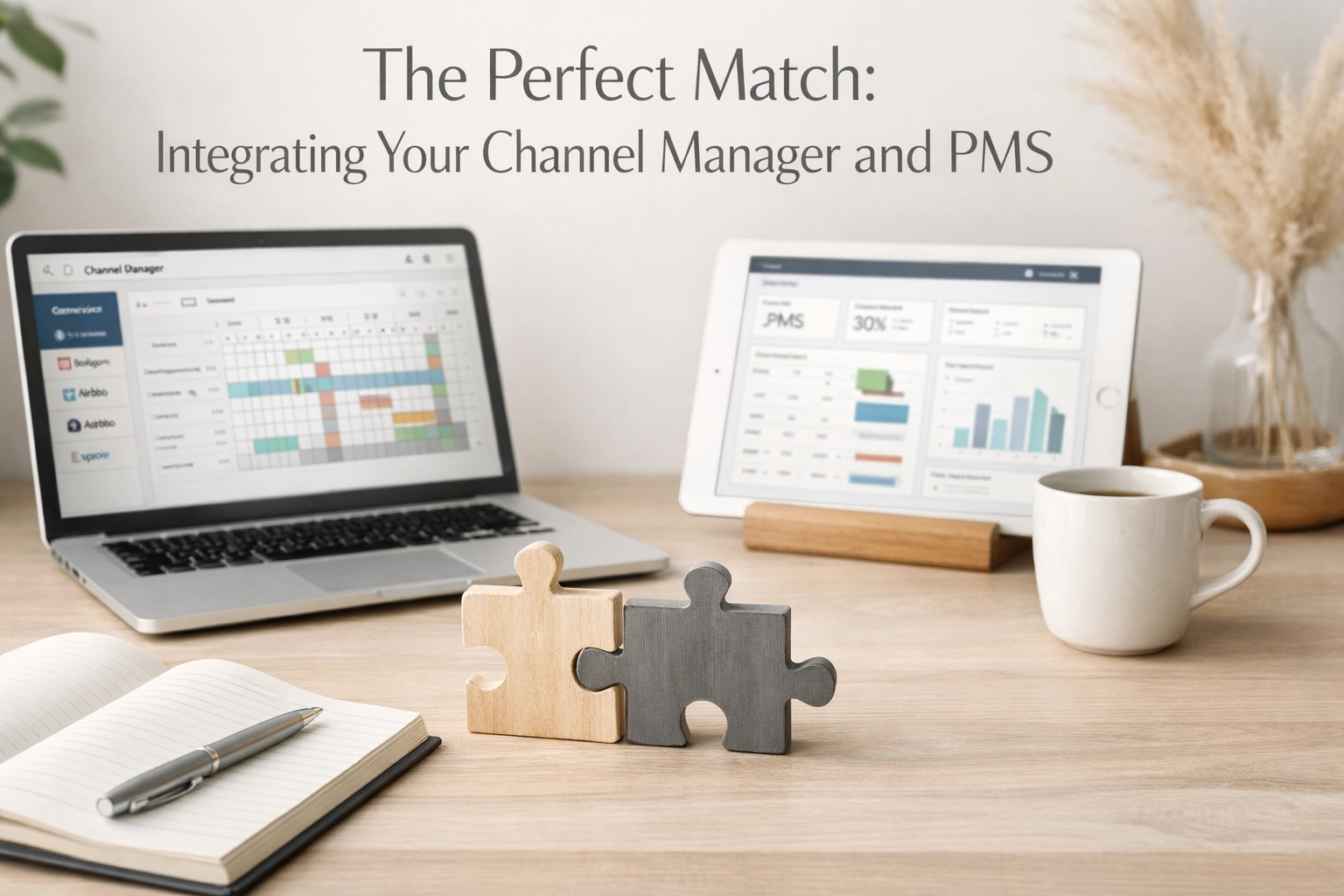
    The Perfect Match: Integrating Your Channel Manager and PMS

    Double bookings disappear. Rate updates happen instantly. Your team finally stops juggling spreadsheets.

    That's what happens when your hotel channel manager and property management system actually talk to each other. Not through clunky manual updates or overnight batch processes, but through real-time, two-way integration that keeps every booking platform in perfect sync with your operations.

    The Hidden Cost of Disconnected Systems

    You know the drill. A guest books on Booking.com. Five minutes later, another books the same room on Expedia. Your phone rings. Someone's getting disappointed, and you're eating the cost.

    Manual rate updates across platforms? That's hours of your week gone. Your revenue manager adjusts pricing in one system, then copies those changes to six different channels. By the time everything's updated, market conditions have already shifted.

    This isn't just annoying. It's costing you money and credibility.

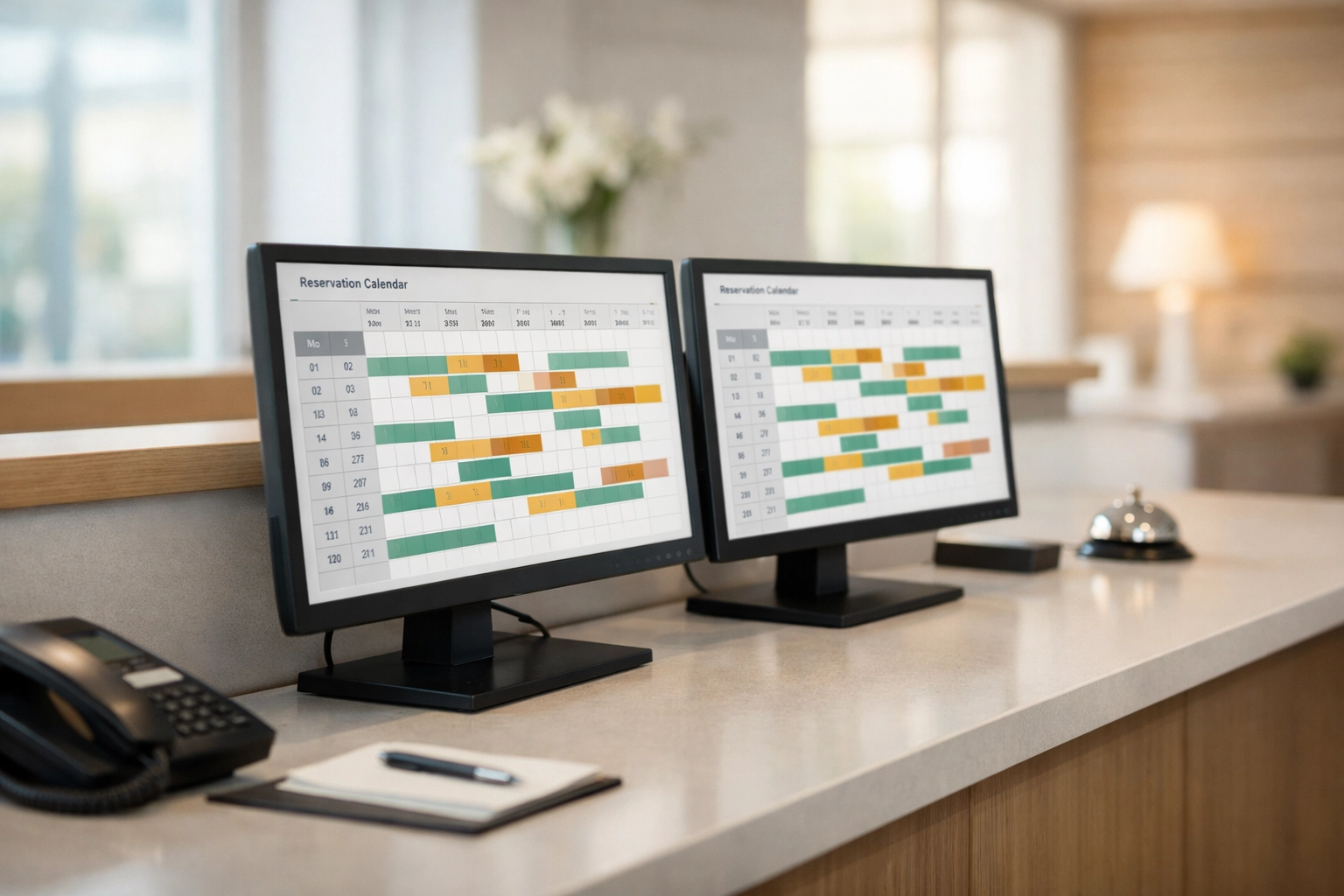
    Hotel reception desk with dual monitors showing synchronized channel manager and PMS booking calendars

    How Real Integration Actually Works

    A true hotel channel manager integration means your PMS and distribution channels function as one unified system. Here's what happens in real-time:

    Guest books on any platform. Your channel manager receives the reservation instantly and communicates with your PMS. Room availability updates across all connected channels within seconds. The booking appears in your PMS with complete guest information, preferences, and payment details.

    You adjust a rate. Change pricing in your PMS for specific dates or room types. Those updates push automatically to every distribution channel you're connected to. No manual entry. No room for error. Your dynamic pricing strategy actually works the way it's supposed to.

    Inventory stays accurate. Close a room for maintenance in your PMS? It's immediately blocked across all channels. Sell out a room type on your direct booking engine? Every OTA reflects that instantly.

    This isn't futuristic technology. It's how modern hospitality systems work, and what your operation needs to compete.

    Three Ways Integration Transforms Your Operations

    1. Overbookings Become Practically Impossible

    The math is simple. When availability updates instantly across all channels, two guests can't book the same room at the same time. Systems using real-time webhooks reduce double-booking incidents by over 95% compared to properties managing channels manually.

    Your front desk stops handling awkward conversations. Your reputation stays intact. Your team focuses on service instead of crisis management.

    2. Revenue Management Gets Automatic

    Dynamic pricing only works if your rates actually update dynamically. Integrated systems let you:

    • Push rate changes to all channels simultaneously
    • Implement last-minute pricing strategies that execute instantly
    • Test pricing models without manual busywork
    • Respond to market conditions in minutes, not hours

    One hospitality group reported saving 15+ hours weekly just from eliminating manual rate updates. That's time reinvested in strategy instead of data entry.

    3. Your Data Finally Makes Sense

    Separate systems mean separate reports. You're piecing together your occupancy picture from multiple sources, never quite sure if the numbers align.

    Integration gives you one source of truth. Your PMS dashboard shows bookings from all channels in real-time. You can analyze which distribution partners perform best, track revenue by source, and forecast accurately with complete data.

    Better data means better decisions. Period.

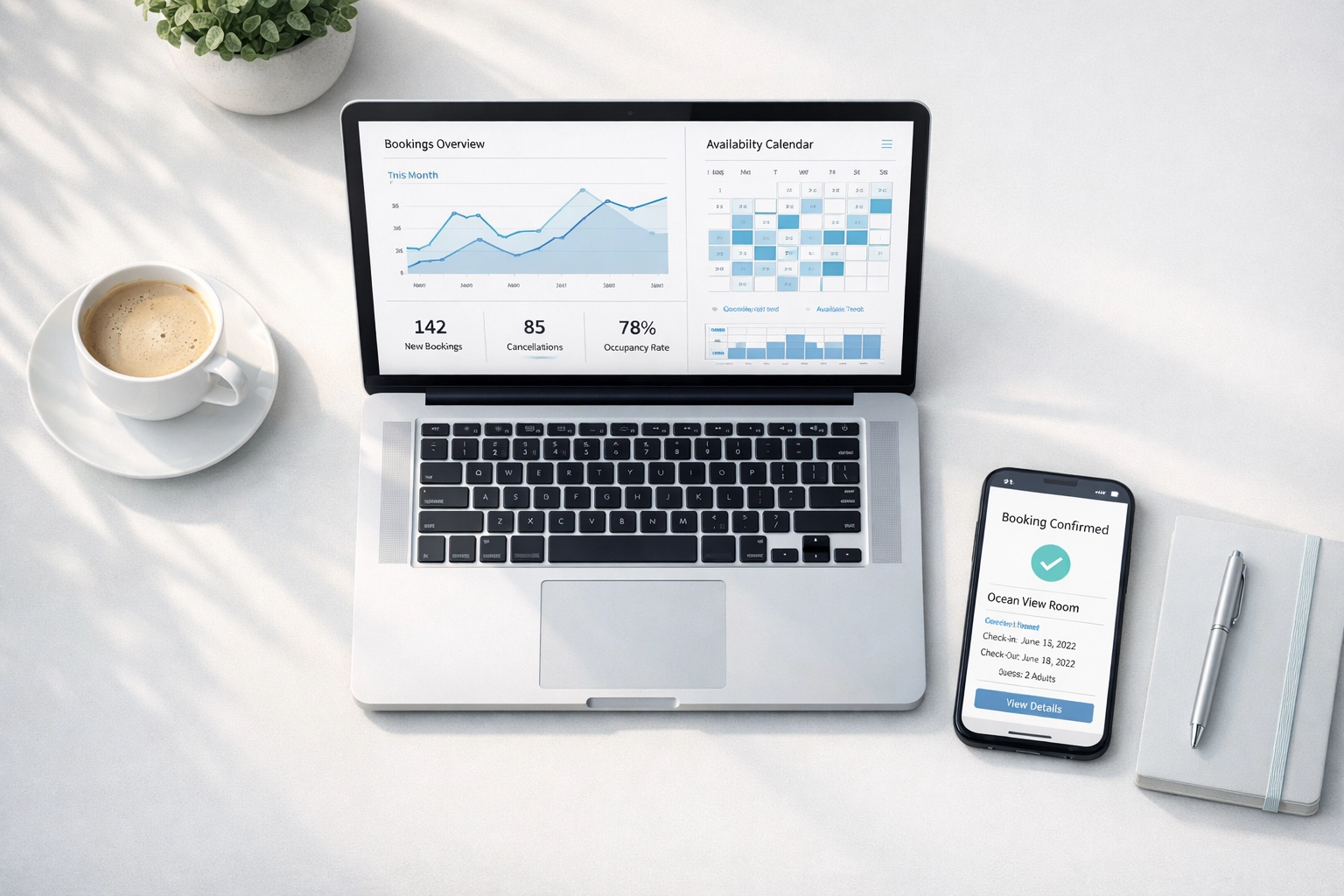
    Hotel PMS dashboard displaying real-time booking analytics and revenue data on laptop screen

    What Great Integration Actually Looks Like

    Not all integrations are created equal. Some systems claim to be "integrated" but rely on slow, outdated connection methods that still leave gaps.

    Look for these markers of true integration:

    Real-time sync. Updates happen in seconds, not minutes or hours. Webhooks and API connections push information instantly between systems.

    Two-way communication. Information flows both directions automatically. Your PMS updates channels, and channel bookings populate your PMS with complete guest data.

    Complete data transfer. Guest preferences, special requests, payment information: everything moves seamlessly. Your team isn't filling in gaps or hunting for missing details.

    Automatic error handling. The system catches conflicts before they become problems, alerting you to issues that need attention.

    A modern hotel channel manager like Mews handles all of this natively. The platform is built from the ground up for real-time, two-way integration with major OTAs, metasearch engines, and booking channels.

    The Setup That Makes It Work

    Getting your channel manager and PMS working together shouldn't require a team of developers. Here's the straightforward process:

    Connect your accounts. Link your PMS to your preferred distribution channels through direct integrations. This usually takes minutes, not days.

    Map your inventory. Match room types in your PMS to their equivalents on each channel. Set up rate plans that correspond across systems.

    Configure your rules. Establish how you want rate adjustments to flow, which channels get priority for certain room types, and how inventory restrictions work.

    Test and launch. Run test bookings to verify everything syncs correctly. Once confirmed, you're live.

    With platforms built for hospitality, this process is guided and intuitive. You're not deciphering technical documentation or waiting for third-party developers.

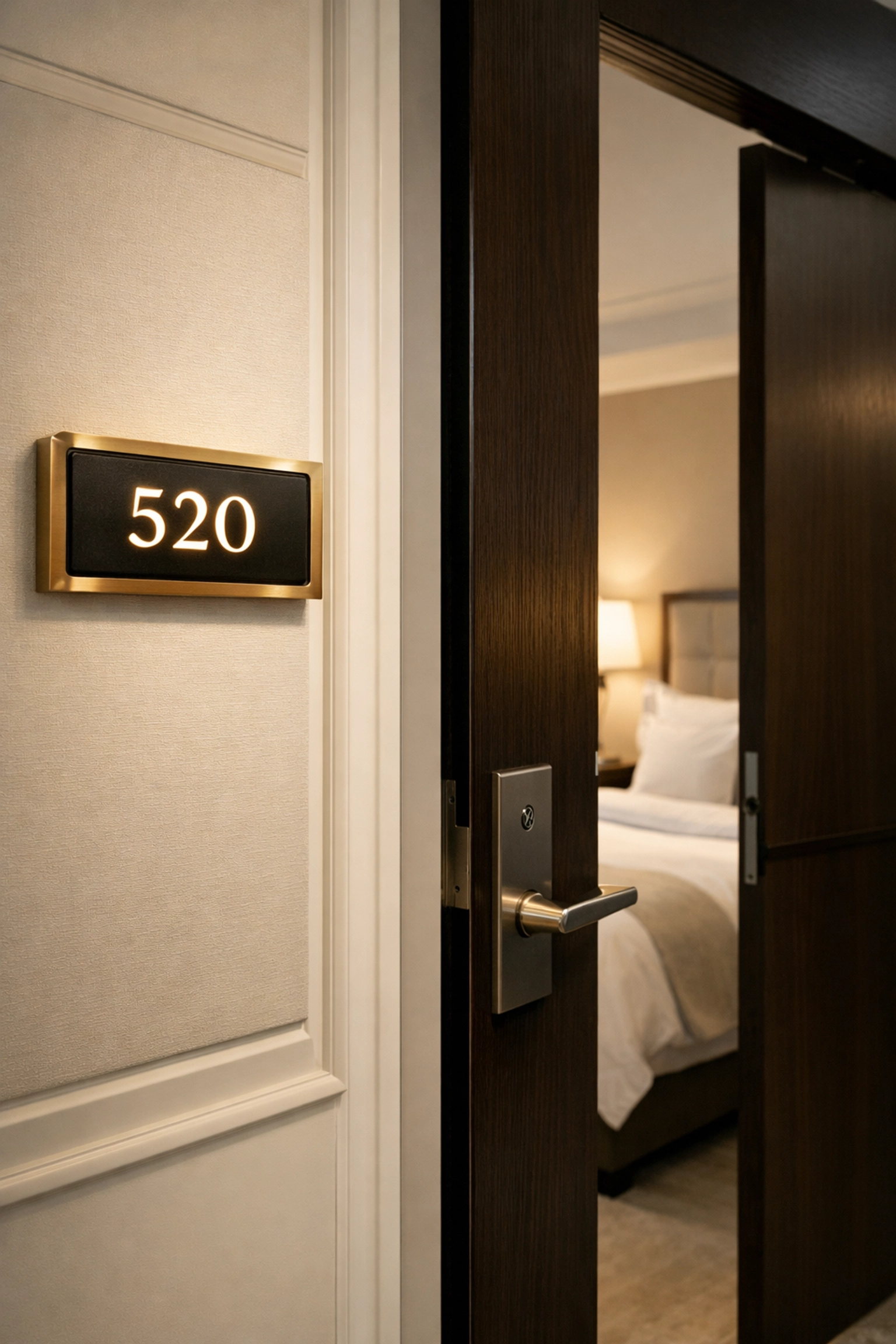
    Modern hotel room door in pristine hallway showing seamless property management operations

    Why This Matters More Than Ever

    Distribution channels keep multiplying. Guests book through OTAs, metasearch sites, direct booking engines, travel agents, and more. Each represents potential revenue: but only if you can manage them efficiently.

    Properties managing channels manually hit a ceiling. There's only so much inventory you can oversee before mistakes happen and opportunities get missed.

    Integration removes that ceiling. You can expand your distribution strategy confidently, knowing your systems keep everything synchronized. More channels don't mean more work: they mean more revenue.

    The Mews Advantage

    We built our platform knowing that distribution management sits at the heart of hotel operations. Every property needs a hotel channel manager that eliminates manual work while expanding reach.

    Mews connects directly with 400+ distribution partners. Real-time two-way sync keeps your availability accurate across every platform. Rate changes push instantly. Bookings appear in your system with complete guest information.

    Properties using Mews report:

    • 80%+ reduction in overbooking incidents
    • 12+ hours saved weekly on rate management
    • 25% increase in distribution channel effectiveness

    "We used to have someone dedicated just to managing our channels," one hotel manager told us. "Now it happens automatically, and we've reinvested that person into guest experience. Our RevPAR is up, our efficiency is up, and our team is less stressed."

    That's the transformation we're after.

    Getting Started Is Simple

    Ready to stop juggling systems and start running a connected operation? Explore how Mews brings your channel management and property operations together.

    The right integration doesn't just prevent problems. It unlocks growth, gives you back time, and lets you focus on what actually matters: creating experiences guests remember.

    Your channels and PMS should work as one seamless system. With the right technology, they finally can.

  • A Tale of Two Hotels: One with Housekeeping Software, One Without

    A Tale of Two Hotels: One with Housekeeping Software, One Without

    Clean. Transform. Deliver.

    Running a hotel is a balancing act. You’re juggling guest expectations, staff morale, and the bottom line. But for many, the "balancing" part feels more like a frantic scramble. It usually comes down to one thing: how you manage your housekeeping.

    We believe hospitality shouldn't be a headache. It’s why we built a platform that handles the heavy lifting, allowing your team to focus on what actually matters, the guests. When you move to an integrated housekeeping software for hotels, you aren't just buying a tool. You’re reclaiming your time.

    To see what that looks like in the real world, let’s look at two hotels: The Grand Grind and The Zenith.

    The Morning Ritual: Paper vs. Pixels

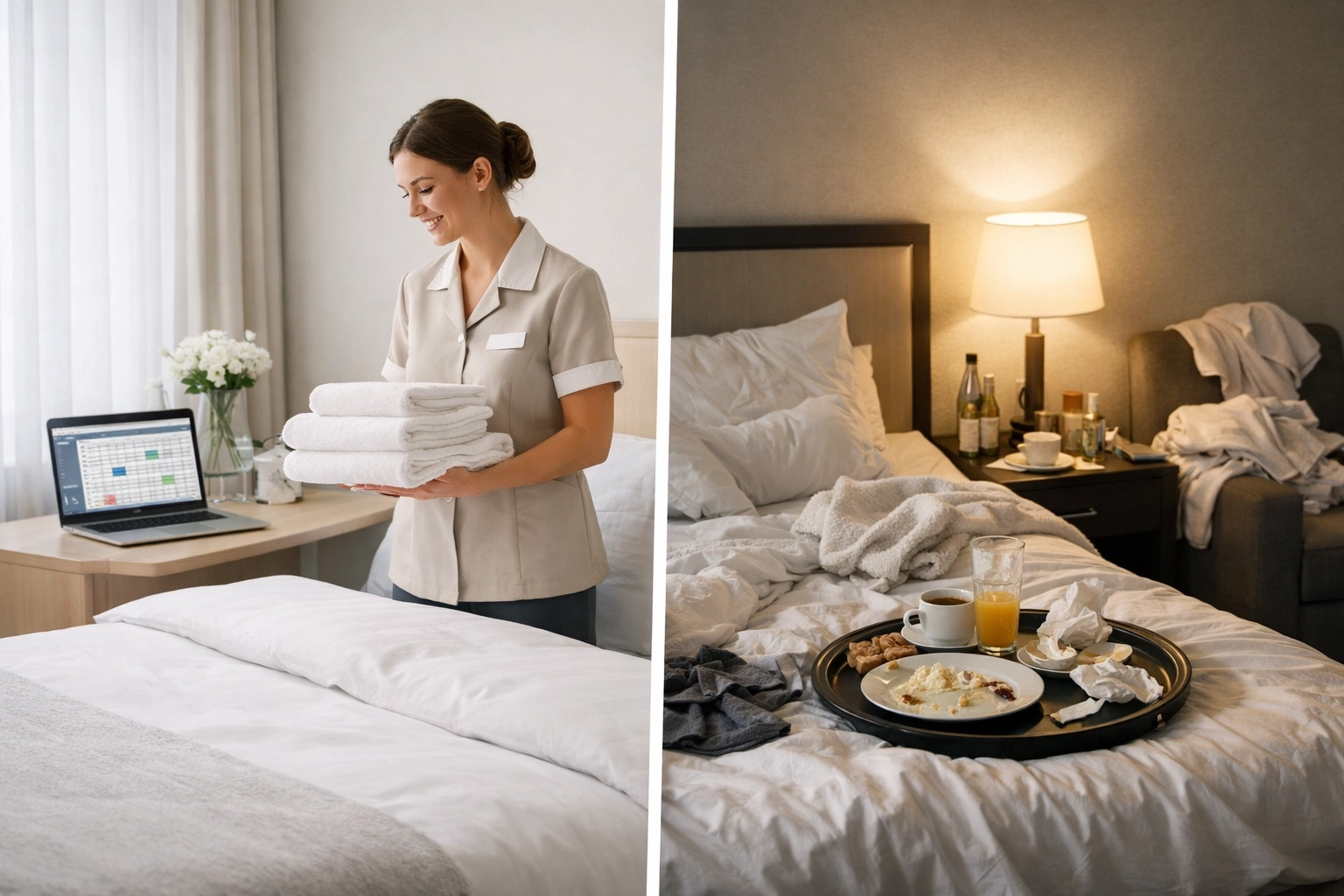
    At The Grand Grind, Sarah starts her day at 7:30 AM. She doesn't start with a coffee; she starts with a printer. She spends the first hour of her shift cross-referencing the occupancy list from the night before with today’s arrivals.

    She prints out forty individual sheets. She uses a highlighter to mark VIPs. By the time the housekeeping team arrives at 8:30 AM, Sarah is already frazzled.

    "I spend at least 90 minutes every morning just getting the lists ready," Sarah says. "If someone checks out late or a guest changes their room at the last minute, the whole stack of paper becomes obsolete. I have to run up three flights of stairs just to tell Elena to skip room 302."

    Across town at The Zenith, Marcus starts his day differently. He opens his Mews dashboard. The system has already analyzed the departures, the VIP arrivals, and the stay-overs. It has automatically assigned tasks to the team based on their specific zones and skill sets.

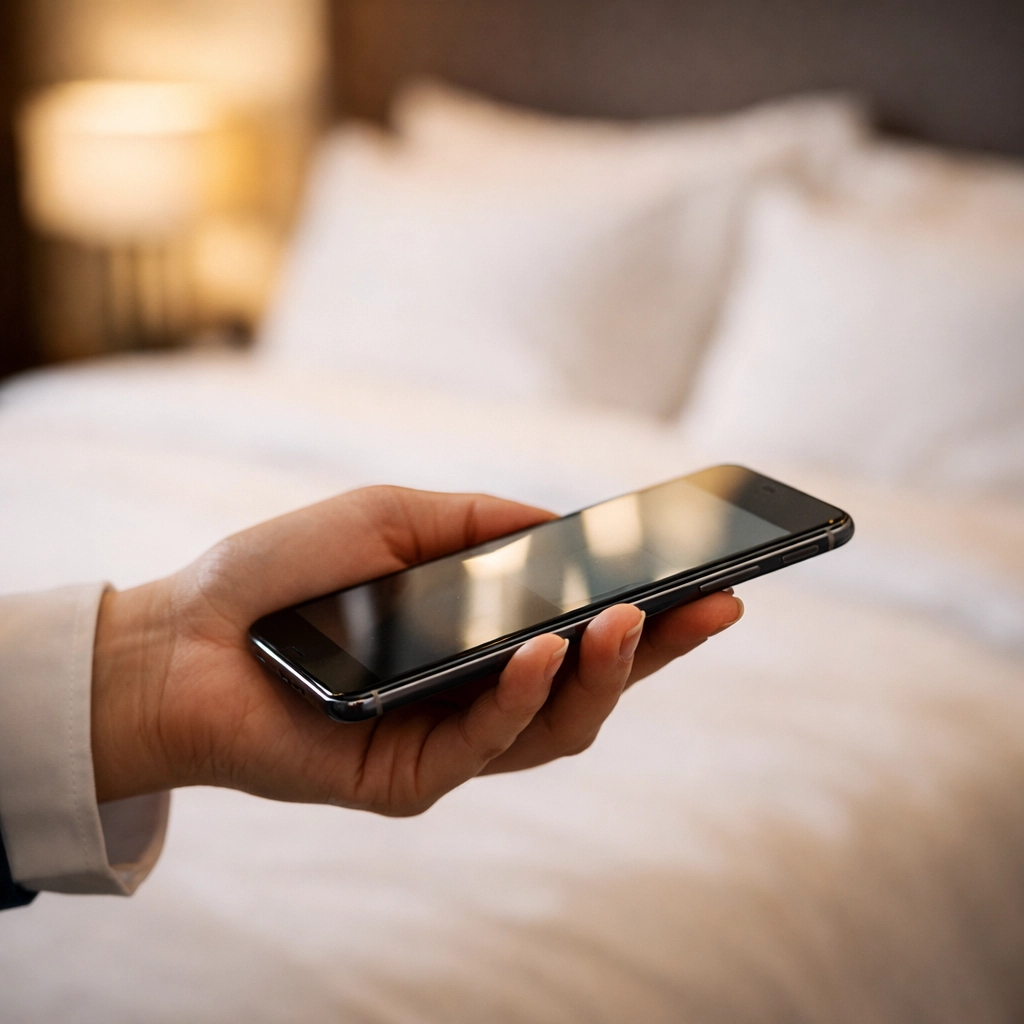
    Modern hotel manager workspace with a smartphone for digital task management and real-time updates.

    Marcus doesn't print anything. When his team arrives, they simply log into their mobile devices. Their schedules are there, updated in real-time. If a guest checks out early at 8:15 AM, the room instantly moves to the top of the "To-Clean" list.

    Why it matters:

    • Eliminate manual data entry errors.
    • Save up to 60% of management time.
    • Automate task allocation based on real-time priority.

    The Communication Chasm

    At The Grand Grind, communication happens via walkie-talkie and shouting. It’s a game of Chinese whispers.

    "Elena, is 204 ready?"
    "What? I can't hear you, the vacuum is on!"
    "Is 204 ready?!"
    "No, I’m in 206!"

    Meanwhile, a guest is standing at the front desk, waiting. The receptionist is guessing. The guest is getting annoyed. It’s a breakdown that happens twenty times a day.

    At The Zenith, there is no shouting. When Chloe finishes room 405, she taps a button on her phone. The room status updates instantly in the Mews PMS. The front desk agent sees a green icon. Before the guest even finishes signing their registration card, their room is ready.

    We think communication should be silent and seamless. When your software talks to your staff, your staff doesn't have to yell at each other.

    Housekeeper using a mobile device to sync room status with hotel management software.

    The Check-In Crisis

    We’ve all seen it. The "Lobby Loiter." Guests sitting on their suitcases, staring at the clock, waiting for 3:00 PM.

    At The Grand Grind, this is the norm. Because communication is slow, rooms aren't marked as "clean" until Sarah physically walks the floors and checks them off on her clipboard. She then has to walk back to the desk and tell the team. This delay means rooms sit empty and ready for 45 minutes while guests wait downstairs.

    "It’s the worst part of the job," says the front desk manager at The Grand Grind. "I have to tell a tired family they can't go to their room, even though I know the housekeeper finished that floor an hour ago. I just don't have the 'official' word yet."

    At The Zenith, they’ve reduced room turnover time by 20%. Because the system is integrated, they can offer early check-ins as a revenue stream. The software knows exactly when a room is vacated and when it’s cleaned.

    The Zenith Experience:

    • Guests receive a notification when their room is ready.
    • Front desk has 100% confidence in room status.
    • Higher guest satisfaction scores and better reviews.

    The Human Cost of Manual Logs

    People often talk about software in terms of ROI and efficiency, but we rarely talk about the human impact.

    Housekeeping is one of the hardest jobs in the industry. At The Grand Grind, the staff feels the weight of the chaos. They feel unsupported. They get blamed for rooms not being ready, even when they’ve been working at 110% capacity. The turnover rate is high. Every time Sarah loses a housekeeper, she loses hours of training time.

    At The Zenith, the team feels empowered. Chloe knows exactly what is expected of her. She has digital checklists that ensure she never misses a spot, which means she never gets "called back" to a room she already finished.

    "It feels professional," Chloe says. "I have my app, I see my progress, and I know that Marcus can see how hard I’m working. It’s not just about cleaning; it’s about being part of a tech-forward team."

    A professional hotel employee using a tablet for efficient housekeeping operations in a bright hallway.

    Supplies, Stocks, and Stress

    Have you ever run out of towels on a fully booked Saturday? Sarah has.

    Because The Grand Grind relies on manual inventory counts, they only realize they are low on detergent or linens when someone physically sees the empty shelf. By then, it’s too late. It leads to panic-buying at retail prices and stressed-out staff.

    At The Zenith, the housekeeping software tracks usage. Marcus gets an alert when stock levels hit a certain threshold. It’s proactive, not reactive.

    How smart inventory helps:

    • Prevents stockouts that disrupt operations.
    • Minimizes wastage through better tracking.
    • Reduces annual expenditure on cleaning supplies.

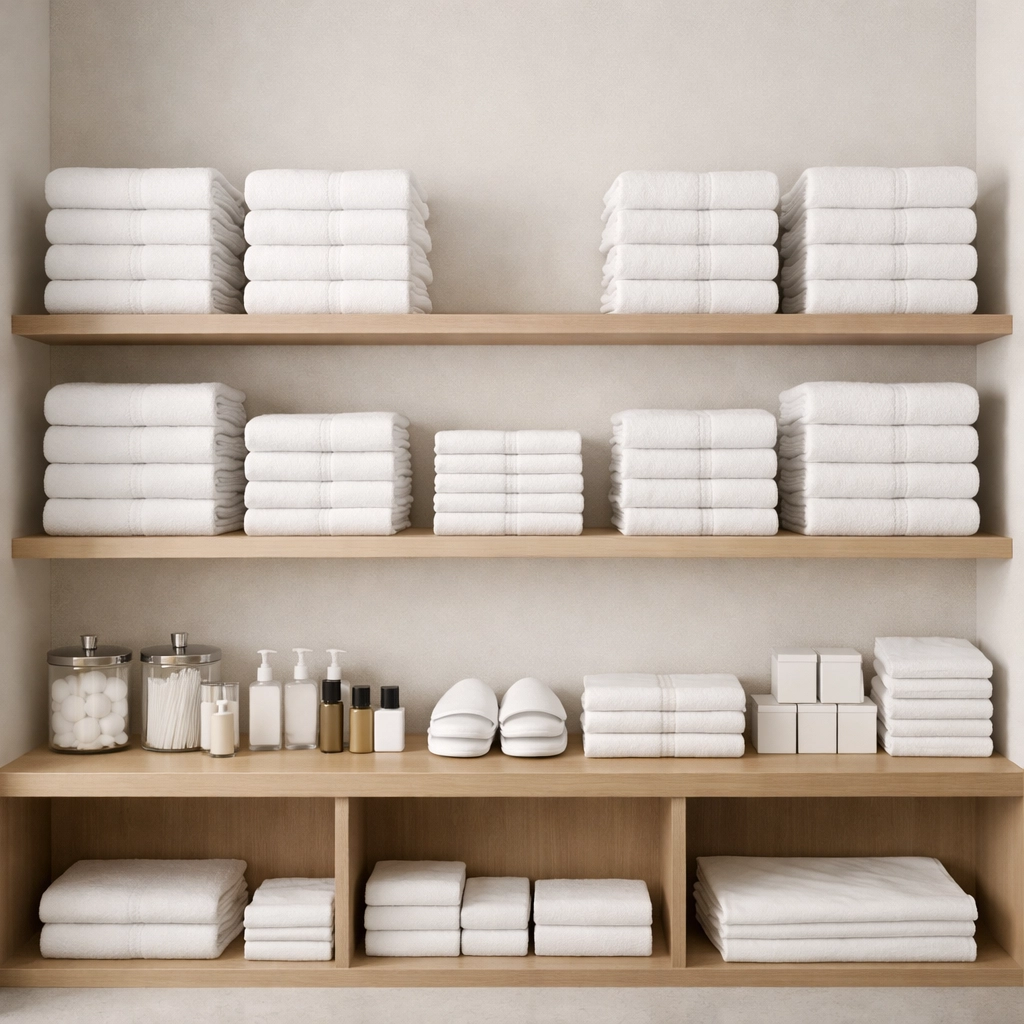
    Organized hotel linen closet featuring stacked white towels for smart inventory tracking.

    Data: Guessing vs. Knowing

    Sarah thinks her team is efficient. She thinks Elena is the fastest cleaner. But she doesn't actually know. She doesn't have the data to prove it or to identify where the bottlenecks are. Is it the laundry turnaround? Is it the deep cleaning schedule? It’s all a gut feeling.

    Marcus doesn't have to guess. He looks at his real-time reporting. He can see that room turnovers on the third floor take 5 minutes longer than the second. He realizes it’s because the supply closet on the third floor is poorly stocked. He fixes the problem based on data, not a hunch.

    We believe that data-driven decisions are the hallmark of a modern hotelier. When you can see task completion rates and response times at a glance, you can run a tighter ship. All from one innovative platform.
    See what Mews can do

    The difference between The Grand Grind and The Zenith isn't the building or the location. It’s the infrastructure.

    One hotel is stuck in a cycle of "putting out fires." The other is operating with the precision of a Swiss watch. One has a team that is burnt out; the other has a team that is thriving.

    If you’re still using paper lists, highlighter pens, and walkie-talkies, you’re leaving money on the table: and you’re likely losing good people in the process. Modern hospitality requires a modern solution.

    Are you ready to stop the scramble?

    It only takes a 30-minute demo to see how we can transform your operations. Let's get your housekeeping team off the radio and into the future. It’s the easiest way to improve your guest experience and get you earning more revenue in no time.

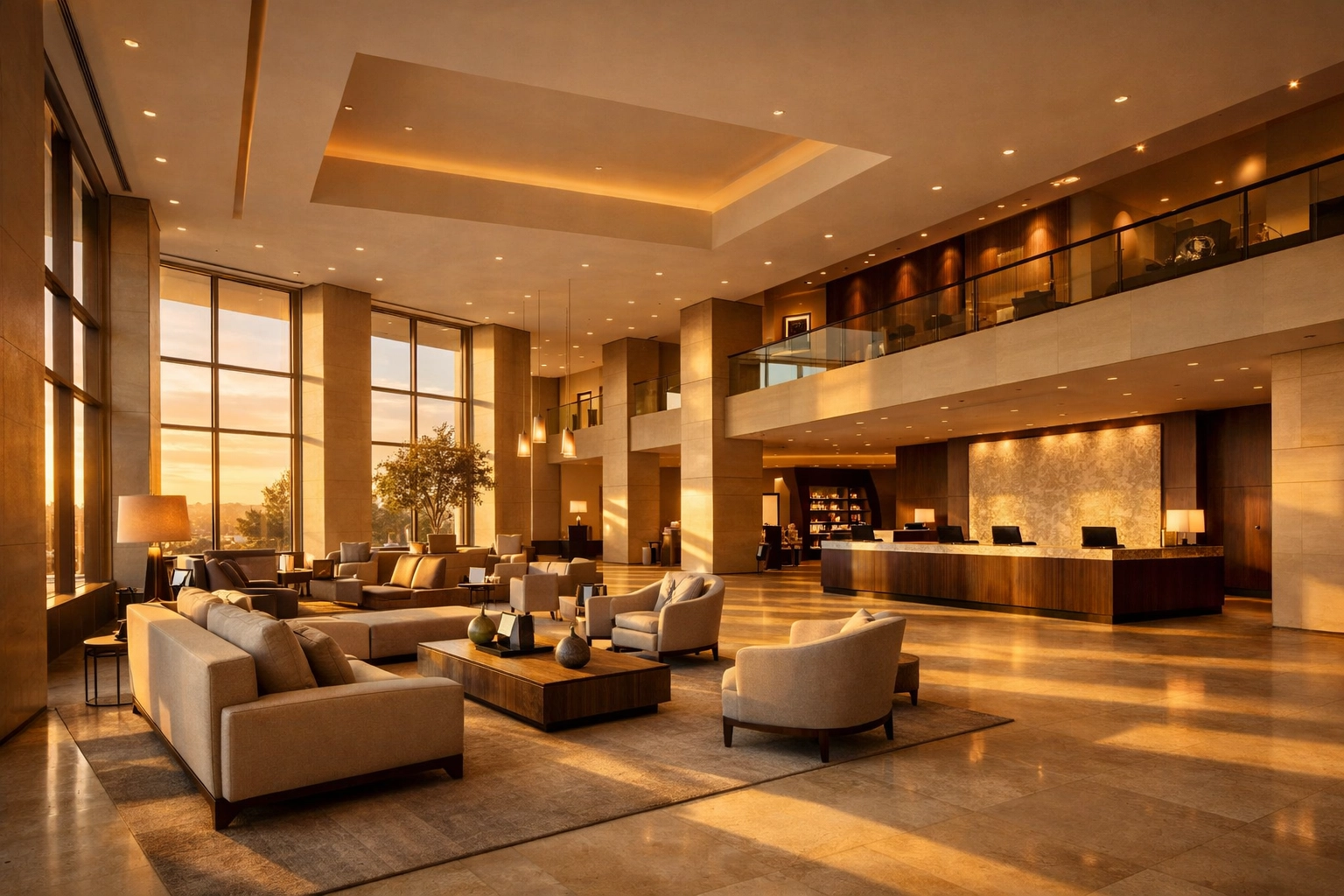
    Elegant and minimalist modern hotel lobby interior showcasing high-end guest experience design.

    The Path to Efficiency:

    1. Schedule a quick walkthrough of the Mews platform.
    2. Connect your housekeeping and front office teams.
    3. Watch your guest satisfaction scores climb.

    Don't let manual processes hold your property back. The transition is easier than you think, and the results are immediate. Just ask Marcus. Or better yet, ask his happy guests.

  • Why AI Business Automation Will Change the Way You Scale Your Small Business

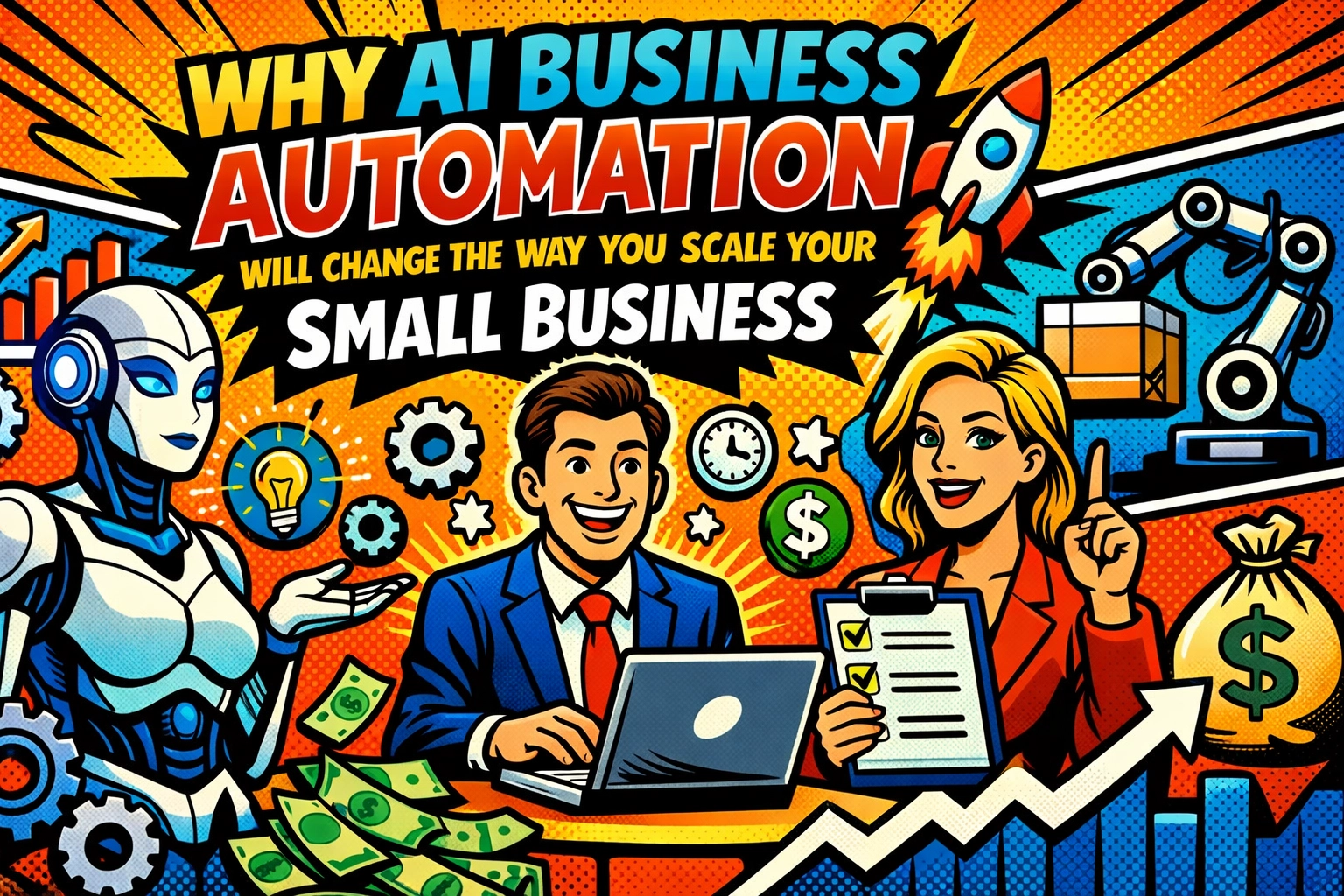
    Why AI Business Automation Will Change the Way You Scale Your Small Business

    You’re staring at your coffee… and it’s staring back.

    It’s 7:00 AM. Your inbox is already a crime scene. 42 unread emails from customers asking the same three questions. Two missed calls from a vendor. A calendar that looks like a game of Tetris played by someone who hates you.

    You want to grow. You want to scale. But the math doesn’t add up.

    In the old days, like, five years ago, scaling meant hiring. More people. More desks. More payroll taxes. More management headaches. You’d think, "If I could just find three more versions of me, I’d be set."

    But finding "you" is expensive. And slow…

    The truth? You don’t need more people. You need more leverage. You need to automate customer support with ai and let a digital version of yourself handle the grunt work.

    Scaling isn’t about how many bodies you have in the room. It’s about how much output you can generate while you’re actually getting some sleep.

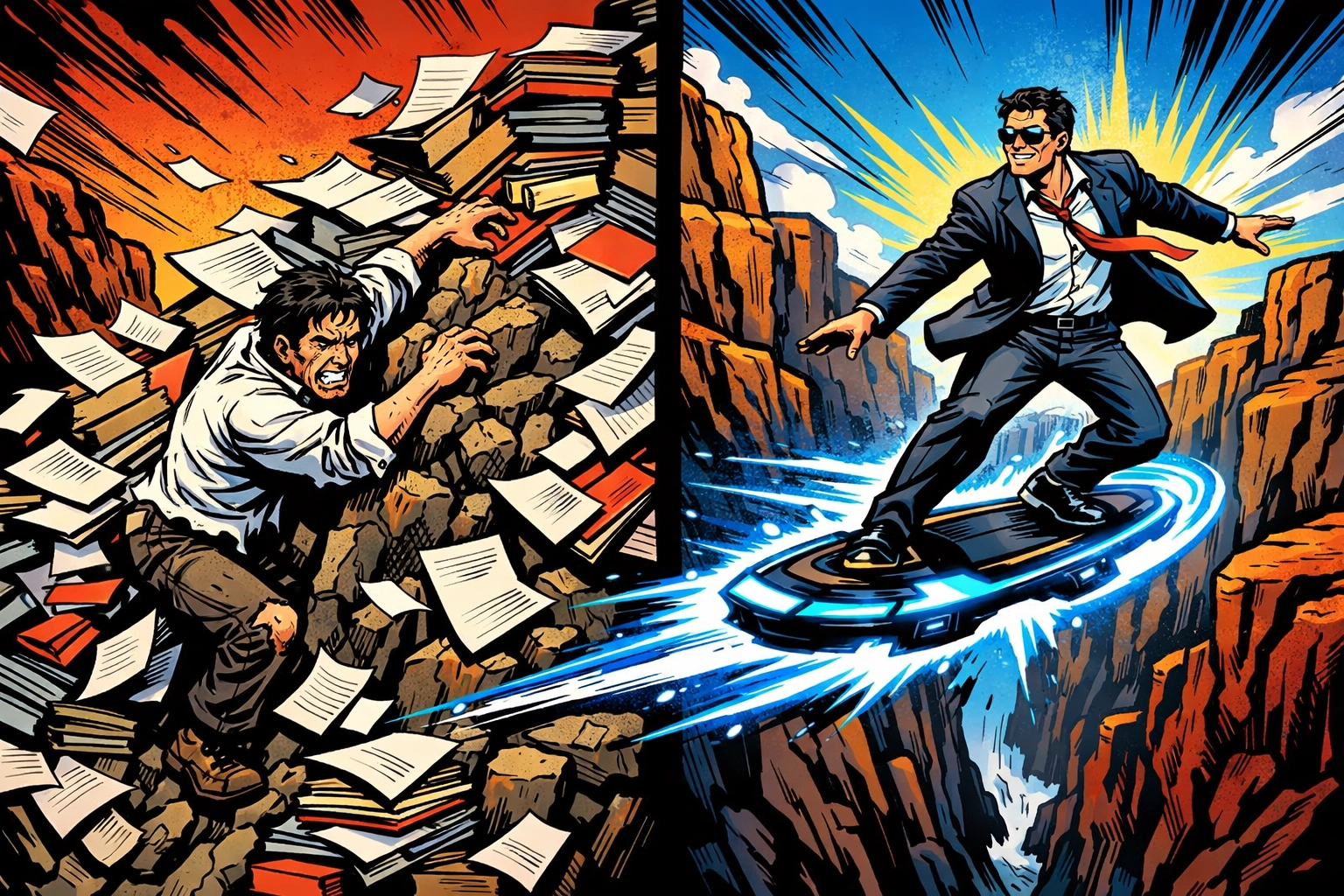
    AI virtual assistant for business organizing chaotic files while the owner sleeps peacefully.

    7:15 AM , THE CHAOS THAT NEVER HAPPENED

    ☕ The day begins, but it feels different.

    Usually, this is when the panic sets in. You’d spend the next two hours answering "Where is my order?" and "Do you have this in blue?" instead of actually building your business.

    But this morning? It’s quiet.

    Your ai virtual assistant for business has been awake all night. It didn't take a coffee break. It didn't get grumpy. It spent the last eight hours sorting through every single inquiry.

    It identified the urgent leads. It answered the repetitive shipping questions. It even scheduled three discovery calls for you later today.

    You check your dashboard. 85% of the "noise" has been handled.

    The chaos is gone before you even take your first sip. You just send a thumbs-up emoji to your team and move on to the stuff that actually makes money.

    STOP TRADING HOURS FOR GROWTH

    Most small business owners are stuck in a linear growth trap.

    If you want to double your revenue, you think you have to double your work. That’s a fast track to burnout and a very expensive divorce.

    AI business automation changes the physics of your company. It decouples your income from your hours. When you use tools like those found at Marblism, you’re building a system that scales horizontally without your overhead skyrocketing.

    Think about it…

    An AI-powered customer service bot can handle 10 conversations at once. Or 100. Or 1,000. It costs the same. It doesn't ask for a raise. It doesn't quit because it "found its passion" in sourdough bread making.

    This is how you scale without the traditional growing pains. You aren't just working harder; you're multiplying your capability.

    Scale your small business with AI automation to multiply operational capacity and efficiency.

    11:30 AM , THE ADMIN VORTEX IS CLOSED

    📱 Your phone buzzes.

    It’s an alert. Your AI virtual assistant noticed a bottleneck in your invoicing. Instead of you spending your lunch hour chasing down late payments, the system has already sent out personalized, friendly reminders.

    In the "Before Times," you’d have to hire a part-time admin for this. Someone to manage the spreadsheets. Someone to keep track of the follow-ups.

    Now? It’s just a background process.

    Admin tasks are the "silent killers" of small businesses. They don’t feel like much when you do one or two, but they accumulate. They eat your afternoon. They steal your focus.

    By automating the "boring stuff," you’re buying back your most valuable asset: your brain.

    THE DATA SAYS YOU'RE FALLING BEHIND

    If you think AI is just a trend, the numbers are ready to argue with you.

    Research shows that nearly 98% of small businesses are now using some form of AI. That’s up from 40% just a year ago. The gap between those who automate and those who "do it the old way" is becoming a canyon.

    Businesses using AI-powered automation are seeing productivity gains of up to 40%.

    That’s not a small bump. That’s the difference between staying a "lifestyle business" and becoming a market leader.

    When you automate customer support with ai, you aren't just saving time. You're providing enterprise-level service on a lemonade-stand budget. Your customers get instant answers. They feel heard. They stay loyal.

    And you? You’re free to think about the big picture.

    Automate customer support with AI to easily overcome small business scaling hurdles and bottlenecks.

    3:45 PM , SCALING WITHOUT THE SCARS

    🤝 A new partner reaches out.

    They want to know if you can handle a 500% increase in volume over the next quarter.

    A year ago, this would have terrified you. You would have been calculating how many people you’d need to hire and train in three weeks. You’d be looking at office space and HR manuals.

    But today? You smile.

    You know your infrastructure is elastic. Your AI agents don't mind the extra volume. Your automated workflows can process 5,000 orders just as easily as 50.

    This is operational resilience. It’s the ability to say "Yes" to growth because you know your backend won't break.

    Scaling shouldn't be this easy. But here we are.

    EMPLOYEE OF THE MONTH. EVERY MONTH.

    Let’s talk about your new "team member."

    Your ai virtual assistant for business doesn't just do tasks. It learns. It gets better at understanding your tone. It recognizes patterns in your customers' behavior.

    It’s the employee who never sleeps, never complains, and gets smarter every day.

    When you integrate these tools through Marblism, you’re not just buying software. You’re installing an engine.

    • Efficiency? Check.
    • Cost reduction? Double check.
    • Sanity? Priceless.

    Stop juggling. Start leading.

    Reliable AI virtual assistant for business acting as the ultimate employee to boost total productivity.

    6:00 PM , THE LIGHTS ARE OFF

    🌙 The sun is setting.

    Usually, this is when you’d be starting your "second shift." The time when you finally get to do the admin work because the phones have stopped ringing.

    But the screen is dark. The desk is clean.

    You step back into your day. You go to dinner. You play with your kids. You actually watch a movie without checking your email every six minutes.

    The business is running. The customers are happy. The scaling is happening in the background while you’re breathing.

    That’s the real promise of AI business automation. It’s not just about more money. It’s about a better life.

    THE FAQ: NO BS EDITION

    Is AI going to make my business feel robotic?
    No. In fact, it does the opposite. By letting AI handle the "Where is my tracking number?" questions, you have more time to have actual, human conversations with the people who need you. It removes the friction so you can add the heart.

    Can a small business actually afford this?
    Yes. The cost of not automating is much higher. Hiring one person costs tens of thousands. An AI setup costs a fraction of that and does the work of three people.

    Do I need to be a tech genius?
    Not even close. If you can use a smartphone, you can use these tools. Most of the heavy lifting is done for you.

    Where do I even start?
    You start by looking at the tasks you hate. The stuff you repeat 10 times a day. That’s your first target for automation.

    YOUR NEXT MOVE

    The world isn't waiting for you to "get around" to automation. Your competitors are already doing it. They’re scaling faster, staying leaner, and sleeping better.

    You have a choice. You can keep being the bottleneck in your own business… or you can build a system that outruns you.

    See how simple it actually is. Check out the interactive tools over at Marblism and stop being the "Chief Everything Officer."

    Your future self (the one who isn't stressed out at 7:00 AM) will thank you.

    Scaling is a choice. Make the smart one.

  • The Ultimate Guide to Home Brewing: Everything You Need to Succeed

    So, you’ve decided to take the plunge into the world of home brewing. Honestly? We think that’s one of the best decisions you’ll make this year. There is something almost meditative about the ritual of preparing a coffee at home: the aroma of freshly ground beans filling the kitchen, the gentle hiss of the kettle, and that first, glorious sip of a brew you crafted yourself.

    But let’s be real for a second. It can also be a bit… overwhelming. You start looking at brewers and suddenly you’re faced with V60s, Chemexes, AeroPresses, and espresso machines that look like they belong on a spaceship. Where do you even start?

    Don't worry. We’ve got you. At Limini Coffee, we live and breathe this stuff, and we’re here to help you navigate the jargon and the gear so you can focus on what actually matters: delicious coffee. If you’re looking to stock up on the essentials, you can find everything from world-class beans to top-tier brewing gear right here.


    The Golden Rule: It All Starts with the Bean

    We’ll say it loud for the people in the back: you cannot brew great coffee with bad beans. It’s just not possible. You could have a three-thousand-pound espresso machine, but if your beans are stale or poorly roasted, your coffee will taste like disappointment.

    When we talk about "speciality coffee," we’re talking about quality. This means beans that have been grown in ideal climates, harvested with care, and roasted to highlight their unique characteristics rather than just burning them into submission. Whether you prefer a bright, citrusy Single Origin from Ethiopia or a chocolatey, comforting blend, freshness is your best friend.

    Ideally, you want to use beans within four weeks of their roast date. Why? Because coffee is an organic product. Once it’s roasted, it begins to release CO2 (a process we call degassing) and starts to oxidise. This means those lovely volatile aromatics: the stuff that makes coffee smell like heaven: begin to disappear.

    Freshly roasted speciality coffee beans spilling out of a kraft paper bag.

    If you’re curious about how we pick our beans, you can read more about our sourcing philosophy here. We believe in transparency and quality, which is why we’re so picky about what makes it into our roaster.


    The "Holy Trinity" of Brewing Variables

    Before we get into the gear, we need to understand the science. Don't panic: it’s not high school chemistry. It’s basically just controlling a few variables to make sure the water extracts the right "stuff" from the coffee.

    1. Water Quality and Temperature

    Coffee is roughly 98% water. So, if your tap water tastes like a swimming pool, your coffee will too. We always recommend using filtered water if you can.

    Temperature is just as critical. We generally recommend brewing between 88 °C and 95 °C (190 °F to 203 °F). If the water is too cold, the coffee will taste sour and thin (under-extracted). Too hot? You risk pulling out bitter, ashy flavours (over-extracted).

    2. The Grind Size

    Think of coffee grounds like pebbles and sand. If you pour water through a jar of pebbles, it rushes through instantly. If you pour it through sand, it takes ages.

    • Coarse (Pebbles): Best for long-steep methods like the French Press.
    • Medium (Table Salt): Perfect for pour-overs like the V60.
    • Fine (Powder): Essential for espresso, where the water is forced through under high pressure.

    Investing in a decent burr grinder is probably the single biggest upgrade you can make to your home setup. Blade grinders chop the beans unevenly, leading to a muddy taste. Burr grinders crush them to a uniform size, ensuring an even extraction.

    3. The Ratio

    How much coffee vs. how much water? We usually suggest a starting ratio of 60g of coffee per 1 litre of water (or 1:17). It’s a great "sweet spot." To make it easy, we’ve even built a coffee brewing calculator to help you get the numbers right every time.


    Choosing Your Weapon: Brewing Methods

    There isn't a "best" way to brew coffee: there’s only the way that you enjoy the most. Let’s break down the most popular methods for home brewing.

    The Pour-Over (Hario V60 / Chemex)

    This is for the purists. Pour-over brewing produces a clean, crisp cup that highlights the delicate notes of single-origin beans. It requires a bit of technique (and a gooseneck kettle helps!), but the results are incredibly rewarding.

    We love this method for light-roast African coffees.

    The AeroPress

    The AeroPress is a bit of a cult classic. It’s indestructible, portable, and incredibly versatile. You can make anything from a concentrated espresso-style shot to a clean filter-style brew. It’s very forgiving, making it perfect for beginners.

    The French Press (Cafetière)

    The old reliable. Because the coffee grounds sit in the water for the entire brew time (immersion brewing), the result is a heavy, full-bodied cup. It’s simple, classic, and great for serving a group.

    Espresso

    Now, this is the "final boss" of home brewing. Espresso is a whole different beast. It requires precision, specialized equipment, and a lot of patience. If you’re thinking about going down this rabbit hole, check out our guide on choosing espresso equipment. It’s a big investment, so you want to get it right.

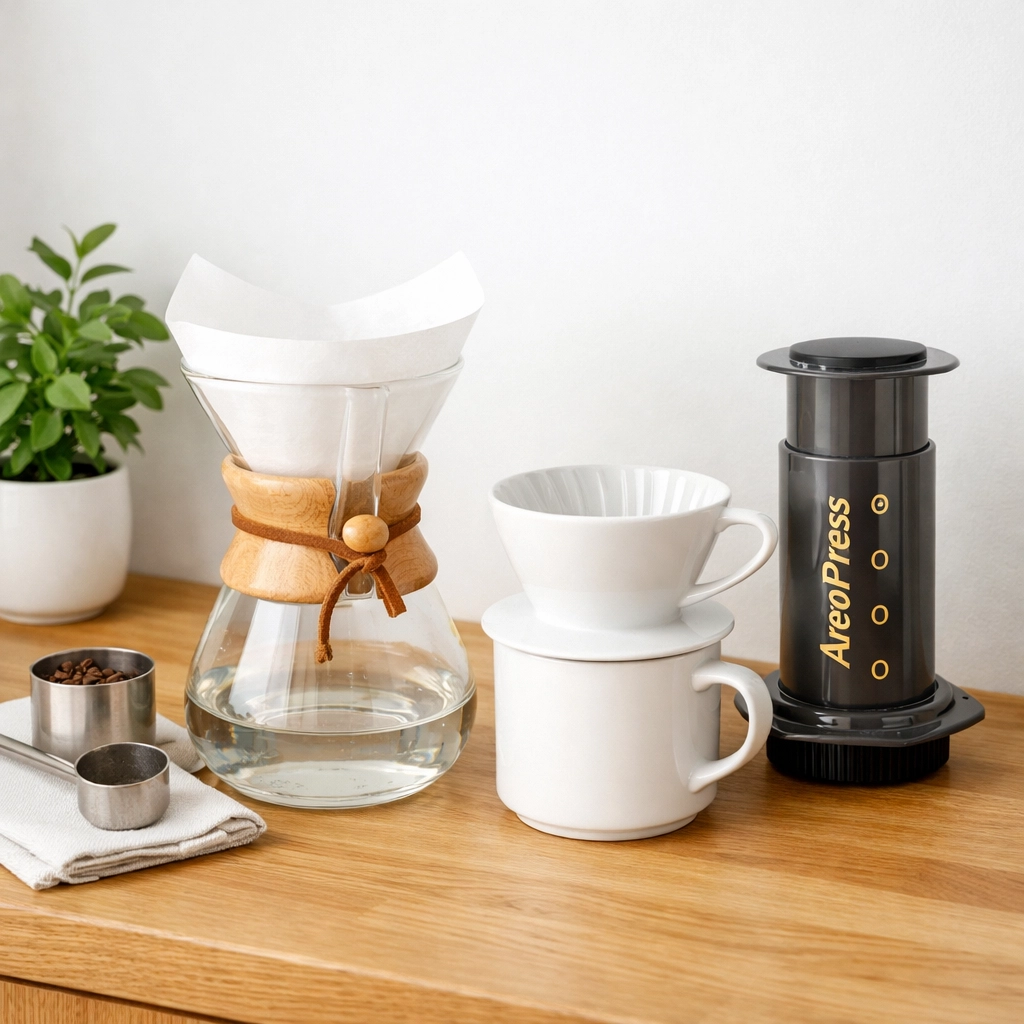
    A collection of home coffee brewing gear including a Chemex, V60, and AeroPress.


    Step-by-Step: The Perfect Pour-Over

    Let’s get practical. Here is how we brew a standard V60 at the roastery. You can grab all the gear and the perfect beans for this method right here.

    1. Boil your water: Let it sit for a minute after boiling to hit that 92 °C – 94 °C range.
    2. Rinse the filter: Place your paper filter in the dripper and pour some hot water through it. This removes the "papery" taste and warms up your carafe. Dump that water out.
    3. Add your coffee: We use 15g of medium-ground coffee for a 250ml cup.
    4. The Bloom: Pour about 30g of water over the grounds: just enough to wet them. You’ll see bubbles forming; this is the CO2 escaping. Wait 30 seconds. This is a crucial step to ensure the water can actually penetrate the coffee (coffee is somewhat hydrophobic initially).
    5. The Main Pour: Slowly pour the remaining water in circular motions, avoiding the very edges of the filter.
    6. The Draw Down: The water should finish dripping through by the 3:00 minute mark. If it's too fast, grind finer next time. Too slow? Grind coarser.

    Dealing with Milk

    If you’re an espresso lover, you’re likely interested in lattes and flat whites. Steaming milk is an art form in itself. You’re looking for "microfoam": milk that looks like wet paint. No big bubbles, just a silky, glossy texture.

    Understanding how proteins and fats react to heat is key here. If you want to dive deep into the science, we have a great article understanding milk and another explaining the differences between a latte and a cappuccino.

    Silky microfoam milk being poured into a latte cup for perfect coffee art.


    Troubleshooting Your Brew

    Is your coffee tasting a bit… "off"? Don’t give up! Coffee brewing is a series of adjustments.

    • Too Bitter? You’ve likely over-extracted. Try a coarser grind or slightly cooler water.
    • Too Sour? This is under-extraction. Try a finer grind or hotter water.
    • Weak and Watery? You might need a higher coffee-to-water ratio.
    • No Crema? If you’re making espresso and there’s no "golden foam," your beans might be old. Learn more about what makes a good crema here.

    The Final Perk

    Home brewing isn't about being perfect from day one. It’s about the journey of discovery. You’ll have days where you pull the perfect shot and days where you accidentally leave the scale off and wing it (we've all been there).

    The beauty of speciality coffee is that there is always something new to learn. Whether it's mastering the art of tamping or exploring a new anaerobic fermented microlot, the possibilities are endless.

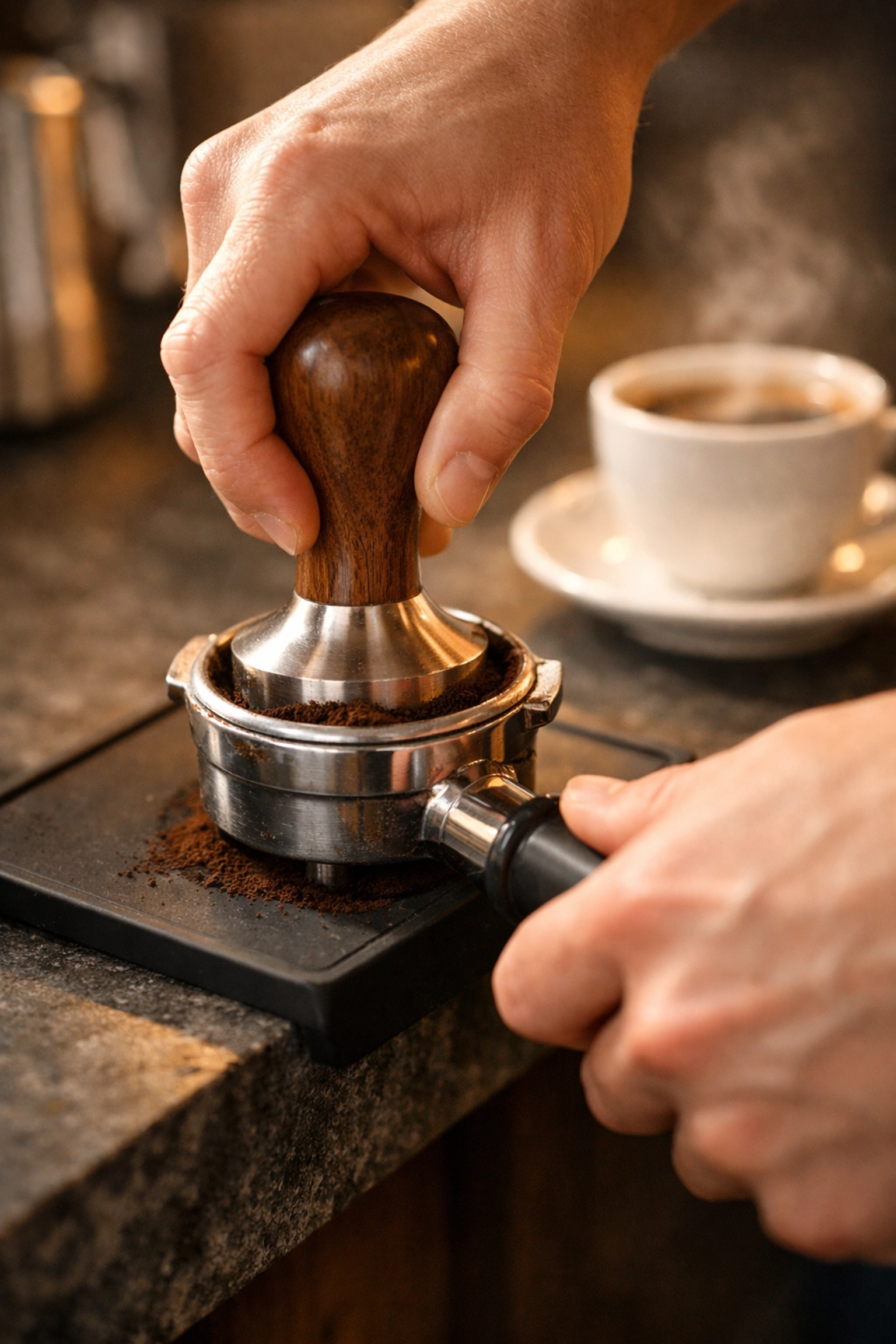
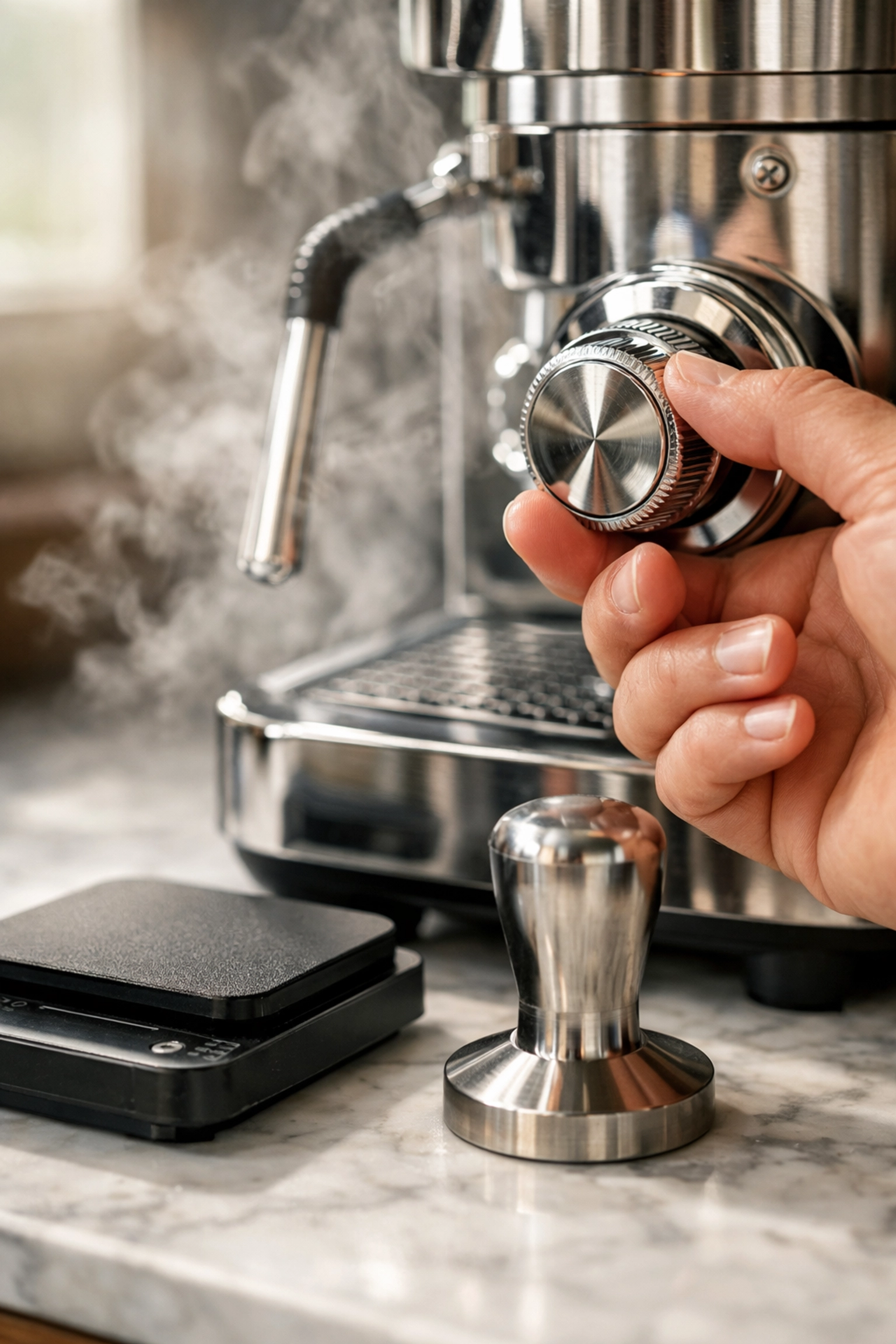
    Using a wooden tamper to press fresh coffee grounds in a portafilter for espresso.

    Ready to start your journey? We’ve got the fresh roasts and the expertise to help you succeed. Head over to our shop to browse our latest coffees and brewing kits.

    And if you ever feel like you need a bit more hands-on help, we offer barista training for everyone from total beginners to aspiring pros. We’d love to see you at the roastery!

    Happy brewing! Enjoy that cup( you earned it.)

  • Workflow Automation for Small Business 101: How to Finally Stop Doing the ‘Busy Work’ That’s Killing Your Growth

    Workflow Automation for Small Business 101: How to Finally Stop Doing the ‘Busy Work’ That’s Killing Your Growth

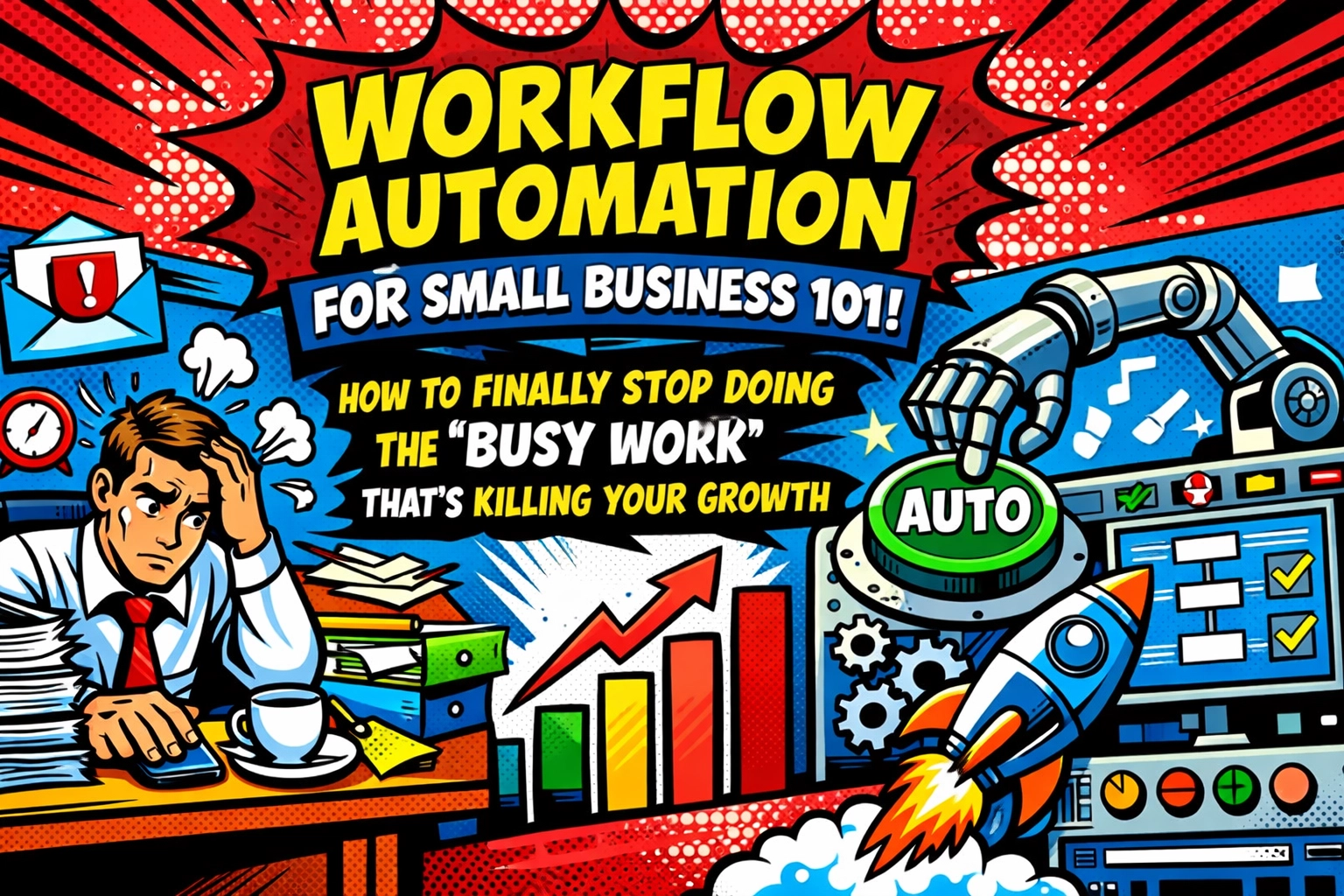
    WORKFLOW AUTOMATION FOR SMALL BUSINESS: STOP DOING THE BUSY WORK

    ☕ 7:00 AM.

    The coffee hasn’t even finished dripping, and you’re already staring at it. Not the coffee… the phone.

    Fourteen unread emails. Three "urgent" Slack messages about a spreadsheet error. A calendar that looks like a game of Tetris played by someone who’s losing. Badly.

    You started this business to build something. To create. To lead. But right now? You’re just a highly overqualified data entry clerk. You’re chasing invoices, manually copying lead info from a contact form into a CRM, and trying to remember if you actually sent that follow-up email to the guy who called on Tuesday.

    This is "Busy Work." It’s the silent killer of growth. And it’s time to kill it first.

    THE GHOST IN THE MACHINE

    Most small business owners think they need more "hustle." They don’t. They need a system.

    Workflow automation isn't about replacing your soul with a robot. It’s about taking the repetitive, mind-numbing tasks that require zero creativity and handing them off to a process that never forgets, never sleeps, and never asks for a coffee break.

    Think about your current process for a new client.
    You send an email. You wait. They reply. You send a contract. You wait. They sign. You manually create a folder in Google Drive. You manually invite them to a project board.

    Stop. Just… stop.

    With the right setup, that entire sequence happens while you’re actually doing the work you get paid for. Or, you know, sleeping.

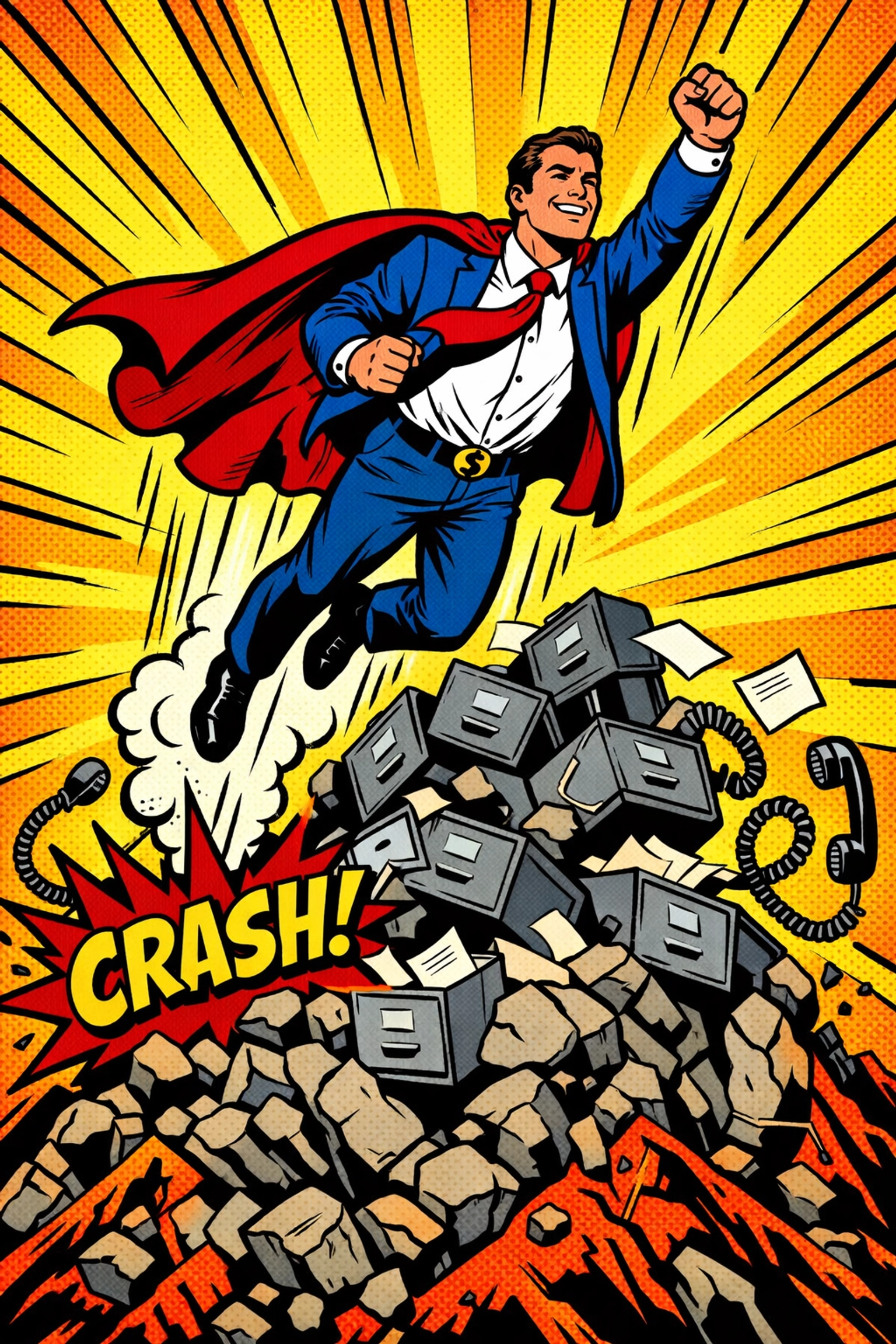
    Small business owner escaping busy work through effective workflow automation.

    WHAT CAN YOU ACTUALLY DITCH?

    You don't need to automate your whole life on day one. Start with the high-impact, low-brainpower stuff:

    • Lead Management: When someone fills out your contact form, they shouldn't wait three days for a "We'll get back to you." They should get an instant resource, a calendar link, and their data should already be sitting in your CRM.
    • Invoicing & Payments: If you’re still manually typing out invoices every month, you’re losing money. Automated triggers can send the bill, follow up on the late payment, and update your books without you touching a key.
    • Onboarding: Create a "Welcome" sequence that triggers the moment a contract is signed. It sends the files, sets the expectations, and makes you look like a Fortune 500 company while you’re in your sweatpants.

    LESS ERROR, MORE MARGIN

    Human error is expensive. A typo in a budget, a missed follow-up on a $5,000 lead, a forgotten NDA, these aren't just "mistakes." They are leaks in your boat.

    Automation seals the leaks. It ensures that Step B always follows Step A. Every. Single. Time.

    When you remove the "manual" from your operations, you’re not just saving time. You’re gaining peace of mind. You’re moving from a state of constant reaction to a state of strategic action.

    If you’re ready to see how this actually looks in the real world, you need to check out what we’re building at Marblism. It’s the shortcut to getting your time back.

    👉 Start automating your growth here


    WHY YOUR BUSINESS NEEDS AN AI VIRTUAL ASSISTANT (BEFORE YOUR COMPETITORS GET ONE)

    🌙 11:30 PM.

    You’re finally sitting down to watch that show everyone’s talking about. Your phone buzzes.

    It’s a lead. A "hot" one. They’re on your website right now, and they have a question about your pricing tiers.

    You have two choices:

    1. Interrupt your only hour of relaxation to type out a professional response on a tiny keyboard.
    2. Ignore it until tomorrow morning and hope they haven't already moved on to your competitor who responded in three minutes.

    Both choices suck.

    But there’s a third option. An AI Virtual Assistant that’s already talking to them. It’s answering their questions, qualifying their budget, and booking a call on your calendar for 10:00 AM tomorrow.

    And it did it all while you were reaching for the popcorn.

    THE COMPETITIVE EDGE IS SHRINKING

    In the old days, "Virtual Assistant" meant hiring someone in a different time zone. It was better than nothing, but there was still lag. There was still human error. There was still a limit to how many people they could talk to at once.

    AI doesn't have those limits.

    Your competitors are already looking at this. They’re realized that "speed to lead" is the only metric that matters in 2026. If you aren't answering, you don't exist.

    An AI Virtual Assistant for business isn't a luxury anymore, it’s an insurance policy against irrelevance.

    AI virtual assistant for business handling lead communications on a smartphone.

    EMPLOYEE OF THE MONTH. EVERY MONTH.

    Imagine an employee who:

    • Remembers every single detail of every customer interaction.
    • Can handle 1,000 conversations simultaneously without breaking a sweat.
    • Knows your product documentation inside and out.
    • Never has a "bad day" or a "mood."

    That’s not science fiction. That’s the current reality of AI integration.

    Your AI assistant can handle the "Level 1" stuff, the FAQs, the scheduling, the basic troubleshooting. This leaves you and your team to handle "Level 2", the deep relationships, the complex problem-solving, and the actual closing of deals.

    STOP JUGGLING, START SCALING

    Scaling a business usually means hiring more people. More people means more overhead, more management, and more "people problems."

    AI allows you to scale your output without scaling your headcount at the same rate.

    It’s about leverage. You’re using technology to multiply your efforts. One person plus a suite of AI tools can now do the work that used to require a team of five.

    "But is it impersonal?"

    Actually, it’s the opposite. By handling the boring stuff instantly, you have more time to be more human with the clients who need it. You aren't rushed. You aren't distracted. You’re present.

    THE FUTURE IS ALREADY HERE

    The gap between the businesses that use AI and those that don't is widening every day. It’s not about "if" you’ll need an AI assistant, it’s about whether you’ll get one before your leads stop coming to you altogether.

    Scaling shouldn't be this hard. And honestly? It isn't, once you have the right tools in place.

    Stop being the bottleneck in your own business. Let the AI handle the front line while you focus on the vision.

    Ready to see how an AI assistant can transform your workflow? Don’t let your competitors beat you to the punch.

    🚀 Upgrade your business with Marblism today

    FAQS ABOUT BUSINESS AUTOMATION

    Is this going to be hard to set up?
    No. Most modern automation tools are "no-code," meaning if you can drag and drop a file, you can build a workflow.

    Will my customers know they’re talking to an AI?
    Transparency is usually best, but the quality of AI interaction is now so high that most customers prefer a fast, helpful AI over a slow, unhelpful human.

    What’s the first thing I should automate?
    Your "Lead to Meeting" flow. It’s where most money is lost.

    Is it expensive?
    Compared to the cost of a missed lead or a full-time salary? Not even close. It’s the highest ROI investment you can make this year.

    The chaos is gone before you even take your first sip.
    Scaling Shouldn't Be This Easy. But Here We Are.

    Successful entrepreneur using automation to drive rapid business growth and ROI.

  • Best Espresso Machines for Your Small Coffee Shop in 2026 (Startup Guide)

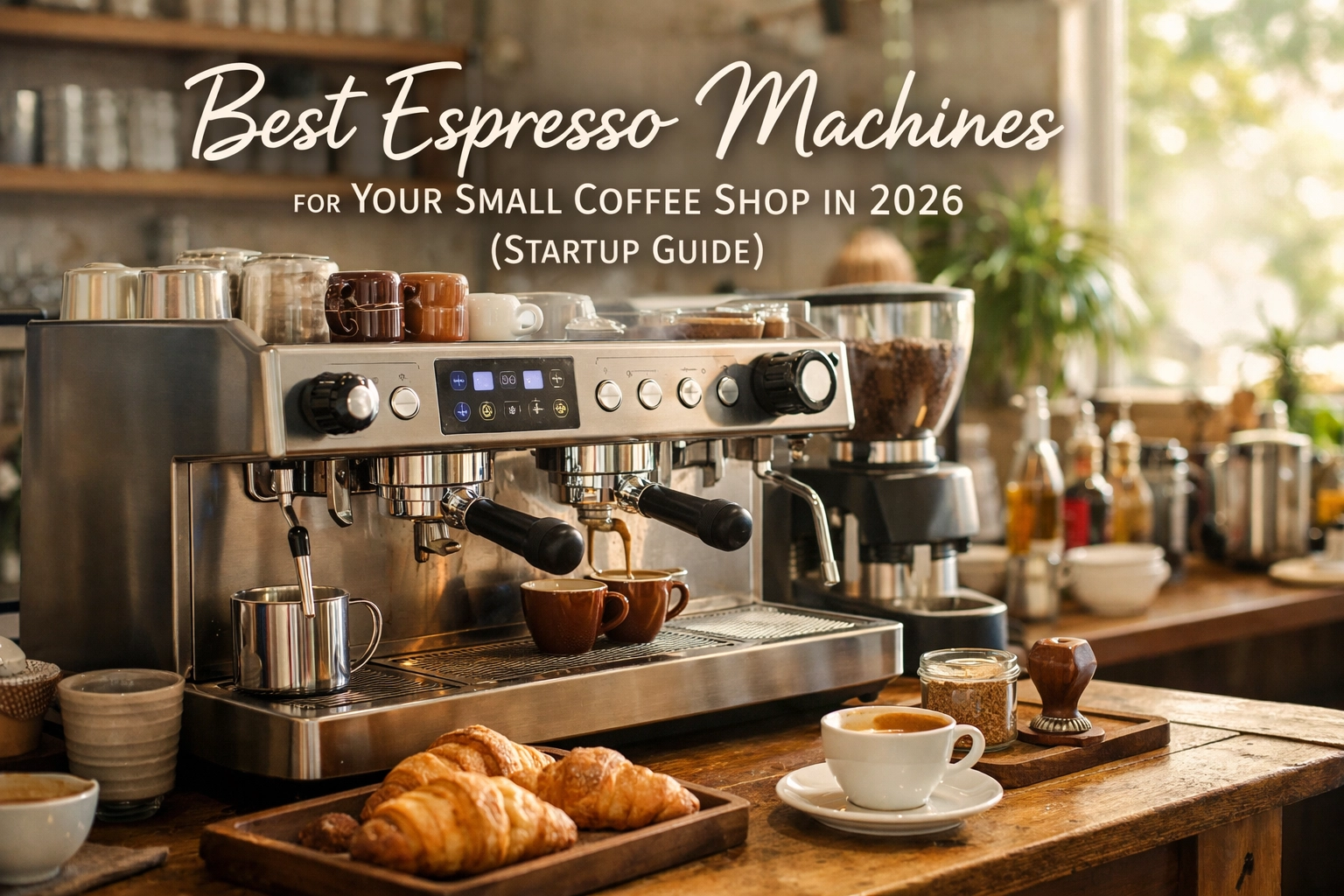
    Best Espresso Machines for Your Small Coffee Shop in 2026 (Startup Guide)

    So, you’ve decided to take the plunge. You’re finally doing it, you’re going to start up a coffee shop. First of all, congratulations! There is nothing quite like the buzz of a busy morning, the smell of freshly roasted beans, and the hiss of the steam wand. But before you can open your doors and start pouring those silky flat whites, you’ve got a massive hurdle to clear: choosing your equipment.

    When it comes to setting up a coffee shop, the espresso machine is easily the most important (and expensive) investment you’ll make. It is the heart of your business. If it’s underpowered, your service will grind to a halt during the morning rush. If it’s overly complicated, your staff will struggle to get consistent results. In 2026, the market is flooded with "prosumer" machines that look fancy but often lack the "commercial" DNA needed to survive in a professional environment.

    Here at Limini Coffee, we’ve spent years testing, installing, and, let’s be honest, sometimes fixing machines in every environment imaginable. We’ve seen what works for a tiny boutique shop and what fails under pressure.


    Why Your "Coffee Shop Set Up" Needs a Commercial Machine

    You might be tempted to look at high-end home machines. They look great on a kitchen counter, and the price tag is certainly friendlier. However, we cannot stress this enough: do not use a home machine for a business.

    The biggest difference isn't just the size; it’s the recovery time and thermal stability. A home machine might make two great lattes back-to-back, but try making twenty in thirty minutes and the temperature will plummet. This leads to sour, under-extracted espresso. In a commercial setting, you need a machine that can hold its temperature at exactly 88 C to 95 C (190 °F to 203 °F) while simultaneously steaming milk at 1.2 to 1.5 BAR of pressure.

    If you’re serious about your venture, you need a dedicated commercial unit. For those starting small, a 1-group or compact 2-group machine is usually the sweet spot.

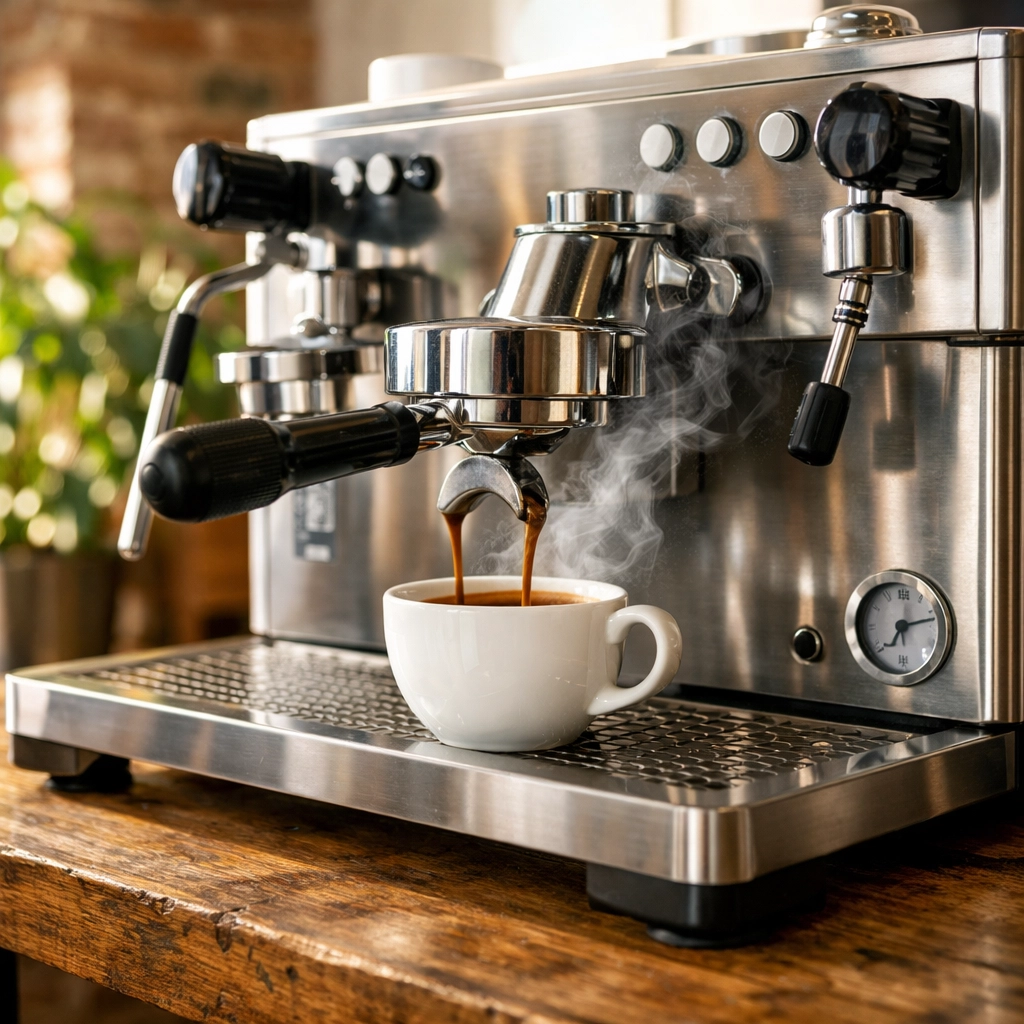
    Professional 2-group commercial espresso machine pouring a fresh shot for a new coffee shop startup.

    Our Top Picks for 2026 Startups

    1. The Reliable Workhorse: La Spaziale S2

    We have a massive soft spot for La Spaziale. Why? Because they are incredibly clever. Unlike most machines that use large, heavy 58mm portafilters, La Spaziale uses a 53mm diameter. This might seem like a small detail, but it actually creates a deeper coffee bed, which we find leads to a more forgiving and consistent extraction.

    The La Spaziale S2 is a fantastic entry-level commercial machine. It’s a heat exchanger (HX) system, meaning you can brew and steam at the same time without any drop in pressure. It’s built like a tank, and the parts are readily available, which is vital when you need a quick repair.

    You can check out some of the technical workings of La Spaziale here. If you’re looking for a machine that just works, day in and day out, this is it. It’s a great choice for any new coffee shop set up.

    2. The Space-Saver: La Spaziale S1 Vivaldi II

    If you are operating out of a small kiosk, a food truck, or a very low-volume "coffee corner," the S1 Vivaldi II is a legend. It’s a dual-boiler machine, which is rare at this size and price point. One boiler is dedicated to espresso, and the other to steam.

    This means the temperature of your espresso isn't affected by how much milk you are steaming. It’s remarkably stable. It also has a front-loading water tank (though we always recommend plumbing it in for business use), which is perfect for tight spaces. We think it’s one of the best bangs for your buck when you're on a tight budget while trying to start up a coffee shop.

    3. The Style Icon: Sanremo Zoe

    For those who want a bit of "theatre" on their back bar, the Sanremo Zoe is often the go-to. It has a modern, industrial look with an open frame. Beyond the looks, it’s a very capable heat exchanger machine. It’s designed to be easy to service, and the steam wands are powerful enough to get that perfect silky micro-foam.


    What to Look for: The Technical Bit

    When you’re comparing machines, don't just look at the shiny chrome. Look at the specs. Here are the three things that actually matter in 2026:

    1. Boiler Capacity
    For a small shop, a steam boiler of at least 3 to 5 litres is essential for a 1-group machine, and 10 litres for a 2-group. This acts as your "battery." The larger the boiler, the more steam power you have on tap. If you find yourself waiting for the pressure gauge to crawl back up after two cappuccinos, your boiler is too small.

    2. PID Temperature Control
    PID stands for Proportional-Integral-Derivative (don't worry, there won't be a test). Basically, it’s a digital controller that keeps the water temperature much more precise than a traditional mechanical pressure stat. In 2026, most decent machines come with this. It allows you to adjust the temperature by 0.1 degrees, which is vital if you are using specialty beans that require a specific heat to shine.

    3. Volumetric vs. Manual
    We generally recommend volumetric machines for startups. This allows you to program the exact amount of water for a single or double shot. You press a button, and the machine stops automatically. Why is this important? Because it frees up the barista to start steaming milk or talk to the customer while the shot is pouring. Consistency is the king of the coffee world.

    Barista adjusting settings on a professional espresso machine to ensure quality in a new coffee shop set up.

    Don't Forget the Grinder!

    We see it all the time: a business spends £5,000 on a gorgeous espresso machine and then buys a cheap, £300 grinder. This is a mistake. To be honest, the grinder is arguably more important than the machine.

    If your grinder produces uneven particles, your espresso will be a mess of bitter and sour flavours. We recommend "on-demand" grinders. They grind a fresh dose directly into the portafilter every time. No more stale coffee sitting in a dosing chamber for hours. It’s fresher, cleaner, and reduces waste significantly.


    Setting Up a Coffee Shop: More Than Just Metal

    Buying the machine is only about 40% of the battle. The real work begins with the coffee shop set up and ongoing operations. This is where we come in.

    At Limini Coffee, we don't just ship you a box and wish you luck. We provide the full package:

    • Equipment Sourcing: We help you choose the right gear for your specific volume and budget.
    • Installation: Our engineers handle the plumbing and electrical setup, ensuring your machine is calibrated perfectly from day one.
    • Training: This is the big one. We believe that even the best machine in the world is useless if the person behind it doesn't know how to use it. We offer comprehensive barista training to get you and your staff up to speed on everything from tamping technique to pouring latte art.

    We also love helping with the shop fitting and layout. The "flow" of your bar determines how fast you can serve customers. If your fridge is three metres away from your steam wand, you’re wasting time and energy.

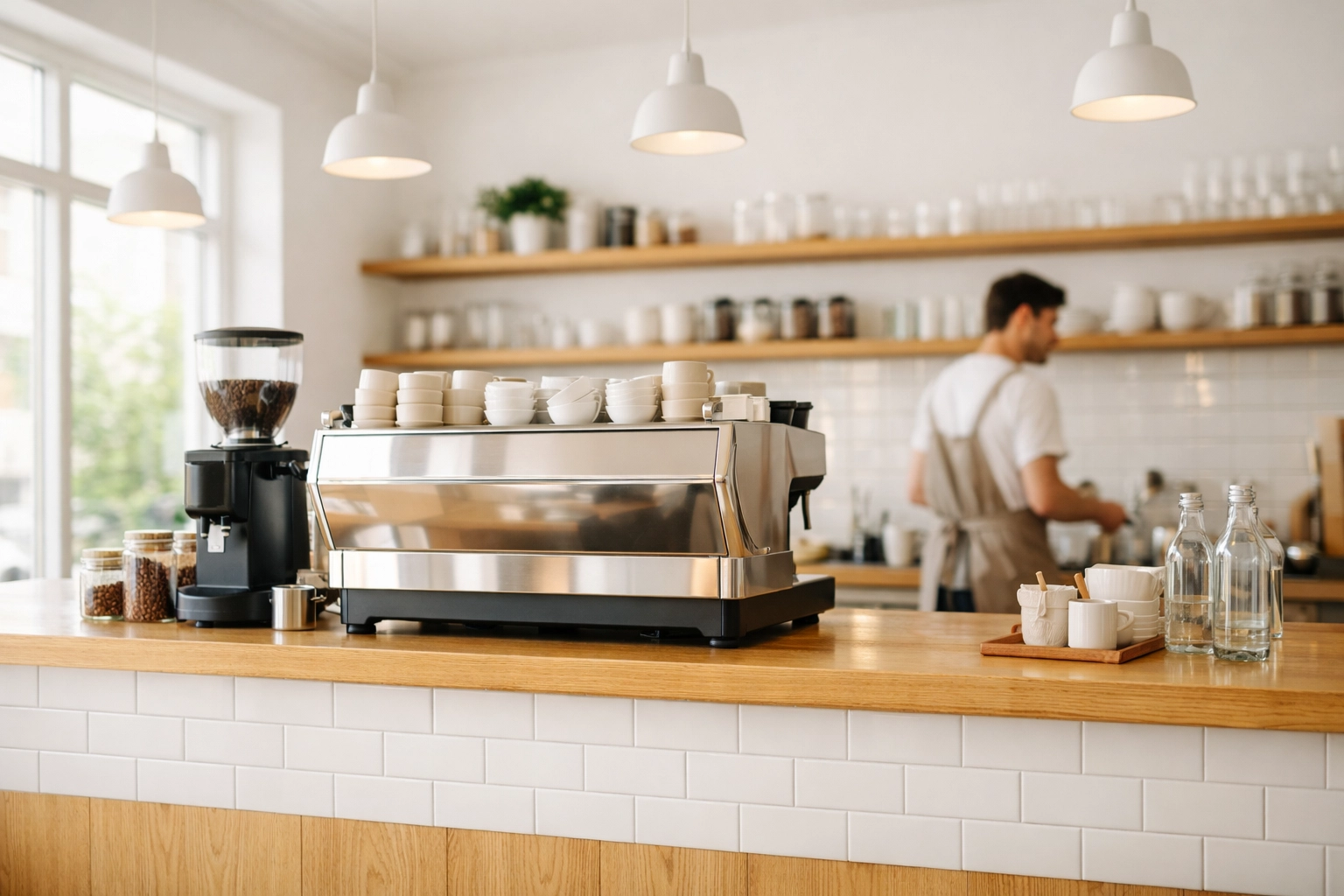
    Modern coffee shop interior showing a functional bar layout with professional espresso equipment.

    A Quick Note on Maintenance

    Once you’ve got your beautiful new setup, you have to look after it. Espresso machines live in a harsh environment, heat, pressure, and water. Scale is the silent killer of coffee machines, especially in areas with hard water.

    Always use a high-quality water filtration system. It protects your investment and, just as importantly, makes the coffee taste better. You’ll also need to perform a daily "backflush" with cleaning powder to keep the group heads free of rancid coffee oils. A little bit of daily care goes a long way.

    Is It Worth It?

    Opening a coffee shop is a massive undertaking. It’s stressful, tiring, and occasionally overwhelming. But when you serve that first perfect cup to a regular who loves your brew, it all clicks.

    If you are looking to start up a coffee shop in 2026, don't feel like you have to do it alone. We’ve helped hundreds of people turn their coffee dreams into thriving businesses. Whether you need the wholesale beans, the training, or just some honest advice on which machine to pick, we are here for you.

    Imagine your shop with a gleaming La Spaziale on the counter, the steam wand purring, and a queue of happy locals out the door. That’s the goal, isn’t it?

    If you’re ready to start your journey or just want to chat about equipment, come and say hello to us at Limini Coffee. We’d love to be a part of your story.


    Key Takeaways for Your 2026 Startup:

    • Invest in Commercial: Avoid home machines at all costs.
    • Prioritise the Grinder: Don't skimp on the burrs.
    • Get the Training: Knowledge is more important than the gear.
    • Think Long Term: Look for machines with good service support (like La Spaziale).

    Starting a business is a marathon, not a sprint. Make sure you have the right shoes: or in this case, the right espresso machine: to go the distance! 🙂

  • How Marblism Can Help Any Business Scale and Succeed

    How Marblism Can Help Any Business Scale and Succeed

    You wake up, and it’s already happening.

    The blue light from your phone hits your eyes before you’ve even had a sip of water. 14 unread emails. Three LinkedIn DMs. A missed call from a number you don’t recognize, but you know it’s a lead you’re about to lose.

    You’re not even out of bed yet… and you’re already behind.

    This is the "Solopreneur Trap." You started this business because you wanted freedom, but right now, you’re just an unpaid intern for your own company. You’re the CEO, the marketing department, the secretary, and the janitor.

    It’s exhausting. And honestly? It’s keeping you small.

    But imagine if you didn't have to do it all. Imagine a world where the busy work just… vanishes.

    AI assistant hand helping a busy business owner manage multiple tasks and scale efficiently.

    THE UNFAIR ADVANTAGE YOU’VE BEEN MISSING

    Scaling a business used to mean hiring people. And hiring people means payroll, training, sick days, and the occasional office drama. For a small business or a solo founder, that’s a mountain too high to climb.

    That’s where Marblism steps in.

    We’ve built an all-in-one AI assistant, well, more like a whole team of them, that handles the grunt work while you sleep. We’re talking about specialized AI employees that don't just "chat," they actually work.

    They source leads. They write your blogs. They answer your phones. They review your legal docs.

    And the best part? They don’t take lunch breaks.

    A DAY IN THE LIFE: YOUR NEW NORMAL

    Let’s walk through what your day looks like when you have a team of AI powerhouses in your corner.

    7:00 AM , The Morning Calm
    The day begins, but it’s different now. You check your inbox. Usually, it’s a chaotic mess of newsletters, spam, and urgent client requests.

    But Eva, your AI Executive Assistant, has been awake all night. She’s already triaged your inbox. The junk is gone. The urgent stuff is highlighted. She’s even drafted replies to the basic questions.

    You just send a thumbs-up.

    📱 10:00 AM , The Pipeline is Full
    While you’re focusing on high-level strategy (or finally hitting the gym), Stan is working. Stan is your AI Sales Rep. He’s been scouring LinkedIn and company databases, finding people who actually need what you’re selling.

    He’s already sent out personalized cold emails. He’s handled the follow-ups. By the time you sit down at your desk, your calendar has two new discovery calls booked.

    No cold calling. No manual prospecting. Just results.

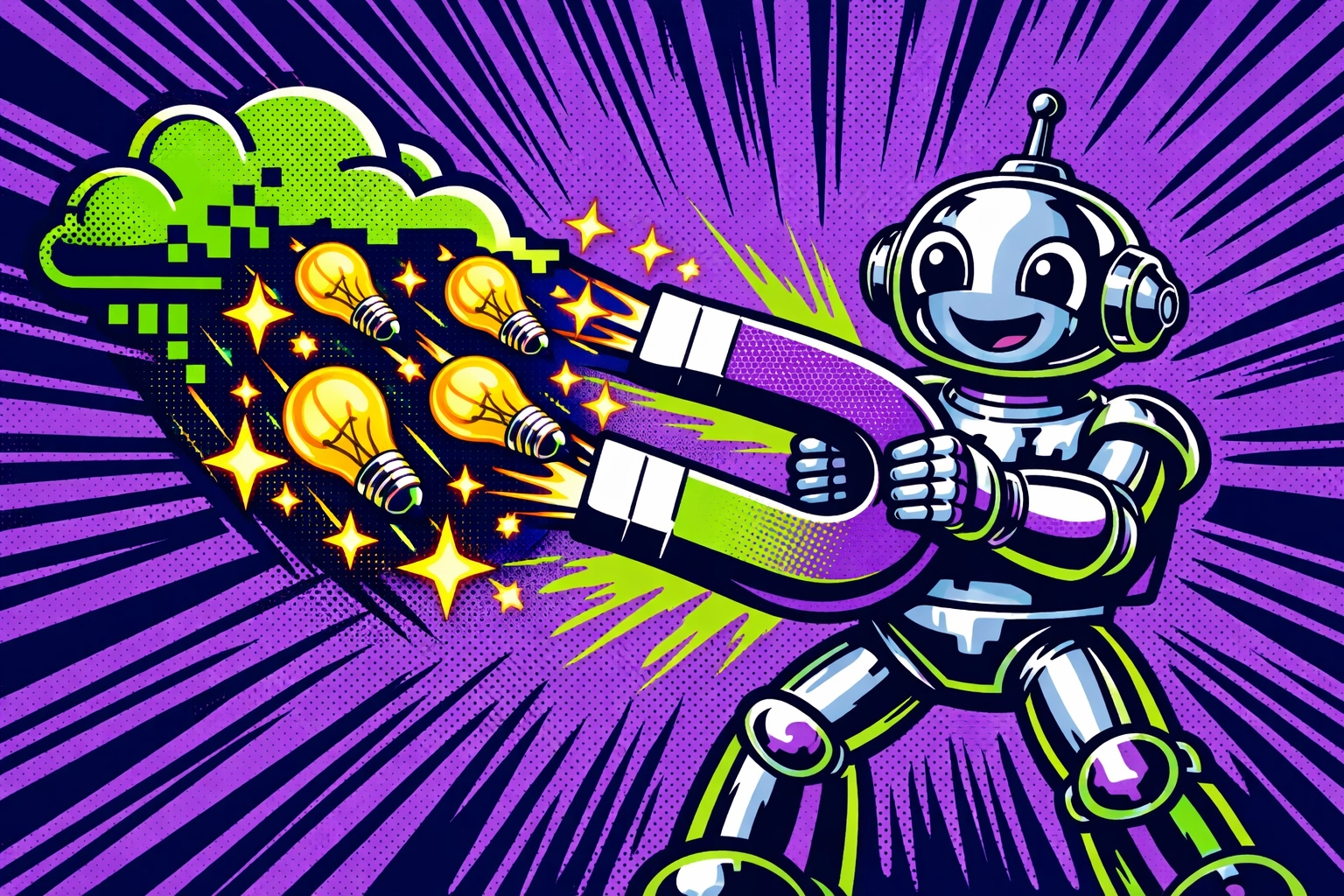
    AI sales robot using a magnet to attract high-quality leads for automated business growth.

    🔍 1:00 PM , Your Brand is Everywhere
    You haven’t posted on social media in three days because you’ve been too busy. Normally, your engagement would be tanking.

    But Sonny, your AI Social Media Manager, and Penny, your Content Writer, have it covered. Penny just finished a 1,200-word SEO-optimized blog post that sounds exactly like you. Sonny took that post, chopped it into bite-sized LinkedIn and Instagram updates, and scheduled them for the peak activity times.

    Your brand is growing while you’re eating lunch.

    ☎️ 3:00 PM , The Phone Stops Being a Distraction
    Your phone rings. In the old days, you’d have to stop what you’re doing, break your focus, and answer it, only to find out it’s a telemarketer or someone asking for your office hours.

    Now, Rachel takes the call. Rachel is your AI Receptionist. She answers with a professional voice, books appointments directly into your calendar, and triages the complex issues. If it’s actually important, she transfers it to you with a summary of what the caller needs.

    The chaos is gone before you even take your first sip of afternoon coffee.

    🌙 8:00 PM , Peace of Mind
    The sun is down. The lights are off. But your business isn't closed.

    While you’re winding down with a movie or spending time with family, your Marblism team is still at it. Linda is reviewing a contract you need to sign tomorrow, flagging the risky clauses. Stan is still reaching out to prospects in different time zones.

    You’re scaling while you sleep.

    IT WORKS FOR ANY BUSINESS. PERIOD.

    You might be thinking, "This sounds great for tech startups, but what about me?"

    The truth is, Marblism was designed to be a chameleon. It fits into the workflow of any industry because every business has the same bottleneck: Time.

    For the Real Estate Agent:
    Stop spending your Sundays responding to "Is this property still available?" Rachel handles the initial inquiries, books the showings, and Stan follows up with leads who visited your open house. You just show up and close the deal.

    For the Wellness Professional:
    Whether you run a yoga studio or a coaching practice, you shouldn’t be a booking agent. Let Eva manage your schedule and Penny write your weekly wellness newsletter. Focus on your clients, not your keyboard.

    For the Digital Marketer:
    You’re drowning in content creation. Penny and Sonny become your secret weapons, allowing you to take on 3x the clients without increasing your headcount. You can manage multiple brands under one Marblism account, each with its own AI personality.

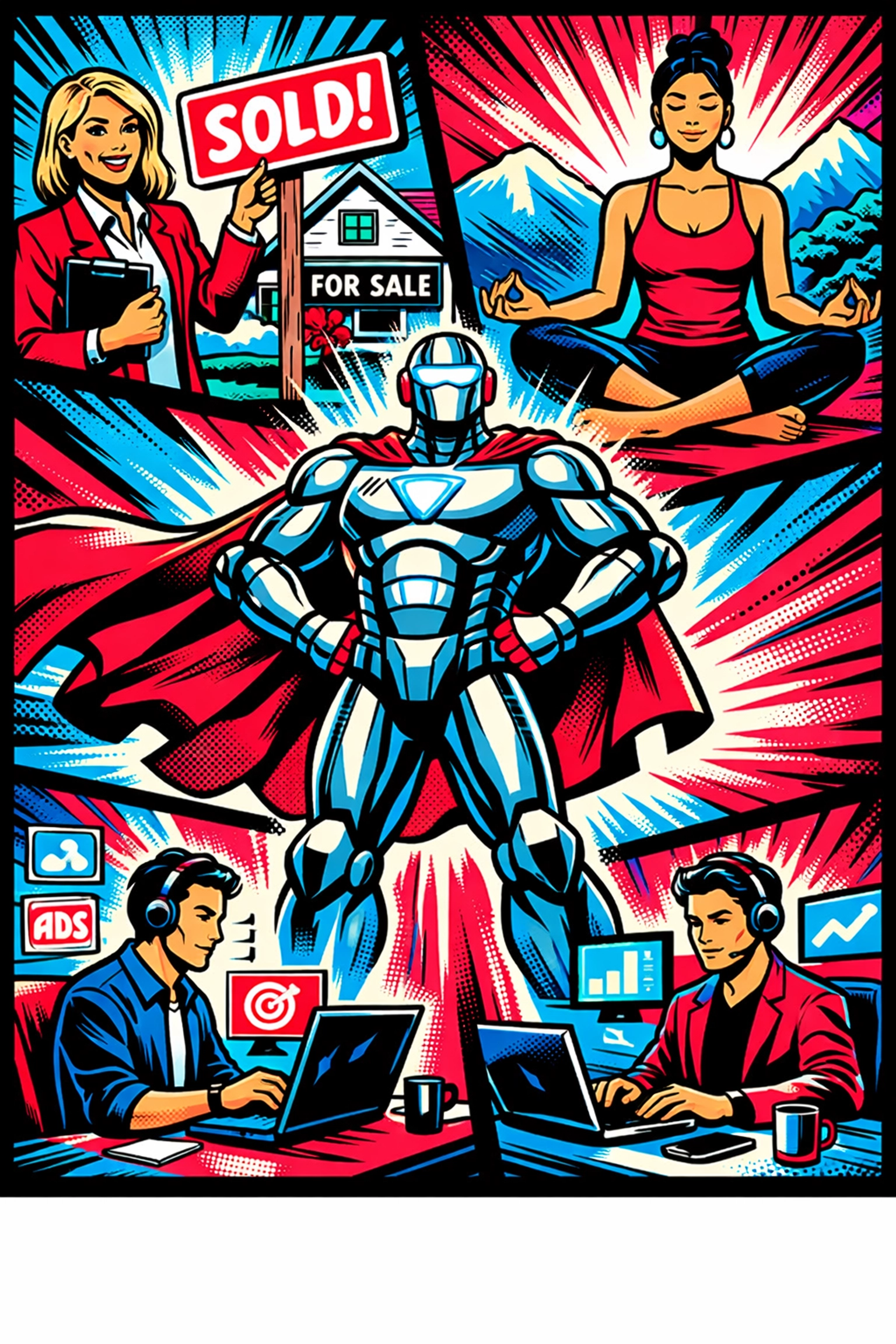
    Heroic AI assistant helping diverse businesses like real estate and wellness scale successfully.

    NO TECH GENIUS REQUIRED

    We get it. Most "AI tools" require you to be a prompt engineer or a coding wizard. You don't have time for that.

    Marblism is different.

    You don’t need to learn a new language. You talk to your AI employees through a WhatsApp-style interface. You describe your business in plain English, connect your tools (Gmail, LinkedIn, etc.), and they start working.

    It takes about 10 minutes to set up. Seriously.

    And because Marblism integrates with the stuff you already use, there’s no "learning curve." It’s just like adding a new, hyper-competent member to your team.

    Check it out for yourself right here: https://marblism.link/scott-bowen

    EMPLOYEE OF THE MONTH. EVERY MONTH.

    Why choose AI over a virtual assistant or a new hire?

    1. Cost: One Marblism subscription is a fraction of the cost of a single part-time employee.
    2. Consistency: AI doesn't have "off days." It doesn't get tired. It doesn't forget to follow up.
    3. Speed: Tasks that take humans hours take Marblism seconds.
    4. Scale: You can ramp up your outreach or content production instantly without worrying about "capacity."

    Successful AI employee with a growth chart representing increased business productivity and scale.

    WHAT PEOPLE ARE SAYING

    "I used to spend three hours a day just managing my inbox. With Eva and Stan, I’ve reclaimed that time and my lead volume has doubled. It feels like I finally have my life back." , Mark, Marketing Consultant

    "Rachel is a game-changer. My clients love that a real 'person' answers the phone and can actually book their appointments. They have no idea she's AI." , Sarah, Boutique Salon Owner

    YOUR QUESTIONS, ANSWERED

    Is it hard to set up?
    No. If you can send a text message, you can use Marblism. It’s designed for busy people, not tech nerds.

    Does it sound like a robot?
    No. Our AI agents, like Penny and Sonny, learn your specific voice and tone. They adapt to how you talk so your brand stays authentic.

    Can I manage multiple businesses?
    Yes. You can have separate teams for different ventures, all under one roof.

    What if I need a human?
    Marblism is an assistant, not a replacement for your soul. It handles the 80% of tasks that are repetitive, so you can focus on the 20% that actually require your human touch.

    STOP JUGGLING. START GROWING.

    You’ve been carrying the weight of your entire business on your shoulders for long enough. You’re hitting a ceiling, not because you aren't talented, but because there are only 24 hours in a day.

    Scaling shouldn't be this hard. And with Marblism, it isn't.

    Stop playing small. Stop being the bottleneck in your own success story. It’s time to delegate the boring stuff to the machines so you can do what you were meant to do: Lead.

    See how easy scaling can be at https://marblism.link/scott-bowen.

    The future of your business is waiting. And she’s already drafted your first email of the day.

    SCALING IS A CHOICE. MAKE THE RIGHT ONE.

  • 7 Mistakes You’re Making with Your Hotel PMS (That Are Quietly Killing Your Efficiency)

    Stop manual updates.
    Reclaim your time.
    Scale your guest experience.

    The modern hotelier is an architect of experiences. But too often, you’re stuck acting as a data entry clerk. We believe hospitality thrives when humans focus on humans: not when they’re wrestling with legacy software that feels like it was designed in the nineties.

    If your team is spending more time looking at screens than looking at guests, you have an efficiency leak. It’s not just a minor annoyance; it’s a quiet drain on your bottom line. We see it across the industry: smart people slowed down by friction-filled systems.

    It’s time to move toward a unified hospitality platform. Here is how you can identify the friction points and start your journey toward operational excellence.

    The Automation Paradox

    We believe automation is the key to freedom.
    Most modern systems come with powerful algorithms designed to optimize your pricing, sync your inventory, and manage your guest flow. Yet, a common trap is the desire to maintain total manual control.

    • Overriding dynamic pricing daily.
    • Manually adjusting inventory levels.
    • Double-checking automated emails.

    When you constantly override your system’s logic, you introduce human error. You create inconsistency across channels. Most importantly, you lose the revenue opportunities that a machine: analyzing thousands of data points in milliseconds: has already identified.

    Trust the machine. By letting go of the manual "tweak," you free up your revenue manager to think strategically rather than tactically. This isn’t just about saving time; it’s about capturing the 15% revenue lift that consistent, automated pricing provides.

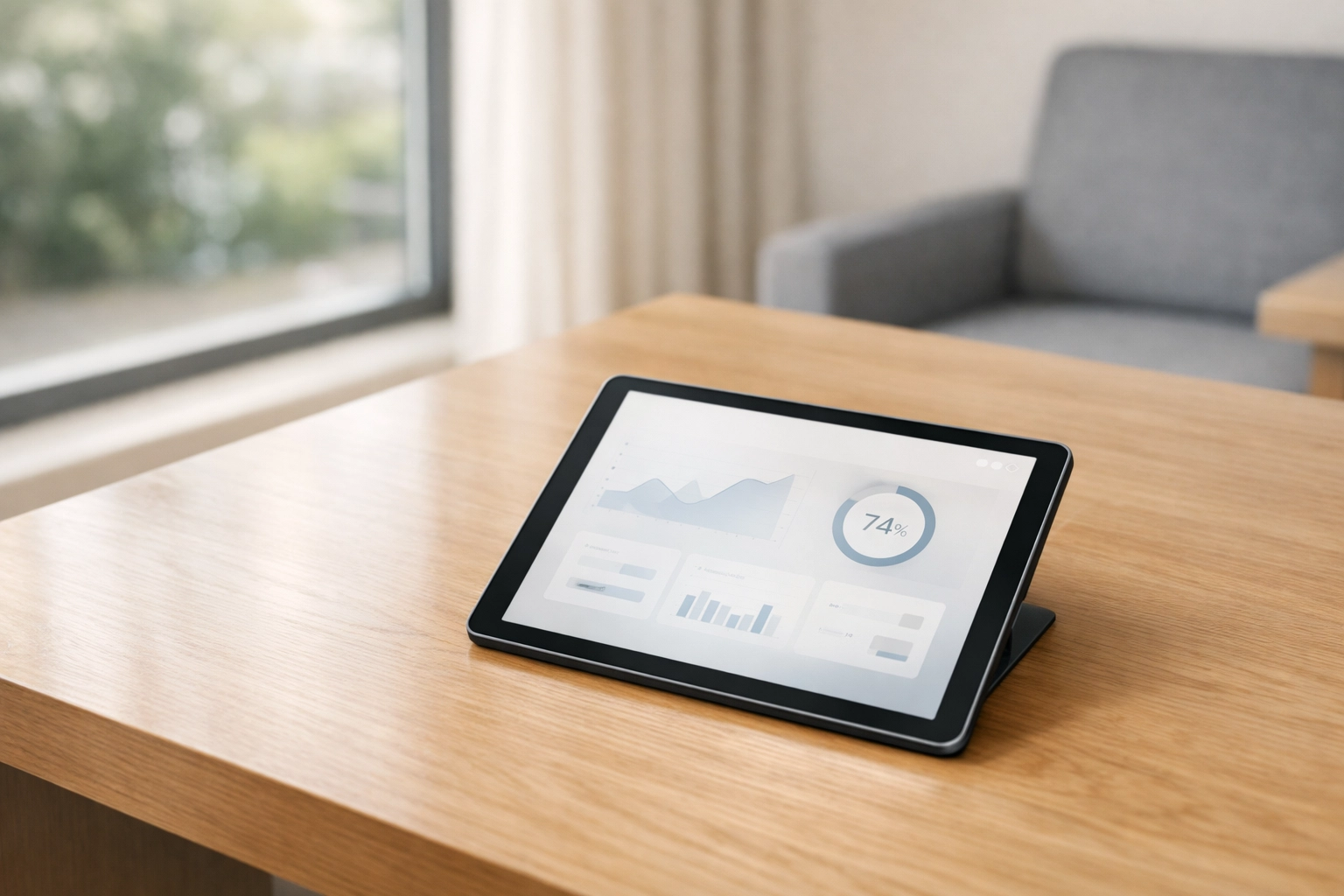
    Tablet showing automated hotel pricing data for improved property management efficiency.

    The Structure Trap

    Your PMS is only as good as its foundation.
    We think of room types and rate plans as the DNA of your hotel operations. If this configuration is messy, every other part of your business will struggle. Inconsistent naming conventions or redundant rate codes don't just confuse your staff; they break your automation.

    • Guests see conflicting policies.
    • Availability syncs malfunction.
    • Reporting becomes a nightmare.

    If your booking engine says "Deluxe King" but your PMS says "K-DLX-01," the translation layer creates lag. Streamline your configuration. Keep it simple. Keep it mapped. A clean system architecture allows your platform to scale without the friction of manual mapping.

    The Disconnection Tax

    Operating with disconnected tools is like trying to drive a car where the steering wheel and the tires are made by different companies. You might get where you’re going, but it’s going to be a bumpy ride.

    We believe a unified platform is the heartbeat of a modern hotel.
    Many properties handle manually what should be automated because their tools don't talk to each other. If your booking engine doesn't feed directly into your PMS, or if your payment processor requires manual entry at the front desk, you’re paying a "disconnection tax."

    • 10 minutes lost per check-in.
    • High risk of double bookings.
    • Inaccurate guest profiles.

    Mews lives at the center of your ecosystem. By integrating your tech stack into one [innovative] platform, you eliminate the "tab-switching" fatigue that drains your team's energy.

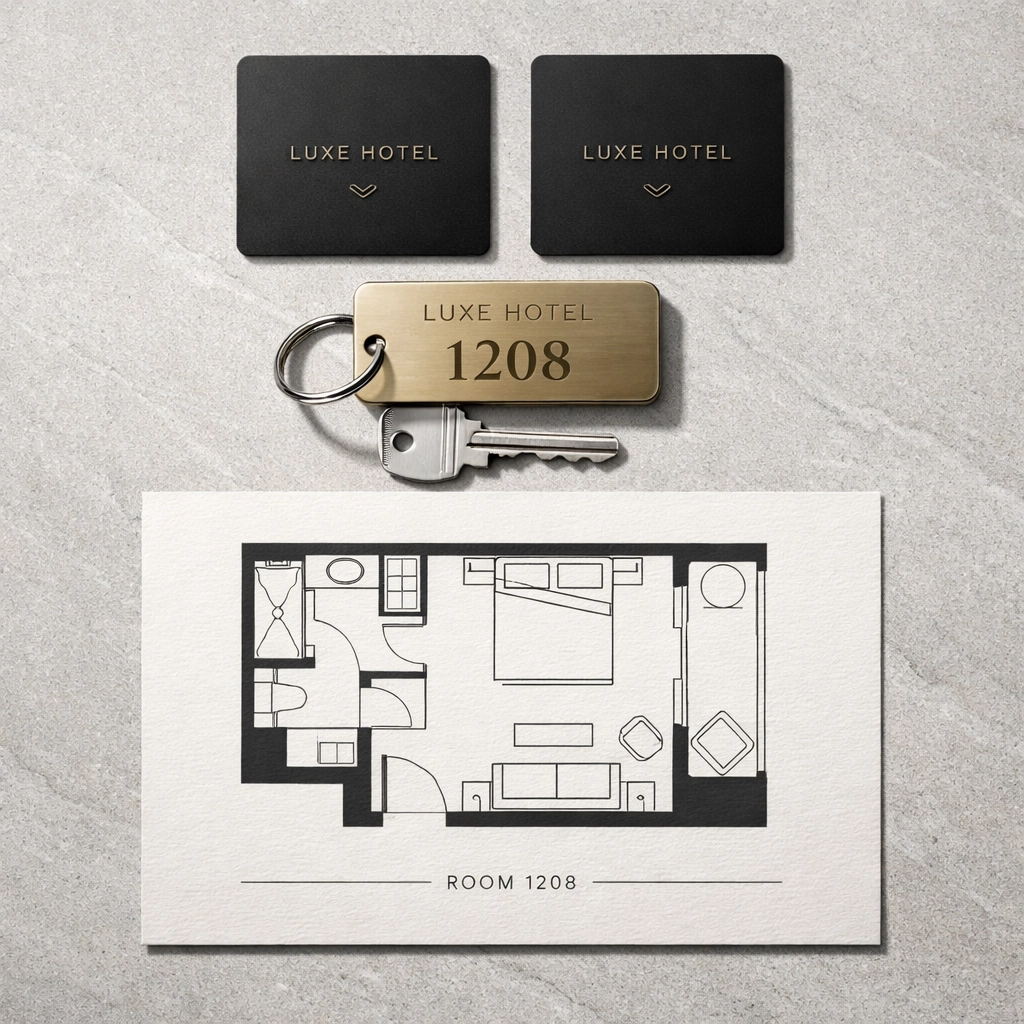
    Top-down view of hotel keys and floor plans for organized PMS configuration.

    Distribution Drift

    A "set and forget" approach to channel management is a recipe for high commissions and low margins.
    We see many hoteliers open all channels and leave them open, regardless of demand. This passive distribution approach costs you money every single day.

    Effective distribution requires active constraints.

    • Apply length-of-stay rules.
    • Close high-commission channels during peak demand.
    • Prioritize direct bookings through loyalty triggers.

    If your PMS doesn't allow you to adjust these settings instantly across all channels, you’re reacting to the market rather than leading it. Real-time channel management isn't a luxury; it's a necessity for profitability.

    The Intuition Myth

    "I've been in this business for 20 years; I know my peak periods."
    We hear this often. While experience is invaluable, data is undeniable. Relying on "gut feeling" for operational decisions is the fastest way to miss the efficiency ceiling.

    We believe data-driven decisions lead to better guest outcomes.
    Without structured reporting routines, you might miss the fact that your mid-week corporate guests are actually your most profitable segment when you factor in F&B spend. Or you might not realize that a specific OTA is driving a 40% cancellation rate.

    • Identify your most profitable channels.
    • Track staff productivity by department.
    • Analyze guest sentiment in real-time.

    Stop guessing. Start measuring. A modern platform provides the dashboard you need to see the truth of your business in one 30-minute review session.

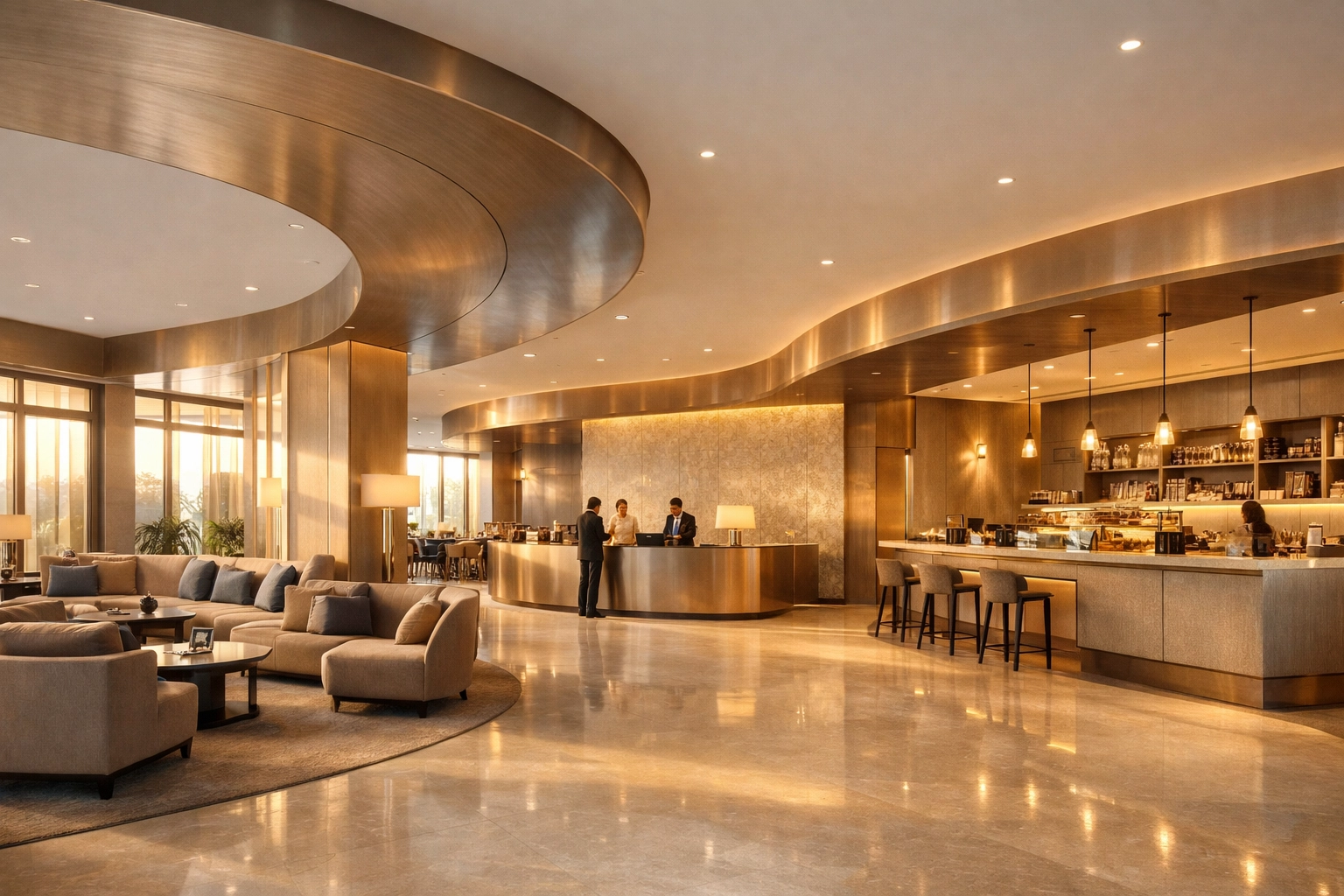
    Modern hotel lobby design highlighting seamless guest flow and operational connectivity.

    The Reactive Cycle

    Lacking real-time visibility puts you in a permanent state of "reaction mode."
    If you only discover an overbooking after the guest arrives at the desk, or if you only realize your rates are too low after the "Sold Out" sign is already up, you’re behind the curve.

    We think hospitality should be proactive.
    Modern hoteliers use real-time awareness to pivot quickly. Whether it’s a sudden surge in local demand due to a last-minute concert or a dip in occupancy for the coming weekend, you need the visibility to act immediately.

    "Switching to a real-time platform saved me 10 hours a week on basic admin."
    This is a quote we hear from our community constantly. When the data is live, you aren't chasing the past; you're shaping the future.

    The Human Capital Gap

    The most advanced PMS in the world is useless if your team doesn't know how to use it.
    Inadequate training is one of the biggest hidden killers of efficiency. When staff are frustrated by the software, they find manual workarounds. Those workarounds become "the way we do things," and suddenly, your expensive technology is being used as a digital notepad.

    Training isn't a one-time event.

    • Schedule regular workflow reviews.
    • Encourage exploration of new features.
    • Build a culture of "how can we do this faster?"

    We believe in empowering your team. When staff feel confident in the technology, they spend less time staring at the screen and more time engaging with the person standing in front of them.

    Laptop on a desk overlooking a city, representing real-time hospitality data insights.

    See what Mews can do

    We believe in a world where technology is invisible and hospitality is front and center.
    Our platform was built to remove the friction points mentioned above. By unifying your operations, payments, and guest journey into one intuitive system, we help you reclaim your time and focus on what matters most: the guest experience.

    Schedule a demo.
    Get your team onboard.
    Start earning more revenue in no time.

    If you’re ready to stop the manual churn and start scaling your property with the industry’s most innovative PMS, we’re here to help.

    Check out how we can transform your operations here: https://referrals.mews.com/umqhyito

    The Path Forward

    The difference between a stressed hotel and a successful one is often the technology at the heart of the house. Don't let legacy thinking hold your property back.

    • Audit your automation today.
    • Clean up your room configurations.
    • Connect your disconnected tools.

    It’s time to stop making the mistakes of the past. It’s time to build the hotel of the future. All from one [innovative] platform.

  • The Direct Booking Revolution: Why Your Hotel Needs to Own the Guest Relationship

    OTAs have been eating your lunch for years. Every booking through Booking.com or Expedia comes with a hefty 15-25% commission attached. That's money straight out of your margin: and it's not the only thing you're losing.

    When guests book through third-party platforms, you're handing over something even more valuable than revenue: the guest relationship itself. Their contact details, preferences, booking behavior: all of it stays locked in the OTA's database. You become a commodity. Just another room listing competing on price.

    It doesn't have to be this way.

    The Guest Behavior Shift You Need to Know About

    Here's what's happening right now in 2026: travelers are using OTAs differently than they did five years ago.

    26% of travelers now start their research on OTAs: that's more than search engines for the first time ever. But here's the twist: they're not finishing there. 18% of travelers who begin browsing on Booking.com or Expedia ultimately book directly with hotels. That's a 3.3 percentage-point increase year-over-year.

    Think about what this means. Guests are using OTAs as research tools. They're comparing options, reading reviews, checking amenities. Then they're switching to your website to complete the booking.

    Why? Control. Better service. Direct communication. Flexible policies.

    They've already decided they want to stay with you. They're just looking for a reason to book direct instead of through the platform. If your direct booking engine for hotels isn't ready to capture them, you're leaving money: and relationships: on the table.

    Hotel reception desk with tablet showing direct booking engine interface for guest check-in

    Three Reasons Direct Bookings Matter More Than Ever

    1. You Keep More Money

    The math is brutally simple. OTAs charge 15-25% commission. On a $200 room night, that's $30-50 gone before you've delivered a single amenity.

    Direct bookings through your own booking engine? Zero commission. That revenue goes straight to your bottom line. Use it to invest in guest experience, upgrade your property, or just improve your margins.

    2. You Own the Data

    When a guest books through an OTA, you get a name and check-in date. That's about it.

    When they book directly, you capture everything: email address, booking patterns, room preferences, add-on selections, how they found you, what device they used. This data becomes the foundation for personalization, targeted marketing, and loyalty programs that actually work.

    You can send pre-arrival emails. Offer room upgrades. Remember their pillow preference. Build a relationship that extends beyond a single stay. None of that happens when the OTA owns the data.

    3. You Control the Experience

    Direct channels let you honor special requests before guests arrive. You can communicate directly about their reservation. Offer flexible cancellation policies. Guarantee specific room types.

    OTAs can't replicate this level of service: and travelers know it. Especially in markets like Australia and Canada, guests cite control and service quality as primary reasons for booking direct. They want to talk to you, not a call center in another country.

    Hotel booking analytics dashboard displaying guest data and reservation insights

    Your Website Needs to Be More Than a Digital Brochure

    Here's the hard truth: most hotel websites aren't built to convert.

    They're beautiful. They showcase your property. But when it comes to actually booking a room, the experience falls apart. Clunky navigation. Hidden pricing. Mobile experiences that feel like they were designed in 2015.

    Meanwhile, OTAs have spent billions optimizing their booking flows. Clear pricing. Transparent availability. One-click reservations. Your direct booking engine for hotels needs to match: or exceed: that experience.

    This means:

    • Mobile-first design – Over 60% of travel research happens on phones
    • Clear room-to-price-to-availability flow – No surprises, no hidden fees
    • Prominent call-to-action buttons – Make it obvious how to book
    • Trust signals – Security badges, reviews, cancellation policies upfront
    • Incentives unavailable on OTAs – Free breakfast, room upgrades, loyalty points

    Your website isn't a brochure anymore. It's your primary sales channel. Treat it like one.

    The High-Intent Segment You're Missing

    Remember those 18% of travelers who research on OTAs but book direct? They're your highest-value segment.

    They're not comparison shopping anymore. They've decided on your property. They're just looking for the best way to book it. These are warm leads actively searching for reasons to give you their business directly.

    But if your direct booking process has friction: slow load times, confusing navigation, unclear pricing: they'll bounce back to the OTA and you'll pay the commission.

    Remove every obstacle. Make your direct booking engine the easiest, most rewarding option. Show them what they get by booking direct: flexible cancellation, direct communication, member rates, guaranteed room types.

    You've already won them over. Don't lose them at the finish line.

    Comparison of poor vs optimized hotel booking website experience on mobile device

    Make Direct Bookings Your Hub

    In 2026, your direct channel can't be an afterthought. It needs to be the hub of your entire commercial strategy.

    This means treating your booking engine as seriously as you treat your front desk. Investing in technology that converts. Training staff to drive direct bookings. Creating marketing campaigns that bring traffic to your website, not just your OTA listings.

    Platforms like Mews are built around this philosophy: giving you the tools to own the guest relationship from first search to post-stay email. Integrated booking engines that sync with your property management system. Guest data you actually own. Communication tools that work.
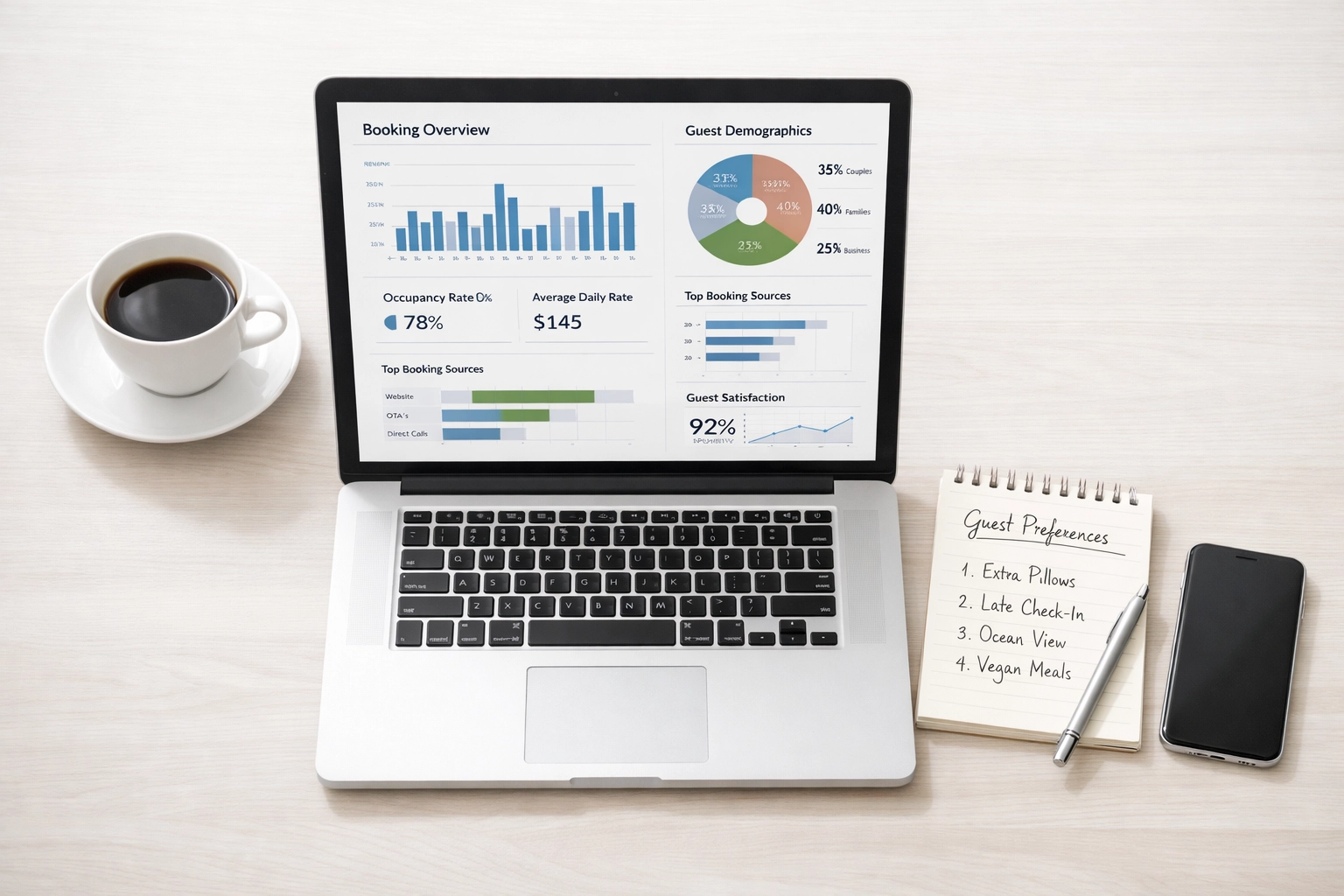

    The hotels winning in 2026 are the ones reducing OTA dependency, capturing their own guest data, and profiting from direct sales. They're not subsiding OTA commissions: they're building sustainable competitive advantages.

    The Incentives That Actually Work

    You can't just tell guests to book direct. You need to give them a reason.

    The most effective incentives are the ones OTAs can't replicate:

    • Member-only rates – Instant savings for joining your loyalty program
    • Flexible cancellation – Free cancellation up to 24 hours before arrival
    • Room upgrades – Subject to availability, but a powerful motivator
    • Direct communication – Access to your team for special requests
    • Value adds – Free breakfast, parking, late checkout

    Notice what's missing from this list: deep discounts. You don't need to slash prices to drive direct bookings. You need to offer value and control.

    Rate parity agreements mean you can't undercut OTA pricing anyway. But you can add benefits that make the total package more appealing: and more profitable for you.

    Start Small, Scale Smart

    If you're heavily dependent on OTAs today, you can't flip a switch overnight. But you can start shifting the balance.

    Begin by auditing your direct booking experience. Is it mobile-friendly? Does it load fast? Can guests complete a booking in under two minutes? Fix the obvious friction points first.

    Next, drive traffic to your website. Google Hotel Ads. Meta ads. Email campaigns to past guests. You've got data on who's stayed with you before: use it.

    Finally, measure what's working. Track your direct booking percentage monthly. Calculate the commission savings. Monitor where your traffic comes from and which channels convert best.

    Every direct booking is money saved and a relationship owned. The more you capture, the stronger your business becomes.

    Guest receiving personalized hotel amenities after completing direct booking online

    The Bottom Line

    OTAs aren't going away. They provide visibility and volume, especially for smaller properties. But they shouldn't be your primary channel: and they definitely shouldn't own your guest relationships.

    A direct booking engine for hotels isn't optional anymore. It's foundational. The difference between competing on price and competing on value. Between paying commissions forever and building direct relationships that compound.

    The travelers are already trying to book direct. They're researching on OTAs, then looking for your website. Make sure they find what they're looking for when they get there.

    Own the relationship. Keep the commission. Build the business you actually want to run.