Category: Category 1

Use this description to tell users what kind of blog posts they can find in this category.

  • The Ultimate Guide to Wholesale Specialty Coffee: Everything You Need to Succeed

    So, you’re thinking about opening a coffee shop? Or maybe you’ve already got the keys in hand and you’re staring at an empty floor plan, wondering how on earth you’re going to turn this dream into a profitable reality. We’ve been there. We know that feeling of excitement mixed with a healthy dose of "what have I done?"

    Choosing your coffee supplier is arguably the most important decision you’ll make. It’s not just about who sends you bags of beans once a week; it’s about finding a partner who actually cares if your business succeeds. In the world of specialty coffee, the "specialty" part isn't just a label, it's a commitment to quality that runs from the farm right to the cup you hand over the counter.

    At Limini Coffee, we believe that being a wholesale coffee roaster means more than just roasting beans. It means being a support system. If you’re looking for a partner who lives and breathes this stuff, you can find our wholesale specialty coffee options here.

    What Does "Specialty" Actually Mean?

    Before we dive into the nitty-gritty of contracts and equipment, let's clear up the jargon. You’ll hear the term "specialty coffee" thrown around a lot. To be honest, some people use it just for marketing, which is a real shame.

    Technically, specialty coffee is any coffee that scores 80 points or above on a 100-point scale by a certified Q-Grader. This scoring takes into account everything from the acidity and body to the lack of defects in the green beans. But for you, the business owner, it means flavour. It means coffee that tastes like chocolate, berries, or jasmine, rather than just "burnt toast."

    When you work with high-end coffee suppliers, you’re buying into a supply chain that values ethics and quality. We spend a lot of time sourcing our coffee to ensure that the farmers are paid fairly and the beans are the absolute best they can be.

    Specialty coffee cupping bowls and spoons on a wooden table for evaluating bean quality and aroma.

    Defining Your Needs: It’s Not One-Size-Fits-All

    Every café is different. A high-volume takeaway spot near a train station has very different needs compared to a slow-paced, "hygge" style suburban shop where people sit for three hours with a laptop.

    Before you start calling every roaster in the country, ask yourself:

    • What is my expected volume? Are you doing 10kg a week or 100kg?
    • What is my target demographic? Do they want a traditional, chocolatey espresso blend or a funky, fermented single-origin from Ethiopia?
    • Do I need equipment? Are you looking to buy outright, or do you need a lease-to-buy arrangement?
    • What level of support do I need? If your machine breaks at 8:00 AM on a Saturday, who are you calling?

    We always suggest starting with a clear vision. If you’re unsure about what equipment will fit your workflow, take a look at our guide on choosing espresso equipment. It's quite a unique and brilliant system once you get the hang of it.

    The Hunt: How to Find the Right Wholesale Coffee Roaster

    Don't just Google "coffee suppliers" and pick the first one with a pretty website. You need to do some detective work.

    1. Visit Local Cafes: Go to the shops you admire. Look at the bags on the shelf. Taste the coffee. If you like what they’re doing, ask who their roaster is. Most baristas are happy to chat about their beans (sometimes they won't stop!).
    2. Request Samples: Any roaster worth their salt will send you samples. But don't just brew them at home in a French press if you’re planning to serve espresso. You need to see how that coffee performs under 9 BAR of pressure.
    3. Visit the Roastery: We love it when people come to see us. It’s the best way to see if our culture aligns with yours. You can meet the team, see the roasting process, and get a feel for how we handle wholesale specialty coffee operations.

    The "Total Value" Proposition (Don't Just Look at the Price!)

    This is the part where we get a bit serious. One of the biggest mistakes café startups make is choosing a supplier based solely on the price per kilo.

    Imagine this: Roaster A sells coffee at £15/kg but offers zero support. Roaster B sells it at £18/kg but includes free barista training, help with your shop fitting and layout, and 24/7 technical support.

    The £3 difference is peanuts compared to the cost of a broken machine or a barista who doesn't know how to properly steam milk. If your milk is thin and bubbly instead of silky and glossy, customers won't come back. (By the way, if you want to geek out on milk, our article on understanding milk is a must-read).

    When you look at the total value, a supplier like Limini Coffee often ends up being the most cost-effective choice because we help you minimize waste and maximize quality.

    Coffee roaster and cafe owner collaborating on choosing the best wholesale coffee beans for their shop.

    Equipment: The Heart of Your Business

    You can have the best beans in the world, but if your espresso machine is inconsistent, your coffee will be too. We are big fans of La Spaziale machines. They use a unique steam heat exchange system that provides incredible thermal stability.

    Whether you’re looking at how the La Spaziale works or you’re interested in a lever or automatic setup, your wholesale partner should guide you through this.

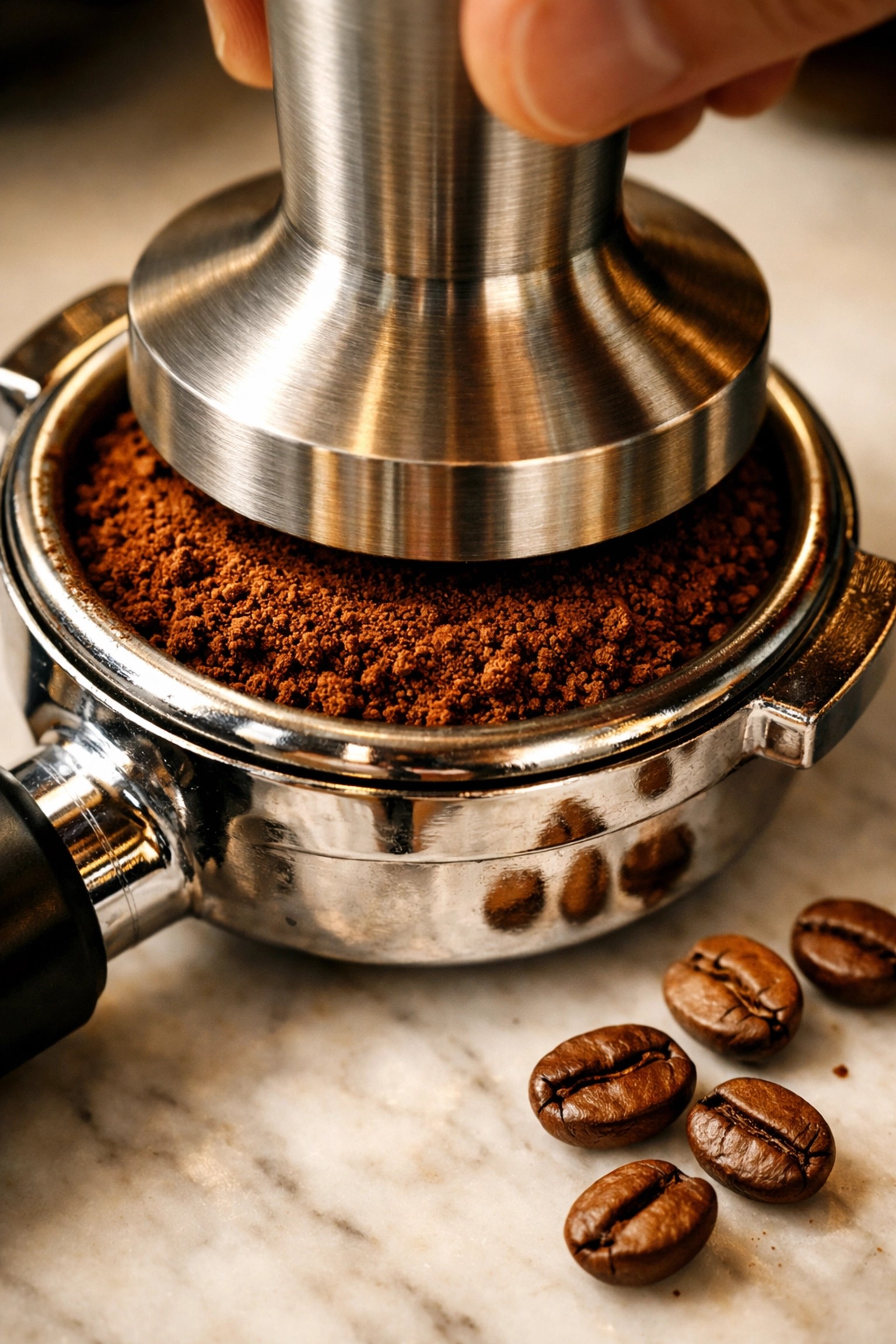
    And remember, it's not just the machine. You need a high-quality grinder, a good tamper, and the right coffee cups. Even the way you tamp the coffee matters, consistency is king. 30 lbs of pressure, every single time.

    Training: Your Secret Weapon

    We can't stress this enough: your staff are your brand ambassadors. You can buy the fanciest wholesale coffee roasters can provide, but if the person behind the machine doesn't know the difference between a latte and a flat white, you're in trouble.

    We offer comprehensive barista training because we want your coffee to taste as good in your shop as it does in our tasting room. Training should cover:

    • Dialling in the grinder (adjusting for humidity and age of beans).
    • Milk texturing (aiming for that micro-foam, roughly 140 °F / 60 ºC).
    • Workflow and speed (because nobody wants to wait 15 minutes for a brew).
    • Machine maintenance (cleaning the group heads daily is extremely important!).
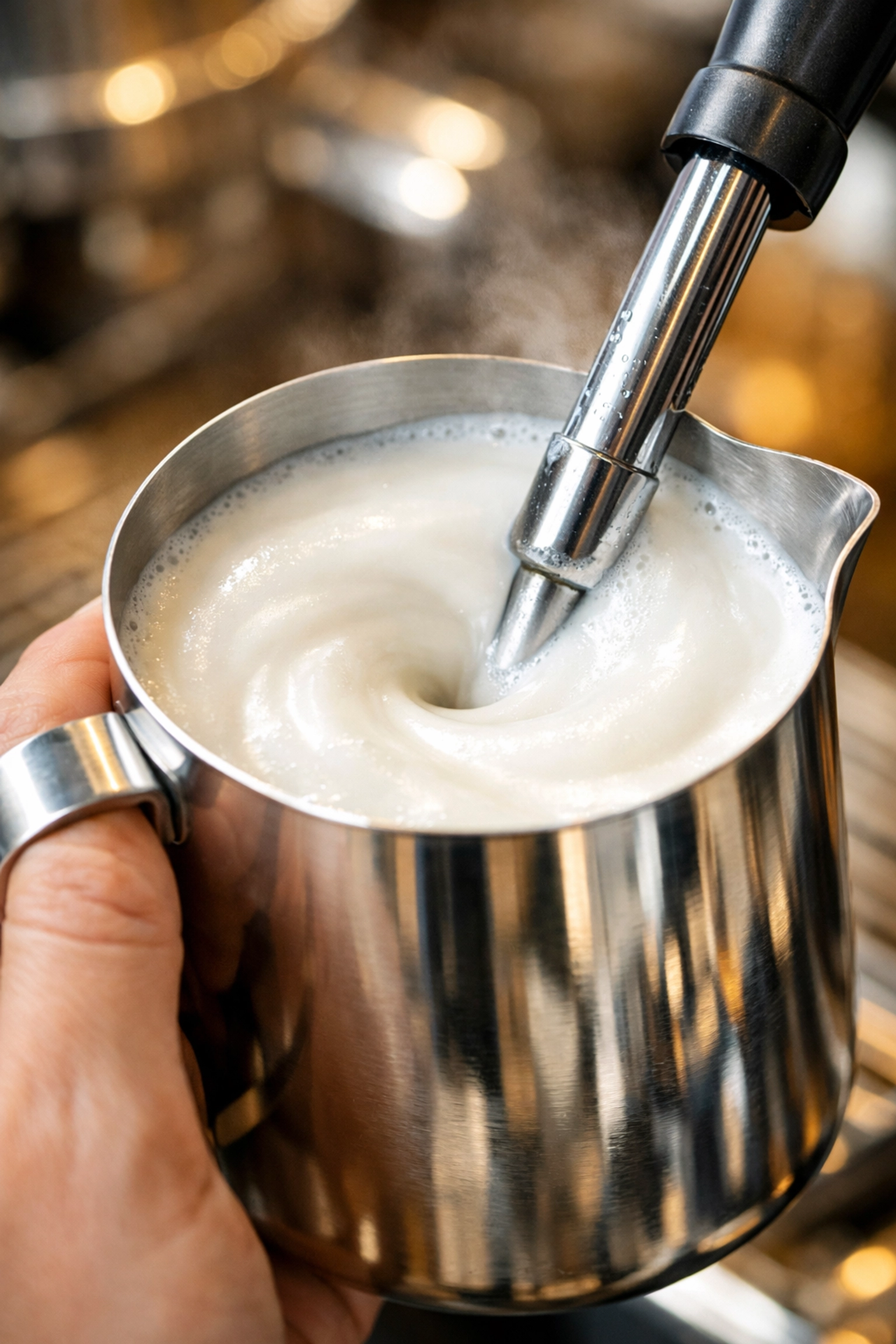
    Barista steaming milk in a pitcher to create silky micro-foam for specialty lattes and cappuccinos.

    Building a Long-Term Partnership

    A good wholesale relationship is built on communication. We recommend regular check-ins with your roaster. Are the roast profiles consistent? Is the delivery schedule working?

    Sometimes, things go wrong. A delivery might be delayed, or a harvest might taste slightly different than the last one. The hallmark of a great coffee supplier is how they handle those hiccups.

    We also encourage our partners to think about the "theatre" of coffee. Making a coffee is a performance. From the sound of the grinder to the pour of the latte art, it’s all part of the experience. We've written a bit about the theatre of coffee if you want to add that extra "wow" factor to your shop.

    Modern specialty coffee shop interior with a barista preparing drinks at a bright, clean espresso bar.

    Technical Specs and Consistency

    If you really want to succeed, you need to be a bit of a nerd. You should be using a coffee brewing calculator to ensure your brew ratios are spot on. Most of our espresso recipes sit around a 1:2 ratio (e.g., 18g of coffee in, 36g of liquid out) over about 27-30 seconds.

    Consistency is what brings people back. They want the same delicious crema (you can read about what crema actually is here) every single Tuesday morning.

    Final Thoughts for the Aspiring Café Owner

    Starting a coffee business is a marathon, not a sprint. It’s hard work, early mornings, and a lot of cleaning. But when you see a regular customer take that first sip and smile, it’s all worth it.

    The right wholesale specialty coffee partner will be there to celebrate the wins and help you through the challenges. They’ll help you understand the difference between a latte and a cappuccino and ensure your espresso machine is looked after.

    If you’re ready to take the next step and want to chat about how we can help your business grow, check out our training overview or dive straight into our wholesale offerings.

    We’ve seen it all, and we’d love to be a part of your journey. Let's make some amazing coffee together. 🙂

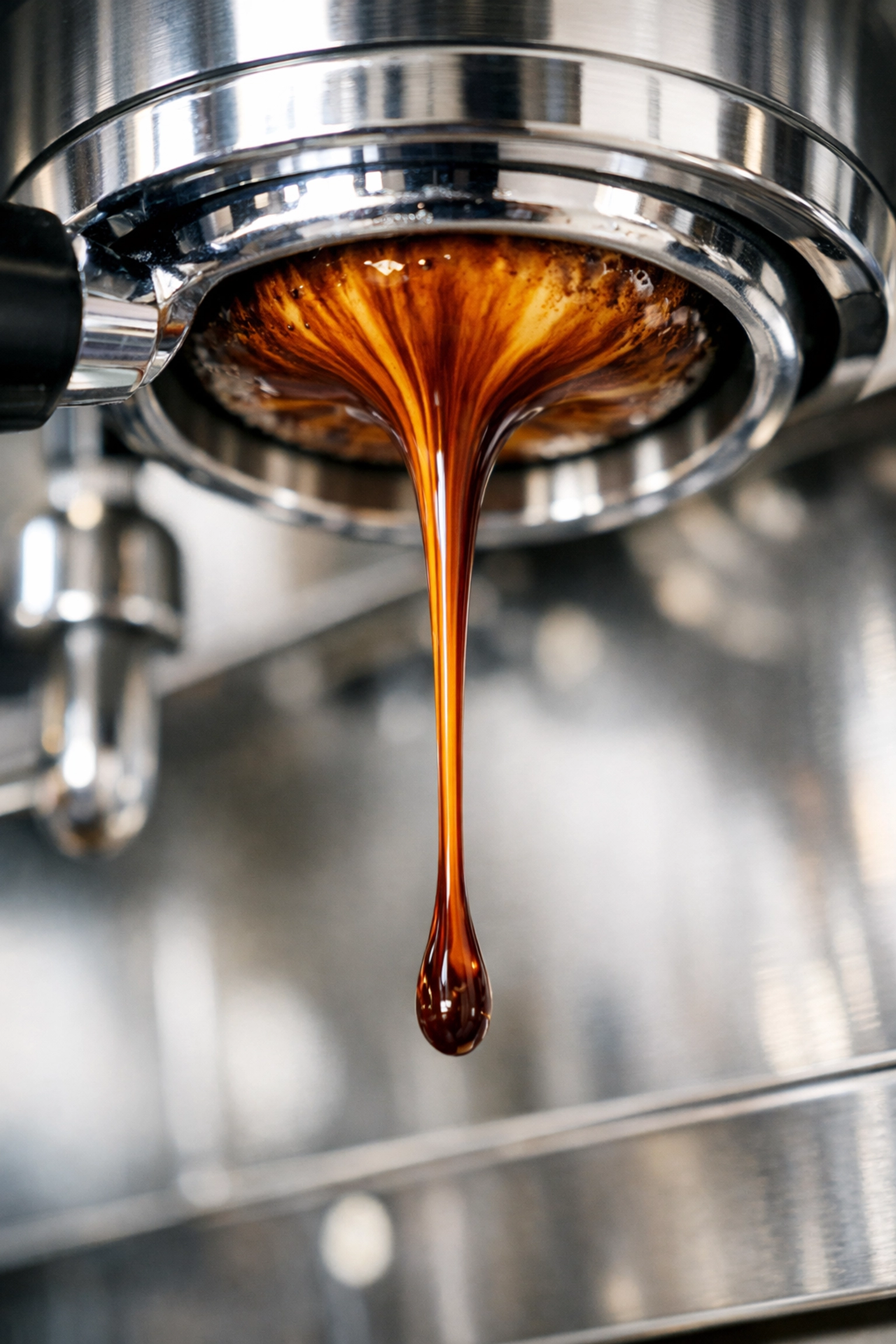
    Fresh double espresso shot with a thick tiger-striped crema served in a specialty coffee ceramic cup.

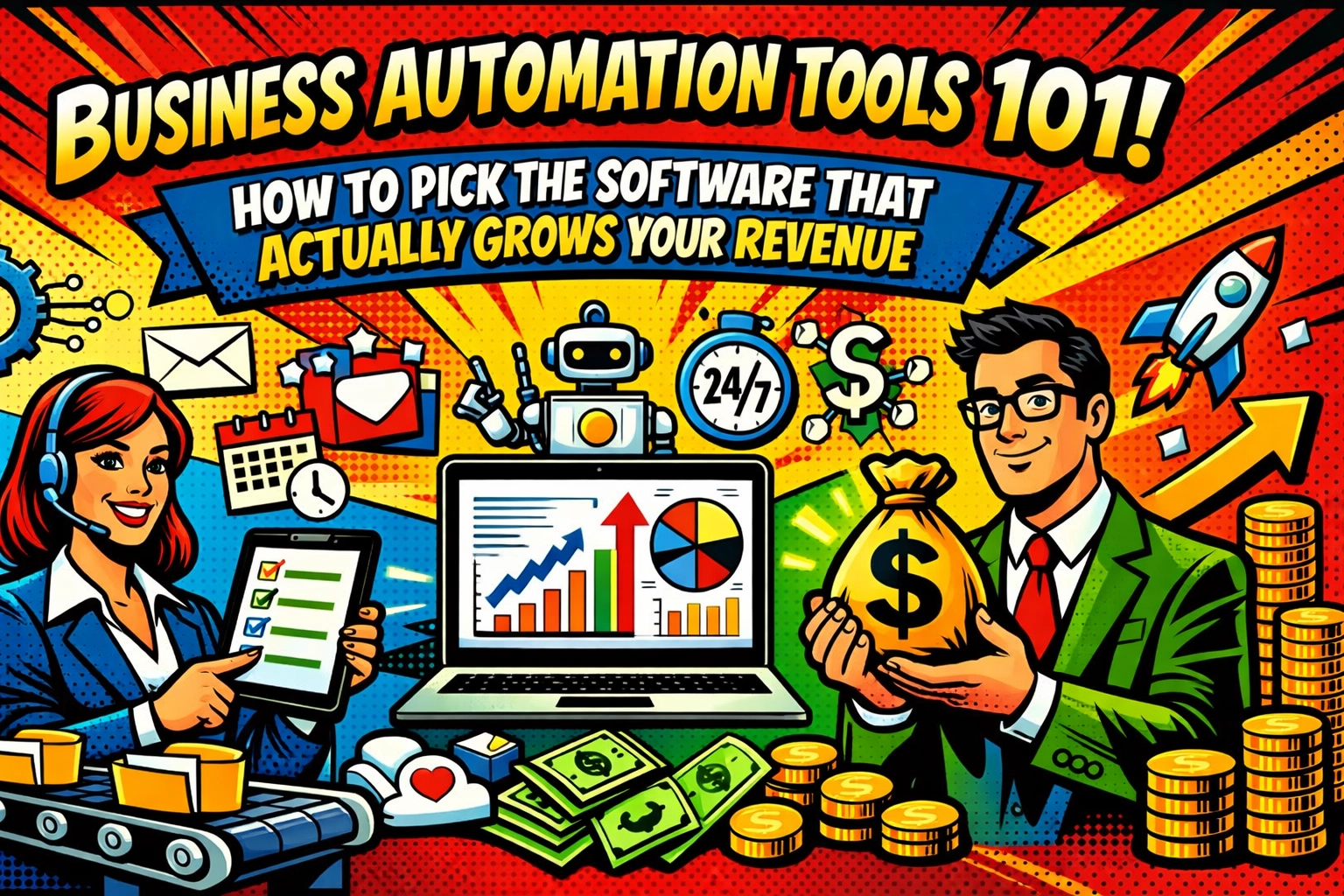
  • Business Automation Tools 101: How to Pick the Software That Actually Grows Your Revenue

    Business Automation Tools 101: How to Pick the Software That Actually Grows Your Revenue

    You’re staring at a spreadsheet. Again.

    It’s 6:45 PM on a Tuesday. The sun is setting, your coffee is cold, and you’re manually moving names from a lead form into your CRM. You tell yourself this is "the grind." You tell yourself this is what it takes to scale.

    But it’s not. It’s just busy work.

    And while you’re busy being busy, your competitors are growing their revenue by 7% month-over-month just by letting software do the heavy lifting. You aren't losing because you aren't working hard enough… You’re losing because you’re working on the wrong things.

    Let’s change that.

    AUTOMATE ADMIN TASKS: HOW TO SAVE 10+ HOURS EVERY WEEK

    ☕ 7:00 AM. Your phone vibrates on the nightstand.

    Usually, this is where the dread kicks in. You check your email and see thirty "Quick Questions" from clients, five invoices that need generating, and a calendar that looks like a game of Tetris gone wrong.

    You haven't even had breakfast, and you're already behind.

    The secret to reclaimed time isn't "better focus." It's elimination. Business automation tools are the silent employees you don't have to pay health insurance for. They don't take lunch breaks. They don't get "distracted" by TikTok.

    Think about the tasks that eat your soul:

    • Data entry between apps.
    • Sending follow-up emails to "check-in."
    • Invoicing and payment reminders.
    • Meeting scheduling.

    When you automate these, the math is simple. If you spend just 2 hours a day on these micro-tasks, that’s 10 hours a week. That’s 40 hours a month. You’re literally losing a full work week every single month to tasks a robot could do while you sleep.

    Stop juggling. Start building systems. If you want to see how the pros do it, check out the blueprints over at Marblism.

    Small business owner breaking free from manual paperwork using business automation tools.

    THE BEST AI ASSISTANT FOR SMALL BUSINESS IN 2026

    📱 11:00 AM. The "Midday Meltdown."

    You’re in the middle of a high-value strategy call. Suddenly, three Slack notifications pop up. A customer wants to know your pricing. A lead wants to book a demo. An internal team member needs a file from two years ago.

    You can't be everywhere at once. But in 2026, you don't have to be.

    The AI assistant for small business has evolved past the "clunky chatbot" phase. We’re talking about sophisticated agents that actually understand context. They don't just say "I'll get back to you." They actually handle the transaction.

    Why does this grow revenue? Because speed is the new currency.

    Research shows that 52% of companies prioritize speed and agility when choosing automation. If a lead hits your site and gets an answer in 3 seconds, they buy. If they wait 3 hours for you to finish your lunch? They’re gone.

    The best AI assistant isn't the one with the most features. It's the one that integrates with your existing stack. It should:

    • Talk to your CRM.
    • Access your knowledge base.
    • Book meetings directly onto your calendar.
    • Qualify leads before they ever reach your inbox.

    You don't need a person to "gatekeep" your time. You need a system that filters the noise so you only see the gold. Scott Bowen has been vocal about this shift, automation isn't about replacing people; it's about making the people you have (including yourself) ten times more effective. You can see his specific recommendations here.

    Entrepreneur partnering with an AI assistant for small business to manage daily workflows.

    AI CONTENT GENERATOR FOR SMALL BUSINESS: YOUR SECRET MARKETING WEAPON

    🔍 3:00 PM. The "Blank Page" Stare.

    You know you need to post on LinkedIn. You know you need a blog post for SEO. You know you need an email sequence for your new product launch.

    But you’re tired. Your creative tank is empty.

    This is where most businesses die, the "consistency gap." You post for three days, get busy, stop for three weeks, and lose all your momentum.

    An AI content generator for small business isn't just a "robot writer." It’s your 24/7 marketing department. Imagine feeding a tool one core idea, and it spits out:

    • A 1,200-word SEO-optimized blog post.
    • Five LinkedIn "hook" posts.
    • A 3-part email nurture sequence.
    • A script for a 60-second video.

    And it does it in your voice.

    This isn't cheating. It's scaling. Revenue comes from visibility. If you aren't creating content, you're invisible. If you're invisible, you're broke. Using AI to handle the first 80% of the work means you only have to spend 10 minutes "polishing" instead of 4 hours "suffering."

    The result? You stay top-of-mind for your customers without losing your mind in the process. It's the ultimate unfair advantage. If you're ready to stop staring at the blinking cursor, find the tools that actually work at Marblism.

    Creative professional using an AI content generator for small business to produce marketing content.

    HOW TO PICK THE SOFTWARE THAT ACTUALLY GROWS REVENUE

    🤝 5:00 PM. The Decision.

    By now, you’re convinced. You need tools. But the "SaaS fatigue" is real. There are ten thousand apps out there, all promising to change your life.

    How do you pick? You don't pick based on "coolness." You pick based on ROI.

    According to recent data, 66% of companies using AI-powered automation saw a direct increase in revenue. But the ones who failed were the ones who bought "features" instead of "solutions."

    Here is your 3-point checklist for any new tool:

    1. Does it break down silos? If the tool doesn't talk to your other apps, it’s not an automation tool, it’s another chore. 71% of successful companies use automation to integrate data across departments.
    2. Does it focus on the "Money Steps"? Prioritize tools that automate billing, renewals, and lead intake. If it doesn't touch the money, it's a secondary priority.
    3. Is it scalable? You aren't buying for the business you have today. You're buying for the business you’ll have in 12 months. Cloud-based, API-heavy tools are the gold standard.

    Scaling shouldn't be this hard. But here we are, pretending that manual labor is a badge of honor. It's not. It's a bottleneck.

    Business leader steering toward revenue growth with scalable business automation tools.

    THE NEW REALITY: A DAY WITHOUT THE DREAD

    🌙 6:00 PM. You’re home.

    The lights are off in the office. Your laptop is closed.

    While you’re having dinner, your ai assistant for small business just booked two meetings for tomorrow morning. Your ai content generator just published your weekly newsletter. Your admin tools just moved three leads into the "High Priority" folder in your CRM.

    You didn't do a thing. But your business grew anyway.

    The "hustle" is a lie told by people who don't know how to build systems. Real growth happens in the quiet moments between the automations. It happens when you have the headspace to think about strategy instead of spreadsheets.

    Stop playing small. The tools are here. The technology is ready. The only thing missing is your decision to step out of the engine room and into the captain’s chair.

    If you want to see the exact stack Scott Bowen uses to keep the gears turning while he focuses on what matters, head over to Marblism.

    The chaos is gone before you even take your first sip of coffee.

    See for yourself.


    FAQ: Business Automation Edition

    Q: Is automation too expensive for a tiny team?
    No. In fact, it’s more expensive not to automate. If you’re paying yourself or an employee to do $15/hour tasks, you’re losing money. Most automation tools start at the price of a few lattes a month.

    Q: Will AI make my business feel "cold" to customers?
    Only if you let it. Use AI to handle the repetitive stuff (tracking numbers, basic FAQs) so that when you do talk to a human, you have the energy to be 100% present and personal.

    Q: Where do I even start?
    Start with the task you hate the most. The one that makes you sigh when you see it on your to-do list. Automate that first. Then move to the next.

    Q: Do I need to know how to code?
    Not anymore. Most tools in 2026 are "no-code" or "low-code." If you can drag and drop, you can automate. For a head start, check out the resources at marblism.link/scott-bowen.

  • The “Ask and Book” Era: How Conversational AI is Replacing the Search Bar in 2026

    The “Ask and Book” Era: How Conversational AI is Replacing the Search Bar in 2026

    Ask the question. Get the answer. Book the stay.

    The traditional search bar is officially a relic. In 2026, the era of clicking through dropdown menus and ticking boxes for "free Wi-Fi" or "pet-friendly" is over. Guests no longer want to hunt for information; they want the information to serve them. We’ve entered the age of conversational commerce, where natural language is the primary interface for hospitality.

    It’s about context, intent, and speed, all from one innovative platform.

    The death of the dropdown

    We believe the search bar was always a compromise. It forced humans to speak the language of computers, keywords, filters, and rigid categories. But today, the script has flipped. Consumers are leading the charge, with 37% of travelers now starting their trip planning with an AI assistant rather than a search engine.

    The shift is dramatic. Queries have evolved from "Hotel London April" to "I need a quiet hotel in Shoreditch for a three-night work trip next week with a gym and a workspace that isn't too crowded." These 10-to-15-word prompts carry more data than a dozen filter clicks ever could.

    When your guests can describe their dream stay in their own words, the friction of the booking process evaporates. AI doesn't just show a list of results; it interprets the intent. It understands that "quiet" means a room away from the elevator and "workspace" means high-speed internet and ergonomic seating.

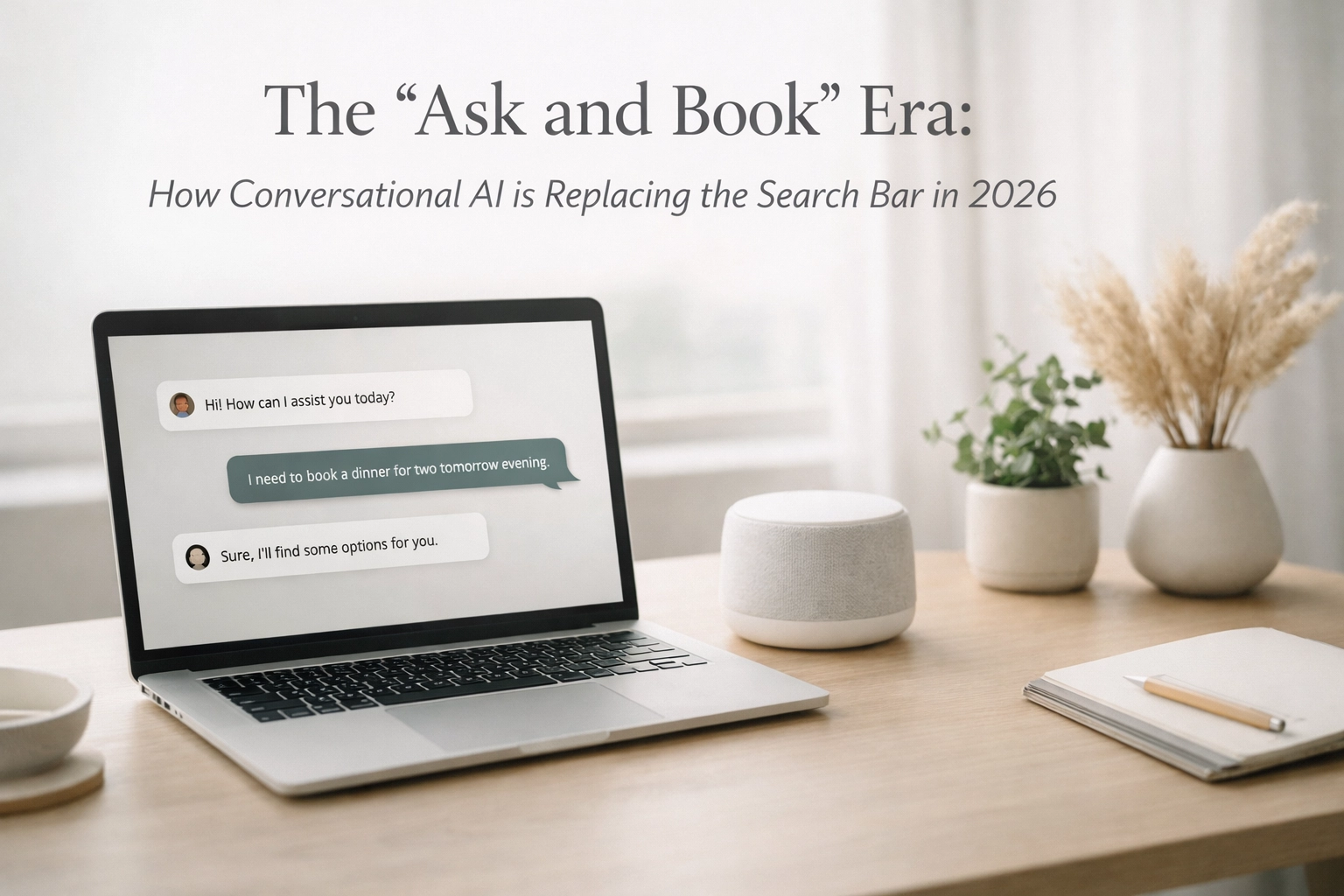
    Guest in a minimalist hotel room using a smartphone to book a stay through conversational AI.

    Why conversational AI wins

    • It eliminates choice paralysis by providing 2-3 curated options instead of 200.
    • It remembers guest preferences across different platforms and sessions.
    • It moves the guest from discovery to "paid" in a single, fluid interaction.

    "We used to spend hours updating meta-descriptions for SEO," says one boutique hotel manager. "Now, we just ensure our data is clean in Mews, and the AI agents do the selling for us. It’s saved us 15 hours of manual marketing a week."

    The Mews Open API: The fuel for the engine

    Conversational AI is only as smart as the data it can access. If an AI assistant can’t see your real-time availability, your specific room features, or your latest upsell packages, it can’t make the sale. This is where the foundation of your tech stack becomes your greatest competitive advantage.

    We think the best guest experiences are built on open ecosystems. The Mews Open API is the bridge between your property’s heartbeat and the world’s most advanced AI models. It provides the structured, high-velocity data that digital assistants crave.

    To lead in 2026, your direct booking engine for hotels must be invisible but omnipresent. It’s not just a page on your website; it’s a data stream that feeds into ChatGPT, Perplexity, and Apple’s latest integrated assistants.

    How we power the "Ask and Book" flow:

    1. Real-time Synchronization: Every room change, cancellation, and booking is broadcast instantly across the ecosystem.
    2. Deep Attribute Mapping: We go beyond "Standard Room" to index every detail, natural light, floor level, and acoustic ratings.
    3. Seamless Checkout: Our API allows AI agents to handle the transaction securely without the guest ever leaving the conversation.

    Modern hotel architectural detail representing seamless API integration and AI in hospitality.

    From "Zero-Click" to "Instant-Buy"

    The rise of AI in hospitality has created a "zero-click" environment. Over 65% of searches now end without the user ever visiting a traditional website. This sounds scary to some, but for the innovative hotelier, it’s an opportunity.

    If the AI can answer the question and facilitate the booking right there in the chat interface, the path to a direct booking becomes shorter than ever. We are moving away from bidding on keywords and toward owning the moment of intent.

    When a traveler asks their phone, "Book me the same room I had last time in Paris," the Mews-powered assistant identifies the guest, checks the history, confirms availability, and processes the payment in seconds. No search bar. No scrolling. No friction.

    Personalization at a global scale

    True hospitality is about making a guest feel seen. In the past, achieving this at scale was impossible. Now, AI digital assistants act as a 24/7 personal concierge for every potential guest.

    We believe that technology should humanize hospitality, not automate it into a cold experience. By using AI to handle the "search and book" logistics, your team is freed up to focus on the physical guest experience. The AI learns that a guest prefers oat milk in their latte and a room on a high floor; Mews ensures that data is waiting for your front desk staff before the guest even arrives.

    See what Mews can do:

    • Increase direct booking revenue by reducing the steps to purchase.
    • Personalize guest journeys through integrated AI insights.
    • Future-proof your property against the decline of traditional search.

    Personalized hotel service with latte art, symbolizing AI-driven guest experience and insights.

    Wearables and the proactive future

    The screen is becoming optional. With the explosion of AI-integrated wearables and pins in 2026, intent is often intercepted before a user even picks up a phone.

    Imagine a guest walking through an airport. Their AI wearable knows their flight was delayed. It proactively asks, "Your flight is late; should I book a late checkout for your stay tomorrow?" The guest says "Yes," and the Mews API handles the rest. This isn't science fiction; it’s the standard for modern hotel management.

    This proactive layer shifts the hotel's role from reactive service provider to an active partner in the traveler's journey. It’s about being where the guest is, even if they aren't looking at a screen.

    Get ahead of the curve

    The transition from the search bar to conversational AI is the biggest shift in travel tech since the launch of the OTA. Those who cling to old-school SEO and rigid booking funnels will find themselves invisible in a world of instant answers.

    We think the future belongs to the agile. It belongs to the properties that treat their data as their most valuable asset and their API as their most important storefront.

    Ready to turn your hotel into an AI-ready powerhouse? It starts with the right platform. Mews gives you the tools to thrive in the "Ask and Book" era, ensuring you’re always the first choice: no matter how the question is asked.

    Traveler using a smart wearable for voice-activated direct booking engine for hotels.

    Join the revolution

    Stop fighting with filters. Start winning with conversations. The future of AI in hospitality is here, and it’s remarkably simple.

    Schedule a 30-minute demo to see how our open platform can connect you to the next generation of travelers and get you earning more direct revenue in no time.

  • The “Ask and Book” Era: How Conversational AI is Replacing the Search Bar in 2026

    The “Ask and Book” Era: How Conversational AI is Replacing the Search Bar in 2026

    Search. Scroll. Filter.

    Forget it.

    We’ve officially entered the era where the magnifying glass icon feels as vintage as a rotary phone. In 2026, nobody wants to spend forty minutes clicking checkboxes for "pet-friendly," "rooftop bar," and "high-speed Wi-Fi."

    Your guests are talking to their devices. And more importantly, their devices are talking back.

    The shift from traditional search filters to "ask and book" interfaces is the biggest disruption to hospitality since the first OTA went live. It’s changing how people discover your property, how they perceive your brand, and how they hit that "confirm" button. If you're still relying on a static website with a clunky drop-down menu, you’re essentially invisible to the modern traveler.

    Let’s look at why AI in hospitality is finally killing the search bar and what that means for your bottom line.

    From Keywords to Conversations

    Remember when search was just two or three words? "Hotel London Central." "Spa Paris Weekend."

    That’s over.

    Today, the average query has evolved into 10 or 11-word conversational prompts. People aren't searching; they’re briefing. They’re saying things like, "Find me a boutique hotel in Berlin with a gym that opens at 5 AM and a quiet corner for a four-hour Zoom call on Tuesday."

    This isn't just a change in typing habits. It’s a fundamental shift in the discovery layer. Platforms like ChatGPT and Perplexity have become the default entry point for the consumer journey. They don’t provide a list of links; they provide a single, synthesized answer.

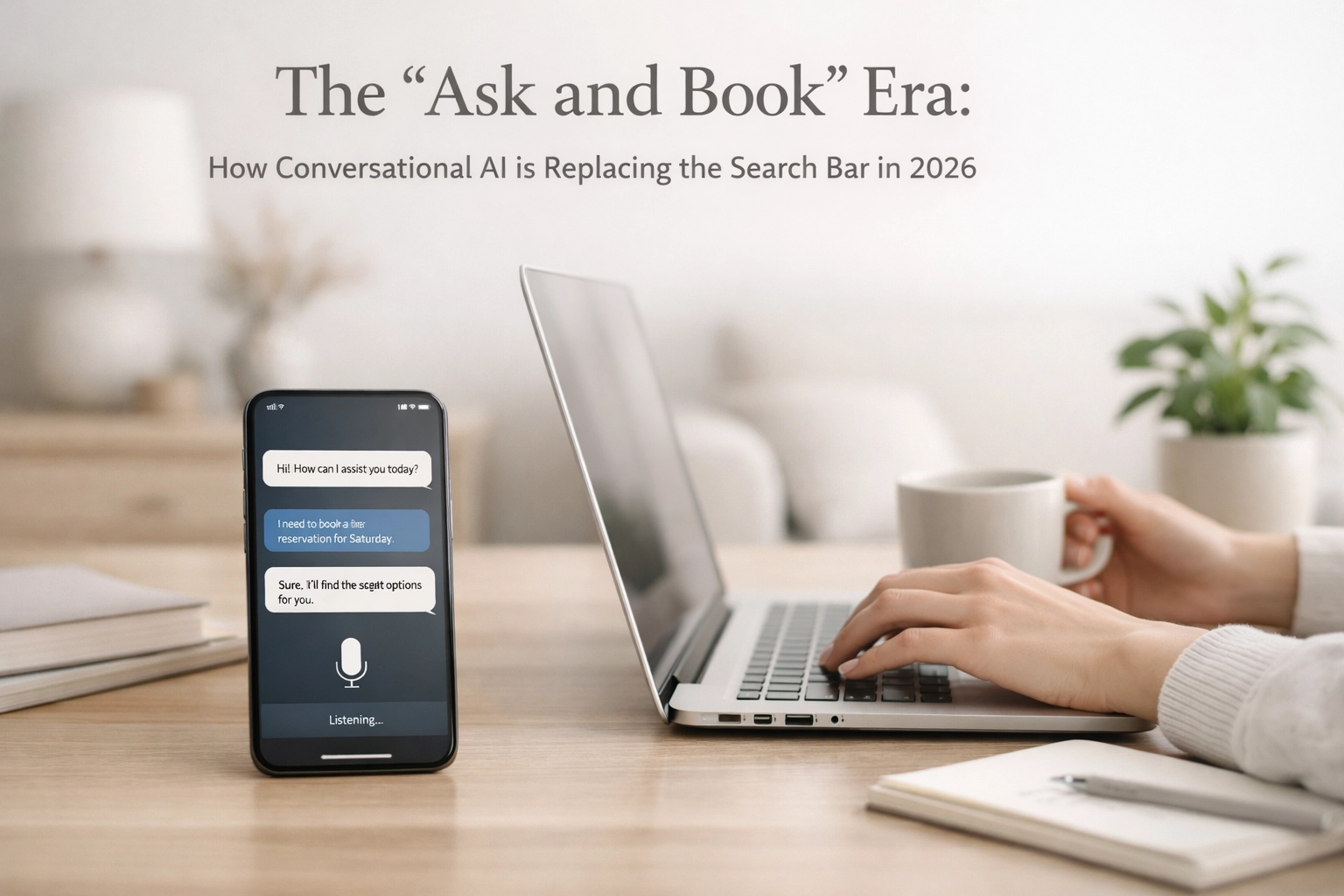
    Traveler using voice search and conversational AI to book a room in a modern hotel lobby.

    The Power of Intent

    We believe the search bar was a necessary middleman we no longer need. In the old world, the guest did the work. They had to translate their needs into keywords, browse five different sites, and compare the results themselves.

    In 2026, the AI does the heavy lifting. It understands intent.

    • Contextual awareness: It knows if the guest is traveling for business or a messy breakup.
    • Real-time synthesis: It pulls live availability and sentiment from across the web.
    • Zero friction: It moves from "I’m thinking about…" to "Book it" in seconds.

    The Rise of "Zero-Click" Discovery

    The traditional SEO game was all about getting a click to your website. But we’ve hit the "zero-click" default.

    AI-generated answers now sit at the top of every search result, summarizing everything a guest needs to know without them ever needing to visit your homepage. If your hotel isn't mentioned in that instant summary, you effectively don't exist.

    This makes AI in hospitality a visibility game, not just a tech trend. To stay relevant, properties have to move away from basic specifications and toward intent-driven context. Your data needs to be structured in a way that AI can read, understand, and recommend.

    "The AI just told me the vibe was 'industrial chic but cozy,' which was exactly what I was looking for," says one frequent traveler. "I didn't even see the hotel's actual website until the confirmation email arrived. I just asked and booked."

    The "Ask and Book" Workflow

    What does this look like in practice? It’s a seamless, voice-driven, or chat-based flow that removes every hurdle in the booking funnel.

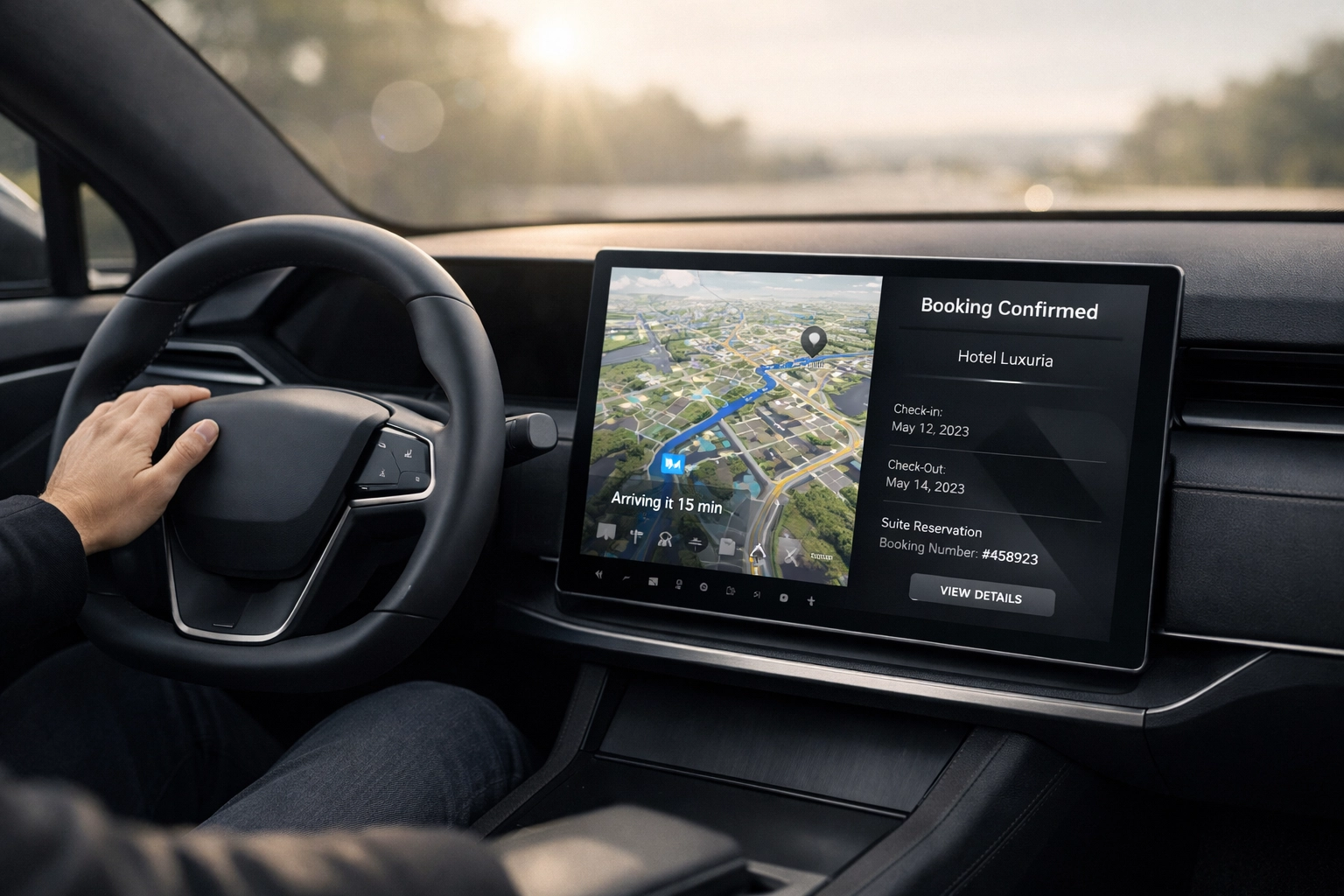
    Imagine a guest driving to a conference.

    1. The Ask: "Hey, find me a hotel near the convention center with a great steakhouse and an EV charger. Book it for two nights using my preferred card."
    2. The AI Response: "I’ve found The Mews Collective. It has a 4.8-rating for its ribeye, three Superchargers, and it’s a 5-minute walk from your event. Total is $540. Should I confirm?"
    3. The Booking: "Yes, go for it."

    Done. No tabs open. No password resets. No credit card entry.

    This compression of the funnel, moving from discovery to purchase in minutes rather than days, is where the revenue is won in 2026. If you want to see how the modern back-end supports this kind of magic, check out what we're building at Mews.

    A modern car dashboard displaying an AI-powered hotel booking confirmation interface.

    Why Direct Bookings are Winning

    You’d think this AI shift would favor the giant OTAs, but it’s actually leveled the playing field for independent brands and innovative groups.

    Because conversational AI prioritizes direct answers and specific attributes, hotels that have their own data in order are seeing a surge in direct bookings. When an AI agent reaches out to a hotel’s API to check for a "quiet room on a high floor," the properties that can provide that granular data in real-time get the booking.

    Three Ways to Win in the Ask and Book Era

    1. Structure your data. AI can’t recommend your "award-winning brunch" if that information is buried in a PDF menu.
    2. Prioritize APIs over UIs. The guest might never see your beautiful website UI, but the AI will definitely see your API.
    3. Embrace the platform. Use a management system that treats AI as a core component, not a bolt-on feature.

    We think the best technology shouldn't feel like technology at all. It should feel like a conversation.

    Operational Excellence Behind the Scenes

    You can’t have a high-tech "Ask and Book" front-end if your back-end is stuck in 1998.

    For a conversational AI to successfully book a room, it needs to know more than just "Available" or "Occupied." It needs to know which rooms are clean, which ones have the best view of the sunset, and whether the guest’s favorite sparkling water is in the fridge.

    This is where AI in hospitality moves from the marketing department to the operations team.

    "Since we shifted to an AI-first booking flow, our front desk spends 40% less time on the phone answering basic questions about parking and check-out times," says a Mews customer. "The guests arrive already knowing everything they need. It’s a different vibe."

    Luxury hotel suite with a city view, reflecting seamless operations in the AI hospitality era.

    The Human Element (Yes, it still exists)

    With all this talk of bots and zero-click journeys, it’s easy to think the "hospitality" part of the industry is fading.

    It’s actually the opposite.

    By automating the "Search and Book" phase, we’re freeing up your staff to actually be hosts. When a guest doesn't have to spend their arrival time confirming their credit card and spelling their last name because the AI already handled it, you have time for a real conversation.

    We believe that technology should give you more time for people, not less.

    The Bottom Line

    The search bar isn't coming back. In 2026, the brands that thrive are the ones that lean into the "Ask and Book" reality. They are the ones that make themselves discoverable to AI agents and make the transaction so effortless it feels like magic.

    You don't need a massive team to get started. You just need the right platform to anchor your operations.

    Ready to see how the most innovative hotels are staying ahead?
    Get started with a 30-minute demo and see how we can get you earning revenue in the AI era in no time.

    Your guests are already asking. Are you there to answer?

    Hotel staff and guest connecting in a lounge, showing the human side of AI in hospitality.

    Key Takeaways for 2026:

    • Keywords are dead: Long-form conversational prompts are the new standard.
    • Visibility has changed: Being cited by an AI assistant is more important than a Google rank.
    • Speed is everything: Zero-click journeys are compressing the booking funnel from days to minutes.
    • Data is your edge: Granular, real-time data allows AI to recommend your property over the competition.

    The era of "Ask and Book" is here. It’s fast, it’s conversational, and it’s incredibly profitable for those who are ready. Don't let your property get left behind in the old-school search results.

    Upgrade your hospitality tech today.

  • Does Wholesale Specialty Coffee Really Matter for Your Margins?

    Does Wholesale Specialty Coffee Really Matter for Your Margins?

    Let’s be honest for a second. When you’re looking at the P&L for your coffee shop or restaurant, that "cost of goods" line for coffee beans can look a little intimidating. You see the price of a bag of commodity-grade coffee from a big-box wholesaler, and then you look at the price of wholesale specialty coffee from a roaster like us. The gap can feel like a chasm.

    So, the question we get asked all the time is: "Does it actually matter for my margins?"

    It’s tempting to think that saving a few pounds per kilo on your beans is the quickest way to pad your bottom line. But here’s the thing, we’ve spent years exploring the numbers, and the reality is often the exact opposite. Cutting corners on quality is usually the most expensive mistake a coffee business can make.

    In this post, we’re going to dive into the math, the psychology, and the practicalities of why choosing high-quality specialty coffee is actually the best move for your margins.


    The Margin Myth: Commodity vs. Specialty

    First, let’s talk about the numbers. It’s easy to get caught up in the "per pound" or "per kilo" cost, but that’s only half the story.

    Research shows that while specialty-grade beans cost significantly more, often between £8 and £14 per kilo (or $4.20–$6.50+ per pound) compared to commodity beans which sit much lower, the gross margins tell a different story. Boutique wholesale coffee roasters and the cafes they supply typically see gross margins of 40–60%. Compare that to high-volume commodity operations that often scrape by on 15–25% margins.

    Why the massive difference? It comes down to pricing power.

    When you serve a mediocre cup of coffee, you are competing on price. You are "the coffee shop on the corner," and if the shop next door drops their price by 20p, your customers might just walk. But when you serve wholesale specialty coffee that tastes incredible, you aren't just selling a drink; you're selling an experience.

    Basically, specialty coffee allows you to charge a premium. People are happy to pay £3.50 or £4.00 for a latte that tastes like velvet and blueberries, whereas they’ll grumble about paying £2.50 for something that tastes like burnt toast and disappointment.

    A premium latte with silky latte art, showcasing the quality of wholesale specialty coffee.


    Customer Loyalty: The "Hidden" Margin Booster

    We believe that the most expensive customer is the one you have to acquire twice. If someone walks into your shop, buys a coffee, and thinks, "Yeah, that was okay," they might come back. If they think, "Wow, that was the best flat white I’ve ever had," they will come back. Every day.

    This is where your margins really start to grow. High-quality beans from a specialty coffee roaster build an almost fanatical level of customer loyalty. This reduces your marketing spend and increases the "lifetime value" of every person who walks through your door.

    And let’s not forget the power of the "theatre" of coffee. When you use beautiful equipment and serve a drink with perfect crema, you’re signaling quality. This level of theatre justifies your pricing and keeps people coming back for the show as much as the caffeine.


    The Cost of Bad Coffee (It’s higher than you think)

    Imagine this: You save £3 on a bag of beans. But because the beans are inconsistent or oily, your grinder gets clogged, or your shots pull poorly. Your barista ends up tipping three out of every ten extractions down the sink because they look like dishwater.

    Suddenly, that "cheap" coffee is costing you more in waste and labour than the specialty stuff ever would.

    Perfect espresso extraction with rich crema from consistent wholesale specialty coffee beans.

    At Limini Coffee, we focus heavily on consistency. When you buy our wholesale coffee, you’re getting beans that have been meticulously sourced and roasted. This means your dial-in process is easier, your waste is lower, and your staff are happier because they aren't fighting the beans all morning.

    Speaking of staff, have you noticed how much harder it is to keep good baristas when the coffee sucks? Talented baristas want to work with the best. They want to understand milk chemistry and master the art of the Latte or Cappuccino. Providing them with top-tier product and barista training keeps your team engaged, which slashes your recruitment and retraining costs, another huge win for your margins.


    Equipment and Efficiency

    You might be thinking, "Okay, the coffee is great, but what about the gear?"

    It's a valid point. To get the most out of specialty beans, you need the right tools. Whether you’re looking at lever or automatic machines or trying to understand the inner workings of a La Spaziale, the equipment is an investment.

    However, high-end equipment often pays for itself through efficiency and durability. A machine with a PID controller (which we lovingly think of as "cruise control" for your espresso temperature) ensures every shot is pulled at the exact temperature needed (usually between 88 C and 95 C).

    When your equipment is reliable, your speed of service increases. Higher throughput during the morning rush equals higher daily revenue. If you're still choosing espresso equipment, remember that the "cheapest" option often results in the most downtime. And downtime is the ultimate margin killer.

    Professional barista steaming silky micro-foam for specialty coffee at an artisanal cafe.


    Differentiation in a Crowded Market

    The UK coffee market is mature. There is a coffee shop on every corner. If you’re just another shop serving "standard" coffee, you’re a commodity.

    By partnering with a specialty coffee roaster, you differentiate yourself immediately. You can talk about sourcing, ethical practices, and flavour profiles. You can use our brewing calculator to show your customers that coffee is a science, not just a button-pushing exercise.

    This differentiation allows you to avoid the "race to the bottom" on pricing. You aren't competing with the petrol station coffee or the giant chains that operate on massive volume and lower gross margins (like Starbucks at around 28%). You are playing a different game: the quality game: where the margins are healthier and the customers are happier.


    Practical Tips for Improving Your Margins Today

    So, how do you actually make this work in your shop? Here are a few things we recommend:

    1. Review Your Serving Sizes: Are you using massive cups? Sometimes a slightly smaller, more concentrated drink (like a traditional Americano) can offer a better flavour experience and better margins. Check out our guide on coffee cups for coffee shops.
    2. Focus on Tamping: It sounds small, but poor tamping technique leads to channeling and wasted shots. Train your team to do it right every single time.
    3. Upsell Specialty Options: Offer a guest espresso or a single-origin pour-over at a higher price point. People who care about coffee are often willing to pay an extra 50p for a unique experience.
    4. Shop Fitting for Flow: Ensure your shop layout is designed for speed. The faster your baristas can work without tripping over each other, the more drinks you sell per hour.

    A metal coffee tamper pressing freshly ground specialty coffee in a portafilter on marble.


    Is It Worth It?

    To be honest, we haven’t noticed a single business regret switching to higher-quality beans. The problem is usually that people wait too long to make the jump, fearing the initial cost.

    But when you look at the increased customer retention, the ability to charge premium prices, the reduced waste, and the higher employee morale, the "extra" cost of wholesale specialty coffee isn't an expense: it’s an investment in your business’s survival.

    We believe that specialty coffee produces the best results for everyone involved: the farmers, the roasters, the cafe owners, and most importantly, the person holding the cup.

    If you’re ready to see what a difference real quality can make to your bottom line, we’d love to help. You can check out our wholesale options or take a look at our training overview to get your team up to speed.

    And if you want to see what others think of working with us, our reviews speak for themselves.

    At the end of the day, coffee is a beautiful thing. It’s a mix of science, art, and community. But it’s also a business. And in business, quality pays.

    So, don't be afraid of the specialty price tag. Embrace it, talk about it, and watch your margins: and your customers: grow.

    If you’d like to chat more about how we can support your journey, just reach out to us here at Limini Coffee. We’re always up for a coffee and a chat! 🙂

  • Hospitality Trends 2026: Does Your Current PMS Really Matter?

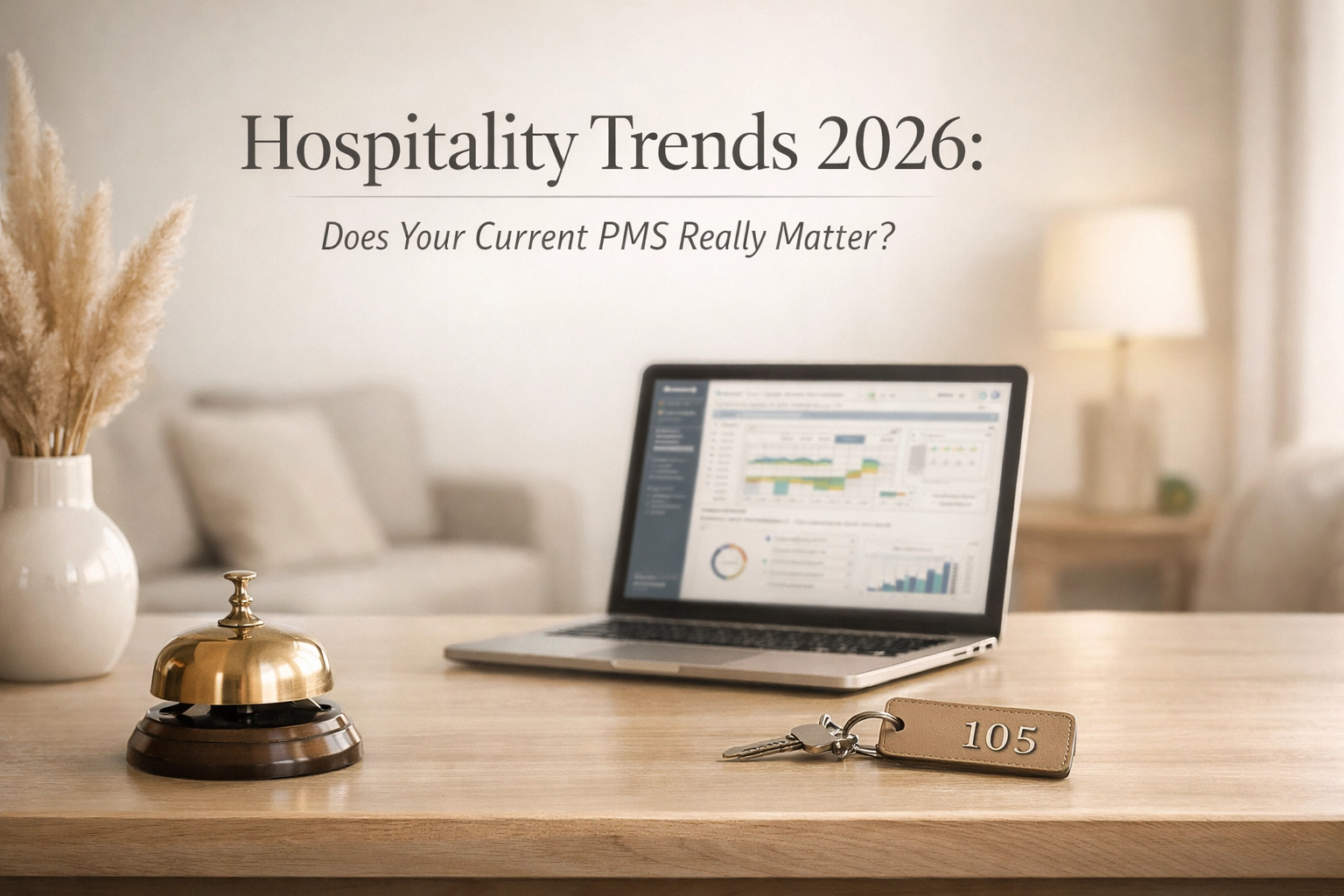
    Hospitality Trends 2026: Does Your Current PMS Really Matter?

    Transform your operations. Boost your revenue. Own the guest journey.

    In 2026, the hospitality landscape isn't just changing, it has already shifted. If you’re still looking at your Property Management System (PMS) as a digital version of a front-desk ledger, you’re not just behind the curve; you’re playing a different game entirely. Recent data shows that 91% of hoteliers report their PMS directly drives revenue growth through smart upsells and rate optimization. It’s no longer a back-office tool. It’s the engine of your entire business.

    Gone are the days when a PMS was just for check-ins and room assignments. Today, it’s about unified platforms that bridge the gap between your staff’s sanity and your guests’ expectations. We believe the right technology should give you the freedom to focus on what matters: the people in your lobby, not the software on your screen.

    The end of the "Legacy Clunker"

    We’ve all seen them. Those clunky, grey-screened systems that look like they belong in a 90s hacker movie. In 2026, these legacy systems are more than just an eyesore, they are a liability. The modern traveler expects a frictionless experience, and a fragmented tech stack is the fastest way to kill a guest's mood.

    Properties are moving away from isolated tools. The trend is moving toward unified platforms that integrate PMS, Point of Sale (POS), and Customer Relationship Management (CRM) into one seamless ecosystem.

    • Eliminate data silos.
    • Reduce staff friction.
    • Centralize the guest profile.

    When your systems talk to each other, your staff doesn't have to spend their day translating between them. 89% of hoteliers are now saving between 2 and 10 hours per week simply by switching to integrated systems. That’s time better spent on hospitality, not data entry.

    Modern hotel staff using a tablet at a minimalist reception desk for efficient guest service.

    AI is the new plumbing

    By now, talking about AI in hospitality feels a bit like talking about Wi-Fi, it’s expected. But in 2026, AI has moved from a "cool feature" to "mandatory infrastructure." You wouldn’t open a hotel without running water, and you shouldn't run one without AI-enabled operations.

    We think of AI as the invisible concierge. It’s working in the background while you sleep, adjusting your rates based on real-time demand forecasting and answering routine guest inquiries before they ever reach the front desk.

    • Predictive pricing that beats manual methods every time.
    • Automated guest communication with natural language processing.
    • Smart housekeeping shifts based on actual occupancy patterns.

    According to Deloitte, 49% of hoteliers now list AI-powered solutions as a priority tech initiative. It’s not about replacing humans; it’s about giving those humans the tools to be more productive. When 81% of hoteliers are prioritizing employee productivity, the answer isn’t "work harder", it’s "work smarter with AI."

    The labor crunch meets its match

    Let’s be real: finding and keeping great staff hasn’t gotten any easier. Labor remains the biggest constraint in the industry. Your PMS matters because it is the primary tool your team uses every single day. If that tool is difficult, slow, or prone to errors, your turnover will reflect it.

    Modern platforms focus on the "User Experience" (UX) for the staff just as much as the "Guest Experience" (GX) for the traveler. We believe that if your software is easy to use, your team will be happier. And happy teams provide better service.

    1. Automate the boring stuff (like night audits).
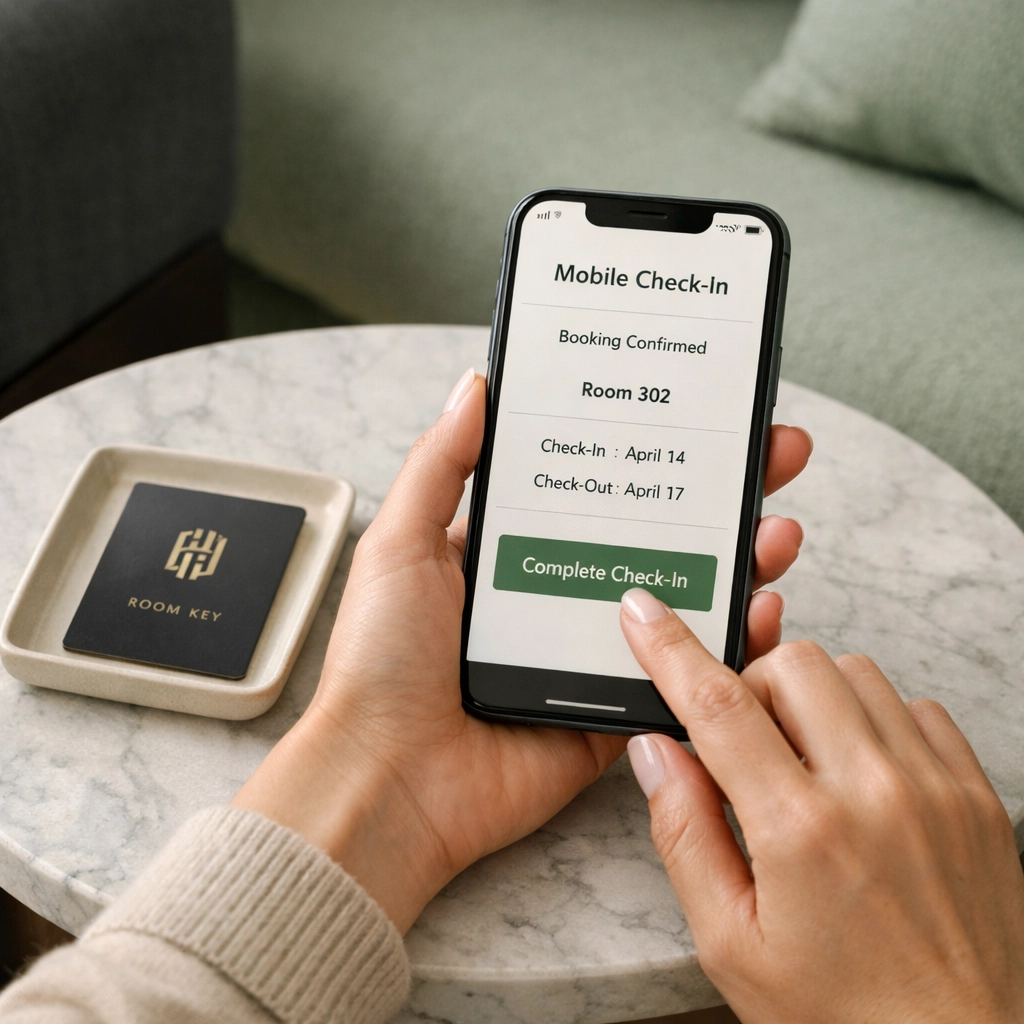
    2. Enable mobile check-ins to kill the lobby queue.
    3. Empower staff with data-driven insights at their fingertips.

    Guest using a smartphone for mobile check-in at a modern hotel lounge.

    Personalization isn't a buzzword anymore

    In 2026, guests don't want to be "valued customers." They want to be recognized. They want the room to be set to 21 degrees before they arrive because your system remembered they liked it that way last time. They want a discount on a spa treatment because they always book one on day two.

    This level of personalization requires a PMS that actually understands data. If your current system can’t tell the difference between a first-time traveler and a ten-time loyalist, it’s costing you money. High-performance properties are using their tech to create "hyper-personalized" stays that drive repeat bookings and glowing reviews.

    Minimalist personalized guest welcome amenities on white linen for a luxury hotel stay.

    Beyond the four walls: General travel trends

    The traveler of 2026 is a "blended" traveler. The lines between business and leisure have blurred into a permanent state of "bleisure" or "workation." These guests stay longer, they have higher technical requirements (hello, high-speed everything), and they often bring family or pets.

    Your PMS needs to handle these complex booking types. Can it manage a 30-day stay as easily as a 1-night stay? Can it bundle a co-working space rental with a room booking? If the answer is "no," you’re missing out on the fastest-growing segment of the market.

    We’re also seeing a massive surge in "conscious travel." Guests are looking for properties that can prove their sustainability credentials. Modern systems help you track energy usage and reduce waste through digital-first operations (no more paper registration cards, please).

    Is it time to switch?

    We get it. Changing your PMS feels like open-heart surgery for your business. It’s intimidating. But the cost of staying with a system that limits your growth is far higher than the temporary stress of an upgrade.

    Think about where you want your property to be in 2027 and 2028. If your current tech can’t support AI, can’t integrate with the latest apps, and can't provide a mobile-first experience for your guests, you’re already behind.

    The question isn't whether your PMS matters. The question is whether your current one is helping you win or holding you back.

    Ready to see how a modern platform can transform your property? It’s easier than you think to get started. Explore how Mews is redefining the guest experience and giving hoteliers their time back.

    Check out how we can help you grow: https://referrals.mews.com/umqhyito

    The 30-minute transformation

    We believe in making things effortless. Transitioning to a cloud-native platform isn't the multi-month nightmare it used to be. Most modern systems can get you up and running with minimal downtime.

    • Schedule a quick discovery call.
    • Get a tailored demo of the platform.
    • See how automation can save you 10 hours a week.

    Clean hotel office workspace with a laptop representing seamless property management technology.

    Final thoughts

    The hospitality industry has always been about people. In 2026, technology is the thing that finally lets us get back to them. By automating the administrative burden and using AI to handle the heavy lifting of data analysis, we free ourselves to be truly hospitable.

    Your PMS is the heart of your operation. Make sure it’s a strong one.

    Stop fighting with legacy software and start focusing on your guests. The future of hospitality is already here: make sure your property is part of it.

    Start your journey toward a better guest experience today: https://referrals.mews.com/umqhyito

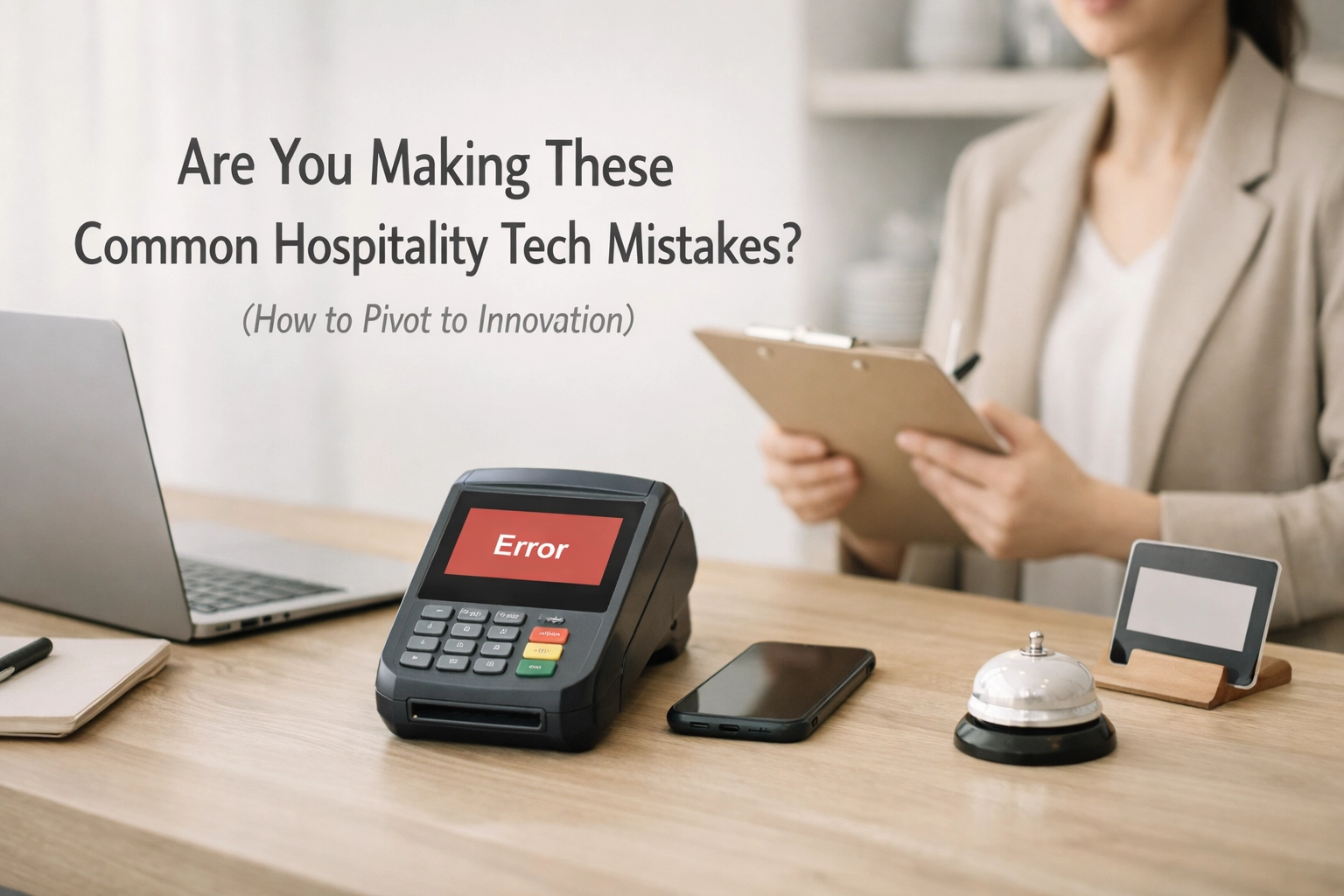
  • Are You Making These Common Hospitality Tech Mistakes? (How to Pivot to Innovation)

    Are You Making These Common Hospitality Tech Mistakes? (How to Pivot to Innovation)

    Stop managing software. Start hosting guests. Build better experiences.

    Running a hotel in 2026 isn't just about clean sheets and a warm welcome. It’s about data, seamless flows, and the invisible hum of technology that makes everything work. We’ve seen it happen over 12,500 times: properties that move from the clunky "old way" to an agile, tech-forward future see a 20% increase in staff efficiency. It’s all about moving from a reactive mindset to a proactive, innovation-first strategy. All from one intuitive platform.

    Buy outcomes. Not tools.

    We think the biggest trap in hospitality tech is the feature list. You’ve seen the spreadsheets. Rows and rows of checkboxes that promise the moon but deliver a headache. When you buy based on a list of features, you end up with a messy "Franken-stack" of tools that don't talk to each other.

    The secret? Define your outcomes first.

    • Do you want to cut check-in times by 50%?
    • Do you want to automate your night audit entirely?
    • Do you want to drive a 15% increase in ancillary revenue?

    When you lead with the "why," the "how" becomes obvious. Modern technology should quietly and reliably reduce manual work, eliminate errors, and give you crystal-clear visibility. If your current system isn't doing at least two of those three things, it’s not earning its keep.

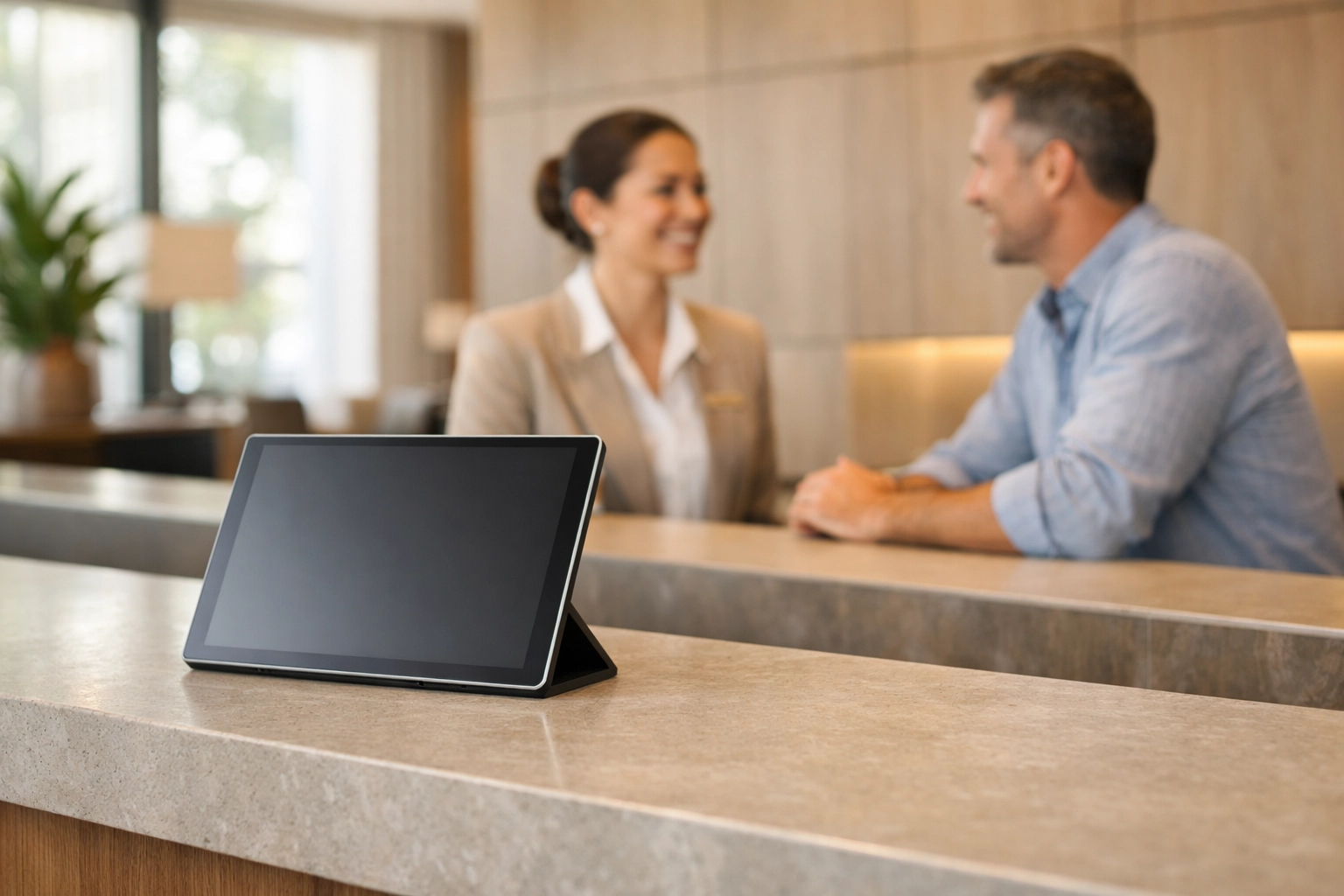
    Minimalist hotel check-in desk featuring a sleek tablet for efficient guest management.

    Integrate early. Scale fast.

    "We’ll worry about the integration later." These are the most expensive words in hospitality. Many platforms claim to have an API, but having an open door doesn't mean the hallway is clear. Integration friction is where most guest experiences go to die.

    We believe that your tech stack should be a conversation, not a series of shouting matches. In the old world, you bought a PMS and then tried to force your key locks, your POS, and your guest messaging to play nice. In 2026, the best operators plan their architecture before they sign the contract.

    • Prioritize deep, two-way integrations.
    • Look for a marketplace that offers "one-click" connectivity.
    • Ensure data flows in real-time: not in batches.

    "We used to spend 10 hours a week just syncing data between systems. Now, it just happens. It’s like the building finally has a brain," says one of our partners. That’s the power of a platform designed for connectivity.

    Human-centric AI. Practical innovation.

    AI is no longer a buzzword; it’s the engine of operational excellence. But the mistake many make is using AI for the sake of AI. Chatbots that frustrate guests are worse than no chatbots at all. Innovation should feel invisible.

    We think AI should handle the "boring" so your team can handle the "brilliant." Think automated room assignments based on guest preferences or smart revenue management that adjusts prices while you sleep.

    • 40% reduction in manual data entry.
    • 24/7 guest support without increasing headcount.
    • Predictive maintenance that fixes the AC before the guest even notices it’s warm.

    Sophisticated hotel room bedside interface demonstrating modern, invisible hospitality technology.

    Adoption is the new ROI.

    Even the most sophisticated software is useless if your team hates using it. One of the most common pitfalls is keeping the front-line staff out of the decision-making process. If your night auditor finds the system confusing, they’ll find a workaround. And workarounds are where data goes to disappear.

    The pivot to innovation requires a shift in culture. You aren't just "installing software": you’re changing how your team works.

    1. Involve operations, revenue, and on-property teams early.
    2. Prioritize platforms with a consumer-grade UI.
    3. Choose a partner with a proven track record in onboarding and continuous support.

    If a new team member can't learn the basics of your PMS in 30 minutes, the system is too complex. Period. High-performance teams deserve high-performance tools that don't require a PhD to operate.

    Total guest value. Beyond the room.

    If you’re still only focusing on RevPAR, you’re missing half the story. The most innovative hotels today are looking at the Total Guest Value (TGV). This means treating every square inch of your property as a revenue generator.

    • Upsell early. Send personalized offers before the guest arrives.
    • Monetize the "in-between." Sell co-working passes, gym access, or parking to non-residents.
    • Automate the "boring" stuff. Use self-service kiosks to free up your staff for genuine upsell conversations.

    Cloud-native platforms allow you to be modular. You can add a new revenue stream: like a pop-up bar or a spa subscription: in minutes, not months. This flexibility is the difference between surviving and thriving in a shifting travel market.

    Modern hotel lounge and co-working space designed to maximize ancillary revenue and guest value.

    Move faster. Stay curious.

    The gap between how people want to travel and how hotels operate is where the opportunity lies. Most procurement mistakes happen because of the "we've always done it this way" mindset. But "this way" doesn't work in 2026.

    Innovation isn't a destination; it’s a habit. It’s about choosing a partner that evolves as fast as the market does. You need a platform that doesn't just store reservations but actually empowers your vision for hospitality.

    Ready to see how the most innovative hotels are staying ahead?

    Schedule a 30-minute demo to see the future of PMS.

    Your next steps to excellence

    Pivoting doesn't have to be painful. It starts with a simple audit of your current frustrations. Are you tired of manual exports? Are you frustrated by siloed data? Are your guests asking for features your tech can't provide?

    • Evaluate your TCO. Look beyond the monthly subscription and calculate the cost of lost time.
    • Audit your integrations. See where data is getting stuck.
    • Ask your team. Find out what part of their day they hate the most: and automate it.

    The future of hospitality is open, connected, and incredibly exciting. Don't let legacy mistakes hold your property back from its potential.

    Get started with Mews and get your team earning revenue in no time.

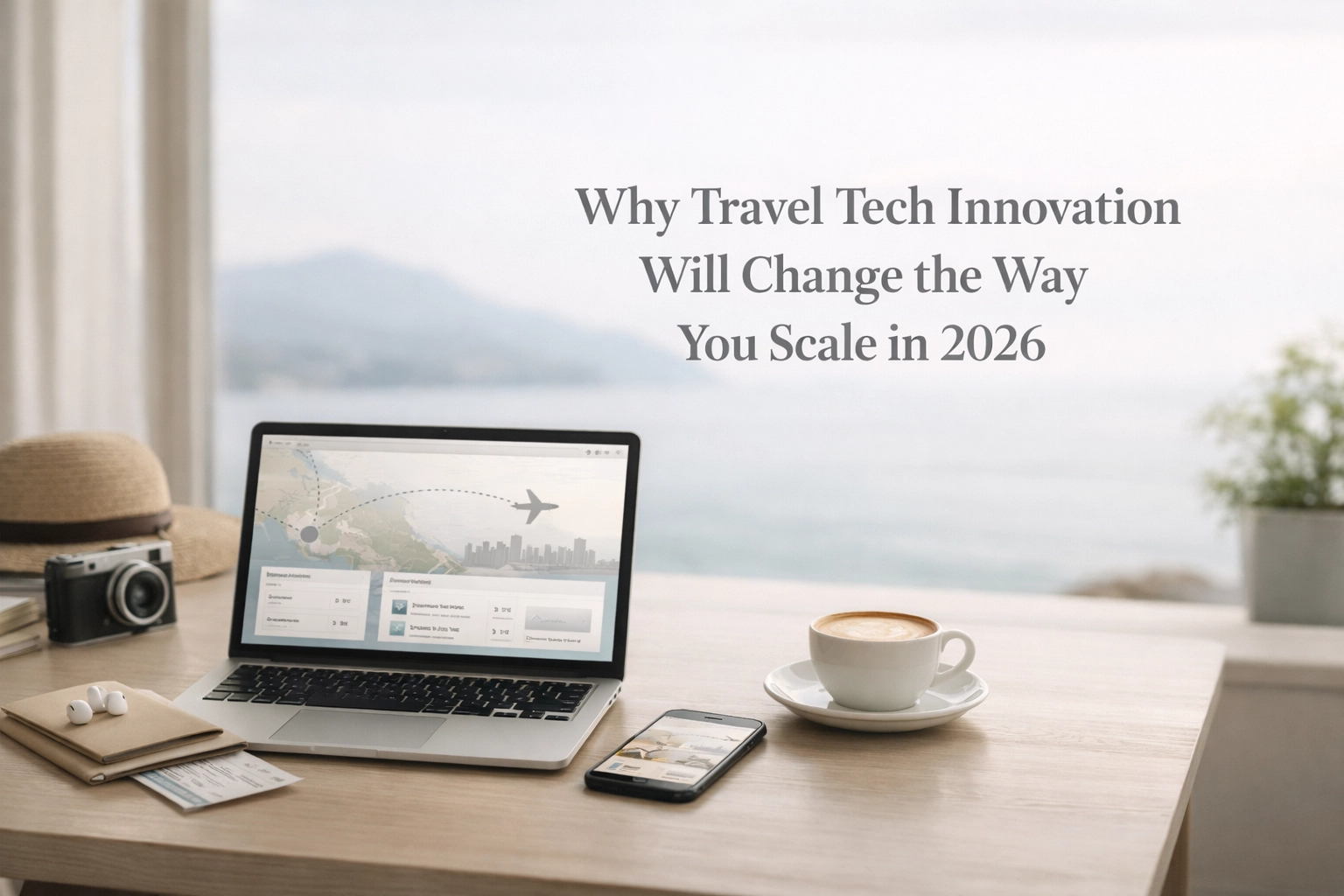
  • Why Travel Tech Innovation Will Change the Way You Scale in 2026

    Why Travel Tech Innovation Will Change the Way You Scale in 2026

    Automate. Optimize. Ascend.

    The hospitality landscape isn’t just shifting; it’s being entirely rewritten. It’s March 2026, and the gap between hotels that "manage" and hotels that "scale" has become a canyon. If you’re still relying on manual workflows and siloed data, you’re not just behind: you’re invisible to the modern traveler.

    We’re seeing properties increase their operational efficiency by over 40% while simultaneously raising guest satisfaction scores. This isn't magic. It’s the result of a unified approach to travel tech. All from one innovative hospitality platform.

    The end of the "Headcount equals Growth" myth

    For decades, the industry operated on a simple, albeit flawed, logic: if you want to grow, you hire more people. More front desk agents. More night auditors. More manual coordinators.

    In 2026, that logic is officially dead.

    We believe that human talent is too precious to waste on data entry. With global personnel shortages still a reality, scaling now requires a "digital-first" mindset. AI-driven automation has moved from a "nice-to-have" feature to the primary engine of profitability. By automating end-to-end processes: from the initial booking to the final tax invoice: you can handle double the volume without doubling your staff.

    • Eradicate manual check-in queues forever.
    • Synchronize inventory across every channel in real-time.
    • Empower your team to focus on high-value guest interactions.

    Automated hotel check-in at a modern reception desk allowing staff to focus on guest interaction.

    Meet your new guest: The Autonomous AI Agent

    This is where things get really interesting. We’ve moved beyond travelers booking on their laptops. Today, your guest is just as likely to be an autonomous AI agent.

    By the end of this year, half a billion smartphone users will be carrying digital identity wallets. These aren’t just for storing credit cards; they’re trust infrastructures. These AI agents can negotiate rates, verify identity, and finalize a booking on behalf of a human traveler: all without a single click from the user.

    If your tech stack can’t "talk" to these agents, you’re missing out on a massive, frictionless revenue stream. To scale in 2026, your PMS must be an open ecosystem, ready to verify biometrics and process digital identities instantly. It’s about building a bridge between your property and the traveler’s digital self.

    "We used to spend hours every week just verifying IDs and chasing payments. Now, the system handles it before the guest even steps foot on the property. It’s freed up 15 hours of my week." : Sarah J., Boutique Hotel Group Manager.

    Hyper-personalization is now an automated standard

    In the past, personalization was hard. It meant guest preference notes scribbled in a CRM that nobody looked at. It meant a "welcome back" that felt scripted and hollow.

    In 2026, big data and IoT sensors have changed the game. Scaling your guest experience no longer requires a concierge with a photographic memory. It requires a platform that remembers everything for you.

    We think the best service is the one the guest doesn't have to ask for. IoT-enabled rooms now automatically adjust lighting, climate, and even entertainment based on a guest’s profile the moment they arrive.

    • Predictive analytics suggest the perfect upsell at the perfect time.
    • Smart rooms sync with guest wearables for a seamless transition from home to hotel.
    • Environmental sensors optimize comfort across thousands of rooms simultaneously.

    This is hyper-personalization at scale. You’re not just selling a room; you’re selling an environment that knows its inhabitant.

    Smart hotel room technology on a minimalist nightstand showing personalized guest experience automation.

    The power of the frictionless ecosystem

    Friction is the enemy of scale. Every time a guest has to stop, pull out a passport, wait for a key, or sign a paper receipt, your growth hits a bottleneck.

    The most successful brands in 2026 are those that have achieved "zero-friction" operations. This is made possible by the consolidation of biometrics, digital wallets, and deep connectivity. Imagine a traveler moving from the airport curb to their hotel room without ever reaching for a wallet or a physical ID.

    This hyperconnected ecosystem isn't just about guest convenience; it’s about operational throughput. When you remove the friction, you can move more people through your system more efficiently. You can turn rooms faster, process payments instantly, and eliminate the errors that come with manual handling.

    We believe in a world where the technology stays out of the way. It should be the invisible hand that makes everything feel effortless.

    Why data-driven decisions are your best scaling tool

    Scaling isn't just about doing more; it’s about doing the right things. In 2026, "gut feeling" has been replaced by real-time data analytics.

    Modern travel tech allows you to see patterns before they become problems. You can see demand surges months in advance and adjust your pricing strategy dynamically. You can identify which guest segments are the most profitable and tailor your marketing specifically to them.

    12,500 properties are already using these insights to outpace their competition. They aren't guessing where to invest their next dollar; they’re letting the data show them the way.

    • 30% increase in RevPAR through dynamic AI pricing.
    • 95% accuracy in occupancy forecasting.
    • Real-time reporting that actually makes sense.

    Hospitality data analytics dashboard on a laptop for strategic hotel revenue and occupancy planning.

    The Mews advantage: Built for the future

    Scaling in 2026 requires more than just a software update. It requires a fundamental shift in how you think about your business. You need a partner that is as innovative as you are.

    At Mews, we’ve built a platform designed for the next era of hospitality. We don't just follow trends; we set them. Our focus is on creating a seamless experience for both your guests and your staff, ensuring that as you grow, your complexity doesn't.

    We think hospitality should be about people, not processes. That’s why we’ve built the most flexible, open, and automated PMS on the market. Whether you’re managing a single boutique hotel or a global portfolio, our tech scales with you.

    Take the next step in your scaling journey

    The future of travel tech is here, and it’s waiting for you to lead. Don't let the innovations of 2026 pass you by while you're stuck in the workflows of 2020.

    Ready to see how the right technology can transform your property? It’s time to move beyond the status quo and embrace a platform that empowers you to scale effortlessly.

    Modern architectural hotel terrace at dusk representing the innovative future of scalable hospitality.

    Schedule a 30-minute demo today and see what the future of hospitality looks like in action.

    Get started with Mews today:
    https://referrals.mews.com/umqhyito

    Simple steps to start scaling today:

    1. Audit your current friction points. Where are your guests waiting? Where is your staff frustrated?
    2. Prioritize automation. Identify the three most repetitive tasks in your day and find a digital solution.
    3. Embrace the open ecosystem. Ensure your tech stack can talk to the latest AI agents and digital ID systems.
    4. Partner with leaders. Choose a platform that stays ahead of the curve so you don't have to.

    The world is moving fast. Your technology should move faster. We’ll see you in the future.

    https://referrals.mews.com/umqhyito

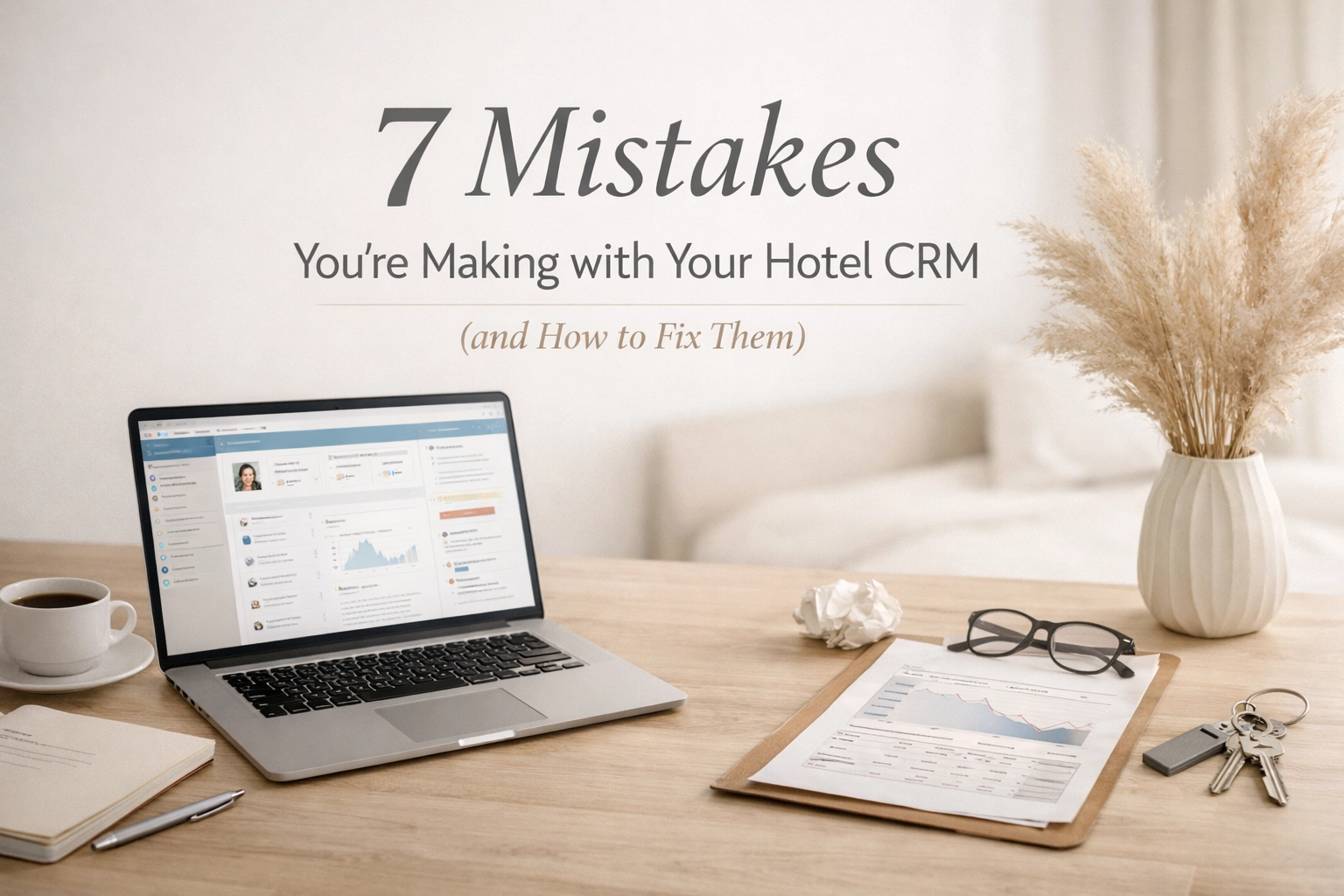
  • 7 Mistakes You’re Making with Your Hotel CRM (and How to Fix Them)

    7 Mistakes You’re Making with Your Hotel CRM (and How to Fix Them)

    Capture the guest. Scale the brand. Drive the revenue.

    Most hoteliers are sitting on a goldmine of guest data and letting it gather digital dust. It’s a common story. You invest in a CRM, but your team still relies on manual spreadsheets. You have the tech, but the guest experience still feels generic. It’s time to stop treating your CRM like a digital Rolodex and start treating it like the heartbeat of your operation.

    We believe that great hospitality isn't about managing rooms: it's about managing relationships. When your technology works, your staff is free to be human. When your data is clean, your marketing becomes magnetic. It’s all about moving from reactive management to proactive innovation.

    At Mews, we see thousands of properties navigating the digital shift. The most successful ones don't just "use" a CRM. They weave it into a cloud-native ecosystem that automates the boring stuff so they can focus on the remarkable.

    Here are the 7 biggest mistakes you’re making with your hotel CRM: and exactly how to pivot toward excellence, all from one innovative platform.

    1. Using Your CRM as a Glorified Spreadsheet

    The biggest mistake? Underutilization. Many sales and marketing teams treat their CRM as a static list of names and emails. They ignore the deep features like automated follow-ups, predictive analytics, and guest segmentation. If you’re only using your CRM to blast a monthly newsletter, you’re leaving money on the table.

    We think technology should do the heavy lifting for you. A CRM should tell you who your guests are before they even walk through the door.

    How to fix it:

    • Invest in comprehensive training to unlock automation workflows.
    • Use guest segmentation to send targeted offers based on past behavior.
    • Leverage predictive analytics to anticipate booking trends.

    Hotel reception desk with laptop showing CRM guest data from a self-check-in kiosk and hotel pms.

    2. The Integration Gap

    A CRM that doesn’t talk to your hotel pms is a silo. If a guest updates their preferences at a self-check-in kiosk, that data needs to live in your CRM instantly. When your systems are disconnected, you end up with manual data entry, double bookings, and: worst of all: frustrated guests who have to explain their pillow preferences for the third time.

    We believe in a connected ecosystem. Your booking engine, channel manager, and CRM should function as a single unit.

    How to fix it:

    • Choose a cloud-native platform like Mews that prioritizes open APIs.
    • Ensure real-time data syncing between your CRM and your hotel pms.
    • Automate the flow of information from the booking engine directly to guest profiles.

    3. Letting Your Data Go Stale

    Dirty data is the silent killer of ROI. Bounced emails, duplicate profiles, and outdated preferences make your CRM nearly useless. If your sales team can't trust the data, they won't use the system. It’s a vicious cycle that leads back to the very spreadsheets you tried to escape.

    Innovative hospitality requires clean, actionable insights.

    How to fix it:

    • Implement automated data validation to scrub duplicates.
    • Establish a "source of truth" (hint: it should be your cloud-native PMS).
    • Conduct quarterly data audits to keep your database lean and mean.

    4. Prioritizing Cost Over Hospitality Logic

    Hotels often pick a CRM because it was cheap or because it’s popular in the real estate or retail world. But hospitality is different. We deal with group blocks, event inquiries, and complex guest journeys. A generic CRM won’t understand the nuances of a 50-room wedding block or the specific needs of a corporate traveler.

    We think your software should speak your language.

    How to fix it:

    • Select a CRM specifically built for the hospitality industry.
    • Prioritize features like group booking management and event tracking.
    • Look for a partner that understands the guest journey from click to stay.

    Luxury hotel suite welcome tray highlighting the guest journey managed through a hospitality CRM.

    5. Blocking Automation with Manual Overrides

    It’s tempting to jump in and manually adjust prices or availability because of a "gut feeling." But when you constantly override your automation settings, you create inconsistencies. This leads to inaccurate updates across your channel manager and ruins the efficiency of your automated revenue strategy.

    Trust the machine. Let the automation do the routine work so you can handle the exceptions.

    How to fix it:

    • Set clear parameters for your automation and stick to them.
    • Use manual overrides only for genuine emergencies or unique events.
    • Document every override to identify if your automation rules need tweaking.

    6. Fearing the "New Way"

    Resistance to change is the final boss of tech implementation. If your staff is comfortable with legacy systems, they’ll find reasons to avoid the new CRM. They might see automation: like self-check-in kiosks: as a threat to their jobs rather than a tool that frees them to provide better service.

    We believe that automation doesn't replace people; it empowers them.

    How to fix it:

    • Communicate the "why" behind the tech: focus on time-saving benefits.
    • Identify "tech champions" within your team to lead the transition.
    • Use easy-to-use interfaces that reduce the learning curve for new hires.

    7. Ignoring the "Story" in the Data

    If you aren't running reports, you're just guessing. Many hotels collect data but never look at it. They don't know which channels bring the most profitable guests or which rate plans convert best. Decisions are made based on what happened last year, not what the data says is happening right now.

    Innovation starts with a question. The data provides the answer.

    How to fix it:

    • Make reporting a non-negotiable part of your weekly leadership meetings.
    • Track the lifetime value of guests, not just their one-time spend.
    • Analyze which booking sources have the highest conversion and lowest commission.

    Hotel manager workspace with tablet showing reporting analytics from the hotel pms and booking engine.

    The Mews Approach to CRM Excellence

    We don’t just build software; we build a better way to run a hotel. Mews is designed to be the core of your hospitality tech stack. Because we are cloud-native and automation-focused, we eliminate the friction that usually bogs down CRM performance.

    "Mews allowed us to stop being data entry clerks and start being hosts again. We saved 10 hours a week just by automating our guest profile syncing." : Verified Mews User

    Ready to transform your guest experience?

    Stop fighting your software and start scaling your brand. The future of hospitality is automated, integrated, and incredibly personal.

    • 30-minute setup for core features.
    • Easy to use for every staff member.
    • Seamless integration with your favorite CRM tools.

    Get started with Mews today and see how a truly innovative hotel pms can get you earning more revenue in no time.

    Let’s recap the wins:

    • Save time: Let automation handle the guest data.
    • Drive loyalty: Use personalized insights to wow your guests.
    • Scale fast: Use a cloud-native platform that grows with you.

    The mistakes of the past don't have to be the reality of your future. By fixing these seven CRM errors, you aren't just improving your software; you're elevating your entire guest journey. All from one innovative platform.

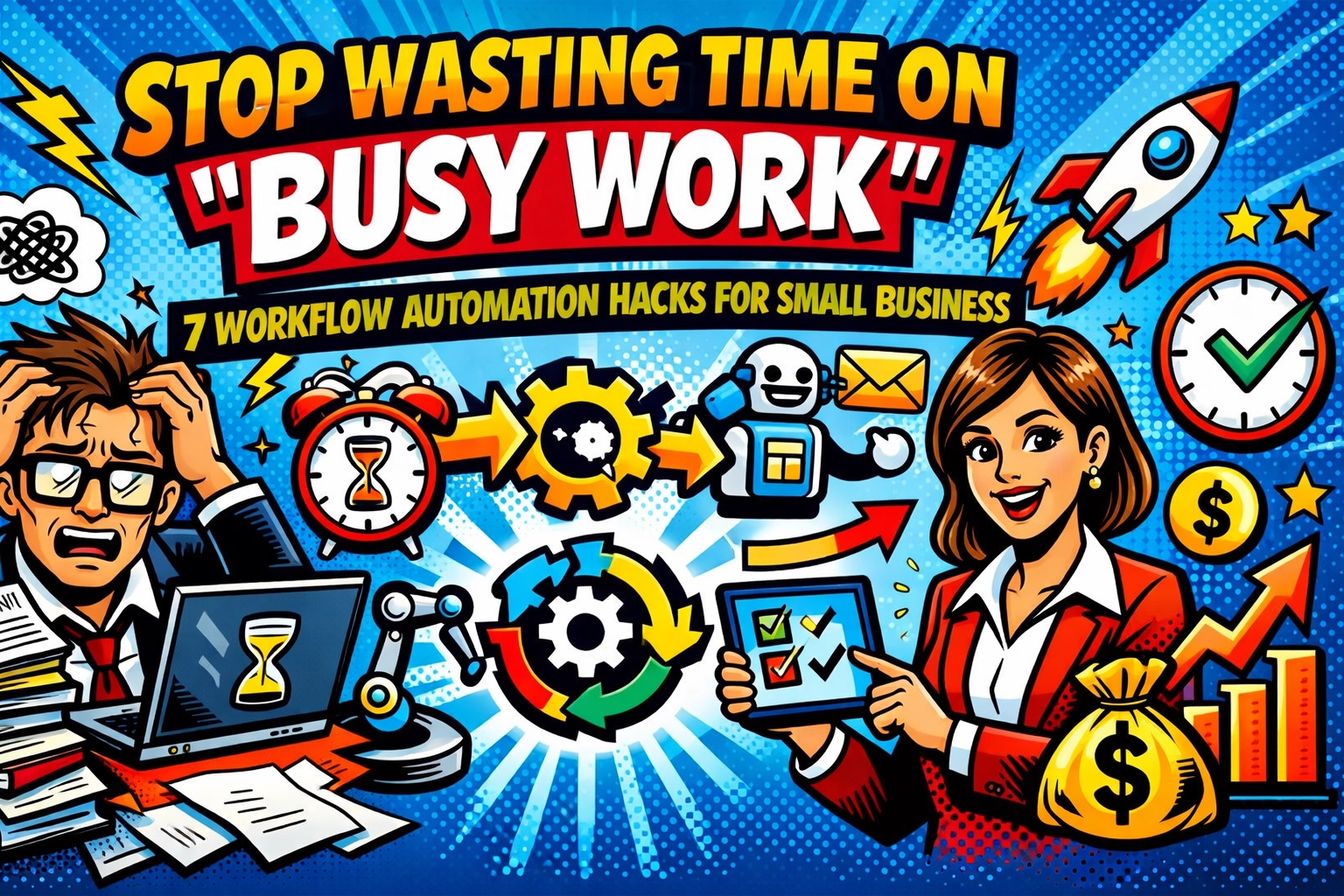
  • Stop Wasting Time on “Busy Work”: 7 Workflow Automation Hacks for Small Business

    Stop Wasting Time on “Busy Work”: 7 Workflow Automation Hacks for Small Business

    ☕ 7:00 AM.

    The sun is barely up, but your brain is already running a marathon. You haven't even finished your first cup of coffee, and you're already thinking about that mountain of "busy work" waiting for you.

    The unread emails. The invoices that need chasing. The manual data entry that makes your eyes glaze over.

    You didn't start a business to become a professional copy-paster. You started it to build something. To create. To lead. But right now? You're just a glorified paper-pusher in your own office… and it’s exhausting.

    It’s time to stop.

    WORKFLOW AUTOMATION FOR SMALL BUSINESS: STOP DOING THE BUSY WORK

    Let’s be real. "Workflow automation" sounds like a fancy term for Fortune 500 companies with massive IT budgets. It’s not. It’s for you. It’s for the person who is tired of doing the same three steps every single morning just to get the day started.

    Here are 7 hacks to reclaim your sanity.

    1. CONNECT YOUR APPS (AND YOUR BRAIN)

    You use Shopify. You use Mailchimp. You use Slack. But do they talk to each other? Or are you the middleman, manually moving data like a digital carrier pigeon?

    Stop.

    Use tools like Zapier to bridge the gap. When a customer buys something on your site, they should automatically go into your email list. When they leave a cart empty, an email should fire off without you lifting a finger.

    Digital brain hub connecting business apps for seamless workflow automation and data syncing.

    2. ONBOARDING ON AUTOPILOT

    🤝 9:30 AM.

    You just hired a new team member. Exciting, right? Except now you have to find the tax forms, send the handbook, set up their email, and order their laptop.

    Or… you could just click one button.

    By automating the employee lifecycle, you ensure every document is signed and every system access is granted before they even walk through the door. It turns a week of chaos into a morning of "Welcome to the team."

    3. STOP CHASING CHECKS

    Invoices are the worst. Creating them, sending them, following up when they aren't paid… it's a full-time job you didn't ask for.

    Automated invoice processing handles the generation, the sending, and the "Hey, you're late" reminders. You just see the money hit the account.

    4. SMART TICKET ROUTING

    🔍 11:15 AM.

    A customer has a problem. They email your general "info@" address. It sits there. You find it three hours later. You realize it’s a tech issue, so you forward it to your dev. They see it the next day.

    Too slow.

    Use AI to classify requests the second they arrive. If it’s a billing question, it goes to finance. If it’s a bug, it goes to tech. No more manual sorting.

    5. LEAD SCORING FOR THE WIN

    Not every lead is a good lead. Some are just "window shoppers." Why are you spending your precious time calling people who aren't ready to buy?

    Automated lead scoring prioritizes the "hot" leads based on how they interact with your site. Your sales reps (or you) get a ping only when someone is actually ready to talk business.

    Robotic hand using a magnifying glass to identify high-priority sales leads through automated lead scoring.

    6. PAYROLL WITHOUT THE PANIC

    The end of the month shouldn't be a nightmare of spreadsheets and tax calculations. Automating your payroll and compliance reporting means the math is always right, the taxes are always filed, and you never have to deal with a "where is my check?" email again.

    7. INVENTORY THAT REPLENISHES ITSELF

    📱 2:00 PM.

    You just realized you're out of your best-selling product. Panic sets in.

    If you automate your reorder triggers, this never happens. When your stock hits a certain level, the system automatically places an order with your supplier. You stay in stock. You keep making money.

    The chaos is gone before you even take your first sip of afternoon tea.

    Scale shouldn't be a struggle. It should be a system. If you want to see how this actually looks in practice, check out what we're doing over here.


    WHY YOUR BUSINESS NEEDS AN AI VIRTUAL ASSISTANT (BEFORE YOUR COMPETITORS GET ONE)

    🌙 8:00 PM.

    You’re finally sitting down for dinner. Your phone buzzes. It’s a lead asking a question about your pricing. Do you answer it now and ignore your family? Or do you wait until tomorrow and risk losing the sale to the guy down the street?

    This is why you’re falling behind. Not because you aren’t working hard enough, but because you’re still working like it’s 2015.

    Your competitors aren't working harder. They’re just using AI virtual assistants.

    THE 24/7 EMPLOYEE WHO NEVER SLEEPS

    An AI virtual assistant isn't just a chatbot that says "How can I help you?" It's a member of your team. It understands your business, your tone, and your goals.

    While you're sleeping, it’s answering questions. While you're at your kid’s soccer game, it’s booking meetings. While you're focused on high-level strategy, it’s handling the "busy work" we talked about above.

    An AI virtual assistant for business handling repetitive tasks and meetings 24/7 to save time.

    WHY "SOON" IS THE SAME AS "NEVER"

    In the world of SaaS and business automation, the "early adopter" advantage is real.

    Right now, an AI virtual assistant for business is a competitive edge. It makes you look bigger, more professional, and more responsive than you actually are. But in two years? It will be the bare minimum.

    If you wait until everyone else has one, you aren't gaining an advantage. You're just playing catch-up.

    IT’S NOT ABOUT REPLACING PEOPLE. IT’S ABOUT RECLAIMING TIME.

    People get nervous about AI. They think it’s coming for their jobs.

    But ask yourself: Do you want the job of manually entry-ing data? Do you want the job of answering the same 50 FAQs every single week?

    Of course not.

    You want the job of growing the company. An AI assistant handles the repetitive so you can handle the creative. It’s that simple.

    THE "MARBLISM" ADVANTAGE

    We see it all the time. Small businesses that are stuck in the "hustle" phase because they're afraid to let go of the manual tasks. They think they're saving money by doing it themselves.

    They aren't. They're losing time. And time is the only thing you can't buy more of.

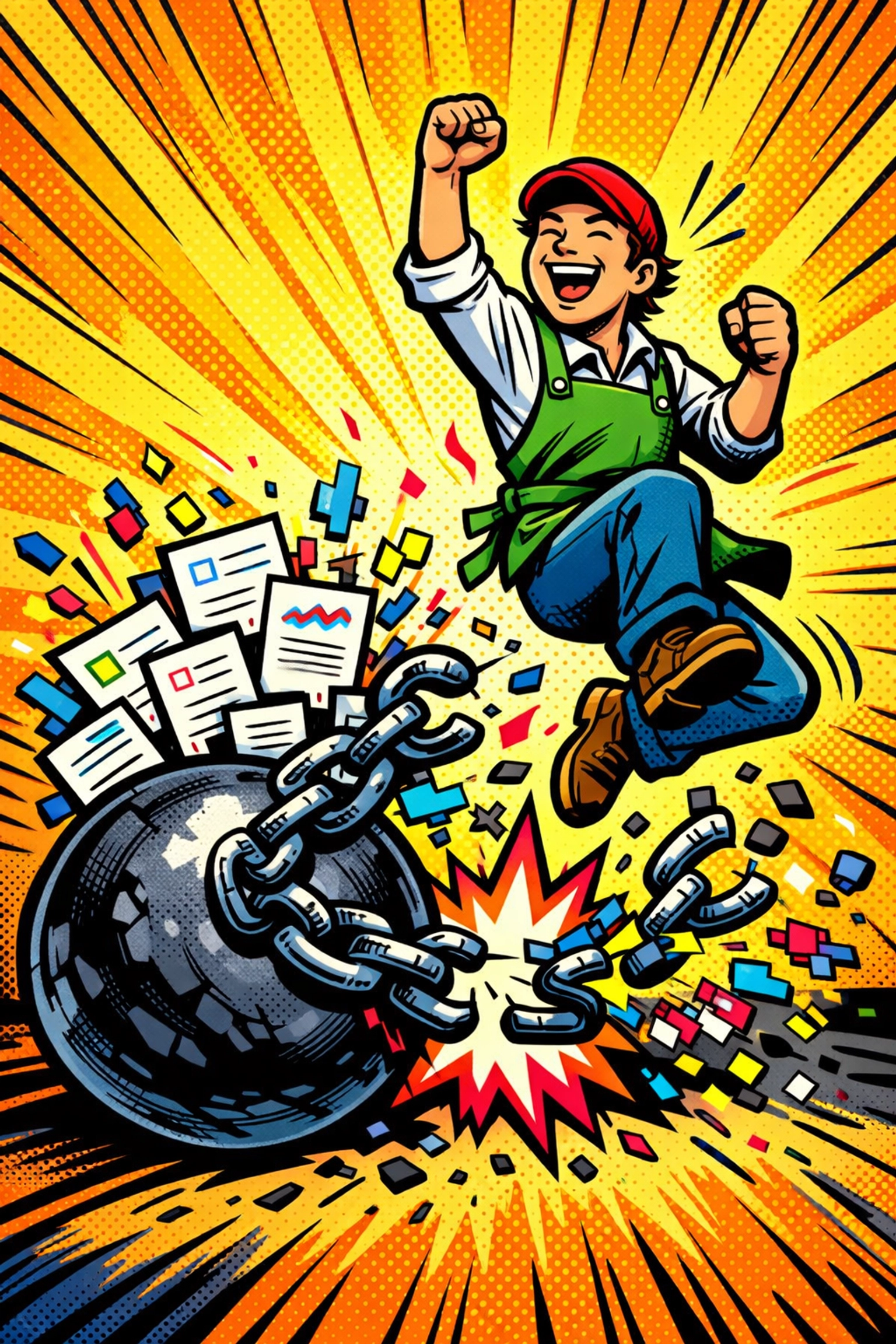
    Business owner escaping administrative stress and relaxing thanks to time-saving workflow automation.

    Imagine a world where:

    • Your inbox stays organized without you touching it.
    • Your leads are nurtured while you're offline.
    • Your calendar fills up with qualified meetings automatically.

    It’s not science fiction. It’s just good business.

    THE CHOICE IS YOURS

    You can keep doing things the "manual" way. You can keep letting the busy work dictate your schedule. You can keep feeling like you're one unread email away from a breakdown.

    Or… you can automate.

    Stop juggling. Start leading. The tools are here. The AI is ready. And your competitors are already looking at the "Buy" button.

    Don't let them get there first.

    If you're ready to see how an AI virtual assistant can transform your specific workflow, you need to talk to someone who knows the ropes. Scott Bowen is ready when you are.

    SCALING SHOULDN'T BE THIS EASY. BUT HERE WE ARE.