Have you ever sat in your favourite cafe, sipped a truly incredible flat white, and thought, "I wish I could put my name on this"? Maybe you’ve got a killer brand idea, a massive following on social media, or just a deep-seated desire to run a business that smells like freshly roasted heaven.
The problem, usually, is the "stuff." The massive industrial roasters that cost as much as a house, the warehouse space, the logistics of shipping, and the terrifying prospect of sitting on hundreds of kilos of beans that are slowly losing their spark.
Enter coffee dropshipping UK. It’s the ultimate "have your cake and eat it" scenario for the modern entrepreneur. You get to build a brand, curate a coffee selection, and sell to customers all over the country without ever actually touching a bag of coffee.
At Limini Coffee, we’ve spent years perfecting the art of roasting, and now we’re helping people like you turn that expertise into your own brand. So, let’s dive into how this actually works and why it might be the smartest move you make this year.
What Exactly is White Label Coffee Dropshipping?
Let’s strip away the jargon. White label coffee dropshipping is a business model where you sell coffee under your own brand name, but a third party (that’s us!) handles the roasting, packaging, and shipping directly to your customer.
Imagine a customer goes to your shiny new website and buys a 250g bag of "Midnight Brew." You get the notification, the order magically appears in our system, we roast those beans to perfection, slap your custom label on the bag, and send it out the door. The customer gets a beautiful package with your logo on it. They have no idea we exist. You keep the profit, and we keep the roaster humming.
It’s a low-risk, high-reward way to enter the specialty coffee market. You don’t need to worry about inventory, and you certainly don't need to learn how to operate a 12kg Probat roaster (though we do think they’re pretty sexy).
Why the UK Market is Toasty Right Now
The UK coffee scene has exploded. We’ve moved far beyond the days of "instant or nothing." People now care about origin, processing methods, and, most importantly, freshness.
Starting a coffee dropshipping UK business allows you to tap into this demand. Because you aren't holding stock, your customers are always getting coffee that was roasted just days (or even hours) before it hit their doorstep. Freshness is the ultimate USP (Unique Selling Point), and in the world of specialty coffee, it’s the difference between a one-time buyer and a lifelong subscriber.
Step 1: Finding Your Partner (Choose Wisely!)
Your brand is only as good as the liquid in the cup. You can have the coolest logo in Shoreditch, but if the coffee tastes like burnt toast, people won't come back.
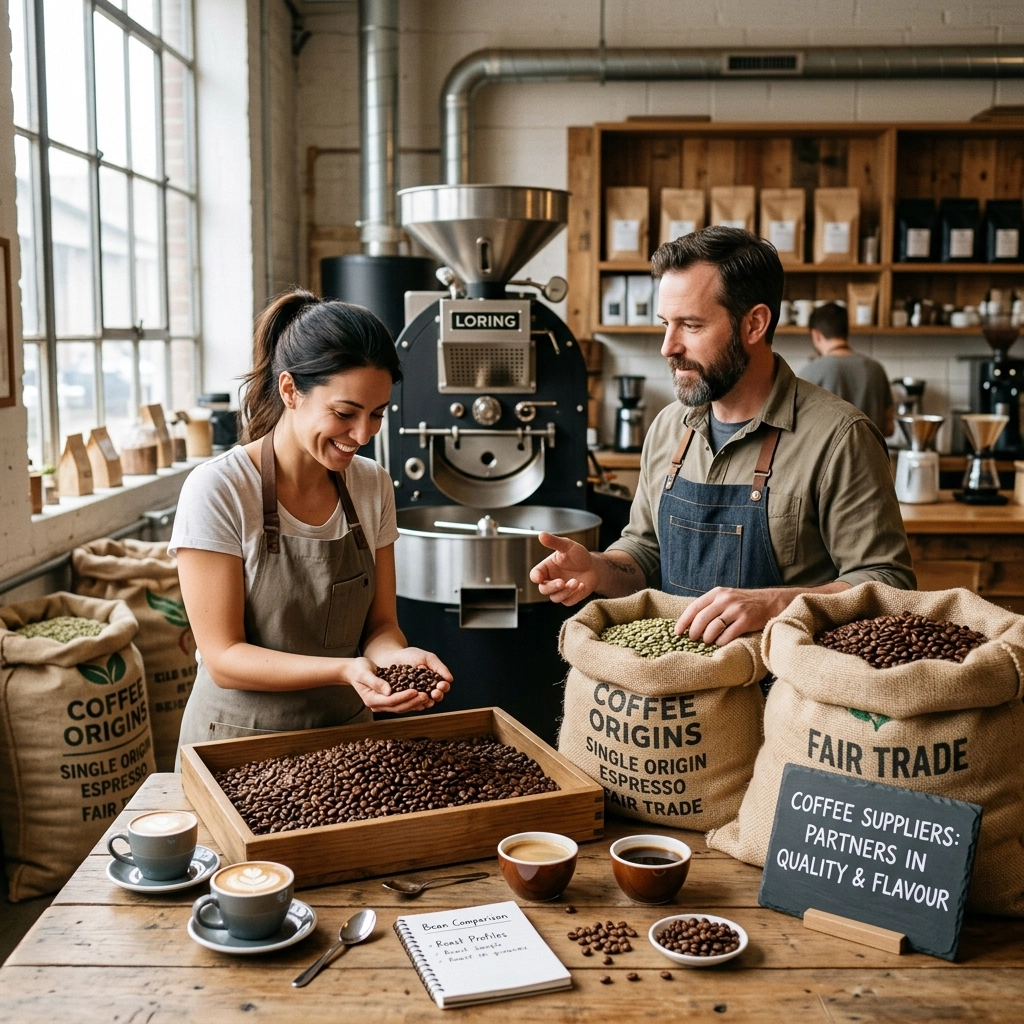
When you're looking for a partner for your white label journey, you need to look for a few non-negotiables:
- Freshness: If they’re shipping "pre-roasted" coffee that’s been sitting on a shelf for three months, run away. Coffee is at its peak between 2 and 4 weeks after roasting.
- Specialty Grade: Don't settle for commodity beans. Look for roasters who care about sourcing and ethical practices.
- No Minimums: This is crucial for startups. You want a partner who will ship one bag as happily as they’ll ship a hundred.
- White Label Support: Can they handle your custom labels? Do they offer different grind sizes? (Because not everyone owns a professional grinder).
At Limini, we pride ourselves on being more than just a supplier; we’re your wholesale partner in crime. We treat your orders with the same obsessive care we give our own.
Step 2: Designing Your Brand Identity
This is the fun part. This is where your "Midnight Brew" or "Early Bird Espresso" becomes real.
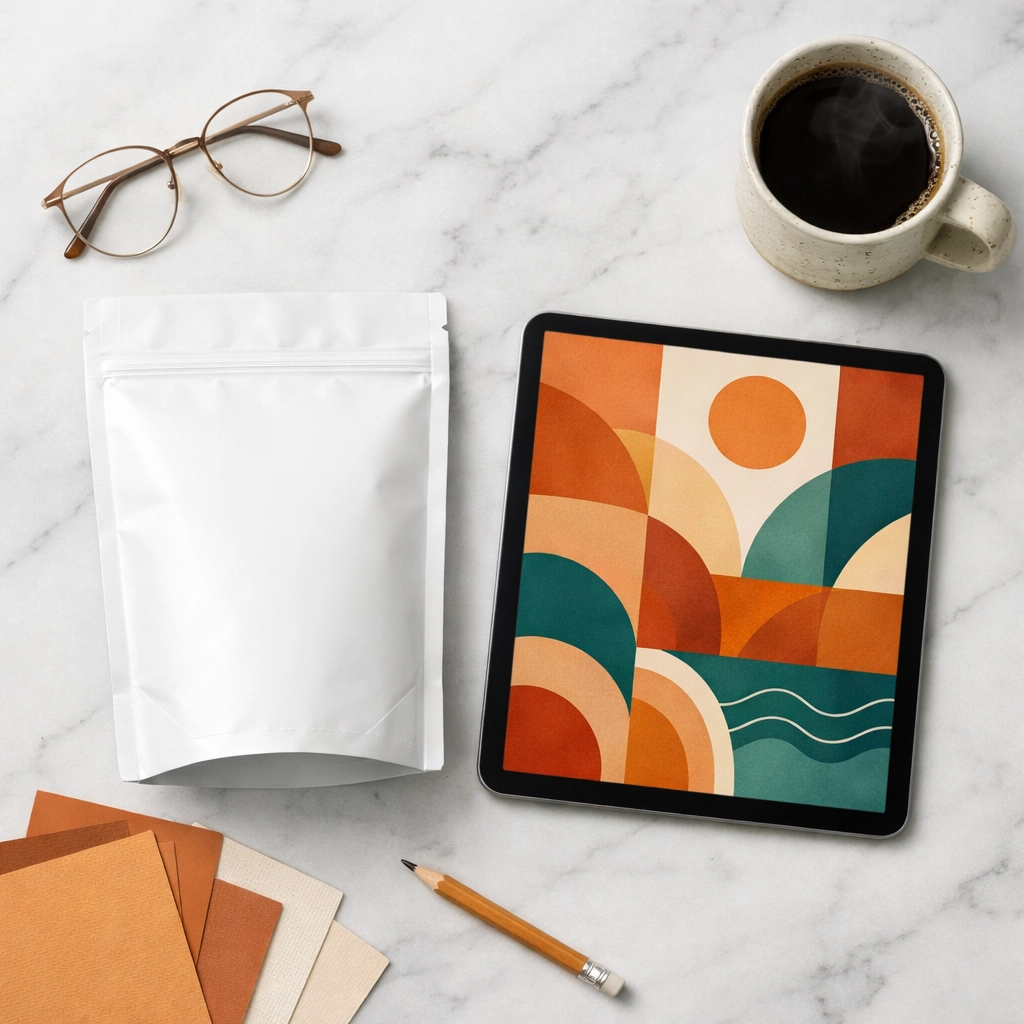
Your label is your handshake. It’s the first thing the customer sees. In the UK, there are a few rules you need to follow for compliance. Your labels should clearly state the weight (usually 250g, 500g, or 1kg) and whether it's whole bean or ground.
Most white label bags use a standard 10cm x 14cm label. It’s the perfect canvas. We recommend keeping it clean but bold. Whether you go for a minimalist aesthetic or something loud and illustrated, make sure it reflects the vibe of your coffee.
Step 3: Setting Up Your Digital Shop
You don't need a physical storefront, but your digital one needs to be top-notch. Most of our partners use Shopify or WooCommerce. These platforms are brilliant because they can often be integrated directly with your roaster's system.
When you're setting up your store, don't just list "Coffee." Sell the experience. Talk about the tasting notes, is it chocolatey and nutty? Or bright and fruity? Mention the crema and the body. Use the language of coffee to build trust.
And hey, if you want to go the extra mile, why not offer some barista training tips on your blog? Educating your customers makes them stickier.
Step 4: Pricing for Profit
Let’s talk money. You need to price your coffee so that it covers the cost of the beans, the shipping, your marketing, and still leaves you with a healthy margin.
Typically, a 250g bag of high-quality specialty coffee might cost you between £5 and £8 from a wholesale supplier. In the retail market, those same bags often sell for anywhere between £10 and £15 (sometimes more for rare micro-lots).
Don't try to be the cheapest. You can't out-price the supermarkets. Instead, out-quality them. Focus on the fact that your brand is small-batch, artisanal, and roasted to order. People are happy to pay a premium for a better cup of coffee and a brand they resonate with.
Step 5: The Logistics (The Stuff We Handle)
The beauty of working with us at Limini Coffee is that the "hard stuff" disappears from your to-do list.
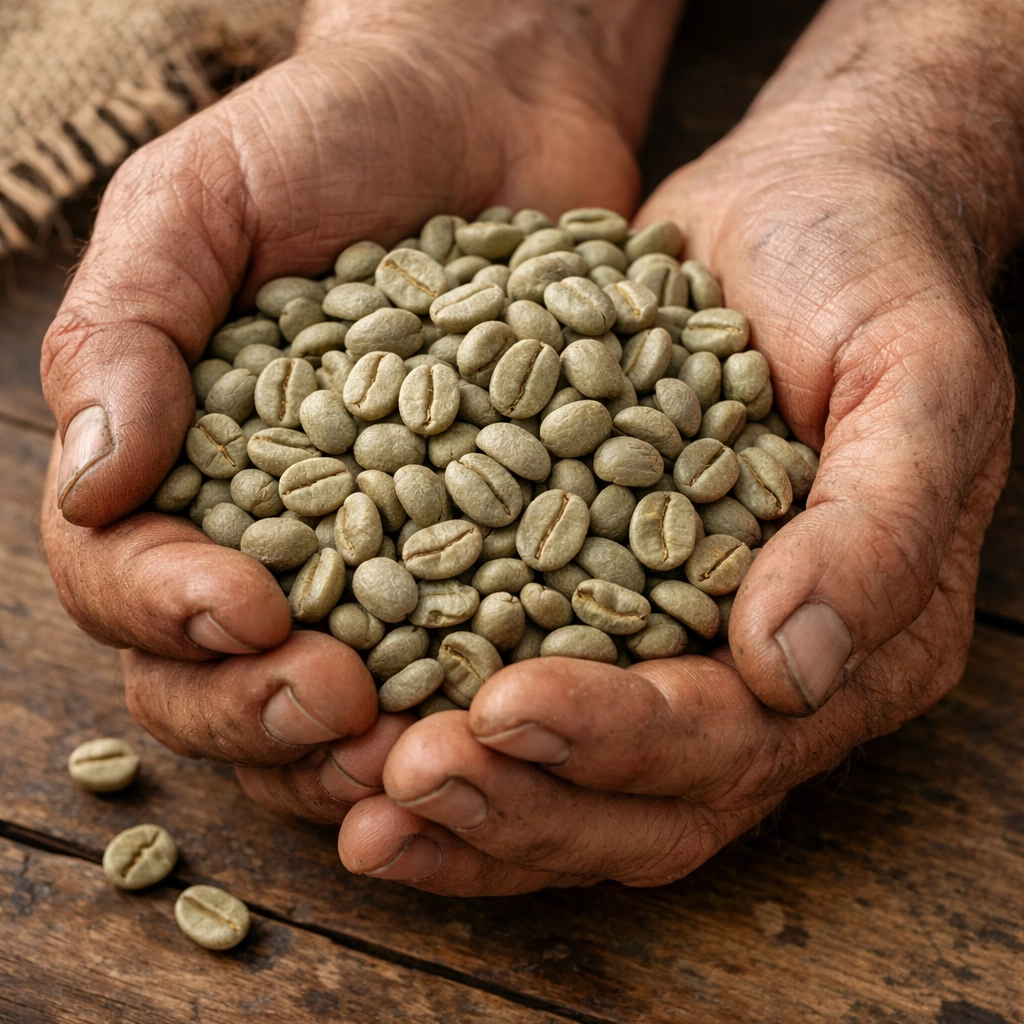
- Inventory: You don't have any. We hold the green beans and roast them as needed.
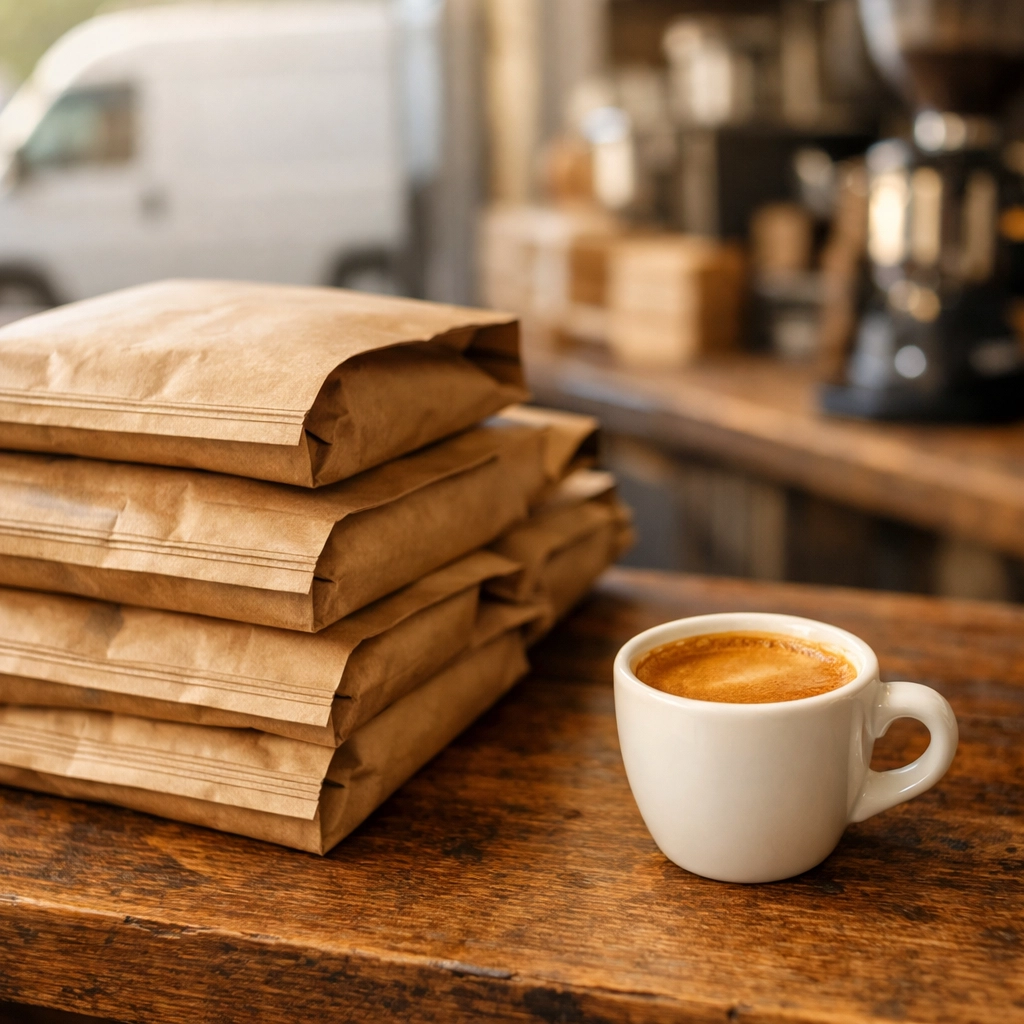
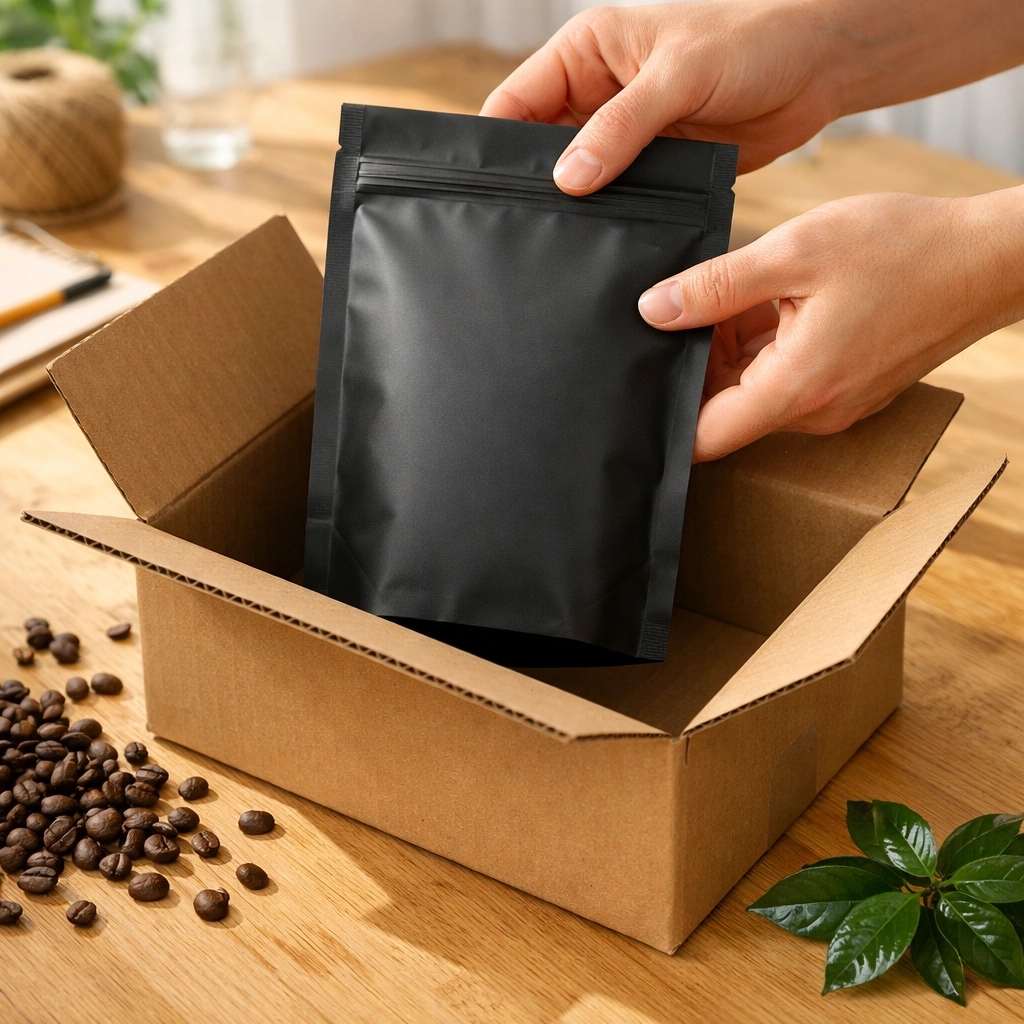
- Packaging: We provide the high-quality bags (usually with valves to keep the coffee fresh) and apply your labels.
- Shipping: We dispatch directly to the end consumer. Our shipping labels don't scream "Limini Coffee": they represent you.
- Consistency: Because we use high-end espresso equipment and rigorous quality control, every bag tastes as good as the last.
Is It Really That Easy?
"Easy" is a dangerous word. You still need to be a marketing machine. You need to find your audience, run your social media, and provide great customer service. But by removing the manufacturing and fulfillment headache, you’re free to focus on what actually grows a business: The Brand.
You aren't just selling caffeine; you're selling a morning ritual, a mid-afternoon pick-me-up, or a post-dinner treat.
A Note on Quality
We’ve seen a lot of people try to start a coffee dropshipping UK business using cheap, over-roasted beans from massive fulfillment centres. It never lasts. The specialty coffee community is savvy. If you want to build a brand that stands the test of time, you need to start with quality.
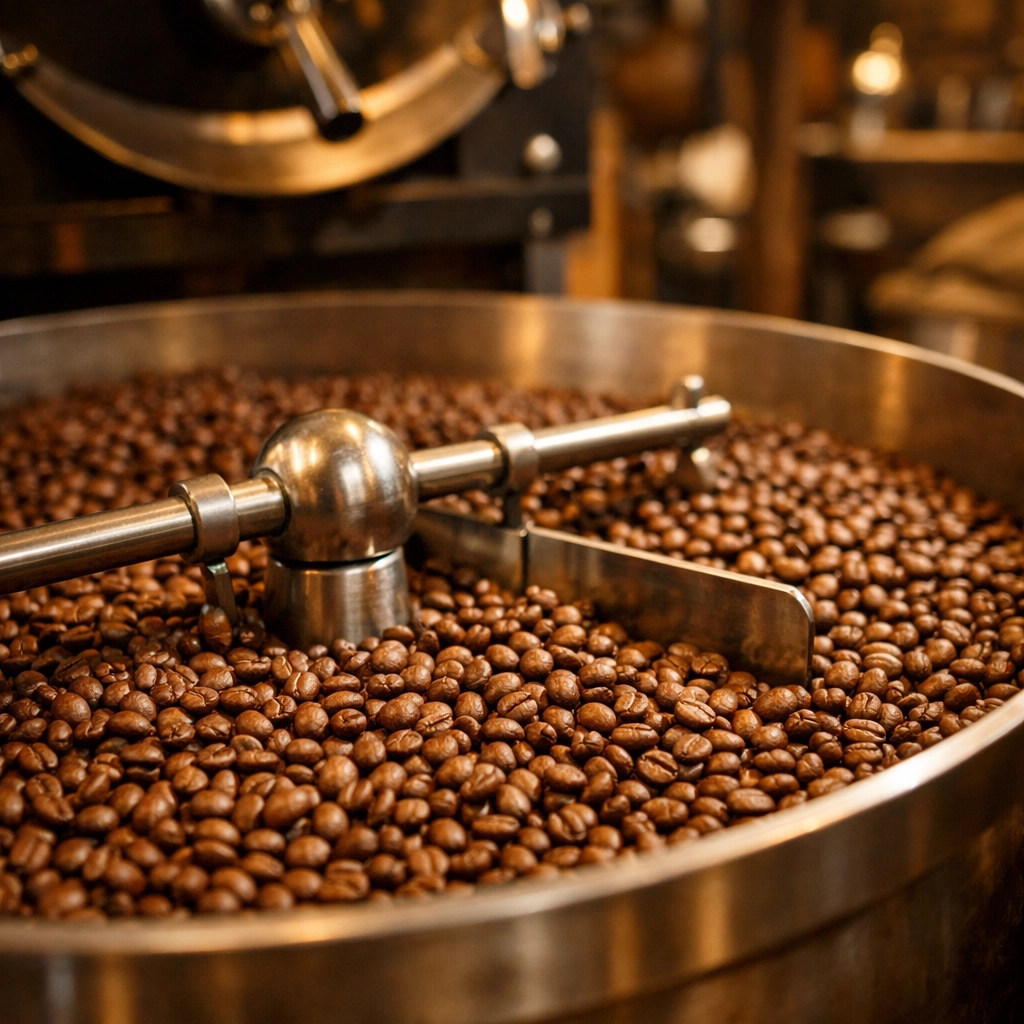
That’s why we focus so heavily on the science of the roast. Whether your customers are using a fancy lever automatic machine or a simple French press, the quality of the bean is what will bring them back for a second bag.
Ready to Roast?
Starting your own coffee brand is one of the most rewarding things you can do. There is a genuine thrill in seeing your logo on a bag of world-class coffee.
If you’re ready to stop dreaming and start roasting (well, letting us roast for you), we’d love to help. You can check out more about how we work or dive straight into our wholesale options.
Don't forget to use Scott’s link to get started: Start Your Brand with Limini Coffee.
The UK is a nation of coffee lovers, and there’s always room for one more great brand. Why shouldn't it be yours? So, grab a cup, get your creative hat on, and let's build something delicious together.
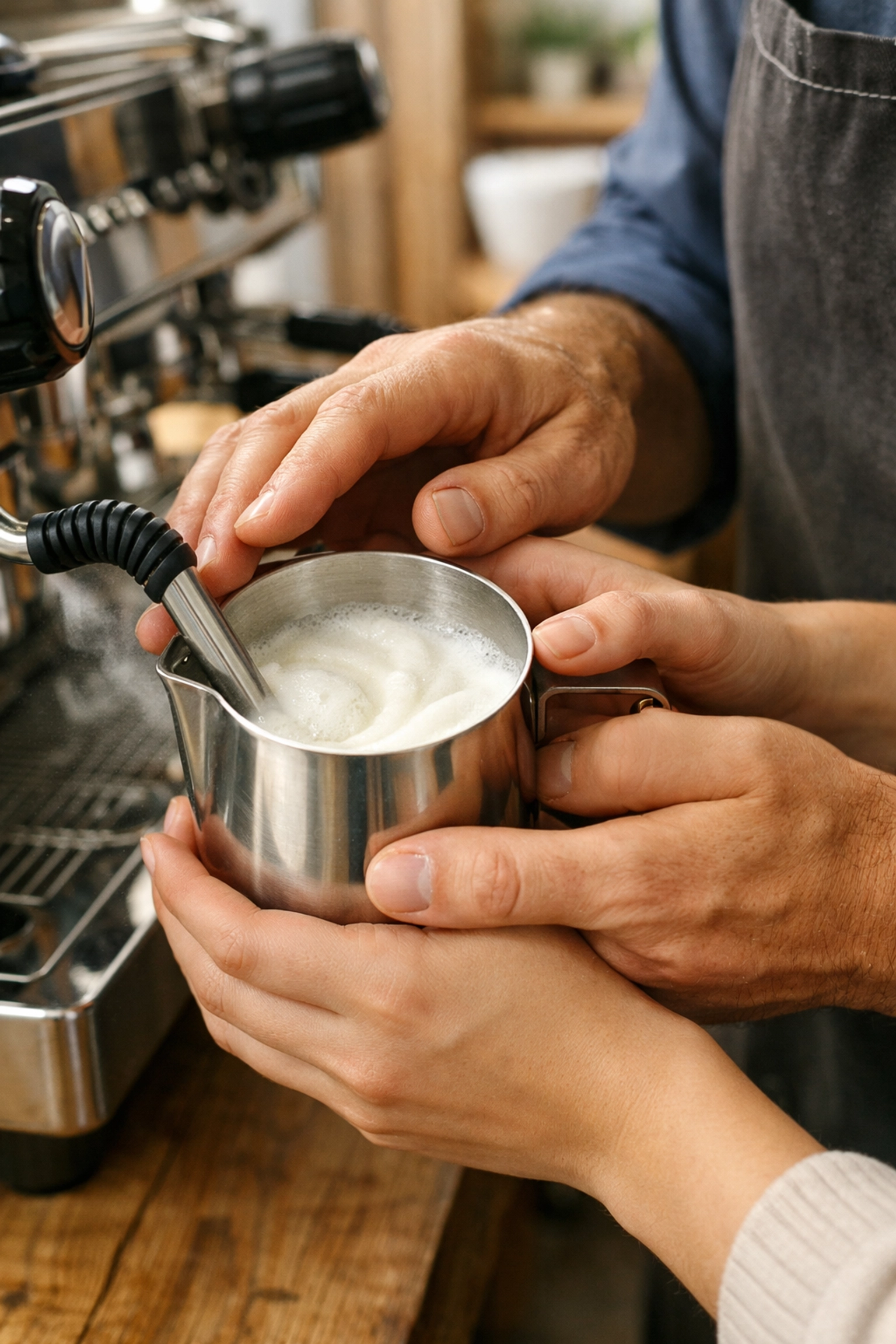
And remember, if you ever get stuck on the technical side of things: like understanding milk for your brew guides or choosing the right cups: we’ve got a wealth of resources to help you along the way.
Happy brewing! (And even happier selling!)