So, you want to start a coffee empire but you don’t exactly have the space for a massive industrial roaster in your spare bedroom? We get it. The dream of smelling freshly roasted beans every morning is lovely, but the reality of managing inventory, logistics, and heavy machinery is a different beast entirely.
This is where coffee dropshipping comes in. It is, quite frankly, a bit of a game-changer for entrepreneurs in the UK. Imagine running a fully branded coffee shop where you never actually touch a single bag of beans. You focus on the brand, the vibes, and the customers, while a specialty roaster (like us here at Limini Coffee) handles the roasting, packing, and shipping.
In this guide, we’re going to walk you through exactly how to set up your own online coffee business from scratch. No fluff, just the practical stuff you need to know to get brewing.
How Coffee Dropshipping Actually Works
Basically, dropshipping is a retail fulfillment method where a store doesn't keep the products it sells in stock. Instead, when you sell a bag of coffee, you purchase it from a third party: usually a roaster: and they ship it directly to the customer.
The "White Label" aspect is the secret sauce here. Even though the roaster is doing the heavy lifting, the coffee arrives at your customer's door with your branding on it. They never see the roaster’s name. To them, you are the artisan, the curator, and the expert. It’s a brilliant way to build brand equity without the massive overhead of a physical warehouse.
Step 1: Finding Your Tribe (The Target Market)
Before you even think about roast profiles or bag colours, you need to know who you’re selling to. If you try to sell "coffee" to "everyone," you’ll end up selling to no one. The UK coffee market is sophisticated, and generic just doesn't cut it anymore.
Ask yourself:
- Are you targeting the "Home Barista" who obsesses over 9 BAR pressure and precise tamping techniques?
- Are you looking for the busy office worker who just wants a reliable, delicious bean for their cafetière?
- Maybe you’re aiming for the eco-conscious crowd who only buys ethically sourced, specialty-grade beans?
Once you pick a niche, everything else: from your website copy to your label design: becomes much easier. You aren't just selling caffeine; you're selling a lifestyle.
Step 2: Choosing Your Beans
Now for the fun part. You need to select a core range. We usually suggest starting small: maybe 3 to 5 distinct products. This keeps your brand focused and your marketing clear.
We believe quality is the only way to survive in this industry. If you ship sub-par, stale coffee, your customers won't come back. You want beans that have been roasted recently (ideally within the last few days) and have a clear "roasted on" date.
Think about offering a variety:
- A Signature House Blend: Something crowd-pleasing, chocolatey, and smooth.
- A Single Origin: For the coffee geeks who want to taste the terroir of Ethiopia or Colombia.
- A Decaf Option: Because decaf drinkers deserve specialty quality too!
- Grind Options: While "whole bean" is the gold standard for freshness, offering "espresso," "filter," or "French press" grinds will massively expand your reach.
Step 3: Selecting a Reliable UK Supplier
This is the most critical decision you will make. Your supplier is your silent partner. If they mess up, you look bad. When we look at potential partners, we have a very specific checklist.
First and foremost: Freshness. Coffee is a fresh produce item. If a supplier is shipping beans that were roasted three months ago, they aren't a specialty roaster: they’re a warehouse. You want "roast-on-demand" capabilities.
Secondly, look for automation. In 2026, you shouldn't be manually emailing spreadsheets of orders to your roaster. You want a supplier that integrates directly with platforms like Shopify or WooCommerce. When a customer buys from you, the order should ping directly to the roaster's system.
Thirdly, check their wholesale credentials. Do they actually know their stuff? Have they won awards? Do they offer barista training? A roaster that understands the technical side of coffee is much more likely to provide a consistent product.
Step 4: Branding and The Legal Bits
This is where your business gets its soul. Your brand identity is what makes a customer choose you over the supermarket shelf.
In the UK, there are specific trading standards you must follow for coffee labelling:
- Weight: You must clearly state the weight (e.g., 250g, 500g, 1kg).
- Type: Is it whole bean or ground?
- Contact Info: Your business name and address (or at least a way to contact you).
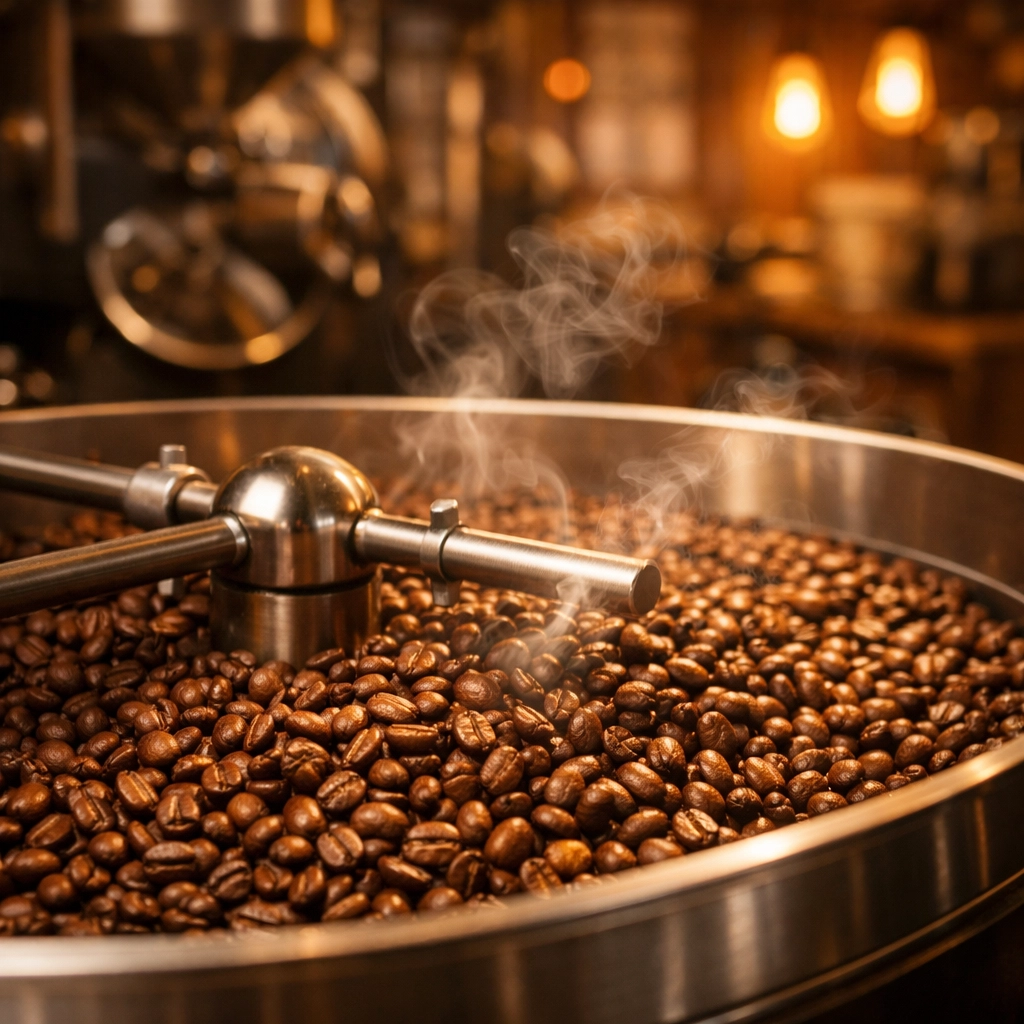
Beyond the legalities, think about the "unboxing" experience. Since you aren't there to hand the coffee to the customer, the bag is your only physical touchpoint. We’ve seen some incredibly creative ideas for packaging that really make a brand pop. Whether it’s a minimalist aesthetic or a vibrant, artistic label, make it memorable.
Step 5: Building Your Digital Shopfront
You don’t need to be a coding wizard to build a beautiful store. Platforms like Shopify are industry standards for a reason: they work.
Your website needs to be more than just a list of products. It should be an educational hub. Use a coffee brewing calculator to help your customers get the best out of their beans. Write blogs about understanding milk textures or the difference between a Latte and a Cappuccino.
This builds trust. When you show that you know the difference between a flat white and a cortado, people are much more likely to believe your coffee tastes good.
Step 6: Pricing for Profit
Let’s talk money. To be honest, this is where many beginners trip up. You aren't just covering the cost of the coffee; you're covering your marketing, your website fees, your transaction fees, and: hopefully: leaving some profit for yourself.
A typical specialty 250g bag might cost you between £5 and £8 from a high-quality roaster like Limini Coffee. In the UK specialty market, these bags often retail for anywhere between £10 and £16.
Don't be afraid to charge what you're worth. If you’re selling high-grade, ethically sourced specialty beans, don't try to compete with the £3 bags in the supermarket. You’re in a different league. Focus on the value, the story, and the freshness.

Step 7: Marketing and Launching
Once the site is live and the integrations are tested, it’s time to find customers. In the world of coffee dropshipping, SEO and Social Media are your best friends.
- Content is King: Start a blog. Write about things your target market cares about. Maybe it's a guide to choosing espresso equipment or an explainer on what crema actually is.
- Social Proof: Encourage reviews. Real feedback from real people is the most powerful marketing tool you have. (Check out some of our reviews to see how powerful this can be!)
- Paid Ads: If you have a bit of budget, targeted Instagram or Facebook ads can be a great way to jumpstart your traffic.
Is Coffee Dropshipping Right for You?
We think dropshipping is one of the best ways to enter the coffee industry. The risk is incredibly low because you don't have to buy £10,000 worth of stock upfront. If a particular bean isn't selling, you just remove it from your site. No waste, no stress.
However, the competition is real. To succeed, you need a partner who cares about the coffee as much as you do. You need a roaster that treats every bag like it’s their own.
If you’re ready to start your journey, we’d love to help. At Limini Coffee, we live and breathe specialty beans. From sourcing the best crops to ensuring the perfect roast profile, we handle the technical side so you can focus on building your brand.
It's an exciting time to be in the UK coffee scene. Whether you're a seasoned barista or a total newcomer, the tools are all there for you to create something brilliant. So, what are you waiting for? Let’s get roasting! ☕️
Leave a Reply