So you want to start a coffee brand, but the thought of storing hundreds of kilos of beans in your spare room, managing inventory spreadsheets, and hand-packing orders at 2 AM doesn't exactly sound appealing?
We get it.
That's where coffee dropshipping comes in: and honestly, it's one of the most accessible ways to launch an online coffee business in the UK today. You get to build a brand, connect with customers, and sell quality specialty coffee without ever touching a single bag of beans. The roaster handles everything from sourcing to shipping, while you focus on what matters: marketing, building relationships, and growing your business.
Let's walk through exactly how coffee dropshipping works in the UK, what you need to get started, and how to build something that actually stands out in a crowded market.
What Is Coffee Dropshipping, Really?
Coffee dropshipping is a business model where you sell coffee products under your own brand name without holding any physical inventory. Here's how it works:
You create an online store and list coffee products with your branding. When a customer places an order, that order automatically goes to your dropshipping supplier (in this case, a coffee roaster). The roaster then roasts, packages the coffee with your custom labels, and ships it directly to your customer.
You never see or handle the product. You never pay for inventory upfront. You only pay for the coffee when someone actually buys it.
The beauty of this model? Minimal risk, low overhead costs, and the freedom to test different products, markets, and branding ideas without committing to bulk inventory orders. It's particularly brilliant for entrepreneurs who want to break into the specialty coffee space without the capital typically required to start a traditional coffee business.
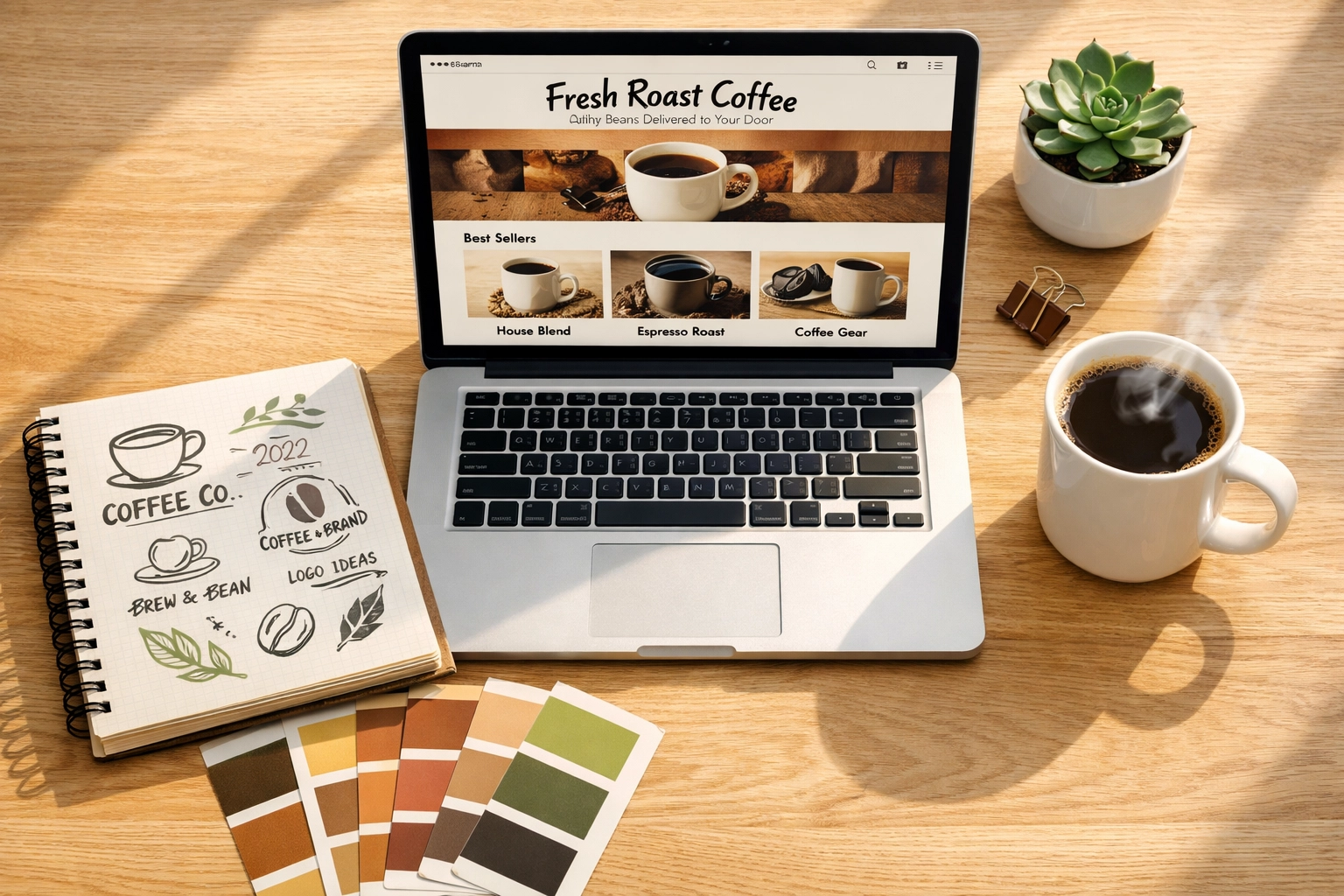
Why Coffee Dropshipping Makes Sense in the UK
The UK coffee market is booming. Specialty coffee has moved from niche cafés to mainstream consciousness, and consumers are increasingly buying quality beans online for home brewing. But here's the thing: most people don't want to buy from a faceless roaster. They want a brand they can connect with, a story they can believe in, and packaging that feels personal.
That's your opportunity.
Coffee dropshipping UK allows you to create that brand experience without the traditional barriers to entry. You're not competing on roasting expertise (your supplier handles that). You're competing on brand identity, customer experience, and how well you understand your target audience.
And with a reliable UK-based dropshipping partner, you get fresh roasted coffee, fast delivery times, and the ability to offer genuinely high-quality products from day one.
Step 1: Choose Your Dropshipping Supplier Carefully
This is the most important decision you'll make. Your supplier is essentially your business partner: they're responsible for product quality, fulfillment speed, and ultimately, your customer's experience.
When evaluating coffee dropshipping suppliers in the UK, look for:
- Fresh roasting on demand: Coffee is best within 2-4 weeks of roasting. You want a supplier who roasts to order, not one shipping months-old stock.
- White label capabilities: Can you use custom labels and packaging to build your brand?
- No setup fees or monthly charges: Some suppliers require upfront investment. The best dropshipping models charge you only for the orders you actually place.
- Reliable fulfillment: Fast, consistent shipping is non-negotiable. Your brand reputation depends on it.
- Quality coffee selection: Make sure their product range aligns with what you want to sell: single origins, blends, different roast levels, grind options.
We offer a white label dropshipping service at Limini Coffee with exactly this in mind. No setup fees, no monthly charges: you only pay for what you sell. We handle the roasting, packaging with your custom labels, and ship directly to your customers. It's designed to get you up and running quickly without the financial risk of traditional wholesale models.
Step 2: Design Your Brand Identity
Here's where you get to be creative. Your brand is what sets you apart in a market full of coffee companies.
Think about:
- Who are you selling to? Busy professionals who want convenience? Home brewing enthusiasts who geek out over tasting notes? Eco-conscious consumers who care about sustainability?
- What's your unique angle? Maybe you're focusing on rare single origins, supporting female coffee farmers, or creating subscription boxes with tasting notes and brewing guides.
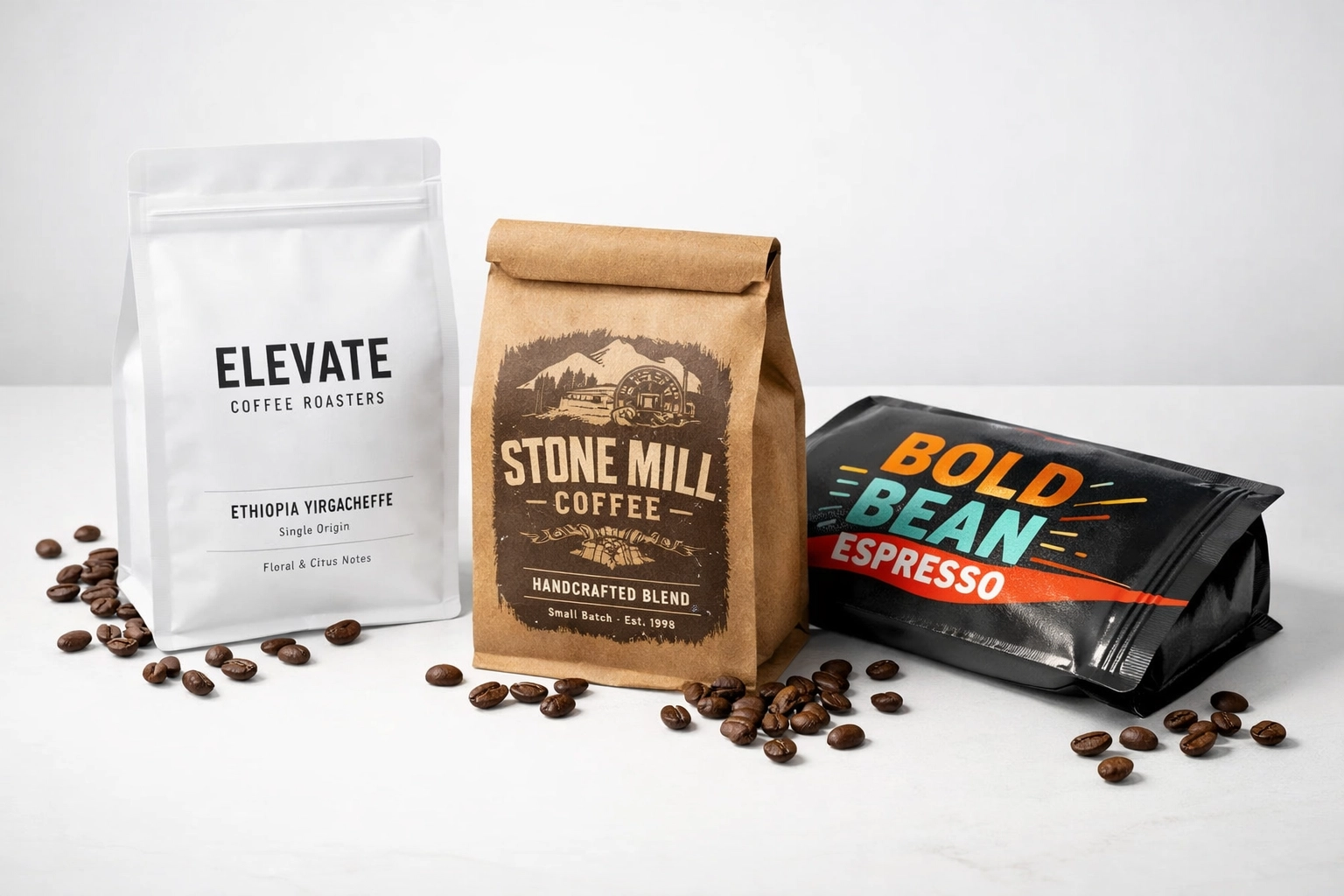
- What's your brand personality? Are you minimal and modern, rustic and artisan, bold and cheeky?
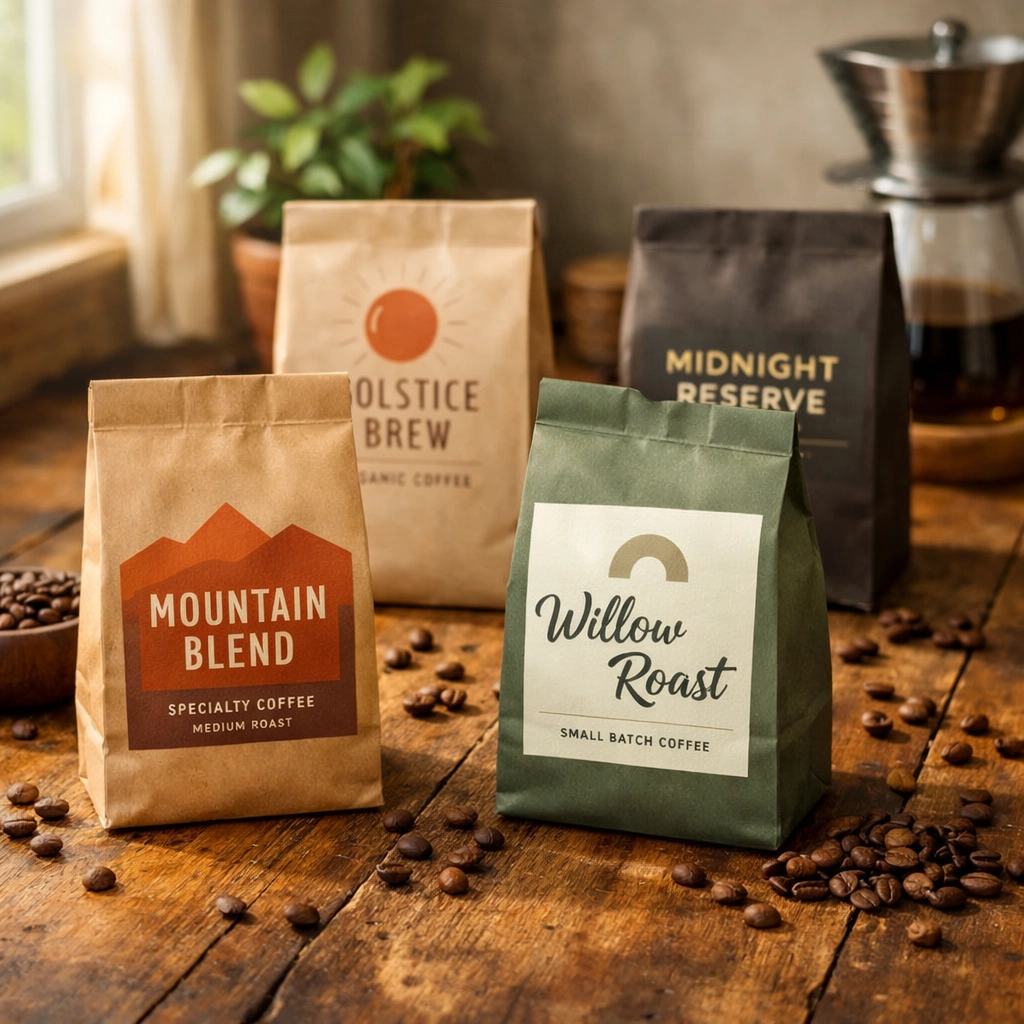
Once you've nailed down your brand positioning, design your labels and packaging. Most white label suppliers have specific label dimensions: for example, we use 10 by 14 cm labels with space on the front for your design and batch codes printed on the back. You'll want to work with a graphic designer (or use tools like Canva if you're on a budget) to create something that represents your brand beautifully.
Remember: your labels must include the product size (250g, 500g, or 1kg) and type (beans or ground) to comply with UK trading standards. Keep it clear and compliant.
Step 3: Build Your Online Store
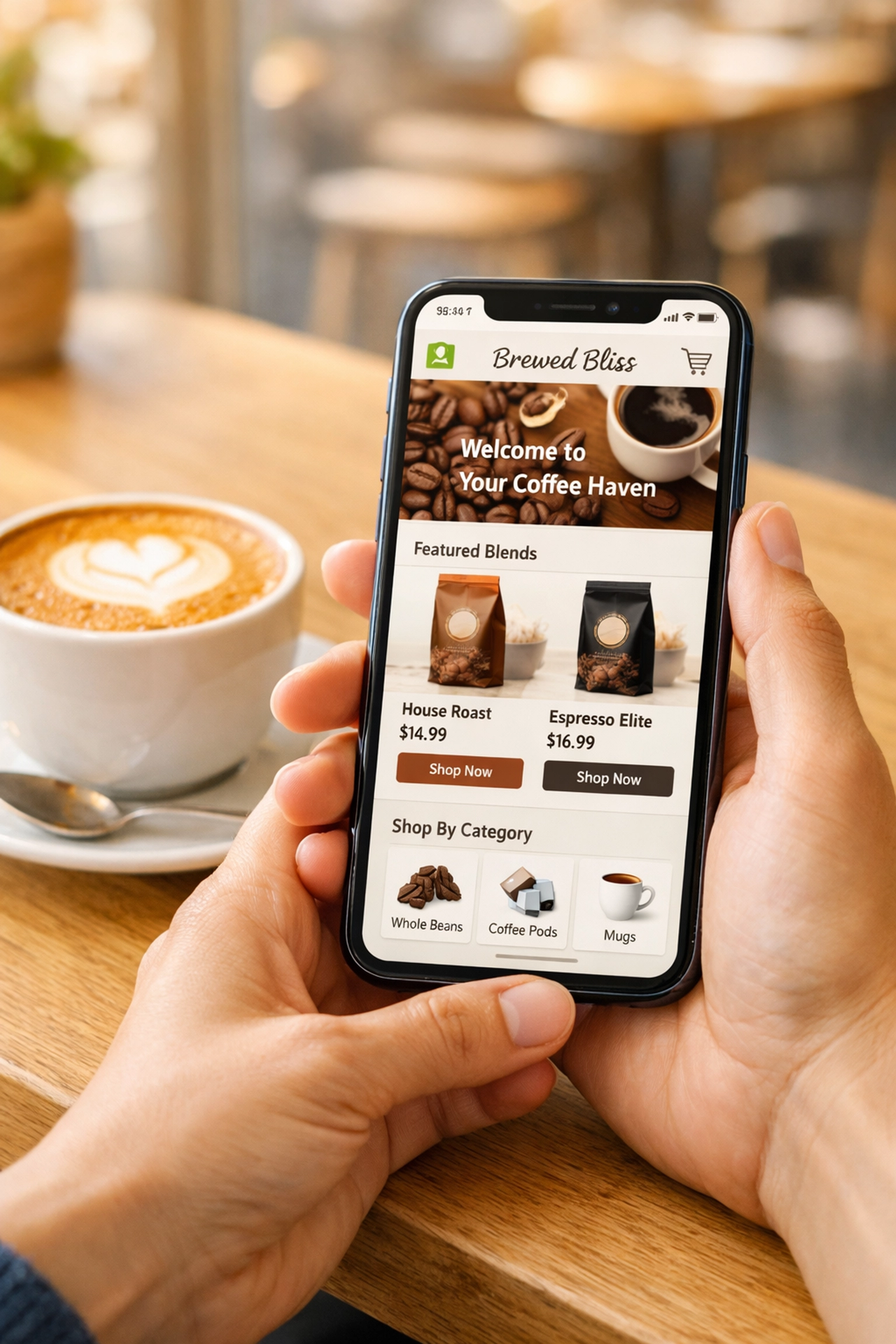
Your website is your storefront, and thankfully, building one has never been easier. Most coffee dropshipping businesses use Shopify because it integrates seamlessly with dropshipping suppliers and handles everything from payments to order management.
Here's what you need:
- Professional product photography: Even if you're dropshipping, invest in quality images. Show the bags from different angles, lifestyle shots of coffee being brewed, close-ups of beans.
- Compelling product descriptions: Don't just copy and paste supplier descriptions. Write in your brand voice. Include origin stories, tasting notes, brewing suggestions.
- SEO optimization: Use keywords like "coffee dropshipping uk," "specialty coffee," "freshly roasted beans," and location-specific terms if you're targeting particular regions.
- Clear shipping and returns information: Be transparent about delivery times and your policies.
Most dropshipping suppliers integrate directly with Shopify, meaning when a customer orders from your site, the order automatically goes to the roaster for fulfillment. This automation is crucial: it means you can literally run your business from your phone.
Step 4: Price Your Coffee Strategically
Pricing is both an art and a science in the dropshipping model. You need to cover your supplier costs, your marketing expenses, and still make a profit: while remaining competitive in the market.
Here's a rough framework:
- Check your supplier's wholesale/dropshipping prices (typically £5-£8 per 250g bag for specialty coffee)
- Research competitor pricing for similar quality coffee
- Factor in your marketing costs (Facebook ads, influencer partnerships, etc.)
- Aim for a markup of 50-100% depending on your positioning
So if your supplier charges £6 per bag, you might sell it for £9-£12. Premium positioning allows for higher prices, but you need to deliver premium branding and customer experience to match.
Don't race to the bottom on price. Compete on brand value, storytelling, and customer connection instead.
Step 5: Market Your Coffee Brand
You've got your supplier, your branding, and your website. Now comes the hard part: getting customers.
Coffee dropshipping is a competitive space, so you need a solid marketing strategy:
Social Media Marketing: Instagram and TikTok are gold for coffee brands. Share beautiful shots, brewing tips, behind-the-scenes content (even if you're dropshipping, you can share your brand story), and customer features.
Email Marketing: Build an email list from day one. Offer a discount for first-time subscribers, then nurture them with brewing guides, coffee education, and exclusive offers.
Content Marketing: Start a blog (like this one) covering topics your target audience cares about: brewing methods, coffee origins, equipment reviews. It builds authority and drives organic traffic.
Paid Advertising: Facebook and Instagram ads can work well for coffee brands, especially when targeting interests like "specialty coffee," "home brewing," and "artisan food."
Partnerships: Collaborate with food bloggers, lifestyle influencers, or complementary brands (think artisan bakeries or independent bookshops).
The key is consistency. Building a brand takes time, but with dropshipping, you're not sinking money into inventory while you wait for traction.
Important Operational Considerations
A few practical things to keep in mind as you run your coffee dropshipping business:
Order Placement: Most suppliers let you place orders through their website or via email. Some charge a small admin fee for email orders, so check the terms. If you're using our dropshipping service, orders can be placed directly through the site.
Customer Communication: When your supplier ships the order, they'll provide tracking information. Share this with your customer, but don't include digital tracking that reveals your dropshipper's identity: it can undermine your brand.
Quality Control: Even though you're not handling fulfillment, order samples regularly to check quality, packaging accuracy, and delivery times. Your reputation depends on what lands on your customer's doorstep.
Customer Service: You're still responsible for handling customer inquiries, complaints, and returns. Build relationships with your supplier so you can resolve issues quickly.
The Reality Check
Coffee dropshipping isn't a get-rich-quick scheme. You're building a real business, which means:
- It takes time to build brand awareness and customer loyalty
- Marketing costs money (budget for ads, especially early on)
- Competition is fierce: differentiation is everything
- Profit margins can be tight until you scale
But here's what makes it worthwhile: you get to test your business idea with minimal upfront investment. If your brand resonates, you can scale. If it doesn't, you haven't lost thousands on inventory sitting in a warehouse.
And if things go well? You can eventually transition to buying wholesale, launching a subscription service, expanding into cafés and retail, or even starting your own roastery. Dropshipping is often the first chapter, not the whole story.
Getting Started Today
So where do you actually begin?
Start by researching your target market. Who are you selling to, and what do they want? Then, find a reliable dropshipping partner who can deliver on quality and service. Design your brand identity and labels. Build a simple but professional website. List 3-5 core products to start: don't overcomplicate things early on.
Then launch, learn, and iterate.
The beauty of coffee dropshipping in the UK is that you can literally start this week. The barriers are low, the potential is real, and the specialty coffee market shows no signs of slowing down.
If you're serious about building a coffee brand without the inventory headache, explore our white label dropshipping service. We're here to handle the roasting and fulfillment while you focus on building something special.
Your coffee brand starts now. What story will you tell?
Leave a Reply