So you want to start your own coffee brand. You've got the vision, the passion, and maybe even the perfect name picked out. But here's the problem: roasting equipment costs tens of thousands of pounds, you need warehouse space, inventory management systems, packaging supplies, and don't even get us started on the logistics of fulfillment.
What if we told you there's a way to launch your coffee brand without any of that?
Welcome to coffee dropshipping, the business model that's making it possible for entrepreneurs across the UK to launch their own coffee brands with minimal investment and maximum flexibility. And honestly, it's brilliant.
What Is Coffee Dropshipping, Anyway?
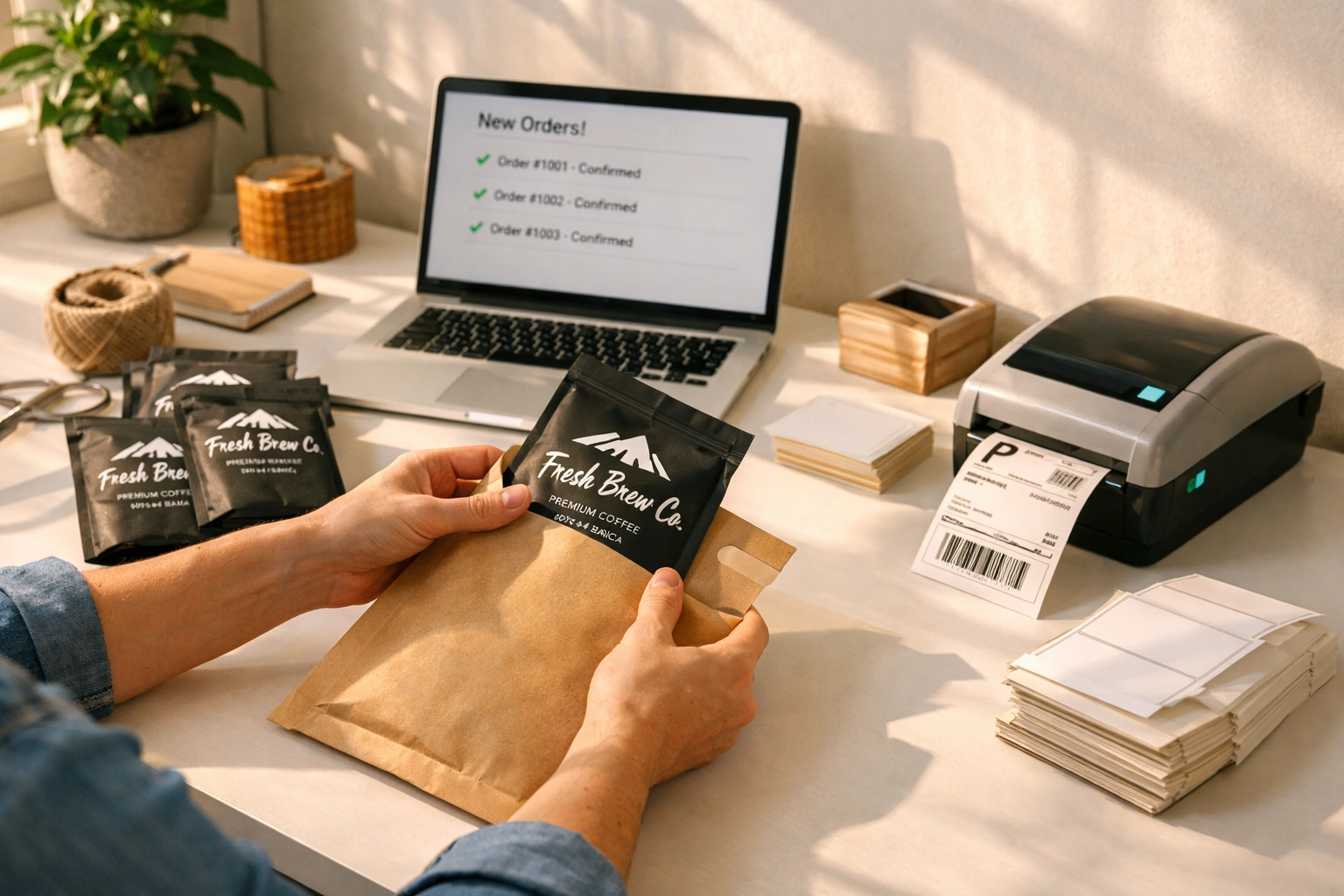
Coffee dropshipping is refreshingly straightforward. You create and market your coffee brand, take orders from customers, and then your dropshipping partner (that's where we come in) handles everything else, roasting, packaging, labeling, and shipping directly to your customers.
You never touch the beans. You never worry about stock levels. You focus entirely on what you do best: building your brand and connecting with customers.
Think of it as having your own roastery and fulfillment center, except you don't actually own them. Your partner roasts fresh coffee to order, packages it with your branding, and ships it out while you're busy planning your next marketing campaign or designing your new seasonal blend.
The best part? Your customers never know you're working with a partner. No Limini Coffee branding appears on the package unless you want it there. It's your brand, your way.
Why The UK Market Is Perfect For This
The UK coffee scene has absolutely exploded over the past decade. People aren't settling for supermarket instant anymore, they want specialty coffee, single origins, unique blends, and brands with personality. The demand for quality coffee is higher than it's ever been.
And here's the thing: consumers love supporting small, independent coffee brands. They want to know the story behind their morning cup. They want brands that align with their values. They want something that feels personal and authentic.
That's your opportunity.
By working with UK-based suppliers, you're also tapping into the local market advantage. Faster delivery times, support for local businesses, and a smaller carbon footprint compared to importing from overseas. Your customers will appreciate that.
Your Step-By-Step Quick Start Guide
Let's break down exactly how to launch your coffee dropshipping business. We'll keep this practical and actionable.
Step 1: Choose Your Niche
The coffee market is big, which means you need to stand out. Think about who you're serving and what makes your brand different.
Are you targeting busy professionals who need convenience? Health-conscious consumers looking for organic options? Coffee geeks who geek out over processing methods and tasting notes? New parents who need decaf that doesn't taste like disappointment?
Your niche will guide everything, your branding, your product selection, your marketing voice. The more specific you can be, the easier it becomes to find and connect with your ideal customers.
Some questions to consider:
- What origin stories resonate with your target audience?
- Are you focusing on sustainability and ethical sourcing?
- Will you offer blends, single origins, or both?
- What about roast levels, light, medium, dark, or a range?
- Are you including decaf options?
Don't try to be everything to everyone. Pick your lane and own it.
Step 2: Find Your Dropshipping Partner (Hello!)
This is arguably the most important decision you'll make. Your dropshipping partner is the backbone of your business: they're handling the product quality, fulfillment speed, and ultimately, your customer's experience.
Here's what to look for in a supplier:
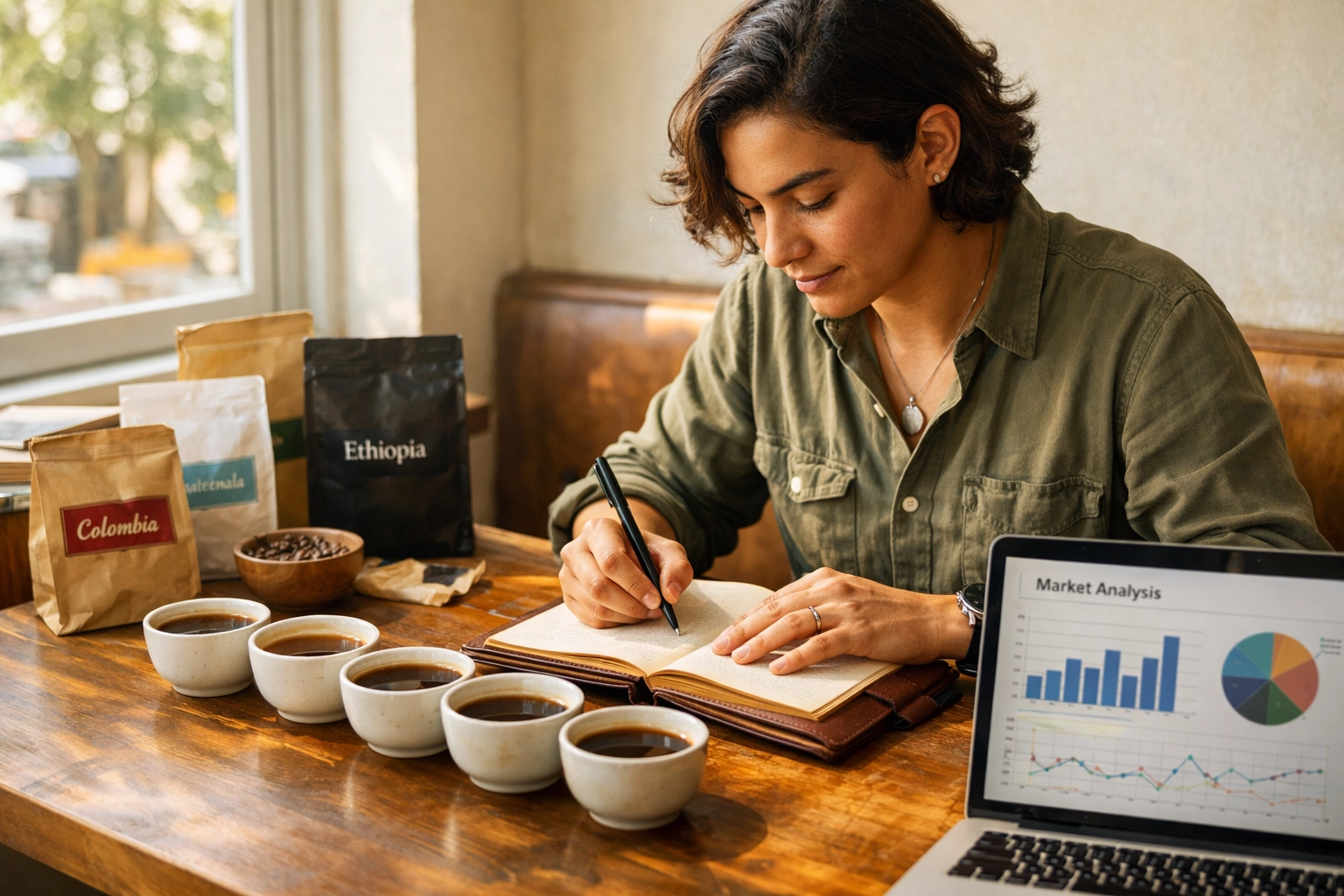
Product Quality: Your brand is only as good as the coffee you sell. You need a roaster who sources quality beans and roasts them properly. Taste their coffee first. If you wouldn't drink it yourself, don't sell it.
White Label Capabilities: Can they package coffee under your brand name with custom labels? This is essential for building brand recognition.
Delivery Times: UK customers expect quick delivery. Your partner should ship promptly: ideally within a day or two of receiving the order.
Minimum Orders: Many suppliers require minimum order quantities, which defeats the purpose of dropshipping. Look for partners with no minimum requirements.
Integration Options: How easy is it to place orders? Can they integrate with your website or do you need to email every order manually?
Pricing Structure: What are the wholesale prices? Are there setup fees or monthly charges? The economics need to work for your business model.
We offer white label dropshipping with no setup charges, no monthly fees, and no minimum orders. You get wholesale pricing on specialty coffee that we roast fresh to order, and we handle everything from grinding (if needed) to packaging to shipping. Your customers get quality coffee delivered fast, and you get to focus on building your brand. Check out how it works at Limini Coffee's dropshipping services.
Step 3: Set Up Your Online Shop
You need a home base where customers can discover your brand and place orders. For most coffee dropshippers, that means an e-commerce website.
Shopify is the popular choice here, and for good reason. It's user-friendly, looks professional, and integrates well with most dropshipping suppliers. You can have a functional storefront up and running in a weekend.
When building your shop, focus on:
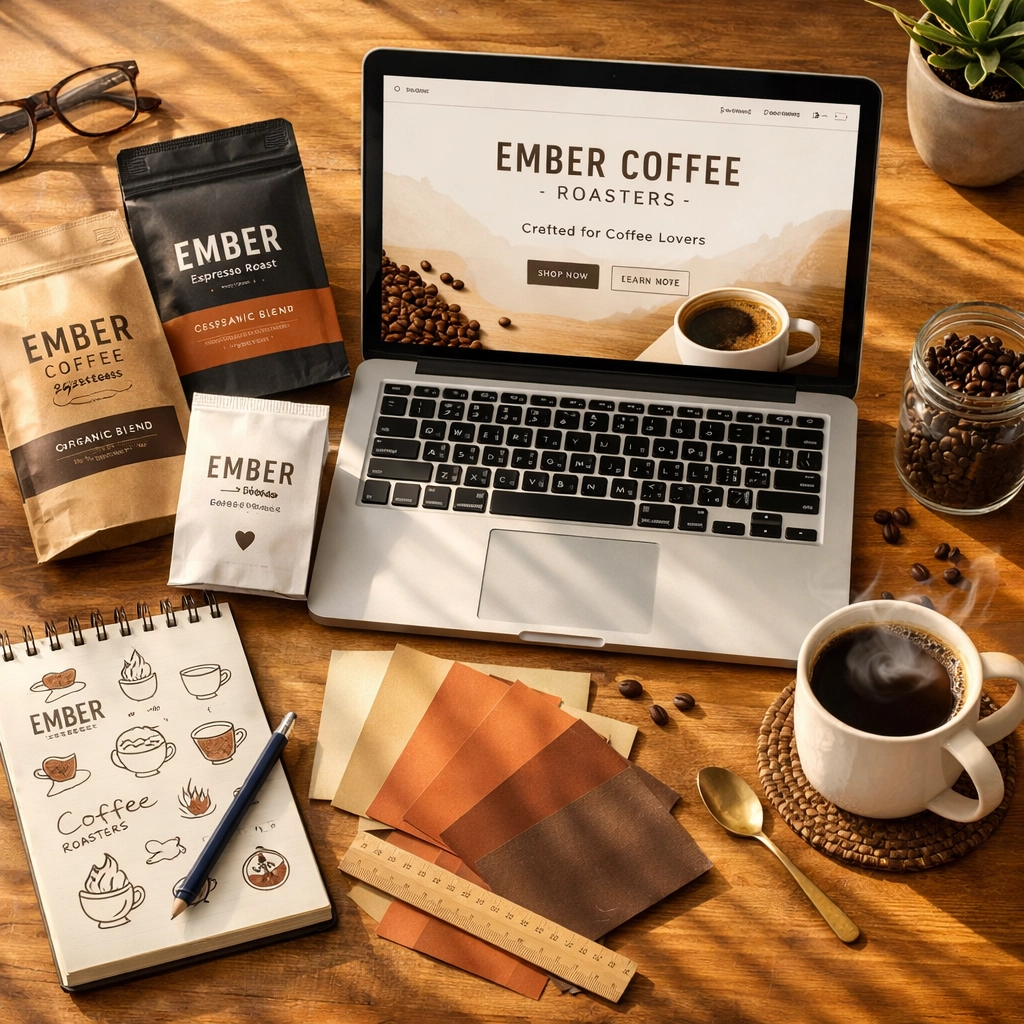
Branding: Your visual identity matters. Invest time in your logo, color palette, and overall aesthetic. This is what customers will remember.
Product Descriptions: Don't just list specs. Tell the story of each coffee. Where's it from? What does it taste like? How should they brew it? Make it compelling.
Photography: Quality images make a massive difference. If your supplier provides product photos, great. If not, order samples and shoot your own.
User Experience: Make it stupid simple to browse, select, and checkout. Every extra click is an opportunity for customers to abandon their cart.
About Page: People want to know who they're buying from. Share your story, your values, why you started this brand.
Step 4: Price Your Products
Pricing is a balancing act. You need to cover your costs, make a profit, and remain competitive: all while reflecting the quality and positioning of your brand.
Most coffee dropshippers mark up wholesale prices by 50-100%, though premium brands can go higher if the quality and branding justify it. A 250g bag that costs you £6 wholesale might retail for £9-12.
Remember to factor in:
- Your wholesale coffee cost
- Payment processing fees (usually 2-3%)
- Marketing costs
- Website hosting and platform fees
- Your time and effort
Don't compete on price alone, especially in the specialty coffee market. Customers will pay more for quality, great branding, and excellent service.
Step 5: Market Your Brand
Here's where your creativity comes in. You've got the product sorted: now you need to get it in front of people.
Social Media: Instagram is perfect for coffee brands. Share beautiful photos, brewing tips, behind-the-scenes content, and customer features. TikTok is also brilliant for reaching younger audiences with quick, entertaining coffee content.
Content Marketing: Start a blog (like this one!). Write about coffee origins, brewing guides, industry trends. This helps with SEO and positions you as an authority.
Email Marketing: Build your list from day one. Offer a discount for first-time subscribers. Send regular newsletters with coffee tips, new products, and exclusive offers.
Partnerships: Collaborate with other small businesses, cafes, or influencers in your niche. Cross-promotion can be incredibly effective.
Local Markets: If you're building a local brand, set up stalls at farmers markets or food festivals. Let people taste your coffee and connect with your story in person.
The beauty of dropshipping is you can test different marketing approaches without worrying about inventory. Running a promotion? No problem. Want to launch a limited edition blend? Easy. Your supplier handles the operational side while you experiment with what works.
Why Limini Coffee Makes Sense For Your Business
We've worked with coffee dropshippers across the UK, and we understand what you need to succeed.
Fresh-Roasted Quality: We roast to order, which means your customers get coffee at its peak. We're talking days-fresh, not months-old beans sitting in a warehouse.
Flexibility: Whether you want beans or ground coffee, 250g bags or 1kg, we've got you covered. We offer single origins, blends, and decaf options to suit different customer preferences.
True White Label: Your branding, your labels, your brand story. We stay completely invisible unless you want to mention us.
No Risk: No setup fees, no monthly charges, no minimum orders. You only pay for what you sell.
Quick Turnaround: We process and ship orders fast, so your customers aren't waiting around.
Ready to explore how it works? Visit our dropshipping program to learn more about wholesale pricing and getting started.
The Real Benefits: Low Risk, High Reward
Let's talk about why this model is so attractive for aspiring coffee entrepreneurs.
Minimal Startup Costs: You're not buying roasting equipment, renting warehouse space, or investing in bulk inventory. Your main expenses are your website, branding, and marketing. You can literally start this business for under £500.
No Inventory Risk: Traditional retail means buying stock upfront and hoping it sells. Dropshipping eliminates that risk entirely. You only order what's already sold.
Scalability: Want to test a new blend? Launch it tomorrow. Want to expand into corporate gifting? Just add the option to your site. Want to sell 10 bags a week or 100? The infrastructure scales with you.
Location Freedom: You can run this business from anywhere with an internet connection. No physical location required.
Low Time Commitment: Especially in the beginning, you can run this alongside a day job. As it grows, you decide when to go full-time.
Test Before You Invest: Many successful coffee brands start with dropshipping to validate their concept and build a customer base before investing in their own roasting equipment.
Getting Started Today
The coffee industry can feel intimidating from the outside. Roasting seems complex. Sourcing seems mysterious. Logistics seem overwhelming.
But with dropshipping, you can bypass all of that and focus on what actually matters: building a brand that people love, connecting with customers, and sharing great coffee.
Your first step? Get clear on your brand concept. Who are you serving? What makes you different? What's your story?
Then reach out to a dropshipping partner (like us!) and start the conversation. Taste their coffee. Understand their process. Make sure it's a good fit.
Set up your website. Start with a simple, clean design and a few core products. You can always expand later.
And then: and this is the important part: launch. Don't wait for everything to be perfect. Get your brand out there, start making sales, and iterate as you go.
The UK coffee market is thriving, and there's absolutely room for your brand in it. Whether you're dreaming of turning this into a full-time business or just want a creative side project that pays for itself, coffee dropshipping offers a genuine path forward.
Want to chat about launching your coffee brand? Check out our dropshipping services and let's make it happen. Your coffee brand starts now. ☕
Leave a Reply