So you want to start your own coffee brand but don't fancy investing £50,000+ in roasting equipment, warehouse space, and inventory? We get it. The specialty coffee industry is booming in the UK, but the barriers to entry can feel impossibly high.
Here's the thing though: you don't need to roast a single bean to run a successful coffee business.
Coffee dropshipping lets you create, brand, and sell exceptional coffee under your own name whilst a supplier (like us) handles all the messy bits: roasting, packaging, labeling, and shipping directly to your customers. You focus on what matters most: building your brand and finding customers who love what you're about.
Let's break down exactly how this works and how you can get started.
What Actually Is Coffee Dropshipping?
Coffee dropshipping is a retail fulfillment model where you never touch the product yourself.
When someone orders a bag of coffee from your website or store, that order goes straight to your supplier. Your supplier roasts the beans fresh, packages them with your custom labels and branding, and ships them directly to your customer. To your customer, it looks like it came entirely from you. Your supplier remains completely invisible.
You handle the brand identity, marketing, customer service, and pricing. Your supplier handles production and logistics.
The beauty of this model? Zero inventory risk, minimal upfront costs, and the flexibility to test products, niches, and markets without committing to hundreds of kilos of coffee sitting in your garage.
The Different Dropshipping Models You Can Choose
There are essentially three ways to approach coffee dropshipping in the UK, each with different levels of customization and involvement.
White Label Coffee
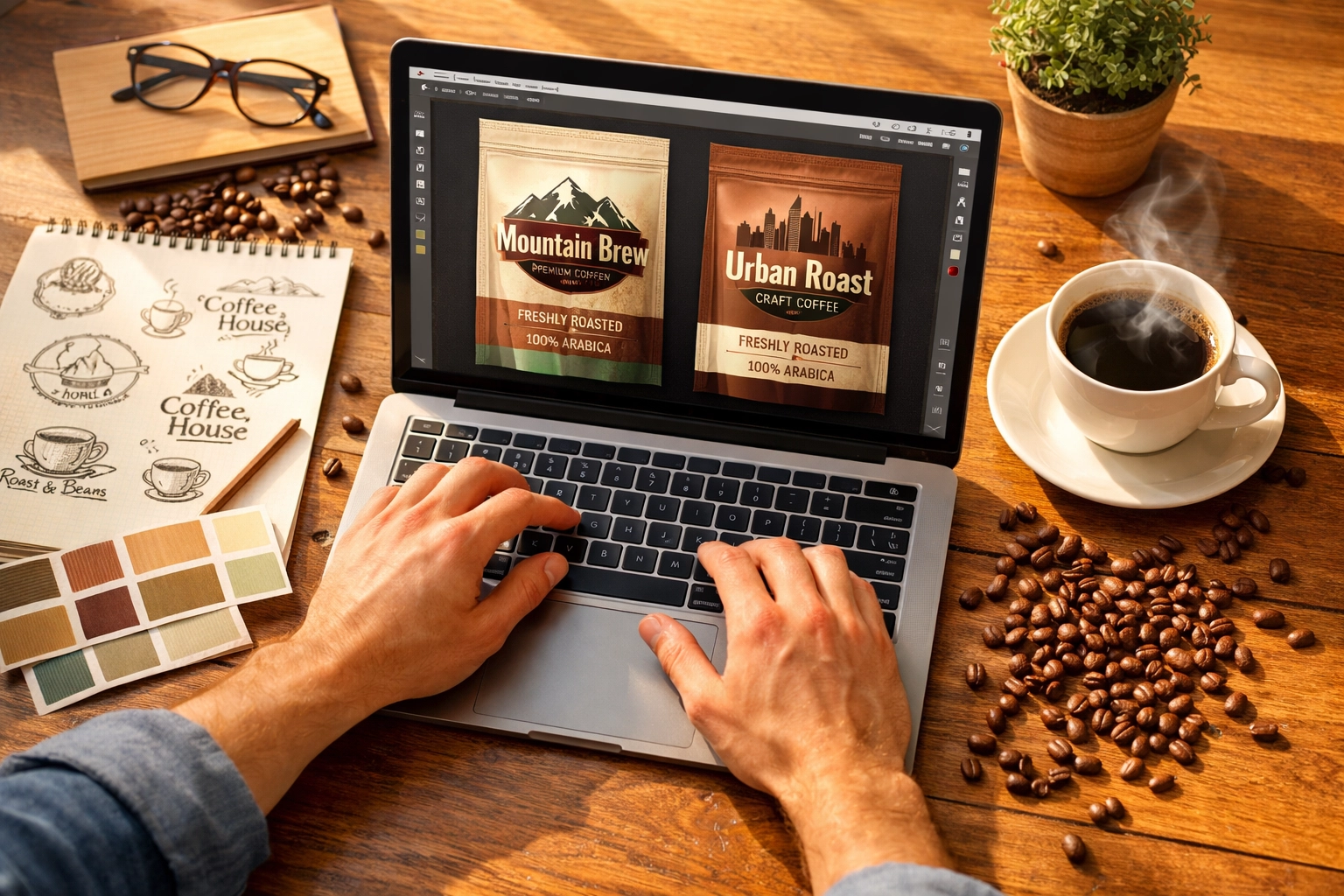
This is the most common route. You're selling an established coffee roast under your own brand name. The supplier provides the coffee, you design custom labels and packaging, and you set your own pricing. The coffee itself: the beans, the roast profile, the origin: is already dialed in by the roaster. You're basically putting your stamp on their expertise.
This is brilliant if you want to get to market quickly without developing recipes or understanding roast profiles. You trust the roaster to produce exceptional coffee, and you focus entirely on branding and selling.
Private Label Coffee
Want something more unique? Private label means working with your supplier to develop custom blends, single origins, or roast profiles that nobody else has. You're collaborating to create a product that's genuinely yours.
This takes more time and usually requires higher minimum orders, but it gives you a product your competitors can't replicate. It's worth considering once you've validated demand and understand what your customers want.
Reselling Established Brands
You can also dropship existing coffee brands without any custom branding at all. This requires the least effort but also offers the lowest margins and zero brand differentiation. We wouldn't generally recommend this route unless you've got another angle: like bundling coffee with equipment or offering subscription services with serious added value.
Why Coffee Dropshipping Works in the UK
The UK specialty coffee market is massive and growing. Coffee culture has shifted from instant granules to pour-overs, AeroPress, and home espresso setups. People care about origin, roast date, and ethical sourcing now.
And here's the crucial bit: fresh is best.
Coffee starts losing its magic about two weeks after roasting. Traditional retail models mean beans sit in warehouses, then on shop shelves, often for months. With dropshipping, your customer gets coffee that was roasted days ago, not months. That's a genuine competitive advantage.
The barriers to entry are also remarkably low. No need to lease commercial space, buy roasting equipment, or commit to massive inventory orders. You can literally start with a laptop, a domain name, and a design tool.
Starting Your Coffee Brand with Limini Coffee
We've been roasting specialty coffee and supplying UK businesses for years, and we offer completely free, flexible dropshipping for coffee, tea, chocolate, and brewing equipment.
Here's what makes our service work for new brands:
No setup costs. None. You're not paying us to join a program or access our products.
No minimum orders. You can start with a single bag if that's what your first customer orders. Scale at your own pace.
Complete anonymity. We never reveal ourselves to your customers. Your branding is on the label, the packaging, the invoice. We're invisible.
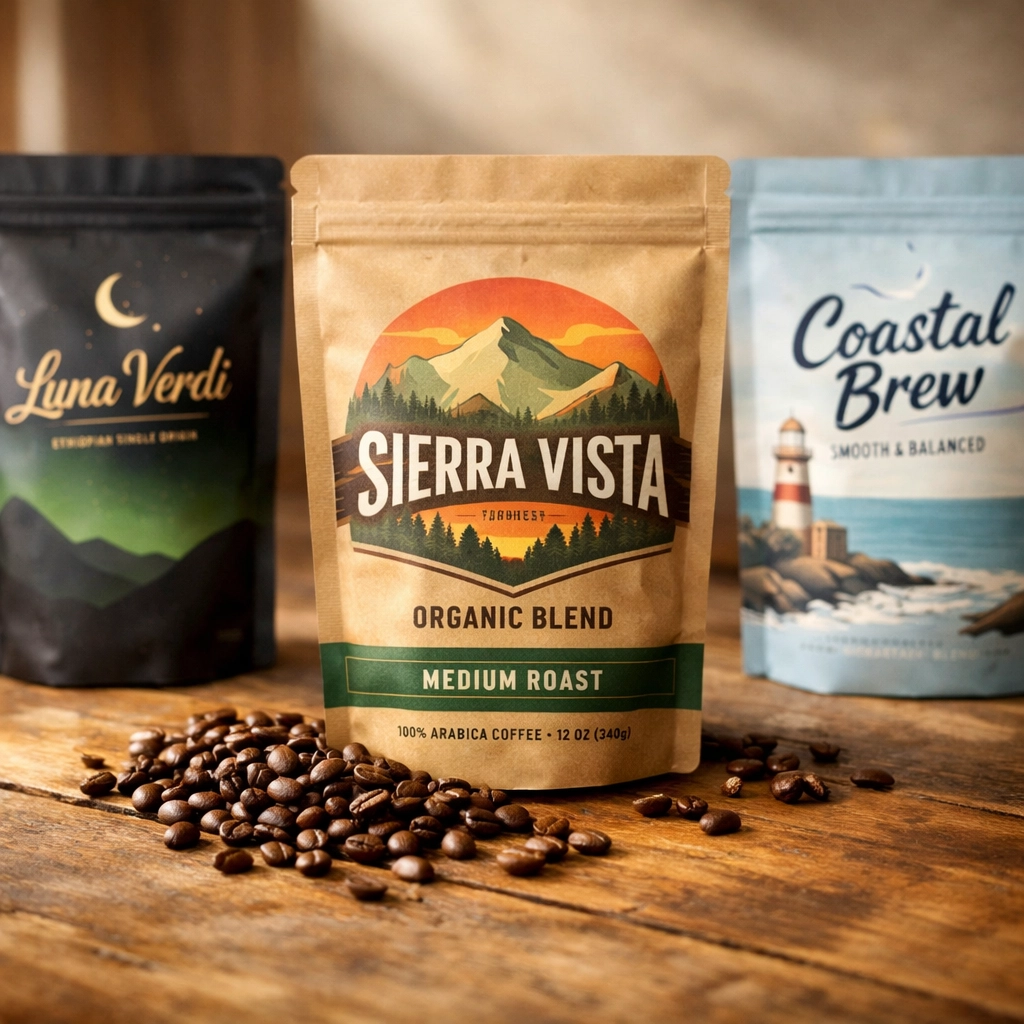
You design your labels. We need labels to be 10 cm by 14 cm and to include the legally required information: coffee size (250g, 500g, or 1kg) and type (beans or ground). Beyond that, make it yours. Your colors, your logo, your story.
Wholesale pricing. You pay wholesale rates and set your own retail prices. Your margin is entirely up to you.
To get started with us, head to https://www.liminicoffee.co.uk/?af=1471531379787 and explore our range. You'll find single origins from Ethiopia, Colombia, and beyond, plus blends designed for different brew methods and taste profiles.
Your Step-by-Step Launch Plan
1. Define Your Brand Identity
What makes you different? Are you targeting office workers who want convenient subscriptions? Home baristas obsessing over single origins? Eco-conscious customers who care about packaging and ethics?
Choose a memorable name. Decide on your unique selling proposition. Maybe it's your curation, your story, your values, or the specific origins you focus on.
2. Design Your Labels and Packaging
This is where your brand comes alive. Your labels need to comply with UK trading standards: coffee size and type must be clearly stated: but everything else is your creative territory.
Keep it clean, readable, and aligned with your brand voice. If you're not a designer, platforms like Canva make this accessible, or hire a freelancer for a few hundred quid to nail it properly.
3. Build Your Online Store
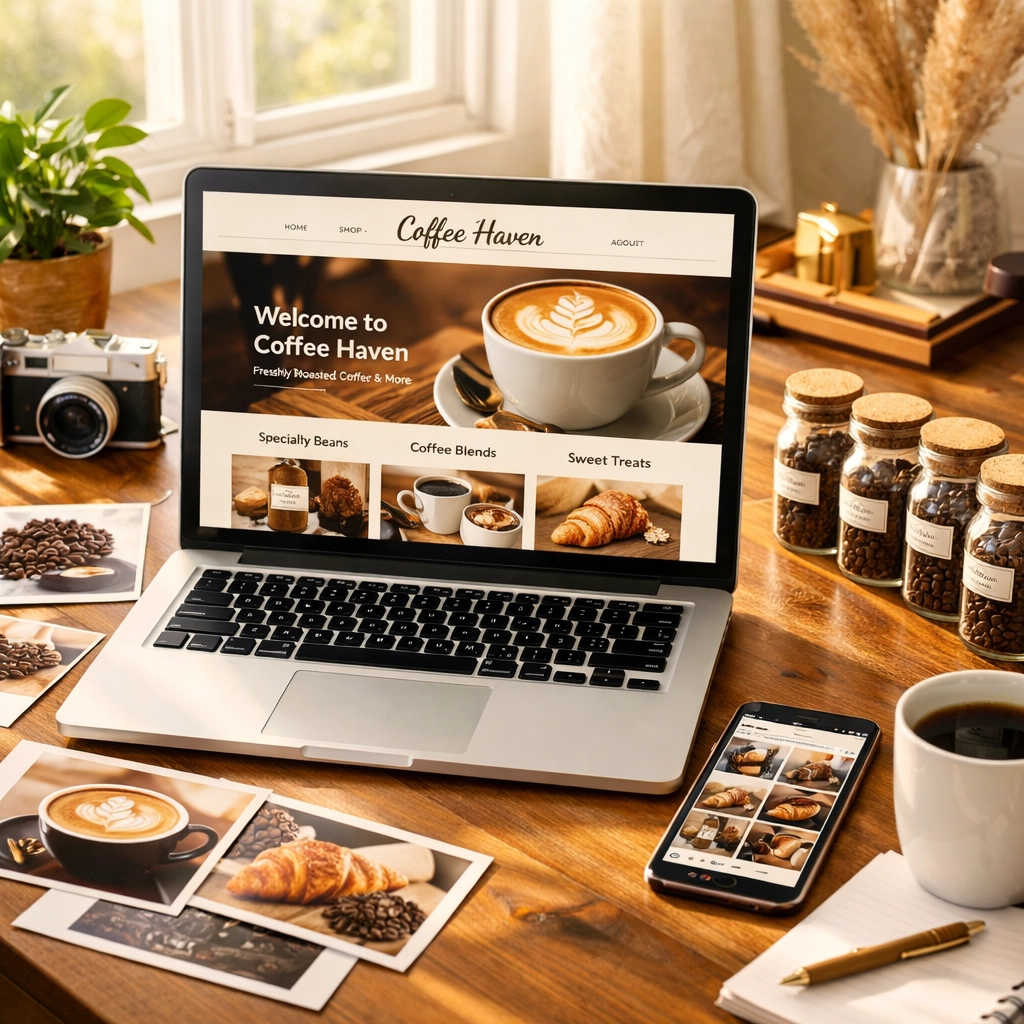
Shopify is the go-to platform for most dropshipping businesses because it's straightforward and integrates well with fulfillment services. You can have a professional-looking store live in a weekend.
Customize it with your brand colors, compelling copy, and high-quality product images. Write your own product descriptions rather than copying ours: this is where you tell your story and connect with your customers.
4. Integrate Your Supplier
Once you've got your store built, you need a system for orders to reach us. Some dropshippers use automated integrations through apps or APIs. Others simply forward order details via email when they come in.
We're flexible. If you're just starting out, email works perfectly fine. As you scale, automation makes sense.
5. Market Like You Mean It
You've got the product sorted. Now you need customers.
Social media is essential: Instagram and TikTok work brilliantly for coffee content. Show the product, share brewing tips, post customer reviews, tell your origin stories.
Email marketing converts exceptionally well in the coffee space. Offer a discount for first-time subscribers and nurture that list with value, not just sales pitches.
Paid ads on Facebook and Google can work, but they're expensive if you don't know what you're doing. Start organic, validate your offer, then scale with ads once you've got proven messaging.
Key Considerations and Potential Pitfalls
Shipping Costs and Speed
Calculate your shipping costs carefully. We'll provide exact costs at checkout, but you need to decide whether you're absorbing that into your product price or passing it to customers. Fast shipping matters in coffee: people expect their fresh beans quickly.
Label Compliance
UK trading standards require specific information on your labels. Size and type are mandatory. Don't skip this or you could face issues down the line.
Tracking Information
Here's a subtle but important point: avoid sending digital tracking information to customers if it reveals who your supplier is. We'll ship discreetly, but if tracking emails go directly from us, it breaks the illusion. Better to update customers yourself with tracking numbers.
Product Descriptions
Don't just copy our descriptions. Write your own. This is where your brand voice lives and where you differentiate from others selling similar products.
Margins and Pricing
Work backward from what customers will pay, factor in wholesale costs and shipping, and see if the margin makes sense. Specialty coffee typically retails between £8-£12 per 250g bag. You'll pay wholesale rates significantly below that. Do the math before committing.
Is Dropshipping Right for Your Coffee Business?
Coffee dropshipping isn't a magic shortcut to riches. You still need to build a brand, find customers, and deliver value. But it removes the enormous financial and logistical barriers that traditionally kept talented entrepreneurs out of the coffee industry.
If you've got marketing skills, understand your target audience, and can tell a compelling brand story, you can build a legitimate coffee business with minimal upfront investment.
We've seen solo founders turn coffee dropshipping into six-figure businesses. We've also seen people give up after three months because they underestimated the marketing effort required.
The opportunity is real. The coffee is exceptional. The infrastructure is ready at https://www.liminicoffee.co.uk/?af=1471531379787.
What you do with it is entirely up to you.
Leave a Reply