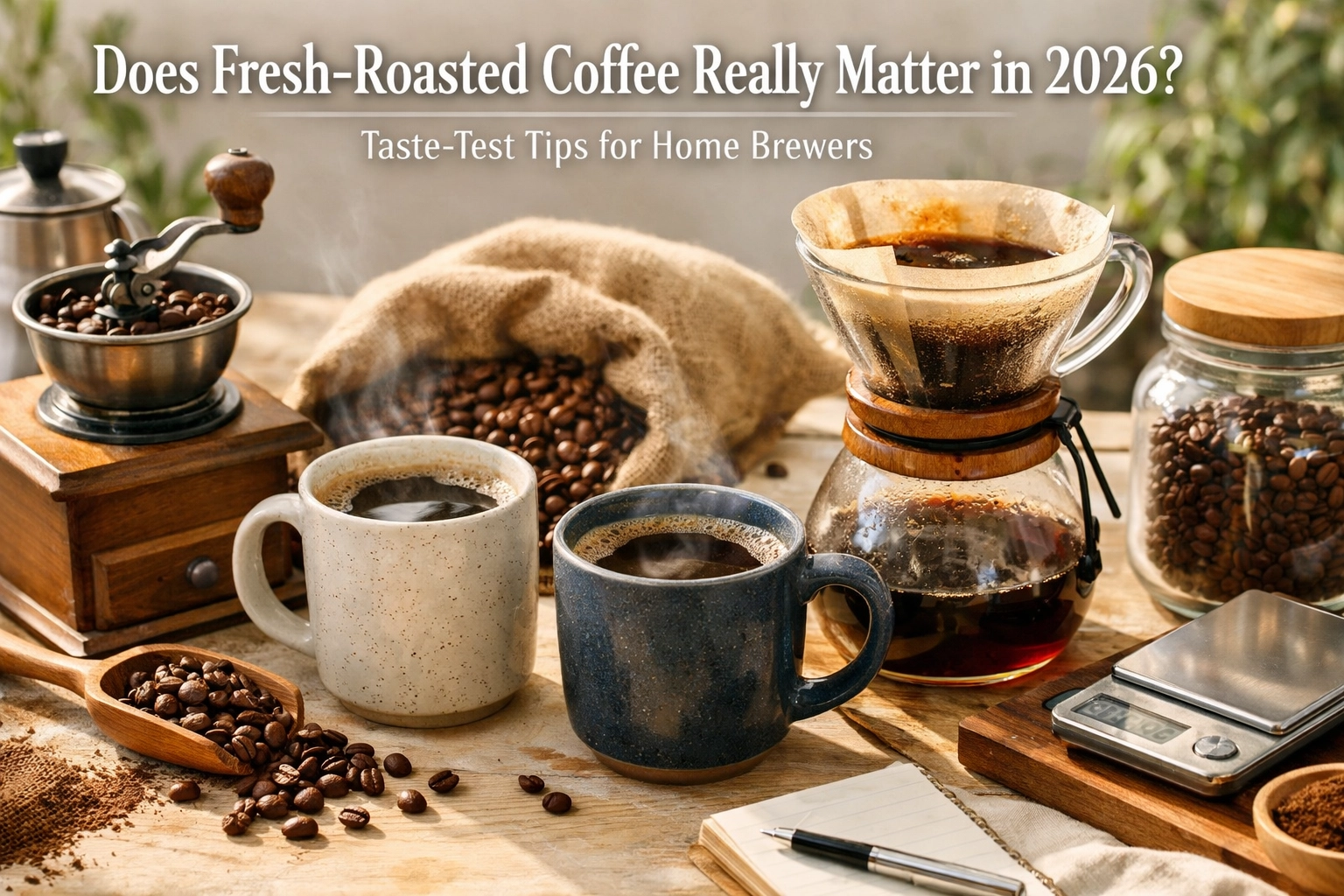
It is officially 2026, and the world of home brewing has never looked better. We have AI-integrated espresso machines, precision temperature kettles that talk to our phones, and more brewing gadgets than we have kitchen counter space. But amidst all this high-tech wizardry, a fundamental question keeps popping up in our inbox: Does fresh-roasted coffee actually still matter? Or is it just marketing fluff designed to get you to buy more beans?
To be honest, we get it. When you see a bag of coffee at the supermarket that claims to be "expertly roasted" with an expiry date two years away, it’s tempting to think that coffee is a shelf-stable product like pasta or rice. But here at Limini Coffee, we believe, and the science backs us up, that coffee is much more like fresh bread or a punnet of strawberries. It has a peak, and once it passes that peak, you’re essentially drinking a shadow of what the bean was meant to be.
So, let’s dive into why freshness is still the undisputed king of your morning cup and how you can run your own taste tests at home to see the difference for yourself.
The Science of the "Peak"
When we roast coffee beans, we aren't just changing their color from green to brown. We are initiating a complex series of chemical transformations, the most famous being the Maillard reaction. This is the same magic that happens when you sear a steak or toast bread. It creates hundreds of flavor and aroma compounds that didn't exist in the raw bean.
However, the moment those beans leave our roaster, a countdown begins.
Inside the bean, carbon dioxide (CO2) is trapped. This gas is actually quite important because it acts as a protective blanket, preventing oxygen from getting in and oxidizing the delicate oils. But as the beans sit, they "degas." If you’ve ever seen a "one-way valve" on a coffee bag, that’s there to let the CO2 out without letting oxygen in.
Once that CO2 is gone, the oxygen moves in and starts breaking down the organic compounds. This is oxidation, and it's the enemy of flavor. This means the vibrant, floral notes of a single-origin Ethiopian or the chocolatey richness of a Brazilian roast start to flatten out into a generic, bitter "coffee" taste.
Fresh vs. Aged: What’s the Difference?
You might be wondering what "aged" coffee actually tastes like. Well, it’s not necessarily "bad" in the sense that it will make you ill, but it is certainly disappointing.
- Aroma Loss: Most of what we perceive as flavor is actually smell. Fresh coffee has a powerful, room-filling fragrance. Aged coffee often smells like paper, cardboard, or nothing at all.
- Oil Rancidity: Coffee contains natural oils. Over time, these oils can turn rancid, leading to a sour, metallic, or unpleasantly bitter finish that lingers on the back of your tongue.
- Loss of Complexity: In a fresh roast, you might taste blueberries, jasmine, or caramel. In an old roast, you just taste… brown. It’s one-dimensional.
We believe that if you’re investing in choosing espresso equipment or high-end grinders, using old beans is a bit like buying a Ferrari and putting the cheapest possible fuel in it. It'll run, but you aren't getting the performance you paid for. If you want to experience the real deal, you can find our latest freshly roasted selections here.
The 48-Hour Rule (And Why Too Fresh is a Thing)
Here is a little secret that often surprises home brewers: you can actually drink coffee that is too fresh.
Wait, what?
Remember that CO2 we mentioned? Immediately after roasting, the beans are working overtime to release that gas. If you try to brew a cup 10 minutes after it comes out of the roaster, that escaping gas will physically push the water away from the coffee grounds. This leads to an uneven extraction and a cup that tastes weirdly salty or acidic.
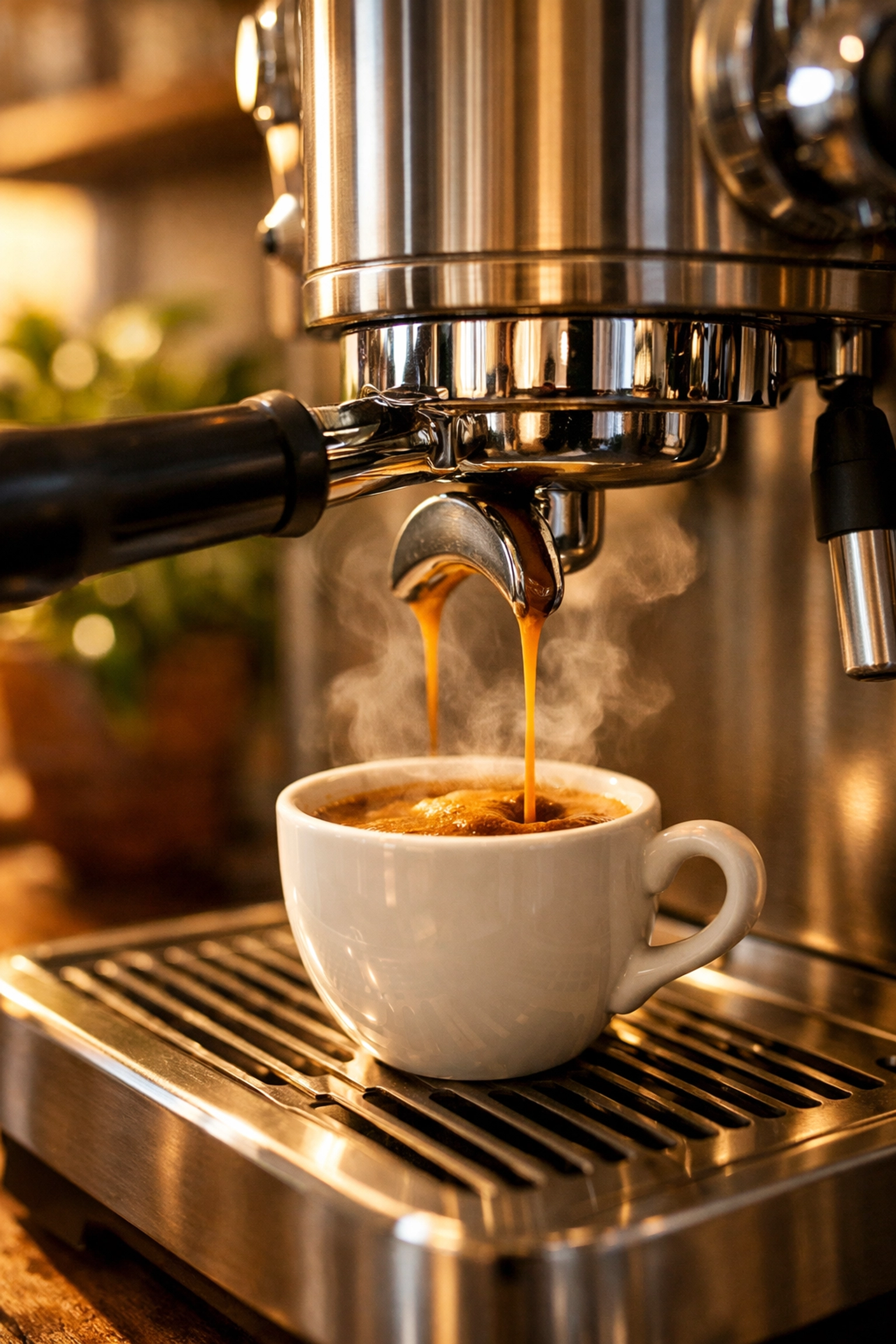
We generally recommend waiting at least 48 hours after the roast date before you start brewing. For espresso, many baristas (including us here at Limini) prefer to let the beans rest for 5 to 7 days. This allows the flavors to settle and the article_crema to become more stable.
How to Run Your Own Home Taste Test
Ready to put our claims to the test? You don't need a lab, just your kitchen and a bit of curiosity. This is a great way to train your palate and understand sourcing our coffee and why we obsess over it.
The Triangle Test
Buy a bag of our freshly roasted beans and find a bag of "supermarket" coffee that doesn't have a roast date (only an expiry date).
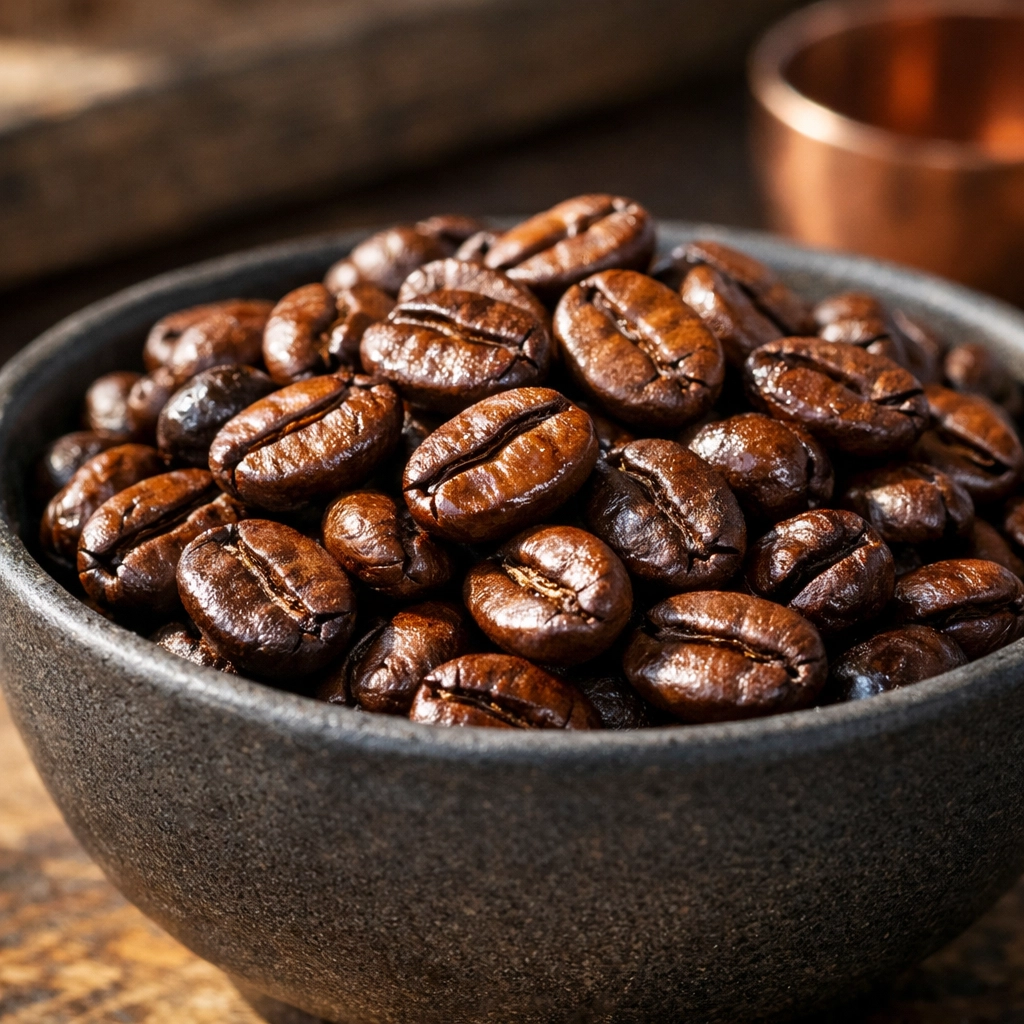
- The Visual Check: Look at the beans. Freshly roasted beans, especially medium to dark roasts, should have a slight, healthy sheen. They shouldn't look "dusty."
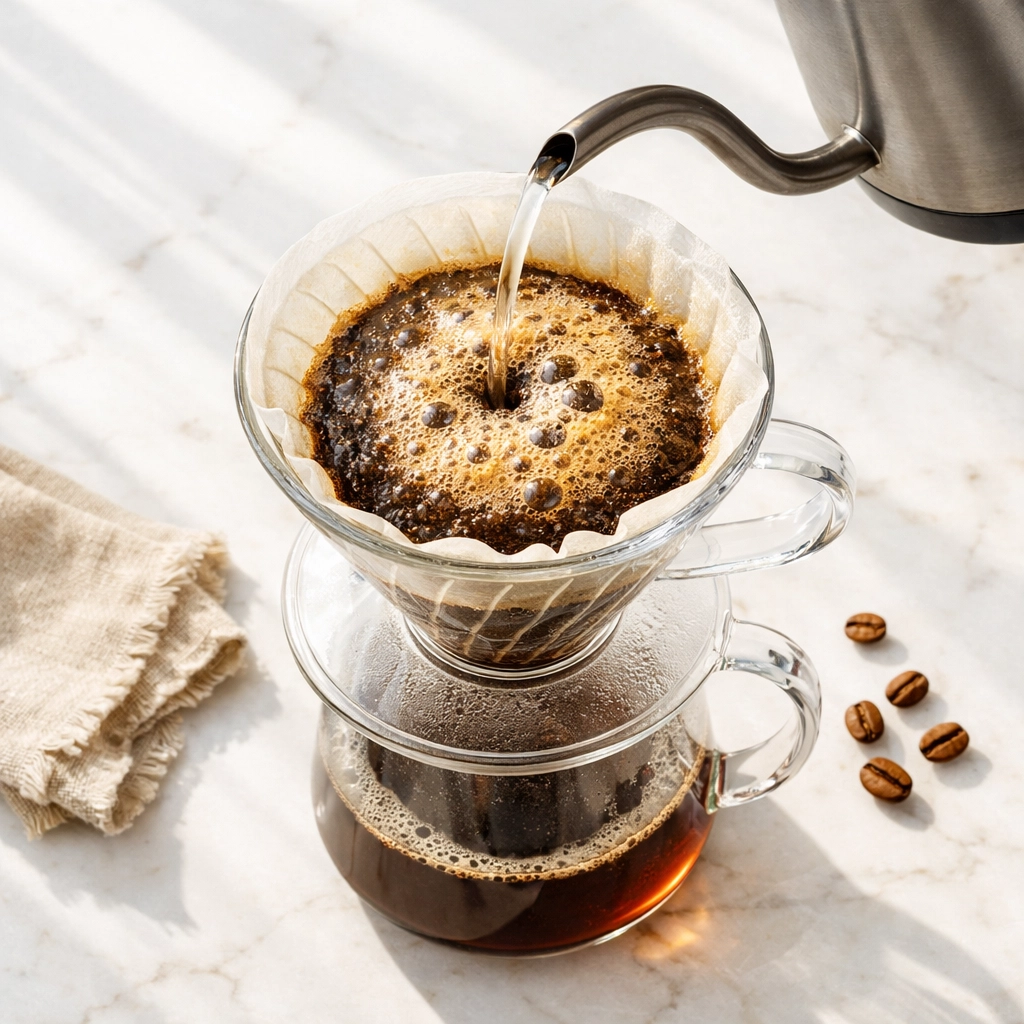
- The Bloom Test: Brew both using a pour-over method (like a V60 or Chemex). Watch what happens when you first pour water over the grounds. Fresh coffee will "bloom", it will swell and bubble as the CO2 escapes. Old coffee will just sit there, flat and lifeless.
- The Blind Taste: Have a friend pour three cups. Two cups of the old coffee, one of the fresh (or vice-versa). Can you pick the odd one out? Usually, the fresh cup will stand out because of its sweetness and clarity.
Health Benefits: Fresh is Better for You
It's not just about the taste; it's about what's inside the bean. Coffee is famously high in antioxidants. However, as the beans age and oxidize, these beneficial compounds degrade.
Studies have shown that fresh-roasted coffee contains significantly higher levels of antioxidants than coffee that has been sitting in a warehouse for six months. Even the caffeine content can slightly diminish over long periods of time as the chemical structure of the bean breaks down. So, if you're drinking coffee for that healthy boost, fresh is definitely the way to go.
Practical Tips for Keeping it Fresh
If you've gone to the effort of ordering a bag from Scott's affiliate link at Limini Coffee, you want to make that freshness last as long as possible. Here is how we do it:
- Buy Whole Bean: This is the big one. Once you grind coffee, you increase the surface area by thousands of percent. This means oxidation happens in minutes, not weeks. Always grind just before you brew.
- Air-Tight is Right: Use a container with a vacuum seal or a one-way valve.
- Cool and Dark: Keep your beans away from the oven, the microwave, or direct sunlight. A cool cupboard is perfect.
- Don't Freeze (Usually): Unless you are planning on storing beans for more than a month, avoid the freezer. The moisture and the "thawing" process can do more harm than good to the delicate cell structure of the bean.
Does the Gear Matter?
You might think, "I only have a basic cafetiere, does fresh coffee still matter for me?"
Absolutely. In fact, simpler brewing methods often highlight the quality of the bean even more because there is nowhere for the flavor to hide. Whether you're making a simple article_americano or working with a high-end lever_automatic machine, the input (the bean) determines 90% of the output.
We often see people spending hundreds on la_spaziale_workings or intensive coffee_barista_training, only to use stale beans. It's heartbreaking! Even the best article_tamping technique in the world won't fix a bean that has lost its soul.
The Final Verdict
So, does fresh-roasted coffee really matter in 2026?
Yes. Perhaps more than ever. In a world of mass-produced, automated everything, the simple pleasure of a truly fresh cup of coffee is a daily luxury that's actually affordable. It’s the difference between a "caffeine hit" and a culinary experience.
If you’re ready to stop settling for "fine" and start experiencing "wow," we’d love for you to try what we’re roasting this week. You can browse our full range of single origins and blends at the Limini Coffee store.
We promise your taste buds will thank you. And if you’re ever unsure about how much coffee to use for your specific gear, check out our coffee_brewing_calculator to get your ratios perfect every time.
Happy brewing, and remember: life is too short for stale beans! ☕️
Leave a Reply