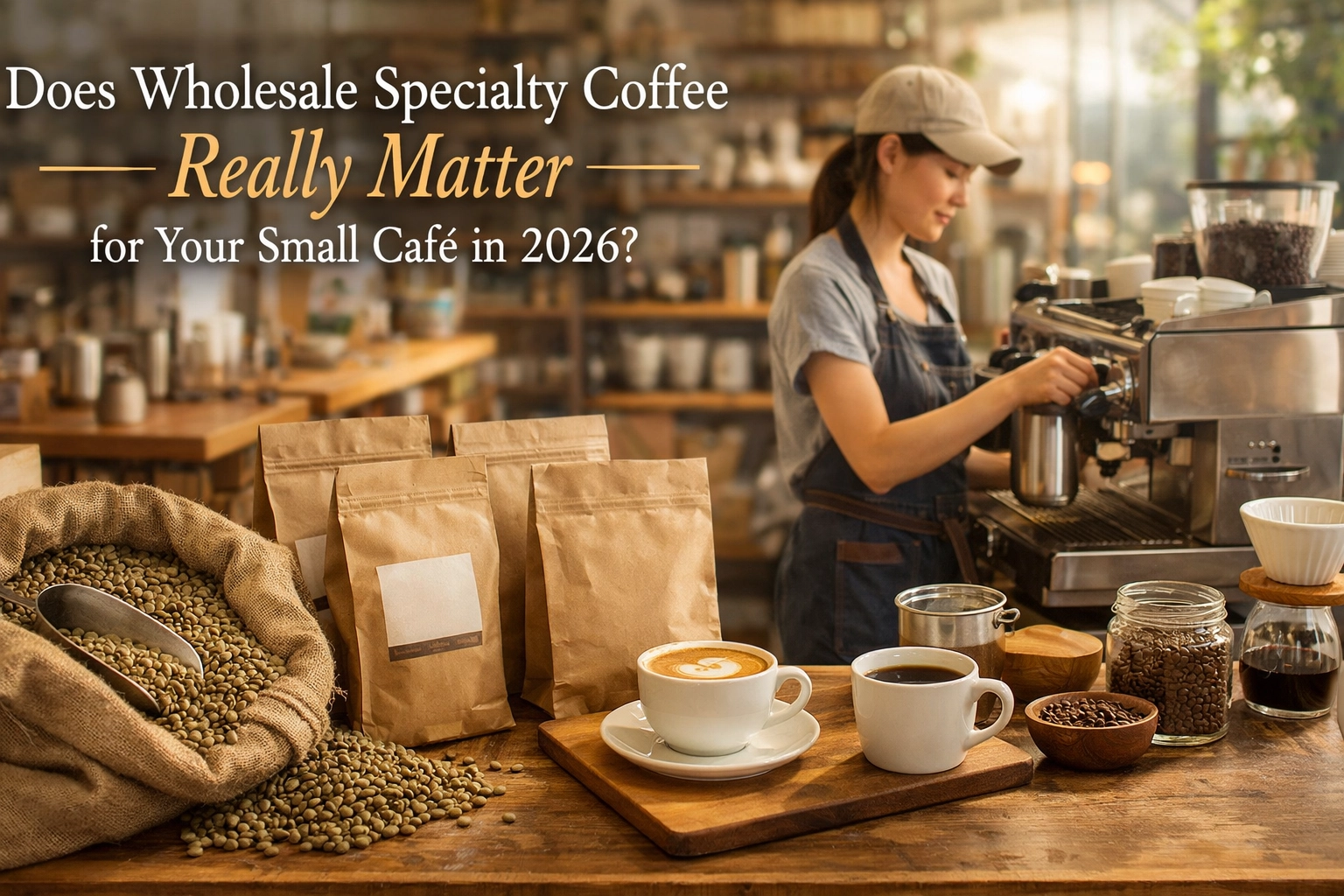
Let’s be honest. It’s 2026, and the world is a very different place than it was even five years ago. We’ve seen trends come and go faster than a TikTok barista challenge. But one question seems to keep popping up in every coffee shop owner’s DM: "Does specialty coffee actually still matter, or can I just buy whatever is cheapest and hope my oat milk hides the shame?"
We get it. Running a small café in 2026 is like trying to solve a Rubik's cube while riding a unicycle. Costs are up, consumer expectations are through the roof, and everyone thinks they’re a Q-grader because they bought a fancy hand grinder during the lockdown years.
So, does wholesale specialty coffee still hold the crown? Or is it just an expensive label for people who like to use words like "stone fruit" and "effervescent"?
The Shift from "Fancy" to "Essential"
Back in the day, "specialty" was a bit of a flex. It meant you had a chalkboard with the altitude of the farm and maybe a barista who looked like they’d never seen a pair of scissors. In 2026, that’s not enough.
The biggest change we’ve seen is that transparency is no longer a "nice to have." It’s a requirement. Your customers aren't just looking for a caffeine hit; they’re looking for a brand they can trust. With the climate volatility we’ve been facing, coffee prices have naturally crept up across the board. If you’re going to charge £4.50 for a flat white, you need to be able to look your customer in the eye and tell them exactly why it costs that much.
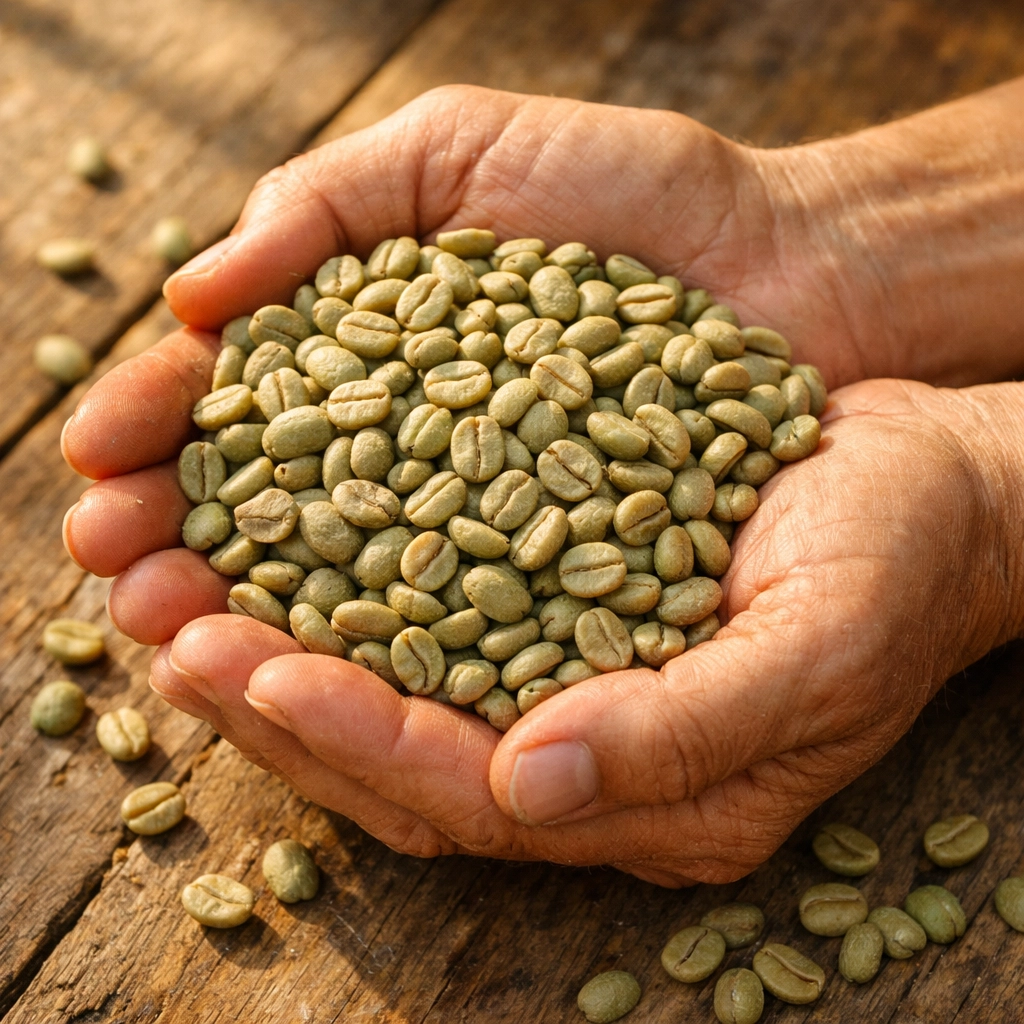
When you work with a specialty roaster, you aren't just buying beans. You’re buying a story that involves fair pay, environmental stewardship, and a supply chain that doesn't collapse the moment the weather gets weird. Basically, specialty coffee is your insurance policy against being "cancelled" for unethical sourcing.
Why Consistency is Your New Best Friend
We’ve all been there. You walk into a café, have a life-changing espresso, go back the next day, and it tastes like burnt rubber and regret.
This is where wholesale specialty coffee really earns its keep. The "specialty" tag isn't just about flavour; it’s about the rigour of the process. For us here at Limini Coffee, consistency is everything. We use precise measurements, aiming for that sweet spot of 88 °C to 95 °C (190 °F to 203 °F), to ensure that every roast profile hits the mark.
If you’re buying commodity coffee, you’re playing Russian roulette with your hopper. One bag might be okay, the next might be full of defects that even the most skilled barista can't hide. When you invest in high-quality wholesale beans, you’re ensuring that your article_crema is thick, your shots are balanced, and your customers actually come back for a second cup.
The Technical Advantage (Don't Panic, It’s Simple)
You might think that specialty coffee requires a degree in chemistry to brew. It doesn't. But it does require understanding your tools.
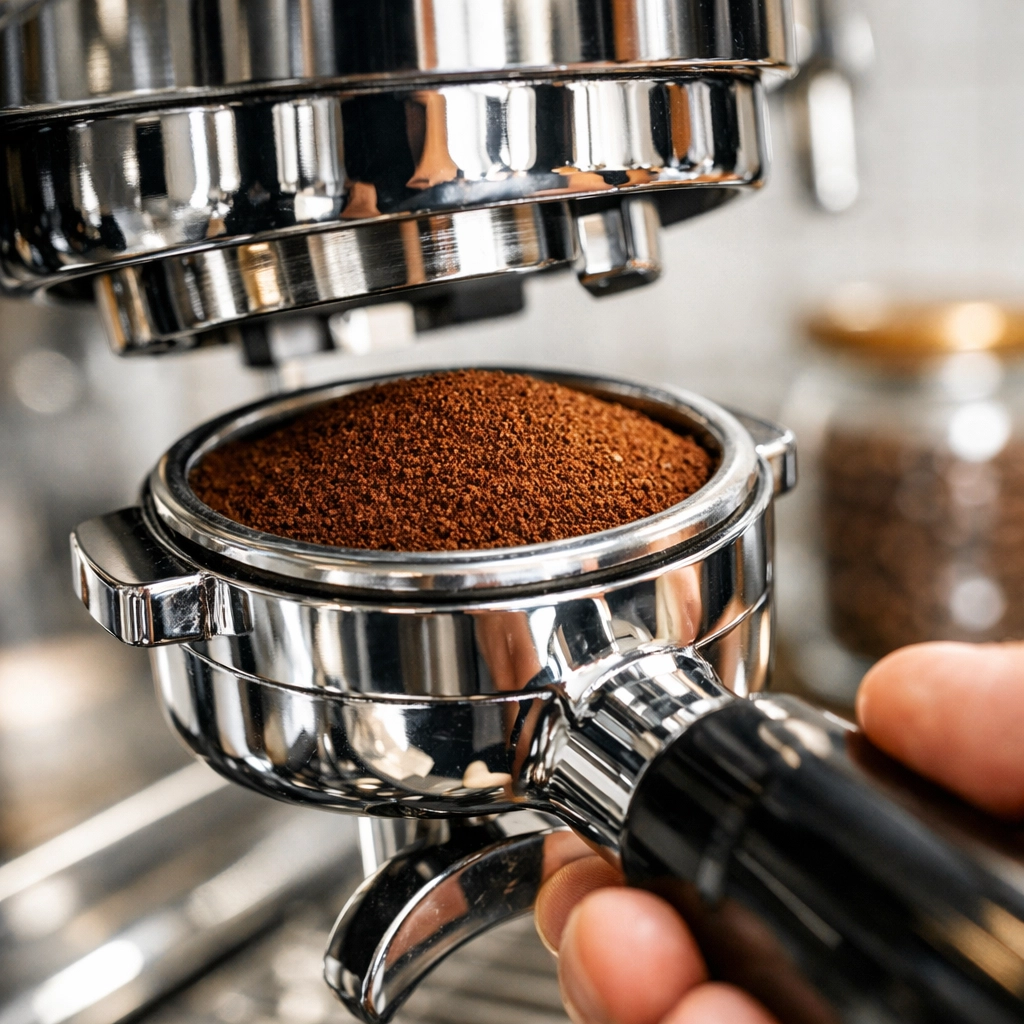
In 2026, the gap between "home enthusiasts" and "professional baristas" has narrowed. Your customers probably have a decent setup at home. To keep them coming through your door, you need to offer something they can’t replicate easily. That means mastering things like article_tamping and understanding how your machine works.
For example, most commercial machines run at 9 BAR of pressure. If your coffee is old or poorly roasted, that pressure is just going to highlight every single flaw. Specialty coffee is roasted with the espresso machine in mind. It’s designed to handle the heat and the pressure, resulting in a cup that is sweet and complex rather than bitter and hollow.
If you're still choosing espresso equipment, remember that the best beans in the world won't save you if your grinder is inconsistent or your group heads are dirty. It’s a holistic system.
The "Local" Trust Factor
In an era of global conglomerates and AI-driven everything (ironic, we know), people crave the human touch. Small cafés that partner with local, specialty roasters build a community.
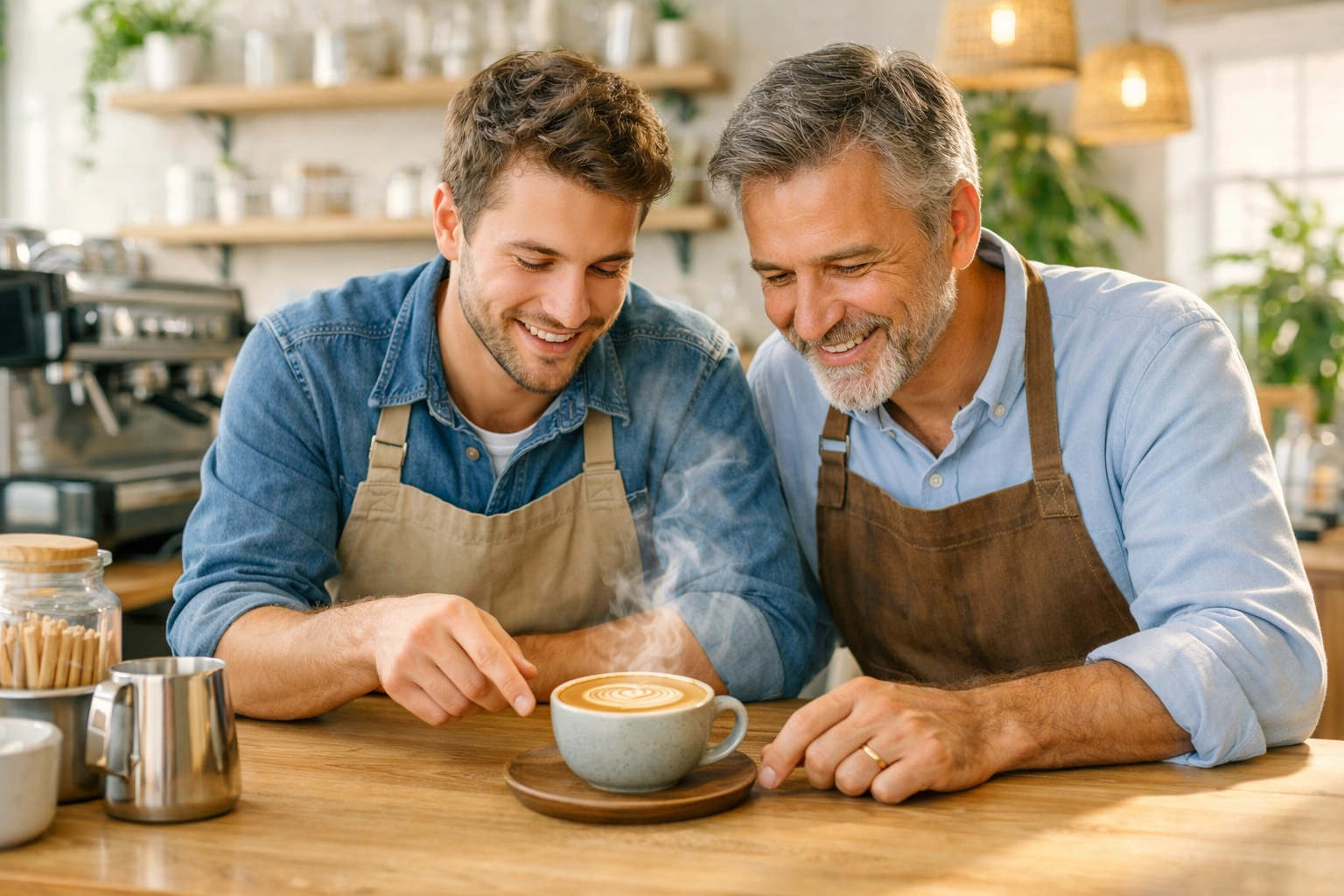
When you tell a customer, "We get our beans from the guys at Limini Coffee," you’re showing that you care about the local economy and craft. It creates a "trust advantage." Large chains struggle to replicate this because their supply chains are too vast and impersonal. You have the ability to be nimble. You can change your guest roast based on the season or run a specific coffee brewing calculator session for your regulars.
This authenticity is your superpower. Don't waste it on mediocre beans.
Is It More Expensive? (The Elephant in the Room)
Let’s talk numbers. Is specialty coffee more expensive per kilo? Yes. Usually.
However, the "cost per cup" difference is often much smaller than you’d think, we’re talking pennies, not pounds. When you factor in the support you get from a specialty wholesaler, the gap closes even further.
Most specialty roasters (like us!) provide more than just coffee. We offer coffee barista training to ensure your staff isn't wasting milk or dumping bad shots down the sink. We help you with espresso machine looking after tips so you don't have an expensive breakdown on a Saturday morning.
In 2026, a "wholesale partner" should be exactly that, a partner. Not just a van that drops off boxes and sends an invoice. If your supplier isn't helping you improve your business, are they really a specialty supplier?
Sustainability: The Non-Negotiable
By 2026, the "greenwashing" of the early 2020s has been thoroughly debunked. Consumers are savvy. They know that a "Fairtrade" sticker doesn't always tell the whole story.
Specialty coffee is inherently tied to sourcing our coffee ethically. Because the quality must be so high, the farmers must be paid a premium to produce it. It’s a simple equation: better pay = better care for the crop = better coffee in your cup.
If you want your café to still be around in 2030, you need to be on the right side of the sustainability conversation. Specialty coffee is the only way to ensure that the coffee industry actually has a future. Weather volatility is making coffee harder to grow; supporting the farmers who do it right is the only way to keep the taps flowing.
The Verdict: Does It Matter?
So, to answer the original question: Does wholesale specialty coffee really matter for your small café in 2026?
Absolutely.
It matters because your customers are smarter than they used to be. It matters because your margins depend on repeat business, and repeat business depends on quality. It matters because your café is a reflection of your values.
If you’re just starting out and feeling overwhelmed, we recommend checking out our guide on building a coffee shop. It’s a lot to take in, but getting the foundation right, which includes your coffee supply, is the difference between a passion project and a profitable business.
Don't settle for "okay" coffee. Your customers deserve better, and honestly, so do you. If you want to chat about how we can help your café level up with some seriously good beans, get in touch with us at Limini Coffee. We promise we’re much friendlier than the AI that helped write this.
(Wait, did we say that out loud?)
Anyway, keep brewing, keep tamping, and remember: life is too short for bad coffee. Especially in 2026.
Quick Tips for 2026 Café Success:
- Audit your milk: High-quality coffee deserves high-quality prep. Check out our article on understanding milk to make sure you're not ruining those expensive beans with scorched foam.
- Invest in Training: A £10,000 machine is useless if the operator doesn't know what they're doing. Look into our training overview to keep your team sharp.
- Watch the Details: Small things like coffee cups and the "theatre" of the pour (see our article on theatre) make a massive difference in perceived value.
Leave a Reply