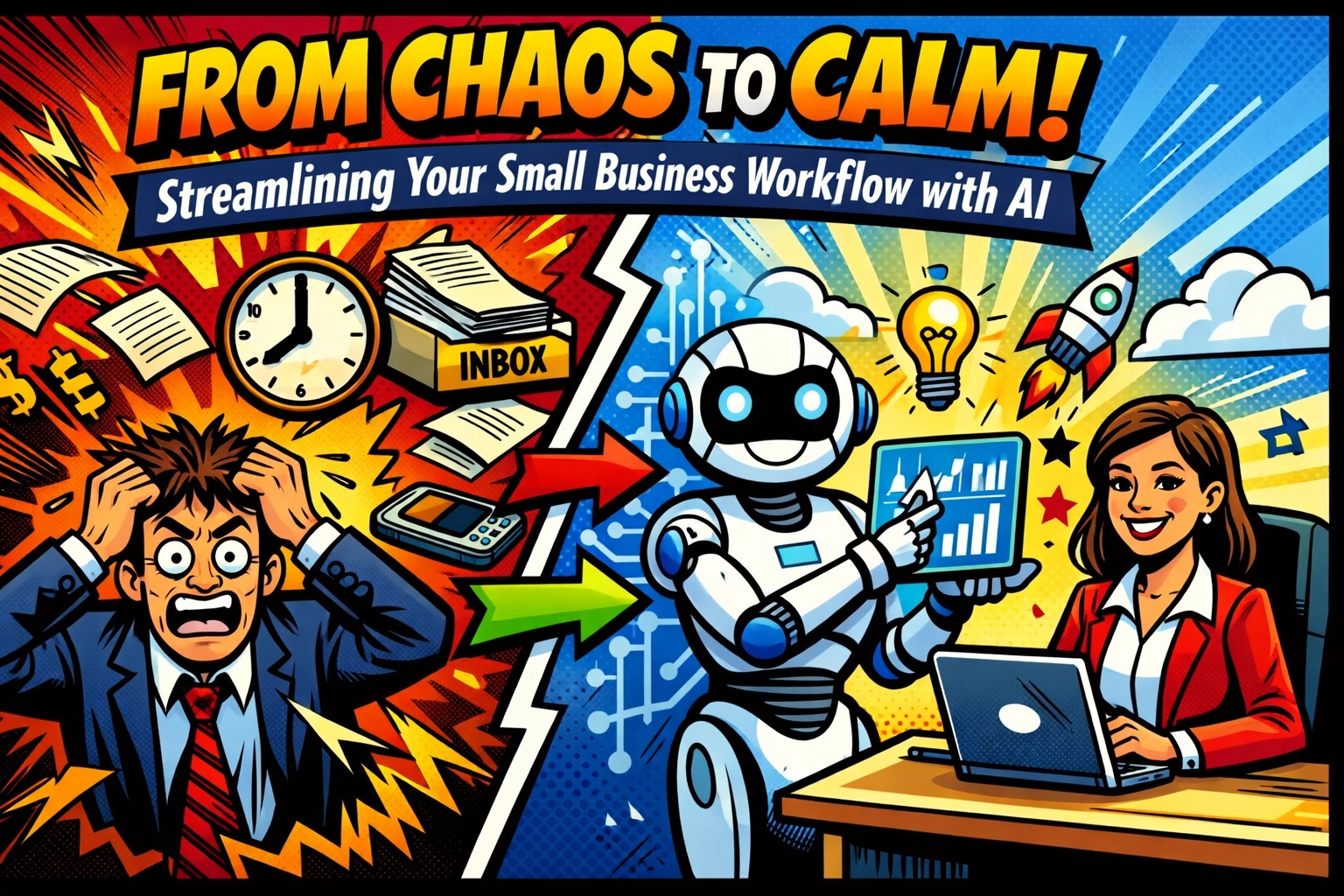
You know the feeling.
It's Monday morning. You've got seventeen browser tabs open. Three different spreadsheets are tracking… something. Your inbox hit 247 unread emails over the weekend. Someone's waiting on a quote. Another client needs an invoice. Your inventory spreadsheet hasn't been updated since Thursday.
And you haven't even finished your coffee yet.
This is the reality for most small business owners. Not because you're disorganized: but because you're wearing every single hat. Sales manager. Customer service rep. Bookkeeper. Operations coordinator. Marketing director.
The chaos isn't your fault. It's just… a lot.
THE SPREADSHEET TRAP 📊
Let's talk about those spreadsheets for a second.
You started with one. Maybe two. Simple tracking systems that made sense when you were just getting started. Customer list here. Inventory counts there. A basic sales pipeline in another tab.
Then your business grew. (Congrats, by the way.)
Now you've got spreadsheets for everything. And they all talk to each other… never. You're manually copying data between them. Updating the same customer information in four different places. Trying to remember which version is the "real" one.
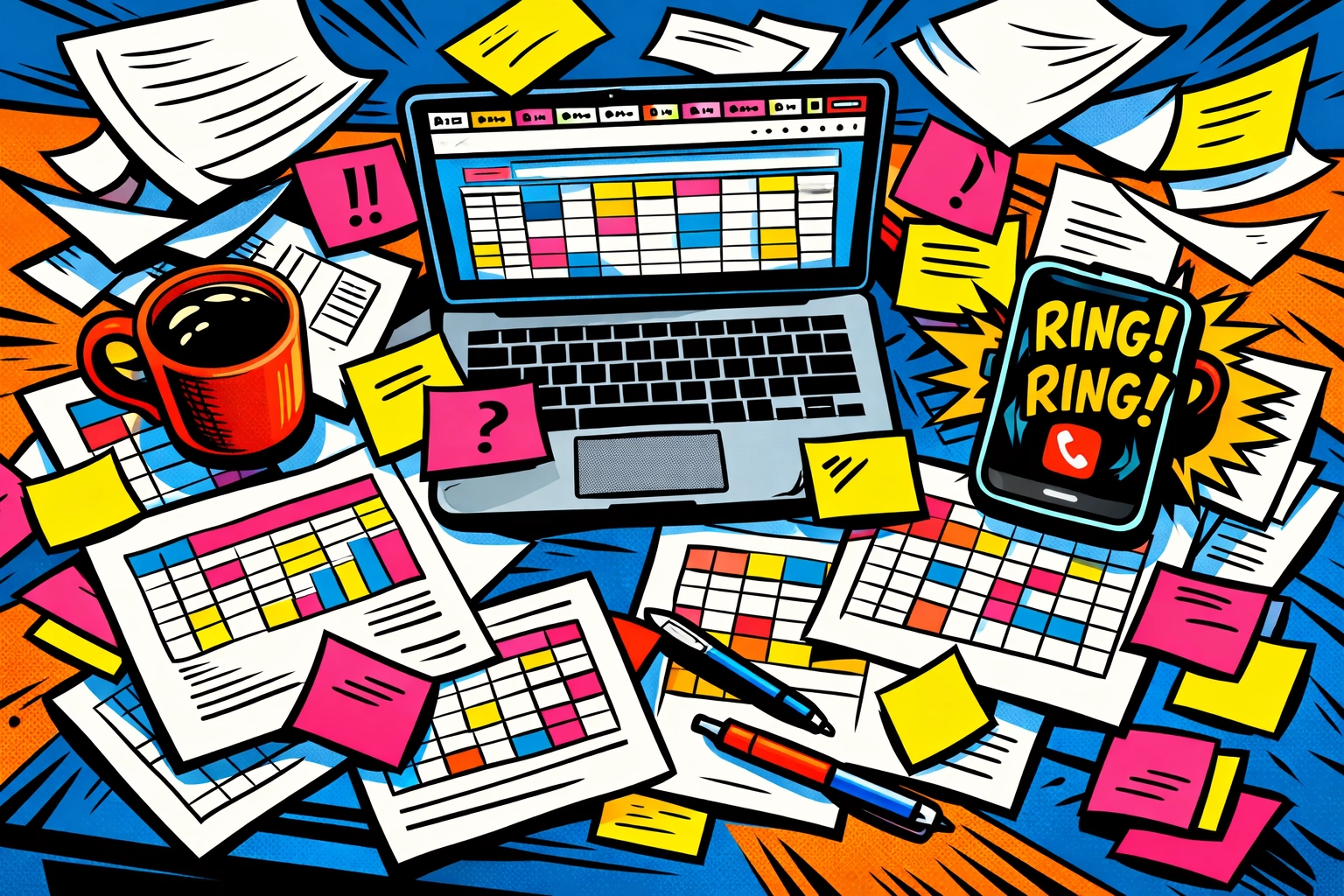
Someone asks a simple question: "How many units do we have left?"
You need to check three spreadsheets, cross-reference two emails, and make an educated guess. Twenty minutes later, you have an answer. Maybe.
This is where most small businesses live. In that weird space between "too small for enterprise software" and "too busy to keep doing everything manually."
But here's what changed in 2026…
WHEN AI ACTUALLY MAKES SENSE
Forget the hype. Forget the buzzwords. Here's what workflow automation for small business actually means in practice:
Your systems start talking to each other. Without you playing telephone operator.
A customer places an order. Your inventory updates automatically. Your accounting software logs the transaction. Your fulfillment system gets notified. Your CRM records the interaction. Your follow-up email sends itself in three days.
You did… nothing. It just happened.
That's not magic: it's business automation tools working the way they're supposed to. In the background. Quietly. While you focus on the stuff that actually needs your brain.
WHERE THE CHAOS LIVES (AND HOW AI FIXES IT)
Customer Service That Doesn't Drain You ☕
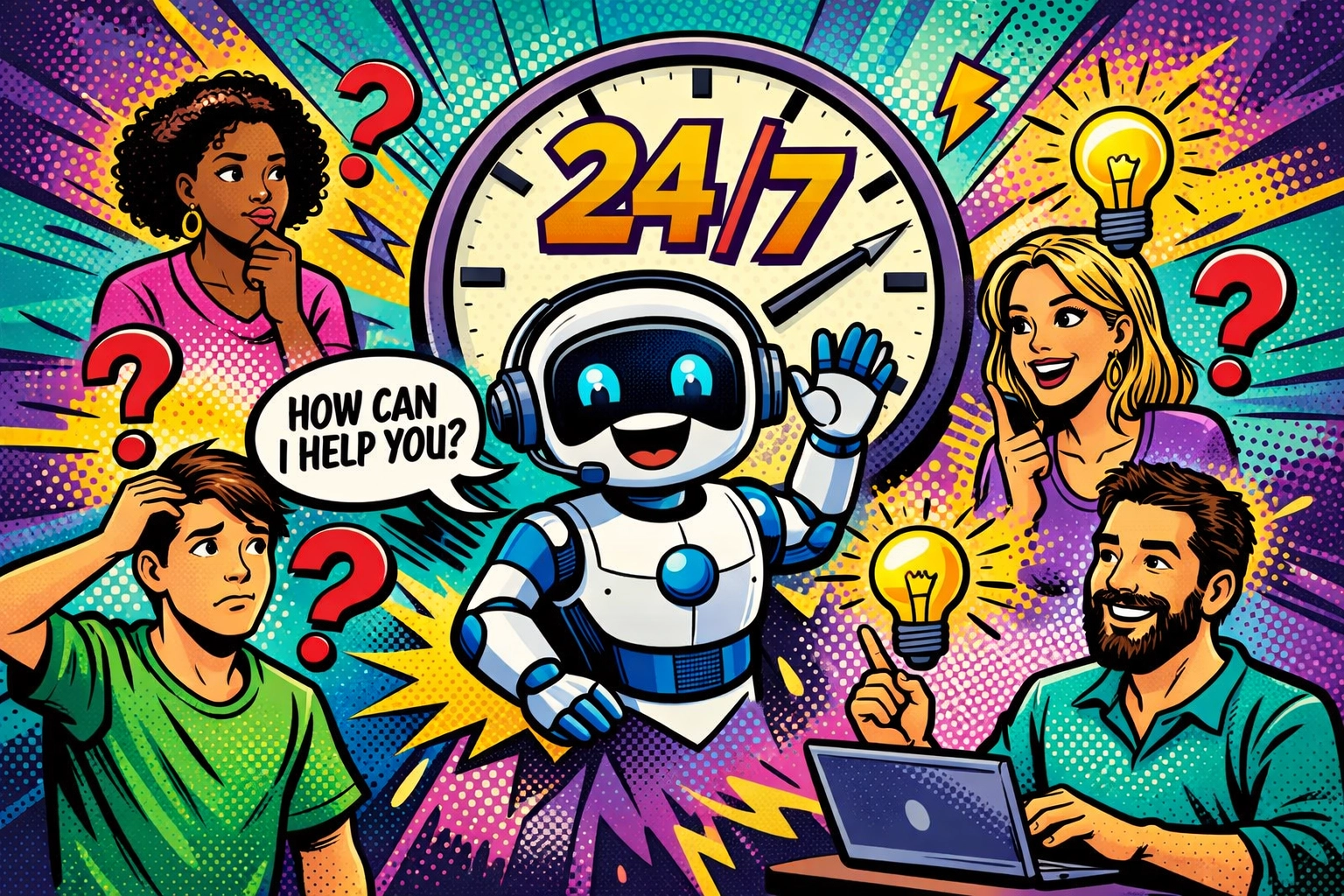
Your customer has a question at 9 PM. You're not working at 9 PM. (You shouldn't be, anyway.)
Traditional approach: They wait until tomorrow. Maybe they get frustrated and bounce to a competitor. Maybe they forget why they were asking.
AI approach: A smart chatbot answers their basic question instantly. If it's complex, it routes them to you with full context already collected. When you check in the morning, the simple stuff is handled. The complicated stuff is organized and waiting.
According to HubSpot, 75% of marketers are already using AI to cut manual work. Not because it's trendy: because it actually frees up time.
Your small team feels bigger. Your response time drops from hours to minutes. And nobody's burning out answering "What's your return policy?" for the hundredth time.

Sales Follow-Up That Actually Happens 🤝
You know you should follow up with that lead. You meant to. You wrote it down somewhere…
Here's the thing about sales workflows: they're repetitive, time-sensitive, and easy to forget when you're juggling twelve other priorities.
AI doesn't forget.
Someone downloads your pricing guide: the system automatically schedules a follow-up email for two days later. They click the link in that email: your CRM scores them as a hot lead and puts them at the top of your list. They book a call: calendar invites go out automatically, with all the prep info they need.
You're not chasing leads anymore. The system's bringing them to you, qualified and ready.
Admin Tasks That Just… Handle Themselves 📋
Data entry. Scheduling. Inventory checks. Order status updates. Low stock alerts.
These tasks take minutes individually. But they happen fifty times a day. That's hours you're not spending on strategy, growth, or anything that actually moves the needle.
AI handles the routine stuff while you're doing literally anything else. It books meetings. Sends reminders. Tracks shipments. Notices when your bestselling item is running low and flags it before you have to turn customers away.
The mental load drops. The errors disappear. (Because AI applies consistent logic: no Friday afternoon brain fog, no "I thought I already did that.")
Financial Operations Without the Headache 💰
Your bookkeeper wants receipts organized. Your accountant wants expense categories consistent. You want to know if you're actually making money this month.
AI processes invoices automatically. Categorizes expenses based on patterns it learns. Forecasts your cash flow by analyzing your spending trends and upcoming commitments.
You get accurate numbers without spending your evening sorting receipts. Your financial reports actually help you make decisions instead of just… existing.
THE REAL IMPACT (NOT THE MARKETING FLUFF)
Speed matters. When a process that took an hour happens in seconds, you don't just save 59 minutes. You create momentum. Projects move faster. Customers get answers quicker. Opportunities don't slip through the cracks while you're stuck doing data entry.
Accuracy matters more. Humans make mistakes when they're tired. When they're distracted. When they're doing the same task for the forty-seventh time that week. AI doesn't. It applies the same logic consistently, every single time.
That ripple effect is real. Faster execution means faster delivery. Better accuracy means fewer customer complaints. Less manual work means your team has bandwidth for the creative, strategic stuff that actually grows your business.
MAKING THE SWITCH (WITHOUT THE HEADACHE)
You don't need to blow up your entire operation.
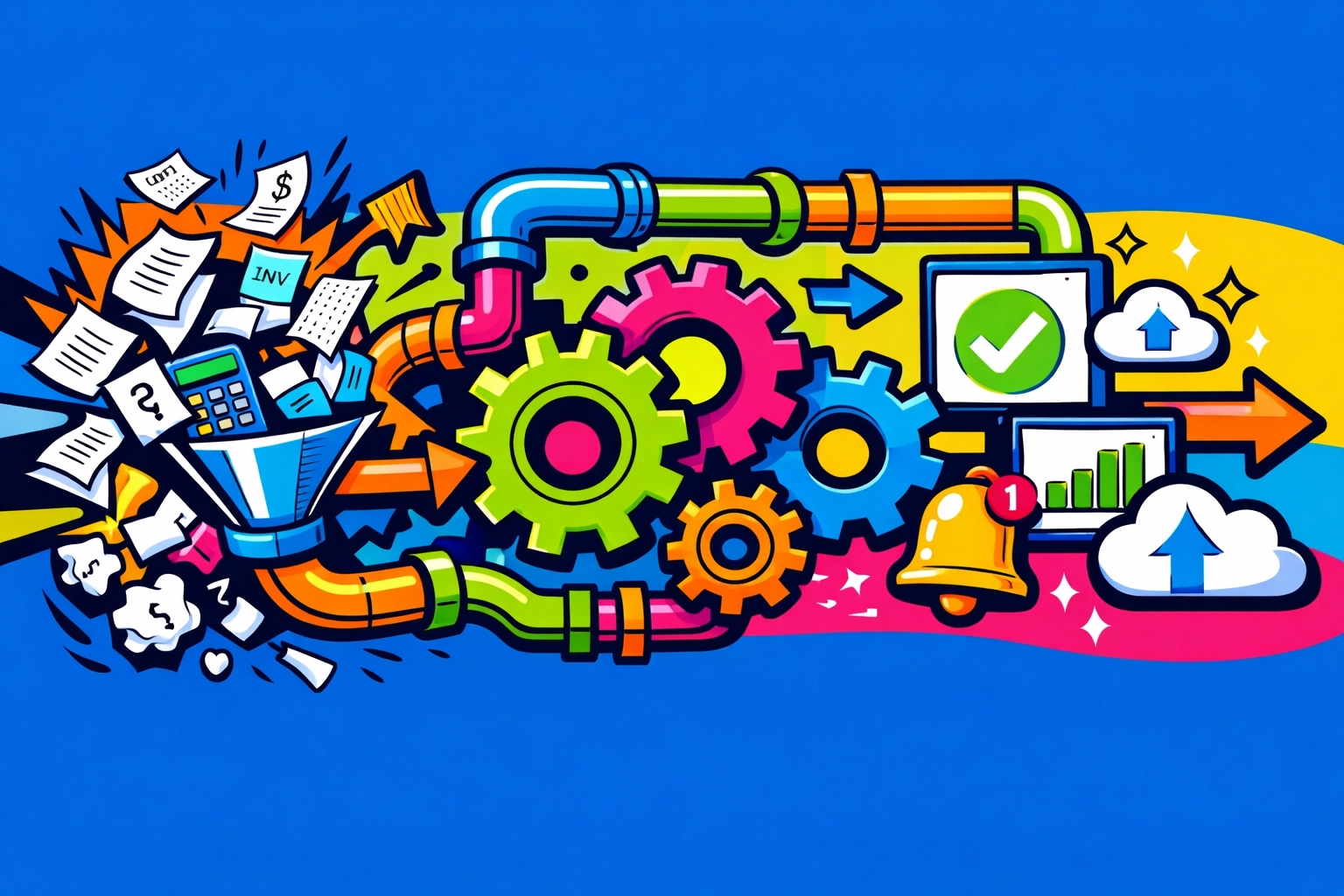
The platforms built for small businesses in 2026 are actually designed for small businesses. They connect your existing tools: projects, sales, inventory, customer data: into one system where tasks trigger automatically.
Customer makes a purchase → Inventory updates → Accounting logs it → Follow-up email schedules itself.
No coding. No IT department. No six-month implementation timeline.
Many business automation tools offer free tiers or affordable monthly pricing that scales as you grow. You're not committing to enterprise-level investment. You're testing what works, keeping what helps, and building from there.
FROM SCATTERED TO STREAMLINED
Remember those seventeen browser tabs from Monday morning?
Here's Tuesday with workflow automation for small business actually working:
You open your dashboard. Orders from overnight are already processed. Inventory's updated. Customer questions were handled or prioritized. Your sales pipeline shows exactly who needs attention today. Your admin tasks are queued with reminders.
The chaos is sorted before you finish your coffee.
You're not doing less work. You're doing different work. The kind that actually requires your expertise, your creativity, your decision-making.
The repetitive stuff? That's handled.
YOUR MOVE
The gap between "running a business" and "drowning in busy work" doesn't have to be this wide.
You can keep juggling spreadsheets, copying data, and hoping nothing falls through the cracks. Or you can let AI handle the routine while you focus on growth.
Want to see what automated workflows actually look like for your business? Check out Marblism here.
The chaos isn't a badge of honor. It's just chaos.
And there's a calmer way to run things.
Leave a Reply