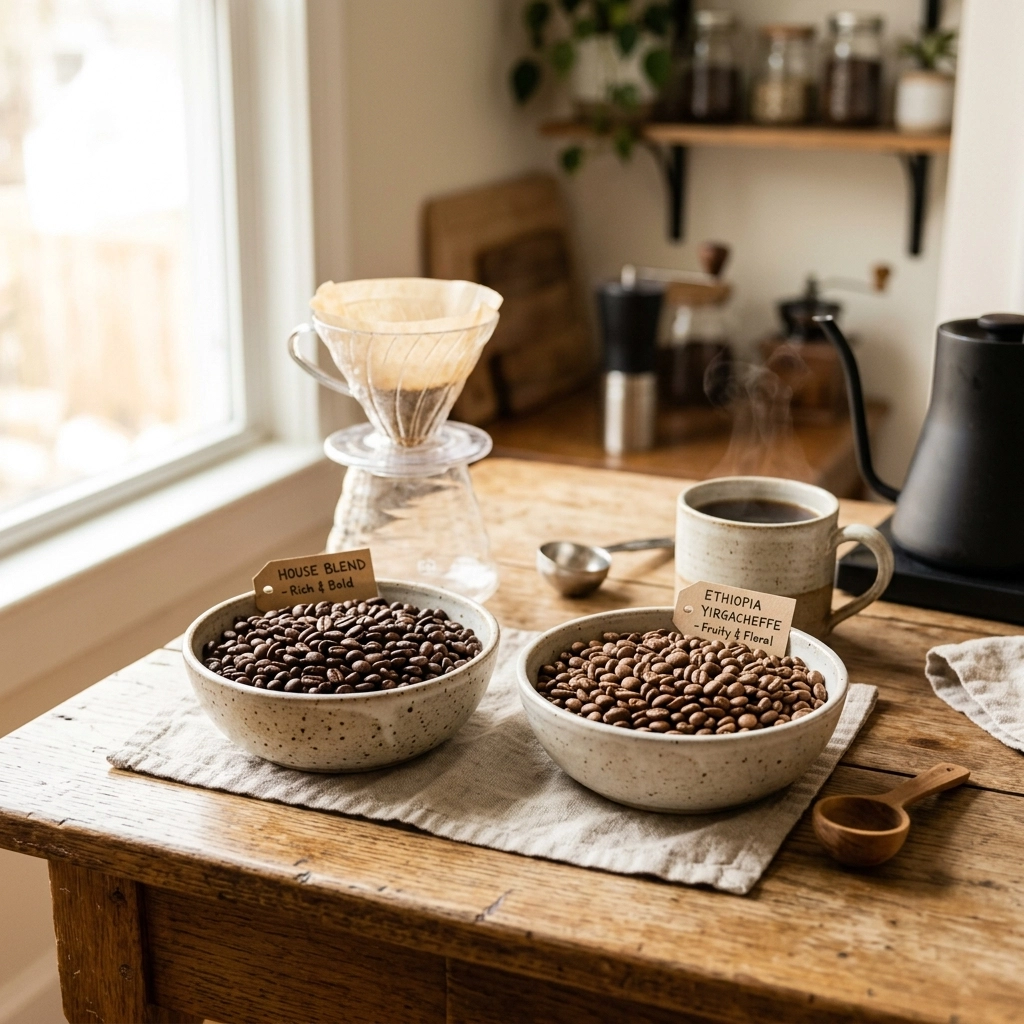
So, you’ve finally done it. You’ve ditched the instant granules, invested in a decent grinder, and maybe even treated yourself to a shiny new brewer. But now you’re standing in front of the digital shelves of a specialty roaster (hopefully us!) and you’re hit with a wall of choices.
Do you go for the "Guatemala Huehuetenango" with its crisp acidity and notes of green apple, or do you grab the "Lush House Blend" that promises chocolatey smoothness? It’s the age-old debate in the specialty coffee world: Single Origin versus Blends.
Choosing the right beans can feel like a bit of a minefield, but honestly, it’s all part of the fun. We believe that understanding what’s in your bag, and why it was put there, is the secret to making that morning cup the highlight of your day. Whether you’re looking for a reliable daily driver or a wild flavor adventure, we’re here to help you navigate the jargon.
If you’re ready to stock up on some seriously freshly roasted coffee beans, let’s dive into the details.
What Exactly is Single Origin Coffee?
When we talk about "Single Origin," we’re talking about transparency and terroir. In the simplest terms, it means the coffee comes from one specific place. This could be a single country (like Ethiopia), a specific region (like Sidamo), or even a single farm or estate.
Imagine it like wine. You wouldn’t just buy "French Wine"; you’d look for a specific vineyard in Bordeaux because the soil, altitude, and climate there give the grapes a unique character. Coffee is exactly the same.
The Flavor Profile
Single origin beans are prized for their distinctive, often complex flavors. Because they haven't been mixed with beans from elsewhere, the "voice" of that specific land shines through.
- African Coffees: Often tea-like, floral, and bursting with citrus or berry acidity.
- Central American Coffees: Usually very balanced, with notes of nuts, cocoa, and maybe a hint of bright fruit.
- South American Coffees: Think classic caramel, chocolate, and a heavy, satisfying body.
Why You’ll Love It
If you’re the kind of person who loves to experiment and discover new tastes, single origins are for you. They offer a "story" in a cup. However, they are seasonal. Because they come from one harvest, once they’re gone, they’re gone until the next year. This means the flavor might vary slightly from one batch to the next, which we think is quite a unique and brilliant part of the process.
The Beauty of the Coffee Blend
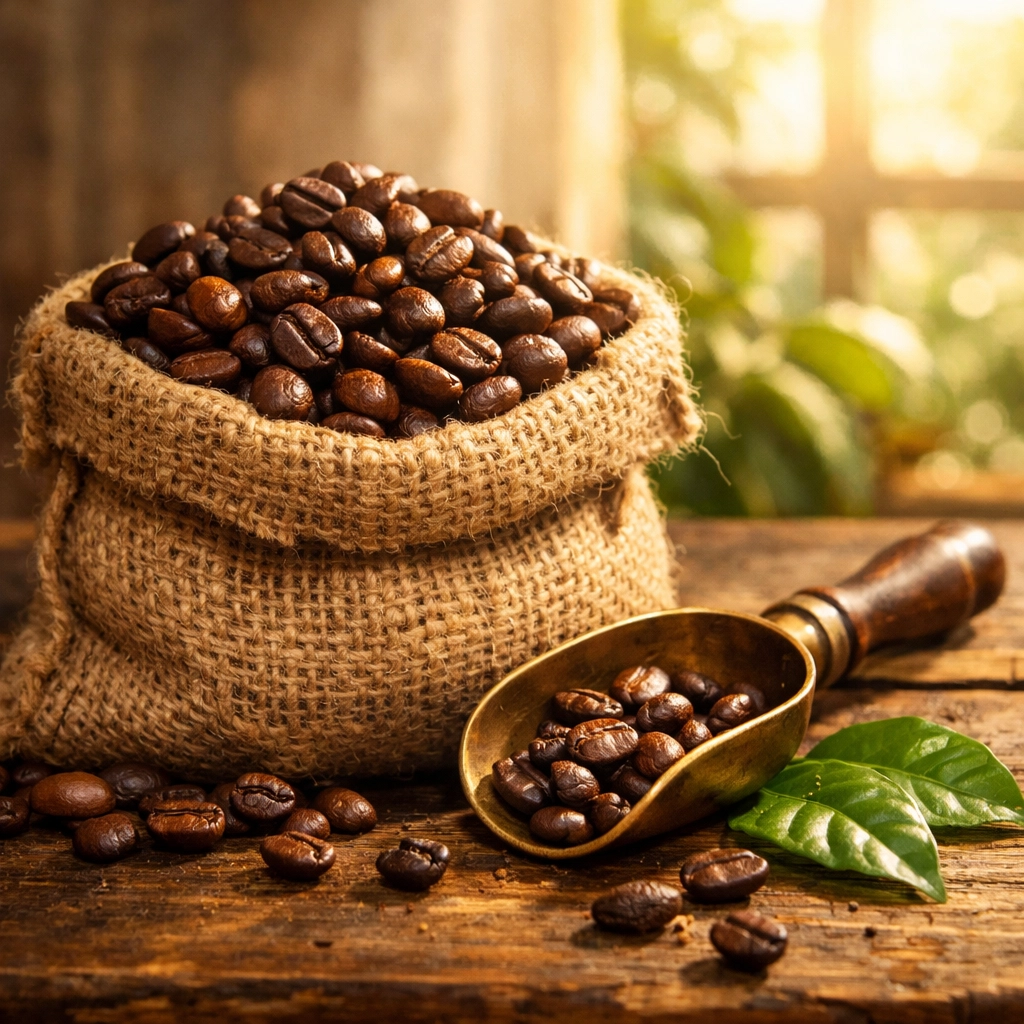
Now, don't let the "specialty" tag fool you into thinking blends are inferior. In the past, some roasters used blends to hide lower-quality beans, but in the world of high-end specialty roasting, a blend is a work of art.
A blend is a combination of two or more single-origin beans, carefully selected and roasted to create a specific flavor profile that stays consistent throughout the year.
Consistency is Key
The biggest advantage of a blend is its reliability. While a single-origin Ethiopian might taste wildly different if the weather was a bit rainier one year, a roaster can adjust the components of a blend to ensure it always tastes like that familiar, comforting cup you love. It’s like your favorite song, you know exactly how the chorus goes every time you hit play.
The Flavor Profile
Blends are usually designed to be "crowd-pleasers." Roasters often aim for a balance of sweetness, body, and acidity. You’ll frequently find notes of milk chocolate, toasted nuts, and caramel. They are designed to be forgiving and "less risky" for your palate.
If you’re looking for that classic, rich coffee taste that reminds you of a high-end Italian cafe, a blend is your best friend. You can explore some of our favorite signature blends here.
Blends vs. Single Origin: A Quick Comparison
Not sure which way to lean? We’ve put together this handy little table to help you decide based on what you value most in your morning brew.
| Your Priority | Best Choice | The Reason Why |
|---|---|---|
| Adventure & Variety | Single Origin | Unique, complex notes that vary by region and farm. |
| Reliability & Consistency | Blend | The roaster maintains the flavor profile year-round. |
| Drinking it Black | Single Origin | Allows the subtle nuances and acidity to shine. |
| Adding Milk/Sugar | Blend | Usually has more "body" and cuts through milk perfectly. |
| Ease of Brewing | Blend | Often more forgiving if your technique isn't perfect. |
| Transparency | Single Origin | You know exactly where and who the coffee came from. |
Let’s Talk Brewing Methods
Your choice of beans should also depend on the gear sitting on your kitchen counter. Some beans just play better with certain equipment.
Manual Brewing (Pour Over, Chemex, AeroPress)
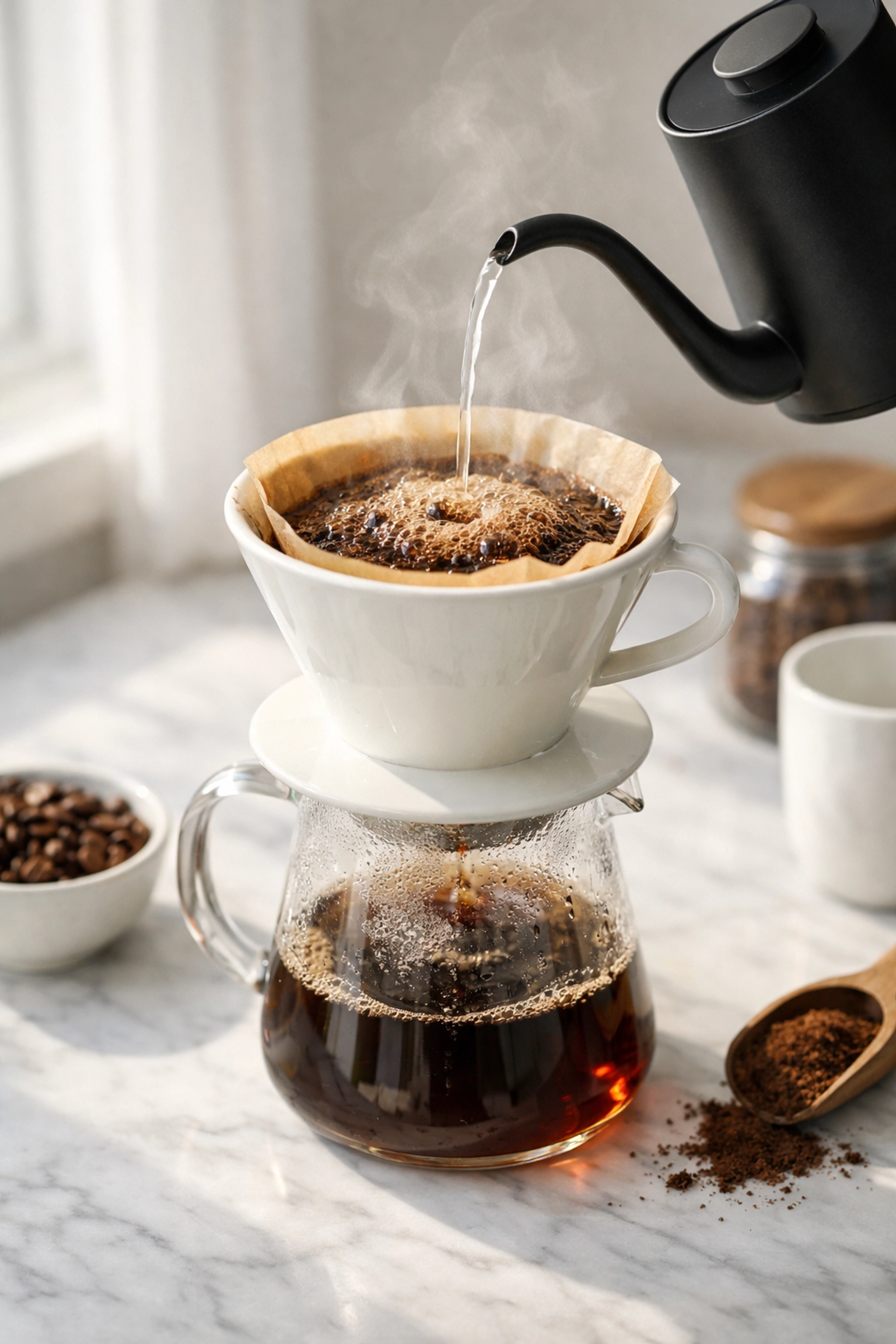
If you love the ritual of a slow pour-over, Single Origins are usually the way to go. These methods are fantastic at extracting those delicate, floral, and fruity notes. The clarity of a Chemex or a V60 allows you to taste the "origin" of the bean without any heavy bitterness getting in the way.
We recommend aiming for a water temperature between 194 °F and 203 °F (90 ºC to 95 ºC) for these light-to-medium roasted single origins to get the best extraction.
Espresso and Milk-Based Drinks
When it comes to espresso, things get a bit more technical. Pulling a great shot of a light-roast single origin can be… well, a bit of a nightmare if you're not an experienced barista. They can be finicky and prone to sourness if your grind isn't exactly right.
Blends are traditionally the champions of the espresso machine. They provide that thick, syrupy crema we all love and offer a stable foundation for lattes and cappuccinos. If you’re using a machine like a La Spaziale, a well-crafted blend will give you that consistent 9 BAR extraction and a flavor that isn't drowned out by 200ml of steamed milk.
Does Milk Matter?
This is a big one. If you enjoy your coffee with a splash (or a lot) of milk, you need a bean that can stand up to it.
Milk has a natural sweetness and a creamy texture that can easily overwhelm the delicate, acidic notes of a high-end single origin. If you pour milk into a bright, citrusy Kenyan coffee, it might actually end up tasting a bit… "off" or curdled (not literally, but the flavor clash is real).
For lattes, cappuccinos, and flat whites, we almost always recommend a Blend. The chocolatey and nutty base notes of a blend harmonize with the fats in the milk to create something that tastes like a liquid dessert.
If you're curious about how milk interacts with your coffee, check out our guide to understanding milk.
How to Buy Like a Pro
Regardless of whether you choose a blend or a single origin, there are a few "golden rules" for buying beans that will ensure you’re getting the best possible experience.
- Check the Roast Date: Coffee is a fresh agricultural product. It's at its peak between 7 and 30 days after roasting. If a bag doesn't have a roast date, put it back!
- Buy Whole Bean: We know it’s extra effort, but grinding your coffee right before you brew it is the single biggest upgrade you can make. Once coffee is ground, it begins to oxidize and lose flavor within minutes.
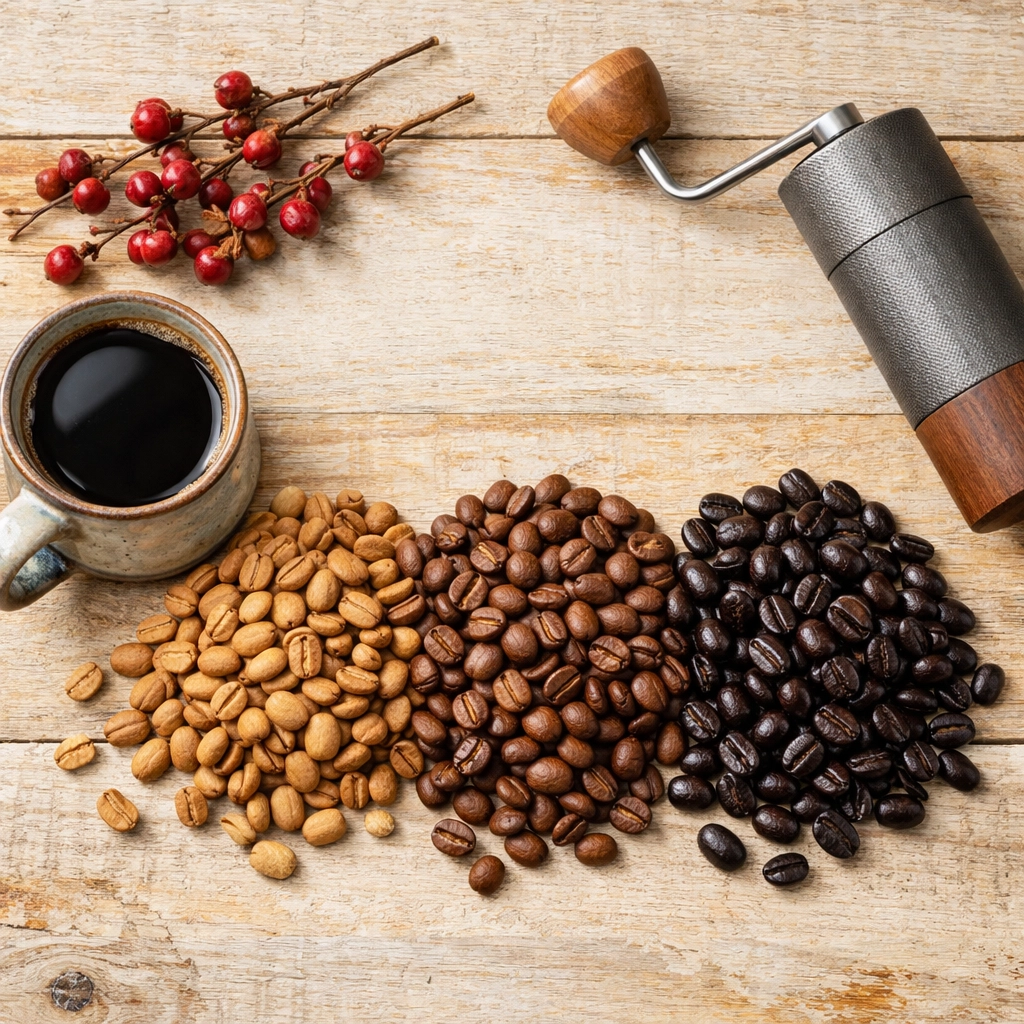
- Know Your Roast Level: Generally, single origins are roasted lighter to preserve their unique characteristics. Blends can range from medium to dark. If you like "bold" and "smoky," go darker. If you like "bright" and "tea-like," go lighter.
- Look for Sourcing Info: Good roasters are proud of where they get their beans. We spend a lot of time sourcing our coffee to ensure it's ethical and high-quality.
The Limini Recommendation
So, what should you put in your cart today?
If you are just starting your home brewing journey and you want a coffee that is easy to brew and tastes great with milk, go for a Blend. It’s safe, it’s delicious, and it’s a great baseline for your palate.
If you’ve been brewing for a while and you’re starting to find your "standard" cup a bit boring, it’s time to venture into Single Origins. Start with something from South America (like a Brazilian or Colombian) for a familiar profile, then work your way toward the wilder, fruitier African beans.
The best part? You don't have to choose just one. Many of our passionate home brewers keep a bag of a reliable blend for their morning latte and a rotating selection of single origins for their weekend afternoon pour-overs.
Ready to start your flavor adventure? You can browse our full range of freshly roasted speciality coffee beans right here.
And remember, there is no "wrong" choice in coffee, only what you enjoy drinking. Don't let anyone tell you that you must drink single origin black to be a "real" coffee lover. If you love a dark-roasted blend with a mountain of sugar, that is the beauty of coffee! 🙂
Happy brewing!
Want to Level Up Your Skills?
If you’ve got the beans but feel like your technique is lacking, why not join us for some barista training? We love teaching people how to get the most out of their equipment, whether you're a home enthusiast or looking to open your own shop.
If you're still in the phase of choosing espresso equipment, we’ve got plenty of guides to help you make an informed decision without the stress.
Feel free to reach out to us here at Limini Coffee if you have any questions about which bean is right for your specific setup. We’re always happy to chat about all things caffeinated!
Leave a Reply