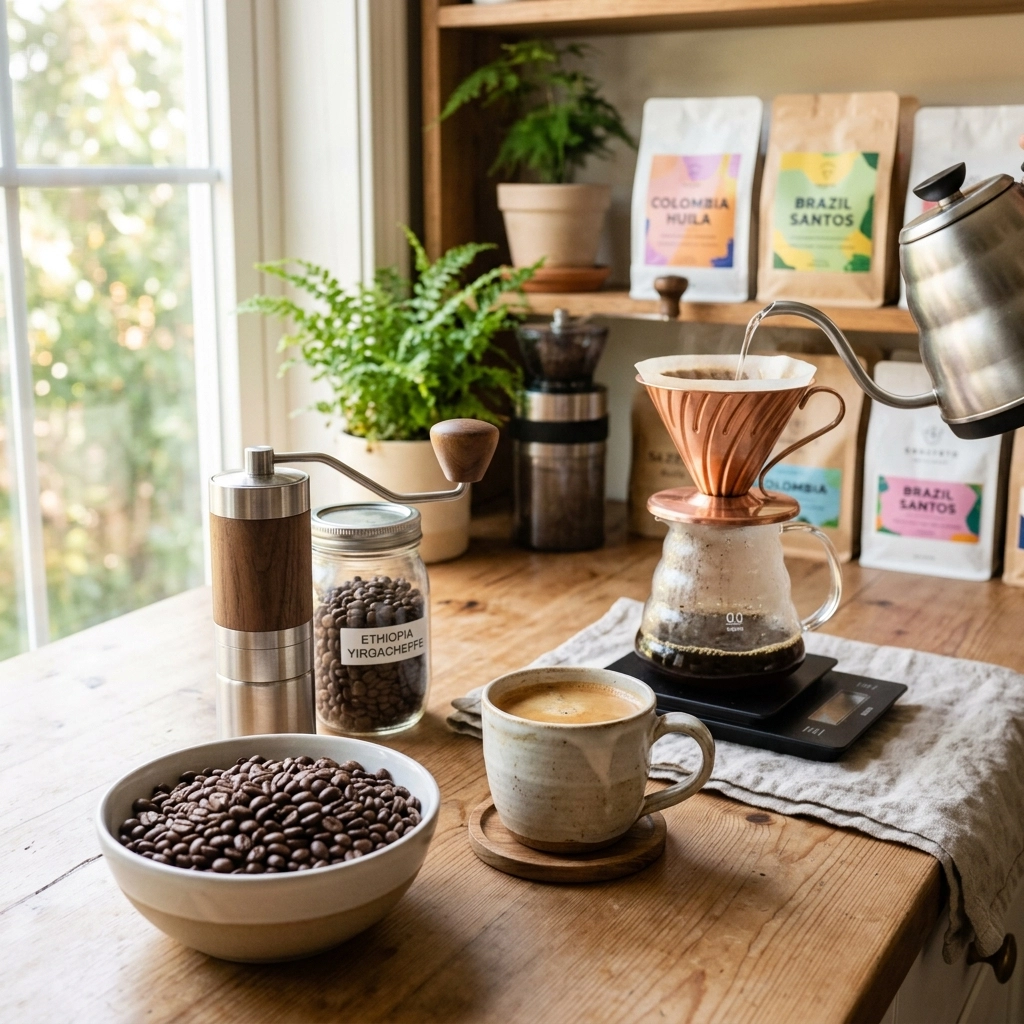
So, you’ve finally invested in a decent home coffee setup. Perhaps you’ve got a shiny new espresso machine sitting on the counter, or maybe a sleek V60 dripper and a gooseneck kettle that makes you feel like a laboratory scientist every morning. But then comes the big question: what on earth should you be putting into those machines?
Choosing the right coffee beans can feel like a bit of a minefield. You walk into a shop or browse online and you’re hit with words like "washed process," "altitude," "tasting notes of bergamot," and "medium-dark roast." It’s a lot to take in. We believe that the beans you choose are easily 50% of the battle when it comes to brewing that perfect cup. You can have a £3,000 machine, but if you’re using stale, oily beans from the back of a supermarket shelf, it’s just a real shame.
In this guide, we’re going to break down everything you need to know about choosing the best beans for your specific home setup. We want to help you navigate the world of speciality coffee so you can stop guessing and start sipping.
The Great Debate: Arabica vs. Robusta
Before we get into the nitty-gritty of roasts and brewing methods, we need to talk about the two main species of coffee beans. If you’ve spent any time looking at bags of coffee, you’ve likely seen "100% Arabica" plastered all over them. But why?
Arabica is the darling of the speciality coffee world. These beans grow at higher altitudes (typically 600 to 2,200 meters above sea level), which means the cherries develop more slowly. This slow growth creates a much more complex flavor profile. Think sweetness, acidity, and a huge range of notes, from chocolate and nuts to bright citrus and delicate florals.
Robusta, on the other hand, is the hardier, more caffeinated sibling. It’s easier to grow at lower altitudes and is more resistant to pests. Historically, Robusta has had a bad reputation for tasting like burnt rubber or wood. However, high-quality Robusta (yes, it exists!) is a secret weapon for espresso lovers.
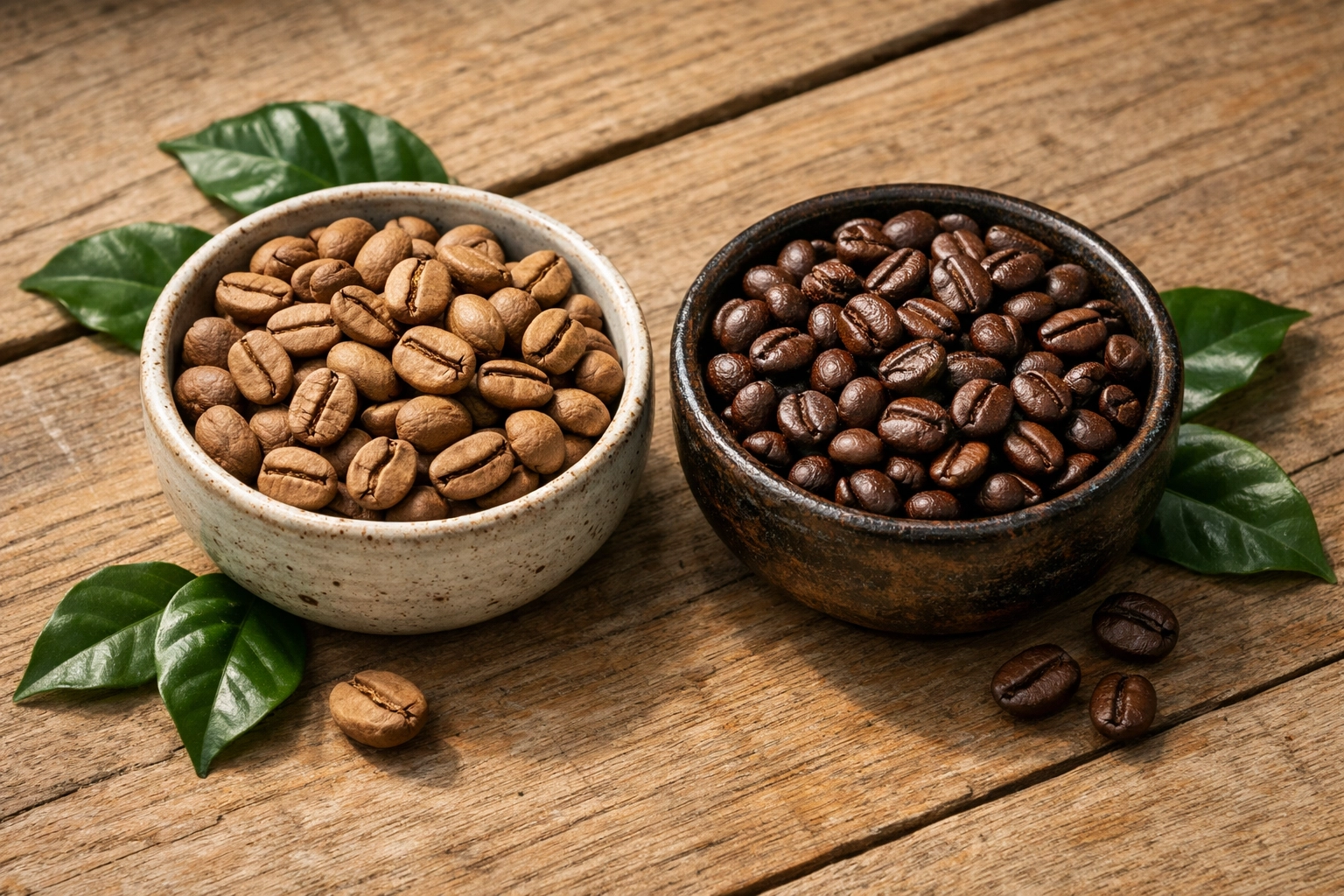
Why is this important? Well, Robusta provides incredible body and a thick, persistent crema (that golden-brown foam on top of your shot). Many traditional Italian espresso blends use about 10-15% high-quality Robusta to give the coffee that punchy, velvety mouthfeel that Arabica sometimes lacks on its own.
If you are looking for fresh, expertly roasted options that balance these profiles perfectly, you should definitely check out our range at Limini Coffee.
Understanding Roast Levels (And Why Your Kit Cares)
The roast level is perhaps the most significant factor in how your coffee will taste and, more importantly, how it will behave in your machine. We like to think of roasting as a spectrum of chemical reactions, most notably the Maillard reaction (basically the same thing that happens when you toast bread or sear a steak).
Here is a quick breakdown of how different roasts perform:
| Roast Type | Flavor Profile | Texture/Body | Best For |
|---|---|---|---|
| Light Roast | Acidic, fruity, floral, tea-like | Thin, delicate | Pour-over, V60, Chemex |
| Medium Roast | Balanced, caramel, nutty, stone fruit | Smooth, syrupy | Drip, Aeropress, Espresso |
| Dark Roast | Bitter, smoky, chocolate, bold | Heavy, oily | French Press, Traditional Espresso |
Why roast level matters for your gear
If you have a manual pour-over setup, a light roast is often the way to go. It preserves the unique characteristics of the bean's origin. However, light roasts are harder to extract. This means you might need water that is quite hot (around 94 °C to 96 °C / 201 °F to 205 °F) to get the flavors out.
If you are using a home espresso machine, we generally recommend starting with a medium to medium-dark roast. Light roasts can be incredibly "fussy" in an espresso machine; they often end up tasting sour or salty if your temperature and pressure aren't perfectly dialed in. A medium-dark blend is much more forgiving and will give you that classic, sweet espresso taste.
Matching Beans to Your Brewing Method
Not all beans are created equal, and some truly shine in specific environments. Let's look at the most common home setups and what we think works best.
1. The Home Espresso Machine
Espresso is a high-pressure extraction method (usually around 9 BAR). This intensity amplifies everything. If a bean is slightly acidic, espresso will make it taste like a lemon. If it’s slightly bitter, espresso will make it taste like ash.
- Our Recommendation: Look for a blend rather than a single origin. Blends are designed for consistency and balance. A great espresso blend often features a Brazilian base for chocolatey sweetness, a bit of Central American coffee for brightness, and maybe a touch of high-quality Robusta for that all-important crema.
- Top Tip: If you're new to this, avoid very oily, dark beans. They can clog up your grinder and make tamping quite messy.
2. Pour-Over (V60, Chemex, Kalita)
This is where you can really experiment with single-origin coffees. Since the water passes through the grounds slowly using only gravity, you get a much cleaner, more nuanced cup.
- Our Recommendation: Try an Ethiopian or Kenyan single origin. These are famous for their "blueberry" or "citrus" notes. Look for "Washed" process coffees if you want a clean, tea-like finish, or "Natural" process if you want something funky and fruit-forward.
3. French Press and Cafetière
The French Press is an immersion method. The coffee sits in the water for several minutes, leading to a full-bodied, heavy cup.
- Our Recommendation: Go for a medium-dark roast from Sumatra or Guatemala. These coffees often have earthy, spicy, or heavy cocoa notes that stand up well to the long steeping time.
If you're still choosing your kit, have a look at our guide on choosing espresso equipment to see what fits your lifestyle.
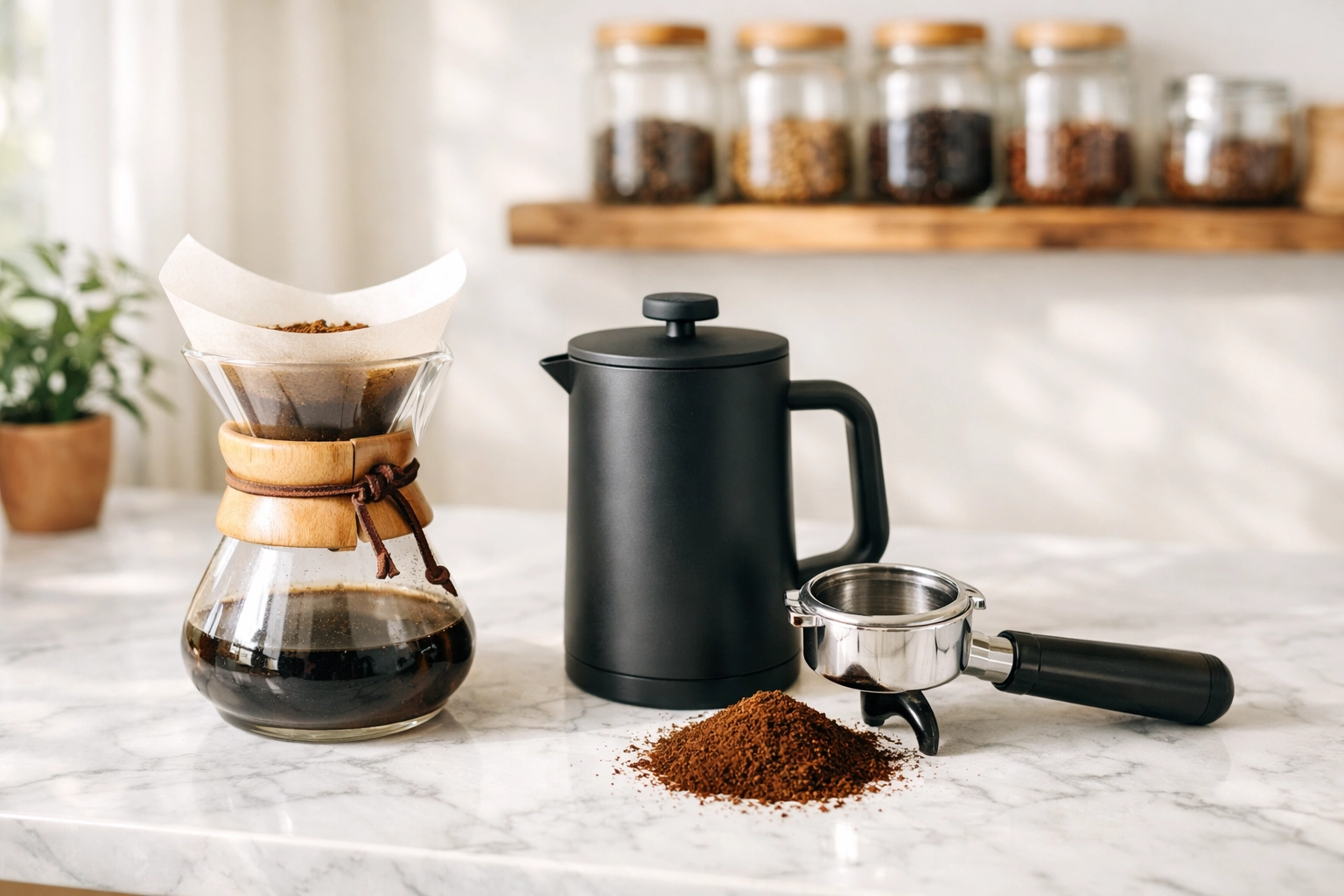
Freshness: The Non-Negotiable Factor
We cannot stress this enough: freshness is everything. When coffee is roasted, it begins to release carbon dioxide (a process called degassing). After about 3 to 4 weeks, most of the volatile aromatics that give coffee its amazing smell and taste have vanished.
Supermarket coffee often sits on shelves for months. It might have a "Best Before" date a year away, but that doesn't mean it's fresh. You want a "Roasted On" date. Ideally, you should use your beans between 7 and 21 days after roasting.
At Limini Coffee, we focus on freshly roasted speciality beans because we know that’s the only way you’ll get the best out of your home setup. When you buy from a speciality roaster, you’re not just getting coffee; you’re getting the result of a very careful sourcing process.
Deciphering the Label: What Do Those Terms Mean?
When you’re looking at a bag of high-end beans, you’ll see a lot of data. It can be intimidating, but it’s actually there to help you.
Altitude
Usually measured in MASL (Meters Above Sea Level).
- High Altitude (1,500m+): More acidity, more complexity, denser beans.
- Lower Altitude (under 1,200m): Lower acidity, more earthy and chocolatey notes.
Process
This refers to how the coffee seed (the bean) was removed from the fruit (the cherry).
- Washed: The fruit is stripped off with water. This results in a "clean" taste where you can really taste the bean itself.
- Natural: The cherry is dried whole in the sun. This often gives the coffee a intense, fruity, sometimes wine-like flavor.
- Honey Process: A middle ground between the two. Expect a lot of sweetness and a syrupy body.
Tasting Notes
Keep in mind that these aren't added flavors. No one is dropping orange peel into the roaster. These are natural aromatic compounds that remind the roaster of certain foods. If it says "Green Apple," it means the coffee has a bright, malic acidity. If it says "Caramel," it likely has a high sugar content that has been beautifully developed during the roast.
Practical Tips for Your Home Setup
To wrap things up, here are a few rules of thumb we live by here at the roastery:
- Buy Whole Bean: This is the single best thing you can do for your coffee. Coffee starts to go stale within minutes of being ground because the surface area increases and oxygen gets to work. Invest in a decent burr grinder.
- Use a Scale: Stop using scoops! Coffee beans vary in density. A scoop of a dark roast weighs much less than a scoop of a light roast. For consistent results, use a coffee brewing calculator and a digital scale.
- Store it Right: Keep your beans in a cool, dark place in an airtight container. Please, whatever you do, don't put them in the fridge. The moisture and the smells of your leftover curry will ruin the beans.
- Water Quality: If your tap water tastes a bit funny, your coffee will too. We recommend using a simple water filter jug to remove chlorine and heavy minerals.
Final Thoughts
Choosing the best coffee beans for your home setup is a journey of discovery. Don't be afraid to try something that sounds weird. You might find that you actually love the funky, fruity notes of a Natural Ethiopian, or you might realize you’re a die-hard fan of a traditional, chocolatey Brazilian blend.
The beauty of coffee is that there is no "right" answer: only what tastes good to you. But starting with high-quality, freshly roasted beans from a source you trust is the best way to ensure your morning ritual is a success.
If you’re ready to level up your home barista game, head over to Limini Coffee and see what we’ve got roasting this week. Whether you need a forgiving espresso blend or a vibrant single origin for your V60, we’ve got you covered. Happy brewing!
Leave a Reply