Choosing the right wholesale coffee roaster for your café, restaurant, or coffee business isn't just about finding someone who'll ship you beans. It's about building a partnership that'll directly impact your customers' experience, your bottom line, and honestly, your sanity.
We've seen too many businesses jump into relationships with coffee suppliers based purely on price, only to find themselves dealing with inconsistent quality, unreliable deliveries, or beans that taste like they've been sitting in a warehouse since 2019. So let's walk through what actually matters when you're vetting wholesale coffee roasters.
Start With Quality (Obviously, But Hear Us Out)
Quality sounds obvious, right? But here's where most people get it wrong – they don't dig deep enough to understand how their potential supplier defines and maintains quality.
When you're talking to coffee suppliers, ask specific questions. What's their roasting schedule? How do they ensure batch-to-batch consistency? Where are they sourcing their green coffee from, and more importantly, why those specific origins?
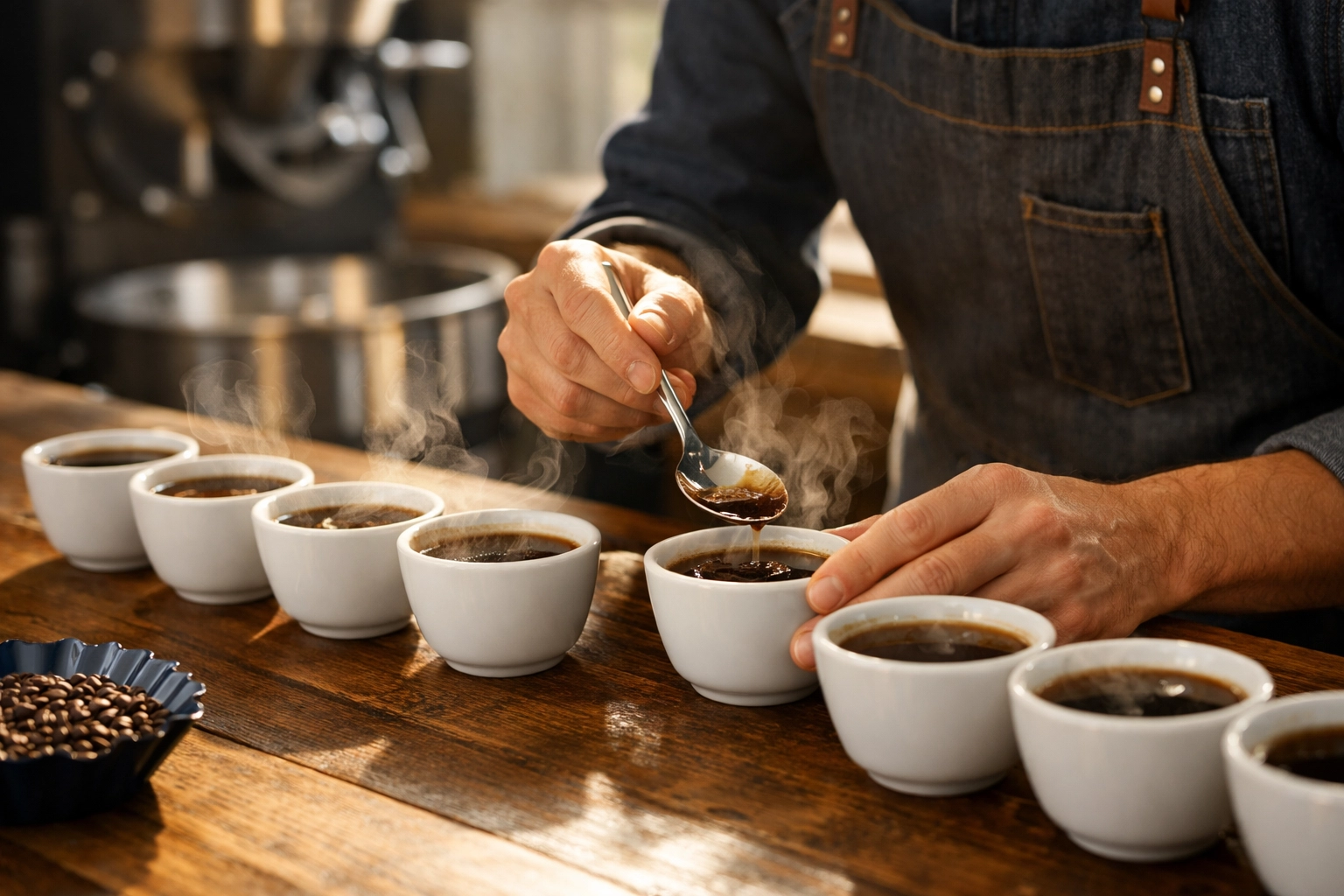
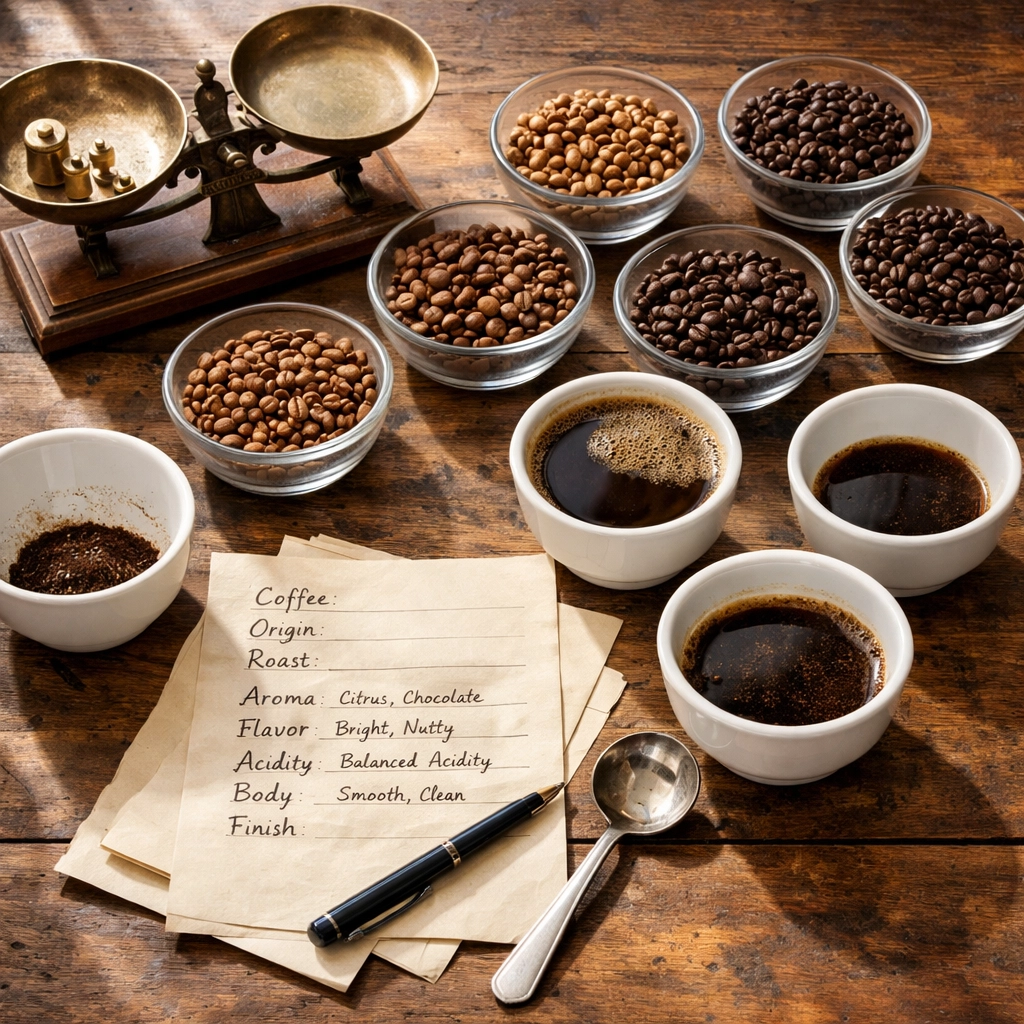
Request samples. Plural. Not just their flagship blend, but a range of what they offer – single origins, espresso blends, filter roasts. Taste them yourself, obviously, but also get your team involved. Your baristas will be working with this coffee every single day, and they'll notice things you might miss. Pay attention to flavor profiles, body, acidity, and how the coffee behaves under pressure (literally, when you're pulling shots).
A reputable wholesale coffee roaster will be happy to send samples and walk you through their quality control processes. If they're cagey about their methods or hesitant to provide samples? That's a red flag the size of a coffee sack.
Sourcing Practices Matter More Than You Think
Understanding how your potential supplier sources their green coffee tells you a lot about what you're getting into.
Are they working directly with producers, or are they buying through importers and distributors? Neither approach is inherently wrong, but it affects everything from price stability to quality consistency to how quickly they can respond to supply chain issues.
We believe direct relationships with origin – or at least transparent partnerships with ethical importers – produce better results. When a roaster has invested time and resources into building relationships with specific farms or cooperatives, they're more invested in quality. They can tell you stories about the producers. They can explain why this particular Colombian tastes different from that one.
Ask potential suppliers: How long have you worked with your current green coffee partners? What happens if there's a crop failure or quality issue at origin? Do you have backup sources, or will your customers be left scrambling?
If a supplier can't answer these questions or gives vague responses about "buying what's available," that's another warning sign.
Sustainability Isn't Just Marketing Fluff Anymore
Your customers care about where their coffee comes from. And honestly, you should too.
Look for coffee suppliers who can demonstrate genuine commitment to sustainability – not just certifications they've slapped on their website, but actual practices. Fair Trade, Rainforest Alliance, Organic certifications are great starting points, but dig deeper.
How does this roaster support the farming communities they work with? Are they paying above fair trade minimums? Do they have long-term relationships that provide farmers with stable income? What about environmental practices – both at origin and in their own roastery?
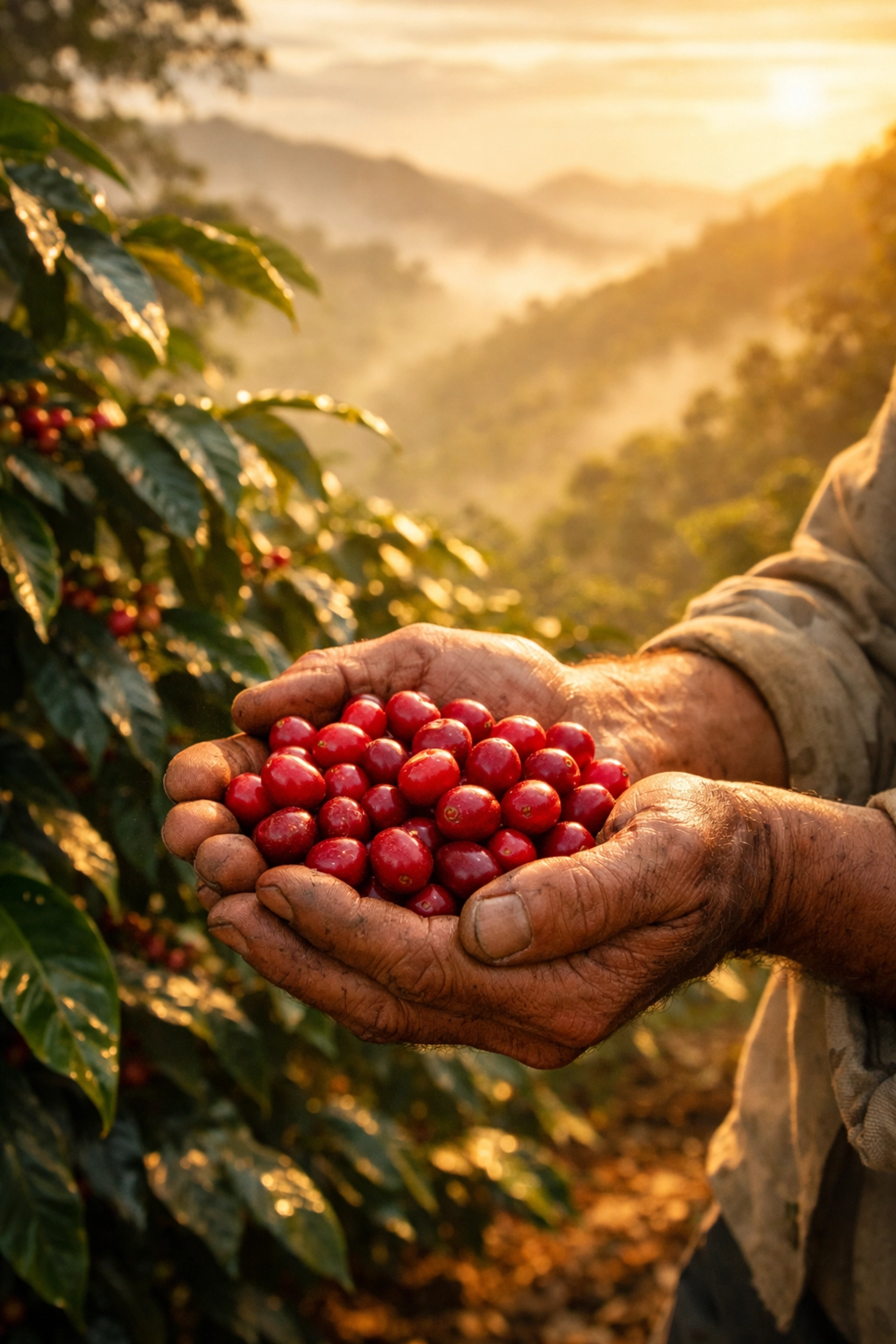
These conversations matter because they tell you whether you're working with a supplier who thinks long-term or one that's just chasing the next trendy origin. The coffee industry has real sustainability challenges, and the wholesale coffee roasters who acknowledge this and work actively to address it are the ones worth partnering with.
Range and Flexibility
You need a supplier who can grow with your business.
Maybe right now you're happy with two blends and a rotating single origin. But what happens in six months when you want to add a decaf, or you decide to create a signature house blend, or your customers start asking for lighter roasts?
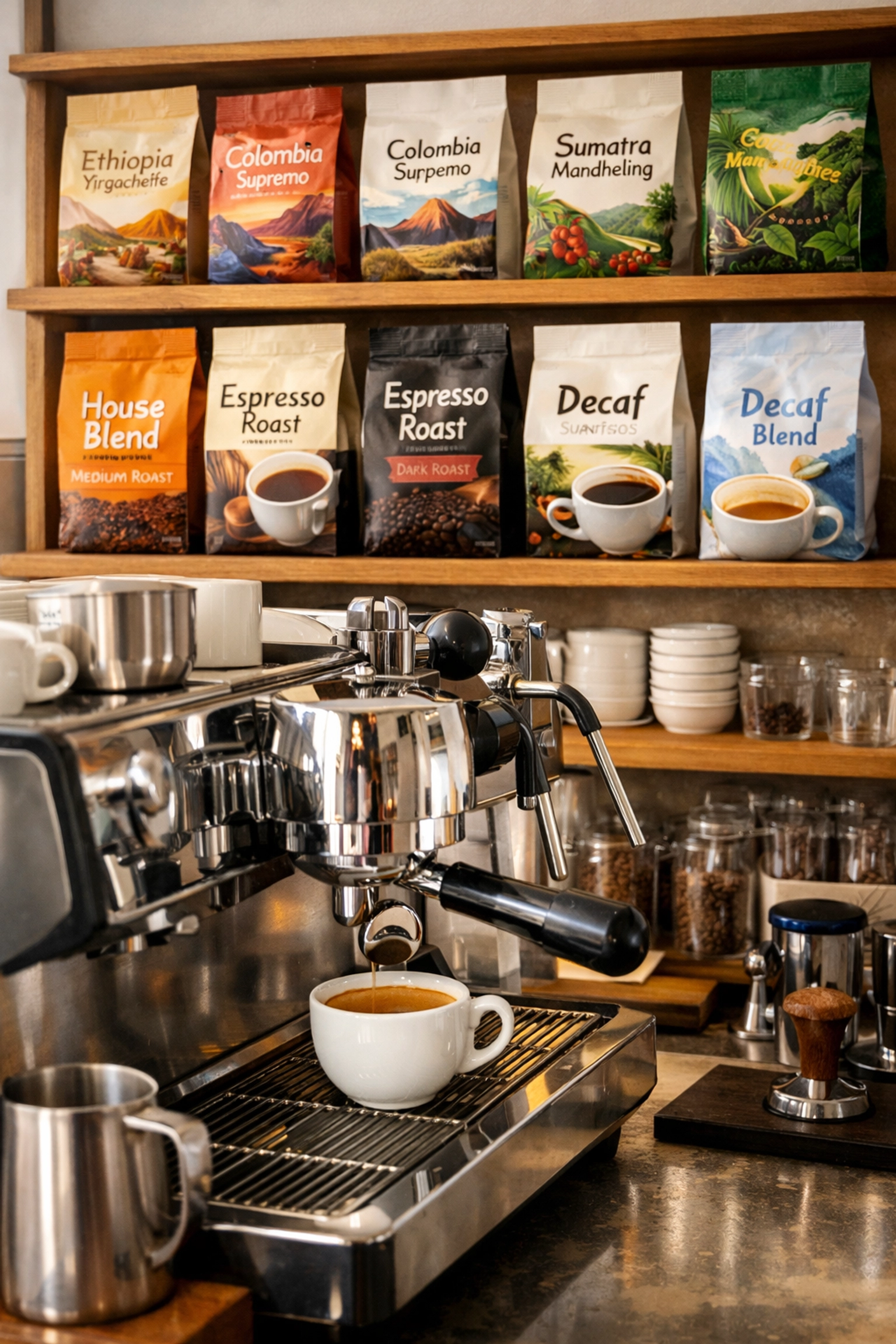
A good wholesale coffee roaster offers variety – different origins, roast profiles, and the flexibility to work with you as your needs evolve. They should have the capacity to create custom blends if that's something you're interested in down the line.
But here's the thing – variety without reliability is useless. Your supplier needs to have a robust supply chain that can deliver consistently. Ask about their delivery schedules, minimum order quantities, and what happens if there's a disruption. Can they substitute a comparable coffee if your regular order is unavailable, or will you be left figuring it out yourself?
The Real Cost of "Cheap" Coffee
Let's talk about pricing, because this is where a lot of businesses make expensive mistakes.
Yes, price per kilo matters. But it's not the only factor, and sometimes it's not even the most important one. When you're comparing coffee suppliers, you need to understand the full value proposition.
Does the price include delivery? What about equipment support – will they help you dial in your grinder or troubleshoot extraction issues? Do they offer any marketing support or staff training? Some wholesale coffee roasters provide barista training as part of their service, which can save you thousands in external training costs.
Ask about volume discounts and payment terms. Many suppliers offer better pricing if you're willing to commit to contracts, and those contracts often come with additional support and priority service. It's worth having that conversation.
And be cautious of pricing that seems too good to be true. If market prices for Ethiopian coffee are rising but a supplier is offering unlimited quantities at rock-bottom prices, something doesn't add up. You're either getting lower quality beans, or they're cutting corners somewhere that'll come back to bite you.
If you're looking to explore what specialty wholesale coffee should actually cost, take a look at what we offer at Limini Coffee – we're transparent about our pricing structure and what's included.
Customer Support Can Make or Break You
Here's something nobody talks about enough: your relationship with your coffee supplier will involve problems at some point. Equipment breaks down. Orders get delayed. You need a different roast profile. A bag arrives damaged.
What separates great wholesale coffee roasters from mediocre ones is how they handle these situations.
When you're vetting suppliers, pay attention to their responsiveness. How quickly do they reply to emails? Can you actually get someone on the phone? Do they have a dedicated account manager, or are you just another number in their system?
Read online reviews. Ask other café owners about their experiences. If you can, get references from other businesses the supplier works with. Ask those references specific questions: How does this supplier handle problems? What's their average delivery reliability? Have they ever been let down?
The Technical Stuff: Quality Control and Testing
A professional wholesale coffee roaster should have robust quality control processes in place. This means regular cupping sessions to evaluate each batch, testing samples from their green coffee suppliers before committing to purchases, and having systems to catch and remove defects or foreign objects before roasting.
Ask potential suppliers about their QC protocols. How often do they cup their coffees? What's their process for evaluating green coffee before it goes into the roaster? How do they ensure consistency between batches?
We test every single batch that comes through our roastery, and we're happy to share our cupping notes and quality assessments with our wholesale partners. That level of transparency should be standard, not exceptional.
Making Your Decision
After you've done your research, requested samples, checked references, and had all these conversations, you should have a pretty clear picture of which coffee suppliers align with your business values and needs.
Don't rush this decision. The relationship you build with your wholesale coffee roaster will affect every cup you serve, every customer interaction, and ultimately, your business success.
Start with a trial period if possible. Order enough to properly evaluate the coffee and the service, but don't commit to a massive contract right away. See how the coffee performs in your café. Watch how your customers respond. Notice whether the supplier follows through on their promises about delivery times and customer support.
And remember – this should feel like a partnership, not just a transaction. The best wholesale coffee roasters genuinely care about your success because they understand that your success is their success.
Your Next Steps
Before you reach out to potential suppliers, get clear on what you actually need. How much coffee do you use per week? What flavor profiles work for your customer base? What's your budget, realistically, including delivery and any additional services you need?
Make a shortlist of three to five coffee suppliers that seem promising. Reach out to each one with specific questions. Request samples. Talk to their other customers. Visit their roastery if that's possible – seeing their operation in person tells you a lot.
Take your time with this. Switching coffee suppliers later is possible, but it's disruptive to your business and confusing for your customers. Get it right from the start, and you'll save yourself a lot of headaches down the line.
If you're exploring your options and want to learn more about our approach to wholesale coffee and what we can offer your business, we'd love to chat. You can explore our wholesale services or reach out directly.
The right coffee supplier is out there. You just need to ask the right questions to find them.
Leave a Reply