So, you’re opening a coffee shop? Or perhaps you’re already in the thick of it, but your current setup feels a bit… lukewarm. Choosing a partner is one of the most significant decisions you will make. Notice we said "partner" and not "supplier." Because, to be honest, anyone can sell you a bag of beans. But not everyone will stand by you when your grinder decides to give up the ghost at 8:00 AM on a Monday.
Finding the right coffee suppliers for coffee shops is about more than just the price per kilo. It’s about quality, reliability, and finding people who care as much about your customers' morning latte as you do. We believe that the relationship between a roaster and a café should be a "double shot" of mutual success.
In this guide, we’re going to dive deep into what you should look for, compare the different types of wholesale coffee roasters, and explain why the "cheapest" option often ends up being the most expensive mistake you’ll ever make.
1. Quality and Freshness: The Non-Negotiables
We’ve all been there. You walk into a café, the decor is stunning, the lighting is perfect, but the coffee tastes like burnt rubber. Usually, that’s a freshness issue. When you’re looking at coffee suppliers, the very first thing you need to ask is: "When was this roasted?"
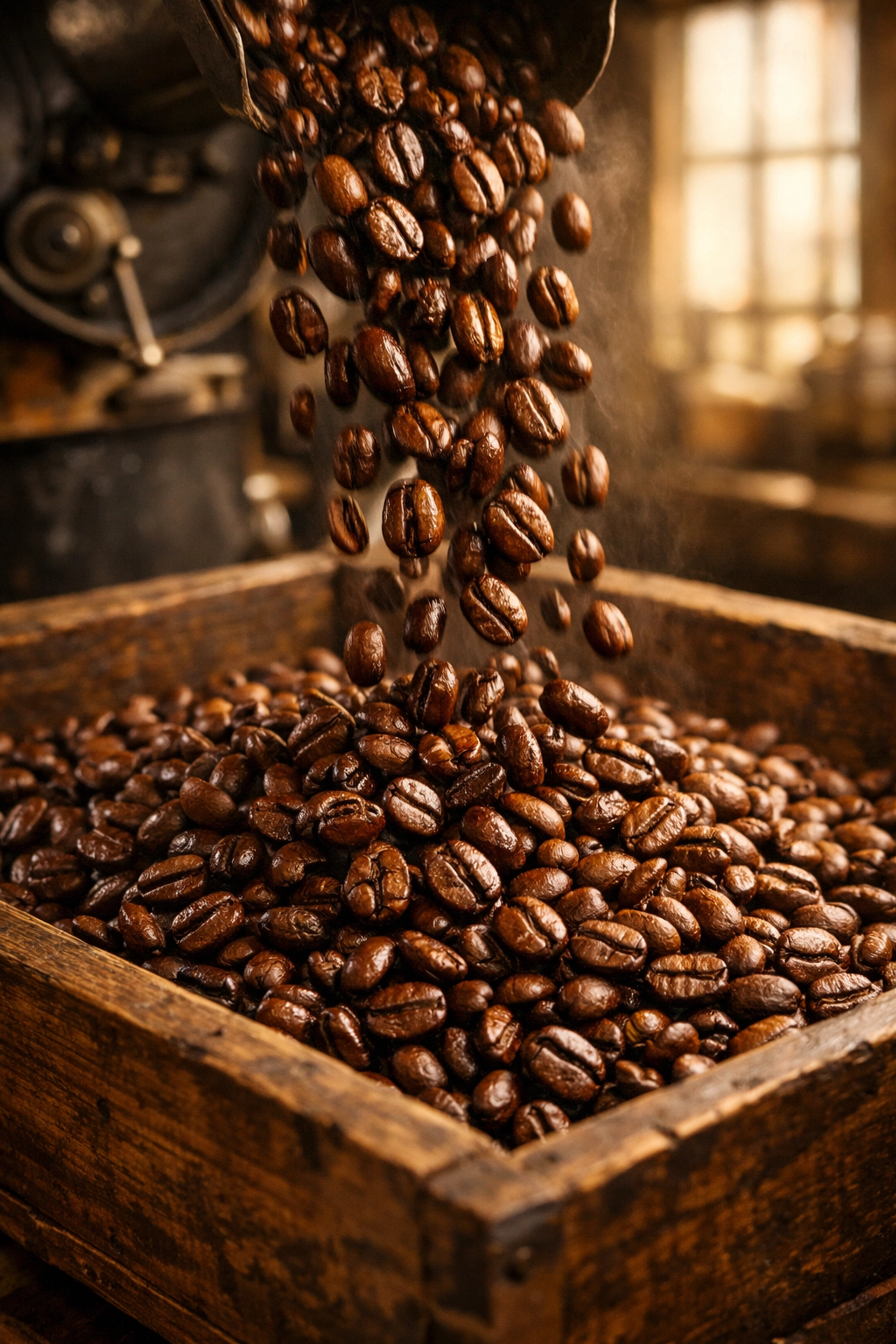
Coffee is a fresh product. Think of it like bread or produce rather than a pantry staple. Ideally, you want beans that have been roasted within the last 7 to 14 days. This gives the coffee enough time to "degas" (release carbon dioxide) but ensures the volatile aromatics are still peaking. At Limini Coffee, we roast to order. This means your coffee isn't sitting on a shelf in a warehouse for months; it’s fresh, vibrant, and ready to shine.
Why is this important?
Freshness affects everything from the crema on your espresso to the ease of tamping and extraction. Old beans become brittle and lose their oils, making them unpredictable to dial in. If your supplier can’t give you a clear roast date, it’s probably time to look elsewhere.
2. More Than Just Beans: Training and Support
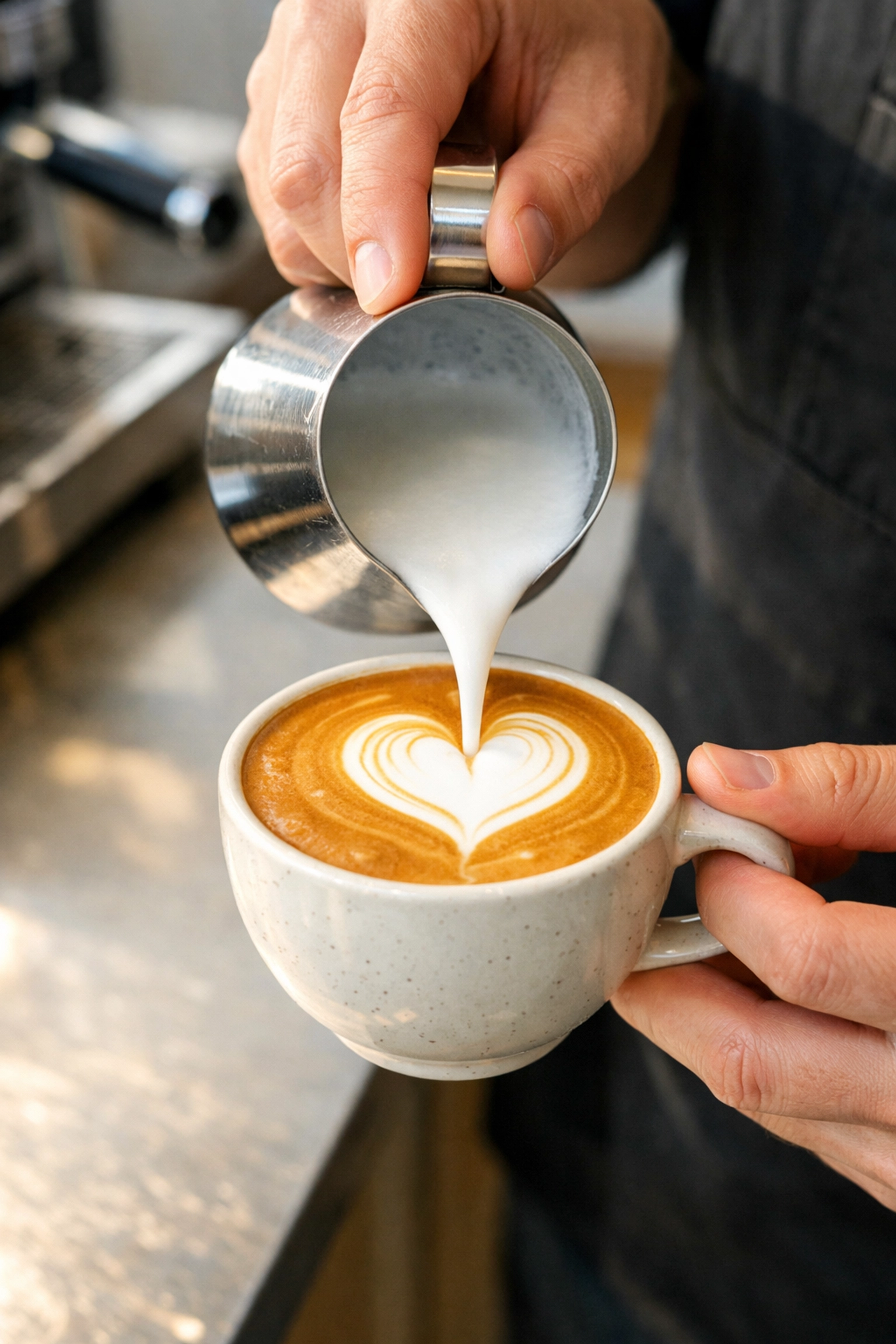
You could have the most expensive, ethically sourced, award-winning beans in the world, but if your barista doesn't know how to properly steam milk, the end result will be mediocre. This is where the best coffee suppliers for coffee shops really differentiate themselves.
We believe that a roaster’s job only starts with the roast. A huge part of our role is ensuring you know how to use the product. Does your potential supplier offer barista training? And we don't just mean a quick 20-minute demo. We’re talking about deep dives into extraction theory, milk chemistry, and workflow efficiency.
The "Hidden" Value of Training
Imagine a busy Saturday morning. Your new starter is struggling with the latte art or the difference between a flat white and a cappuccino. If your supplier has provided solid training overview sessions, that staff member feels confident, the drinks come out faster, and your customers leave happy. When comparing suppliers, check if training is included in your wholesale agreement or if it's an extra cost. At Limini Coffee, we see training as an investment in our partnership.
3. The Equipment Dilemma: To Buy or To Lease?
The hardware in your shop is the engine room of your business. When looking for wholesale coffee roasters, you’ll find that some also provide equipment. This can be a lifesaver.
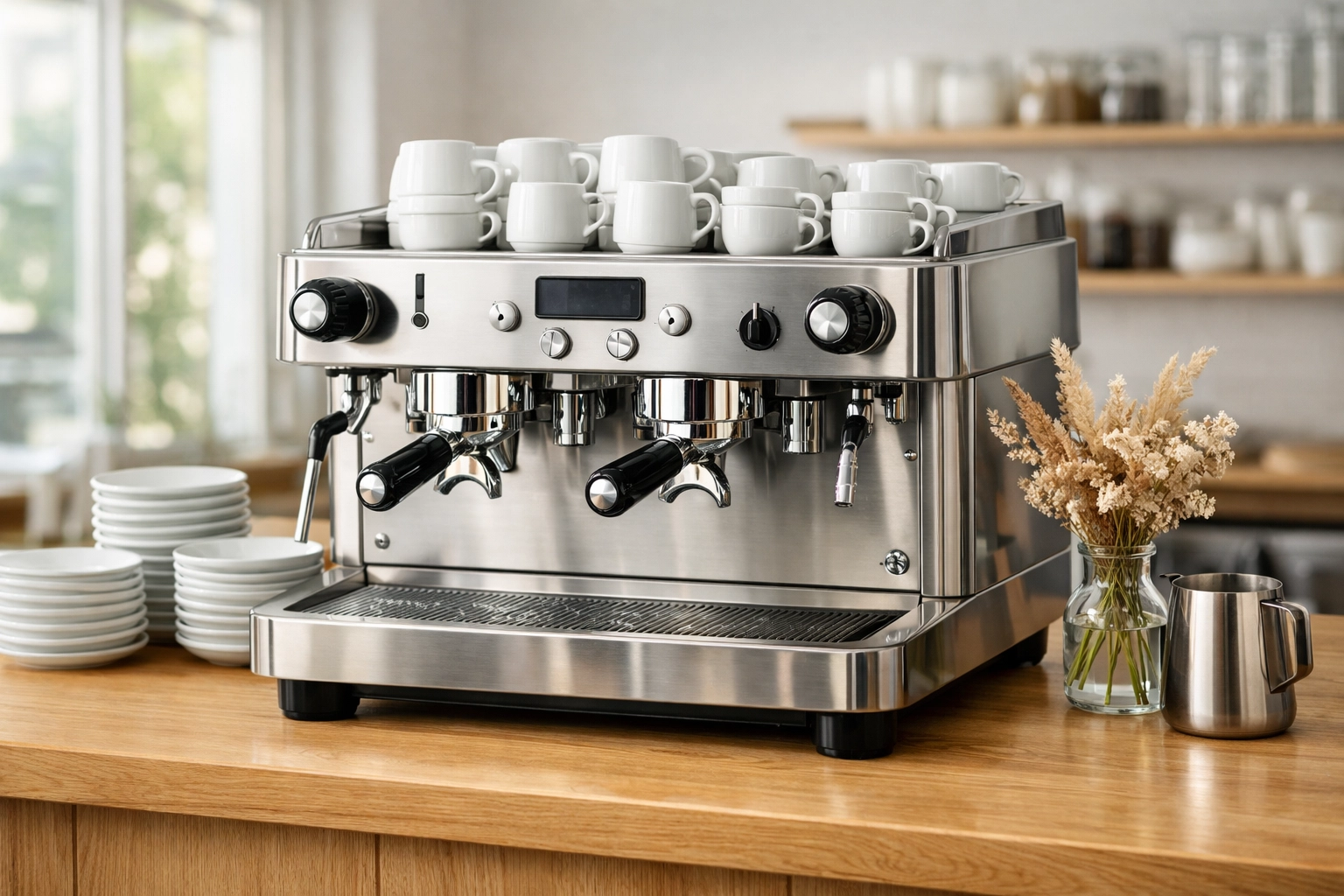
Choosing the right kit: like a La Spaziale machine: is crucial. But what happens when things go wrong? You need to know that your supplier has your back.
- Do they offer repairs? A machine breakdown is a coffee shop’s worst nightmare. Having a supplier that offers espresso machine repair can save you thousands in lost revenue.
- Do they help with the initial setup? Moving into a new space involves shop fitting and building a coffee shop environment that works. We often help our partners figure out where the machine should sit to optimize flow.
- Can they advise on the best gear? Whether you’re looking at lever vs. automatic machines or need help choosing espresso equipment, your supplier should be an expert you can lean on.
4. Comparing the Types of Suppliers
Not all coffee suppliers are created equal. Let’s break down the three main categories you’ll encounter in the UK market.
| Supplier Type | Pros | Cons |
|---|---|---|
| The "Big" Commercial Brands | Very low price per kilo, free (but basic) equipment, recognizable branding. | Low quality, dark/oily roasts, very little personalized support, long contracts. |
| The Micro-Roaster | Often very high quality, extremely local, trendy. | May lack the infrastructure for emergency repairs, limited training facilities, can struggle with consistency at scale. |
| Specialty Wholesale Roasters (The Sweet Spot) | High-quality specialty coffee sourcing, dedicated training labs, in-house engineers, and scalable volume. | Slightly higher price point than commercial brands (but worth every penny). |
We like to think of Limini Coffee as that sweet spot. We have the passion and quality of a micro-roaster but the robust support system of a much larger operation. We’ve spent years perfecting the wholesale experience because we know that your success is our success.
5. Sourcing and Ethics: Why it Matters to Your Customers
Modern coffee drinkers are savvy. They want to know where their coffee comes from and if the farmers were paid fairly. "Sustainability" isn't just a buzzword anymore; it's a business requirement.
When you’re vetting coffee suppliers for coffee shops, ask about their sourcing practices. Do they have direct relationships with farms? Are they transparent about their supply chain? We take great pride in how we source our coffee, focusing on quality and ethical partnerships. Being able to tell your customers the story behind their cup adds a layer of theatre and engagement that builds loyalty.
6. Logistics, Minimum Orders, and Reliability
It sounds boring, but logistics can make or break your week.
- Minimum Order Quantities (MOQs): Some large wholesale coffee roasters require you to buy 20kg+ at a time. If you’re a small shop, that coffee is going to go stale before you reach the bottom of the last bag.
- Delivery Windows: Do they deliver on a set day, or can you order as needed?
- Communication: If you realize at 4:00 PM on a Thursday that you’re going to run out of beans by Saturday, can you get a human on the phone?
At Limini Coffee, we try to be as flexible as possible. We know that café life is unpredictable. Sometimes you have a random rush and need extra coffee cups or beans yesterday. A good supplier understands this and works with you, not against you.
7. The Final Checklist: Making Your Decision
Before you sign any contracts or place that first big order, run through this checklist:
- Taste the coffee: This seems obvious, but don't just try one espresso. Try it as a latte, a flat white, and a long black. Does it hold up?
- Visit their roastery: See where the magic happens. Is it clean? Are they passionate? Do they have a training lab?
- Check the reviews: What are other shop owners saying? You can see our reviews here to get a feel for how we treat our partners.
- Ask about the "Extras": Do they provide point-of-sale materials? Do they have a coffee brewing calculator or other tools to help your baristas?
- Test the tech support: Ask what their response time is for a broken machine. If it's more than 24 hours, you might want to reconsider.
Summary: Finding Your Perfect Match
Choosing between various coffee suppliers for coffee shops is a bit like dating. You’re looking for someone who shares your values, supports your goals, and: most importantly: makes you look good.
We’ve dedicated ourselves to being the kind of wholesale coffee roasters that we would want to work with. Warm, professional, and obsessed with quality. If you’re looking for a partner that offers more than just a bag of beans: someone who offers the full package of training, equipment support, and world-class coffee: we’d love to chat.
You can learn more about us here or dive straight into our wholesale options. Let’s make some incredible coffee together. 🙂
Leave a Reply