You know what's funny? Coffee shop owners and serious home brewers are looking for exactly the same thing when it comes to choosing where to buy their beans. Fresh, ethically sourced, expertly roasted coffee that actually tastes like something worth waking up for.
So if you're wondering where to get your coffee in 2026, it's worth understanding what the pros look for in their suppliers. Because the same qualities that make a great wholesale coffee partner also make for an exceptional retail roaster for your home brewing setup.
Why Supplier Choice Matters More Than Ever
The coffee landscape has shifted dramatically. We've got 26 new specialty roasters that launched just this year, alongside established names that have been perfecting their craft for decades. That's brilliant for choice, but it also means you need to know what actually matters.
Here's the thing: buying coffee isn't like buying milk. The difference between a mediocre roaster and an exceptional one will completely transform what ends up in your cup. We're talking night and day, not subtle variations.
What Coffee Shops Look For (And Why You Should Too)
When a café owner chooses a supplier, they're betting their entire business on consistency, quality, and reliability. Let's break down their criteria because they're surprisingly relevant for home brewers.
Roasting Frequency and Freshness
Coffee starts degrading the moment it's roasted. Not in a week. Not tomorrow. Immediately.
The best suppliers roast frequently in small batches. This means your beans spend less time sitting in a warehouse and more time being, well, actually fresh. Coffee shops typically want beans within 3-7 days of roasting because they understand that peak flavour window.
For home brewing, this matters just as much. If you're investing in a quality grinder and dialling in your technique, stale beans will sabotage everything. It's like trying to make a gourmet meal with ingredients that have been sitting in the back of the fridge for three months.
Direct Sourcing and Traceability
The transparency trend isn't going anywhere. Roasters like Counter Culture and Stumptown built their reputations on direct farmer relationships and complete traceability from cherry to cup.
But why should you care about this for your morning brew?
Because direct sourcing typically means better quality coffee reaches the roaster in the first place. When roasters have long-term relationships with farms, they get first pick of the harvest. They're not bidding on commodity lots at auction – they're working with producers who actually know where their coffee is going.
This translates to more interesting single origins, better processing methods, and coffees that have genuine character. The kind of stuff that makes you actually want to try a pour over instead of just hitting the espresso button.
The Sourcing Spectrum: What's Available in 2026
Let's compare the different types of suppliers you'll encounter.
Large Established Roasters
Think Peet's Coffee (since 1966) or similar heritage brands. These companies have the infrastructure, the buying power, and decades of experience.
Advantages: Consistent quality, reliable supply chains, often excellent customer support, proven track record.
The catch: Less flexibility, potentially less adventurous single origins, can feel corporate.
Specialty Micro-Roasters
The Pacific Northwest is absolutely packed with small-batch roasters who are obsessed with quality over scale. These are the folks experimenting with unusual processing methods, limited micro-lots, and roasting profiles that push boundaries.
Advantages: Exciting coffees, often impeccable freshness, passionate about the craft, willing to educate customers.
The catch: Can be inconsistent with supply, might run out of your favourite beans, sometimes pricing reflects the boutique nature.
Regional Roaster Networks
Some companies curate coffees from multiple small roasters, giving you access to variety without managing relationships with five different suppliers.
Advantages: Diversity, discovery potential, supporting multiple small businesses.
The catch: Variable freshness depending on turnover, less direct relationship with the actual roaster.
The Limini Coffee Approach
We should mention what we do here at Limini Coffee because it's relevant to this whole conversation. We focus on specialty coffee with complete transparency about where we source our beans and how we roast them.
If you're looking for a UK-based roaster that understands both the wholesale coffee shop market and the needs of serious home brewers, you can check out what we offer at Limini Coffee. We roast frequently in small batches, which means what arrives at your door is genuinely fresh, not something that's been sitting around.
The beauty of choosing a roaster that supplies both cafés and home brewers is that they understand the full spectrum. They know what baristas need for consistency during a busy morning rush, but they also get that you want beans interesting enough to explore different brew methods on a lazy Sunday.
Key Evaluation Criteria for 2026
So how do you actually assess a coffee supplier? Here's what matters.
Roast Date Transparency
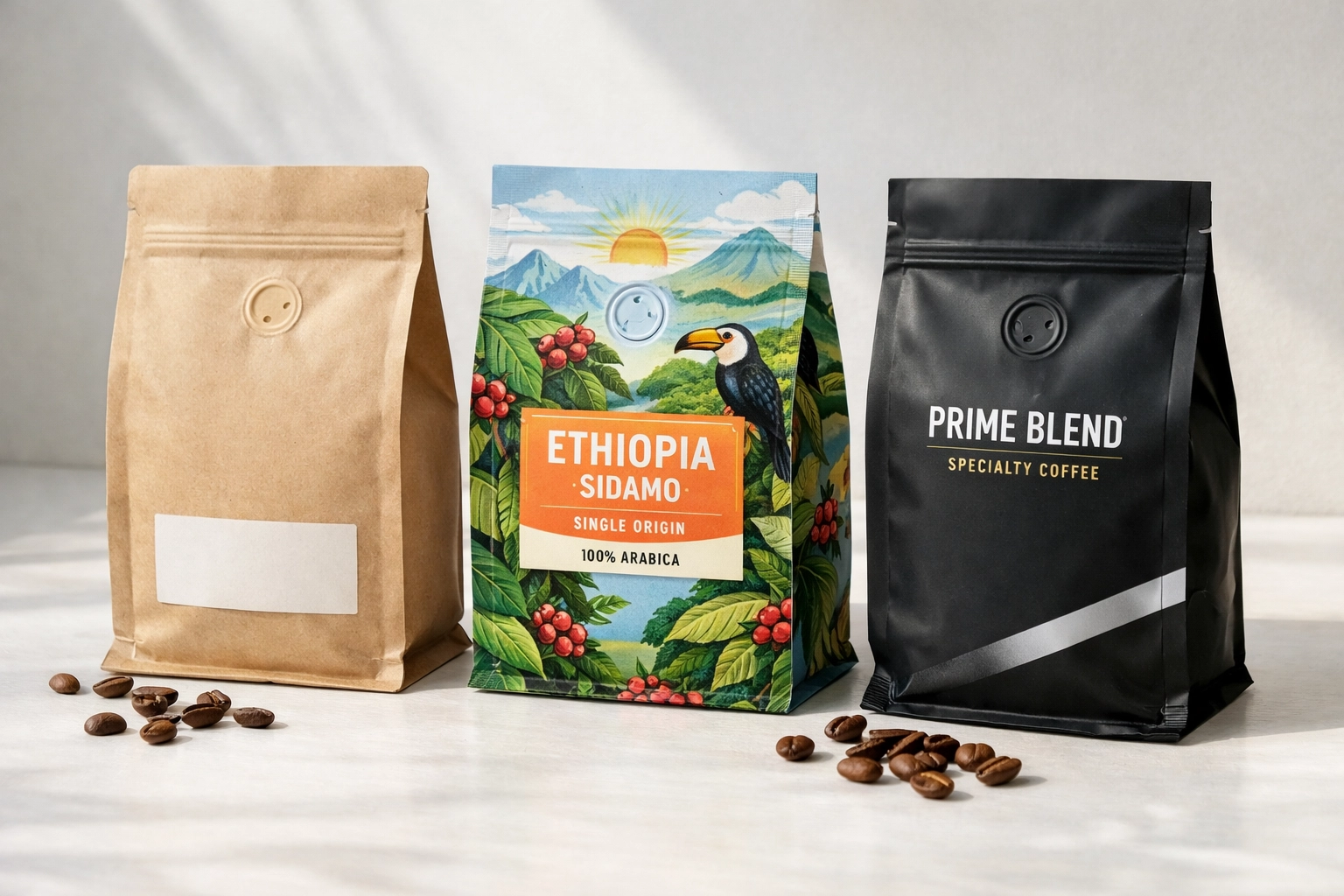
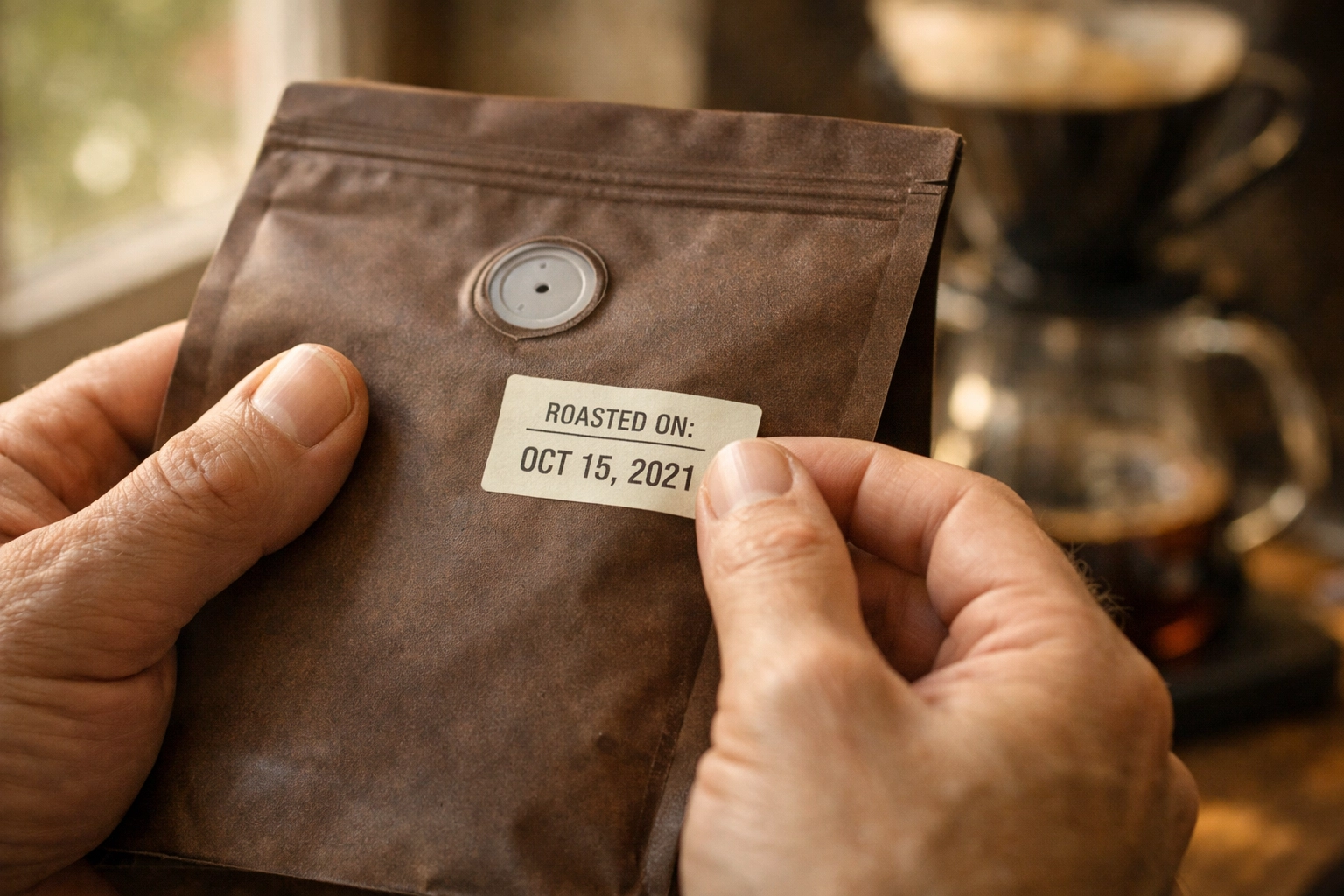
If a bag doesn't have a roast date printed on it, walk away. Seriously. Any roaster worth their salt will proudly display when the coffee was roasted. Best-before dates mean nothing – you want the actual roast date.
Origin Information
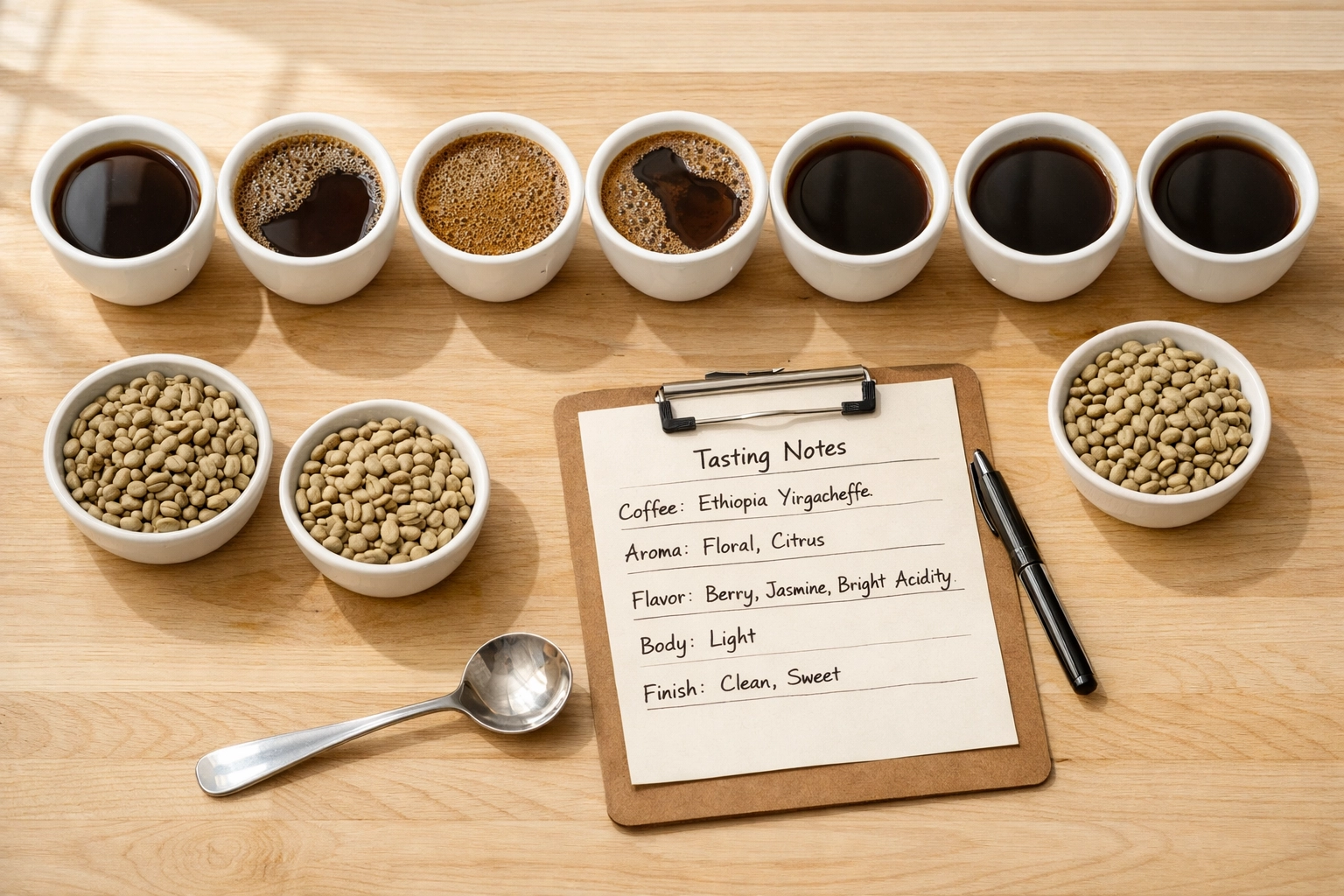
You should be able to find out where the coffee came from. Not just "Colombia" but ideally the region, farm, or cooperative. The processing method (washed, natural, honey). The variety (Geisha, Bourbon, Caturra).
This isn't coffee snobbery. It's about understanding what you're buying and being able to make informed choices.
Roasting Philosophy
Does the roaster lean toward lighter roasts that highlight origin characteristics? Or darker roasts with more body and chocolate notes? There's no wrong answer here, but you want their philosophy to match your preferences.
We believe lighter roasts generally produce the best expression of single origin coffees, but that's our preference. The important thing is that your supplier is intentional about their approach.
Practical Considerations for Home Brewers
Beyond the romantic stuff about origin and roast profiles, there are practical elements to consider.
Order Quantities and Frequency
Some roasters have minimum order requirements that make sense for cafés but are impractical for home use. You don't want to buy 5kg at once unless you're going through it quickly.
Look for suppliers that offer smaller quantities (250g-1kg bags) and subscribe-and-save options if you drink coffee regularly. Fresh coffee delivered on a schedule beats remembering to reorder and potentially running out.
Shipping and Packaging
Coffee hates oxygen, light, and heat. Quality roasters use valve bags that allow CO2 to escape while preventing oxygen from getting in. They ship quickly and package carefully.
If beans arrive in a paper bag with a twist tie, that's not protecting your investment.
Customer Support and Education
The best roasters want you to brew better coffee. They provide brewing guides, offer advice on dialling in, and actually respond when you have questions. This matters tremendously when you're experimenting with new brewing methods or trying to troubleshoot an extraction issue.
Comparing Value vs. Cost
Here's something coffee shops understand that many home brewers initially miss: the cheapest beans are rarely the best value.
Let's do the math. A £15 bag of mediocre coffee that you tolerate versus an £18 bag of exceptional coffee that you actually look forward to drinking. That £3 difference works out to maybe 15p per cup. Fifteen pence for the difference between "fine I guess" and "genuinely delicious."
When you consider the investment in your grinder, your brewing equipment, and your time, skimping on the actual coffee is counterproductive.
The 2026 Reality Check
With all these new roasters launching, there's never been more choice. But choice without criteria is just noise.
Start with one or two roasters that align with your values and taste preferences. Build a relationship. Learn what you like about their offerings. Then branch out and experiment from that foundation.
If you're serious about coffee at home, treat supplier selection with the same care that a café owner would. Because ultimately, you're both after the same thing: consistently excellent coffee that makes the ritual worthwhile.
For those in the UK, having a reliable local roaster means fresher coffee and better customer service. You can explore our range and see if our approach matches what you're looking for at Limini Coffee.
The right supplier won't just sell you beans – they'll make you a better home brewer in the process.
Leave a Reply