So, you’ve got a high-volume site. Or maybe you’re planning one. First off, congratulations, and also, our sympathies for your soon-to-be-tired legs. Running a cafe that pumps out hundreds of coffees a day is a different beast entirely compared to a sleepy corner shop. When you’re doing high numbers, every second of workflow and every gram of coffee matters.
Choosing the right coffee suppliers for coffee shops isn't just about finding a bag of beans that tastes "nice." It’s about logistics, reliability, and finding a partner who won't leave you hanging when your steam wand decides to retire at 8:00 AM on a Monday.
In this guide, we’re going to look at what actually matters when you’re scaling up and how to compare different types of wholesale specialty coffee partners.
What High-Volume Really Means for Your Supply Chain
In the industry, "high-volume" is a bit of a loose term, but usually, we’re talking about shops shifting 30kg, 50kg, or even 100kg+ of coffee per week. At this level, your relationship with your supplier changes. You aren't just a customer; you are a significant part of their roasting schedule.
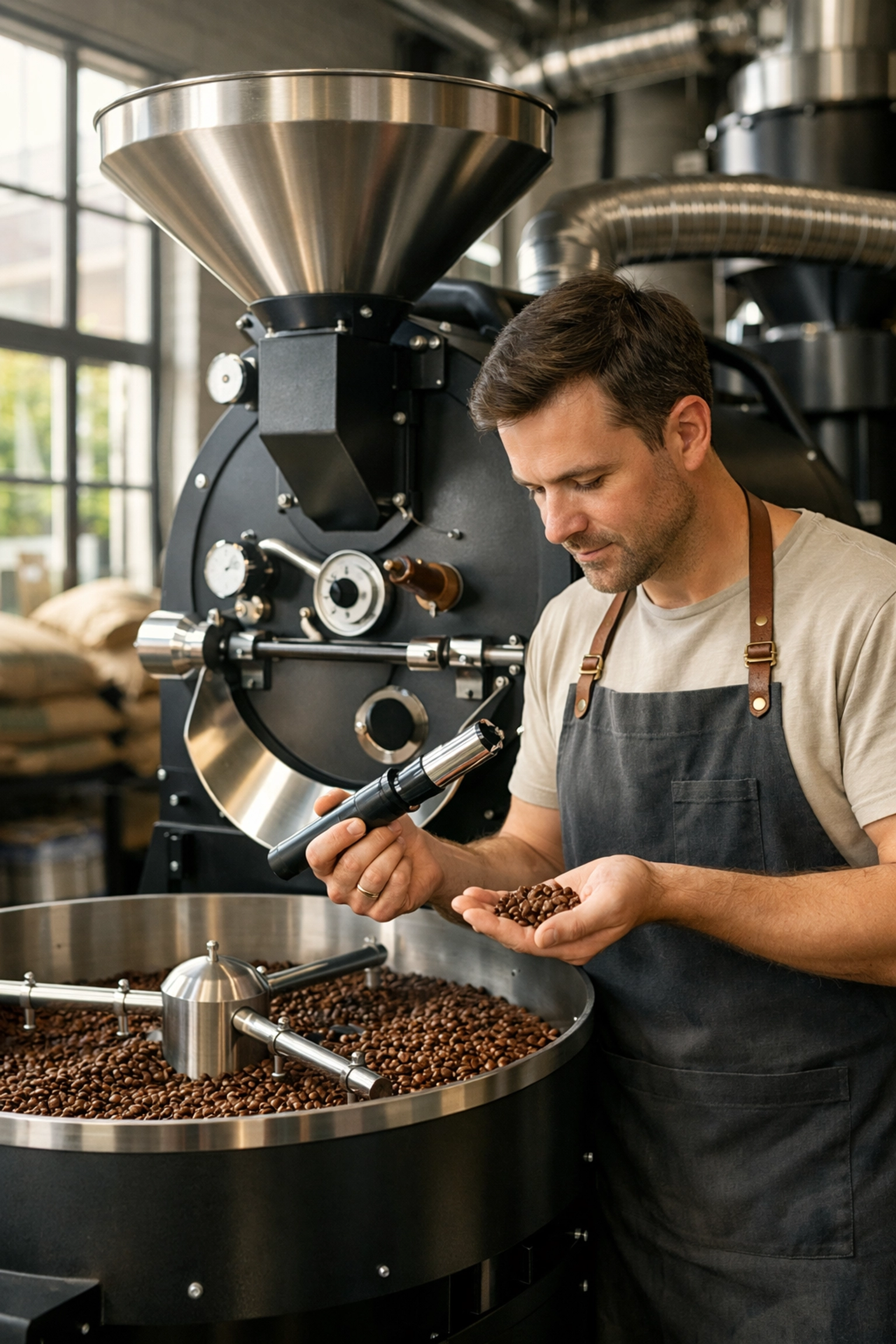
Why does this matter? Because consistency becomes your biggest challenge. If a small roaster has a "bad batch," it’s annoying. If a high-volume supplier has a bad batch, it’s a catastrophe for your brand. You need a supplier who has the tech, like state-of-the-art roasting equipment, to ensure that the profile you loved in January is exactly the same in July.
The Three Main Types of Coffee Suppliers
When you start looking for coffee suppliers, you'll generally find they fall into three buckets. Let’s break them down.
1. The Commercial Giants
These are the massive names you see everywhere. Think pre-ground pods or industrial-scale roasting.
- The Pros: They are cheap. Seriously cheap. They usually have a massive network of engineers.
- The Cons: The coffee is often… well, boring. Or worse, burnt. You won't get much in the way of "specialty" here. It’s a commodity product.
- The Verdict: If you are a hospital canteen, maybe. If you want people to actually enjoy their latte, probably not.
2. The Local "Micro" Roaster
The guy down the road with a 5kg roaster in his garage.
- The Pros: Incredible passion and very "cool" branding. Great for local marketing.
- The Cons: Can they keep up? If you suddenly need an extra 20kg because of a local festival, they might struggle. Also, their technical support is often non-existent. You’re on your own when the grinder jams.
- The Verdict: Great for low-volume boutique spots, risky for high-volume hubs.
3. The Speciality Wholesale Partner (The Sweet Spot)
This is where we at Limini Coffee live. It’s a roaster that has the scale of a commercial operation but the soul and quality of a specialty roaster.
- The Pros: State-of-the-art roasting (we use Loring roasters which are incredibly consistent), full technical support, and barista training.
- The Cons: Usually more expensive than the "Big Box" commercial guys, but the quality jump is massive.
- The Verdict: The best choice for cafes that care about their reputation but need the security of a professional setup.
Comparison: What to Look For
| Feature | Commercial Supplier | Micro Roaster | Speciality Wholesale Partner |
|---|---|---|---|
| Coffee Quality | Low (Commodity) | High (Artisan) | High (Specialty) |
| Consistency | High (but consistently "meh") | Variable | High (Advanced Tech) |
| Training Support | Minimal | Often none | Extensive & Professional |
| Equipment Maintenance | Good | Usually outsourced | Integrated/In-house |
| Scalability | Unlimited | Limited | High |
The "Hidden" Costs of Cheap Coffee
We see it all the time. A cafe owner chooses a supplier based solely on the price per kilo. They see £12/kg and think they’re winning compared to £18/kg. But in high-volume environments, the price of the beans is often the smallest part of the equation.
The "Cheap Coffee" Trap:
- High Waste: Inconsistent beans mean your baristas are constantly "dialing in" and throwing away shots.
- Lack of Support: If your machine breaks and your supplier doesn't have engineers, you lose thousands in sales while waiting for a third-party repair.
- Staff Turnover: Baristas want to work with good coffee. If you give them oily, over-roasted beans, the talented ones will leave for the shop down the road.
Basically, saving £2 on a bag of coffee can cost you £200 in lost efficiency. This is why we focus so much on sourcing our coffee correctly; it’s about more than just taste; it’s about how that coffee performs in a busy environment.

Equipment: The Backbone of High-Volume
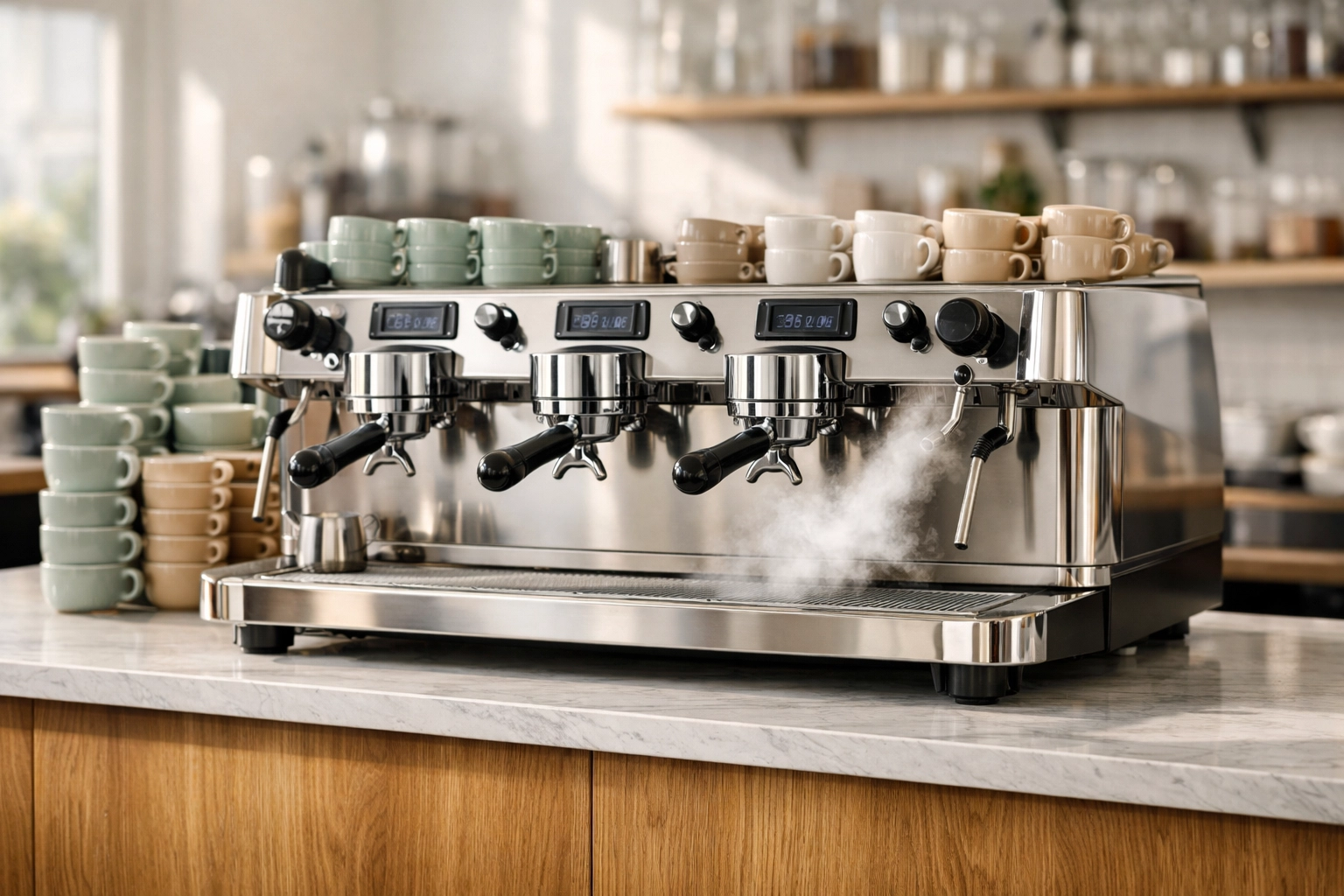
If you are doing high volume, your equipment choice is just as important as your supplier. You need a workhorse. We often recommend La Spaziale machines because they are built like tanks and handle back-to-back orders without breaking a sweat (or losing temperature).
When comparing suppliers, ask them:
- Do you supply equipment?
- Do you offer leasing or financing?
- Who fixes it when it breaks?
If a supplier says "we just send the beans," run away. A high-volume cafe needs a partner who understands the workings of the machine. We believe in being a one-stop-shop because it makes your life easier. One phone call, one invoice, zero headaches.
Training: The Secret Ingredient
You can have the best wholesale specialty coffee in the world and a £15k espresso machine, but if your staff don't know the difference between a latte and a cappuccino, you're in trouble.
High-volume cafes usually have higher staff turnover. It’s just the nature of the beast. This means you need a supplier who offers ongoing, professional barista training.
We offer an overview of training that covers everything from the basics of tamping to the complexities of understanding milk. When your staff are confident, they are faster. When they are faster, your throughput increases. When throughput increases, your profit goes up. It’s a simple loop.
Workflow and "Theatre"
In a busy shop, the way you set up your bar is critical. This is often called "shop fitting" or workflow design. A good supplier will help you with building a coffee shop layout that makes sense.
And don't forget the "theatre" of coffee. People like to watch the process. Even in a high-volume rush, there is room for creating theatre with great latte art or a beautiful machine. It justifies the specialty price point and keeps customers coming back.
How to Make the Final Decision
Before you sign a contract with any coffee suppliers for coffee shops, do these three things:
- Check the Reviews: Don't just trust the salesperson. Look at what other cafe owners say. Are they reliable? Does the coffee arrive on time?
- Visit the Roastery: You can tell a lot about a company by how they treat their roasting space. Is it clean? Is it professional? (You’re always welcome to come and see us, by the way).
- Run the Numbers: Use a coffee brewing calculator to see your actual margins. A slightly more expensive bean that extracts better might actually be cheaper per cup.
Why Limini Coffee for High-Volume?
We’ve spent years perfecting the art of being a "big-small" roaster. We have the state-of-the-art roasting technology to ensure that your house blend is perfect every single time. We have the engineering team to keep your machines running. And most importantly, we actually care.
If you’re looking for wholesale specialty coffee that doesn't just taste great but actually works for your business, we’d love to chat. We don't just sell beans; we help you build a profitable, sustainable coffee business.
Whether you're curious about the perfect Americano or you're debating lever vs automatic machines, we’ve got the expertise to guide you.
High volume doesn't have to mean high stress. It just means you need the right partner in your corner. Let's make some great coffee together. 🙂
Leave a Reply