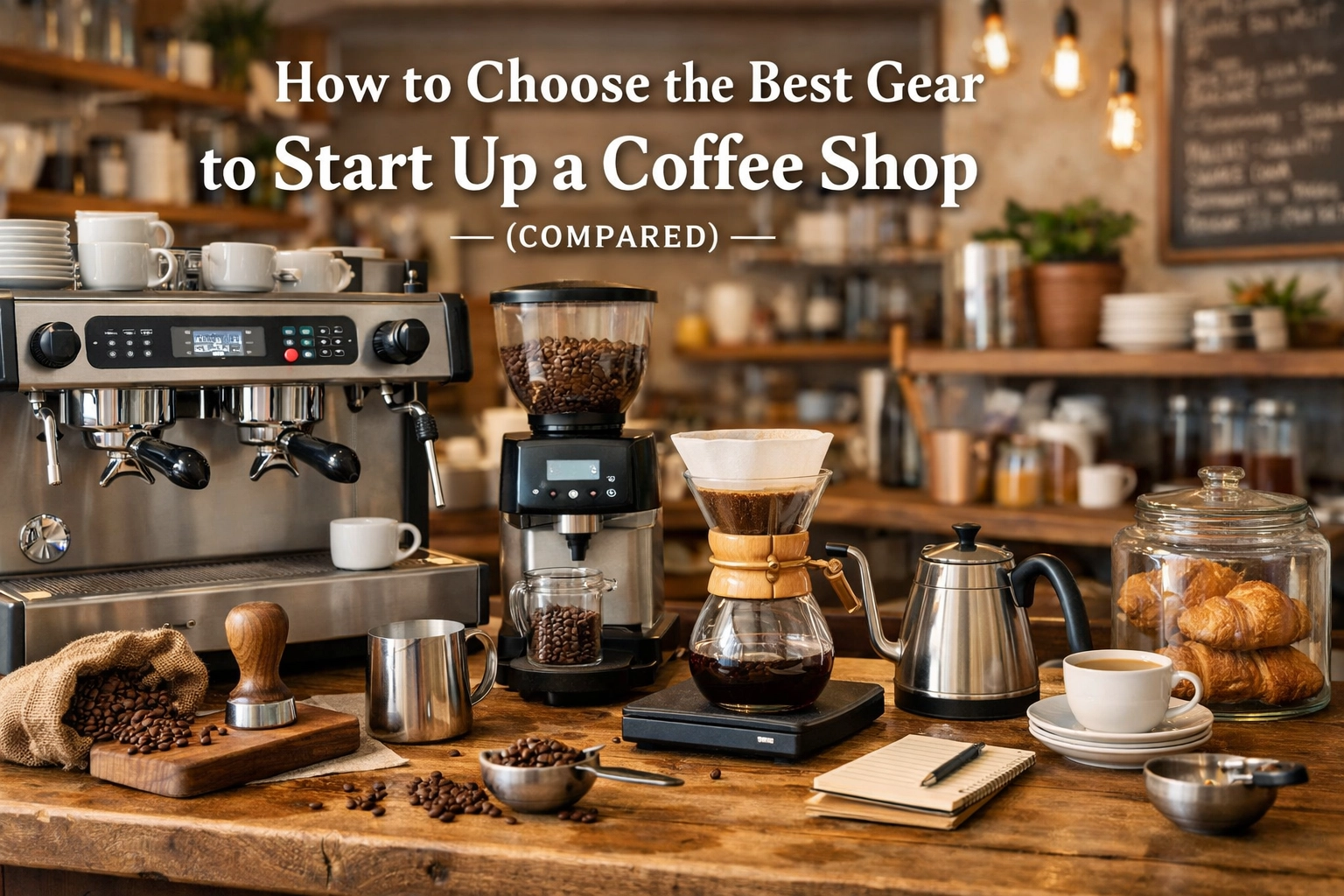
So, you’ve decided to take the plunge and start up a coffee shop. First of all, congratulations! You are about to enter a world of caffeine-induced highs, early mornings, and the sheer joy of creating a community space. But before you start picking out the perfect shade of "reclaimed wood" for your counter, we need to talk about the heavy hitters: the gear.
Choosing equipment is often the most stressful part of the journey. It’s expensive, technical, and if you get it wrong, you’re left with a very shiny, very heavy paperweight that ruins your margins. At Limini Coffee, we’ve spent years helping people navigate this minefield. We’ve seen what works, what breaks, and what just looks good on Instagram but fails in the heat of a Saturday morning rush.
Let’s break down exactly what you need, what you can skip, and how to compare your options without losing your mind.
The Heart: The Espresso Machine
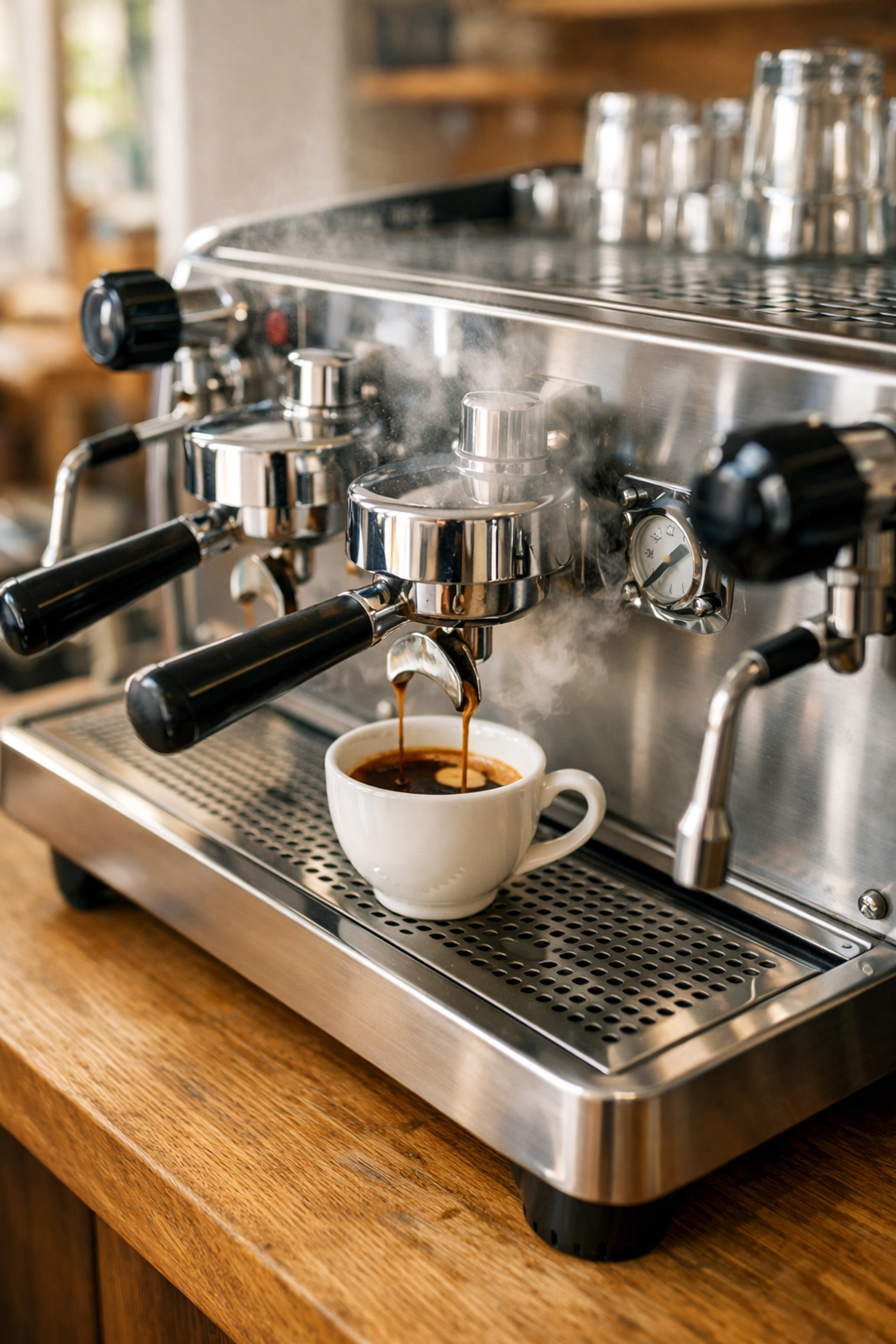
The espresso machine is the centerpiece of your shop. It’s the engine room. If this goes down, your revenue stops. Period. When you’re looking to start up a coffee shop, you’ll likely be torn between a few different "styles" of machines.
1. Manual/Lever vs. Automatic
You might be tempted by the romance of a lever machine. There is something undeniably cool: or as we lovingly call it, theatre: about a barista pulling a physical lever. However, for a high-traffic shop, consistency is your best friend.
Automatic (or "volumetric") machines allow you to program the water delivery. You press a button, and the machine stops once it hits the right volume. This means your barista can be steaming milk or chatting with a customer while the shot pours perfectly. We usually recommend automatic machines for most startups because they reduce human error during a rush. If you’re curious about the technical differences, check out our guide on lever vs automatic machines.
2. Heat Exchange vs. Dual Boiler
This is where it gets technical.
- Heat Exchange (HX): Uses one big boiler for steam and a pipe running through it to flash-heat water for coffee. It’s efficient but can sometimes be less temperature-stable if you aren't careful.
- Dual Boiler: One boiler for steam, one for coffee. This gives you "cruise control" for your temperature.
We are big fans of the La Spaziale range. They use a unique steam-heated system for the coffee groups which provides incredible thermal stability. It’s a brilliant system that we’ve found handles the UK's hard water better than almost anything else.
The Brain: The Grinder
Here is a hard truth: the grinder is arguably more important than the machine. You can have a £10,000 espresso machine, but if your grinder produces inconsistent particle sizes, your coffee will taste like sad, bitter battery acid.
When comparing grinders to start up a coffee shop, you have two main paths:
On-Demand vs. Doser
- Doser Grinders: These have that little "chamber" on the front with a lever you click. You grind a bunch of coffee into the chamber and flick it out into your handle. The problem? Coffee starts losing its soul (oxidising) within minutes of being ground. If it sits in that chamber for twenty minutes, it’s dead.
- On-Demand: You push a button (or the handle), and the grinder grinds exactly 18g (or whatever your recipe is) directly into the basket. Fresh is best. Always.
We believe an on-demand burr grinder is non-negotiable in 2026. It reduces waste, keeps the coffee fresh, and makes tamping and extraction far more consistent.
The Supporting Cast: Filter and Batch Brewers
While espresso pays the bills, batch-brew filter coffee is your high-margin hero. It’s quick to serve and allows you to showcase different origins from a speciality coffee roaster.
- Automated Brewers: Think Moccamaster or Bunn. These are great for high volume. You set it and forget it.
- Manual Pour-over: V60s or Chemex. Great for the "coffee nerd" crowd, but they take 4-5 minutes of a barista's undivided attention.
If you are just starting out, we suggest an automated batch brewer for efficiency and maybe one or two manual options if you want to lean into the craft side of things. Use a brewing calculator to ensure your ratios are spot on: consistency is what brings people back.
The "Boring" Essentials (That Are Actually Critical)
You’ve spent the big bucks on the machine and grinder. Now, don't forget the stuff that actually makes the shop run.
1. Water Filtration
The water in your pipes is not your friend. Depending on where you are in the UK, it’s likely full of minerals that want to turn into scale inside your expensive machine. A proper water filtration system isn't an "extra": it’s an insurance policy. Without it, you’ll be calling us for repairs within six months.
2. Milk Management
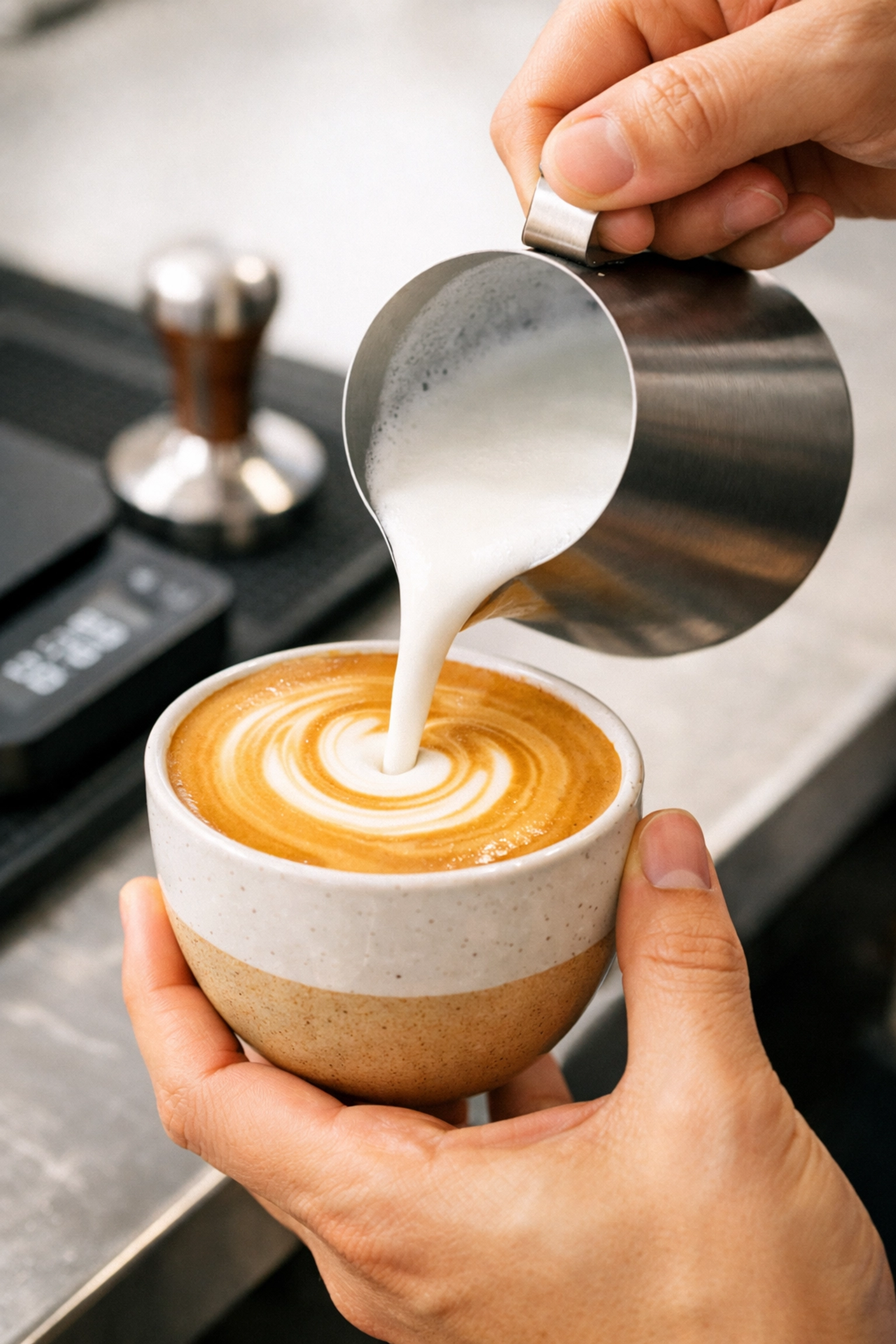
Milk is a huge part of your menu. You need high-quality pitchers and, most importantly, the knowledge of how to use them. Understanding the science of how milk stretches and heats (aiming for that sweet spot of 60 ºC to 65 ºC) is what separates a "latte" from "hot coffee with bubbles."
3. Precision Scales
"Eyeballing" it doesn't work in a professional environment. You need scales that are accurate to 0.1g. We weigh the dose in and the liquid out. It sounds pedantic, but it’s the only way to ensure the 100th coffee of the day tastes exactly like the 1st.
Comparing the Costs: A Reality Check
What does it actually cost to gear up? While you can find "deals" on eBay, we generally advise against buying used gear for a startup unless you are a part-time espresso machine engineer.
| Equipment Type | Entry Level (Reliable) | Mid-Range (Recommended) | High-End (The Dream) |
|---|---|---|---|
| Espresso Machine | £2,500 – £3,500 | £4,000 – £6,500 | £8,000+ |
| Espresso Grinder | £500 – £800 | £1,000 – £1,500 | £2,500+ |
| Water Filter | £150 | £300 | £500+ |
| Smallwares | £200 | £500 | £1,000 |
Basically, you should budget between £15,000 and £30,000 for a solid equipment package that won't let you down. If that feels like a lot, remember that this gear is what generates every penny of your revenue. You can find more details on choosing your equipment here.
The Layout: Where Does it All Go?
You can have the best gear in the world, but if your baristas are bumping into each other like a bad comedy sketch, your service will suffer. This is where shop fitting and layout come in.
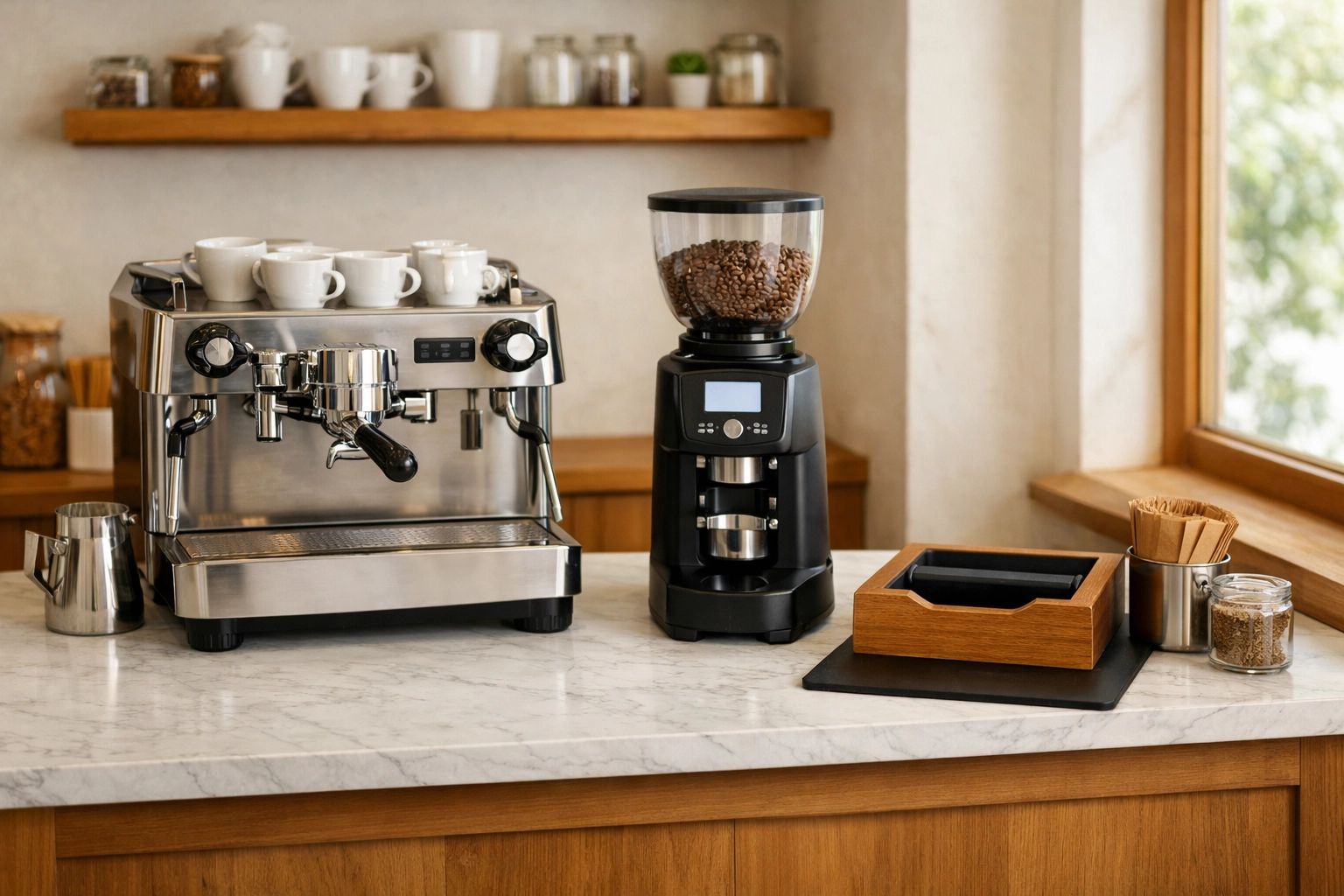
Think about the "workflow triangle":
- The Grinder/Machine Station: Where the magic happens.
- The Milk/Fridge Station: Easy access to milk and pitchers.
- The Sink/Knock-box: For cleaning handles and dumping pucks.
Keep these close together. If your barista has to take three steps to get to the fridge for every latte, they will be exhausted by 10 AM, and your queue will be out the door (and not in a good way).
Don't Forget the Most Important "Gear": You
We can sell you the best La Spaziale machine in the world, but it’s only as good as the person pressing the buttons. This is why we obsess over barista training.
When you start up a coffee shop, you aren't just buying gear; you are building a craft. You need to understand crema, how to look after your machine, and how to talk to your customers about the coffee you’re serving.
At Limini Coffee, we don't just ship you a box and wish you luck. we provide a full wholesale partnership that includes training, equipment support, and, of course, the beans that make the whole thing worth it.
Summary Checklist for Starting Up
Before you swipe that credit card, run through this list:
- Menu First: Are you doing 90% milk drinks or focusing on black filter coffee? Match your gear to your menu.
- Power Requirements: Do you have enough juice? (Some 3-group machines need a lot of watts!).
- Maintenance: Is there a local engineer who can fix this brand? (Hint: We can help with La Spaziale!).
- Training: Have you budgeted time to learn the gear?
Choosing gear to start up a coffee shop is a big step, but it doesn't have to be a scary one. If you focus on reliability, consistency, and a solid partnership with your roaster, you’ll be well on your way to serving that perfect cup.
If you’re feeling overwhelmed, or just want to chat about which machine fits your specific space, reach out to us. We’ve been through this hundreds of times, and we’d love to help you get your dream off the ground.
Now, go put the kettle on. You've got some planning to do. 🙂
Leave a Reply