So, you’re thinking about opening a coffee shop? Or perhaps you’re already running a busy café and your current supplier just isn’t hitting the mark anymore. Choosing between wholesale coffee roasters is probably the most important decision you’ll make for your business: besides maybe picking the right location. It’s not just about who can send you a bag of beans for the lowest price; it’s about finding a partner who cares as much about your flat whites as you do.
Choosing the right coffee suppliers can feel a bit like dating. You want someone reliable, someone who shares your values, and someone who won't disappear when the espresso machine starts acting up on a Saturday morning.
At Limini Coffee, we’ve helped hundreds of startups find their feet. We’ve seen what works and, more importantly, what causes a total meltdown in the middle of a morning rush. Here are 10 things you absolutely need to know before signing on the dotted line with a wholesale roaster.
1. Define Your Priorities First
Before you even start Googling "wholesale coffee roasters near me," you need to know what your business actually is. Are you a high-volume "grab-and-go" kiosk near a train station where speed is king? Or are you a boutique specialty shop where customers expect to hear about the specific altitude of the farm in Ethiopia?
Your priorities will dictate which roaster is right for you. If you need rock-bottom prices and don't care about flavor profiles, a commodity roaster might work. But if you want to build a brand known for quality, you need a specialty roaster. We believe that quality pays for itself in repeat customers, but you have to be honest about your budget and your goals from day one.
2. Specialty vs. Commodity: Know the Difference
This is a big one. In the world of coffee suppliers, there’s a massive divide. Commodity coffee is traded on the stock exchange; it’s about volume and low costs. Specialty coffee is about the craft.
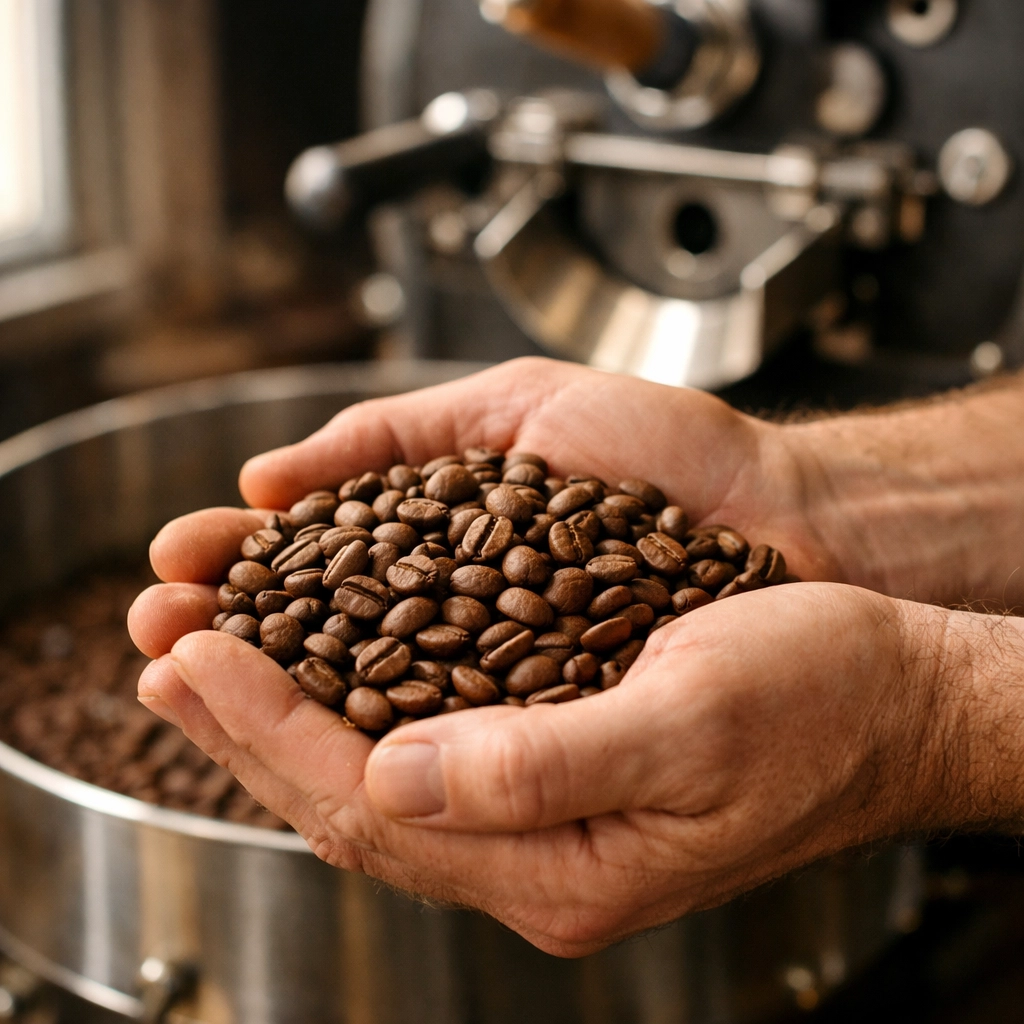
Specialty coffee (like what we roast at Limini) is graded by professionals and must score above 80 points on a 100-point scale. It’s roasted in smaller batches to bring out specific flavor notes: think chocolate, caramel, or even citrus: rather than just "burnt."
Why does this matter for your B2B wholesale choice? Because specialty coffee roasters usually offer a much higher level of traceability and ethics. You can learn more about how we handle this on our sourcing page.
3. The "Support System" is More Important Than the Price
We’ve seen it happen: a café owner finds a roaster that is 50p cheaper per kilo, switches over, and then realizes they have no one to call when their grinder breaks.
A great wholesale partner offers full-service support. This includes:
- Café layout consultation: Helping you figure out where the machine goes so your baristas aren't tripping over each other.
- Emergency repairs: If your machine goes down, your business stops.
- Business advice: General "how to run a coffee shop" wisdom.
If a roaster just drops a box at your door and leaves, they aren't a partner; they’re just a delivery service. We pride ourselves on being there for our wholesale partners every step of the way.
4. Minimum Order Quantities (MOQs) and Freshness
Fresh is best. We say it all the time because it’s true. Coffee is a fresh agricultural product, and it starts to lose its sparkle about 4 to 6 weeks after roasting.
When looking at wholesale coffee, check the MOQs. If a roaster forces you to buy 20kg at a time to get a decent price, but you only use 5kg a week, your customers will be drinking stale coffee by the end of the month. That’s a real shame and a surefire way to lose regulars. We prefer smaller, more frequent deliveries to ensure every cup tastes amazing.
5. Equipment: To Lease or To Buy?
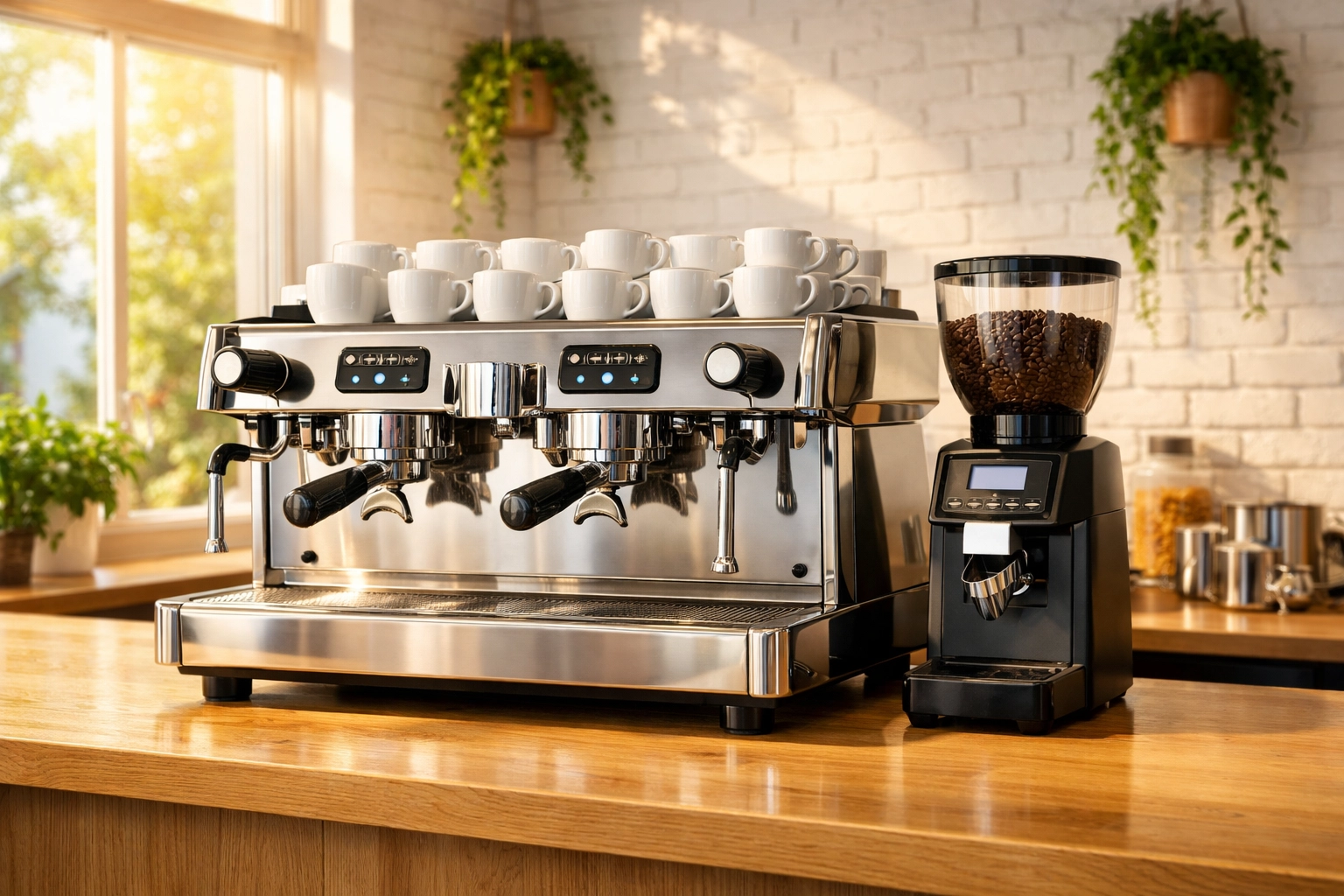
One of the biggest hurdles for any café startup is the cost of equipment. A high-end espresso machine and a couple of commercial grinders can easily set you back £10,000 or more.
Many coffee suppliers offer equipment packages. You can often choose between:
- Buying outright: Higher upfront cost, but no monthly fees and you own the asset.
- Leasing: Spreads the cost over 3–5 years. Great for cash flow.
- Free-on-loan: The roaster provides the machine "for free" as long as you buy a certain amount of coffee.
Warning: "Free" is rarely free. Usually, the cost of the machine is hidden in a much higher price per kilo of coffee. We always recommend choosing espresso equipment based on your specific needs rather than just what's the cheapest "free" option.
6. Training: The Secret Sauce
You can buy the most expensive beans in the world and the fanciest Italian espresso machine, but if your barista doesn't know how to dial in the grind, the coffee will taste like battery acid.
Does the roaster offer training? And we don't just mean a 20-minute "here is the button" session. We mean deep-dive barista training.
This should cover:
- Dialing in: Adjusting the grinder to account for humidity and age of beans.
- Milk chemistry: Heating milk to exactly 140 °F / 60 ºC for that sweet, silky texture. (You can read our guide on understanding milk here).
- Workflow: How to make drinks quickly without sacrificing quality.
7. Supply Chain Reliability and Consistency
Consistency is the hardest thing to achieve in a coffee shop. You want the latte your customer buys on Tuesday to taste exactly like the one they bought on Sunday.
This starts with the roaster. Do they have a consistent supply of their house blends? If they run out of a component and change the flavor profile without telling you, your customers will notice. A reliable wholesale coffee roaster has "buffer" stocks and manages their green bean inventory months in advance.
8. The "Theatre" of Coffee and Branding
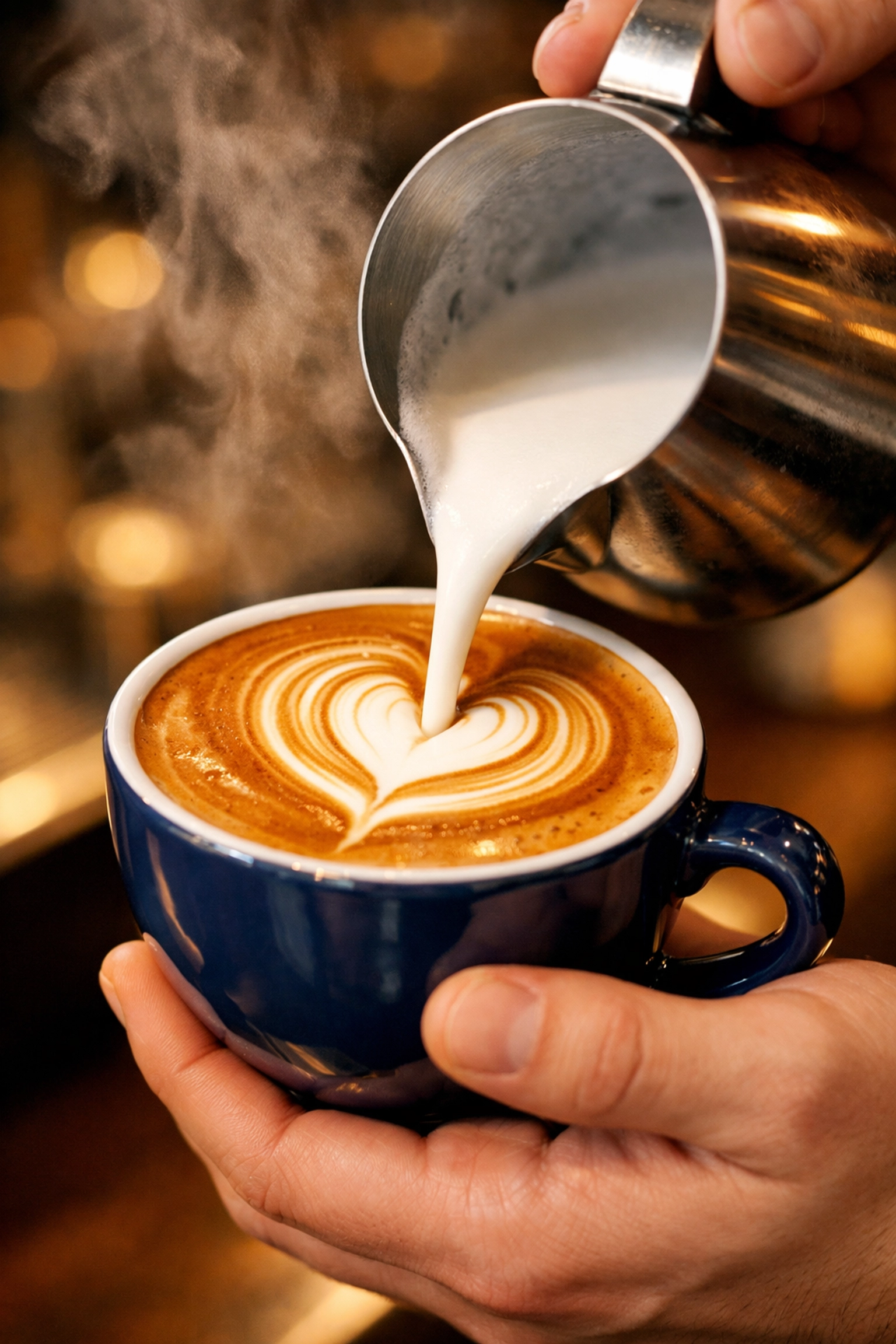
Coffee is an experience. It’s the sound of the steam wand, the smell of the beans, and the beautiful latte art on top. This is what we call coffee shop theatre.
Your roaster should help you with this. Maybe that’s by providing branded cups, or maybe it’s by helping you develop a "signature" house blend that no one else in town has. Ask potential suppliers if they offer private labeling or custom blending. It’s a fantastic way to build brand loyalty.
9. Read the Fine Print (The Contract)
We know, we know. Nobody likes reading contracts. But in the B2B wholesale world, they are vital. Look out for:
- Exclusivity clauses: Are you banned from selling a guest filter coffee from another roaster?
- Notice periods: How hard is it to leave if the relationship sours?
- Maintenance obligations: If you are using their machine, who pays for the annual boiler inspection or the water filter changes?
Be wary of contracts that lock you in for five years with no easy exit. A confident roaster doesn't need to trap you; they keep you because their coffee and service are brilliant.
10. Relationship and Communication
At the end of the day, you are entering a partnership. You need to like the people you’re working with.
When you call them, do you talk to a human who knows your name, or a call center? If you have a question about tamping technique or espresso crema, are they happy to help?
We believe the best relationships are built on transparency. We’re always happy to chat about everything from shop fitting to the intricacies of La Spaziale machines.
Ready to take the next step?
Finding the right wholesale coffee roaster is a journey, but it’s one that defines the future of your café. If you’re looking for a partner that offers award-winning beans, world-class training, and genuine support, we’d love to help you out.
You can check out our full range of wholesale services here and see if we’re a good fit for your vision. Whether you're just starting your equipment research or you're ready to open next week, let's make some great coffee together.

Remember, the coffee industry is small and built on community. Take your time, ask the "silly" questions, and choose a supplier that makes you feel confident. That is the beauty of coffee: there's always something new to learn and a better cup to brew. 🙂
Leave a Reply