So, you’re diving into the world of specialty coffee? Whether you’re a seasoned hospitality pro opening a new spot or a complete newcomer to the cafe scene, finding the right coffee supplier is arguably the most important decision you’ll make. Honestly, it’s about more than just getting a bag of beans delivered to your door once a week. It’s about a partnership.
At Limini Coffee, we’ve spent years working alongside cafe owners, and we’ve seen it all. We know that the relationship between a roaster and a wholesale partner can either make your life a dream or be the source of your biggest headaches. You aren’t just looking for "coffee suppliers": you’re looking for a backbone for your business.
Here are 10 things you absolutely need to know before you sign on the dotted line with a wholesale coffee roaster.
1. Quality and Sourcing Are Non-Negotiable
It sounds obvious, doesn't it? But "quality" is a word that gets thrown around a lot in this industry. When we talk about specialty coffee, we’re talking about coffee that has been graded 80 points or above on a 100-point scale. This means it’s free of primary defects and offers a distinct, delicious flavor profile.
You should ask your potential partner where their beans come from. Are they transparent about their sourcing practices? A good roaster will be able to tell you about the farms, the altitudes, and the processing methods. If they’re vague, that’s usually a red flag. We believe that knowing the story behind the bean makes it easier for you to sell that story to your customers.
And remember, consistency is king. You need a partner who can provide the same high-quality profile roast after roast, so your customers get the same great latte every Tuesday morning. If you're looking for that kind of reliability, check out what we offer at Limini Coffee.
2. Barista Training is the Secret Sauce
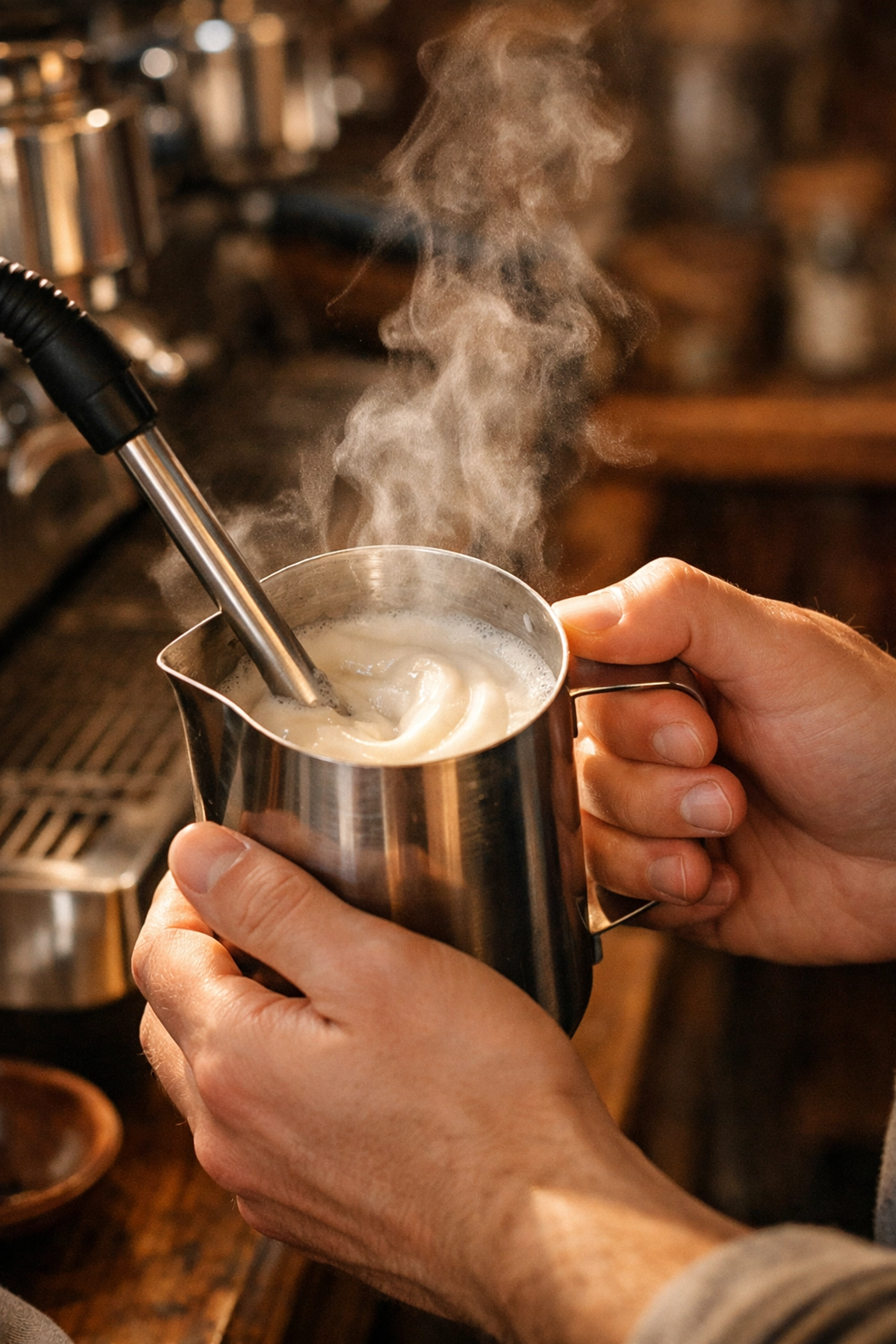
You can buy the most expensive, ethically sourced, perfectly roasted beans in the world, but if your barista doesn't know how to dial in the grinder or texture milk correctly, it’s all for nothing. It’s actually a real shame to see beautiful coffee ruined by poor technique.
Does the roaster offer comprehensive barista training? And we don’t just mean a one-hour session on how to press a button. We’re talking about understanding extraction, learning the science of milk (getting that perfect 140 °F / 60 ºC temperature), and mastering the art of the pour.
A great wholesale partner should feel like an extension of your team, providing ongoing education to keep your staff’s skills sharp. We take this so seriously that we’ve built an entire training program to ensure our partners succeed.
3. Equipment Support and Maintenance
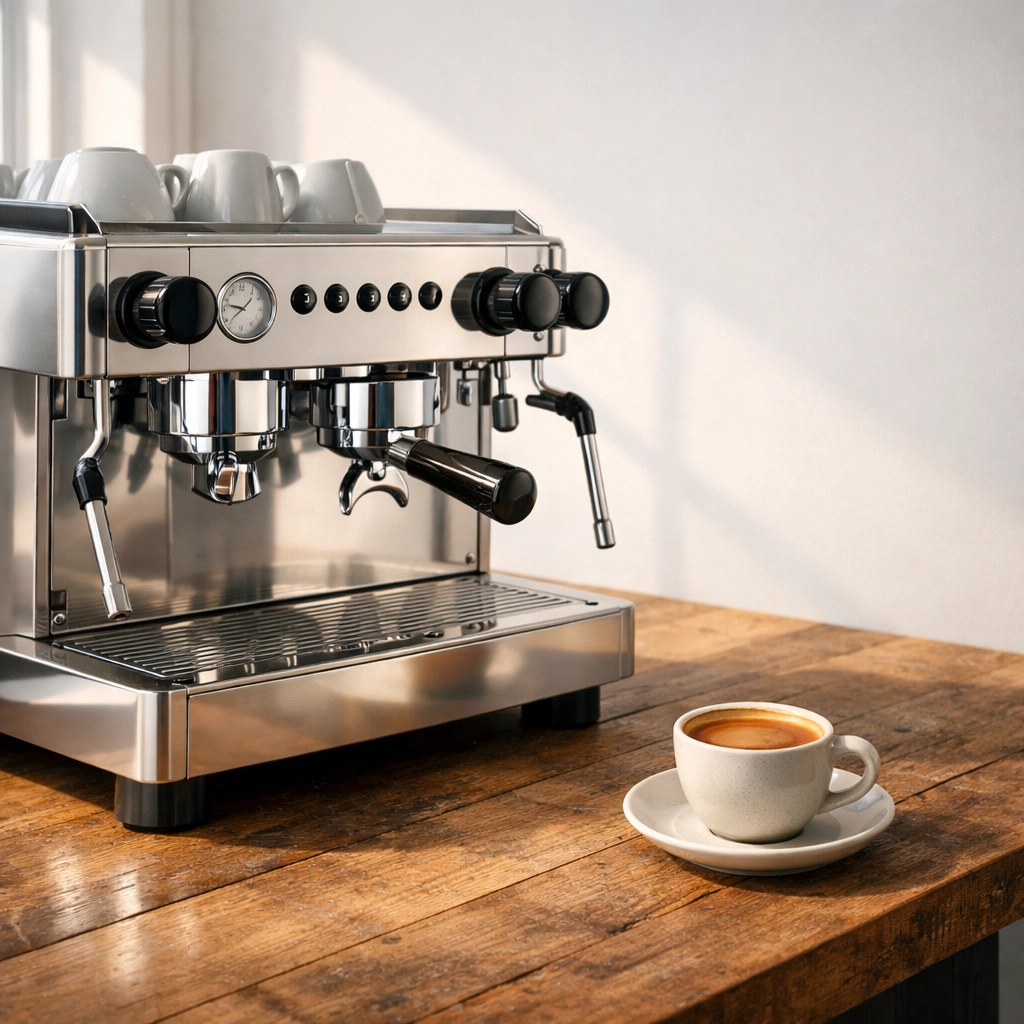
Coffee machines are sophisticated pieces of kit. They work hard, and eventually, they need some love. Imagine it’s a busy Saturday morning, the queue is out the door, and your espresso machine starts acting up. Who are you going to call?
When choosing a supplier, find out if they provide equipment and: more importantly: if they can fix it. Some roasters are just "box movers." They sell you a machine and disappear. We prefer a much more hands-on approach. Whether it's a lever machine or an automatic, you need someone who understands the internals, like the workings of a La Spaziale.
Having a partner who offers technical support can save you thousands in lost revenue and repair bills.
4. Transparency and Shared Values
The modern coffee consumer is savvy. They care about sustainability, fair pay for farmers, and ethical business practices. Your roaster’s values will reflect on your brand.
Ask them: Do they use recyclable packaging? How do they support the communities they source from? If your brand is built on being eco-friendly and warm, you don't want a partner who feels cold and corporate. We’ve always aimed to be warm and approachable, and we find that our best partnerships are with people who feel the same way.
5. Be Wary of "Free" Equipment and Long Contracts
In the wholesale world, you’ll often see "free machine" deals. So, what’s the catch? Usually, it’s a very long contract and a much higher price per kilo of coffee. Basically, you’re paying for the machine anyway: just through your beans.
We aren't fans of trapping people in long-term contracts. We believe our coffee and service should be good enough to make you want to stay, not force you to stay. Always do the math. Sometimes buying or leasing your equipment separately gives you more freedom and better margins in the long run. If you're curious about the costs, it’s worth checking out our wholesale options to see a different way of doing things.
6. Freshness and Delivery Logistics
Roasted coffee is a fresh product. While it needs a few days to degas (letting off CO2 so you don't get a mouthful of "fizz" or sourness), it definitely shouldn't be sitting in a warehouse for months.
Check the roaster’s delivery schedule. Do they roast to order? How quickly can they get the beans to you? If they only deliver once every two weeks, you’re going to struggle with inventory management. You want a partner who is nimble and reliable.
7. Customization and Menu Development
Your cafe shouldn't look or taste exactly like the one down the street. Does the roaster offer different blends or single origins to help you stand out? Can they help you design a drink menu that makes sense for your target audience?
Maybe you want to focus on the "theatre" of coffee: the visual appeal and the experience. A good partner will help you with everything from choosing the right cups to understanding how to create great crema.
8. Direct Relationship vs. Distributors
There’s a big difference between buying from a roaster and buying from a distributor. A distributor sells everything from beans to cleaning supplies to toilet paper. They are convenient, sure, but they usually lack the deep, nerdy coffee expertise that a dedicated roaster has.
When you work directly with a roaster like Limini Coffee, you’re talking to the people who actually sourced and roasted the beans. This direct line of communication is invaluable when you have technical questions or need advice on a specific coffee's flavor profile.
9. Responsiveness and Customer Service
This is the "gut feeling" part of the decision. When you email them, do they get back to you quickly? Do they seem genuinely interested in your business plan?
A wholesale partner should be invested in your success. If you grow, they grow. Look for someone who is available, empathetic, and actually knows your name. You can often get a feel for this by reading reviews from other business owners.

10. Visit the Roastery
Before you commit, go see them! Have a coffee with the team. See the roasting process. Try the espresso. If you can’t see yourself sitting down for a chat with these people, you probably shouldn't be in a long-term business relationship with them.
We love it when people visit us. It’s the best way to understand our passion and see the care that goes into every bag. Plus, you get to drink some pretty great coffee while you're at it.
Putting It All Together
Choosing a coffee roaster wholesale partner is a big step, but it doesn't have to be overwhelming. Focus on the quality of the product, the level of support they offer, and whether their "vibe" matches yours.
If you're in the middle of a shop fitting or just starting to dream about your future cafe, we’d love to help. We don't just provide beans; we provide the expertise to help you build a thriving business.
So, why not start the conversation today? You can check out our range and see what we’re all about at Limini Coffee. Let’s make some incredible coffee together. 🙂
Leave a Reply