So, you’re diving into the world of specialty coffee? Whether you are just starting your journey with a brand-new café or looking to level up your current bean game, choosing a wholesale partner is probably the biggest decision you'll make. It’s not just about getting bags of beans delivered to your door; it’s about finding a partner who cares as much about your flat white as you do.
Finding the right coffee suppliers can feel a bit like dating. There are a lot of options out there, some look great on paper but don't deliver, and others are hidden gems that will support you through thick and thin. At Limini Coffee, we’ve seen it all, and we want to help you navigate these waters without getting "burnt."
Here are 10 essential things you should know before you sign on the dotted line with a wholesale specialty coffee roaster.
1. It’s All About the Grade (and the Score)
When we talk about "specialty coffee," we aren't just using a fancy marketing term. It actually means something specific in the industry. For a coffee to be labeled as specialty, it has to be graded by a certified Q Grader and achieve a score of 80 points or higher on a 100-point scale.
Why does this matter to your business? Well, a higher score usually translates to fewer defects and more complex, delicious flavor profiles. If a supplier can't tell you the cupping scores of their beans, that’s a bit of a red flag. We believe that transparency starts with the quality of the raw product. When you look at wholesale coffee roasters, ask about their current scores. It shows you’re serious about quality.
2. Relationships Over Transactions
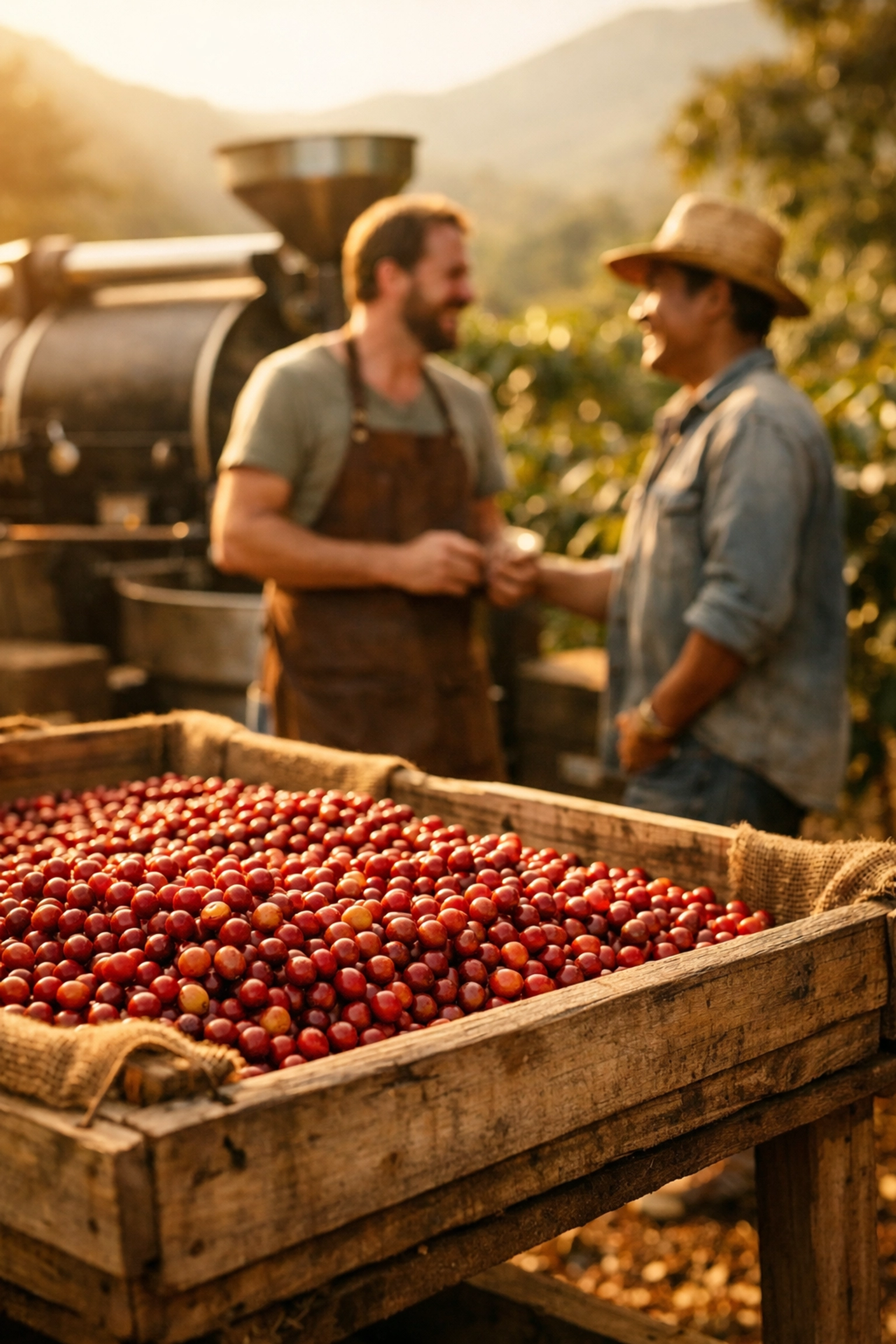
The best coffee doesn't just happen by accident. It comes from long-standing relationships with farmers and cooperatives. Look for a roaster that prioritizes direct trade or ethical sourcing. This isn't just about being "nice": it's about quality control.
When a roaster works closely with a farm, they ensure the farmers are paid fairly, which in turn allows the farmers to invest back into their crops. This leads to better harvesting techniques and, ultimately, better coffee in your hopper. We’ve always found that the most consistent beans come from farms where the relationship is a two-way street. You can read more about how we handle sourcing our coffee to get an idea of the detail involved.
3. Finding Your "Vibe" in the Product Range
Not all specialty roasters are the same. Some strictly follow "Third Wave" principles, focusing on very light roasts that highlight intense acidity and floral notes. Others take a more "Classic" approach, offering medium to dark roasts that provide that comforting, chocolatey punch many customers crave in a latte.
Before you commit, think about your target audience. Are you in a trendy city center where people want a funky fermented Ethiopian single origin? Or are you in a cozy neighborhood spot where a smooth, reliable espresso blend is king? A great supplier should offer a range that covers both, including a high-quality decaf that doesn't taste like cardboard.
4. Freshness Is Non-Negotiable
We’ve said it before and we’ll say it again: fresh is best. Coffee is a fresh agricultural product. Once it's roasted, the clock starts ticking as the beans begin to degas and eventually oxidize.
When scouting for coffee suppliers, ask about their roasting schedule. Do they roast to order? You should be looking for a "roasted on" date on every bag, not a "best before" date. Ideally, you want to use your beans between 1 and 6 weeks after roasting. Anything older, and you start losing those beautiful aromatics that make specialty coffee special. If a supplier is sending you beans roasted three months ago, they aren't the partner for you.
5. Single Origin vs. Blends: The Great Debate
This is a question we get all the time. Should you serve a single origin or a blend?
- Single Origin: Great for telling a story. It highlights the terroir of a specific region or farm. Perfect for black coffee drinkers (V60, Aeropress) or as a guest espresso.
- Blends: These are the workhorses of the café. They are designed for consistency and to cut through milk. A good blend will taste the same in January as it does in July.
Most successful cafés use a solid blend for their house espresso and rotate single origins to keep things interesting. Check if your wholesaler can provide both. Having variety is key to keeping your "coffee geeks" coming back for more.
6. Why Whole Bean is Your Only Real Option
If you are buying wholesale for a café, you should almost always be buying whole bean coffee. We know, it sounds more convenient to have it pre-ground, but the moment you grind coffee, the surface area increases exponentially, and those lovely volatile aromas vanish into thin air.
Grinding fresh for every cup is what separates a "coffee shop" from a "specialty coffee destination." It maintains the clarity, sweetness, and body of the brew. If you’re worried about the workflow, don’t be! We can help you pick the right equipment to make it seamless. Honestly, pre-ground coffee in a professional environment is just a real shame.
7. Quality Assurance (The Science Bit)
Roasting coffee is both an art and a science. A lot can go wrong in those 10-15 minutes inside the drum. You want a roaster that has strict Quality Assurance (QA) protocols. This includes:
- Color Tracking: Using spectrophotometers to ensure every batch is the exact same roast degree.
- Production Cupping: Tasting every single batch to make sure it hits the flavor profile.
- Data Logging: Using software to track the roast curve (temperature over time).
This consistency is what allows you to dial in your grinder once in the morning and have it pour perfectly all day. Consistency is the hallmark of a professional wholesale coffee roaster.
8. Traceability: Where Does it Actually Come From?
In the specialty world, "Coffee from Brazil" isn't enough information. You should be able to find out the region, the farm (or washing station), the altitude, the varietal (like Red Bourbon or Caturra), and the processing method (Natural, Washed, Honey).
Why is this important? It builds trust with your customers. When a customer asks, "What's this coffee like?" and you can tell them it's a naturally processed lot from the Minas Gerais region of Brazil, grown at 1,100 meters, it adds a layer of theatre and expertise to their experience.
9. More Than Just Beans: The Support Factor
This is perhaps the most critical point for B2B customers. A wholesale relationship shouldn't end when the delivery driver drops off the boxes. You need a partner who supports your business growth.
When looking for a supplier, check if they offer:
- Barista Training: Even the best beans will taste terrible if the barista doesn't know how to extract them properly. We take barista training very seriously because your success is our success.
- Equipment Advice: From choosing the right La Spaziale machine to regular servicing, your supplier should be your first port of call.
- Business Consulting: Need help with your workflow or menu design? A good roaster has seen hundreds of café setups and can save you from making expensive mistakes.

10. Visit the Roastery (If You Can)
If possible, go and see them! Or at least hop on a video call. You want to see the environment where your coffee is being handled. Is it clean? Are they passionate? Do they offer you a brew that actually tastes good?
Research local roasters or those with a strong national reputation. Visiting in person allows you to taste their full range and get a "feel" for their brand tone. At Limini Coffee, we love it when people come to see us. It’s the best way to start a partnership on the right foot. You can even check out our reviews to see what other café owners think of working with us.
Ready to Start Your Coffee Journey?
Starting a coffee business is a wild, caffeinated ride. It’s challenging, but incredibly rewarding when you see that first customer take a sip and smile. Choosing the right wholesale specialty coffee partner is the foundation of everything you do.
Remember, you aren't just buying a product; you're joining a community. You want a roaster that is reachable, knowledgeable, and: most importantly: kind. We think we fit that bill pretty well, but we’d love for you to decide for yourself.
If you’re looking for a partner who offers everything from white label coffee to expert shop-fitting advice, we’re here to help. Basically, we want to make sure you have everything you need to serve the best cup of coffee in your neighborhood.
So, if you would like to chat about your new venture or if you're thinking about switching your current supplier, drop us a line. We’d love to hear your story and see how we can help you grow. After all, life is too short for bad coffee! 🙂
Leave a Reply