Blog

  • Stop Wasting Time on “The Boring Stuff”: 7 Quick Hacks Using Business Automation Tools

    1. AUTOMATE ADMIN TASKS: HOW TO SAVE 10+ HOURS EVERY WEEK

    ☕ 7:00 AM.

    You haven't even finished your first cup of coffee, and the weight of your "To-Do" list is already pressing against your chest. It’s not the big, exciting projects that haunt you. It’s the admin. The scheduling. The repetitive emails. The data entry. It’s the "boring stuff" that eats your day alive before you can even touch the work you actually enjoy.

    You didn't start a business to become a professional email-replier.

    But here you are… buried under a mountain of digital paperwork.

    STOP THE BUSY WORK

    The secret to reclaim your life isn't working harder. It’s working smarter with business automation tools. Think of them as your invisible workforce that never sleeps, never complains, and never forgets to follow up.

    Hack 1: The Inbox Zero Hero
    Stop manual follow-ups. Set up multi-step email sequences that trigger based on customer behavior. If someone visits your pricing page three times but hasn't booked? An automated nudge sends them a "Hey, got questions?" note. You don't even lift a finger.

    Hack 2: Meeting Notes that Write Themselves
    Stop scribbling during calls. Use an AI tool to record, transcribe, and summarize your meetings. By the time you hang up, the action items are already in your Slack.

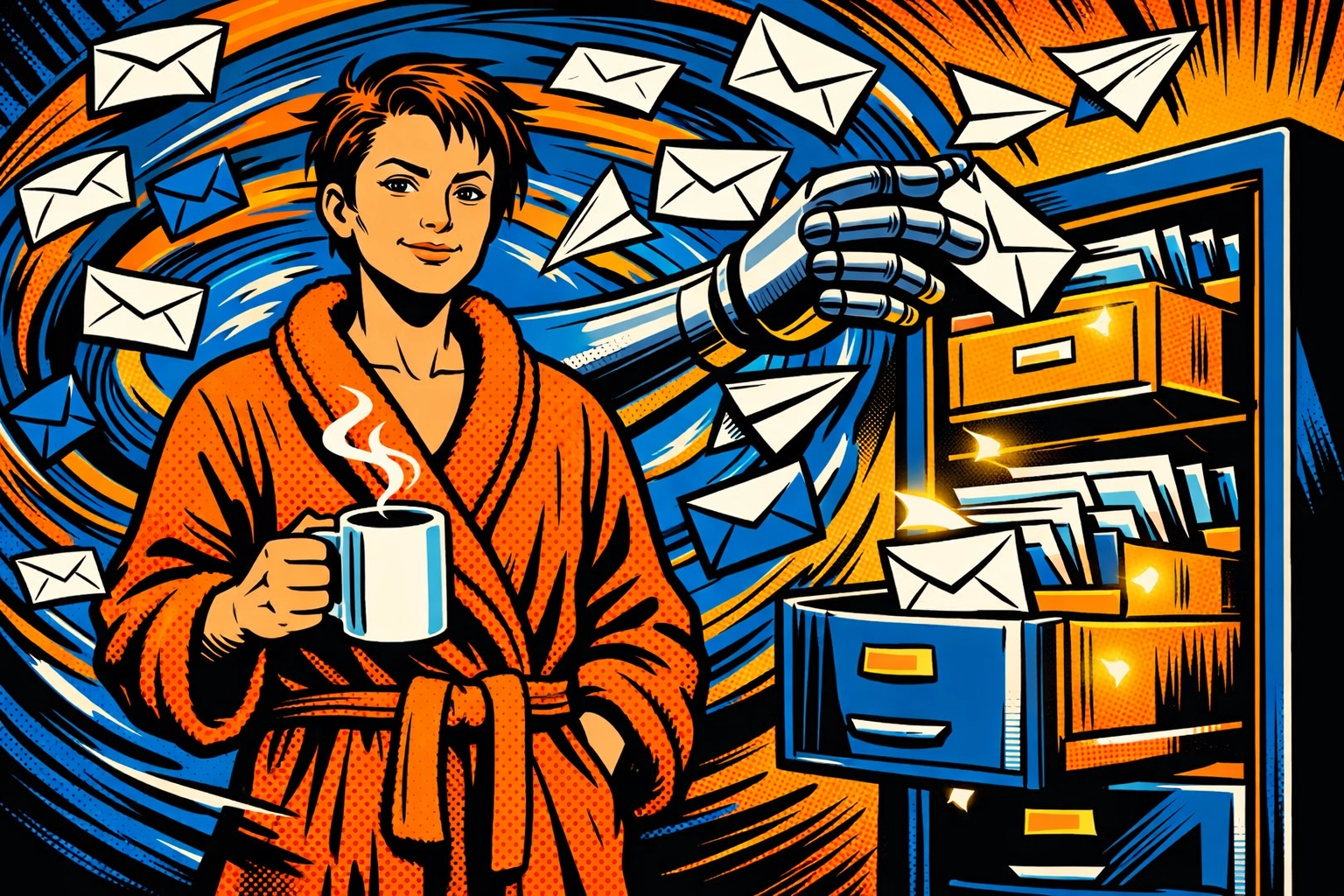
    Entrepreneur relaxing while business automation tools take meeting notes on a digital notepad.

    Hack 3: The Infinite Reporting Loop
    Stop building weekly reports from scratch. Connect your CRM to your reporting tool. Every Monday morning, a fresh PDF of your sales numbers is sitting in your inbox.

    Scaling shouldn't be this hard. And with the right setup, it isn't. If you’re ready to stop the grind and start growing, check out how we’re making this a reality over at Marblism.


    2. THE BEST AI ASSISTANT FOR SMALL BUSINESS IN 2026

    📱 11:00 AM.

    Your phone buzzes. It’s a notification that your afternoon has been reorganized. A client canceled, a new lead booked, and your prep notes for the 2:00 PM call are already linked in your calendar.

    You didn't do any of that. Your ai assistant for small business did.

    We’re in 2026. If you’re still clicking "Accept" on every calendar invite or manually scanning spreadsheets to find out who’s your hottest lead, you’re essentially using a typewriter in a world of neural networks.

    EMPLOYEE OF THE MONTH. EVERY MONTH.

    The beauty of a modern AI assistant isn't just that it "does tasks." It’s that it thinks for you.

    Hack 4: Instant Presentation Mastery
    You have a pitch in twenty minutes. You have the data, but the deck looks like a crime scene. You feed the raw notes to your AI assistant. It generates the slides, adds the visuals, and formats the branding. You spend those twenty minutes practicing your delivery instead of fighting with a text box.

    Hack 5: Smart Lead Scoring
    Not all leads are created equal. Your AI scans incoming inquiries, compares them to your past successful clients, and flags the ones you need to call right now. It’s like having a private investigator for your sales funnel.

    🤝 "Stan's finding the patterns." "Eva's organizing the chaos." "Penny's behind it all."

    It sounds like a team of ten. It’s actually just one really smart tool.

    The "boring stuff" isn't just boring; it’s a bottleneck. It’s the friction that stops a small business from becoming a big one. You don't need more hours in the day. You need a better way to use the ones you have. Explore the future of efficiency with Scott’s favorite tools.

    An AI assistant for small business acting as a detective to find and highlight high-quality leads.


    3. AI CONTENT GENERATOR FOR SMALL BUSINESS: YOUR SECRET MARKETING WEAPON

    🔍 3:00 PM.

    The dreaded "blinking cursor" phase. You need three social posts, a blog entry, and a newsletter sent by EOD. But your brain feels like a dry sponge.

    This is where most business owners give up. They post a low-effort photo with a "Happy Tuesday!" caption and wonder why their engagement is in the basement.

    Enter the ai content generator for small business.

    CONTENT WITHOUT THE CRINGE

    Marketing is a volume game. To stay relevant, you have to be everywhere. But you also have to be good. AI has evolved past the "robotic sounding" gibberish of the early 2020s. Today, it’s about personality and scale.

    Hack 6: The Video Multiplier
    You recorded one 10-minute video. Your AI tool identifies the "hooks," chops it into five 60-second clips, adds captions, and schedules them for TikTok, Reels, and YouTube Shorts. You did one piece of work. You got five pieces of content.

    Hack 7: The Personalized Newsletter
    Stop sending the same email to everyone. Use your AI content generator to swap out sections of your newsletter based on what your customers actually care about. One person sees "Tips for Growth," another sees "Tech Updates."

    A creative business owner using an AI content generator for small business to produce marketing assets.

    🌙 6:00 PM.

    The lights are off in the office. You’re home. You’re not thinking about invoices. You’re not drafting social media captions in your head while you try to eat dinner.

    The chaos is gone before you even take your first sip of evening wine.

    Why? Because your business is running on autopilot. The boring stuff is handled. The content is scheduled. The leads are being nurtured.

    It’s not magic. It’s just Marblism.

    Stop juggling. Start winning. See how we can automate your world at Marblism with Scott.

    FAQ: YOUR AUTOMATION QUESTIONS ANSWERED

    Is business automation expensive for a small business?
    No. In 2026, many of the best business automation tools offer "pay-as-you-grow" models. Usually, the time you save in the first week alone pays for the tool for the entire year.

    Will AI make my business feel impersonal?
    Actually, the opposite is true. By automating the "data" tasks, you have more time for the "human" tasks. You’re more available for phone calls, strategy sessions, and real connection because you aren't stuck in a spreadsheet.

    How long does it take to set up?
    Minutes, not days. Most tools now feature "one-click" integrations. You just authorize the connection, and the AI starts learning your workflow immediately.

    What if I'm not a "tech person"?
    You don't need to be. These tools are built for business owners, not developers. If you can use a smartphone, you can use an ai assistant for small business.

    Scaling Shouldn't Be This Easy. But Here We Are.


    Ready to reclaim your calendar? Join the elite group of founders using Marblism to skip the fluff and get straight to the results. Check it out here: https://marblism.com/scott-bowen
  • How to Integrate AI Business Automation into Your Morning Coffee Routine (Without the Tech Headache)

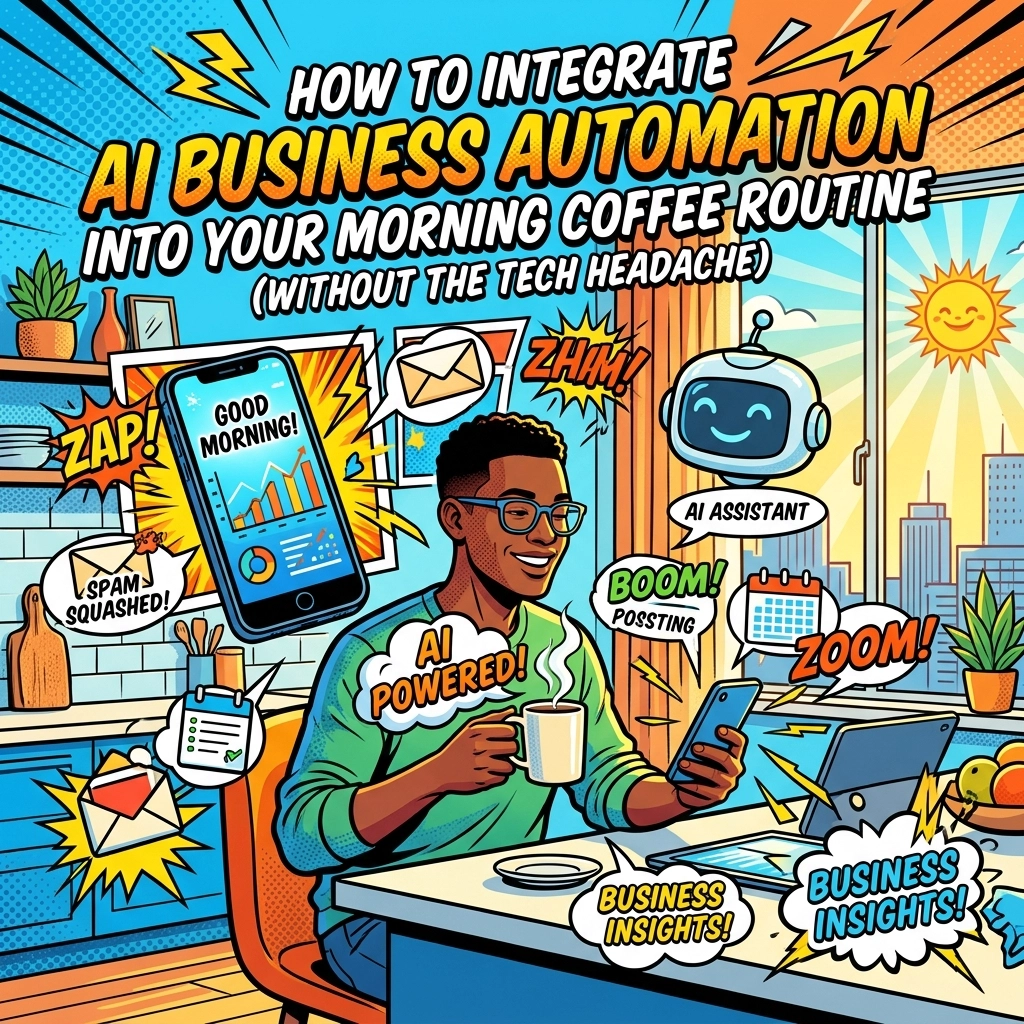
    How to Integrate AI Business Automation into Your Morning Coffee Routine (Without the Tech Headache)

    You’re staring at the ceiling.

    It’s 6:45 AM. Your phone is already buzzing on the nightstand like a caffeinated hornet. You know what’s waiting for you. 42 unread emails. Three "urgent" LinkedIn messages from people you don’t remember connecting with. One client who definitely forgot how to use their own password… again.

    You haven't even had a drop of caffeine yet, and your brain is already running a marathon through a minefield.

    This is the life of a small business owner. It’s not "hustle culture." It’s just… loud. The noise starts before the sun is up and doesn't quit until you're too exhausted to care. You want to grow. You want to scale. But right now, you’d settle for ten minutes of peace and a hot cup of coffee that doesn't get cold while you’re replying to "Checking in!" emails.

    What if the noise just… stopped?

    What if, by the time you reached the bottom of your favorite mug, your business had already done two hours of heavy lifting? No tech headache. No coding. Just calm, automated competence.

    It’s time to change the morning script.

    6:30 AM: THE MACHINE WAKES UP BEFORE YOU DO

    ☕ Your day begins.

    But it doesn't begin with you frantically scrolling. It begins with the smell of dark roast.

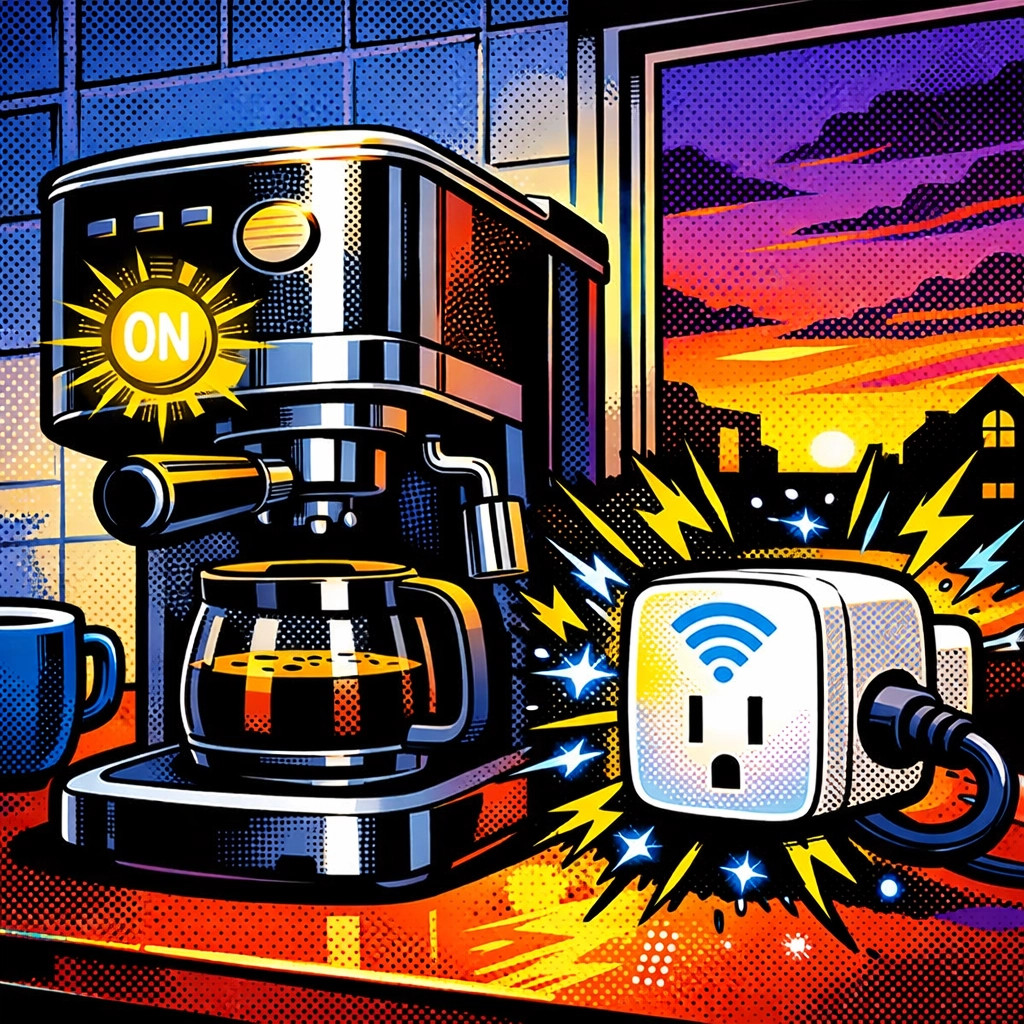
    The biggest barrier to ai business automation is the "I don't have time to learn this" trap. You think you need a computer science degree to automate your life. You don't. You just need a $20 smart plug and twenty minutes of setup.

    While you're still hitting the snooze button, a simple smart plug has already triggered your coffee maker. It sounds small. It is small. But that’s the secret. Automation isn't about building a robot army on day one. It’s about removing the friction of repetitive tasks.

    If you spend five minutes every morning filling the water, tamping the grounds, and waiting for the brew, that’s 30 hours a year. That’s a full work week spent standing in your kitchen staring at a flickering light.

    Pop art illustration of a smart plug automating a coffee machine, the first step in ai business automation.

    Stop wasting your prime brainpower on things a plastic box can do for you. Start simple. Automate the physical environment first. When you walk into the kitchen and that cup is already steaming, you’ve already won your first battle against the clock.

    7:00 AM: YOUR INBOX HAS A GHOSTWRITER

    📱 Your phone buzzes.

    But this time, you don’t feel that spike of cortisol. Why? Because while the coffee was dripping, your AI assistant was reading.

    Most business owners treat their inbox like a game of Whac-A-Mole. An email pops up, you hit it. Another one pops up, you hit that. By 9:00 AM, you’ve achieved nothing except moving digital paper from one pile to another.

    Enter business automation tools.

    Imagine an AI that sits between your "Contact Us" form and your inbox. When a lead reaches out, the AI doesn't just ping you. It categorizes the request. It checks your calendar. It sends a polite, human-sounding reply: "Hey, thanks for reaching out! I’d love to help with that. Here are three times I’m free next Tuesday."

    By the time you sit down with your mug, the "noise" is gone. The fires are prioritized. The spam is buried. The actual money-making opportunities are highlighted in gold. You aren't reacting anymore. You’re presiding.

    If you want to see how this looks in the real world, without the manual labor, you need to check out what we're building. Scaling shouldn't be this hard. See for yourself at https://marblism.link/scott-bowen.

    7:30 AM: LEAD GENERATION WHILE YOU STEAM MILK

    🔍 The sun is up.

    You’re halfway through your coffee. Usually, this is when you’d start "prospecting." Which is really just a fancy word for "doom-scrolling LinkedIn and hoping someone likes your post."

    It’s soul-crushing. It’s inefficient. And frankly, you’re better than that.

    AI business automation means your lead gen engine never sleeps. While you were dreaming about a vacation, your AI tools were scanning the web for businesses that fit your perfect client profile.

    • They found the CEO’s name.
    • They found the pain points they posted about on Twitter.
    • They drafted a personalized outreach message that actually sounds like you.

    Comic style art of AI business automation sorting emails and leads while the owner enjoys coffee.

    You aren't cold-calling. You're just approving. You look at the list, click "send," and go back to your croissant. This is how small businesses beat the giants. The giants have teams of 50 people doing this. You have one well-configured AI tool.

    It’s not cheating. It’s leverage.

    8:00 AM: CONTENT WITHOUT THE CRIPPLING ANXIETY

    ✍️ The mug is nearly empty.

    Usually, this is the part of the morning where you realize you haven't posted on social media in three days. You feel the guilt. You open a blank Google Doc. You stare at the blinking cursor. The cursor wins.

    Stop trying to be a "creator" every single morning. It’s exhausting.

    AI-driven business automation tools can take a single idea, maybe a thought you had while brushing your teeth, and turn it into a week of content.

    • One voice memo becomes a blog post.
    • One blog post becomes ten LinkedIn updates.
    • Ten updates become a month of tweets.

    You provide the soul; the AI provides the labor. You aren't losing your voice; you're just turning up the volume. By 8:15 AM, your entire social presence is scheduled, locked, and loaded.

    You haven't even started your "official" workday yet, and you’ve already out-produced your competition's entire week.

    8:30 AM: THE CHAOS IS GONE BEFORE THE FIRST SIP IS FINISHED

    ☕ The day begins, officially.

    You stand up, rinse your mug, and head to your desk. But the feeling is different today.

    There’s no frantic checking of tabs. There’s no "What was I supposed to do again?" fog. The AI has left you a clean slate. Your leads are warm. Your inbox is organized. Your coffee was perfect.

    This is the "After" state. It’s not about being a tech wizard. It’s about realizing that everything repeatable is automatable. And if you’re doing the same thing three times a week, you shouldn't be doing it at all.

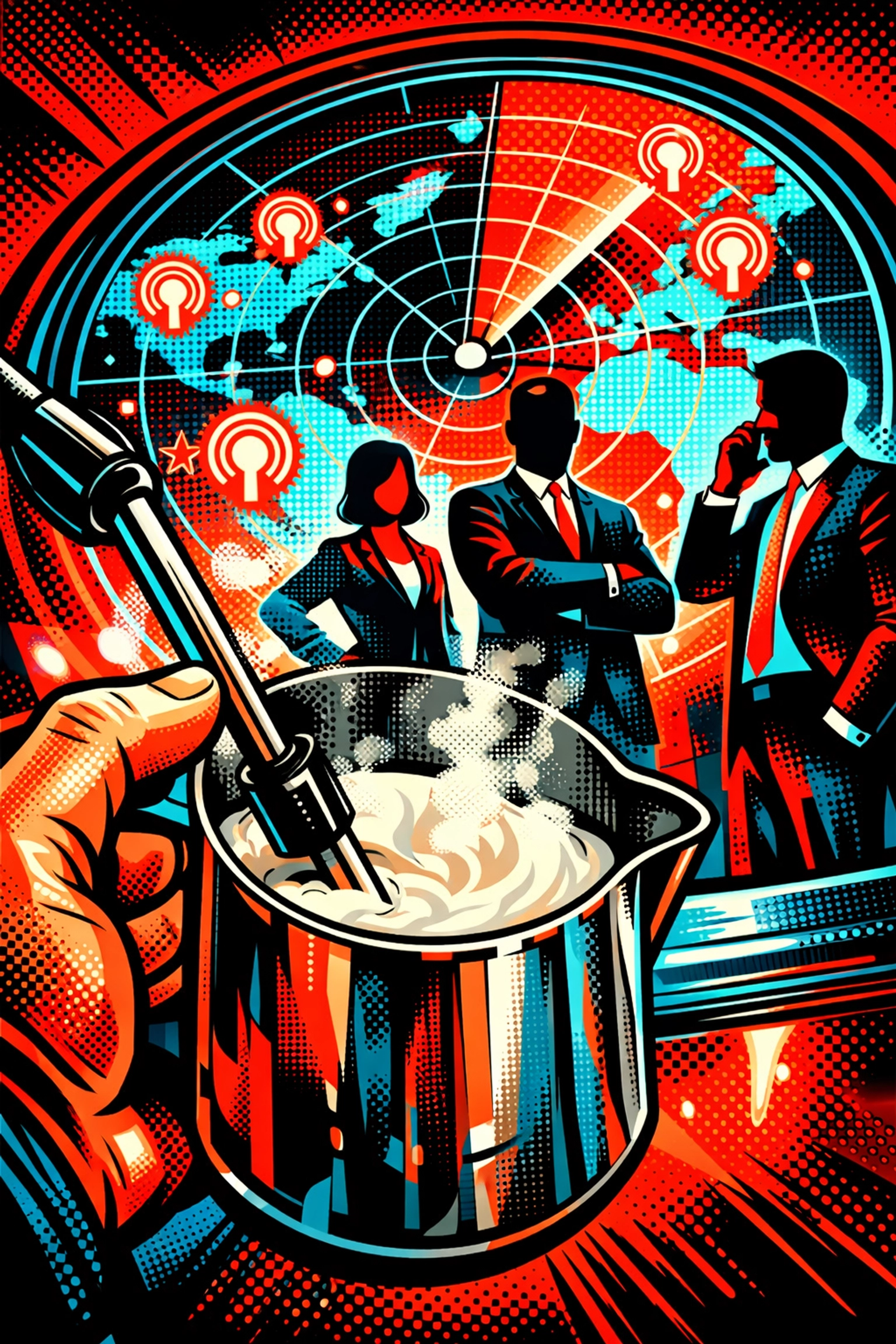
    High-contrast illustration of business automation tools tracking new leads while steaming coffee milk.

    STOP JUGGLING. START SCALING.

    You didn't start a business to become a professional email-replier. You didn't start it to be a data-entry clerk for your own life. You started it to solve problems, make money, and have some semblance of freedom.

    The tech headache only happens when you try to do everything at once. Don't build a complex web. Just add one layer of automation to your morning. Then another.

    At Marblism, we’ve seen what happens when small business owners stop fighting the tools and start using them. The growth doesn't just happen; it accelerates.

    "I used to spend three hours a morning just 'getting ready' to work," says Mark, a boutique agency owner. "Now? I sit down, and the work is already halfway done. I’m actually home for dinner now. It sounds like magic, but it’s just better plumbing."

    EMPLOYEE OF THE MONTH. EVERY MONTH.

    AI doesn't get sick. It doesn't need a coffee break (though you clearly do). It doesn't "forget" to follow up with that lead from Friday afternoon. It’s the employee you’ve always wanted, at a fraction of the cost, with zero attitude.

    But you have to take the first step. You have to decide that your time is worth more than the $20 you're saving by doing things manually.

    Organized workspace with a laptop showing business growth results from AI business automation.

    FAQ: BUT ISN'T IT COMPLICATED?

    Q: Do I need to know how to code?
    No. Most modern business automation tools are drag-and-drop. If you can use a smartphone, you can use these.

    Q: Is it expensive?
    No. Most tools have free tiers. You can start automating your morning for less than the cost of the beans in your grinder.

    Q: Will I lose the "human touch"?
    Only if you want to. You're not replacing yourself; you're replacing the boring parts of yourself. The AI handles the "When are you free?" so you can handle the "How do we grow your business?"

    YOUR NEW ROUTINE STARTS HERE

    The noise is optional. The stress is a choice.

    You can keep waking up to the buzzing hornet on your nightstand, or you can wake up to the smell of coffee and the quiet hum of a business that runs itself.

    The difference is one click.

    If you're ready to stop the grind and start the growth, we’ve got exactly what you need to bridge the gap. No tech headache required. Just results.

    Check out how we can automate your lead gen and business flow right here: https://marblism.link/scott-bowen
    Scaling shouldn't be this easy. But here we are.

    Leave the manual labor to the people who still enjoy being stressed. You have a business to run.

    Go finish your coffee. Your AI has this under control.

  • Wholesale Specialty Coffee: Why Your Choice of Roaster Matters More Than You Think

    Wholesale Specialty Coffee: Why Your Choice of Roaster Matters More Than You Think

    So, you’re thinking about opening a café, or perhaps you’re looking to level up your existing coffee game. You’ve probably spent hours looking at floor plans, picking out the perfect ceramics, and obsessing over the exact shade of teal for your feature wall. But here is the thing: the most critical decision you will make for your business isn't the decor, it's your coffee supplier.

    Choosing between wholesale coffee roasters can feel a bit like standing in the middle of a massive supermarket aisle; there are endless options, and they all claim to be the best. However, in the world of specialty coffee, your roaster is much more than a simple vendor. They are your primary consultant, your technical support team, and the guardian of your brand's reputation.


    At Limini Coffee, we believe that a wholesale partnership should be a two-way street. It isn’t just about shipping boxes of beans; it’s about making sure your business thrives. If you're ready to see how a dedicated roaster can transform your shop, you can explore our wholesale options here.


    Quality and Consistency: The Bedrock of Your Business

    The most obvious reason your choice of roaster matters is the quality of the bean. But let’s go deeper than "it tastes good." Specialty coffee is defined by its lack of defects and its unique flavor profile, usually scoring 80 points or higher on a 100-point scale.

    When you work with high-end coffee suppliers, you are buying into a rigorous quality control process. We’re talking about precision roasting where every batch is logged, tracked, and cupped. Why is this important? Because your customers are creatures of habit. If they fall in love with a flat white that has notes of milk chocolate and roasted hazelnut on Tuesday, they expect that same experience on Friday.

    If your roaster lacks consistency, your baristas will struggle. They’ll spend their whole morning "dialing in" the grinder, trying to find a sweet spot that doesn't exist because the roast profile is all over the place. We’ve seen it happen too often, a cafe buys cheap "bulk" beans, and the shots are either sour or bitter, regardless of the barista's skill.

    Meticulous coffee cupping process ensuring quality and consistency from wholesale specialty coffee roasters.


    More Than Just Beans: The Total Coffee Solution

    A great wholesale specialty coffee partner provides what we like to call the "total coffee solution." You see, roasting the coffee is actually the easy part (well, relatively speaking). The real challenge for a café owner is everything else that happens after the bag is opened.

    Think about the technical side of things. If your espresso machine decides to quit at 8:00 AM on a busy Saturday, who are you going to call? A generic coffee supplier might give you a shrug and a "not our problem" attitude. A true partner, however, understands that if you aren't pouring shots, you aren't making money.

    Equipment Expertise

    Choosing the right gear is a minefield. Do you need a dual boiler? A heat exchanger? Should you go for lever or automatic? We often recommend La Spaziale machines because they are workhorses with incredible thermal stability, but the point is that your roaster should help you choose espresso equipment that fits your specific volume and budget.

    If you're looking for expert advice on the best kit to start your journey, check out the range we trust at Limini Coffee.


    Barista Training: The Human Element

    You can buy the most expensive, ethically sourced, light-roasted Gesha beans in the world, but if your barista doesn't understand extraction, it’s going to taste like old battery acid. This is where your roaster's commitment to education becomes your biggest asset.

    Training shouldn't be a one-time "here is how you steam milk" session. It needs to be an ongoing culture of learning. We believe that comprehensive barista training is the only way to protect the quality of the coffee.

    What should your baristas know?

    • The Science of Extraction: Understanding how 9 BAR of pressure and water temperatures between 88 °C to 95 °C interact with coffee particles.
    • Milk Chemistry: Learning how to create that perfect microfoam by stretching the milk until it reaches about 140 °F / 60 ºC. (You can read our guide on understanding milk here).
    • Workflow and Efficiency: How to handle a queue of 20 people without losing your cool or compromising on the theatre of coffee making.

    Expert barista pouring latte art, highlighting the results of professional barista training for coffee shops.


    Ethical Sourcing and Brand Story

    Today’s coffee drinkers are savvy. They want to know where their coffee comes from. They care about the farmers, the washing stations, and the environmental impact of their daily caffeine fix. When you choose a roaster, you are adopting their supply chain as your own.

    At Limini, we take sourcing our coffee very seriously. We look for transparency and long-term relationships with growers. When you can tell your customers the story of the specific farm in Brazil or the cooperative in Ethiopia where their coffee was grown, you aren't just selling a drink; you’re selling a connection. This builds immense brand loyalty.

    If your "wholesale coffee roasters" can’t tell you when the coffee was harvested or how much the farmer was paid above the C-market price, that’s a red flag. Transparency isn't just a buzzword; it’s a requirement for a sustainable business model.


    The Hidden Costs of the "Cheap" Option

    It is very tempting to go for the supplier offering the lowest price per kilo. We get it. Margins in hospitality are tight. However, the "cheap" bag of coffee is often the most expensive one in the long run.

    Why?

    1. Waste: Inconsistent roasts lead to more wasted shots and "sink shots" during dialing in.
    2. Customer Churn: If the coffee is mediocre, customers might come once for the aesthetic, but they won't return for the taste.
    3. Support Costs: If your supplier doesn't offer free or discounted training and technical support, you’ll end up paying third-party engineers and consultants hundreds of pounds an hour to fix problems that a good roaster would have prevented.

    Basically, you get what you pay for. A slightly higher price per kilo usually includes a wealth of "free" value that saves you thousands over a year. From building a coffee shop to choosing the right cups and saucers, a specialized roaster acts as your business partner.

    Stylish café counter with professional espresso equipment, a key part of setting up a successful coffee business.


    Technical Specifics: Why Science Matters

    We aren't just being "coffee nerds" when we talk about things like tamping pressure or understanding crema. These variables directly affect your bottom line.

    For example, did you know that the mineral content of your water can completely change the flavor of the roast? A good wholesale partner will test your water and recommend the right filtration system. Without it, your expensive espresso machine will be riddled with limescale within six months, and your coffee will taste flat.

    We also love using tools like a coffee brewing calculator to help our wholesale clients find the perfect brew ratio. It’s this level of detail: the difference between an 18g dose and an 18.5g dose: that separates the amateurs from the pros.


    Finding the Right Fit for Your Startup

    If you are a café startup, you don't just need a supplier; you need a mentor. You need someone who can walk you through an overview of training and help you understand the difference between a latte, cappuccino, and flat white so your menu makes sense to your customers.

    The best way to choose a roaster is to visit them. See their roastery. Taste their coffee. Ask about their support structure. Do they have a dedicated training space? Do they have a team of engineers? Are they nice people to work with? (To be honest, this last one is underrated: you’ll be talking to them a lot!).

    We’ve spent years perfecting our approach to wholesale at Limini Coffee. We’re passionate about helping businesses grow because we know that when you succeed, we succeed. If you're looking for a partner who cares as much about your crema as you do, check out what we can do for you here.

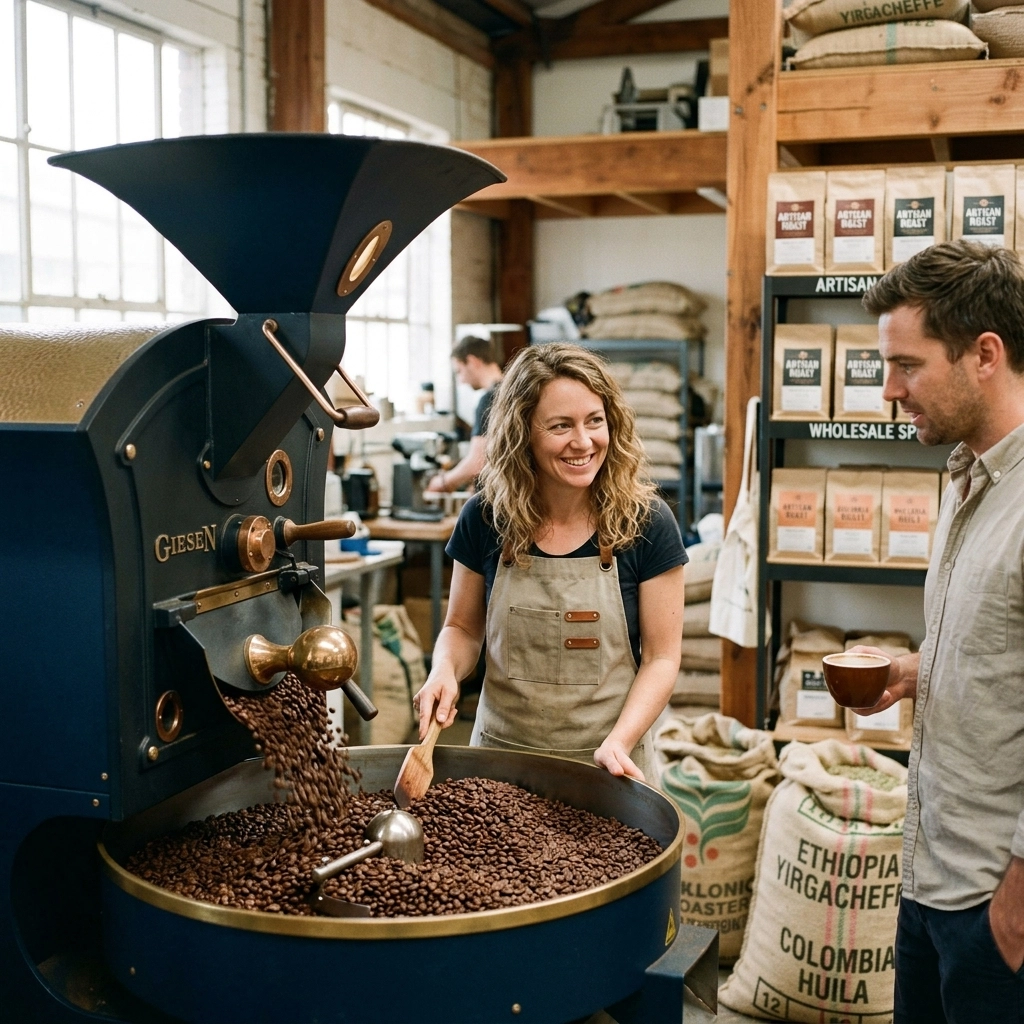
    Freshly roasted specialty coffee beans in a cooling tray at a roastery, ensuring peak flavor and aroma.


    Final Thoughts

    Your choice of wholesale specialty coffee roaster is the foundation upon which your café is built. It influences everything from your daily workflow to your yearly profit margins. Don't settle for a supplier who just drops a bag at your door. Look for a partner who offers the training, technical support, and ethical sourcing that will make your business stand out in a crowded market.

    Remember, the goal isn't just to serve coffee. The goal is to serve great coffee, consistently, in a way that makes people want to come back tomorrow. And that starts with the roaster.

    If you’d like to learn more about our story and how we work, feel free to read more about us here. We’d love to be a part of your coffee journey.

  • The Multi-Property Playbook: Managing Groups and Chains from One Screen

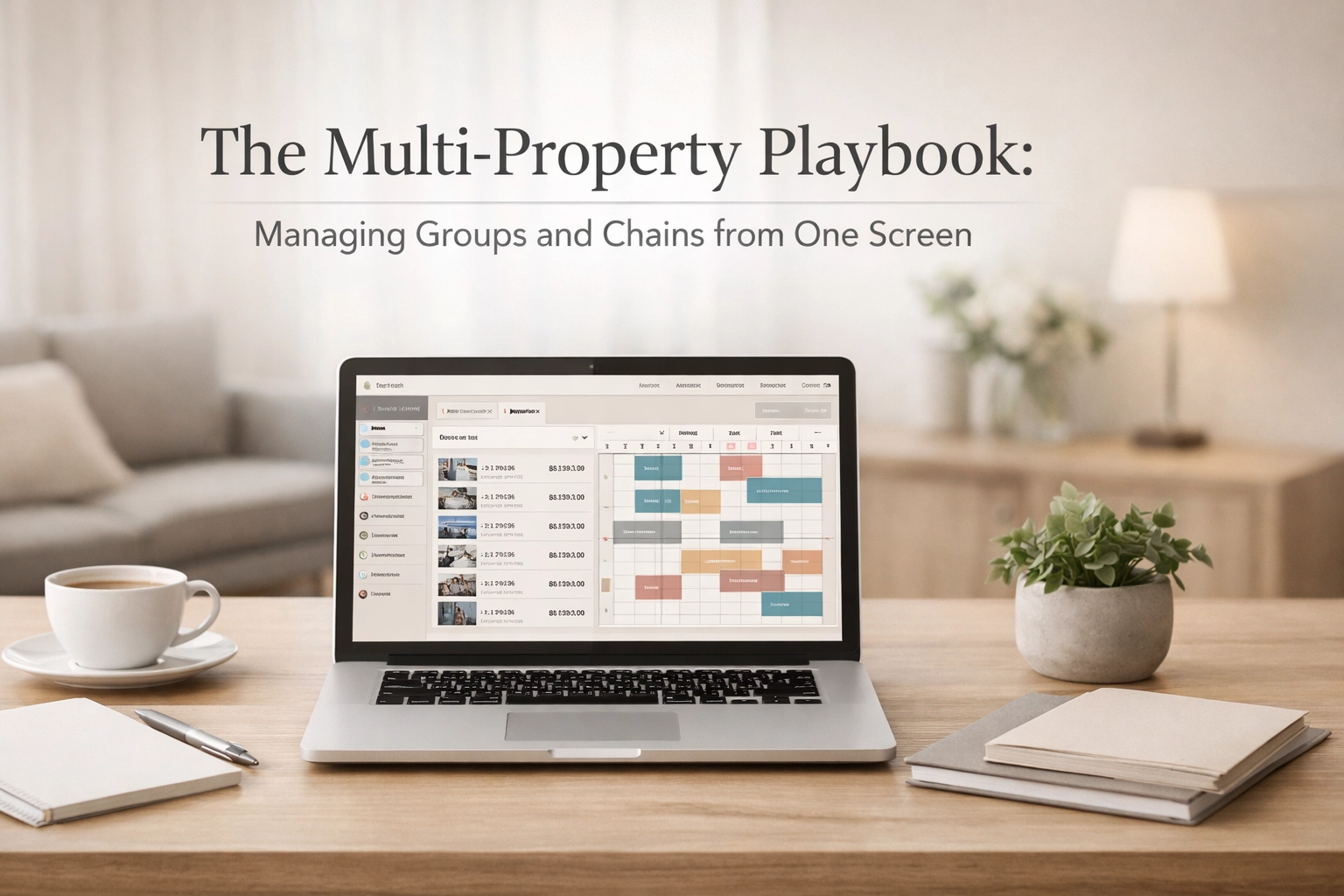
    The Multi-Property Playbook: Managing Groups and Chains from One Screen

    Transform your operations. Standardize your brand. Grow your portfolio.

    Managing a single hotel is a challenge; managing a dozen is a chess match. When you’re overseeing multiple properties, the friction doesn't just add up: it multiplies. We’ve seen it time and again: talented teams held back by fragmented systems, siloed data, and the constant need to log in and out of different accounts just to see how the morning shift is performing.

    We believe your tech should scale as fast as your ambition. In 2026, the era of the "isolated property" is over. Modern hospitality requires a unified platform that brings every room, every guest, and every cent of revenue into a single, crystal-clear view.

    All from one innovative platform.

    The Power of the Unified Dashboard

    Fragmented data is the enemy of agility. If your regional managers have to wait for weekly PDF exports to understand occupancy trends, you’re already behind the market.

    A modern hotel property management system (PMS) should act as the central nervous system for your entire group. We’re talking about a single login that gives you a bird's-eye view of your entire estate: whether you have three boutique hotels or three hundred international locations.

    • Real-time monitoring. Track occupancy, ADR, and RevPAR across the whole group or drill down into specific regions.
    • Instant switching. Move between property views in a single click without ever re-entering credentials.
    • Global task management. Oversee maintenance and housekeeping statuses across your portfolio from your headquarters.

    Modern hotel operations center with a laptop showing a multi-property management dashboard.

    We Believe in the Single Guest Profile

    Why should a guest be a stranger just because they’ve checked into your sister property? In the old world, guest data lived in a vacuum. If a guest stayed at your London location and preferred a high floor, your Paris team wouldn't know until they asked.

    We think that’s a missed opportunity. A unified hotel pms allows for a "Single Guest Profile" that follows the customer wherever they go.

    35% increase in guest satisfaction scores
    Reported by groups using centralized guest data to personalize stays.

    When guest preferences, stay history, and loyalty status are shared across your chain, you don't just provide a room; you provide recognition.

    1. Capture. Collect data points at every touchpoint, from booking to the mini-bar.
    2. Centralize. Sync that data instantly to a global profile accessible by all properties.
    3. Personalize. Use those insights to tailor the welcome experience at the next location.

    "Having one profile for a guest across all ten of our properties changed everything. It saved our front desk 10 hours a week in manual data entry and made our guests feel like VIPs every time they walked through the door."

    Standardize Without Stifling

    One of the biggest hurdles in managing a chain is maintaining brand standards while allowing for local flair. You want your financial reporting to be identical, but you might want your boutique hotel in Berlin to have different upsells than your resort in the Maldives.

    The right multi-property playbook balances centralized control with local autonomy. You can push out global pricing rules and corporate tax settings while allowing individual managers to tweak their room descriptions or local experiences.

    99.9% uptime for cloud-native systems
    Ensuring your global operations never sleep.

    We believe in "Global Settings, Local Execution." This means your finance team gets standardized reporting and automated invoicing across the board, reducing the month-end closing process from weeks to days.

    Split view of an urban hotel and coastal resort showing consistent brand standards via hotel pms.

    Revenue Management at Scale

    Updating rates shouldn't be a chore. If you have to log into five different systems to change a seasonal rate or close out inventory for a flash sale, you’re losing money.

    A centralized hotel property management system allows for unified rate and inventory control. This means:

    • Instant updates. Change a rate once and see it reflected across all locations and distribution channels.
    • Corporate pricing rules. Enforce minimum stay requirements or promotional discounts across the entire group with one click.
    • Cross-sell capabilities. If one property is full, your booking engine can instantly suggest availability at your nearest sister property.

    This doesn't just save time; it optimizes your yield. When you see the big picture, you can move inventory more intelligently.

    Data-Driven Decisions (No Spreadsheet Required)

    We’ve all been there: trying to merge three different Excel files to see which region had the best food and beverage performance last quarter. It’s a nightmare (and it’s usually prone to error).

    Strategic planning requires clean, aggregated data. Modern platforms offer cross-property reporting that allows you to compare performance side-by-side.

    • Compare brands. See which of your sub-brands is delivering the highest margin.
    • Identify outliers. Spot properties that are underperforming in specific areas, like housekeeping speed or ancillary revenue.
    • Forecast with confidence. Use historical data from your entire portfolio to predict future trends and staff accordingly.

    Hand using a tablet to view hotel group analytics and cross-property performance reports.

    Future-Proofing Your Portfolio

    Scaling a hotel group used to mean massive capital expenditure on servers and IT staff for every new location. Those days are gone. Cloud-native hotel pms solutions allow you to onboard a new property in a fraction of the time.

    We believe tech should be an accelerator, not a bottleneck. Whether you’re acquiring a new independent hotel or building a brand from scratch, your software should be ready to go the moment the keys are handed over.

    60% faster onboarding
    The average time saved when adding new properties to a unified cloud platform.

    The process is designed to be effortless:

    1. Clone. Use your existing brand templates for rates, rules, and workflows.
    2. Connect. Plug in your existing tech stack (POS, keys, CRM) via open APIs.
    3. Go Live. Get your team trained and taking bookings in a 30-minute session.

    The Frictionless Finance Playbook

    Managing the money for a chain is often where the wheels fall off. Different currencies, varying tax laws, and fragmented payment gateways can create a logistical storm.

    By using a system with embedded payments, you can standardize how you collect revenue. No more manual reconciliations or chasing "ghost" bookings. Payments are automated, secure, and synced directly to your centralized ledger.

    • Automated payouts. Handle complex revenue splits between owners and operators effortlessly.
    • Global compliance. Ensure every property meets local fiscal requirements without manual oversight.
    • Secure data. Protect guest payment information with enterprise-grade security across the entire chain.

    Secure payment terminal at a luxury hotel front desk using integrated hospitality finance software.

    Join the Innovation Leaders

    The most successful hotel groups of 2026 aren't the ones with the most rooms; they’re the ones with the best data. They’ve moved past the "one property at a time" mindset and embraced a platform that treats their entire portfolio as a single, high-performing ecosystem.

    It’s about more than just efficiency. It’s about the freedom to focus on what matters: the guest. When your tech works seamlessly in the background, your teams are free to provide the kind of hospitality that builds lifelong loyalty.

    Ready to see how your group can reach the next level? We’ve helped over 12,500 properties worldwide move away from legacy friction and toward a faster, smarter future.

    Get started with a platform built for the way you work today.

    Explore the Mews ecosystem and get you earning revenue in no time: https://referrals.mews.com/umqhyito

    One screen. Total control. The future of your hotel group starts here.

  • The Ultimate Guide to Commercial Coffee Machines for Coffee Shops

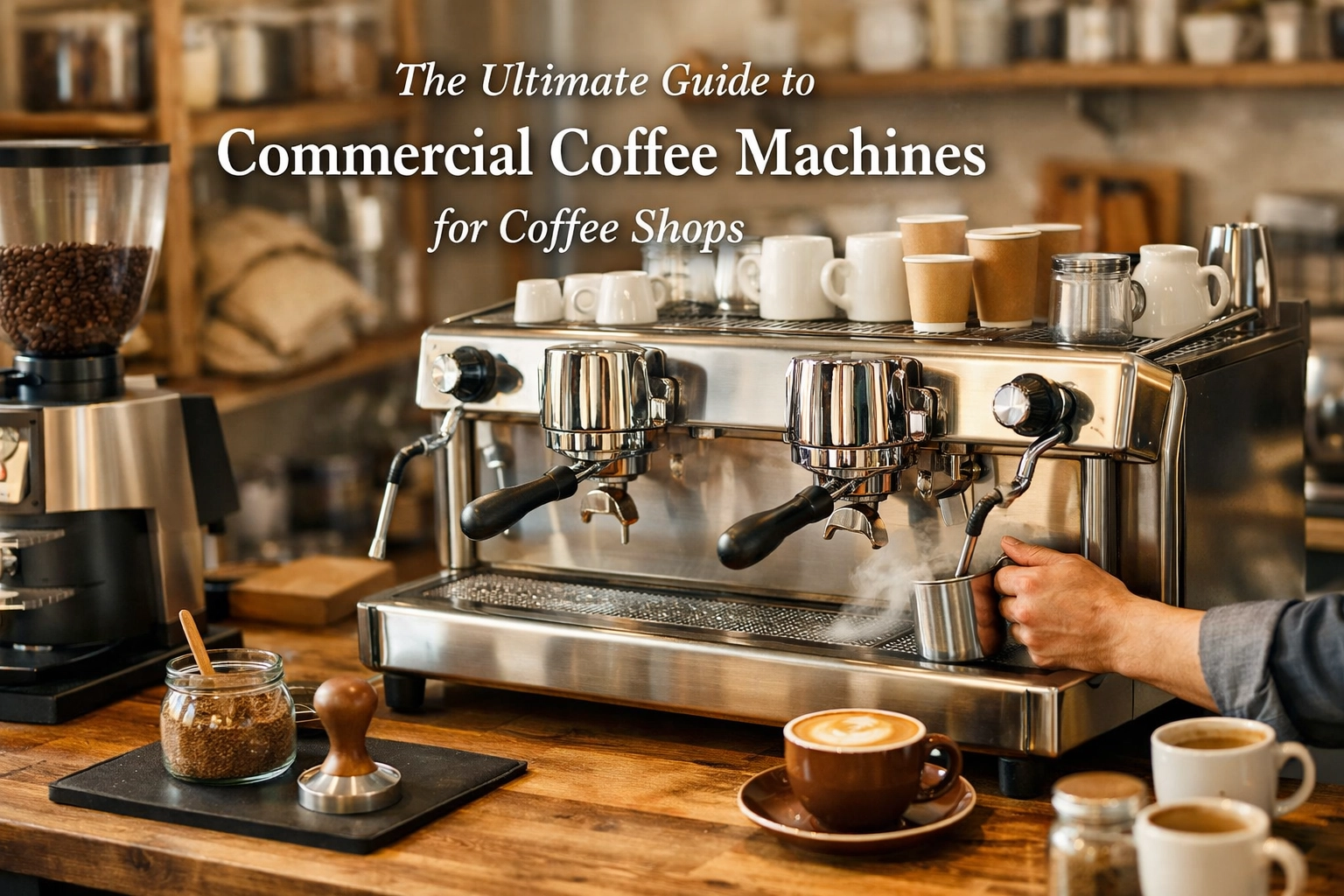
    The Ultimate Guide to Commercial Coffee Machines for Coffee Shops

    So, you’re diving into the world of professional coffee? That is brilliant. Whether you are just starting to scout locations or you’re looking to upgrade an existing setup, choosing from the vast sea of commercial coffee machines can feel a bit like trying to learn a new language while someone is shouting orders at you.

    It’s easily the biggest investment you’ll make for your bar. It’s the heart, the engine room, and, if we’re being honest, the primary reason people are walking through your door. Get it right, and your workflow is a dream. Get it wrong, and you’re looking at a very expensive, very shiny paperweight during your morning rush.

    At Limini Coffee, we don't just roast beans; we live and breathe the hardware that turns those beans into liquid gold. We’ve seen what works in a high-pressure environment and what falls apart when the queue hits the door.


    Why the Machine Matters (More Than You Think)

    You might think a coffee machine just pushes hot water through ground beans. Technically, yes. But in a commercial setting, it’s about consistency and recovery time.

    Imagine it’s 8:30 AM. You have ten people in line. Your machine needs to maintain a steady temperature (usually between 88 C to 95 C / 190 °F to 203 °F) while pumping out shot after shot and steaming litre after litre of milk. If the boiler temperature drops, your espresso turns sour. If the steam pressure fails, your milk won't get that silky, micro-foam texture we all love.

    Choosing the right coffee shop equipment supply partner is about finding someone who understands that your machine isn't just a purchase; it's a lifeline.

    Professional espresso machine portafilter extracting rich coffee with thick crema into a ceramic cup.

    Semi-Automatic vs. The Rest

    When you start looking, you’ll see three main categories. Here’s our take on them:

    1. Semi-Automatic Machines: This is what we almost always recommend for a proper coffee shop. You control the grind and the tamping, and the machine handles the pressure (ideally 9 BAR) and flow. It gives your baristas the control they need to produce specialty-grade drinks. It’s the perfect balance of craft and reliability.
    2. Super-Automatic Machines: These do everything. You press a button, it grinds, tamps, and pours. While they are great for offices or self-service canteens, we find they often lack the "soul" and the fine-tuning capability needed for a true specialty café. Plus, if one part breaks, the whole machine is usually down.
    3. Multi-Boiler Machines: These are the Ferraris of the coffee world. They have separate boilers for brewing and steaming. This means you can change the brew temperature for a specific single-origin coffee without affecting your steam power. It’s incredible tech, though it does come with a higher price tag.

    If you're curious about the nitty-gritty of how these things actually work, you might want to check out our deep dive into La Spaziale workings.


    Sizing Up: How Many Group Heads Do You Need?

    The "Group Head" is where the magic happens, it’s where the portafilter locks in. Choosing how many you need is a direct calculation of your expected volume.

    Daily Cup Volume Recommended Setup Why?
    < 150 cups 1 Group Perfect for small boutiques, hair salons, or low-volume bars.
    150 – 300 cups 2 Group The industry standard. Allows two baristas to work the machine during a rush.
    300 – 600 cups 3 Group Essential for high-street shops with a constant queue.
    600+ cups Multiple Machines At this level, you need redundancy. If one machine fails, you’re still in business.

    We usually suggest a 2-group machine for most startups. It offers a safety net; if one group head needs a seal replaced mid-shift, you can still serve customers on the other one. You can read more on choosing espresso equipment to see which fits your specific floor plan.

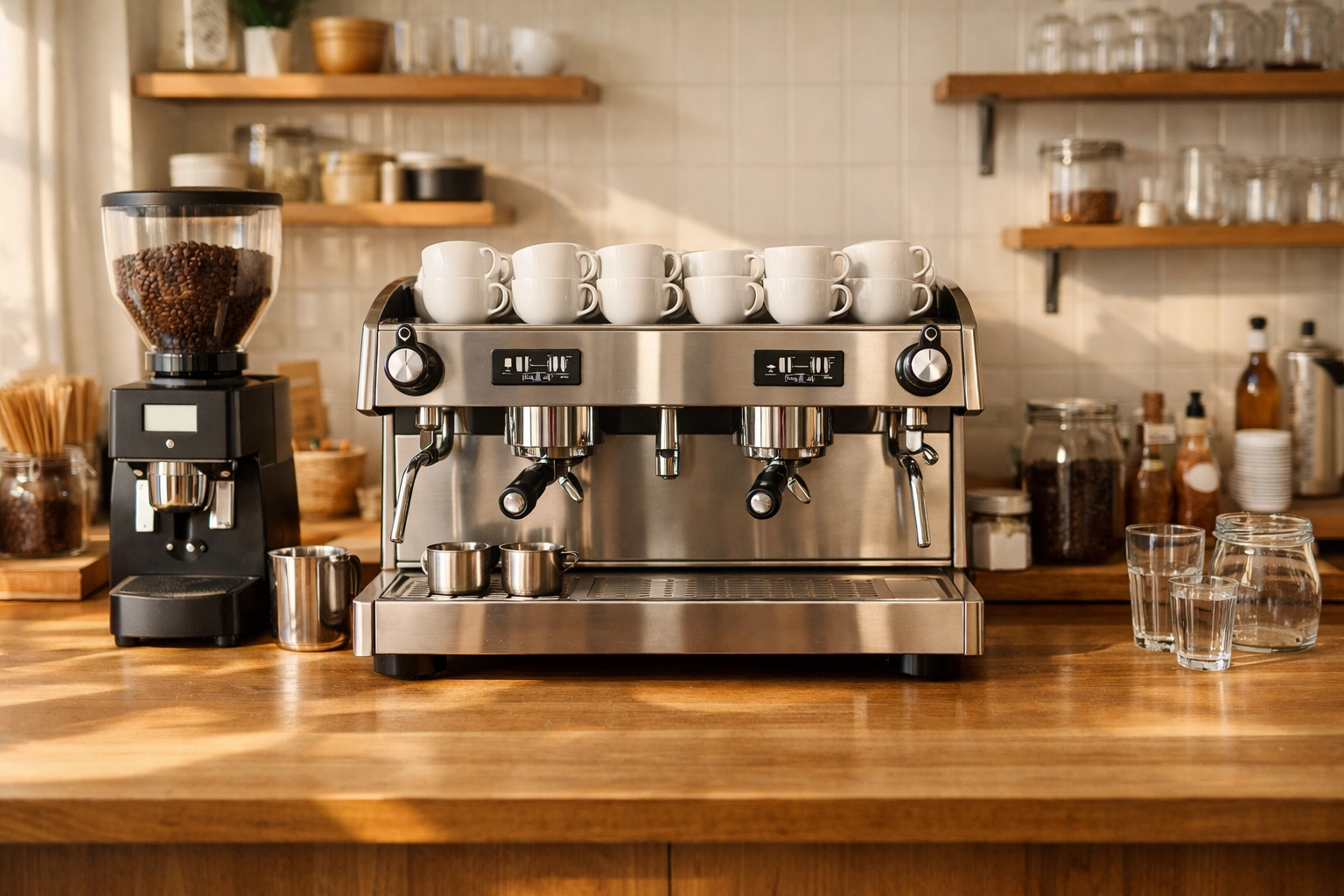
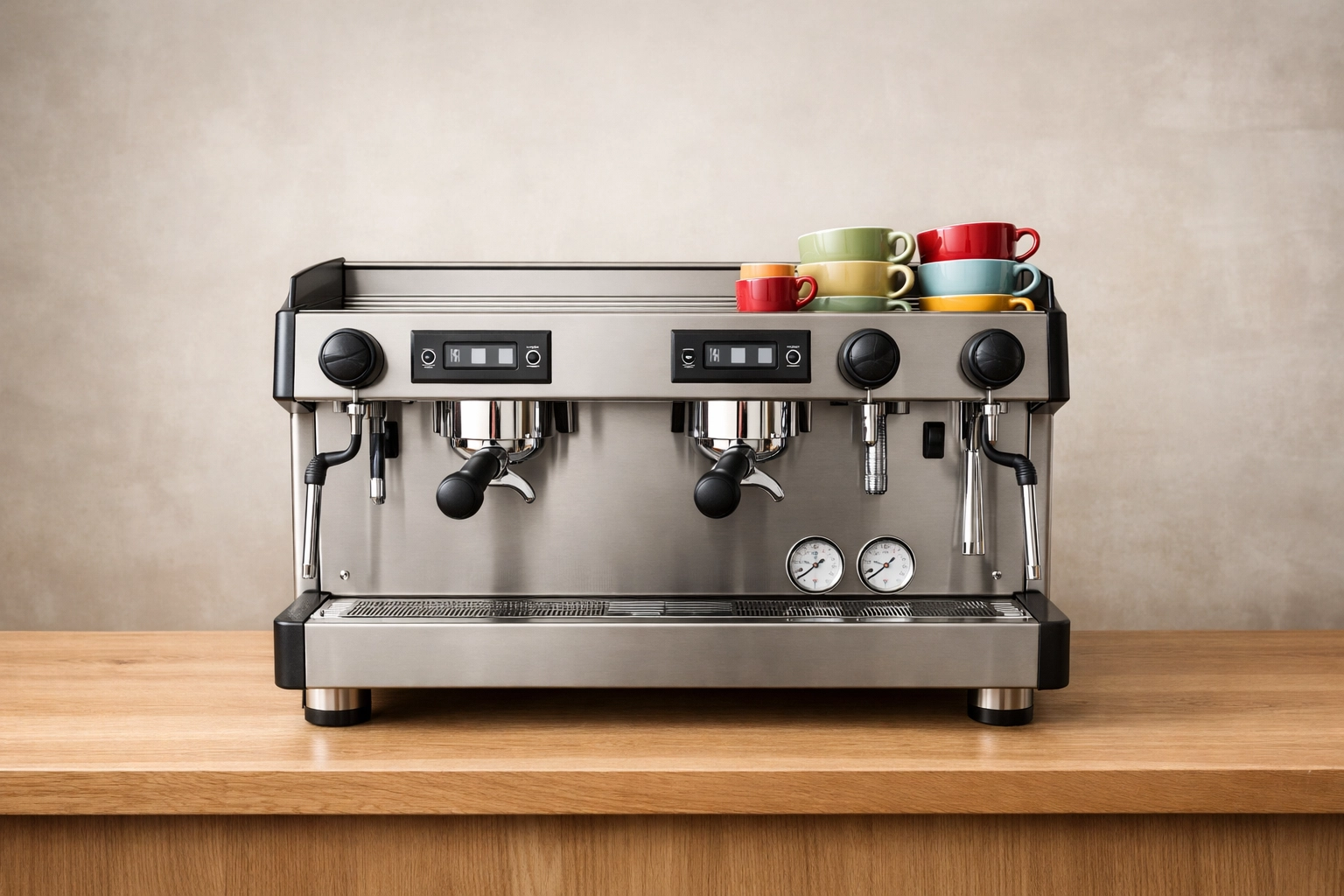
    A professional two-group commercial espresso machine on a wooden counter in a modern coffee shop.

    The Limini Choice: La Spaziale

    Here at Limini, we are huge fans of La Spaziale. Why? Because they use a unique heat exchange system that utilizes steam rather than just hot water to heat the brew groups. This leads to incredible thermal stability. In plain English: your first coffee of the day will taste exactly like your 200th.

    We supply a range of these machines because they are absolute workhorses. They are built like tanks but have the finesse to handle delicate specialty roasts. Whether you're looking at a lever or automatic model, the build quality is something we stand by.

    And let’s talk about the steam. Steaming milk to the right temperature (around 140 °F / 60 ºC) is vital. La Spaziale machines provide consistent, dry steam that makes achieving that glossy, "wet paint" look for latte art much easier. If you want to master that, our guide on understanding milk is a great place to start.


    Don't Forget the Grinder

    We see it all the time: someone spends £10,000 on a machine and then buys a budget grinder. Please, don't do that. It's a real shame to see high-quality beans ruined by an inconsistent grind.

    Your grinder is arguably more important than the machine. You need a commercial-grade "on-demand" grinder that keeps the beans cool and produces a uniform particle size. If the grind is uneven, the water will find the path of least resistance (channeling), and your coffee will taste both bitter and sour at the same time. Not a vibe.

    We include top-tier grinders in our wholesale packages because we want your coffee to taste as good as it possibly can.

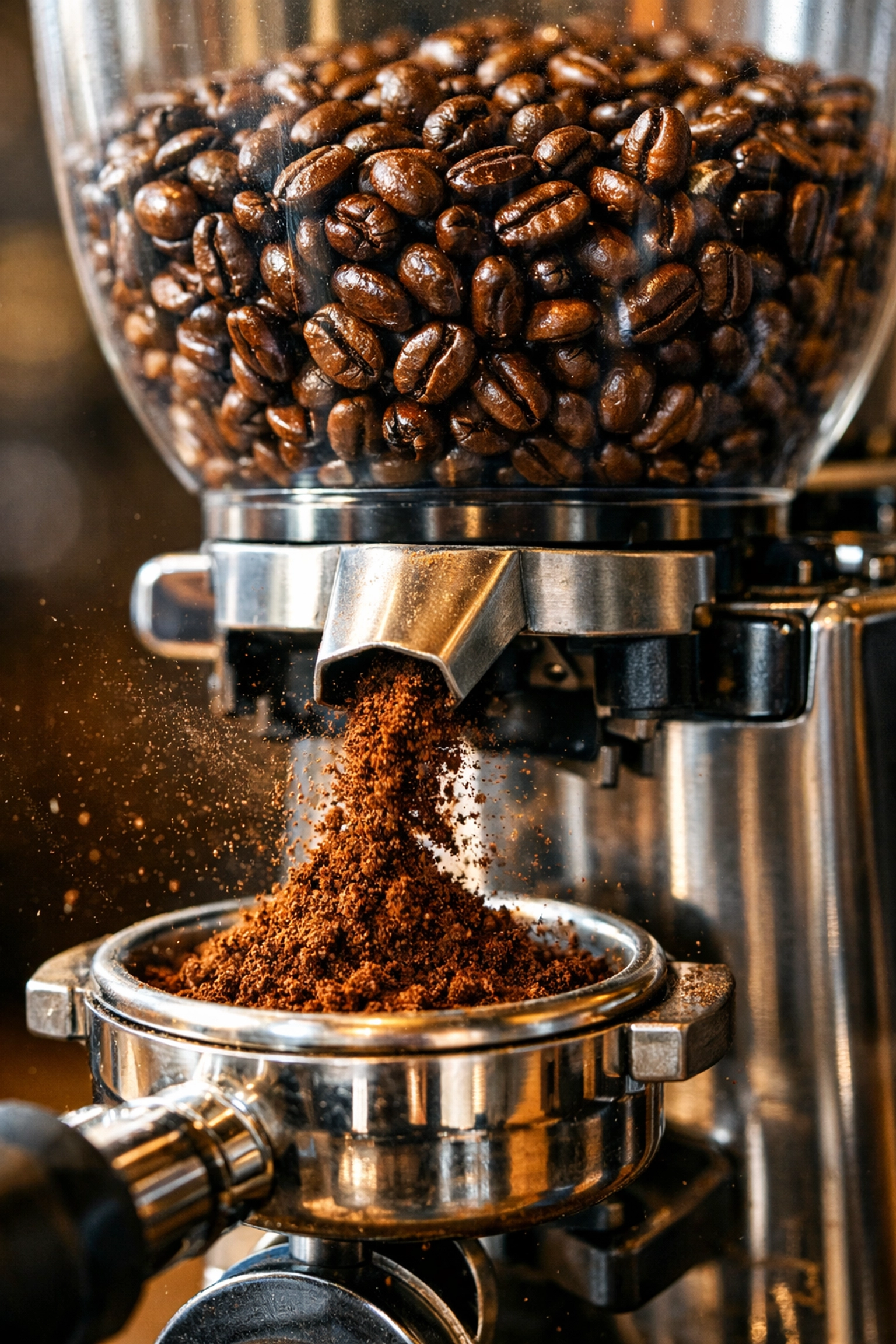
    Specialty coffee beans in a commercial grinder hopper with fresh grounds for an espresso machine.

    Installation and the "Support" Factor

    This is where the "supply" part of coffee shop equipment supply really matters. Buying a machine online from a random box-shifter is a recipe for disaster. Who is going to install it? Who is going to calibrate it? What happens when a pump fails at 8:00 AM on a Saturday?

    When we work with a new shop, we don't just drop a crate at your door. We provide:

    • Professional Installation: Ensuring your water filtration is correct (vital for the life of your machine) and that the power supply is safe.
    • Barista Training: We believe a machine is only as good as the person behind it. We offer comprehensive barista training to get your team up to speed.
    • Ongoing Maintenance: We show you the basics of looking after your espresso machine, like backflushing and cleaning group heads. It’s extremely important; a dirty machine makes bad coffee.

    So, if you are looking for a partner who cares as much about your crema as you do, check out our about us page to see how we work.


    Practical Tips for Your Setup

    Before you hit "buy" on that shiny new machine, keep these things in mind:

    • Counter Space: These machines are deep. Ensure your counter can handle the weight and the depth, leaving room for the knock-box and the grinder.
    • Water Quality: UK water can be quite hard. Limescale is the number one killer of coffee machines. Always use a high-quality water filter.
    • Power: Most 2-group commercial machines require a single-phase 20-amp or 30-amp supply. A standard 13-amp plug usually won't cut it. Check with an electrician first!
    • The Theatre: Place your machine where customers can see the action. There is a certain theatre to coffee making that adds value to the customer experience.

    A barista steaming milk to a silky micro-foam texture using a commercial espresso machine steam wand.

    Let's Get Brewing

    Starting a coffee business is a wild ride, but it's incredibly rewarding. Choosing your equipment is the moment it all starts to feel real.

    We’ve helped hundreds of shops get off the ground, from tiny espresso bars to massive multi-site operations. If you’re feeling overwhelmed by the technical specs or just want to chat about which machine suits your dream, we’re here to help.

    Feel free to browse our full range of commercial coffee machines and see what catches your eye. We can handle everything from the initial shop fitting advice to the final "perfect" pour.

    Choosing the right equipment is the foundation of your business. Take your time, do your research, and always prioritize support over a slightly lower price tag. Your future, caffeinated self will thank you for it. 🙂

  • The Ultimate Guide to Hotel Management Software: Everything You Need to Scale Without the Stress

    The Ultimate Guide to Hotel Management Software: Everything You Need to Scale Without the Stress

    Run your property. Scale your brand. Reclaim your time.

    Managing a hotel in 2026 isn't just about handing out keys and ensuring the linens are crisp. It’s about managing a complex web of data, guest expectations, and operational moving parts that never stop. To grow in this landscape, you need more than a digital guestbook. You need a platform that thinks three steps ahead.

    We believe that technology should be the silent engine of your hospitality business, not a source of daily friction. Most hoteliers are currently tethered to legacy systems that feel like they were designed in the era of dial-up. When you're ready to scale, those old systems don't just slow you down: they hold you back.

    By switching to a modern, cloud-native solution, properties see a 15% increase in RevPAR and save an average of 40 hours of staff labor per month. This isn't just about software; it’s about transformation, all from one innovative platform.

    The Death of the Legacy PMS

    The traditional Property Management System (PMS) used to be a closed box. It sat on a server in a dusty back office, required a manual for every basic task, and played poorly with other software. If you wanted to add a new door lock system or a fancy guest messaging app, you had to call a technician and pray for compatibility.

    We think those days are over. Today’s hotel management software is an ecosystem. It’s the heartbeat of your operation, connecting your front desk to your housekeeping team, your marketing suite to your finance department, and your guest’s smartphone to your property’s services.

    • Cloud-native architecture for access anywhere.
    • Open APIs that connect to thousands of apps.
    • Real-time data synchronization across all channels.

    Modern cloud-native hotel management software on a tablet at a minimalist front desk.

    Scaling Without the Growing Pains

    When you decide to add a second property, or a tenth, or a fifty-seventh, the cracks in a manual system become chasms. Scaling requires consistency. It requires the ability to push a rate update to every channel instantly and to see your portfolio’s performance in a single dashboard.

    We believe scaling should feel like an evolution, not a crisis. A modern platform allows you to centralize your operations. You don't need a full finance team at every location when one team can manage the entire portfolio from a single login.

    Properties using advanced automation report a 20% reduction in operational costs within the first year. This happens because the software handles the "busy work": the repetitive data entry and manual reconciliations: leaving your team free to actually talk to your guests.

    Why connectivity matters:

    1. Instant Distribution: Your rates and availability are updated across OTAs and your direct booking engine simultaneously.
    2. Unified Guest Profiles: Recognize a returning guest whether they stay in your London boutique or your Tokyo high-rise.
    3. Flexible Tech Stacks: Pick the best tools for your specific needs, from AI chatbots to keyless entry, and plug them in effortlessly.

    Boutique hotel exterior highlighting the growth and scaling of hospitality businesses with smart tech.

    The AI Revolution in the Lobby

    AI is no longer a buzzword; it’s the new standard for operational excellence. In 2026, if your software isn't using machine learning to optimize your room assignments or predict your staffing needs, you’re essentially leaving money on the table.

    We think AI should be practical, not performative. It’s about predictive analytics that tell you when a guest is likely to want a late checkout, or automated messaging that answers "What's the Wi-Fi password?" at 3:00 AM so your night auditor can focus on security.

    • Smart Pricing: Adjust rates based on real-time local demand and competitor data.
    • Automated Communication: Send personalized arrival instructions and upsell offers based on guest behavior.
    • Predictive Maintenance: Identify which rooms need a deep clean or a bulb change before the guest complains.

    "The AI integration saved our front desk 10 hours a week on basic inquiries, allowing us to focus on the VIP experience," says one Mews partner. This is the shift from being a "desk clerk" to being a "hospitality professional."

    Designing the Frictionless Guest Journey

    The modern traveler has zero patience for standing in line. They’ve already checked in for their flight on their phone; why should they wait in a lobby to show you a credit card they’ve already used to book the room?

    We believe the guest journey should be invisible. From the moment they book to the moment they receive their digital receipt, every touchpoint should be seamless. Modern hotel management software enables a "choose your own adventure" style of stay.

    • Mobile Check-In: Let guests skip the desk and head straight to their room.
    • Digital Keys: Turn the guest's smartphone into their room key instantly.
    • Self-Service Kiosks: Give guests the option to manage their own stay at their own pace.

    When you remove the physical barrier of the front desk, you change the vibe of the lobby. It becomes a social space, a revenue-generating café, or a quiet work lounge: rather than a DMV-style waiting area.

    Hotel staff using a mobile hotel management app to streamline guest services in a modern lobby.

    Data You Can Actually Use

    Numbers are only useful if they tell a story. If you’re still Exporting to Excel and spending three days a month trying to figure out your net ADR, you aren't managing your business; you're just reacting to it.

    We believe in data democratization. Everyone on your team, from the GM to the head of housekeeping, should have access to the insights they need to do their jobs better. Real-time reporting means you can pivot your strategy on a Tuesday afternoon based on what happened on Monday night.

    1. Custom Dashboards: View the KPIs that matter most to your specific role.
    2. Automated Reporting: Get your daily flash report delivered to your inbox before your first coffee.
    3. Guest Sentiment Analysis: Track reviews and feedback directly within the guest profile.

    With a unified data set, you can see that 80% of your high-value guests are coming from a specific geographic region or booking through a specific partner. You can then double down on what works and cut the spend on what doesn't.

    Guest using keyless entry on a smartphone for a frictionless check-in experience.

    Making the Switch

    The biggest fear hoteliers have is the "downtime." The idea of switching systems feels like open-heart surgery while running a marathon. But the reality is that staying on a failing system is far more dangerous to your bottom line.

    We think the transition should be as smooth as the software itself. Modern implementations are done remotely, quickly, and with comprehensive training that doesn't require a PhD in computer science. Most teams are up and running, fully trained, in less than 30 days.

    • Easy Data Migration: Move your existing reservations and guest history without losing a byte.
    • Intuitive UI: A system so simple that new hires can be productive in their first hour.
    • Global Support: Access to experts who understand the hospitality industry, not just the code.

    The goal isn't just to have new software. The goal is to have the freedom to think about the future of your brand. When the operational "noise" is silenced by a reliable platform, you can finally focus on the "hospitality" part of the hospitality industry.

    Ready to see how the right tech can transform your property? Explore the possibilities and start your journey toward effortless scaling. Check out how we're redefining the industry at Mews.

    Get a demo. See the platform. Start your 30-minute consultation today to see how you can get your property earning more revenue in no time.

    Clean desk with a laptop showing a hotel management platform for real-time data and reporting.

    Scaling your hotel doesn't have to be a headache. It just requires the right partner at the heart of your operations. Stop managing the stress and start managing your success. Everything you need is already here( you just need the platform to unlock it.)

  • Hotel Revenue Management 101: A Beginner’s Guide to Mastering AI and Automation

    Hotel Revenue Management 101: A Beginner’s Guide to Mastering AI and Automation

    Transform your pricing. Win back your time. Boost your bottom line.

    Revenue management isn’t just about changing room rates on a Friday afternoon. It’s the heartbeat of a modern hotel. Properties using smart automation see an average RevPAR increase of 15% or more: all from one innovative platform.

    We believe the era of the spreadsheet is over. The future belongs to hoteliers who embrace data, lean into AI, and let technology do the heavy lifting. This is your roadmap to mastering the art and science of revenue in a digital-first world.

    The end of "set it and forget it" pricing

    Static pricing is a relic. If you’re still charging the same rate for a Tuesday in November as you are for a Tuesday in July, you’re leaving money on the table. (A lot of it.)

    Modern revenue management is a strategic dance. It’s about optimizing pricing, managing inventory, and forecasting demand in real-time. It’s the difference between a "No Vacancy" sign and a fully optimized, high-profit house.

    The three pillars of success

    • Market segmentation. Group your guests by behavior and price sensitivity.
    • Demand forecasting. Use historical data and market trends to predict the future.
    • Dynamic pricing. Adjust rates instantly based on supply and demand.

    Tablet showing dynamic pricing and demand forecasting data for hotel revenue management.

    Why automation is your new best friend

    We think technology should empower people, not replace them. In the old days, a revenue manager spent 80% of their time crunching numbers and 20% making decisions. We want to flip that.

    When you integrate a smart hotel pms with an automated Revenue Management System (RMS), the software handles the math. It watches your competitors. It tracks local events. It adjusts your rates while you sleep.

    "Switching to an automated system saved us 10 hours of manual data entry every single week. Now we actually have time to think about strategy." : Maria, Boutique Hotel Owner.

    What automation does for you

    • Real-time updates. Prices change across all channels the moment demand shifts.
    • Error reduction. No more fat-finger mistakes on a third-party extranet.
    • 24/7 monitoring. The market never sleeps, and neither does your AI.

    Mastering the tech stack

    To win, you need a tech stack that talks to each other. A fragmented system is a leaky bucket for revenue. You need a cohesive ecosystem where every tool shares data seamlessly: all from one cloud-native platform.

    The Booking Engine

    Your booking engine is your most profitable channel. Why? No commissions. A smart engine uses AI to offer personalized upsells, like breakfast or a late checkout, right when the guest is ready to buy.

    The Channel Manager

    Stop logging into ten different extranets. A channel manager ensures your inventory is consistent everywhere. If a room sells on an OTA, it’s instantly removed from your direct site. No overbookings. No stress.

    The CRM

    Revenue isn't just about the first booking. Your CRM tracks guest preferences and spending habits. This allows you to send targeted offers that convert, turning a one-time guest into a loyal fan.

    Hotel manager reflecting on business growth powered by automated CRM and revenue insights.

    The logic of dynamic pricing

    We believe your rooms are a perishable asset. If a room stays empty tonight, that's revenue you can never get back. Dynamic pricing ensures you find the sweet spot between occupancy and rate.

    1. Set your floor. Define the absolute minimum you’ll accept to cover costs.
    2. Identify peaks. Look for local festivals, conferences, or holidays.
    3. Automate the climb. As your occupancy hits 70%, 80%, or 90%, let the system automatically trigger price bumps.

    Don't be afraid to charge premium rates during high demand. Guests are willing to pay for value when supply is low. If you're always the cheapest hotel in town, you aren't winning: you're undercutting your own potential.

    Operations that drive revenue

    Revenue management doesn't stop at the front desk. In fact, it often starts before the guest even arrives. Modern hospitality is about removing friction.

    Self-check-in kiosks

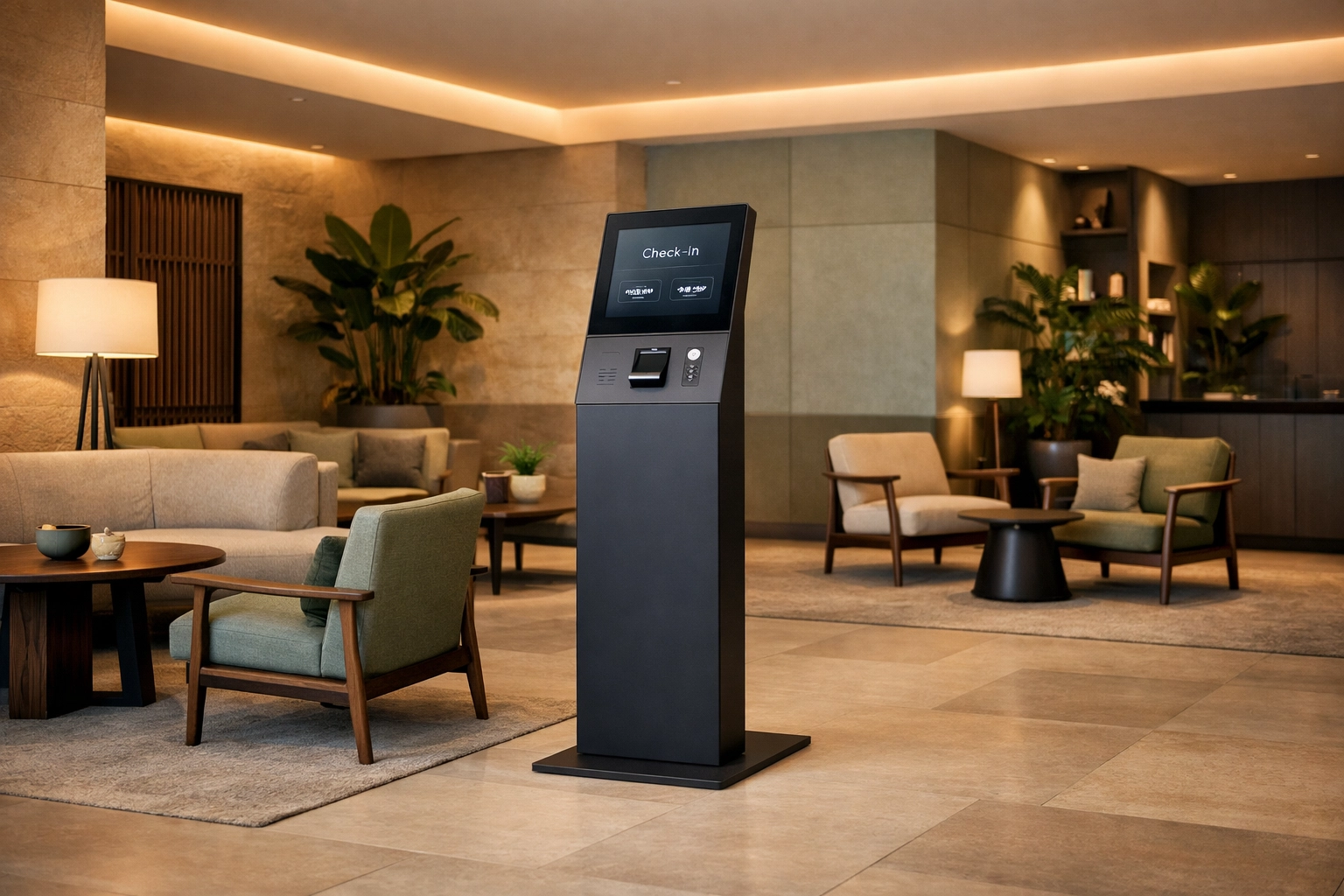
    Believe it or not, self-check-in kiosks are revenue drivers. They reduce wait times and free up your staff to focus on high-value guest interactions. Even better, kiosks can be programmed to offer room upgrades during the check-in flow: a moment when guests are often most willing to treat themselves.

    Cloud-native flexibility

    Mews is built for this. Being cloud-native means you can manage your revenue from anywhere. Whether you're in the back office or on a beach, you have total control over your property’s financial health.

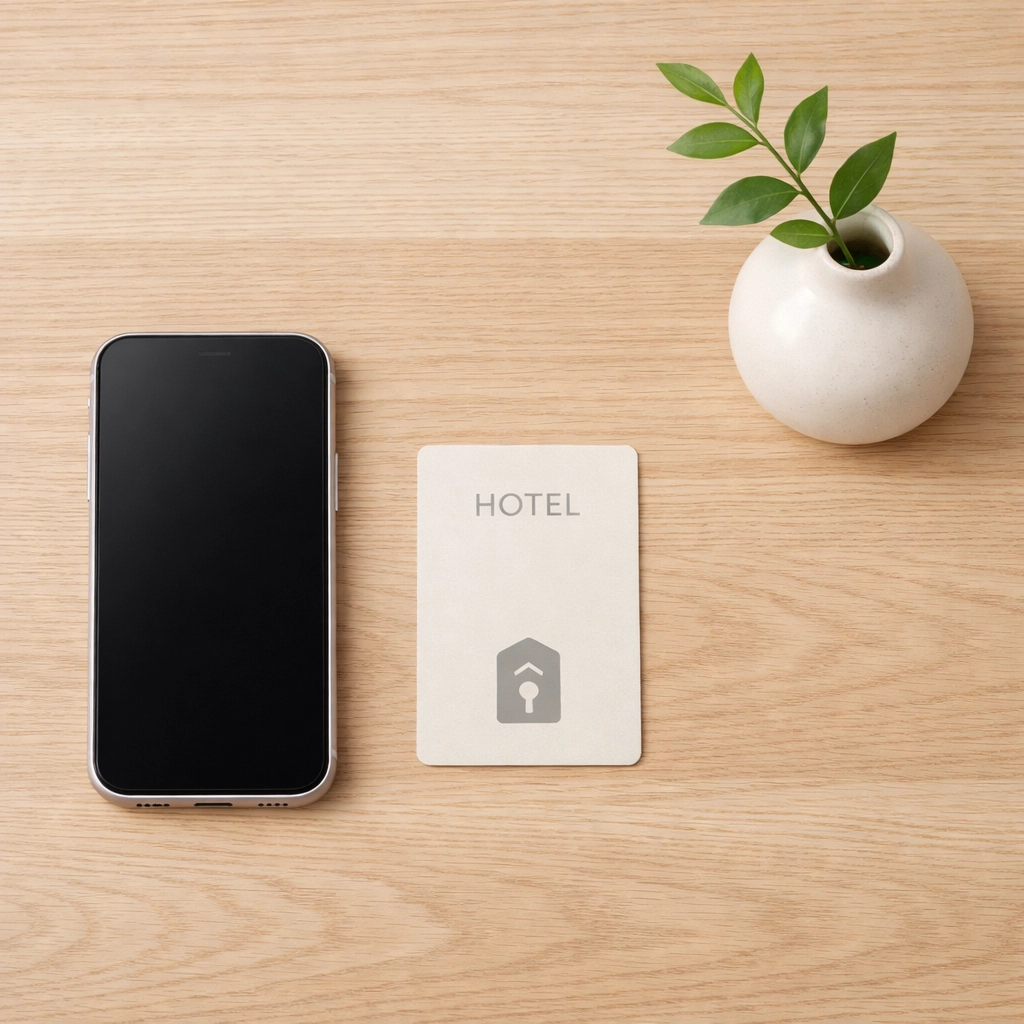
    Smartphone and hotel key card on a desk highlighting cloud-native hotel pms mobility.

    Getting started: Your 30-minute plan

    You don't need a PhD in economics to start. You just need the right tools and a proactive mindset.

    1. Audit your current rates. Are you still using seasonal blocks? It's time to break them down.
    2. Connect your tools. Ensure your hotel pms is feeding clean data to your RMS and channel manager.
    3. Set your rules. Define your pricing boundaries and let the automation take over.

    Ready to see how the world’s most innovative hotels are scaling their revenue? You can get started today. Explore the possibilities at Mews.

    The Mews advantage

    We think hospitality should be about the guest, not the software. Our platform is designed to be easy to use and relentlessly focused on automation.

    • 12,500+ properties trust us to power their operations.
    • 20% average increase in direct booking value for our users.
    • Zero manual updates required for pricing across integrated channels.

    Revenue management isn't a project you finish; it's a culture you build. By moving away from manual tasks and embracing AI-driven insights, you’re not just managing a hotel. You’re building a high-performance business.

    Modern hotel lobby featuring a self-check-in kiosk for efficient automated guest arrival.

    A new perspective on profit

    Stop thinking about what a room "costs." Start thinking about what the market is willing to pay.

    When you combine a powerful hotel pms with smart automation and a guest-centric approach, the results follow. You'll see higher ADR, better occupancy, and a team that isn't burnt out by data entry.

    It's time to step into the future of hospitality. It’s time to let AI do the heavy lifting so you can focus on what matters most: your guests.

    See what Mews can do for your property. It’s time to automate your success and get you earning revenue in no time.

    For more information and to join the community of forward-thinking hoteliers, visit this link.

  • Why an AI Virtual Assistant for Business Will Change the Way You Scale Forever

    Why an AI Virtual Assistant for Business Will Change the Way You Scale Forever

    You’re staring at a screen that’s mostly red notifications.

    It’s 4:00 PM on a Tuesday, and you’ve spent the last four hours doing things that a well-trained golden retriever could probably handle. Data entry. Scheduling. Following up on invoices that were due three days ago. You’re a business owner, a visionary, a leader… and yet, here you are, manually moving rows in a spreadsheet like it’s 1998.

    You want to scale. You want to grow. But every time you add a new client, your workload doesn't just increase, it explodes. You feel like you're trying to build a skyscraper with a plastic shovel.

    There’s a better way. And it doesn't involve hiring ten more people you have to manage.

    WORKFLOW AUTOMATION FOR SMALL BUSINESS: STOP DOING THE BUSY WORK

    7:00 AM. The day begins.

    Usually, this is when the panic sets in. You check your phone, and the "to-do" list is already screaming at you. But today is different. While you were sleeping, things happened.

    Leads were captured. Emails were sorted. Your calendar was cleaned up.

    This is the power of workflow automation for small business. It’s the invisible hand that moves the gears while you’re busy dreaming about your next big move. Most small business owners think "automation" is some high-level enterprise jargon meant for companies with 500+ employees.

    It’s not. It’s for you. Especially if you’re tired of being the bottleneck in your own company.

    Workflow automation for small business turning messy office paperwork into organized digital data.

    THE DEATH OF THE "BUSY WORK" VORTEX

    You know the vortex. It’s that series of tasks that feel productive but actually move the needle zero inches.

    • Checking if a client paid.
    • Copying contact info from a form into your CRM.
    • Sending the "Just checking in!" email for the fifth time.

    When you implement workflow automation, these tasks don't just get faster, they disappear. Imagine a world where every time a new lead hits your website, they’re automatically tagged, sent a welcome kit, and booked into your calendar based on your real-time availability.

    No manual input. No human error. No "I'll get to that tomorrow."

    SCALING WITHOUT THE GROWING PAINS

    The biggest trap in business is thinking that growth requires more heads. More heads equal more salaries, more overhead, and more personalities to manage.

    With an ai virtual assistant for business, you scale your output, not your headcount. You can handle double the volume of work without adding a single dollar to your payroll. It’s about being lean. It’s about being fast.

    If you’re ready to see how this actually works in the real world, you should probably check out what Scott is building here.


    WHY YOUR BUSINESS NEEDS AN AI VIRTUAL ASSISTANT (BEFORE YOUR COMPETITORS GET ONE)

    📱 11:00 AM. The peak of the storm.

    Your phone buzzes. A potential client wants a quote. Another wants to know why their login isn't working. In the old world, you’d have to stop what you’re doing, likely something that actually generates revenue, and play support tech.

    But you don't. Because your AI assistant is already on it.

    YOUR COMPETITORS AREN'T SLEEPING

    Right now, your biggest competitor is looking for a way to beat you on price or speed. If they find a way to automate their customer service and lead generation before you do, you’re in trouble.

    An ai virtual assistant for business isn't a luxury anymore; it’s a survival tool.

    Think about it. While you’re "out of office" or tucked in for the night, your AI is:

    1. Answering complex customer queries with 100% accuracy.
    2. Identifying which leads are "hot" and which are just tire-kickers.
    3. Generating reports that tell you exactly where your business is leaking money.

    If you’re still doing these things manually, you’re fighting a drone with a sword. It’s not a fair fight.

    AI virtual assistant for business racing across a finish line while competitors struggle in mud.

    24/7 OPERATIONS (WITHOUT THE COFFEE BILL)

    Human beings need sleep. They need breaks. They have "off days" where they’re only 40% productive because they stayed up too late watching Netflix.

    Your AI assistant? It’s a machine.
    It doesn't get tired. It doesn't get "the Mondays." It provides the same high-quality service at 3:00 AM on a Sunday as it does at 10:00 AM on a Wednesday. This transforms you from a local business into a global operation instantly.

    When you use an ai virtual assistant for business, you’re telling the world that your company is always open. That’s how you win.


    THE DAY IN THE LIFE: THE "AFTER" PHOTO

    🔍 2:00 PM. High-level strategy.

    You’re sitting in a coffee shop. Not because you’re "grinding," but because you’re thinking.

    The chaos is gone. The repetitive pings are silent. You just received a notification: “3 new clients onboarded. All documents signed. Welcome sequence initiated.”

    You didn't lift a finger.

    This is the "66% productivity gain" the researchers talk about. When you strip away the administrative weight, you finally have the mental space to actually run your business. You’re looking at data, spotting trends, and planning your next expansion.

    You’re not a manager of tasks anymore. You’re an architect of growth.

    🤝 5:30 PM. The wrap-up.

    The laptop closes. You aren't "taking work home."

    Why? Because the work is already being handled. Your workflow automation for small business setup is currently checking your inventory, updating your books, and prepping your morning briefing for tomorrow.

    You step out of the office feeling… light.

    Relaxed business owner at sunset as workflow automation for small business handles scaling tasks.

    THE HARD TRUTH ABOUT SCALING

    Scaling isn't about working harder. You’re already working as hard as you can. Scaling is about leverage.

    If you keep doing everything yourself, you will hit a ceiling. You might already be hitting it. The only way through that ceiling is to delegate to something that doesn't eat, sleep, or take vacations.

    Marblism is built for this. It’s built for the person who is tired of the "busy work" and ready for the "big work." If you want to see the future of your business, this is where you start.


    QUESTIONS YOU’RE PROBABLY ASKING (THE NO-BS SECTION)

    Is this going to be hard to set up?
    No. We aren't in the 90s. Most automation today is "plug and play." If you can use a smartphone, you can use an AI virtual assistant.

    Will my customers hate talking to a "bot"?
    Not if the bot is actually smart. Modern AI doesn't say "I'm sorry, I didn't understand that." It solves problems. It retrieves data. It feels like talking to a very efficient human who happens to know everything about your business.

    Is it expensive?
    What’s more expensive: a monthly subscription to an AI platform, or the 20 hours a week you’re currently wasting on data entry? Do the math. The ROI is usually visible within the first 14 days.

    Do I need a developer?
    Usually, no. But if you want something truly custom and powerful, that’s where we come in.


    🌙 9:00 PM. Total peace.

    Your phone sits on the nightstand. It’s quiet.

    But behind the scenes, Penny is organizing. Stan is finding new leads. The system is humming.

    You aren't worried about tomorrow morning because tomorrow morning is already organized. You’ve stopped trading your time for money and started trading your vision for scale.

    The busy work is dead. Long live the growth.

    Stop juggling. Start scaling.

    Take the first step toward a business that runs itself.

    Scaling Shouldn't Be This Easy. But Here We Are.

  • Stop Wasting Time on Mindless Admin: Try These 5 AI Business Automation Hacks

    Stop Wasting Time on Mindless Admin: Try These 5 AI Business Automation Hacks

    ☕ 7:00 AM.

    The sun isn't even fully up, but your brain is already redlining. You’re lying in bed, staring at the ceiling, mentally sorting through the 47 tabs you left open in your mind last night.

    Invoices that need chasing…

    Customer emails sitting in the inbox like ticking time bombs…

    That spreadsheet you promised yourself you’d update three days ago…

    It’s the "small business owner" tax. You didn't start your company to become a world-class data entry clerk or a professional email-replier. You started it to build something. To create. To lead. But here you are, drowning in the shallow end of the admin pool.

    It’s heavy. It’s constant. And quite frankly? It’s boring as hell.

    But imagine this for a second…

    You wake up. You take a slow, deliberate sip of coffee. You check your phone. But instead of a wall of chaos, you see a notification that three new leads were qualified while you slept. Your customer support tickets? Handled. Your data reports? Already sitting in your Slack channel, formatted and ready for a quick glance.

    The chaos is gone before you even take your first sip.

    Scaling shouldn't be this hard. And with the right AI virtual assistant for business, it isn't.

    Let’s stop the bleeding. Here are five AI business automation hacks that will give you your life back.


    1. THE 24/7 GATEKEEPER: AUTOMATE CUSTOMER SUPPORT WITH AI

    📱 9:00 AM.

    Your day officially starts. Usually, this is when the "support avalanche" hits. You spend the first two hours of your day answering the same three questions over and over again. "Where is my order?" "What’s your pricing?" "Can I get a refund because I didn't read the terms?"

    It’s a loop. A soul-crushing, time-sucking loop.

    Stop being the human shield for your inbox. You can automate customer support with AI without sounding like a glitchy 1990s chatbot. Modern AI assistants can handle the heavy lifting of routing calls, answering complex questions, and even booking meetings while you’re out for lunch.

    Illustration of a robot with a headset to automate customer support with AI for small businesses.

    They don't get tired. They don't have "bad Mondays." They just work. By deploying an AI assistant, you’re not just saving time, you’re providing a better experience. Customers get answers in seconds, not hours.

    You just send a thumbs-up and move on to the big stuff. If you want to see how this looks in the real world, check out what we're doing at Marblism. We help you turn that manual mountain into a molehill.

    2. THE DIGITAL GLUE: CONNECT YOUR APPS INTO ONE BRAIN

    📂 11:30 AM.

    You’re jumping between Salesforce, Slack, and your email. You’re copy-pasting data like a human bridge. It’s tedious. It’s where mistakes happen. A typo here, a missed lead there… and suddenly you’ve lost a four-figure deal because you were too busy clicking "Ctrl+C."

    Stop juggling.

    Use workflow automation platforms to link your entire tech stack into a single, unified workflow. Think of tools like Zapier as the digital glue for your business. Instead of manually moving data, you build automated sequences.

    • New lead in your CRM? The AI drafts a personalized welcome email.
    • Meeting finished? The AI summarizes the transcript and posts the action items in Slack.
    • Payment received? The invoice is filed, and the project folder is automatically created.

    It’s quiet , organized. You’re no longer the bridge. You’re the architect.

    3. THE MIND READER: AUTOMATED DATA REPORTS AND INSIGHTS

    📊 1:00 PM.

    Lunchtime. Usually, this is when you’d try to "crunch the numbers." You open a spreadsheet, look at 500 rows of data, and your eyes glaze over. You know there’s a trend in there. You know something is working (or failing), but you’re too exhausted to find it.

    Let the AI do the math.

    Digital tablet showing rising trends and automated data reports through AI business automation.

    You can set up AI systems to collect and organize customer data automatically. These systems don’t just store data; they interpret it. They generate real-time reports that tell you exactly what’s happening.

    "Hey, we noticed a 20% spike in support requests after that last update."
    "Your most profitable leads are coming from LinkedIn, not Facebook."

    You don’t have to go hunting for the "why." The AI brings it to you. It’s like having a Chief Data Officer who works for pennies and never sleeps. This is how you stop guessing and start growing.

    4. THE HUNTER: AUTOMATE LEAD GENERATION AND OUTREACH

    🔍 3:00 PM.

    The afternoon slump hits. This is usually when you’d start "prospecting." Clicking through LinkedIn profiles. Sending "cold but hopefully warm" emails. It feels like throwing spaghetti at a wall in the dark.

    Instead, deploy an AI virtual assistant for business to do the hunting for you.

    These AI agents can scrape the web, categorize leads by quality, and, here’s the kicker, generate personalized outreach emails based on actual research. They don't just send "Hey [Name], check us out." They mention the prospect's recent project or a specific pain point they've shared online.

    It combines lead discovery, qualification, and initial contact into one continuous loop. While you’re focusing on closing deals, your AI "Hunter" is filling the top of the funnel.

    Scaling shouldn't be this exhausting. But here we are. Or rather, here you were. Now? You’re just watching the leads roll in. If you're ready to stop the manual hunt, see how Marblism can automate the chase for you.

    5. THE INTERNAL BRAIN: YOUR TEAM’S KNOWLEDGE ASSISTANT

    🤝 4:30 PM.

    Your team is pinging you.
    "What's our policy on X?"
    "Where do I find the logo files?"
    "How do we handle this specific type of refund?"

    You’re the bottleneck. Every time you answer an internal question, your focus shatters. It takes 23 minutes to get back into "the zone" after a distraction. You’re losing hours every day just being a human encyclopedia.

    Build an AI Knowledge Assistant.

    A mechanical brain acting as an AI virtual assistant for business to manage team knowledge.

    Upload your documentation, your SOPs, and your company policies into a private AI chatbot. When your team has a question, they ask the bot.
    "Stan's finding the info he needs."
    "Eva organizes the files."
    "Penny's behind it all."

    The AI provides instant, accurate answers using your company’s voice and data. It reduces repetitive requests to zero. Your team gets faster answers, and you get your afternoon back.


    EMPLOYEE OF THE MONTH. EVERY MONTH.

    "I used to spend three hours a day just sorting through support tickets. Now, I spend about fifteen minutes checking the summaries my AI assistant provides. I actually have time to think about strategy again." , Mark, E-commerce Founder

    "The lead gen automation was a game-changer. We went from 10 leads a week to 50, and I haven't changed my daily schedule at all." , Sarah, Agency Owner


    STOP JUGGLING. START BUILDING.

    🌙 8:00 PM.

    The lights are off in the office. You’re home.

    But for the first time in months, your brain isn't running a mental inventory of everything you forgot to do. You aren't checking your email under the dinner table.

    You’re present.

    The mindless admin? It’s handled. The customer support? It’s flowing. The growth? It’s happening in the background while you wind down.

    Automation isn't about replacing people. It’s about replacing the parts of your job that make you feel like a machine. It’s about reclaiming your humanity so you can do the work that actually matters.

    You’ve done the hard part. You built the business. Now, let AI help you run it.

    Ready to see how much time you’re actually wasting? Click through this 3-min interactive demo at Marblism and see your future without the fluff.

    FAQ: THE NO-BS ANSWERS

    Is AI hard to set up?
    No. Most of these tools are "no-code." If you can use a smartphone, you can set up a basic automation.

    Will it sound like a robot?
    Only if you want it to. Modern AI can be trained on your specific brand voice. It can be witty, professional, or casual, just like you.

    Is it expensive?
    Compared to the cost of your time? Not even close. Most of these hacks cost less per month than your daily latte habit.

    Can I start small?
    Yes. Pick one pain point: like customer support: and automate that first. You’ll see the ROI in days, not months.

    The chaos is optional…

    Visit Marblism to get started.

  • The Ultimate Guide to Brewing Better Coffee at Home: Everything You Need to Succeed

    The Ultimate Guide to Brewing Better Coffee at Home: Everything You Need to Succeed

    So, you’ve decided to take the plunge into the world of home brewing. Perhaps you’re tired of the "burnt toast" flavour of supermarket pre-ground, or maybe you’ve had a life-changing flat white at a local shop and thought, “I want to do that.”

    Whatever the reason, we’re glad you’re here. Brewing incredible coffee at home isn't some dark art reserved for people with waistcoats and precision-engineered moustaches. It’s actually quite simple once you understand the basic principles. Here at Limini Coffee, we believe that everyone deserves a spectacular cup of coffee every single morning, and we’re going to help you get there.

    If you're looking to upgrade your beans right now, you can find our full range of speciality roasts over at Limini Coffee. Trust us, starting with the right fuel is half the battle.


    The Foundations: Why Most Home Coffee Tastes… Meh

    Before we get into the gear, we need to talk about why home coffee often fails to live up to the hype. Usually, it comes down to four main culprits: old beans, bad water, inconsistent grinding, and "guesstimating" measurements.

    Coffee is an agricultural product. Once it’s roasted, the clock starts ticking. Within a few weeks, those beautiful volatile aromatics start to fade. If you’re buying bags off a supermarket shelf that have been sitting there since the last leap year, you’re never going to get that vibrant, "pop" of flavour you find in a speciality cafe.

    And then there’s the water. Think about it: a cup of coffee is about 98-99% water. If your water tastes like a swimming pool or is incredibly hard, your coffee will suffer. We’ll dive deeper into that in a bit, but for now, just remember: fresh is best.


    The Golden Rules of Extraction

    "Extraction" is a word you’ll hear a lot in the speciality world. Basically, it’s just the process of water dissolving the flavours from the coffee grounds.

    If you under-extract, your coffee will taste sour, salty, and thin.
    If you over-extract, it becomes bitter, dry, and astringent.

    Our goal is to find that "sweet spot" in the middle where the acidity is balanced by sweetness and a clean finish. To hit that spot consistently, you need to control your variables.

    1. The Ratio (The Recipe)

    Stop using "scoops." A scoop of a dark roast weighs much less than a scoop of a light roast because the beans are more porous. If you want consistency, you need to weigh your coffee and your water.

    A great starting point for most filter methods (Pour-over, French Press, Aeropress) is a 1:16 ratio. That’s 1 gram of coffee for every 16 grams of water. If you’re feeling lazy (we’ve all been there), you can use our coffee brewing calculator to do the math for you.

    2. Temperature

    We generally recommend brewing between 88°C and 95°C (190°F – 203°F). If you don't have a temperature-controlled kettle, just let your kettle sit for about 30 to 60 seconds after it finishes boiling.

    Boiling water (100°C) can sometimes be a bit too aggressive, especially for darker roasts, leading to that "burnt" taste we’re trying to avoid. On the flip side, if the water is too cool, it won’t have enough energy to pull out the sugars, leaving you with a flat, sour cup.

    Precision coffee brewing using a gooseneck kettle, ceramic dripper, and digital scale on a kitchen counter.


    The Must-Have Gear for Home Baristas

    You don't need to spend thousands of pounds to make great coffee. However, there are a few items where we think spending a little more makes a massive difference in the cup.

    The Burr Grinder

    If you only buy one piece of equipment, make it a burr grinder. Blade grinders (the ones that look like little food processors) don't actually grind; they smash the beans into uneven shards. You’ll end up with big chunks (under-extracting) and fine dust (over-extracting) in the same brew. It’s a mess.

    A burr grinder uses two revolving surfaces to "crush" the beans to a uniform size. Consistency is the name of the game here. Whether you're using a hand grinder or an electric one, a burr mechanism is non-negotiable.

    Digital Scales

    As we mentioned, weighing your coffee is the only way to ensure that Tuesday’s brew tastes as good as Monday’s. Any digital scale with a 0.1g or 1g increment will work perfectly. It’s a small investment that pays off instantly.

    The Kettle

    If you’re into pour-over coffee, a gooseneck kettle is extremely helpful. It allows you to control the flow and placement of the water with precision. If you’re just doing French Press, a standard kettle is fine, though we still recommend checking out the range of equipment over at Limini Coffee to see what fits your style.


    Choosing Your Brewing Method

    There is no "best" way to brew coffee: only the way that fits your lifestyle and taste preference. Let’s look at the heavy hitters.

    The French Press (The Reliable Friend)

    The French Press is a "full immersion" method. The coffee sits in the water for the entire brew time.

    • Vibe: Heavy body, textured mouthfeel, very reliable.
    • The Secret: Use a coarse grind (like sea salt) and let it steep for at least 4 minutes. We actually prefer a 5-6 minute steep for a cleaner cup. Don't be afraid to wait!

    The Pour-Over (The Flavor Chaser)

    Whether it’s a V60 or a Chemex, pour-overs use a paper filter to catch the oils and fine particles.

    • Vibe: High clarity, tea-like body, highlights fruity and floral notes.
    • The Secret: Use a medium-fine grind and pour in slow, concentric circles. It takes a bit of practice, but the results are incredibly rewarding.

    The AeroPress (The Travel Buddy)

    The AeroPress is indestructible and incredibly versatile. You can make anything from a concentrated "espresso-style" shot to a clean filter cup.

    • Vibe: Forgiving, fast, and great for people who like to experiment.

    Various coffee brewing methods including a French press, V60, and AeroPress displayed on a rustic oak table.


    Let’s Talk About Espresso

    Espresso is the "final boss" of home coffee. It requires more precision, more expensive gear, and a bit more patience. If you’re thinking about going down the espresso rabbit hole, we have a whole guide on choosing espresso equipment to help you avoid the common pitfalls.

    When brewing espresso, things like tamping and understanding crema become vital. It’s a steeper learning curve, but there is nothing quite like pulling a perfect, syrupy shot of our single-origin beans in your own kitchen. You can browse our espresso-friendly roasts here.


    Water: The Hidden Ingredient

    We mentioned this earlier, but it’s worth repeating. If your tap water tastes bad, your coffee will taste bad. In many parts of the UK, the water is "hard" (full of minerals like calcium and magnesium). While some minerals are actually good for extraction, too many will result in a chalky, dull cup and will eventually scale up your equipment.

    We recommend using a simple water filter jug (like a Brita) at the very least. If you want to get really nerdy, you can look into bottled water with a low mineral content or even "third-wave water" packets that you add to distilled water. It might sound overkill, but the difference in flavour clarity is often shocking.

    For a deeper dive into the science of how water interacts with other ingredients, you might find our understanding milk article interesting: the principles of chemistry are quite similar!


    Sourcing Your Beans

    You can have a £3,000 espresso machine and a master’s degree in chemistry, but if your beans are low quality, the coffee will be mediocre.

    We take sourcing our coffee very seriously. We look for beans that have a story, a clear origin, and most importantly, incredible flavour. When you buy from a speciality roaster like Limini Coffee, you aren't just getting caffeine; you’re getting the result of a long chain of care: from the farmer to the roaster to you.

    How to Read a Coffee Label

    When you’re looking at a bag of speciality coffee, keep an eye out for:

    • Roast Date: Within the last 2-4 weeks is the sweet spot.
    • Origin: Is it a single origin (from one farm/region) or a blend?
    • Process: Washed coffees are usually cleaner and more acidic; Natural process coffees are often funkier and fruitier.
    • Tasting Notes: These aren't added flavours; they are natural characteristics. If it says "Milk Chocolate and Caramel," expect a crowd-pleaser. If it says "Bergamot and Jasmine," get ready for something light and floral.

    Freshly roasted speciality coffee beans spilling out of a craft paper bag, highlighting quality and aroma.


    Troubleshooting Your Brew

    Is your coffee not quite right? Don’t panic. Here’s a quick cheat sheet:

    • Too Bitter? Your grind might be too fine, or your water too hot. Try grinding a bit coarser next time.
    • Too Sour? Your grind is likely too coarse, or your water was too cool. Try a finer grind to increase extraction.
    • Tastes Weak? You might need more coffee! Check your ratio and make sure you aren't using too much water.
    • Tastes "Muddy"? This is often a sign of a poor-quality grinder producing too many "fines" (tiny dust particles).

    Practice Makes Perfect (And Training Helps!)

    Brewing better coffee is a journey. You’ll have days where you make the best cup of your life, and days where you accidentally forget to put the filter in (we've all done it). The beauty is in the process.

    If you really want to fast-track your skills, we offer a range of barista training and an overall training overview for those who want to turn their passion into a professional skill. We love meeting home brewers and helping them unlock the full potential of their equipment.

    So, what are you waiting for? Grab some fresh beans from Limini Coffee, dust off that French Press, and start brewing. We think you'll find that once you go speciality, there's no going back.

    Happy brewing! 🙂