Blog

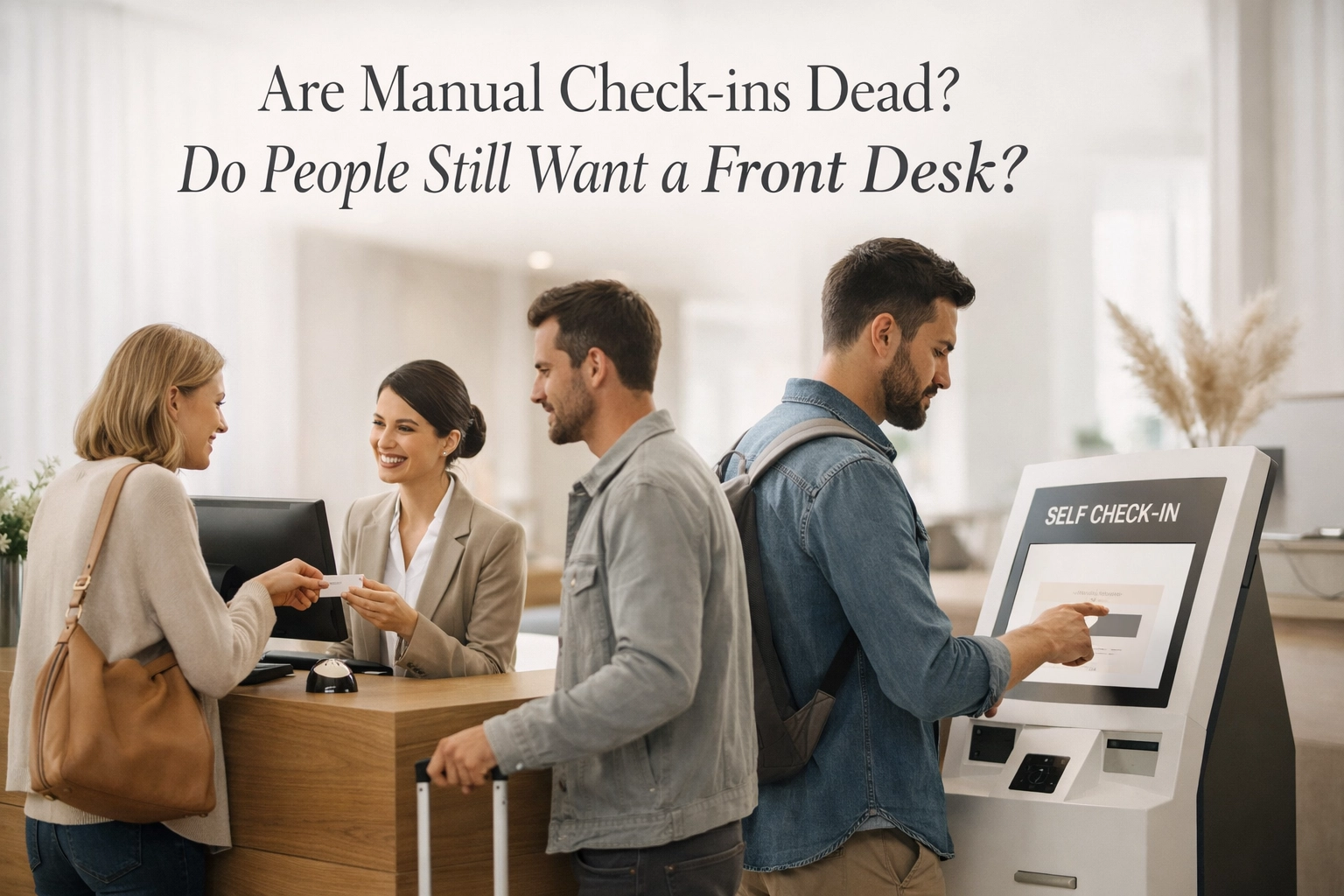
  • Are Manual Check-ins Dead? Do People Still Want a Front Desk?

    Are Manual Check-ins Dead? Do People Still Want a Front Desk?

    Eliminate the queue. Elevate the experience. Empower your team.

    The traditional hotel lobby is changing. For decades, the front desk was a massive wooden barricade: a physical and psychological wall between the guest and their room. You arrived, you waited, you handed over a credit card, and you watched someone type for ten minutes.

    In 2026, that era is over.

    We believe hospitality is about people, not paperwork. The "manual" check-in isn't just slow; it’s an outdated friction point that modern travelers no longer tolerate. But does that mean the front desk is dead? Not quite. It’s just being reborn as something much more valuable.

    The data doesn't lie: Digital is the new standard

    The shift isn't a prediction: it's already happened. Currently, 73% of guests actively prefer hotels that offer mobile check-in services. They don't want to stand in line after a ten-hour flight. They want to go straight to their room, drop their bags, and start their journey.

    The numbers tell a compelling story of guest autonomy:

    • 67% of Hilton Diamond members now choose mobile check-in over the front desk counter.
    • 60% of guests at Ace Hotel opt for mobile-only access.
    • 75% of all travelers are willing to use automated systems to skip the traditional lobby experience.

    When your most valuable, frequent guests are telling you they’d rather interact with their phone than your staff for a transaction, it’s time to listen. We think the reason is simple: guests value their time more than a scripted "how was your flight?" conversation.
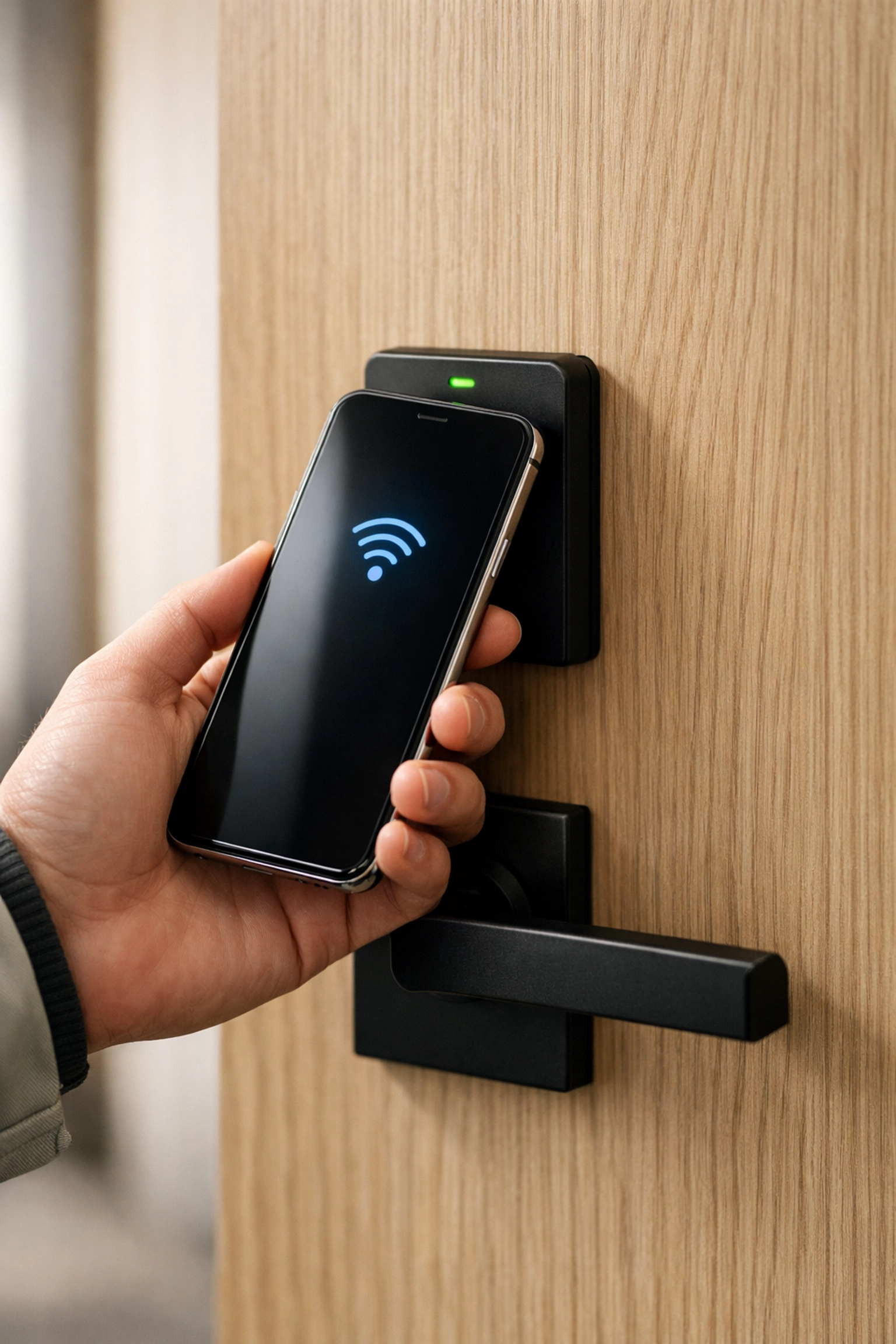
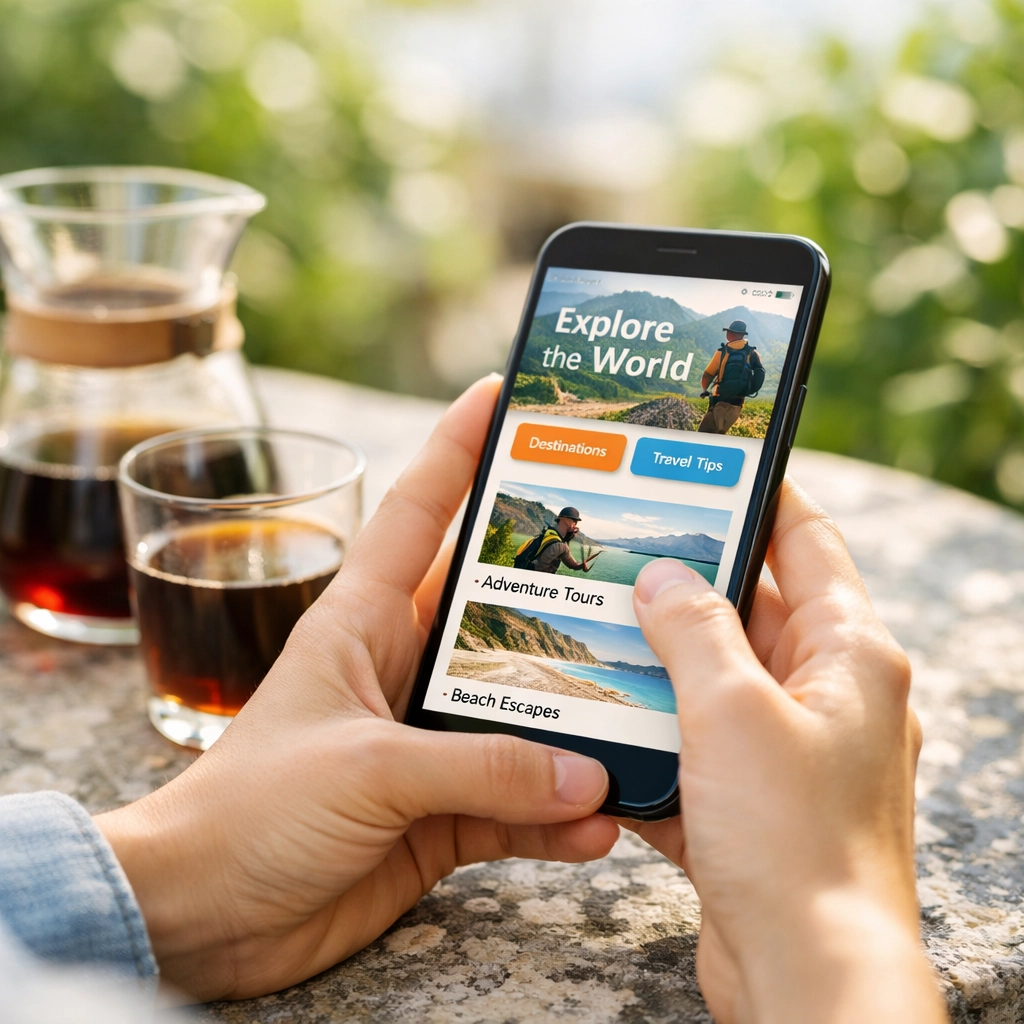
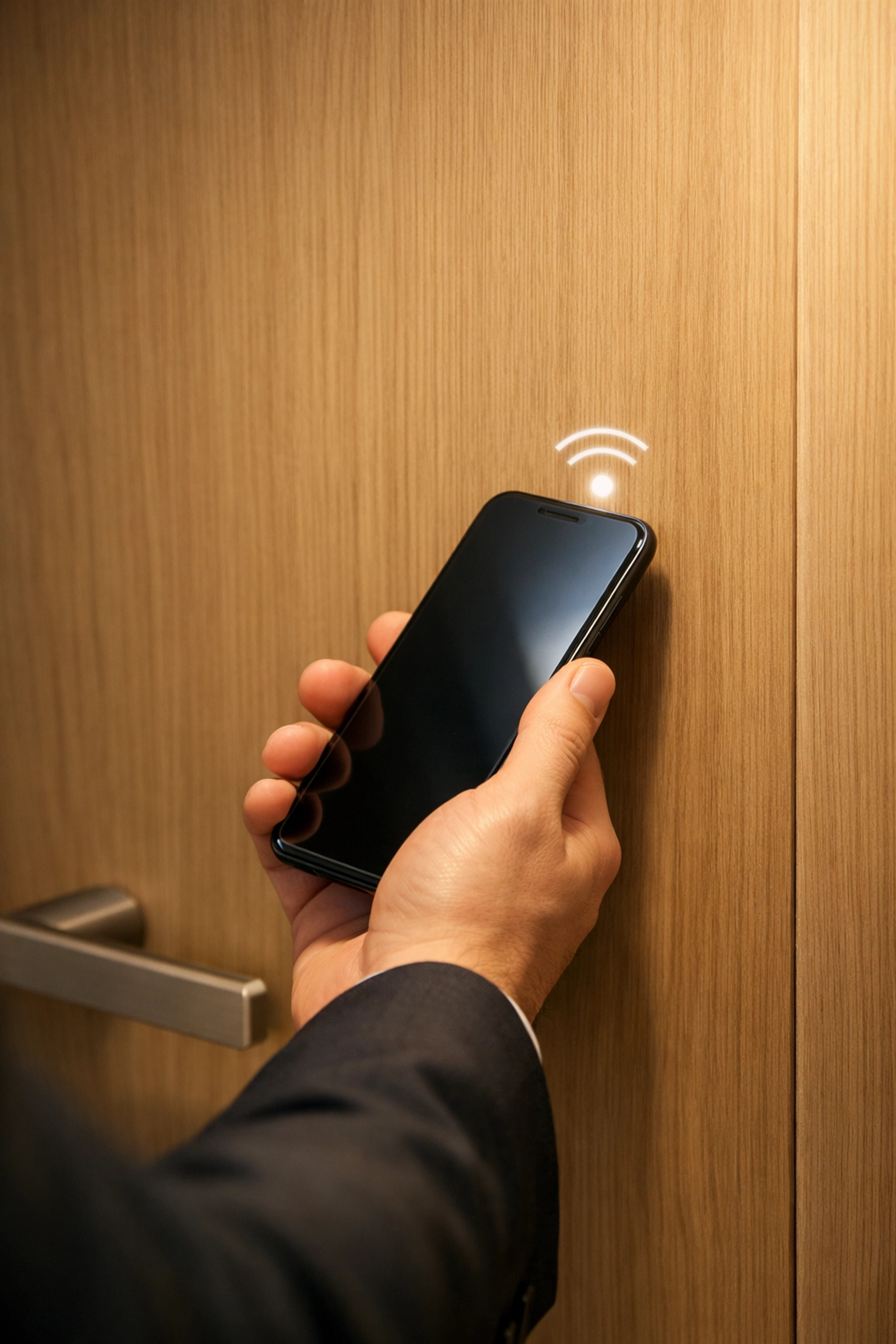
    A guest uses a digital key on a smartphone to unlock a modern hotel room door, skipping the front desk.

    Why the "Transactional Desk" is failing

    For too long, the front desk has been a processing center. It was a place for data entry, ID verification, and payment processing. This is a waste of your most expensive and talented resource: your people.

    When a guest stands at a desk for 12 minutes while a staff member stares at a screen, no hospitality is happening. That’s just administration.

    We believe the transactional desk is dying because:

    1. It’s a bottleneck. Peak check-in times (3:00 PM to 5:00 PM) create crowds, stress, and poor first impressions.
    2. It’s prone to error. Manual data entry leads to misspelled names, incorrect emails, and billing nightmares.
    3. It’s expensive. Staffing a desk purely to swipe cards is an inefficient use of labor in a tight market.

    By moving these tasks to a cloud-native platform like Mews, you move the friction out of the lobby and into the guest's pocket. You can explore how this works by visiting Mews.

    The front desk isn't gone: it's transformed

    If manual check-ins are dying, what happens to the front desk? It evolves from a processing hub into a relationship center.

    In 2026, the best hotels are blending digital speed with authentic human touchpoints. Instead of a massive desk, we’re seeing "roaming" hosts equipped with tablets. Instead of a queue, we’re seeing "welcome lounges" where the first interaction is a glass of water or a local snack, not a request for a passport.

    The front desk is becoming a concierge-first space. When the staff isn't tethered to a desktop computer, they are free to:

    • Walk the guest to the elevator.
    • Provide hyper-local recommendations.
    • Solve complex problems that AI can’t handle.
    • Focus on high-value guest interactions.

    We’ve seen that when hotels shift to this model, front desk processing time drops from 12 minutes to under 3 minutes for verification-only guests. That’s nine minutes of reclaimed time per guest to build a real connection.

    Hotel staff using a mobile tablet to assist guests in a modern, deskless lobby lounge and reception area.

    The operational win: Efficiency by the numbers

    Moving away from manual check-ins isn't just about making guests happy; it’s about making the business work better. The hospitality industry is facing unprecedented labor challenges. Automation isn't about replacing people: it's about making the people you have more effective.

    Hotels that embrace a digital-first arrival experience see massive operational gains:

    • 30% reduction in front desk staff costs during peak hours.
    • 100% accuracy in data collection through guest-facing web check-ins.
    • Instant upsell opportunities integrated into the check-in flow (room upgrades, early check-ins, breakfast).

    We believe that your staff should be hosts, not clerks. When the system handles the boring stuff, your team can focus on making the stay memorable.

    3 steps to transition away from manual check-ins

    You don't have to tear down your lobby tomorrow. The transition to a "deskless" or "hybrid" environment is a journey.

    1. Audit your current arrival flow. Measure how long it actually takes for a guest to get their key. If it’s over five minutes, you have a friction problem.
    2. Implement a mobile-first PMS. Use a platform that allows guests to check in, sign documents, and pay before they ever step foot on your property.
    3. Re-train your team for "The Great Lobby Roam." Teach your staff how to approach guests in the lounge, use mobile tablets, and focus on the "human" elements of the arrival.

    Check out how modern properties are scaling this with Mews hospitality technology.
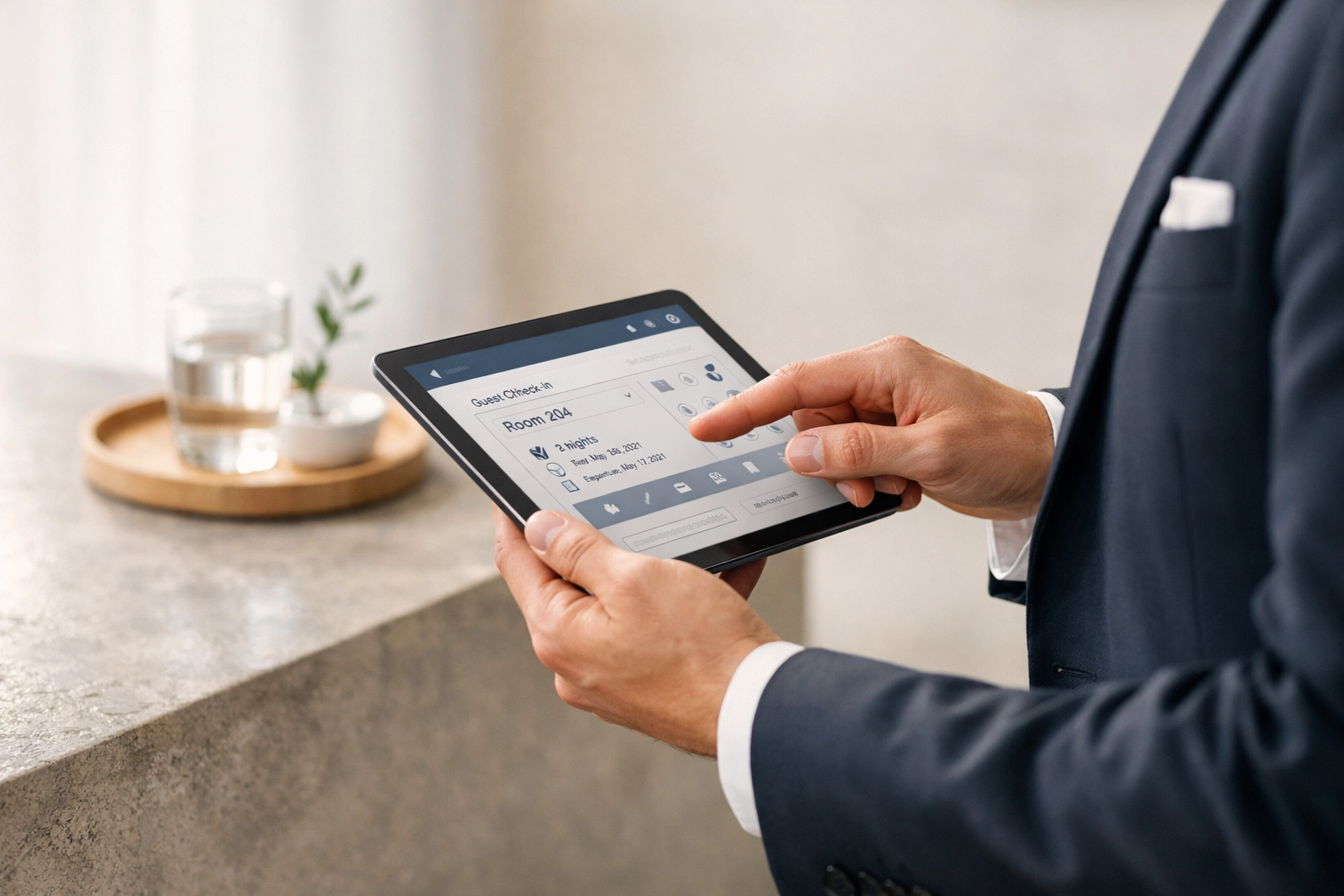
    Hospitality professional using a mobile property management system on a tablet to provide personalized guest service.

    What guests actually want in 2026

    The modern traveler is a study in contradictions. They want total autonomy, but they also want to feel cared for. They want speed, but they also want a sense of place.

    We’ve found that the "Front Desk of the Future" meets these needs by being invisible until it’s needed. Guests want:

    • Seamless payments. No "inserting the card" three times.
    • Digital keys. Using their smartphone to open the door immediately.
    • Instant communication. Messaging the staff via WhatsApp or an app rather than calling the "0" on a landline.

    When you satisfy the need for speed, the guest is much more open to the "magic" of your hospitality. A guest who is frustrated by a 15-minute line won't care about your artisanal welcome cookies. A guest who checked in on the train and walked straight to their room will tell everyone how "easy" and "innovative" your hotel is.

    The verdict: Is the front desk dead?

    The front desk as a transactional barrier is dead.
    The front desk as a service philosophy is more alive than ever.

    We believe the hotels that thrive in the next five years will be the ones that stop forcing guests to follow a 50-year-old check-in process. By embracing automation and digital-first arrivals, you aren't removing the "soul" of your hotel: you're giving your staff the freedom to actually show it.

    The future of hospitality is fast, digital, and deeply human. All from one innovative platform.

    Ready to see how your property can ditch the paperwork and start hosting?

    Get started with Mews today and get you earning revenue in no time.
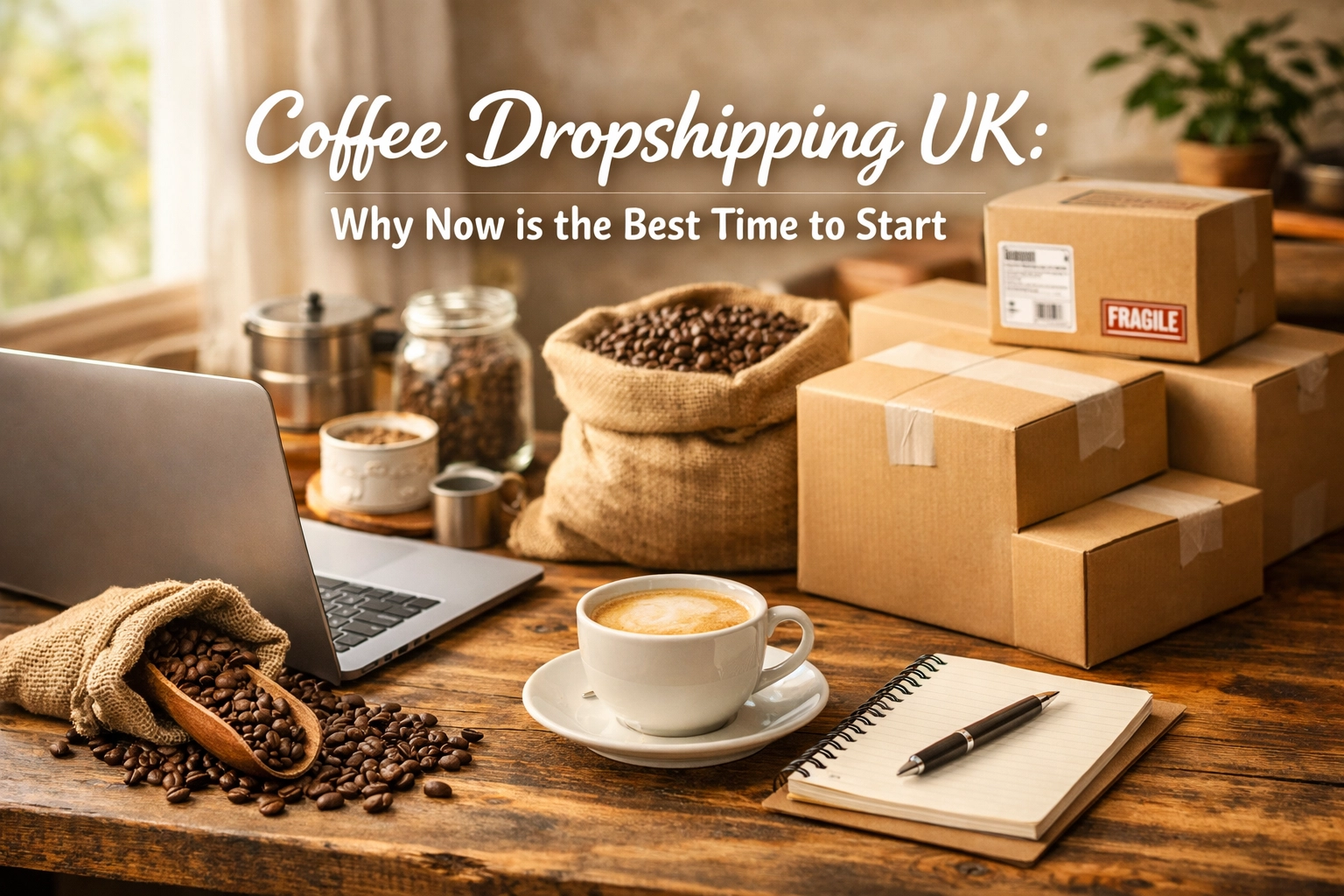
  • Coffee Dropshipping UK: Why Now is the Best Time to Start

    Coffee Dropshipping UK: Why Now is the Best Time to Start

    Have you ever sat in your favourite local coffee shop, watched the steam rise from a perfectly poured flat white, and thought: I wish I could do this, but without the terrifying overheads of a physical shop?

    You aren't alone. The dream of running a coffee empire is a common one, but the reality of commercial leases, expensive espresso machines, and staff management can be enough to put anyone off their morning brew.

    But what if we told you there’s a way to sell world-class speciality coffee without ever touching a bag of beans or owning a single grinder?

    Welcome to the world of coffee dropshipping in the UK.

    It is a market that is currently exploding, and quite honestly, there has never been a more perfect time to jump in. Whether you are looking for a side hustle or a full-blown career change, the stars have aligned for the British coffee entrepreneur. Let’s look at why.


    The UK Coffee Boom: By the Numbers

    Before we get into the "how," we need to look at the "why."

    The UK coffee market isn't just growing; it's evolving. We’ve moved past the era of "any old instant will do." British consumers are becoming increasingly sophisticated. They want to know where their beans come from, who roasted them, and they want them delivered to their doorstep as fresh as humanly possible.

    Currently, the UK dropshipping landscape is worth an estimated £3.2 billion annually. That is a staggering amount of tea: or rather, coffee. With approximately one-third of all UK retail spending now happening online, the digital high street is where the real action is.

    And here is the kicker: 69% of UK consumers now prefer British-made products.

    Post-Brexit, the landscape has shifted. People are wary of surprise customs fees and long shipping times from international sellers. They want local. They want quality. And they are willing to pay a premium for it. In fact, research shows that 88% of UK consumers are happy to pay more for goods made right here in the UK.

    Laptop and fresh coffee on a sunlit desk, representing a UK speciality coffee dropshipping business.


    What Exactly is Coffee Dropshipping?

    If you are new to the term, don't worry. It is a lot simpler than trying to dial in a grind setting on a humid Tuesday morning.

    Basically, dropshipping is a retail fulfillment method where you, the store owner, don't keep the products you sell in stock. Instead, when you sell a bag of coffee on your website, you purchase the item from us: the roaster: and we ship it directly to your customer.

    You focus on the branding, the marketing, and the "theatre" of your business. We handle the sourcing, the roasting, the packing, and the postie.

    At Limini Coffee, we believe this is the ultimate way to start a business. Why? Because the risk is almost zero. You don't have to invest thousands in inventory that might go stale. You only pay for what you sell.

    If you want to see how we handle our beans before they ever get to your customers, you can read about our sourcing process here.


    Why Limini Coffee is Your Perfect Partner

    We aren't just a supplier; we want to be your partner in this journey. We’ve seen many people try to start coffee businesses, and the biggest hurdle is always the initial cost.

    That’s why we’ve made our coffee dropshipping service as accessible as possible.

    • Zero Setup Fees: We don’t charge you a penny to get started with us.
    • No Monthly Charges: You aren't tied into a subscription.
    • Private Labeling: This is the big one. We ship the coffee under your brand. Your logo, your labels, your identity. Your customers will never even know we exist.
    • Speciality Quality: We only roast high-grade speciality coffee. This isn't the dusty stuff you find on the bottom shelf of a supermarket.

    When you work with us, you’re getting the expertise of a professional roastery without the overheads. It’s like having a master roaster in your back pocket.


    The Shift to Mobile and Specialty

    The way people buy coffee has changed.

    Did you know that 60% of UK e-commerce orders are now placed via mobile devices? People are scrolling through Instagram or TikTok, seeing a beautiful bag of coffee, and hitting "buy" before they’ve even finished their current cup.

    This is where your branding comes in. In the dropshipping world, your brand is everything. You aren't just selling caffeine; you’re selling a lifestyle, a morning ritual, or a mid-afternoon pick-me-up.

    Person browsing a mobile coffee store on a smartphone next to a fresh pour-over coffee outdoors.

    Because the barrier to entry is so low, you can afford to be niche. Want to start a brand specifically for hikers who love a pour-over at the summit? You can. Want to target office workers who are tired of the "brown water" in the breakroom? Go for it.

    The speciality coffee market is projected to grow significantly through 2030. People are investing in home brewing equipment: everything from V60s to high-end espresso machines. They need high-quality beans to make those investments worth it.

    If you are curious about what kind of equipment your future customers might be using, take a look at our guide on choosing espresso equipment. It’s important to understand the tools of the trade so you can talk to your customers with confidence.


    How to Get Started (The Easy Way)

    So, how do you actually do it? It’s a lot easier than you might think.

    1. Define Your Brand

    Who are you selling to? Don't try to sell to "everyone." If you try to please everyone, you please no one. Pick a vibe. Is it minimalist and modern? Is it rugged and outdoorsy? Is it colourful and fun?

    2. Set Up Your Online Store

    Platforms like Shopify or WooCommerce make this incredibly simple. You don't need to be a coding wizard. Just a clean design, some great photography (which we can help with), and a clear "Add to Cart" button.

    3. Connect with Limini

    This is where the magic happens. You sign up with us, and we integrate your orders. When someone buys from you, we get a notification, we roast the beans fresh to order, and we send them out.

    4. Marketing and Theatre

    In the coffee world, we talk a lot about "theatre." In a physical shop, that’s the sound of the steam wand and the smell of the grinds. Online, the theatre is your storytelling. It’s your social media posts, your emails, and your blog content.

    We’ve written a bit about the importance of theatre in coffee, and while that article focuses on shops, the principles apply perfectly to online branding too.


    Quality Control: Why Freshness is King

    One of the biggest mistakes new coffee sellers make is buying bulk inventory. Coffee is a fresh agricultural product. The moment it is roasted, the clock starts ticking.

    Oxygen is the enemy of coffee. As soon as those beans leave the roaster, they begin to release CO2 and lose their volatile aromatics.

    By using a dropshipping model with a UK roaster like us, you ensure your customers get coffee that was likely roasted only a day or two before it hits their letterbox. That kind of freshness creates loyal customers. When they open that bag and the aroma fills the room, they’ll be hooked.

    We take freshness seriously. Whether it’s ensuring the crema is perfect or teaching baristas how to tamp correctly, every step of our process is designed to maximise flavour. When you dropship with us, all that expertise becomes part of your brand.

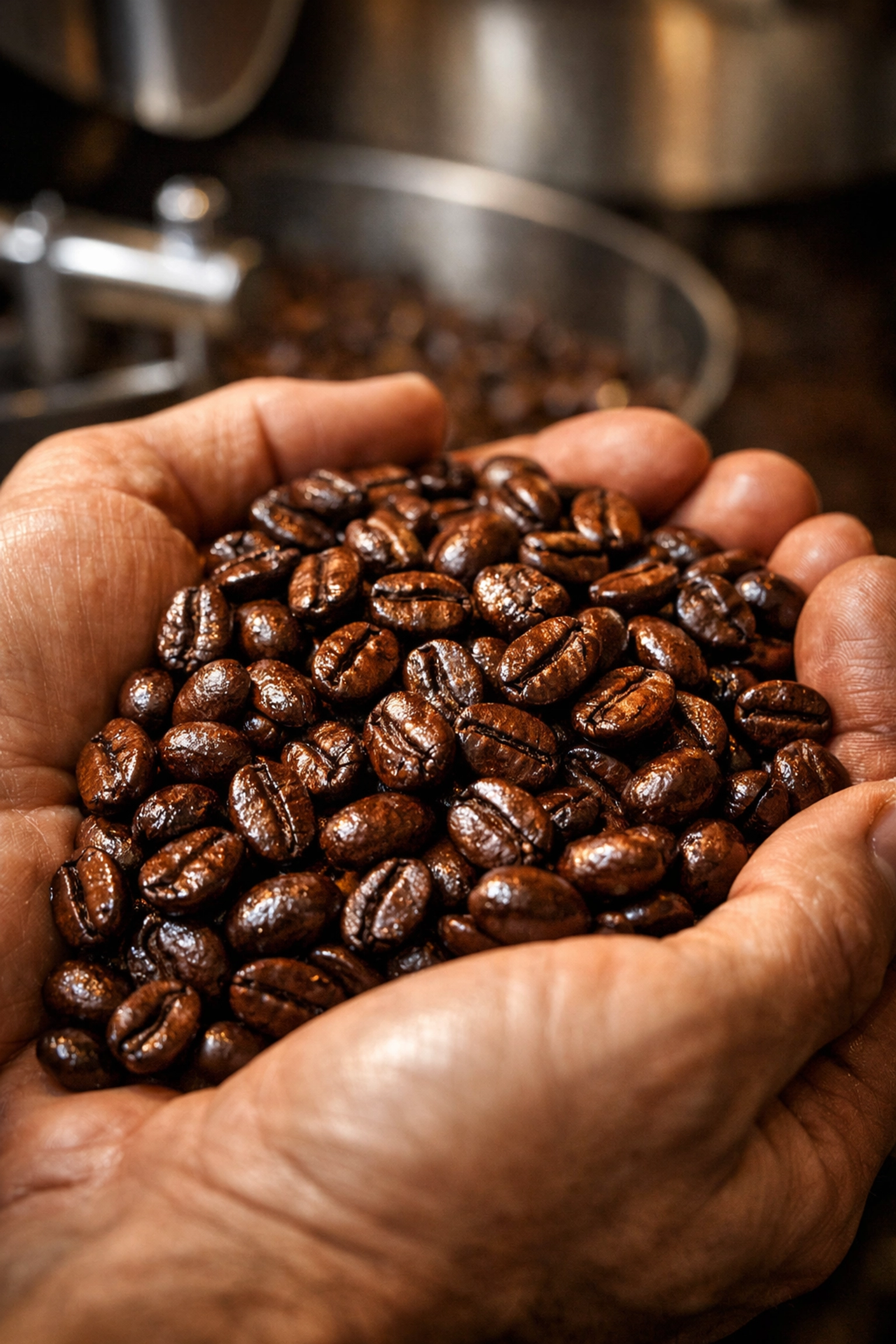
    Freshly roasted speciality coffee beans held in artisan hands, highlighting quality for UK dropshippers.


    Overcoming the "Brexit Barrier"

    We touched on this earlier, but it’s worth repeating because it is a massive competitive advantage for you.

    Shipping coffee from Europe or the US into the UK has become a headache. There are VAT issues, handling fees from Royal Mail, and unpredictable delays at the border.

    When you start a coffee dropshipping business in the UK, using a UK-based roaster, all those problems vanish. Your shipping is faster, your costs are predictable, and your customers are happier.

    Being "British Roasted" is a badge of honour in the current market. Use it. Shout about it in your marketing.


    Is it Right for You?

    Let’s be honest: business is never completely effortless. You still need to put in the work to find your customers and build your brand.

    But compared to the traditional route? It’s a no-brainer.

    Imagine having a business where you don't have to worry about:

    • Espresso machine repairs (which can be quite a nightmare if you don't know what you're doing).
    • Rent and rates.
    • Staffing and training (though we do offer barista training if you ever want to learn the craft for yourself!).
    • Wasted stock.

    You get to focus on the fun part: the coffee and the community.


    Final Thoughts

    The UK’s love affair with speciality coffee isn't a passing fad. It’s a fundamental shift in how we consume one of the world’s most popular beverages.

    By combining the ease of the dropshipping model with the quality of a premium UK roaster, you are positioning yourself at the forefront of this trend.

    So, why now? Because the technology is ready, the suppliers (that’s us!) are ready, and most importantly, the customers are waiting.

    If you are ready to start your own coffee journey, we would love to help you get off the ground. You can find out more about our wholesale and dropshipping options here.

    Let’s roast something amazing together. ☕️

  • AI in Hospitality 101: A Beginner’s Guide to Mastering Guest Personalization

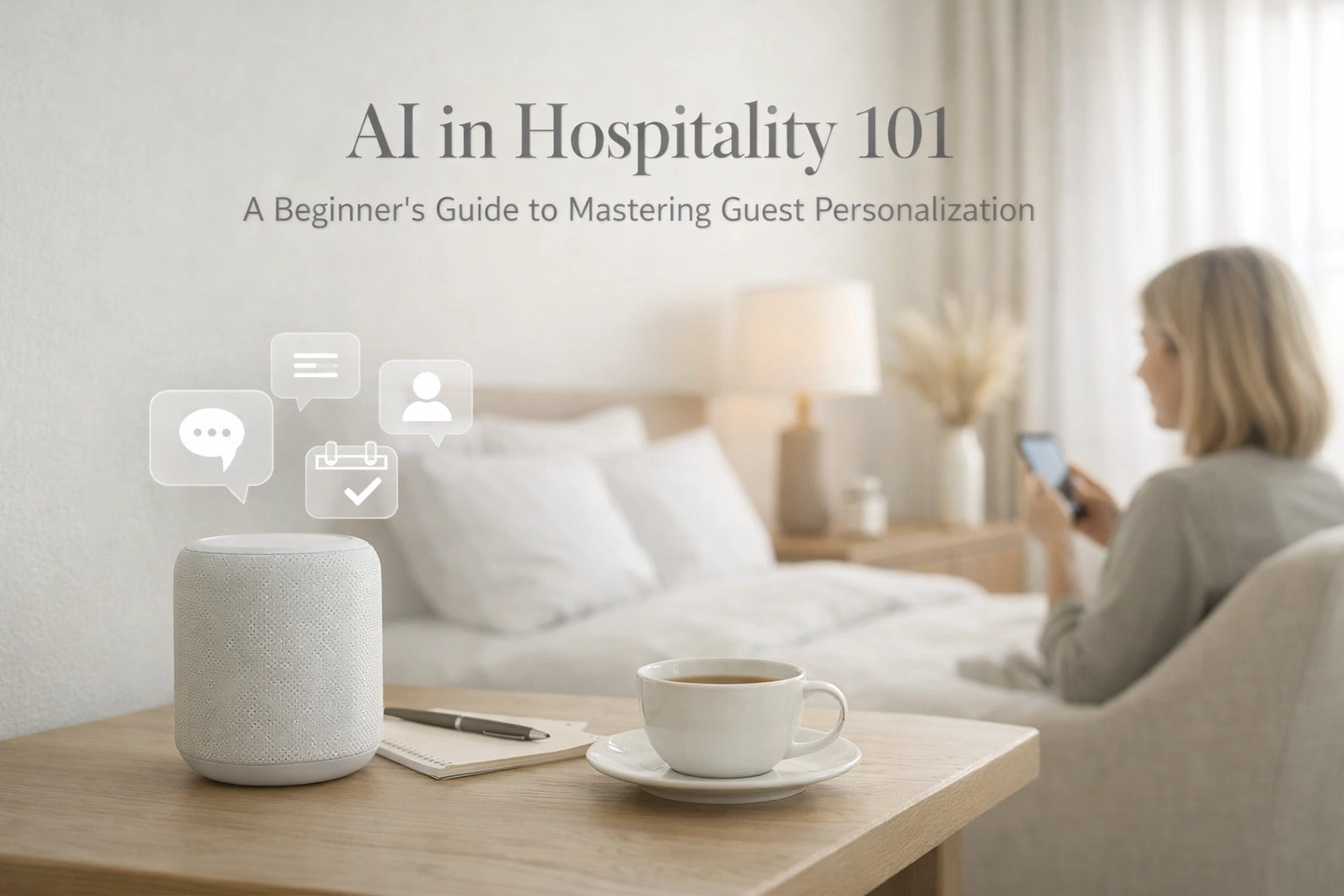
    AI in Hospitality 101: A Beginner’s Guide to Mastering Guest Personalization

    Predict needs. Tailor stays. Build loyalty.

    The era of the "one-size-fits-all" hotel stay is officially over. Today, hospitality isn't just about providing a bed and a roof; it’s about understanding that Mr. Jones in Room 302 prefers a firm pillow and a decaf oat milk latte at 7:00 AM, while the digital nomad in the suite needs high-speed Wi-Fi and a quiet corner for a 2:00 PM Zoom call.

    We believe the future of travel belongs to those who treat every guest like a regular. By leveraging Artificial Intelligence, hotels are transforming from static buildings into intuitive environments that respond to individual desires in real time. This isn't science fiction: it’s a data-driven reality that generates millions in additional revenue and creates guests for life. All from one innovative platform.

    The intelligence behind the "magic"

    Wait, is it actually magic? Not quite. It's a combination of two powerhouse technologies working behind the scenes to make you look like a hospitality genius.

    First, there’s Machine Learning. This is the engine that crunches the numbers. It looks at thousands of past interactions, booking patterns, and behavioral cues to predict what a guest might want next. Second, we have Natural Language Processing (NLP). This is what gives AI its "voice," allowing chatbots and virtual assistants to answer complex questions about spa availability or local dining spots with a human-like touch.

    We think technology should be invisible. When AI works correctly, the guest doesn't see "code": they see a personalized welcome message on their TV or an upgrade offer that perfectly matches their travel style.

    A modern smartphone on a hotel bedside table displaying a personalized guest welcome message.

    Mapping the AI guest journey

    AI doesn't just "happen" at check-in. To truly master personalization, you have to look at the entire lifecycle of a stay. It’s about being proactive rather than reactive.

    1. The pre-arrival hype

    Before the guest even sets foot on your property, AI is already at work. By analyzing guest profiles and historical data, your system can:

    • Automatically assign rooms based on past preferences (e.g., away from the elevator).
    • Send personalized upsell offers for room upgrades or early check-in.
    • Curate pre-arrival emails that highlight amenities the guest is actually likely to use.

    2. The smart room experience

    Once they arrive, the personalization continues. Imagine a room that "knows" its occupant. Using AI-integrated IoT (Internet of Things), guests can control their environment through voice or mobile apps.

    • Automated lighting and temperature settings tailored to the guest's comfort.
    • Smart entertainment systems that suggest movies based on previous viewing habits.
    • Voice-activated concierge services that handle requests for extra towels without a phone call.

    3. The digital concierge

    Nobody wants to wait in line to ask where the best sushi in town is. AI-driven concierges provide instant, personalized recommendations based on the guest’s profile. If they’re traveling with kids, the AI suggests the park; if they’re on a business trip, it points them to the best quiet workspace.

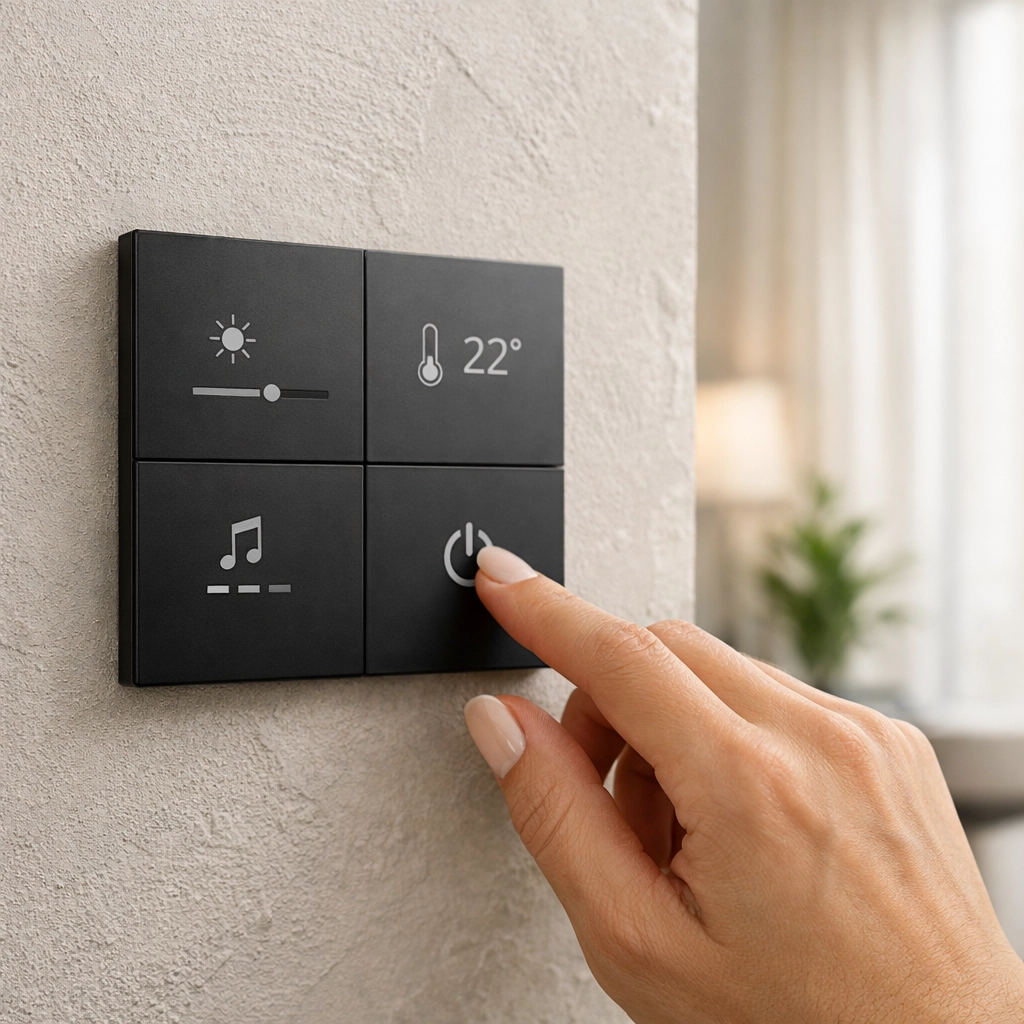
    Guest adjusting a sleek smart room control panel in a modern luxury hotel suite.

    Real-world impact: By the numbers

    If you think personalization is just a "feel-good" metric, think again. The business case for AI is backed by serious capital and undeniable growth.

    • $40 Million: Additional revenue generated by Hyatt in just six months by using AI to match hotel recommendations to guest profiles.
    • €11,500: The average revenue Zoku Hotels generates per automated personalized campaign.
    • HK$1.6 Million: Lifetime revenue generated by The Arca by using AI to anticipate guest preferences and drive repeat bookings.
    • 18%: Of global consumers consider novel AI features essential when choosing where to spend their money.

    "Moving to an automated, AI-driven guest journey didn't just save our staff time: it completely changed how our guests talk about us. They feel seen, and that’s something you can’t put a price on." : Operations Manager, Boutique Hotel Group.

    Why this matters for your hotel

    In a world where Online Travel Agencies (OTAs) often own the relationship with the guest, AI is your secret weapon to take it back. By gathering data across every touchpoint: the restaurant, the gym, the spa: you create a rich profile that an OTA simply can't match.

    We believe that personalization is the ultimate loyalty program. When you recognize a guest’s preferences regardless of which of your properties they visit, you aren't just a service provider anymore. You’re a partner in their travel experience. This scalability allows even small boutique hotels to offer the kind of "VIP treatment" that was once reserved for the world’s most expensive luxury brands.

    Relaxed hotel guest enjoying a personalized stay in a modern, sun-drenched lounge.

    How to start your AI transformation

    Ready to make the jump? It doesn't have to be a multi-year project. With the right platform, you can start seeing results in weeks, not months.

    1. Audit your data. Look at what you’re currently collecting. Is it scattered across different spreadsheets? Centralize it.
    2. Choose the right PMS. Your Property Management System is the brain of your operation. Ensure it integrates seamlessly with AI tools.
    3. Automate the boring stuff. Start by automating repetitive tasks like check-in emails and basic FAQ responses.
    4. Listen and iterate. Use guest feedback to fine-tune your AI recommendations. The more data the system has, the smarter it gets.

    We think the best time to start was yesterday. The second best time is today. High-traffic hospitality trends show that guests are increasingly gravitating toward tech-forward properties that respect their time and understand their needs.

    A minimalist hotel reception desk featuring a tablet for streamlined guest management software.

    The Mews edge

    At Mews, we don’t just build software; we build the future of hospitality. Our platform is designed to be the heartbeat of your hotel, connecting every department and every guest interaction through a seamless, innovative interface. We believe in giving hoteliers the freedom to focus on what they do best: taking care of people.

    Stop fighting with legacy systems that hold your data hostage. Embrace a platform that thinks as fast as you do.

    Ready to see how AI can transform your guest experience? Learn how Mews can help you scale your personalization efforts by visiting Mews.

    Schedule a demo. Connect your tech. Delight your guests. It’s time to move hospitality forward.

    Final thoughts

    Personalization isn't a trend; it's the new standard. As AI continues to evolve, the gap between "standard service" and "exceptional service" will only widen. By adopting these tools now, you aren't just staying competitive: you're leading the charge.

    The technology is here. The data is waiting. The only question left is: how do you want your guests to remember their stay?

    A serene, modern hotel terrace reflecting the future of luxury hospitality and technology.

  • Why Everyone Is Talking About Hospitality Trends 2026 (And You Should Too)

    Why Everyone Is Talking About Hospitality Trends 2026 (And You Should Too)

    Automate your operations. Delight your guests. Scale your brand. The hospitality landscape isn't just changing; it’s being rewritten in real-time. In 2026, the gap between the "tech-forward" and the "left-behind" has become a canyon.

    We believe the future belongs to those who embrace the invisible. 85% of guest interactions are now influenced by AI before a traveler even steps into your lobby. The industry has moved beyond simple digital transformation into a new era of hyper-intelligent, guest-centric commerce. It’s about building a resilient, agile business that thrives on change, all from one innovative platform.

    The Rise of Agentic Commerce

    We’ve moved past travelers clicking through twenty tabs to find the best rate. Welcome to the era of agentic commerce. In 2026, autonomous AI agents: LLMs like ChatGPT and specialized travel bots: are doing the heavy lifting. They don’t just "search"; they compare, negotiate, and complete purchases directly.

    If your property isn't optimized for these digital intermediaries, you're effectively invisible. Your PMS needs to do more than hold reservations; it needs to broadcast your value to the machines that now make the decisions.

    Why it matters:

    • AI agents prioritize structured data and instant API connectivity.
    • Direct bookings are being filtered through AI "gatekeepers."
    • Visibility is no longer just about SEO; it’s about LLM-optimization.

    Smartphone on a minimalist bedside table showing AI-integrated guest services in a modern hotel suite.

    Personalization Is the New Standard

    Hyper-personalization has officially shifted from a "nice-to-have" differentiator to an expected industry standard. Guests no longer feel "impressed" when you remember their name; they feel "neglected" when you don’t remember their coffee preference, their preferred floor, and the fact that they’re allergic to down pillows.

    We think guest loyalty isn’t bought; it’s earned through data-driven empathy. By leveraging deep guest profiles, hotels can now deliver tailored experiences at every single touchpoint.

    "We moved to a platform that actually understands our guests. We’re saving 10 hours a week on manual data entry, and our guest satisfaction scores have never been higher."

    Our belief on guest data:

    • Data should be accessible, not siloed in legacy systems.
    • Personalization must be proactive, predicting needs before they’re voiced.
    • Every interaction is an opportunity to gather a new preference.

    Solving the Labor Puzzle with Operational Excellence

    The labor shortage wasn't a phase; it’s the new reality. Rising labor costs and a shrinking talent pool have forced a radical rethink of hotel operations. The solution isn't "hiring more"; it’s "doing more with who you have."

    AI-powered tools for housekeeping, customer service, and back-office operations are the secret sauce. By automating the routine, you allow your team to focus on genuine hospitality. Let the software handle the room assignments; let your humans handle the human connection.

    How to achieve operational excellence:

    1. Automate routine guest communications through AI messaging.
    2. Implement smart-scheduling for housekeeping based on real-time checkout data.
    3. Use predictive maintenance to fix issues before they impact a guest.

    A staff member walking down a clean hotel hallway representing efficient hospitality operations and service.

    The Luxury Leap: High-End Expectations Everywhere

    The luxury segment is currently the strongest engine of growth in the industry. Ultra-high-net-worth travelers are seeking more than just a room; they want exclusive, private, and highly curated experiences. But here’s the kicker: these "luxury" expectations are trickling down to the mid-scale and boutique segments.

    Every traveler now wants to feel like a VIP. Whether it’s a private check-in experience or a curated local itinerary delivered via app, the "luxury" touch is becoming democratized.

    Current luxury trends:

    • Privacy as a Priority: High-demand for secluded spaces and private entrances.
    • Experience Over Bed: Guests are spending more on on-site activations than the room itself.
    • Sustainability as Standard: Green credentials are no longer a marketing badge: they are a booking requirement.

    A luxury hotel terrace with an infinity pool and ocean views illustrating high-end hospitality trends.

    AI as the Competitive Engine

    AI has officially moved from a "fun experiment" to a business necessity. Hotels using AI for revenue management are seeing significant profit increases compared to those relying on manual adjustments. It’s about more than just setting prices; it’s about understanding demand patterns that a human eye would miss.

    We believe that technology should empower, not complicate. A modern PMS should be the brain of your operation, making split-second decisions that maximize your RevPAR while you sleep.

    The AI Advantage:

    • Dynamic Pricing: React to market shifts in seconds, not hours.
    • Sentiment Analysis: Automatically scan guest reviews to identify operational bottlenecks.
    • Energy Management: AI-controlled rooms that reduce costs when guests are out.

    "Since we integrated AI into our revenue strategy, our occupancy increased by 12% without us touching a single dial."

    The Move to a Unified Platform

    The days of "Frankenstein tech stacks": where ten different softwares are held together by digital duct tape: are over. To compete in 2026, you need a unified ecosystem. When your booking engine, PMS, and guest experience tools all live in one place, magic happens.

    Mews is leading this charge, helping over 12,500 properties worldwide shed their legacy baggage and embrace the future. It’s about agility. If a new trend pops up tomorrow, your platform should be ready to integrate it today.

    A sleek tablet at a modern hotel reception desk representing a unified hospitality management platform.

    How to Stay Ahead of the Curve

    The pace of change can feel overwhelming. (It is.) But the path forward is simpler than it looks. It starts with a mindset shift: seeing technology not as a cost center, but as a revenue driver.

    Your 2026 Action Plan:

    1. Audit your tech stack. If your PMS is older than your youngest employee, it’s time for a change.
    2. Prioritize the guest profile. Ensure your data is clean, centralized, and actionable.
    3. Experiment with AI agents. See how your property appears when you ask an LLM to "find a hotel for me."
    4. Partner with leaders. Join the community of innovators who are redefining what it means to stay.

    Point of view shot of a bright, minimalist hotel lobby representing the innovative future of hospitality.

    Why Mews?

    Innovation is at the heart of everything we do. We don’t just build software; we build the future of hospitality. Our platform is designed to give you the freedom to be a hôtelier again. No more fighting with printers. No more manual night audits. Just pure, unadulterated hospitality.

    If you’re ready to see how the most innovative hotels are staying ahead of the 2026 trends, it's time to take a look at what we've built.

    Schedule a demo. Get a feel for the interface. See how we can get you earning more revenue in no time.

    Check out the future of hospitality technology here: https://referrals.mews.com/umqhyito

    The Bottom Line

    The hospitality industry in 2026 is fast, digital, and deeply personal. The tools to succeed are already here. Whether you’re running a boutique hotel in Paris or a luxury resort in the Maldives, the trends remain the same. The guest wants to be seen, the staff wants to be supported, and the owner wants to be profitable.

    Don't wait for 2027 to start worrying about 2026. The transformation is happening now. Are you ready to lead, or are you waiting to follow? (We think we know the answer.)

    Get started today and see what a truly modern platform can do for your property.

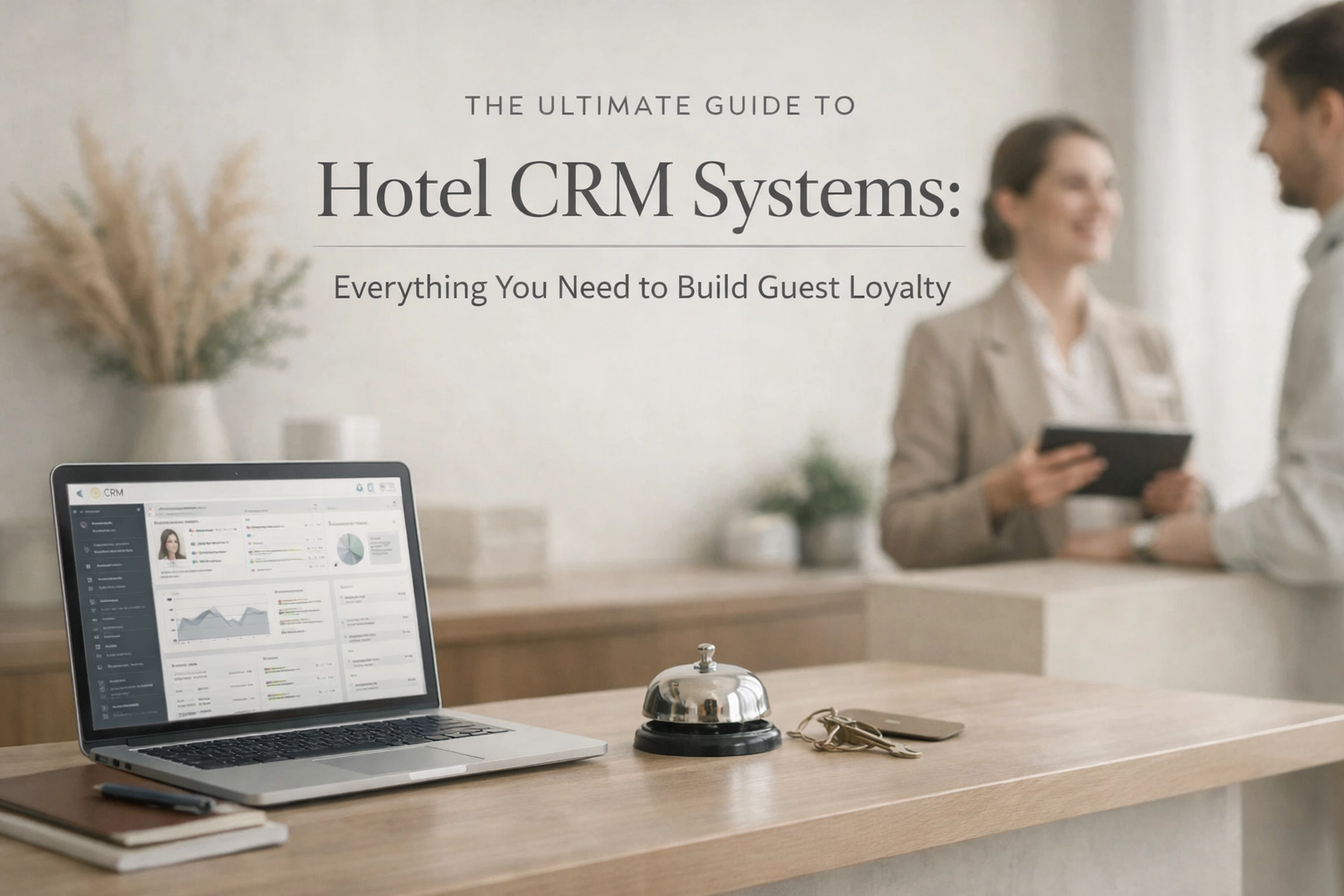
  • The Ultimate Guide to Hotel CRM Systems: Everything You Need to Build Guest Loyalty

    The Ultimate Guide to Hotel CRM Systems: Everything You Need to Build Guest Loyalty

    Know your guest. Automate your connection. Build lasting loyalty.

    In the modern hospitality landscape, the guest experience starts long before someone walks through your front door. It begins the moment they search for a room and continues long after they’ve checked out. To manage this journey effectively, you need more than just a spreadsheet; you need a sophisticated Hotel CRM (Customer Relationship Management) system.

    We believe that guest loyalty isn't earned through generic emails or "standard" service. It’s earned through personalization, recognition, and seamless interactions: all from one unified hospitality platform.

    Why a CRM is the heartbeat of your hotel

    A hotel CRM is specialized software designed to consolidate every guest interaction into a single, actionable profile. It’s the difference between asking a returning guest for their ID again and greeting them by name with their favorite drink waiting in the room.

    When you integrate your CRM with your hotel pms, you transform raw data into a narrative. You move from "Room 204 stayed two nights" to "Mr. Smith, a high-value corporate traveler, prefers high floors and early check-ins."

    The impact of data-driven loyalty:

    • 35% increase in repeat bookings through targeted re-engagement.
    • 20% higher upsell conversion by offering relevant services at the right time.
    • 10+ hours saved weekly for marketing teams via automated communication.

    Hotel staff using a tablet for personalized guest check-in at a modern lobby with hotel CRM technology.

    Centralized data: Your single source of truth

    The foundation of any great CRM is data management. In the past, guest info was scattered across your booking engine, your restaurant's POS, and various spreadsheets. This fragmentation is the enemy of a good guest experience.

    A modern CRM merges these silos. It pulls data from your channel manager to see where guests are coming from, tracks their spending at the bar via the POS, and logs their feedback from post-stay surveys.

    We believe in data that works:

    • Unified Profiles: One guest, one profile, regardless of which property in your group they visit.
    • Behavioral Tracking: Know not just who they are, but what they do: how they spend, when they book, and what they prefer.
    • Real-time Sync: When a guest updates their details on a self-check-in kiosk, your CRM should know about it instantly.

    Personalization at scale

    If you aren't personalizing, you're invisible. Today’s travelers expect you to know them. A CRM allows you to segment your audience and deliver messages that actually resonate.

    Stop sending "Family Summer Special" emails to your solo business travelers. Instead, use your CRM to identify your "Bleisure" segment and offer them a discounted Sunday night stay to extend their trip.

    How to personalize the guest lifecycle:

    1. Pre-stay: Send a personalized welcome email three days before arrival. Include a link to your self-check-in kiosks to save them time at the desk.
    2. In-stay: Use preference data (like "prefers extra pillows") to surprise the guest before they even have to ask.
    3. Post-stay: Send a "Thank You" note with a direct booking discount for their next stay, personalized based on the reason for their trip.

    "Since moving to an automated CRM, our repeat guest rate has climbed by 15%. We don't have to guess what they want anymore: the data tells us exactly how to delight them." – General Manager, Boutique Group.

    Minimalist hotel room setup showing personalized guest amenities to build loyalty and repeat bookings.

    The tech stack: CRM, PMS, and beyond

    Your CRM shouldn't live on an island. To be truly effective, it must be part of a cloud-native ecosystem. This is where the Mews philosophy comes in. We focus on automation and ease of use, ensuring that your tech stack helps your staff rather than hindering them.

    The Essential Integrations

    • The Hotel PMS: This is the core. Your CRM must talk to your PMS to understand real-time occupancy and guest status.
    • The Booking Engine: Convert more lookers into bookers by using CRM data to show personalized rates on your website.
    • The Channel Manager: Track which OTAs are bringing in your guests and use your CRM to convert them into direct bookers for their next stay.
    • Self-Check-In Kiosks: Give guests the freedom to check in on their own terms while your CRM captures their data quietly in the background.

    We think technology should be invisible. It should empower your team to look up from their screens and actually engage with the human being standing in front of them.

    Driving revenue through automation

    Automation isn't about being robotic; it’s about being consistent. A hotel CRM automates the repetitive tasks that usually fall through the cracks when the front desk gets busy.

    Think about Guest Lifetime Value (GLTV). If you can identify your top 10% of guests, you can treat them like royalty. Your CRM can automatically flag these VIPs in the hotel pms, alerting the manager to personally greet them upon arrival.

    Boost your bottom line:

    • Automated Upselling: Send a push notification or email offering a room upgrade or a spa treatment 24 hours before check-in.
    • Abandoned Cart Recovery: If someone drops off your booking engine, your CRM can trigger a "Still interested?" email to bring them back.
    • Loyalty Programs: Ditch the plastic cards. Use a digital-first loyalty approach where rewards are tracked and redeemed automatically within the guest profile.

    A relaxed guest using a mobile app in a hotel lounge to interact with a digital-first loyalty program.

    Making the switch to Mews

    Many hotels stick with legacy CRM systems because they fear the migration process. We've made it easy. As a cloud-native platform, Mews is built for the future of hospitality. We prioritize automation because we know that every minute your staff spends on manual data entry is a minute they aren't spending with a guest.

    Why Mews is different:

    • Cloud-native: Access your guest data from anywhere, on any device.
    • User-friendly: A clean, intuitive interface that your team will actually enjoy using.
    • Open API: Connect to the best-of-breed CRM tools in the industry with a few clicks.

    Ready to see how a modern, automated approach can transform your guest loyalty? It’s time to move away from clunky, disconnected systems and embrace a platform built for the way people travel today.

    Get started today

    Building guest loyalty doesn't have to be complicated. With the right tools and a focus on personalization, you can turn every guest into a brand advocate.

    Check out how we can help you streamline your operations and grow your revenue:
    Explore the Mews Hospitality Cloud

    It only takes a 30-minute demo to see how much time you could be saving. Schedule your call and get you earning more revenue in no time.
    Final thoughts

    The ultimate guide to hotel CRM systems isn't just about software: it's about a shift in mindset. It’s about moving from "selling rooms" to "managing relationships." When you put the guest at the center of your technology, loyalty follows naturally.

    Leverage your hotel pms, master your booking engine, and let your CRM do the heavy lifting of keeping your guests happy. The future of hospitality is automated, personalized, and cloud-native. Are you ready?

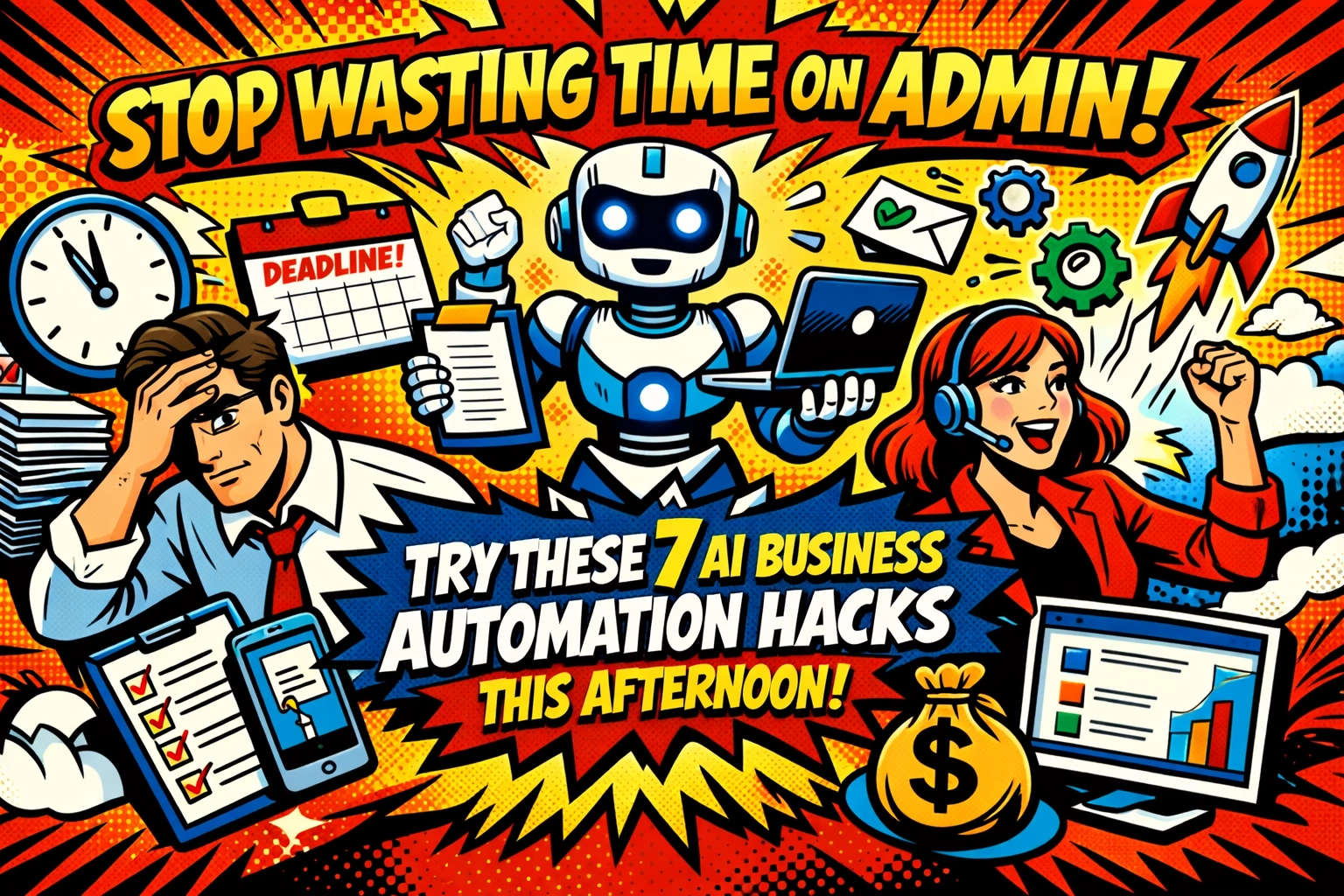
  • Stop Wasting Time on Admin: Try These 7 AI Business Automation Hacks This Afternoon

    Stop Wasting Time on Admin: Try These 7 AI Business Automation Hacks This Afternoon

    ☕ The day begins.

    You’re staring at a screen that’s already screaming at you. 47 unread emails. Three "quick" scheduling requests that are actually 20-minute ping-pong matches. A spreadsheet that looks like a digital crime scene.

    You started this business to build something. To create. To lead. But right now? You’re just a highly paid data entry clerk.

    The admin trap is real… and it's exhausting.

    But it doesn't have to be your afternoon. You can reclaim your sanity before the sun goes down. We're talking about shifting from "busy" to "boss" using tools that do the heavy lifting for you.

    Here are 7 AI business automation hacks you can set up today to stop the leak.


    1. THE SCHEDULING PING-PONG ENDS NOW

    9:15 AM: The "Are you free at 2?" Dance

    You know the drill. "Are you free Tuesday?" "No, how about Wednesday?" "Wednesday works, but only after 4."

    By the time the meeting is actually on the calendar, you've spent more energy booking it than you will actually talking. It’s a drain on your focus.

    The Hack: Deploy an AI agent.
    Tools like Lindy or Zapier AI Agents act as a true ai virtual assistant for business. Instead of just sending a link (which can sometimes feel a bit cold), these agents handle the actual conversation. They look at your calendar, negotiate the time, and send the invite.

    You don't even see the back-and-forth. You just see a notification: Meeting Confirmed.

    It’s like having a personal secretary who never sleeps and doesn't need a coffee break. You can start reclaiming hours of your week by checking out how to bridge these tools at https://marblism.link/scott-bowen.

    Relaxed business owner using an AI virtual assistant to automate scheduling and manage office tasks.


    2. STOP SCRIBBLING, START LISTENING

    11:00 AM: The Mid-Morning Fog

    You’re in a Zoom call. You’re trying to look engaged, but you’re actually frantically typing notes so you don't forget that one specific deliverable the client mentioned.

    The meeting ends. You look at your notes. They’re a mess of acronyms and half-finished thoughts. Now you have to spend 20 minutes "cleaning them up" and emailing the team.

    The Hack: Let Notion AI or Fireflies do the transcript-to-task transformation.
    These tools don't just record the audio; they understand the context. They can pull out action items, summarize the "vibe" of the meeting, and even draft the follow-up email for you.

    You walk away from the call. Your team already has their tasks.
    And you? You actually remember what was discussed because you were listening, not typing.


    3. THE "DEATH BY SPREADSHEET" CURE

    1:00 PM: The Manual Data Entry Purgatory

    You’ve got a PDF invoice. You need that data in your master sheet. You’ve got a customer feedback form. You need that in your CRM.

    Copy. Paste. Alt-Tab. Copy. Paste.
    Your eyes are crossing. This isn't "running a business." This is digital manual labor.

    The Hack: Document Processing with ChatGPT Enterprise.
    You can literally feed raw data, PDFs, messy CSVs, or even photos of receipts, into the system and say, "Format this into a clean table and highlight the trends."

    What used to take an hour of squinting now takes thirty seconds of processing. It handles the cleaning, the sorting, and the reporting while you grab a second cup of coffee.

    AI document processing transforming messy business data into organized reports and clear bar charts.


    4. GHOST NO MORE: AUTOMATE THE FOLLOW-UP

    2:30 PM: The Lead That Slipped Away

    A potential customer reached out on your site. They’re interested. But you were in a meeting. Then you were at lunch. Then you got distracted by a billing issue.

    By the time you reply four hours later, they’ve already moved on to a competitor.

    The Hack: Automate customer support with ai.
    Using an AI-powered CRM like HubSpot, you can set up immediate, intelligent responses. This isn't just a "We received your message" auto-responder. This is AI that reads the query, provides a relevant answer, and suggests a booking time if the lead looks "hot."

    It keeps the trail warm while you’re offline. It makes you look like a 100-person company when it’s really just you and a very smart algorithm.


    5. THE "DIGITAL GLUE" STRATEGY

    3:45 PM: The App Switching Fatigue

    Your leads are in Salesforce. Your tasks are in Trello. Your communication is in Slack. Your soul is… somewhere in between.

    Moving data between these apps is the ultimate time-thief. Every time you switch tabs, you lose a little bit of momentum.

    The Hack: Zapier’s No-Code "Zaps."
    Think of this as the central nervous system for your business. You can set a trigger: "When I get a new lead in Facebook Ads, create a contact in my CRM, send a message to the Slack channel, and add a task to my To-Do list."

    No code. No hiring a developer. Just a few clicks to connect the dots.
    Suddenly, your apps are talking to each other. And you don't have to be the translator. If you want to see how this fits into a larger business automation strategy, head over to https://marblism.link/scott-bowen to get the blueprint.

    A central AI hub connecting business apps like email and CRM to automate daily workflows.


    6. DELEGATE THE "BORING BITS" TO YOUR COPILOT

    4:15 PM: The PowerPoint Panic

    You have a presentation tomorrow. You have the data, but you don't have the "pretty." You’re spending an hour clicking "Center Align" and trying to find a decent stock photo of a person holding a tablet.

    The Hack: Microsoft Copilot 365.
    Inside Excel, Word, and PowerPoint, Copilot is like having a junior analyst sitting next to you.
    "Turn this Word doc into a 10-slide presentation."
    "Summarize this 20-page report into three bullet points."
    "Find the outliers in this budget spreadsheet."

    It does the grunt work. You provide the vision. You’re the director now, not the stagehand.


    7. SEE THE FUTURE OF YOUR PROJECTS

    5:00 PM: The "Are We Winning?" Check

    The end of the day is approaching. You’re trying to figure out if your team is actually on track for Friday’s deadline. You’re clicking through five different project boards, trying to spot the bottlenecks.

    The Hack: Predictive Project Management with ClickUp Brain.
    Instead of you hunting for delays, the AI hunts for them. It flags when a task is likely to be late based on past performance. It assigns sub-tasks based on who has the lowest "load."

    It’s like having a crystal ball for your operations. You stop reacting to fires and start preventing them.

    Predictive AI project management tools helping a business owner see a clear path to success.


    STOP JUGGLING. START GROWING.

    You might be thinking, "This sounds great, Scott, but I don't have time to set up 'automation' because I'm too busy doing the admin!"

    …Read that sentence again.

    That’s the trap. You’re too busy bailing water to fix the hole in the boat.

    But here’s the secret: these aren't month-long projects. These are "this afternoon" projects. You can pick one, just one, and implement it by 5:00 PM.

    Maybe it’s the ai virtual assistant for business to handle your calendar.
    Maybe it’s the decision to automate customer support with ai so you stop losing leads while you sleep.

    The difference between the business owners who scale and the ones who burn out isn't how hard they work. It's how much of the work they actually do themselves.

    The tools are there. The AI is ready. The only thing missing is your permission to let go of the "busy work."

    READY TO AUTOMATE?

    If you’re tired of the manual grind and want to see how these pieces fit together for your specific business, don’t leave it to chance. The future of your efficiency is just a click away.

    Check out the full automation suite here: https://marblism.link/scott-bowen

    Stop being the engine. Start being the driver.


    FAQ: THE "YEAH, BUT…" SECTION

    Will AI replace my personal touch?
    No. It replaces the robotic parts of your day so you can be more personal. An AI that schedules a meeting means you have more energy to actually be present in the meeting.

    Is this expensive?
    Most of these tools have free tiers or low-cost entry points. The real question is: what is an hour of your time worth? If an AI costs $20 a month and saves you 10 hours… you’ve just bought your time back for $2 an hour. That’s a steal.

    Do I need to be a tech genius?
    Not anymore. If you can use a smartphone, you can use these tools. Most are "drag and drop" or use natural language (you just talk to them).

    Where do I start?
    Pick the one thing that annoys you most. Is it scheduling? Start with an AI agent. Is it data entry? Start with document processing. Just start.

    The chaos is gone before you even take your first sip of coffee tomorrow.

    You just send a thumbs-up.

    Scaling shouldn't be this hard. And now, it isn't.

    See you on the other side of the "To-Do" list. 🌙

  • Stop Wasting Time on Admin: 7 Workflow Automation Hacks for Small Business

    Workflow Automation for Small Business: Stop Doing the Busy Work

    ☕ 7:00 AM.

    You’re staring at your phone. Your inbox looks like a crime scene. There are three "urgent" invoices, a reminder that you forgot to order more shipping supplies, and a new hire who starts today, but you haven't even set up their email yet.

    The dread is real. It’s that familiar, heavy weight in your chest. You didn't start this business to be an admin assistant to yourself… and yet, here you are. Clicking. Copying. Pasting. Responding.

    But it doesn't have to be this way.

    Workflow automation for small business isn't just a buzzword for tech giants with unlimited budgets. It’s your ticket back to the work that actually matters. It's the silent partner that never sleeps, never complains, and definitely never forgets to follow up with that lead from Tuesday.

    STOP JUGGLING. START AUTOMATING.

    You’re likely doing five things at once, and three of them are probably "busy work." Let’s fix that with these 7 automation hacks that will reclaim your sanity.

    1. Let Invoices Process Themselves

    Stop chasing paper. You can set up your accounting system to automatically grab invoices from your email using OCR technology. It extracts the numbers, routes them for approval, and syncs everything to your ledger.

    • Invoices under $1,000? Auto-approve.
    • Over $5,000? You get a quick Slack notification.
      You just tap a button. Done.

    2. Onboarding Without the Headache

    New hire starting? 🤝
    Instead of manually creating accounts for IT, payroll, and Slack, set up one trigger. One entry in your HR tool can provision everything simultaneously. The equipment gets ordered, the welcome email goes out, and the tasks are assigned. You just show up for the "Welcome" coffee.

    3. Bank Feeds That Actually Work

    Stop manual data entry. Connect your bank feeds directly to QuickBooks or Xero. Let the AI categorize your transactions and flag the weird stuff. It catches discrepancies instantly. No more "Where did that $400 go?" moments on Friday at 5:00 PM.

    4. Keep Your Sales Pipeline Clean

    We’ve all been there. A lead goes cold, and it sits in your CRM for six months. 🔍
    Set a rule: if there’s no activity for 30 days, the system auto-closes the opportunity and sends a "Is this still on your radar?" email. If they reply, they move back to the top. If they don't… you didn't waste a second thinking about it.

    Pop art illustration of a character cleaning a path, symbolizing automated sales pipeline hygiene.

    5. Task Dependencies (The Baton Pass)

    Stop being the bottleneck. When you finish a design draft, the system should automatically notify the client for review and set a task for the account manager to follow up in 48 hours. If the client doesn't respond? The system nudges them. You stay in your flow.

    6. Reports That Write Themselves

    Stop spending Sunday nights in Excel spreadsheets. Build a dashboard that updates in real-time. Whether it's client KPIs or your internal burn rate, have it delivered to your Slack every Monday morning. You see the risks before they become disasters.

    7. Inventory That Never Runs Dry

    Set "reorder points." When your stock drops below a certain level, the system creates a purchase order automatically. It syncs across Shopify, Amazon, and your physical store. No more "Out of Stock" banners when you're in the middle of a sale.

    Scaling shouldn't be this hard. But here we are. If you’re ready to stop the grind, see how Marblism can handle the heavy lifting for you at https://marblism.link/scott-bowen.


    Why Your Business Needs an AI Virtual Assistant (Before Your Competitors Get One)

    📱 11:00 AM.

    Your phone buzzes. It’s a lead from your website asking about pricing. You're in the middle of a client meeting. By the time you get out at 12:30, they’ve already called three other companies.

    The first one to answer usually wins.

    In the old days, you’d hire a human assistant to sit at a desk and wait for the phone to ring. But it’s 2026. Your competitors aren't hiring more people, they're deploying AI virtual assistants for business.

    EMPLOYEE OF THE MONTH. EVERY MONTH.

    Imagine an assistant that doesn't need coffee breaks, never gets sick, and has the memory of a supercomputer.

    "Eva" (or whatever you want to call her) isn't just a chatbot. She’s an extension of your brain. While you’re sleeping, she’s qualifying leads. While you’re in a deep-work session, she’s scheduling your next three meetings based on your actual availability, not just some messy Google Calendar.

    …and the best part? She’s getting smarter every day.

    THE SILENT EDGE

    Your competitors are already looking at this. They’re realizing that workflow automation for small business is the only way to stay lean while scaling fast. An AI assistant can:

    • Answer 90% of customer FAQs instantly.
    • Research prospects before you even hop on a call.
    • Draft your emails so you just have to hit "Send."

    It’s not about replacing humans. It’s about giving your humans (and yourself) the space to do the high-value work. The creative work. The stuff that actually moves the needle.

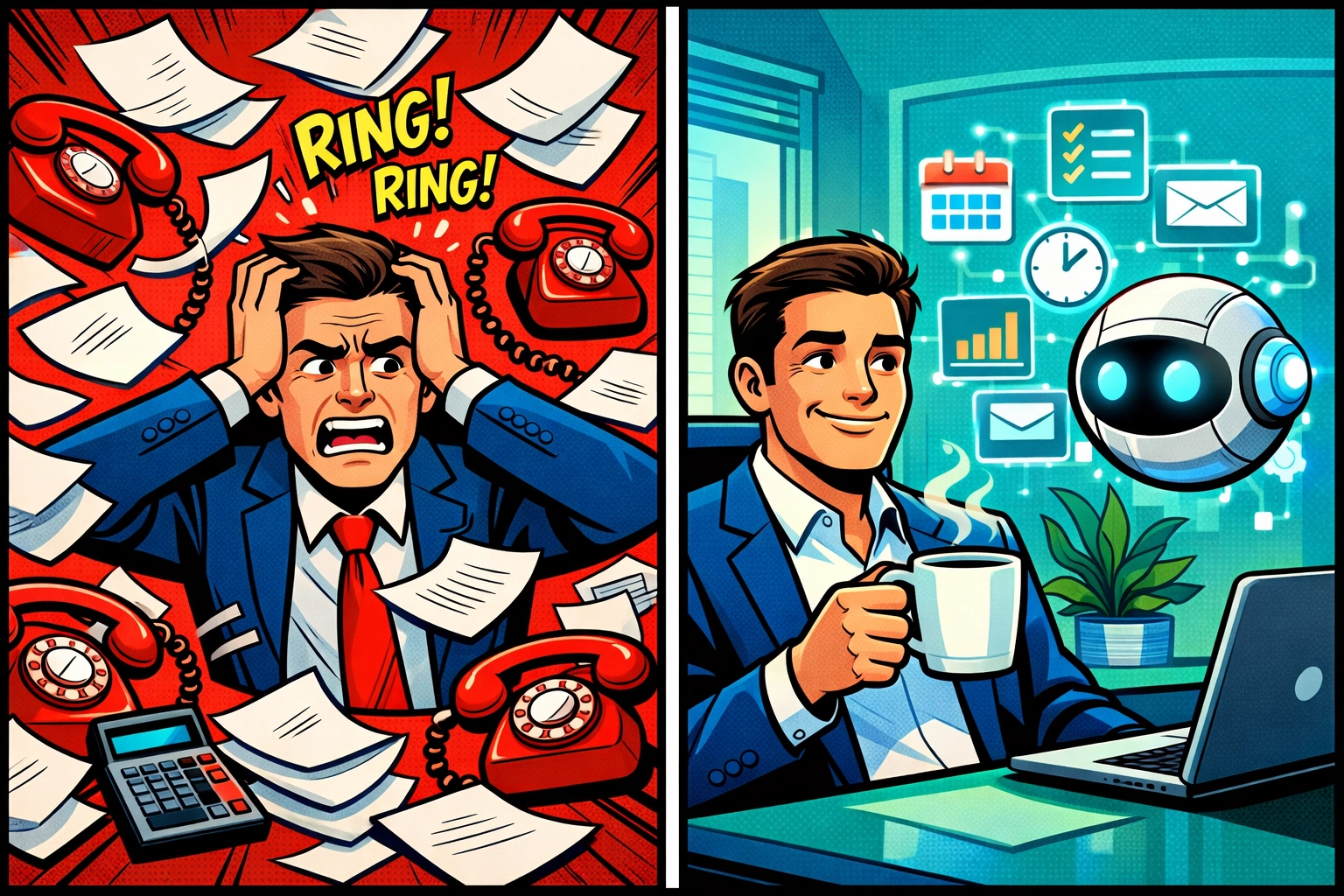
    Comparison of manual admin chaos versus calm efficiency using an AI virtual assistant for business.

    THE "BEFORE" AND "AFTER"

    Before: You’re drowning in tabs. You’re replying to "What are your hours?" for the tenth time today. You feel like you’re running on a treadmill that’s slowly speeding up.

    After: The chaos is gone before you even take your first sip of coffee. Your AI assistant has already cleared the fluff. You open your laptop to find three qualified appointments on your calendar and a summary of your key metrics.

    You smile. You step back into your day with total control.

    DON'T GET LEFT IN THE DUST

    The gap between businesses using AI and those "thinking about it" is widening. Rapidly.

    Setting up an AI virtual assistant isn't a three-month IT project anymore. With Marblism, it’s a strategic move you can make today. Why wait for your competition to show you how it's done?

    Take the first step toward a business that runs itself. Check out what's possible here: https://marblism.link/scott-bowen.

    FAQ: WORKFLOW AUTOMATION & AI

    Q: Is this going to be too expensive for a small team?
    No. In fact, it's usually cheaper than the cost of one missed lead or one hour of your own wasted time.

    Q: Do I need to know how to code?
    Absolutely not. Modern automation tools are built for humans, not robots. If you can use an app, you can use these.

    Q: Will my customers hate talking to an AI?
    They’ll hate waiting three hours for a reply much more. When AI is done right, it feels like a concierge service, not a phone tree.

    Q: Where do I even start?
    Pick the one thing that annoys you the most every morning. Automate that first. Then move to the next.

    🌙 9:00 PM.

    The lights are off. You’re sitting on the couch, but you’re not checking your email "one last time." You don't have to.

    Everything is handled.

    Scaling Shouldn't Be This Easy. But Here We Are.

    A triumphant business owner atop gears, symbolizing successful scaling through workflow automation.

    Ready to reclaim your time? Visit https://marblism.link/scott-bowen and let's get to work.

  • The Ultimate Guide to Home Brewing: Everything You Need to Succeed with Specialty Coffee

    The Ultimate Guide to Home Brewing: Everything You Need to Succeed with Specialty Coffee

    So, you’ve decided to take the plunge into the world of home brewing. Welcome! We think it’s one of the most rewarding hobbies you can pick up. There is something truly special about waking up, weighing out some beautiful single-origin beans, and crafting a cup of coffee that rivals, or even beats, your local specialty cafe.

    But we know it can be a bit intimidating at first. Between the jargon, the endless gadgets, and the scientific variables, where do you even start? Don't worry, we’ve got your back. At Limini Coffee, we believe that great coffee should be accessible to everyone, whether you're a seasoned barista or just starting your journey.

    In this guide, we’re going to walk you through everything you need to succeed with specialty coffee at home. We’ll cover the "Golden Rules," explore the best brewing methods, and give you the tips you need to troubleshoot your brew like a pro.

    Ready? Let's get brewing. And if you’re looking for the best starting point, you can find our freshly roasted coffee beans right here.


    The Golden Rules of Home Brewing

    Before we look at specific equipment, we need to talk about the fundamentals. You can have a £3,000 espresso machine, but if you ignore these basics, your coffee will still taste… well, disappointing.

    1. Freshness is Everything

    Coffee is a fresh agricultural product. Once it’s roasted, the clock starts ticking. We recommend using beans that were roasted within the last 4 weeks. Once you open a bag, try to use it within two weeks for the best flavour profile.

    And please, grind your beans immediately before you brew! As soon as you grind coffee, the surface area increases dramatically, and those lovely volatile aromatics start to disappear. A burr grinder is your best friend here, it ensures a consistent particle size, which is essential for an even extraction.

    2. Water Quality Matters

    Coffee is roughly 98% water. If your tap water tastes like chlorine or is incredibly "hard" (full of minerals), your coffee will suffer. Hard water can make coffee taste dull and chalky, while very soft water can make it taste overly acidic and sharp.

    We recommend using filtered water. Aim for a temperature between 92 °C and 96 °C (about 197 °F to 205 °F). If you don’t have a temperature-controlled kettle, just bring the water to a boil and let it sit for about 30 to 60 seconds.

    3. Use a Scale (Yes, Really)

    We know, it feels a bit "mad scientist" to weigh your coffee and water, but it’s the only way to be consistent. A "scoop" of coffee can vary in weight by several grams depending on the bean size and roast level. Using a scale allows you to hit the same brew ratio every single time.

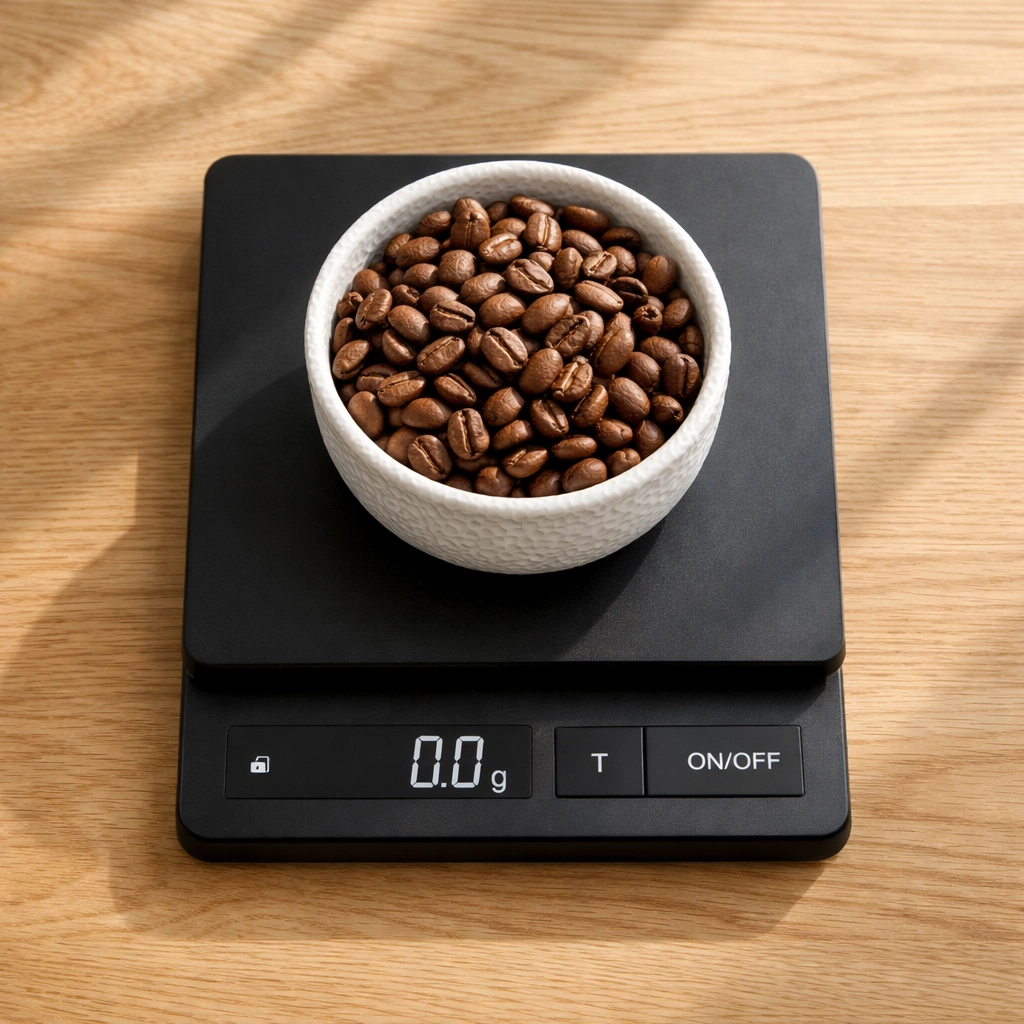
    Digital coffee scale weighing fresh whole beans on a kitchen counter for precise brew ratios.


    Choosing Your Method: Which Brewer is Right for You?

    Not all brewing methods are created equal. Some highlight the delicate, tea-like floral notes of an Ethiopian Yirgacheffe, while others produce a heavy, syrupy body that’s perfect for a rainy morning.

    The Pour Over (V60, Chemex, Kalita)

    Best for: Clarity, brightness, and tasting the unique "terroir" of single-origin coffees.
    Skill Level: Intermediate.

    The pour-over is a "percolation" method, meaning water passes through a bed of coffee and a paper filter. This filter catches most of the oils and fine particles, resulting in a very clean cup.

    • The Ratio: We usually recommend a 1:16 ratio (e.g., 15g of coffee to 240g of water).
    • The Grind: Medium-fine, like table salt.
    • The Secret: The "bloom." Pour about 30g of water over your grounds and wait 30 seconds. You’ll see bubbles, this is CO2 escaping, which allows the rest of the water to extract the flavour more effectively.

    The French Press (Cafetière)

    Best for: Bold body, rich mouthfeel, and ease of use.
    Skill Level: Beginner.

    The French Press is an "immersion" method. The coffee sits in the water for the entire brew time. Because the mesh filter is coarser than paper, more oils and "fines" end up in your cup, giving it that classic heavy texture.

    • The Ratio: 1:12 or 1:15 depending on how strong you like it.
    • The Grind: Coarse, like sea salt or breadcrumbs.
    • The Tip: Don't press immediately at 4 minutes. Break the "crust" with a spoon, let the bits settle for another couple of minutes, then press gently. It makes for a much cleaner cup!

    The AeroPress

    Best for: Versatility, travelling, and indestructible durability.
    Skill Level: Beginner to Expert.

    We love the AeroPress. You can make anything from a concentrated, espresso-style shot to a clean filter-style coffee. It’s nearly impossible to break and cleans up in seconds. If you’re just starting out, this is often the first piece of kit we recommend picking up along with some Limini beans.


    Mastering the Home Espresso

    Espresso is the "final boss" of home brewing. It is finicky, demanding, and requires a bit of an investment in gear. However, there is nothing quite like pulling a perfect shot with a thick, tiger-striped crema.

    If you’re looking at getting into espresso, we have a whole guide on choosing espresso equipment to help you navigate the world of boilers and group heads.

    The Espresso Basics:

    1. The Dose: Usually 18g to 20g of finely ground coffee in a double basket.
    2. The Yield: We aim for a 1:2 or 1:2.5 ratio. So, 18g in, 36g to 45g of liquid out.
    3. The Time: This should take between 25 and 30 seconds.
    4. The Tamp: You need to compress the coffee evenly. If you tamp at an angle, the water will find the path of least resistance (channeling), and your coffee will taste thin and bitter. You can read more about proper tamping technique here.

    Rich espresso flowing from a bottomless portafilter with thick golden crema during extraction.


    Understanding Extraction: Why Does My Coffee Taste Weird?

    This is the part where you become a real home barista. If your coffee doesn't taste right, you need to know which "lever" to pull to fix it. We call this balancing your extraction.

    • Under-extracted (Sour): If your coffee tastes sharp, salty, or sour, it means the water didn't pull enough out of the beans.
      • The Fix: Grind finer, use hotter water, or brew for longer.
    • Over-extracted (Bitter): If your coffee tastes bitter, dry, or "ashy," it means the water stayed in contact with the coffee for too long or the grind was too fine.
      • The Fix: Grind coarser, use slightly cooler water, or shorten your brew time.

    It’s a balancing act! We always suggest changing only one variable at a time. If you change the grind and the temperature at once, you won’t know which one fixed the problem.


    The Importance of Maintenance

    We hate to be the "clean your room" people, but coffee oils are… well, oily. They go rancid over time. If you don't clean your French Press or backflush your espresso machine, that old, bitter oil will taint every fresh brew you make.

    • For Filter Brewers: A simple rinse with hot water and occasional soap is usually enough.
    • For Espresso Machines: You should be backflushing with water daily and using a dedicated cleaner weekly. Check out our La Spaziale workings guide if you want to see how the pros maintain their machines.

    Organized home coffee station featuring a clean Chemex and V60 dripper on a wooden shelf.


    Why Specialty Coffee?

    You might be wondering, "Why go through all this effort? Is it really better than the supermarket stuff?"

    The short answer is: Yes.

    "Specialty Coffee" refers to the top 10% of coffee grown globally. It’s coffee that has been sourced ethically, roasted with precision, and graded 80 points or above on a 100-point scale. When you buy from a roaster like Limini Coffee, you aren't just getting "caffeine": you're getting a flavour profile that includes notes of jasmine, blueberries, chocolate, or stone fruit.

    We take great pride in our sourcing process, ensuring that the farmers are paid fairly and the beans are of the highest quality. When you brew these beans at home, you’re honouring all the hard work that went into growing them.

    Freshly roasted single-origin specialty coffee beans with chocolate and blueberry flavor notes.


    Essential Gear Checklist

    If you're looking to build your home coffee station from scratch, here is what we recommend as the "Essential Kit":

    1. A Burr Grinder: Consistency is king. Avoid blade grinders!
    2. Digital Scales: Precision to 0.1g is ideal.
    3. Your Brewer of Choice: AeroPress for beginners, V60 for clarity, or French Press for body.
    4. A Gooseneck Kettle: Essential for pour-over to control the flow of water.
    5. Fresh Beans: The most important ingredient. You can grab a bag from our shop here.

    Closing Thoughts

    Home brewing is a journey, not a destination. You will have days where you pull a perfect, God-shot of espresso, and days where you accidentally pour your V60 onto the counter because you haven't had enough caffeine yet. It’s all part of the fun!

    The most important thing is to experiment. Try different ratios, try different beans, and most importantly, enjoy the process. If you ever find yourself stuck or want to level up your skills even further, we offer comprehensive barista training that’s perfect for home enthusiasts.

    So, go ahead: put the kettle on, weigh out those beans, and start brewing. We can't wait to hear how you get on.

    And remember, the best cup of coffee is the one you enjoy the most. Happy brewing!

    Hands holding a steaming mug of specialty coffee in a cozy, sunlit breakfast nook at home.


    Want to stay updated with more brewing tips and single-origin reviews? Check out our full range of coffee and gear at Limini Coffee.

  • 5 Unique Coffee Sacks Projects for Your Home Decor

    5 Unique Coffee Sacks Projects for Your Home Decor

    We all know that feeling. You open a fresh bag of speciality coffee, the aroma hits you, and for a moment, everything is right with the world. But have you ever looked at the heavy-duty burlap sacks those beans arrive in? At Limini Coffee, we see thousands of them. These coffee sacks (or hessian bags, if you prefer) are more than just packaging; they are travel diaries. They’ve come from Ethiopia, Brazil, Colombia, and beyond, often sporting incredible typography, bold stamps, and vibrant colours that tell the story of their origin.

    Instead of letting these beautiful pieces of coffee history go to waste, we believe in giving them a second life. Upcycling coffee sacks is a brilliant way to bring a rustic, industrial, and eco-conscious vibe into your home. It’s affordable, sustainable, and, honestly, just a lot of fun.

    So, if you’ve managed to get your hands on some sacks, perhaps from your local roaster or through our wholesale channels, here are five unique projects to transform your living space.


    Why Coffee Sacks?

    Before we dive into the "how," let's talk about the "why." Burlap is a fantastic material. It’s incredibly durable, breathable, and has a natural texture that you just can't replicate with synthetic fabrics. It fits perfectly into several decor styles:

    • Industrial: Pairs beautifully with metal and exposed brick.
    • Rustic/Farmhouse: Adds that "lived-in," earthy feel.
    • Minimalist: Provides a single, bold point of texture in a clean room.

    However, a quick word of warning: raw coffee sacks can be a bit… well, dusty. They’ve spent months in shipping containers and warehouses. Before starting any of these projects, you’ll want to give them a good shake outside and a gentle hand wash or a very cold, delicate cycle in the machine. Just don’t put them in the dryer unless you want your lint filter to explode!


    1. The Statement Piece: Framed Wall Art

    This is arguably the easiest way to start your upcycling journey, and the results are stunning. Many coffee sacks feature beautiful, hand-stamped logos of the farms or "fincas" where the coffee was grown. Some have intricate illustrations of birds, mountains, or trees.

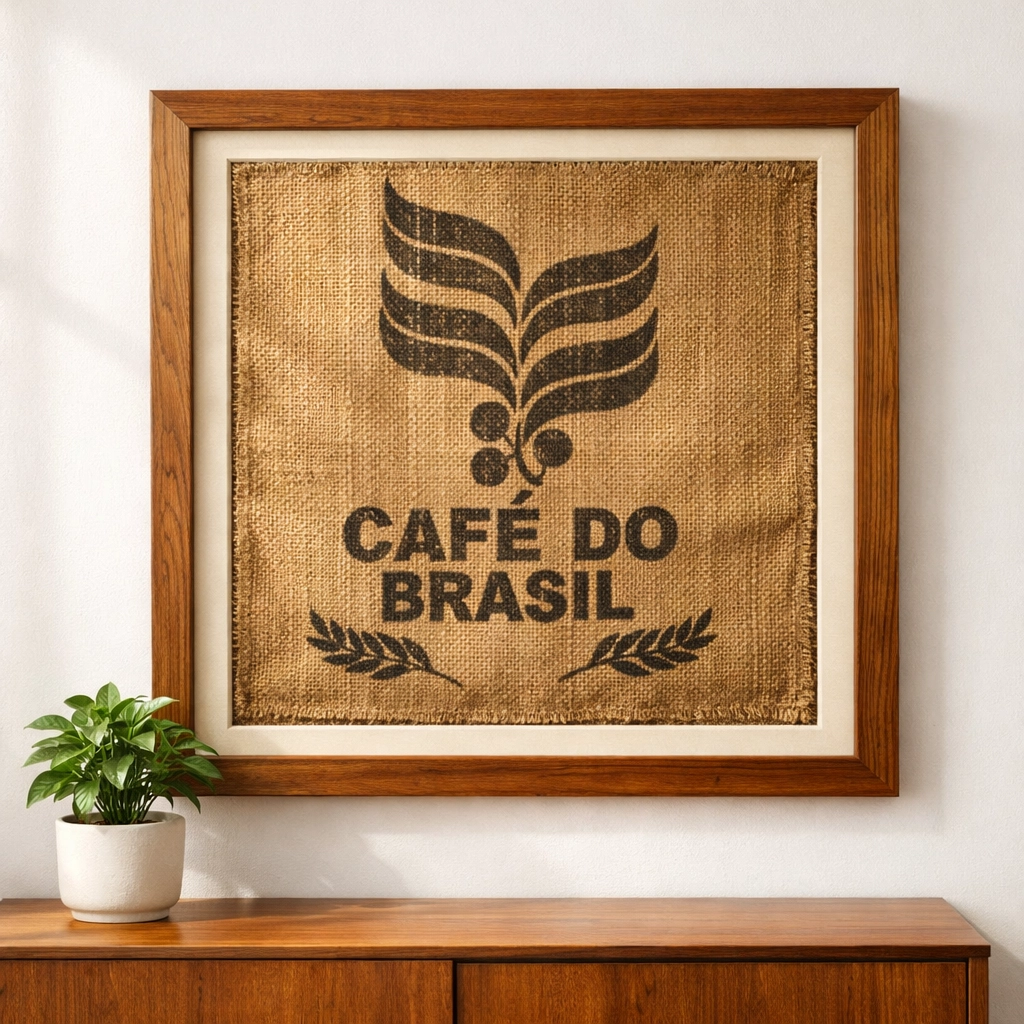
    Framed burlap coffee sack with a rustic botanical design as unique wall art for home decor.

    How to do it:
    Basically, you are treating the sack like a canvas. You have two main options here:

    1. The Gallery Frame: Find a large, deep-set frame (around 24×36 inches usually works well). Cut the best section of the sack, making sure to leave an extra inch or two around the edges. Mount it over a sturdy piece of cardstock or foam board and pop it behind glass. This looks incredibly sophisticated in a home office or dining room.
    2. The Canvas Stretch: Buy a cheap artist’s wooden stretcher bar frame. Stretch the burlap over the frame and staple it to the back, just like a real canvas. This gives a more raw, textural look that’s perfect for industrial spaces.

    We think these look best when grouped in threes. If you’ve got sacks from different regions, say, one from Brazil and one from Indonesia, it creates a fantastic "traveler’s" wall. If you want to learn more about where these designs come from, check out how we handle sourcing our coffee.


    2. Rustic Cushion Covers

    If you want to add some serious "oomph" to your sofa, coffee sack cushions are the way to go. They are tough, full of character, and surprisingly comfortable if you do them right.

    Pro Tip: Burlap can be a bit scratchy against the skin. We recommend using the coffee sack for the front of the cushion and a softer fabric, like canvas or heavy cotton, for the back.

    The Method:
    Measure your cushion inner (usually 45cm x 45cm or 50cm x 50cm). Cut your coffee sack piece slightly larger to allow for seams. If you’re feeling crafty, you can sew in a zip, but a simple "envelope" style back is much easier for beginners.

    So, why bother? Well, they are virtually indestructible. If you have kids or pets, these cushions can take a beating and still look great. Plus, they look far more expensive than they actually are. If you’re busy DIY-ing and need a caffeine hit to keep the sewing machine hummin', you can grab some of our latest roasts at Limini Coffee.


    3. The Eco-Friendly Pet Bed

    Our furry friends deserve a bit of style too, right? Coffee sacks make for excellent pet beds because the weave is breathable and the material is naturally quite cooling.

    A cozy pet bed made from upcycled coffee sacks with a dog sleeping in a sunlit room.

    Construction:
    For a medium-sized dog, two coffee sacks sewn together are usually the perfect size.

    1. Turn the sacks inside out and sew three sides together.
    2. Stuff it! You can use old pillows, foam offcuts, or even clean fabric scraps.
    3. For a "luxury" version, we’ve seen people use a 4cm to 8cm thick foam rubber pad.
    4. Oversew the final edge with heavy-duty jute string for a really rustic, handmade look.

    The beauty of this is that the hessian is quite "self-cleaning" in a way, hair doesn't stick to it as badly as it does to fleece, and you can easily shake it out. It's a great way to use the sacks that might have a few small holes or tears that wouldn't work for wall art.


    4. Charming Café Curtains

    Imagine a sunny morning, the sun streaming through your kitchen window while you’re weighing out beans for your morning brew (perhaps using our coffee brewing calculator). Now imagine that light filtered through the warm, golden weave of a coffee sack.

    Café curtains cover only the bottom half of a window, providing privacy while still letting in plenty of light.

    How to hang them:
    You don't even need to be a master tailor for this. You can use "clip rings" on a simple tension rod. Just fold over the top edge of the sack to the desired height, clip it, and slide it onto the rod. The raw, frayed edges at the bottom can actually look quite intentional and "shabby chic." If you prefer a cleaner look, a simple hem will do the trick.

    It creates a lovely, rustic "coffee shop" atmosphere right in your own kitchen. Speaking of coffee shop vibes, if you're ever thinking of taking your love for coffee further than just decor, we offer full barista training to help you master the craft.


    5. Upcycled Furniture: The Ottoman or Stool

    This is the "boss level" project. If you have an old, tired-looking footstool or a wooden crate, coffee sacks are your best friend.

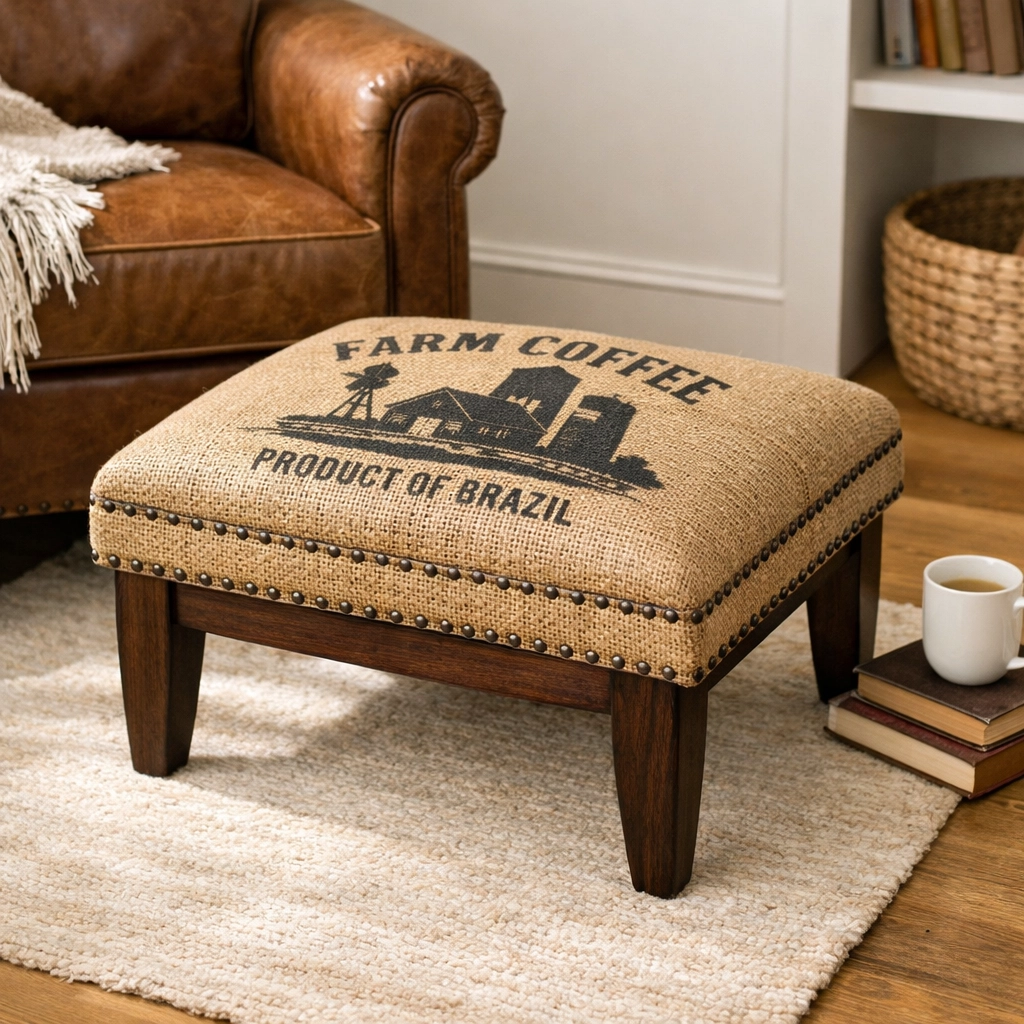
    Vintage coffee sack upholstered footstool in a cozy reading nook, showcasing rustic furniture decor.

    The Project:
    Upholstering a stool with a coffee sack instantly turns a piece of "junk" into a conversation starter.

    1. Remove the old fabric from your stool or chair pad.
    2. Lay your coffee sack over the top, centering the logo.
    3. Using a heavy-duty staple gun, pull the fabric tight (but not so tight you distort the print) and staple it to the underside of the frame.
    4. Trim the excess.

    For a coffee table, you can even "decoupage" burlap onto the surface. This involves using a lot of adhesive (like Mod Podge) to stick the fabric down flat and then sealing it with multiple coats to create a hard, wipeable surface. It looks incredible on a side table next to a lever espresso machine.


    A Few Final Tips for Working with Coffee Sacks

    Working with burlap is a bit different from working with silk or cotton. Here are a few things we’ve learned over the years:

    • Shedding is real: Burlap sheds small fibres. Once your project is finished, a quick spray with a clear fabric sealer or even a light mist of hairspray can help keep those fibres in place.
    • Use the right needle: If you’re sewing, use a heavy-duty "denim" needle. A standard thin needle will likely snap the moment it hits a thick seam.
    • Embrace the smell: New sacks can have a very faint "earthy" or "oily" smell (from the jute fibres). This usually fades after washing and airing out, but we actually think it adds to the charm.
    • Mix and Match: Don't be afraid to use different sacks for one project. A "patchwork" coffee sack beanbag is a project for the truly ambitious, but it looks amazing!

    Upcycling is such a rewarding way to connect with the global journey of coffee. Every time you look at that framed print or rest your feet on that upholstered stool, you're reminded of the hard work that goes into every bean. It's about more than just decor; it's about respect for the materials and the environment.

    If you’re feeling inspired to start your own project but need some high-quality beans to get the creative juices flowing, head over to Limini Coffee and see what we’ve got roasting this week. We’d love to see what you create: tag us in your DIY photos!

    Happy crafting, and even happier brewing. ☕️

  • Top 10 Boutique Hotel Management Tips to Future-Proof Your Property

    Top 10 Boutique Hotel Management Tips to Future-Proof Your Property

    Automate the routine. Elevate the human. Scale the soul.

    Boutique hotels aren’t just places to sleep; they are curated experiences. But in 2026, having a "cool vibe" isn't enough to stay ahead of the curve. You need a tech-forward strategy that keeps your operations lean and your guest satisfaction high. Most independent properties are seeing a 20% increase in direct bookings just by streamlining their digital journey. It’s about creating a frictionless environment where your team can stop staring at screens and start looking at guests.

    Modern hospitality is built on a single, unified platform.

    1. Build your brand as a system of belief

    Your brand is not your logo. It is not the thread count of your linens or the specific shade of sage green in the lobby. It is the way your team makes decisions when you aren’t in the room. In the boutique world, your "belief system" is your competitive moat.

    We think every interaction should feel intentional.

    • Define your "North Star" service values.
    • Empower staff to solve problems without a manager’s signature.
    • Communicate your "why" in every guest touchpoint.

    When your brand has a soul, guests don't just stay: they belong. This emotional connection is what drives repeat visits and organic word-of-mouth that no ad spend can buy.

    2. Establish clear service rituals

    High turnover is the ghost that haunts the hospitality industry. To future-proof your property, you need onboarding systems that work faster than a morning espresso. Short, repeatable rituals ensure that even a new hire on their first day can deliver your signature experience.

    • Create 5-minute training modules for key procedures.
    • Standardize "The Greeting" to match your brand voice.
    • Use checklists that live on mobile devices, not in dusty binders.

    Professional boutique hotel staff using a tablet for streamlined guest service in a minimalist lobby.

    3. Master the personalized guest journey

    Technology shouldn't replace the human touch: it should provide the stage for it to shine. By the time a guest walks through your door, you should already know if they prefer oat milk in their coffee or if they’re celebrating a quiet anniversary.

    We believe the best service feels like magic.

    • Automate pre-arrival emails to collect preferences.
    • Enable mobile check-in to skip the front desk bottleneck.
    • Use "invisible" tech to alert housekeeping when a guest leaves the room.

    By removing the "transactional" elements of a stay, you give your team the freedom to create moments that matter. Check out how Mews makes this transition seamless.

    4. Leverage guest data like a tech giant

    Data is the new concierge. Use your CRM and PMS to understand travel context. Is this a business traveler who needs a quiet corner and fast Wi-Fi, or a digital nomad looking for the best local mezcal bar?

    "We saved 15 hours a week just by letting the system segment our guest data automatically," says one boutique owner.

    • Track spending patterns to offer relevant upsells.
    • Personalize post-stay outreach based on room type.
    • Analyze peak booking windows to optimize your marketing spend.

    5. Adopt hyper-personalized pricing

    Static rates are a relic of the past. In 2026, inventory management is an art form. Your Tuesday night business guest and your Saturday night wedding guest shouldn't be looking at the same offer.

    Get your revenue working for you:

    1. Break down inventory into distinct "experience" categories.
    2. Use real-time demand curves to adjust rates automatically.
    3. Offer "attribute-based" booking (let them pick the specific room with the bathtub).

    Luxury boutique hotel room featuring a minimalist stone bathtub and high-end guest amenities.

    6. Implement a proactive service model

    Reactive service is just damage control. Proactive service is hospitality. Use the information you’ve gathered to solve problems before they exist. If a guest is traveling with a dog, have the water bowl and treats ready in the room. If they’ve stayed before, remember their favorite floor.

    • Send a "text us when you're 10 minutes away" message.
    • Pre-book reservations at local hotspots for your VIPs.
    • Offer a "welcome back" amenity that reflects their previous stay.

    7. Build a modern tech stack strategically

    The heart of your property isn't the lobby: it's your PMS. A clunky, legacy system is a weight around your neck. You need a cloud-native platform that talks to your smart keys, your energy management systems, and your guest messaging apps.

    We think your tech should be as beautiful as your interior design.

    • Prioritize open APIs that allow for easy integrations.
    • Switch to a mobile-first platform for staff flexibility.
    • Invest in tech that reduces the "administrative burden."

    Ready to see what a modern PMS can do? Explore the possibilities at Mews.

    Modern boutique hotel guest using a smartphone for seamless digital key room access.

    8. Invest in culture-first hiring

    You can teach someone how to use a coffee machine, but you can’t teach them how to care. In a labor-tight market, your property’s culture is your best recruitment tool. Hire for empathy, curiosity, and alignment with your brand’s "system of belief."

    • Look for "hospitality DNA" over years of experience.
    • Recognize wins publicly to foster a sense of pride.
    • Provide clear paths for growth within the property.

    9. Optimize efficiency through forecasting

    Operating a boutique hotel requires being a bit of a fortune teller. Use data-driven occupancy forecasting to ensure you aren't overstaffed on a slow Monday or drowning on a busy holiday weekend.

    • Automate housekeeping schedules based on real-time check-outs.
    • Use AI to predict grocery and supply needs to reduce waste.
    • Schedule maintenance during low-occupancy windows to minimize guest impact.

    Accuracy leads to profitability. When you know what’s coming, you can manage your resources with surgical precision.

    10. Design every space to reinforce your story

    Every corner of your property should be a chapter in your brand's narrative. From the scent in the elevators to the playlist in the bar, every sensory detail should feel like you.

    We believe every square foot is an opportunity.

    • Create "Instagrammable" moments that encourage guest-led marketing.
    • Balance aesthetics with functional comfort (pretty chairs are useless if they’re uncomfortable).
    • Use lighting and sound to shift the mood from morning to night.

    Sophisticated boutique hotel lounge design with mid-century modern furniture and natural lighting.

    The future belongs to the agile

    Boutique hotels have a unique advantage: the ability to pivot faster than the big chains. By embracing a "tech-human" hybrid model, you can provide the level of personalization that today's travelers crave while maintaining the operational efficiency of a global brand.

    It’s not about doing more; it’s about doing what matters.

    Stop fighting with your software and start focusing on your guests. A 30-minute demo of a modern platform can show you how to reclaim your time and future-proof your property.

    See how Mews can transform your operations and get you earning more revenue in no time. Get started here.