Let’s talk about the Great Coffee Illusion. You’ve probably seen the headlines or heard the "experts" at the pub claiming that coffee shops are absolute gold mines. The logic usually goes something like this: "It only costs 20p to make a cup of coffee, and they sell it for £3.50! That’s a massive markup!"
And honestly? On paper, they aren’t entirely wrong. If you look strictly at the cost of goods sold (COGS) for a single beverage, the margins are eye-watering. We’re talking 70% to 85% on brewed coffee and a solid 65% to 80% on specialty drinks like lattes or flat whites.
But if it were really that easy, every coffee shop owner would be retiring to a private island after three years in business. The reality is a bit more nuanced. While the item-level margin is high, the business-level net profit for most independent shops often hovers between 2.5% and 6.8%.
So, where does the money go? And more importantly, how can switching to a wholesale specialty coffee model actually save your margins rather than squeeze them? Let’s dive into the mechanics of coffee math.
The Margin Trap: Markup vs. Profitability
Imagine your shop brings in £10,000 in a week. If you have a 75% gross margin on your drinks, you might think you’re sitting pretty with £7,500. But then the "Margin Monsters" arrive. Rent, business rates, electricity (which isn't getting any cheaper, is it?), insurance, and the biggest one of all: labour.
By the time you pay your baristas, service your espresso machine, and buy those compostable cups, that 75% margin has been whittled down significantly. This is why focusing solely on the "cheapest" bean is often a trap.
You might think, "If I buy a commodity-grade coffee for £8 a kilo instead of a specialty wholesale coffee for £16 a kilo, I’ll double my profit!"
But we’ve seen it time and time again: it usually works the opposite way. Cheap coffee is often harder to dial in, leads to more waste, and: most importantly: doesn't give customers a reason to walk past three other shops to get to yours.
Why Specialty Coffee is Actually a Defensive Strategy
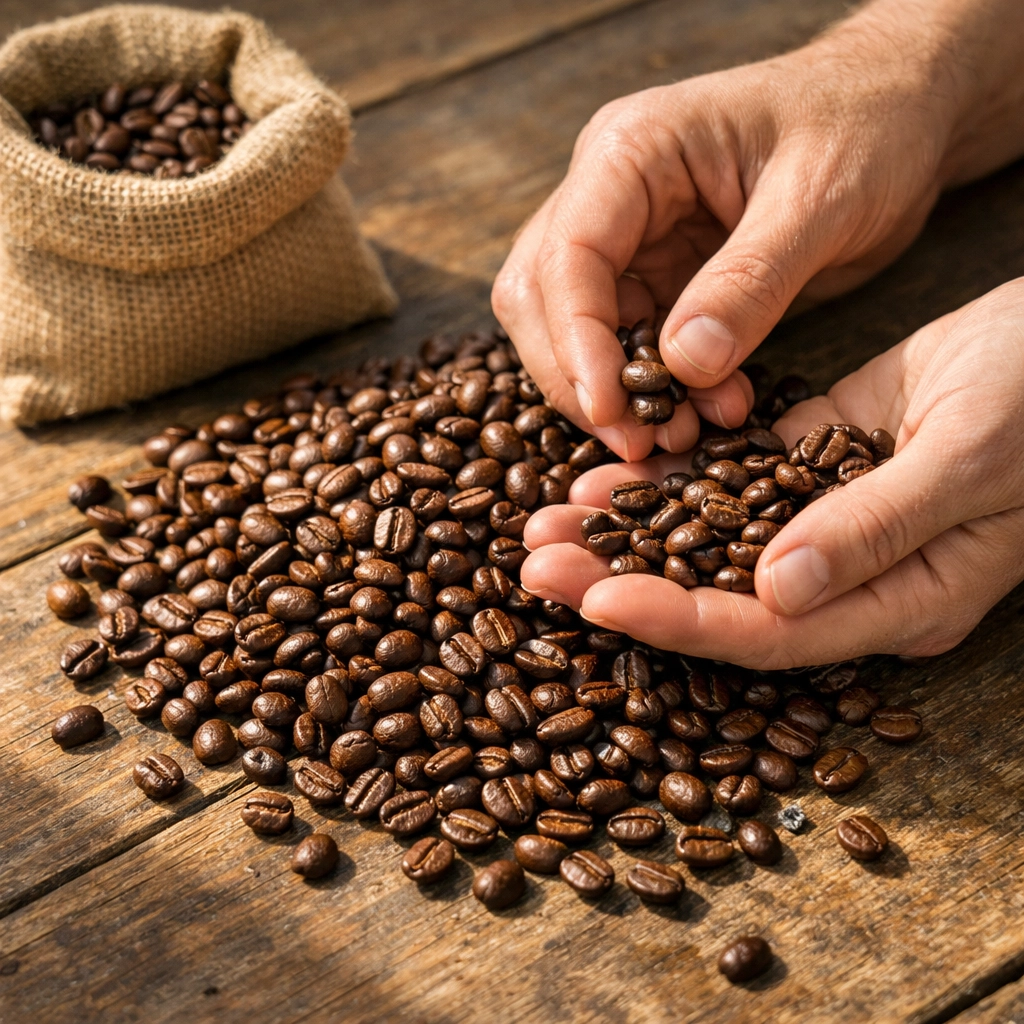
When we talk about "Specialty Coffee," we aren’t just being fancy. It’s a technical distinction. We’re talking about coffee that has been graded 80+ points on a 100-point scale. But for a business owner, "Specialty" translates to "Consistency" and "Value."
Here is how specialty wholesale changes your margin perspective:
1. Reduced Waste and Dial-in Time
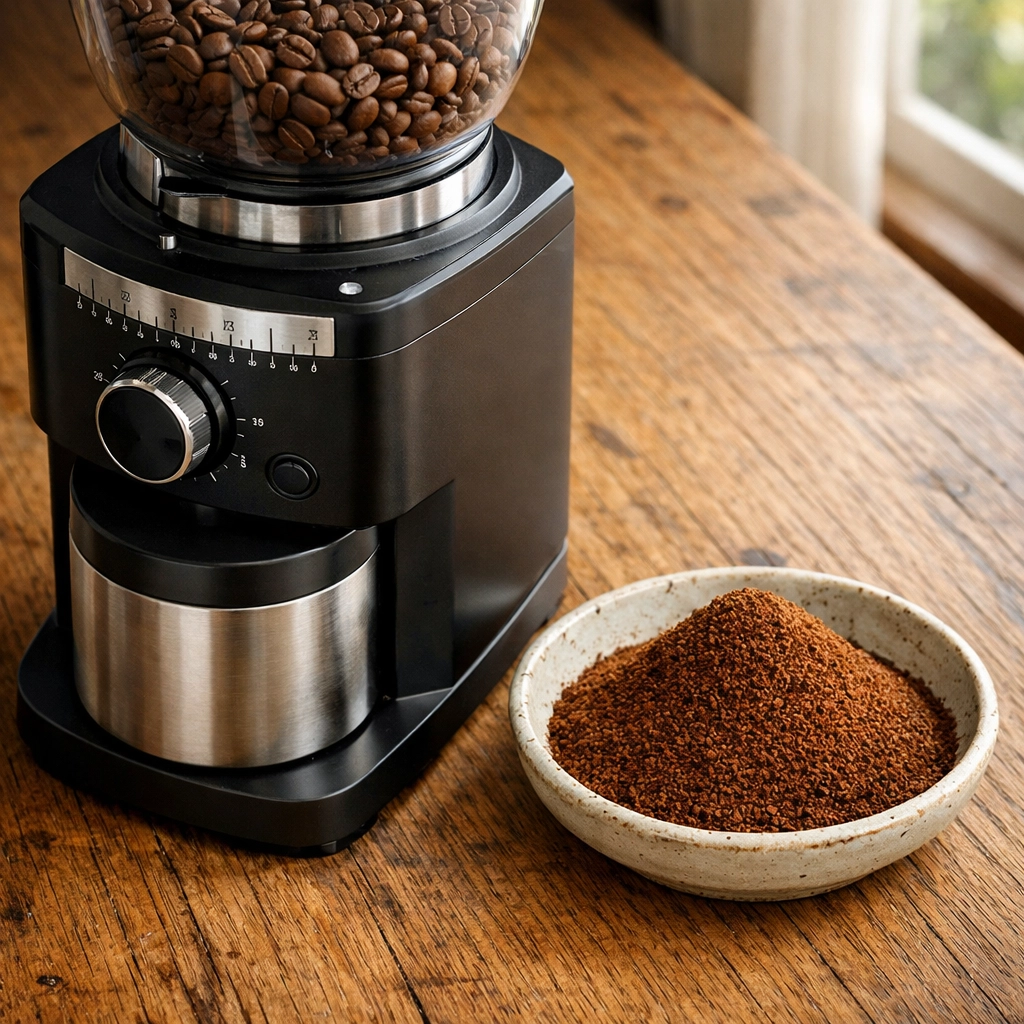
Cheap, inconsistent beans are a barista’s nightmare. One bag is oily; the next is dry. One bag is roasted to a cinder; the next is underdone. This means your staff spends more time "dialing in" the grinder and pouring test shots down the sink. If you're tossing 5–10 shots every morning just to get a drinkable brew, your "cheap" coffee just became very expensive. Specialty beans from a reputable roaster are consistent. You set it, you check it, and you’re ready to go.
2. The Power of Premium Pricing
If you sell "just coffee," you are a commodity. You’re competing with the petrol station and the massive chains on price. That is a race to the bottom that you will not win. However, when you serve specialty coffee, you’re selling an experience. You can confidently charge an extra 40p or 50p per cup because the quality is noticeably higher. That extra 50p goes straight to your bottom line, often more than covering the slightly higher cost per kilo of the beans.
3. Equipment Longevity
It sounds strange, but the quality of your coffee affects your gear. Oily, over-roasted commodity beans leave more residue and carbon buildup on your group heads and internal valves. We always say that looking after your espresso machine is the easiest way to protect your margins. Using high-quality, cleanly roasted specialty coffee means less "gunk" in the system and fewer emergency call-outs for a machine that’s stopped performing at 9 BAR.
The Technical Math: Breaking Down a Latte
Let’s look at the numbers. If you’re using a high-quality espresso machine: perhaps one of the La Spaziale models we love: your recipe might look like this:
- Coffee: 18g of specialty espresso (Cost: ~28p)
- Milk: 250ml of high-quality whole milk, textured to 140 °F / 60 ºC (Cost: ~20p)
- Cup/Lid/Sleeve: (Cost: ~15p)
- Total Variable Cost: 63p
If you sell that latte for £3.60, your gross profit is £2.97. That’s an 82% margin.
Now, let’s say you used the "cheap" coffee and saved 10p per cup on the beans. Your cost drops to 53p. Great, right? But what if the lower quality means you lose just 5% of your daily customers? Or what if your staff takes 10 minutes longer every morning struggling with the extraction? The "saving" disappears instantly.
Basically, specialty coffee isn't an expense; it's an insurance policy for your customer retention.
Wholesale is a Partnership, Not Just a Transaction
This is where the real margin magic happens. When you work with a wholesale partner: like what we offer here at Limini: you aren't just buying bags of beans. You’re buying an ecosystem of support.
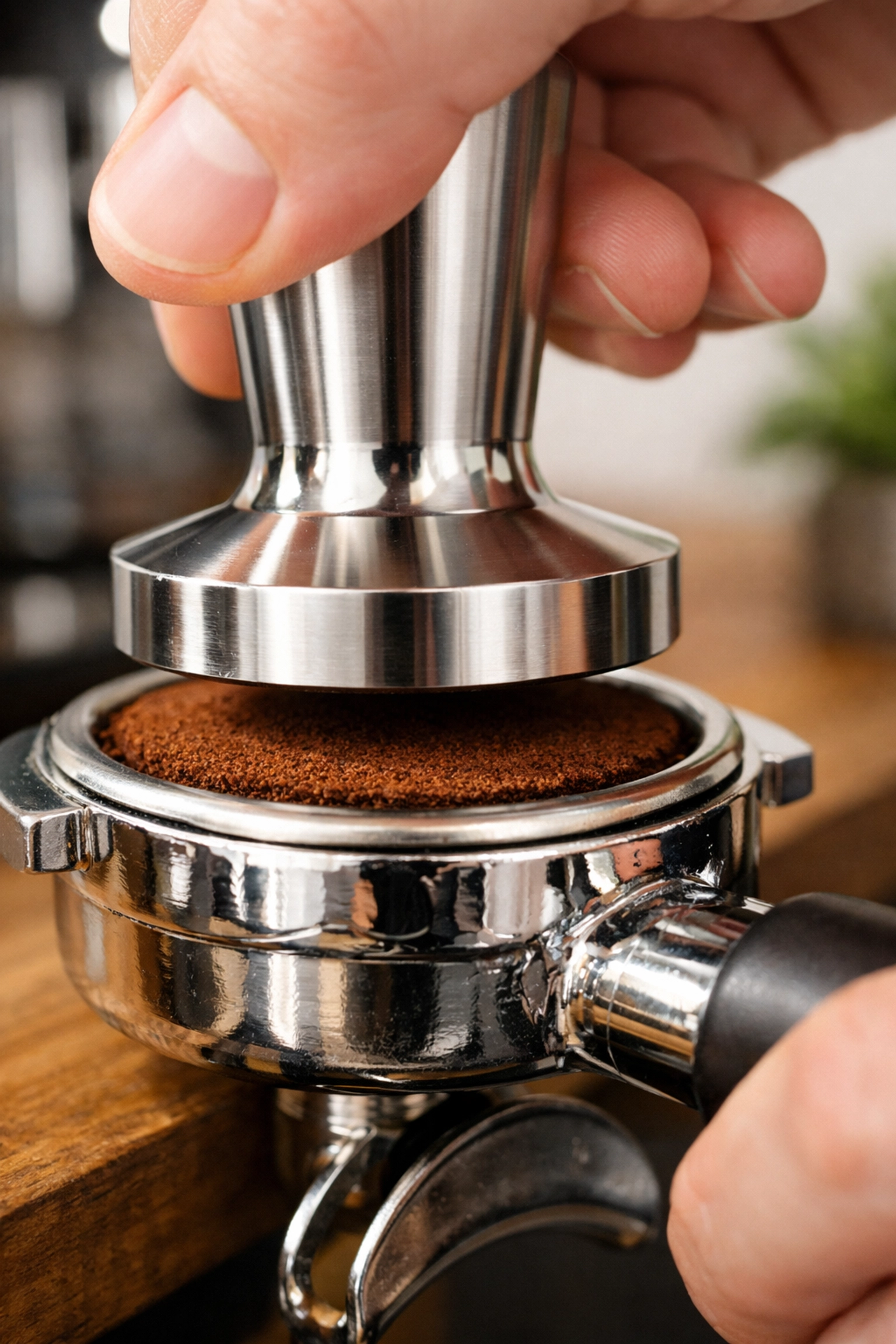
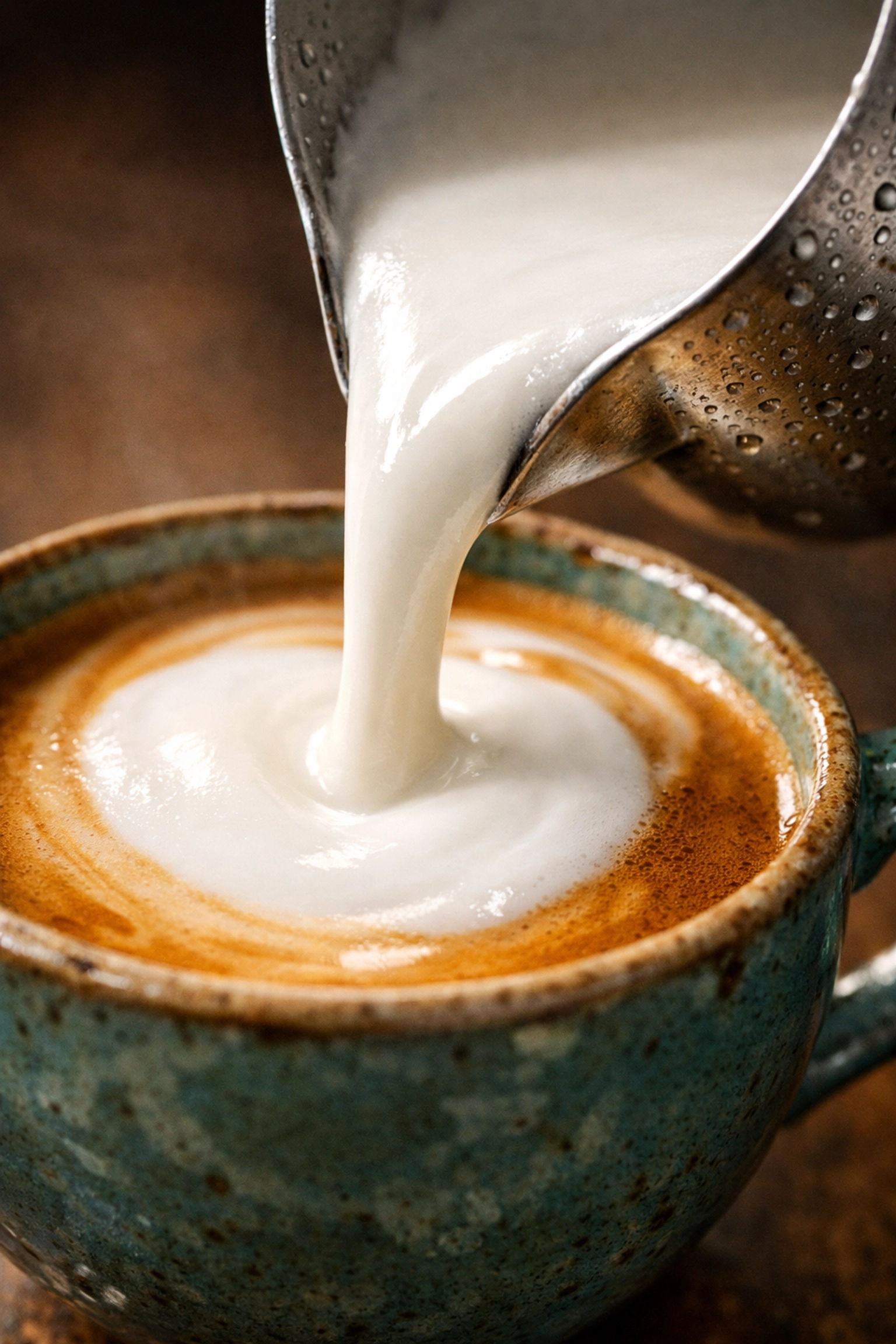
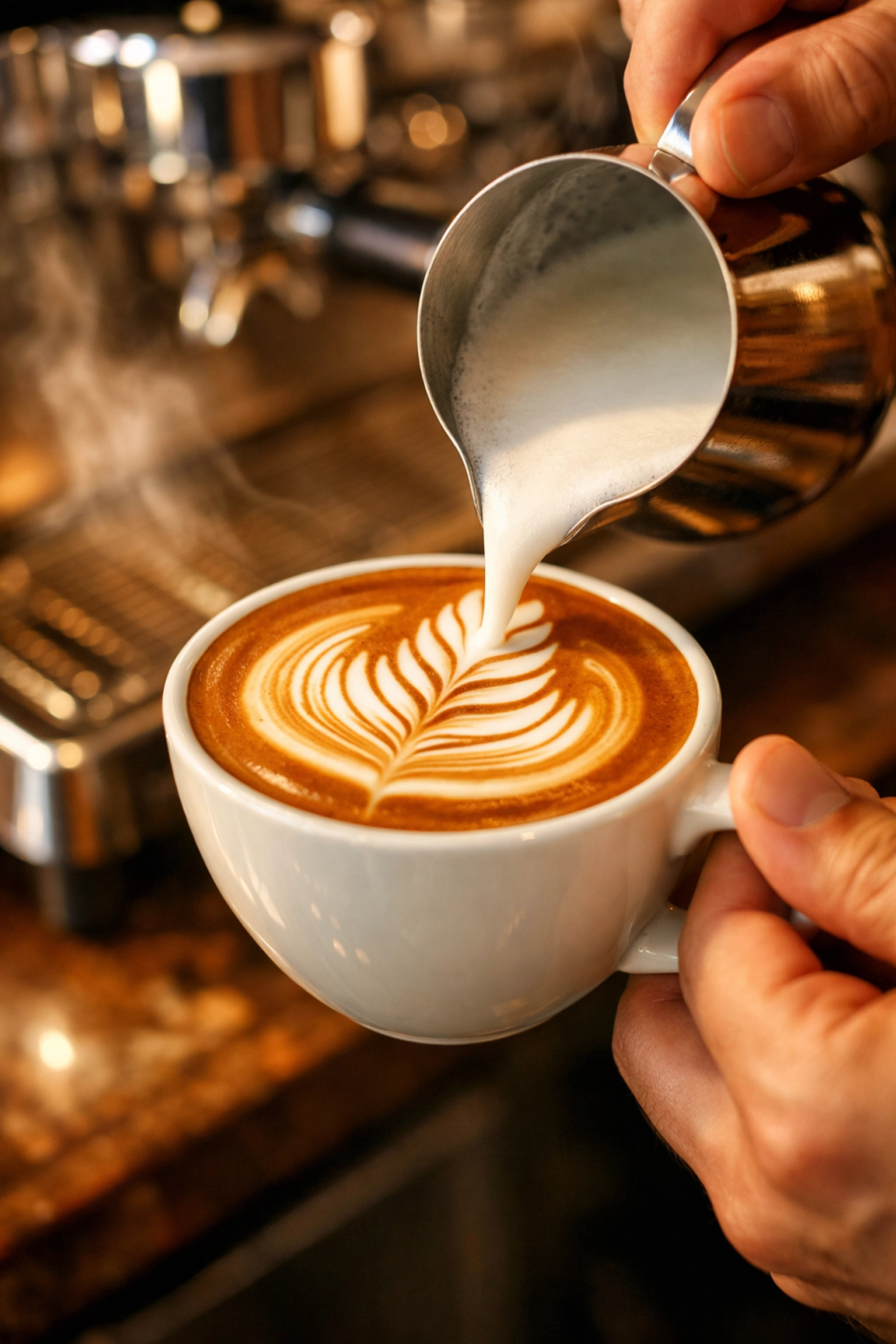
If your baristas aren't trained properly, they’ll waste milk, burn shots, and give away "freebies" because they’re embarrassed by the quality. This is why we place such a huge emphasis on barista training. A trained barista is an efficient barista. They know how to handle milk texturing to minimize waste and how to tamp correctly to ensure every shot is perfect.
Efficiency is the secret ingredient to healthy margins. If you can serve 60 customers an hour instead of 40 because your workflow is optimized and your coffee is easy to work with, your labour cost per cup plummets.
How to Start Thinking Differently
If you want to change the way you think about your margins, stop looking at the price per kilo and start looking at the "Profit Per Kilo."
One kilo of coffee should yield about 50 to 55 double espressos.
- Option A: Cheap coffee at £12/kg. You sell 50 cups at £3.00. Total revenue: £150.
- Option B: Specialty coffee at £18/kg. You sell 50 cups at £3.50. Total revenue: £175.
For an extra £6 investment in your beans, you’ve generated an extra £25 in revenue. That is a 316% return on that extra £6 spent. That is the specialty coffee margin.
And it's not just about the beans. It’s about the theatre of the cafe. It's about the cups you choose and the environment you build. Everything contributes to the perceived value, which allows your margins to stay healthy even when inflation tries to bite.

The Bottom Line
We believe that the most successful coffee businesses are those that treat coffee as a craft, not a commodity. By choosing to go the wholesale specialty route, you are positioning your business in a "safe zone" where quality justifies your price point.
You don't need to be a chemist to understand this stuff, though a little bit of technical knowledge helps! Whether you are choosing espresso equipment for the first time or looking to switch suppliers, keep your eyes on the net profit, not just the bag price.
If you’re ready to see how a specialty partnership can actually improve your bottom line while making your life a whole lot easier, we’d love to help. You can explore our wholesale options and get started here.
Remember, at the end of the day, a coffee shop is a volume business built on tiny details. When those details: like the crema on your espresso: are perfect, the volume takes care of itself.
So, stop worrying about the 20p and start focusing on the £3.50 experience. Your bank account will thank you for it. 😊
Want to dive deeper into the business of coffee? Check out our training overview or see what other shop owners say about us here. We've helped hundreds of shops find that "sweet spot" where quality meets profitability, and we'd love to do the same for you. ☕️