Blog

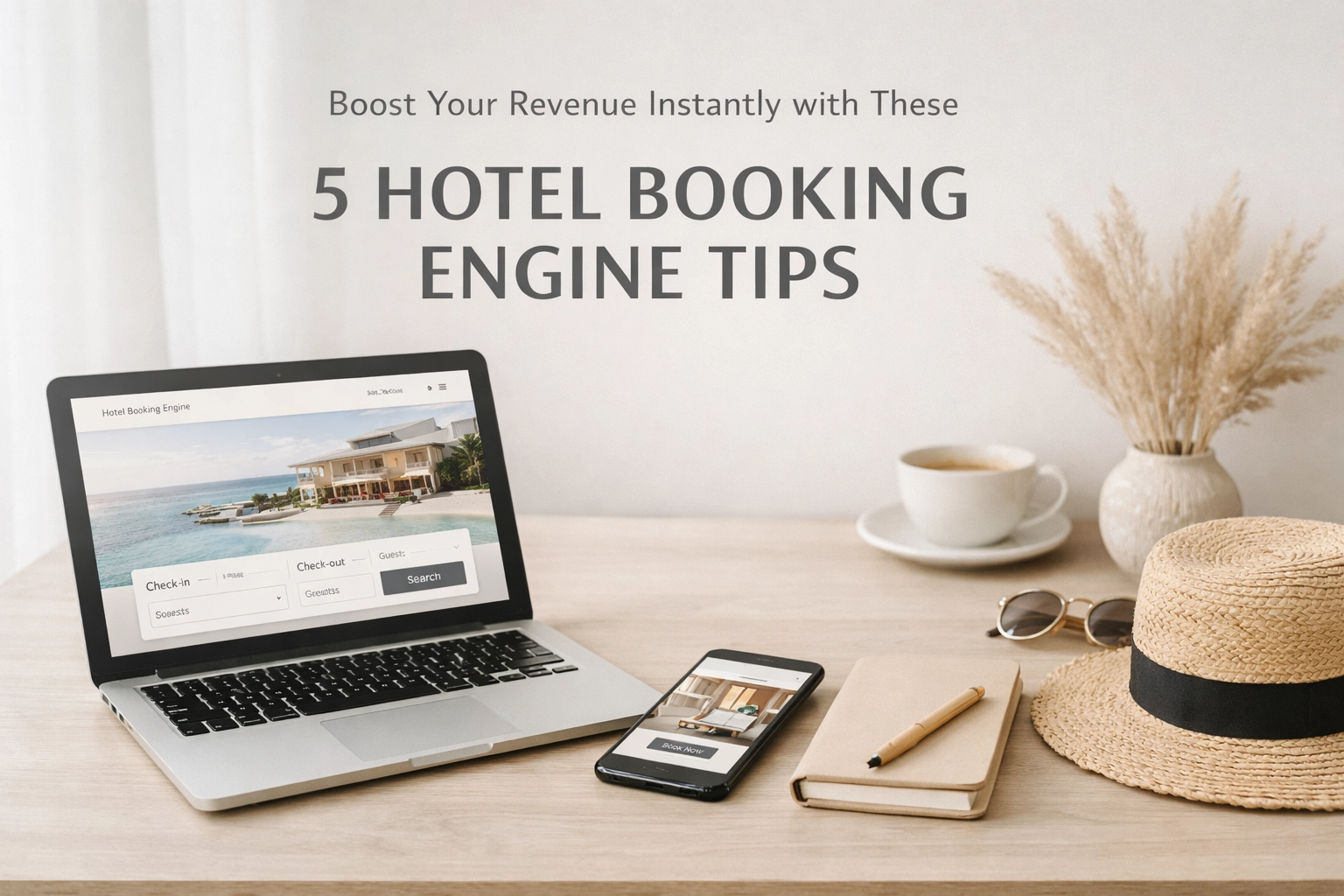
  • Boost Your Revenue Instantly with These 5 Hotel Booking Engine Tips

    Boost Your Revenue Instantly with These 5 Hotel Booking Engine Tips

    Optimize your sales. Drive direct bookings. Scale your revenue.

    You want more direct bookings. It’s the dream of every hotelier: bypassing the heavy commissions of OTAs and building a direct relationship with your guests from the very first click. Most properties see a 25% increase in conversion simply by refining their digital storefront. The secret isn't just having a website; it's about having a high-performance booking engine that works as hard as you do.

    We believe that technology should empower hospitality, not complicate it. By moving away from clunky, legacy systems and embracing a modern, cloud-native approach, you can transform your booking engine into a 24/7 revenue-generating machine. It’s about creating a frictionless journey that turns lookers into bookers, all from one innovative platform.

    1. Optimize for mobile-first guests.

    The world has gone mobile. If your booking engine requires a desktop to navigate, you are leaving money on the table. Over 60% of travel searches now happen on smartphones, and that number is only climbing. A mobile-responsive design isn't a "nice-to-have" anymore: it’s the foundation of your digital strategy.

    We believe the guest experience starts long before they arrive at your front desk. If the mobile interface is slow or difficult to use, guests will bounce back to an OTA faster than you can say "occupancy rate."

    • Use responsive design that adjusts instantly.
    • Prioritize lightning-fast loading speeds.
    • Keep buttons large and easy to tap.

    Guest using a mobile-optimized hotel booking engine on a smartphone for a seamless guest experience.

    "Since we switched to a mobile-optimized engine, our direct bookings from smartphones jumped by 40% in just three months," says one Mews user. It’s not magic; it’s just making it easy for people to give you their money. When your hotel PMS and booking engine share the same DNA, the data flows perfectly, ensuring that what the guest sees on their phone is exactly what’s available in your inventory.

    2. Simplify the path to purchase.

    Decision fatigue is real. When you present a guest with twelve different room types and sixteen different rate plans, they often choose… nothing. They get overwhelmed and leave. The most successful booking engines are the ones that stay out of the way.

    We think that a streamlined checkout is the ultimate guest service. Every extra click is an opportunity for a guest to change their mind. You need to strip away the noise and focus on the essential information.

    • Reduce the number of steps to three or fewer.
    • Ask only for vital guest details.
    • Offer one-click payment options like Apple Pay or Google Pay.

    A clean interface doesn't just look better; it performs better. By integrating your booking engine directly with your hotel management software, you can automate the data entry, meaning the guest doesn't have to type their life story just to stay for one night.

    Laptop displaying an integrated hotel PMS and management software on a clean, modern stone desk.

    3. Lead with total price transparency.

    Nobody likes "hidden fee" surprises at the end of a checkout flow. It’s the fastest way to kill trust and increase cart abandonment. Transparency is the new currency in hospitality. When guests see the total price: including taxes and fees: from the very first step, they feel more confident in their purchase.

    We believe in building relationships based on trust. Showing the full cost upfront might feel scary, but it actually increases your conversion rate because it qualifies the guest early in the process.

    1. Display all taxes and mandatory fees immediately.
    2. Clearly outline your cancellation policies.
    3. Highlight the value of booking direct (like free breakfast or late checkout).

    When your booking engine is connected to a smart channel manager, you ensure that your pricing is consistent across all platforms, but your direct site should always feel like the best deal. This transparency, backed by automation, ensures your staff isn't spending hours explaining "resort fees" over the phone.

    A tablet in a hotel suite showing transparent room rates from a direct booking engine.

    4. Personalize the guest journey.

    A generic experience is a forgettable experience. Modern guests expect you to know who they are: especially if they’ve stayed with you before. If your booking engine can recognize a returning guest and offer them their favorite room type or a "welcome back" perk, you’ve already won.

    We think that data should be used to make guests feel special. By leveraging a built-in CRM, your booking engine can pull historical data to tailor the offers shown to each user.

    • Use guest profiles to remember preferences.
    • Offer "frequently booked together" add-ons.
    • Implement localized currency and language options.

    "It feels like the hotel actually knows me," a guest recently noted after a personalized booking experience. This level of detail used to be reserved for luxury boutiques, but with the right automation-focused tech, any property can deliver it. It’s about moving from a transaction to a relationship.

    Personalized hospitality amenities on a bedside table, managed via an automated guest CRM.

    5. Automate your upselling strategy.

    Your booking engine is your best salesperson. It doesn't get tired, and it never forgets to ask for the upsell. Instead of just selling a room, sell an experience. Whether it’s a bottle of champagne on arrival, a spa treatment, or a room upgrade, these small additions can significantly boost your RevPAR (Revenue Per Available Room).

    We believe that upselling should feel like a suggestion, not a sales pitch. It’s about enhancing the guest's stay, not just padding your bottom line.

    • Offer relevant add-ons during the booking flow.
    • Enable "bid for upgrade" features.
    • Bundle services into attractive packages.

    By using dynamic pricing, your booking engine can adjust these offers based on real-time demand. If you have premium suites sitting empty for tomorrow, the engine can automatically offer them as a discounted upgrade to guests currently booking. This is where the power of a cloud-native platform really shines: everything stays synced in real-time, from your self-check-in kiosks to your housekeeping app.

    Luxury room service set up in a suite, illustrating effective automated hotel upselling features.

    The Power of an Integrated Platform

    The common thread through all these tips? Connectivity. You can't have a high-performing booking engine if it’s siloed off from the rest of your operations. When your booking engine, hotel PMS, and channel manager live on the same platform, the magic happens.

    Automation takes the manual work out of your hands. No more re-typing credit card numbers. No more manual inventory updates at 2 AM. You get more time to focus on what actually matters: your guests.

    We’ve seen properties save 10+ hours a week on admin just by switching to a system that prioritizes automation. That’s 10 hours you can spend improving your property or training your team to provide even better service.

    See what Mews can do.

    Ready to see how a modern, cloud-native platform can transform your revenue? It's time to stop fighting with your tech and start letting it work for you.

    • Schedule a 15-minute discovery call.
    • Get a personalized demo of the booking engine.
    • See how automation can simplify your life.

    Explore the future of hospitality at Mews and get you earning more revenue in no time. (It's easier than you think).


  • The Ultimate Guide to Coffee Roaster Wholesale: Everything You Need to Succeed

    The Ultimate Guide to Coffee Roaster Wholesale: Everything You Need to Succeed

    So, you’re thinking about diving into the world of coffee? Maybe you’re standing in an empty retail space with a set of keys and a dream of a bustling café, or perhaps you’re looking to upgrade your current offering because the "supermarket special" just isn't cutting it anymore. Whatever the case, choosing a wholesale coffee partner is one of the biggest decisions you'll make.

    It isn't just about buying bags of beans. It’s about finding a partner who cares as much about your morning rush as you do. Here at Limini Coffee, we’ve seen it all: from tiny pop-ups to high-volume shops: and we know that the relationship between a roaster and a wholesale client is the secret sauce to success.

    In this guide, we’re going to walk through everything you need to know about wholesale coffee roasters, from sourcing and equipment to the support that keeps your business steaming ahead.


    What Exactly is Wholesale Specialty Coffee?

    Before we get into the weeds, let’s talk about what we mean by "specialty." In the industry, specialty coffee refers to beans that score 80 points or higher on a 100-point scale by the Specialty Coffee Association (SCA). But for you, the business owner, it means coffee that has been grown, harvested, and roasted with an obsessive level of care.


    When you work with wholesale coffee suppliers like us, you aren't just getting "coffee." You’re getting a product with a story, a specific roast profile designed to bring out the best flavours, and a level of freshness that commodity coffee simply can't touch. Freshness is everything. We believe that coffee is a fresh produce item, not a shelf-stable tin can product.

    Why does this matter for your business? Because your customers can taste the difference. A well-roasted Brazilian bean with notes of chocolate and hazelnut will beat a burnt, oily bean every single time.


    Choosing Your Coffee Supplier: More Than Just a Price Tag

    It’s tempting to just look at the price per kilo and pick the cheapest option. We get it; margins are tight. However, the cheapest coffee often becomes the most expensive mistake when you factor in lack of support, inconsistent roasts, and unhappy customers.

    When vetting potential partners, here’s what you should be looking for:

    1. Consistency is King

    Can they deliver the same flavour profile week after week? You want your regulars to know exactly what their latte will taste like every Tuesday morning. If the roast is inconsistent, your baristas will struggle to dial in the equipment, leading to wasted coffee and frustrated staff.

    2. Sourcing Ethics

    Where does the coffee come from? We take sourcing our coffee very seriously. Transparency in the supply chain ensures that farmers are paid fairly and that the environment is respected. Your customers care about this, and being able to tell them the story of the farm adds massive value to your brand.

    3. Support and Training

    This is the big one. Does the roaster offer training? If your baristas don't know how to properly texture milk or dial in a grinder, even the world’s best coffee will taste mediocre. We highly recommend looking for a partner that provides comprehensive barista training as part of the package.

    Barista mentor teaching a student how to pour latte art in a blue ceramic cup at a wooden coffee bar.


    The "Hidden" Perks: Support Systems for Coffee Businesses

    A great wholesale relationship is about what happens after the coffee is delivered. At Limini, we see ourselves as an extension of your team. This means providing the "theatre" of coffee: the stuff that makes people stop in their tracks when they walk past your window.

    Technical Support

    Espresso machines are hardworking beasts. They’re essentially big kettles under a lot of pressure (usually 9 BAR). Eventually, something will need a bit of TLC. Does your supplier have technicians who can help? Knowing that someone has your back if a seal blows or a pump fails is priceless. We even have resources to help you understand your equipment, because the more you know, the better your coffee will be.

    Business Advice

    If you’re a startup, you might need help with the layout of your shop. We love building coffee shops and shop-fitting. Where does the grinder go? How much space do you need for the milk jugs? Getting the workflow right from day one saves hours of frustration later.


    Equipment: The Engine Room of Your Café

    You can't win a Formula 1 race in a hatchback, and you can't serve world-class espresso with a domestic machine. Choosing the right espresso equipment is a huge investment.

    Many wholesale suppliers offer equipment leasing or bundles. We often recommend brands like La Spaziale because they are incredibly reliable and produce fantastic results. Whether you’re looking for a lever or automatic machine, the goal is consistency.

    The Grinder

    Don't overlook the grinder! In many ways, the grinder is more important than the machine. A poor-quality grinder produces uneven coffee particles, leading to "channeling" and a bitter, watery brew. You want a "burr" grinder that can be adjusted with precision.

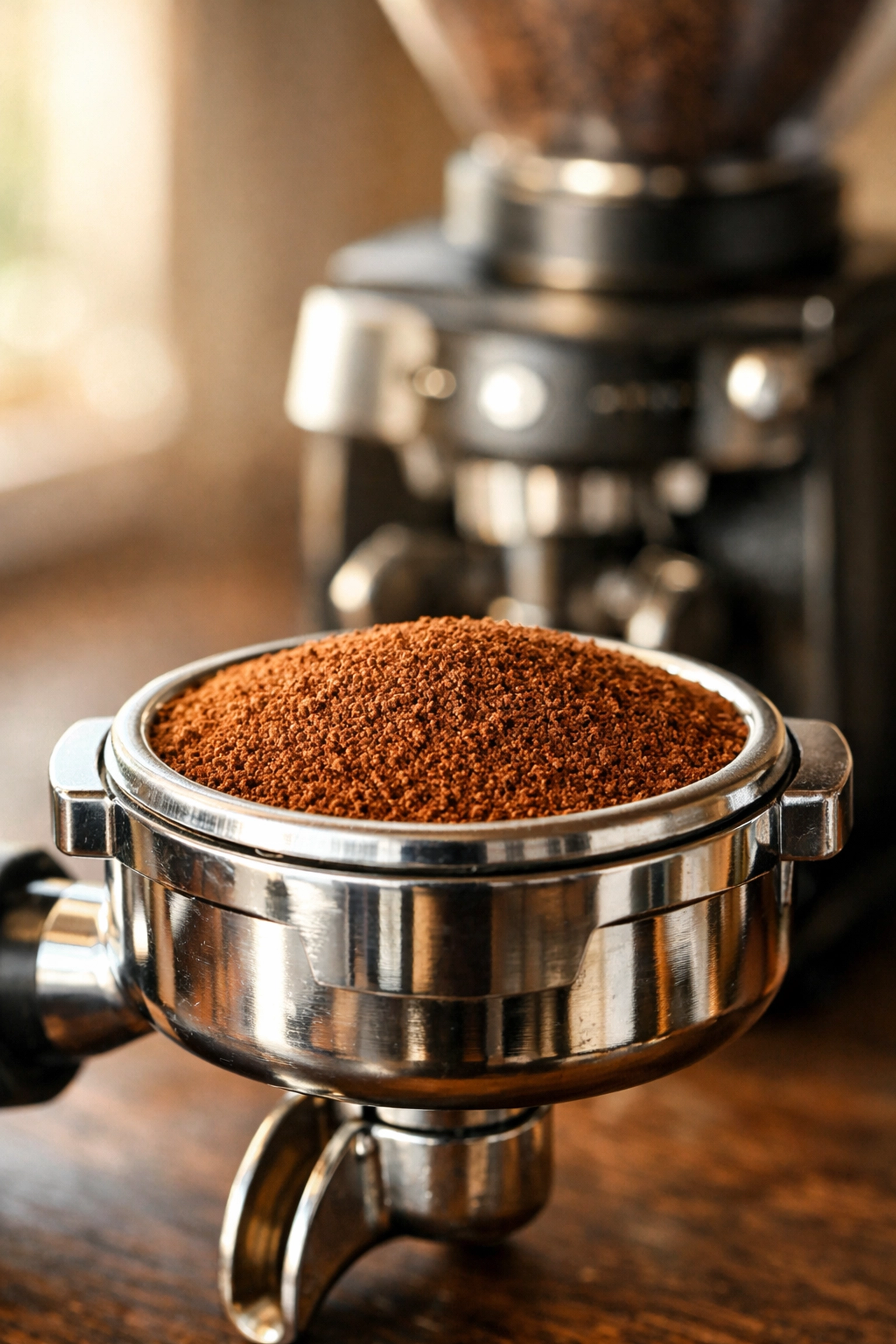
    Freshly ground specialty coffee leveled in a chrome portafilter, showing precision grinding for espresso.


    Mastering the Craft: Training Your Team

    We’ve said it before, and we’ll say it again: training is everything. You could have the most expensive setup in the world, but if your team doesn't understand the art of tamping or how to create that perfect silky milk texture, your business will suffer.

    A good training overview should cover:

    • Espresso Extraction: Understanding brew ratios and timing.
    • Milk Texturing: The difference between a latte, cappuccino, and flat white.
    • Machine Maintenance: Keeping things clean so the coffee always tastes fresh.
    • Customer Service: Because a smile is just as important as the crema.

    Speaking of crema, did you know it’s actually a bit of a misunderstood hero? We’ve written a whole piece on understanding crema that every budding barista should read.


    The Business Side: Pricing and Margins

    Let’s talk numbers. To run a successful café, you need to know your margins. Most wholesale specialty coffee is priced per kilo. A standard double shot uses about 18g of coffee. This means you get roughly 55 coffees per kilo.

    If you’re paying £20 per kilo, your coffee cost per cup is about £0.36. Add in your milk, cup, lid, and overheads, and you can see why most independent shops price their lattes around £3.50 to £4.50.

    It’s worth using a coffee brewing calculator to get your recipes perfect. This isn't just about taste; it’s about waste. If your baristas are "eye-balling" the dose and throwing away 2g every time, that adds up to thousands of pounds over a year.

    Wholesale Expectations

    When you sign a wholesale agreement, be clear on:

    • Minimum Order Quantities (MOQ): Do you have to buy 10kg a week?
    • Delivery Times: When does the roast happen, and when does it arrive?
    • Payment Terms: Are you paying upfront or on a 30-day account?

    A specialty flat white with tulip latte art served in a grey cup at an inviting independent coffee shop.


    Building Your Brand Presence

    Your coffee supplier should help you look good. This includes everything from the cups you use to the signage on your door. When people see a "Limini Coffee Served Here" sign, they know they’re in for a treat.

    Don't be afraid to lean on your roaster's reputation. We’ve spent years building a brand based on warmth and expertise, and we love sharing that with our partners. Check out our reviews to see how we’ve helped other businesses grow.

    The Power of "Theatre"

    In the specialty world, the process is part of the product. Watching a barista carefully weigh a dose, tamp with precision, and pour intricate latte art is pure theatre. It justifies the premium price and keeps customers coming back for the experience, not just the caffeine.


    Ready to Take the Leap?

    Starting or growing a coffee business is an adventure. It’s early mornings, a lot of cleaning, and a whole lot of caffeine. But there is nothing quite like the feeling of a full shop and the sound of a steam wand purring.

    If you’re looking for a partner who will be there for the highs and the lows, we’d love to chat. You can find more about what we do at Limini Coffee here. Whether you need a new machine, some world-class beans, or just some advice on which cups to buy, we're here to help.

    Basically, our goal is to make sure your coffee journey is as smooth as a perfectly pulled espresso. (See what we did there? 😉)

    So, what are you waiting for? Let's get brewing. If you want to learn more about our story and who we are, feel free to read about us. We can't wait to see what you build.

  • The Ultimate Guide to AI Business Automation: Everything You Need to Reclaim Your Life

    The Ultimate Guide to AI Business Automation: Everything You Need to Reclaim Your Life

    THE CHAOS OF "DOING IT ALL"

    You wake up. It’s 6:45 AM.

    Before you’ve even reached for your coffee, your thumb is already scrolling. 42 unread emails. Three "urgent" Slack messages from clients who think you operate 24/7. A LinkedIn notification about a lead you forgot to follow up on three days ago.

    Your heart does that little caffeine-free flutter. Not the good kind. The "I’m drowning in my own success" kind.

    You’re a business owner, but lately, you feel more like a glorified switchboard operator. You spend 80% of your day moving data from one spreadsheet to another, answering the same five questions in your support inbox, and wondering if you’ll ever actually have time to grow the business instead of just maintaining it.

    Stop juggling.

    It doesn’t have to be this way. Imagine a world where the repetitive, soul-crushing tasks vanish before you even log on. That’s not a dream. That’s ai business automation.

    ☕ 7:00 AM: THE GHOST IN THE MACHINE

    The day begins… but it's quiet.

    While you were sleeping, something happened. An AI agent, let’s call her Penny, scanned those 42 emails. She archived the newsletters, flagged the high-priority invoices, and actually replied to the three "urgent" messages using your brand voice and real-time data.

    You take your first sip of coffee. The chaos is gone before you even take your first sip.

    This is the power of modern business automation tools. We aren't talking about simple "if this, then that" recipes anymore. We’re talking about intelligent systems that think, learn, and execute.

    If you’re ready to stop being the bottleneck in your own company, you need to see how this works. Check out the future of your workflow at https://marblism.link/scott-bowen.

    WHAT IS AI BUSINESS AUTOMATION (MINUS THE JARGON)?

    Let's strip away the "synergy" and "leverage" talk.

    AI business automation is simply using intelligent software to handle tasks that usually require a human brain but don't require a human soul.

    Think about it. Does it really take a visionary CEO to categorize a support ticket as "Billing" or "Technical"? No. Does it take a creative genius to pull data from a PDF invoice and put it into QuickBooks? Absolutely not.

    By implementing these systems, you achieve three things:

    1. Efficiency: Tasks that took hours now take seconds.
    2. Scalability: You can handle 1,000 leads as easily as 10.
    3. Sanity: You get to be the boss again, not the admin.

    AI business automation robot juggling office tasks to improve business efficiency and scale.

    📱 11:00 AM: THE LEADS ARE FILTERING THEMSELVES

    You’re in a meeting. Your phone buzzes.

    It’s not a fire you need to put out. It’s a notification: “New Lead Qualified & Scheduled.”

    While you were discussing strategy, an AI agent on your website engaged a visitor. It asked about their budget, identified their pain points, and because they were a "perfect fit," it dropped a Calendly link and booked them for Thursday.

    The visitor is happy because they got an immediate response. You’re happy because you didn’t have to play "email tag" for three days.

    This isn't just a chatbot… it's a closer.

    5 STEPS TO RECLAIMING YOUR CALENDAR

    You can’t automate everything at once. If you try, you’ll just create a more high-tech version of the mess you already have. You need a map.

    1. Audit the Boredom

    Start by looking at your week. What are the tasks that make you sigh? Look for repetitive, rule-based workflows. Data entry? Invoice processing? Lead qualification? If it follows a pattern, an AI can do it.

    2. Map the Workflow

    Don’t just "buy an AI tool." Map the process. What information does the agent need? What tools must it talk to? What does "success" look like? If you can’t explain the task to a human intern, you can't explain it to an AI.

    3. Choose Your Weapons

    There are thousands of business automation tools out there. You don’t need all of them. You need the right ones. Look for no-code platforms that offer drag-and-drop interfaces. You shouldn't need a computer science degree to reclaim your life.

    4. Start Small (The Pilot)

    Don't automate your entire sales floor on day one. Pick one high-impact workflow. Maybe it's just sorting incoming customer inquiries. Test it. Tweak it. Watch it work.

    5. Measure and Scale

    How many hours did you save this week? 5? 10? Once you see the ROI, move to the next task. Soon, you’ll have an entire digital workforce humming along in the background.

    Entrepreneur using business automation tools to scale operations and reclaim their calendar.

    EMPLOYEE OF THE MONTH. EVERY MONTH.

    Imagine a team that never gets tired, never asks for a raise, and never forgets to follow up.

    • Customer Support: AI agents resolve 70% of inquiries 24/7. Your human team only handles the complex, emotional stuff.
    • HR & Operations: Candidate screening? Automated. Employee record management? Done. Scheduling? Handled.
    • Sales & Marketing: AI extracts insights from your data. It tells you which leads are "hot" and which are just kicking tires.

    It sounds like sci-fi, but it's just Tuesday for the people using Marblism. You can join them here: https://marblism.link/scott-bowen.

    🤝 3:00 PM: THE HUMAN CONNECTION

    Because you aren't buried in spreadsheets, you actually have time for a long lunch with a mentor. Or a walk. Or, heaven forbid, deep work on that project you’ve been putting off for six months.

    When you remove the "robotic" tasks from your day, you become more human. You have the mental bandwidth to be creative. To be empathetic. To lead.

    Automation isn't about replacing people, it's about un-bottlenecking them.

    Heroic AI agent standing before a clock to represent time saved through business automation.

    REAL STORIES FROM THE TRENCHES

    "I used to spend three hours every Monday just organizing my CRM. Now? I don't even open it until Tuesday, and everything is already where it needs to be. I got my Sunday nights back." , Sarah, Agency Owner

    "We were losing leads because we couldn't respond fast enough. The AI now handles the first 5 minutes of every conversation. Our conversion rate jumped 40% in a month." , David, E-commerce Founder

    YOUR QUESTIONS, ANSWERED

    Is this going to be hard to set up?
    No. Most modern tools are "plug and play." If you can use a smartphone, you can set up basic AI automation.

    Will it sound like a robot talking to my customers?
    Only if you want it to. Modern Large Language Models (LLMs) can be trained on your specific brand voice. They can be witty, professional, or "chill": whatever you need.

    Is it expensive?
    Compared to the cost of your time? It’s a steal. Most tools pay for themselves within the first week of saved labor.

    Do I need to know how to code?
    Zero coding required. It’s all visual builders and plain English instructions.

    🌙 9:00 PM: THE LIGHTS ARE OFF, BUT THE WORK ISN'T STOPPING

    The day ends. You’re at home. The laptop is closed.

    But somewhere in the cloud, Stan (your AI Data Agent) is crunching the day's sales numbers. Penny is still answering support tickets from customers in different time zones. And your lead-gen engine is still out there, finding your next big win.

    You smile. You step back into your life.

    The business is running. For the first time in years, it’s not running you.

    Scaling shouldn't be this hard. But here we are, in an age where you can build an empire from your couch with the right help.

    Ready to see how deep the rabbit hole goes? Your new life starts with a single click.

    Explore the tools that change everything: https://marblism.link/scott-bowen

    RECLAIM YOUR TIME. BUILD YOUR EMPIRE.

  • The Proven Business Automation Framework: How to Scale Without the Burnout

    The Proven Business Automation Framework: How to Scale Without the Burnout

    7:00 AM.

    The sun is barely up, but your heart is already racing. You reach for your phone, not to check the weather, but to face the music. 114 unread emails. Three Slack messages from your team asking for "quick approvals." An invoice that’s three days late.

    You haven’t even brushed your teeth yet, and you’re already behind.

    This is the "Founder’s Trap." You wanted to build a business so you could have freedom, but right now? It feels like the business owns you. You’re the bottleneck. If you stop moving, everything stops.

    But imagine a different morning.

    One where you wake up, sip your coffee, and see that while you were sleeping, your admin tasks were handled, your customer queries were answered, and your marketing for the week was drafted, polished, and scheduled.

    It’s not magic. It’s the Proven Business Automation Framework. And it’s how you scale without losing your mind.


    AUTOMATE ADMIN TASKS: HOW TO SAVE 10+ HOURS EVERY WEEK

    Let’s be honest… nobody starts a business because they love data entry.

    You didn't dream of spending your Tuesday afternoons reconciling spreadsheets or chasing down late payments. Yet, these "micro-tasks" are the silent killers of growth. They eat your time, 15 minutes at a time, until your day is gone.

    The first pillar of our framework is simple: Eliminate the Boring.

    The "Click-and-Forget" Strategy

    Most business automation tools fail because they’re too complex. You shouldn't need a PhD in computer science to sync your CRM with your email list.

    By using Robotic Process Automation (RPA), you can train a "digital ghost" to mimic exactly what you do.

    • Filing invoices? Done.
    • Updating lead statuses? Handled.
    • Scheduling meetings without the back-and-forth "Does 2 PM work for you?" dance? Sorted.

    Business owner relaxing while a robot uses business automation tools to handle admin tasks and invoices.

    Why 10 Hours?

    When you actually audit your week, you’ll realize you spend roughly two hours a day on "admin friction." That’s 10 hours a week. Over a year, that is 520 hours.

    That’s three months of full-time work you’re throwing into a black hole.

    By implementing a centralized automation hub, like the ones we help you build at Marblism, those 10 hours come back to you. You can use them to find new clients, develop new products, or, hey, maybe actually take a lunch break.

    Check out how we do it here: https://www.marblism.com/scott-bowen.


    THE BEST AI ASSISTANT FOR SMALL BUSINESS IN 2026

    We’re not in 2023 anymore. The days of "dumb" chatbots that just say "I'm sorry, I didn't get that" are over.

    In 2026, the ai assistant for small business has evolved. It’s no longer a tool; it’s a team member. We call this the "Intelligent Layer" of the framework.

    Meet Your New Chief Operating Officer

    Imagine an assistant that doesn't just take notes, but understands context.

    📱 11:00 AM.
    A potential client emails you a complex question about your pricing tiers. Before you even see the notification, your AI assistant has searched your previous contracts, drafted a personalized response, and flagged it for your "thumbs up."

    It’s not just about speed. It’s about Data-driven Process Automation (DPA).

    The best AI assistants today can:

    • Predict Churn: Noticing a client hasn't logged in for a week and alerting you.
    • Manage Calendars: Not just booking time, but protecting your "deep work" blocks.
    • Analyze Trends: Telling you that your Friday sales are dipping and suggesting a promotion.

    An AI assistant for small business managing a digital dashboard to help a founder scale operations.

    Scaling Without the Headcount

    The old way to scale was to hire more people. But people are expensive, they need training, and they get burnt out just like you.

    An AI assistant doesn't need a coffee break. It doesn't get "the Mondays." It allows you to handle the workload of a 10-person agency with a team of two.

    It’s about being lean and mean. When you use the right business automation tools, your overhead stays flat while your revenue climbs. That is the definition of a scalable business.


    AI CONTENT GENERATOR FOR SMALL BUSINESS: YOUR SECRET MARKETING WEAPON

    Marketing is usually the first thing that suffers when you get busy.

    You know you should be posting on LinkedIn. You know you need a weekly newsletter. But when you have "real work" to do, the blog post gets pushed to next week… and then the week after.

    Enter the ai content generator for small business.

    Content on Autopilot

    The biggest hurdle to marketing is the "Blank Page Syndrome." Staring at a blinking cursor is a form of torture.

    The modern framework treats content like an assembly line.

    1. Input: You give the AI a 2-minute voice memo of your thoughts.
    2. Process: The AI turns that memo into a blog post, five social media snippets, and an email blast.
    3. Output: You review, hit "publish," and look like a marketing genius.

    Microphone bursting with marketing posts created by an ai content generator for small business.

    Quality vs. Quantity

    "But Penny," you might say, "won't it sound like a robot?"

    Not if you do it right. The secret is using AI to build the skeleton, while you provide the soul. In 2026, AI generators are sophisticated enough to mimic your specific brand voice, whether you're corporate and serious or casual and witty (like us).

    This isn't about spamming the internet. It's about being omnipresent.

    🤝 2:00 PM.
    You’re in a deep-focus session working on a client project. Meanwhile, your AI content generator has just posted a brilliant insight to your Instagram, sent a follow-up email to a lead, and updated your website's FAQ section based on a question you answered yesterday.

    You’re growing your brand while you’re doing the work. That’s the dream.


    THE FRAMEWORK IN ACTION: HOW IT ALL CLICKS

    You can’t just buy five different tools and hope they work together. That’s how you end up with "Tool Fatigue", where you spend more time managing your software than your business.

    The Proven Business Automation Framework follows a specific hierarchy:

    1. Foundation (RPA): Clean up the messy admin stuff. Fix the leaks.
    2. Intelligence (AI Assistant): Add the brain. Make the tools talk to each other.
    3. Expansion (Content Generation): Turn on the megaphone. Scale your reach.

    Stop Juggling. Start Leading.

    When these three pillars are in place, your role changes. You move from being the "doer" to the "director."

    You aren't the one manual-inputting data. You’re the one deciding what the data means. You aren't the one writing every caption. You’re the one setting the strategy.

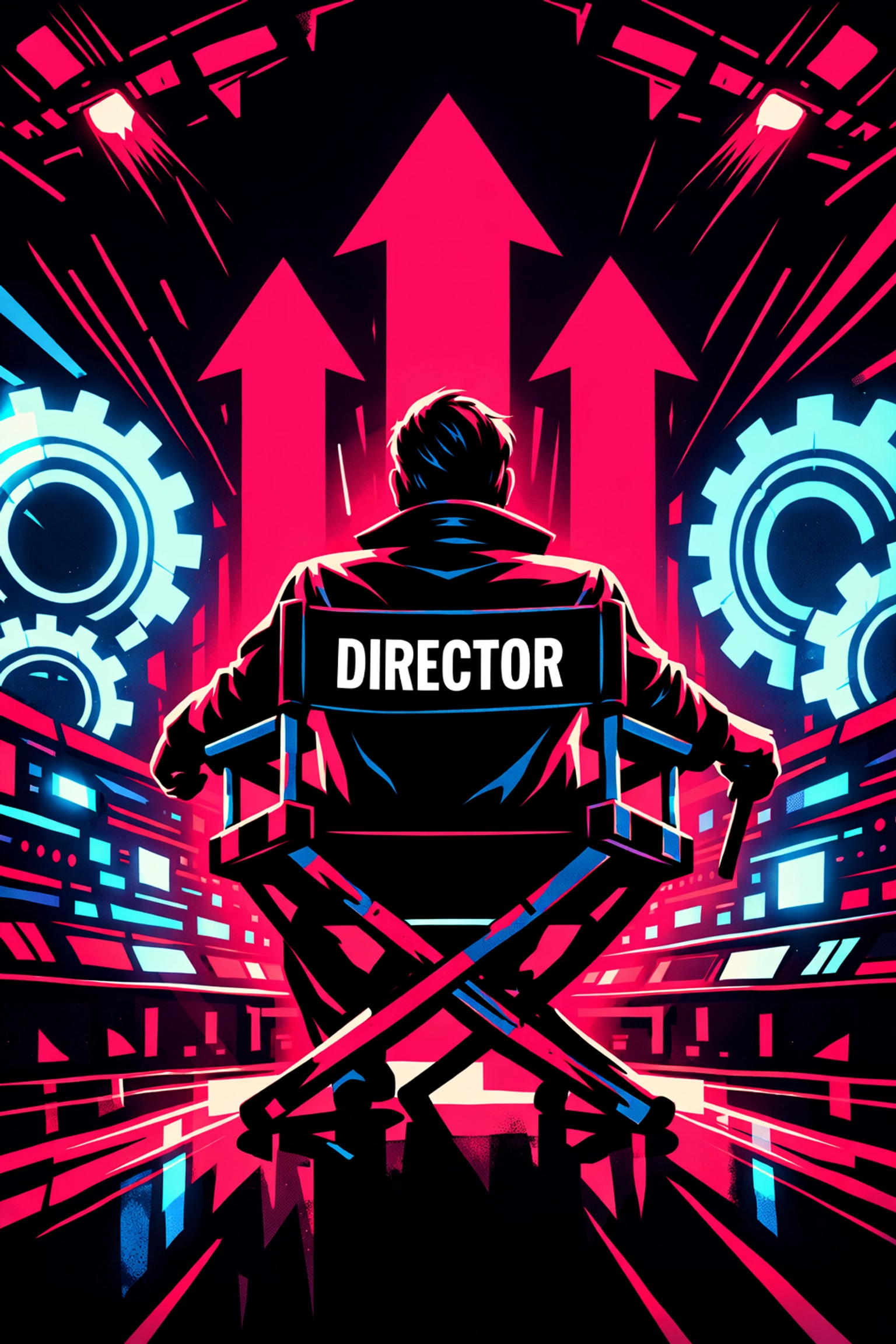
    A business director oversees a command center using a proven business automation framework to scale.

    Why Now?

    The gap between businesses that automate and those that don't is widening every day. In 2026, if you’re still doing manual admin, you’re not just wasting time, you’re losing your competitive edge.

    Your competitors are already using an ai assistant for small business to respond to leads in seconds. They’re using an ai content generator for small business to dominate search results.

    You don't need to work harder. You just need a better system.


    FAQ: FREQUENTLY ASKED (AND TOTALLY VALID) QUESTIONS

    Is this going to replace my team?
    No. It’s going to make your team superhuman. It handles the "grunt work" so your people can do the "genius work."

    Is it expensive to set up?
    Compared to the cost of a full-time employee or the cost of your own burnout? Not even close. Most business automation tools pay for themselves in saved hours within the first month.

    What if I’m not "techy"?
    That’s the beauty of 2026. You don't need to code. If you can send an email, you can run an automated business.

    Where do I start?
    Start with the biggest pain point. Is it your inbox? Your social media? Pick one and automate it today.


    THE FINAL WORD

    🌙 8:00 PM.

    The day is over. You’re sitting on your couch.

    Your phone hasn't buzzed in three hours. Not because people aren't reaching out, but because your systems handled it. The emails are filed. The content is scheduled. The "to-do" list for tomorrow is already prioritized by your assistant.

    You feel… light.

    Scaling doesn't have to mean burning out. It doesn't have to mean 80-hour weeks and missed dinners.

    It just means building a machine that works as hard as you do.

    Ready to see how the framework fits your business? Stop guessing and start scaling.

    Take the first step toward a business that runs itself. Visit us at Marblism and let’s get your 10 hours back: https://www.marblism.com/scott-bowen.

    The Chaos Ends Here. The Growth Starts Now.

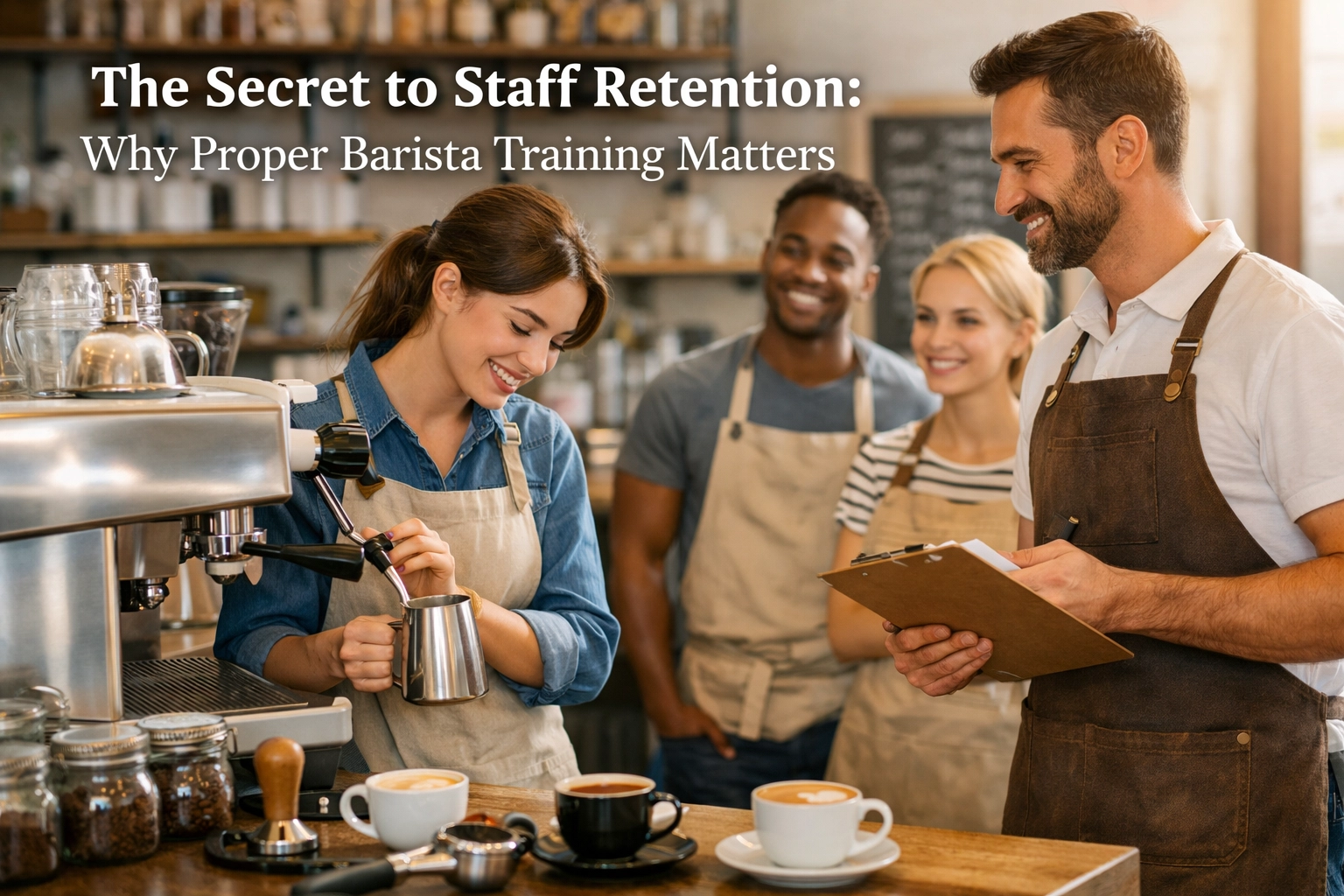
  • The Secret to Staff Retention: Why Proper Barista Training Matters

    The Secret to Staff Retention: Why Proper Barista Training Matters

    You've seen it happen. A promising barista who seemed enthusiastic during their first week gradually loses their spark. Within a few months, they hand in their notice. Then you're back to square one: recruiting, interviewing, onboarding, and training someone new. Again.

    If this cycle feels all too familiar, you're not alone. High staff turnover is one of the most expensive challenges facing coffee shop owners today. And whilst competitive wages and flexible schedules matter, there's another factor that's often overlooked: proper barista training.

    The truth is, investing in comprehensive, ongoing training isn't just about teaching someone how to pull a shot or steam milk. It's about showing your team that you value them, that you're invested in their growth, and that they have a genuine future with your business.

    The Real Cost of Staff Turnover

    Before we dive into solutions, let's talk numbers.

    Every time a barista leaves, you're not just losing a person: you're losing institutional knowledge, customer relationships, and operational consistency. The financial impact is substantial: recruitment costs, training time, reduced productivity whilst the new hire gets up to speed, and the inevitable mistakes that come with inexperience.

    Research shows that companies investing in frontline, entry-level employees significantly improve retention rates and reduce these costs. When you consider that replacing an employee can cost anywhere from 50% to 200% of their annual salary, the case for retention becomes pretty clear.

    Stressed barista struggling with inadequate training and failed coffee attempts at espresso machine

    But beyond the spreadsheet, there's something even more costly: the impact on your customers. Inconsistent drinks, slower service during busy periods, and the loss of familiar faces behind the counter all chip away at the experience you've worked so hard to build.

    Why Training Is Your Secret Weapon

    So what makes proper barista training such a powerful retention tool?

    It comes down to something quite simple: people want to feel valued. When you invest in professional training, you're sending a clear message to your team that they matter. You're not just filling a position: you're building a career.

    Think about it from your barista's perspective. If you're given basic, rushed training that barely covers the essentials, you're going to feel like a cog in a machine. You'll make mistakes, feel anxious during rushes, and wonder if this job is really for you. But if you receive thorough, professional training that gives you the skills and confidence to excel? That changes everything.

    We've seen this transformation firsthand at coffee shops we work with. Baristas who've gone through comprehensive training programs don't just stay longer: they become advocates for your business. They take pride in their craft, they mentor newer team members, and they create the kind of customer experiences that build loyal followings.

    The Confidence Factor

    Here's something we've learned over years in this industry: confident baristas are happy baristas.

    When your team members truly understand the 'why' behind what they're doing: not just the 'how': everything shifts. They understand why grind size affects extraction. They know how milk temperature and technique create that perfect microfoam. They can troubleshoot issues independently rather than panicking when something goes wrong.

    Confident barista with professional training standing behind quality coffee drinks with latte art

    This confidence extends beyond technical skills. Proper training in customer service, product knowledge, and even basic coffee shop operations gives your baristas the tools to handle whatever the day throws at them. They're not just surviving shifts: they're thriving.

    And here's the beautiful part: when baristas feel confident and capable, they enjoy their work more. The job becomes less stressful and more rewarding. They start to see it as a craft they're developing rather than just a job they're doing.

    What Proper Training Actually Looks Like

    So what separates good training from the bare minimum?

    First, it's comprehensive. We're talking about more than a quick run-through of how to use the espresso machine. Effective training covers:

    • Espresso fundamentals: Understanding extraction, dialling in, and how different variables affect the final cup
    • Milk techniques: Creating consistent microfoam and perfecting milk-based drinks
    • Product knowledge: Being able to speak confidently about your coffee offerings, origins, and tasting notes
    • Customer service: Handling busy periods, managing difficult situations, and creating memorable experiences
    • Equipment care: Proper cleaning, basic maintenance, and troubleshooting

    But here's the thing: training shouldn't end after the first week. The most successful coffee shops embrace ongoing education. Regular training sessions on new products, advanced techniques like latte art, or even coffee theory keep your team engaged and growing.

    Cross-training is another powerful tool. When baristas understand multiple roles: from bar to register to basic maintenance: they develop greater appreciation for the business as a whole. This variety also prevents the monotony that can lead to burnout.

    Barista hands expertly steaming milk for cappuccino demonstrating proper training technique

    Building a Culture of Growth

    Proper training works best when it's part of a larger culture that values professional development.

    Pair training with mentorship programs where experienced baristas guide newer team members. Create clear pathways for advancement: show your staff that there's a future beyond just pulling shots. Maybe that's becoming a head barista, managing shifts, or even involvement in menu development and coffee sourcing decisions.

    Regular performance reviews tied to skill development give your team tangible goals to work towards. When baristas see that improving their skills leads to recognition, increased responsibility, and better compensation, they're motivated to stay and grow with your business.

    At Limini Coffee, we've built our wholesale partnerships around this philosophy. We don't just supply exceptional coffee: we provide the training and ongoing support to help your team make the most of it.

    The Limini Approach to Barista Training

    We understand that as a coffee shop owner or manager, your time is already stretched thin. That's why our professional barista training programs are designed to be thorough without being overwhelming.

    Our training covers everything from fundamental espresso techniques to advanced milk work, with a focus on consistency: because that's what your customers crave. We take the time to explain the science behind the brew, not just the mechanics. When your baristas understand why they're doing something, they can adapt and problem-solve rather than just following a script.

    But training is just the beginning. We provide ongoing support to our wholesale partners, offering resources, troubleshooting assistance, and access to our expertise whenever you need it. We're invested in your success because when your team excels, your business thrives.

    You can explore our full range of wholesale support and training services at liminicoffee.co.uk.

    Professional barista training session with mentor teaching espresso extraction to staff

    The Consistency Connection

    Here's another crucial benefit of proper training that directly impacts retention: consistency.

    When your entire team is trained to the same high standard, drink quality becomes consistent. Customers get the same excellent flat white whether Sarah is working or James is behind the bar. This consistency reduces stress for your baristas (no one wants to hear complaints about why their latte tastes different from the previous shift's) and builds customer trust.

    Consistency also makes your operation smoother. When everyone knows proper procedures for opening, closing, cleaning equipment, and handling inventory, your business runs like a well-oiled machine. Less chaos means less stress, which means happier staff who are more likely to stick around.

    Making the Investment

    We know that investing in comprehensive training requires both time and money. But consider it this way: you're either spending resources on training and retention, or you're spending them on recruitment and turnover. One builds your business; the other just keeps you treading water.

    The coffee shops we work with that prioritize training consistently report lower turnover, stronger team culture, and better customer satisfaction. Their baristas become ambassadors for their brand, creating regulars and driving word-of-mouth marketing that no advertising budget can buy.

    And the financial case is compelling. Even modest improvements in retention rates quickly offset training costs through reduced recruitment expenses and increased operational efficiency.

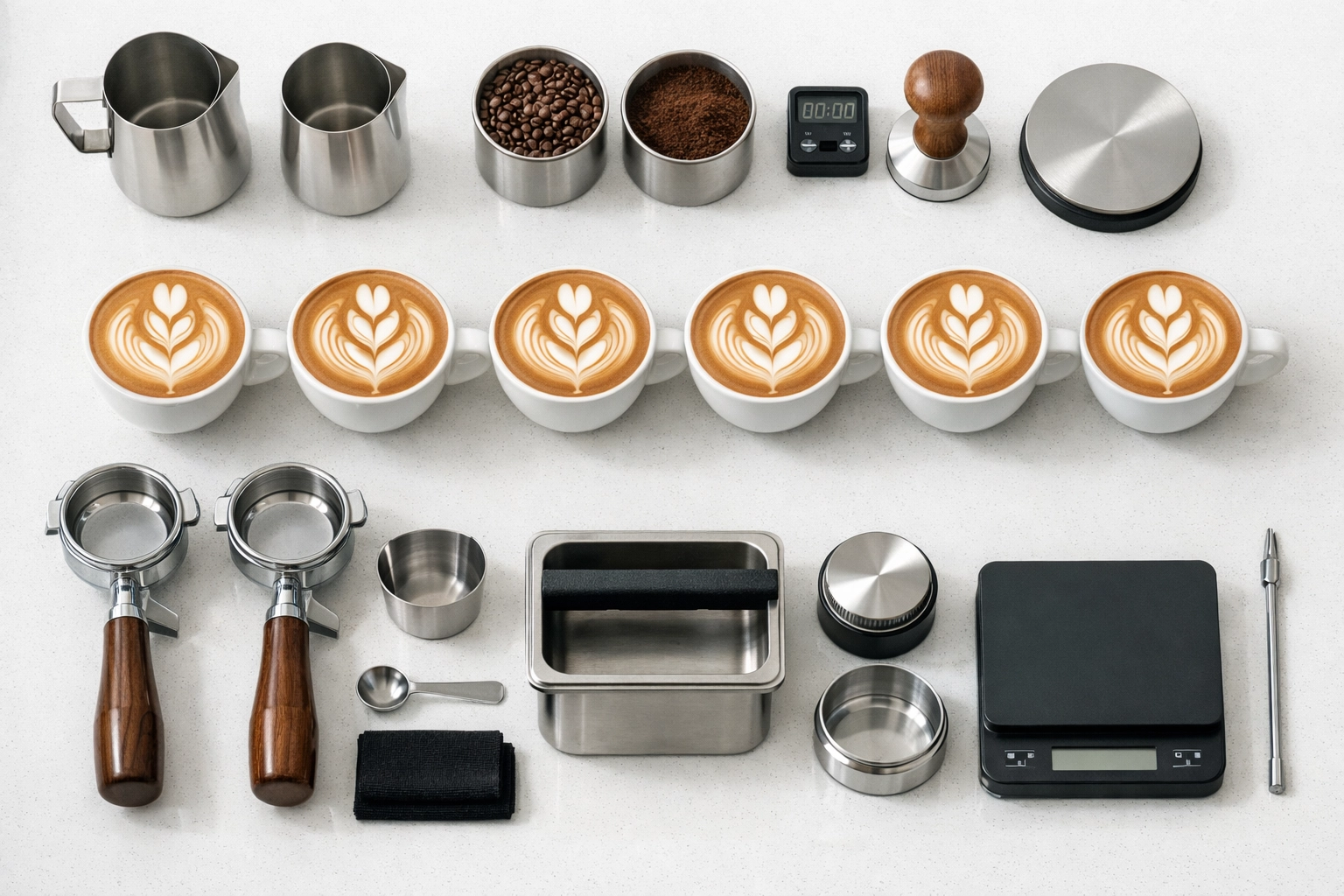
    Organized coffee bar showing consistent cappuccinos with matching latte art and clean workspace

    Creating Your Path Forward

    If you're reading this and realizing your training program could use some work, don't worry: you're not alone, and it's never too late to make changes.

    Start by auditing your current training process. Ask yourself: Are new hires being set up for success? Do they understand not just what to do, but why? Are there opportunities for ongoing development?

    Talk to your team. What do they wish they'd learned during training? What skills would they like to develop? This feedback is gold: it shows you care about their growth and gives you a roadmap for improvement.

    Consider partnering with experts who can provide professional training. At Limini Coffee, we've seen countless coffee shops transform their operations and culture through proper training investment. Our training overview details the various programs we offer, tailored to different experience levels and business needs.

    The Bottom Line

    High staff turnover isn't inevitable. It's a symptom of a workplace where people don't feel valued, challenged, or invested in.

    Proper barista training addresses all of these issues. It demonstrates your commitment to your team's growth. It builds confidence and competence. It creates consistency that benefits everyone: your baristas, your customers, and your bottom line.

    The secret to staff retention isn't really a secret at all. It's about treating your team as the valuable professionals they are, giving them the tools and knowledge to excel, and creating a culture where they can see a future worth staying for.

    Your baristas are the face of your business, the creators of every cup, and the builders of customer relationships. Invest in them properly, and they'll invest themselves in your success.

    If you're ready to transform your training approach and build a team that stays, grows, and thrives, we'd love to help. Visit us at liminicoffee.co.uk to learn more about our wholesale partnerships and professional barista training programs.

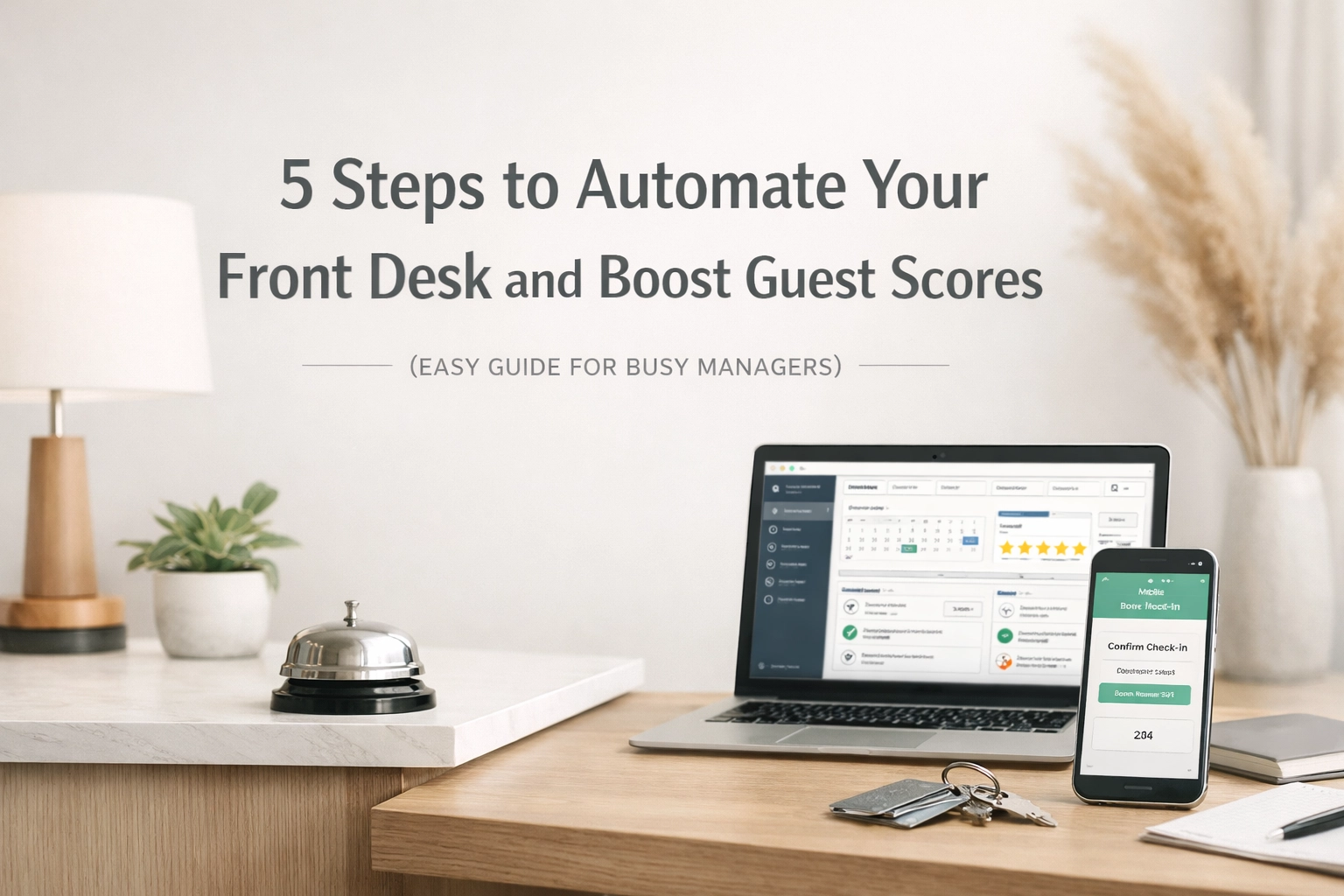
  • 5 Steps to Automate Your Front Desk and Boost Guest Scores (Easy Guide for Busy Managers)

    5 Steps to Automate Your Front Desk and Boost Guest Scores (Easy Guide for Busy Managers)

    Streamline your operations. Delight every guest. Reclaim your afternoon.

    The modern front desk shouldn't be a barrier of paperwork and plastic barriers. We believe hospitality is about people, not data entry. Yet, for too many managers, the lobby has become a bottleneck of manual check-ins and frantic key-cutting.

    It doesn't have to be this way. By moving to a cloud-native hotel pms, you can automate up to 80% of your administrative workload before a guest even steps through your doors. We’ve seen properties jump from a 7.6 to an 8.5 rating on OTAs simply by removing the friction from their arrival experience.

    This isn't about replacing staff. It’s about empowering them to be hosts again, all from one innovative platform.

    1. Implement Digital Pre-Check-In

    We believe hospitality starts long before the lobby. Why wait for a guest to stand in front of you to ask for their ID and signature? It’s a waste of their vacation and your team's energy.

    The first step to a modern desk is moving the paperwork to the guest's pocket. Send an automated pre-check-in link 24–48 hours before arrival. Whether it’s via email, SMS, or WhatsApp, giving guests the power to handle the "boring stuff" remotely changes the entire dynamic of their stay.

    • Capture details early: Guests upload ID photos and sign registration forms on their own devices.
    • Predict arrival times: Know exactly when your lobby will be busy so you can staff up or down.
    • Boost revenue: Use this touchpoint to offer room upgrades or breakfast add-ons.

    A hotel guest completes digital pre-check-in on a smartphone in a modern lobby lounge.

    When the guest arrives, they aren't looking at a screen: they’re looking at you. You’ve already cleared the hurdles. Now, you can focus on the welcome. This simple shift is the foundation of a high-performing guest experience.

    2. Automate Your Room Assignment

    Manual room blocking is a relic of the past. If your team is still spending hours every morning clicking through a grid to assign rooms, you’re losing valuable time that could be spent on guest relations.

    An automation-focused hotel pms handles the heavy lifting for you. By setting up smart auto-assignment rules, the system looks at booking preferences, room readiness, and housekeeping status in real-time.

    • Prioritize readiness: Automatically assign guests to rooms that are already "Inspected" by housekeeping.
    • Respect preferences: Ensure loyalty members and high-value bookings get their preferred floors or views without manual intervention.
    • Handle early arrivals: If a guest finishes pre-check-in early, the system can instantly grab an available room that matches their category.

    We think technology should be invisible. When your channel manager and PMS talk to each other seamlessly, the "room shuffle" disappears. You get a cleaner operation, and your guests get into their rooms faster.

    3. Transform the Handoff into a Welcome

    Once you’ve automated the data and the assignment, the front desk interaction changes. It becomes a "60-second welcome."

    The goal isn't to see how much information you can extract from the guest, but how much value you can provide. Because the heavy lifting happened in Step 1 and 2, the physical arrival is just about a warm greeting and a key handoff.

    • Greet by name: Your system should flag pre-checked-in guests so your team knows exactly who is walking in.
    • Minimize the "wait": No more "Let me just find your reservation" or "I need to see your credit card again."
    • Personalize the stay: Spend those 60 seconds asking about their trip or recommending a local hidden gem.

    Hotel front desk staff handing a room keycard to a guest after a quick automated check-in.

    This is where guest scores are won. Guests don't remember the paperwork; they remember the person who made them feel at home the moment they arrived. By using an intuitive interface, your staff stays engaged with the human in front of them, not the software on the desk.

    4. Enable Express Digital Checkout

    The only thing worse than a long line to check in is a long line to leave. We believe the end of a stay should be as effortless as the beginning.

    Express checkout is more than just a "drop box" for keys. It’s a fully digital experience. Your hotel pms can auto-generate folios overnight and send them directly to the guest’s smartphone.

    • Real-time transparency: Guests review their charges on their own time, reducing disputes at the desk.
    • Instant settlement: Use integrated payments to close the bill the moment they tap "check out" on their phone.
    • Seamless flow: Guests simply leave their keys and go. No standing in line, no stress about catching their flight.

    By automating the folio delivery, you eliminate the morning rush. Your front desk stays calm, and your departing guests leave with a positive final impression of your brand. It’s easy, it’s fast, and it’s what modern travelers expect.

    5. Offer Self-Service and After-Hours Flexibility

    Not every guest wants to talk to a person, and not every guest arrives during peak hours. To truly automate your front desk, you need to provide options for self-service.

    This is where self-check-in kiosks and digital keys come into play. For late-night arrivals or the tech-savvy business traveler, a kiosk in the lobby or a digital link with room access instructions is a lifesaver.

    • 24/7 Availability: Never worry about a "late arrival" again. The system handles the ID verification and key issuance automatically.
    • Reduce Lobby Friction: During peak times, kiosks act as a "fast lane" for guests who want to get to their rooms immediately.
    • Integrated Ecosystem: Ensure your booking engine and CRM are connected so the guest's journey is consistent, whether they talk to a human or a screen.

    A modern hotel self-check-in kiosk in a lobby for 24/7 guest arrival and room access.

    Providing these options shows that you respect your guest's time and preferences. It’s about giving them the choice of how they want to interact with your property.

    The Impact on Your Bottom Line

    Automating these five steps isn't just a "nice to have": it’s a competitive necessity. Hotels that embrace this level of automation see immediate results. We’re talking about reducing check-in times to under two minutes and freeing up hours of staff time every single day.

    When your team isn't bogged down by administrative tasks, they can focus on the guest experience. They can manage the CRM to personalize future stays, or work with the channel manager to optimize rates. They become strategists and hosts, not just clerks.

    Mews is built for this. Our cloud-native platform was designed from the ground up to make these five steps not just possible, but easy. We believe in a world where technology serves the guest, not the other way around.

    Ready to see what Mews can do?

    If you’re a busy manager looking to reclaim your time and boost your guest scores, it’s time to look at a system that works as hard as you do. Our platform is easy to use, automation-focused, and ready to scale with your business.

    A relaxed hotel manager using cloud-native hotel PMS software to oversee daily operations.

    Don't let manual processes hold your property back. The future of hospitality is automated, personalized, and effortless.

    Experience the difference of a truly innovative PMS.

    Get started with Mews today and see how we can get you earning more revenue in no time.

  • Stop Wasting Time on Admin: Try These 7 Quick Hacks with an AI Virtual Assistant

    7:00 AM

    The sun is barely up, but your phone is already screaming.

    Notification after notification. 47 unread emails. A Slack message from a client asking for a "quick update." Three calendar invites for meetings you don’t remember agreeing to. Your coffee is sitting on the counter, getting colder by the second, while you scroll through a digital mountain of… nothing.

    Well, not nothing. Admin.

    The "small stuff" that somehow manages to swallow your entire day. You didn’t start your business to become a professional email-replier or a calendar-tetris champion. You started it to build something. But here you are, drowning in the shallow end of the pool.

    The weight isn't a single heavy blow… it's the thousand tiny cuts of "Could you send me that link?" and "What's our availability for next Thursday?"

    Stop juggling. It's time to let the machines take the hit.

    If you’re ready to reclaim your sanity and finally act like the CEO you are, an AI virtual assistant for business isn't just a luxury. It's your new survival strategy.

    Let’s look at how you can turn that chaos into a quiet, organized machine with these 7 quick hacks.


    1. KILL THE INBOX GHOSTS (EMAIL MANAGEMENT)

    📱 8:30 AM

    Your inbox is a graveyard of good intentions. Every time you delete one message, two more appear, like a very boring version of a Hydra.

    You spend hours drafting "professional" responses that could have been three words long. Or worse, you stare at a blank screen trying to figure out how to say "no" without sounding like a jerk.

    Enter the AI drafting hack.

    Instead of typing from scratch, you feed your AI assistant a prompt like: "Draft a polite decline for this partnership request, mentioning we're focused on internal growth this quarter."

    But don't stop there. Combine this with tools like Zapier or SaneBox. You can set up a workflow where specific keywords in an email trigger your AI to draft a response and save it in your "Drafts" folder.

    You walk in, review, and hit send.

    Suddenly, an hour of typing becomes five minutes of clicking. You can even automate customer support with ai to handle the repetitive "Where is my order?" or "How do I reset my password?" queries before they even hit your personal inbox.

    The ghosts are gone. The inbox is quiet.

    Professional using an AI virtual assistant for business to shield their inbox from a swarm of emails.


    2. THE CALENDAR CHOREOGRAPHER

    🗓️ 10:15 AM

    "Are you free Tuesday at 2:00 PM?"
    "No, but I can do Wednesday at 10:00 AM."
    "I have a doctor's appointment then. How about Friday?"

    Stop. Just stop.

    The "scheduling dance" is a productivity killer. An AI virtual assistant for business doesn't just send a link; it learns your life.

    By using AI-integrated tools like SavvyCal or even custom GPTs connected to your calendar, you can set "focus blocks" that the AI strictly protects. If someone tries to book a meeting during your deep-work hours, the AI simply tells them no: politely, of course.

    It’s like having a gatekeeper who never sleeps and never forgets that you hate afternoon meetings on Fridays.

    You just send a link… and the AI handles the rest. 🤝


    3. BRAINDUMP TO BLUEPRINT (TASK PRIORITIZATION)

    📝 11:45 AM

    You have a to-do list that is three pages long. Looking at it doesn't make you feel productive; it makes you want to take a nap.

    The problem isn't the tasks. It's the order.

    Most business owners tackle the easiest thing first (dopamine hit!) or the loudest thing first (stress!). AI does neither. It looks at logic.

    You can paste your entire messy list into an AI assistant and say: "Here is everything on my plate. Prioritize these based on revenue impact and upcoming deadlines. Break the big projects into three actionable steps each."

    Suddenly, the "Launch New Product" monster becomes "1. Draft landing page copy, 2. Choose three images, 3. Set up email sequence."

    The wall of tasks becomes a staircase. You just take the first step.


    4. THE VOICE-TO-ACTION PIPELINE

    🚗 1:30 PM

    You're driving. Or walking the dog. Or in the shower (don't lie, we all do it).

    Brilliance strikes. You have a great idea for a marketing campaign or a fix for a client's problem. By the time you get back to your desk? Poof. Gone.

    Or, you record a 10-minute voice memo that you'll never actually listen to again because who has 10 minutes to listen to their own rambling?

    The hack: Use a tool like Whisper (OpenAI's voice-to-text) or an AI-integrated note app. You speak your messy, unstructured thoughts into the phone. The AI transcribes it, removes the "ums" and "ahs," and: this is the magic part: converts it into a formatted project plan or a calendar event.

    You talk… and the admin does itself.

    It’s like magic. But with better code.

    Using an AI virtual assistant for business to convert voice notes into organized tasks and schedules.


    5. THE TL;DR SPECIALIST (CONTENT SUMMARIZATION)

    📖 3:00 PM

    A 40-page industry report lands on your desk. Or a 2,000-word "update" from a vendor.

    You know there’s important info in there, but reading it feels like a chore. You skim, you miss things, you feel guilty.

    Don't read it. At least, not yet.

    Feed the document to your AI. "Summarize the top 3 risks and the top 2 opportunities mentioned in this report. Put them in bullet points."

    In 10 seconds, you have the "Executive Summary" that the author should have written in the first place. You spend two minutes reading the summary, decide if the full document is worth your time, and move on.

    You're not being lazy. You're being efficient. 🔍


    6. THE SOCIAL MEDIA MAVEN ON SPEED

    📱 4:15 PM

    "I need to post on LinkedIn today."
    Stares at screen for 20 minutes.
    "I'll do it tomorrow."

    Repeat until your social media presence is a ghost town.

    Generating content is one of those admin-adjacent tasks that eats your brain. But for an AI, it’s a playground.

    The hack: Give your AI your core topic and ask for 10 different "hooks" for a post. Pick the best one, ask it to draft the body in your specific voice (casual, witty, slightly rebellious), and boom: you have a week's worth of content in the time it takes to brew a fresh pot of coffee.

    If you want to really level up, use Marblism to build out the backend systems that distribute this content automatically.

    Consistency without the headache. It’s a beautiful thing.


    7. THE "IF THIS, THEN THAT" BRAIN (WORKFLOW AUTOMATION)

    ⚙️ 5:30 PM

    This is the big one. The "God Mode" of admin hacking.

    Most business tasks are just data moving from Point A to Point B.

    • A lead fills out a form (Point A).
    • You add them to your CRM (Point B).
    • You send a follow-up email (Point C).

    Doing this manually is a waste of your human intellect.

    By connecting an AI assistant to tools like Zapier or Make, you can create "intelligent" workflows. For example: "When a new lead comes in, have the AI analyze their website, summarize their business model, and draft a personalized intro email for me to approve."

    You’re not just automating; you’re delegating to a machine that doesn't need a lunch break.

    Scaling shouldn’t be this hard. And with the right setup, it isn't.

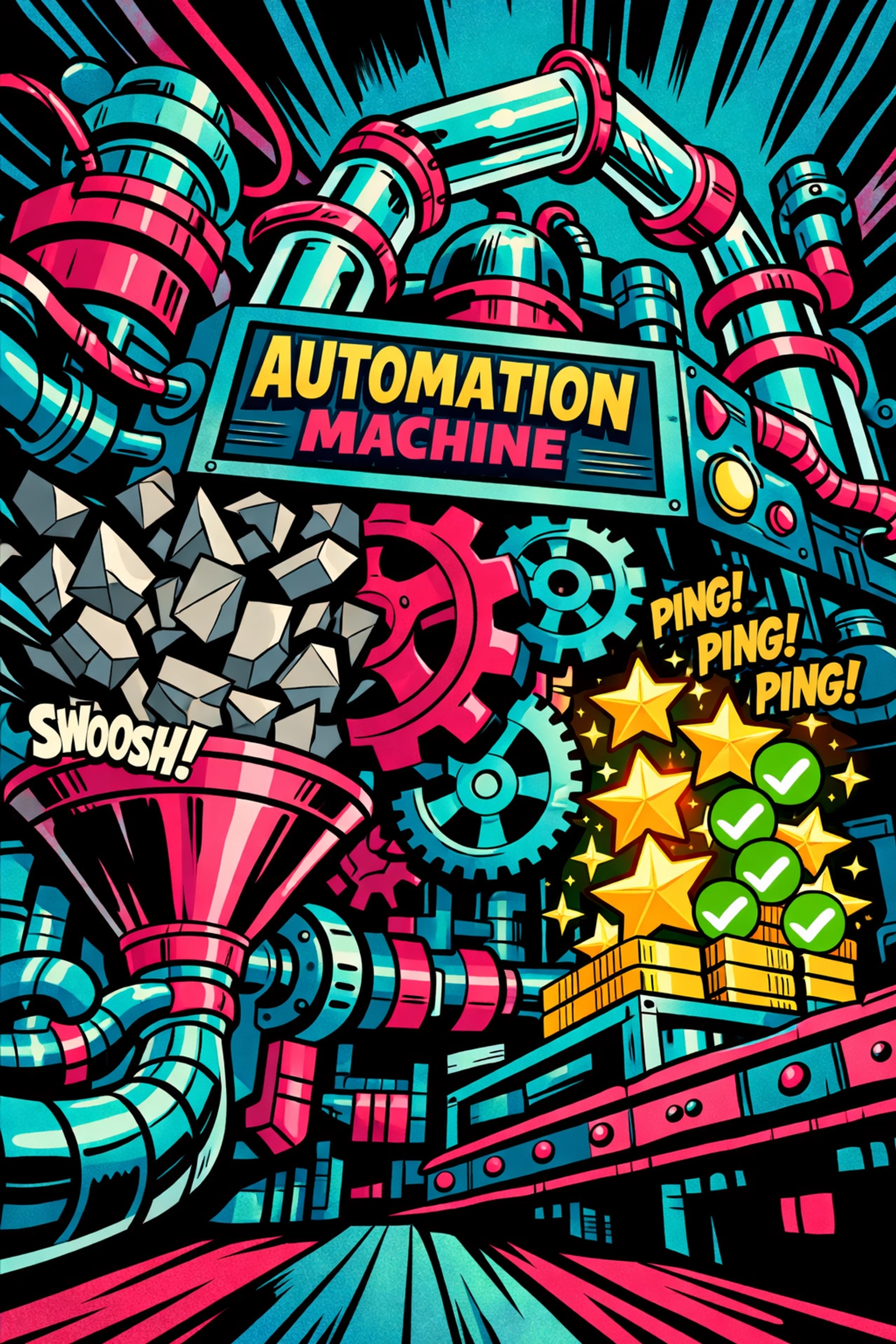
    An automation machine turning messy admin tasks into organized results to automate customer support with AI.


    🌙 6:30 PM

    The day is winding down.

    Usually, this is when you’d be hunched over your laptop, eyes blurring, trying to clear those last few "quick tasks" before dinner.

    But not today.

    The emails are drafted. The meetings are set. The report is summarized. Your social media is scheduled for the week.

    You close the lid. You walk away. The office is quiet… but the business is still moving.

    That’s the power of an AI virtual assistant for business. It’s not about replacing you; it’s about freeing you. It’s about getting back to the work that actually matters: the work only you can do.

    If you’re tired of being the most expensive admin in your company, it’s time to change the game. See how you can start automating your customer support and business admin with Marblism today.

    Stop wasting time. Start building.

    Scaling shouldn't be this easy. But here we are.

    THE FUTURE ISN'T COMING. IT'S ALREADY SITTING ON YOUR DESK.

  • The Ultimate Guide to Home Brewing: Everything You Need to Succeed

    The Ultimate Guide to Home Brewing: Everything You Need to Succeed

    So, you’ve decided to take the plunge into the world of home brewing. Welcome to the club! We think it’s one of the most rewarding hobbies you can pick up. There is something truly special about waking up, weighing out your beans, and crafting a cup of coffee that rivals (or honestly, beats) what you’d find in most high-street shops.

    But we know it can be a bit overwhelming at first. Between the jargon, the endless gadgets, and the conflicting advice on the internet, where do you even start? Don't worry, we’ve got your back. At Limini Coffee, we live and breathe speciality beans, and we want to help you get the absolute best out of them.

    Whether you are looking for fresh roasted coffee beans or trying to figure out which brewer fits your lifestyle, this guide is designed to take you from "confused" to "connoisseur."


    The Golden Rule: It All Starts with the Bean

    We can give you the most expensive espresso machine in the world, but if you’re using old, oily, supermarket beans, your coffee is going to taste… well, mediocre.

    Speciality coffee is different. It’s about quality, traceability, and fresh roasting. When we talk about sourcing our coffee, we’re looking for unique flavour profiles that reflect the soil and climate where they were grown. This is what we call "Single Origin" coffee.

    Why fresh is best:
    Coffee is a perishable product. Once it’s roasted, it begins to degas (release carbon dioxide) and oxidize. We believe the "sweet spot" for most coffees is between 7 to 21 days after roasting. If you use beans that have been sitting on a shelf for six months, you’ve lost all those vibrant fruity or chocolatey notes that make speciality coffee so exciting.

    If you’re looking to level up your bean game, you can check out our latest seasonal roasts at Limini Coffee.


    The Essential Toolkit: What You Actually Need

    You don’t need to spend thousands of pounds to make great coffee at home, but you do need the right tools. Think of it like cooking: you can’t bake a perfect soufflé without a whisk and a timer.

    1. The Grinder (The Most Important Investment)

    If you only buy one piece of gear this year, make it a decent burr grinder. We cannot stress this enough. Blade grinders (the ones that look like little blenders) chop the coffee into uneven shards. This means some bits are tiny dust (which over-extracts and tastes bitter) and some are big chunks (which under-extract and taste sour).

    A burr grinder crushes the beans to a uniform size. Consistency is the secret to a balanced cup.

    2. Digital Scales

    Measuring coffee with a "scoop" is like measuring flour for a cake with your hands, it’s never the same twice. Coffee beans vary in density. A scoop of a dark roast weighs much less than a scoop of a light roast. By using a scale, you ensure that your coffee brewing ratio is spot on every single time.

    3. A Gooseneck Kettle (For Pour-Over Lovers)

    If you’re into V60s or Chemex brewing, a gooseneck kettle gives you the precision you need to saturate the grounds evenly. If you just dump boiling water from a standard kettle, you’ll create "channels" where water bypasses the coffee entirely.

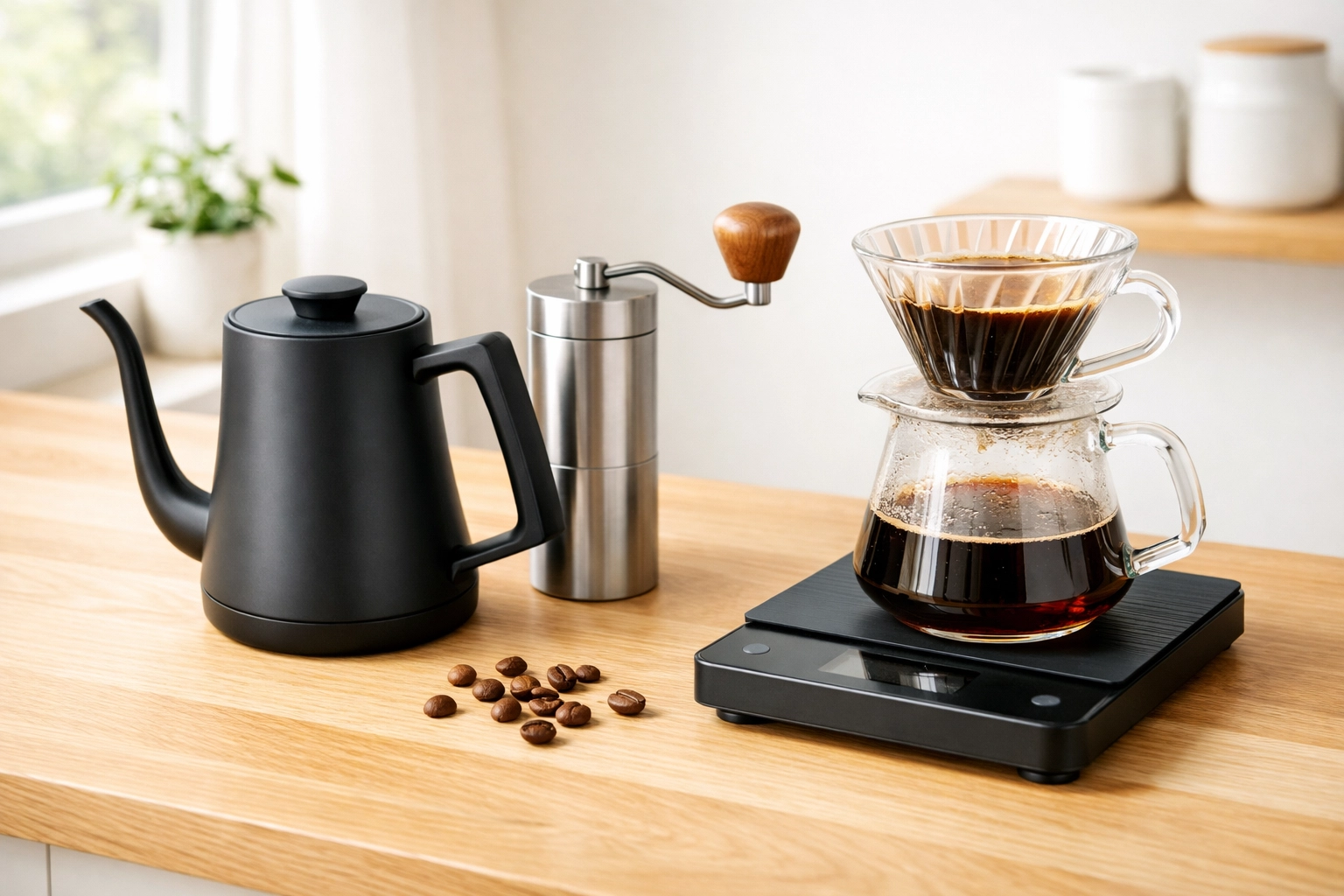
    Essential home brewing gear including a gooseneck kettle, burr grinder, and digital scales on a wooden counter.


    The Four Pillars of a Great Brew

    Once you have your gear and your Limini Coffee beans, it’s time to talk about the science. Don't worry, we won't get too technical, but understanding these four variables will help you "dial in" your brew.

    1. The Ratio

    This is the relationship between how much coffee you use and how much water you use. A standard starting point is 60g of coffee per 1 litre of water (or a 1:16 ratio). If your coffee feels too thin or weak, use more coffee. If it’s too intense, use more water. It’s that simple.

    2. Grind Size

    Think of grind size like rocks vs. sand. Water flows through rocks very quickly but takes a long time to seep through sand.

    • Coarse (Rock Salt): Best for French Press or Cold Brew.
    • Medium (Table Salt): Best for V60 or Drip coffee.
    • Fine (Powder): Essential for Espresso.

    3. Water Temperature

    Please, don't use boiling water (100 ºC / 212 ºF). It can scorch the coffee and bring out unpleasant bitterness. We generally recommend a range between 88 ºC and 95 ºC (190 ºF to 203 ºF). If you’re brewing a lighter roast, you can go a bit hotter to help extraction. For darker roasts, drop the temp a bit.

    4. Contact Time

    This is how long the water is actually touching the coffee. If the water stays in contact for too long, you’ll get over-extracted, bitter coffee. Too short, and it’ll be sour and watery.


    Choosing Your Method: Which One Is For You?

    There is no "best" way to make coffee, only the way that you enjoy the most. Here’s a breakdown of the most popular home brewing methods.

    The Cafetiere (French Press)

    The old reliable. It’s an immersion method, meaning the coffee sits in the water for the whole duration of the brew. This produces a heavy-bodied, textured cup. It’s perfect for those who like a classic, "coffee-flavoured" coffee.

    • Pros: Easy to use, no paper filters needed.
    • Cons: Can be a bit sediment-heavy.

    The V60 (Pour-Over)

    This is for the purists. Because it uses a paper filter, it removes the oils and "fines," resulting in a very clean, bright, and tea-like cup. It’s the best way to taste the delicate notes in a single origin coffee.

    • Pros: Highlights complex flavours.
    • Cons: Requires a bit of technique and a steady hand.

    The Aeropress

    The ultimate travel companion. It’s almost indestructible and incredibly versatile. You can make anything from a concentrated, espresso-style shot to a standard filter brew. It’s also very forgiving of mistakes.

    • Pros: Fast, easy to clean, nearly impossible to break.
    • Cons: Only makes one cup at a time.

    Home Espresso

    Now, this is the big leagues. Espresso is a completely different beast. It requires 9 BAR of pressure and very precise puck preparation. If you’re thinking about going down this rabbit hole, we recommend reading our guide on choosing espresso equipment. You’ll also need to master tamping and understand what makes a good crema.

    Popular coffee brewing methods including a V60 pour over bloom, French Press, and Aeropress on a kitchen counter.


    Troubleshooting Your Brew: The "Compass"

    Is your coffee not tasting quite right? Don't pour it down the sink just yet! Use this quick guide to fix your next brew:

    • If it tastes Sour, Salty, or Weak: Your coffee is Under-extracted. This means you didn't take enough flavour out of the beans. Next time, try a finer grind, hotter water, or a longer brew time.
    • If it tastes Bitter, Ashy, or Dry: Your coffee is Over-extracted. You took too much out. Next time, try a coarser grind, slightly cooler water, or a shorter brew time.
    • If it tastes "Muddy" or Muffled: Your grinder might be producing too many fines, or your water quality might be poor. Try using filtered water! Since coffee is 98% water, the stuff coming out of your tap can have a huge impact on the final taste.

    Why We Love What We Do

    At the end of the day, home brewing is a journey. You’ll have days where you make the best cup of your life, and days where it’s just… okay. And that’s fine! That’s the beauty of coffee :).

    We’ve spent years exploring different origins and roasting profiles because we believe everyone deserves a better cup of coffee. Whether you are a wholesale partner or a home enthusiast, we treat every bag of beans with the same level of care.

    If you ever feel stuck, or if you want to dive even deeper into the craft, we offer coffee barista training for all levels. We love meeting people who are as passionate about the bean as we are.

    So, go ahead: grab some fresh beans, fire up the kettle, and start experimenting. Your perfect cup is waiting.

    Hands holding a ceramic mug of freshly brewed speciality coffee next to a bag of roasted coffee beans.


    Ready to start your brewing journey?

    Explore our range of speciality coffees and equipment at Limini Coffee. From chocolatey Brazilian blends to zesty Ethiopian single origins, we’ve got something for every palate. Happy brewing!

  • 5 Steps How to Automate Your Admin and Reclaim 10 Hours a Week (Easy Guide for Small Business)

    5 Steps How to Automate Your Admin and Reclaim 10 Hours a Week (Easy Guide for Small Business)

    WORKFLOW AUTOMATION FOR SMALL BUSINESS: STOP DOING THE BUSY WORK

    ☕ 7:15 AM. You’re staring at a screen that’s screaming at you.

    Three tabs for invoices. Four for "urgent" customer queries. A CRM that hasn’t been updated since the Great Recession. You haven’t even finished your first coffee, and you’re already drowning in the "busy work."

    The kind of work that makes you wonder why you started a business in the first place…

    You didn’t sign up to be a data-entry clerk. You signed up to be a visionary. But here you are, copy-pasting email addresses like it’s 1999.

    It’s time to stop.

    THE SILENT THIEF IN YOUR OFFICE

    Admin isn’t just boring. It’s expensive. Every hour you spend chasing an unpaid invoice or manually scheduling a social media post is an hour you aren’t closing a deal or growing your brand.

    But what if you could just… make it stop?

    What if your business ran itself while you actually focused on the high-level stuff?

    That’s where workflow automation for small business comes in. It’s not just a fancy buzzword for tech giants. It’s your ticket to reclaiming 10 hours of your life every single week.

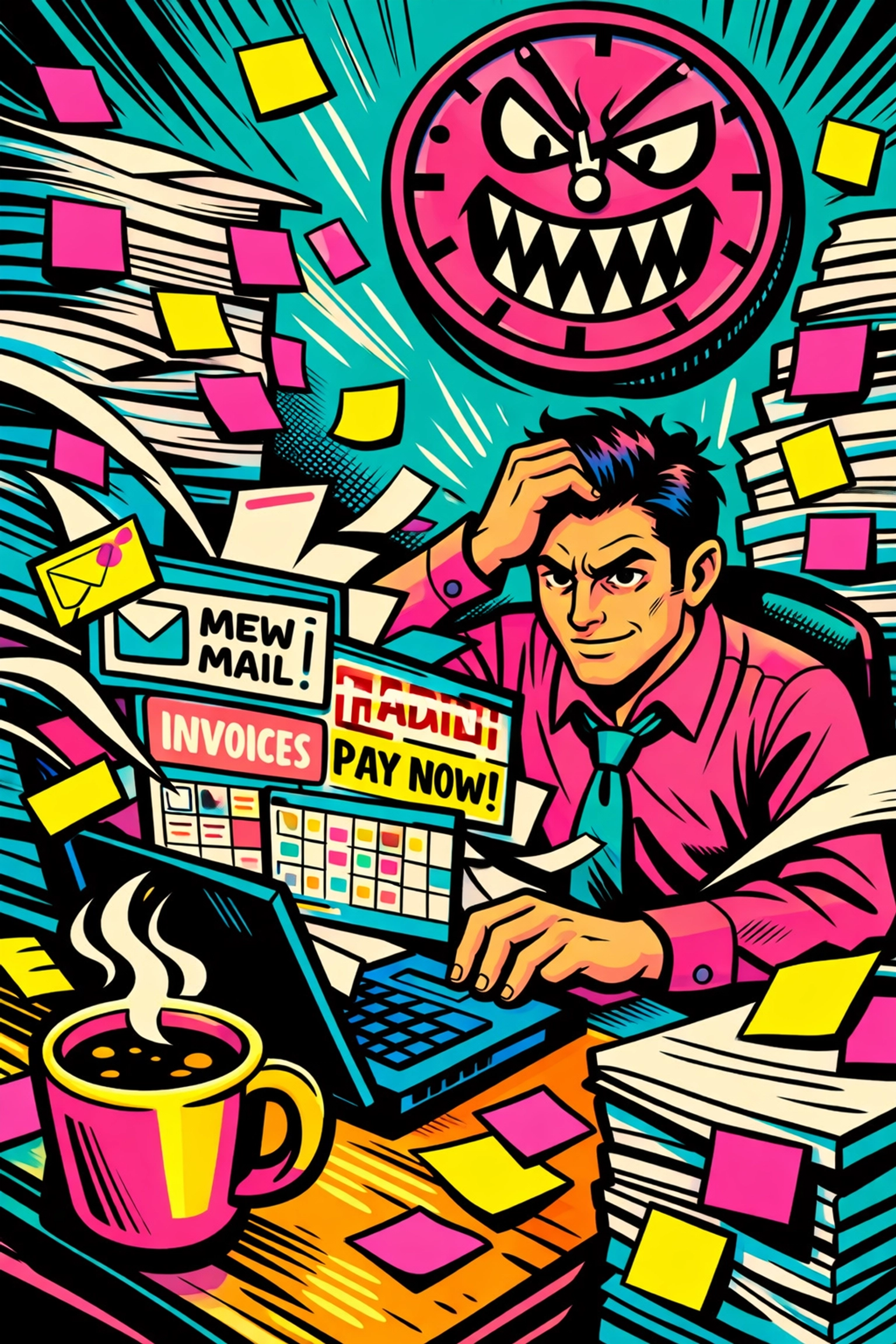
    Overwhelmed small business owner buried in admin, why workflow automation for small business matters

    STEP 1: FIND THE REPEAT OFFENDERS

    🔍 8:30 AM. You’re looking for the patterns.

    The first step to freedom is identifying the tasks that haunt you. Look for anything repetitive. If you’ve done it three times today, and it didn't require a creative brain cell… it needs to be automated.

    Data entry? Automate it.
    Email follow-ups? Automate them.
    Invoice creation? Definitely automate that.

    Map it out. Don't try to change the world overnight. Just pick one team or one process. Maybe it’s just how you handle new leads. Start there.

    STEP 2: PICK YOUR WEAPONS

    📱 9:45 AM. Your phone buzzes, but it’s not a distraction. It’s a notification.

    You don't need a degree in computer science to do this. You just need the right tools. Think of them as your digital construction crew.

    • Project Management: Trello or Asana (stop the "who's doing what" emails).
    • Email Marketing: MailChimp (send the right message at the right time, without clicking "send").
    • CRM: Something that talks to your other apps.
    • The Brain: Marblism to tie it all together.

    Choose tools with visual builders. You want to see the workflow, not code it. If it’s not easy to use, you won't use it. Simple as that.

    STEP 3: BUILD THE BRIDGES

    🤝 11:00 AM. The magic happens.

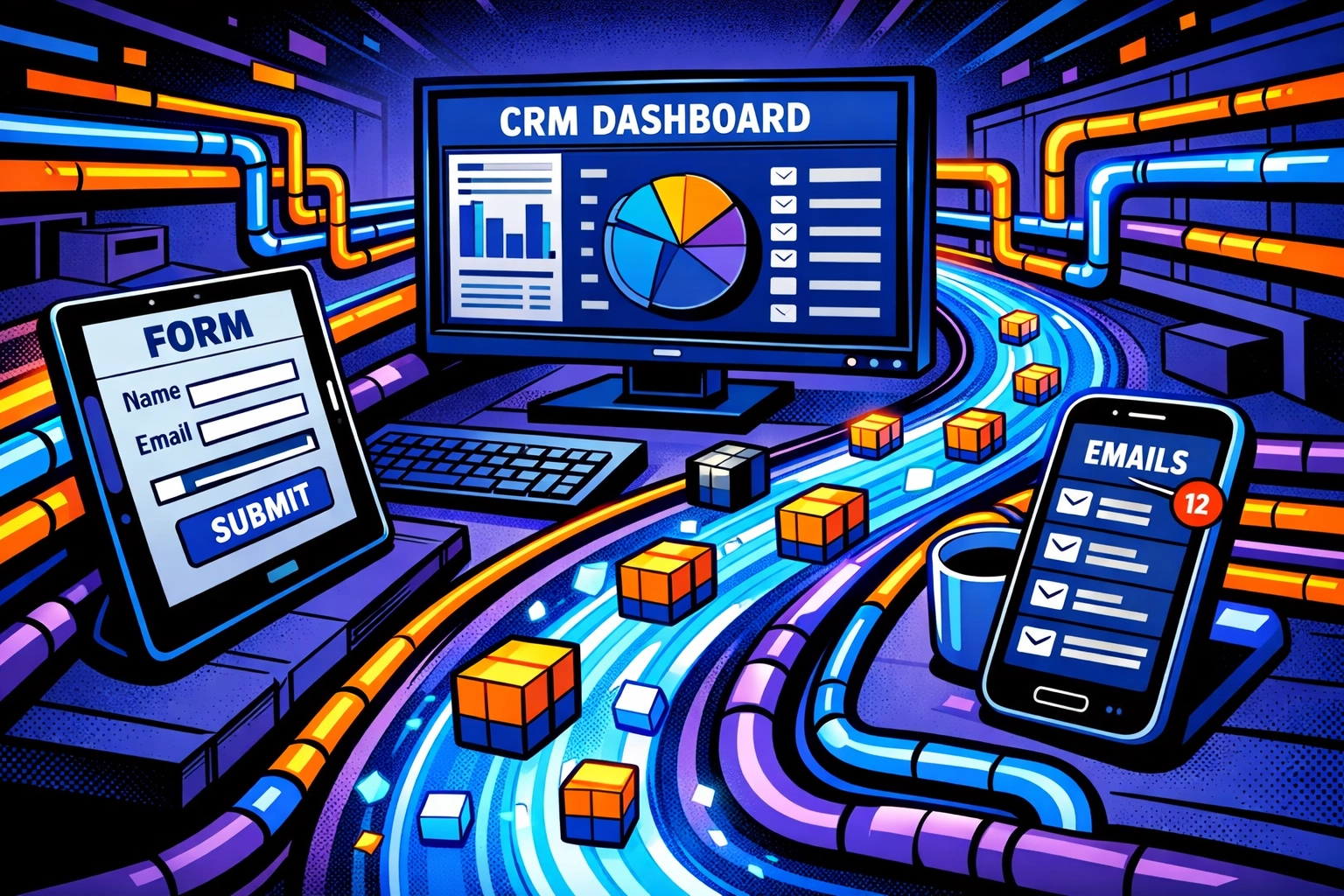
    Information should flow like water, not like a clogged drain. When a lead fills out a form on your site, they should automatically end up in your CRM. Your CRM should then automatically tell your email tool to send a welcome sequence.

    No manual intervention. No "oops, I forgot to reply."

    Connecting your tools is where you find those 10 hours. Integrate your time-tracking with your invoicing. Link your social media to your content calendar.

    The chaos starts to fade… and the clarity kicks in.

    Connected apps syncing leads, invoices and email: workflow automation for small business in action

    STEP 4: TEST THE WATERS

    🧪 1:30 PM. You take a breath.

    Don't flip the "automate everything" switch all at once. Start small. Set up an automated response for your "Contact Us" form. If that works, move to automated invoice reminders.

    Monitor it. Did it work? Did the customer get the right info?

    Small wins build big momentum. You aren't just building a system; you're building trust in that system.

    STEP 5: SCALE THE FREEDOM

    🚀 3:00 PM. You’re looking at your calendar. It has… white space.

    Now that you’ve mastered the basics, expand. Bring in expense tracking. Automate your employee onboarding. Every manual click you eliminate is a gift to your future self.

    Iterate. Feedback is your best friend here. Ask your team what they hate doing most, then find a way to make a machine do it instead.

    Scaling shouldn't be this easy. But here we are.


    WHY YOUR BUSINESS NEEDS AN AI VIRTUAL ASSISTANT (BEFORE YOUR COMPETITORS GET ONE)

    🌙 8:00 PM. You’re finally closing your laptop.

    But your competitor? They closed theirs at 5:00 PM. Not because they’re lazy: but because they have an AI virtual assistant for business doing the heavy lifting while they sleep.

    In the old days, a virtual assistant was a person in a different time zone you had to manage. Today? It’s a tireless, genius piece of software that never asks for a coffee break and never forgets a follow-up.

    THE WORKER WHO NEVER SLEEPS

    Imagine a world where your inbox organizes itself.

    Where every customer query is categorized, prioritized, and in some cases, answered before you even see it. This isn't science fiction. This is what an AI virtual assistant does.

    It’s about being proactive instead of reactive.

    AI virtual assistant for business sorting emails and chats to streamline admin work

    WHY NOW? BECAUSE "LATER" IS TOO LATE

    The gap between businesses that use AI and those that don't is widening. Fast.

    If you’re still manually sorting through leads while your competitor has an AI qualifying them in real-time, you’ve already lost the race. You’re fighting a tank with a toothpick.

    An AI VA can:

    • Identify high-value leads instantly.
    • Manage your complex scheduling without the "are you free at 2?" dance.
    • Analyze your data to tell you why sales are up (or down).

    MEET YOUR NEW BEST FRIEND

    ☎️ 10:00 AM. A potential client calls.

    By the time you pick up, your AI has already pulled their previous interactions, their LinkedIn profile, and a summary of their last three emails.

    You aren't just taking a call. You’re having a high-level strategic conversation because you have the context.

    This is the power of Marblism. It’s not just automation; it’s augmentation. It makes you a better version of yourself.

    THE COST OF DOING NOTHING

    What is your time worth?

    If you value your time at $100 an hour, and you’re spending 10 hours a week on admin, you’re throwing $4,000 a month into a black hole.

    That’s $48,000 a year.

    You could hire a full-time employee for that. Or, you could get an AI virtual assistant for a fraction of the cost and pocket the difference. Or better yet, reinvest it into growth.

    Hourglass leaking money and time from manual admin: need an AI virtual assistant for business

    STOP JUGGLING. START LEADING.

    Your business deserves your brain, not your busy work.

    The transition from "the person who does everything" to "the person who leads everything" happens the moment you embrace automation.

    It feels like a secret. Like you’ve found a cheat code for the business world.

    And honestly? You have.

    YOUR NEW NORMAL

    7:00 AM. (The Next Week)

    ☕ The day begins. You open your laptop.

    There are no unread "fire" emails. Your invoices went out at midnight. Your leads are already nurtured and waiting for a discovery call.

    You take a sip of coffee. It’s still hot.

    You smile. You step back into your day, but this time, you’re in control.

    The chaos is gone before you even take your first sip.

    Ready to see how it works?

    Check out what Scott is doing over at Marblism. It might just be the best 3 minutes you spend today.

    Scaling is finally as easy as it should be.

    Welcome to the future of your business.

    It’s much quieter here.

    STAY AHEAD OF THE CURVE.

  • Exploring Roasts: What’s the Difference Between Light, Medium, and Dark?

    Exploring Roasts: What’s the Difference Between Light, Medium, and Dark?

    Walk into any specialty coffee shop and you'll be faced with a decision: light, medium, or dark roast? And if you're like most home coffee drinkers, you might wonder if it actually matters, or if it's just marketing speak.

    Here's the thing: roast level dramatically changes everything about your coffee. We're talking flavor, acidity, body, even caffeine content. Understanding the differences helps you choose beans that'll actually taste great in your favorite brewing method.

    So let's break down the roast spectrum and help you figure out which roast deserves a permanent spot in your kitchen.

    What Actually Happens During Roasting?

    Before we dive into the specifics, it's worth understanding what roasting does to a coffee bean.

    Green coffee beans (yes, they start green) are dense, grassy-smelling little things with none of the characteristics we associate with coffee. Roasting applies heat over time, triggering chemical reactions that develop the flavors, aromas, and colors we recognize.

    The roasting process has key milestones. The "first crack" happens around 385–410°F (196–210°C), you'll literally hear the beans crack as moisture escapes and they expand. Keep roasting past this point, and you'll eventually hit the "second crack" around 435–450°F (224–232°C), where the bean structure breaks down further and oils migrate to the surface.

    Light roasts stop at or just after first crack. Medium roasts go a bit further. Dark roasts push through to or past second crack.

    This matters because the longer beans roast, the more the origin characteristics cook out, replaced by flavors created by the roasting process itself.

    Light, medium, and dark roast coffee beans showing roasting progression on wooden surface

    Light Roasts: Bright, Complex, and Origin-Forward

    Light roasts are where you taste the coffee's origin most clearly.

    These beans are light brown, dry to the touch (no surface oils), and stop roasting shortly after first crack. Because they spend less time at high temperatures, they retain more of the bean's inherent characteristics, the stuff that comes from the soil, climate, processing method, and variety.

    What do they taste like?

    Light roasts tend to be bright and acidic (in a good way, think wine-like or citrusy, not sour). You'll pick up floral notes, fruity flavors, and complex layers that change as the coffee cools. Ethiopian light roasts might taste like blueberries and jasmine. Kenyan ones often have blackcurrant and tomato notes. Colombian beans might give you citrus and stone fruit.

    They're delicate, nuanced, and honestly a bit polarizing. Some people find them too acidic or tea-like. Others (ourselves included) love how they showcase what makes each origin unique.

    Best brewing methods:

    Light roasts shine in clean, filtration-based methods like pour-over (V60, Chemex), Aeropress, or drip coffee makers. These methods highlight clarity and let those complex flavors come through without getting muddy.

    They can work in espresso, but you need to dial in your extraction carefully, too fast and they'll taste sour and underwhelming.

    Medium Roasts: The Balanced Sweet Spot

    Medium roasts are the crowd-pleasers, and for good reason.

    These beans are medium brown with a balanced flavor profile that sits between the brightness of light roasts and the boldness of dark roasts. They're roasted beyond first crack but stop well before second crack. You might see slight oil on the surface, but they're not fully glossy.

    What do they taste like?

    This is where you get balance. Medium roasts retain some origin characteristics, you can still taste where the coffee came from, but they've also developed sweetness and body from the roasting process. Think caramel, milk chocolate, nuts, and balanced acidity.

    They're approachable without being boring. A medium roast Brazilian might give you chocolate and hazelnut notes. A medium roast Guatemalan could offer brown sugar and orange zest.

    We find that medium roasts work brilliantly when you want something flavorful but not challenging. They're also fantastic when you're adding milk, as they have enough presence to come through without overwhelming.

    Best brewing methods:

    Medium roasts are versatile. They work well in almost anything, French press, drip, cold brew, Aeropress, or espresso. If you're making milk-based drinks at home, medium roasts are often your best bet.

    Pour-over coffee brewing with light roast beans on marble countertop

    Dark Roasts: Bold, Smoky, and Full-Bodied

    Dark roasts are the deepest end of the spectrum.

    These beans are dark brown to nearly black, with a shiny, oily surface. They're roasted well past second crack, sometimes to the point where the bean structure is quite fragile. The trade-off? You lose most of the origin character, but you gain intense roasted flavors.

    What do they taste like?

    Dark roasts are bold and heavy-bodied. You'll taste roasted, smoky, and sometimes charred notes. Think dark chocolate, caramelized sugar, molasses, roasted nuts, and tobacco. The acidity is low, almost none, really, replaced by a rich, thick mouthfeel.

    Some dark roasts can taste bitter or burnt if pushed too far, which is why quality matters here. A well-executed dark roast should be rich and satisfying, not ashy.

    Best brewing methods:

    Dark roasts work beautifully in espresso machines, especially when you're making lattes, cappuccinos, or flat whites. The bold flavors cut through milk without disappearing. They're also excellent in French press, where the full body and low acidity create a satisfying, robust cup.

    They're less ideal for pour-over or light-touch methods, as there's less nuance to showcase, but if you love bold coffee, go for it.

    French press brewing dark roast coffee with beans on kitchen counter

    Matching Roasts to Your Brewing Method

    Let's get practical. Here's a quick guide to help you choose:

    Pour-over (V60, Chemex, Kalita): Light to medium roasts work best. These methods highlight clarity and complexity, which is exactly what lighter roasts offer.

    French Press: Medium to dark roasts are ideal. The immersion brewing creates a full-bodied cup that complements the richness of darker roasts.

    Espresso: All roasts can work, but medium to dark are traditional. If you're making milk drinks, go darker for more presence. If you're drinking straight espresso and want complexity, try medium or even light (just expect to tweak your grind and timing).

    Cold Brew: Medium roasts are brilliant here. They give you sweetness and body without the bitterness that dark roasts can sometimes develop in long, cold extractions.

    Drip/Filter Machine: Medium roasts are the safe bet, but honestly, anything works depending on your preference.

    The Caffeine Myth: Light vs. Dark

    Here's something that surprises most people: light roasts actually contain slightly more caffeine than dark roasts.

    Why? Because caffeine breaks down at high temperatures over time. Light roasts spend less time roasting at lower temperatures, so they retain marginally more caffeine. Dark roasts cook longer at higher heat, losing a tiny bit of caffeine in the process.

    That said, the difference is minimal, we're talking maybe 5-10% at most. You're not going to notice a massive energy difference between a cup of light and dark roast.

    However, darker roasts are more soluble, meaning their caffeine extracts more easily into your cup. So in practical terms, the caffeine content in your actual brewed coffee depends more on your brewing method, water temperature, and contact time than roast level.

    Basically, don't choose your roast based on caffeine content. Choose it based on flavor.

    Three cups of light, medium, and dark roast coffee for comparison tasting

    How to Start Exploring (And What We Recommend)

    If you've only ever drunk one type of roast, we'd encourage you to explore the spectrum.

    Start by trying the same origin at different roast levels. Grab a light, medium, and dark roast of, say, Colombian coffee. Brew them identically and taste them side by side. You'll immediately understand how roasting transforms the same bean into entirely different experiences.

    Or go the other direction: pick your favorite roast level and try different origins. A light roast Ethiopian will taste completely different from a light roast Brazilian, even though they're both light.

    At Limini Coffee, we roast across the spectrum because we believe every roast level has its place. We've got bright, fruity light roasts for your weekend pour-overs, balanced medium roasts for your daily drip, and rich dark roasts for your morning espresso.

    The beauty of specialty coffee is that there's no "right" answer: just what tastes good to you in your cup, in your kitchen, with your brewing method.

    Find Your Roast

    So, which roast should you choose?

    If you love complexity, brightness, and tasting the origin's unique characteristics: go light.

    If you want balance, approachability, and something that works everywhere: go medium.

    If you crave boldness, richness, and a heavy body that stands up to milk: go dark.

    Or better yet, keep all three on rotation. Your taste preferences change with mood, season, and brewing method. We certainly do.

    Ready to explore the full roast spectrum? Head over to Limini Coffee and find your next favorite. Whether you're team light, team dark, or somewhere in between, we've roasted something you'll love.

    Happy brewing.