Blog

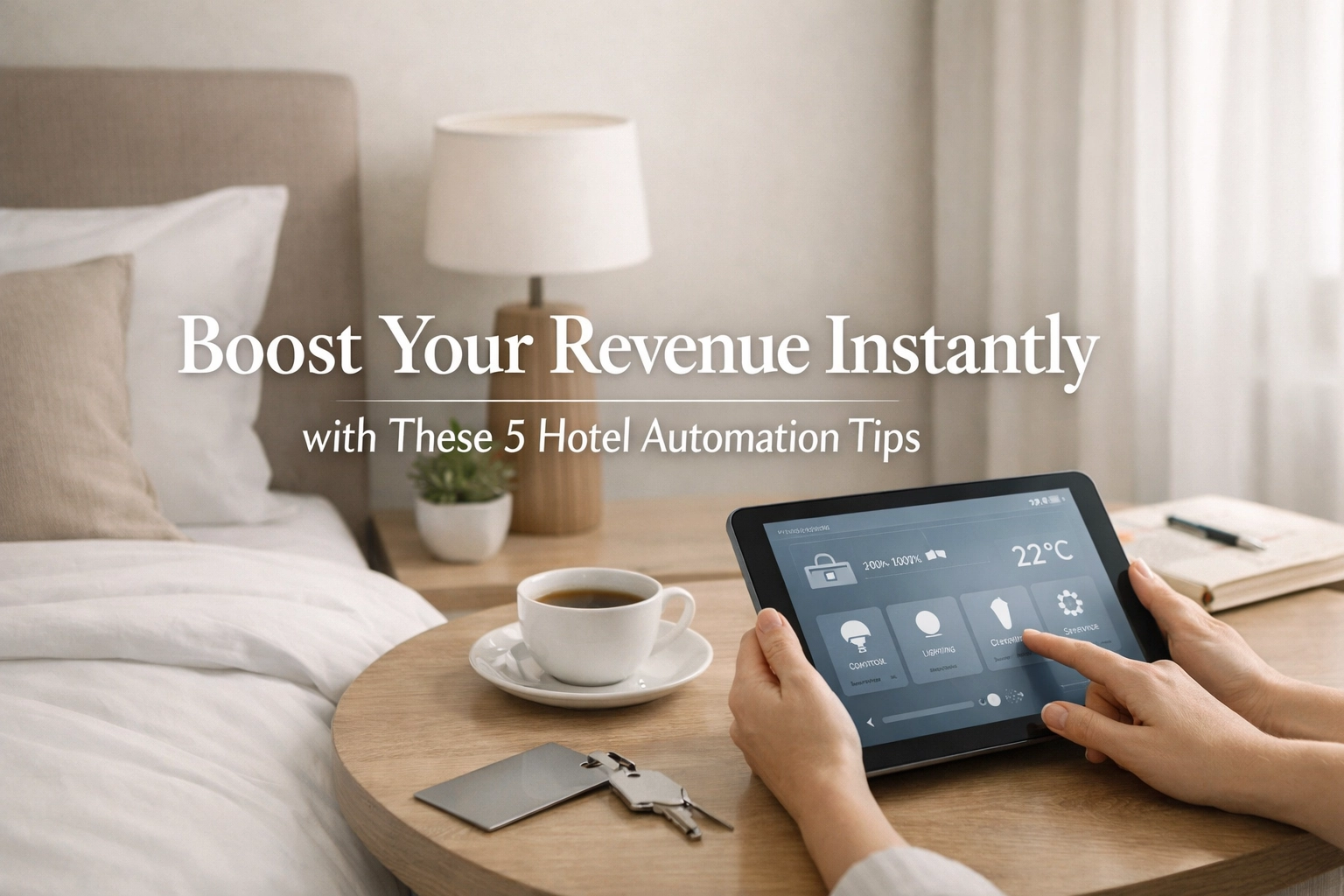
  • Boost Your Revenue Instantly with These 5 Hotel Automation Tips

    Boost Your Revenue Instantly with These 5 Hotel Automation Tips

    Scale your operations. Maximize every booking. Drive instant growth. In the modern hospitality landscape, the difference between a thriving property and one that just "gets by" is the technology running behind the scenes. We’ve seen it time and again: hoteliers who embrace automation don't just save time: they unlock revenue streams they didn't even know existed.

    The goal is simple. You want to spend less time on manual data entry and more time creating guest experiences that matter. By moving to a cloud-native hotel PMS, you can manage your entire ecosystem: from your booking engine to your channel manager: all from one innovative platform.

    1. Dynamic Pricing: Stop Leaving Money on the Table

    We believe that your room rates should be as fluid as the market itself. If you’re still manually updating rates based on what you think the weekend will look like, you’re losing money. Static pricing is a relic of the past; dynamic pricing is the future of revenue management.

    AI-powered revenue management systems work 24/7 to adjust your rates based on real-time market data, competitor pricing, and local demand fluctuations. It’s about being proactive rather than reactive.

    • Capture every peak: Automatically raise rates when local events drive demand.
    • Fill the gaps: Lower prices instantly during slow periods to ensure maximum occupancy.
    • Data-driven decisions: Remove the guesswork and rely on hard numbers.

    Hotels that implement automated dynamic pricing through their hotel PMS see an average of 20% RevPAR growth. By capturing demand peaks and minimizing vacancy, the system pays for itself (and then some) in a matter of weeks. It’s not just about selling a room; it’s about selling it for the best possible price at that exact second.

    Luxury hotel suite with a laptop managing dynamic pricing and hotel revenue.

    2. Automated Upselling: The Art of the Gentle Suggestion

    We think the best way to increase guest spend is to offer them exactly what they want, right when they want it. Automated upselling isn't about being pushy; it’s about enhancing the guest journey. Instead of a front desk agent awkwardly asking about room upgrades during a long check-in line, let your software do the heavy lifting.

    Modern systems analyze guest profiles and booking patterns to suggest personalized upgrades at optimal moments. This could be a room upgrade, a late checkout, or a pre-booked spa treatment.

    • Pre-arrival magic: Send a personalized offer 48 hours before check-in.
    • High conversion: Target guests with offers that actually match their interests.
    • Zero effort: Once set up, the system generates ancillary revenue while your team focuses on hospitality.

    "Since automating our upselling, we’ve seen a 15% increase in ancillary revenue without our front desk team saying a single word," says one Mews user. By integrating these offers directly into your booking engine and guest communications, you create a seamless path to higher margins.

    3. Self-Check-In Kiosks: Speed Meets Sophistication

    Let’s be honest: nobody travels halfway across the world because they’re excited to stand in a line at a reception desk. Guests want to get to their rooms, and your staff wants to provide high-value service, not type passport numbers into a computer.

    Self-check-in kiosks and mobile check-in options are the ultimate win-win for revenue and efficiency. When you remove the friction of the arrival process, you free up your staff to act as concierges rather than data entry clerks.

    • Reduced overhead: Manage higher guest volumes with a leaner, more efficient team.
    • Happier guests: Provide the digital-first experience that modern travelers expect.
    • Faster turnover: Streamline the flow of guests through your lobby during peak hours.

    By moving the "administrative" part of the stay to a kiosk or the guest's own smartphone, you create more opportunities for meaningful interaction. A staff member who isn't buried in a keyboard is a staff member who can recommend a high-end dinner or a premium tour: further boosting your bottom line.

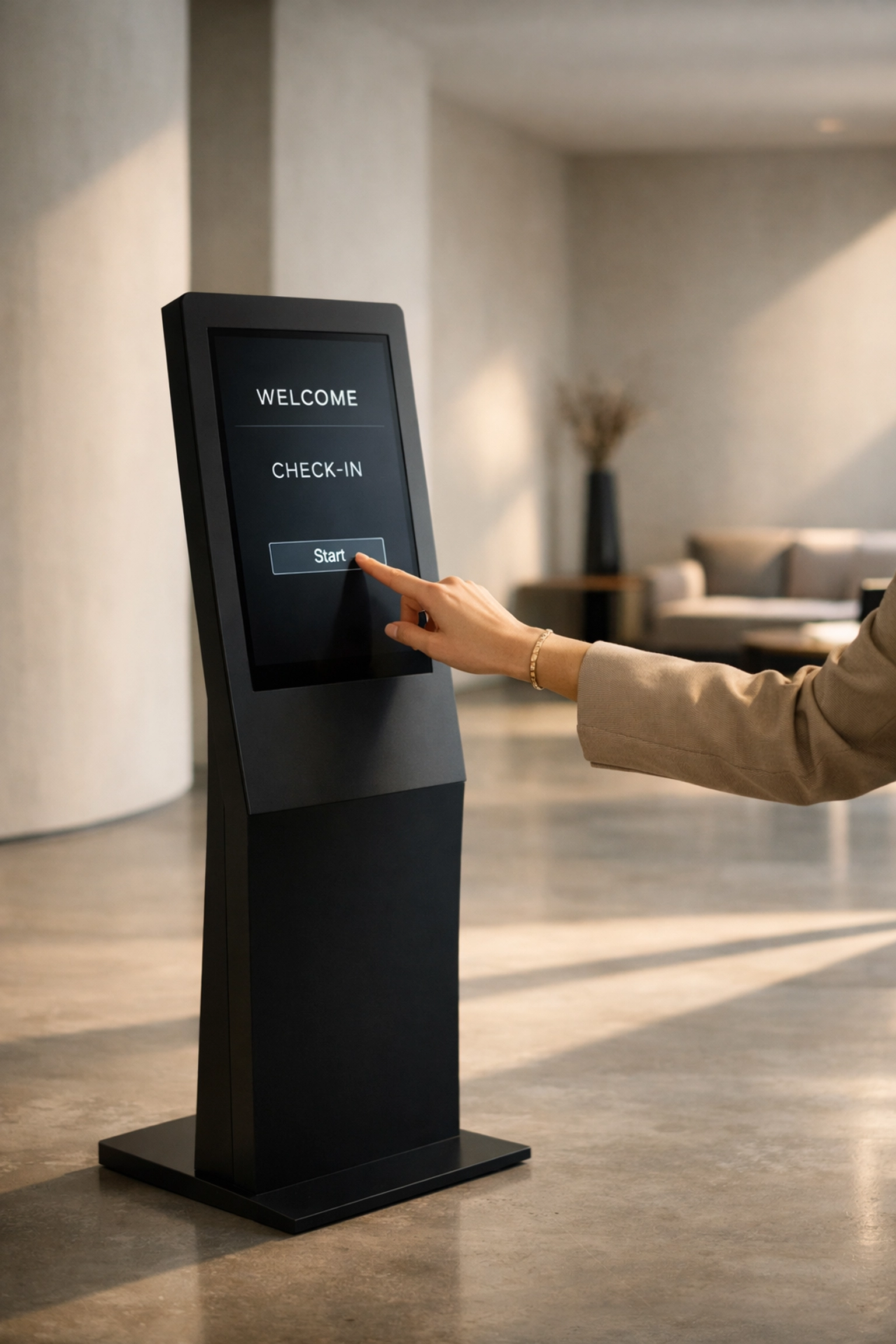
    Guest using a modern self-check-in kiosk in a hotel lobby to skip the front desk.

    4. Intelligent Channel Management: Be Everywhere at Once

    If your inventory isn't synced perfectly across every OTA, GDS, and your own website, you’re asking for trouble. Overbookings are expensive, and manual updates are a recipe for human error. A cloud-native channel manager ensures that your rates and availability are consistent across the entire internet.

    We believe in a "single source of truth" approach. When a room sells on Expedia, it should instantly disappear from Booking.com and your own site. This automation allows you to be more aggressive with your distribution strategy without the fear of double-bookings.

    • Global reach: Connect to hundreds of channels with a single click.
    • Parity made easy: Ensure your direct booking engine always has the best rate.
    • Automated billing: Sync payments and taxes across multiple currencies without lifting a finger.

    Beyond just preventing errors, a smart channel manager helps you prioritize the most profitable channels. You can automatically shift inventory toward direct bookings or lower-commission sites as you approach full occupancy, squeezing every last cent of profit out of your inventory.

    Traveler using a smartphone in a hotel lounge to access a mobile booking engine.

    5. Automated CRM: Building Loyalty While You Sleep

    Your relationship with a guest shouldn't end when they check out. In fact, that's just the beginning. A robust CRM integrated with your hotel PMS allows you to automate the entire guest relationship lifecycle.

    Instead of generic newsletters that get marked as spam, use automation to send targeted, relevant communication. If a guest stayed for a business trip, send them a "work from hotel" offer for their next visit. If they stayed with a pet, let them know about your new dog-friendly amenities.

    • Automated follow-ups: Send a "thank you" and a discount code for their next stay 24 hours after departure.
    • Birthday and anniversary triggers: Make guests feel special without having to remember the dates yourself.
    • Smart segmentation: Group your guests by behavior to ensure your marketing spend is always optimized.

    Automation delivers 60% time savings on common revenue management and administrative tasks. This isn't just about saving money; it's about reclaiming the time you need to think strategically about your business. When the "boring stuff" is handled by Mews, you’re free to be the hotelier you actually want to be.

    Personalized greeting on a hotel bedside table powered by automated CRM technology.

    See what Mews can do

    The hospitality industry is changing fast, and the tools you used five years ago might be the very things holding you back today. Automation isn't a luxury anymore; it's the baseline for staying competitive. Whether it's through a smarter booking engine, a more efficient channel manager, or the implementation of self-check-in kiosks, the goal remains the same: more revenue, less stress.

    We believe that technology should serve people, not the other way around. Mews is designed to be cloud-native, easy to use, and focused entirely on automation. It’s built for the way people actually travel today.

    Ready to see how automation can transform your property? It’s easier than you think to get started. You can explore the platform and see the impact on your RevPAR in no time.

    Check out how we can help you scale: https://referrals.mews.com/umqHYIto

    The future of hospitality is automated. Don’t get left behind: start building a more profitable, guest-centric business today. It only takes a 30-minute demo to see how much time (and money) you could be saving. Let’s get you earning more revenue in no time.
  • Looking for a Coffee Roaster Wholesale? Here Are 10 Things You Should Know

    So, you’re thinking about opening a coffee shop? Or perhaps you’re already running a busy café and your current supplier just isn’t hitting the mark anymore. Choosing between wholesale coffee roasters is probably the most important decision you’ll make for your business: besides maybe picking the right location. It’s not just about who can send you a bag of beans for the lowest price; it’s about finding a partner who cares as much about your flat whites as you do.

    Choosing the right coffee suppliers can feel a bit like dating. You want someone reliable, someone who shares your values, and someone who won't disappear when the espresso machine starts acting up on a Saturday morning.

    At Limini Coffee, we’ve helped hundreds of startups find their feet. We’ve seen what works and, more importantly, what causes a total meltdown in the middle of a morning rush. Here are 10 things you absolutely need to know before signing on the dotted line with a wholesale roaster.


    1. Define Your Priorities First

    Before you even start Googling "wholesale coffee roasters near me," you need to know what your business actually is. Are you a high-volume "grab-and-go" kiosk near a train station where speed is king? Or are you a boutique specialty shop where customers expect to hear about the specific altitude of the farm in Ethiopia?

    Your priorities will dictate which roaster is right for you. If you need rock-bottom prices and don't care about flavor profiles, a commodity roaster might work. But if you want to build a brand known for quality, you need a specialty roaster. We believe that quality pays for itself in repeat customers, but you have to be honest about your budget and your goals from day one.

    2. Specialty vs. Commodity: Know the Difference

    This is a big one. In the world of coffee suppliers, there’s a massive divide. Commodity coffee is traded on the stock exchange; it’s about volume and low costs. Specialty coffee is about the craft.

    Specialty coffee (like what we roast at Limini) is graded by professionals and must score above 80 points on a 100-point scale. It’s roasted in smaller batches to bring out specific flavor notes: think chocolate, caramel, or even citrus: rather than just "burnt."

    Why does this matter for your B2B wholesale choice? Because specialty coffee roasters usually offer a much higher level of traceability and ethics. You can learn more about how we handle this on our sourcing page.

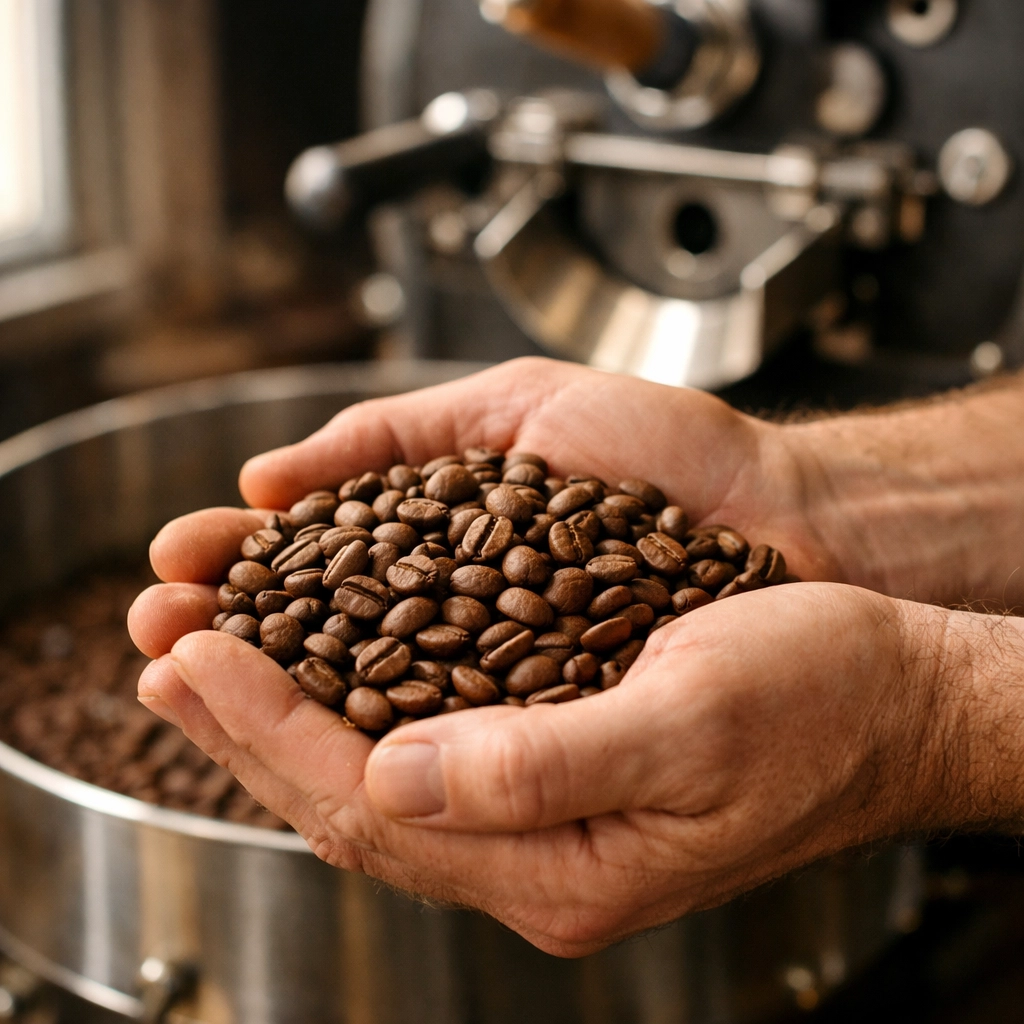
    Expert roaster holding freshly roasted specialty coffee beans from a wholesale coffee supplier.

    3. The "Support System" is More Important Than the Price

    We’ve seen it happen: a café owner finds a roaster that is 50p cheaper per kilo, switches over, and then realizes they have no one to call when their grinder breaks.

    A great wholesale partner offers full-service support. This includes:

    • Café layout consultation: Helping you figure out where the machine goes so your baristas aren't tripping over each other.
    • Emergency repairs: If your machine goes down, your business stops.
    • Business advice: General "how to run a coffee shop" wisdom.

    If a roaster just drops a box at your door and leaves, they aren't a partner; they’re just a delivery service. We pride ourselves on being there for our wholesale partners every step of the way.

    4. Minimum Order Quantities (MOQs) and Freshness

    Fresh is best. We say it all the time because it’s true. Coffee is a fresh agricultural product, and it starts to lose its sparkle about 4 to 6 weeks after roasting.

    When looking at wholesale coffee, check the MOQs. If a roaster forces you to buy 20kg at a time to get a decent price, but you only use 5kg a week, your customers will be drinking stale coffee by the end of the month. That’s a real shame and a surefire way to lose regulars. We prefer smaller, more frequent deliveries to ensure every cup tastes amazing.

    5. Equipment: To Lease or To Buy?

    One of the biggest hurdles for any café startup is the cost of equipment. A high-end espresso machine and a couple of commercial grinders can easily set you back £10,000 or more.

    Many coffee suppliers offer equipment packages. You can often choose between:

    • Buying outright: Higher upfront cost, but no monthly fees and you own the asset.
    • Leasing: Spreads the cost over 3–5 years. Great for cash flow.
    • Free-on-loan: The roaster provides the machine "for free" as long as you buy a certain amount of coffee.

    Warning: "Free" is rarely free. Usually, the cost of the machine is hidden in a much higher price per kilo of coffee. We always recommend choosing espresso equipment based on your specific needs rather than just what's the cheapest "free" option.

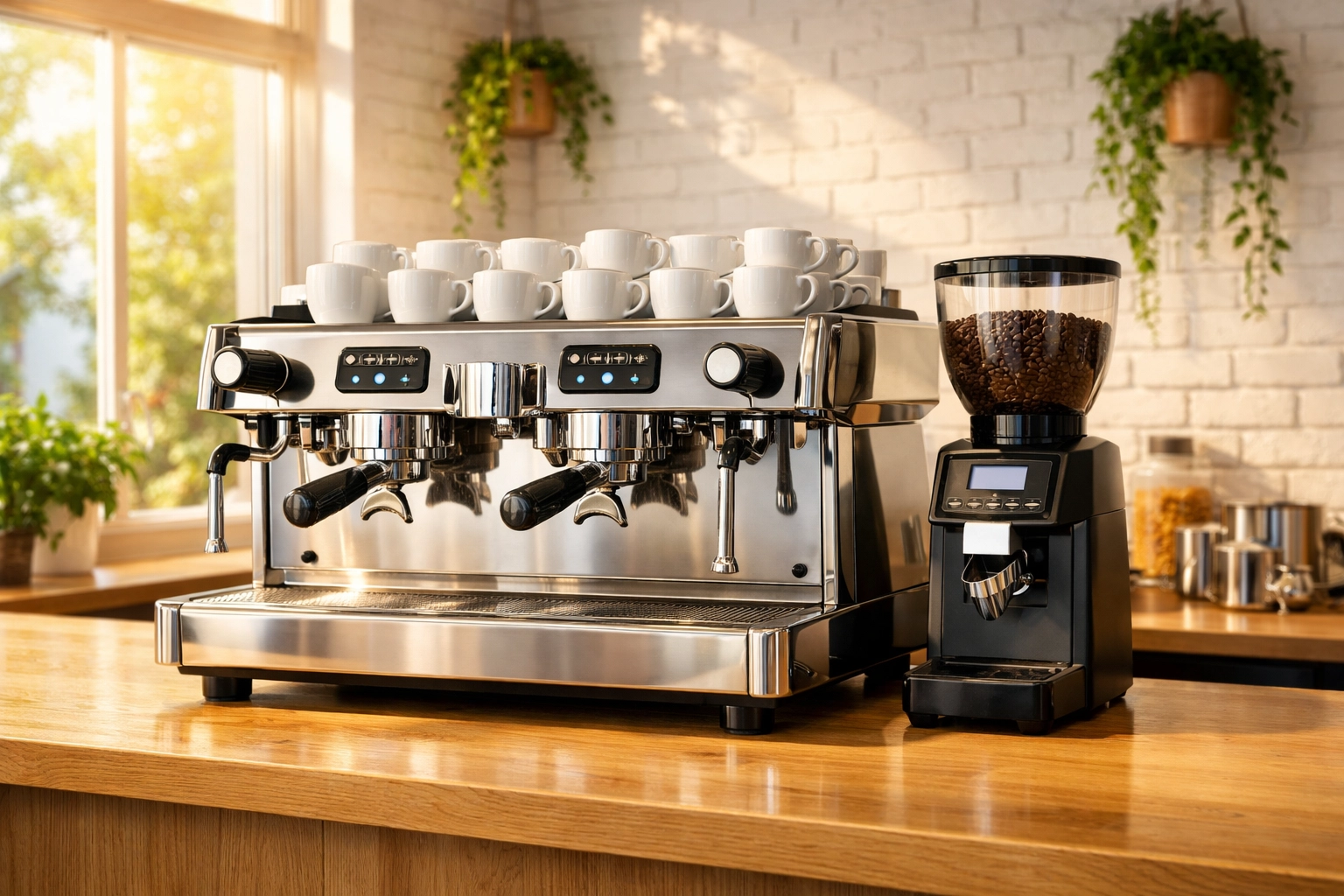
    Professional stainless steel espresso machine and grinder on a clean coffee shop counter.

    6. Training: The Secret Sauce

    You can buy the most expensive beans in the world and the fanciest Italian espresso machine, but if your barista doesn't know how to dial in the grind, the coffee will taste like battery acid.

    Does the roaster offer training? And we don't just mean a 20-minute "here is the button" session. We mean deep-dive barista training.

    This should cover:

    • Dialing in: Adjusting the grinder to account for humidity and age of beans.
    • Milk chemistry: Heating milk to exactly 140 °F / 60 ºC for that sweet, silky texture. (You can read our guide on understanding milk here).
    • Workflow: How to make drinks quickly without sacrificing quality.

    7. Supply Chain Reliability and Consistency

    Consistency is the hardest thing to achieve in a coffee shop. You want the latte your customer buys on Tuesday to taste exactly like the one they bought on Sunday.

    This starts with the roaster. Do they have a consistent supply of their house blends? If they run out of a component and change the flavor profile without telling you, your customers will notice. A reliable wholesale coffee roaster has "buffer" stocks and manages their green bean inventory months in advance.

    8. The "Theatre" of Coffee and Branding

    Coffee is an experience. It’s the sound of the steam wand, the smell of the beans, and the beautiful latte art on top. This is what we call coffee shop theatre.

    Your roaster should help you with this. Maybe that’s by providing branded cups, or maybe it’s by helping you develop a "signature" house blend that no one else in town has. Ask potential suppliers if they offer private labeling or custom blending. It’s a fantastic way to build brand loyalty.

    Close-up of a barista pouring latte art into a cup of specialty coffee at a cafe.

    9. Read the Fine Print (The Contract)

    We know, we know. Nobody likes reading contracts. But in the B2B wholesale world, they are vital. Look out for:

    • Exclusivity clauses: Are you banned from selling a guest filter coffee from another roaster?
    • Notice periods: How hard is it to leave if the relationship sours?
    • Maintenance obligations: If you are using their machine, who pays for the annual boiler inspection or the water filter changes?

    Be wary of contracts that lock you in for five years with no easy exit. A confident roaster doesn't need to trap you; they keep you because their coffee and service are brilliant.

    10. Relationship and Communication

    At the end of the day, you are entering a partnership. You need to like the people you’re working with.

    When you call them, do you talk to a human who knows your name, or a call center? If you have a question about tamping technique or espresso crema, are they happy to help?

    We believe the best relationships are built on transparency. We’re always happy to chat about everything from shop fitting to the intricacies of La Spaziale machines.


    Ready to take the next step?

    Finding the right wholesale coffee roaster is a journey, but it’s one that defines the future of your café. If you’re looking for a partner that offers award-winning beans, world-class training, and genuine support, we’d love to help you out.

    You can check out our full range of wholesale services here and see if we’re a good fit for your vision. Whether you're just starting your equipment research or you're ready to open next week, let's make some great coffee together.

    Café owners discussing shop layouts and wholesale coffee supply over lattes at a wooden table.

    Remember, the coffee industry is small and built on community. Take your time, ask the "silly" questions, and choose a supplier that makes you feel confident. That is the beauty of coffee: there's always something new to learn and a better cup to brew. 🙂

  • How to Integrate AI Business Automation Into Your Workflow in 5 Easy Steps

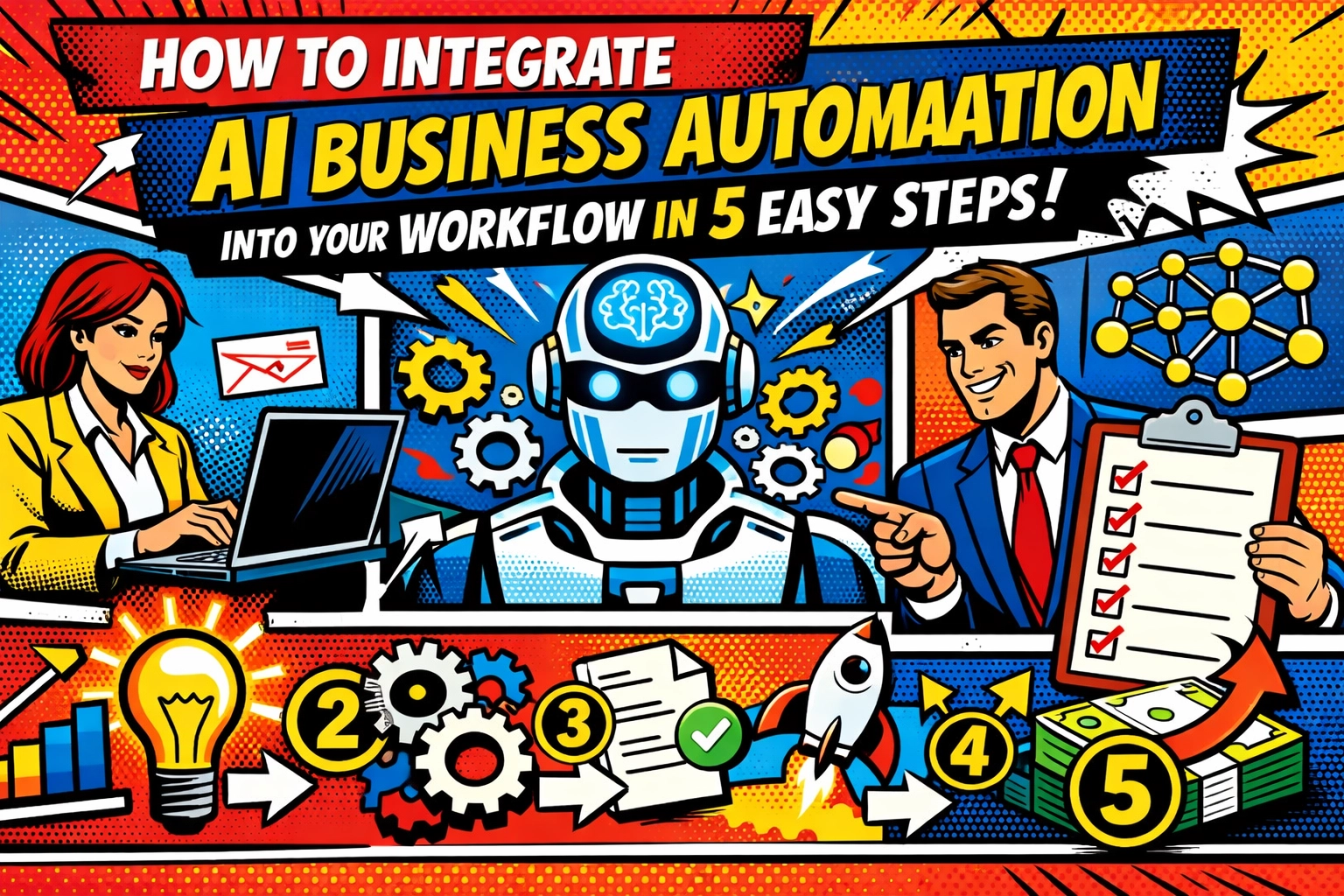
    How to Integrate AI Business Automation Into Your Workflow in 5 Easy Steps

    ☕ 7:03 AM.

    You’re staring at your phone. The screen is a glowing rectangle of demands. 14 unread Slack messages, 42 emails that "could have been a meeting," and a calendar that looks like a game of Tetris played by someone who’s losing. Badly.

    You haven’t even touched your coffee yet, and you’re already behind.

    This is the "small business owner" experience we don't talk about in the glossy brochures. It’s not just hard work; it’s a relentless grind of soul-sucking, repetitive tasks that make you wonder why you started this business in the first place. You wanted to build something great… not spend four hours a day copy-pasting lead data into a spreadsheet.

    But imagine this for a second.

    Imagine waking up, and the leads are already sorted. The follow-up emails? Sent. The data entry? Handled by a machine that doesn't need sleep, caffeine, or a dental plan.

    That’s not a fever dream. It’s ai business automation. And no, you don't need a PhD in computer science or a billion-dollar budget to make it happen. You just need a plan.

    Let's break down how you can reclaim your time in five easy steps.


    STEP 1: FIND THE SUCKING SOUND (THE AUDIT)

    🔍 9:15 AM.

    You’re mid-task, and you realize you’ve clicked the same three buttons 50 times in the last hour. That? That’s the sound of your time being sucked into a black hole.

    Before you go buying every shiny new tool on the market, you need to audit your misery. You can't automate everything at once, and frankly, you shouldn't. You need to look for the "High Volume, Low Brainpower" tasks.

    Ask yourself:

    • Is this task repetitive? (Does it happen every day/week?)
    • Is it rule-based? (If X happens, do Y?)
    • Does it make you want to scream into a pillow?

    These are your prime candidates for business automation tools. Think lead generation, data entry, social media scheduling, or basic customer support. If you can explain it to a five-year-old in two sentences, an AI can probably do it.

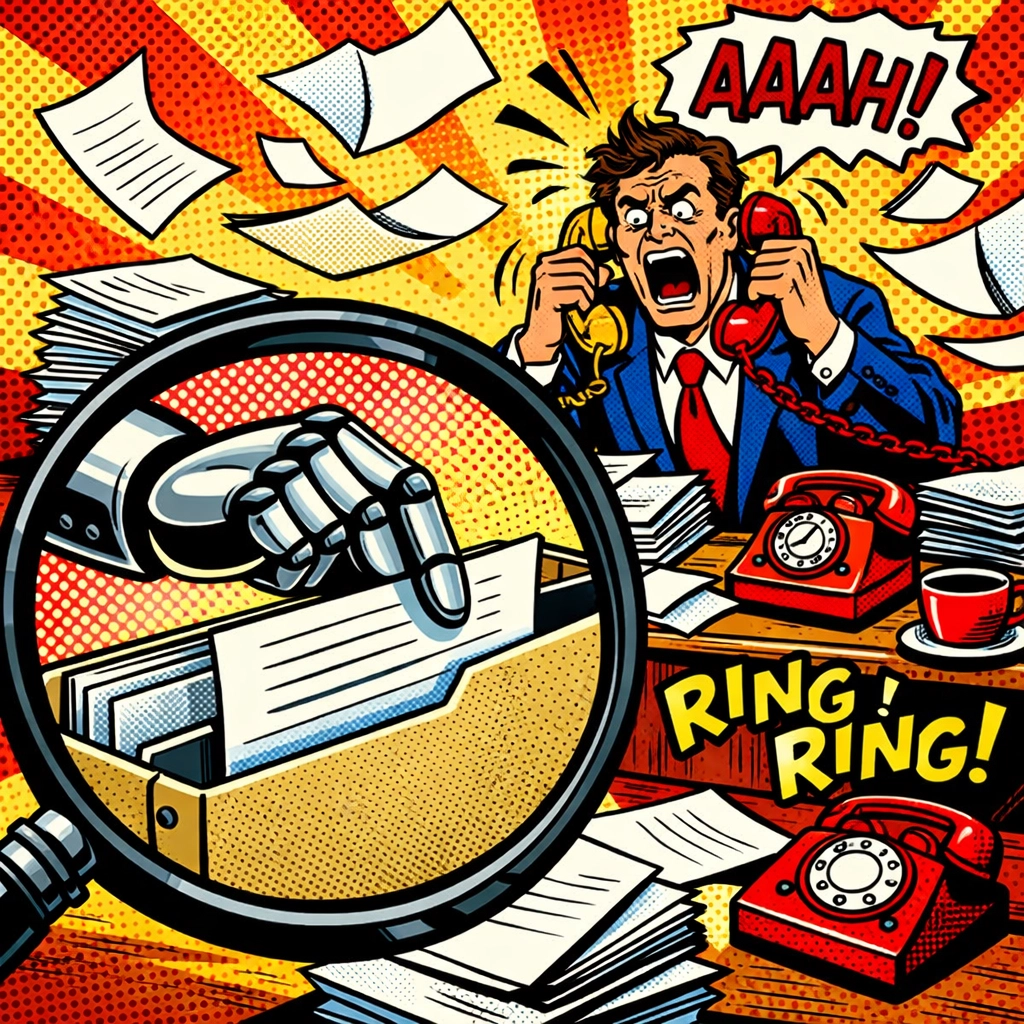
    AI business automation tool helping a stressed owner organize data entry and repetitive office tasks.

    Stop trying to automate your "creative genius" moments. Focus on the plumbing. Once the plumbing works, you have more room for the genius stuff.


    STEP 2: ORGANIZE YOUR DIGITAL LANDFILL

    📂 11:30 AM.

    You’ve identified the problem, but now you realize your data is… a mess.

    AI is incredibly smart, but it’s also a literalist. If you give it messy, inconsistent data, it will give you high-speed, automated garbage. This is the part most people skip because it’s not "sexy," but it’s the difference between a workflow that scales and one that breaks.

    Clean your "data junk drawer."

    • Are your customer names formatted correctly?
    • Is your CRM updated?
    • Where does your lead info actually live?

    Think of this as prepping the ingredients before you start cooking. You wouldn't try to bake a cake with eggshells in the batter, right? Get your data in order so your AI tools have a clear map to follow. Quality data equals quality automation.

    It’s about being intentional. If you’re ready to see how this looks in practice without the headache, check out what we’re doing over at https://marblism.link/scott-bowen. We handle the heavy lifting so you don't have to.


    STEP 3: PICK YOUR TEAM (CHOOSE YOUR TOOLS)

    🛠️ 1:45 PM.

    Now for the fun part. It’s time to pick your weapons.

    The market for business automation tools is exploding. You have tools that write, tools that code, tools that talk to your customers, and tools that connect other tools. It’s easy to get overwhelmed.

    Don't buy 50 apps. Look for tools that play well with others. You want an ecosystem, not a series of isolated islands.

    • CRM Automation: Keep your leads warm without lifting a finger.
    • Content AI: Draft blogs (like this one!) or social posts in seconds.
    • Workflow Connectors: The "glue" that links your email to your spreadsheet to your task manager.

    The goal isn't to replace your team; it's to give them superpowers. When you use the right AI business automation stack, you aren't just working faster, you're working better.

    Superhero-themed business automation tools giving a professional team digital powers for productivity.


    STEP 4: THE SANDBOX PHASE (TEST AND TWEAK)

    🧪 3:20 PM.

    You’ve got the tools. You’ve got the data. Now, whatever you do… don't turn it all on at once.

    Run a pilot program. Pick one tiny, specific workflow, maybe it’s just the "thank you" email sent after someone fills out a contact form. Set it up, run it, and watch it like a hawk.

    Does it sound human? Does the link work? Did it accidentally send the email to the wrong person 400 times? (It happens to the best of us).

    Validation is key. You want to build trust in your system. If you don't trust the automation, you’ll end up "double-checking" it every five minutes, which defeats the entire purpose of saving time.

    Start small. Measure the impact. Did it save you 20 minutes? Great. Now do the next thing.


    STEP 5: DEPLOY AND CHILL (SORT OF)

    🚀 4:55 PM.

    The system is live. You’re watching the notifications pop up, and for once, you aren't the one doing the clicking.

    But here’s the secret: AI isn't "set and forget." It’s "set and refine."

    Your business changes. Your customers change. Your AI should evolve too. Check in once a week. Look at the analytics. Is the automation still solving the problem, or has it created a new one?

    Continuous improvement is the name of the game. The more you refine, the more time you claw back. Eventually, you’ll reach that glorious state where the business runs while you’re actually enjoying your life.

    Scaling shouldn't be a struggle. It should be a system.

    Business owner relaxing while an automated AI system manages background workflows and data scaling.


    THE AFTERMATH: A DIFFERENT KIND OF 5:00 PM

    🌆 5:00 PM.

    The day is ending, but you aren't exhausted.

    Your inbox isn't a disaster zone. Your leads are tagged and followed up with. Your "to-do" list for tomorrow actually looks manageable.

    You close your laptop. You don't feel that nagging sense of "I forgot something." Because the system didn't forget. The AI handled it.

    You step out of the office, and for the first time in a long time, you’re actually present. No mental spreadsheets. No frantic mental reminders. Just… quiet.

    That’s the power of integrating AI into your workflow. It’s not about the tech: it’s about the freedom.


    FAQ: THE STUFF YOU’RE WONDERING ABOUT

    Q: Is AI going to make my business feel cold and robotic?
    A: Only if you let it. Use AI for the "robotic" tasks (data entry, scheduling) so you have more time to be "human" with your clients. It’s about offloading the boring stuff, not the heart of your brand.

    Q: Do I need to know how to code?
    A: Nope. Most modern business automation tools are "no-code" or "low-code." If you can drag and drop, you can automate.

    Q: Is it expensive?
    A: It’s way cheaper than hiring a full-time assistant to do data entry. Most tools have "pay-as-you-go" models that grow with you.

    Q: Where do I even start?
    A: Start by looking at your biggest bottleneck. Or, better yet, let someone show you the ropes. Head over to https://marblism.link/scott-bowen and let’s see how we can turn your chaos into a well-oiled machine.


    STOP JUGGLING. START GROWING.

    You didn't start a business to be a professional email-replier. You started it to make an impact, to build something, and maybe to have a little bit of freedom.

    AI is the lever that lets you move the world. Stop doing the $10/hour tasks when you should be doing the $1,000/hour thinking.

    The future is automated. Are you coming along?

    See how easy it can be right here: https://marblism.link/scott-bowen.

    Because honestly… that coffee isn't going to drink itself, and you’ve got better things to do than data entry.

    Scaling Shouldn't Be This Easy. But Here We Are.

  • 7 Mistakes You’re Making with AI Business Automation (and How to Save 10+ Hours Instead)

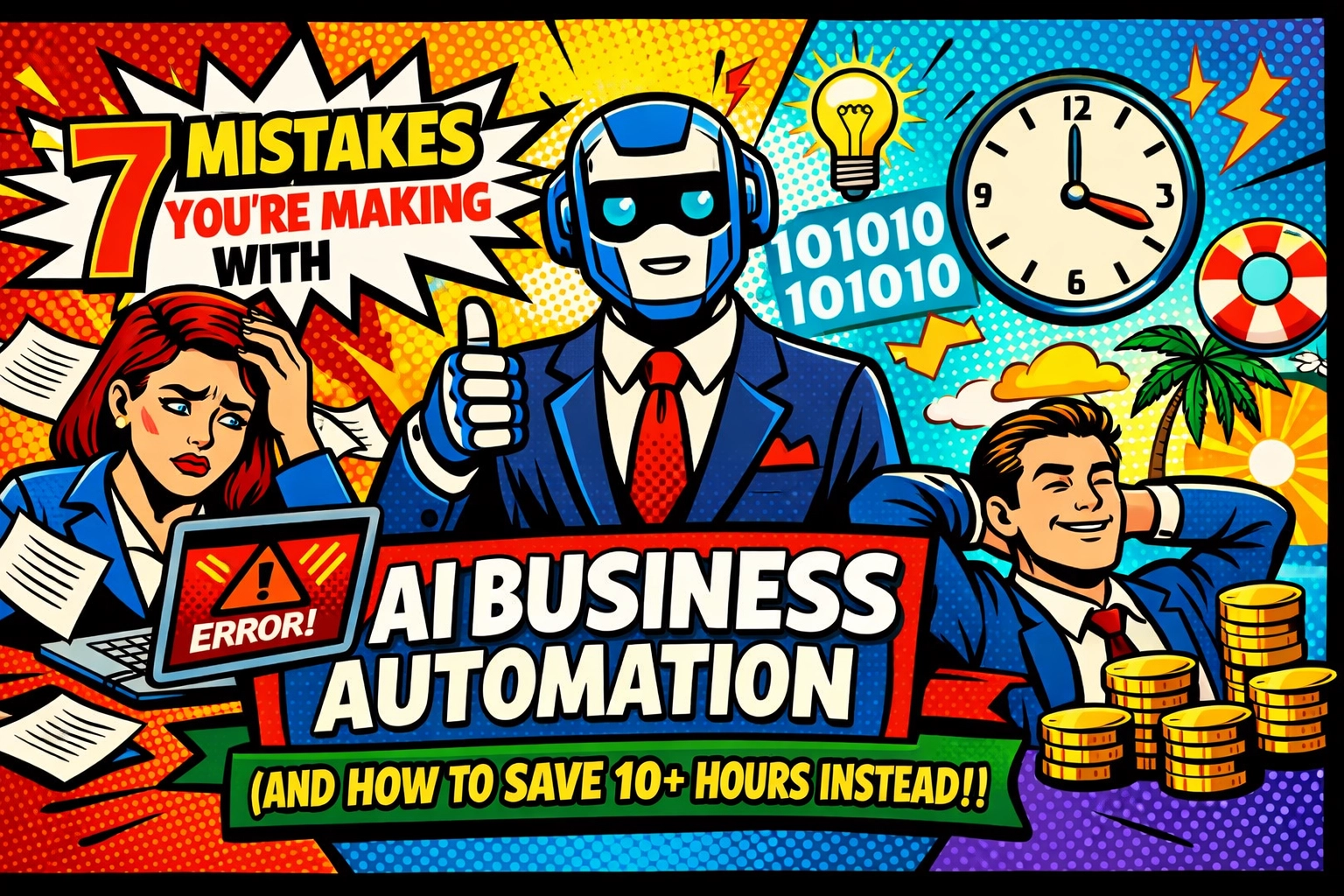
    7 Mistakes You’re Making with AI Business Automation (and How to Save 10+ Hours Instead)

    ☕ 7:00 AM. Your eyes fly open.

    Before you’ve even reached for the French press, the mental list starts. There are invoices to send, three social media posts that were due yesterday, and 47 emails that seem to have multiplied like wet Gremlins overnight.

    You’ve heard the hype. You’ve signed up for ten different "miracle" tools. But somehow, you’re still working until 9:00 PM.

    If your AI journey feels more like a part-time job than a shortcut, you’re likely falling into one of the common traps. But don't worry… we're going to fix that.

    AUTOMATE ADMIN TASKS: HOW TO SAVE 10+ HOURS EVERY WEEK

    The biggest lie people tell about business automation tools is that they are "set it and forget it."

    If you set it and forget it, you’ll eventually wake up to a catastrophe.

    Mistake #1: Automating High-Stakes Tasks Without a Human Filter

    You wouldn’t let a toddler handle your payroll or sign your legal contracts. So why are you letting an unguided AI do it?

    AI is a confident liar. It will cite policies that don’t exist and miscalculate numbers with the bravado of a Wall Street shark.

    The Fix: Use AI to gather the data and draft the document. Then, set a 15-minute "Power Review" block in your calendar. You save hours on the "blank page" phase, but you keep your professional reputation intact.

    Mistake #2: Starting with a Digital Junk Drawer

    You can’t automate chaos.

    If your spreadsheets have three different naming conventions and your CRM is full of "Test Test" entries from 2022, the AI will get confused. It will see a one-off refund as a permanent trend and tell you your business is tanking when it’s actually thriving.

    The Fix: Spend two hours today cleaning your data. Centralize it. Tag the weird stuff. It’s the boring work that makes the magic possible.

    Comic book art of a person using business automation tools to organize messy data into neat cubes.

    Mistake #3: The "Shiny Object" Tool Sprawl

    You have a tool for captions. A tool for scheduling. A tool for "vibes."

    Suddenly, you’re spending four hours a week just moving data between apps. This isn't automation… it's a digital circus.

    The Fix: Look for an all-in-one ai assistant for small business that talks to your existing tech. If it doesn't integrate, it doesn't stay. Check out how we streamline this at Marblism.


    THE BEST AI ASSISTANT FOR SMALL BUSINESS IN 2026

    📱 10:30 AM. You’re in the flow.

    Instead of jumping between tabs, you ask one question. You get one answer.

    The landscape has changed. In 2026, the best assistant isn't the one with the most features, it’s the one that actually understands your business.

    Mistake #4: Ignoring the "Privacy Tax"

    Pasting your client’s sensitive tax IDs or your proprietary trade secrets into a random free AI tool is like shouting your bank PIN in a crowded elevator.

    Free tools often use your data to train their models. That means your "secret sauce" could end up as a suggestion for your competitor.

    The Fix: Use enterprise-grade solutions. If the tool is free, you are the product. Invest in a secure platform where your data stays yours.

    Mistake #5: Automating the Wrong Things First

    Most people try to automate the hardest thing they do.

    "I’ll have AI write my 50-page business strategy!"

    Bad idea. That’s complex, nuanced work. You’ll spend more time fixing the AI’s hallucinations than if you’d just written it yourself.

    The Fix: Automate the repetitive, "brain-dead" tasks.

    • Appointment scheduling.
    • Data entry from receipts.
    • Standard email replies.

    These are the tasks that eat your soul ten minutes at a time. Automate them, and suddenly you have 10+ hours back.

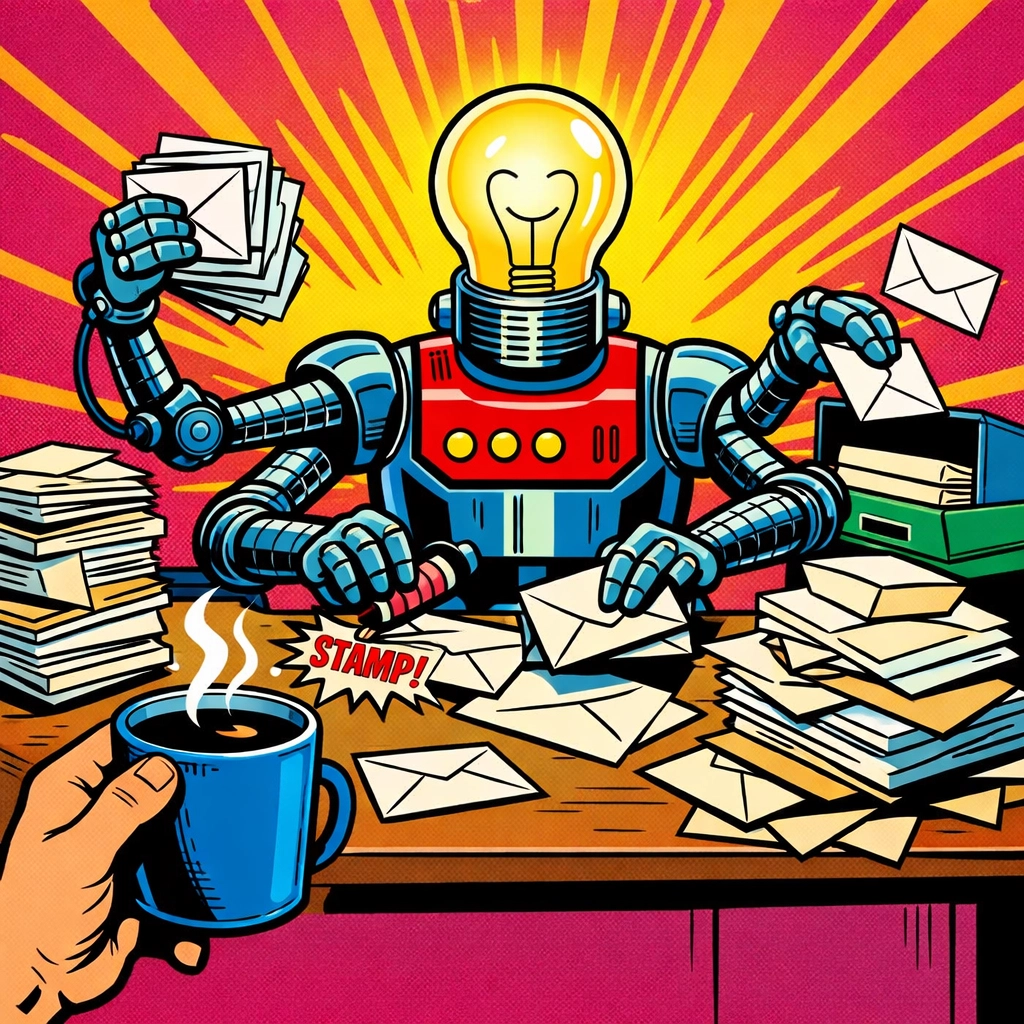
    An AI assistant for small business handles repetitive admin tasks while the owner enjoys a coffee break.


    AI CONTENT GENERATOR FOR SMALL BUSINESS: YOUR SECRET MARKETING WEAPON

    🤝 1:00 PM. Lunch is over, and it’s time to be "online."

    Marketing usually feels like screaming into a void while trying to look pretty. But it doesn't have to.

    Mistake #6: Sounding Like a Corporate Robot

    We’ve all seen it. The LinkedIn post that starts with "In the ever-evolving landscape of digital synergy…"

    Yawn.

    Your customers want you. They want your wit, your edge, and your specific way of solving problems. If your ai content generator for small business isn't trained on your brand voice, it’s just noise.

    The Fix: Create a "Brand Bible" prompt. Feed the AI your best-performing emails and posts. Tell it: "Don't use jargon. Keep it punchy. Use em dashes."

    Mistake #7: The "Set and Forget" Social Media Strategy

    AI can generate 30 days of posts in 30 seconds. But if you don't check the context, you might end up posting a "Happy Monday!" graphic during a literal hurricane.

    The Fix: AI generates the volume; you provide the soul. Use tools to create the drafts, but take 10 minutes to tweak the hooks so they land with your specific audience.

    A creative professional uses an AI content generator for small business to add brand voice to drafts.


    HOW TO ACTUALLY RECLAIM YOUR CALENDAR

    🌙 4:00 PM. The sun is starting to dip.

    Normally, this is when the "afternoon slump" hits and you realize you haven't touched your actual work because you were stuck in admin hell.

    But not today.

    Today, your business automation tools handled the heavy lifting.

    • Your leads were sorted and tagged.
    • Your invoices were generated.
    • Your social media drafts are waiting for your final nod.

    You just send a thumbs-up.

    Your 10-Hour Savings Breakdown:

    1. Email Management: 3 hours/week saved by AI-drafted replies.
    2. Social Media Production: 4 hours/week saved by using an ai content generator for small business.
    3. Data Entry & Reporting: 3 hours/week saved by automated syncing.

    Stop juggling. It’s making you dizzy.

    Scaling shouldn't be this hard. But here we are, in a world where you can clone your best processes and let them run while you sleep.

    If you’re ready to stop making these mistakes and start actually growing, you need a partner who knows the ropes. Scott and the team at Marblism are building the future of how small businesses actually get things done.

    A business owner saves 10 hours a week using business automation tools to manage their schedule effortlessly.


    QUICK ANSWERS (FAQ)

    Can AI really save me 10 hours a week?
    Yes. If you focus on high-frequency, low-complexity tasks (like scheduling and data entry), 10 hours is actually a conservative estimate.

    Is it expensive to set up?
    No. Most small businesses lose more money in "lost time" than a high-quality ai assistant for small business costs per month.

    Will my customers know I'm using AI?
    Not if you do it right. The goal isn't to replace the human touch, but to remove the human "busy work" so you can actually talk to your customers.

    Which tool should I start with?
    Start with a platform that integrates your most common tasks into one place. Check out Marblism to see how we handle the heavy lifting for you.


    The chaos is gone before you even take your last sip of coffee.

    You step back into your day.

    Organized.

    Efficient.

    Human.

    The machines are working. Now, you can finally get back to the work you actually love.

    But only if you stop making those seven mistakes.

    The clock is ticking. Go get those 10 hours back. 🤝

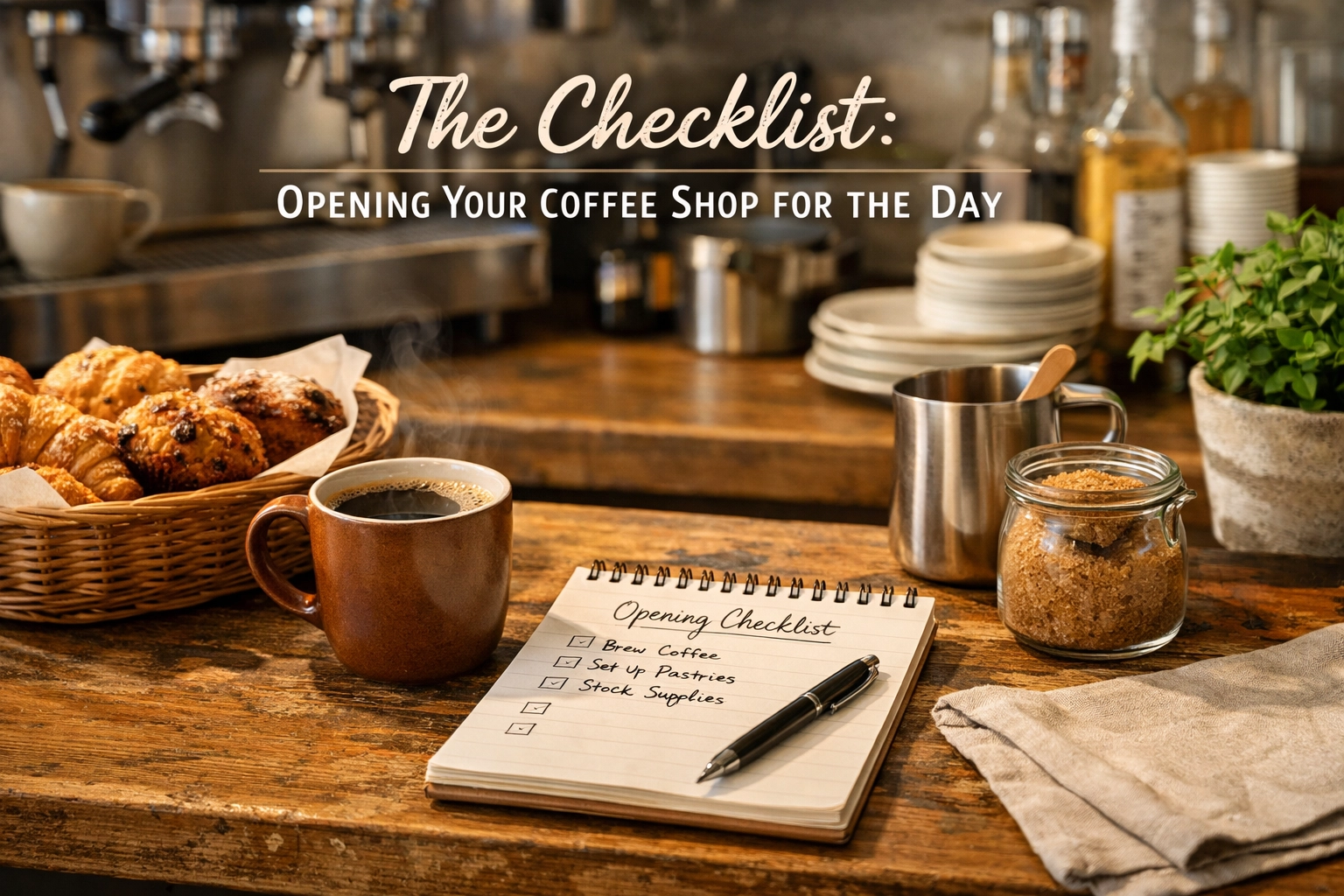
  • The Checklist: Opening Your Coffee Shop for the Day

    The Checklist: Opening Your Coffee Shop for the Day

    There's something sacred about opening a coffee shop in those quiet morning hours before the rush begins. The lights go on, the machines hum to life, and you've got maybe 30-45 minutes to transform a closed space into a welcoming café that runs like clockwork.

    We've worked with hundreds of coffee shops over the years, and there's one truth we keep coming back to: a smooth opening leads to a smooth day. Rush through your opening routine, and you'll spend the rest of your shift playing catch-up. Get it right, and your team can handle whatever the day throws at them.

    So let's walk through a proper opening checklist that covers everything from firing up your equipment to that crucial first shot of the day.

    Before You Unlock the Door

    Turn Everything On (30-45 Minutes Before Opening)

    Your espresso machine needs time to reach proper temperature – and we mean proper temperature, not just "the light says it's ready" temperature. Most commercial machines need a good 20-30 minutes to fully heat up and stabilize.

    Turn on your machine first thing. If you've got a heat exchanger or dual boiler system, you want those group heads properly saturated and stable before you pull your first shot. While it's warming up, get your grinders running, switch on any display lighting, and fire up your batch brewers.

    The café atmosphere matters too. Get your heating or cooling sorted, turn on the music (not too loud this early – ease into it), and make sure your lighting creates that welcoming morning vibe.

    Commercial espresso machine warming up for coffee shop opening with morning light

    The Equipment Check

    Test Everything Before You Need It

    This is where so many shops trip themselves up. You can't discover your grinder's acting up when there's a queue of five people waiting for their morning flat whites.

    Run through each piece of equipment systematically:

    • Does the espresso machine reach proper pressure (around 9 BAR)?
    • Are all group heads functioning correctly?
    • Do your grinders sound normal, or is there a suspicious grinding noise?
    • Is your till system booted up and cleared from yesterday?
    • Are card readers working?

    We've seen shops lose hundreds of pounds in the morning rush because they couldn't take card payments. Five minutes of checking can save you hours of headaches.

    Dialling In: The First Shot

    Here's where it gets interesting. Even if you didn't change your grind setting from yesterday, that first shot of the day needs attention.

    Why? Temperature and humidity change overnight.

    Your beans have been sitting in the hopper (hopefully not for too long). The ambient conditions in your shop are different from when you closed. That grind that was pulling perfect 25-second shots yesterday afternoon might run too fast or too slow this morning.

    Pull a test shot before your doors open. Time it. Taste it if you can. If it's running fast, tighten your grind slightly. If it's slow and bitter, coarsen it up. This is basic barista work, but it's crucial.

    And remember – your team needs to know this shot was pulled for testing. Don't let it sit in a portafilter for 20 minutes and then serve it to your first customer. Fresh coffee matters.

    The Milk Situation

    Check Your Dairy Supply (and Alternatives)

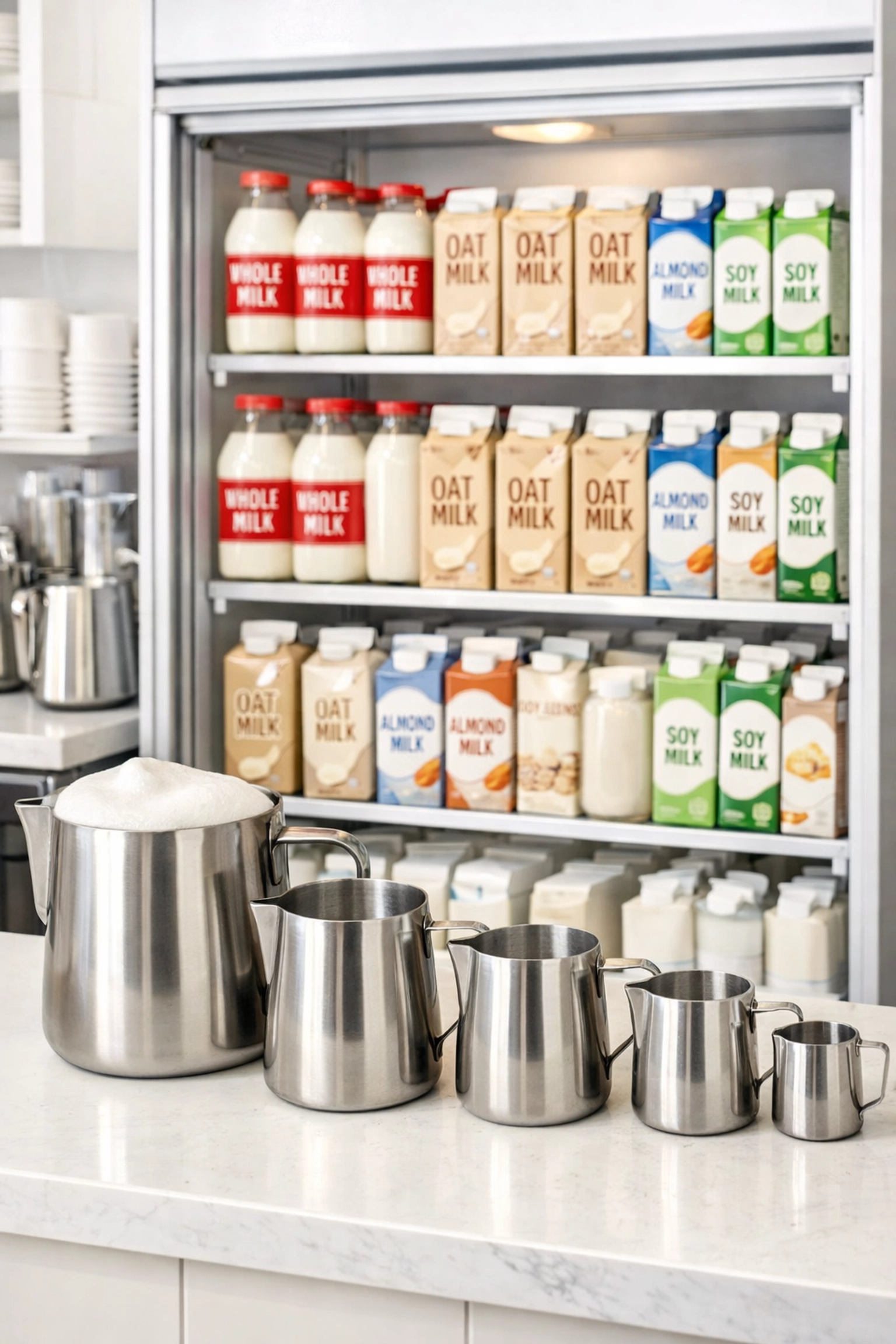
    Nothing kills morning momentum like running out of oat milk at 8:30 AM. Check your fridges systematically:

    • Whole milk – enough for the morning rush?
    • Semi-skimmed or skimmed if you offer it
    • Oat milk (this one runs out fastest in most shops)
    • Soy, almond, or other alternatives you stock
    • Expiry dates on everything

    While you're at it, check your milk steaming technique is on point. If you're new to the team or need a refresher, our guide on understanding milk covers the science behind perfect microfoam.

    Fill your condiment station too – those little jugs of milk for customers who want to adjust their own drinks. Fresh is best.

    Barista pulling first espresso shot of the day during coffee shop opening routine

    The Display and Counter Setup

    Make It Look Inviting

    Your pastry display should look abundant and fresh, even if you're starting the day with yesterday's leftovers. (Though hopefully you're not – fresh pastries are worth their weight in gold for morning traffic.)

    Arrange everything with intention:

    • Pastries displayed attractively with clear pricing
    • Grab-and-go items front and center
    • Napkin dispensers full
    • Sugar, sweeteners, wooden stirrers stocked
    • Your specials board updated with today's single origin or featured drink

    We always say that customers eat with their eyes first. If your display looks sparse or haphazard at 7 AM, people assume you're not ready for them. Even if you're fully prepped behind the scenes, perception matters.

    The Bar and Coffee Station

    Set Up Your Workspace for Speed

    This is about ergonomics and efficiency. Your baristas shouldn't be reaching across each other or hunting for basics during the rush.

    Check that you have:

    • Clean portafilters ready to go
    • Milk jugs in various sizes, clean and within reach
    • Cleaning cloths, brew-wipe, and sanitizer bucket prepared
    • Tampers positioned correctly
    • Knock box emptied from yesterday (please)
    • Spoons, scoops, and any tools you need close at hand

    If you're running batch coffee or filter, get your first brew going about 15 minutes before opening. The smell of fresh coffee is marketing you can't buy.

    Stock Check and Supplies

    The Boring Stuff That Matters

    Run through your essential supplies before the doors open:

    • Coffee cups in all sizes (you'd be surprised how often shops run out of small cups)
    • Lids that actually fit your cups
    • Takeaway bags if you do food
    • Receipts paper in the till
    • Syrup bottles full and pumps working
    • Beans in the hopper (but not too full – fresh is best)

    Check your scheduled deliveries too. If your roaster or milk supplier is coming today, make sure you've got space to receive it and someone who knows what to do with it.

    At Limini Coffee, we work with our wholesale partners to ensure deliveries happen when it suits their operations, not just when it suits our van schedule. Small details matter.

    Organized coffee shop milk station with stocked refrigerator and steaming jugs

    The Final Walk-Through

    See Your Shop Through Customer Eyes

    Before you flip that sign to "Open," walk through your space like you're a customer arriving for the first time.

    Are the floors clean? Tables wiped down? Windows clear? Toilets stocked and presentable? Music at the right volume? Any odd smells you've become nose-blind to?

    This takes two minutes, but it's the difference between a café that feels cared for and one that feels like the team is just going through the motions.

    Brief Your Team

    If you've got staff arriving before opening, spend five minutes getting everyone on the same page:

    • What's the special today?
    • Any issues with equipment they need to know about?
    • Who's on bar, who's on till, who's running food?
    • What are the goals for today? (Upselling that new pastry? Promoting the loyalty card?)

    Clear communication at the start prevents confusion during the rush.

    When Things Go Wrong

    Even with the best checklist, equipment fails and surprises happen. The grinder jams. The machine loses pressure. A delivery doesn't show up.

    This is where having a relationship with your supplier makes all the difference. At Limini Coffee, we offer training and equipment support to help shops run smoothly – not just when you're setting up, but ongoing as challenges arise. Whether you need troubleshooting on your espresso machine or advice on workflow improvements, we're here to help your coffee shop run like clockwork.

    Because we know that when your equipment works and your team is confident, you can focus on what matters: serving excellent coffee and creating that morning experience your customers rely on.

    Make It Your Own

    Every coffee shop is different. A busy city-center café has different priorities than a neighborhood spot with a slower morning build. A shop focused on takeaway needs a different setup than one optimizing for dine-in.

    Use this checklist as a foundation, then adapt it to your specific operation. Time how long each section takes. Notice where you're consistently running behind. Ask your team what slows them down.

    The goal isn't rigid adherence to someone else's system – it's building an opening routine that works for your shop, with your equipment, serving your customers.

    And remember: that quiet half-hour before you open? That's when great coffee shops separate themselves from mediocre ones. Get it right, and everything else flows from there.


    Need help streamlining your coffee shop operations? From equipment support to barista training, Limini Coffee partners with coffee shops to help them run smoothly every single day. Let's talk about how we can support your business.

  • The Ultimate Guide to Cloud-Native PMS: Everything You Need to Scale Your Hotel Success

    The Ultimate Guide to Cloud-Native PMS: Everything You Need to Scale Your Hotel Success

    Automate your operations. Elevate guest experiences. Scale your success.

    The right technology can increase your RevPAR by 15% while cutting administrative tasks in half. We’ve built a platform that does the heavy lifting for you: managing everything from complex bookings to real-time housekeeping updates. It’s about giving you the freedom to focus on what matters: your guests. All from one innovative platform.

    Beyond the cloud: What "Native" actually means

    Not all clouds are created equal. You’ve likely heard the term "cloud-based" used for years, but there is a massive difference between a legacy system hosted on a remote server and a true cloud-native hotel PMS.

    Legacy systems were built for the desktop era and "lifted" into the cloud. They are often clunky, slow to update, and require expensive onsite hardware. In contrast, a cloud-native PMS like Mews is architected from the ground up to live in the internet age.

    We believe your software should be as mobile as you are.

    • Access your entire property from a smartphone or tablet.
    • Push updates instantly without system downtime.
    • Connect to any modern tool via open APIs.

    Hotel manager using a mobile PMS tablet in a modern, sun-lit hotel lobby.

    The Core Pillars of a Modern Tech Stack

    To scale a modern hotel, you need more than just a digital guest ledger. You need an ecosystem where every tool talks to the others. When your hotel pms works in harmony with your distribution channels and guest data, magic happens.

    1. The Channel Manager: Real-time inventory control

    Stop worrying about overbookings. A built-in channel manager ensures your room inventory and rates are synchronized across Booking.com, Expedia, and Airbnb instantly.

    We think manual rate updates belong in the past.

    • Update rates across 400+ channels in one click.
    • Eliminate manual entry errors that lead to double bookings.
    • Optimize your distribution strategy based on real-time demand.

    2. Direct Booking Engine: Own your guest relationship

    OTAs are great for reach, but your booking engine is where the profit lives. A cloud-native booking engine provides a frictionless experience that mirrors the ease of modern e-commerce sites.

    We believe direct bookings should be your biggest revenue driver.

    • Capture commission-free reservations 24/7.
    • Offer personalized upsells during the booking flow.
    • Integrate directly with your website for a seamless brand experience.

    3. CRM and Guest Data: Personalized hospitality

    A CRM (Customer Relationship Management) tool isn't just a database; it’s your memory. By centralizing guest preferences, stay history, and feedback, you can tailor every interaction.

    "Since switching to a cloud-native system, our guest satisfaction scores jumped by 22% because we actually know who is walking through the door." – Boutique Hotel Manager

    Automation that feels like magic

    The biggest hurdle to scaling is manual labor. If your team is stuck behind a desk typing in passport details, they aren't looking the guest in the eye. Mews is built with an "automation-first" mindset.

    Self-check-in kiosks

    Why make guests wait in line after a long flight? Self-check-in kiosks allow guests to bypass the front desk entirely.

    We believe the "lobby" should be a social space, not a waiting room.

    • Reduce front desk queues by 70%.
    • Allow guests to cut their own keys in seconds.
    • Collect digital signatures and payments automatically.

    Guest using a sleek hotel self-check-in kiosk terminal for a seamless lobby experience.

    Automated Housekeeping and Maintenance

    Communication between the front desk and housekeeping is usually a bottleneck. With a cloud-native PMS, your housekeeping team uses a mobile app to mark rooms as "clean" the moment they finish. The front desk sees this instantly: no radio calls required.

    By the numbers: The impact of cloud-native tech

    Numbers don't lie. When you move away from legacy constraints, your KPIs move in the right direction.

    • 10 hours saved per week per employee on administrative tasks.
    • 20% increase in upsell revenue through automated pre-arrival emails.
    • 12,500+ properties globally are already moving toward this automated future.
    • 0% downtime: because your business never sleeps, and neither should your software.

    Building your custom tech stack

    Every hotel is unique. A 10-room glamping site has different needs than a 500-room city center hub. This is where the power of integrations comes in.

    We think you should choose the tools you love.

    • Connect to accounting software like Xero or QuickBooks.
    • Integrate with smart lock systems for keyless entry.
    • Link to advanced Revenue Management Systems (RMS) for dynamic pricing.

    Mews offers an open API, which is a fancy way of saying we play well with others. You can browse our marketplace and plug in the tools that fit your specific business model. No "integration fees," no headaches.

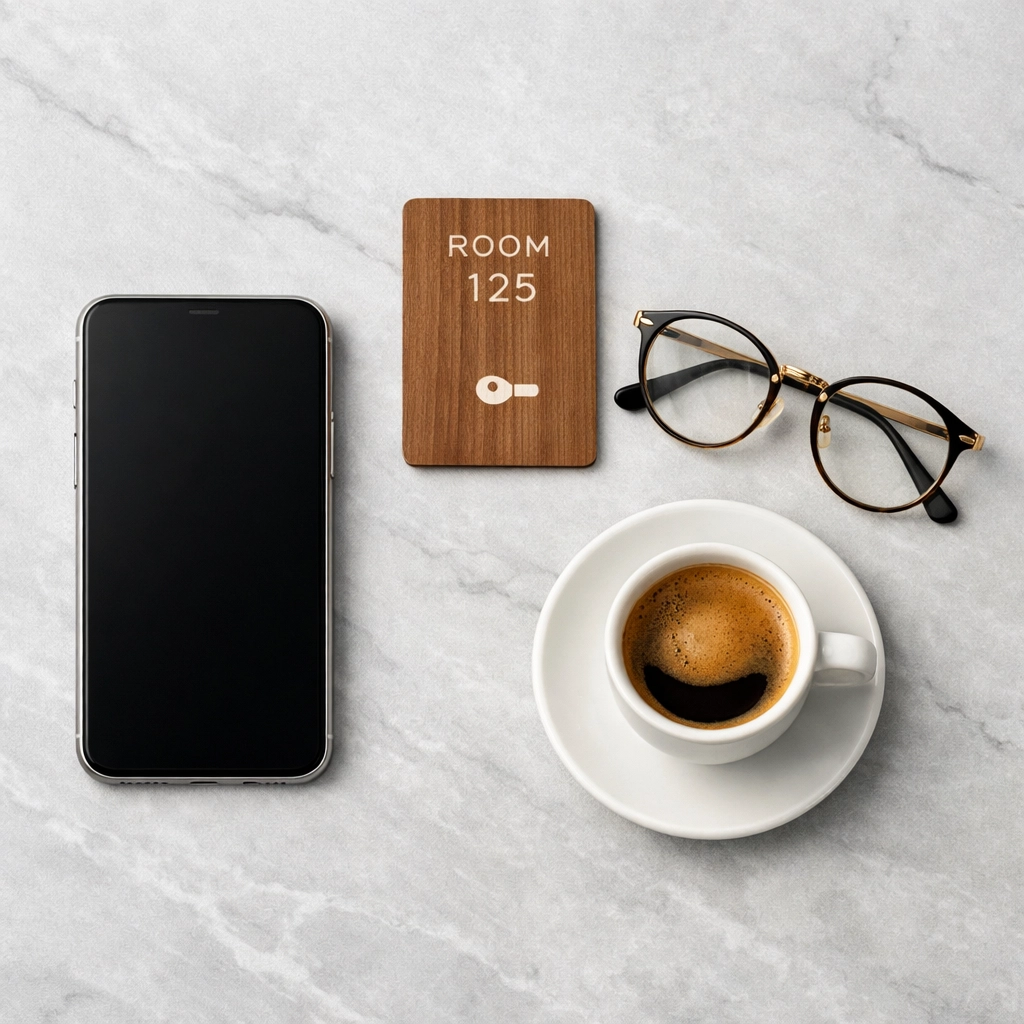
    A connected hospitality tech stack featuring a smartphone app and wooden hotel room key.

    Scaling across multiple properties

    If you’re looking to grow from one property to ten, a legacy system will break your workflow. Cloud-native architecture is built for multi-property management. You can see a high-level overview of your entire portfolio from a single dashboard, then dive deep into the analytics of a single room.

    1. Centralize Reporting: See total revenue across all locations in real-time.
    2. Standardize Operations: Create "gold standards" for check-in and housekeeping that apply to every property.
    3. Shared Guest Profiles: If a guest stays at your London location, your Paris team already knows they prefer a high floor and extra pillows.

    How to make the switch in 3 easy steps

    Transitioning to a new PMS sounds daunting, but it’s easier than you think. Modern systems are designed for rapid onboarding.

    1. Audit your current stack. Identify which tools are slowing you down and which ones you want to keep.
    2. Migrate your data. Our team helps you move your existing reservations and guest profiles into the cloud seamlessly.
    3. Train your team. Because the interface is as intuitive as a smartphone app, most staff members are up to speed in under 30 minutes.

    "Moving to Mews was the best decision we made this year. It felt like moving from a flip phone to the latest iPhone: everything just works."

    Ready to scale?

    The hospitality industry is evolving faster than ever. Guests expect speed, personalization, and a digital-first approach. If your current software is holding you back, it's time to look at what a cloud-native platform can do for your bottom line.

    Stop managing software and start managing your hotel.

    A modern hotel interior overlooking mountains, representing the future of hospitality success.

    Get started with the world’s most innovative hospitality platform today. Whether you’re an independent boutique or a growing hotel group, we have the tools to help you reach the next level.

    Join the future of hospitality with Mews here.

    It’s time to give your team the tools they deserve and your guests the experience they expect. Let’s get you earning more revenue in no time.

  • The Proven “Afternoon Auto-Pilot” Framework: Automate Admin Tasks Before 5PM

    You’re staring at the clock.

    It’s 3:14 PM. The afternoon sun is hitting your desk at that awkward angle that makes your screen hard to see, but you don't even care. Your brain is soup. Your third coffee of the day has officially betrayed you, and your "To-Do" list? It’s longer than it was at 9:00 AM.

    You’ve got 42 unread emails, three customers asking where their invoices are, and a scheduling conflict for tomorrow that’s going to require at least six "does this time work for you?" messages.

    You wanted to be the visionary. The CEO. The big-picture person. Instead, you’ve become a highly-paid (or maybe under-paid) data entry clerk.

    But it doesn't have to be this way…

    What if you could flip a switch? What if, at 3:00 PM every day, a digital version of you took over the steering wheel while you focused on the work that actually makes money?

    Welcome to the Afternoon Auto-Pilot Framework. It’s not magic. It’s just a smart ai virtual assistant for business doing the heavy lifting while you wind down.

    THE 3 PM WALL: WHY YOU’RE NOT GOING HOME ON TIME

    You start the day with high hopes. You’ve got your planner, your goals, and a fresh perspective.

    Then reality hits.

    The "quick questions" start rolling in. The admin tasks: those tiny, soul-sucking bits of digital paperwork: begin to pile up. By the time the afternoon hits, you aren't working on your business anymore. You're just reacting to it.

    The Afternoon Auto-Pilot Framework is designed to solve one specific problem: the "Administrative Drag" that keeps small business owners chained to their desks until 7:00 PM.

    We’re going to build you a system where your admin tasks don't just get done: they get done without you.

    Overwhelmed small business owner struggling with admin tasks and a cluttered desk at 3 PM.

    3:00 PM: THE TRIAGE TRICK

    ☕ The day begins to shift.

    Usually, this is when you’d dive into your inbox to "clean things up." Spoiler alert: you never finish.

    Instead of manual sorting, we deploy the Triage Trick. This is where an ai virtual assistant for business acts as your digital gatekeeper. It doesn't just "see" an email; it understands it.

    • Is it a lead? It goes to the CRM.
    • Is it a complaint? It goes to the priority folder.
    • Is it a "thank you"? It gets an automated (but human-sounding) reply.

    You aren't reading 40 emails. You're looking at a curated list of the three things that actually need a human brain. The rest? Handled.

    You just send a thumbs-up.

    Scaling shouldn't be this hard. But here we are, doing it anyway. If you want to see how this looks in the real world, you should probably check out the tools Marblism is building right here.

    3:30 PM: AUTOMATE CUSTOMER SUPPORT WITH AI (WITHOUT LOSING YOUR SOUL)

    📱 Your phone buzzes.

    It’s a customer. They can’t find their login. They want to know your refund policy. They want to know if you're open on Tuesday.

    In the old world, you’d stop what you’re doing, find the link, type the reply, and lose your flow.

    In the Auto-Pilot world, you automate customer support with ai.

    Think of it like this: your AI isn't a robot reading a script. It’s a specialized assistant that has read your entire website, your handbook, and your previous emails. When a customer asks a question, the AI answers instantly.

    “But Penny, won’t they know it’s a bot?”

    Only if the bot is boring. Modern AI virtual assistants are witty, helpful, and faster than any human could ever be. They handle the "Where is my order?" so you can handle the "I want to spend $10,000 with you."

    It’s about leverage. You’re not replacing yourself; you’re duplicating your best self.

    AI virtual assistant handling customer support on a smartphone while a business owner relaxes.

    4:00 PM: THE CALENDAR NINJA

    🔍 The dreaded "When are you free?" dance.

    It’s 4:00 PM. You have two meetings tomorrow that haven't been confirmed. You need to book a follow-up with a vendor.

    Stop juggling.

    Your AI assistant monitors your calendar. It knows when you like to take calls (and when you’d rather be at the gym). It sends the links, handles the cancellations, and moves things around when a higher-priority meeting pops up.

    It’s quiet: organized.

    You look at your schedule for tomorrow, and it’s already laid out. No overlaps. No "sorry I'm late" emails. Just a clear path forward.

    You smile.

    4:30 PM: THE INVOICE WHISPERER

    ☎️ Money in, money out.

    Admin isn't just emails; it's the financial plumbing of your business. Late invoices are the silent killer of cash flow.

    At 4:30 PM, while you're packing up or finishing that final creative task, your Auto-Pilot system is scanning your accounting software.

    • It identifies who owes you money.
    • It sends a gentle, friendly reminder.
    • It updates the status when the payment hits.

    You don't have to be the "bad guy" asking for checks. Your system does it for you. It’s professional, it’s consistent, and it’s entirely hands-off.

    (If this sounds like a dream, it’s actually just a Tuesday for people using Marblism's automation frameworks.)

    4:59 PM: THE SWEET SOUND OF SILENCE

    🌙 The lights are off.

    You stand up. You stretch. You look at your inbox: it’s at zero (or close enough that it doesn't give you palpitations). Your customers are happy. Your meetings are set. Your invoices are chased.

    You didn't "grind" through the afternoon. You orchestrated it.

    This is the power of a modern ai virtual assistant for business. It’s about buying back your time so you can actually enjoy the life your business was supposed to fund in the first place.

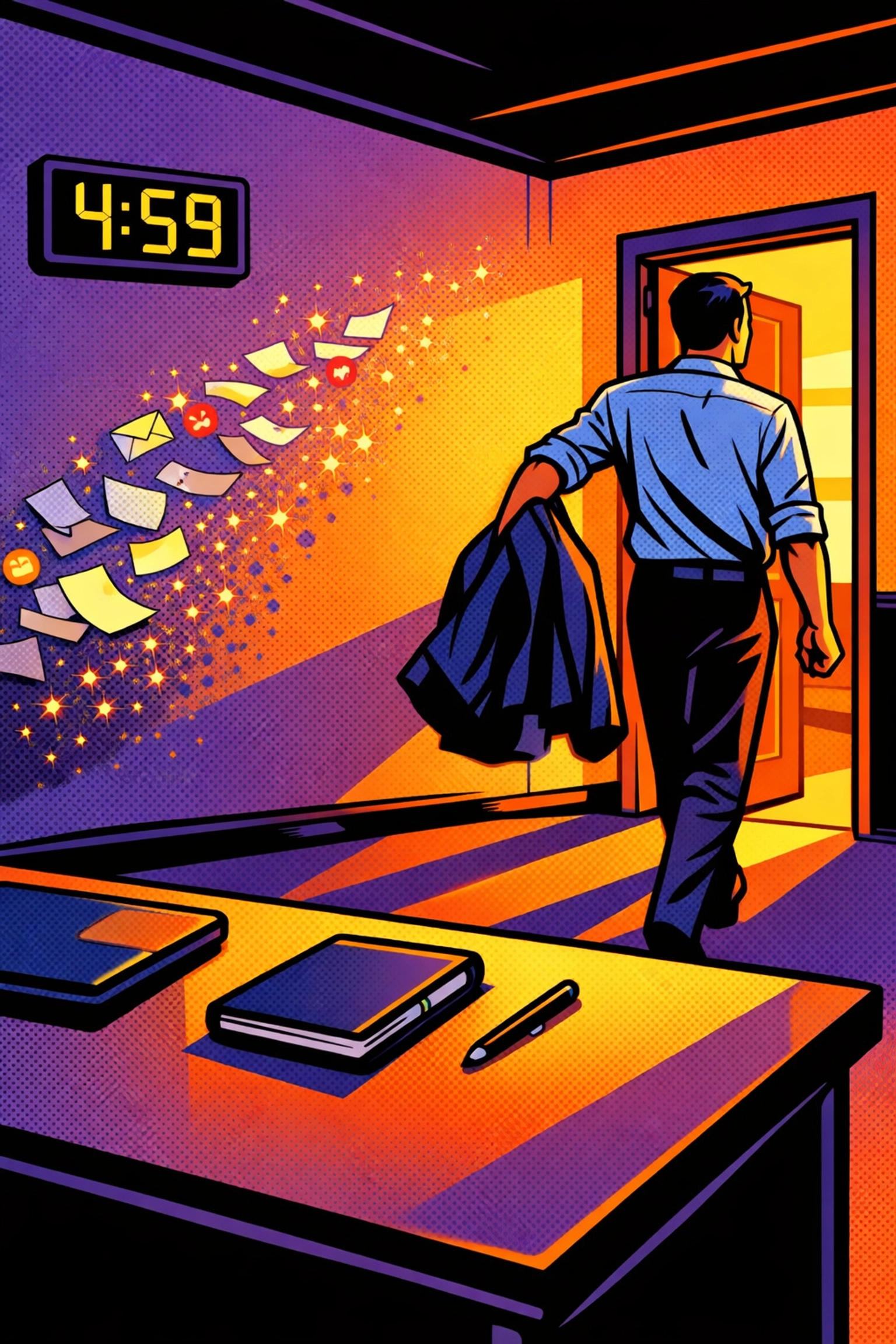
    Productive business owner leaving a clean office at 5 PM after AI automated their admin tasks.

    "BUT IS MY BUSINESS TOO SMALL FOR THIS?"

    We get this question a lot.

    "I only have three employees."
    "It's just me and a laptop."
    "I'm not a tech company."

    Here’s the truth: The smaller you are, the more you need this. A big corporation can hire ten more admin assistants. You? You only have 24 hours in a day. You are the bottleneck.

    When you automate customer support with ai, you aren't just saving money; you're gaining the mental capacity to grow.

    You can’t build a skyscraper if you’re too busy picking up the nails on the floor.

    EMPLOYEE OF THE MONTH. EVERY MONTH.

    Imagine an employee who:

    • Never takes a sick day.
    • Works at 3:00 AM without complaining.
    • Remembers every single customer interaction.
    • Costs less than your monthly coffee budget.

    That’s what we’re talking about. Whether it’s Stan finding your lost files or Eva organizing your lead flow, the "Afternoon Auto-Pilot" framework turns your business into a self-sustaining machine.

    "I used to spend two hours every evening just catching up on messages. Now, I actually see my kids before they go to sleep. The AI does the grunt work, I do the 'boss' work."
    : Mark, Small Agency Owner

    HOW TO START YOUR AUTO-PILOT TODAY

    You don't need a degree in computer science. You don't need to write a single line of code.

    You just need to decide that your time is worth more than $15 an hour: because that’s essentially what you’re paying yourself when you do manual admin work.

    1. Audit your 3 PM. What tasks always show up? (Emails? Scheduling? Invoices?)
    2. Pick one. Don't automate everything at once. Start with the most annoying task.
    3. Deploy the AI. Use a platform designed for business owners, not tech geeks.

    If you’re ready to stop the afternoon scramble and start the auto-pilot, see how Scott Bowen and Marblism are changing the game for small businesses here.

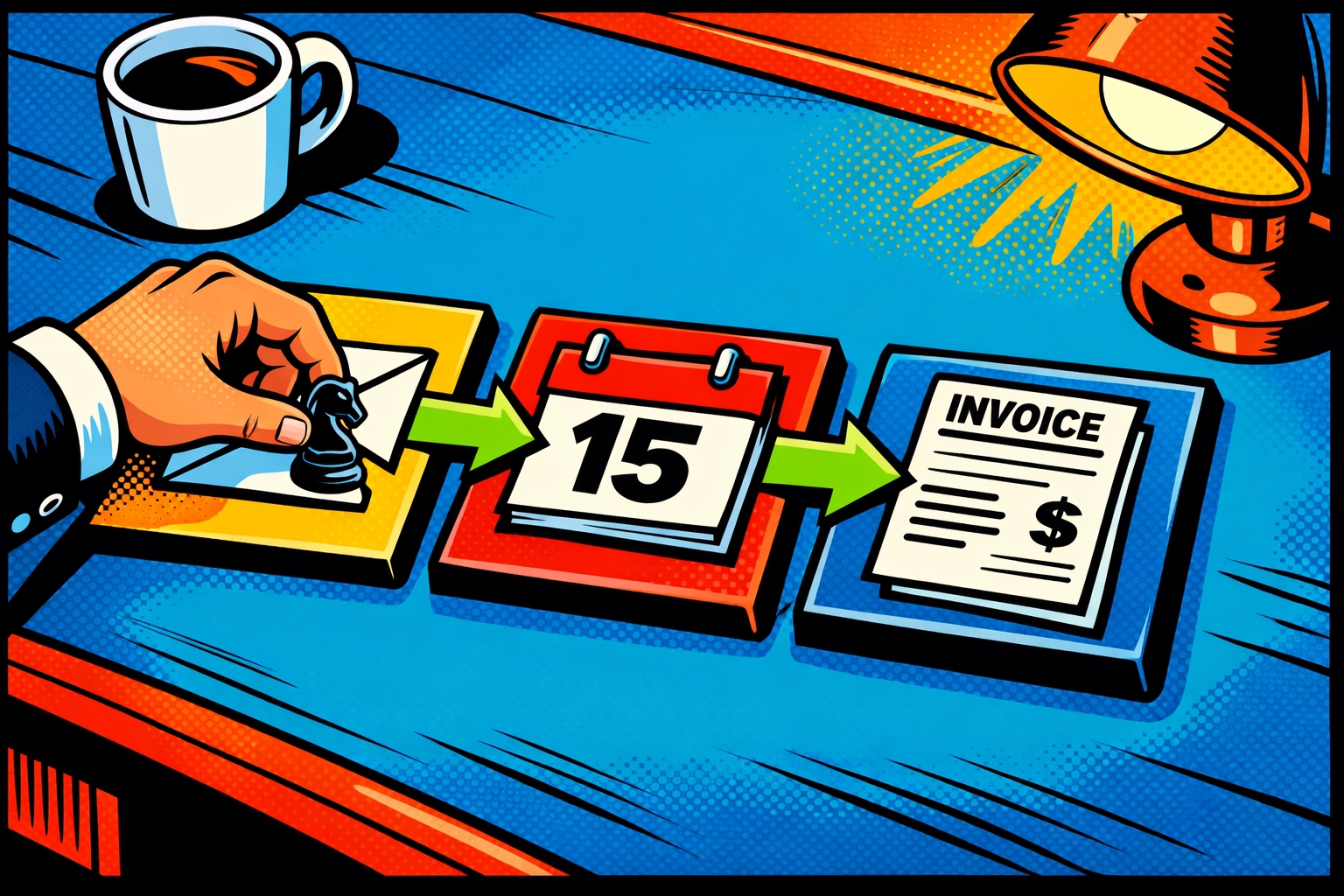
    A visual roadmap showing how to automate admin tasks like emails and invoicing with AI.

    THE FINAL WORD

    The "hustle" is a lie.

    You don't need to work harder; you need to work lighter. The tools are here. The technology is ready. The only thing missing is your permission to let go of the boring stuff.

    Stop being the assistant in your own company.

    Automate the admin. Reclaim your 5 PM.

    The silence of an organized business is a beautiful thing.

    Are you ready to hear it?

    Go see what’s possible: https://marblism.link/scott-bowen

    Scaling shouldn't be this easy.

    BUT HERE WE ARE.

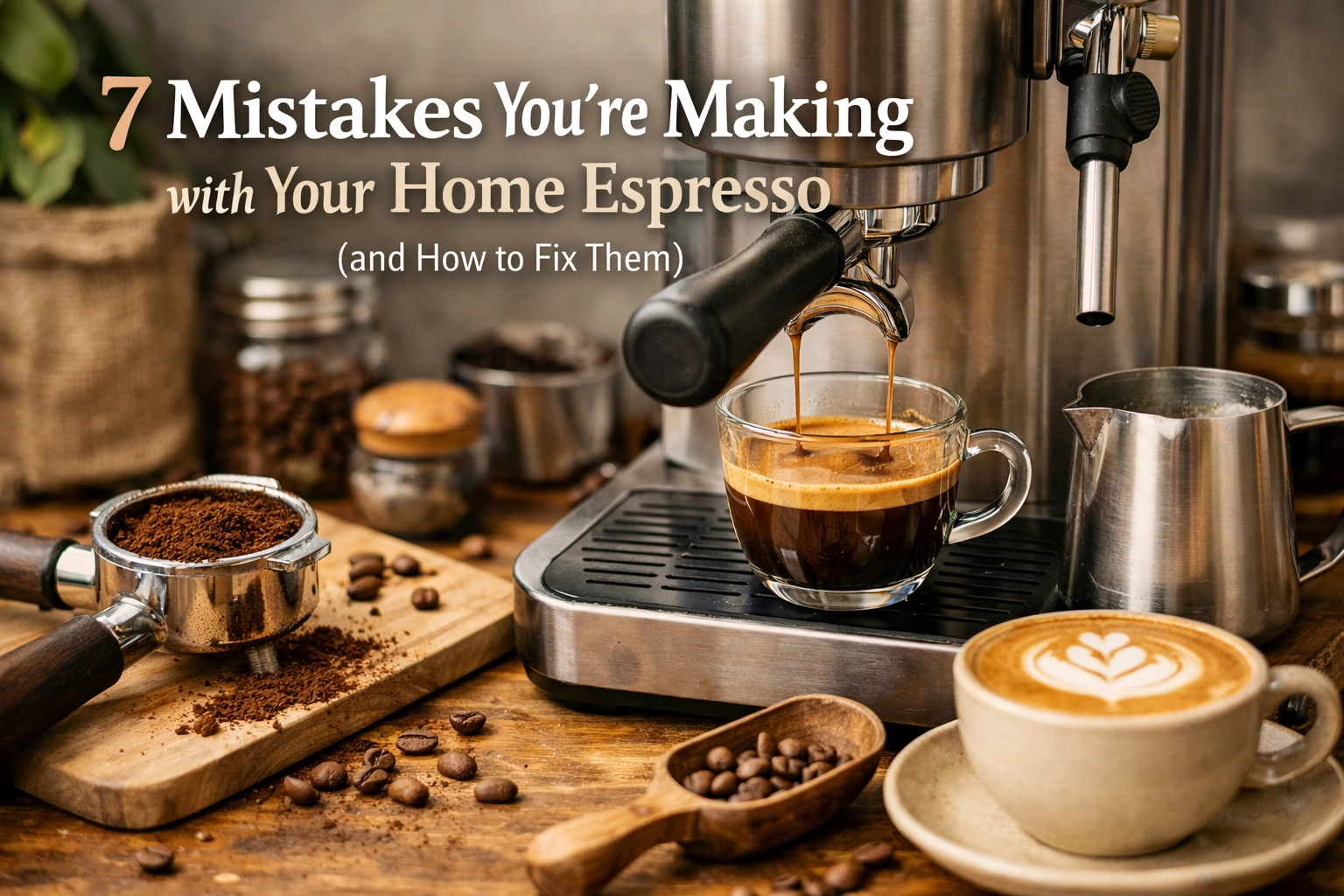
  • 7 Mistakes You’re Making with Your Home Espresso (and How to Fix Them)

    7 Mistakes You’re Making with Your Home Espresso (and How to Fix Them)

    So, you’ve taken the plunge. You’ve got the machine sitting on your counter, the steam wand is looking shiny, and you’re ready to channel your inner world-class barista. But then it happens. You pull a shot, take a sip, and… it’s thin. Or it’s sour. Or it’s so bitter it feels like your tongue is trying to hide in the back of your throat.

    Trust us, we’ve been there. Making espresso at home is one of the most rewarding hobbies you can pick up, but it’s also one of the most frustrating. It’s a game of variables, physics, and sometimes, a little bit of luck. But mostly, it’s about avoiding the common pitfalls that trip up almost every home brewer when they start out.

    At Limini Coffee, we spend our days obsessing over the perfect extraction, and we want your home coffee to taste just as good as what we’re roasting in the warehouse. So, let’s look at the seven most common mistakes you’re probably making with your home espresso and, more importantly, how you can fix them today.


    1. You’re Not Using a Scale (The "Eyeballing" Trap)

    This is the number one mistake we see. You might think you can tell how much coffee is in your portafilter just by looking at it, but coffee is deceptive. Different beans have different densities. A dark roast is puffier and takes up more space than a dense, light-roasted single origin.

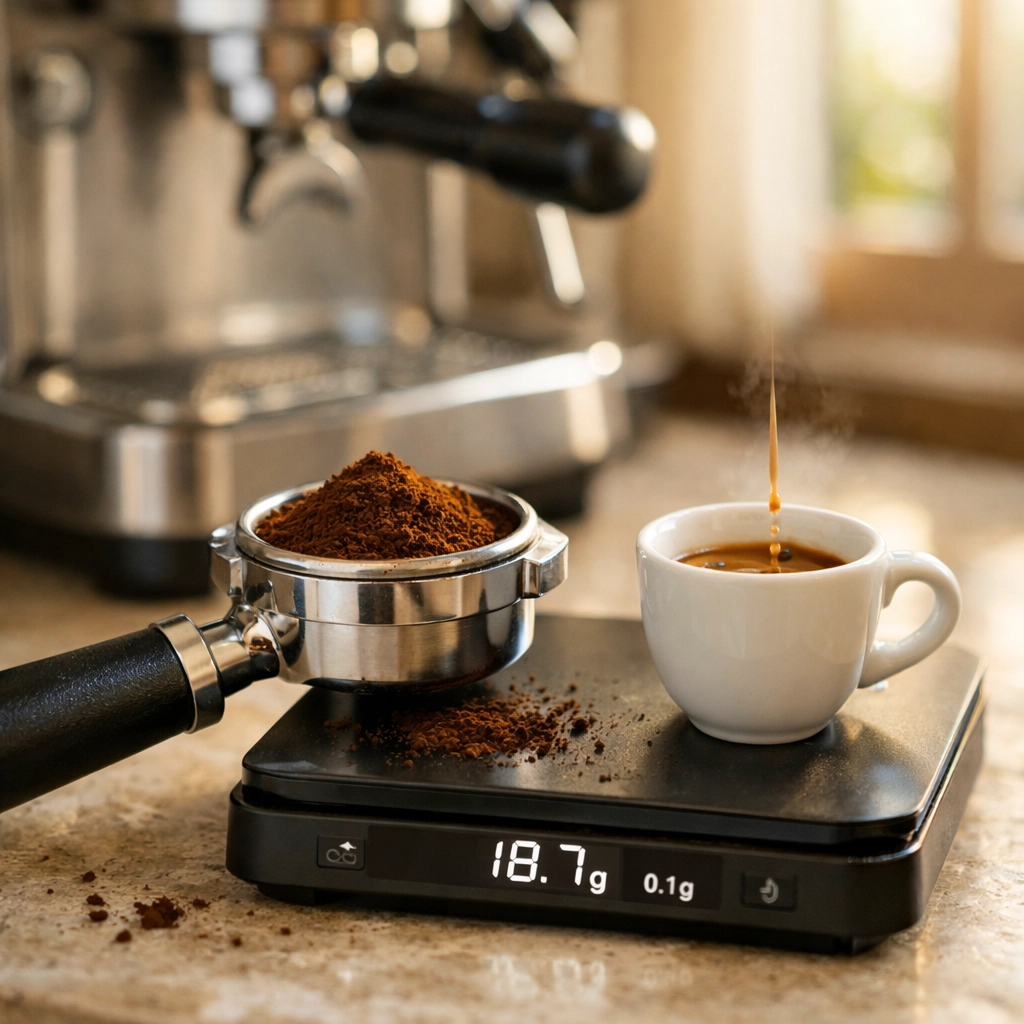
    The Problem: If you aren’t weighing your dose (the dry coffee going in) and your yield (the liquid espresso coming out), you are essentially guessing. If you use 18 grams one day and 20 grams the next, your shot will taste completely different, and you won’t know why. Consistency is the name of the game.

    The Fix: Buy a digital scale that measures to 0.1g. Weigh your coffee every single time. We usually recommend a 1:2 ratio as a starting point. For example, if you put 18g of coffee in, aim for 36g of liquid espresso out. If you want to get really nerdy with the math, check out our coffee brewing calculator to help you dial things in.

    Weighing coffee grounds on a digital scale to ensure precise espresso dosage and yield at home.

    2. Your Beans Aren't Fresh (Or They're "Supermarket Fresh")

    We hate to be the bearers of bad news, but that bag of beans you bought from the supermarket that says "Best Before 2027" is already stale. Espresso relies on the CO2 trapped inside the coffee beans to create pressure and that beautiful, thick crema. Once that gas is gone, your coffee will taste flat, woody, and dull.

    The Problem: Stale coffee doesn't offer enough resistance to the water. This leads to "fast" shots that look like tea and taste like disappointment. No matter how expensive your machine is, it cannot make old coffee taste good.

    The Fix: Buy fresh. Look for a "Roasted On" date, not a "Best Before" date. Ideally, you want to use beans that are between 7 and 30 days post-roast. We roast our beans right here at Limini Coffee and ship them straight to your door so they arrive at peak deliciousness. Fresh is always best.


    3. Inconsistent Tamping Technique

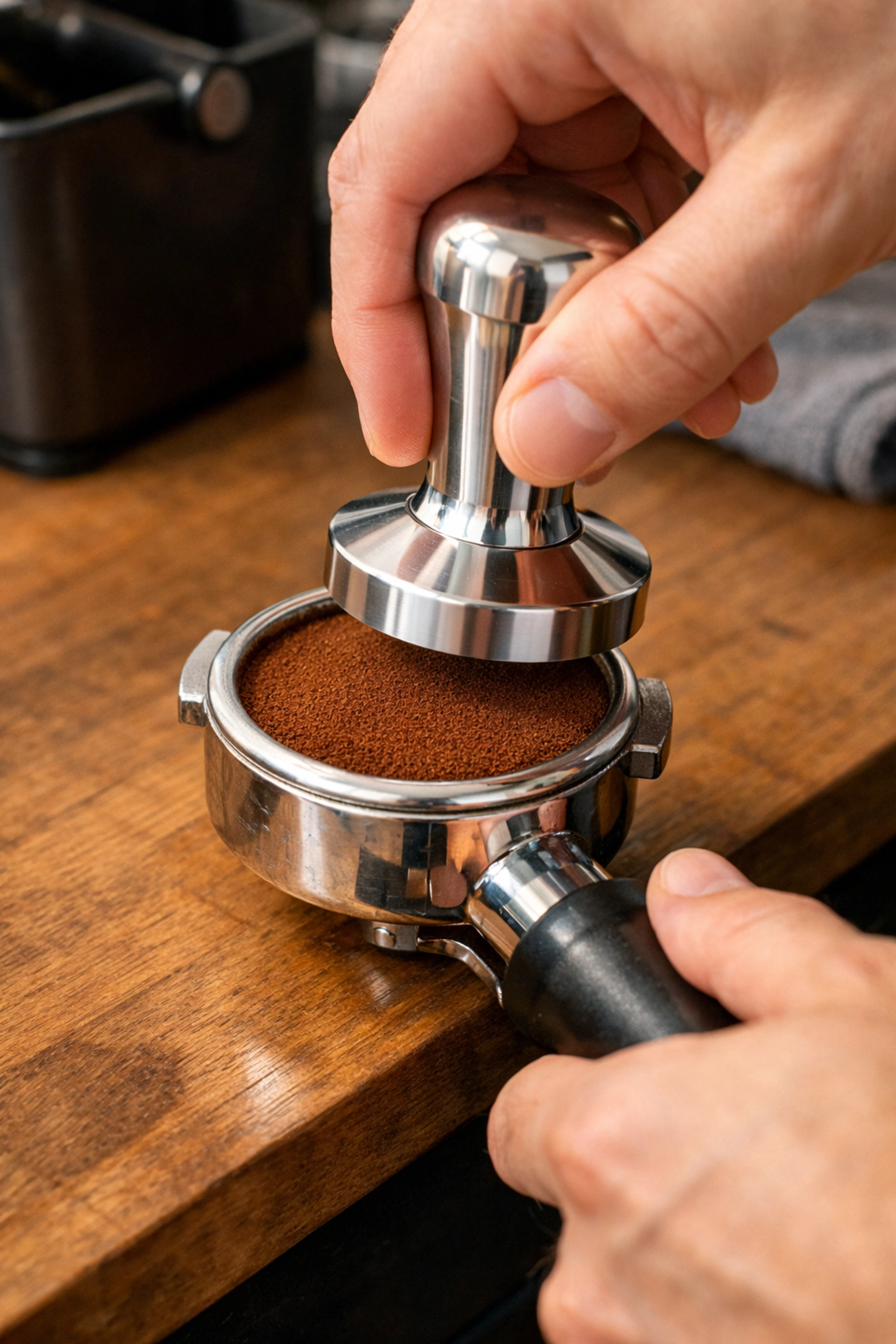
    We see a lot of home baristas treating tamping like a strength competition. You don't need to put your entire body weight into it. What you actually need is levelness and consistency.

    The Problem: If your tamp is crooked, the water will find the path of least resistance. It will rush through the thinner side of the puck, leaving the thicker side underextracted. This is called "channeling," and it results in a shot that is simultaneously sour and bitter, the worst of both worlds.

    The Fix: Focus on keeping the tamper level with the basket. Apply firm pressure until you feel the coffee resist back. Once the air is squeezed out, you can’t really "over-compress" it, so don't stress about hitting exactly 30lbs of pressure. For a deeper dive into the art of the squish, read our guide on tamping.

    A barista using a metal tamper to level coffee grounds in a portafilter for a perfect espresso shot.

    4. The "One-Size-Fits-All" Grind Setting

    Your grinder is actually more important than your espresso machine. Let that sink in for a second. If you’re using pre-ground coffee, or a grinder that isn't capable of "stepless" fine adjustments, you’re going to struggle.

    The Problem: Every coffee bean is different. As beans age, they lose moisture and require a finer grind to maintain the same extraction time. If your shot is gushing out in 15 seconds, your grind is too coarse. If it’s dripping slowly like a leaky tap, it’s too fine.


    The Fix: Be prepared to "dial in" your grinder every morning. Small changes make a big difference. Also, remember to "purge" your grinder. If you change the setting, there are still old grounds inside the chute. Run the grinder for a second or two to get rid of the old stuff before you weigh your next dose. If you're looking to upgrade your setup, we have some great advice on choosing espresso equipment.


    5. Ignoring Your Distribution

    So you’ve weighed your coffee and you’ve got your tamper ready. But wait! How does the coffee look inside the basket before you tamp? If it’s a big mountain in the middle with empty space at the edges, you’re headed for Channeling City.

    The Problem: Tamping doesn't magically move coffee sideways. It only pushes it down. If the grounds aren't evenly spread out before you tamp, you’ll have high-density and low-density spots in your puck.

    The Fix: Use your finger or a distribution tool to level the grounds across the basket. Give the side of the portafilter a gentle tap with your palm to settle the grounds. You want a perfectly flat, even surface before the tamper even touches the coffee. This ensures the water flows through the entire puck evenly.

    Using a WDT distribution tool to level fresh coffee grounds in an espresso portafilter basket.

    6. Using "Hard" Tap Water

    Espresso is about 98% water. If your water tastes like a swimming pool or is full of heavy minerals (limescale), your coffee will suffer.

    The Problem: Hard water doesn't just make your coffee taste "chalky" or muted; it’s also the silent killer of espresso machines. Scale buildup inside the boiler and group head will eventually lead to expensive repairs. We’ve seen many a beautiful La Spaziale machine brought to its knees by simple tap water.

    The Fix: Use a water filter. A simple Brita pitcher is better than nothing, but if you’re serious, look into specialized espresso water filters or bottled water with low mineral content. Not only will your coffee taste brighter and cleaner, but you’ll also be looking after your machine for the long haul.


    7. Not Warming Up (The Cold Group Head)

    You wouldn't put a steak into a cold pan, so why are you putting coffee into a cold machine? Temperature stability is vital for a good extraction.

    The Problem: If your portafilter and group head are cold, they will suck the heat right out of the brewing water as it passes through. This leads to underextraction, which manifests as a sharp, sour, vinegary taste.

    The Fix: Turn your machine on at least 15-20 minutes before you want to use it. Lock the portafilter into the machine so it gets hot too. Right before you dose your coffee, run a "blank shot" (just water) through the group head. This flushes out any old grounds and ensures everything is up to temperature. While you're at it, use that hot water to warm up your coffee cups too!

    Flushing hot water from an espresso machine group head to preheat the equipment before brewing.

    Bonus: Don't Forget to Clean!

    We know, cleaning isn't the fun part. But old coffee oils turn rancid very quickly. If you don't backflush your machine and clean your portafilter regularly, that "funky" taste will end up in every cup you make.

    Think of it like this: you wouldn't cook dinner on a dirty frying pan from three days ago, right? Treat your espresso machine with the same respect. A quick scrub of the shower screen and a backflush with water after every session goes a long way.


    Practice Makes… Well, Better Coffee

    Mastering home espresso isn't something that happens overnight. It’s a series of small adjustments. One day the grind is off, the next day your tamping is a bit wonky. But that’s the beauty of it! Every "bad" shot is just data telling you how to make the next one better.

    If you’re feeling overwhelmed, don't worry. Even the pros had to start somewhere. If you really want to fast-track your skills, we offer barista training that covers everything from espresso theory to latte art. It's a great way to get hands-on experience with professional kit.

    And remember, the most important ingredient is the bean itself. You can have the best technique in the world, but if the coffee isn't high-quality, you're fighting a losing battle. Grab yourself a bag of our latest single origin roasts and start practicing. We promise your taste buds will thank you.

    Happy brewing! If you have any questions or get stuck on a specific issue, feel free to reach out to us. We’re always happy to chat about all things caffeinated.

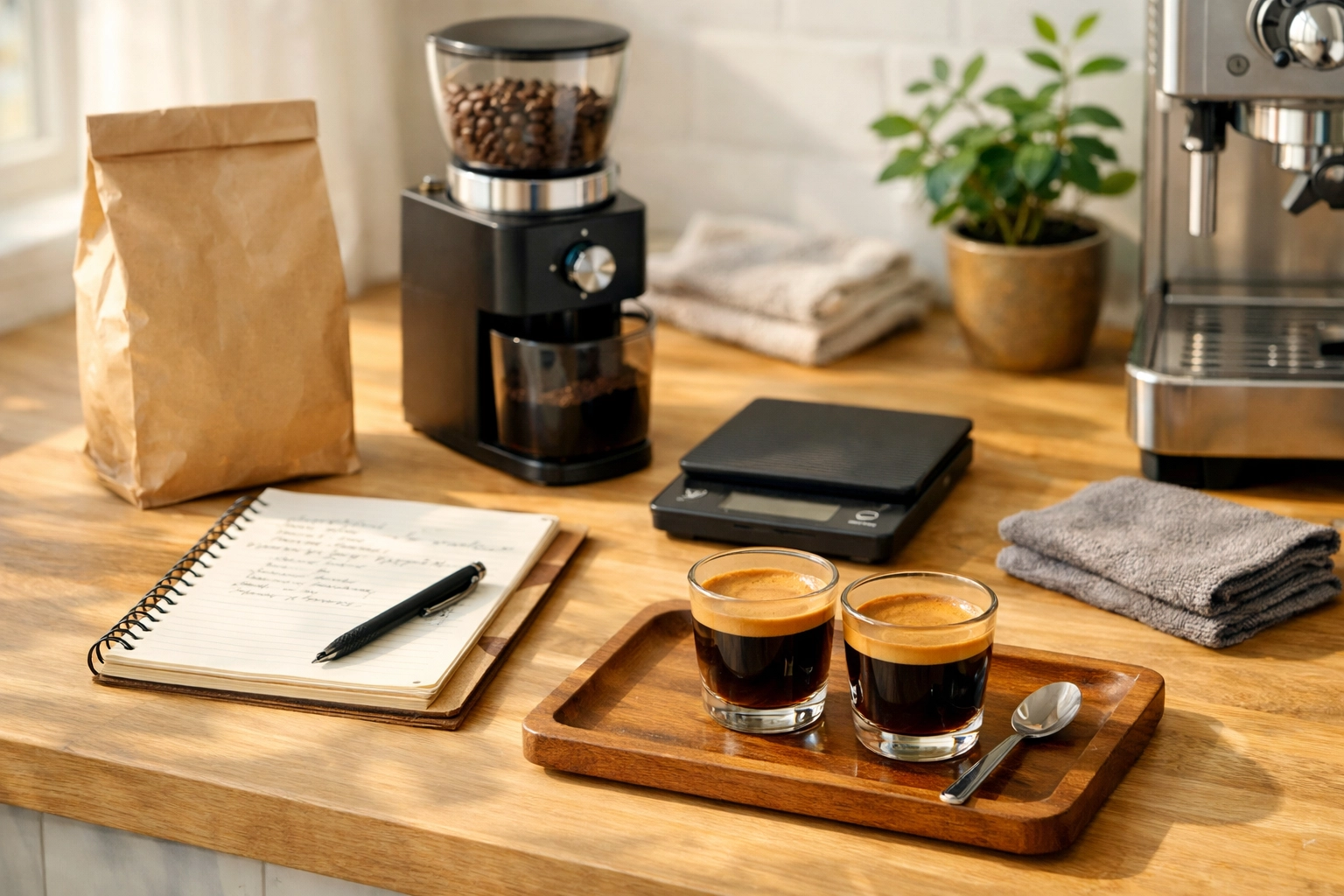
    A cozy home espresso setup with fresh roasted coffee beans, a grinder, and two shots with thick crema.


    Quick Checklist for your next shot:

    • Is the machine hot? (Warmed for 20 mins)
    • Is the coffee fresh? (Check that roast date!)
    • Did you weigh the dose? (Use that scale!)
    • Is the bed of coffee level? (Distribute before tamping)
    • Did you time the shot? (Aim for 25-30 seconds)

    Get these right, and you're already ahead of 90% of home brewers. Now, go make some magic.

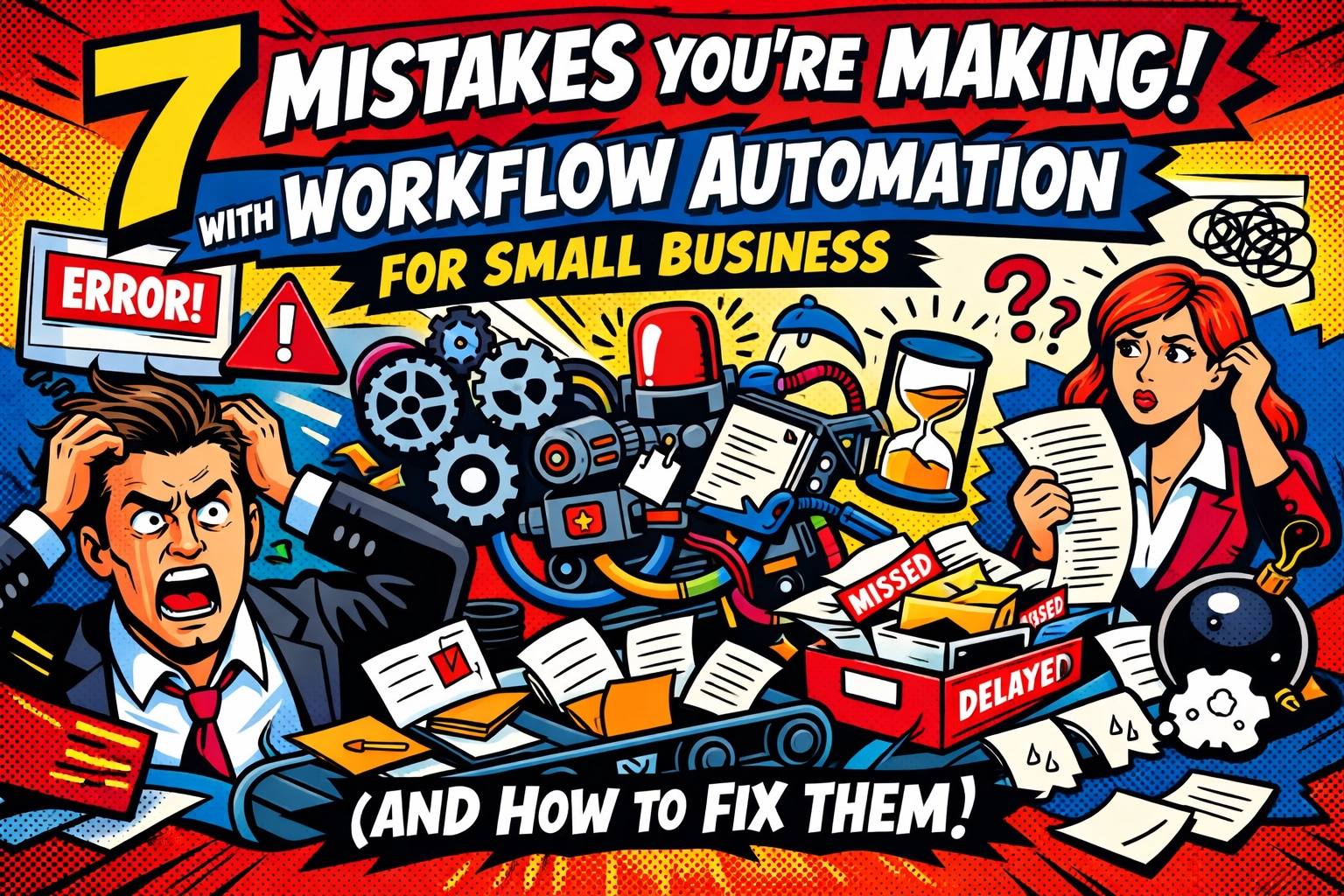
  • 7 Mistakes You’re Making with Workflow Automation for Small Business (And How to Fix Them)

    7 Mistakes You’re Making with Workflow Automation for Small Business (And How to Fix Them)

    ☕ 7:00 AM. You’re staring at your laptop screen before you’ve even had a sip of your coffee.

    Your inbox is a war zone. You have three different spreadsheets open, and you’re pretty sure you just sent a "Welcome" email to a client who’s been with you for three years. Your "to-do" list feels more like a "to-cry" list.

    You’ve heard about workflow automation for small business. You’ve tried a few zaps here and there. But instead of the "passive income while you sleep" dream, you’ve built a digital Rube Goldberg machine that breaks every time someone changes their password.

    It’s frustrating. It’s loud. And frankly, it’s keeping you from actually growing your business.

    But it’s quiet… organized… and effortless when you do it right. Let's fix those mistakes before your "automated" system costs you another client.


    MISTAKE 1: AIMING AT NOTHING (AND HITTING IT EVERY TIME)

    You decided to "automate things" because you’re tired. That’s a feeling, not a goal.

    When you start clicking buttons in an automation tool without a clear destination, you’re just making mistakes happen faster.

    How to Fix It:
    Stop. Before you touch another piece of software, document exactly what you want to achieve. Do you want to save 5 hours a week on billing? Do you want to reduce lead response time to under 10 minutes?

    Identify the goal. Communicate it to your team. If you don't know where the finish line is, you’ll just keep running until your subscription expires.

    Frantic business owner shooting arrows blindly, illustrating a lack of goals in small business workflow automation.

    MISTAKE 2: THE "BIG BANG" APPROACH

    You’re excited. We get it. You want to automate sales, support, HR, and your grocery list all in one Tuesday afternoon.

    But launching everything at once is a recipe for noisy data and total chaos. When something breaks (and it will), you won’t know which "brain" in the system caused the seizure.

    How to Fix It:
    Pick one department. Just one. Define a single "North Star" KPI, like "Number of invoices sent without human touch", and track it for two weeks. Once that’s rock-solid, move to the next. Success is a slow build, not a sudden explosion.

    MISTAKE 3: AUTOMATING A DUMPSTER FIRE

    If your manual process for onboarding a client is "I email them, then I forget, then they call me, then I scramble to find a PDF," automating that won't help. It will just make the "scrambling" part happen at the speed of light.

    Automating a broken process just locks in the brokenness.

    How to Fix It:
    Review your workflow with a red pen. Remove the unnecessary approvals. Delete the "we've always done it this way" steps. Once the process is lean and clean, then, and only then, do you let the AI take over.

    MISTAKE 4: THE GHOST IN THE MACHINE

    You think because it's "automated," no one needs to look at it. Then, a sync fails, a customer gets charged twice, and nobody notices for a month because "the system was supposed to handle it."

    How to Fix It:
    Every workflow needs an owner. A human being who is accountable for its health. Define who checks the logs and who steps in when the AI raises its digital hand for help.

    MISTAKE 5: TOOL OVERLOAD (THE "FRANKEN-STACK")

    You’ve got one tool for data, one for notifications, one for reporting, and another just to make the first three talk to each other. You’re spending more time maintaining the "bridges" between tools than actually working.

    How to Fix It:
    Simplify. Look for a unified platform that handles the heavy lifting. You want a single source of truth, not a scavenger hunt for data across six different browser tabs. If you want to see how a unified system looks in action, check out how we do it at Marblism.

    MISTAKE 6: THE "SILO" BLINDERS

    Your sales team automated their follow-ups. Great! But your operations team has no idea those emails went out, so they’re still calling the same leads.

    When automation stays in one department, the "benefit" stops at the door.

    How to Fix It:
    Design workflows that talk to each other across departments. When a sale is closed, the finance workflow should trigger an invoice automatically, and the fulfillment workflow should start the shipping process. Real magic happens in the handoff.

    Office workers separated by a wall missing a lead due to poor cross-departmental visibility in workflow automation.

    MISTAKE 7: THE "SET IT AND FORGET IT" MYTH

    Your business in March 2026 isn't the same as it was in 2024. If you’re still using the same automation logic you built two years ago, you’re likely creating bottlenecks you don’t even see.

    How to Fix It:
    Audit your workflows every quarter. Is the logic still sound? Is the team larger now? Are the business rules different? If you don't evolve your automation, it becomes your biggest legacy tech debt.


    Workflow Automation for Small Business: Stop Doing the Busy Work

    📱 11:00 AM. Your phone buzzes.

    It’s not a notification that your server crashed. It’s a notification that a new lead just booked a discovery call, their intake form is already filed in your CRM, and a personalized prep doc has been generated for you to review.

    You didn't do a thing.

    This is the reality of workflow automation for small business when it’s done with intention. It’s about killing the "busy work", the soul-crushing copy-pasting, the manual data entry, the "just checking in" emails, so you can do the work only you can do.

    Stop juggling. Start scaling.

    Scaling shouldn't be this hard. But here we are, and the tools are ready if you are. You can keep playing "Chief Integration Officer" of your own messy spreadsheets, or you can step into a world where the work flows while you focus on the big picture.

    Ready to stop the busy work? See how it’s done here.


    Why Your Business Needs an AI Virtual Assistant (Before Your Competitors Get One)

    🔍 The market is changing. Faster than your morning coffee cools down.

    While you’re manually sorting through resumes or trying to remember which client needed that specific report, your competitor just deployed an ai virtual assistant for business.

    And they’re not just "using a bot." They’re gaining a 24/7, zero-fatigue, hyper-intelligent team member who never sleeps, never takes a sick day, and has the memory of a supercomputer.

    EMPLOYEE OF THE MONTH. EVERY MONTH.

    Imagine an assistant named Eva.

    🤝 9:00 AM. Eva has already scanned your overnight leads. She’s categorized them by "hot," "warm," and "ignore." She’s sent out personalized responses that sound exactly like you (only with better grammar).

    📊 1:00 PM. You need a summary of your Q1 performance compared to last year. Usually, this takes you three hours of data digging. You ask your AI assistant. Within 12 seconds, a clean chart is in your Slack.

    🌙 11:00 PM. A potential high-ticket client hits your site with a question. In the old days, they’d wait until tomorrow morning (and probably find someone else in the meantime). Today, your AI assistant answers their question, handles their objection, and schedules a call for tomorrow morning.

    You wake up to a closed deal.

    A fast AI virtual assistant for business multi-tasking to process customer leads and digital document filing.

    THE COMPETITIVE GAP IS WIDENING

    The difference between businesses using AI and those who aren't isn't just "efficiency." It's velocity.

    If your competitor can respond to leads 10x faster, analyze data 100x faster, and operate 24/7 without increasing their payroll, how long can you stay in the game?

    The "wait and see" approach is the most expensive strategy you can have in 2026.

    IT'S NOT ABOUT REPLACING PEOPLE. IT'S ABOUT EMPOWERING THEM.

    Your team doesn't want to spend four hours a day on data entry. They want to be creative. They want to solve high-level problems. An ai virtual assistant for business takes the robotic tasks away from your humans so they can actually be… well, human.

    Don't wait until you're the last person on the block using a manual gearbox. The future is automated, and it's surprisingly easy to get started.

    A happy business owner focusing on big ideas while an AI virtual assistant for business automates busy work.

    Stop wondering if it works. Start seeing it work for you.

    The chaos ends the moment you decide it does.

    Make the move before your competitors make it for you.

    Click through this 3-minute interactive demo to see your future.


    FAQ: YOU’VE GOT QUESTIONS, WE’VE GOT ANSWERS

    Is this going to be hard to set up?
    No. If you can use a smartphone, you can use Marblism. We’ve built it to be intuitive, not a coding project.

    Do I need a huge budget?
    Definitely not. Automation is actually the fastest way to save money by cutting down on wasted billable hours.

    Will it sound like a robot?
    Only if you want it to. Modern AI learns your voice and your brand tone. Most of your clients won't even know they're talking to an AI: they'll just be happy they got an answer so fast.

    What if I'm not "techy"?
    Perfect. That’s why we exist. We handle the "techy" stuff so you can handle the "businessy" stuff.

    The only mistake left to make is doing nothing.

    Scaling shouldn't be this easy. But here we are.

    Start your journey with Marblism today.

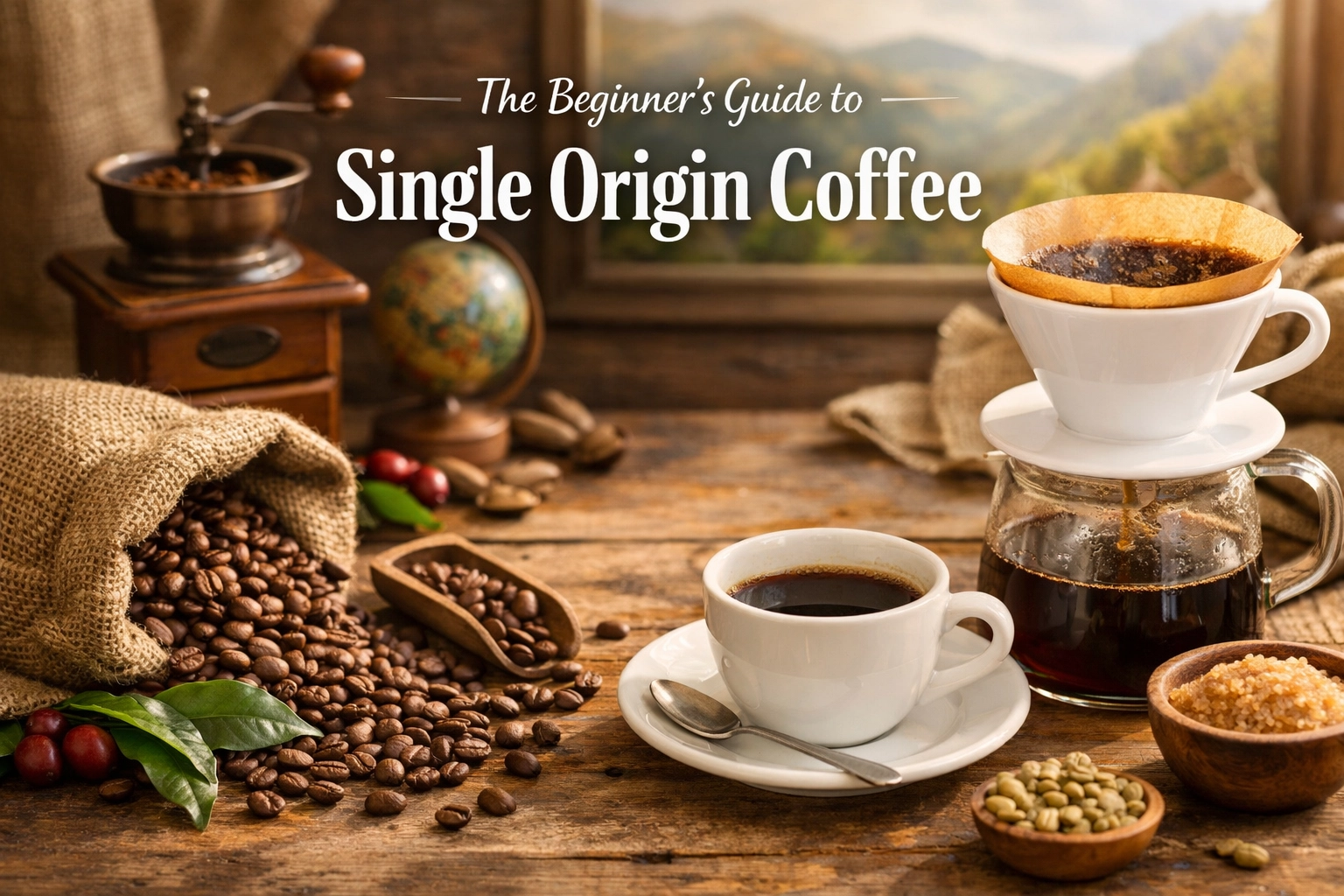
  • The Beginner’s Guide to Single Origin Coffee

    The Beginner’s Guide to Single Origin Coffee

    Ever picked up a bag of coffee and wondered what "single origin" actually means? You're not alone. Walk into any specialty coffee shop and you'll see these words splashed across bags and menu boards, but the term can feel a bit mysterious if you're just starting your coffee journey.

    Here's the simple truth: single origin coffee means all the beans in your bag come from one specific place. That could be a single farm, a particular region, or even one country. Unlike blends that mix beans from multiple locations, single origin coffee gives you a pure, unadulterated taste of where those beans were grown.

    And that's where things get really interesting.

    What Makes Single Origin Different from Blends?

    Think of it this way: blends are like a greatest hits album, carefully curated to create a consistent, balanced flavor. Single origin coffee? That's more like a live solo performance: raw, unique, and completely reflective of its environment.

    Blends are created by roasters who combine beans from different origins to achieve a specific flavor profile. This approach has real advantages. Blends maintain consistency year-round, they're usually more affordable, and they're brilliant for espresso because roasters can balance acidity, body, and sweetness.

    Different single origin coffee beans from various regions displayed in ceramic bowls

    Single origin coffee takes a different approach entirely. These beans showcase the distinct characteristics of their birthplace: the altitude, soil composition, climate, and local farming practices all leave their fingerprints on the flavor. This means you get remarkable clarity and complexity in your cup, but it also means the taste can vary from season to season based on growing conditions.

    The other big difference? Traceability. With single origin coffee, you can often trace your beans back to a specific farm or cooperative, sometimes even down to the exact lot where they were grown. You'll see details on the bag like "Ethiopia, Yirgacheffe, Kochere Washing Station." Blends, by contrast, usually offer minimal origin information beyond perhaps "South American blend" or "Italian style."

    A World of Flavors: Regional Profiles

    This is where single origin coffee becomes addictive for enthusiasts. Different regions produce wildly different flavors, and tasting coffee from around the world is genuinely one of the most fascinating sensory experiences you can have without leaving your kitchen.

    East Africa: Bright and Fruity

    Ethiopian coffees are often where people fall in love with single origin. These beans tend to be bright, floral, and bursting with fruity notes: think blueberries, jasmine, and bergamot. Ethiopian Yirgacheffe is legendary for its tea-like body and intense aromatics.

    Kenyan coffees bring serious brightness too, with vibrant acidity that delivers berry, citrus, and sometimes black currant notes. These are coffees that wake up your palate.

    Coffee growing regions mapped globally showing Ethiopia, Kenya, Brazil, Colombia, and Indonesia

    Central and South America: Balanced and Sweet

    Brazilian coffees typically lean towards chocolate and nutty flavors with a heavier body and lower acidity. They're approachable, comforting, and make excellent everyday drinking coffee.

    Colombian coffees often balance chocolate and caramel sweetness with brighter fruity notes. It's why Colombian coffee has such widespread appeal: it offers complexity without being challenging.

    Mexican coffees tend toward chocolate and nutty profiles too, often with gentle spice notes and a smooth, easy-drinking character.

    Asia-Pacific: Bold and Earthy

    Indonesian coffees from Sumatra or Java are known for their full body and earthy, herbaceous qualities. These are the coffees that taste like they've been grown in volcanic soil (because they have). Expect notes of cedar, tobacco, and dark chocolate.

    How to Spot Single Origin Coffee

    When you're shopping, single origin coffee makes itself known. The packaging will clearly state a specific country, and often you'll see additional details: the farm name, the producer, the processing method (washed, natural, honey), and sometimes even the varietal of coffee plant.

    Look for details like "Guatemala, Huehuetenango, Finca El Injerto" or "Rwanda, Nyamasheke, Buf Café Cooperative." The more specific the information, the more confident you can be that you're getting a true single origin experience.

    Blends, by contrast, are explicitly labeled as such. You'll see names like "Espresso Blend," "House Blend," or creative names that don't reference specific geography.

    Why Choose Single Origin?

    So why drink single origin coffee instead of a perfectly good blend?

    First, there's the story. Every single origin coffee comes with a narrative: the farmers who grew it, the unique microclimate of the region, the traditional processing methods used. You're not just drinking coffee; you're experiencing a specific place and time through your cup.

    Single origin coffee bags with clear origin labels and fresh roasted beans

    Second, there's the sensory adventure. If you're someone who appreciates wine or craft beer, you'll understand the appeal of tasting how terroir influences flavor. With single origin coffee, you can compare a citrusy Kenyan against a chocolatey Brazilian and understand just how much geography matters.

    Third, transparency. Single origin coffee allows you to make informed choices about ethical sourcing. When you know exactly where your coffee comes from, you can research the farm's practices, verify fair trade claims, and feel confident you're supporting farmers properly.

    How to Brew Single Origin Coffee

    Here's our honest take: single origin coffees really shine when you brew them in ways that highlight clarity and complexity. Pour over methods like V60 or Chemex are brilliant for this because they produce clean cups that let all those delicate flavor notes come through.

    That said, there's no wrong way to brew single origin coffee. We've had stunning single origin espressos and beautiful single origin brewed in a simple cafetière. The key is using fresh beans, proper water temperature (around 92-96°C), and a decent grinder.

    Start with the brewing method you're most comfortable with. As you develop your palate, you might find yourself wanting to explore different brewing techniques to see how they affect the flavors you're tasting.

    Starting Your Single Origin Journey

    Ready to dive in? We'd recommend starting with a coffee from a region that sounds appealing to your existing taste preferences.

    If you usually add milk and sugar, try a Brazilian or Colombian single origin first. The chocolate and caramel notes will feel familiar and approachable.

    If you drink your coffee black and enjoy bright, crisp flavors, go straight for an Ethiopian or Kenyan. These coffees are revelatory when you're used to darker roasts.

    If you prefer full-bodied, robust coffee, look for Indonesian single origins. They'll deliver that weight and richness you're after.

    The beauty of single origin coffee is that there's always another origin to explore, another farm to discover, another flavor profile to experience. We've been roasting specialty coffee for years and we still get excited when we source a new single origin that tastes completely different from anything we've tried before.

    At Limini Coffee, we source exceptional single origin coffees from around the world, each one carefully selected to showcase what makes that particular origin special. You can explore our full range and find your next coffee adventure at https://www.liminicoffee.co.uk/?af=1471531379787.

    Start with one origin. Taste it carefully. Make notes about what you're experiencing. Then try another from a completely different region and compare. That's when the magic happens: when you realize just how diverse and fascinating coffee can be.

    Your single origin journey starts with a single bag. Where will your taste buds take you first?