Blog

  • 7 Mistakes You’re Making with Your Hotel PMS (and How to Fix Them)

    Automate your operations. Elevate guest experiences. Maximize your revenue.

    Your property management system (PMS) is the heartbeat of your hotel. When it’s healthy, everything pulses with efficiency. When it’s poorly configured or outdated, your entire operation feels the strain. We’ve seen it happen to the best: 12,500 properties have taught us that even small friction points in your tech stack can lead to massive revenue leaks.

    Most hoteliers treat their hotel pms like a digital filing cabinet. We believe it should be your most proactive team member.

    If you’re ready to stop fighting your software and start scaling your business, it’s time to address these common pitfalls. All from one innovative platform.

    1. Fighting Your Own Automation

    The Problem. You invested in smart technology, yet you spend hours manually overriding prices and inventory. Every time you second-guess your system’s automated logic without a data-backed reason, you’re teaching the algorithm to ignore real market patterns. It sends conflicting signals that degrade the system's ability to optimize your RevPAR.

    How to Fix It. Trust the tech. Once you’ve configured your parameters, let the automation do the heavy lifting. Modern systems learn from data patterns over time. If you’re constantly "fixing" what the machine does, you aren't managing a hotel: you’re babysitting a computer.

    The Mews Way:

    • Set robust guardrails for your revenue management.
    • Let automated updates sync instantly across all channels.
    • Focus your energy on high-level strategy, not micro-adjusting room rates.
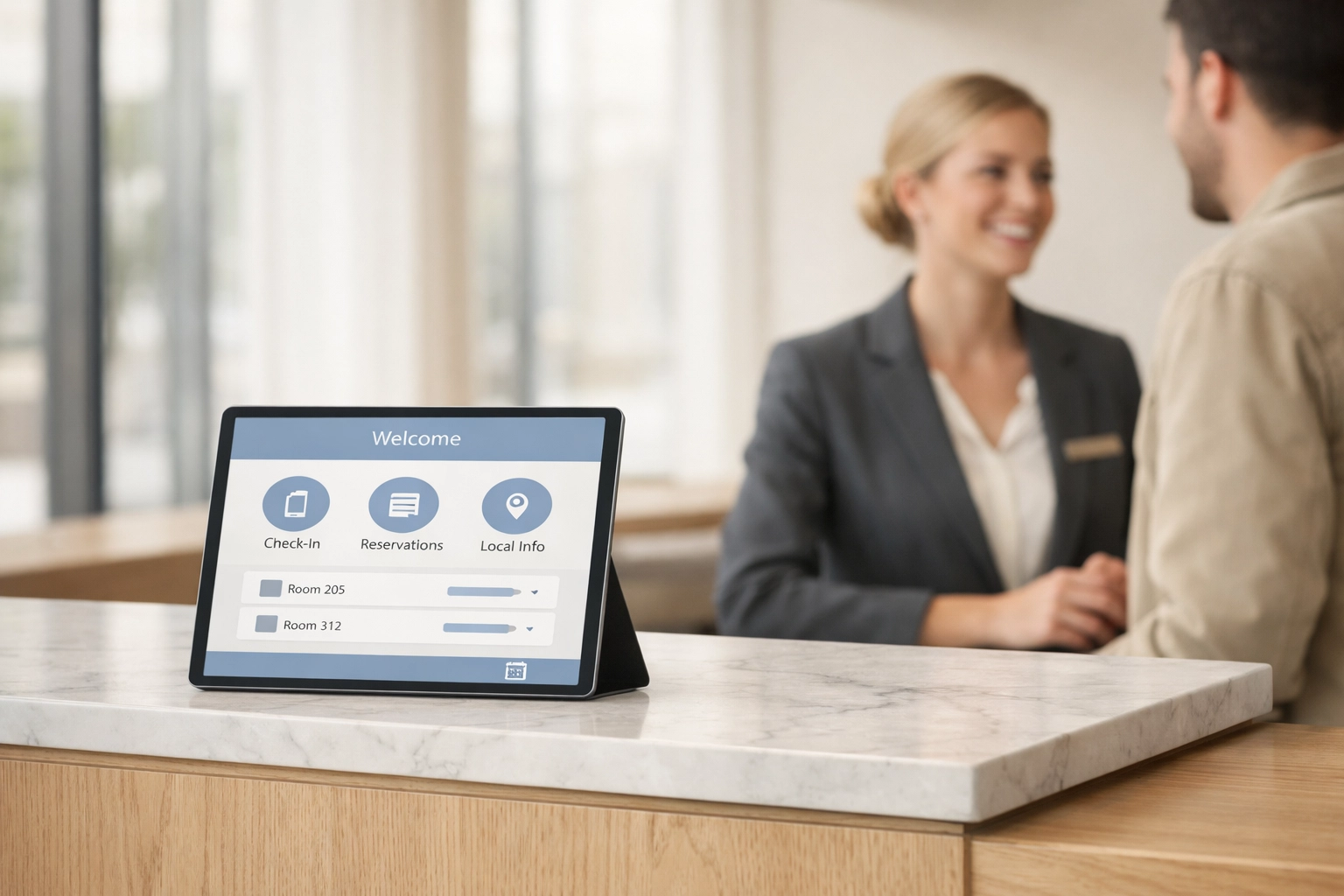
    Modern hotel reception with staff using an automated hotel PMS tablet to manage guest bookings.

    2. Messy Mapping and Configuration

    The Problem. Inconsistent naming conventions for room types and rate plans are the silent killers of efficiency. If "Deluxe King" in your hotel pms is mapped as "King Room – Deluxe" in your booking engine and something else entirely in your channel manager, your logic will break. This leads to synchronization failures, overbookings, and a very frustrated front desk team.

    How to Fix It. Standardize everything. Your configuration needs to be identical across every connected system. Complete your settings properly from day one and audit them quarterly. If a rate plan is no longer active, kill it. Don’t just leave it to clutter your dashboard.

    We believe a clean system is a profitable system. When your data is structured correctly, your reporting actually makes sense.

    3. Relying on "Frankenstein" Integrations

    The Problem. Using disconnected tools that don't talk to each other is a recipe for manual labor. If your CRM doesn't know when a guest checks out, or your booking engine isn't pulling real-time availability, you're forced to handle tasks manually. This creates errors, missed upsell opportunities, and a fragmented guest profile.

    How to Fix It. Prioritize a PMS with an open API. You need a ecosystem where your channel manager, payment gateway, and guest messaging apps work as one. This eliminates manual workarounds and ensures that availability updates instantly, preventing the dreaded double booking.

    "Since switching to a fully integrated cloud-native system, our team saves 10 hours a week on manual data entry. It’s changed everything." : Verified Mews User

    4. The "Set and Forget" Channel Strategy

    The Problem. Many hoteliers set up their distribution channels and never look back. They don't adjust restrictions, they ignore length-of-stay (LOS) rules, and they allow high-commission OTAs to gobble up all their inventory. This "passive" management means you’re leaving money on the table and paying way too much for it.

    How to Fix It. Actively manage your distribution. Apply LOS restrictions during peak periods to maximize occupancy. Use your hotel pms to easily open or close channels based on demand. The goal is to drive more traffic to your direct booking engine to reduce reliance on expensive third-party commissions.

    Why it matters:

    • Lower acquisition costs per booking.
    • Better control over guest data.
    • Higher profit margins on every night stayed.

    Strategic hotel management workspace using cloud-native PMS software to analyze property data and profit.

    5. Making Decisions Based on "Gut Feeling"

    The Problem. If your morning routine doesn't involve checking data, you're flying blind. Many managers keep prices too low during busy periods or over-rely on specific channels because "that's how we've always done it." Gut feelings don't pay the bills; data does.

    How to Fix It. Make reporting your best friend. Use your hotel pms to identify which channels bring the most profitable guests. Look at your lead times, cancellation rates, and RevPAR by segment. Modern dashboards make this easy: no spreadsheets required.

    Check out how we can help you turn data into dollars: https://referrals.mews.com/umqHYIto

    6. Overlooking the Modern Guest Journey

    The Problem. Forcing every guest to stand in line at a mahogany desk is an outdated concept. If your PMS doesn't support self-check-in kiosks or mobile check-in, you're creating a bottleneck that ruins the first impression. Guests in 2026 want autonomy and speed.

    How to Fix It. Implement a guest-centric tech stack. Use self-check-in kiosks to liberate your staff from administrative tasks. This allows your team to act as hosts rather than data entry clerks. Automation-focused check-ins lead to higher guest satisfaction scores and increased secondary spend.

    The Transformation:

    1. Guest checks in on their phone before arrival.
    2. They skip the queue and go straight to their room.
    3. Your staff spends time recommending the best local bistro.
    4. Guest leaves a 5-star review.

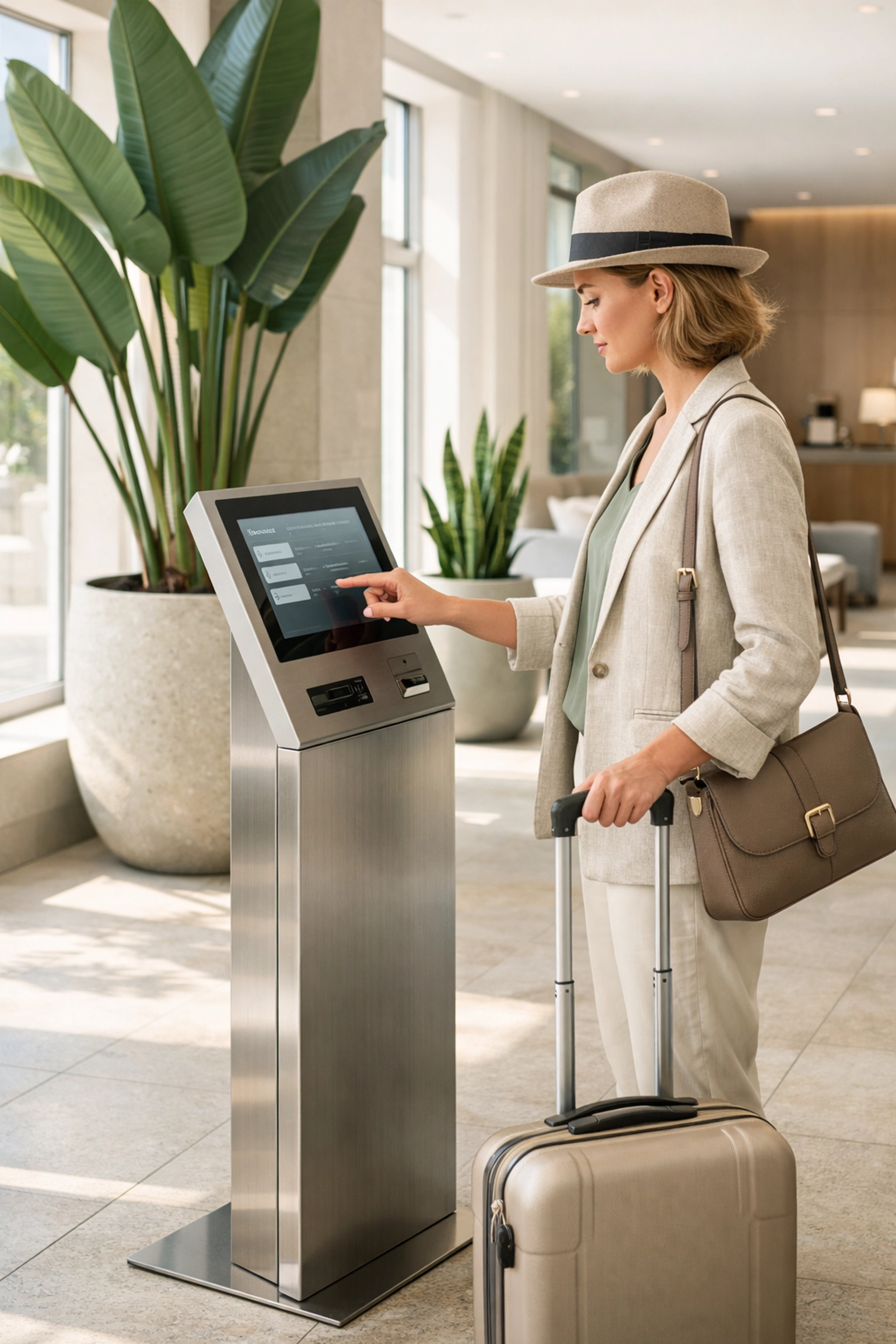
    Guest using a modern self-check-in kiosk in a minimalist hotel lobby for a seamless arrival experience.

    7. Treating Software as a Static Tool

    The Problem. Choosing a PMS based on what you need today instead of what you'll need in three years is a mistake. Legacy, on-premise systems are static. They don't update often, they’re hard to scale, and they eventually become a liability. If you aren't getting regular feature updates, you're falling behind the competition.

    How to Fix It. Go cloud-native. A cloud-native hotel pms scales with you. Whether you’re adding ten rooms or ten properties, the software should adapt without requiring a massive hardware overhaul. Stay committed to regular training so your staff knows how to use new features as they roll out.

    We think software should get better every single day. That’s the beauty of the cloud.


    See what Mews can do

    We believe in hospitality without limits. Our platform isn't just a database; it's an engine designed to power your growth through innovation and ease of use.

    Ready to fix these mistakes and take your property to the next level? It’s easier than you think. A 30-minute demo can show you exactly how to automate the boring stuff so you can focus on the remarkable stuff.

    Get started with Mews today and get you earning more revenue in no time.

    Why Mews?

    • Cloud-native: Access your hotel from anywhere in the world.
    • Easy to use: A clean interface that your staff will actually love.
    • Automation-focused: Stop the manual grind and start scaling.

    Don't let your tech hold you back. The future of hospitality is automated, integrated, and guest-obsessed. Are you?

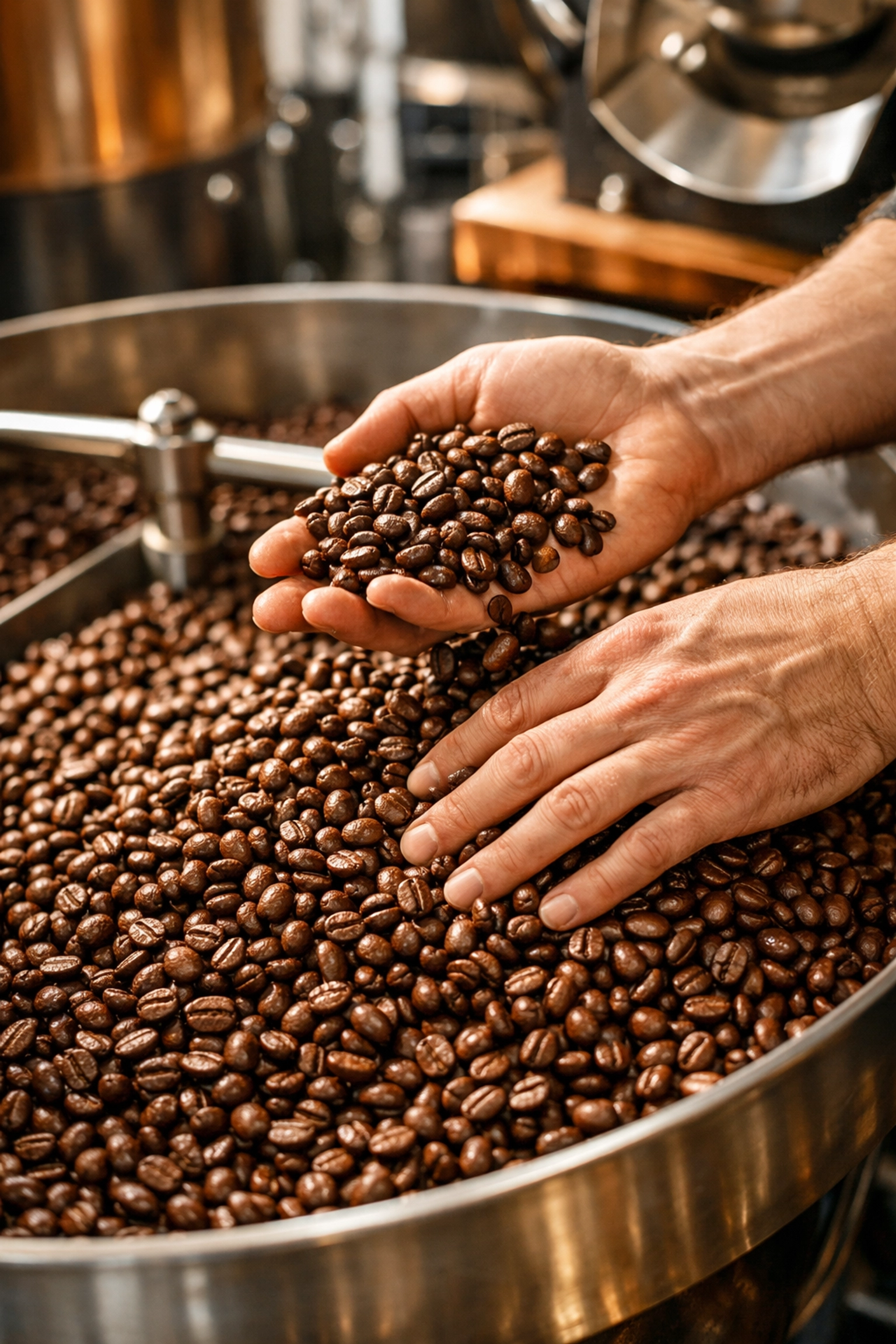
  • Looking For a Wholesale Coffee Roaster? Here Are 10 Things You Should Know

    Looking For a Wholesale Coffee Roaster? Here Are 10 Things You Should Know

    So, you’re diving into the world of coffee. Maybe you’re at the very beginning of a café startup journey, or perhaps you’ve been running a shop for years and realized your current supplier just isn't hitting the mark anymore. Either way, choosing a wholesale coffee roaster is probably the most important decision you’ll make for your business.

    It’s not just about buying beans in bulk. It’s about finding a partner who cares as much about your morning rush as you do. Here at Limini Coffee, we’ve seen it all, the triumphs of a perfectly dialed-in espresso and the heartbreak of a machine breaking down on a Saturday morning.

    Finding the right wholesale coffee roasters is a bit like dating. You need chemistry, shared values, and excellent communication. To help you navigate the sea of options, we’ve put together the ten most important things you should know before signing on the dotted line.


    1. Quality and Consistency are Non-Negotiable

    We’ll start with the obvious one. If the coffee doesn't taste good, nothing else matters. But "good" is subjective; "consistent" is professional. Your customers expect the same flavour profile on a rainy Tuesday as they got on a sunny Sunday.

    Speciality coffee is about more than just a fancy label. It’s about a meticulous process from farm to cup. When you’re vetting coffee suppliers, ask them about their roasting profiles. Do they use a "set and forget" method, or do they adjust for humidity, ambient temperature, and bean age?

    We believe that consistency is the hallmark of a true professional. This means the roaster should have strict quality control protocols, often including "cupping" every batch to ensure it meets the standard. If they can’t guarantee that their house blend will taste the same next month, your customers will notice.

    A coffee roaster inspecting freshly roasted wholesale coffee beans for quality and consistency.

    2. It’s About the Support, Not Just the Beans

    Opening a coffee shop is hard work. Like, really hard work. You’re worrying about floor plans, staff, taxes, and whether the milk delivery is going to show up. The last thing you need is a roaster who drops a bag of beans at the door and disappears.

    A great wholesale partner offers comprehensive support. This includes everything from building a coffee shop layout to helping you choose the right coffee cups.

    And let’s talk about the affiliate side of things, finding a roaster that understands the business side is crucial. We highly recommend checking out the services at Limini Coffee because we don't just sell coffee; we help you build a sustainable business model.

    3. Training is the Secret Ingredient

    You can buy the most expensive, award-winning beans in the world, but if your barista doesn't know how to dial them in, it’s just expensive waste.

    When looking for a wholesale roaster, look at their training program. Do they offer barista training? Is it included in the price of the beans, or is it an extra cost? We believe that training is an ongoing journey. A one-off session isn't enough. You need a partner who can teach your team about:

    • Extraction: Understanding how to hit that sweet spot between sour and bitter.
    • Milk Texture: Creating that glossy, micro-foam "wet paint" look for lattes and cappuccinos.
    • Tamping: The importance of a level, consistent tamping technique.

    Basically, if they don't care about how your staff prepares the coffee, they don't really care about the coffee.

    A barista pouring steamed milk into an espresso to create latte art during professional training.

    4. Equipment Expertise (and Maintenance)

    Your espresso machine is the heart of your café. It needs to be reliable, powerful, and capable of handling your volume. A good roaster should be an expert in choosing espresso equipment.

    Whether you’re looking at a lever or automatic machine, your roaster should be able to guide you. We have a soft spot for La Spaziale machines, we’ve even written about how they work and how they’re made.

    But it’s not just about the sale. What happens when a seal blows or a pump fails? You need a roaster with a dedicated technical support team who can walk you through looking after your espresso machine. If they don't have a plan for when things go wrong, you’re in for a stressful time.

    5. Ethical Sourcing and Sustainability

    The modern coffee consumer cares about where their beans come from. They want to know that the farmers were paid fairly and that the environment wasn't destroyed in the process.

    Ask your potential roaster about their sourcing practices. Do they have direct relationships with farmers? Do they pay above Fairtrade prices? Transparency is key here. If they can’t tell you which region or farm a coffee comes from, that’s a red flag.

    Sustainability also extends to the roastery itself. What are they doing about packaging? Are they working towards a smaller carbon footprint? These are the details that build a brand story you can proudly share with your customers.

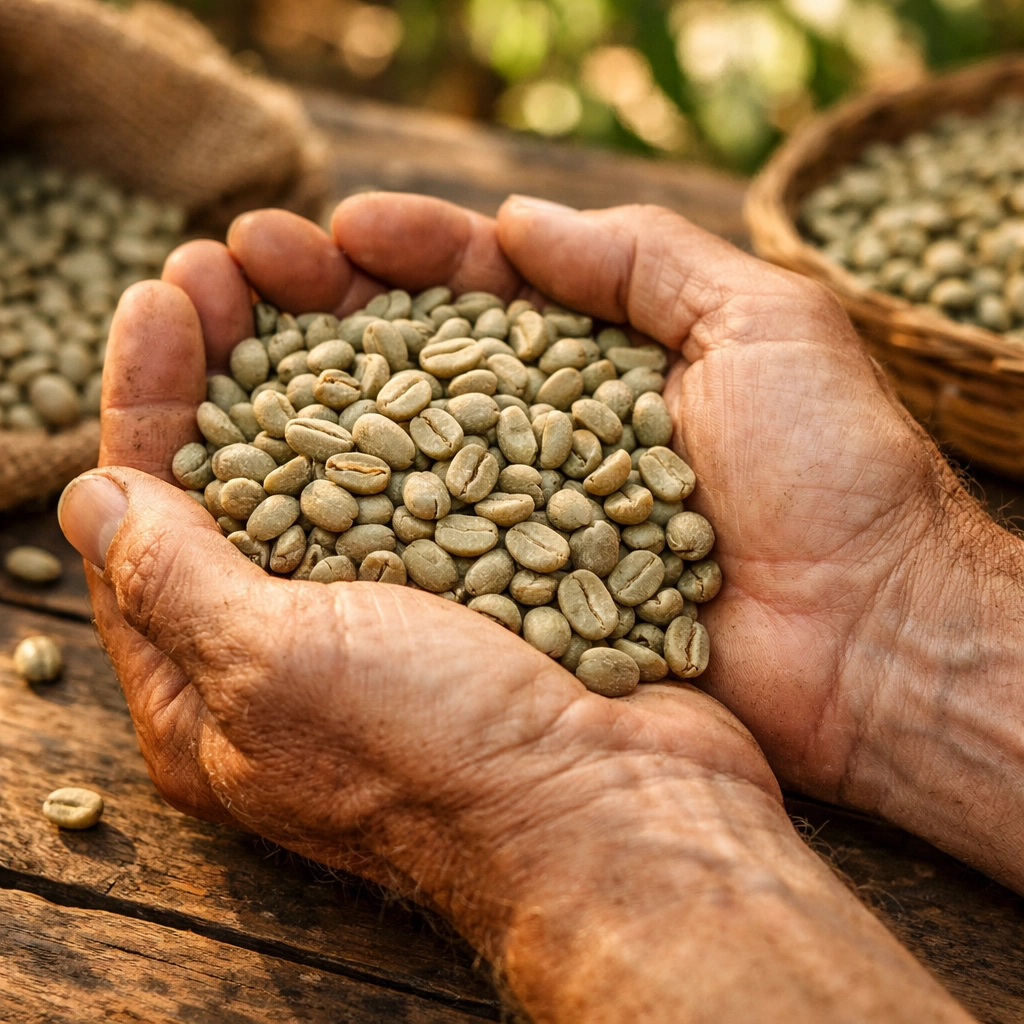
    Hands holding raw green specialty coffee beans representing ethical sourcing and sustainability.

    6. Freshness and Roasting Schedules

    Freshness is everything in speciality coffee. Once coffee is roasted, it begins a process called degassing, where it releases carbon dioxide. While you don't want to use coffee immediately after roasting (it needs a few days to settle), you certainly don't want it sitting in a warehouse for months.

    Ask about their roasting schedule. Do they roast to order? This ensures that when the coffee reaches you, it’s at its absolute peak. Fresh beans will produce a beautiful, thick crema and a vibrant flavour profile. Stale beans? They’re just… sad. And nobody wants to drink sad coffee.

    7. Understanding the "Theatre" of Coffee

    Coffee is an experience. It’s the sound of the grinder, the smell of the fresh grounds, and the visual appeal of latte art. We call this the theatre of coffee.

    A good wholesale roaster understands that they are helping you put on a show. They should provide you with the tools and knowledge to make every cup a performance. This might include advice on workflow, the right glassware, or even how to talk to customers about the different tasting notes in the brew.

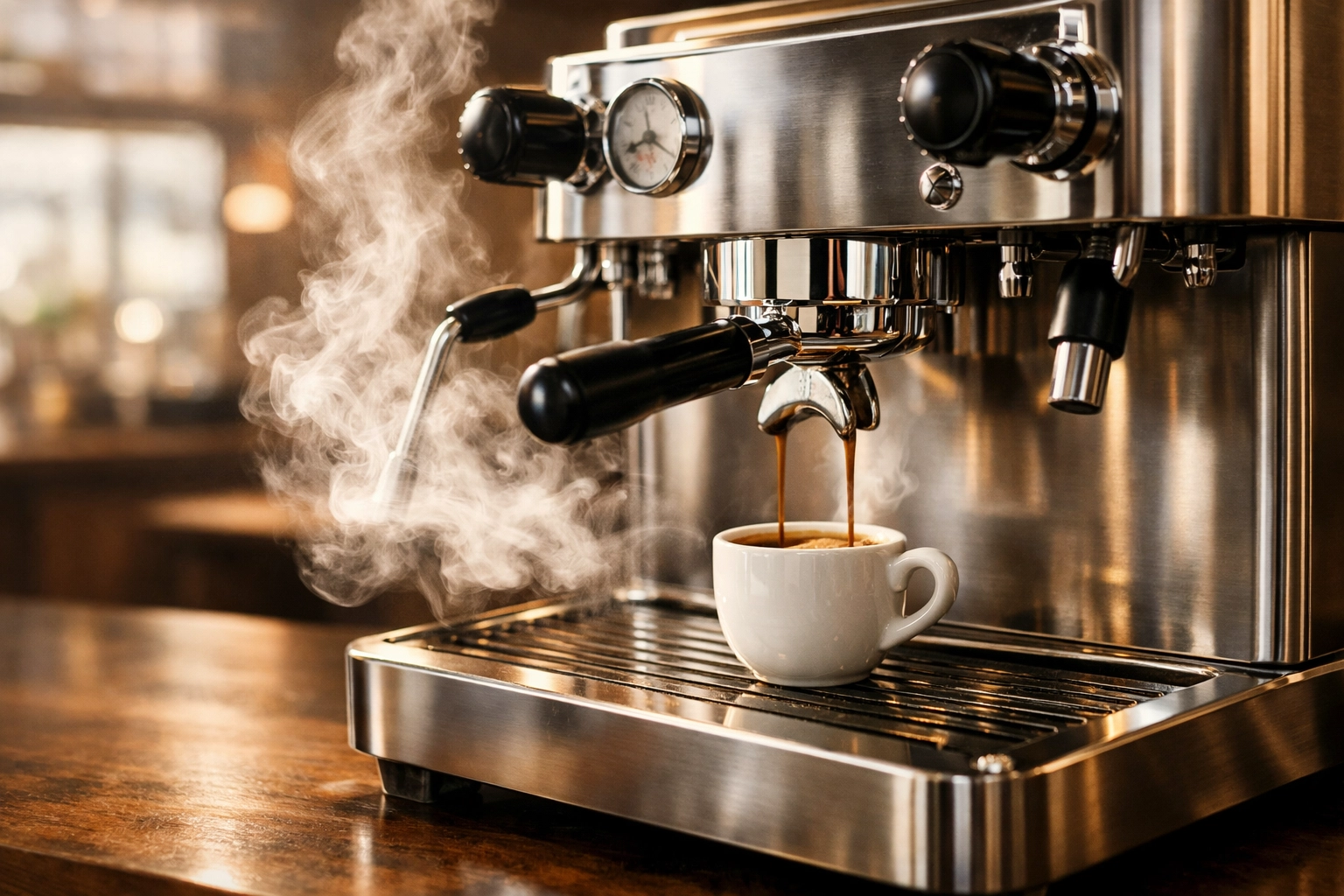
    A professional stainless steel espresso machine in a cafe, highlighting the theatre of coffee brewing.

    8. Minimum Order Quantities (MOQs) and Pricing

    Let's talk money. While speciality coffee shouldn't be "cheap," it does need to fit your business model.

    Be wary of high Minimum Order Quantities (MOQs). If a roaster requires you to buy 20kg at a time, but you’re only using 5kg a week, you’re going to end up serving stale coffee. A flexible roaster will work with you to find an order frequency that keeps your stock fresh and your cash flow healthy.

    And remember, the price per kilo is only one part of the equation. If a roaster is slightly more expensive but includes free training, emergency call-outs, and marketing support, they’re likely providing much better value than the "cheapest" option.

    9. Request Samples and Run a "Tasting"

    Never commit to a roaster without tasting the product on your own terms. Most roasters will be happy to send out samples.

    When you get them, don't just "cup" them in a professional environment. Try them as an espresso. Try them with milk. Use our coffee brewing calculator to see how they perform under different parameters.

    Wait, does the milk taste right? Understanding the science of milk and coffee is a huge part of the process. If the roaster’s coffee doesn't "cut through" the milk in a latte, it might not be the right blend for a high-street café.

    A professional coffee cupping and tasting session to evaluate wholesale specialty coffee samples.

    10. Can They Grow With You?
    Finally, think about the future. You might be starting with a small pop-up, but where do you want to be in three years?

    Choose a roaster that has the capacity to grow with you. If you open a second or third site, can they still provide the same level of training and support? Do they offer a variety of coffees, from approachable house blends to exciting single-origin guest coffees?

    A great partner is one who is as ambitious as you are. They should be constantly innovating, looking for better ways to roast, more sustainable ways to source, and better ways to support their wholesale family.


    Ready to Start Your Coffee Journey?

    Choosing a wholesale coffee roaster is a big step, but it doesn't have to be a scary one. It’s about doing your homework, asking the right questions, and trusting your palate.

    If you’re looking for a team that lives and breathes speciality coffee: and one that actually cares about your success: we’d love to chat. You can learn more about us and our approach to wholesale right here.

    And if you want to see why so many café owners trust us, take a look at our reviews. We've spent years building a community of coffee lovers, and we’d love for you to be a part of it.

    Don't forget, if you’re looking for top-tier equipment or the freshest beans, check out the options at Limini Coffee. Whether you need a full training overview or just a really good bag of beans, we’re here to help.

    The perfect cup is out there. Let's go find it.

  • Stop Wasting Your Morning on Admin Tasks: Try These 7 Quick AI Workflow Automation Hacks

    Stop Wasting Your Morning on Admin Tasks: Try These 7 Quick AI Workflow Automation Hacks

    ☕ 7:00 AM.

    The alarm goes off. You reach for your phone, not to check the weather, but to check the damage. Your inbox is already screaming. 42 unread messages. Three "urgent" client requests. An invoice that needs a signature. A calendar that looks like a game of Tetris gone wrong.

    You haven't even had a sip of coffee yet, and you’re already behind.

    This is the "Admin Tax." It’s the price you pay for being the boss, and honestly? It’s a rip-off. You didn't start a business to become a professional data-entry clerk. You started it to build, to create, and to win. But here you are, drowning in the shallow end of the digital pool.

    But imagine this…

    You open your laptop at 9:00 AM. The inbox is clean. The invoices are sorted. The "urgent" requests have already been acknowledged. The day isn't a mountain to climb, it's a path already cleared.

    This isn't a dream. It’s just ai business automation. And it’s a lot easier than you think.

    1. THE INBOX GATEKEEPER

    ☕ 7:30 AM

    Most people spend their first hour of work playing "Email Detective." You open a message, try to figure out what they want, decide if it's important, and then… maybe… move it to a folder.

    Stop it.

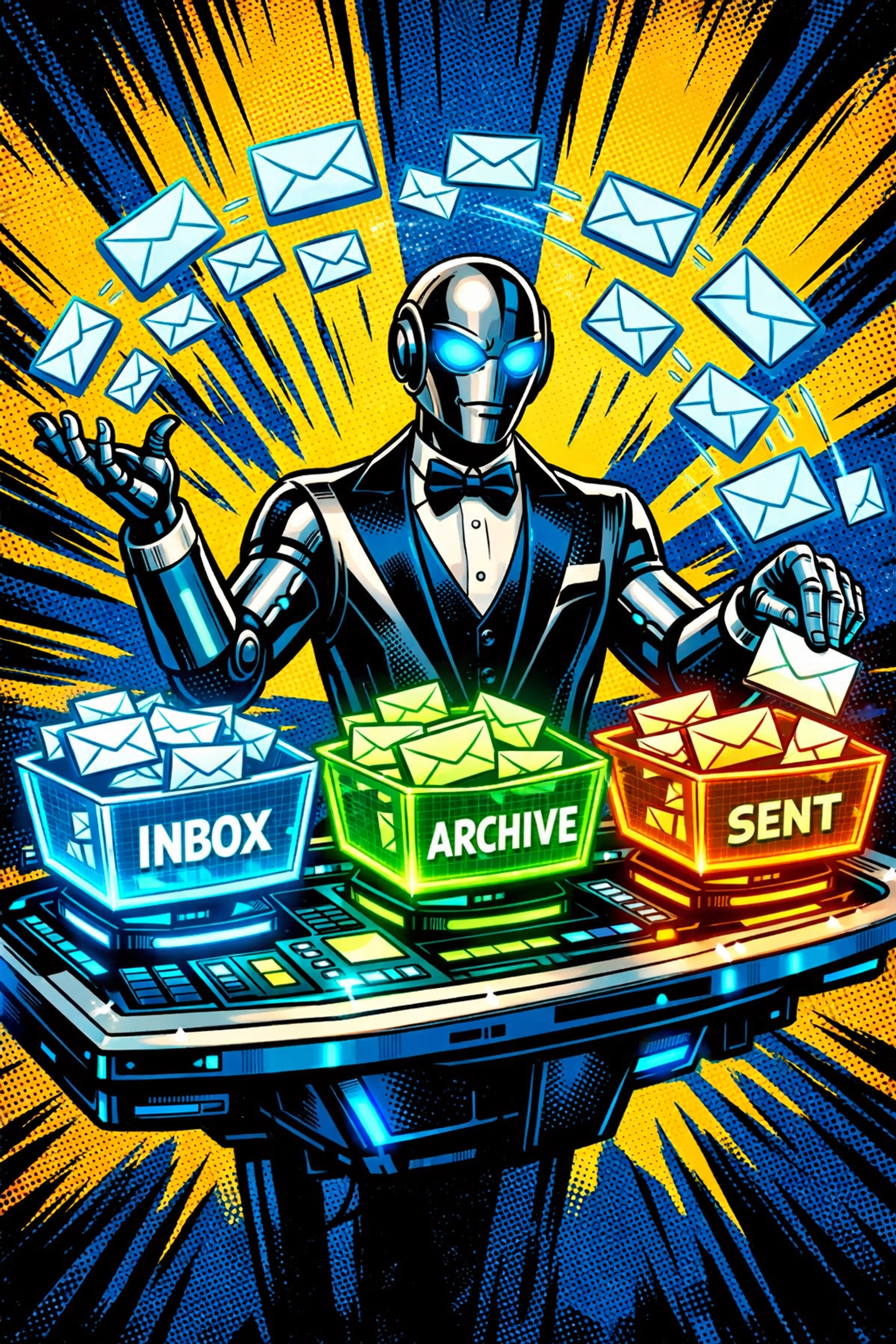
    You can set up a simple ai business automation trigger. When a new email hits your inbox, an AI model (like GPT-4) reads it instantly. It doesn't just look for keywords; it understands the intent.

    If it’s a refund request? It tags it as "High Priority" and drafts a polite response. If it’s a newsletter? It gets archived. If it’s a potential new client? It extracts their info and puts it straight into your CRM.

    You don't "check" your email anymore. You just review the actions your AI already took.

    AI robot butler organizing digital emails to demonstrate efficient ai business automation.

    2. THE INVOICE GHOST

    📱 8:15 AM

    Remember that pile of receipts sitting on your passenger seat? Or the dozen PDF invoices buried in your "Downloads" folder? They’re eating your time.

    Manual expense tracking is the ultimate joy-killer. Instead, use business automation tools that leverage OCR (Optical Character Recognition) and AI.

    The workflow is simple: You snap a photo or forward an email. The AI "sees" the vendor, the date, the tax, and the total. It categorizes it under "Travel" or "Software" and pushes it straight to your accounting software.

    The data entry is gone. The errors are gone. The headache of tax season? Also gone. You're not "doing books." You're just approving them.

    3. THE INSTANT QUOTE ENGINE

    🤝 9:30 AM

    A lead reaches out. They want a quote. They want it now.

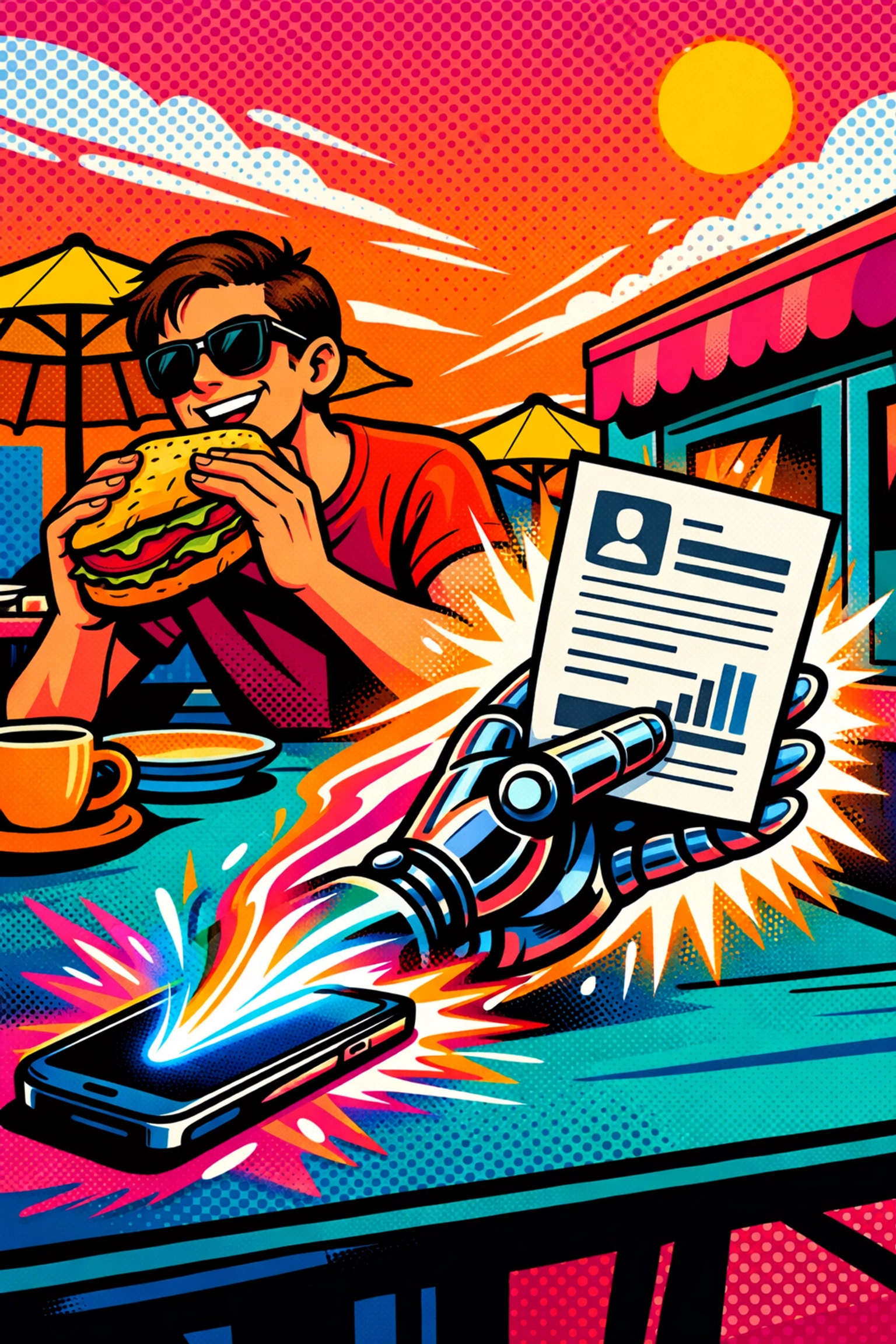
    But you’re in a meeting. Or you’re driving. Or you’re just trying to eat a sandwich. By the time you get back to your desk, research their needs, and type out a professional quote, they’ve already emailed three of your competitors.

    Speed is the ultimate lead generation hack.

    Set up an AI workflow where a form submission on your website triggers an AI analysis. The AI looks at their requirements, matches them against your pricing sheet, and drafts a customized quote template.

    It sits in your drafts, ready for a 10-second "looks good" check. You look like a genius who works at the speed of light. In reality, you were just finishing your sandwich.

    Find out how to set this up at https://marblism.link/scott-bowen.

    4. THE MEETING MEMORY BANK

    🔍 10:45 AM

    "Wait, who was supposed to follow up with Sarah?"
    "Did we agree on the 15th or the 20th?"

    We’ve all been there. You spend an hour in a Zoom call, only to spend another twenty minutes trying to remember what actually happened.

    Stop taking notes. It's 2026.

    Use an AI bot to join your calls. It records, transcribes, and, most importantly, summarizes. Within three minutes of the "Leave Meeting" button being pressed, you get a Slack message with:

    • The 3 key decisions made.
    • The 5 action items assigned to specific people.
    • The date of the next check-in.

    The "meeting after the meeting" is dead. You just saved an hour of your life.

    AI hand creating instant business documents at a cafe using professional business automation tools.

    5. THE LEAD ENRICHMENT SQUAD

    ☎️ 1:00 PM

    You got a new lead. Great! Now you have to spend fifteen minutes Googling them. Where do they work? What's their LinkedIn? How big is their company?

    This is manual labor disguised as "research."

    With ai business automation, the moment a lead enters your system, an AI agent goes to work. It scrapes their LinkedIn, finds their company's recent news, and identifies their likely pain points.

    When you finally sit down to call them, you have a "Cheat Sheet" waiting for you. You aren't cold calling; you’re having a warm, informed conversation.

    It’s lead generation on steroids, and it happens while you’re at lunch.

    6. THE CONTENT MULTIPLIER

    📱 2:30 PM

    You know you need to be on LinkedIn. And X. And Instagram. But writing posts feels like pulling teeth.

    Here is the hack: You write one good thing. One blog post, one long email, or even a voice memo of you ranting about an industry problem.

    Feed that "seed" into your AI workflow. It will:

    1. Turn it into a 5-post LinkedIn series.
    2. Create 10 punchy tweets.
    3. Draft a newsletter summary.
    4. Suggest captions for Instagram.

    You aren't a content creator anymore. You're an editor-in-chief. Your brand stays active, your authority grows, and you didn't have to stare at a blinking cursor for four hours.

    7. THE HR ASSISTANT WHO NEVER SLEEPS

    🌙 4:00 PM

    If you have a team, you have admin. "How many PTO days do I have left?" "Where is the brand guide?" "How do I file an expense?"

    These tiny interruptions are productivity killers.

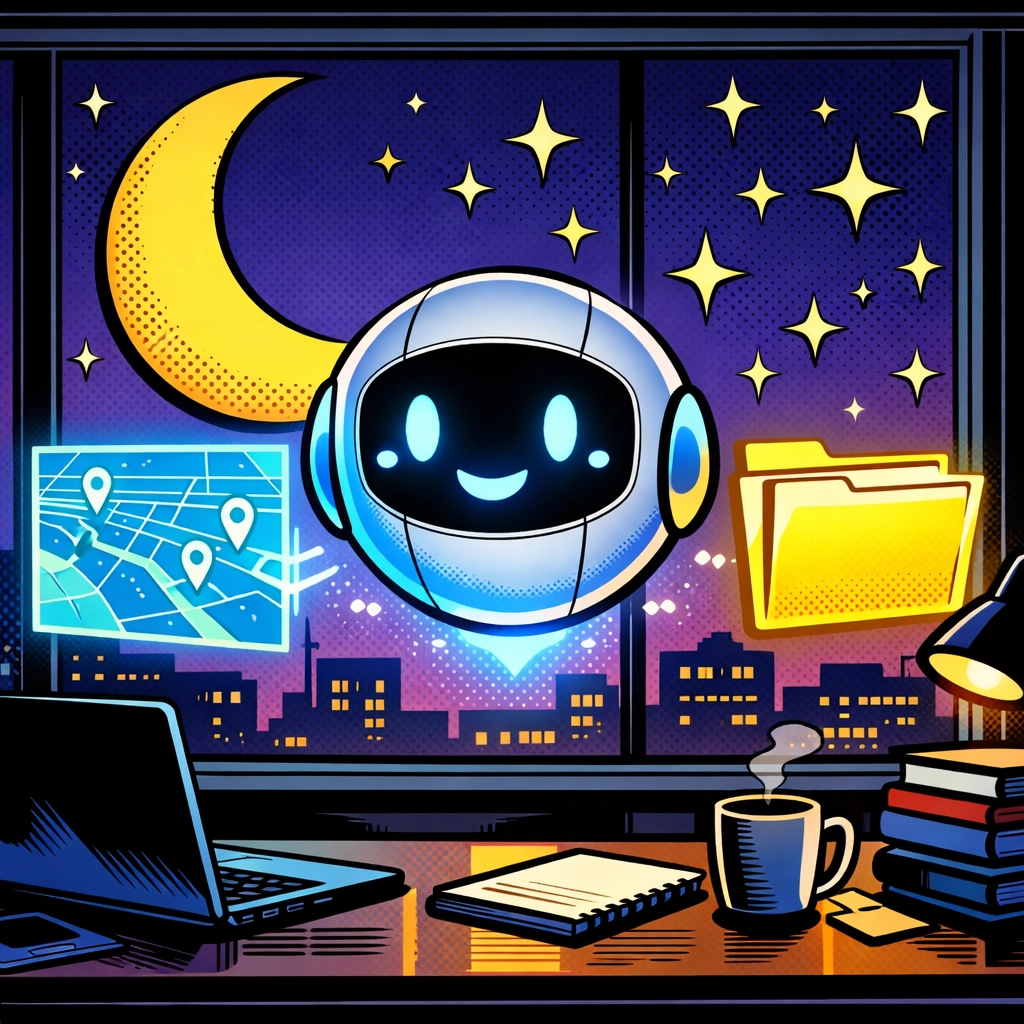
    Create a simple AI chat interface for your internal documents. Instead of your team asking you, they ask the bot. The AI reads your handbook, your Notion pages, and your SOPs to give them an instant answer.

    "You have 4 days of PTO left, and here is the link to the request form."

    You didn't have to say a word. The team stays moving, and you stay focused.

    Friendly AI assistant orb managing HR tasks and office admin through ai business automation.

    THE THREE-STEP FORMULA FOR FREEDOM

    Setting this up sounds complicated. It’s not. Every single one of these hacks follows the same three-step logic:

    1. The Trigger: Something happens (An email arrives, a form is filled, a meeting ends).
    2. The AI Processing: The "brain" does the work (Summarizing, extracting, categorizing).
    3. The Action: Something is created (A draft is saved, a CRM is updated, a message is sent).

    You don’t need to be a coder. You don’t need a degree in Data Science. You just need to stop accepting "that’s just how long it takes" as an answer.

    STOP JUGGLING. START SCALING.

    The truth is, your competitors are already doing this. They aren't smarter than you, and they aren't working harder. They’ve just realized that humans are for high-level strategy and AI is for the grunt work.

    Every minute you spend manually moving data from one spreadsheet to another is a minute you aren't growing your revenue. It's a minute you aren't spending with your family. It's a minute you're essentially throwing in the trash.

    Scaling shouldn't be this hard. And honestly? It isn't. Not anymore.

    You can keep the chaos… or you can choose the calm.

    If you’re ready to see how these business automation tools can actually work for your specific business, it’s time to move. No more "I'll do it next week." Next week is just another week of 7:00 AM inbox dread.

    Let's fix it today.

    Check out how we can help you build your custom AI team here: https://marblism.link/scott-bowen

    The chaos is gone before you even take your first sip of coffee.

    You just send a thumbs-up.

    And then? You finally enjoy your morning.


    FAQs About AI Business Automation

    Q: Is this going to be expensive?
    A: Actually, most of these tools have free or very low-cost tiers. The "cost" of not doing it, in lost time and missed leads, is much higher.

    Q: Do I need to know how to code?
    A: No. Tools like Zapier, Make, and the platforms we build at Marblism are designed for "no-code" or "low-code" use. If you can use a mouse, you can use these tools.

    Q: Will the AI make mistakes?
    A: AI is a "drafting" tool, not a "final" tool. We always recommend a "Human-in-the-Loop" workflow. The AI does 95% of the work, and you spend 5 seconds giving it the final "Okay."

    Q: How long does it take to set up?
    A: You can have your first "Inbox Gatekeeper" running in about 15 minutes. It’s that fast.

    Scaling shouldn't be a struggle. But here we are, making it easy.

    See you on the other side. 🌙

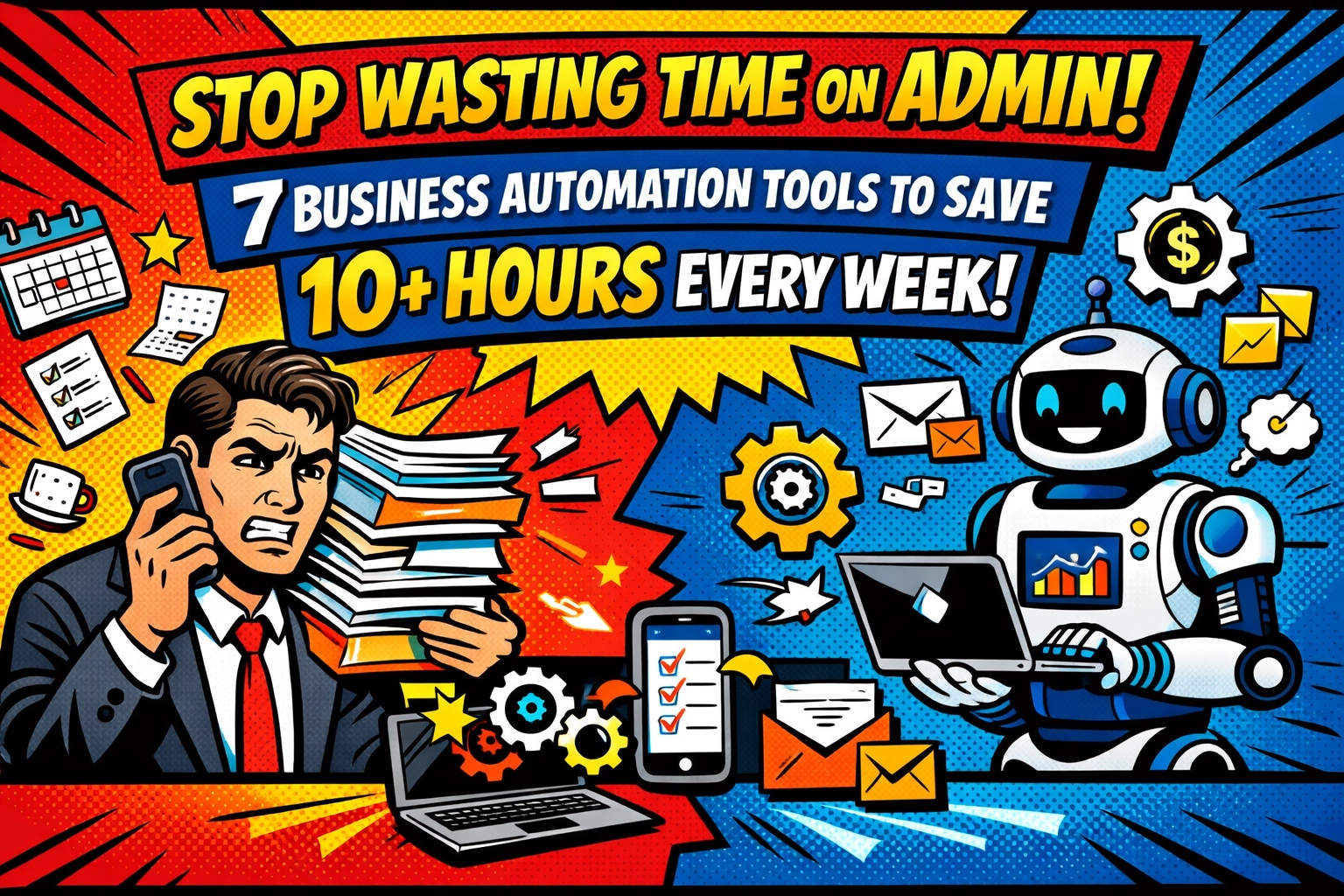
  • Stop Wasting Time on Admin: 7 Business Automation Tools to Save 10+ Hours Every Week

    Stop Wasting Time on Admin: 7 Business Automation Tools to Save 10+ Hours Every Week

    You know that feeling. It’s 9:00 AM on a Monday. You’ve got your coffee in one hand and a growing sense of dread in the other. Your inbox is a graveyard of unread newsletters, "quick questions," and meeting invites that could have been an email.

    You didn’t start your business to become a professional copy-paster. You didn't dream of spending four hours a day reconciling invoices or manually updating a CRM. But here you are… drowning in the digital paperwork.

    It’s time to stop.

    Admin is the silent killer of growth. Every hour you spend clicking "Submit" on a form is an hour you aren’t spent building something people actually want to buy.

    Let’s fix that. Here are the 7 business automation tools that are going to give you your life back.

    1. The "Set It and Forget It" Scheduler: Calendly

    Stop the back-and-forth dance. "Are you free Tuesday at 2?" "No, how about Wednesday at 4?"
    Stop. Just stop.
    With Calendly, you send a link. They pick a time. It shows up on your calendar. Magic? No, just basic sanity.

    2. The Meeting Memory: Otter.ai

    ☕ 11:00 AM. You’re in a deep-dive strategy session. You’re taking notes so fast your wrist hurts, which means you’re not actually listening.
    Otter.ai records, transcribes, and summarizes. By the time you hang up, the notes are in your inbox.

    3. The Digital Glue: Zapier

    Think of Zapier as the translator for your apps. When someone fills out a form on your site, Zapier tells Slack to ping you, tells Google Sheets to add a row, and tells your CRM to create a lead. It works while you sleep.

    4. The CRM Whisperer: AskElephant

    If you hate manual data entry (and you do), AskElephant is your best friend. It listens to your sales calls and updates your CRM automatically. No more "I'll do that on Friday" tasks that never happen.

    5. The Financial Butler: QuickBooks Online

    Stop chasing receipts in your glove box. Automate your billing and expense tracking. It categorizes your spending so tax season feels like a light breeze instead of a Category 5 hurricane.

    6. The AI Mastermind: Marblism

    This is where the real scale happens. Marblism doesn't just do one task, it automates the entire foundation of your digital business. Whether it’s building the apps you need or streamlining the backend, it’s the heavy hitter. Check out how we do it here: https://marblism.link/scott-bowen.

    7. The Visual Workflow: Monday.com

    Stop wondering who is doing what. Automate the "handoff." When you finish a task, the next person gets notified automatically. No more "Hey, did you see my email?" pings.

    Business owner using automation tools to manage emails, calendar, and finances effortlessly.


    Automate Admin Tasks: How to Save 10+ Hours Every Week

    You think you’re busy. But are you actually productive?

    Most small business owners spend 25% of their week on "drudge work." That’s over ten hours of your life gone. Every. Single. Week. Imagine what you could do with an extra day. You could finally launch that new product. You could actually go to the gym. You could… sleep.

    The secret isn't working harder. It’s building a system that doesn't need you.

    ☕ 7:00 AM: The Quiet Morning

    You wake up. Your phone doesn't have 50 notifications. Why? Because while you were dreaming, your AI assistant was triaging your inbox.
    The spam is gone. The "urgent" fires are labeled. The calendar is blocked out for deep work.
    You just sip your coffee… and breathe.

    📱 10:00 AM: The Lead Magnet

    A potential client visits your site. They fill out a contact form.
    In the old days, that lead would sit there until you checked your email at 5:00 PM. By then, they’ve already hired your competitor.
    Now? An automated workflow triggers. They get a personalized welcome video. A discovery call is booked on your calendar automatically.
    You didn't lift a finger.

    🤝 2:00 PM: The Seamless Handoff

    Project complete. You click a button.
    The invoice is sent. The client gets a "Thank You" email. Your project management board moves the task to "Archived."
    The machine is humming.

    Stop being the bottleneck in your own business. Scaling shouldn't be this hard. But here we are, making it look easy with tools like https://marblism.link/scott-bowen.

    Small business owner gaining time and freedom through administrative task automation.


    The Best AI Assistant for Small Business in 2026

    It’s March 2026. If you’re still typing out every single email from scratch, you’re living in the stone age.

    The "AI Assistant" has evolved. It’s no longer just a chatbot that gives you weird recipes. It’s a functional member of your team. It’s the employee of the month, every single month. And it never asks for a raise.

    🔍 Meet Your New Partner

    An AI assistant in 2026 doesn't just "help." It anticipates.
    It sees that you have a meeting with a high-value client. It pulls their latest LinkedIn posts, summarizes their recent company news, and puts a "Cheat Sheet" on your desk ten minutes before the call starts.

    ☎️ The End of Phone Tag

    Your AI handles the scheduling. But more than that, it handles the context.
    "Hey, can we reschedule?"
    Your AI checks your energy levels (yes, really), your priority list, and the client's history. It suggests a time that actually works for you, not just a time that's empty.

    🌙 While You Wind Down

    The sun goes down. You’re done for the day.
    But your AI is just getting started. It’s auditing your ad spend. It’s checking for broken links on your site. It’s organizing your files.
    You're not "always on" anymore. You have a system that is.

    For the modern entrepreneur, the best assistant isn't a person: it’s a platform. See the future of business automation at https://marblism.link/scott-bowen.

    An AI assistant for small business organizing digital networks and office workflows.


    AI Content Generator for Small Business: Your Secret Marketing Weapon

    Let’s be honest: Marketing is a grind.

    You need a blog post. You need three Instagram captions. You need a weekly newsletter. You need a LinkedIn thought-leadership piece that makes you look smart.
    By the time you finish the blog post, it’s already next Tuesday and you’re behind on everything else.

    Enter your secret weapon: The AI Content Generator.

    Stop Staring at the Blinking Cursor

    The blank page is the enemy.
    With a high-end AI content generator, you don't start from zero. You start from 80%.
    You feed it a core idea: "Why small businesses need to automate": and it spits out a structured, voice-aligned draft in seconds.
    You spend ten minutes adding your "flavor," and you're done.

    One Idea, Ten Channels

    Multi-channel marketing used to require a team of five.
    Now? You take one video transcript and turn it into:

    • A long-form blog post.
    • Five punchy tweets.
    • A script for a 60-second Reel.
    • A summary for your newsletter.

    Your Voice, Only Better

    Modern AI doesn't sound like a robot anymore. (Unless you want it to). It learns your tone. It knows you like to be casual. It knows you hate corporate jargon.
    It sounds like you: on your best day.

    Scaling your content doesn't have to mean scaling your stress. Use the right tools to amplify your message without losing your mind. If you're ready to stop the manual grind and start the automated growth, we're ready for you.

    Start your journey here: https://marblism.link/scott-bowen.

    An AI content generator for small business creating an explosion of marketing ideas.

    Scaling Shouldn't Be This Easy. But Here We Are.

    The chaos is gone before you even take your first sip of coffee.
    The "to-do" list is actually getting shorter.
    You smile. You step back into your day.
    You’re finally the CEO, not the clerk.

    Welcome to the club.

  • Why Freshness is Your Biggest Selling Point (And How to Maintain It)

    Why Freshness is Your Biggest Selling Point (And How to Maintain It)

    In a world where every high street has at least three coffee shops and every petrol station sells "barista-style" drinks, what actually separates specialty coffee from the rest?

    It's not just your fancy espresso machine or your latte art (though those certainly help). It's freshness.

    And we're not talking about "fresh" in the vague, marketing-speak sense. We mean genuine, roasted-last-week, you-can-still-smell-the-roast-room freshness. The kind that makes customers lean over their cup and actually inhale before they take that first sip.

    If you're not leading with freshness, you're missing your biggest competitive advantage. Let's talk about why , and more importantly, how to protect it.

    What Freshness Actually Means in Coffee

    When we talk about fresh coffee, we're talking about time from roast. Specialty coffee is at its absolute peak roughly 7-14 days after roasting, once it's had time to degas but before those beautiful aromatics start fading.

    After about 4-6 weeks? You're losing the plot. Those vibrant fruit notes become muted. That sparkling acidity dulls down. The complexity that made you choose that Kenyan AA in the first place starts disappearing into generic "coffee" flavour.

    Your customers might not understand the chemistry behind oxidation and CO2 loss, but they absolutely notice the difference in the cup. And once they've tasted genuinely fresh specialty coffee, there's no going back to stale supermarket beans.

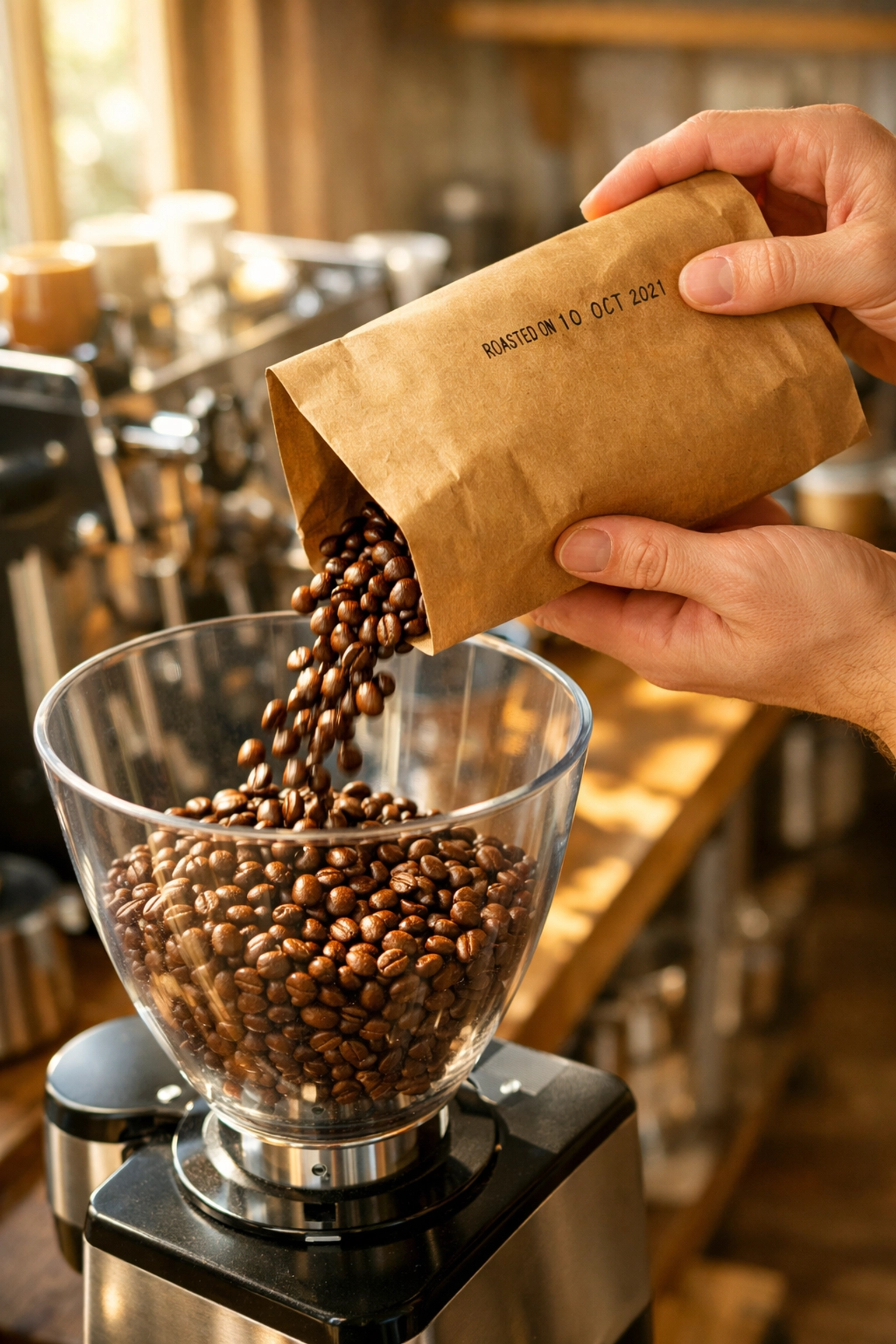
    Barista pouring freshly roasted coffee beans with visible roast date into commercial grinder

    Why Freshness is Your Competitive Moat

    Here's the thing about the coffee shop down the road using month-old beans from a cash-and-carry: they might have lower costs, but they'll never match your cup quality. They can't. The chemistry simply won't allow it.

    Freshness is what transforms a commodity product into an experience worth paying £3.50 for. It's why your regulars keep coming back instead of making instant at home. It's the difference between "a coffee" and "that coffee."

    And in 2026, consumers care more about transparency and quality than ever before. They want to know where their coffee comes from, when it was roasted, and what makes it special. This isn't just specialty coffee geekery anymore , it's mainstream expectation.

    When you can confidently tell a customer "this was roasted last Tuesday," you're not just sharing information. You're demonstrating that you care about quality more than convenience. That's powerful.

    How We Support Your Freshness Commitment

    This is where working with the right roasting partner makes all the difference.

    At Limini Coffee, we roast to order. Not to stock. Which means when you place your wholesale order on Monday, those beans are being roasted specifically for you on Tuesday or Wednesday, and they're at your shop by the end of the week.

    No warehouse. No sitting around. No mystery about when things were actually roasted.

    We include clear roast dates on every bag because we believe you and your customers deserve to know. And because we're confident in our turnaround times , we can promise freshness because we've built our entire operation around it.

    Fast delivery isn't just convenient; it's essential for maintaining quality. What's the point in roasting the world's best beans if they sit in transit for ten days? We work with reliable courier partners to get your coffee to you while it's still in that perfect window.

    Your In-Shop Freshness Playbook

    Getting fresh coffee from your roaster is only half the battle. What happens once those bags arrive at your shop matters just as much.

    Stock Management

    First up: order smarter, not bigger. Yes, bulk ordering saves money, but if those savings mean using two-month-old beans, you're destroying your product quality to save pennies.

    Work out your weekly usage and order accordingly. Most shops find ordering every 1-2 weeks hits the sweet spot between freshness and efficiency. It means you're always working with coffee in its prime window.

    Use a simple first-in-first-out system. Mark your bags with arrival dates if your roaster doesn't date them clearly (though they should). When you're restocking your grinder hopper, always pull from the oldest stock first.

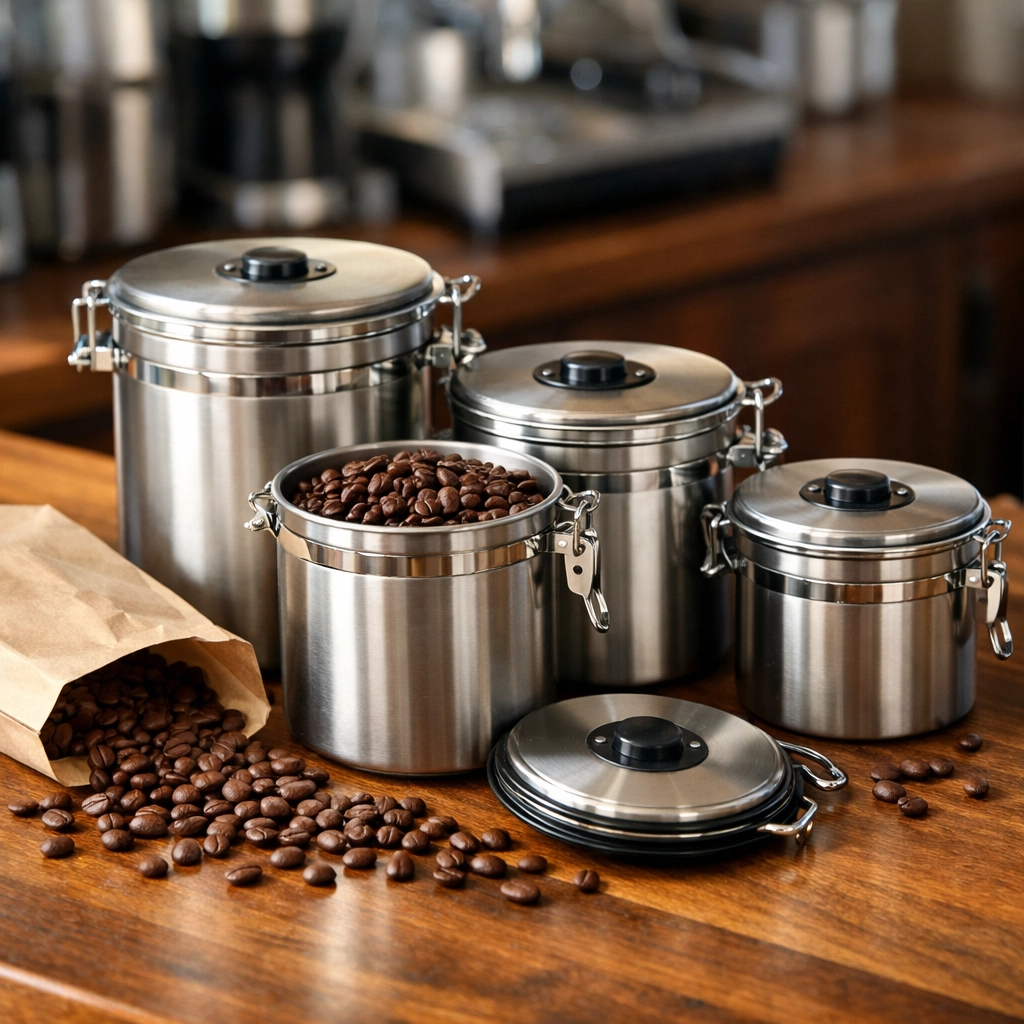
    Air-tight stainless steel coffee storage canisters preserving fresh whole coffee beans

    Storage Matters More Than You Think

    Once you've opened a bag, the clock speeds up significantly. Oxygen is coffee's enemy, and every time those beans are exposed to air, they're degrading.

    Invest in proper air-tight containers for your grinder hoppers and backup stock. We're talking proper vacuum-sealed or one-way valve containers, not just clip-top tubs from the homeware shop. The difference in how long your coffee stays vibrant is dramatic.

    Keep your beans away from heat, light, and moisture. That spot right next to your espresso machine where it's warm and convenient? Terrible idea. Find somewhere cool and dark instead.

    Don't pre-grind unless you absolutely have to. Ground coffee goes stale exponentially faster than whole beans , we're talking hours instead of weeks. If you're pre-grinding for filter, grind only what you'll use in the next few hours maximum.

    Train Your Team to Tell the Story

    Your baristas are your frontline freshness ambassadors, whether they realise it or not. A well-trained team that can confidently talk about roast dates and coffee freshness is worth its weight in… well, fresh coffee.

    What Your Staff Should Know

    Every team member should be able to explain what the roast date means and why it matters. Not in a pretentious, gatekeeping way , just clearly and enthusiastically.

    Something like: "This was roasted just eight days ago, so you're getting it right in that sweet spot where all the flavours are really popping. That's why the aroma is so incredible."

    They should know your current coffee's roast date without having to check. When someone asks what's special about your coffee (and they will), "it's really fresh , roasted less than two weeks ago by our roaster Limini Coffee" is a powerful answer.

    Barista explaining coffee freshness to customer while holding bag of fresh roasted beans

    Make Roast Dates Visible

    Consider adding roast dates to your menu boards or table talkers. Some shops even chalk the roast date on their grinder or group head , a subtle signal to knowledgeable customers that you're serious about freshness.

    When customers see other shops starting to do this, it creates positive peer pressure across the industry. Suddenly the places not displaying roast dates start looking suspicious.

    The Comparison Conversation

    Train your team to gently educate customers about the difference. When someone mentions they "usually buy from the supermarket," that's a perfect opportunity (not to be snobby, but) to explain: "The difference you're tasting is freshness. Supermarket coffee is often months old by the time it reaches the shelf. What you're drinking now was roasted last week."

    You're not attacking the competition , you're just stating facts. And those facts happen to make your product look exceptional.

    Partner With a Roaster Who Gets It

    Here's the bottom line: you can't deliver freshness alone. You need a roasting partner who's as committed to it as you are.

    That means working with a roaster who:

    • Roasts to order, not to warehouse stock
    • Provides clear roast dates on every bag
    • Has reliable, fast delivery
    • Understands that your reputation depends on their turnaround times
    • Sources quality beans worth keeping fresh in the first place

    At Limini Coffee, freshness isn't just something we mention in our marketing , it's literally how we've built our business model. We know that when you serve our coffee at its peak, you're more successful. And when you're more successful, we're more successful. Everyone wins. Especially your customers.

    If you're currently working with a roaster who can't tell you when your coffee was roasted, or whose "fresh" coffee arrives with roast dates from three weeks ago, it might be time for a conversation.

    The Freshness Advantage

    In a crowded market, freshness is your clearest differentiator. It's not subjective like "better service" or "nicer atmosphere." It's measurable, demonstrable, and tasteable.

    Every cup you serve from genuinely fresh beans is an advertisement for your business. Every customer who experiences that difference becomes an advocate. And every conversation your team has about roast dates educates the market and raises standards across the board.

    So yes, obsessing over freshness means more frequent ordering, more careful stock management, and more staff training. It's more work than just ordering in bulk and hoping for the best.

    But it's also your competitive advantage, your quality guarantee, and quite possibly the thing that turns a one-time visitor into a regular who can't imagine starting their morning anywhere else.

    Want to work with a roaster who's as obsessive about freshness as you are? Visit Limini Coffee to discover our roast-to-order approach and see why coffee shops across the UK trust us to keep their offerings at peak freshness.

    Because fresh isn't just better. Fresh is everything.

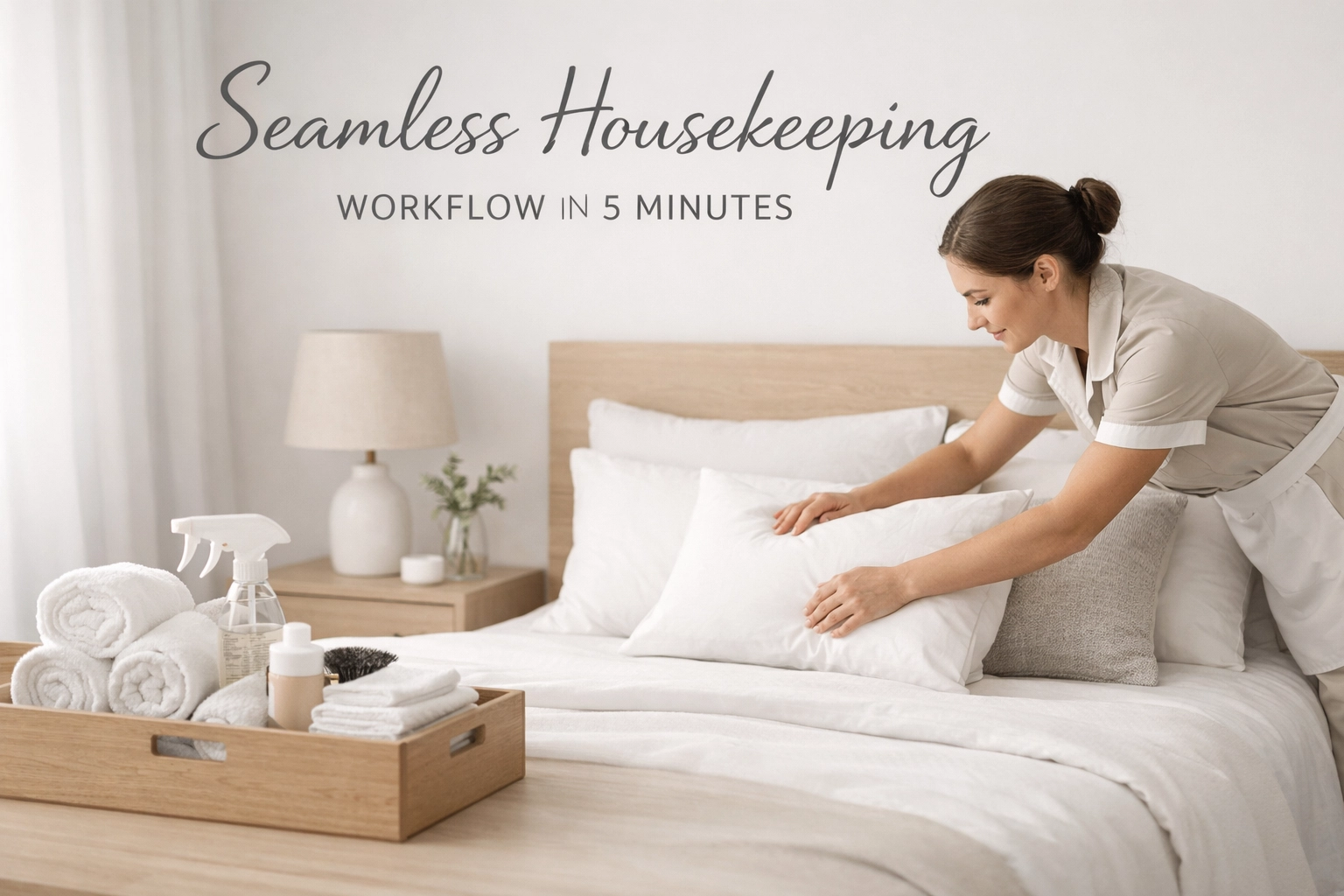
  • Seamless Housekeeping Workflow in 5 Minutes

    Seamless Housekeeping Workflow in 5 Minutes

    Automate every task.
    Empower your team.
    Delight every guest.

    Stop losing hours to manual coordination and paper checklists. Our partners achieve 20% more efficiency in their daily operations by digitizing their room management. It is about getting guests into their rooms faster and reducing the stress on your floor staff, all from one housekeeping platform.

    The end of the clipboard era

    Let’s be honest. The old way of managing a hotel is exhausting. You have a morning briefing that lasts too long. You hand out paper sheets that get soggy or lost. You spend half your day on a walkie-talkie asking if room 302 is finally clean.

    It is noisy. It is slow. It is prone to human error.

    When you use a modern hotel PMS, that noise disappears. You don't need to chase people down the hallway. You don't need to double-check every status update. The system does the heavy lifting for you so you can focus on the people.

    Smartphone on a hotel console representing streamlined digital housekeeping status updates.

    Why automation is your new best friend

    We believe housekeeping is the most important part of the guest experience.

    • Real-time status updates.
    • Automated room assignments.
    • Instant maintenance reporting.

    Modern housekeeping software for hotels changes the dynamic of your team. Instead of waiting for instructions, your staff knows exactly where to go next. The system looks at who is checked out and who is arriving early. It prioritizes the right rooms at the right time.

    This isn't just about speed. It is about sanity. Your team feels more professional when they have a mobile app in their hands instead of a crumpled piece of paper. They can see exactly what needs to be done, including special guest requests or VIP preferences.

    Check out how Mews can transform your operations.

    Communication without the shouting

    We think transparency creates a better workplace for everyone.

    • Direct messaging via app.
    • Photo uploads for inspections.
    • Live progress tracking.

    When a housekeeper finishes a room, they tap a button. The front desk sees it instantly. The guest gets a notification that their room is ready. There is no middleman and no delay.

    This level of connectivity used to be a luxury. Now, it is the standard. If you are still calling the front desk to update a room status, you are burning money. Every minute a clean room sits "dirty" in your old system is a minute a guest is waiting in your lobby feeling frustrated.

    Hotel staff using a mobile device for real-time room cleaning updates in a hotel PMS.

    Setting up your 5-minute workflow

    You don't need a PhD in computer science to get this running. You just need the right hotel PMS. Follow these steps to get your team moving faster today.

    1. Connect your staff devices to the central housekeeping module.
    2. Define your room types and specific cleaning requirements.
    3. Set your priority rules for early arrivals and VIP guests.
    4. Distribute digital checklists to every member of the team.
    5. Monitor the live dashboard to see your progress in real-time.

    Once these steps are in place, the workflow manages itself. You can spend your time on quality control and guest relations instead of data entry. It is a total shift in how a hotel breathes. You can see the full suite of tools here.

    Real results from real hotels

    Our community of hoteliers is proving that tech-driven housekeeping works. They aren't just saving time; they are changing their bottom line.

    Our users achieved a 15% reduction in labor costs per room.
    Properties reached 100% room readiness before the standard check-in time.
    Teams reported a 30% increase in staff satisfaction scores.

    "The mobile app changed everything for us," says a head housekeeper at a 100-room boutique hotel. "We saved 10 hours a week just by cutting out the morning meetings and paper distribution."

    Modern hotel reception area showing organized efficiency from automated housekeeping software.

    Smarter inspections and maintenance

    We believe quality control should be effortless and documented.

    • Digital inspection checklists.
    • Auto-generated maintenance tickets.
    • Historical cleaning logs.

    Housekeeping isn't just about making beds. It is about maintaining an asset. When a housekeeper notices a leaky faucet or a flickering light, they shouldn't have to write it down and tell a manager later. They take a photo, tag it as a maintenance issue, and the engineering team gets an alert immediately.

    This keeps your rooms in top shape. It prevents small issues from becoming expensive repairs. Most importantly, it ensures a guest never walks into a room with a broken amenity.

    The psychological impact on your team

    Nobody likes feeling lost at work. When your team has clear, digital instructions, their stress levels drop. They know they are being evaluated fairly because the data is right there. They know their hard work is being seen in real-time by the management.

    High staff turnover is a plague in the hospitality industry. By giving your team better tools, you show them that you value their time. You make their job easier. You give them the chance to succeed without the friction of outdated technology.

    Pristine hotel suite showcasing the results of integrated housekeeping software for hotels.

    Integration is the secret sauce

    Your housekeeping software for hotels shouldn't live on an island. It needs to talk to your booking engine, your front desk, and your guest messaging platform.

    We think a unified ecosystem is the only way to scale.

    • Synced guest arrival times.
    • Linen and supply tracking.
    • Integrated guest feedback loops.

    When everything is connected, magic happens. If a guest requests extra towels through a chatbot, the request goes straight to the housekeeper on that floor. No one has to pick up a phone. The loop closes automatically when the task is done.

    Ready to flip the switch?

    Transitioning to a digital workflow doesn't have to be a headache. The best systems are designed to be intuitive. Your team already knows how to use a smartphone. They can learn a professional housekeeping app in minutes.

    The return on investment is immediate. You save on paper. You save on labor. You gain guest loyalty through faster check-ins and higher cleaning standards. It is the smartest move a modern hotelier can make.

    Experience the future of hotel management software and start your 5-minute workflow today.

    Hotel employee using mobile hotel management software to efficiently track cleaning tasks.

    Final thoughts on efficiency

    The world is moving faster. Guests expect more. Your staff deserves better tools.

    Manual workflows are a relic of the past. They hold you back and keep your team stuck in a cycle of "checking and re-checking." By embracing a digital housekeeping platform, you are choosing growth over stagnation.

    You are choosing to be a leader in hospitality technology.
    You are choosing to put your people first.
    You are choosing to win.

    Let's get those rooms cleaned. Let's get those guests checked in. Let's make it happen.

  • 7 Mistakes You’re Making with Hotel CRM Systems (and How to Fix Them This Week)

    Clean data. Happy guests. Higher revenue.

    You want to know your guests better than they know themselves. You want to send that perfect "welcome back" email that actually gets opened. Most of all, you want a system that works for you: not the other way around.

    We believe technology should be invisible. It should sit in the background, quietly making your life easier while you focus on the people in your lobby. But for many hoteliers, the CRM (Customer Relationship Management) feels less like a helper and more like a messy digital junk drawer.

    If your CRM feels like a chore, you’re likely making one of these seven common mistakes. Here is how to turn it around by Friday, all from one innovative platform.

    1. The Identity Crisis: Living with Duplicate Profiles

    Nothing kills a guest’s "VIP" feeling faster than receiving two different emails with two different offers. Or worse, checking in and being asked for their ID and credit card for the tenth time because their previous five stays are scattered across five different profiles.

    When your CRM is filled with duplicates, your loyalty data is a lie. You can't see their total lifetime value, and you certainly can't personalize their stay. It’s messy, it’s frustrating, and it erodes trust.

    The Fix: Automate the cleanup.

    • Enable automated data validation to merge duplicates instantly.
    • Sync your CRM with your hotel PMS in real-time so updates happen everywhere at once.
    • Let AI-driven analytics do the heavy lifting of identifying "same person, different email" scenarios.

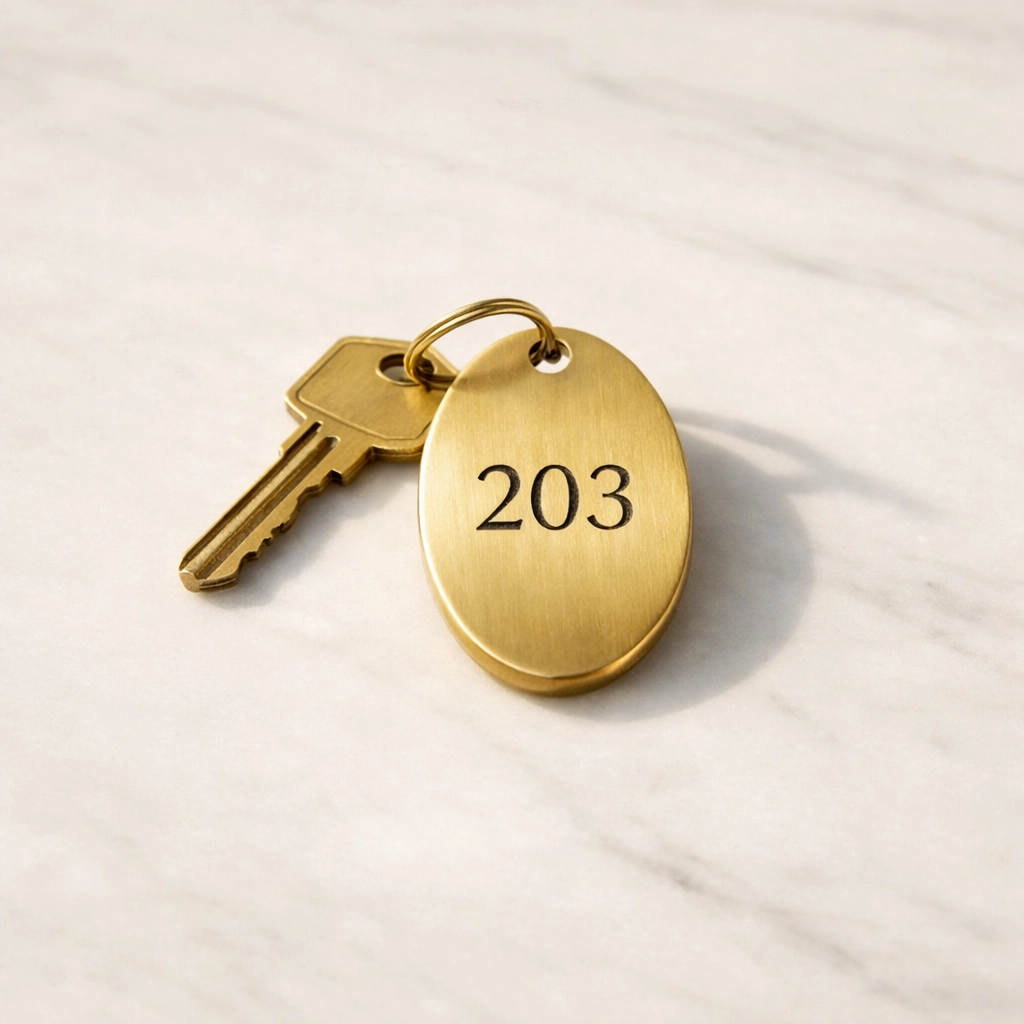
    Minimalist hotel room key on marble representing unified guest profiles and hotel PMS sync.

    2. The "Ghost Ship" Setup: Incomplete Configuration

    We see it all the time. A hotel buys the flashiest CRM on the market, but during onboarding, the team skips the "boring" stuff. They don't define minimum rates, they ignore competitor weights, and they leave the guest preferences section blank.

    A CRM is only as smart as the parameters you give it. Without a solid foundation, the system generates "recommendations" that are essentially just guesses.

    The Fix: Complete your configuration audit.

    • Schedule a 30-minute deep dive into your system settings this afternoon.
    • Ensure every guest touchpoint: from the booking engine to the self-check-in kiosks: is feeding the same data set.
    • Keep it simple: focus on the data that actually helps you sell more rooms or improve the stay.

    3. Treating Every Guest Like a Carbon Copy

    A corporate traveler booking a single night for a Tuesday meeting has very different needs than a family of four staying for a week. Yet, many hotels blast the same generic "10% off your next stay" email to both.

    If you aren't segmenting your leads, you’re leaving money on the table. You’re also annoying your guests with irrelevant noise.

    The Fix: Use behavioral analytics to differentiate.

    • Segment by booking behavior: frequency, lead time, and spend.
    • Match offers to actual preferences (e.g., don't offer spa credits to someone who only uses the gym).
    • Automate your marketing flows based on guest personas.

    "We used to spend hours manually sorting lists. Now, Mews does it while we sleep. We've seen a 15% jump in repeat bookings just by sending the right offer to the right person."

    4. Data Silos: The CRM as an Island

    This is perhaps the biggest mistake in modern hospitality. Your CRM should be the heart of your operation, but often it’s disconnected from your other tools. If your CRM doesn’t talk to your channel manager or your hotel pms, your data is trapped.

    Manual data entry is the enemy of efficiency. If your team has to copy-paste guest info from one screen to another, mistakes will happen.

    The Fix: Get a cloud-native, integrated ecosystem.

    • Switch to a platform where the CRM and PMS are built to live together.
    • Ensure instant data synchronization across all guest-facing tools.
    • Stop paying for integrations that don't actually work: check out how Mews handles this at https://referrals.mews.com/umqhyito.

    Hotel staff using a mobile tablet to manage integrated guest-facing tools in a modern lobby.

    5. The Training Gap: "What Does This Button Do?"

    You can have the most innovative software in the world, but if your front desk team is scared to click a button, it’s useless. High staff turnover in hospitality means training can't be a one-time event. It has to be part of the culture.

    When staff aren't confident in the CRM, they stop using it. They go back to paper notes or "remembering" guest preferences, which means that knowledge leaves the building when they do.

    The Fix: Focus on user-friendly software.

    • Choose a system that is intuitive enough for a new hire to learn in an afternoon.
    • Provide short, practical "refresher" sessions every month.
    • Use a platform that prioritizes a clean, easy-to-use interface over complex, clunky menus.

    6. Stale Data and the Spreadsheet Nightmare

    Does your sales team still have "Prospects_2024_v2_FINAL.xlsx" on their desktop? If so, you have a data problem. When contact info is scattered across personal inboxes and old spreadsheets, you lose the "story" of the guest.

    When a sales manager leaves, their relationships shouldn't leave with them. A centralized CRM ensures that every interaction: every phone call, every email, every special request: is logged and visible.

    The Fix: Centralize and auto-log everything.

    • Ban the use of local spreadsheets for guest or lead data.
    • Use a CRM that auto-logs emails and activities directly into the guest profile.
    • Ensure your booking engine data flows directly into your centralized record.

    Organized workspace showing clean data flow from a booking engine into a hotel CRM.

    7. Over-Complicating Your Loyalty Structure

    We’ve all seen them: loyalty programs where you need a PhD to figure out how many points you’ve earned. If your guests don't understand the reward, they won't value the relationship. Generic rewards are just as bad: giving a free drink voucher to someone who doesn't drink alcohol isn't a "perk."

    Personalization is the new loyalty. Guests want to feel recognized, not just rewarded with points they’ll never spend.

    The Fix: Keep it simple and tiered.

    • Implement a transparent, tiered system that rewards behavior, not just spend.
    • Offer personalized perks based on historical data (like a late check-out for your frequent business travelers).
    • Integrate loyalty recognition into your self-check-in kiosks so the "thank you" happens the moment they arrive.

    Why Automation is Your New Best Friend

    At Mews, we believe in the power of "set it and forget it." The best CRM isn't the one with the most features; it’s the one that requires the least amount of manual effort to maintain.

    When you automate the data flow between your channel manager, your hotel pms, and your CRM, magic happens. Your guest profiles stay clean. Your marketing stays relevant. Your staff stays happy because they aren't bogged down by admin.

    We think hospitality should be about people. By fixing these seven mistakes, you’re not just cleaning up a database: you’re freeing up your team to provide the kind of service that guests actually remember.

    Ready to Fix Your CRM This Week?

    It doesn't take months to overhaul your guest experience. It takes the right tools and a commitment to getting the basics right.

    • Schedule a cleanup: Dedicate one hour tomorrow to merging duplicate profiles.
    • Check your integrations: Make sure your booking engine and PMS are talking to each other.
    • Simplify: Remove one unnecessary step from your guest check-in process.

    See how a cloud-native, automation-focused platform can change your property. Get started today at https://referrals.mews.com/umqhyito.

    Stop fighting your software. Start growing your brand.

    A happy guest enjoying a seamless check-in experience powered by hotel automation.

  • Stop Wasting Time on Boring Admin: Try These 7 Quick AI Business Automation Hacks

    Stop Wasting Time on Boring Admin: Try These 7 Quick AI Business Automation Hacks

    You’re staring at your screen…

    The blue light is mocking you. It’s 6:45 PM. Your coffee is a cold, oily puddle at the bottom of a mug that says "Boss," but you don’t feel like a boss. You feel like a glorified data entry clerk.

    You started this business to build something. To create. To disrupt. Instead, you’re spending four hours a day moving rows in a spreadsheet, answering the same five customer questions, and trying to remember what was actually decided in that "quick" hour-long Zoom call.

    It’s exhausting. It’s boring. And frankly? It’s beneath you.

    But imagine a world where the admin does itself. Where your tools talk to each other without you being the middleman. Where an ai virtual assistant for business handles the grunt work while you’re actually out there growing your empire.

    It’s not science fiction. It’s just smart automation.

    Let’s walk through a typical day where you stop being the bottleneck.

    8:00 AM: The Morning Calm

    You open your laptop. Usually, this is the moment of panic. The inbox is a war zone. But today? It’s quiet. Organized.

    1. THE INBOX WHISPERER: AUTOMATE CUSTOMER SUPPORT WITH AI

    The first hack is simple: Stop writing the same email fifty times.

    If you’re still typing out "Thanks for your inquiry, here is our pricing," you’re losing. Use a tool like ChatGPT Enterprise or a dedicated ai virtual assistant for business to draft these responses for you. Even better, connect your support desk to an AI agent.

    It scans the incoming mail, recognizes the "Where is my order?" or "How do I reset my password?" queries, and drafts a perfectly polite, brand-accurate response. You just glance at it, click send, and move on.

    You’ve just reclaimed an hour of your life. And the best part? You didn't even have to have your first sip of caffeine yet.

    An AI virtual assistant for business organizing messy customer support emails into neat folders.

    2. THE POST-MEETING HANGOVER: INSTANT SOPS

    🤝 10:30 AM: The Meeting Ends

    We’ve all been there. You spend an hour brainstorming. Everyone leaves feeling inspired. Then… nothing happens. Why? Because nobody wanted to write the meeting notes.

    Enter Notion AI.

    Instead of manually typing out follow-ups, you feed your transcript into Notion. With one click, the AI extracts action items, assigns owners, and creates a clean Standard Operating Procedure (SOP).

    It turns "We should probably do X" into a checklist item for Stan in marketing. No more "Wait, what did we decide on the budget?" emails. It’s already documented. It’s already done.

    If you want to see how this level of efficiency can scale your specific business, you need to check out what we're building over at https://marblism.link/scott-bowen.

    3. DATA WITHOUT THE TEARS: AUTOMATED REPORTING

    📊 12:00 PM: The Spreadsheet Abyss

    It’s noon. Time for the weekly report. Normally, this involves exporting CSVs from three different platforms, rubbing your temples, and praying the VLOOKUP works this time.

    Stop.

    ChatGPT Enterprise can now ingest those messy spreadsheets directly. You don't need to be a data scientist. You just tell it: "Clean this data, find the top three growth trends, and make me a summary for the board."

    In seconds, it produces a polished report. No manual formatting. No broken formulas. Just the insights you actually need to make decisions.

    AI business automation tool transforming messy data into polished reports and growth charts.

    4. THE MASTER INTEGRATOR: MAKING TOOLS TALK

    🔗 2:00 PM: The Hand-Off

    You use Slack. You use Trello. You use HubSpot. But they don't like each other. You spend your afternoon copying data from one to the other like a human bridge.

    The hack? Zapier AI Agents.

    These aren't just "if this, then that" triggers anymore. These agents learn your workflow patterns. They see that whenever a new lead hits HubSpot, you want a summary sent to Slack and a task created in Trello with a specific deadline.

    You show it once. It does it forever.

    You aren’t a bridge. You’re the architect. Let the AI do the heavy lifting while you focus on the blueprints.

    5. THE HUMAN SUMMARIZER: COPILOT TO THE RESCUE

    🔍 3:30 PM: The 50-Email Thread

    You’ve been looped into a conversation that started three days ago. There are 52 replies. You have no idea what’s going on, but your input is required "ASAP."

    Don't read it all. You don't have time.

    Microsoft Copilot365 can summarize that entire thread in three bullet points.

    • The client is unhappy about the logo color.
    • The design team says it's technically impossible to use "neon transparent."
    • They need you to break the tie.

    You just saved twenty minutes of reading through "Reply All" pleasantries and signature blocks. You make the call. You move on.

    6. SLIDES IN SECONDS: THE PRESENTATION SHORTCUT

    🎨 4:45 PM: The Last-Minute Pitch

    You have a pitch tomorrow morning. You have the ideas, but you don't have the slides. Usually, this means an evening of fiddling with font sizes and looking for stock photos that don't look like "man shaking hands with a robot."

    Use Microsoft Copilot365 inside PowerPoint. Describe your pitch. "Create an 8-slide deck about our new customer support automation features, keep it professional but edgy."

    Boom. Slides generated. Images inserted. Formatting done. You just spend ten minutes tweaking the wording instead of five hours fighting with a text box.

    Automate presentations and slide creation instantly with one click using AI business tools.

    7. SEEING THE FUTURE: PREDICTING THE CRASH

    🧠 5:30 PM: The Wrap Up

    Before you close the laptop, you want to know if next week is going to be a disaster.

    ClickUp Brain analyzes your team’s capacity and project timelines. It looks at the data and says, "Hey, at this rate, the Smith project is going to be three days late because Sarah is over-capacity."

    It identifies the bottleneck before the bottle even breaks.

    You adjust the resources now. No fire drills on Friday afternoon. No panicked weekend work. Just proactive, AI-driven management.

    SCALING SHOULDN'T BE THIS HARD. BUT HERE WE ARE.

    Look, you can keep doing it the old way. You can keep being the person who manually types in customer names and sorts Excel rows. But your competitors? They’re using an ai virtual assistant for business. They’re learning how to automate customer support with ai.

    They are gaining speed while you are stuck in the mud of admin.

    The transition doesn't have to be a nightmare. You don't need a degree in computer science. You just need the right partner to show you where the "Easy" button is hidden.

    We’ve helped countless business owners stop the bleeding of wasted hours. We turn "I’m overwhelmed" into "I’m in control."

    If you’re ready to see how these hacks (and a few more "secret" ones) can work for your specific setup, take a look here: https://marblism.link/scott-bowen.


    FAQ: THE "BUT WHAT IF…" SECTION

    Is this going to replace my team?
    No. It’s going to make your team ten times more effective. Instead of your best people doing data entry, they’ll be doing the creative, high-value work you actually hired them for.

    Is it expensive?
    Most of these tools have free or low-cost tiers. The real question is: How much is an hour of your time worth? If you save five hours a week, the software pays for itself by Tuesday morning.

    Is my data safe?
    The enterprise versions of these tools (like ChatGPT Enterprise or Microsoft 365) are built with high-level security. Your data stays yours. It isn't used to train the public models.

    Where do I even start?
    Pick one. Just one. Automate your meeting notes first. Once you see the magic of having an SOP appear out of thin air, you’ll never go back.

    Relaxed business owner with an AI virtual assistant overlooking a city after automating admin.

    🌙 6:00 PM: The Day Ends

    The lights go off. You aren't staying late. You aren't taking your laptop to the dinner table.

    The admin is done. The reports are filed. The customers are happy.

    You step outside, breathe the fresh air, and finally feel like a CEO again.

    Scaling your business doesn't mean working more hours. It means working fewer, smarter ones. Let the machines handle the boring stuff. You've got a world to change.

    Ready to automate your life? Start here: https://marblism.link/scott-bowen.

    The chaos is gone before you even take your first sip.
    Scaling Shouldn't Be This Easy. But Here We Are.

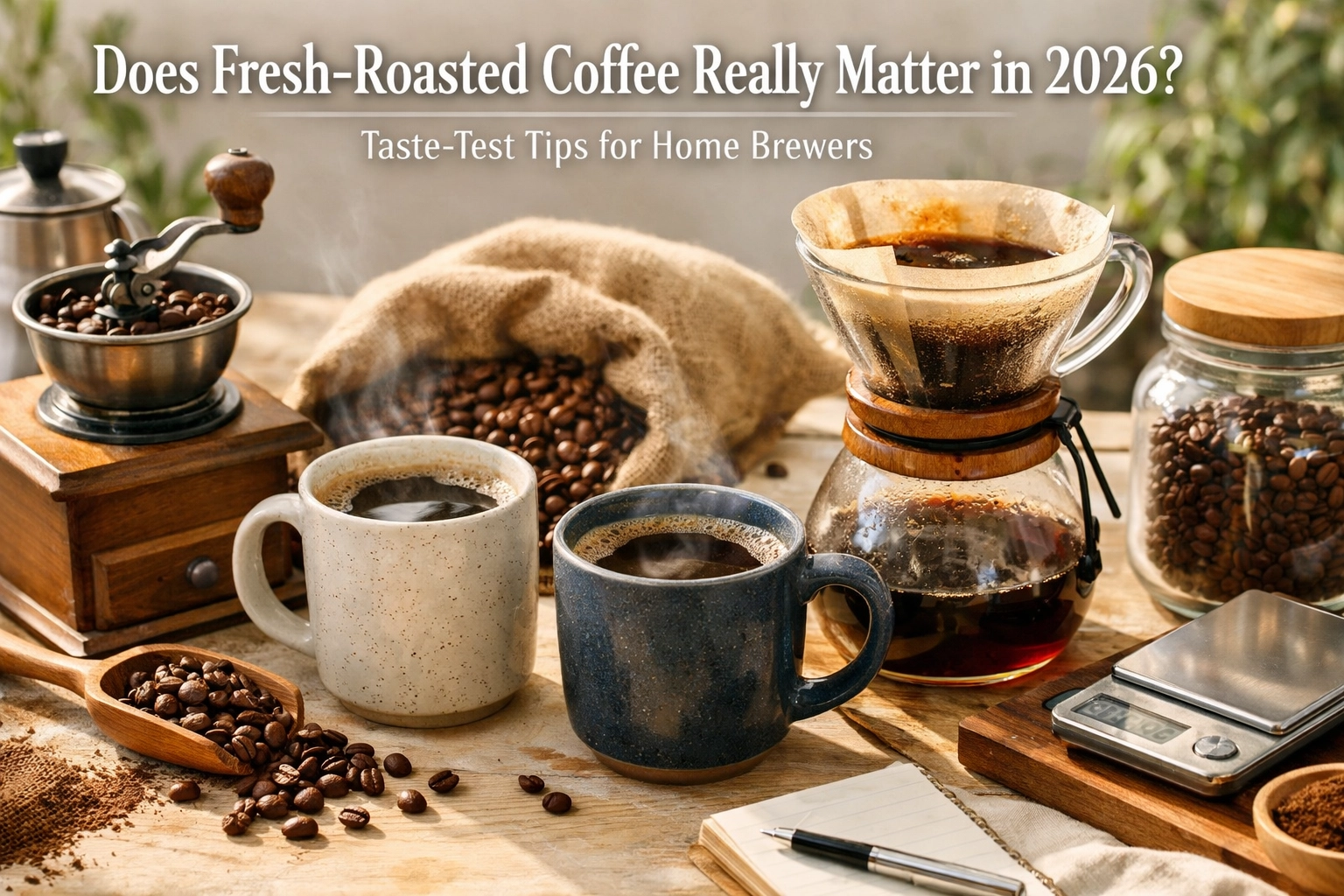
  • Does Fresh-Roasted Coffee Really Matter in 2026? Taste-Test Tips for Home Brewers

    Does Fresh-Roasted Coffee Really Matter in 2026? Taste-Test Tips for Home Brewers

    It is officially 2026, and the world of home brewing has never looked better. We have AI-integrated espresso machines, precision temperature kettles that talk to our phones, and more brewing gadgets than we have kitchen counter space. But amidst all this high-tech wizardry, a fundamental question keeps popping up in our inbox: Does fresh-roasted coffee actually still matter? Or is it just marketing fluff designed to get you to buy more beans?

    To be honest, we get it. When you see a bag of coffee at the supermarket that claims to be "expertly roasted" with an expiry date two years away, it’s tempting to think that coffee is a shelf-stable product like pasta or rice. But here at Limini Coffee, we believe, and the science backs us up, that coffee is much more like fresh bread or a punnet of strawberries. It has a peak, and once it passes that peak, you’re essentially drinking a shadow of what the bean was meant to be.

    So, let’s dive into why freshness is still the undisputed king of your morning cup and how you can run your own taste tests at home to see the difference for yourself.


    The Science of the "Peak"

    When we roast coffee beans, we aren't just changing their color from green to brown. We are initiating a complex series of chemical transformations, the most famous being the Maillard reaction. This is the same magic that happens when you sear a steak or toast bread. It creates hundreds of flavor and aroma compounds that didn't exist in the raw bean.

    However, the moment those beans leave our roaster, a countdown begins.

    Inside the bean, carbon dioxide (CO2) is trapped. This gas is actually quite important because it acts as a protective blanket, preventing oxygen from getting in and oxidizing the delicate oils. But as the beans sit, they "degas." If you’ve ever seen a "one-way valve" on a coffee bag, that’s there to let the CO2 out without letting oxygen in.

    Once that CO2 is gone, the oxygen moves in and starts breaking down the organic compounds. This is oxidation, and it's the enemy of flavor. This means the vibrant, floral notes of a single-origin Ethiopian or the chocolatey richness of a Brazilian roast start to flatten out into a generic, bitter "coffee" taste.

    Close-up of freshly roasted medium-dark coffee beans showing a natural oily sheen in a ceramic bowl.

    Fresh vs. Aged: What’s the Difference?

    You might be wondering what "aged" coffee actually tastes like. Well, it’s not necessarily "bad" in the sense that it will make you ill, but it is certainly disappointing.

    1. Aroma Loss: Most of what we perceive as flavor is actually smell. Fresh coffee has a powerful, room-filling fragrance. Aged coffee often smells like paper, cardboard, or nothing at all.
    2. Oil Rancidity: Coffee contains natural oils. Over time, these oils can turn rancid, leading to a sour, metallic, or unpleasantly bitter finish that lingers on the back of your tongue.
    3. Loss of Complexity: In a fresh roast, you might taste blueberries, jasmine, or caramel. In an old roast, you just taste… brown. It’s one-dimensional.

    We believe that if you’re investing in choosing espresso equipment or high-end grinders, using old beans is a bit like buying a Ferrari and putting the cheapest possible fuel in it. It'll run, but you aren't getting the performance you paid for. If you want to experience the real deal, you can find our latest freshly roasted selections here.


    The 48-Hour Rule (And Why Too Fresh is a Thing)

    Here is a little secret that often surprises home brewers: you can actually drink coffee that is too fresh.

    Wait, what?

    Remember that CO2 we mentioned? Immediately after roasting, the beans are working overtime to release that gas. If you try to brew a cup 10 minutes after it comes out of the roaster, that escaping gas will physically push the water away from the coffee grounds. This leads to an uneven extraction and a cup that tastes weirdly salty or acidic.

    We generally recommend waiting at least 48 hours after the roast date before you start brewing. For espresso, many baristas (including us here at Limini) prefer to let the beans rest for 5 to 7 days. This allows the flavors to settle and the article_crema to become more stable.


    How to Run Your Own Home Taste Test

    Ready to put our claims to the test? You don't need a lab, just your kitchen and a bit of curiosity. This is a great way to train your palate and understand sourcing our coffee and why we obsess over it.

    The Triangle Test

    Buy a bag of our freshly roasted beans and find a bag of "supermarket" coffee that doesn't have a roast date (only an expiry date).

    1. The Visual Check: Look at the beans. Freshly roasted beans, especially medium to dark roasts, should have a slight, healthy sheen. They shouldn't look "dusty."
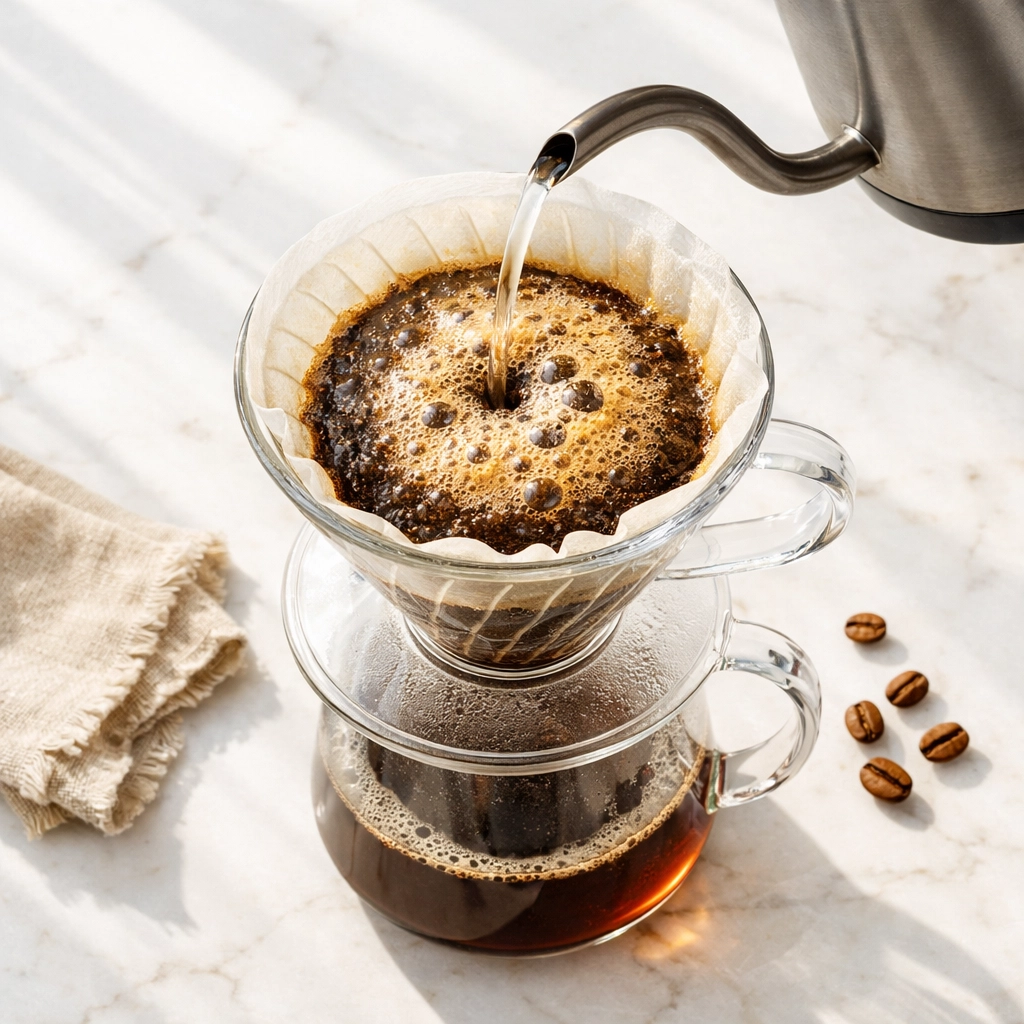
    2. The Bloom Test: Brew both using a pour-over method (like a V60 or Chemex). Watch what happens when you first pour water over the grounds. Fresh coffee will "bloom", it will swell and bubble as the CO2 escapes. Old coffee will just sit there, flat and lifeless.
    3. The Blind Taste: Have a friend pour three cups. Two cups of the old coffee, one of the fresh (or vice-versa). Can you pick the odd one out? Usually, the fresh cup will stand out because of its sweetness and clarity.

    Overhead view of a coffee bloom test showing bubbling grounds during a pour-over brew in a V60.


    Health Benefits: Fresh is Better for You

    It's not just about the taste; it's about what's inside the bean. Coffee is famously high in antioxidants. However, as the beans age and oxidize, these beneficial compounds degrade.

    Studies have shown that fresh-roasted coffee contains significantly higher levels of antioxidants than coffee that has been sitting in a warehouse for six months. Even the caffeine content can slightly diminish over long periods of time as the chemical structure of the bean breaks down. So, if you're drinking coffee for that healthy boost, fresh is definitely the way to go.


    Practical Tips for Keeping it Fresh

    If you've gone to the effort of ordering a bag from Scott's affiliate link at Limini Coffee, you want to make that freshness last as long as possible. Here is how we do it:

    • Buy Whole Bean: This is the big one. Once you grind coffee, you increase the surface area by thousands of percent. This means oxidation happens in minutes, not weeks. Always grind just before you brew.
    • Air-Tight is Right: Use a container with a vacuum seal or a one-way valve.
    • Cool and Dark: Keep your beans away from the oven, the microwave, or direct sunlight. A cool cupboard is perfect.
    • Don't Freeze (Usually): Unless you are planning on storing beans for more than a month, avoid the freezer. The moisture and the "thawing" process can do more harm than good to the delicate cell structure of the bean.

    Does the Gear Matter?

    You might think, "I only have a basic cafetiere, does fresh coffee still matter for me?"

    Absolutely. In fact, simpler brewing methods often highlight the quality of the bean even more because there is nowhere for the flavor to hide. Whether you're making a simple article_americano or working with a high-end lever_automatic machine, the input (the bean) determines 90% of the output.

    We often see people spending hundreds on la_spaziale_workings or intensive coffee_barista_training, only to use stale beans. It's heartbreaking! Even the best article_tamping technique in the world won't fix a bean that has lost its soul.

    Rich espresso extraction with thick golden crema flowing from a portafilter into a porcelain cup.


    The Final Verdict

    So, does fresh-roasted coffee really matter in 2026?

    Yes. Perhaps more than ever. In a world of mass-produced, automated everything, the simple pleasure of a truly fresh cup of coffee is a daily luxury that's actually affordable. It’s the difference between a "caffeine hit" and a culinary experience.

    If you’re ready to stop settling for "fine" and start experiencing "wow," we’d love for you to try what we’re roasting this week. You can browse our full range of single origins and blends at the Limini Coffee store.

    We promise your taste buds will thank you. And if you’re ever unsure about how much coffee to use for your specific gear, check out our coffee_brewing_calculator to get your ratios perfect every time.

    Happy brewing, and remember: life is too short for stale beans! ☕️

  • AI Lead Generation Tool vs. Cold Calling: Which Actually Closes More Deals in 2026?

    AI Lead Generation Tool vs. Cold Calling: Which Actually Closes More Deals in 2026?

    You've got your script ready. Your coffee's still warm. And you're staring at a list of 200 phone numbers, knowing that 195 of them will either hang up, send you to voicemail, or tell you they're "not interested right now."

    Cold calling in 2026 feels like time travel, and not the fun kind.

    You spend your morning dialing. Leaving voicemails. Getting rejected. Maybe, maybe, you land two conversations that go somewhere. By lunch, you're exhausted, and your pipeline looks exactly the same as it did at 9 AM.

    Meanwhile, your competitor just closed three deals before noon. They didn't pick up the phone once.

    What changed?

    THE COLD CALLING MATH THAT DOESN'T ADD UP

    Let's be honest about what cold calling actually looks like in 2026.

    ☎️ You dial 100 numbers. Maybe 8 people answer. Of those 8, perhaps 2 are actually a decent fit for what you're selling. One of them might convert… in 3-6 months… if you follow up 47 times.

    The qualification rate for manual cold calling sits at around 30-40%. That means 60-70% of the people you're spending time on were never going to buy from you anyway. You just didn't know it until after the 15-minute pitch.

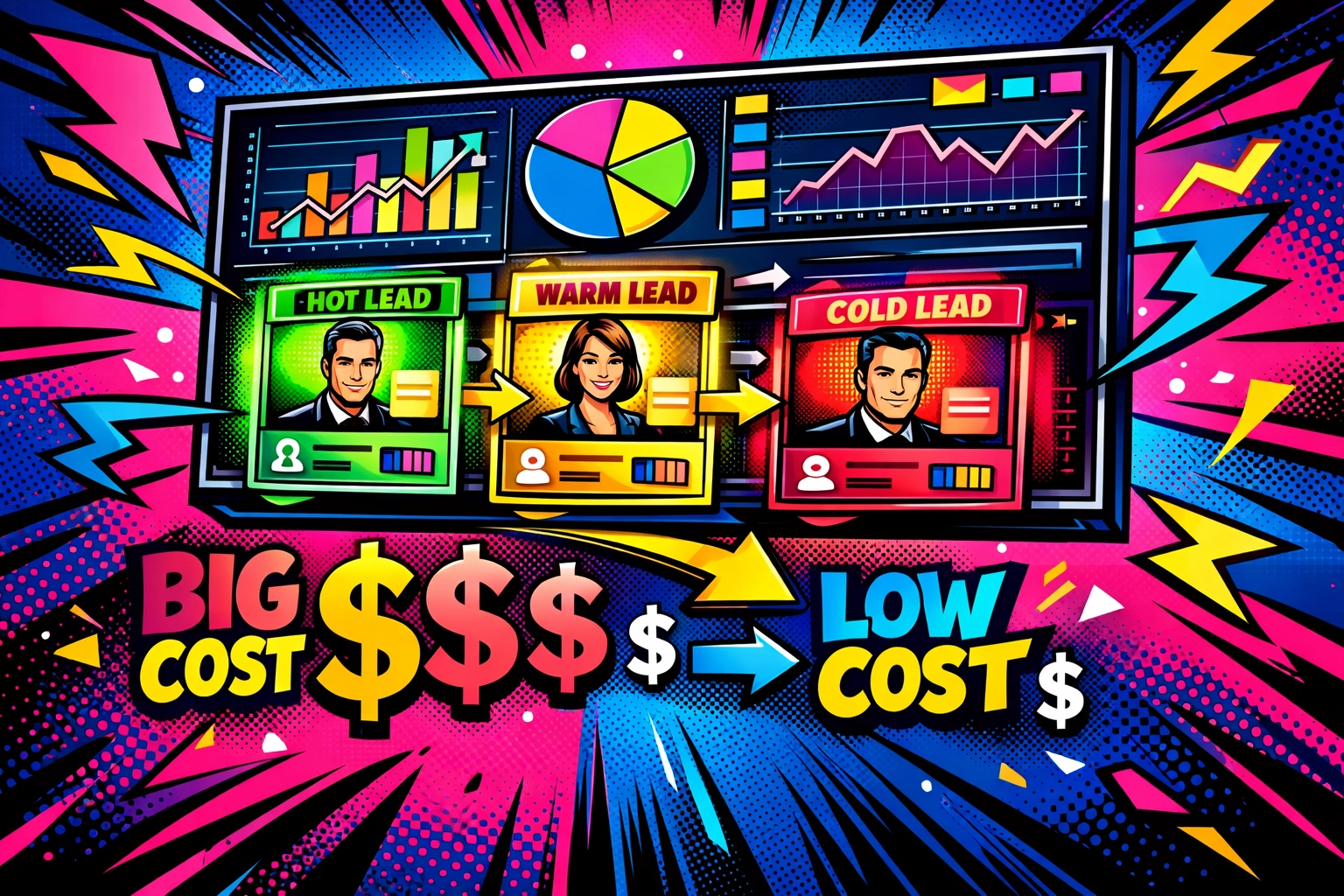
    And here's the kicker, each qualified lead through cold calling costs you somewhere between $50 and $200. Not just in ad spend or tools. In your time. The research. The dialing. The follow-up. The "just checking in" emails that go nowhere.

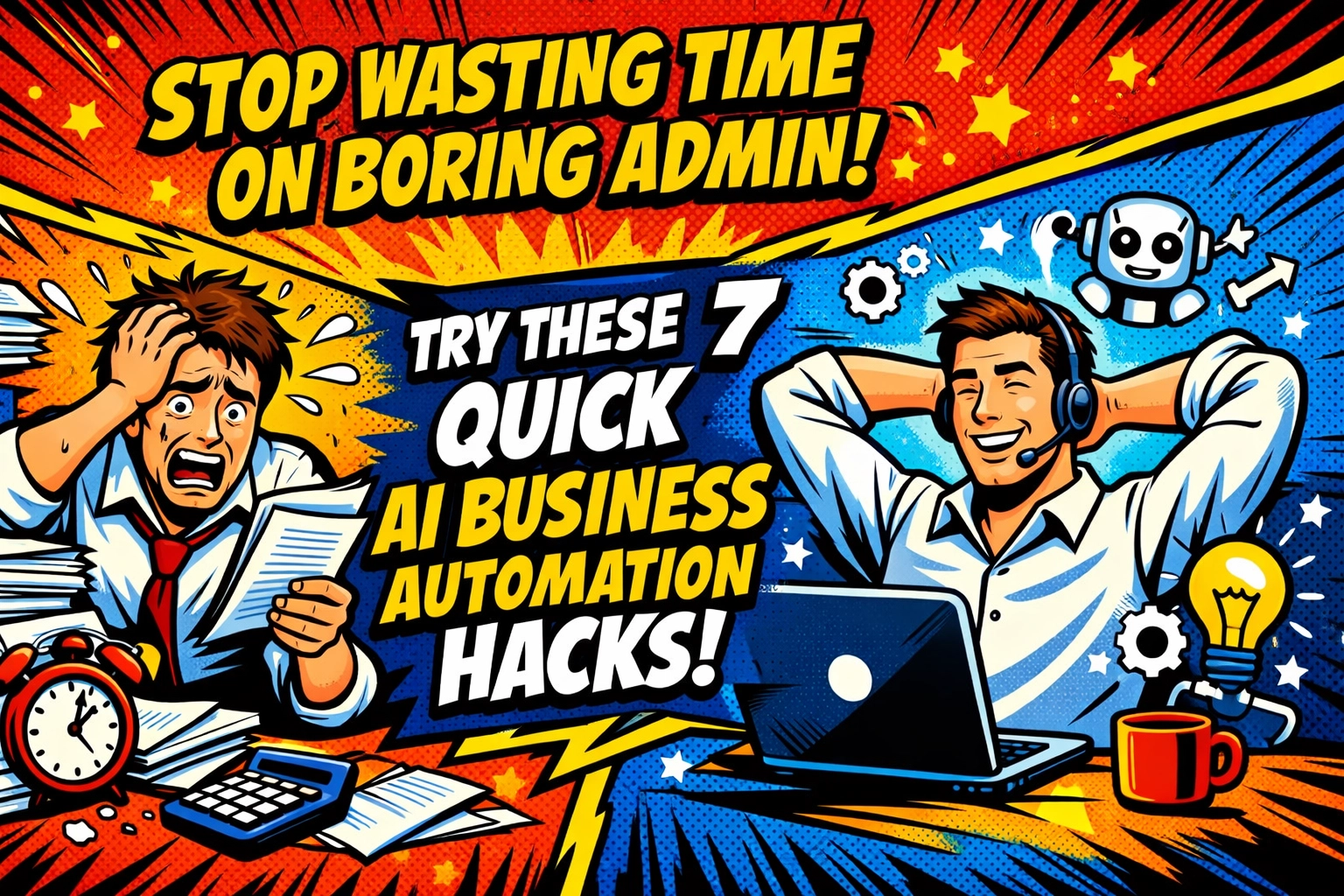
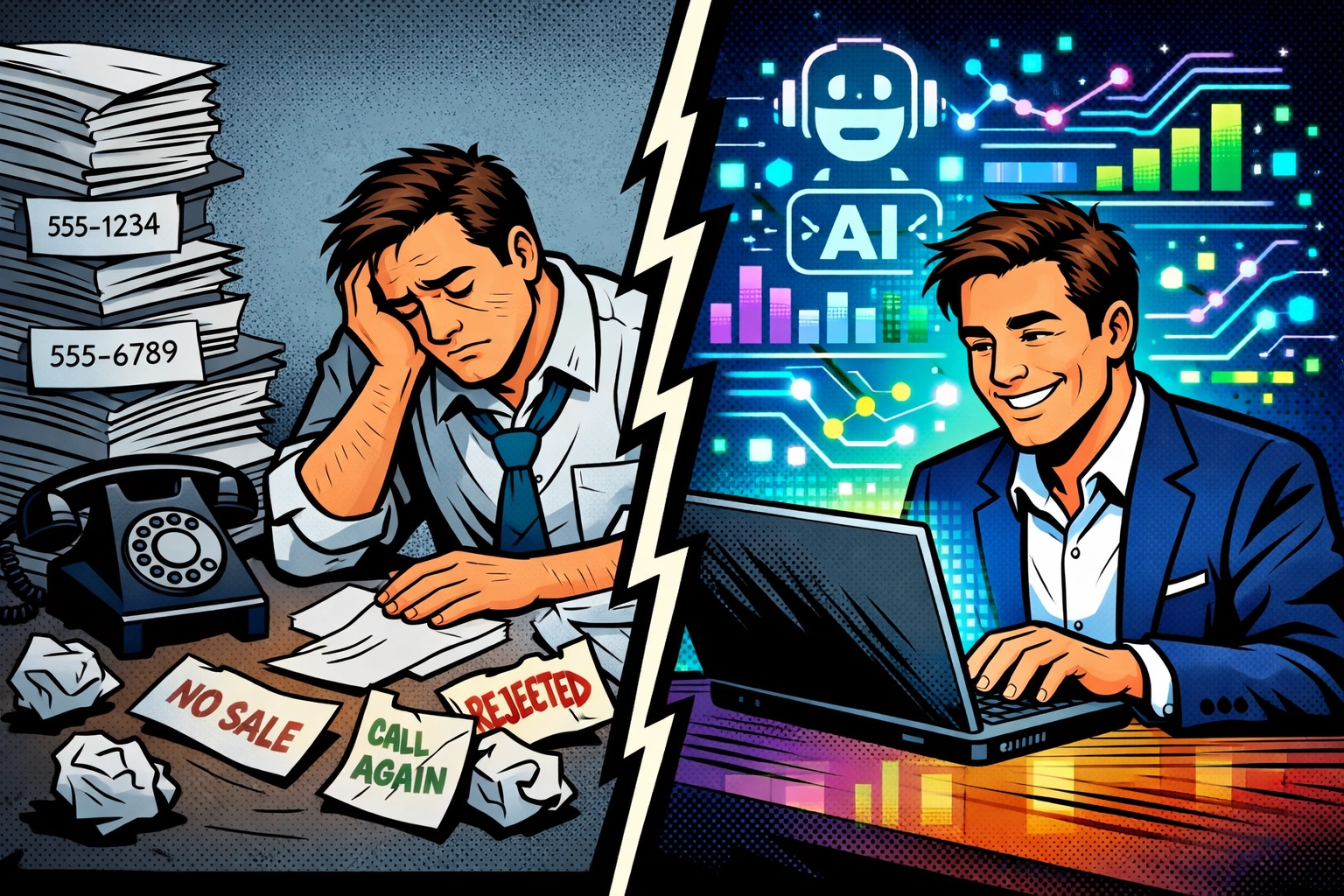
    Cold calling vs AI lead generation: exhausted salesperson compared to relaxed business owner using AI tools

    You're paying premium prices for leads that ghost you after one conversation.

    But let's say you're really good at this. You've got the gift of gab, a killer script, and the persistence of a bloodhound. You're still limited by business hours. By your energy. By the fact that you can only talk to one person at a time.

    You can't scale yourself.

    ENTER: THE AI LEAD GENERATION TOOL

    Here's where things get interesting.

    An AI lead generation tool doesn't sleep. Doesn't take lunch breaks. Doesn't get discouraged after the 47th "not interested."

    It works 24/7, analyzing thousands of prospects while you're binge-watching Netflix. It scores leads based on 50+ data points, firmographics, behavioral signals, intent indicators, engagement history, and tells you exactly who's ready to buy right now.

    The qualification accuracy? 70-85%.

    That means when AI hands you a lead, there's a 7-8 out of 10 chance they're actually a good fit. Compare that to your 3 out of 10 with cold calling, and suddenly you're spending your time on conversations that actually go somewhere.

    🎯 But here's the real magic: speed-to-lead.

    When someone visits your pricing page at 11 PM on a Tuesday, AI sees it. Flags it. Sends a personalized follow-up immediately. By the time you check your dashboard Wednesday morning, that lead has already been warmed up, qualified, and ready for a real conversation.

    Your cold calling competitor? They're still working through Monday's call list.

    THE NUMBERS DON'T LIE (AND THEY'RE BRUTAL)

    Let's talk ROI, because at the end of the day, you need deals, not activity.

    Cost per qualified lead:

    • Cold calling: $50-200
    • AI lead generation: $15-50

    You're cutting your acquisition costs by 60-75%. That's not a typo.

    Leads managed per person:

    • Cold calling: Maybe 50-100 if you're really hustling
    • AI tools: 1,000+ without breaking a sweat

    Business automation tools don't just make you a little more efficient. They multiply your capacity by 10x. You're not just doing the same work faster, you're playing an entirely different game.

    AI lead generation dashboard showing qualified leads, data analytics, and cost savings for small business

    And personalization? Cold callers are stuck with the same script for everyone. "Hi, I'm calling from XYZ company…"

    AI customizes every single message. Subject lines. Content. Timing. It knows if someone's comparing you to competitors (because they visited your comparison page). It knows if they're budget-conscious (because they downloaded your pricing guide twice). It knows if they're ready to buy today (because they just viewed your demo video three times in a row).

    You can't do that with a phone and a Rolodex.

    WHAT THIS ACTUALLY LOOKS LIKE IN YOUR DAY

    📱 9:00 AM: You open your dashboard. Your AI lead generation tool has already identified 12 high-intent prospects overnight. Three of them visited your site multiple times. One downloaded your case study. Another requested a demo.

    You didn't do anything. You were asleep.

    9:15 AM: You send personalized follow-ups to the top 5 leads. Not from a template: your workflow automation for small business has already customized each message based on what they viewed, when they engaged, and what industry they're in.

    10:30 AM: Two meetings booked. Both with qualified prospects who are already 70% of the way through your sales cycle before you even talk to them.

    Compare that to cold calling, where you'd still be on your 23rd dial attempt, leaving your 19th voicemail, wondering if anyone's actually listening.

    By lunch, you've had three real conversations. All of them productive. None of them started with "Is this a good time?"

    BUT WHAT ABOUT THE HUMAN TOUCH?

    Here's what people get wrong about AI tools: they think it's about replacing the human connection.

    It's not.

    It's about amplifying it.

    You still have the conversations. You still build the relationships. You still close the deals. You're just not wasting 80% of your energy on people who were never going to buy anyway.

    The AI does the grunt work: the research, the scoring, the qualification, the "is this person actually interested?" filtering. You do what you're actually good at: connecting with people who are ready to hear what you have to say.

    That's the difference between business automation tools and cold calling. One makes you more human by giving you more time for the relationships that matter. The other buries you in busy work that feels productive but doesn't move the needle.

    Automated workflow timeline showing AI handling lead generation tasks throughout business day

    THE VERDICT: WHICH ONE ACTUALLY CLOSES MORE DEALS?

    If you're still cold calling in 2026, you're working harder, not smarter.

    AI lead generation tools don't just close more deals: they close better deals. Higher quality prospects. Shorter sales cycles. Lower acquisition costs. And you're not burning out in the process.

    The math is simple:

    • More qualified leads (70-85% vs 30-40%)
    • Lower cost per lead ($15-50 vs $50-200)
    • 10x capacity without hiring
    • 24/7 engagement vs business hours only

    Your competitors aren't cold calling anymore. They're using workflow automation for small business to do in 2 hours what used to take you 2 weeks.

    The question isn't whether AI wins. It's whether you're ready to stop dialing and start scaling.

    If you're tired of spending your mornings listening to dial tones and your afternoons wondering why your pipeline's empty, it might be time to try something different. See how AI business automation actually works: because in 2026, the businesses that win aren't the ones making the most calls.

    They're the ones having the right conversations with the right people at the right time.

    And they're doing it without ever picking up the phone.